saunter
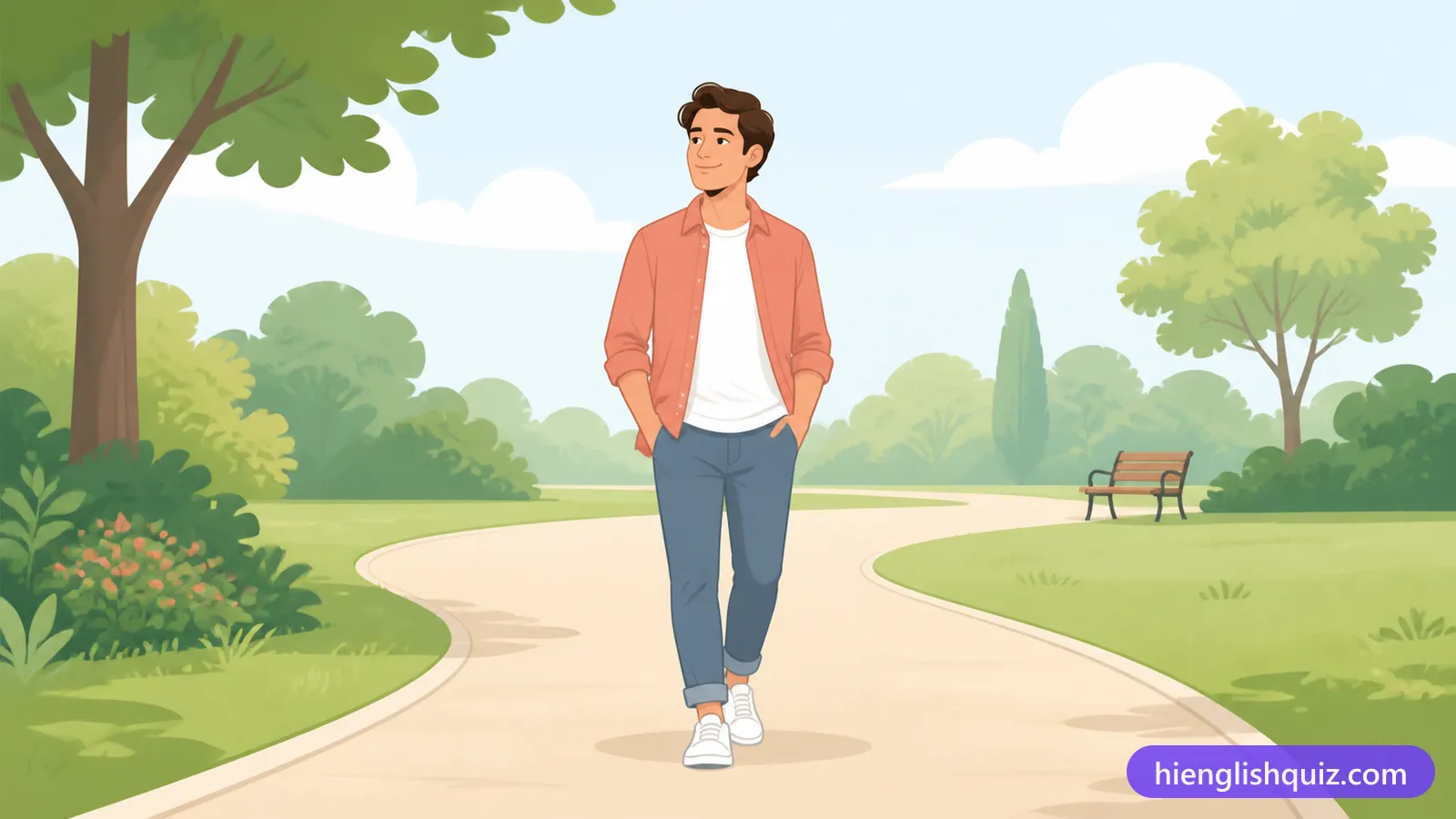
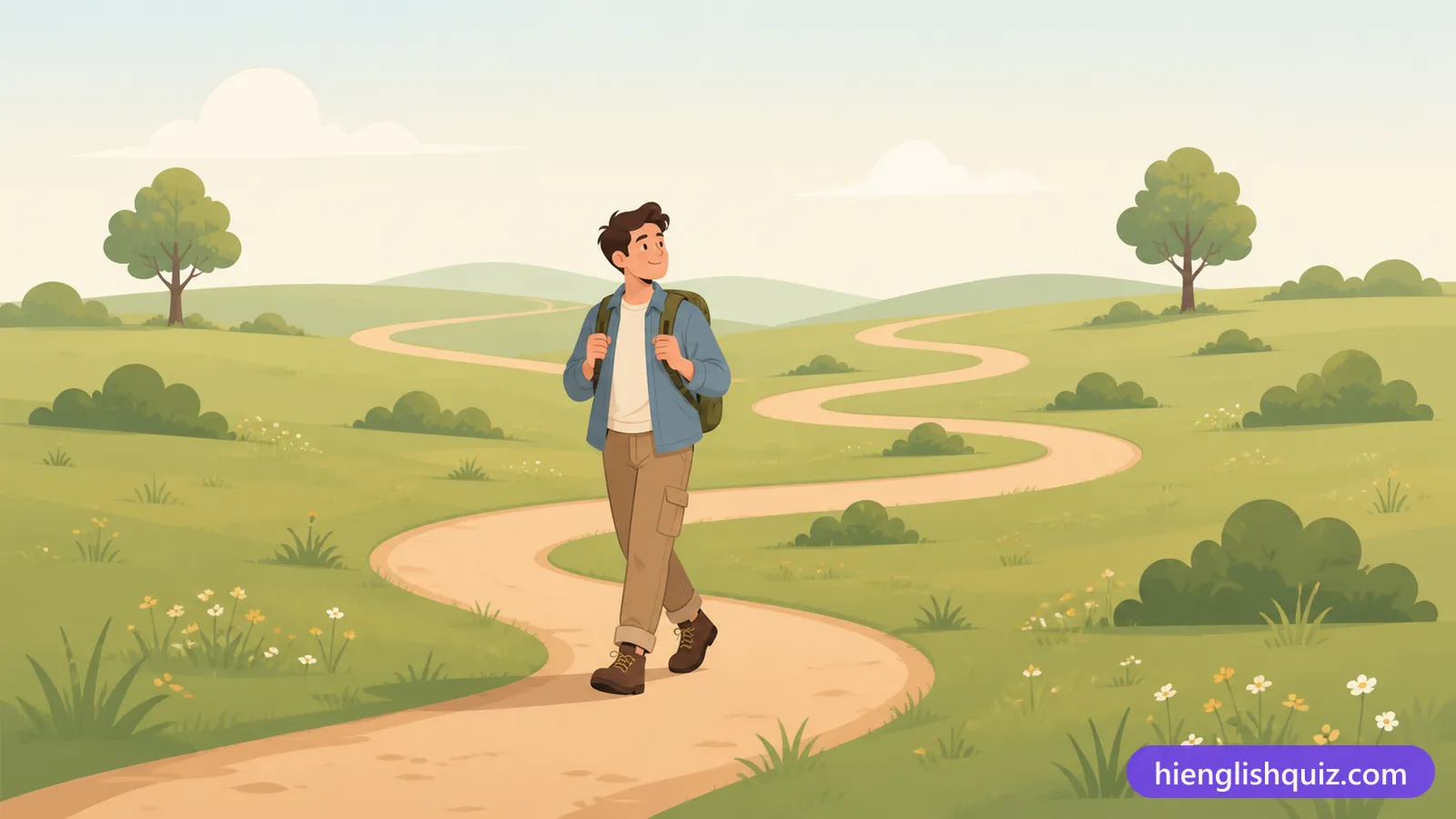
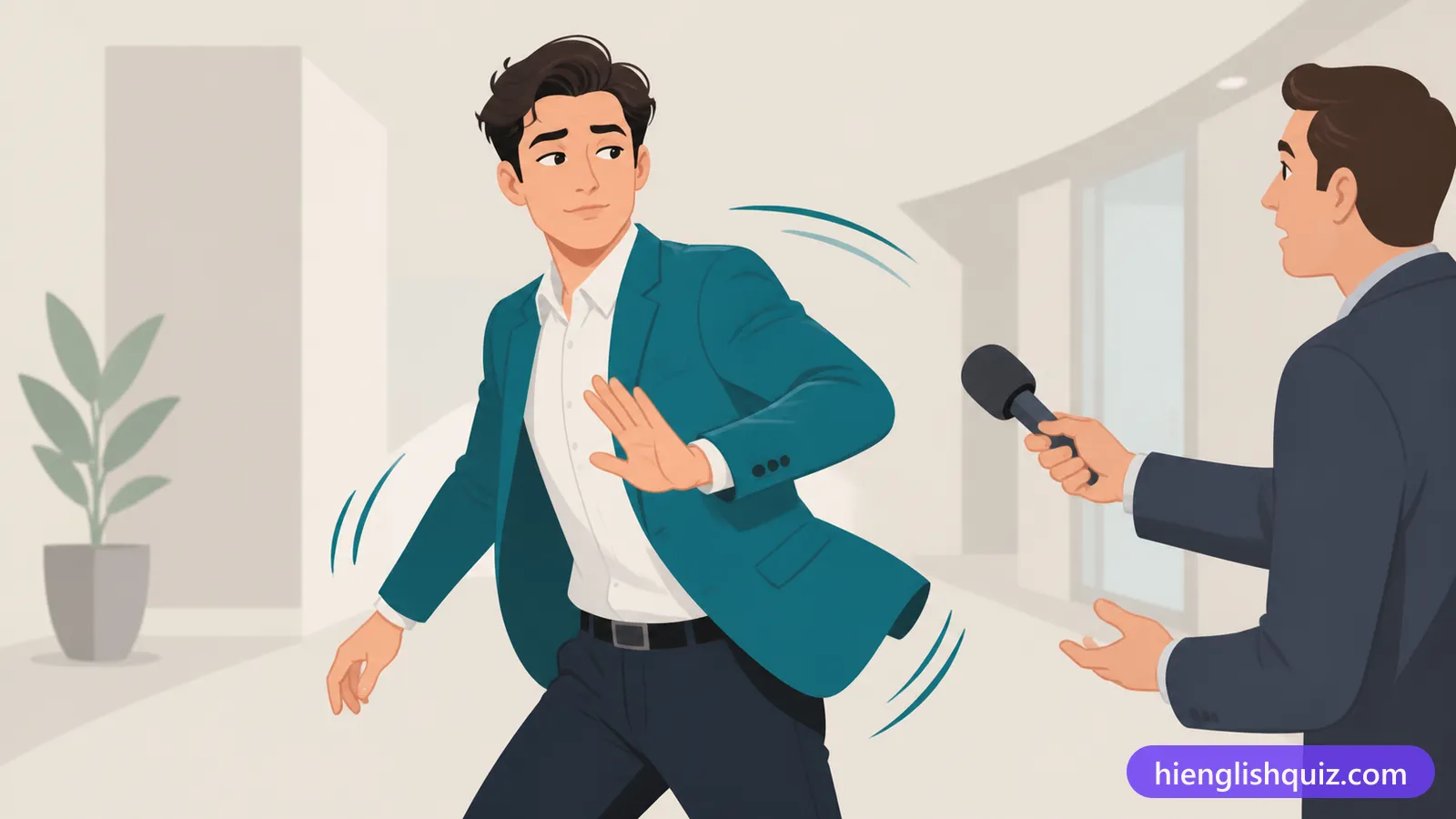
/ˈsɔntər/Another word for stroll — walking slowly and confidently, showing you're in no hurry.
Example: She sauntered into the meeting twenty minutes late, completely unbothered.
 Hi EnglishQuiz
C222 words · Proficient
Movement and action vocabulary with the most precise, literary verbs — saunter, hurtle, traverse and lumber — an exact manner of movement, from an unhurried amble to a headlong scramble.
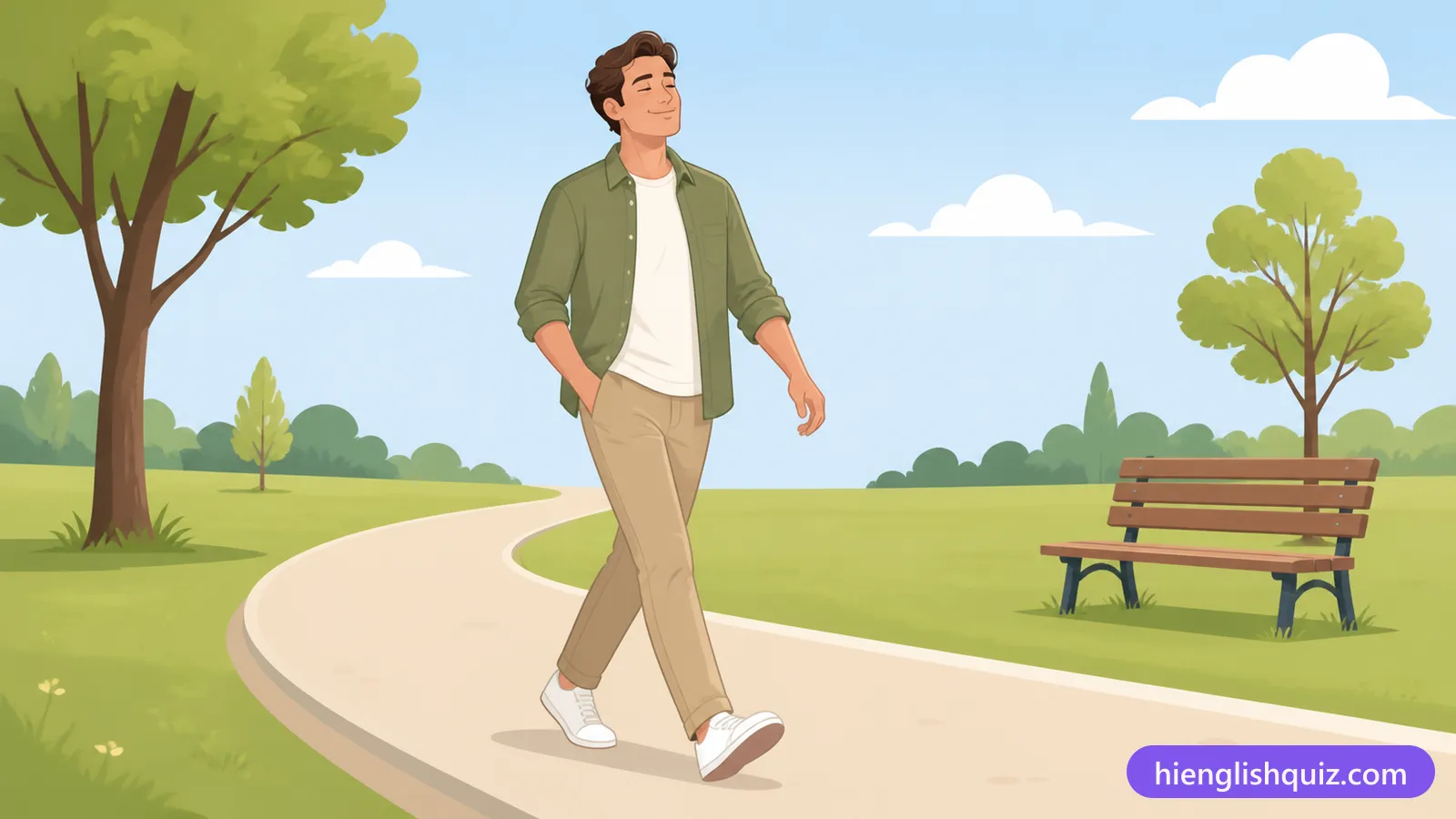
Another word for stroll — walking slowly and confidently, showing you're in no hurry.
Example: She sauntered into the meeting twenty minutes late, completely unbothered.
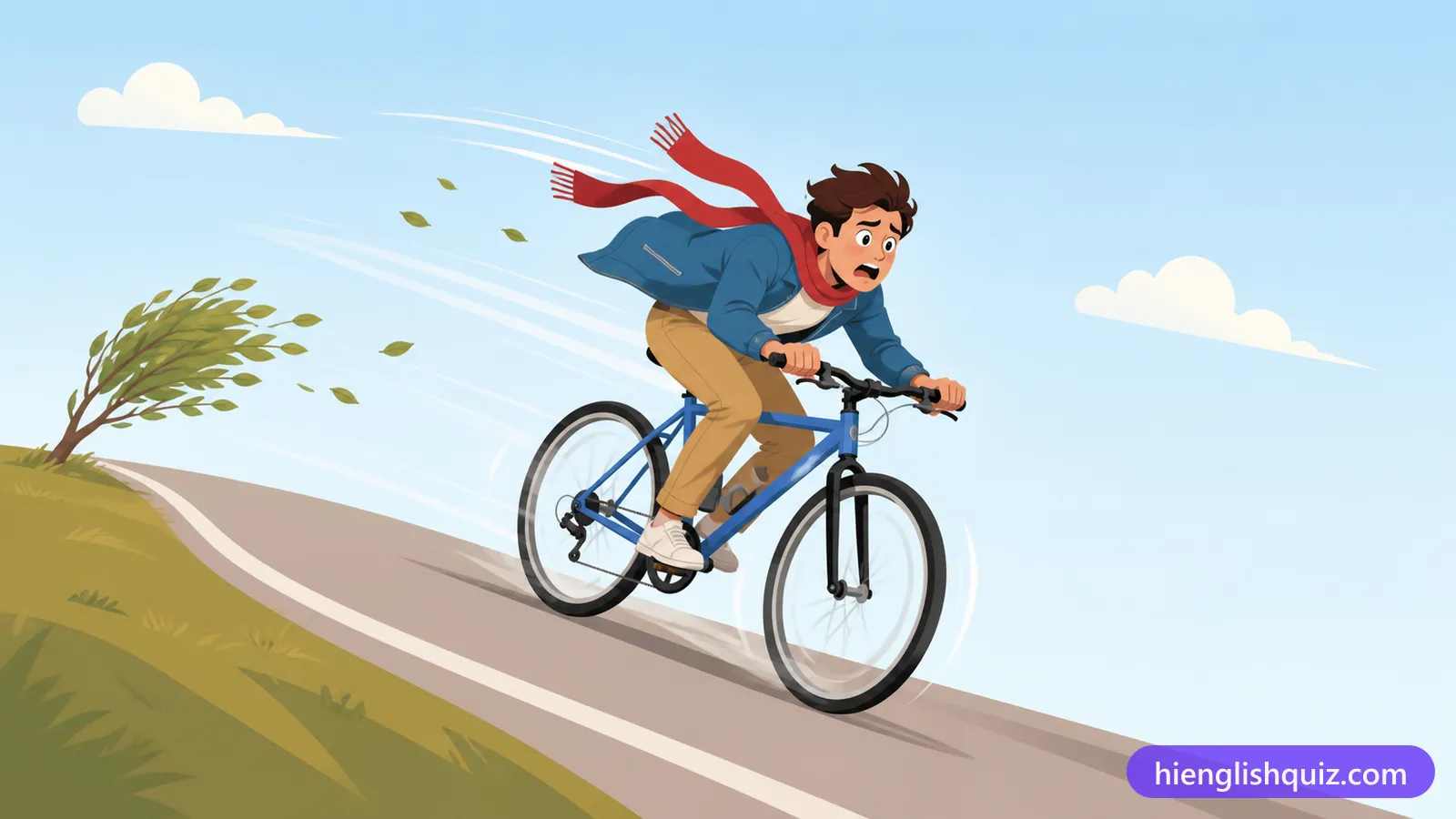
The opposite of crawling — moving at a fast, often uncontrollable speed.
Example: The sledge hurtled down the icy hill toward the trees.
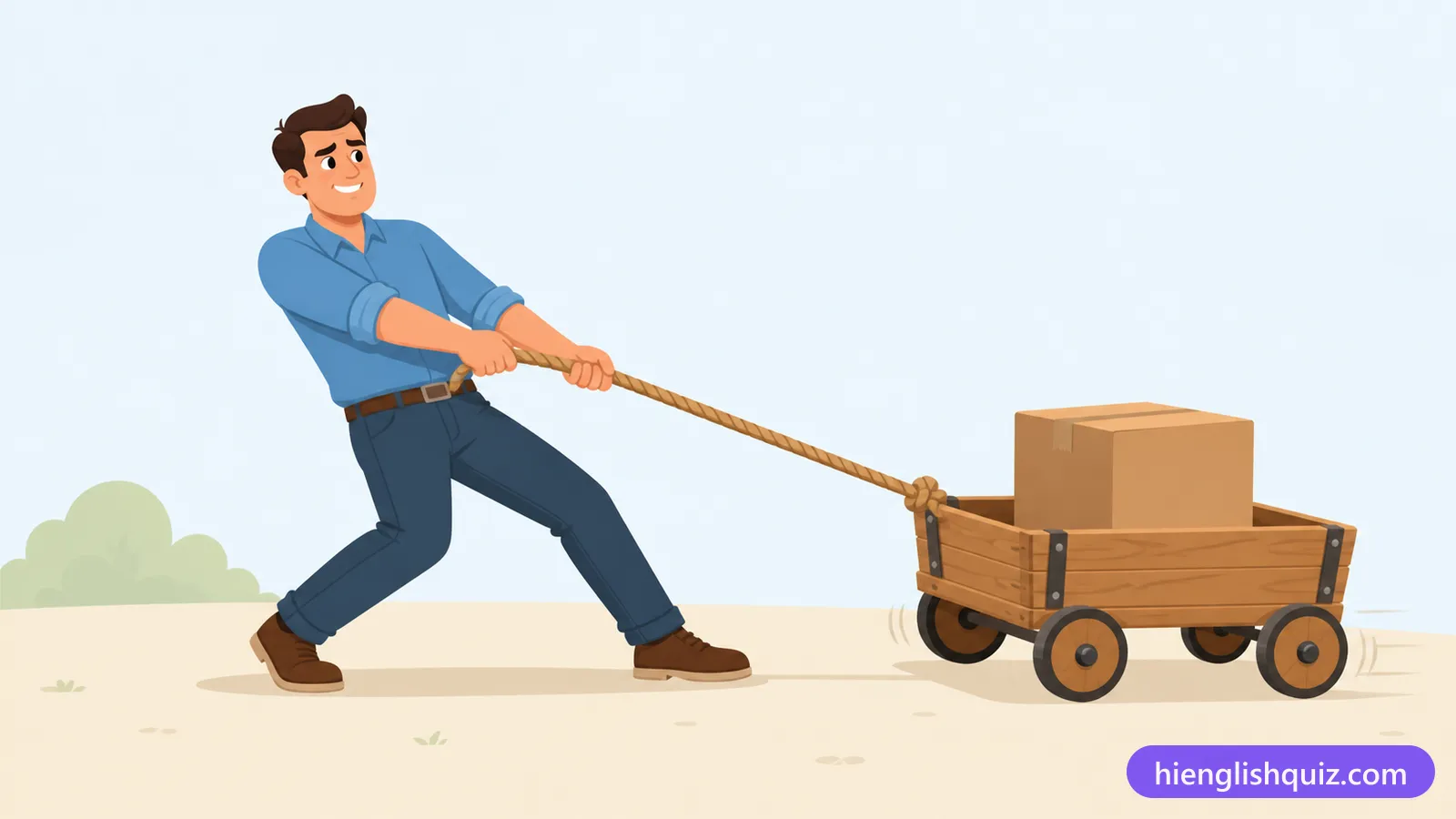
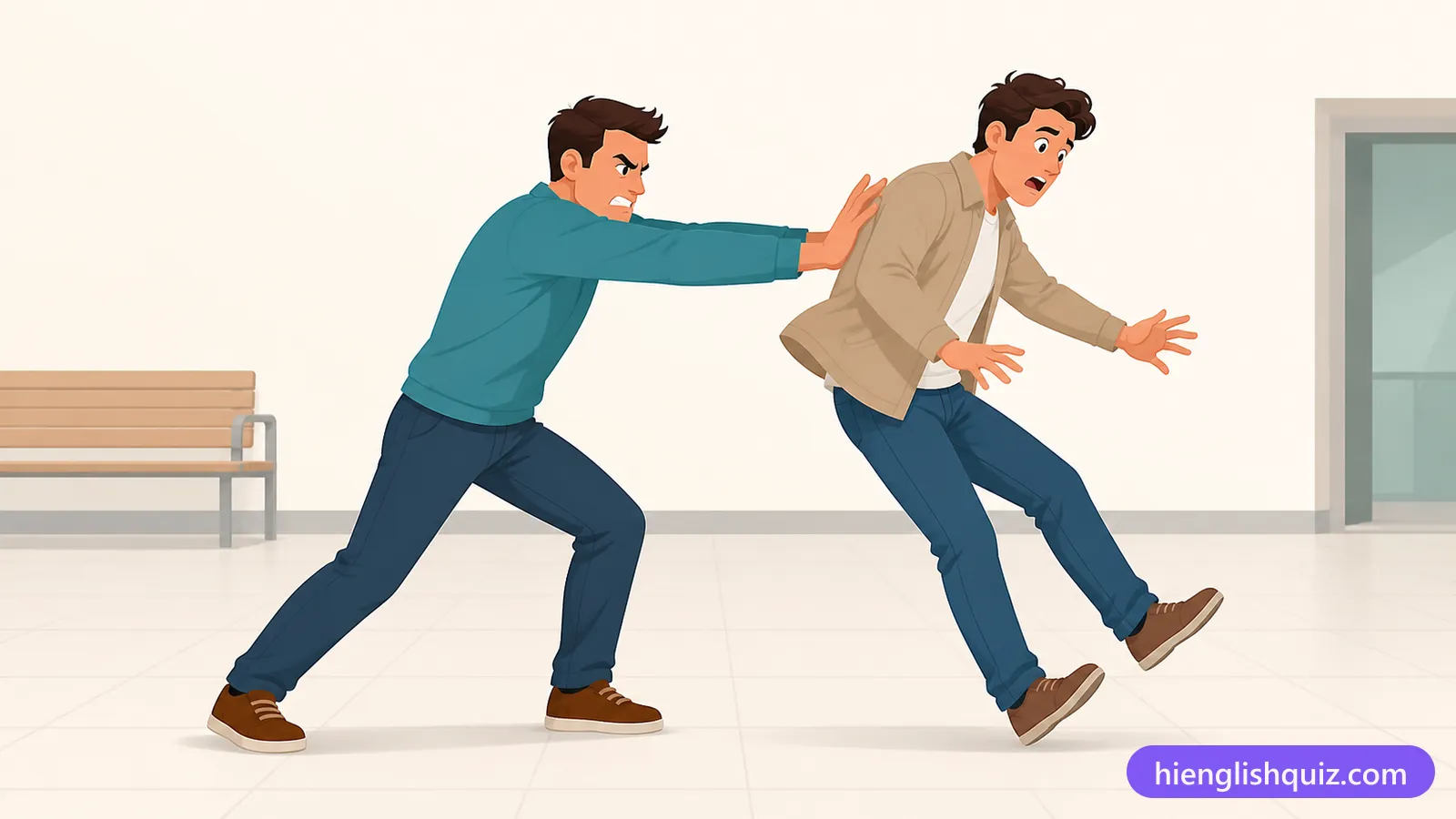
Another word for push — used when one event suddenly makes someone famous or successful.
Example: The viral video catapulted her to overnight fame.

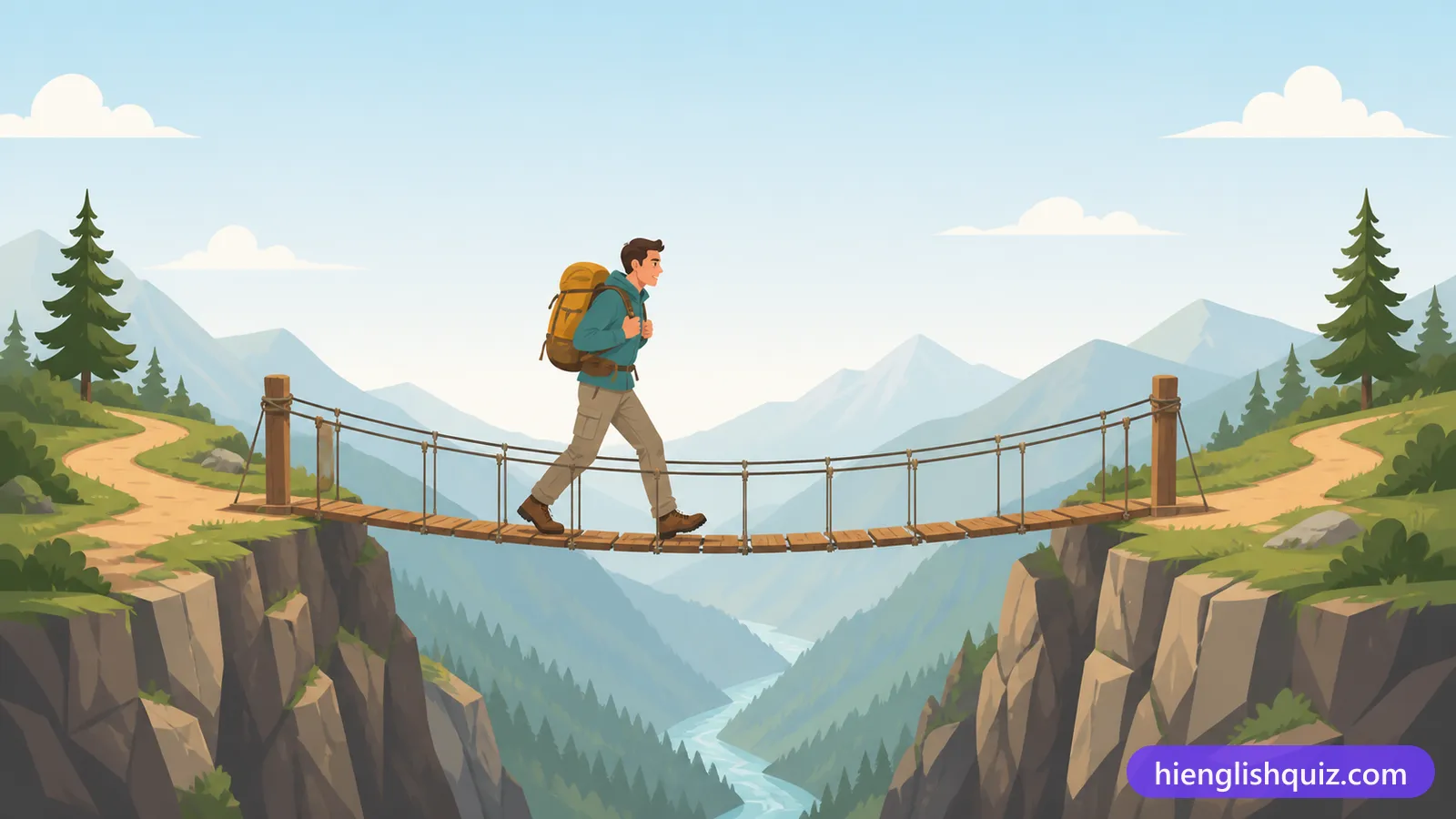
The formal word for travelling all the way across an area, used about long or physically difficult terrain.
Example: The expedition took six weeks to traverse the desert.
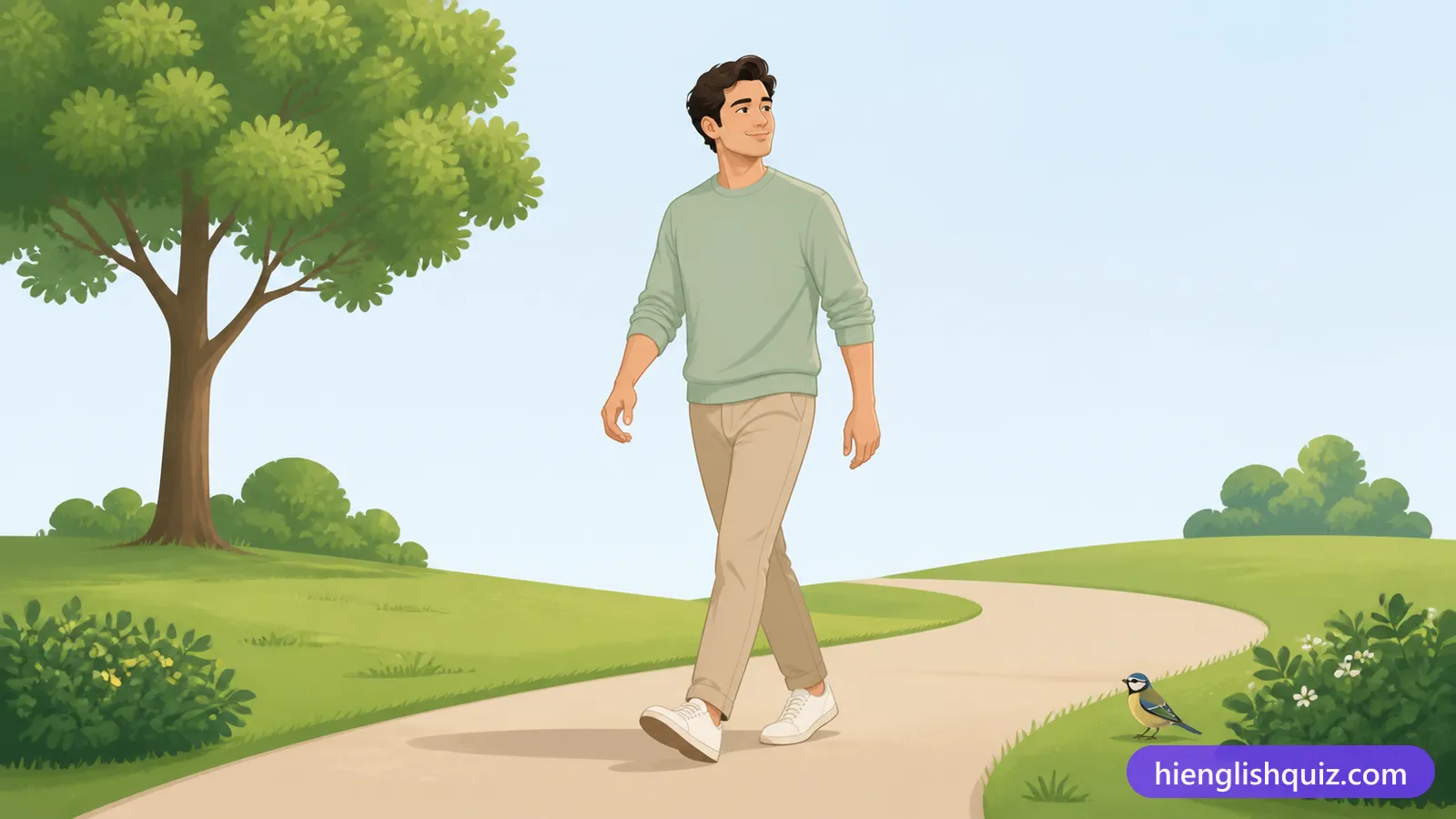
Another word for saunter — walking slowly and casually, with no hurry at all.
Example: We ambled along the beach as the sun went down.
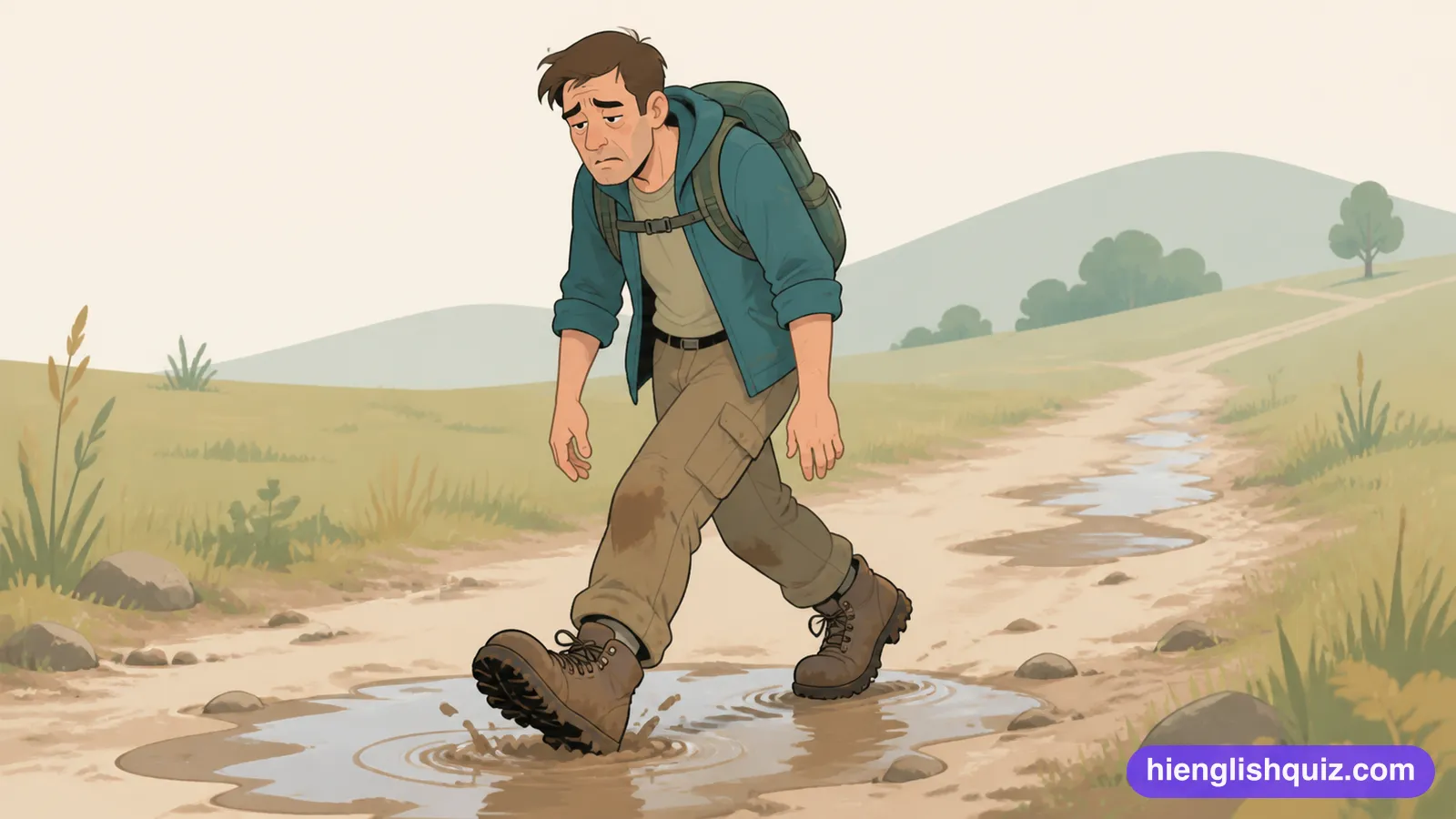
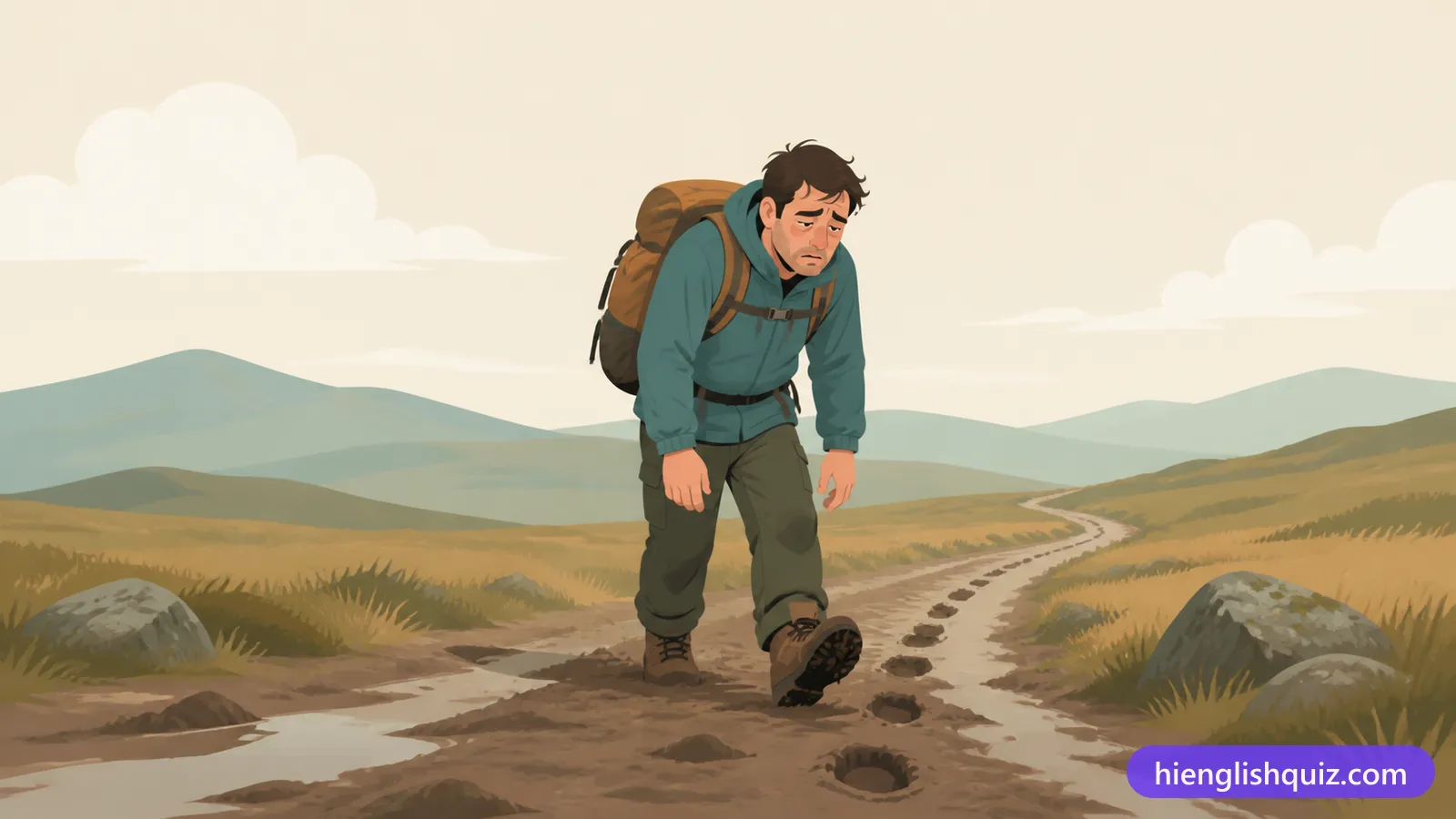
Another word for trudge — walking slowly and heavily because you're tired.
Example: We plodded up the last hill, exhausted.
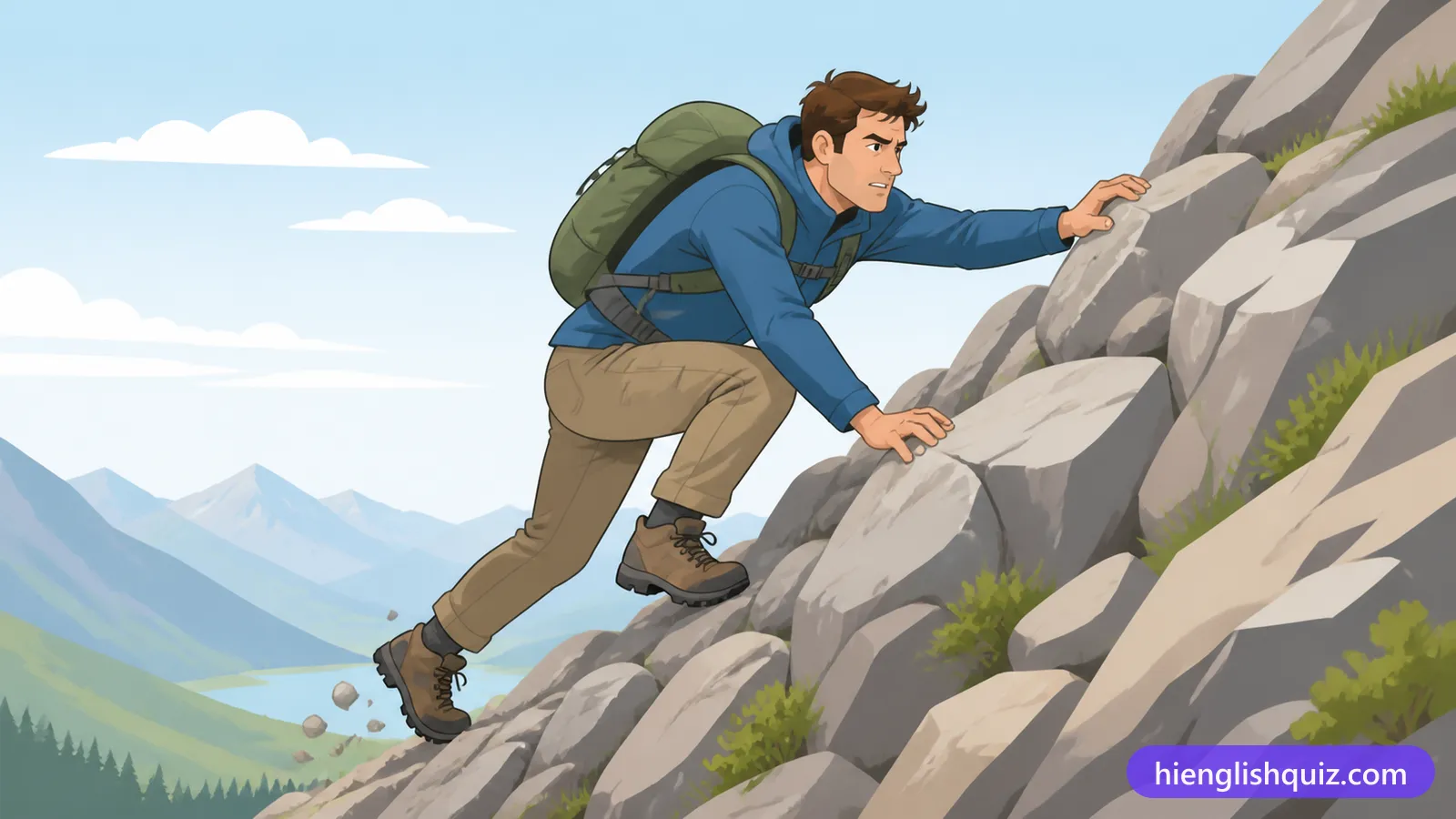
Another word for clamber — moving quickly and awkwardly, often using your hands.
Example: They had to scramble up the steep bank to escape the water.
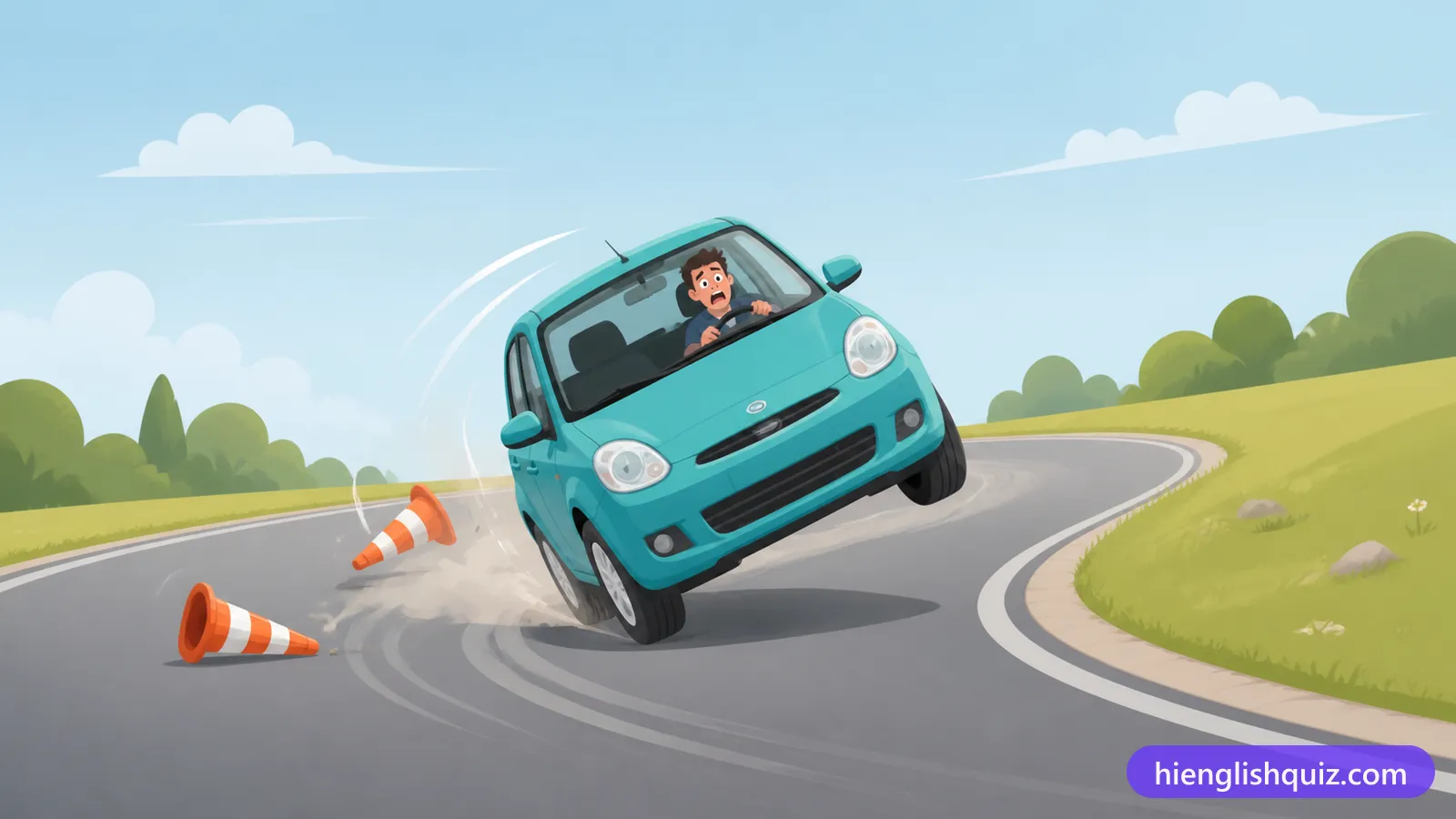
Another word for swerve — a vehicle moving wildly out of control from side to side.
Example: The car careened across the icy road.
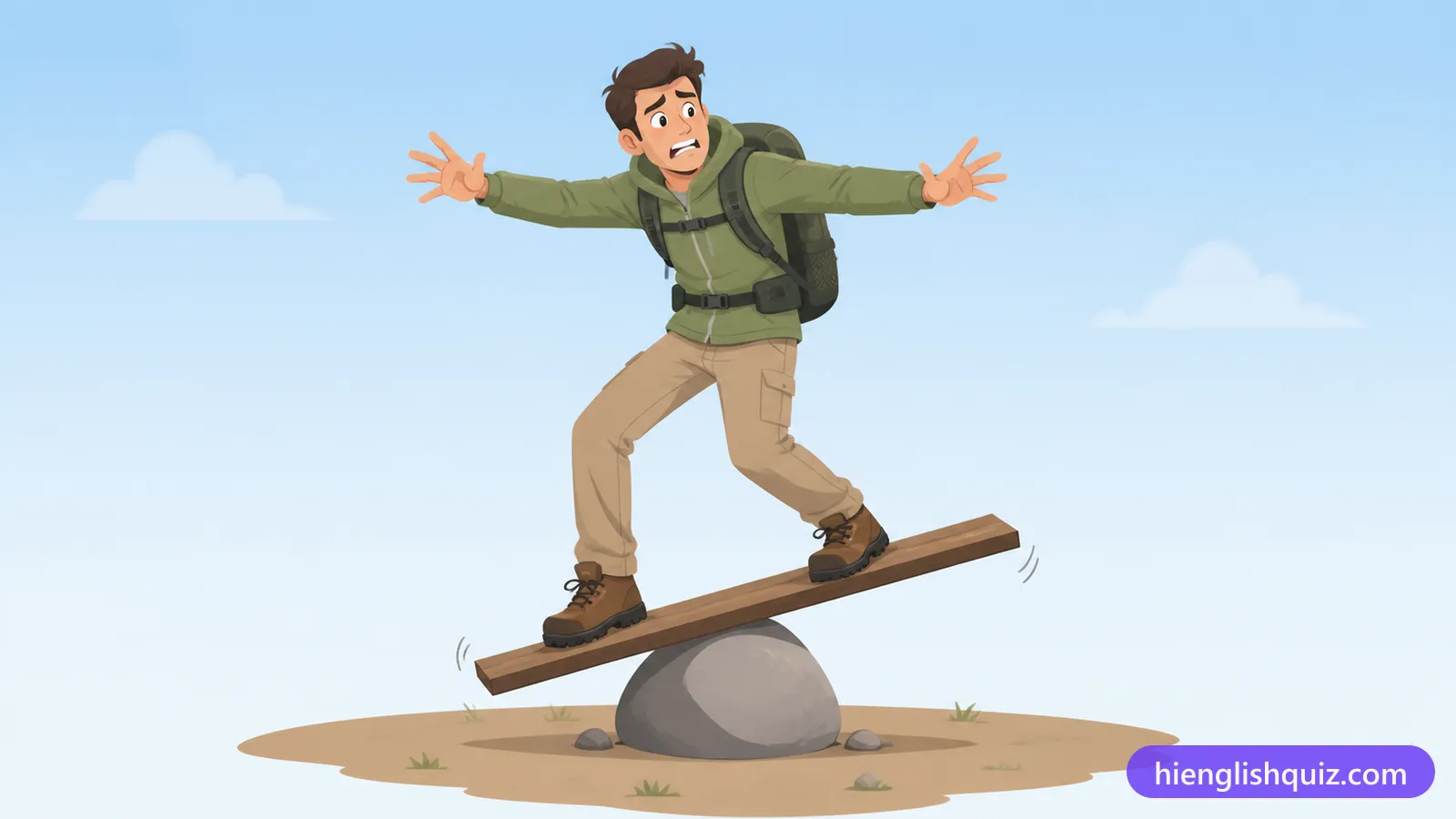
Another word for totter — wobbling unsteadily, as if about to fall.
Example: The vase teetered on the edge of the shelf.
The informal word for hurtle, used when a vehicle or person moves forward fast and out of control.
Example: The truck barrelled down the highway well over the limit.
The formal word for walking about slowly, used about a stroll with no purpose.
Example: They would perambulate the entire square after supper.

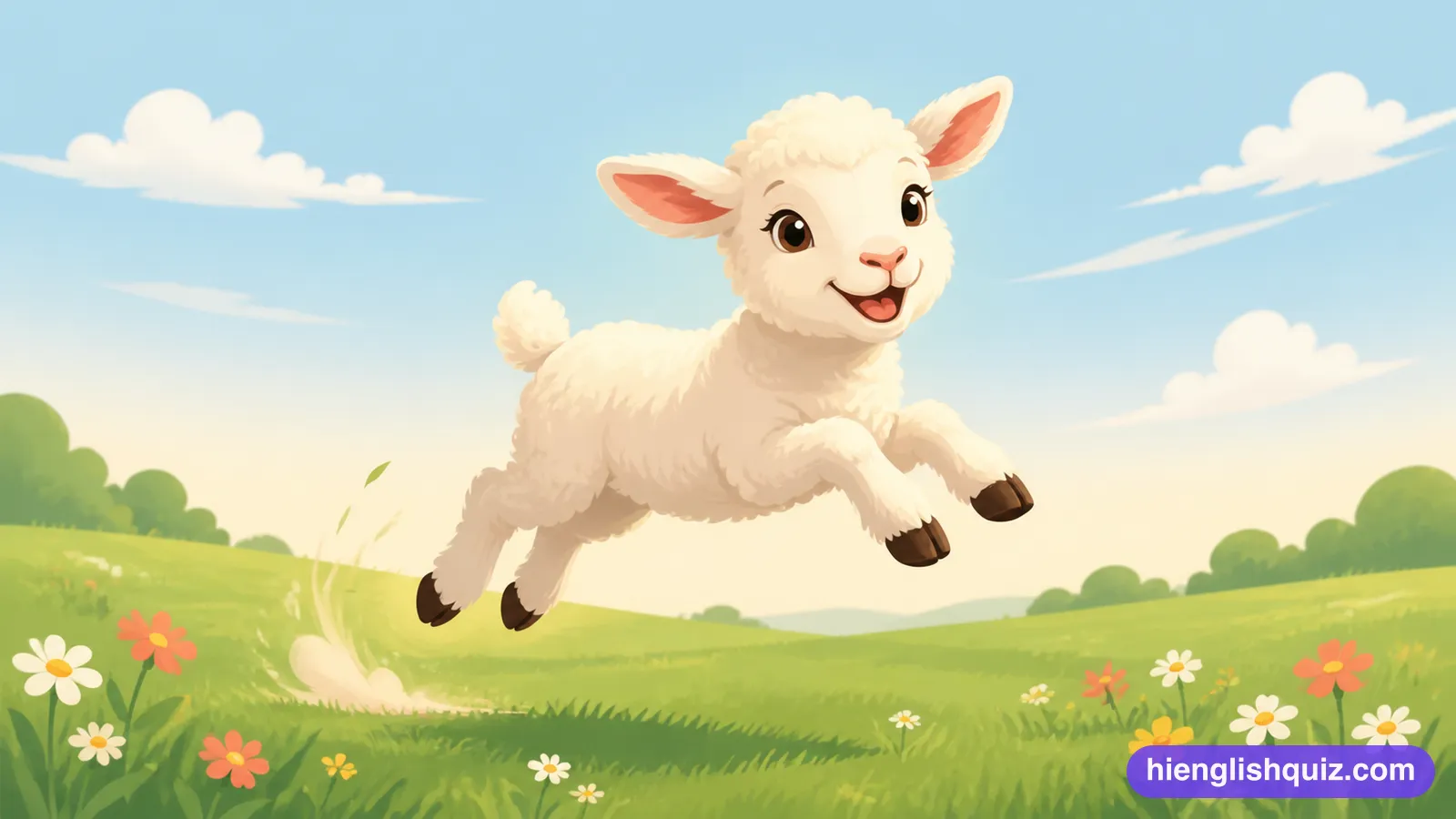
Another word for frolic — to run and jump the way young animals do.
Example: Lambs gambol in the field behind the church every April.
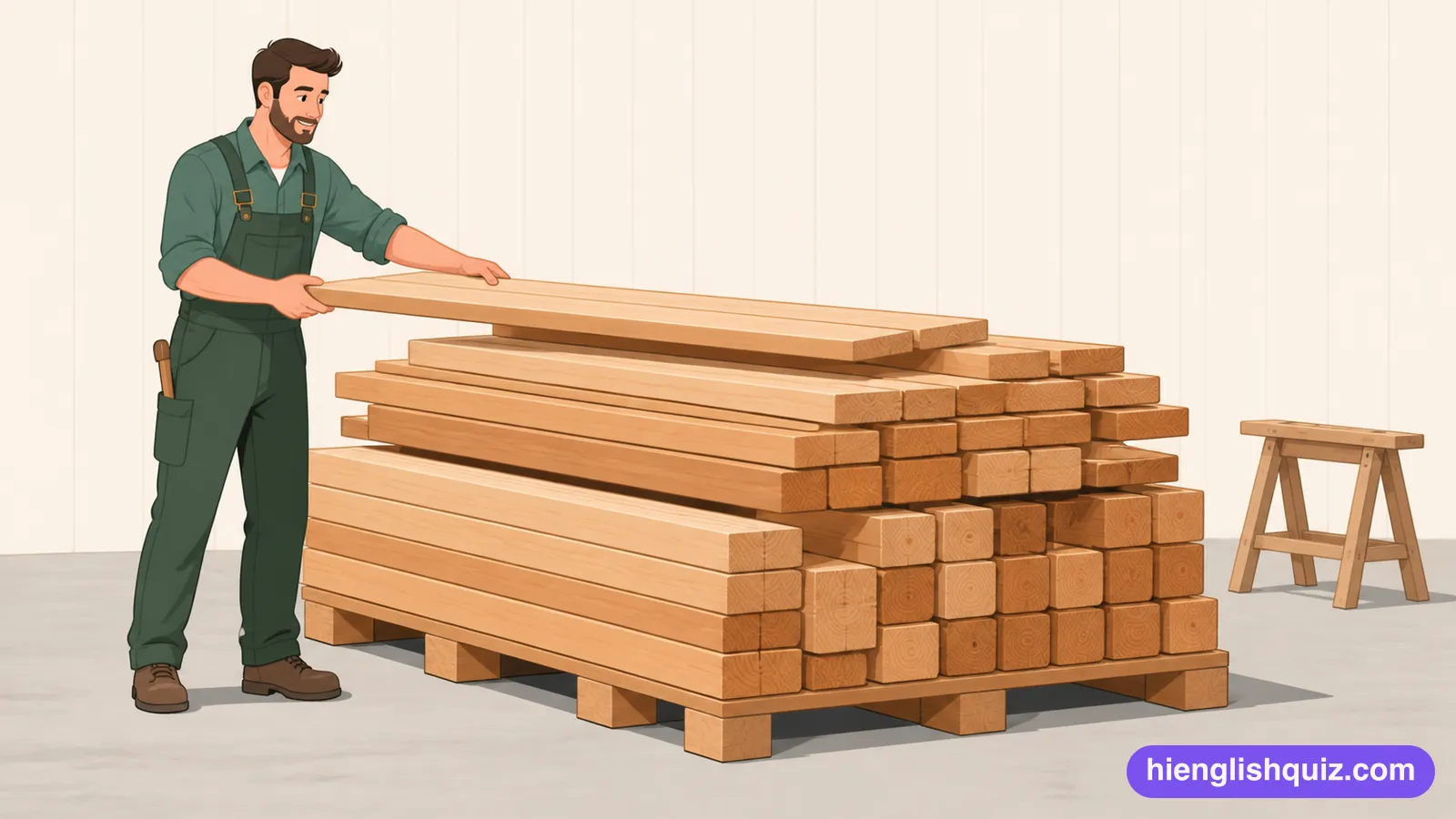
The opposite of dart — to move slowly and heavily.
Example: A tractor began to lumber up the lane behind us.
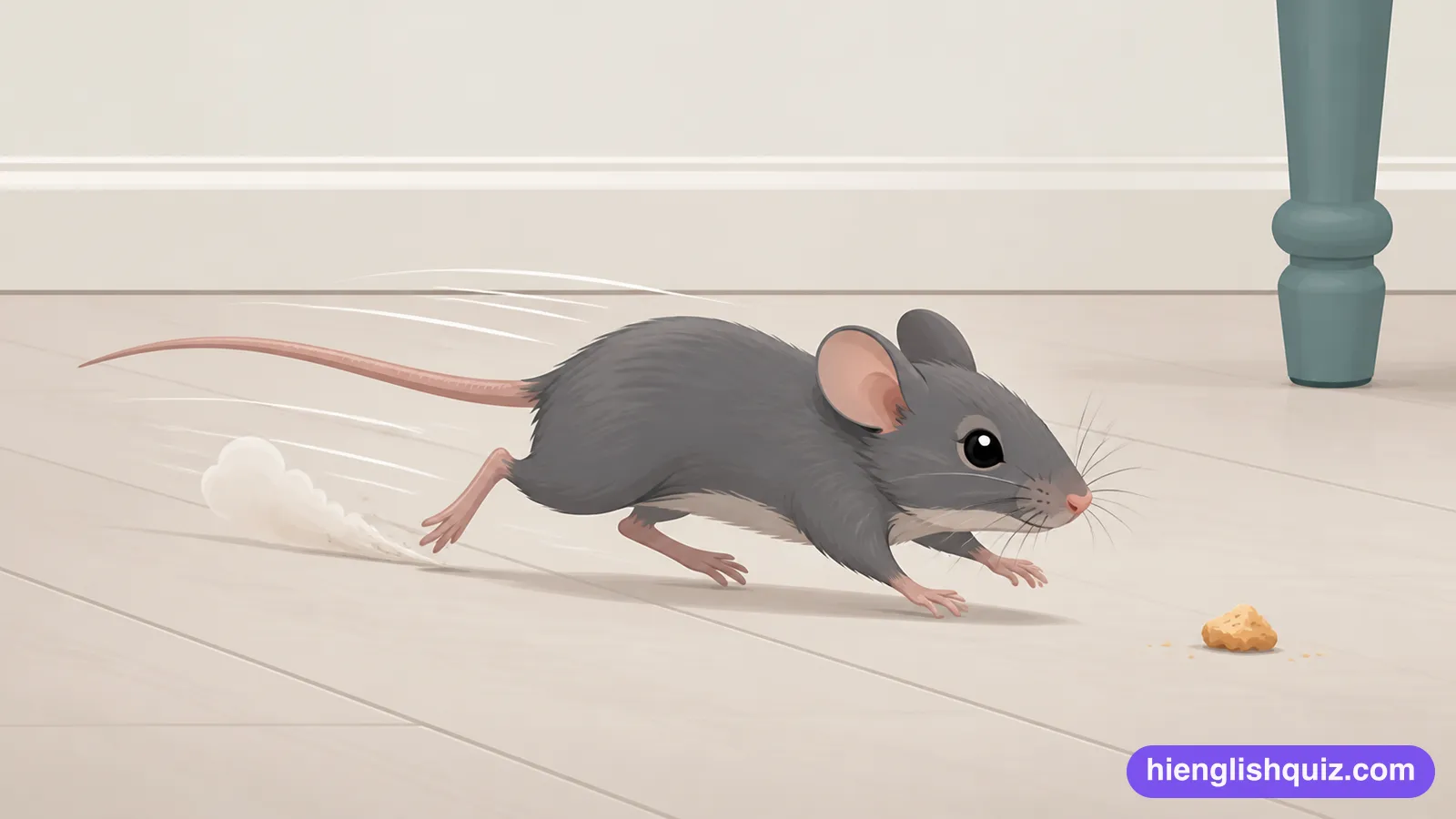
The opposite of lumber — to move quickly and lightly over a surface.
Example: Leaves skitter across the yard all through October.
Another word for romp — to jump and dance about in a lively way.
Example: They would cavort on the sand until somebody fell in.

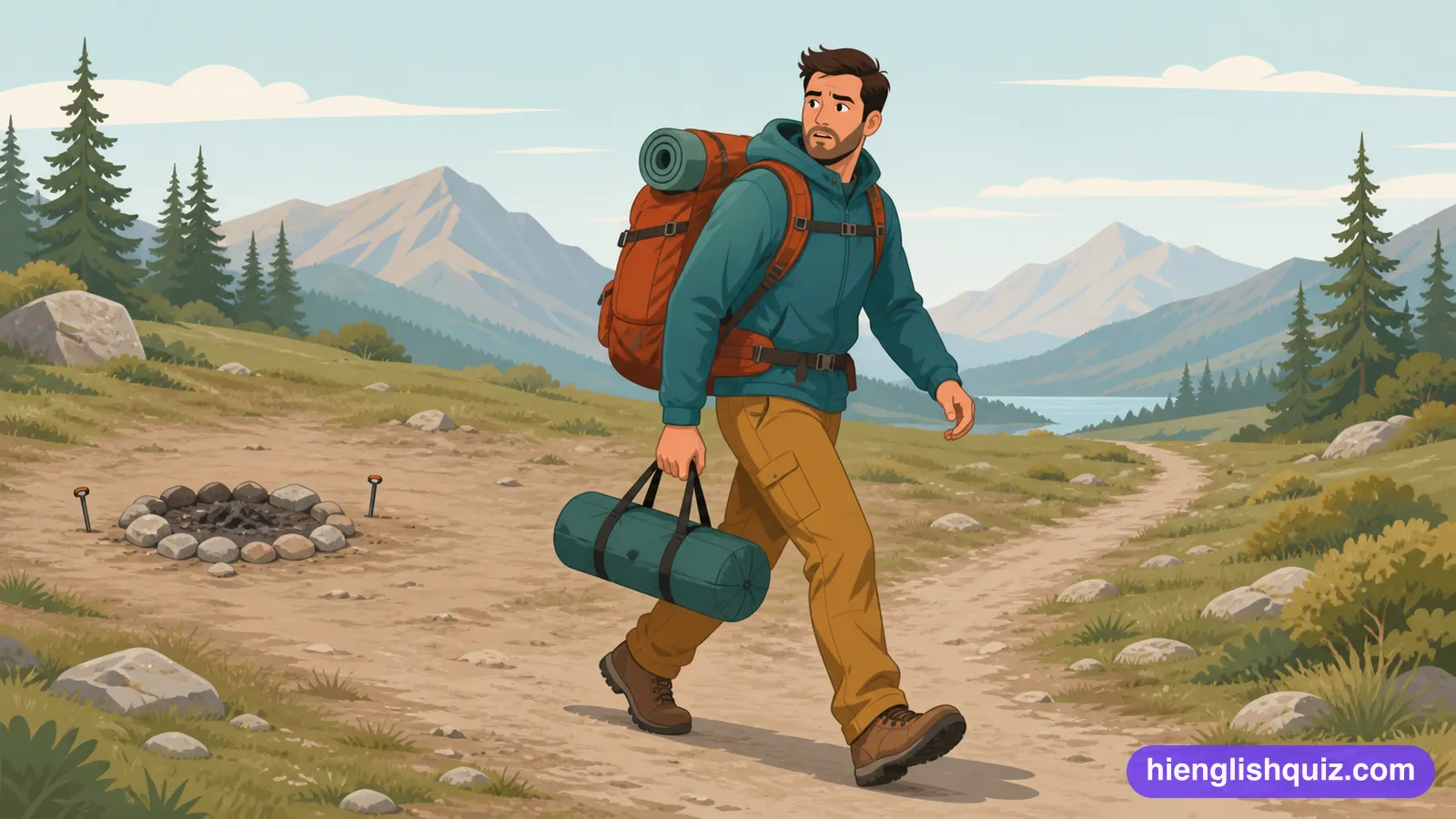
Another word for depart — suddenly, and often in secret.
Example: The whole crew chose to decamp before dawn.
The opposite of descend — to move upwards.
Example: The path begins to ascend sharply after the second gate.

The technical word for travelling right round something, used about an island or the world.
Example: It takes three hours to circumnavigate the island on foot.

Another word for ripple — to move in a smooth, wave-like motion.
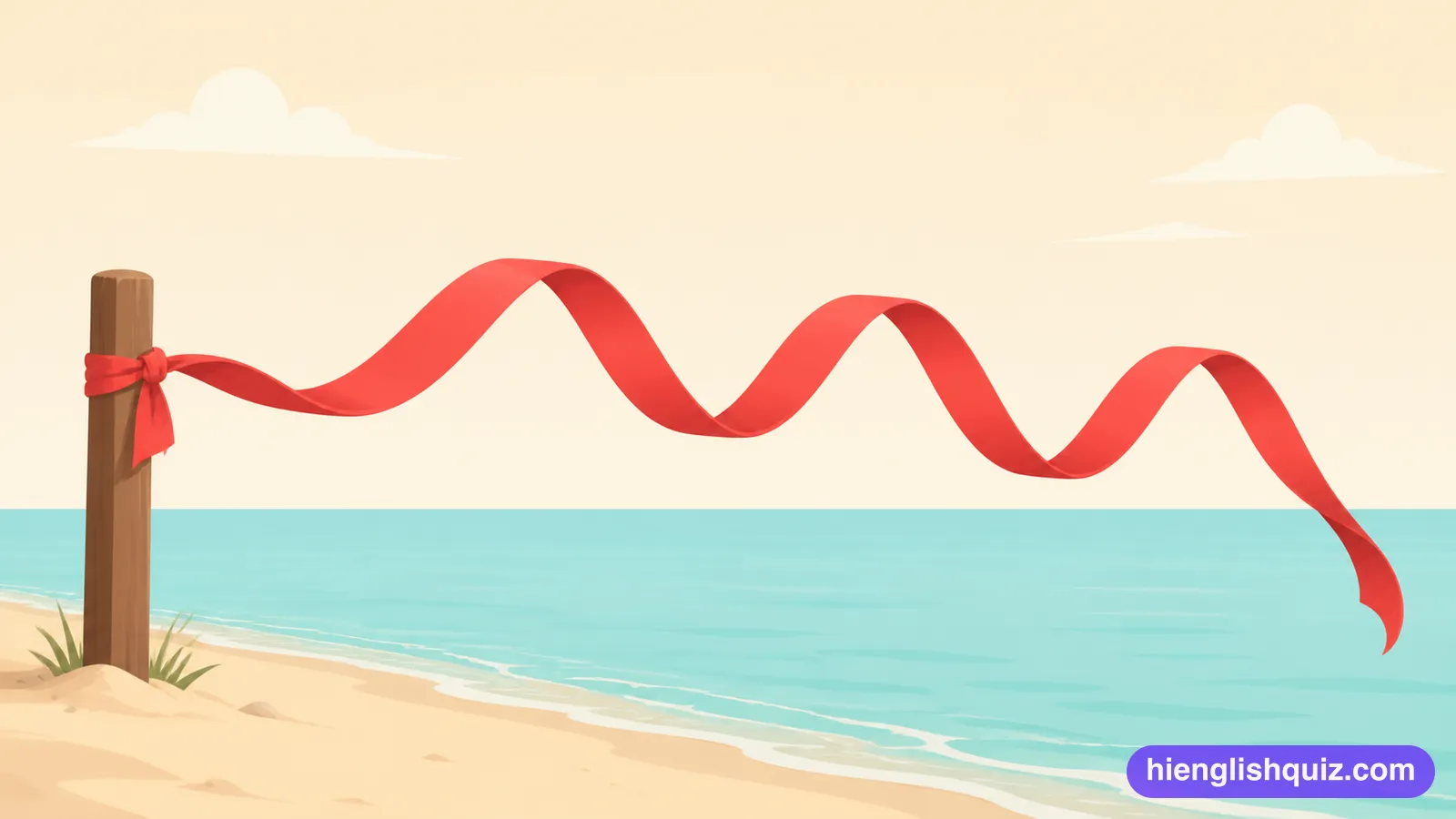
Example: The whole field seems to undulate when the wind crosses it.
Another word for toddle — to walk with short steps, swaying side to side.
Example: The chairs made everyone waddle rather than walk.

Another word for flee — secretly, and usually after doing something wrong.
Example: The treasurer chose to abscond with a fortnight's takings.

Another word for slog — walking somewhere slowly and unwillingly.
Example: Nobody wanted to traipse back across the field for one glove.