aloof
/əˈluf/The opposite of friendly — keeping your distance and seeming hard to approach.
Example: She seemed aloof at the party, barely speaking to anyone.

 Hi EnglishQuiz
C222 words · Proficient
Vocabulary for describing people and places with the finest shades of meaning — mercurial, gregarious, cavernous and squalid — telling a perspicacious character apart from an obsequious one, and a storied building from a ramshackle one.
The opposite of friendly — keeping your distance and seeming hard to approach.
Example: She seemed aloof at the party, barely speaking to anyone.
Another word for moody — changing mood suddenly and without warning, for no clear reason.
Example: His mercurial temper kept the whole office on edge.

The opposite of pessimistic — confidently expecting good things to happen, especially about the future.
Example: Despite the setbacks, she remained sanguine about the project's future.

The formal word for noticing things other people miss, used about someone with sharp judgement.
Example: The perspicacious editor spotted the plot hole immediately.

The opposite of assertive — desperate to please people in authority and never disagree.
Example: The obsequious waiter complimented every single choice we made.

Another word for wise — showing sound judgement built from years of experience.
Example: Her sagacious advice saved the company from a costly mistake.

The opposite of excitable — staying completely calm no matter what happens around you.
Example: He stayed phlegmatic even as the meeting descended into chaos.

The opposite of aloof — sociable and fond of spending time with other people.
Example: He's a gregarious host who loves throwing parties.

Another word for unkind — deliberately hurting or upsetting someone out of resentment.
Example: It was a spiteful comment meant to hurt her.
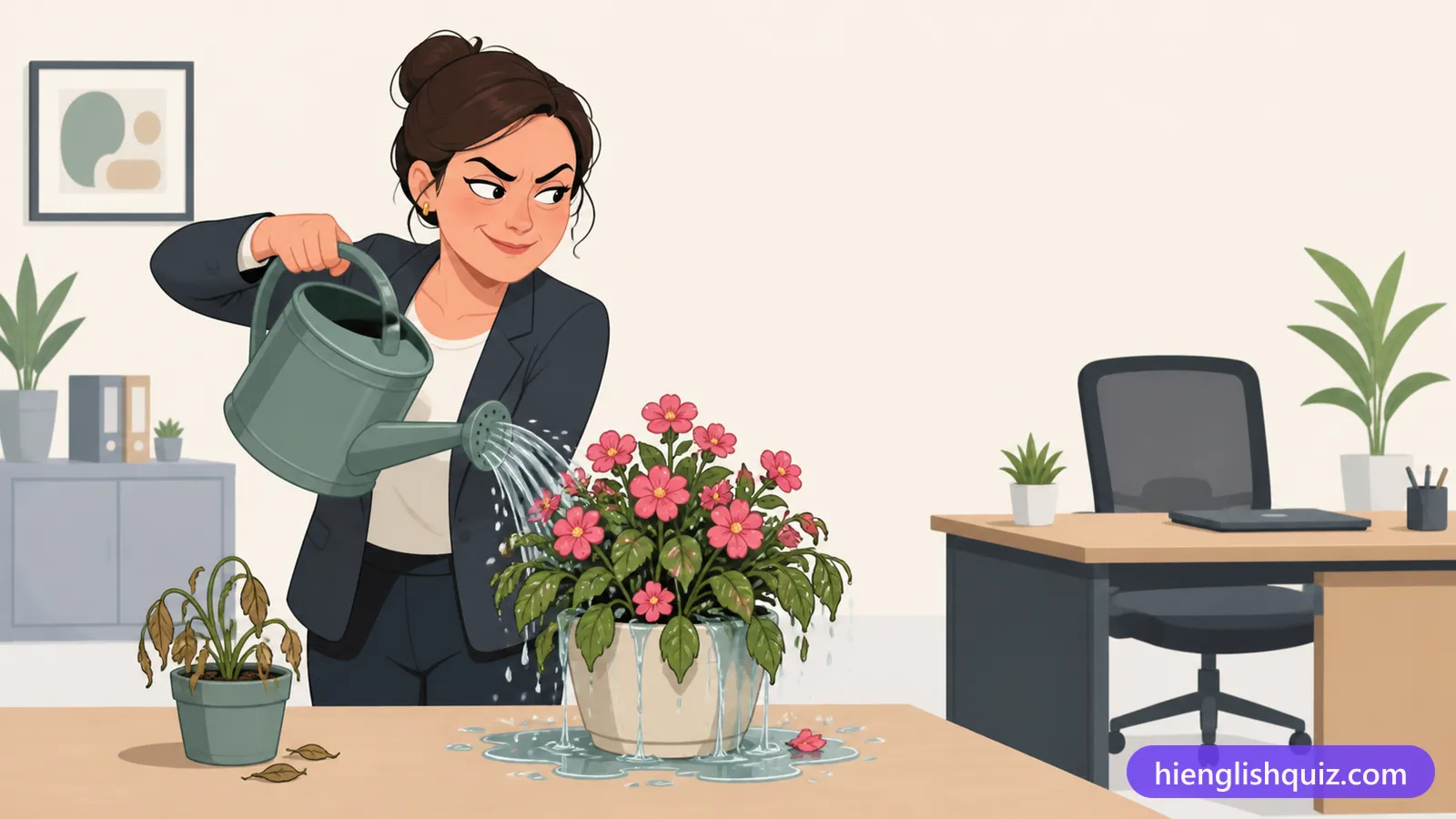
Another word for fussy — extremely particular about small details and standards.
Example: He's famously fastidious about how his kitchen is organised.

Another word for attractive — pleasant to look at in a quiet, old-fashioned way.
Example: The portrait shows a comely woman of about thirty.

Another word for hidden — a peaceful place that's hard for anyone to find or reach.
Example: They found a secluded beach at the far end of the island.

The formal word for a place or climate that's good for your health, used about fresh air or a healthy setting.
Example: They moved to the coast for its salubrious sea air.

The opposite of refreshing — so sweet or sentimental that it becomes unpleasant.
Example: The dessert's cloying sweetness left an odd aftertaste.

Another word for confusing — full of winding passages and turns, like a maze.
Example: We got lost in the hotel's labyrinthine corridors.

Another word for old — famous for a long and interesting history, not just its age.
Example: The team plays in a storied stadium dating back a century.

The opposite of cramped — so large and empty that your voice would echo.
Example: The abandoned warehouse felt cavernous, our footsteps echoing.

The opposite of vibrant — so dull it leaves no impression at all.
Example: The hotel lobby's decor felt insipid, all beige and forgettable.

Another word for run-down — an old building that looks like it might collapse.
Example: They lived in a ramshackle cottage at the edge of the woods.

Another word for spread out — covering a large, untidy area, like a city or a building.
Example: The sprawling estate stretched for miles.

Another word for damp — used about a cold, unpleasant place with a musty smell.
Example: The basement was dank and smelled of mould.

The opposite of salubrious — extremely dirty and unpleasant to be in.
Example: The conditions in the back rooms were frankly squalid.