articulate
/ɑrˈtɪkjəˌleɪt/Another word for clear — able to explain ideas in speech in a smooth, organized way.
Example: The lawyer was articulate, laying out the argument step by step.

 Hi EnglishQuiz
C120 words · Advanced
Speaking and thinking vocabulary for careful argument and analysis — articulate, terse, astute and deduce — telling an eloquent, forthright speaker apart from one who is verbose or rambling.
Another word for clear — able to explain ideas in speech in a smooth, organized way.
Example: The lawyer was articulate, laying out the argument step by step.
Another word for fluent — speech that's persuasive and put together really well.
Example: The eloquent speaker had the whole room listening.

Another word for short — a reply so quick it feels abrupt rather than polite.
Example: His terse email just said, "Noted. Thanks."

The academic word for proving that something is wrong, used about a claim or argument.
Example: The lawyer's evidence completely refuted the witness's claim.

Another word for going off topic — drifting away from the main point while you're speaking.
Example: Sorry, I digressed — let's get back to the budget.

The opposite of concise — using far more words than necessary to say something.
Example: His verbose explanation left everyone even more confused.

Another word for terse — used when a reply feels almost rude because it's so short.
Example: Her curt reply made it clear she didn't want to talk.

Another word for digress — used about speech or writing that wanders without a clear structure.
Example: His rambling speech went on for almost an hour.

Another word for direct — saying exactly what you think, without hesitation.
Example: She gave a forthright opinion on the proposal.

Another word for withdraw — officially taking back something you said or wrote.
Example: The newspaper was forced to retract its false claim.
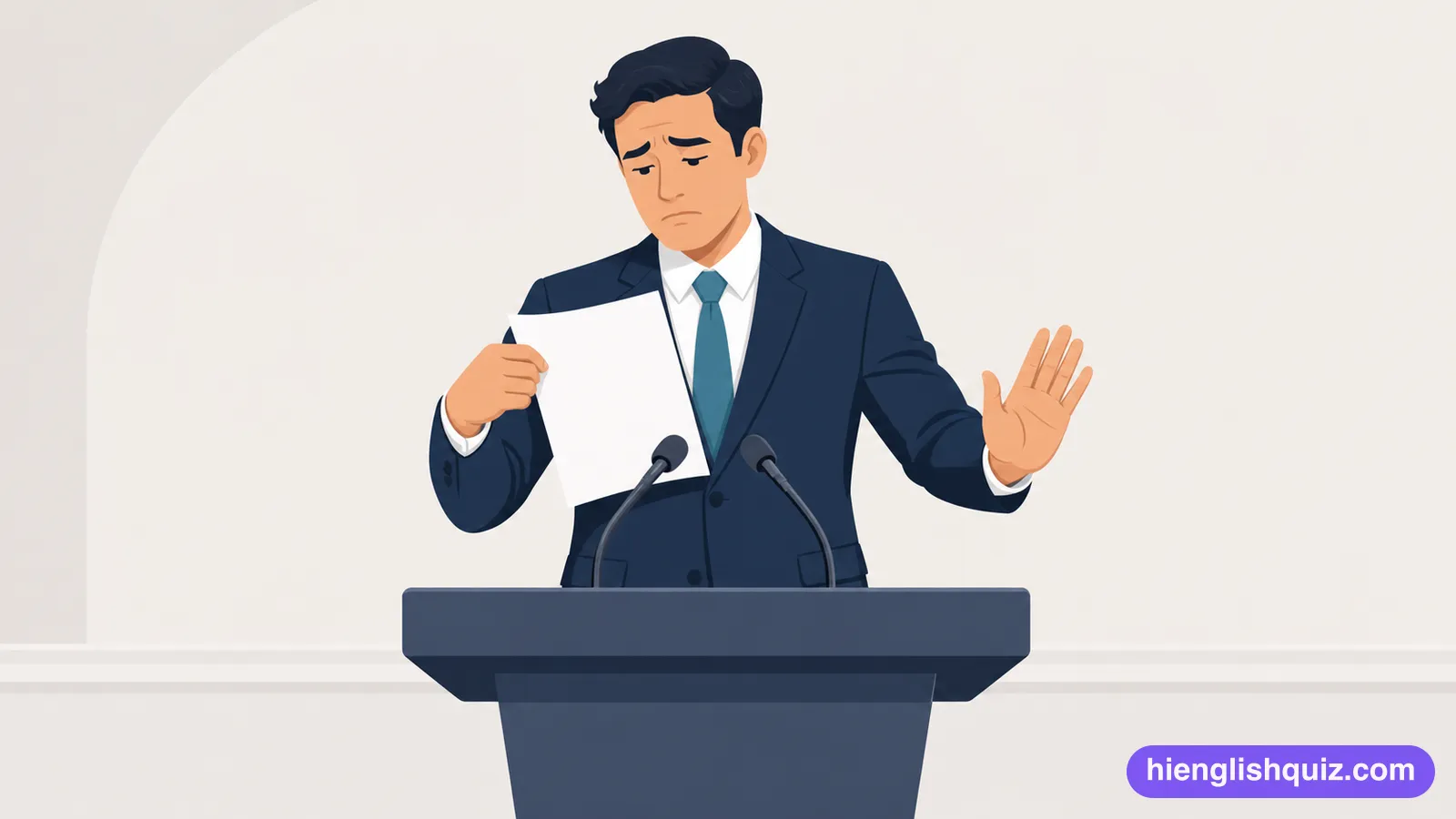
The formal word for noticing something, used when it's not easy to see clearly.
Example: It was hard to discern any pattern in the data.

Another word for clever — quick to understand situations and the people in them.
Example: She made an astute observation about the market trends.

The formal word for guessing, used when you form an idea without having all the facts.
Example: Analysts speculate that prices will rise next year.

The opposite of aware — not noticing or realizing what's happening around you.
Example: He was completely oblivious to the tension in the room.

The opposite of superficial — showing deep and serious thought or understanding.
Example: The book offers a profound insight into human nature.

Another word for astute — noticing small details that other people miss.
Example: That was a really perceptive comment about the play.

Another word for work out — reaching a conclusion by using logic and the evidence you have.
Example: From the muddy footprints, he could deduce she'd been outside.

Another word for assume — accepting something as true without checking first.
Example: I presume you've already read the report.

The opposite of biased — judging something fairly, without being influenced by personal feelings.
Example: We need an unbiased referee for the final.

Another word for informed — understanding something deeply, often after learning more about it.
Example: The workshop left us feeling far more enlightened about the issue.