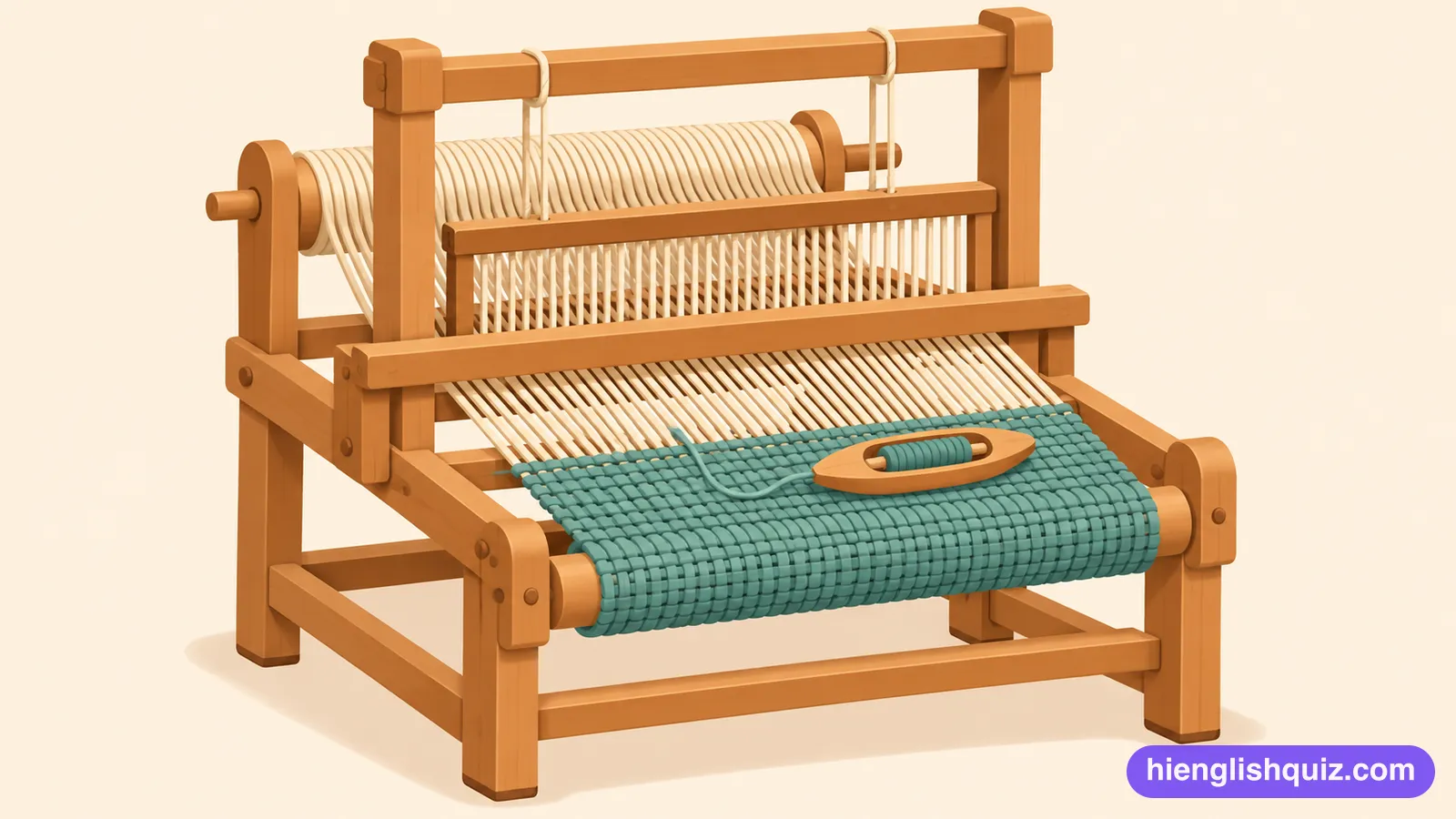
loom
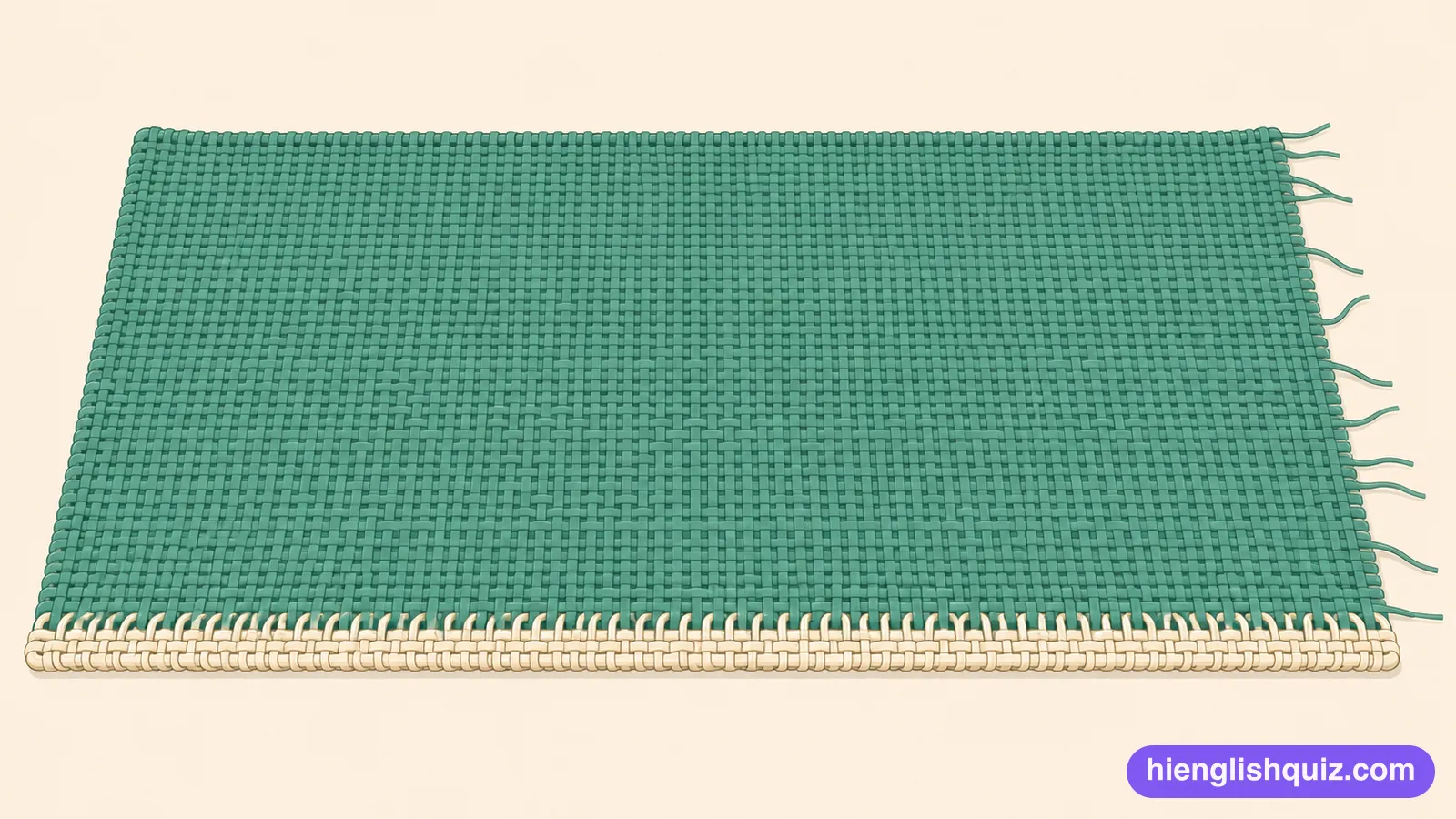
/lum/A machine or frame that makes cloth by crossing long threads.
Example: Her grandfather worked a wooden loom in the back room.
 Hi EnglishQuiz
C122 words · Advanced
The working terms of a weaving shed and a cutting room, including warp and weft on the loom, the bobbin and overlocker, and the darts, pleats and grading a pattern cutter plans.
A machine or frame that makes cloth by crossing long threads.
Example: Her grandfather worked a wooden loom in the back room.
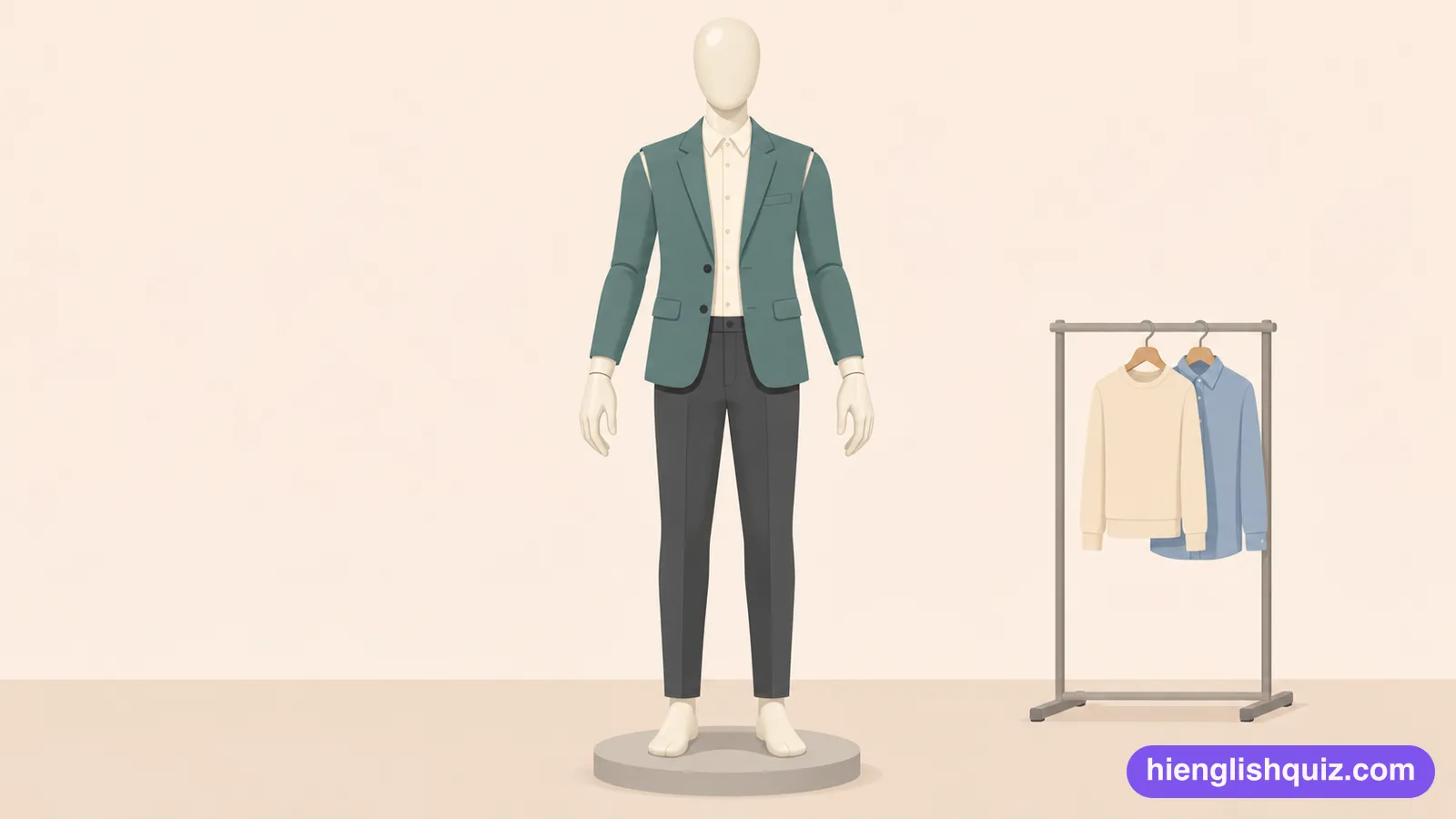
A model of a human body used for showing or fitting clothes.
Example: The designer pinned the cloth directly onto a mannequin.
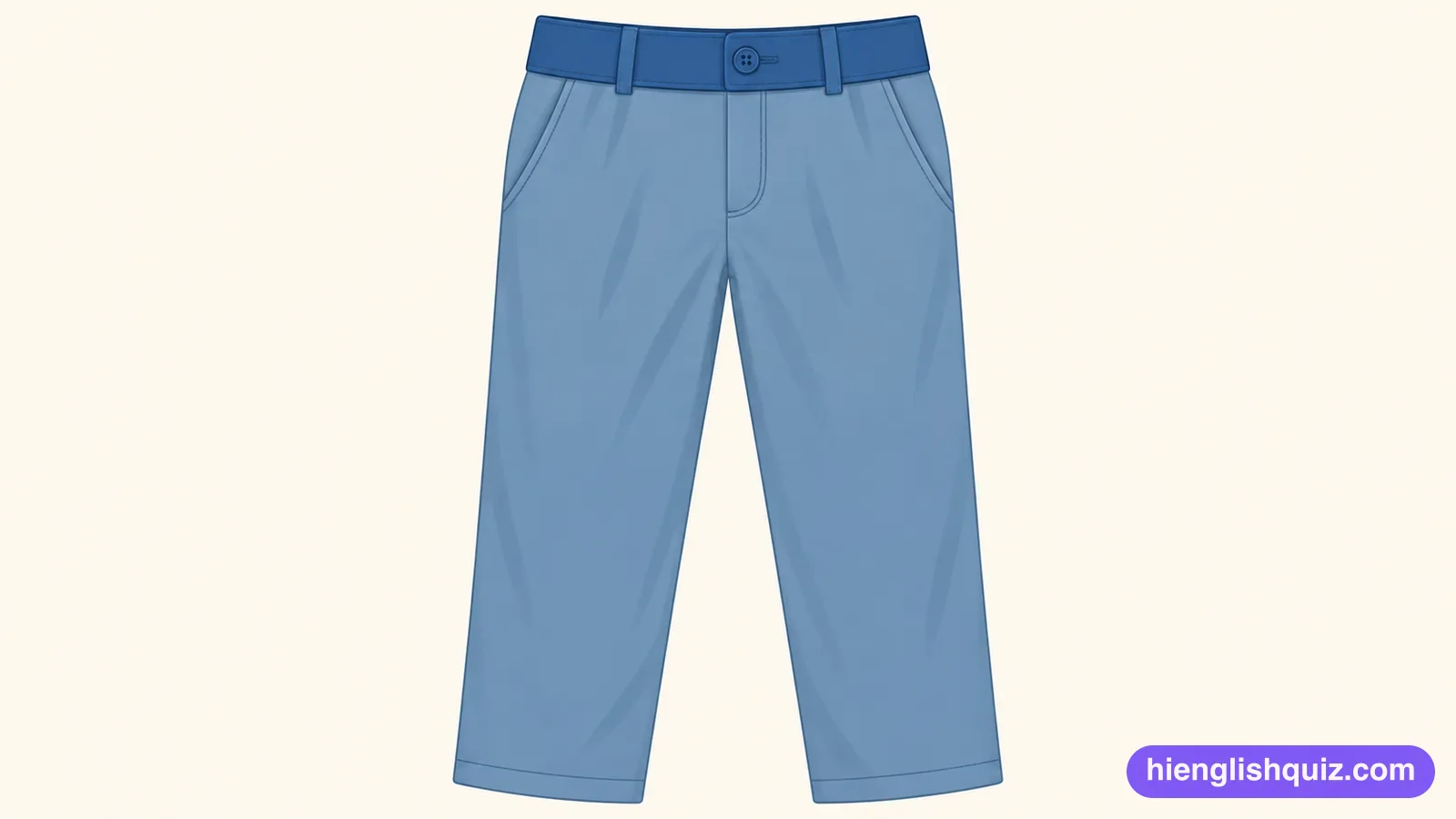
The strip of cloth around the top of trousers or a skirt, at the waist.
Example: The waistband was too tight, so she let it out.
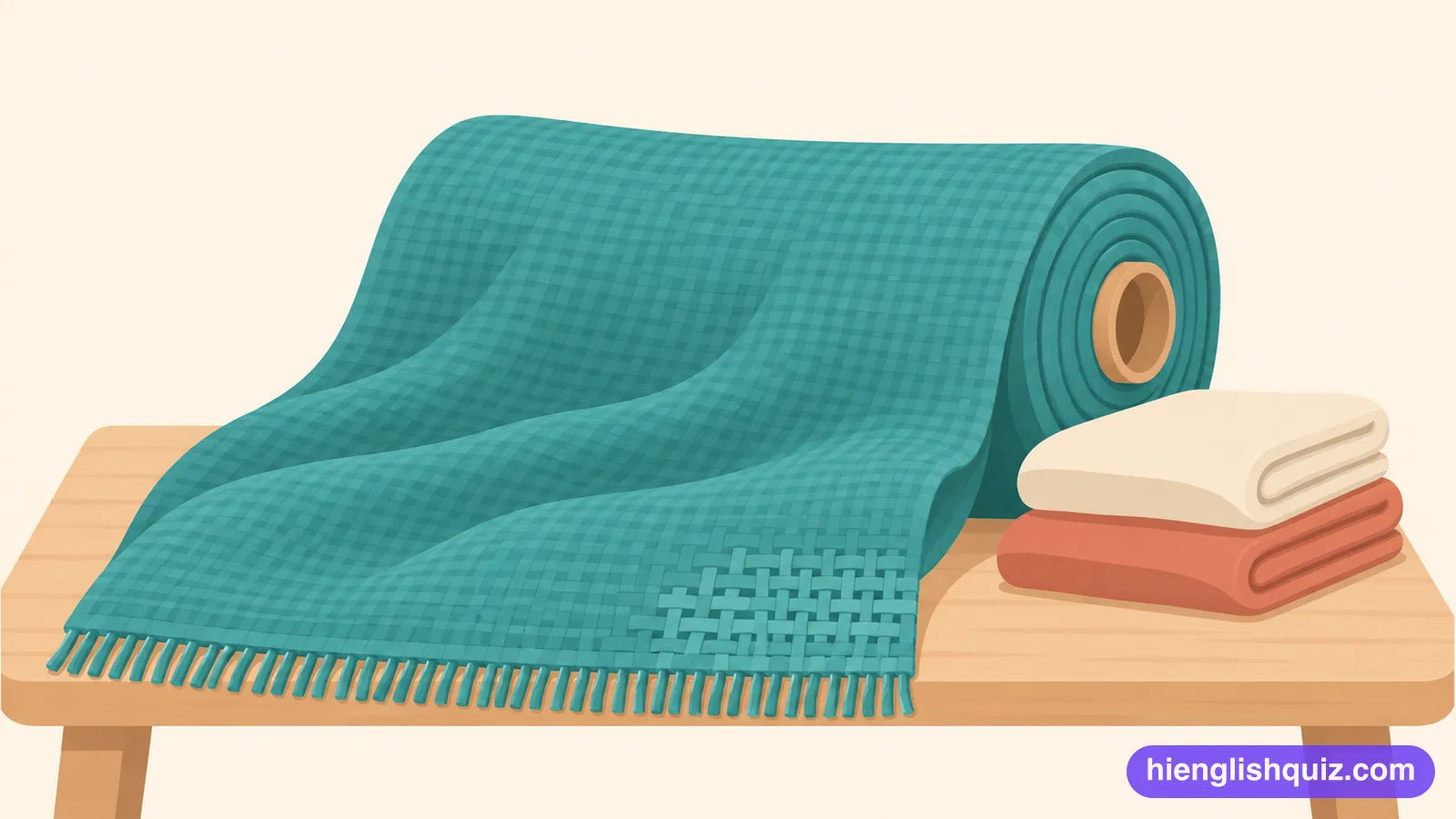
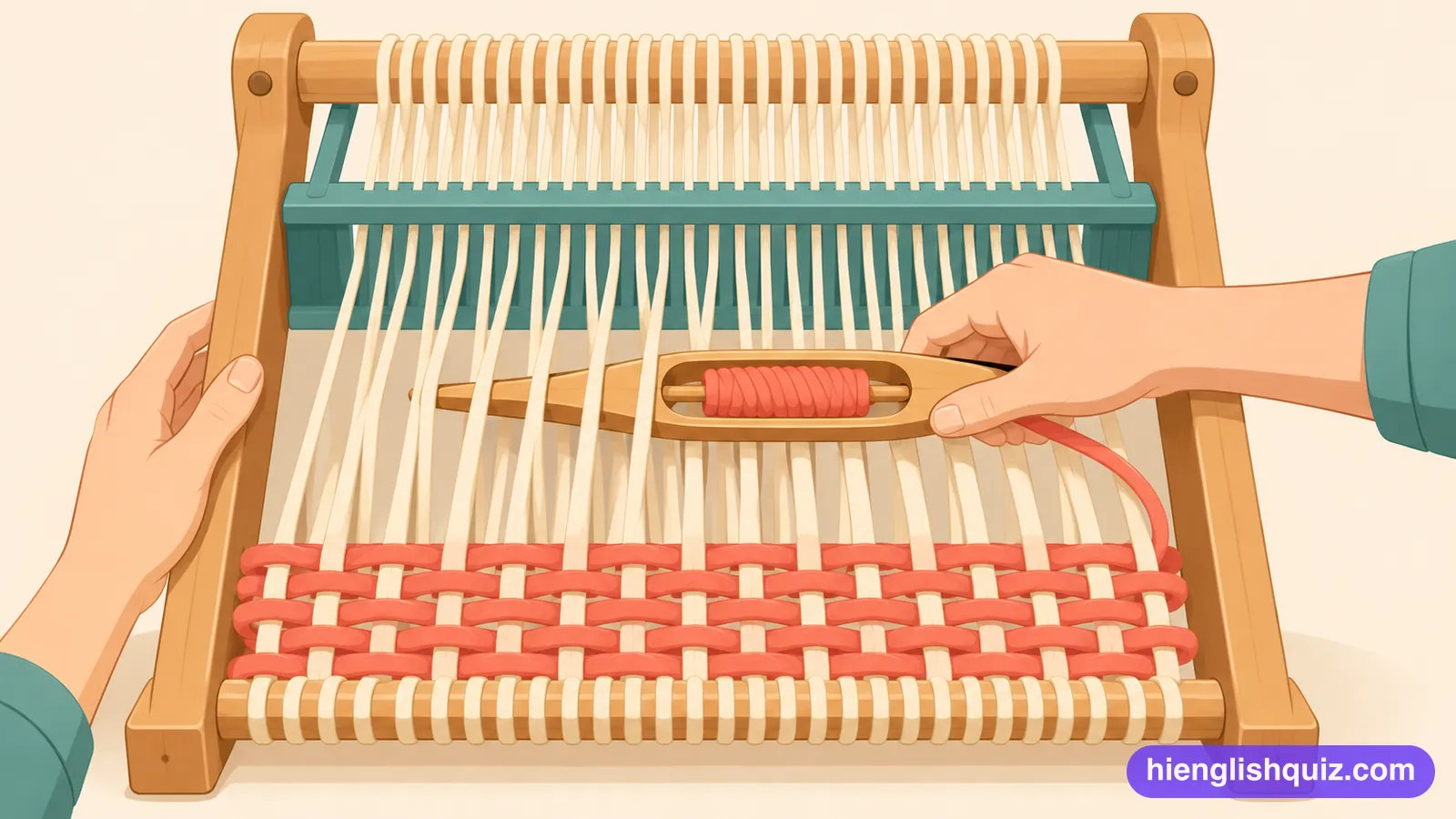
The threads that cross a woven cloth from side to side, over and under the long threads.
Example: The weaver passed the shuttle back and forth to lay each weft thread.
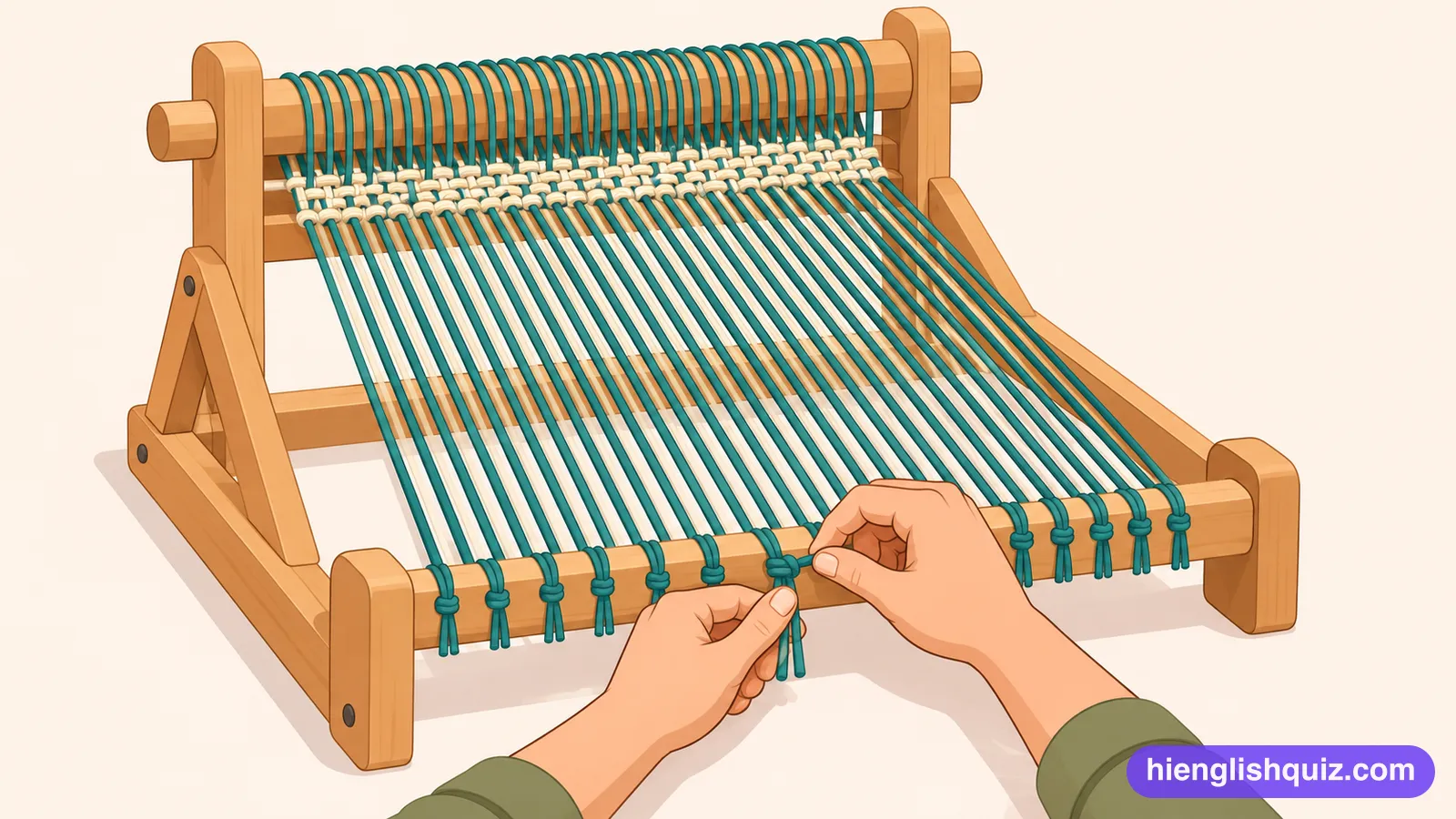
The long threads held tight on a weaving frame, while the crossing threads pass through them.
Example: Before weaving could begin, they had to tie the warp onto the loom.
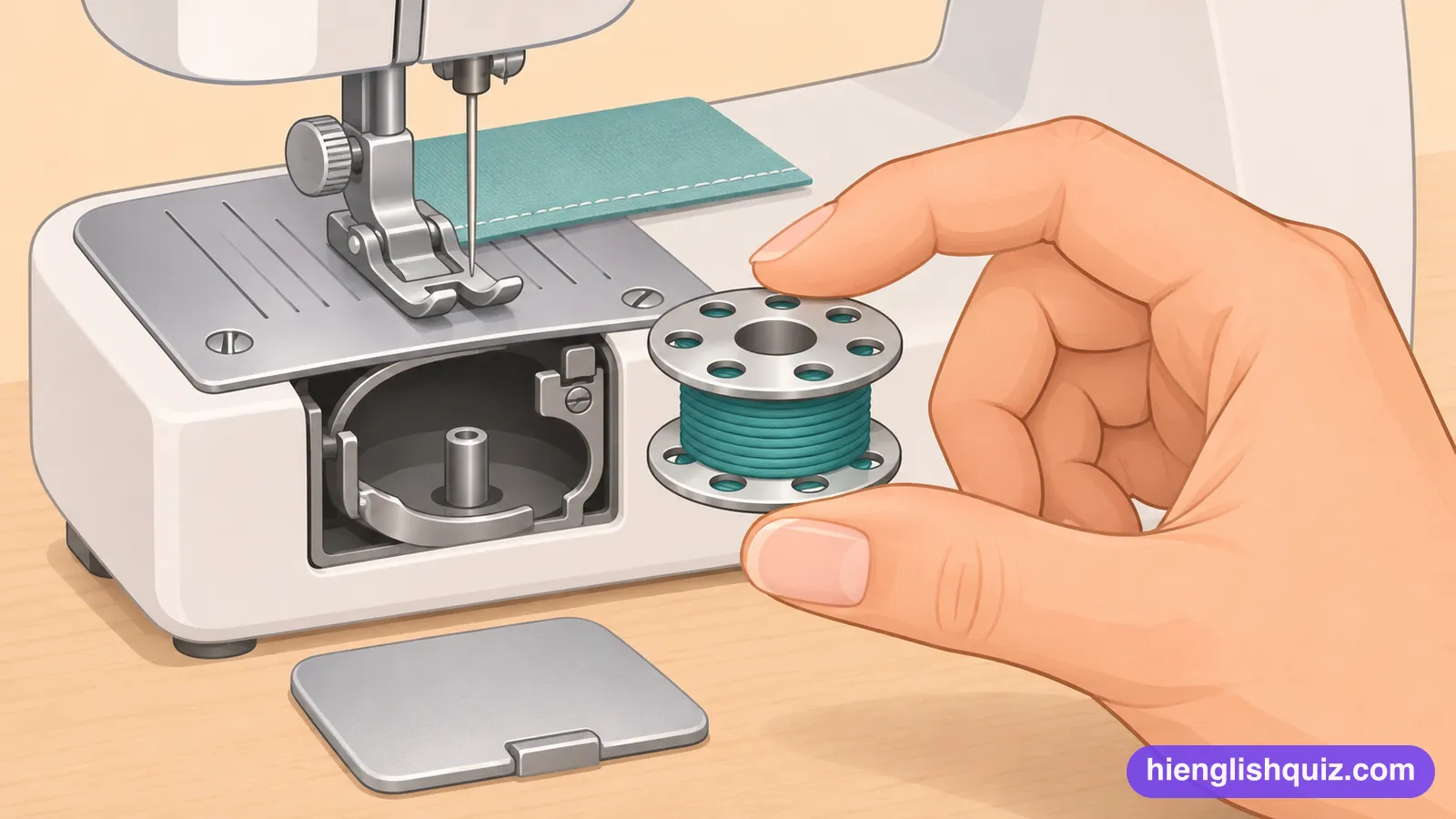
A small reel inside a sewing machine that holds the thread under the cloth.
Example: She wound the bobbin and slid it into the machine.
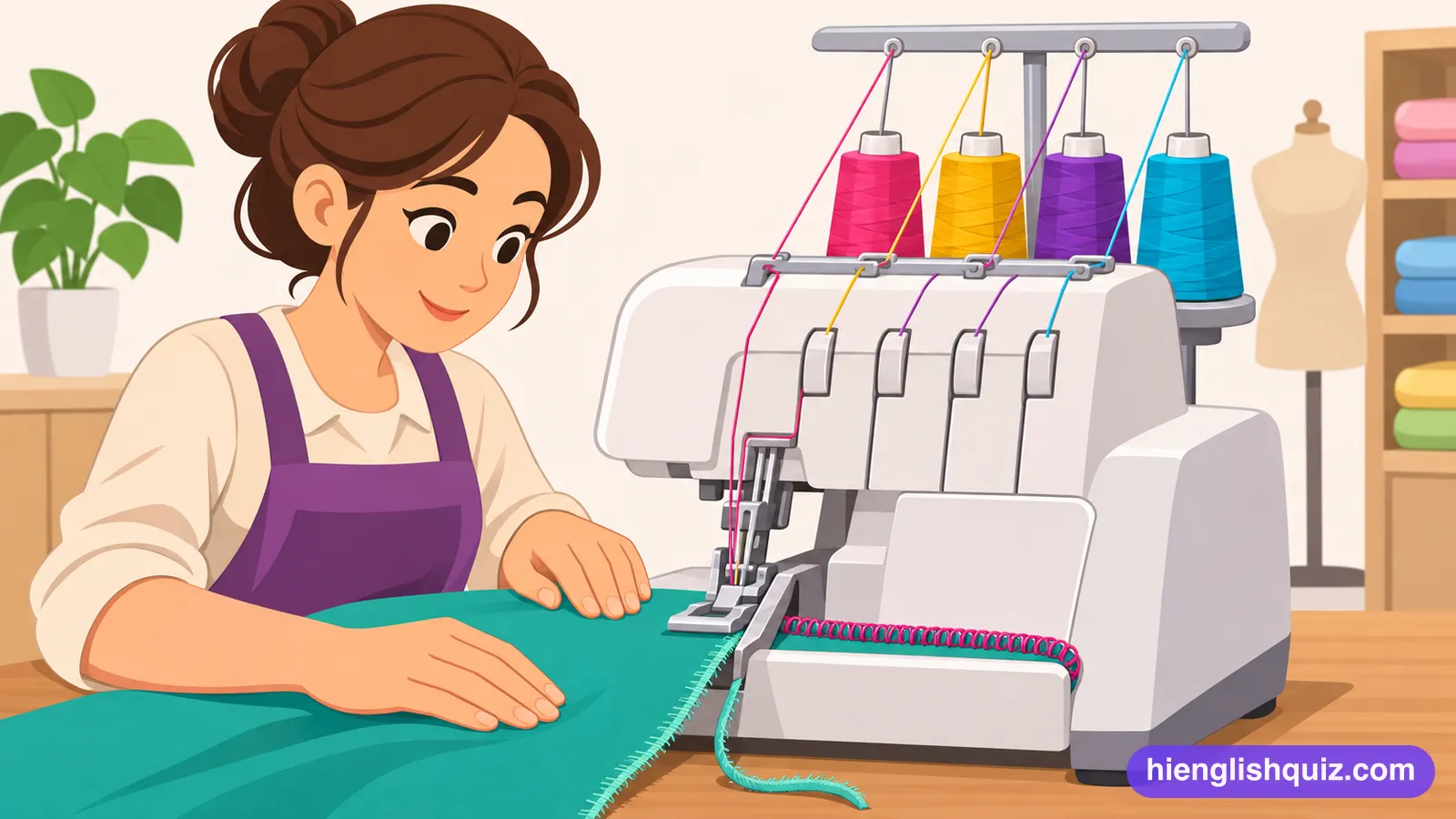
A sewing machine that trims the edge of cloth and wraps thread around it to stop it coming apart.
Example: The seams were finished on an overlocker to stop fraying.
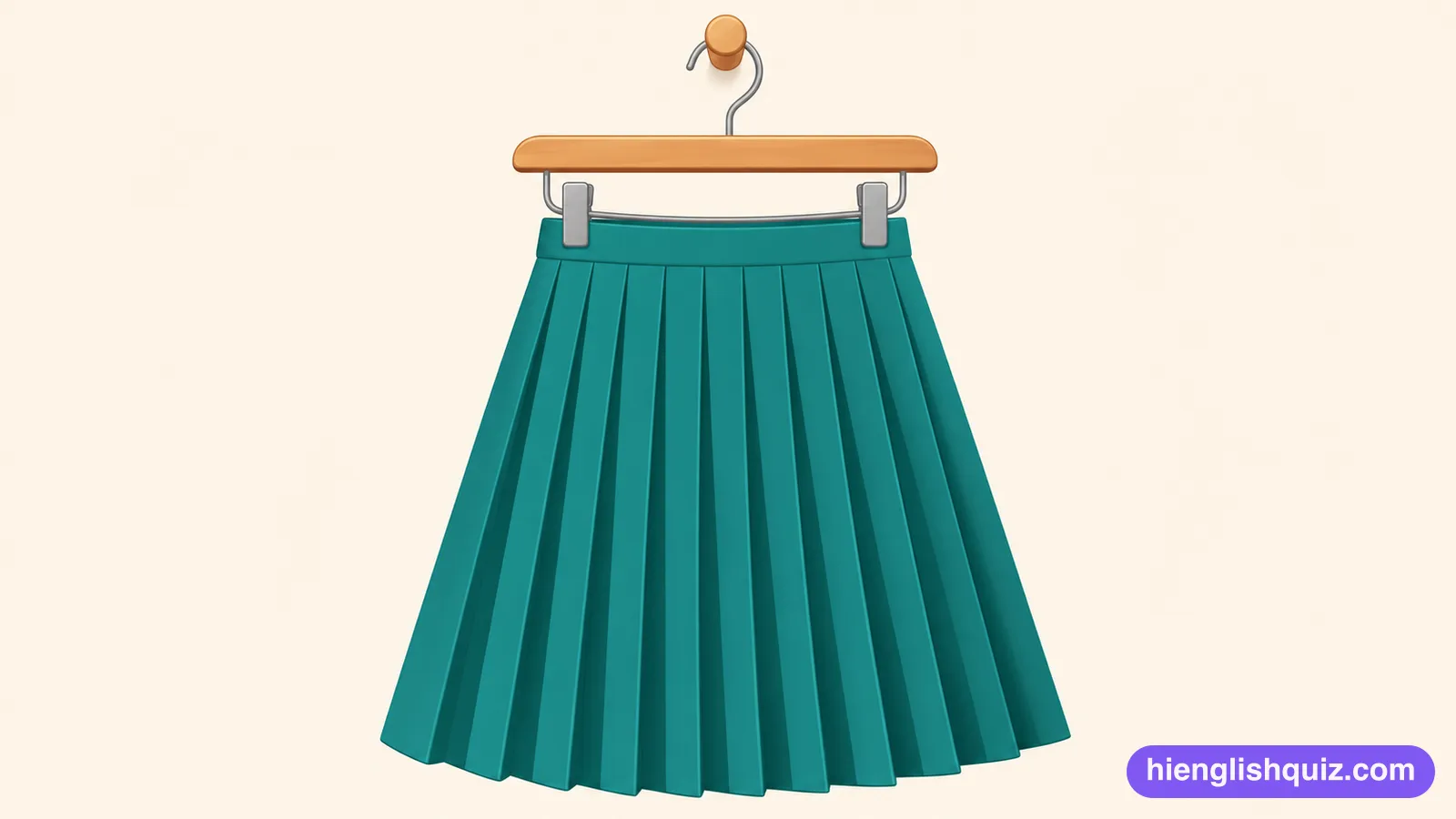
A fold in cloth that is pressed or stitched in place so that it hangs in a regular pattern.
Example: The skirt has a deep pleat at the back.
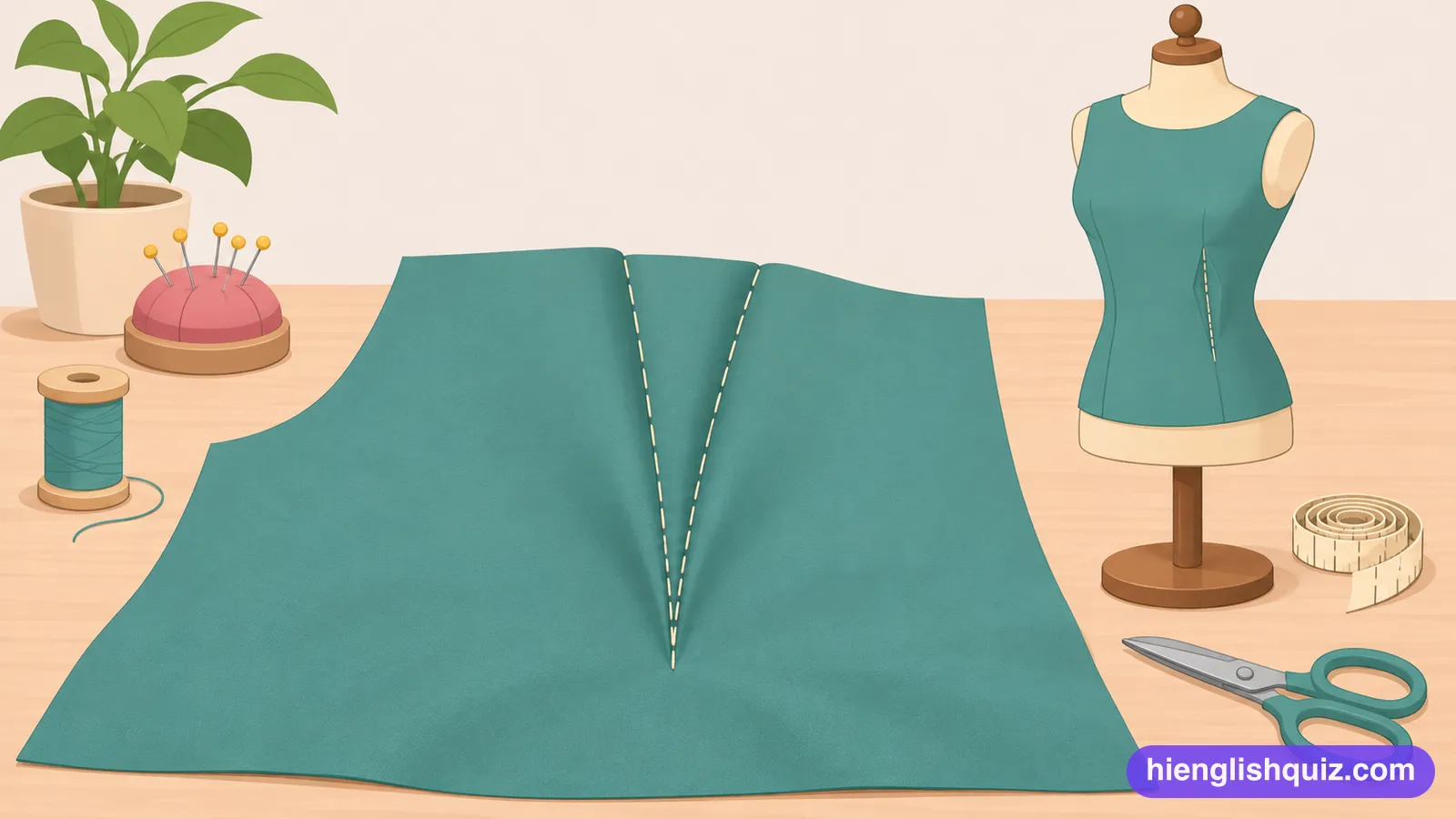
A V-shaped fold stitched into cloth to shape it around the body.
Example: She stitched a dart into the bodice to make it fit.
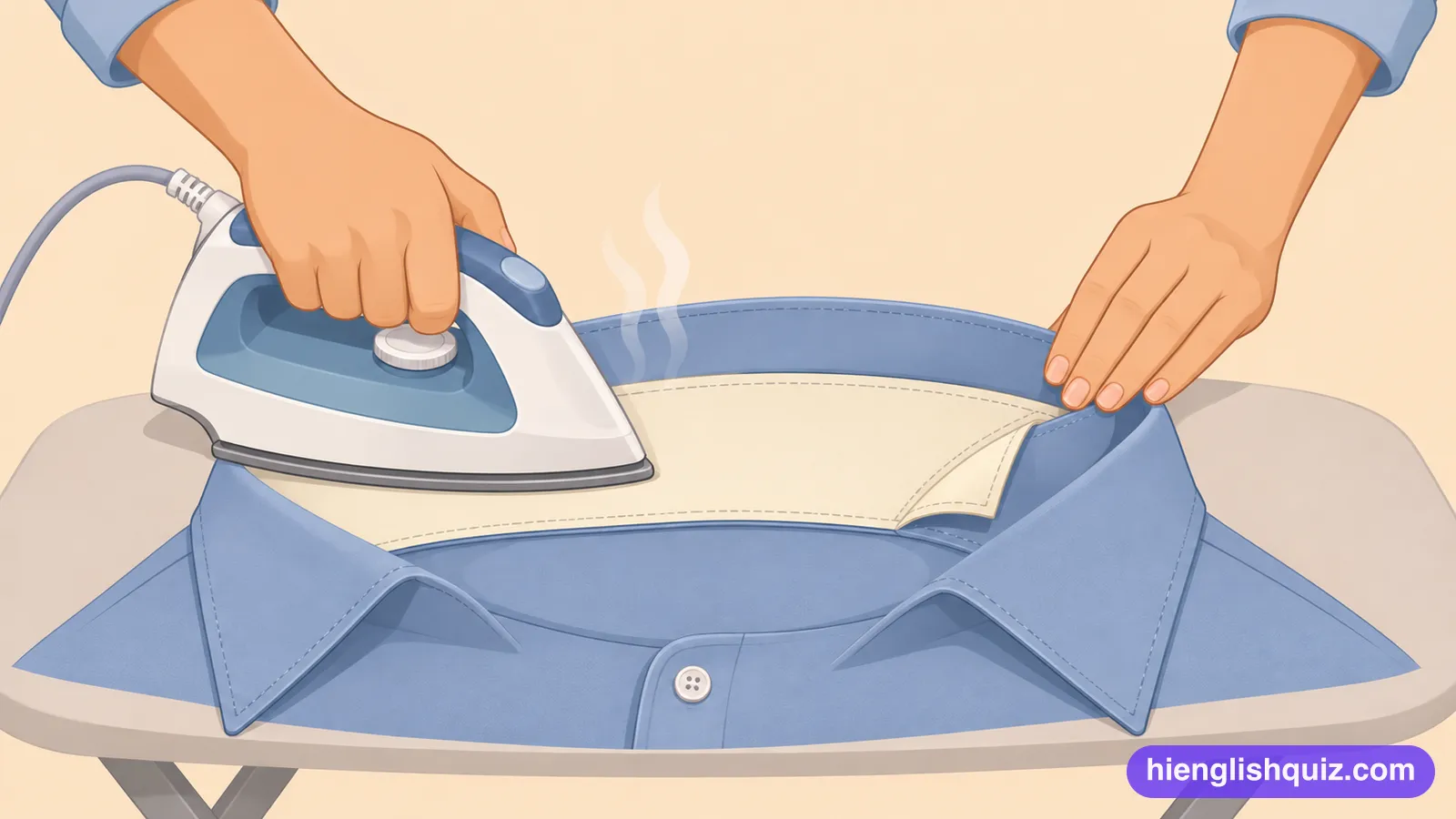
A stiff material sewn inside parts of a garment, such as collars, to give them shape.
Example: Iron the interfacing onto the collar before you sew it.
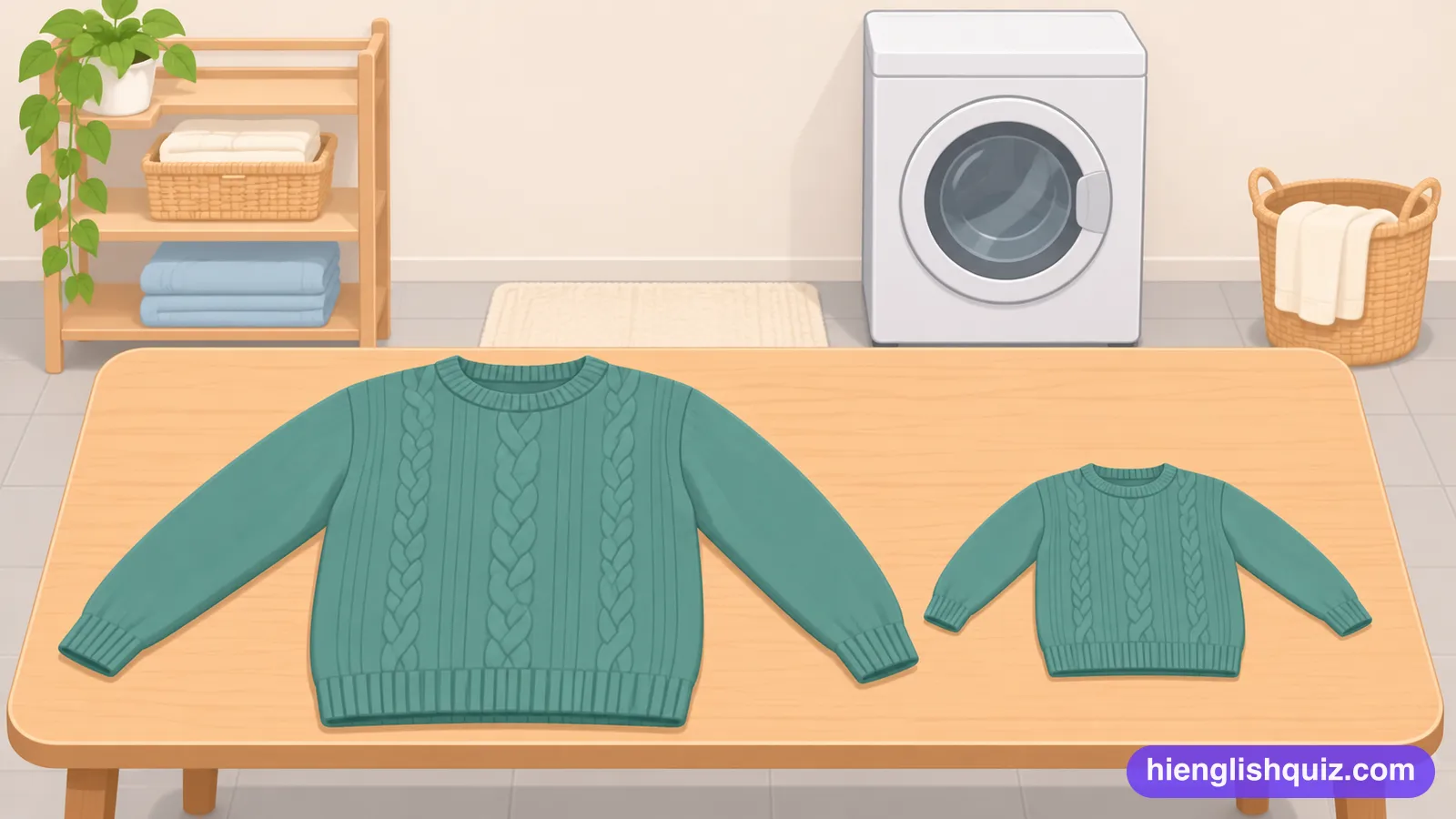
The amount that cloth gets smaller after it is washed or heated.
Example: We allow for shrinkage by cutting the cloth slightly longer.
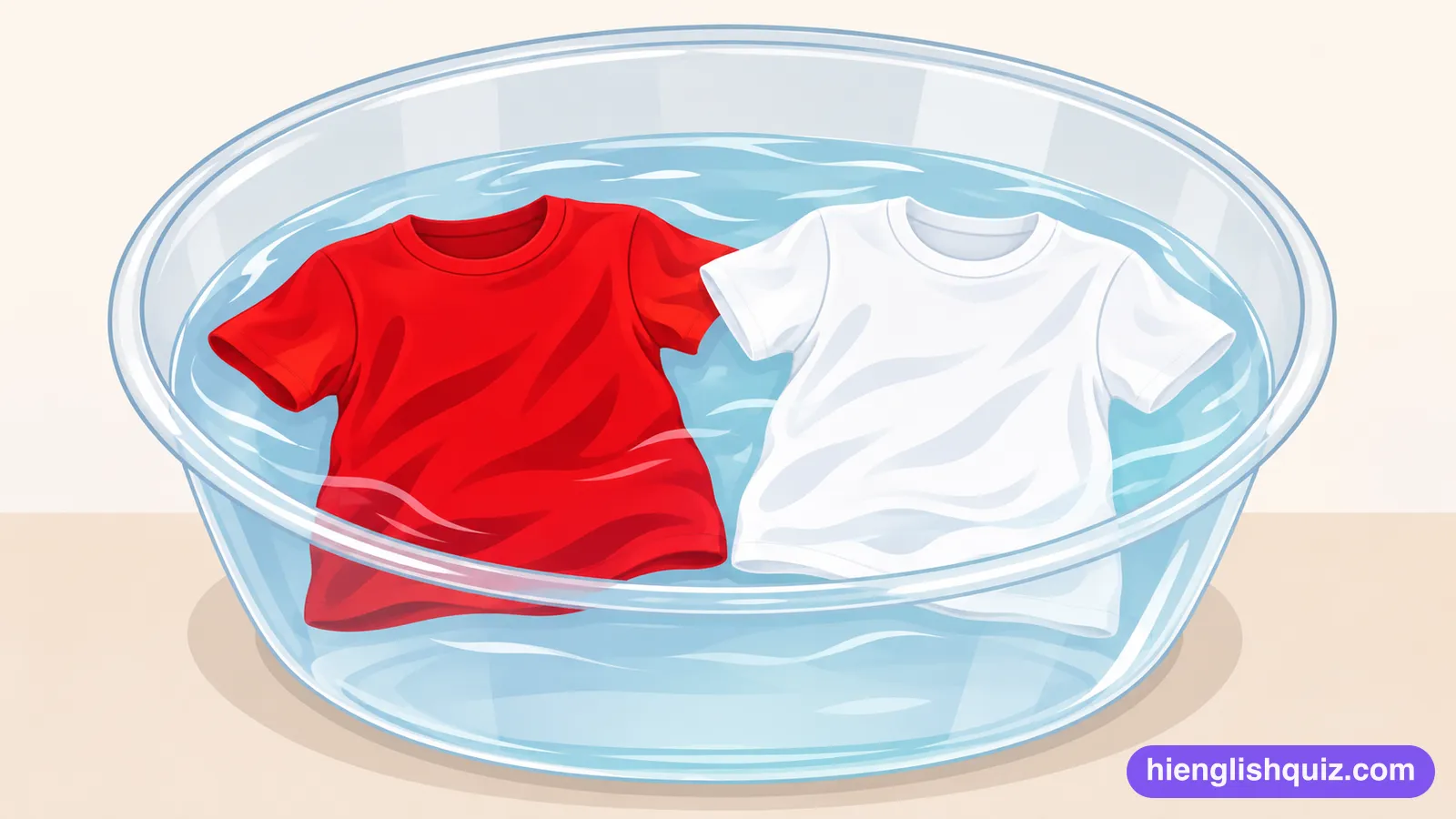
Not losing or running its colour when washed or left in the sun.
Example: The shirts are colourfast, so the red will not run.
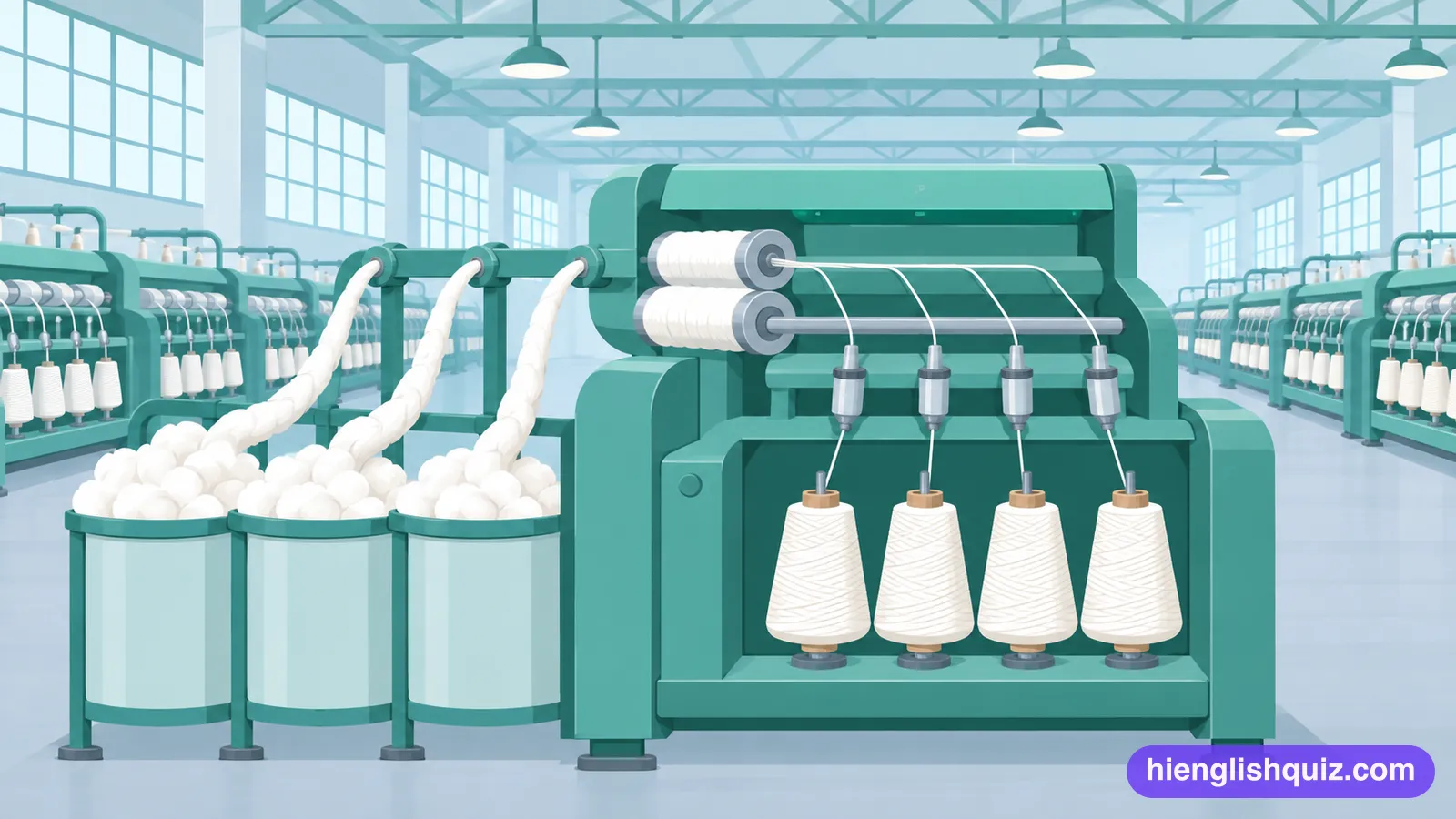
A factory where raw fibre is turned into yarn.
Example: The old spinning mill now produces fine cotton yarn.
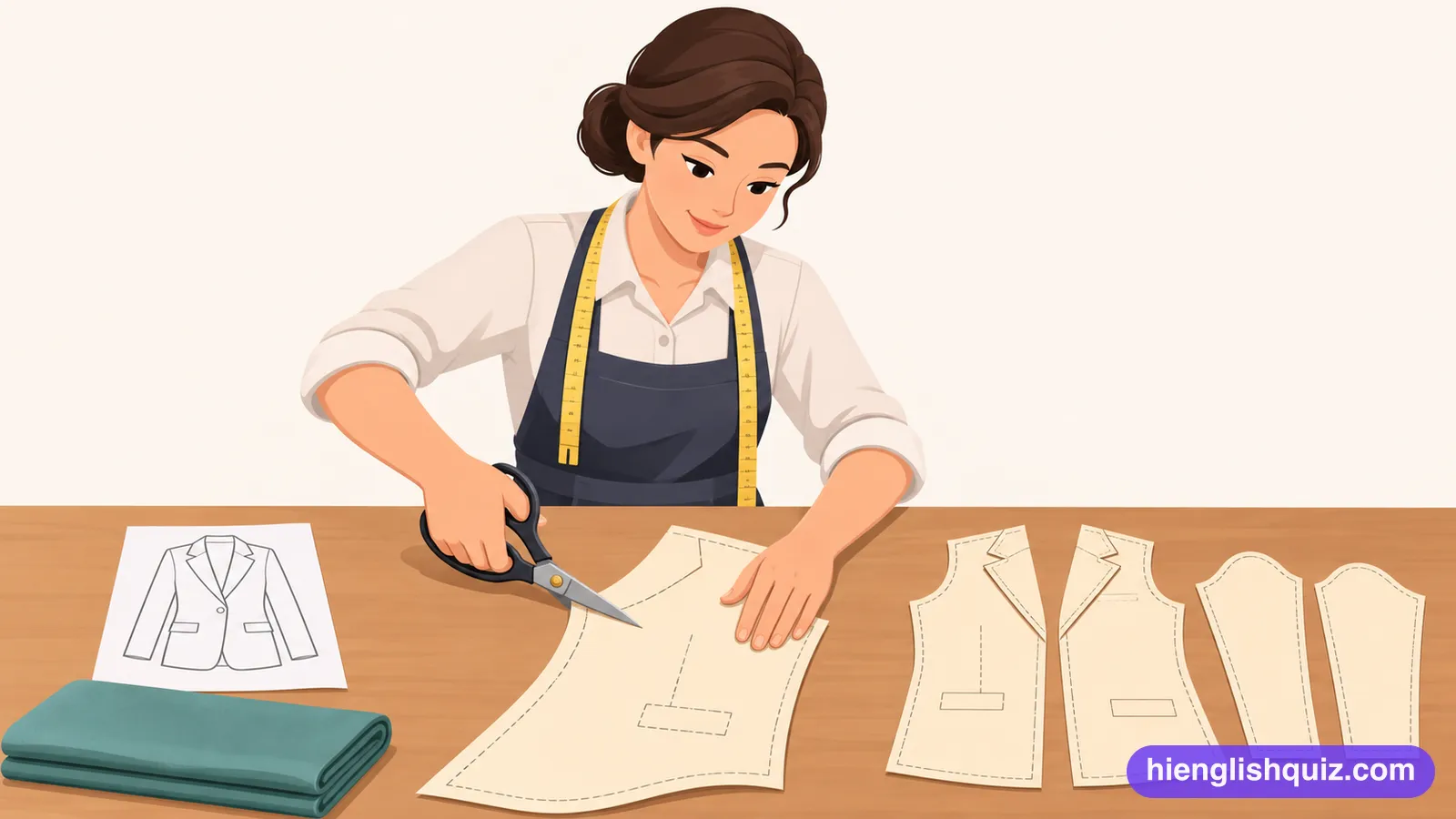
A person who makes paper shapes from a design, which are used to cut the cloth for a garment.
Example: The pattern cutter drew each piece of the jacket on paper.
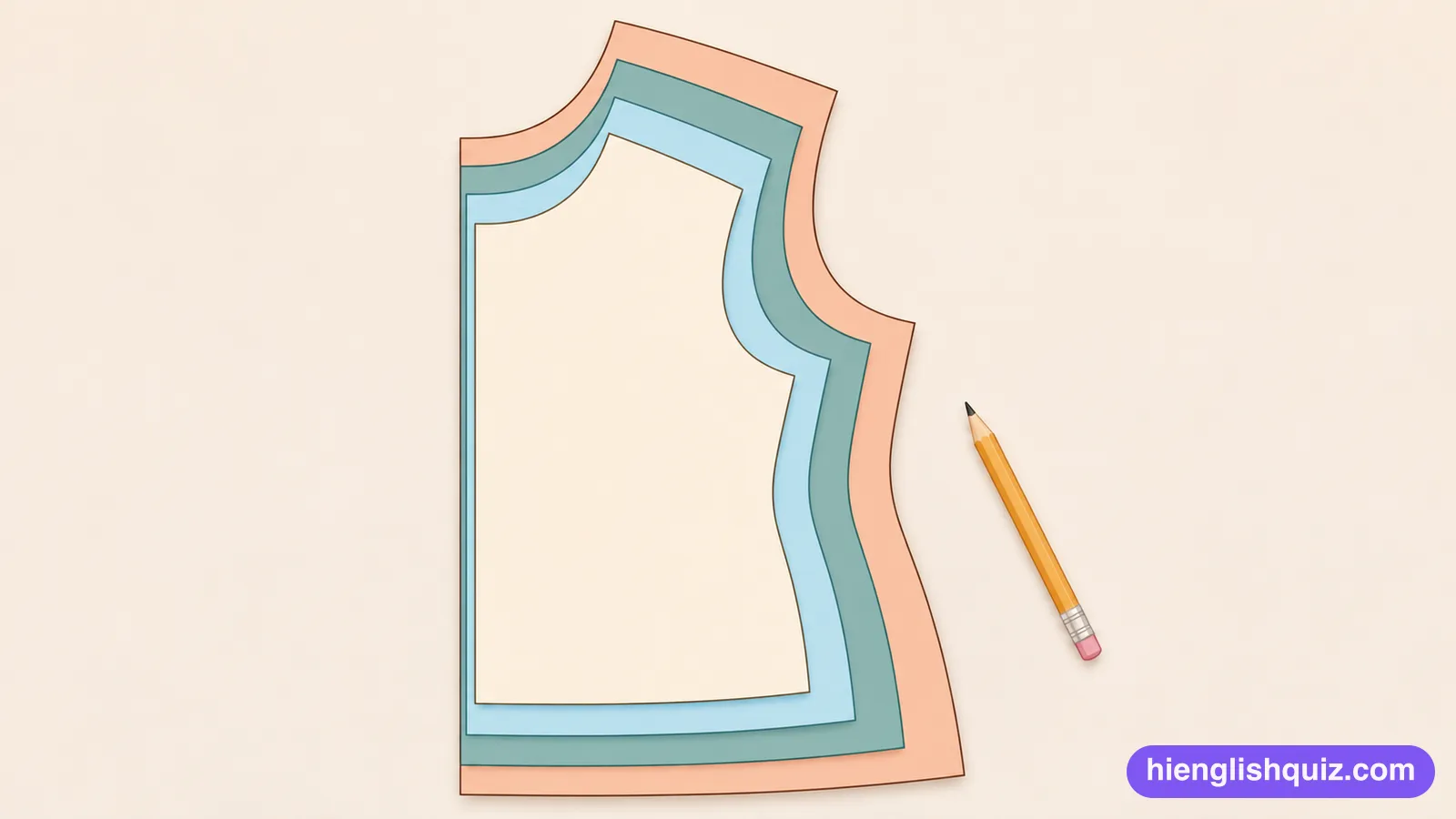
Changing a pattern so the same design can be made in a range of sizes.
Example: Grading turns one sample pattern into every size in the range.
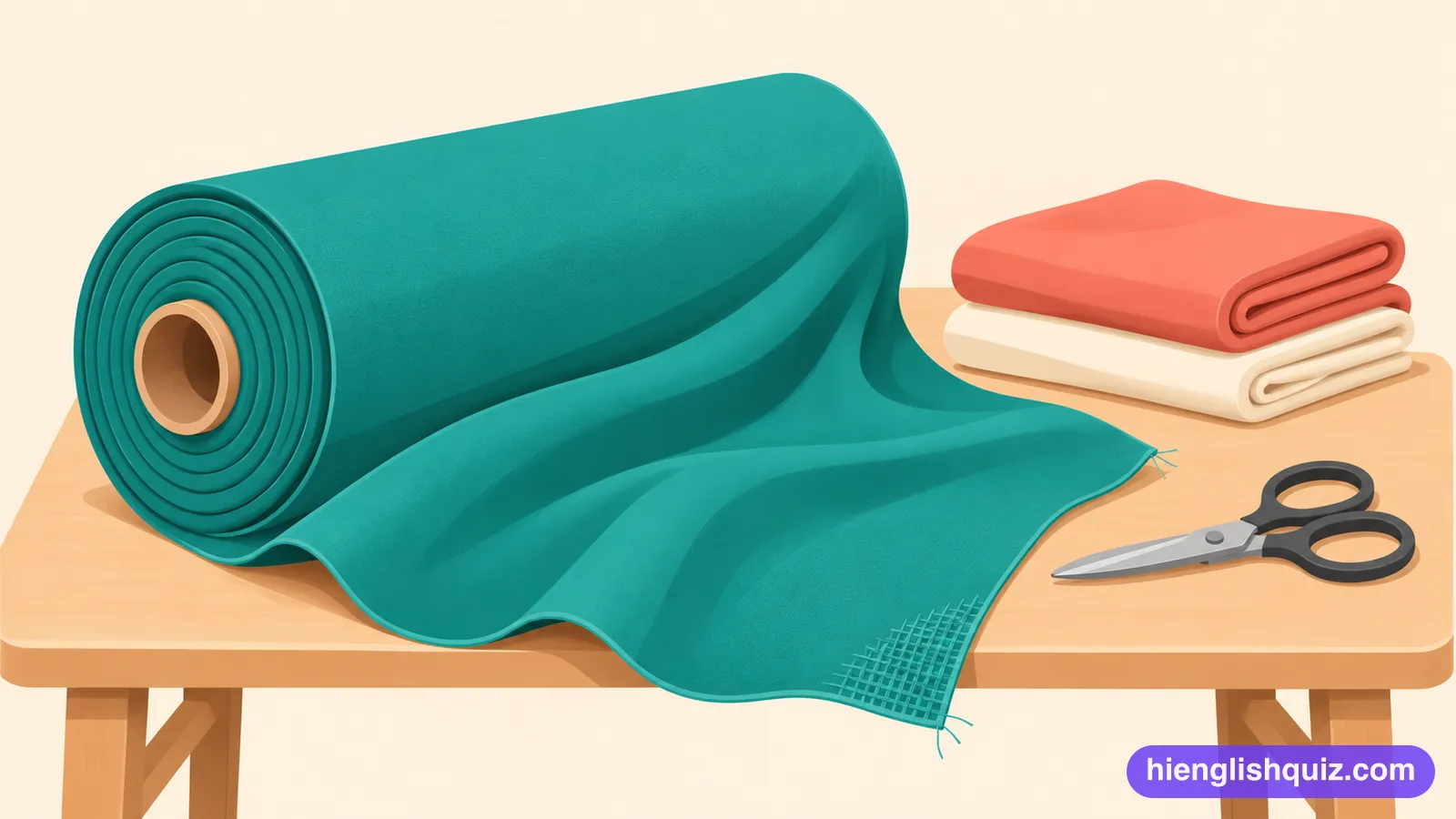
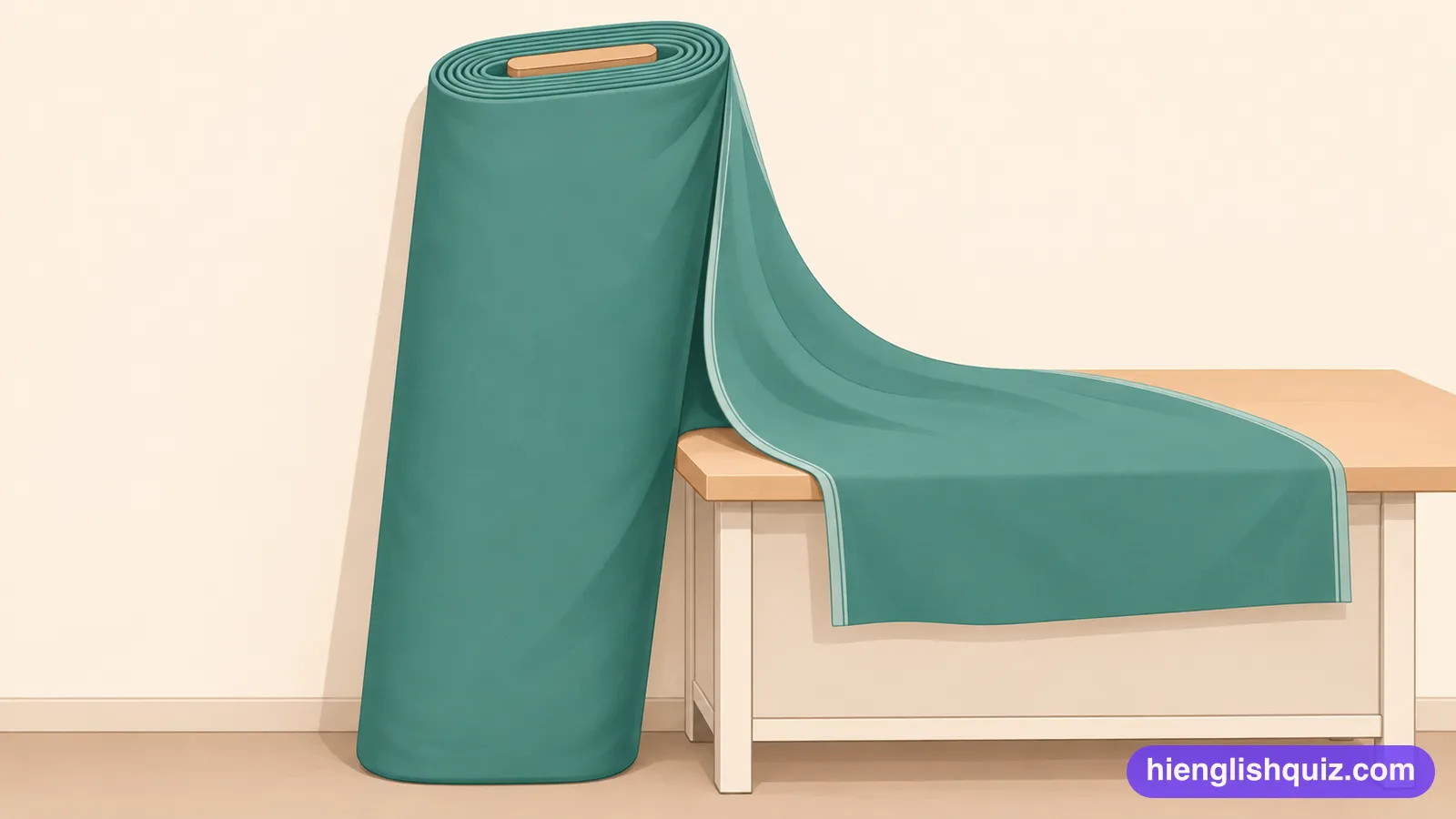
A long roll of cloth wound on a tube, as it leaves the mill.
Example: The shop sells cloth by the metre from a bolt.
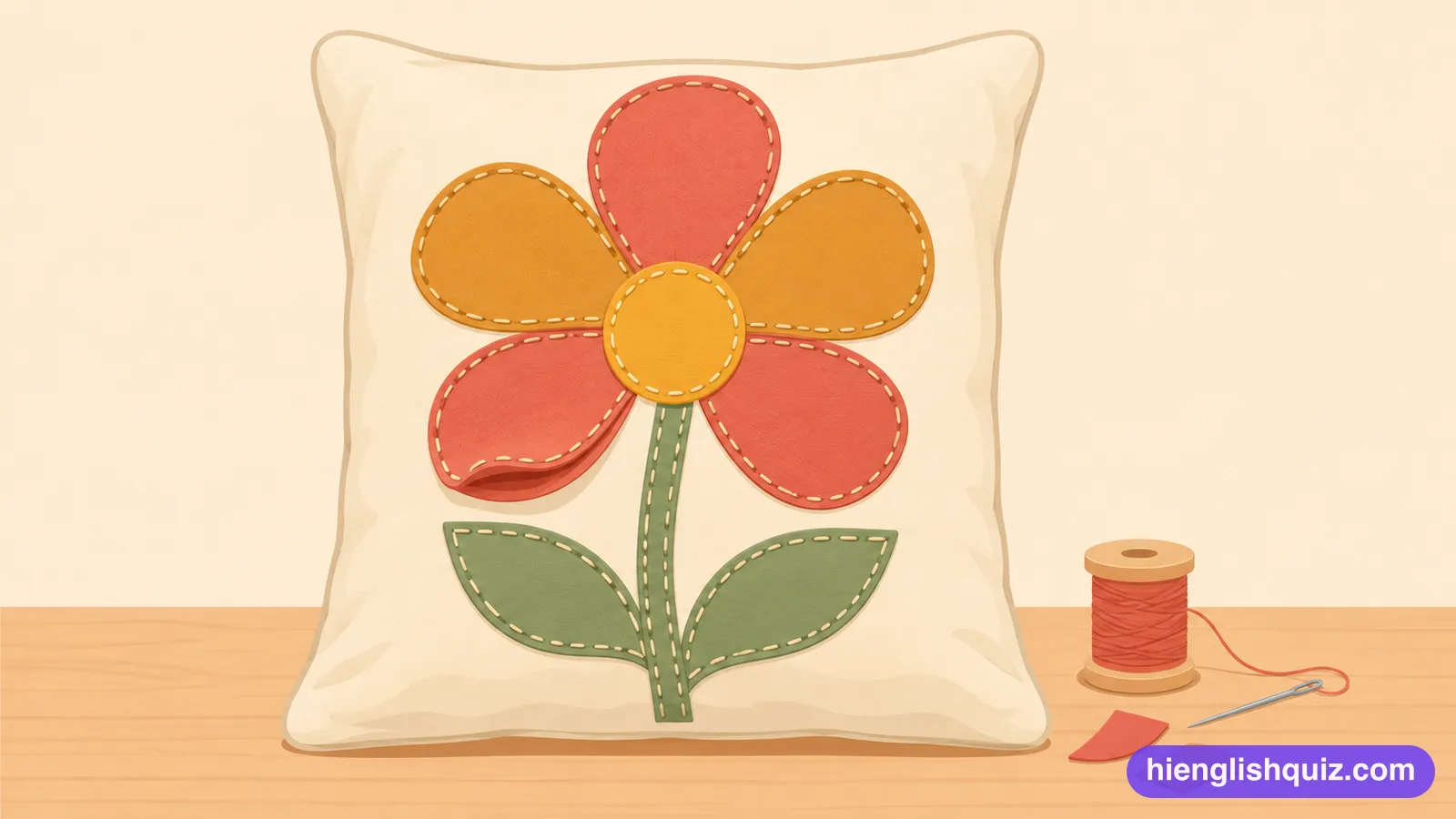
A decoration made by sewing small pieces of cloth onto a larger piece in a design.
Example: The cushion has a flower in appliqué on the front.
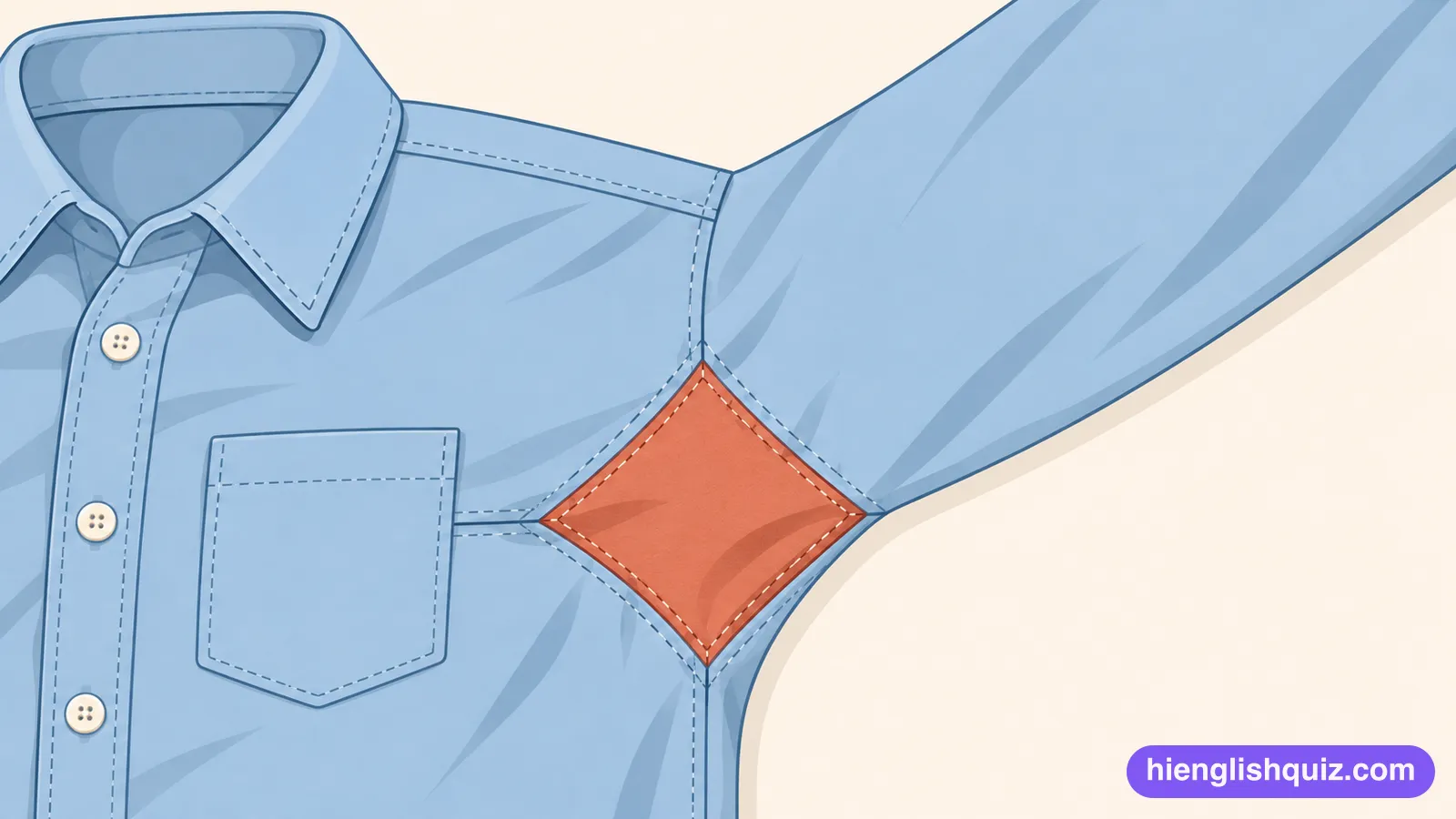
A small piece of cloth sewn into a seam to make a garment roomier or stronger.
Example: The tights have a cotton gusset for comfort.
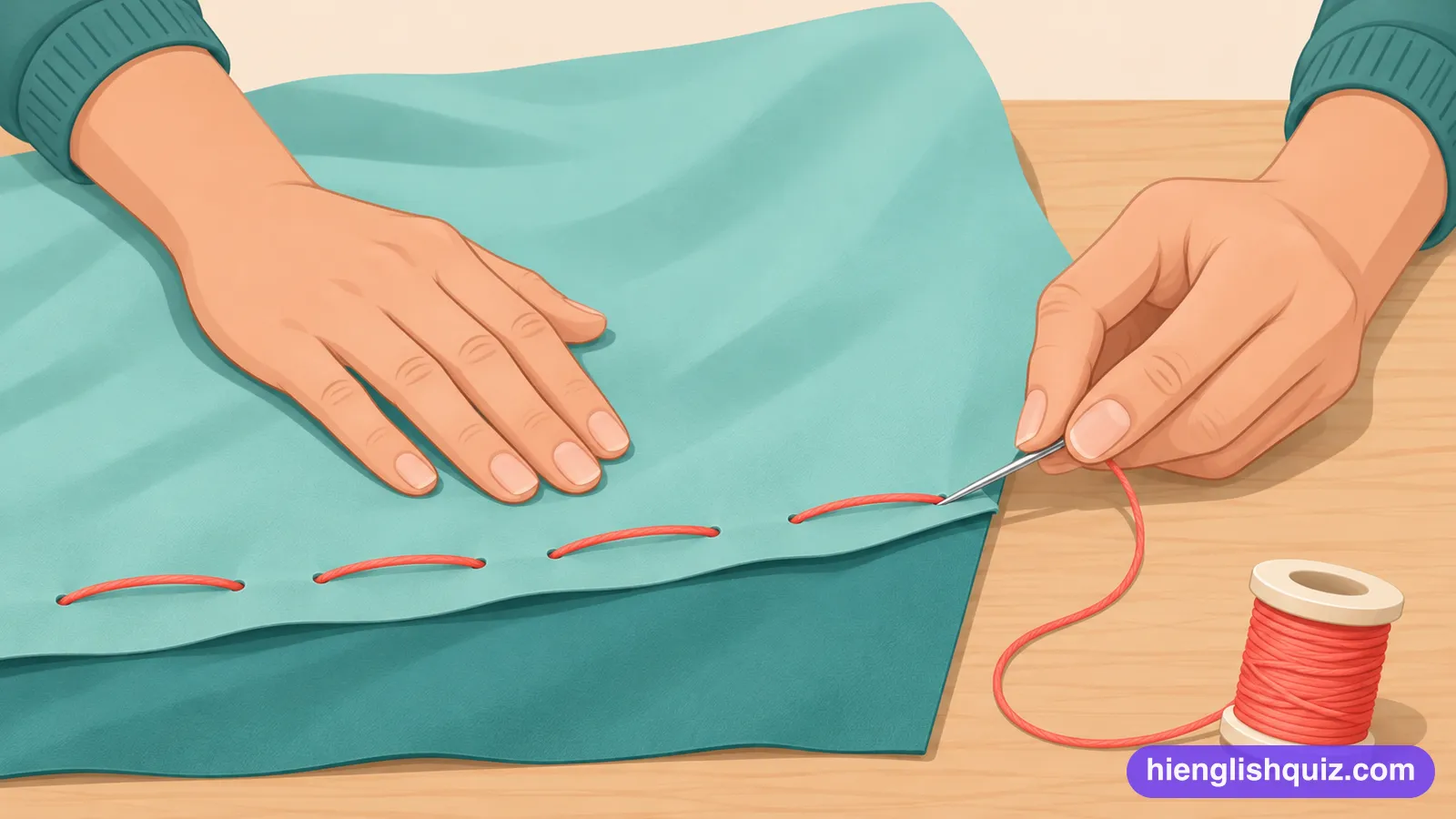
Sewing long, loose, temporary stitches to hold cloth in place before the final sewing.
Example: Do the tacking first, then check the fit.
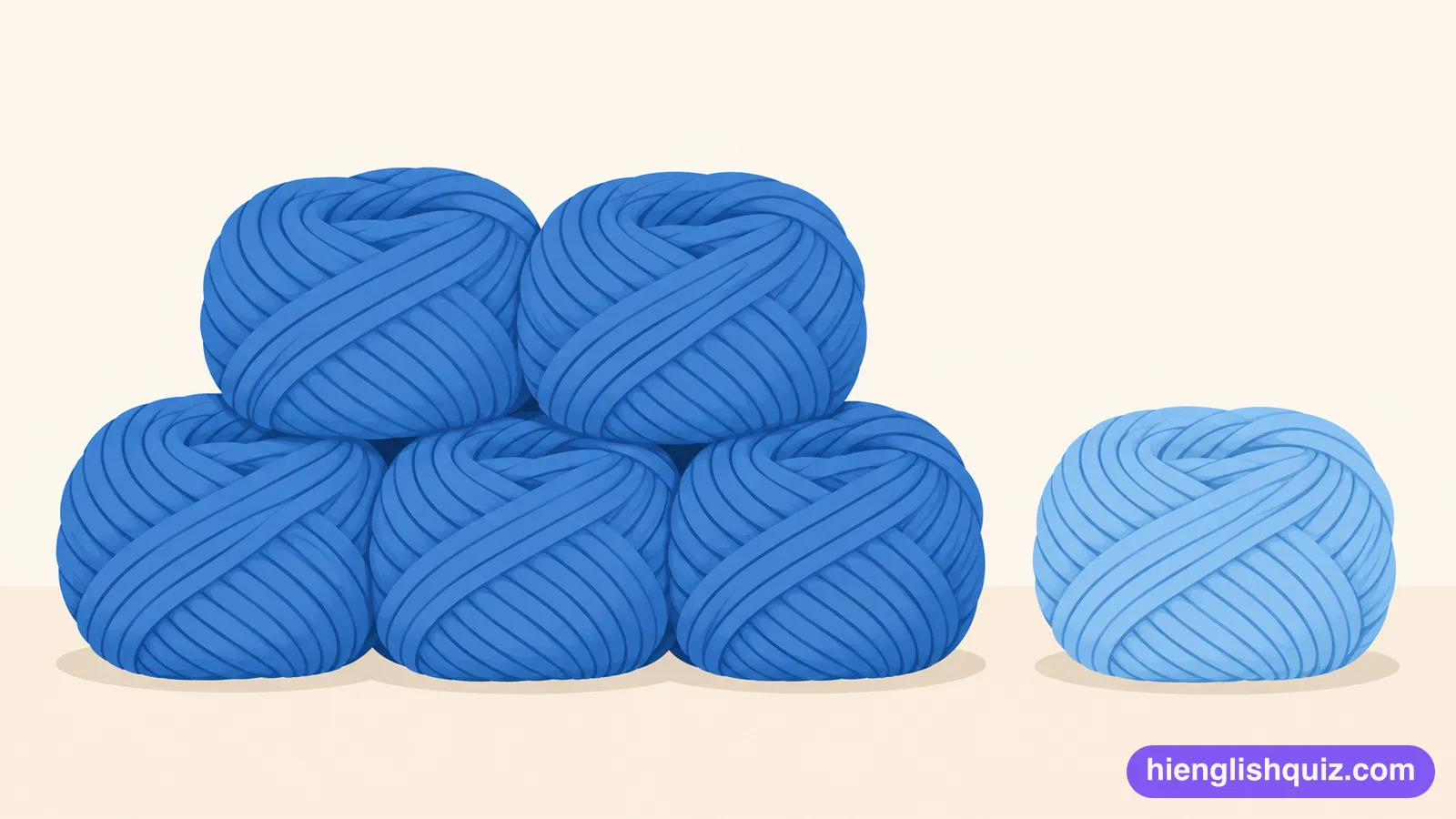
One batch of cloth or yarn that was dyed together and has exactly the same colour.
Example: Buy all the wool from one dye lot to match.
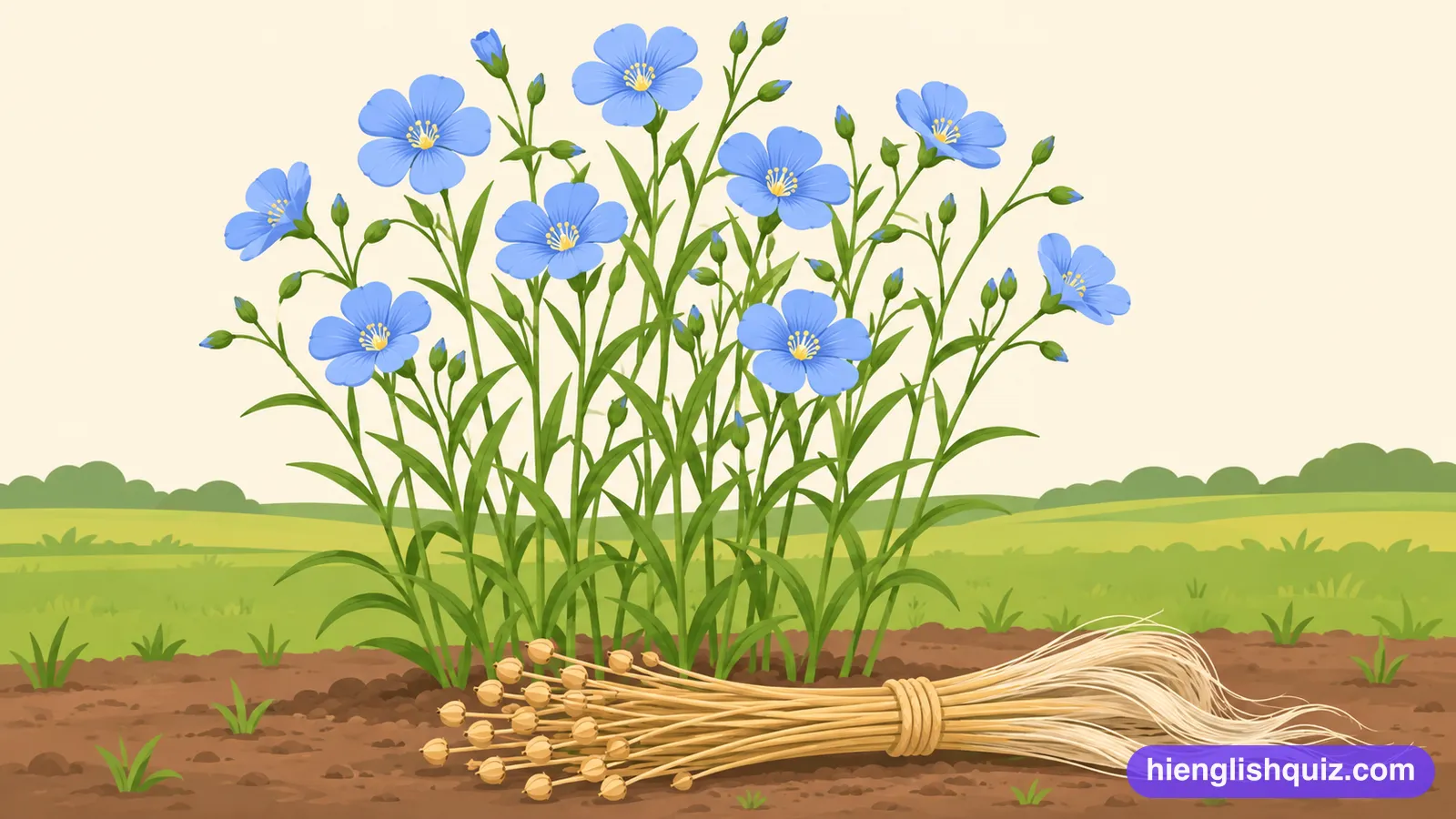
A plant with blue flowers whose stems are made into fibre for linen.
Example: The farmers harvested the flax by hand before the first rains arrived.
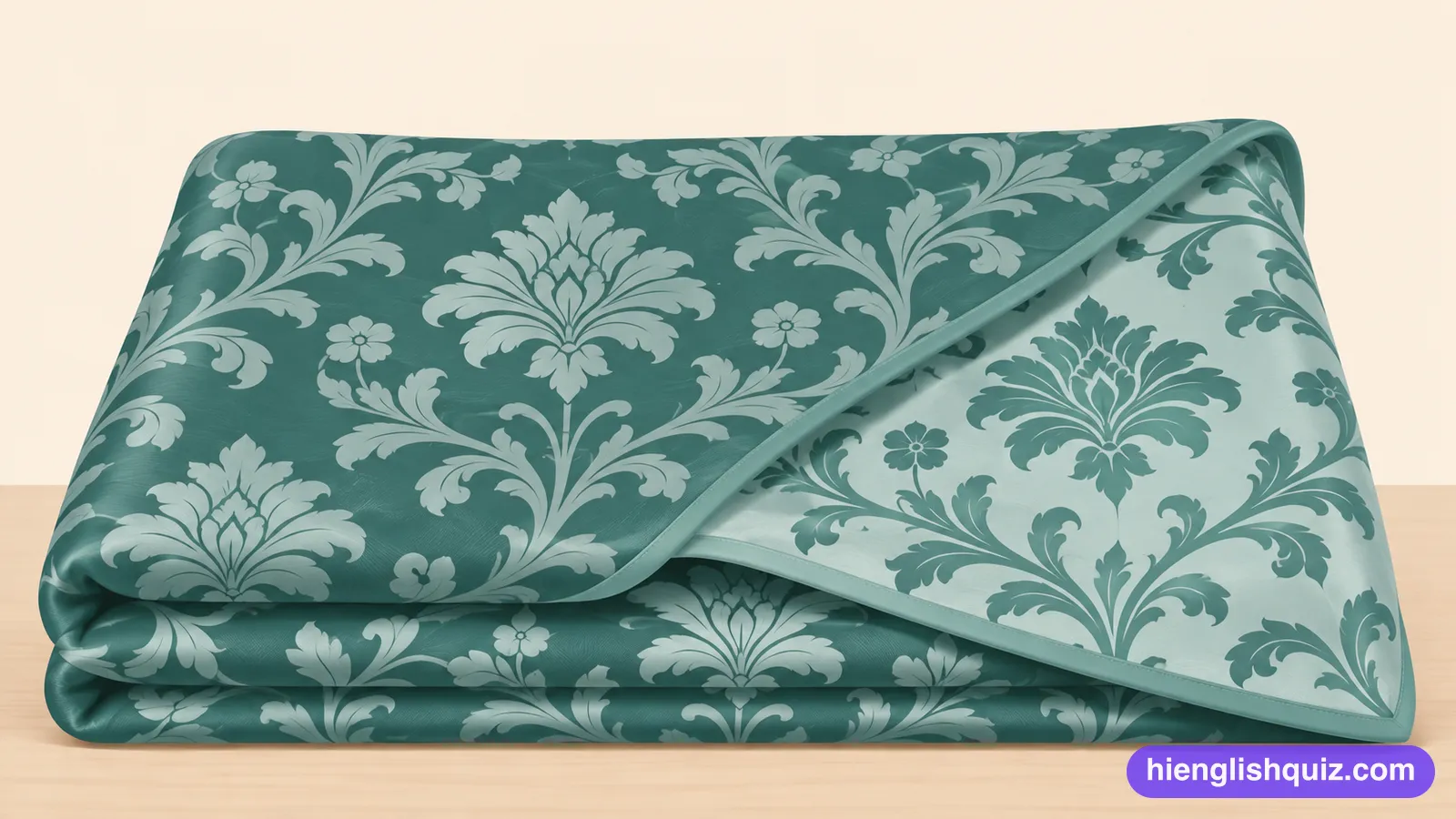
A rich woven fabric with a raised pattern visible on both sides, often used for tablecloths and curtains.
Example: The dining table was covered with a white damask cloth.