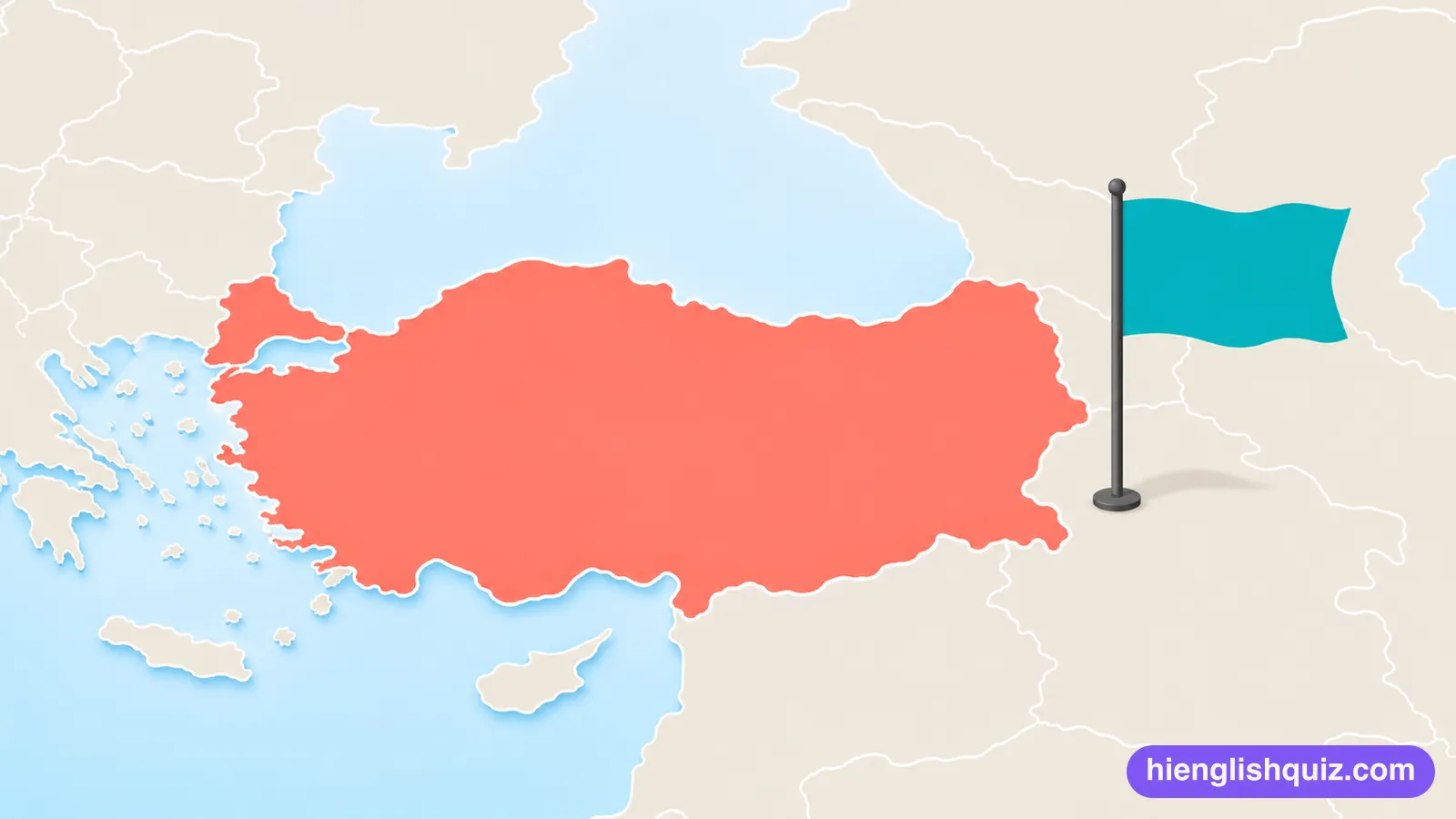
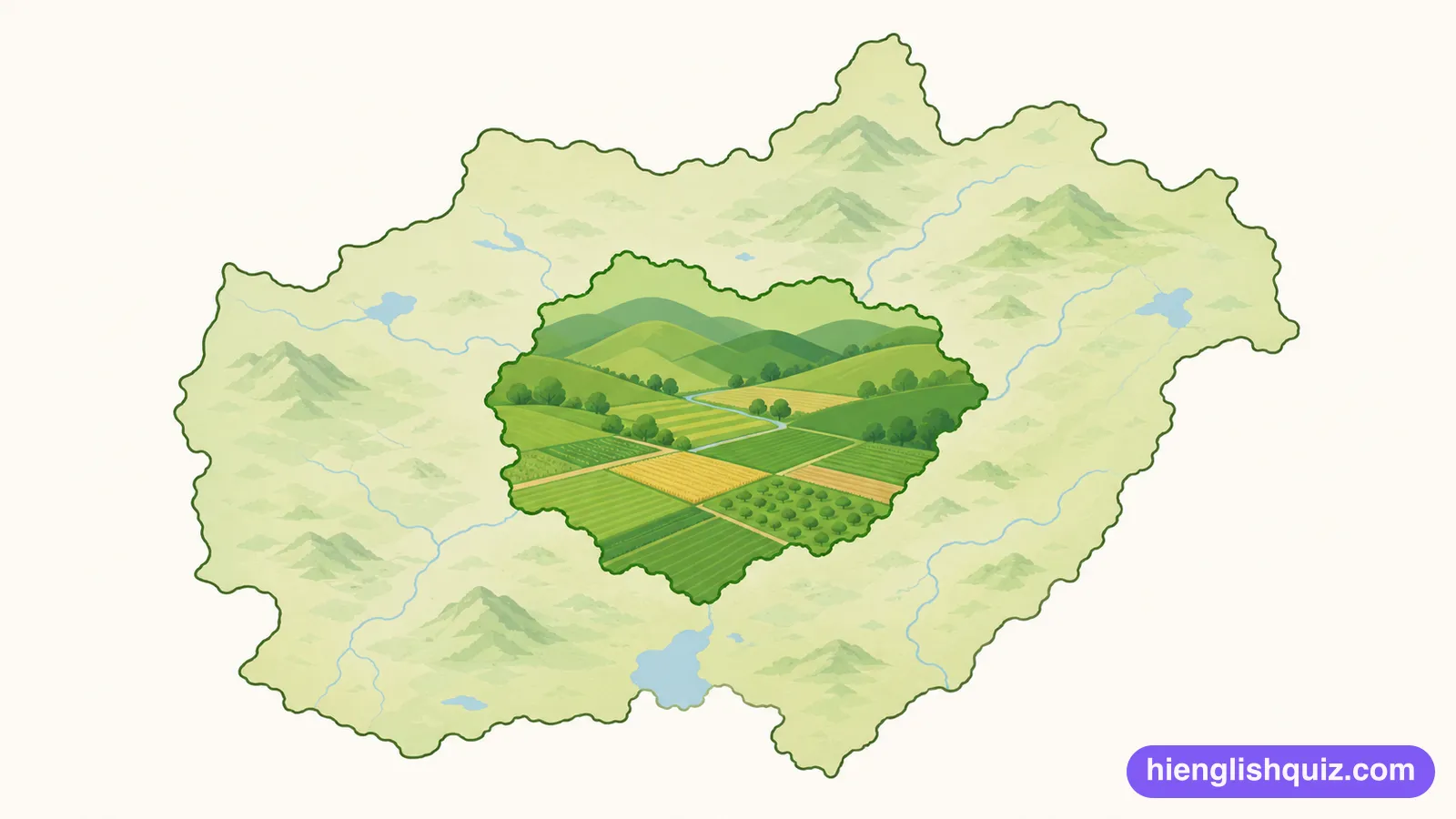
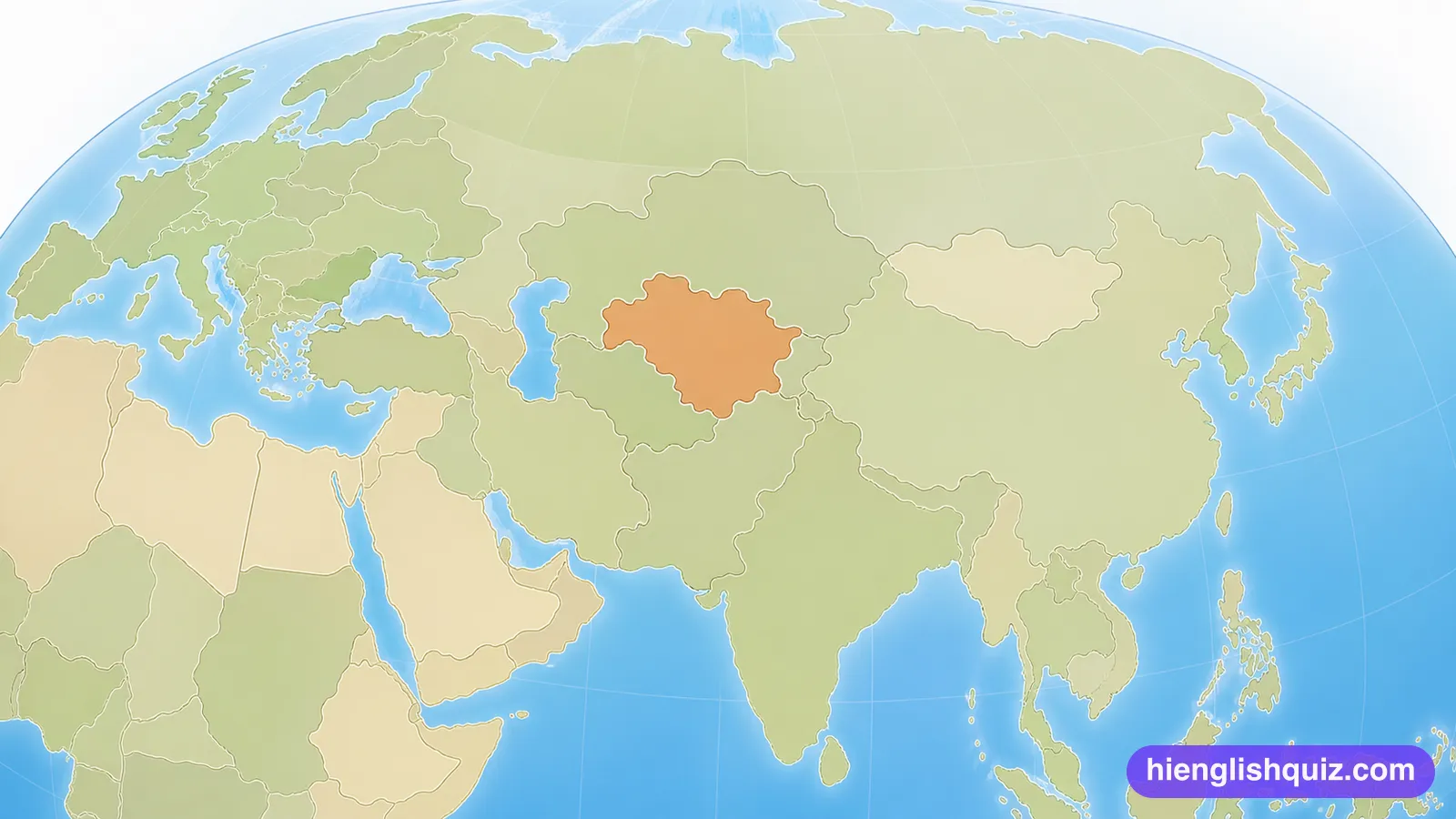
landlocked
/ˈlændˌlɑkt/Describing a country with no coast at all, shut in on every side by its neighbours.
Example: Bolivia is landlocked, so all its trade travels through neighbours.
 Hi EnglishQuiz
C116 words · Advanced
Countries and continents vocabulary for sovereignty and geography, including a peninsula, a delta and a fjord, plus autonomy, secession and dominion.
Describing a country with no coast at all, shut in on every side by its neighbours.
Example: Bolivia is landlocked, so all its trade travels through neighbours.
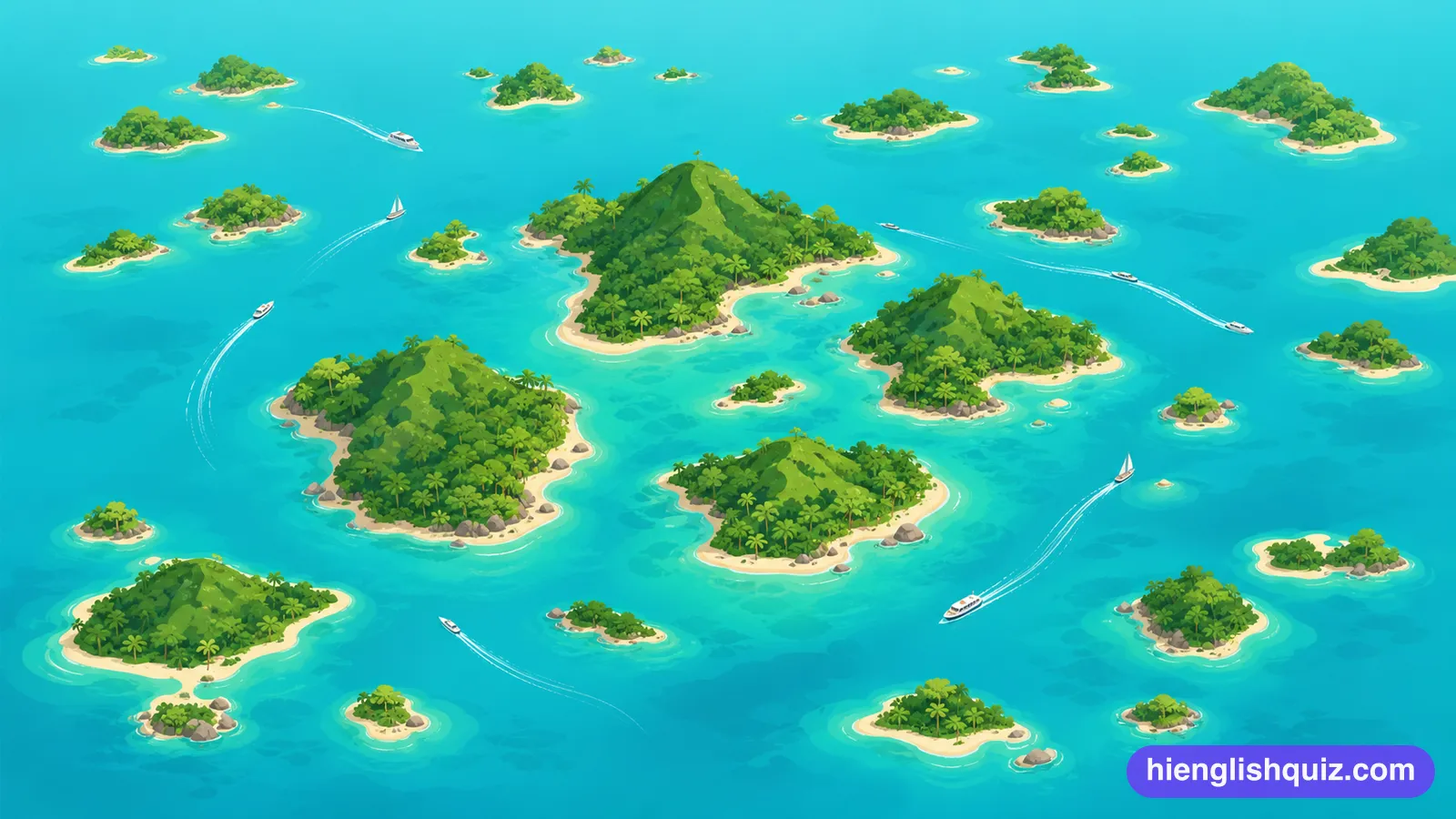
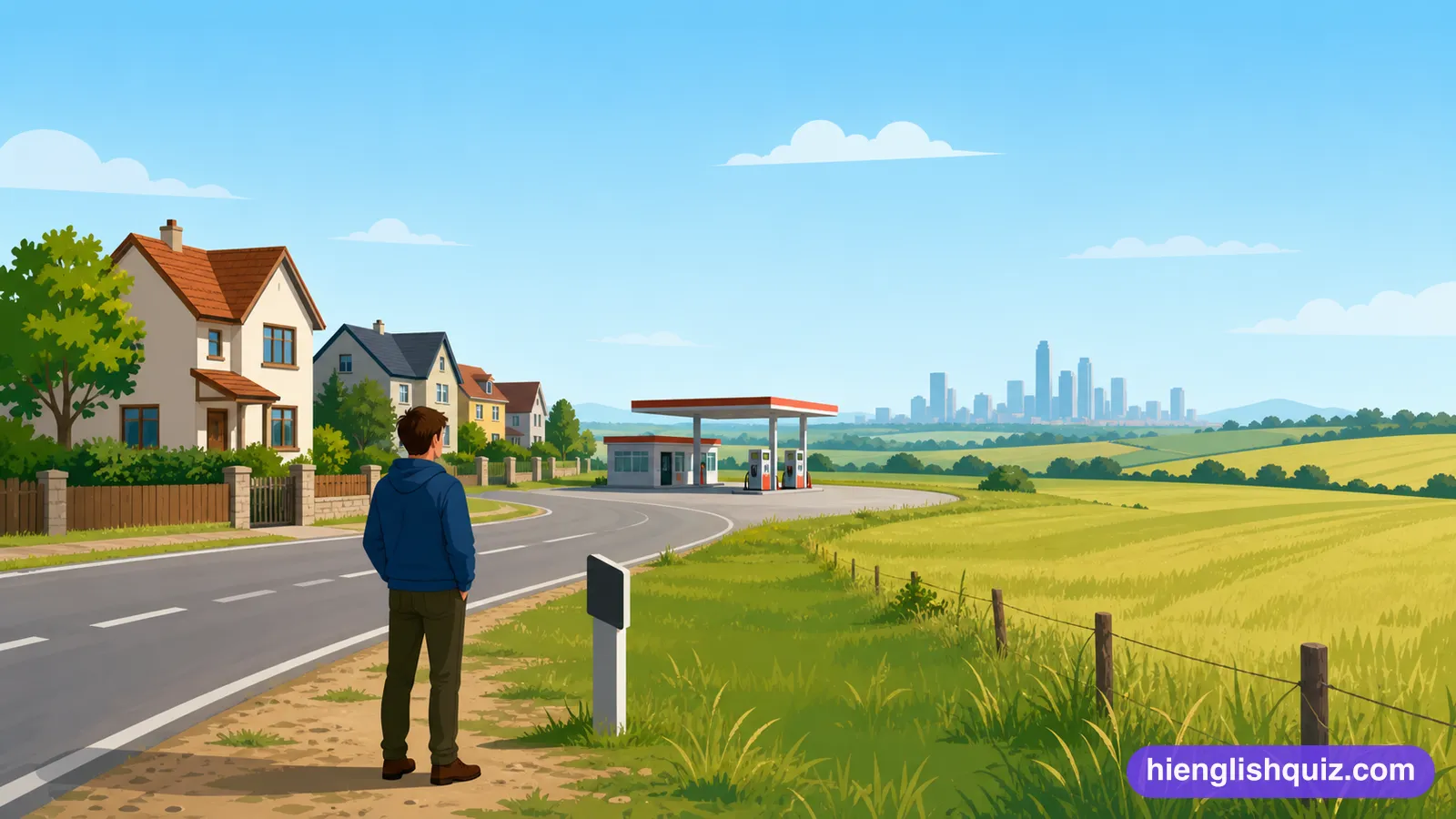
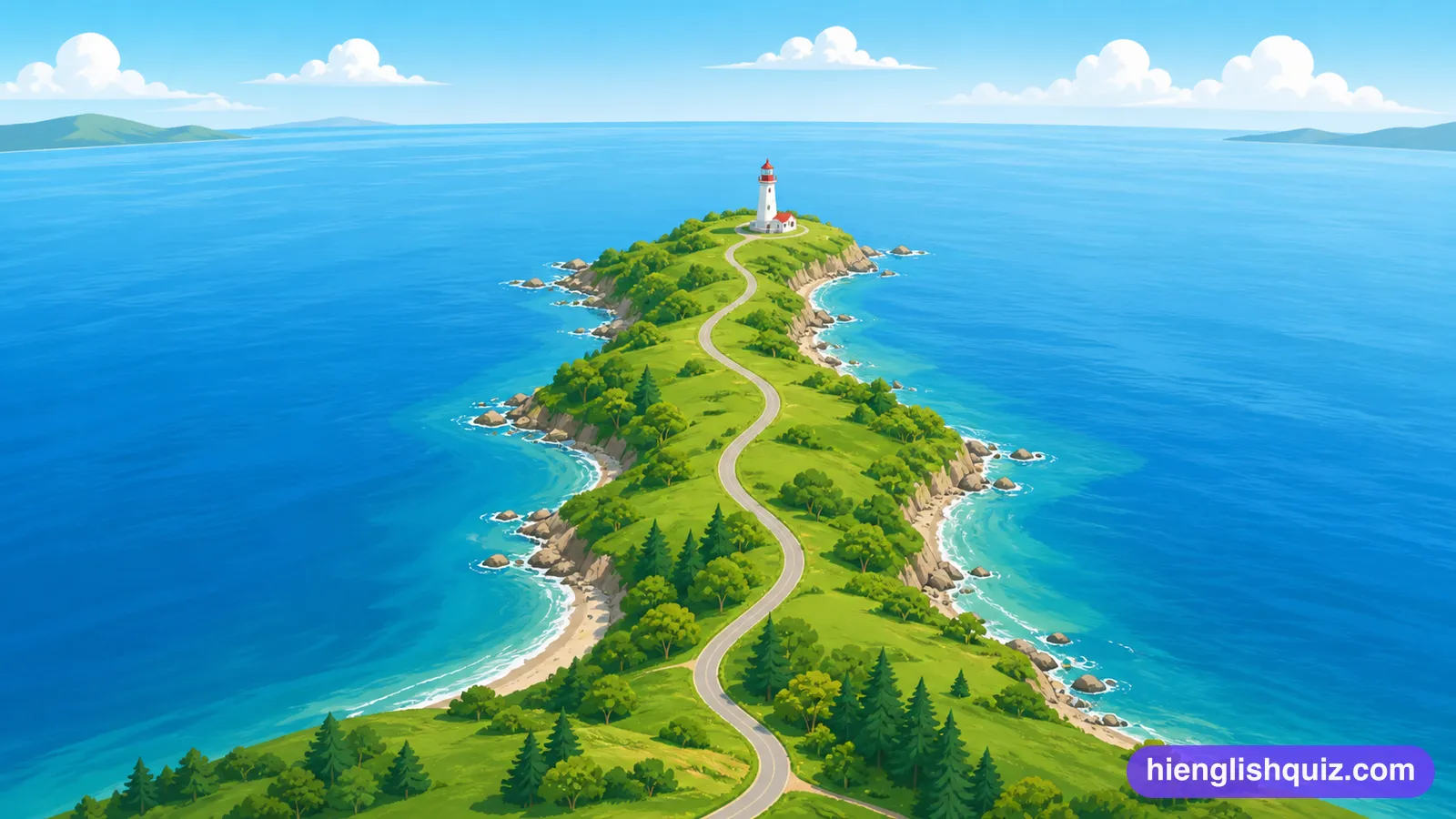
A piece of land almost surrounded by water but still joined to a larger area.
Example: The road runs right to the tip of the peninsula.
A country's power to govern itself without control from others.
Example: The islands finally gained full sovereignty in 1975.
The act of a country taking control of another territory and settling people there.
Example: The region's history was shaped by European colonisation.
The right of a region or group to govern itself.
Example: The region was granted greater autonomy in 1998.
The act of formally leaving a country or political union.
Example: The vote for secession divided the nation.
A person who lives outside their own country.
Example: Many British expatriates live along that coast.

Relating to the area of land along a coast.
Example: The littoral states signed a separate fishing agreement.
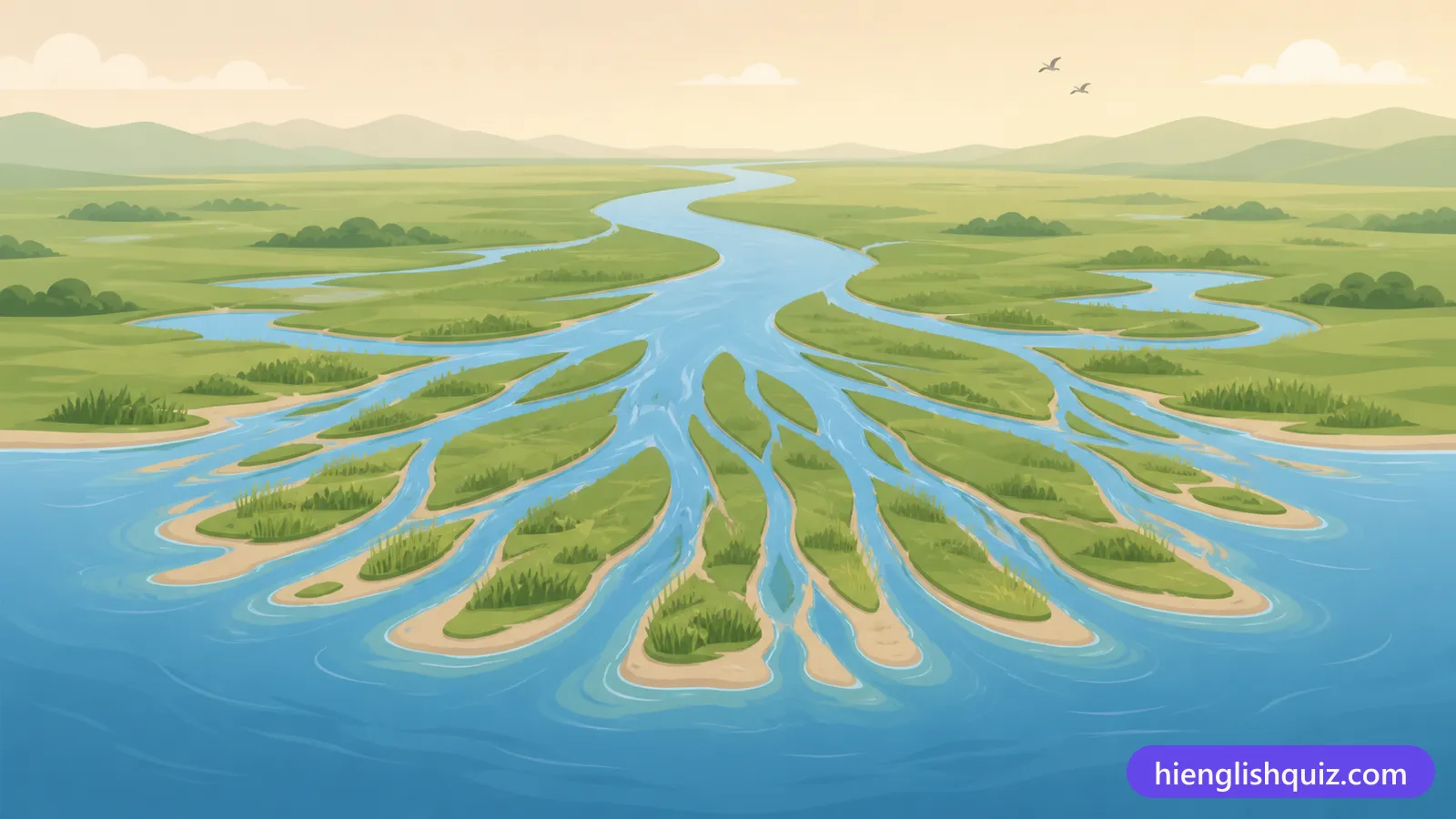
The flat area where a river splits before entering the sea.
Example: Forty million people live on that delta.
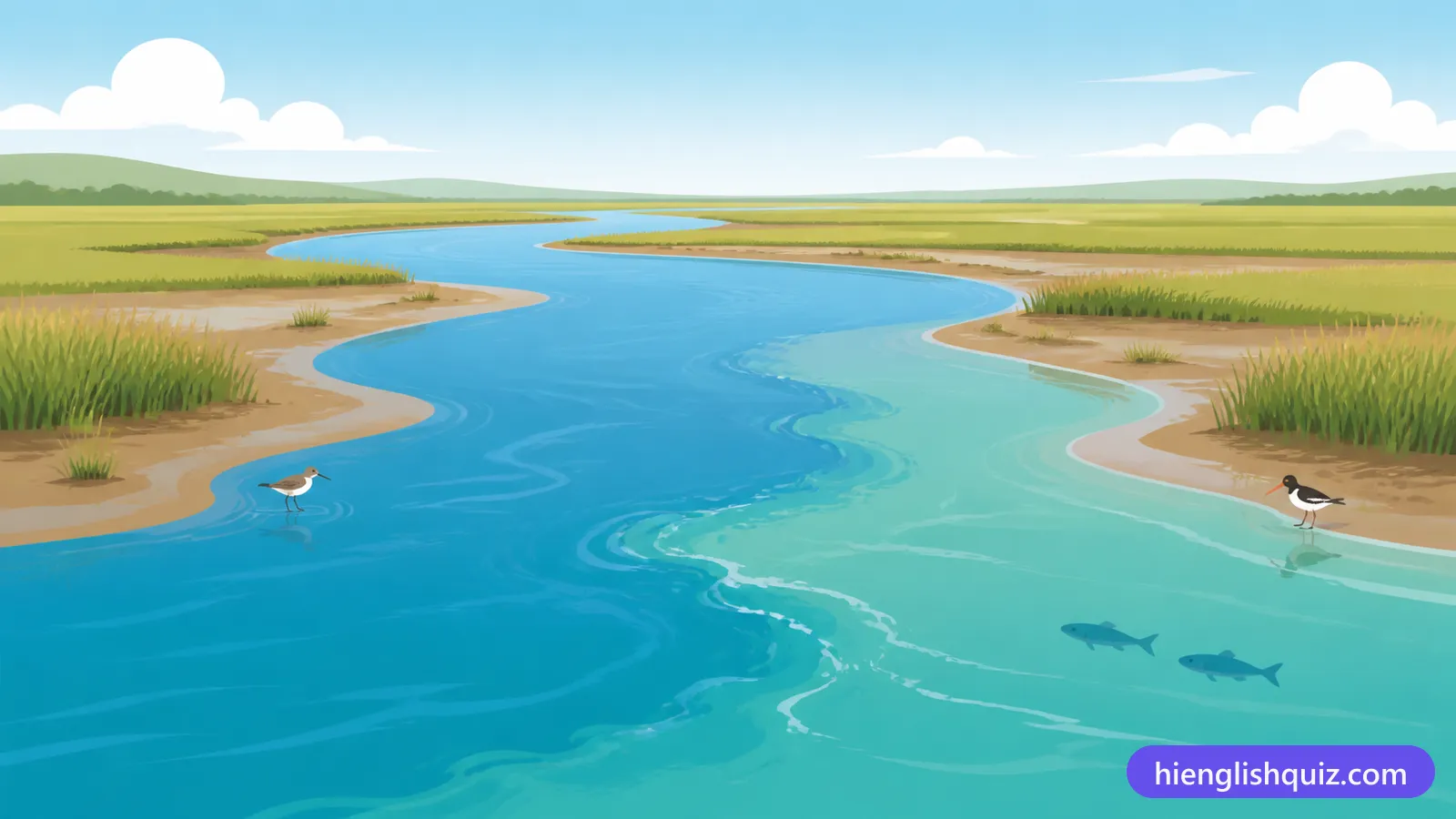
The wide part of a river where it meets the sea.
Example: The estuary is four miles across at high tide.
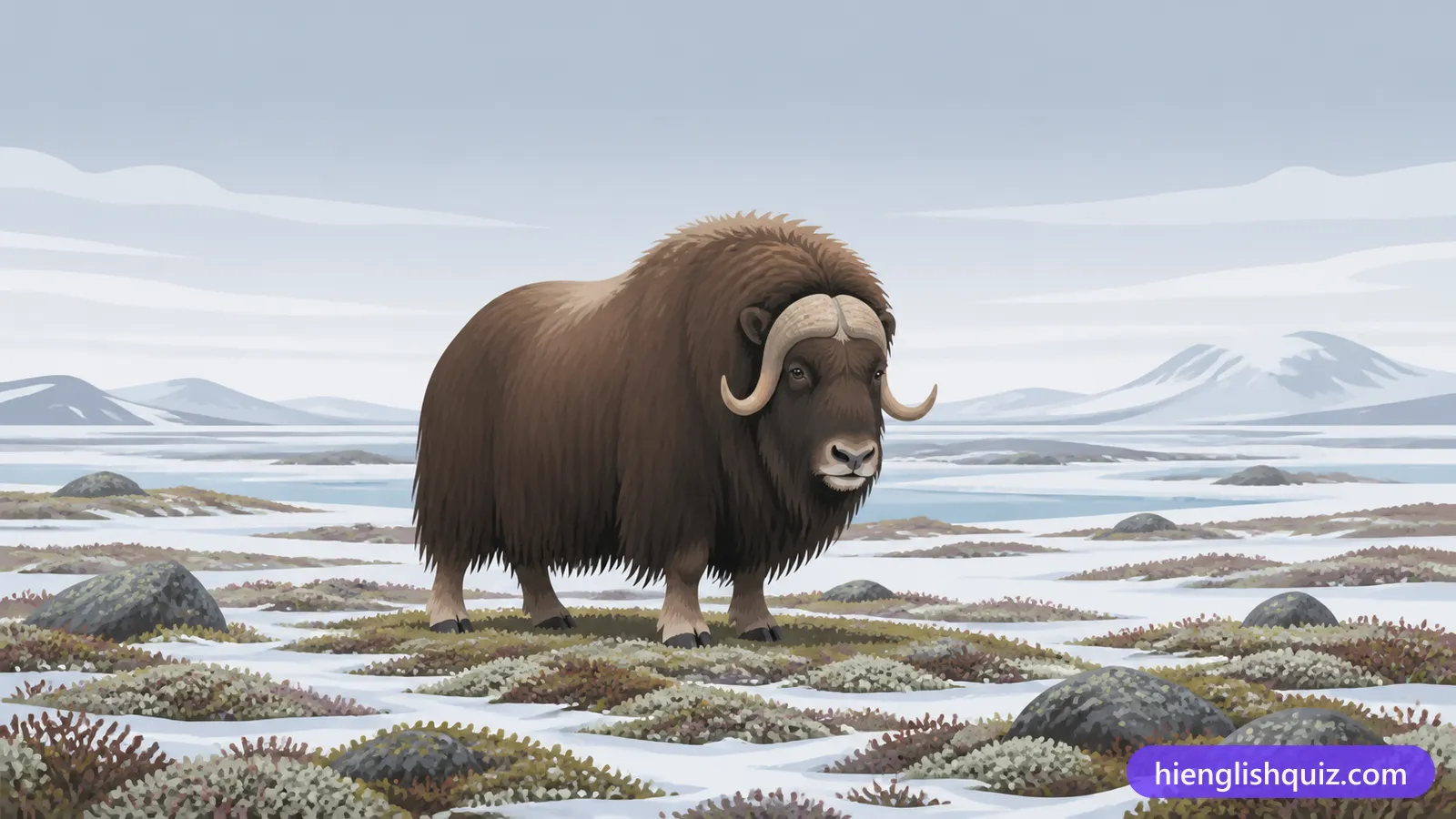
A large flat treeless area where the ground is frozen most of the year.
Example: Nothing taller than a shrub grows on the tundra.
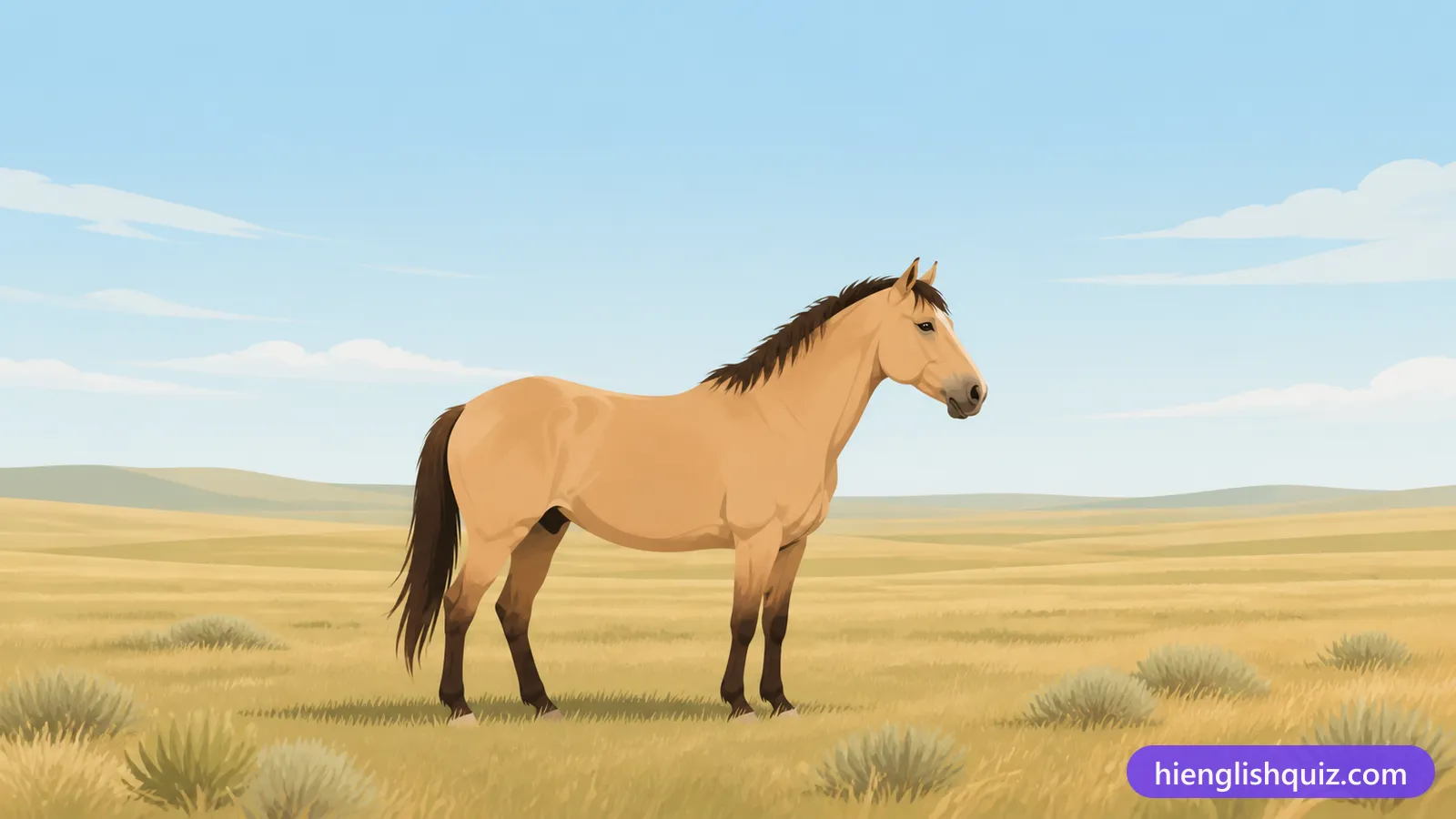
A large flat area of grassland with no trees.
Example: The steppe runs almost unbroken for two thousand miles.
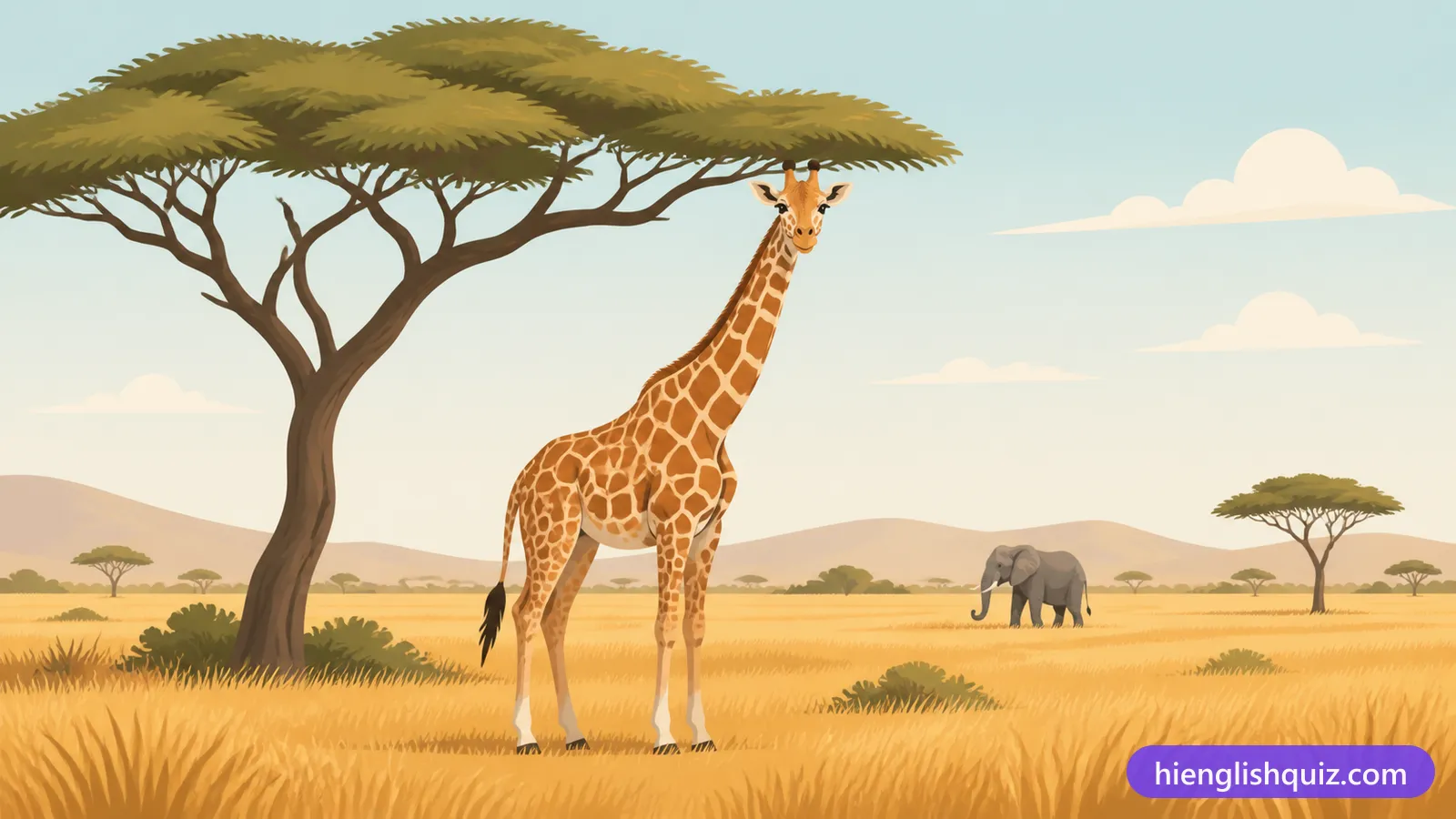
Flat grassland in a hot country with few trees.
Example: The herds cross the savannah twice a year.
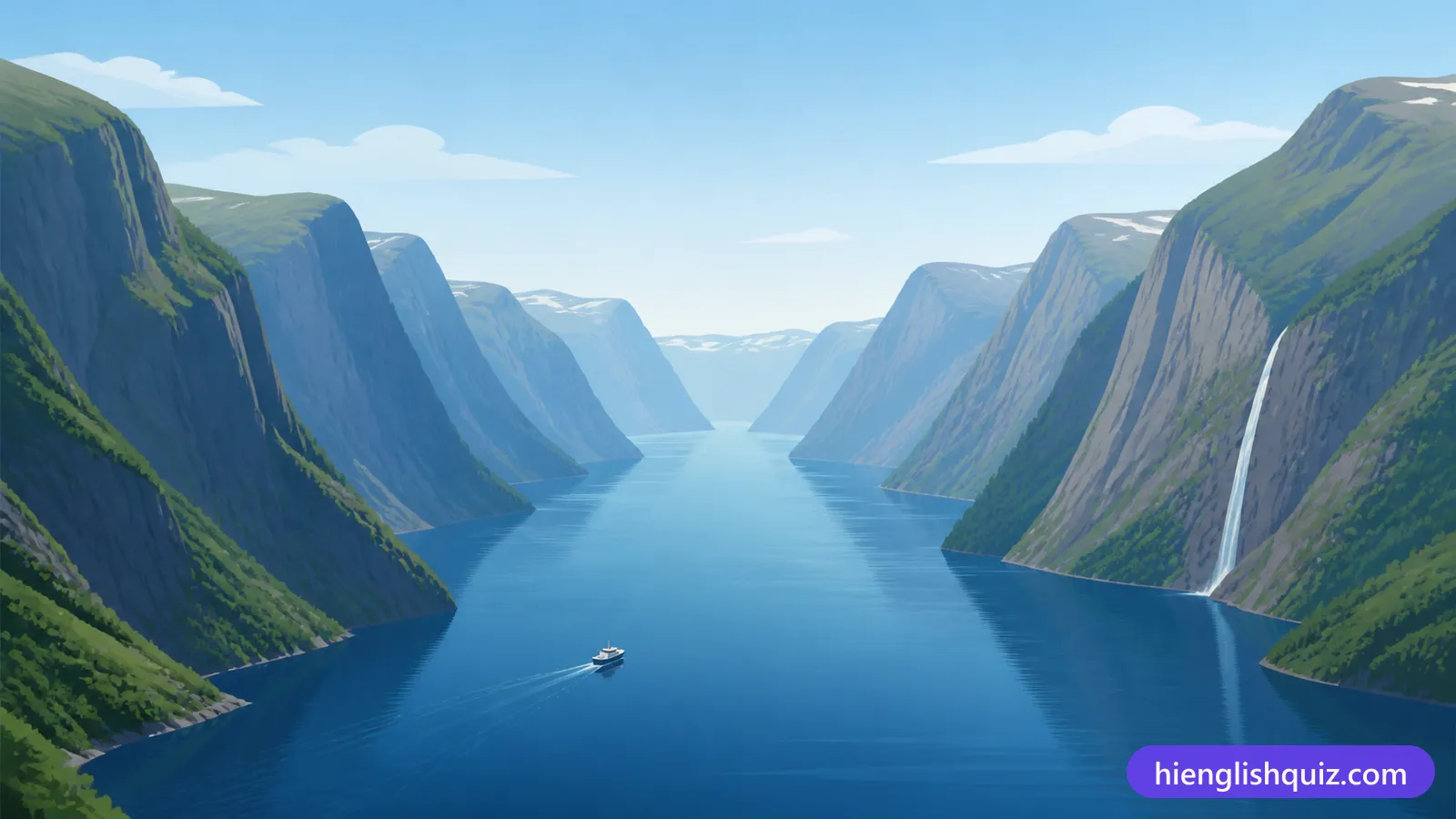
A long narrow inlet of sea between high cliffs.
Example: The fjord is deep enough for a cruise ship to turn in.
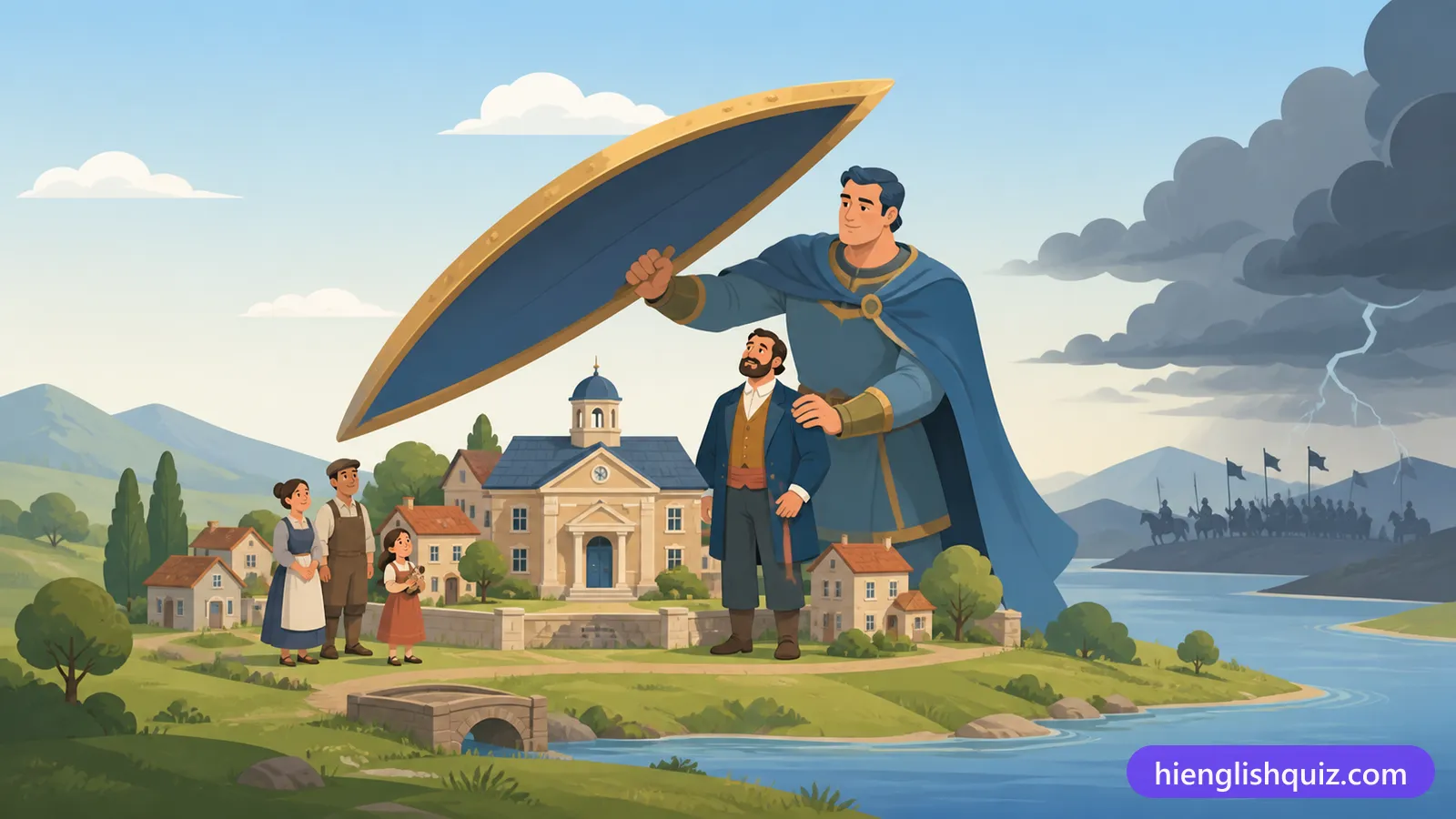
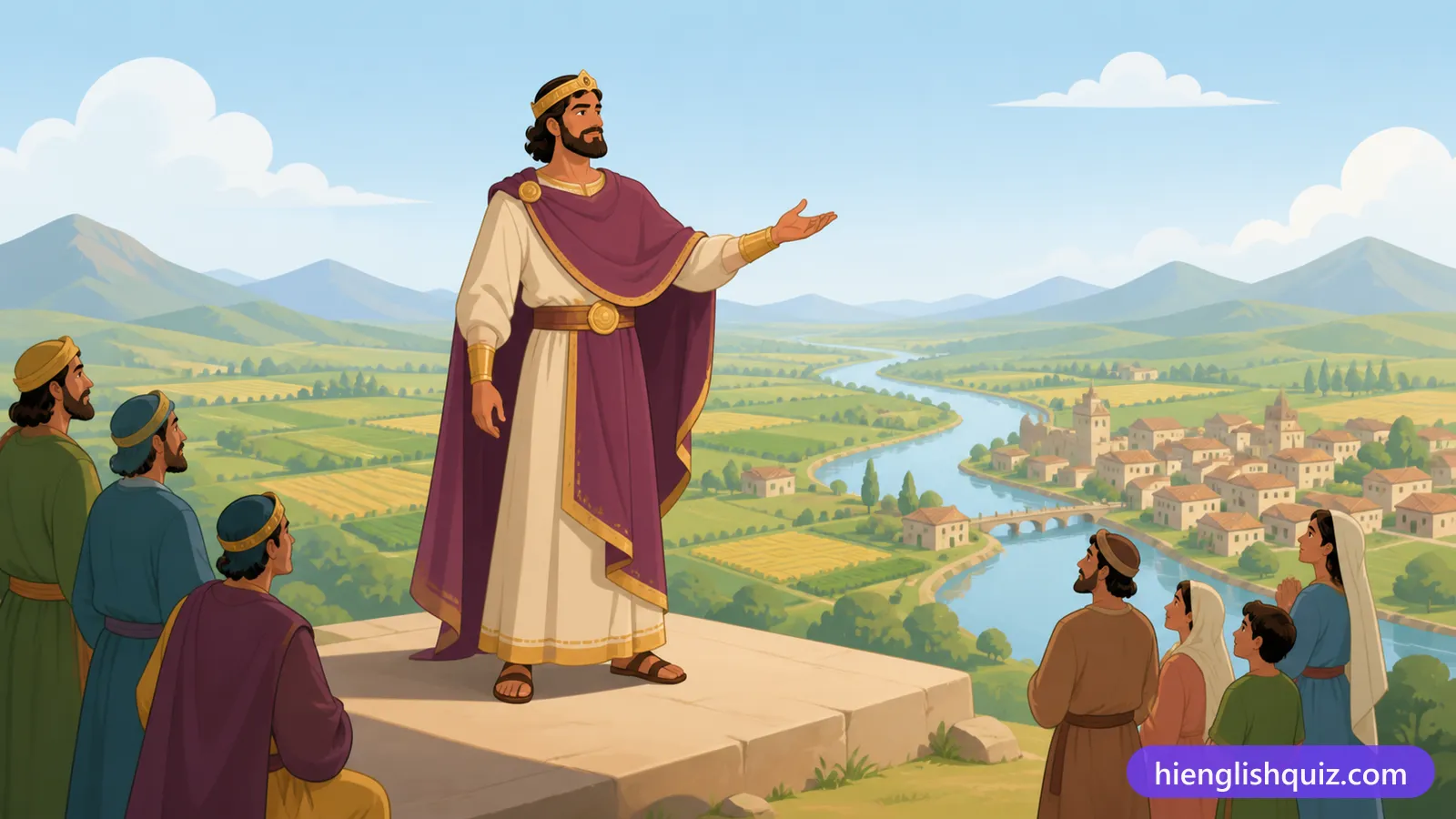
A country that governs itself but recognises another country's monarch.
Example: It became a dominion in 1907 and a republic much later.
A country controlled and protected by a stronger one.
Example: The islands were a protectorate for sixty years.