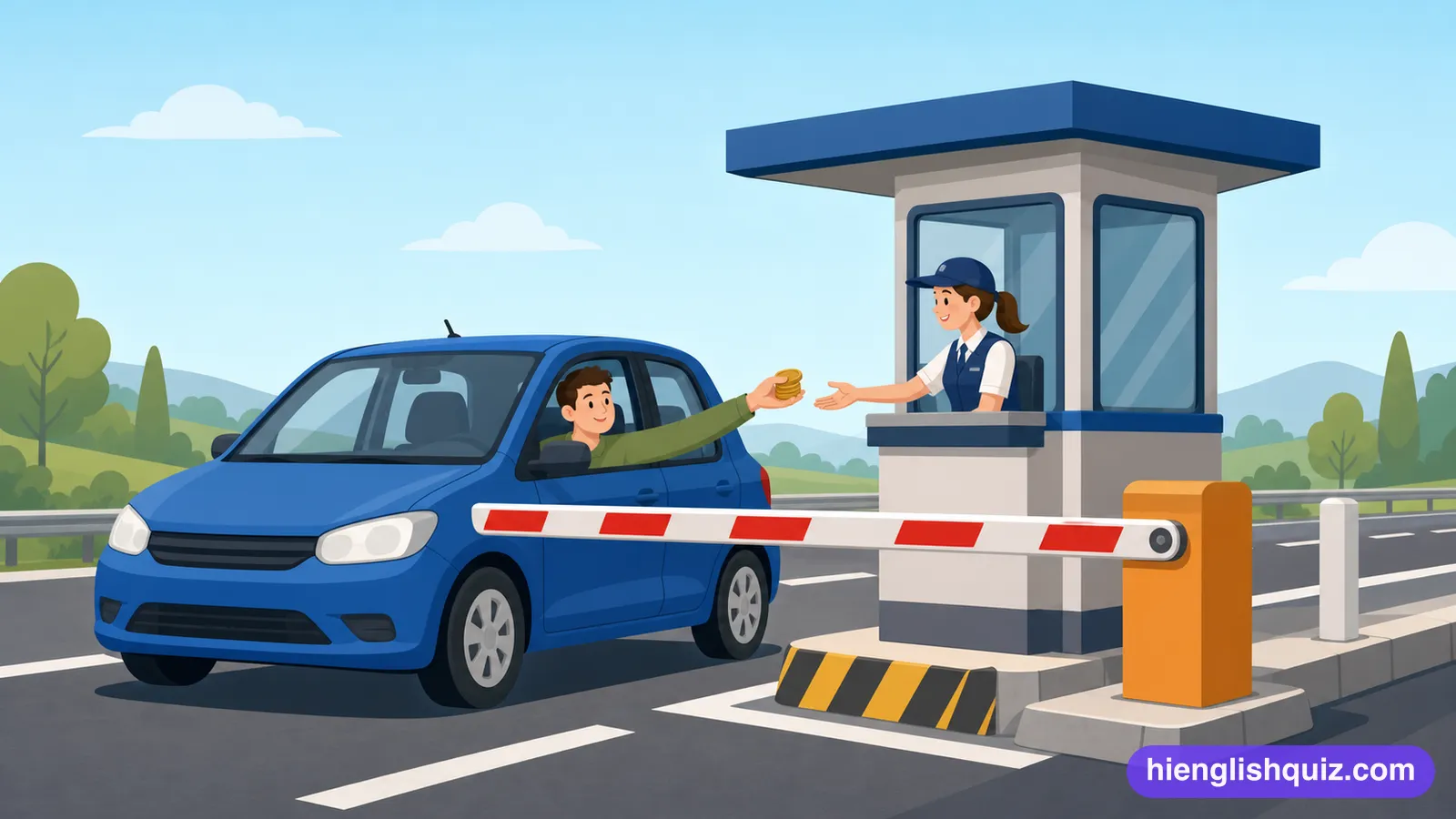
toll
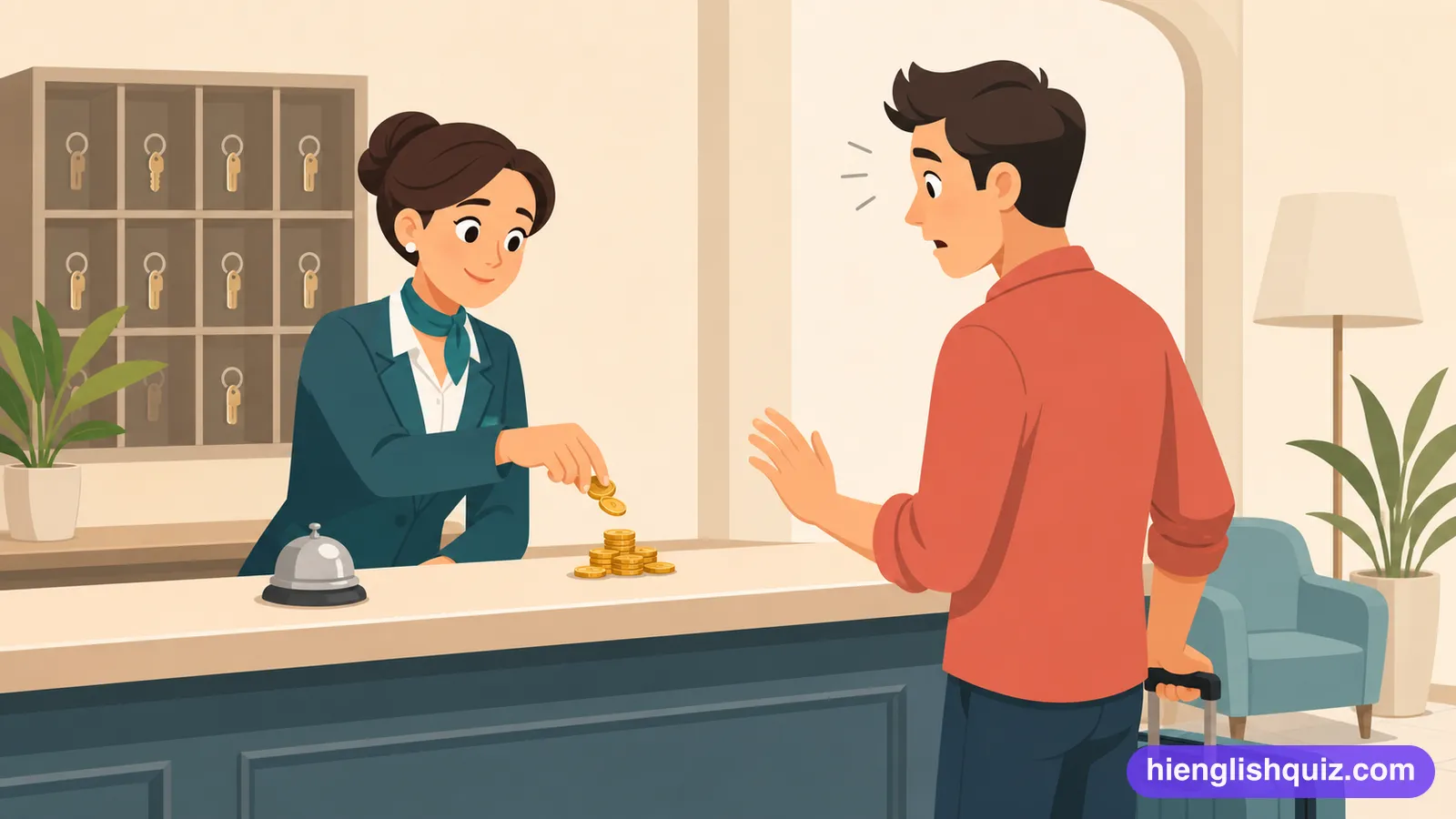
/toʊl/Money you must pay in order to use a particular road, bridge or tunnel.
Example: You pay a small toll to cross the bridge.
 Hi EnglishQuiz
C122 words · Advanced
Road and rail vocabulary for transport engineering, including a toll, an interchange and mass transit, plus light rail, a monorail and a level crossing.
Money you must pay in order to use a particular road, bridge or tunnel.
Example: You pay a small toll to cross the bridge.
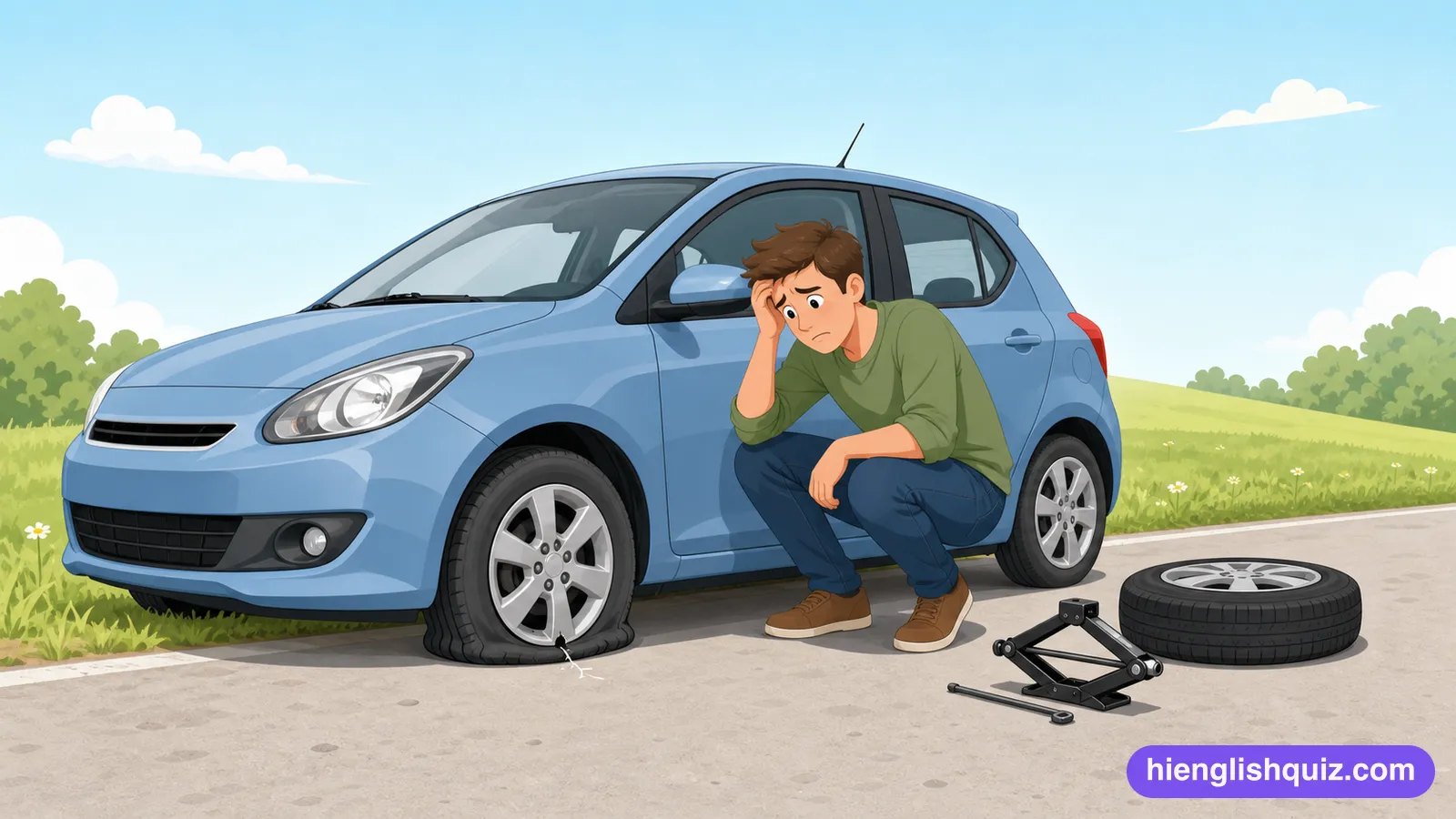
A small hole in a tyre that lets the air escape and leaves it flat.
Example: I got a puncture on the way home and had no spare.
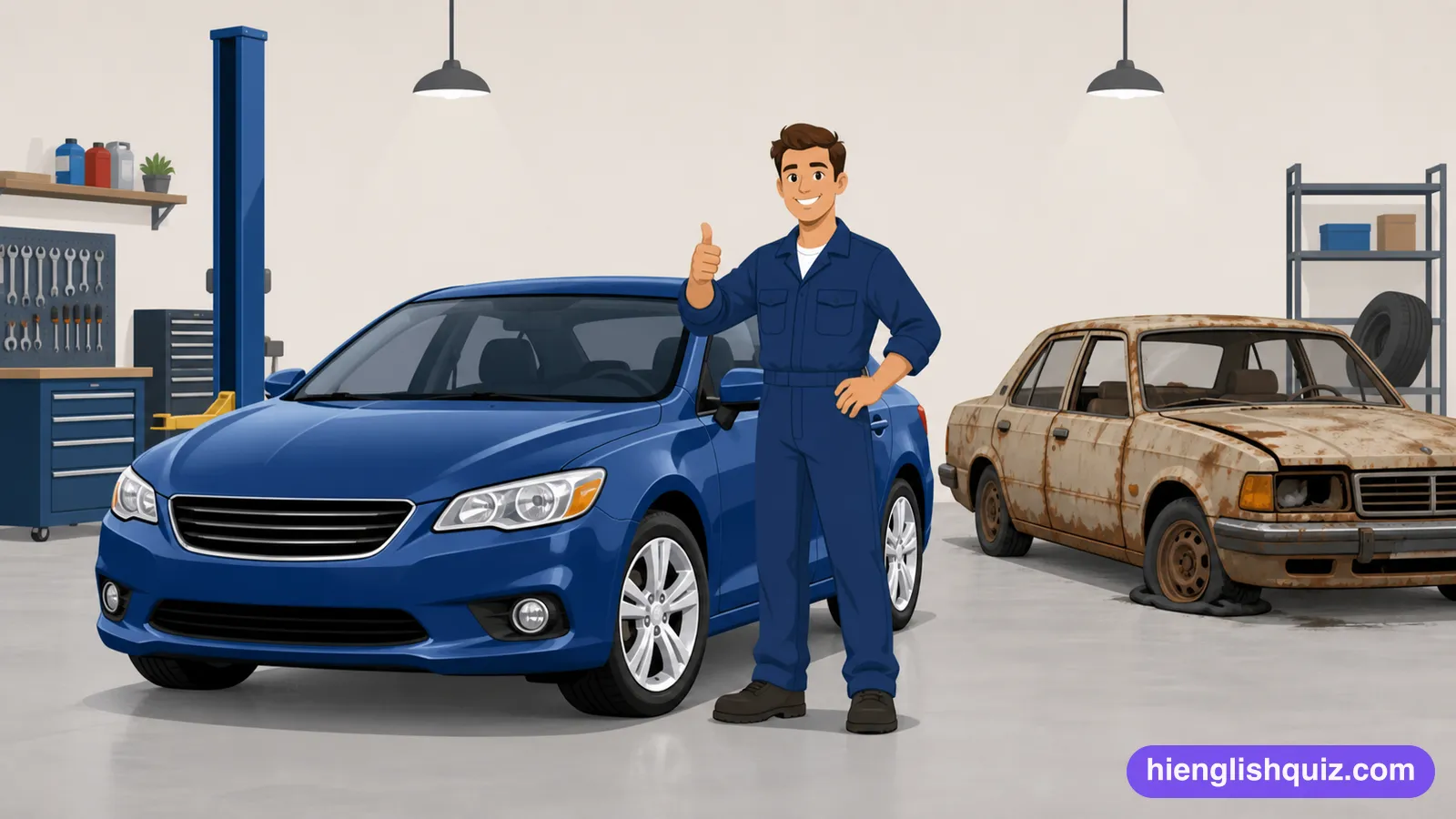
In good enough condition to be driven safely and legally.
Example: The old van was no longer roadworthy.
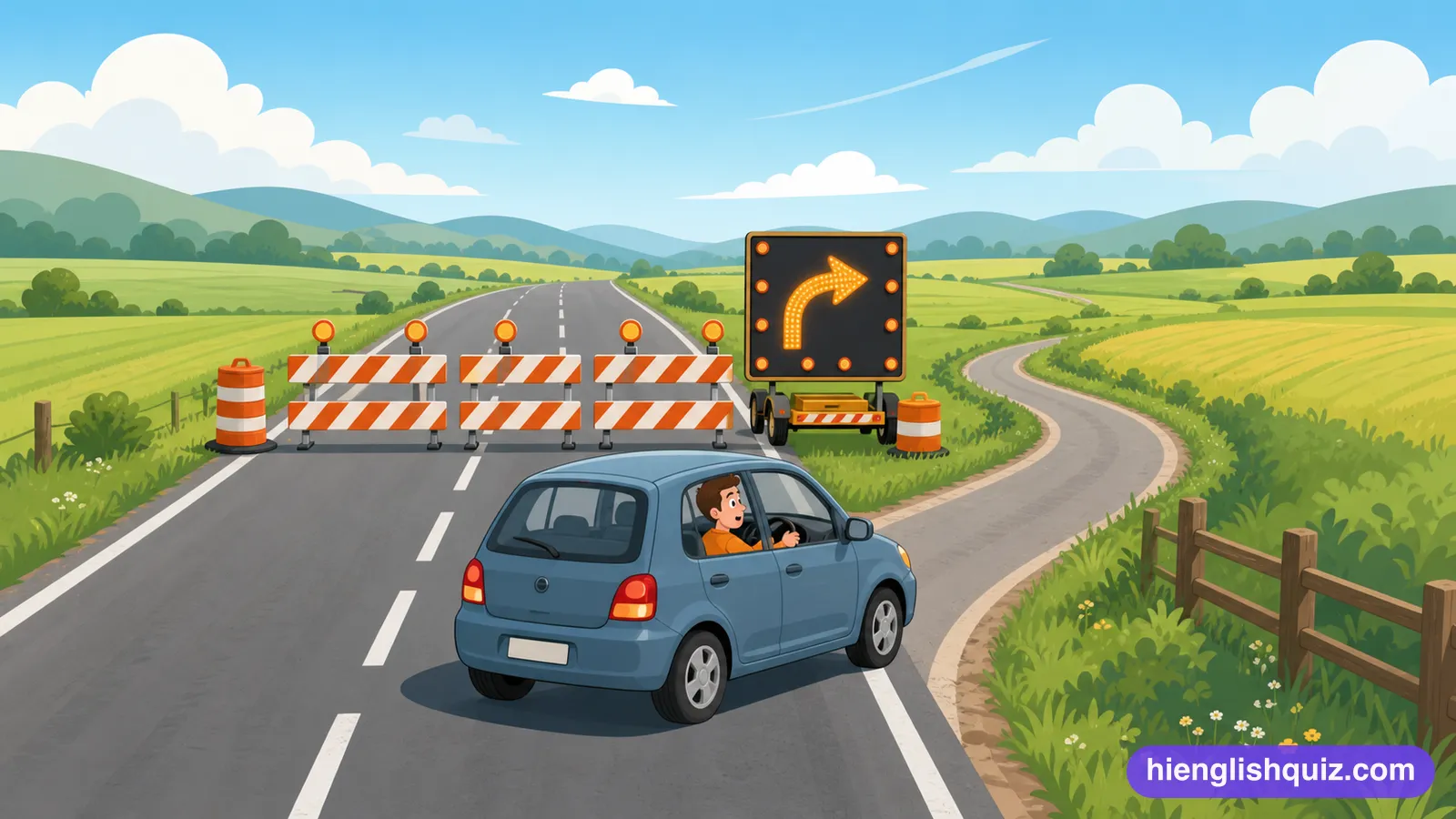
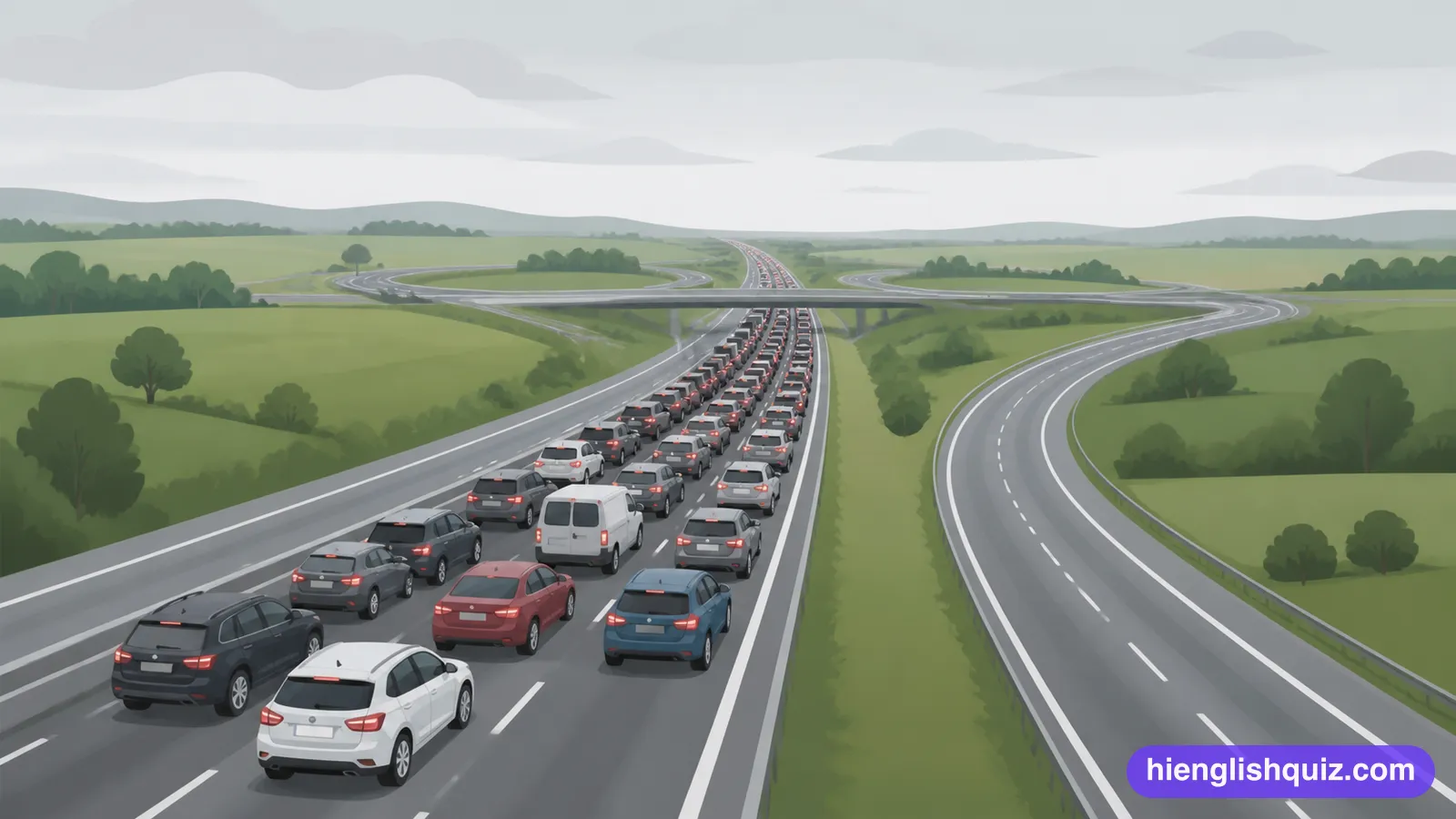
A long queue of traffic caused by an obstruction ahead.
Example: There was a three-mile tailback after the accident.
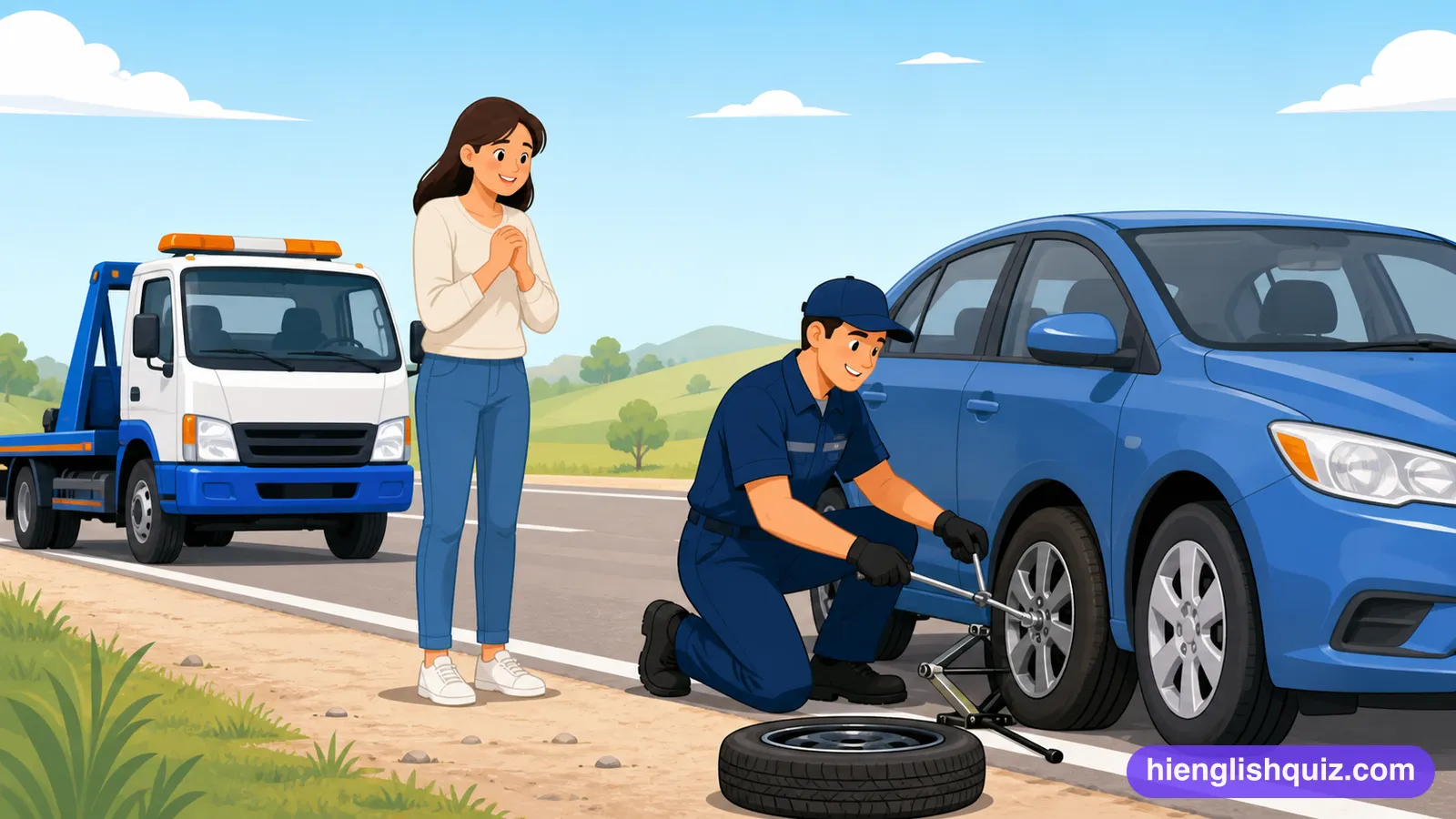
Help sent to drivers whose vehicle has broken down away from home.
Example: We called roadside assistance when the car wouldn't start.
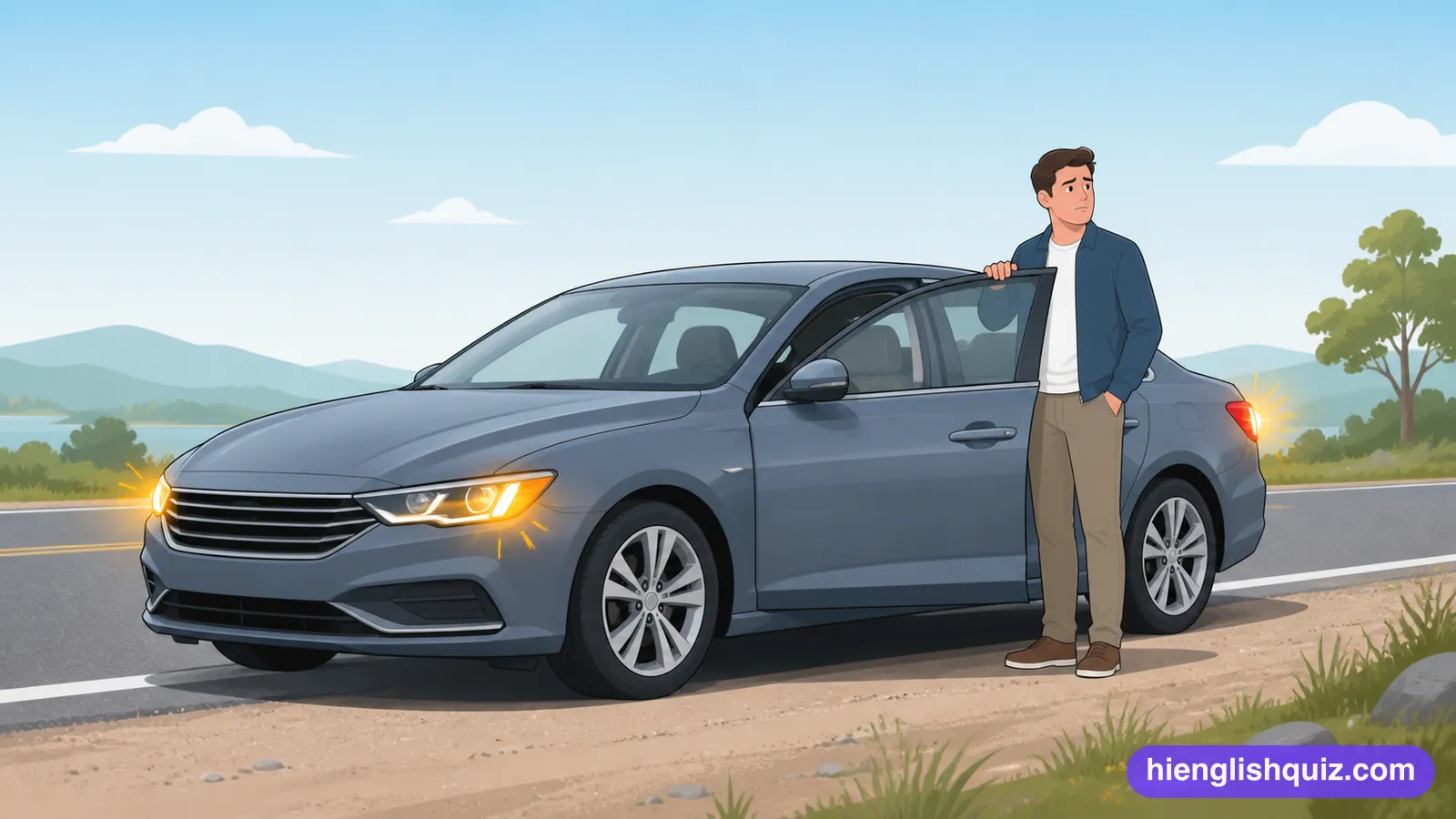
Flashing signals used to warn other drivers of danger or a problem.
Example: He turned on his hazard lights after the breakdown.
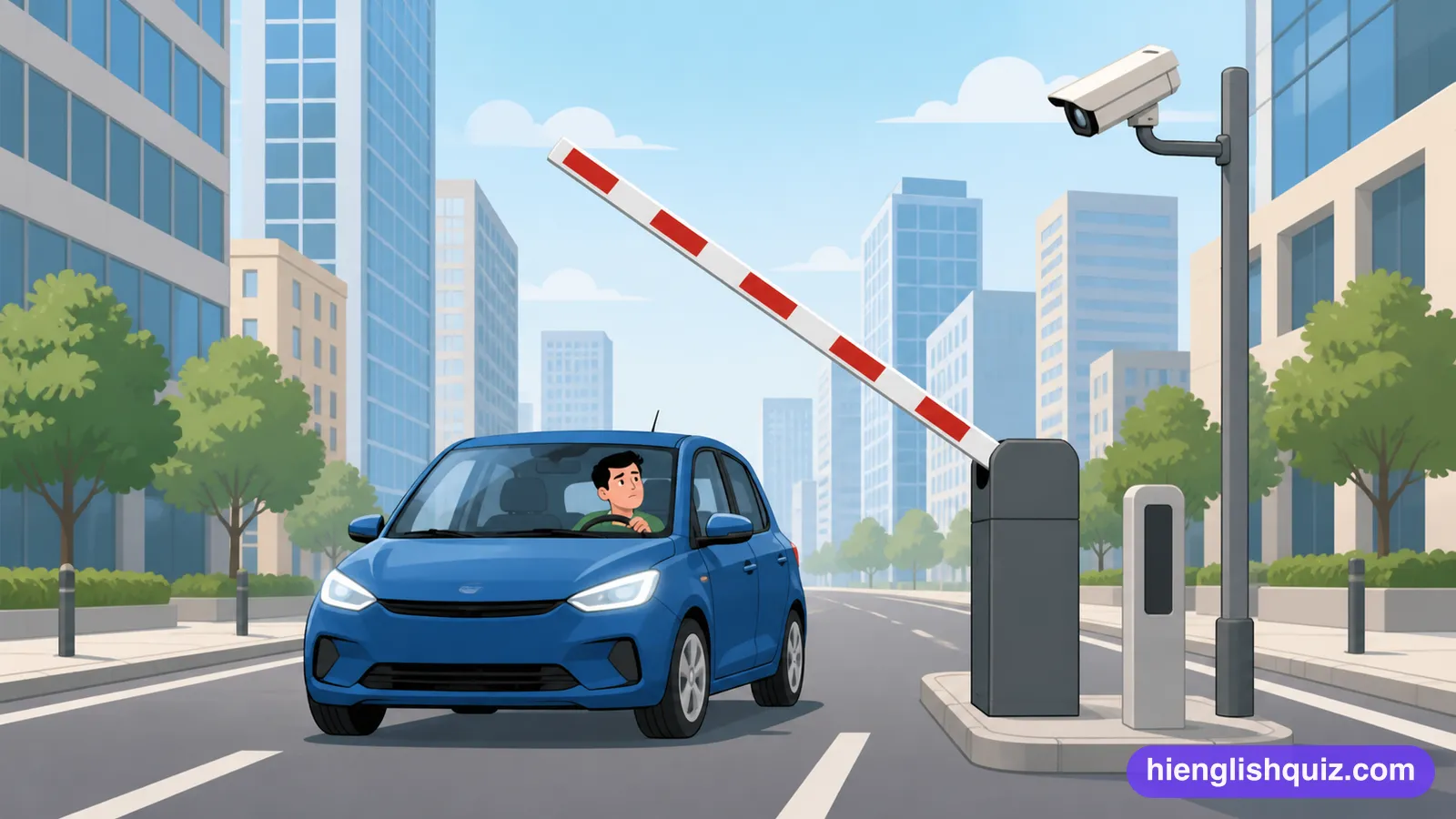
A payment some cities require drivers to make for entering busy areas by car.
Example: Drivers must pay the congestion charge to enter the city centre.
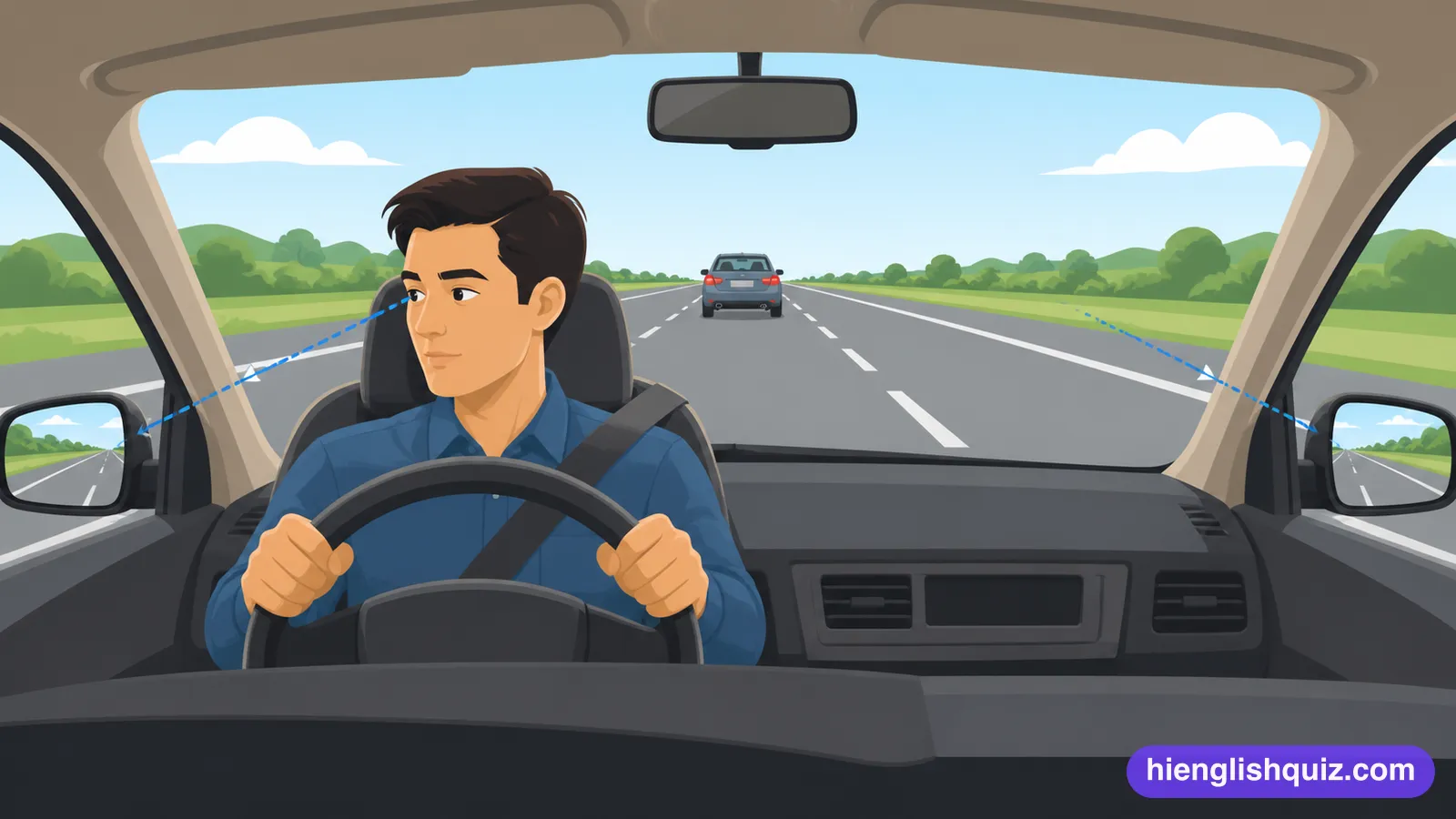
A cautious approach to controlling a vehicle, always expecting possible dangers ahead.
Example: The course teaches defensive driving to new employees.
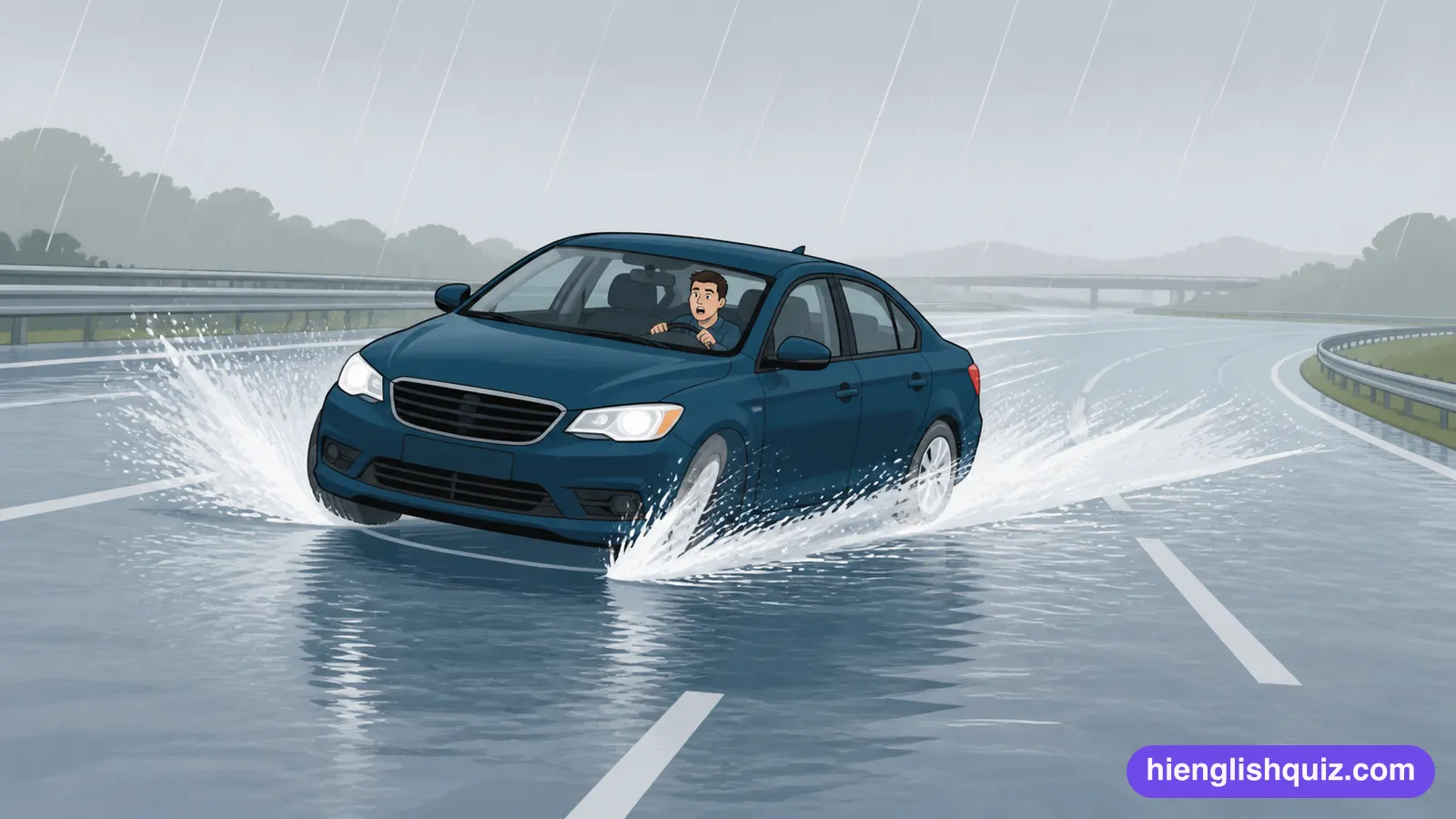
When a car's tyres lose contact with a wet road and slide uncontrollably.
Example: The car began to aquaplane in the heavy rain.
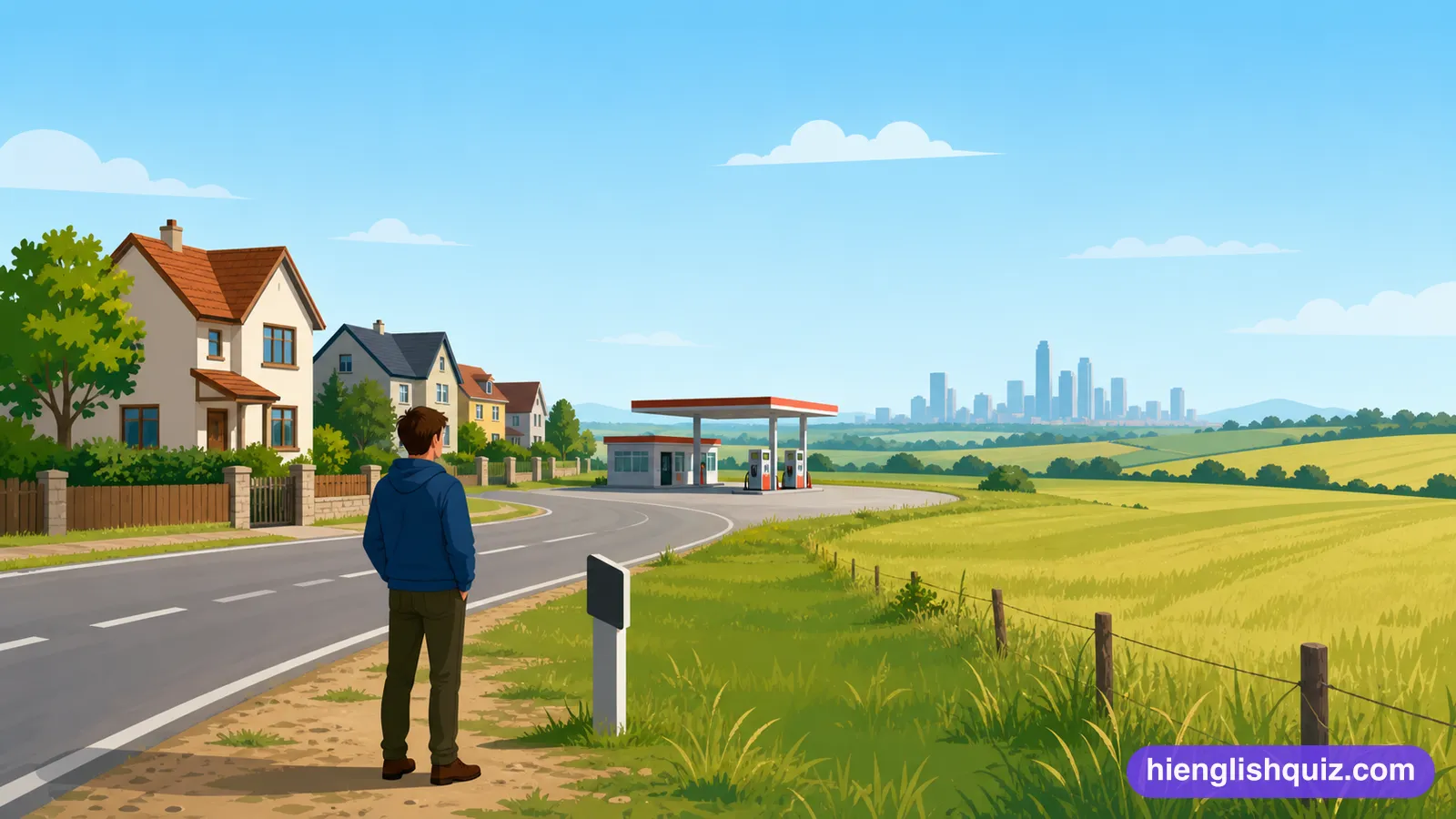
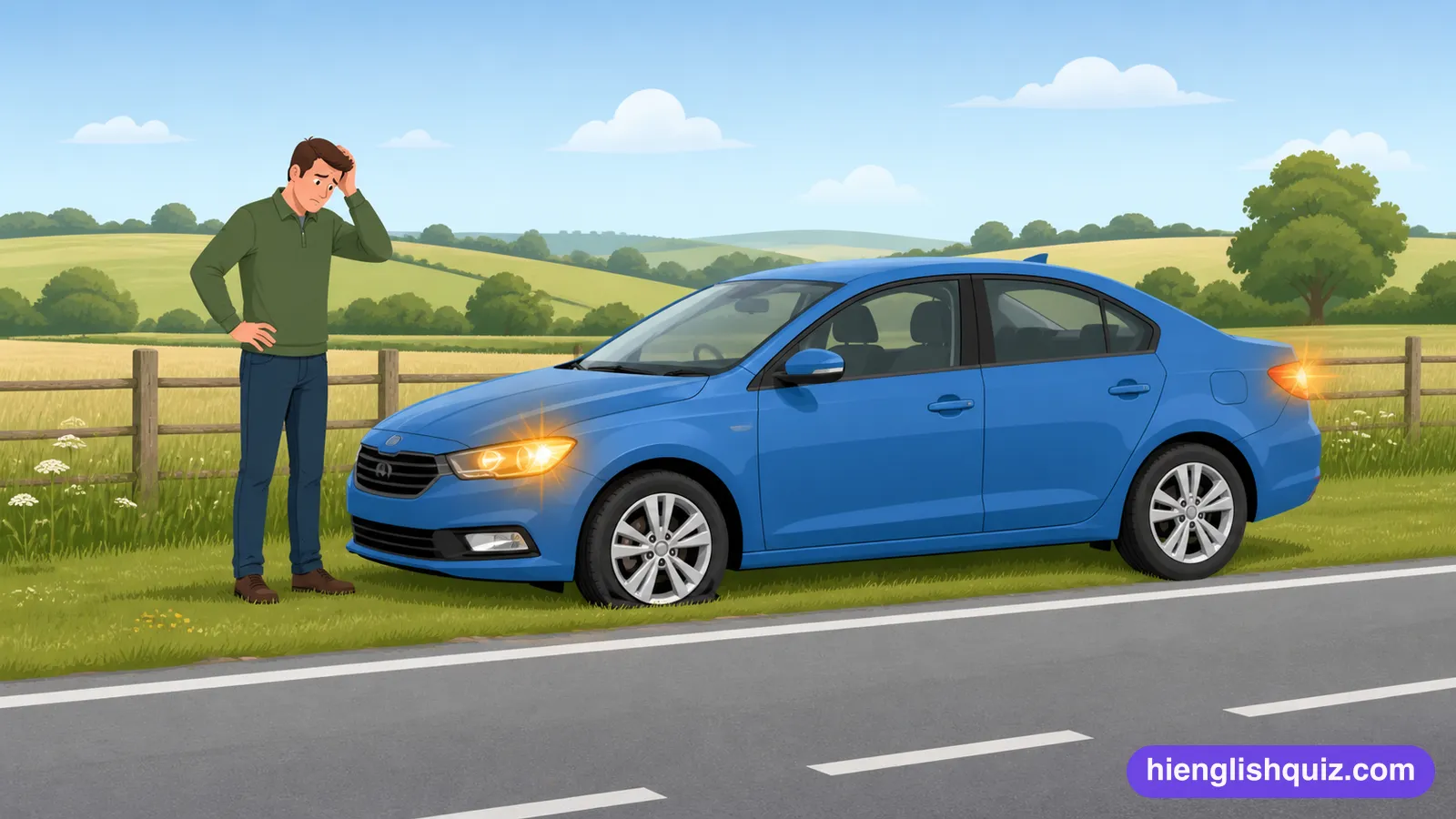
The narrow strip of grass at the edge of a road.
Example: He pulled over onto the verge to check the map.
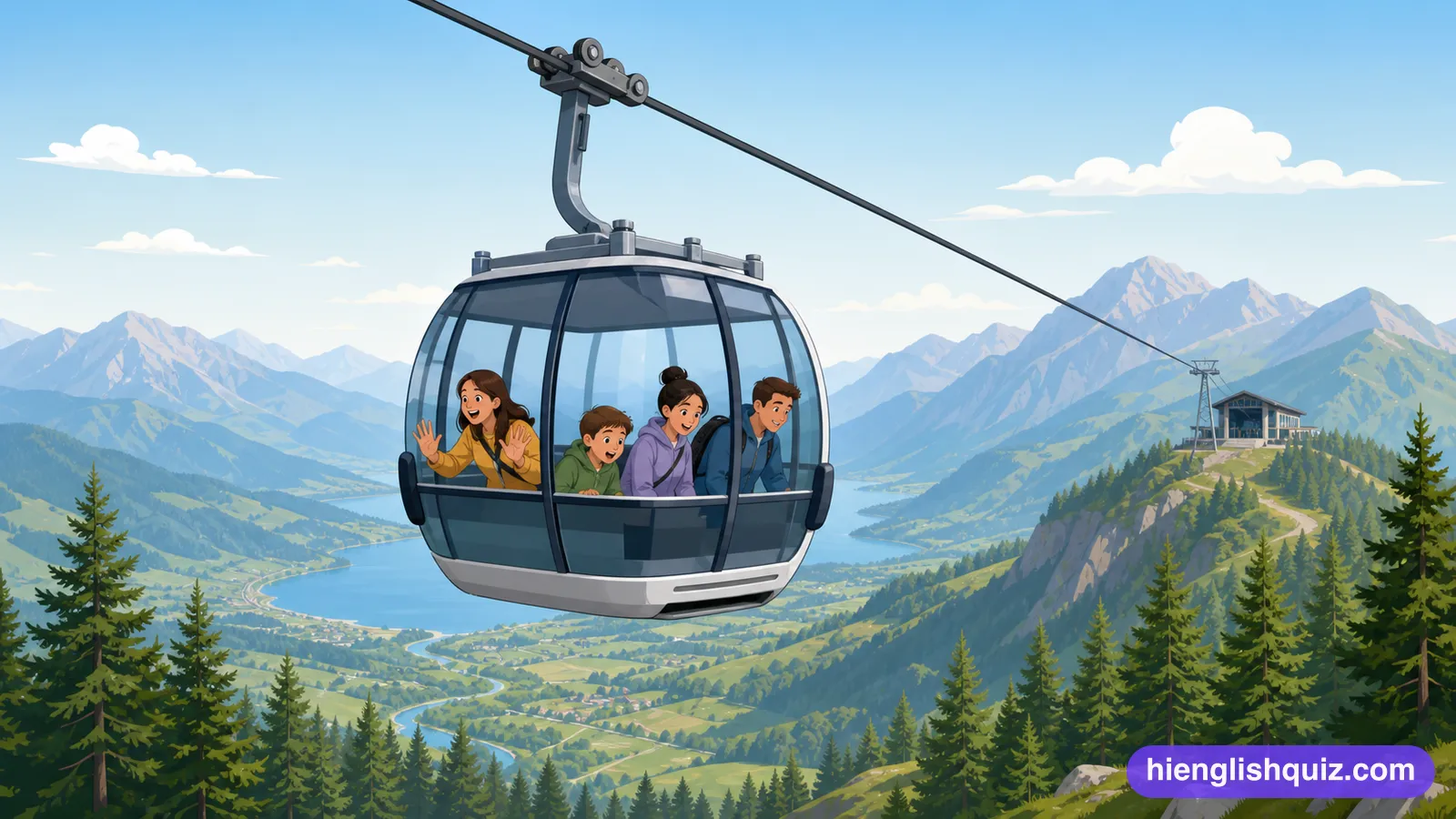
A vehicle that hangs from a thick steel wire and takes people up a mountain or across a valley.
Example: The cable car takes eight minutes to reach the top.
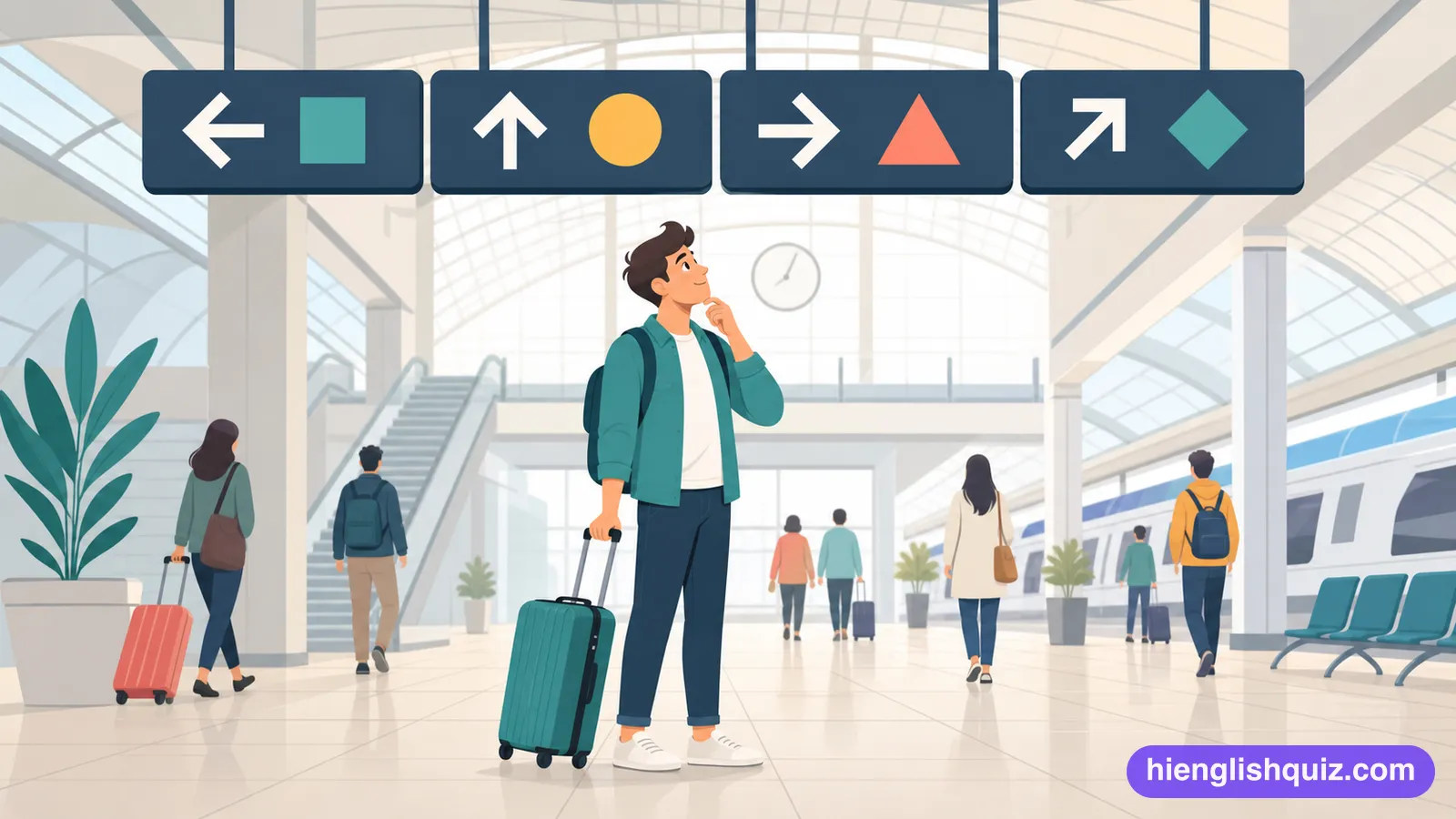
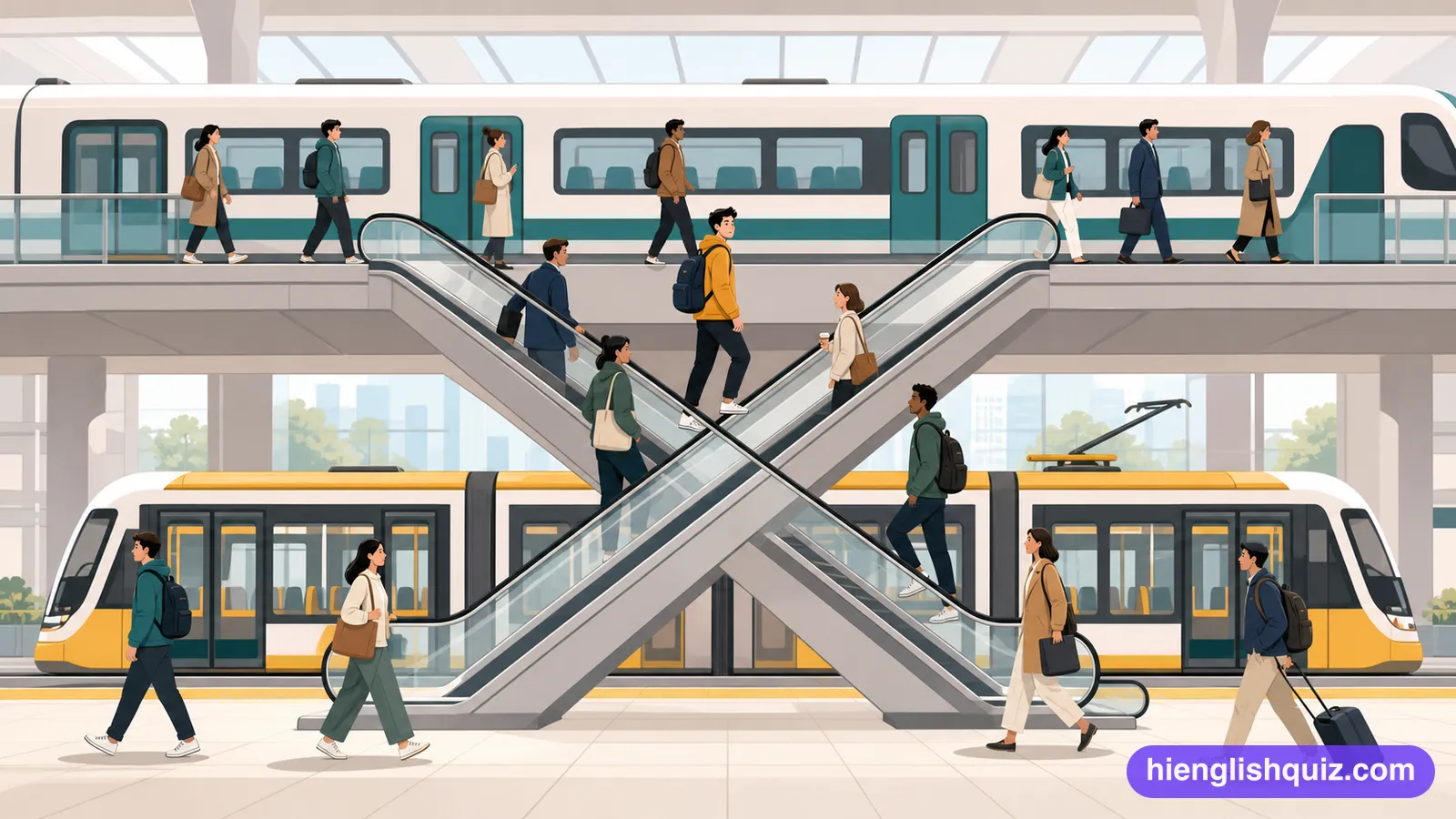
A large station where several routes meet and passengers change between them.
Example: Get off at the interchange and take the northbound line.
Public transport systems designed to move large numbers of people, like subways and buses.
Example: The city invested heavily in mass transit.
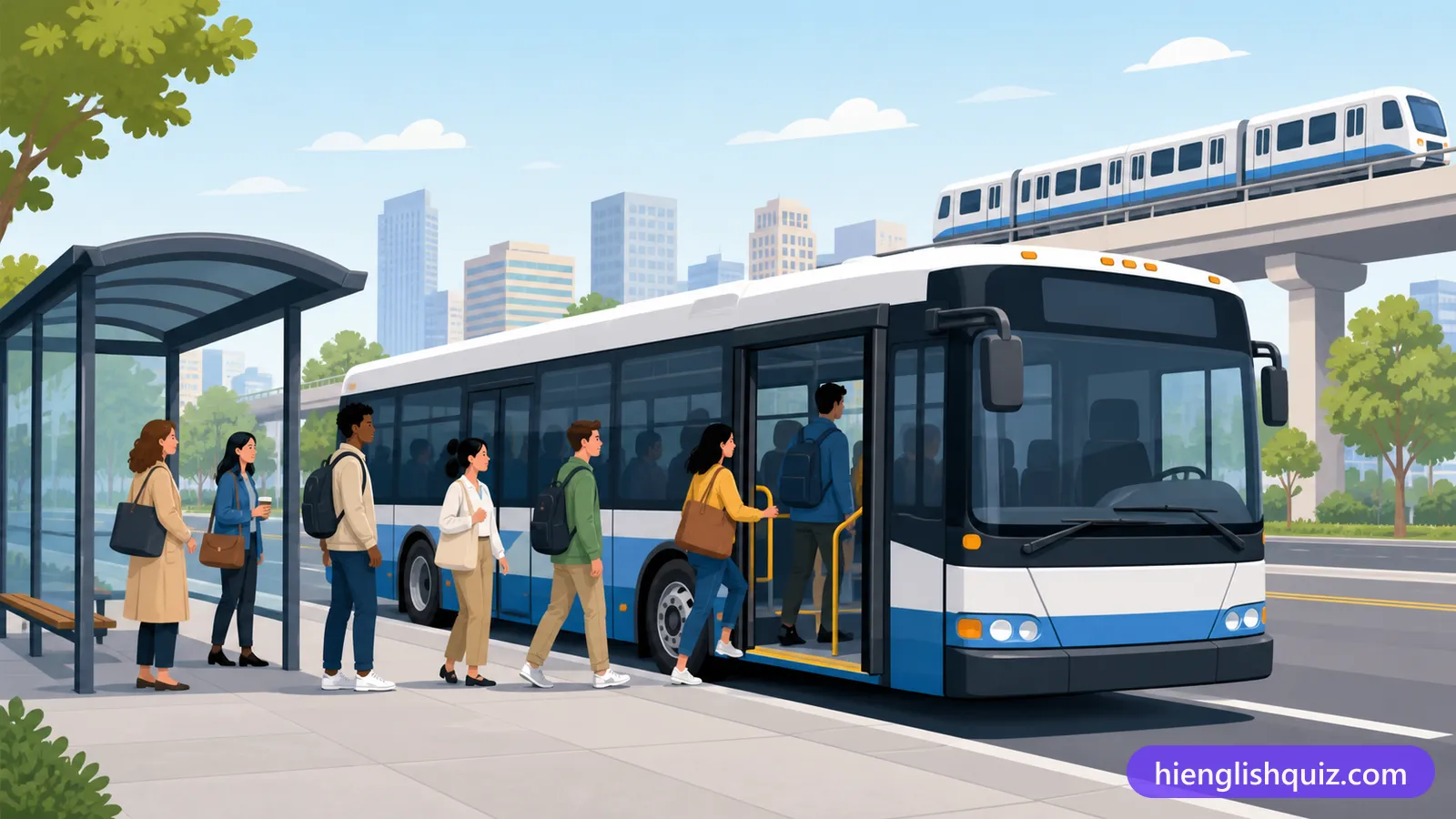
A type of urban train system that is smaller-scale than a full underground or national network.
Example: The new light rail line connects the airport to downtown.
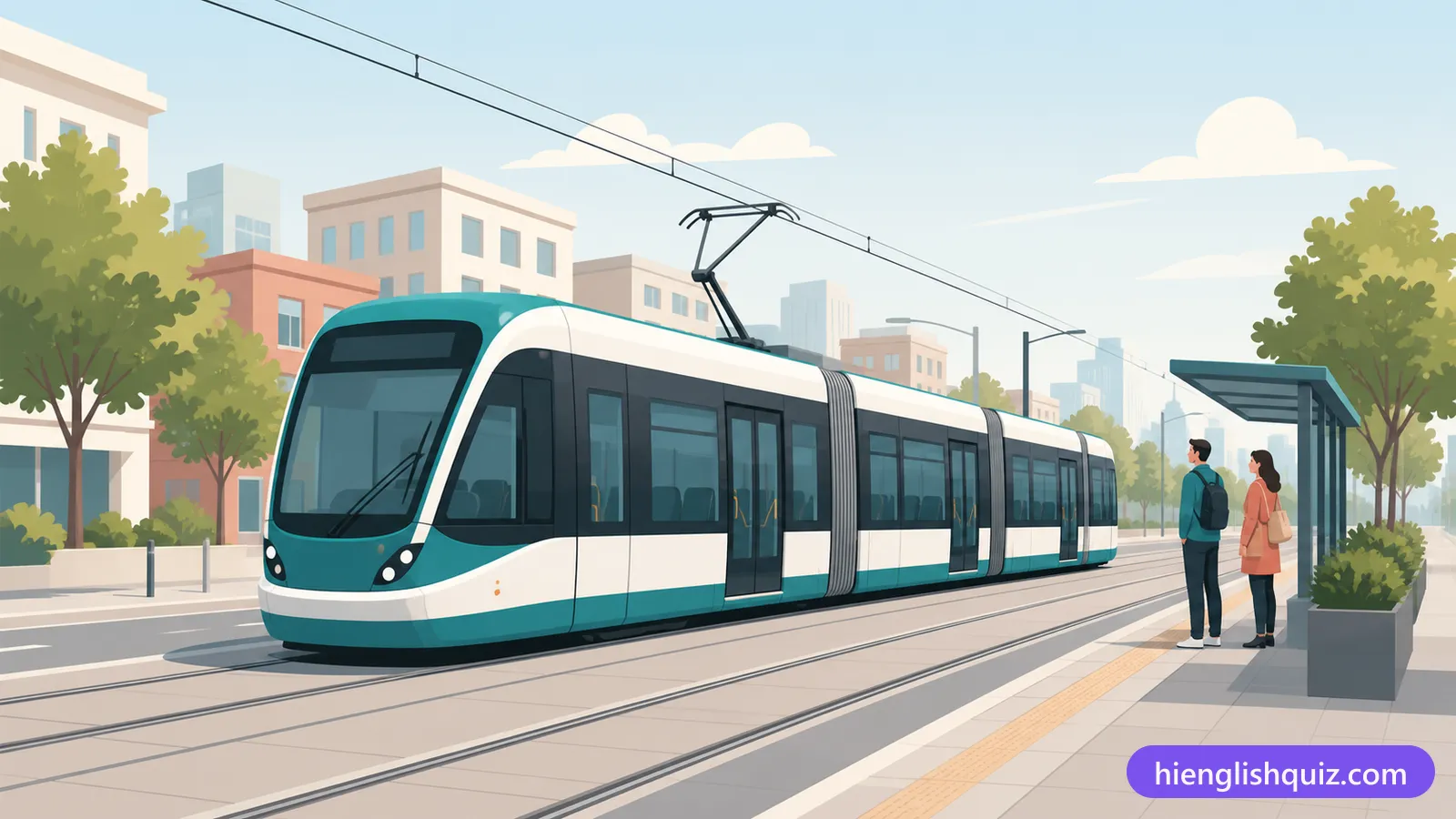
A raised urban train system that runs along a single elevated track.
Example: Visitors can ride the monorail across the theme park.
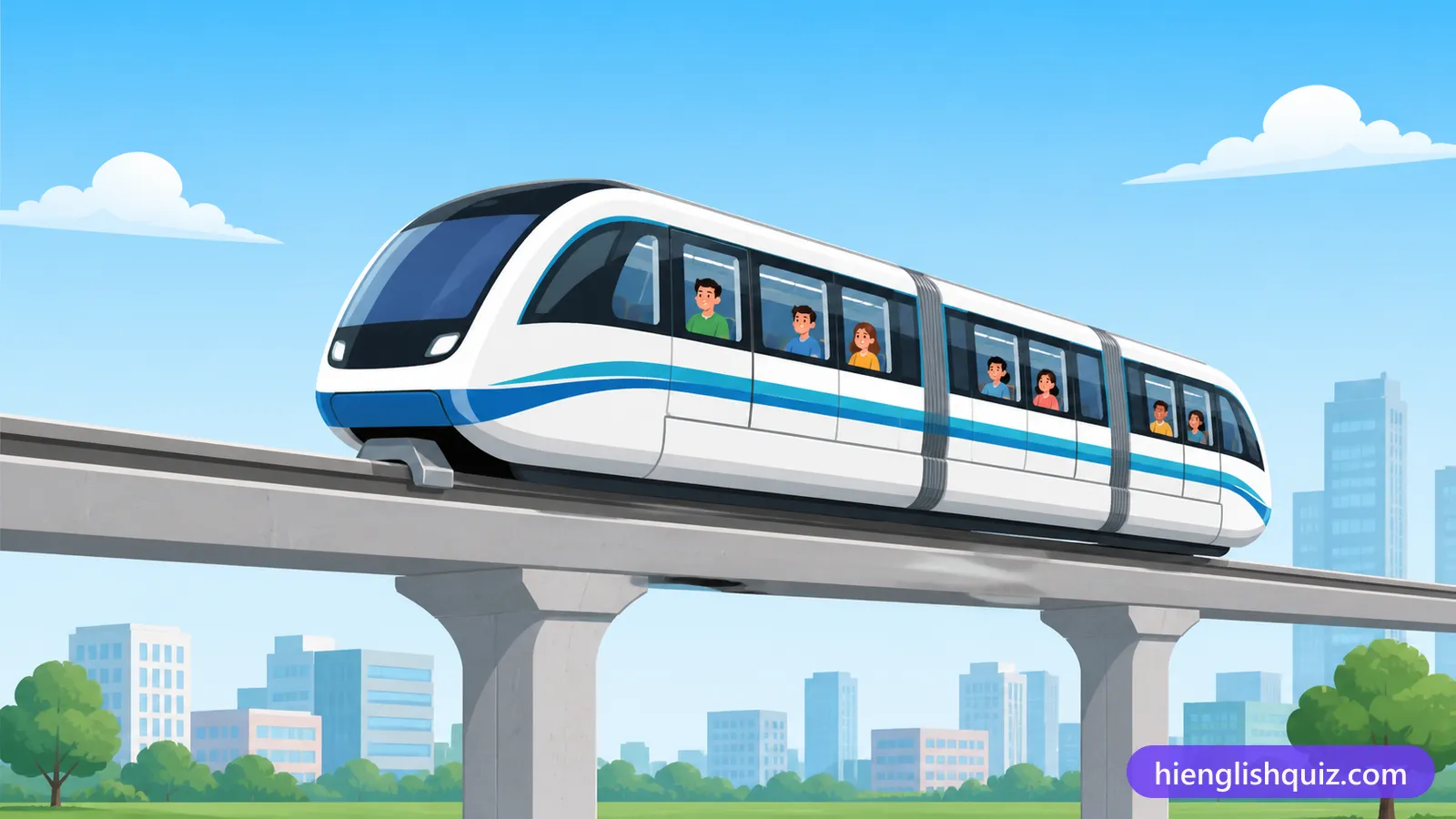
Involving more than one type of transport in a single journey.
Example: The new hub allows multimodal journeys between train, bus and bike.
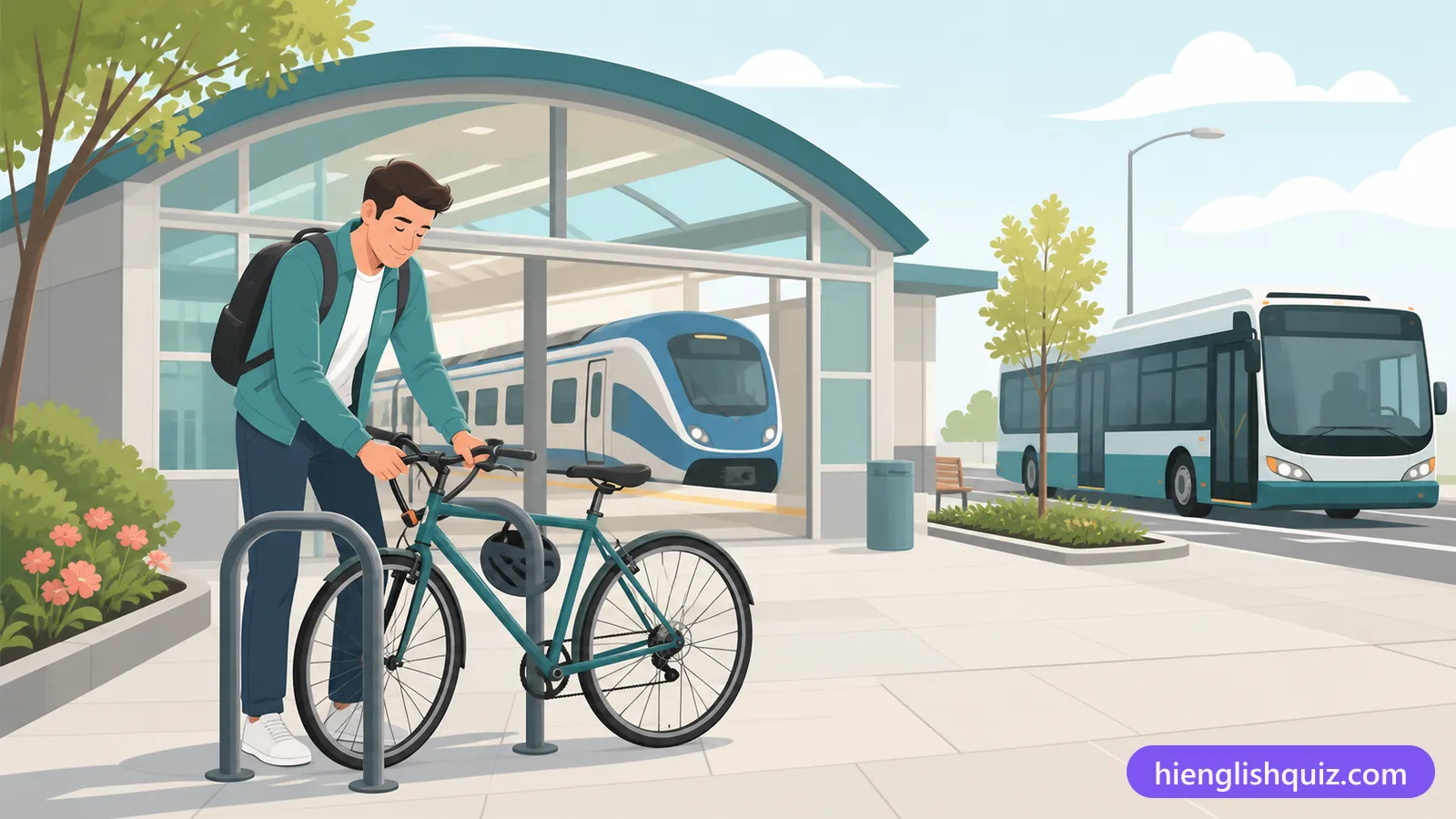
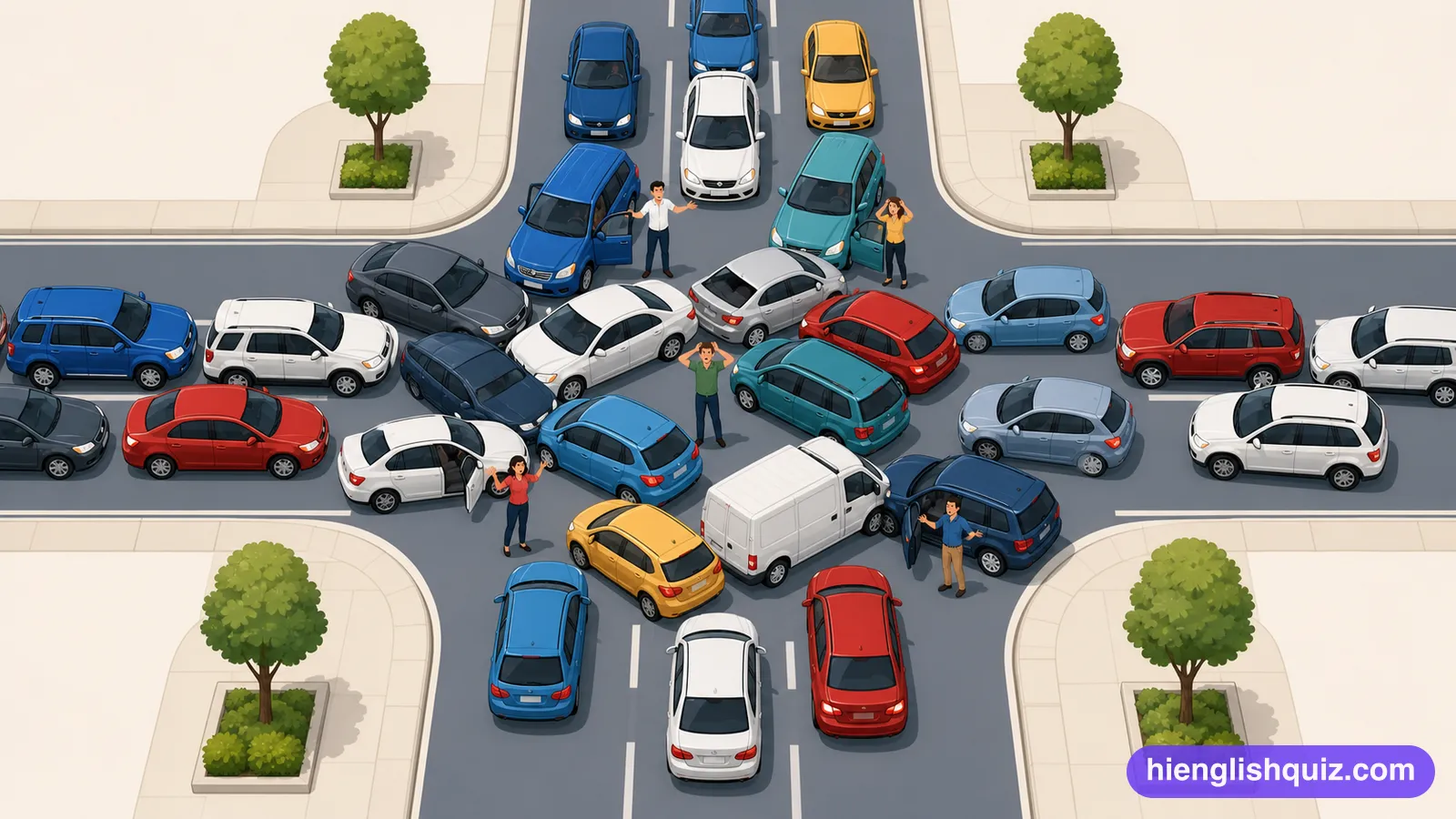
To reduce crowding or traffic in a place.
Example: The new line was built to decongest the busy city centre.
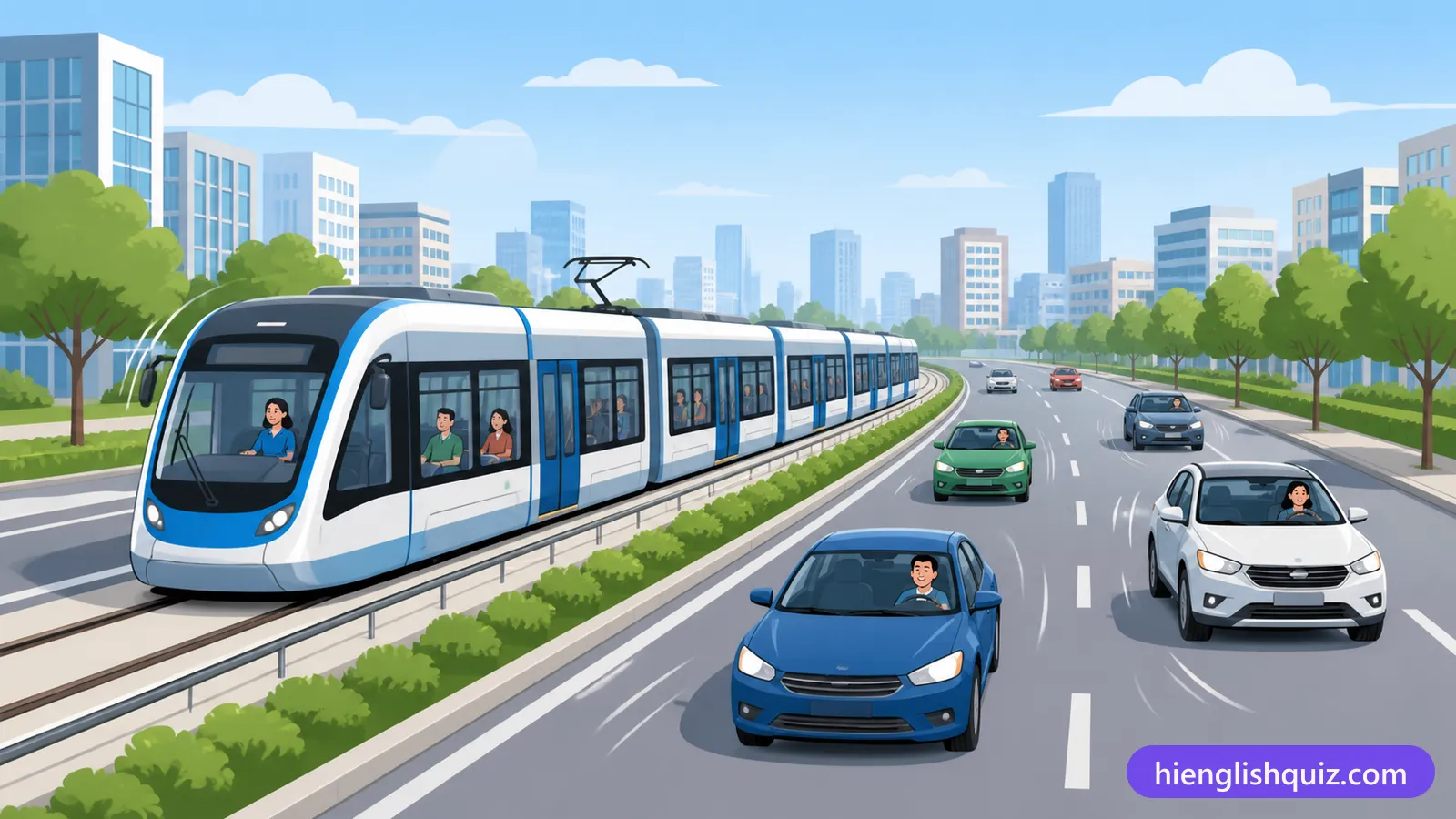
The number of customers who use a service regularly.
Example: Bus patronage fell sharply during the pandemic.
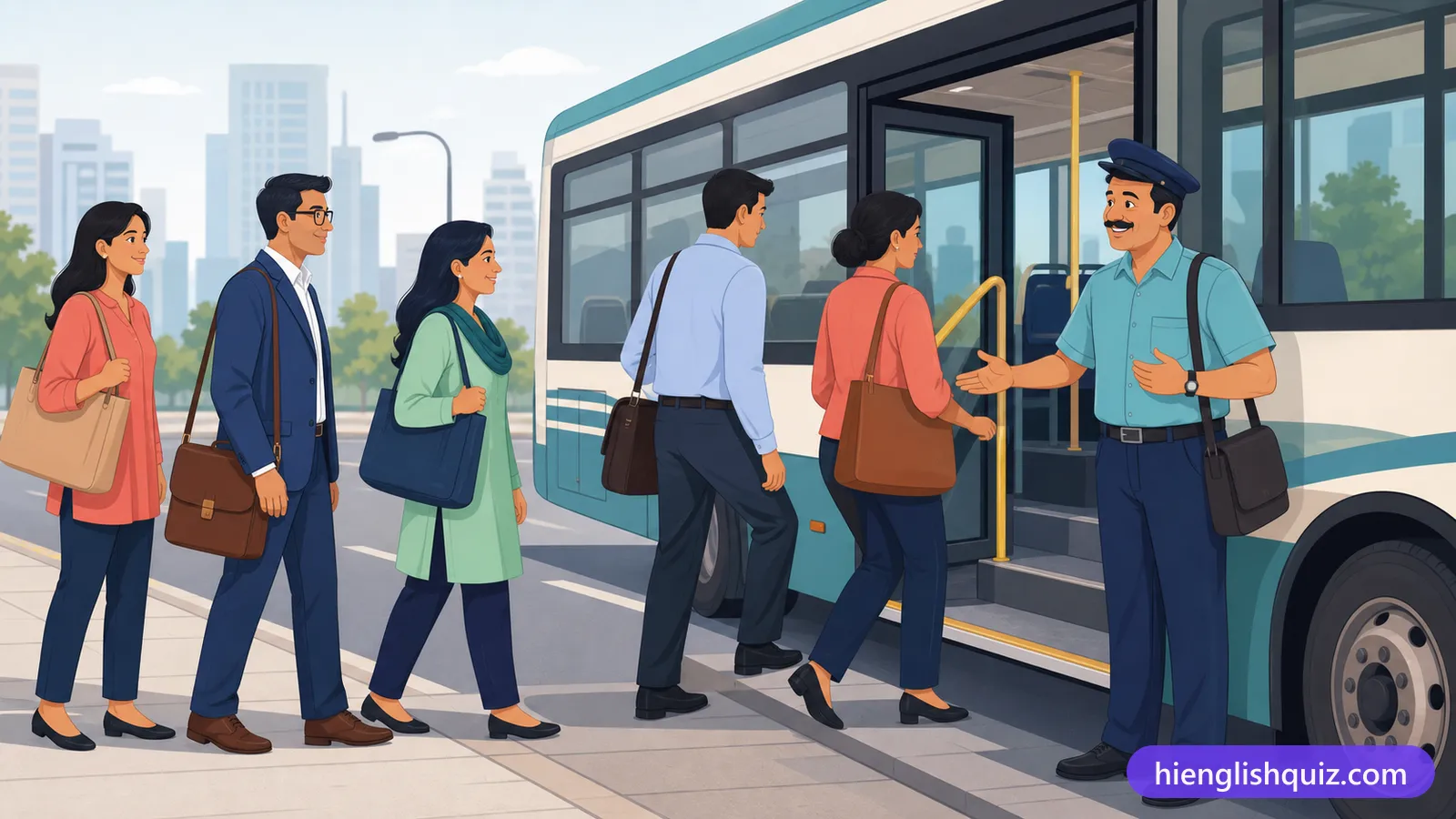
The quality of being easy to reach, enter or use, especially for disabled people.
Example: The council promised to improve station accessibility.
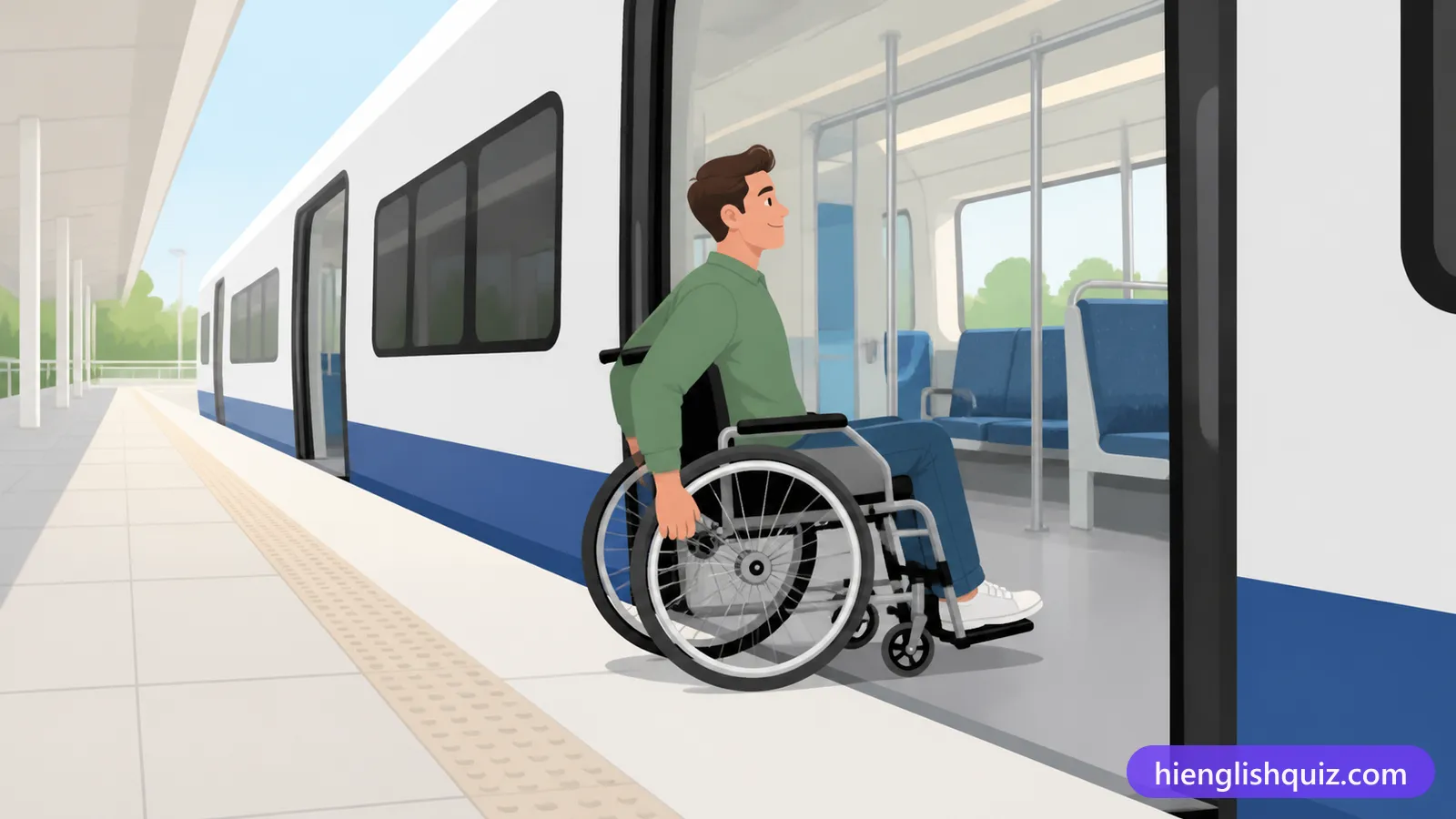
The amount of people or things a system can carry or process in a given time.
Example: The new gates increased passenger throughput at rush hour.
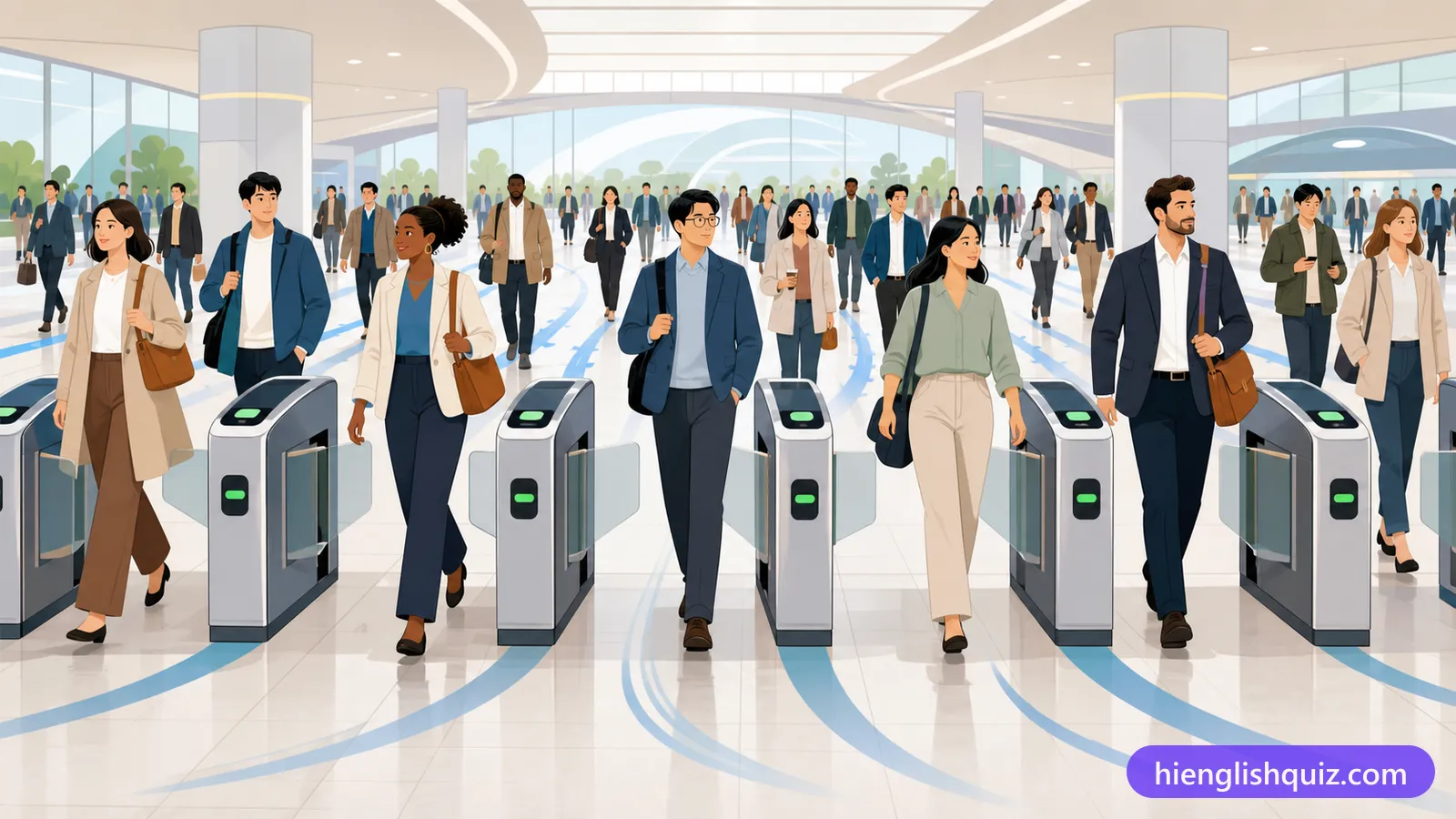
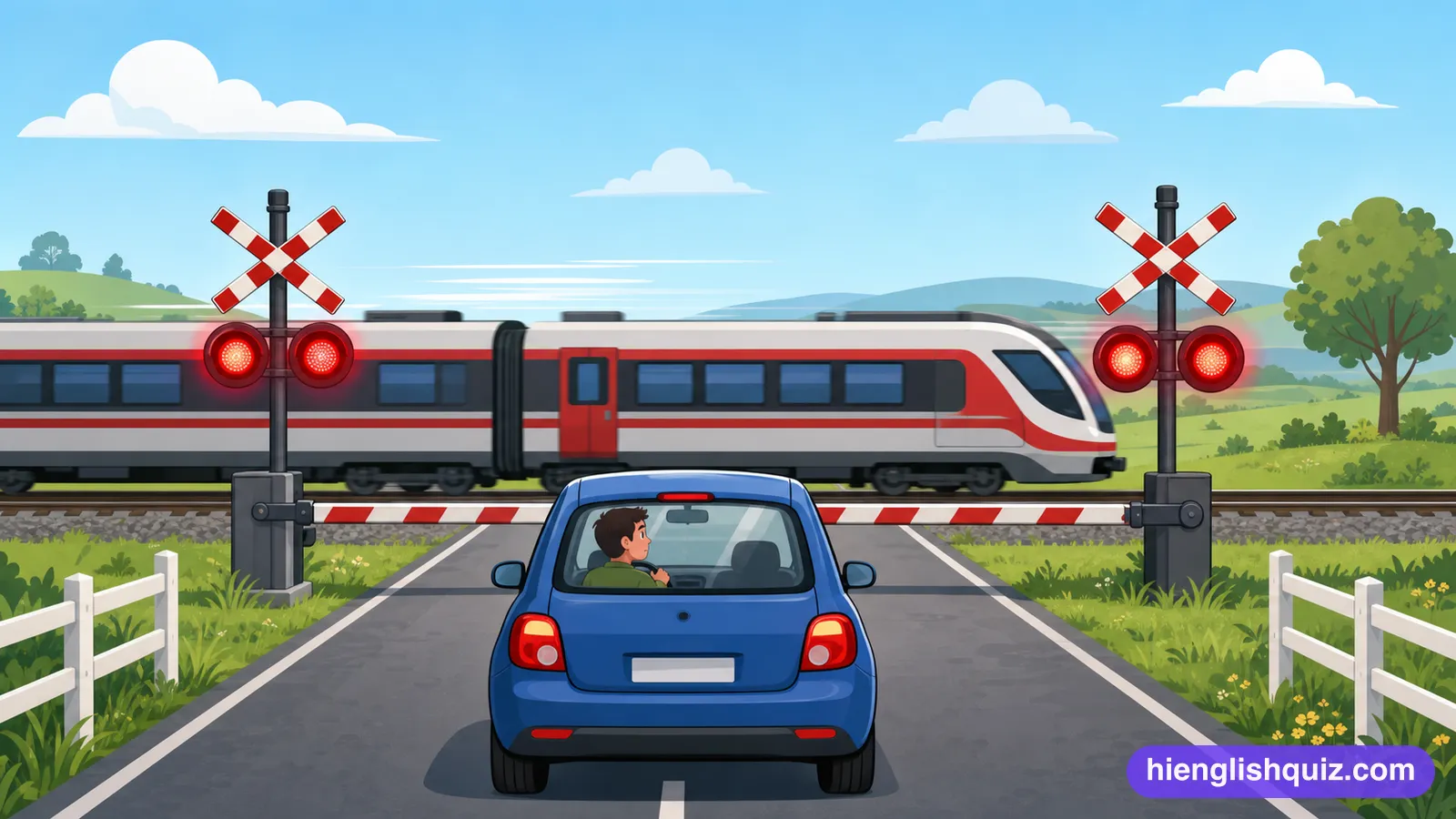
The place where a road goes straight across a railway, with barriers that close when a train approaches.
Example: The barriers at the level crossing stay down for ages.
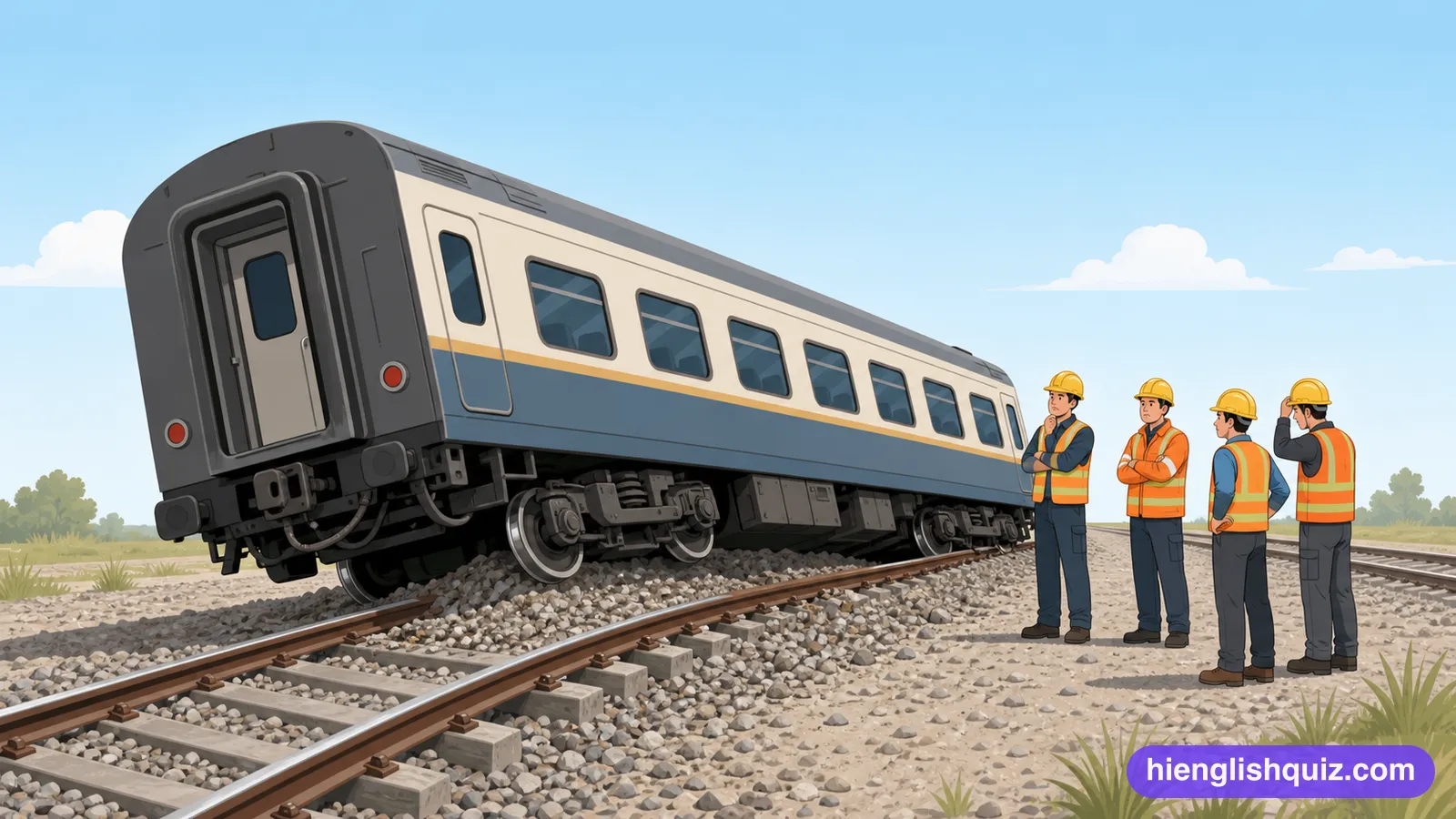
To come off the metal lines that a train runs along, usually causing a crash.
Example: Heavy flooding caused the last carriage to derail near the bridge.