gridlock
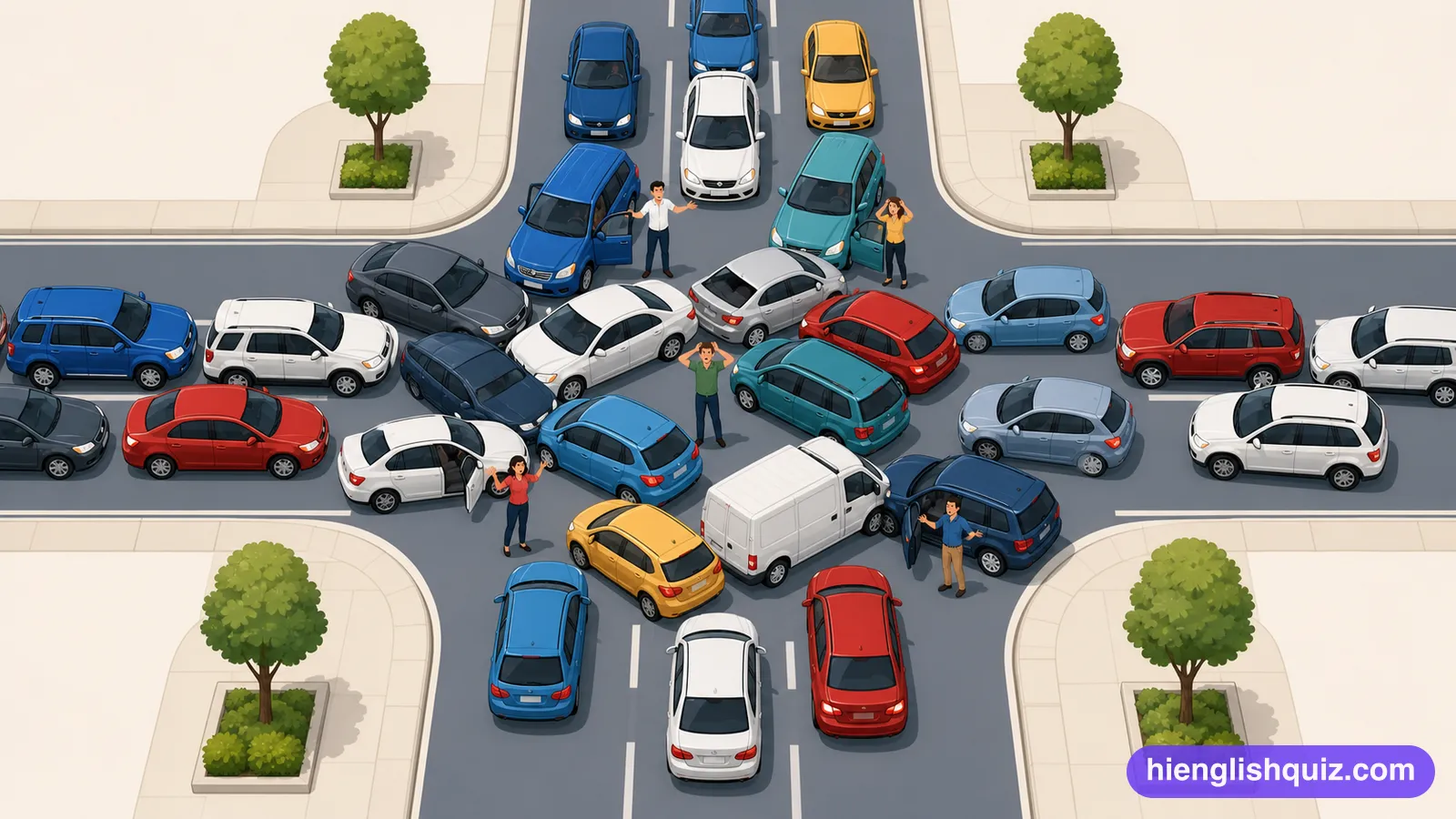
/ˈɡrɪdˌlɑk/A traffic jam so complete that no vehicle in any direction can move at all.
Example: One stalled lorry can bring total gridlock to the city centre.
 Hi EnglishQuiz
C225 words · Proficient
Road and rail vocabulary for transport as policy, including gridlock, electrification and decarbonisation, plus nationalisation, privatisation and a rail terminus.
A traffic jam so complete that no vehicle in any direction can move at all.
Example: One stalled lorry can bring total gridlock to the city centre.
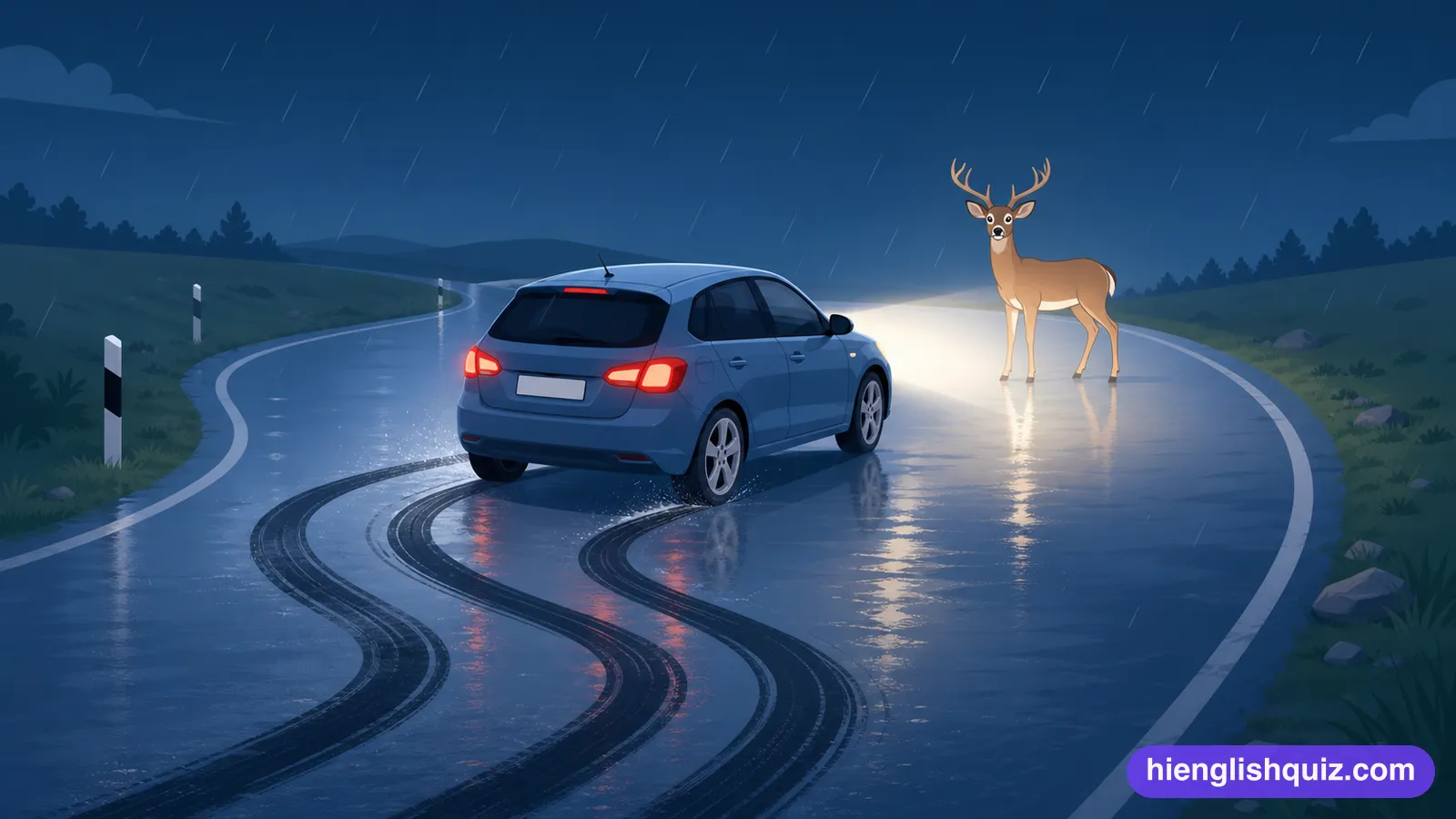
To turn suddenly and sharply to one side while moving, usually to avoid hitting something.
Example: You sometimes have to swerve to avoid deer on this road.
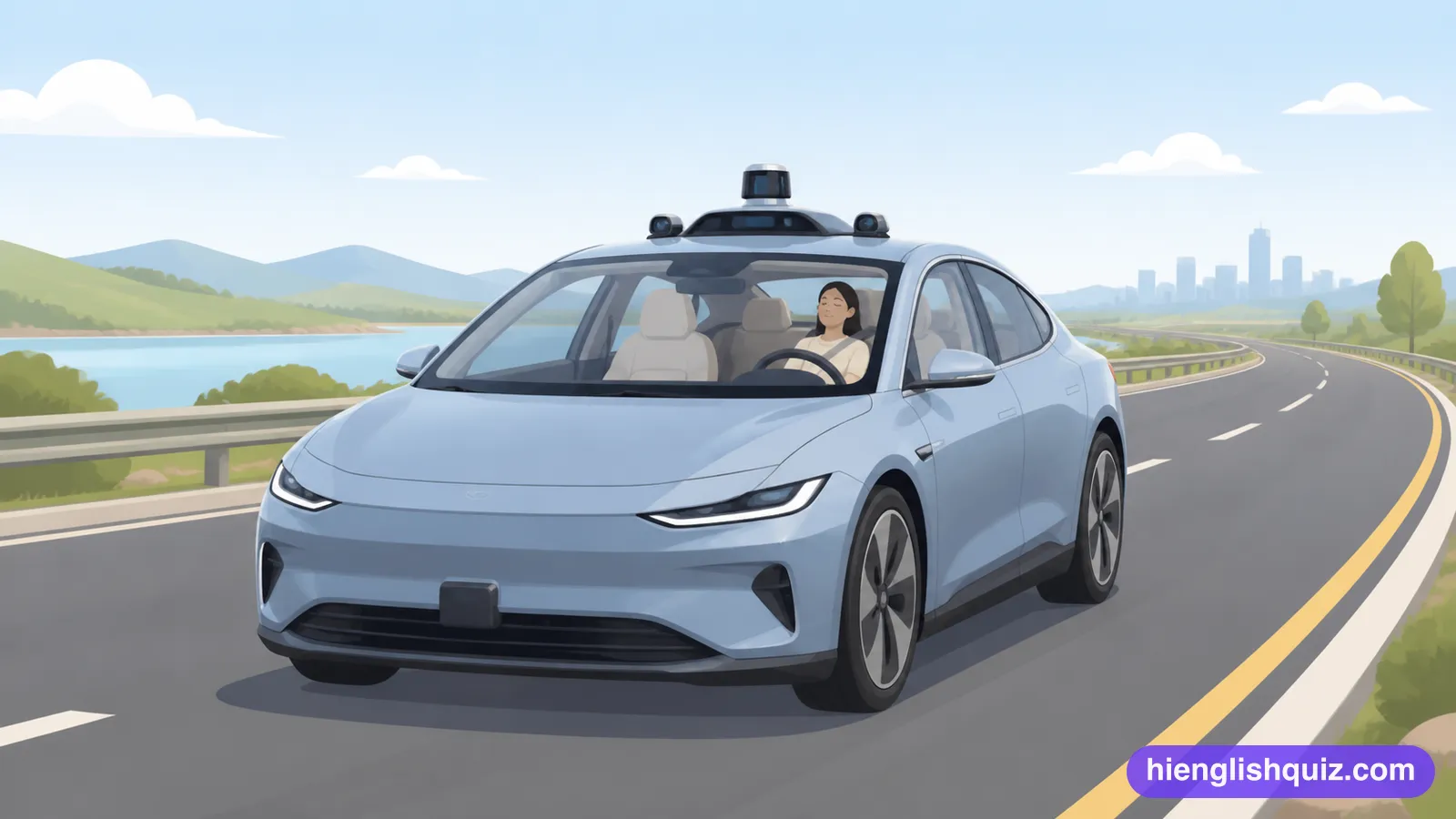
Able to drive itself without a human driver.
Example: The company is testing autonomous delivery vehicles.
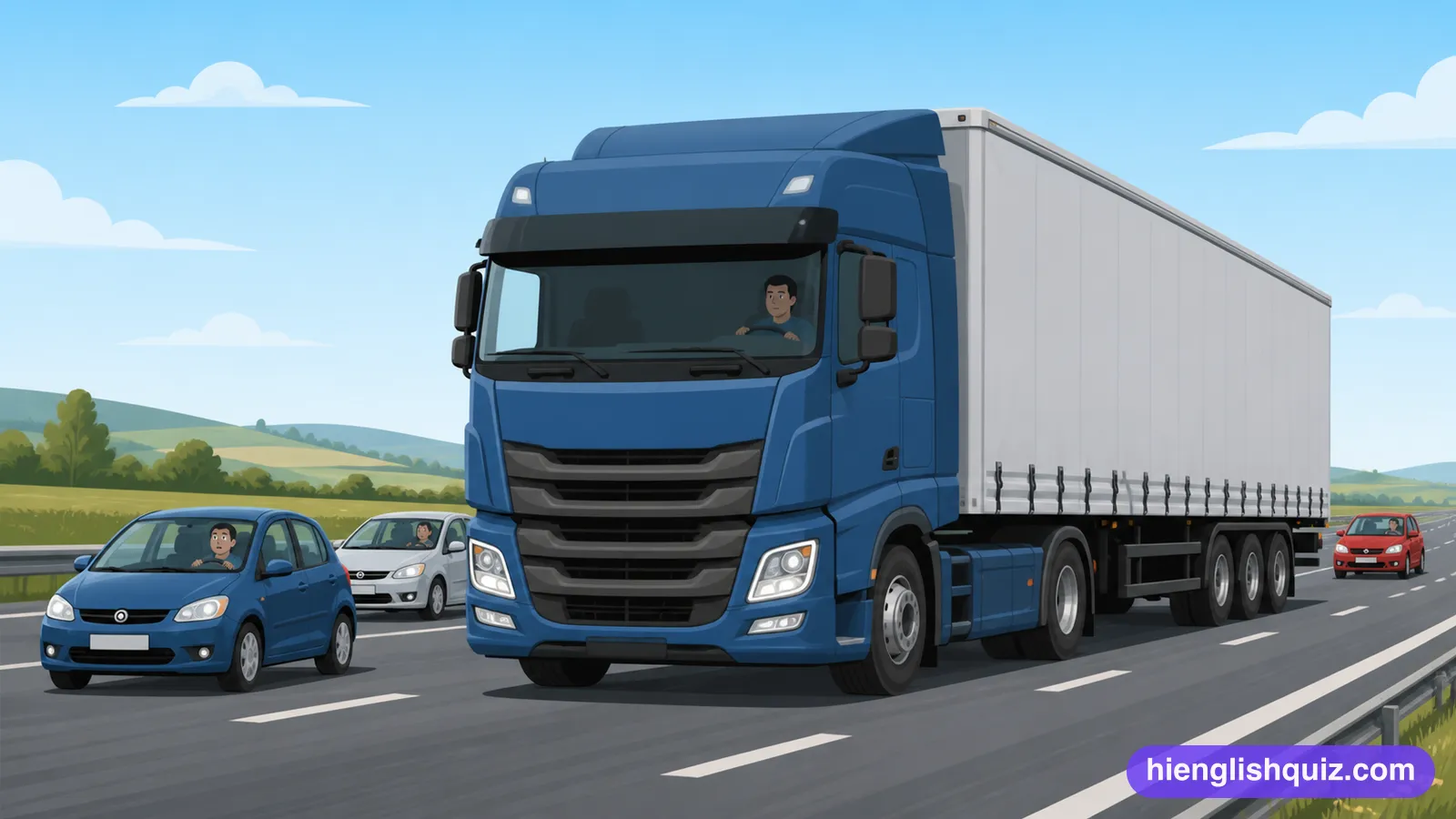
A very large truck used to carry heavy loads long distances.
Example: A juggernaut thundered past on the motorway.
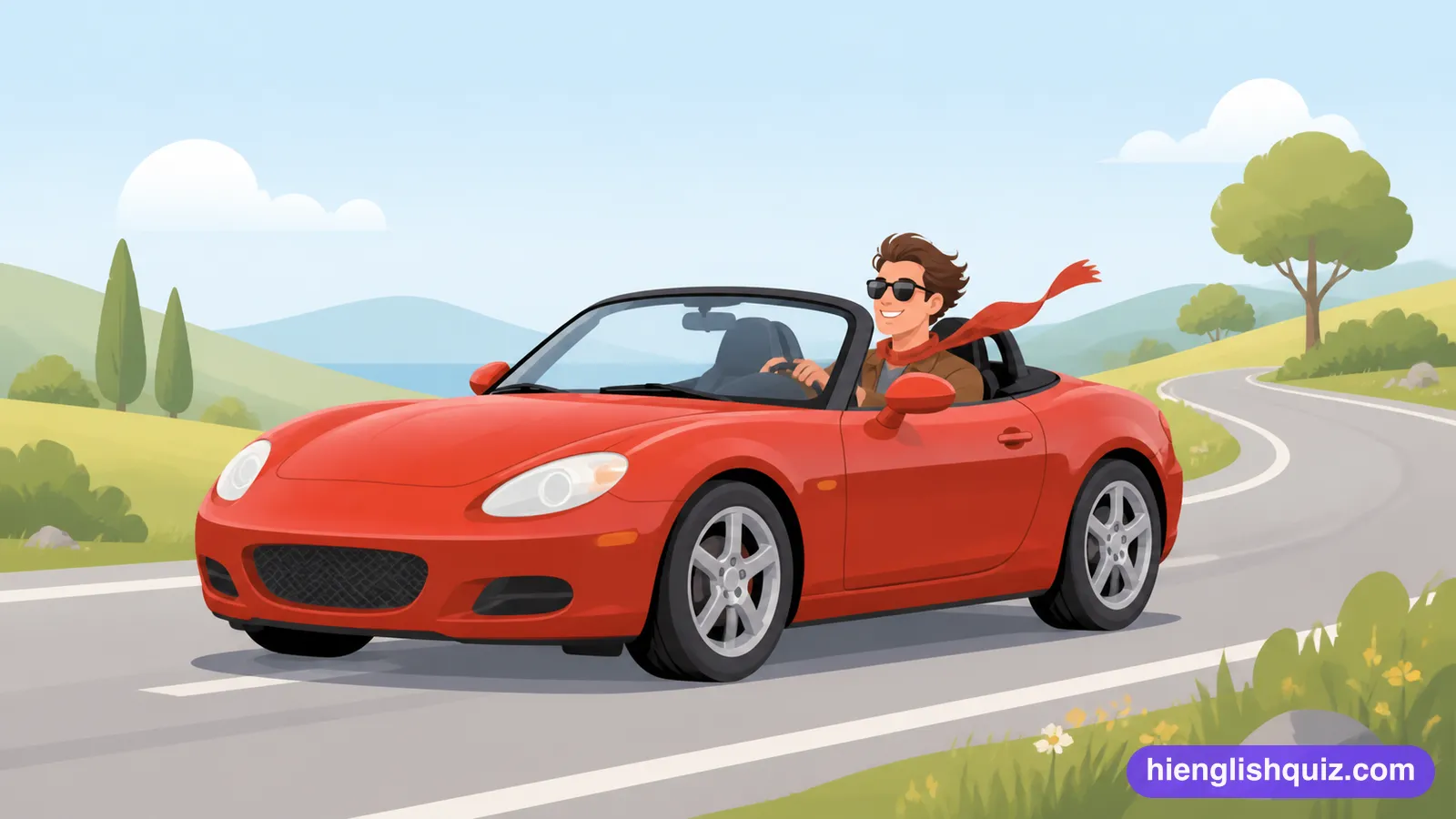
A type of car with two seats and no roof.
Example: He restored a vintage roadster from the 1960s.
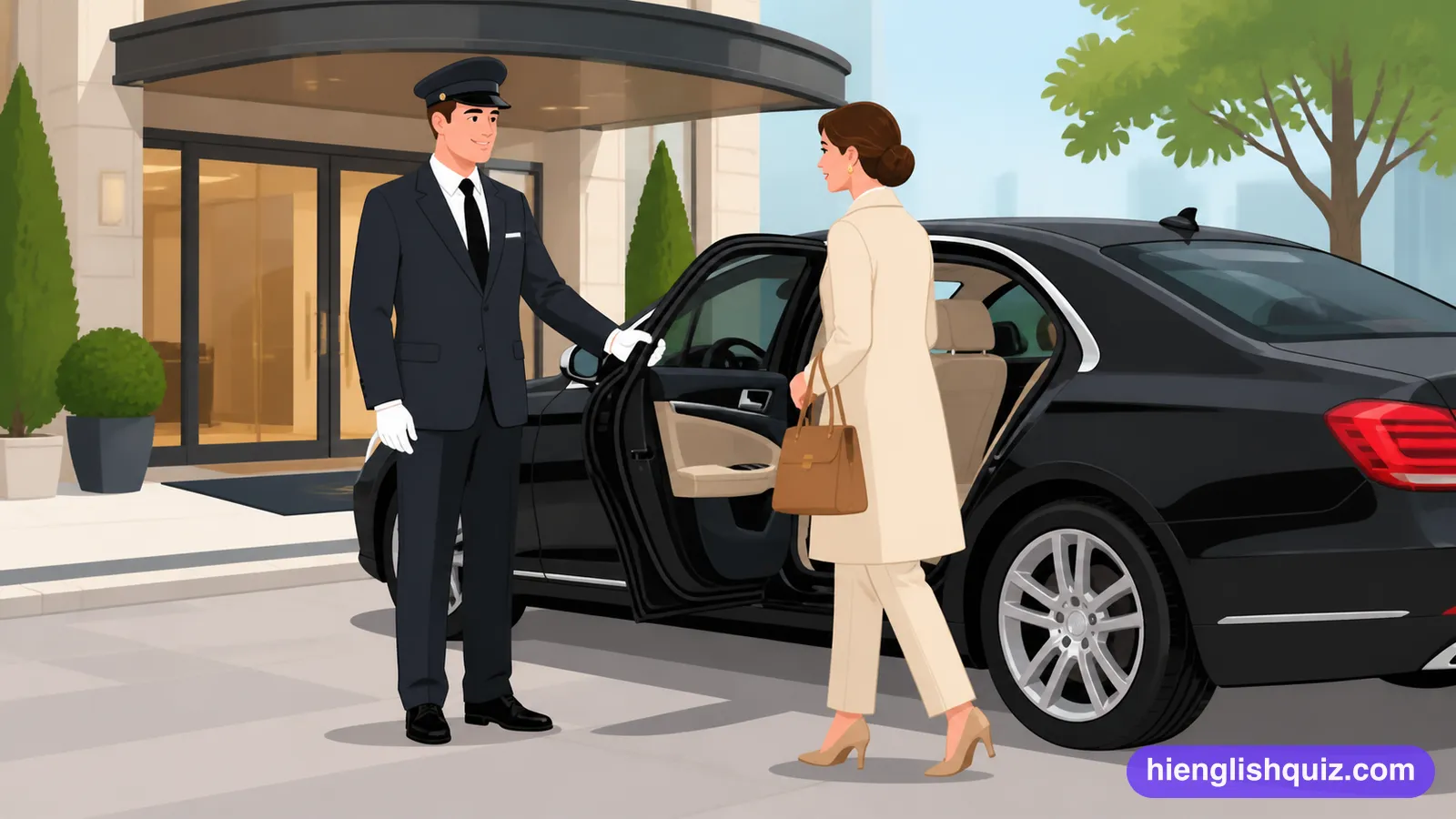
A person whose job is to drive another person around, usually in a smart car.
Example: A chauffeur waited outside with the car door open.
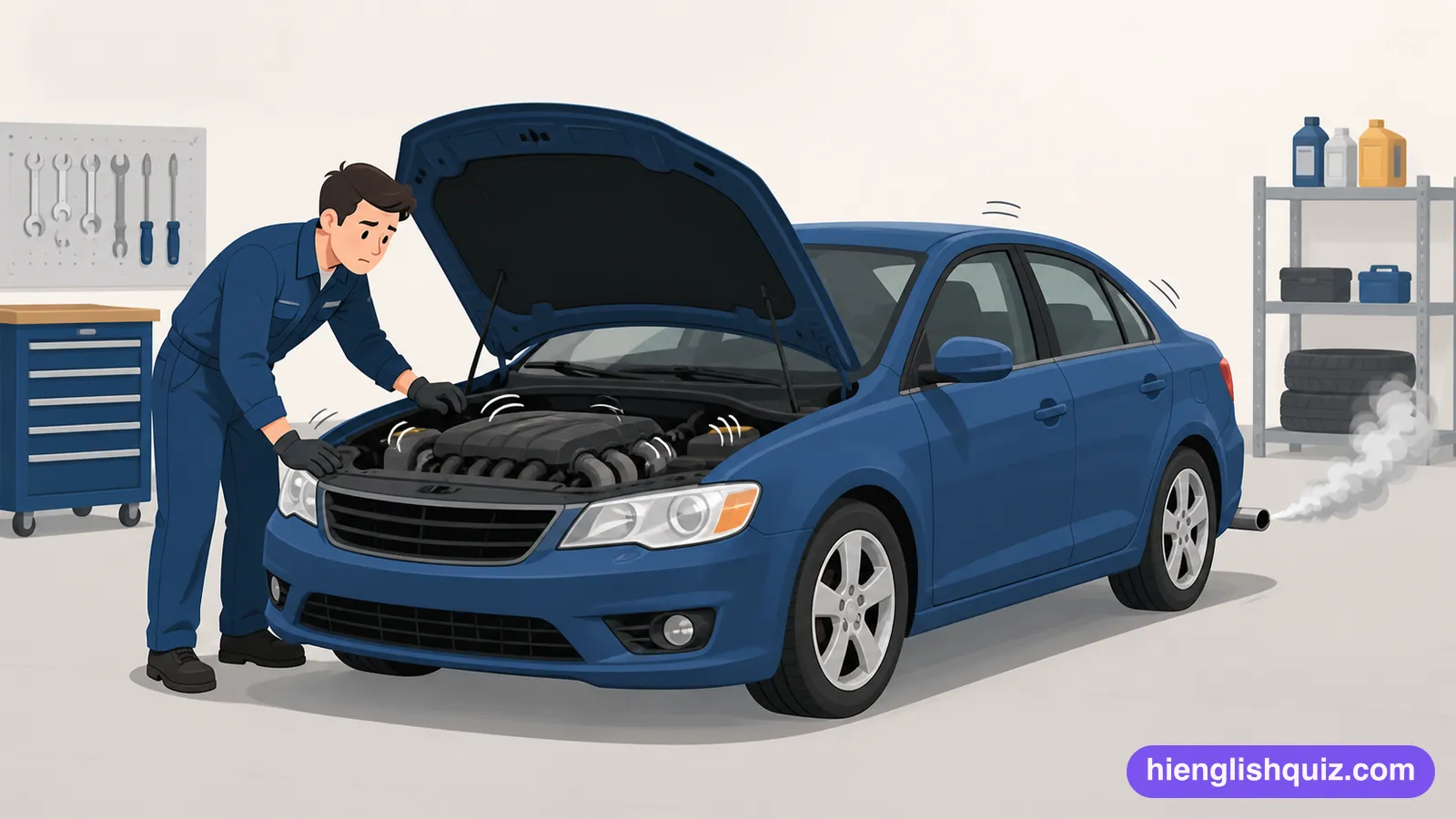
The process of burning fuel to produce power, as in a car engine.
Example: The engine works through internal combustion.
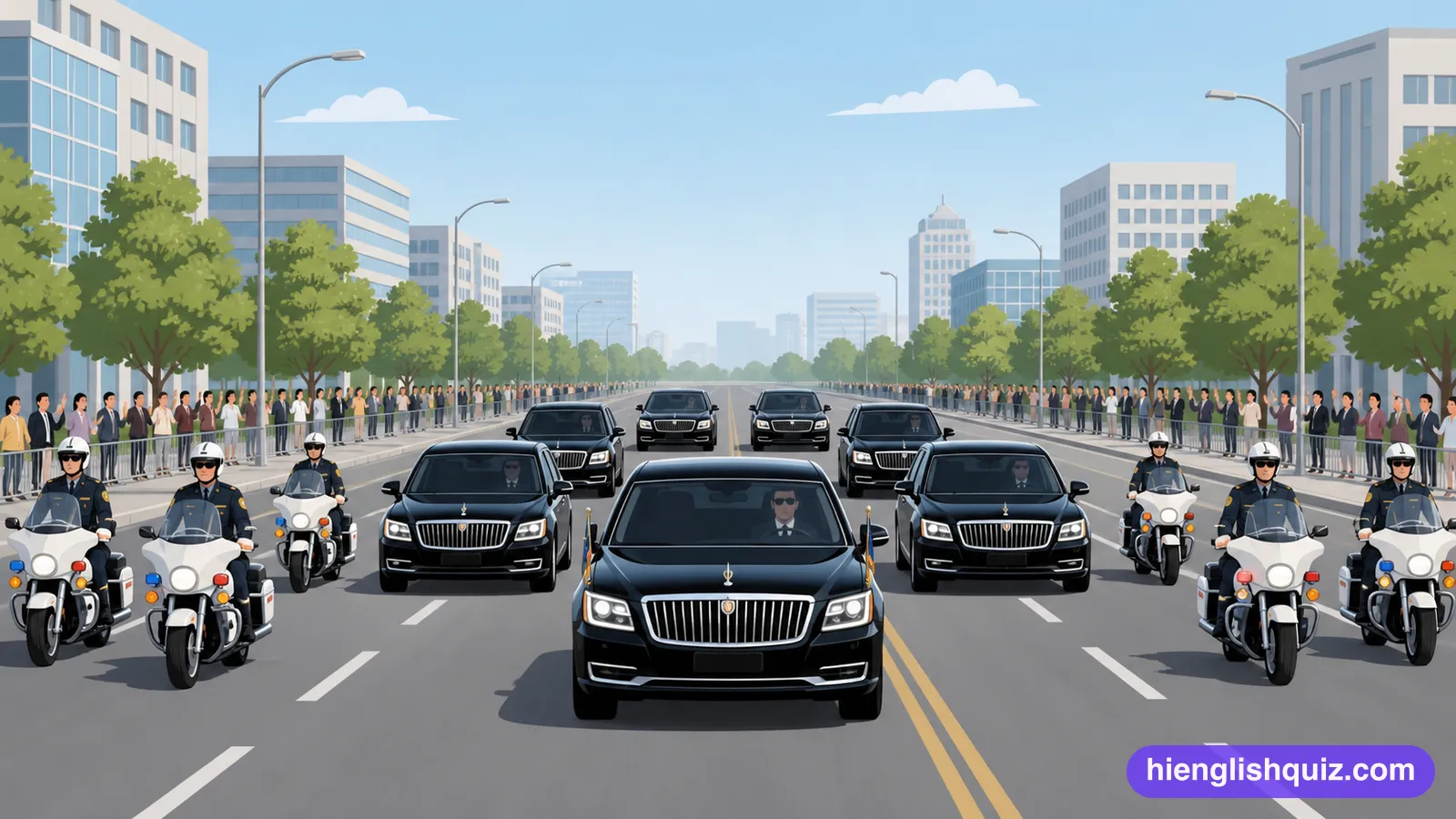
A group of vehicles travelling together, often for an important person.
Example: The president's motorcade drove through the city centre.
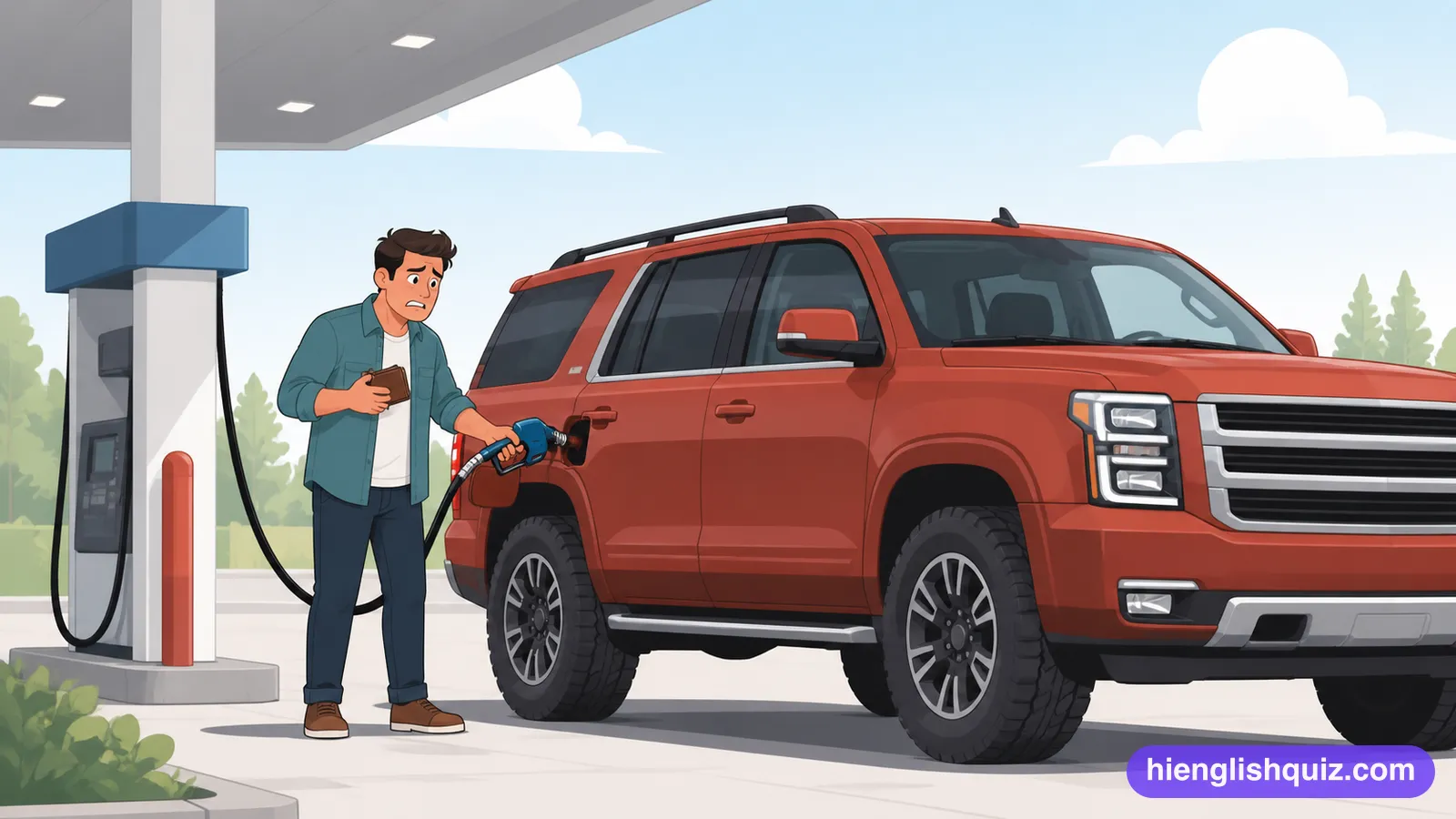
A vehicle that uses a very large amount of fuel.
Example: His old gas-guzzler cost a fortune to fill up.
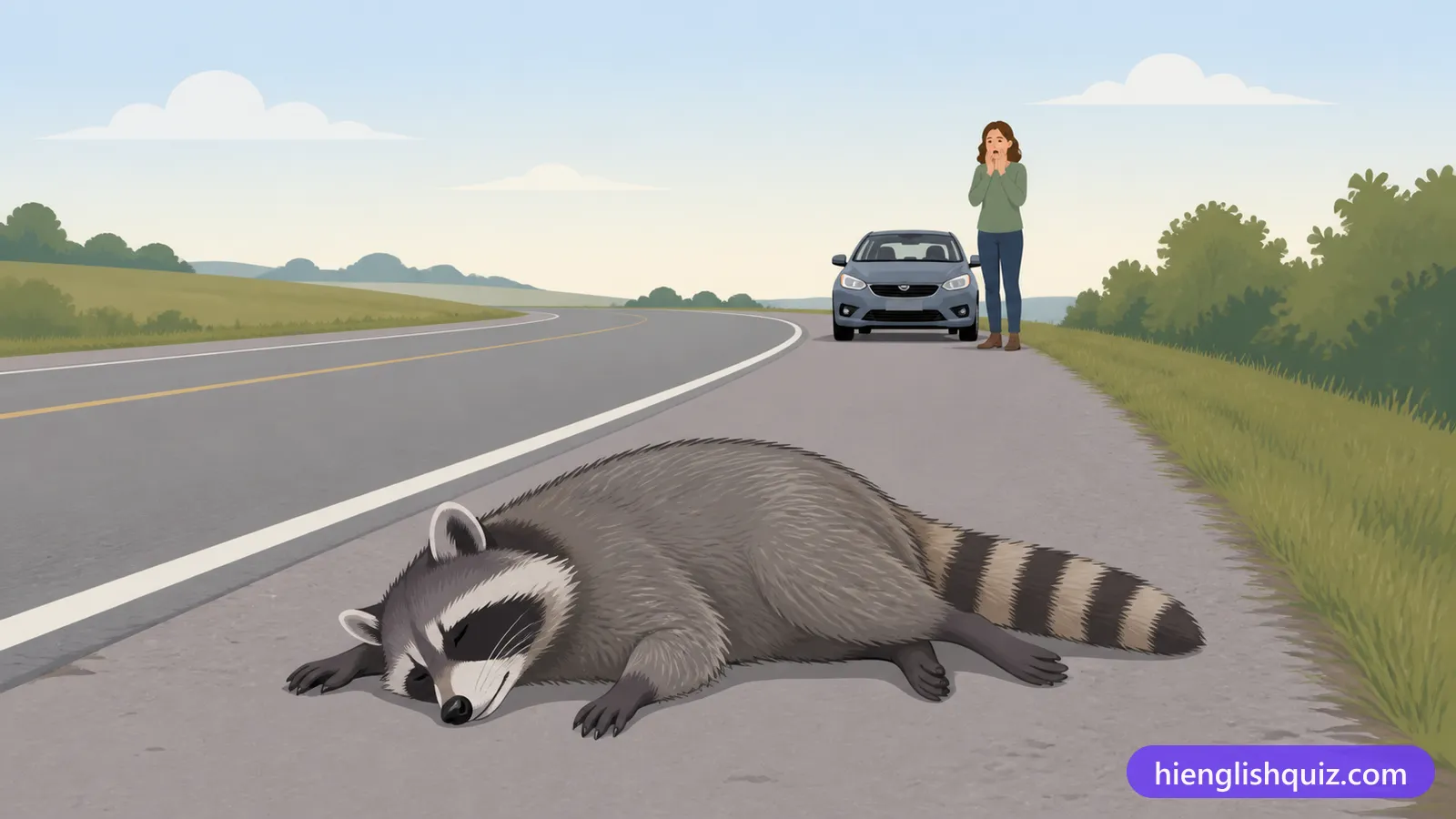
An animal that has been killed on the road by a vehicle.
Example: We saw some roadkill on the country lane.
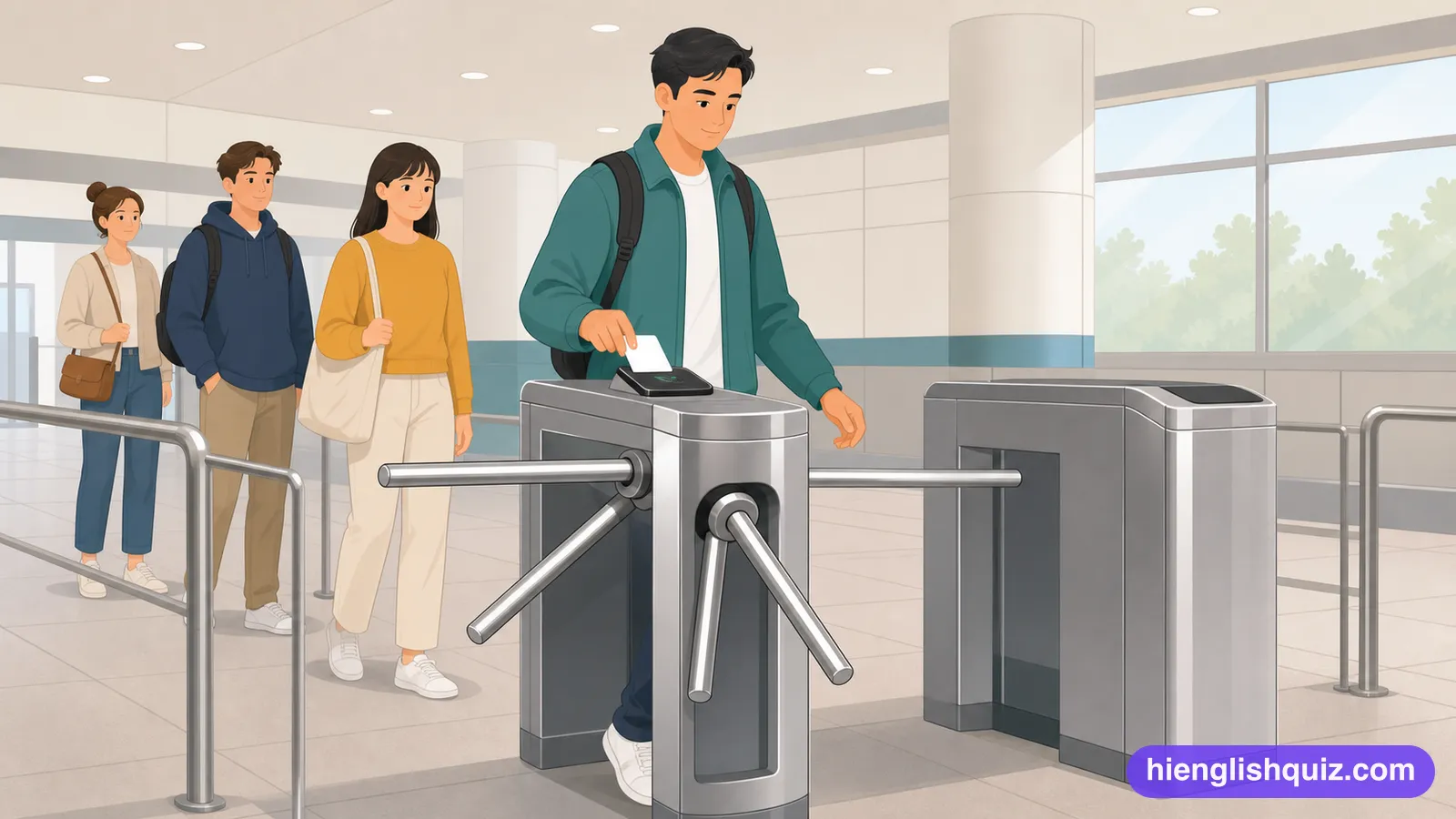
A metal gate with rotating arms that lets one person at a time through after paying.
Example: Tap your card and the turnstile lets you through.
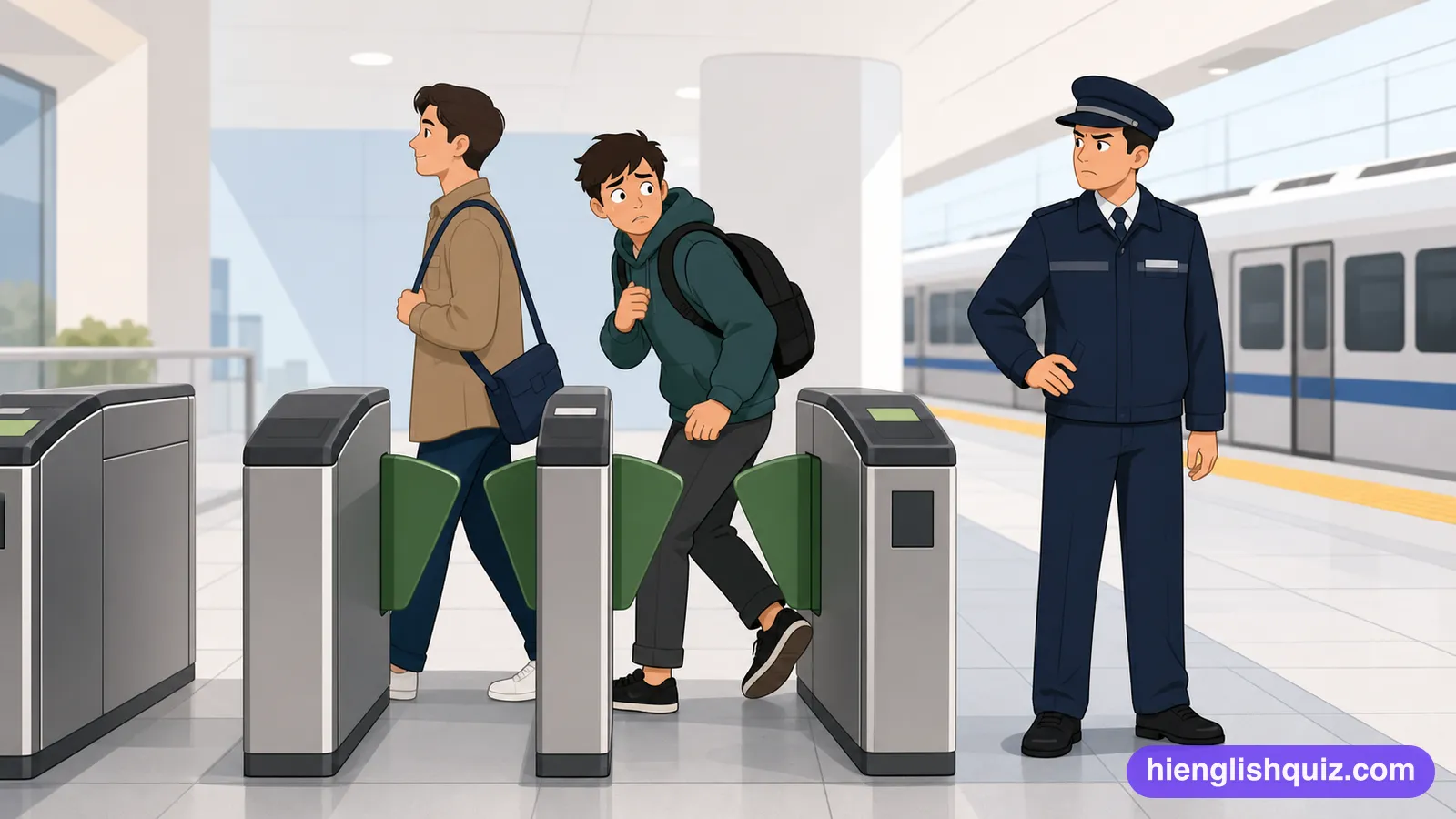
The offence of travelling on buses or trains without paying what you owe for the journey.
Example: Inspectors are cracking down hard on fare evasion across the network.
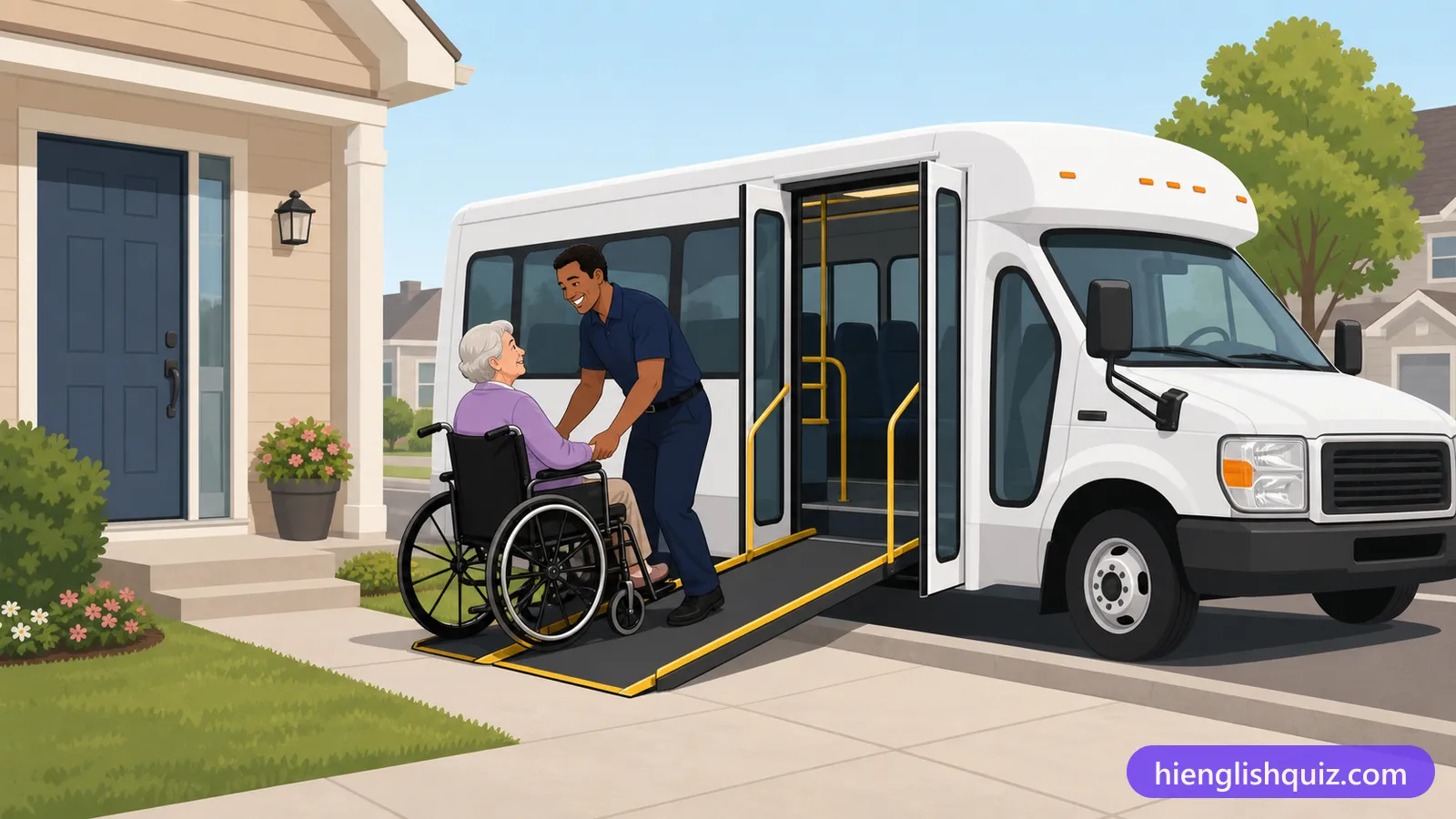
Flexible transport services, such as door-to-door minibuses, for people who cannot use regular public transport.
Example: Elderly residents rely on paratransit to reach the clinic.
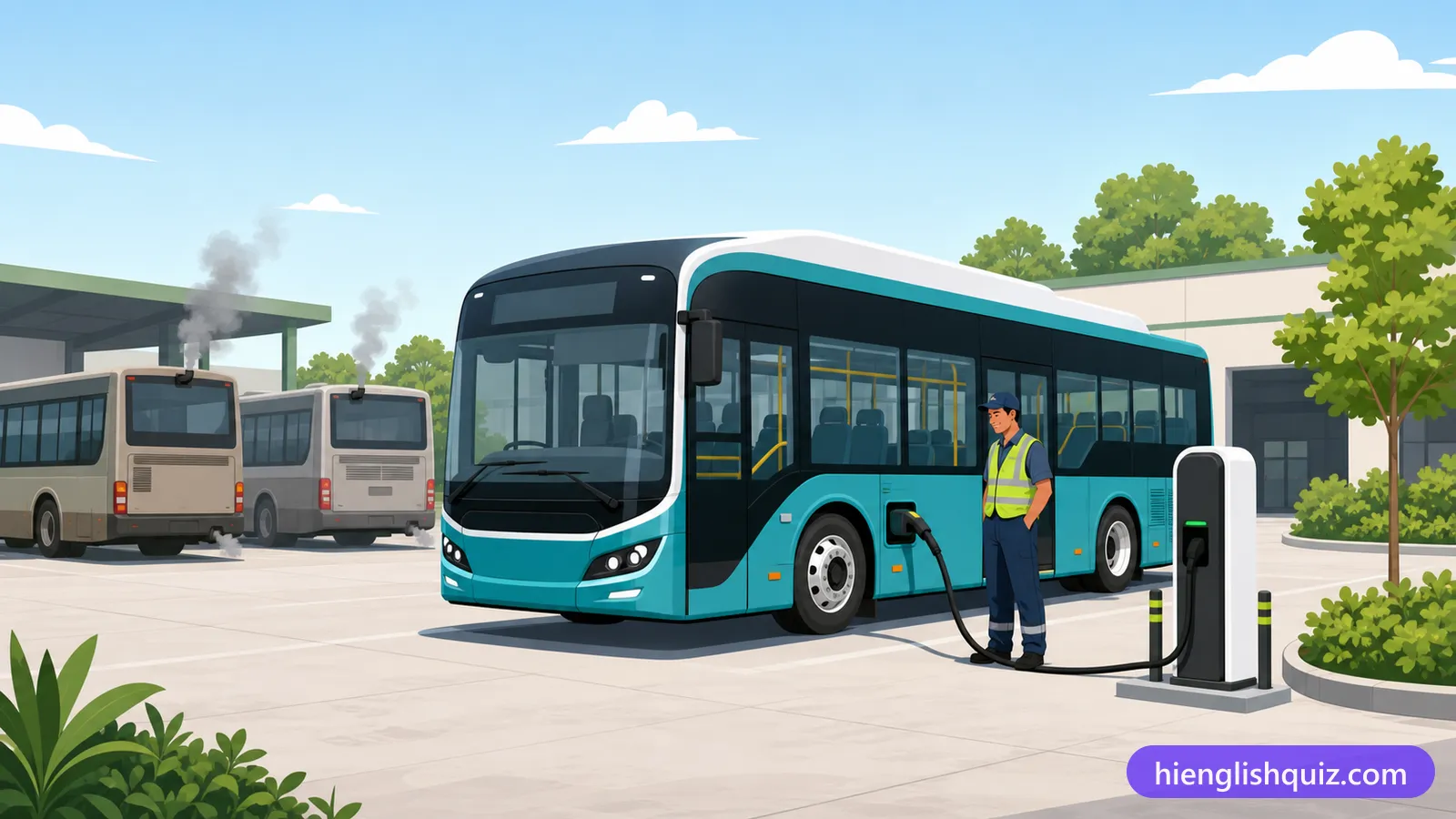
The process of reducing the amount of carbon emissions produced, especially by transport or industry.
Example: Cities are under pressure to speed up transport decarbonisation.
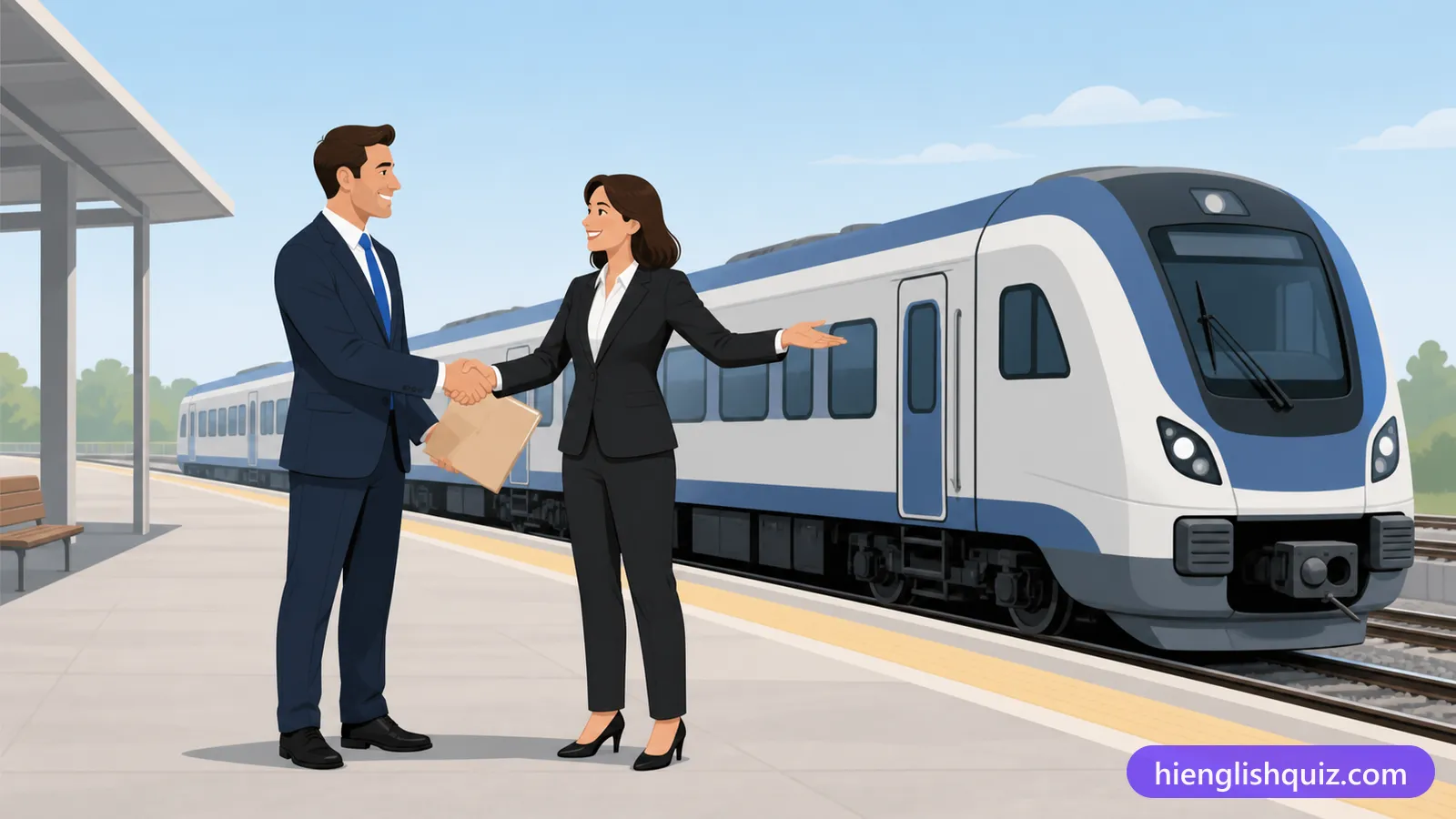
An official contract giving a company the right to run a service, such as a rail line.
Example: A new company won the rail franchise last year.
The process of bringing an industry or company under government ownership and control.
Example: The party campaigned for the nationalisation of the railways.
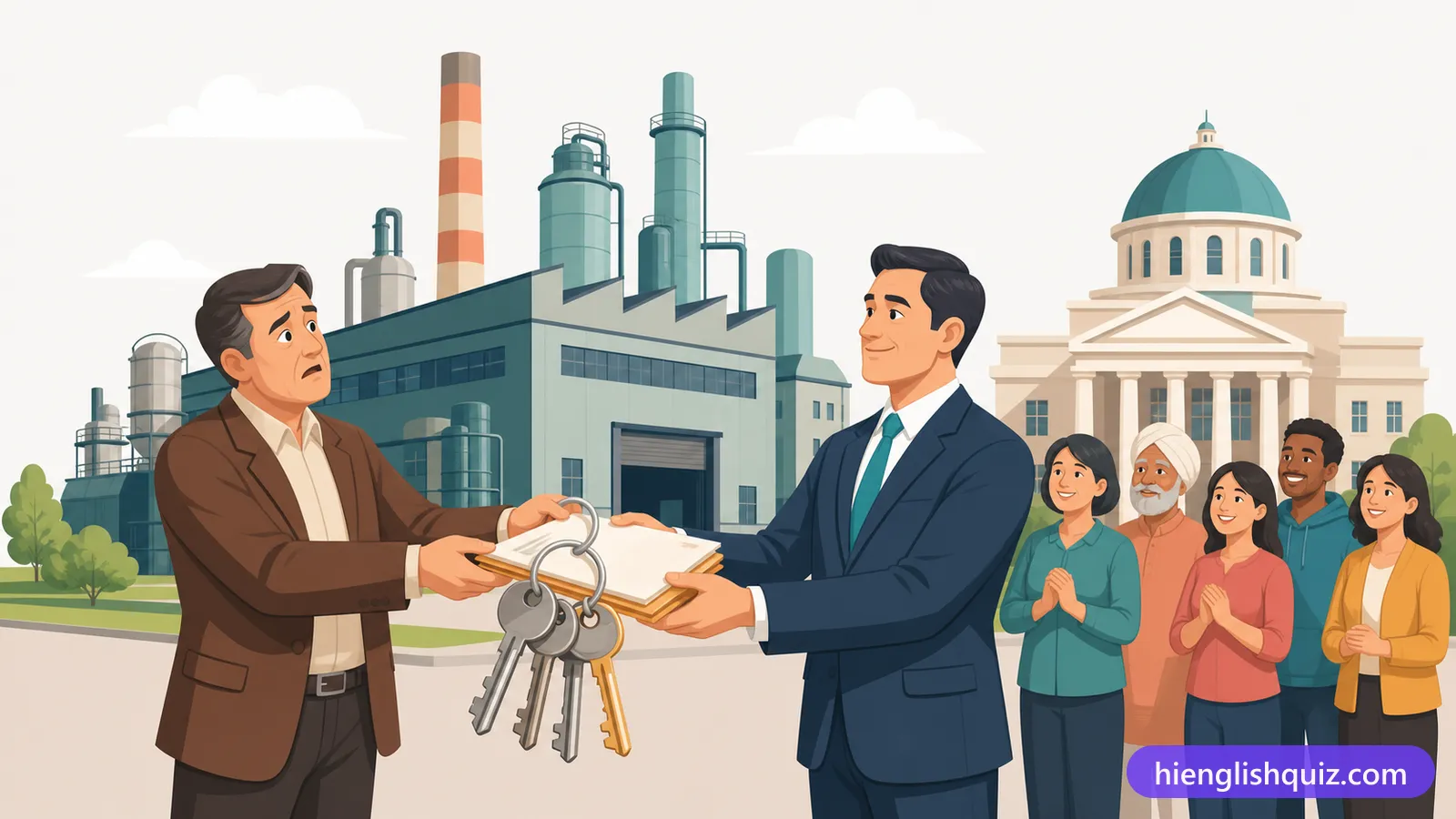
The process of selling a government-owned company or service to non-government owners.
Example: Bus privatisation changed the city's routes completely.
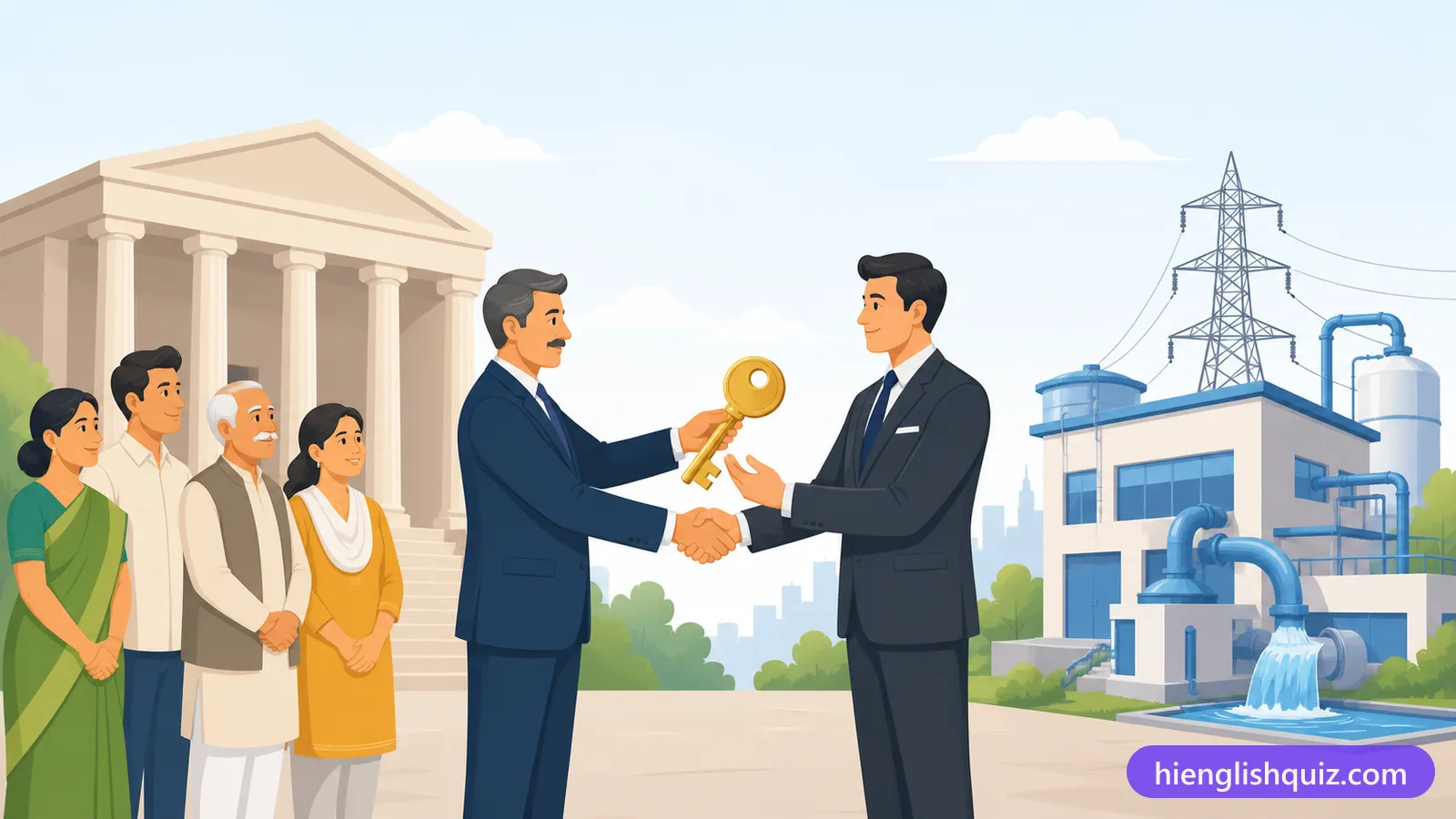
The removal of government rules and controls from an industry.
Example: Deregulation allowed new companies to compete on the route.
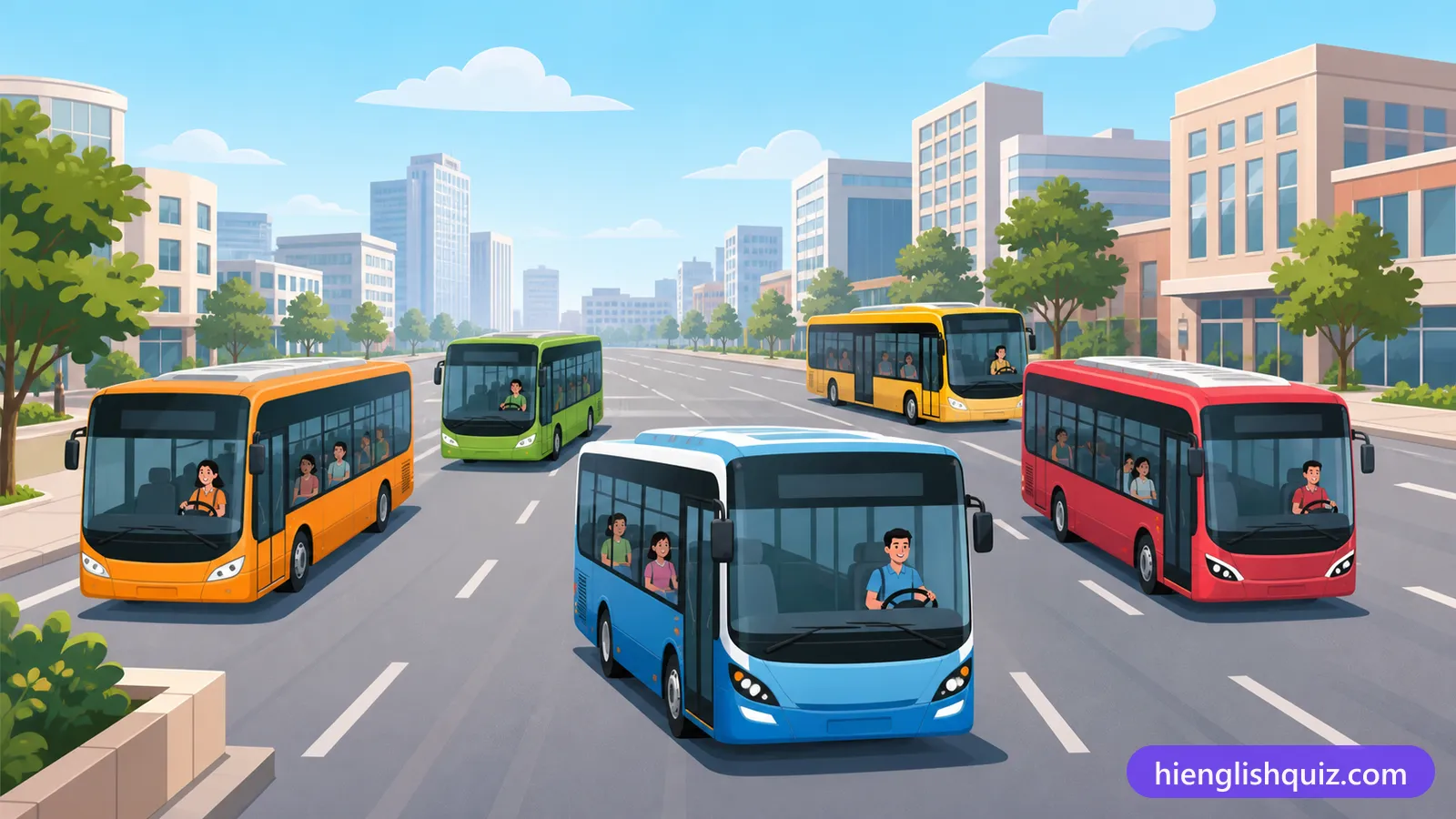
A change in the type of transport people use, for example from cars to trains.
Example: The city hopes cheaper fares will encourage a modal shift.
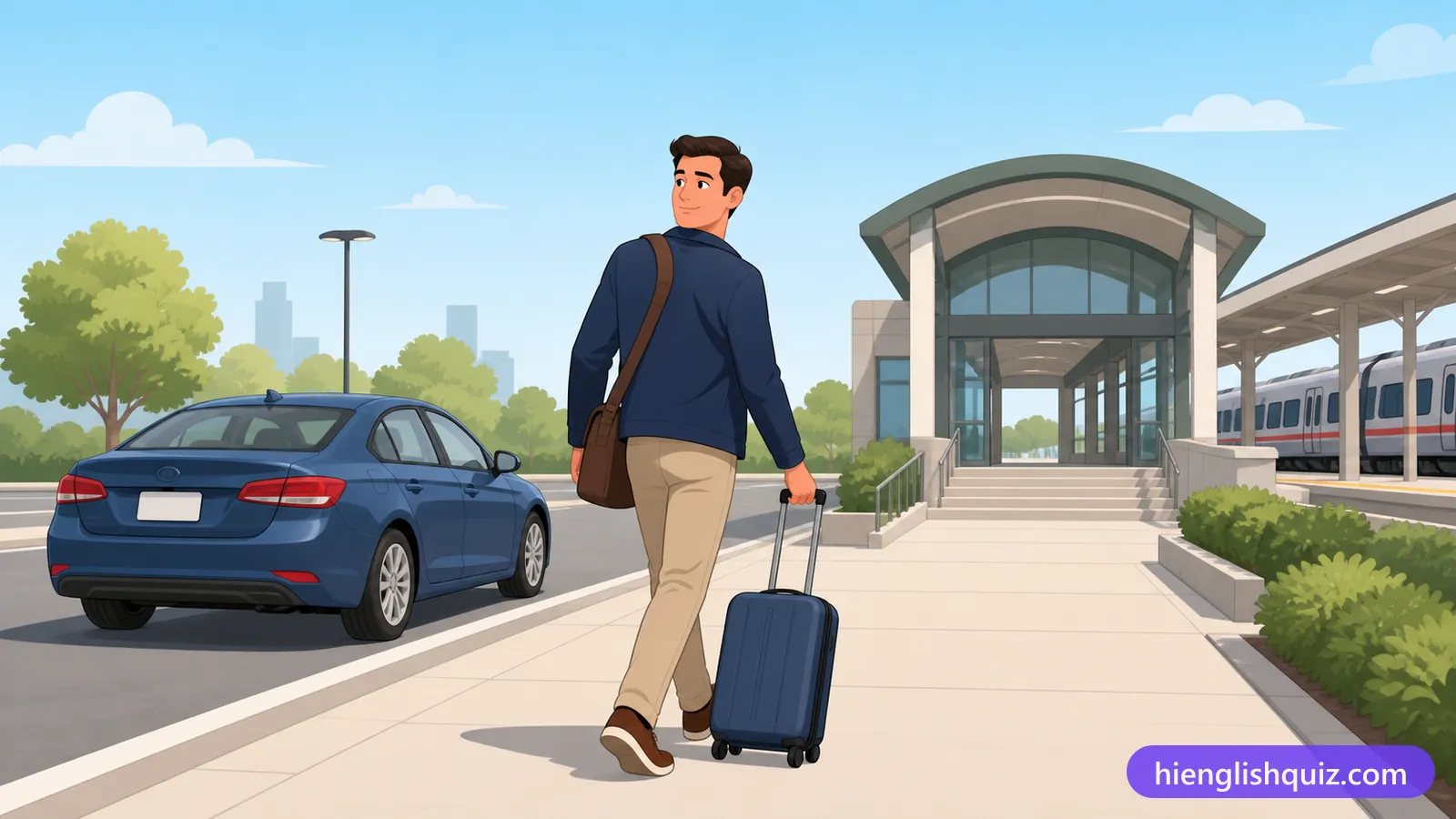
The process of converting a system, such as a railway, to run on power carried through cables instead of fuel.
Example: The line's electrification cut journey times significantly.
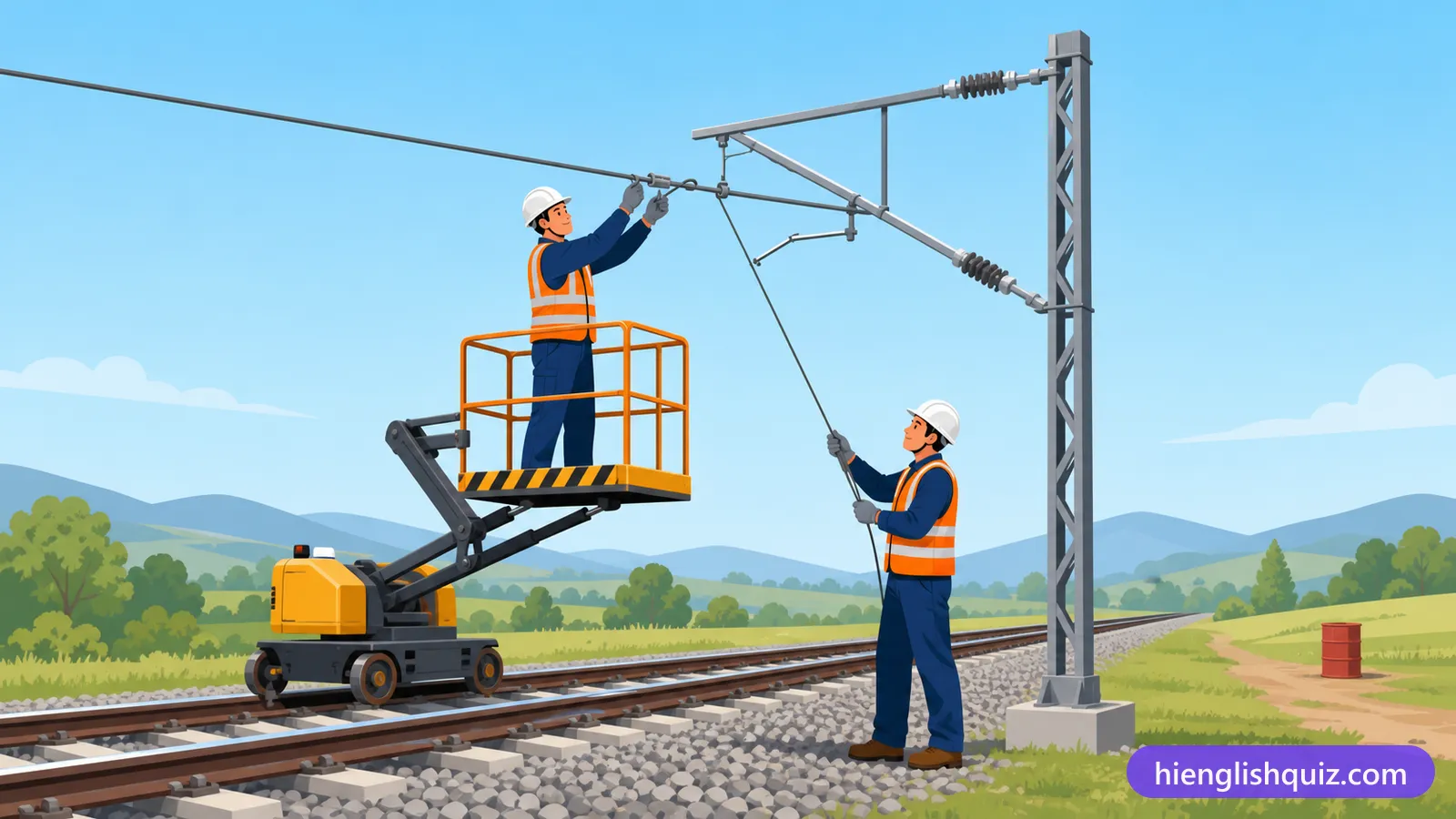
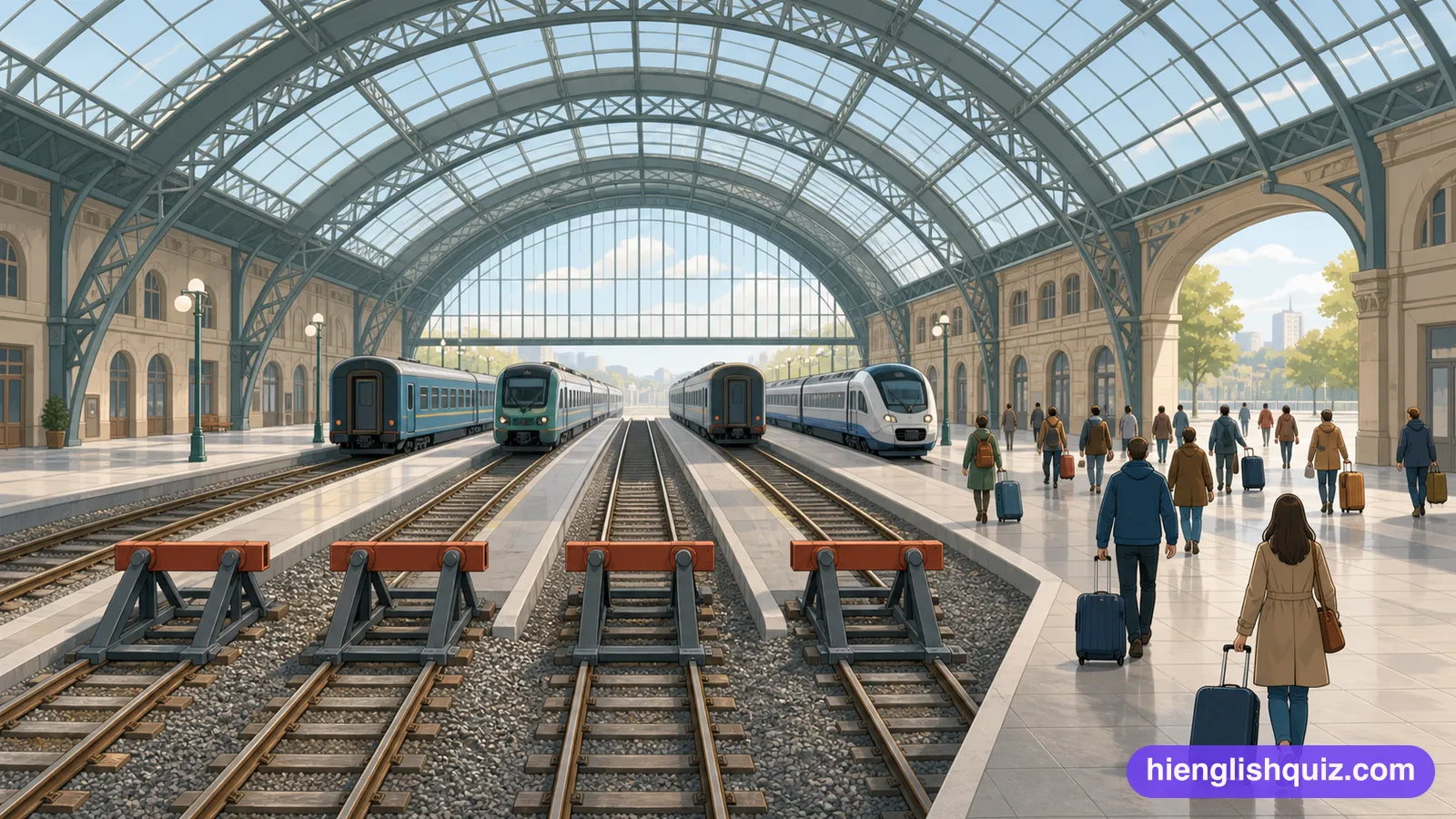
The station at the very end of a railway or bus line, where every service stops and goes back.
Example: Stay on until the terminus and then walk five minutes.
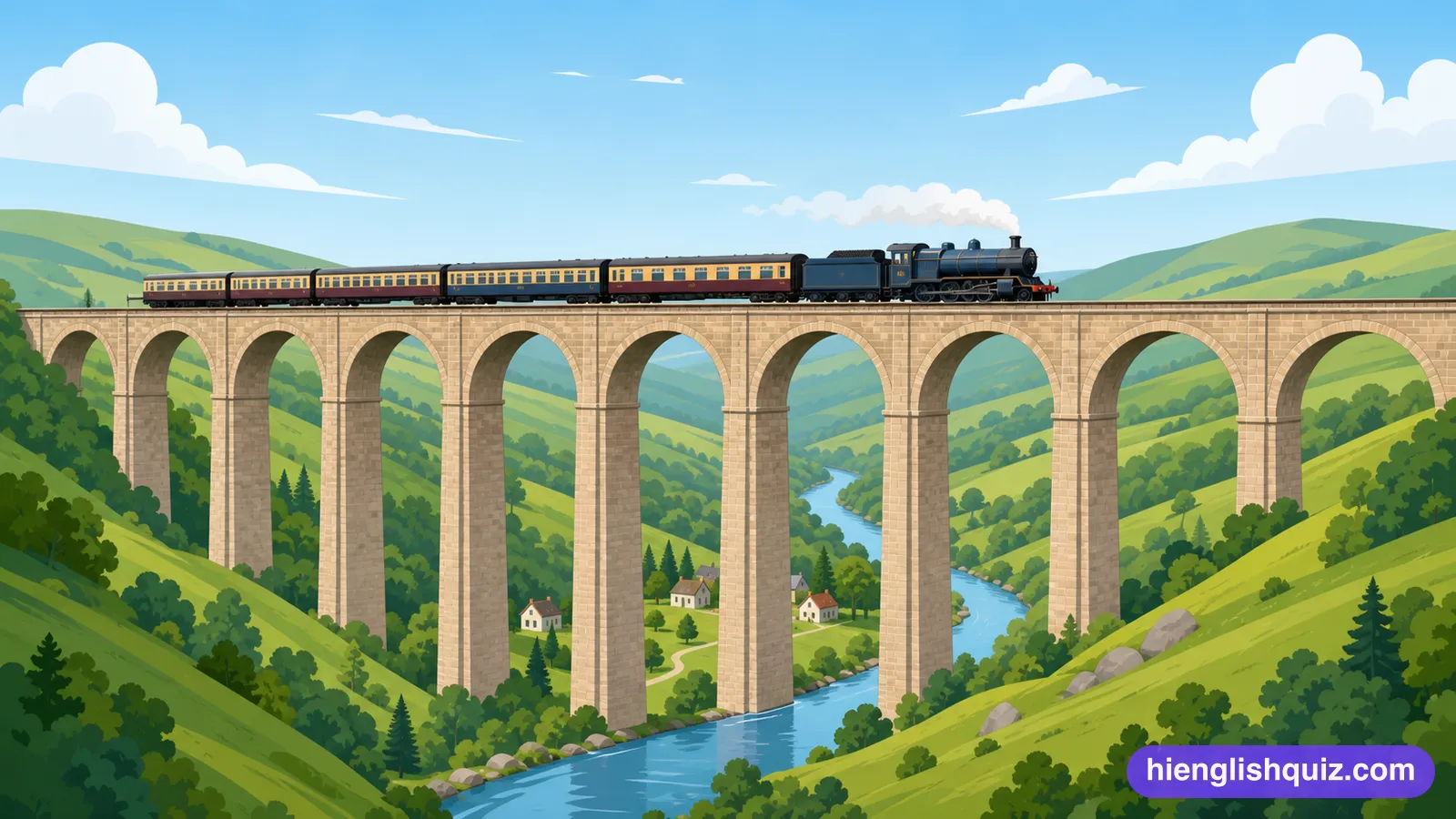
A long, high bridge with many arches that carries a railway or road across a valley.
Example: The train crosses a stone viaduct above the whole village.
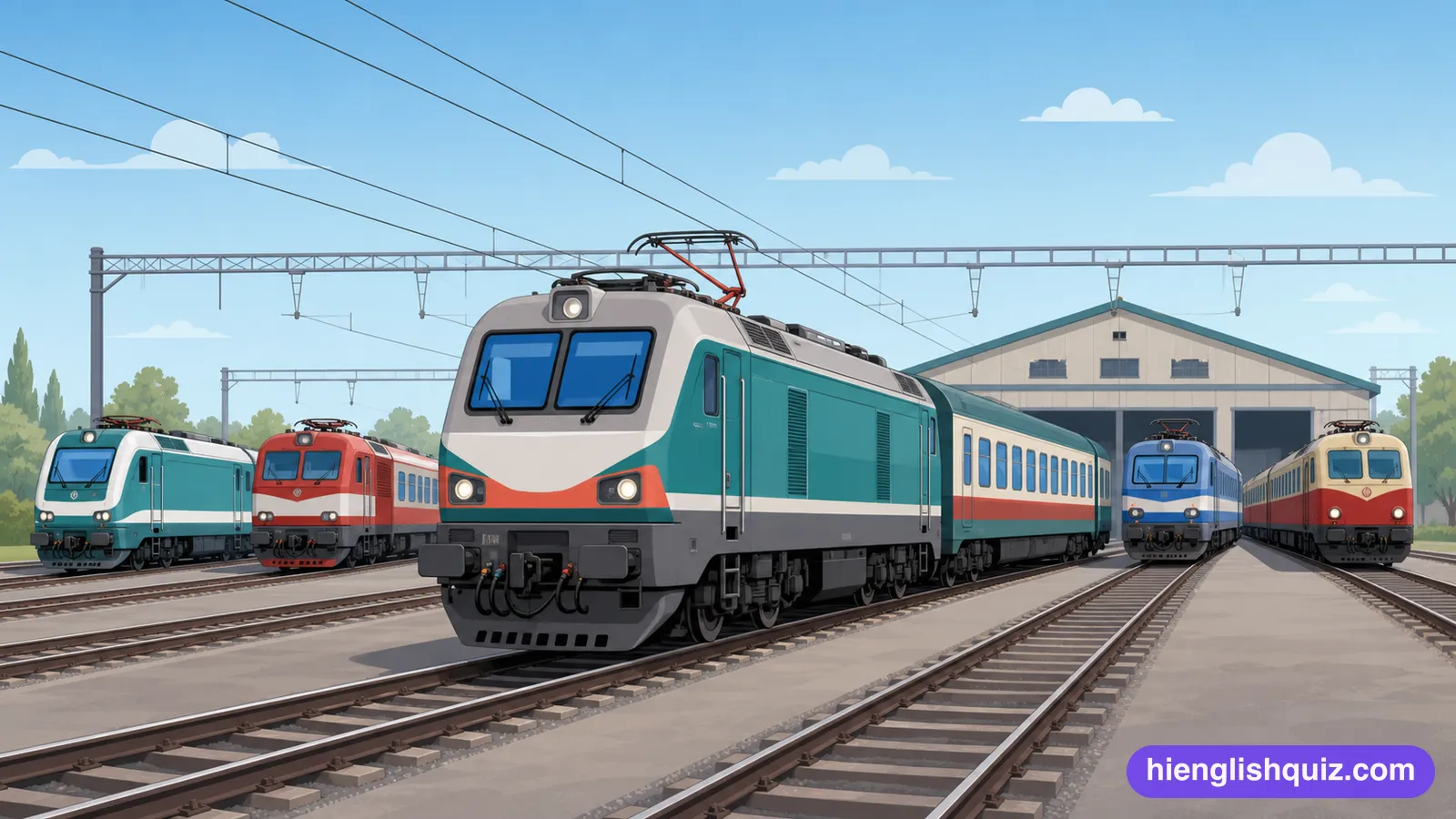
All the engines and carriages that a railway company owns and puts into service on its lines.
Example: The operator is finally replacing its ageing rolling stock next year.
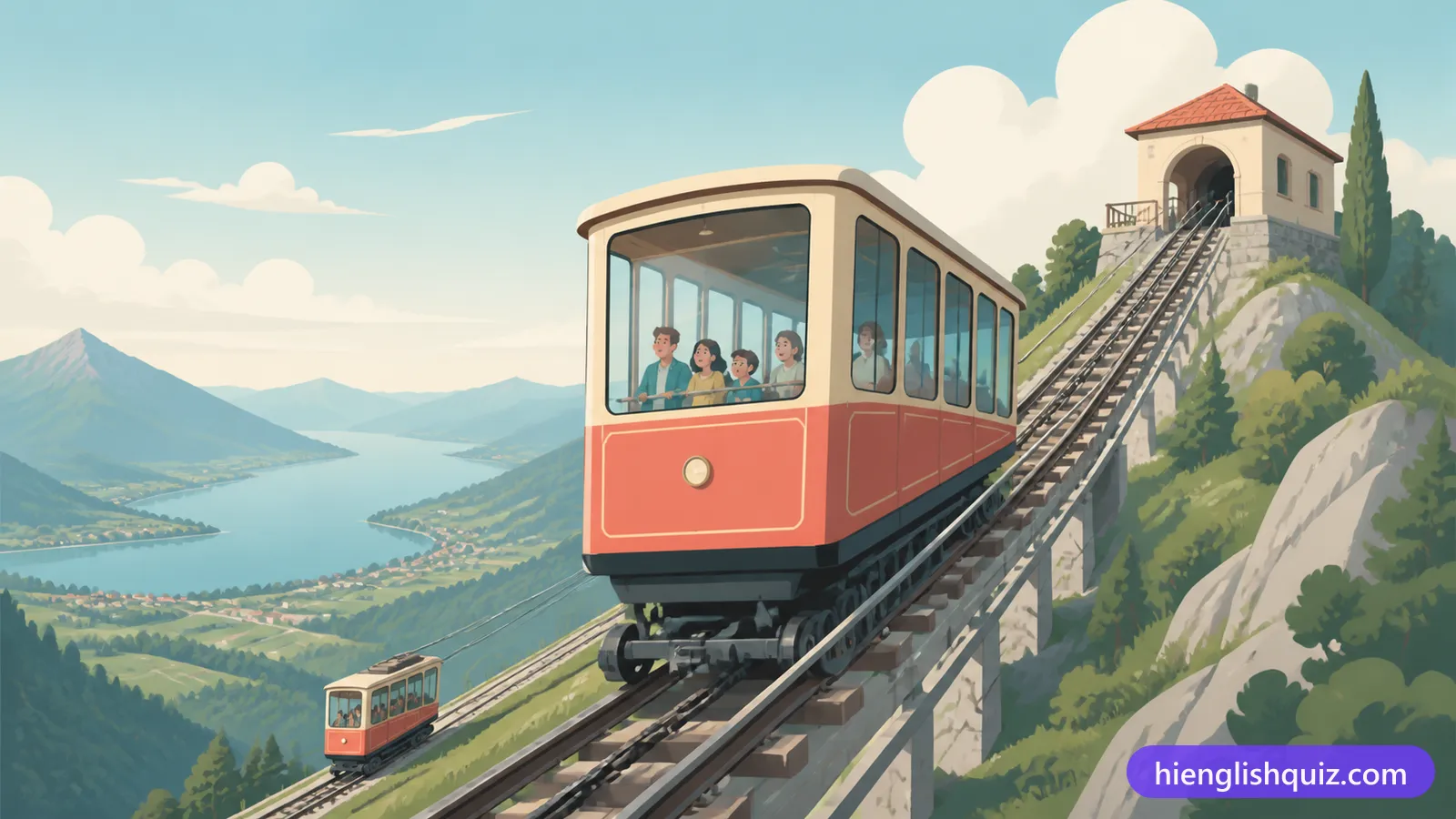
A railway on a steep slope, pulled up and down by a cable.
Example: We took the funicular up the mountainside.
Having rails set closer together than the standard width.
Example: The old mining line is a narrow-gauge railway.