hinterland
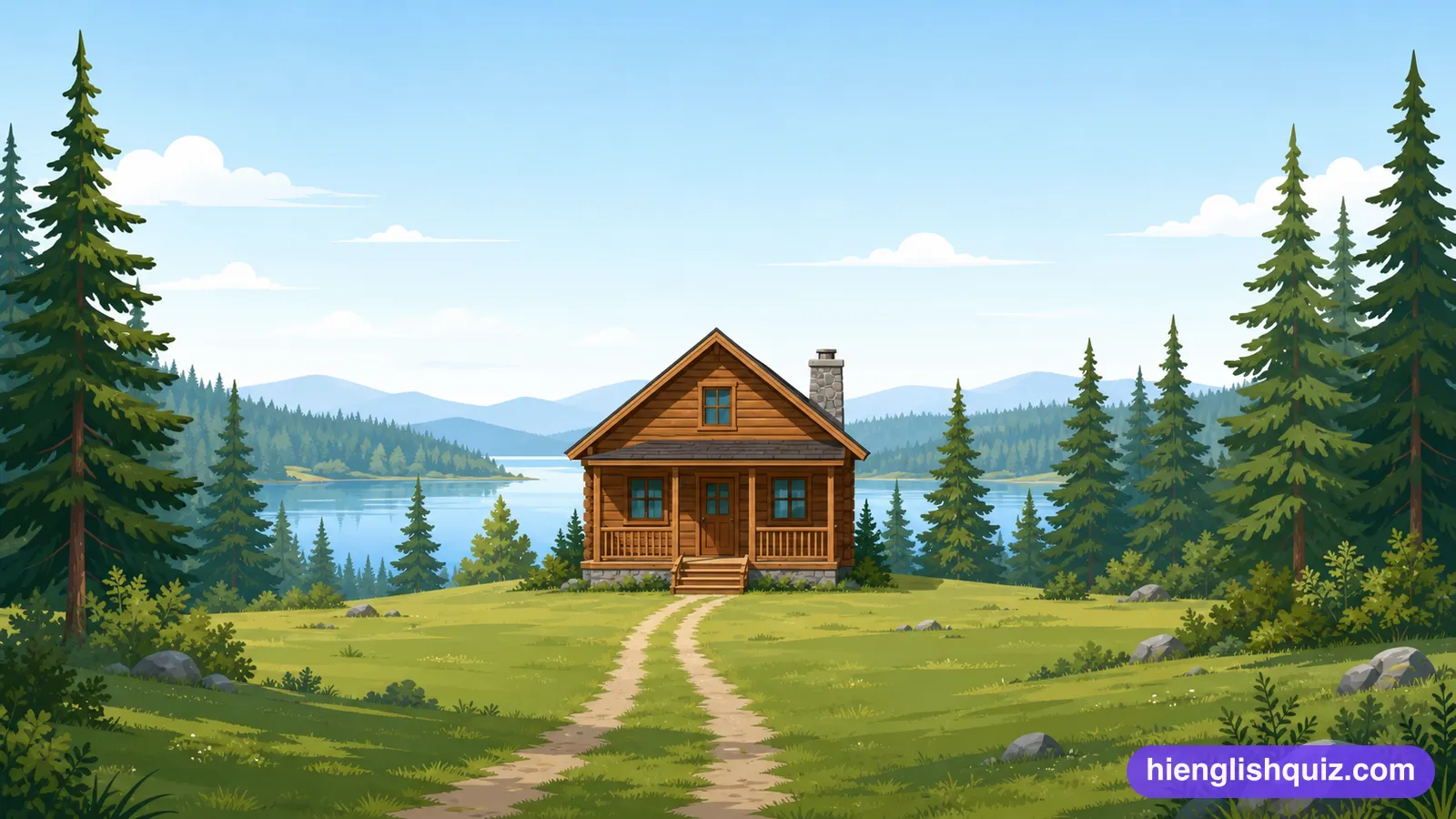
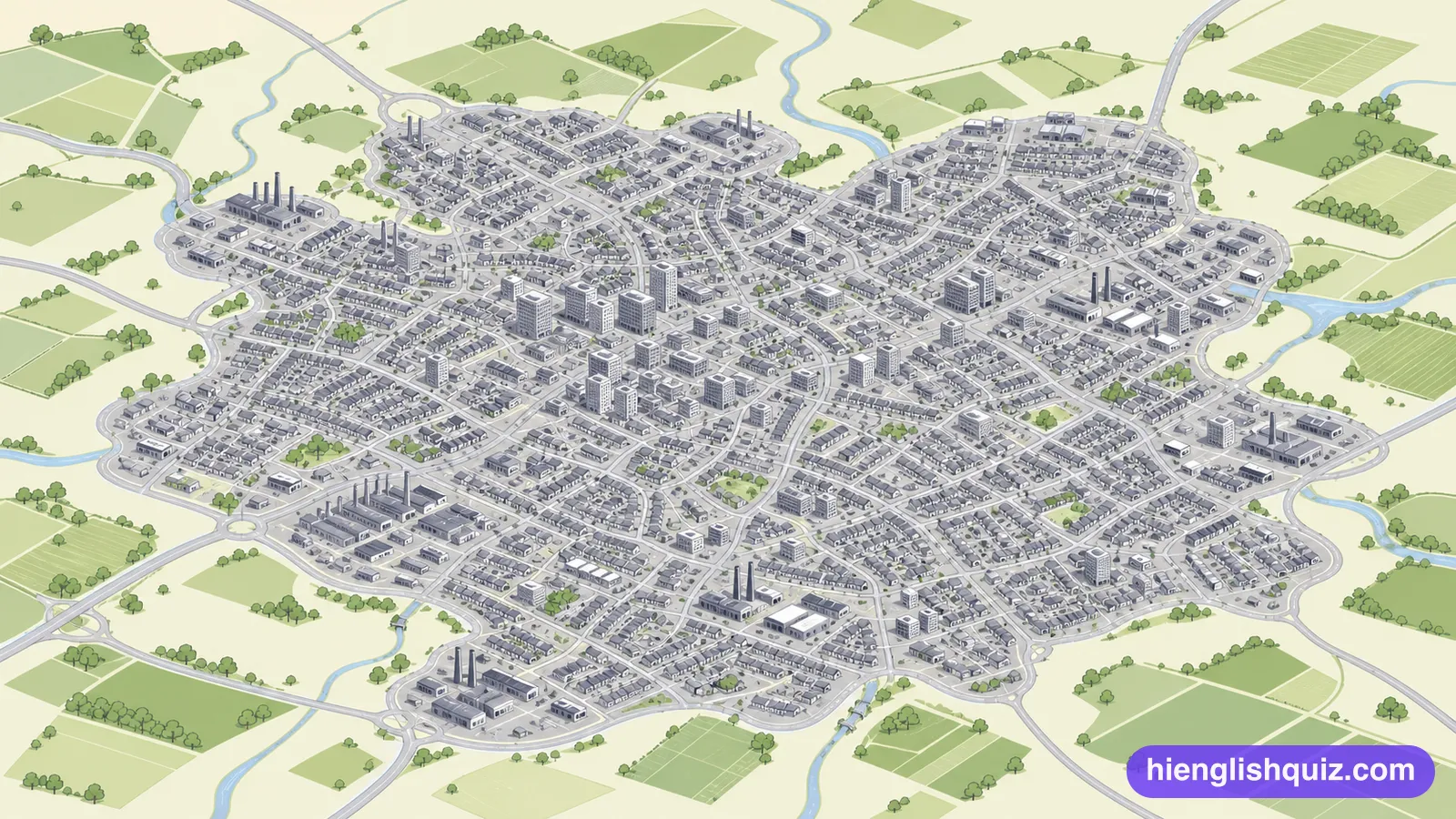
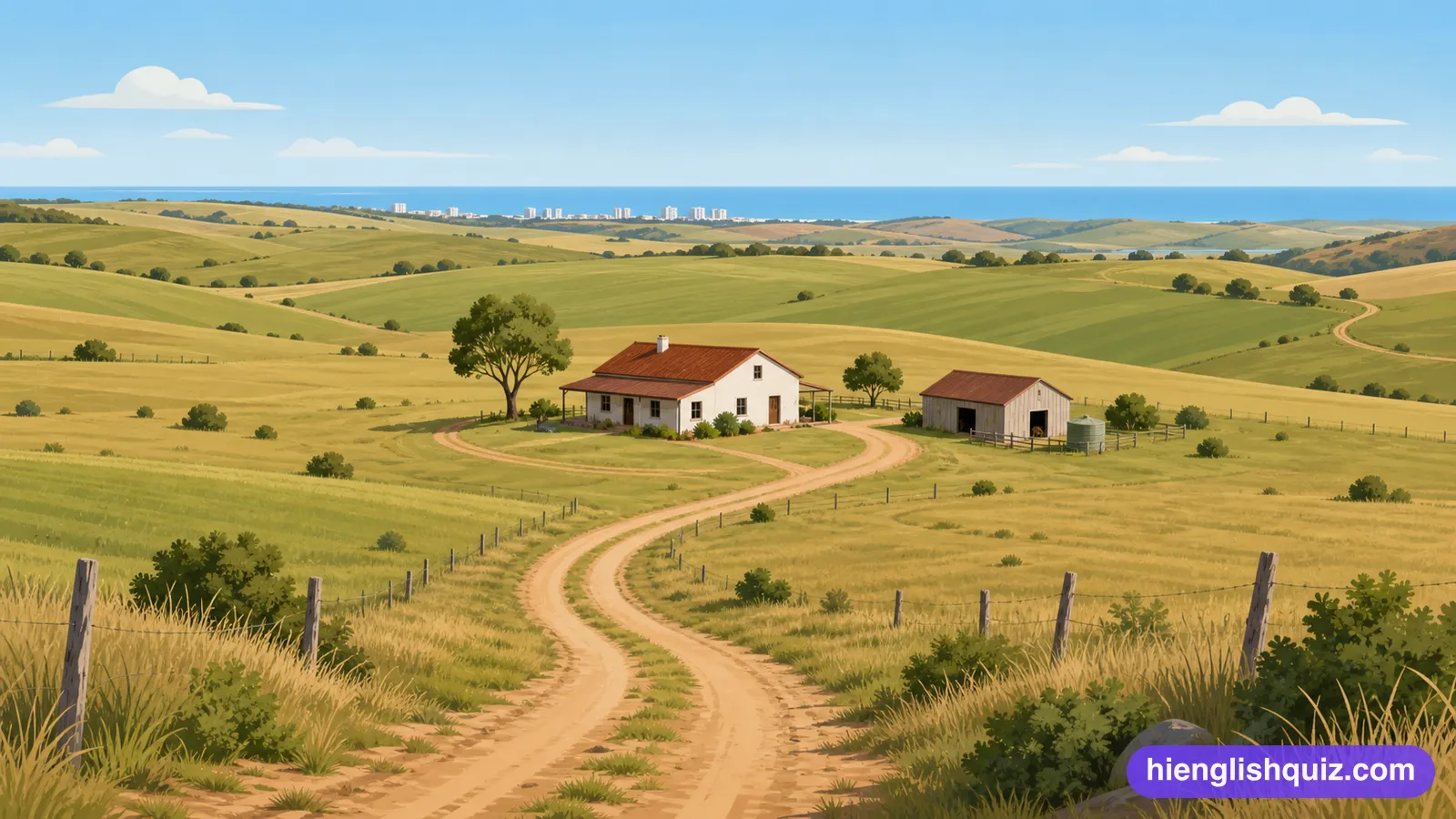
/ˈhɪntərˌlænd/The quiet rural area lying behind a coast or beyond a big city, away from the busy parts.
Example: Few visitors ever explore the hinterland behind the resorts.
 Hi EnglishQuiz
C222 words · Proficient
Countryside vocabulary for terrain described precisely, including scree, gorse and loam, plus a hamlet, a homestead and the hinterland around them.
The quiet rural area lying behind a coast or beyond a big city, away from the busy parts.
Example: Few visitors ever explore the hinterland behind the resorts.
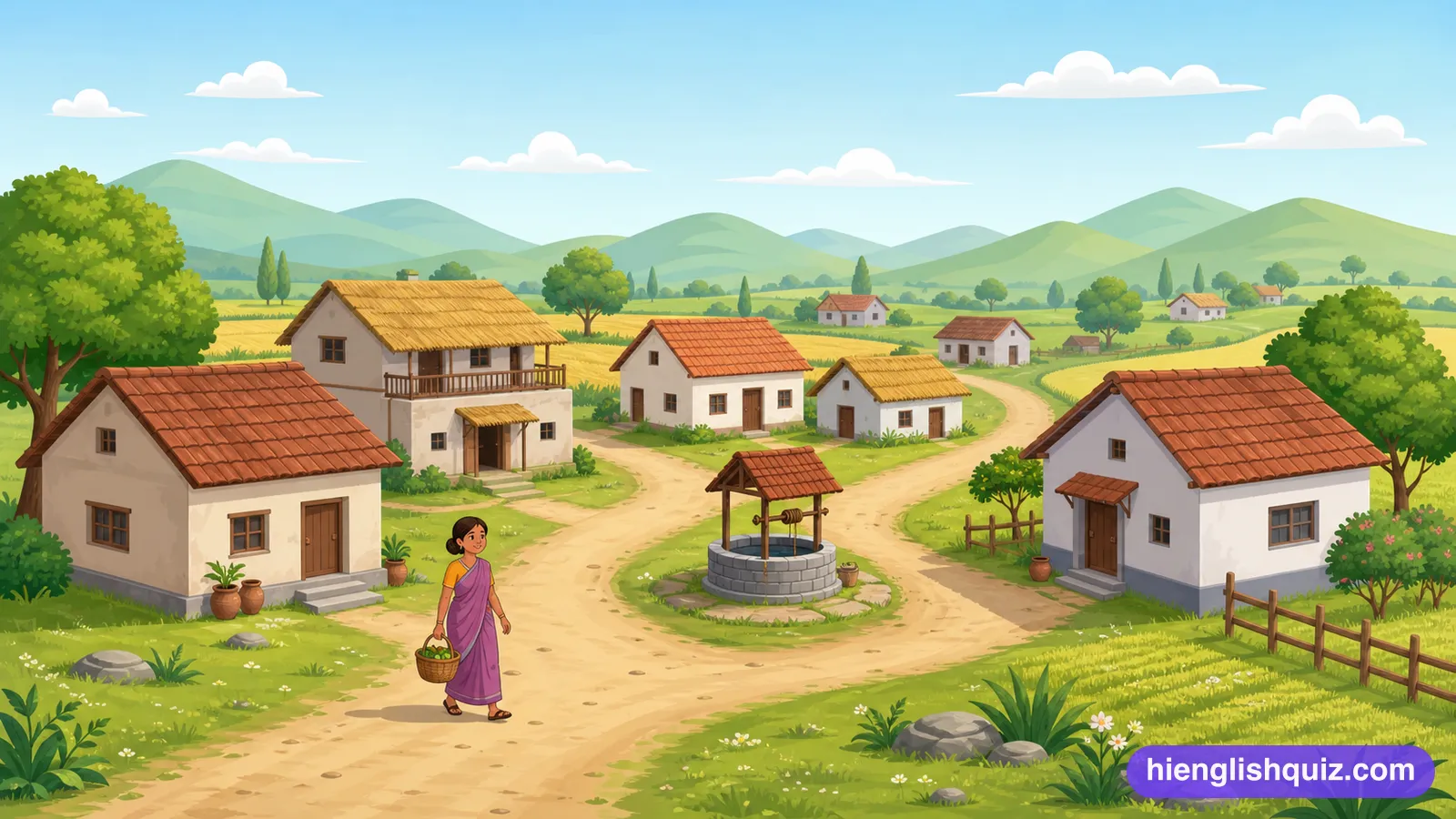
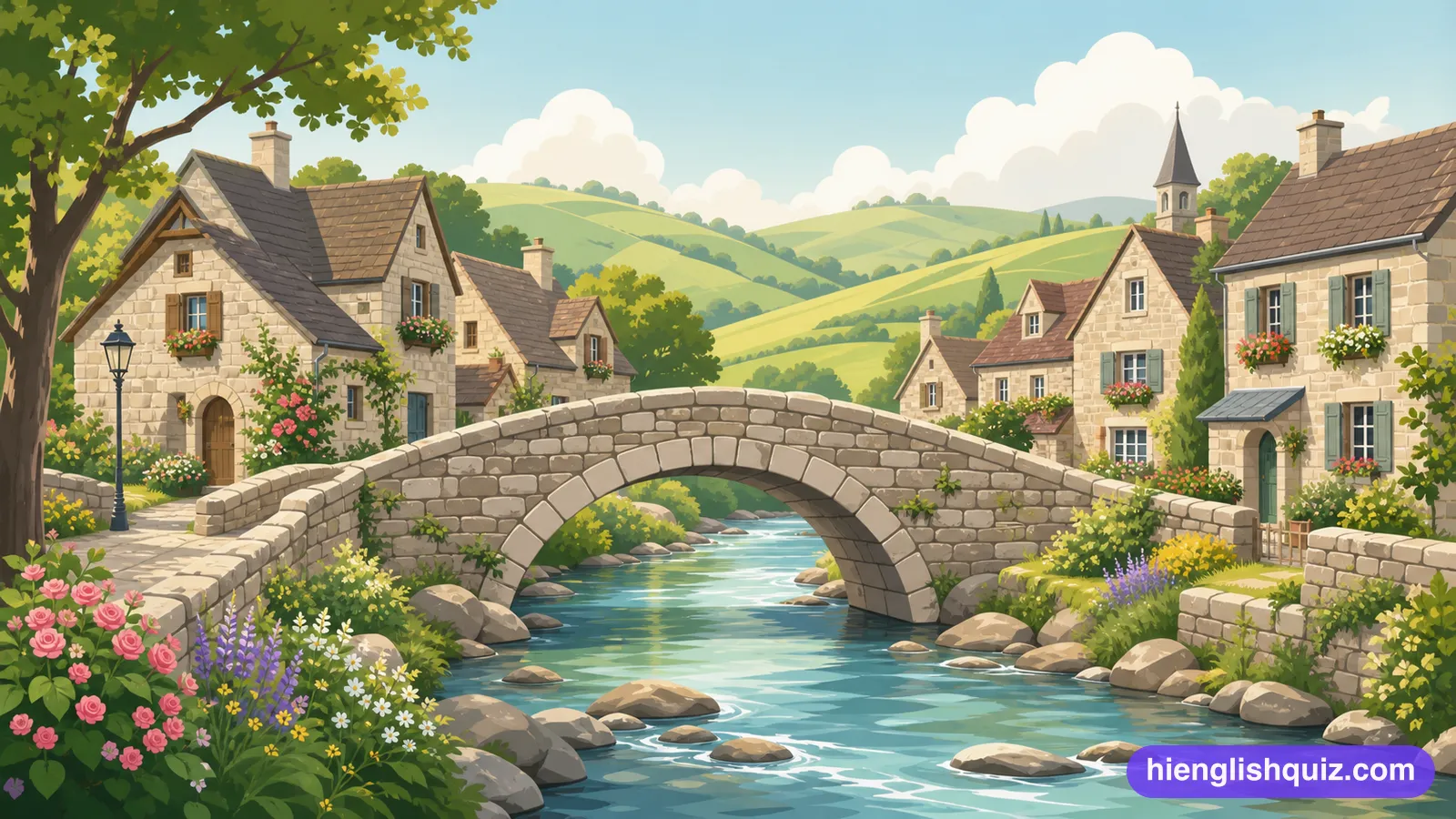
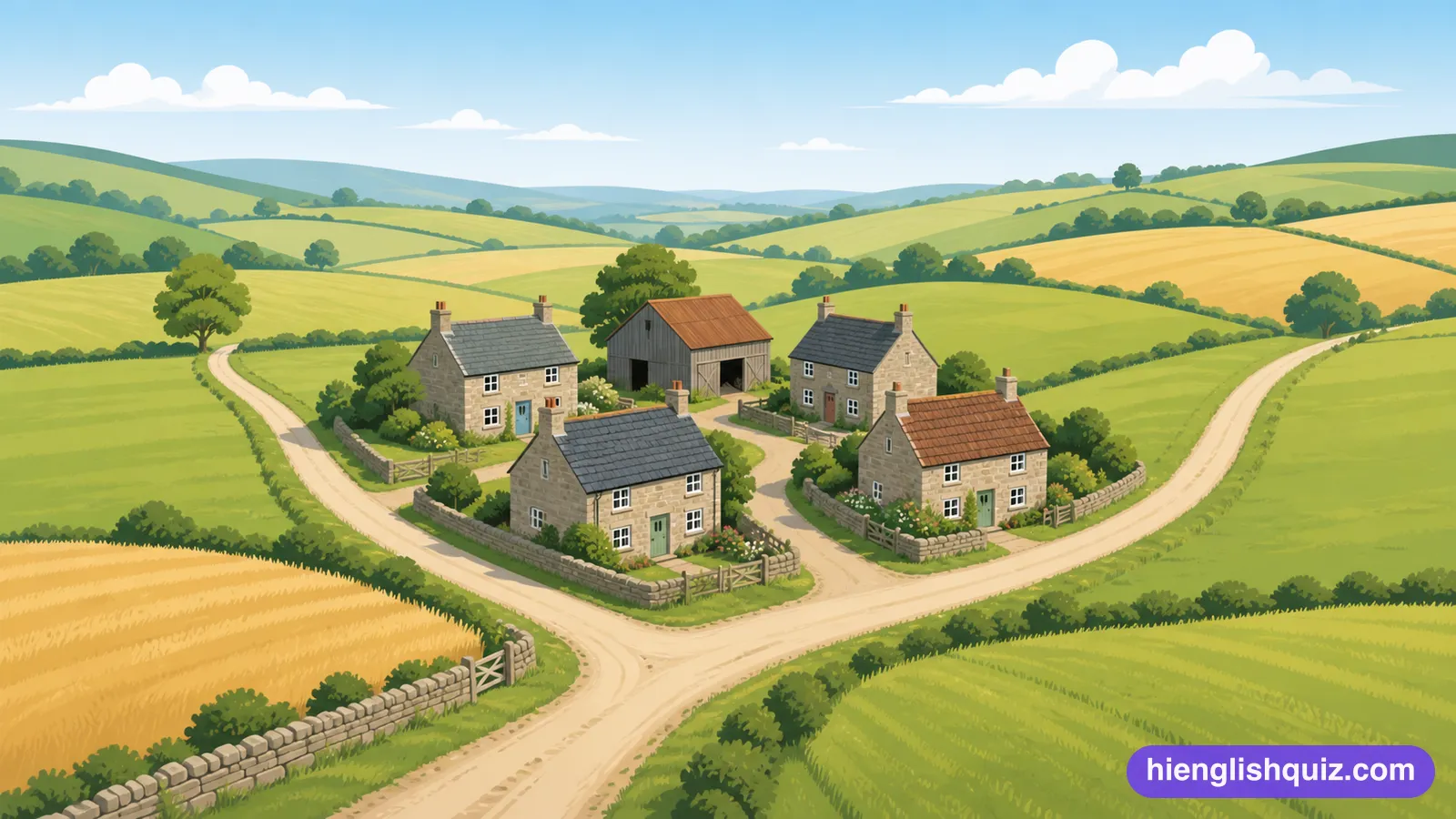
A cluster of only a few houses in the country, smaller than a village and with no shops.
Example: Their farm sits in a hamlet of six stone houses.
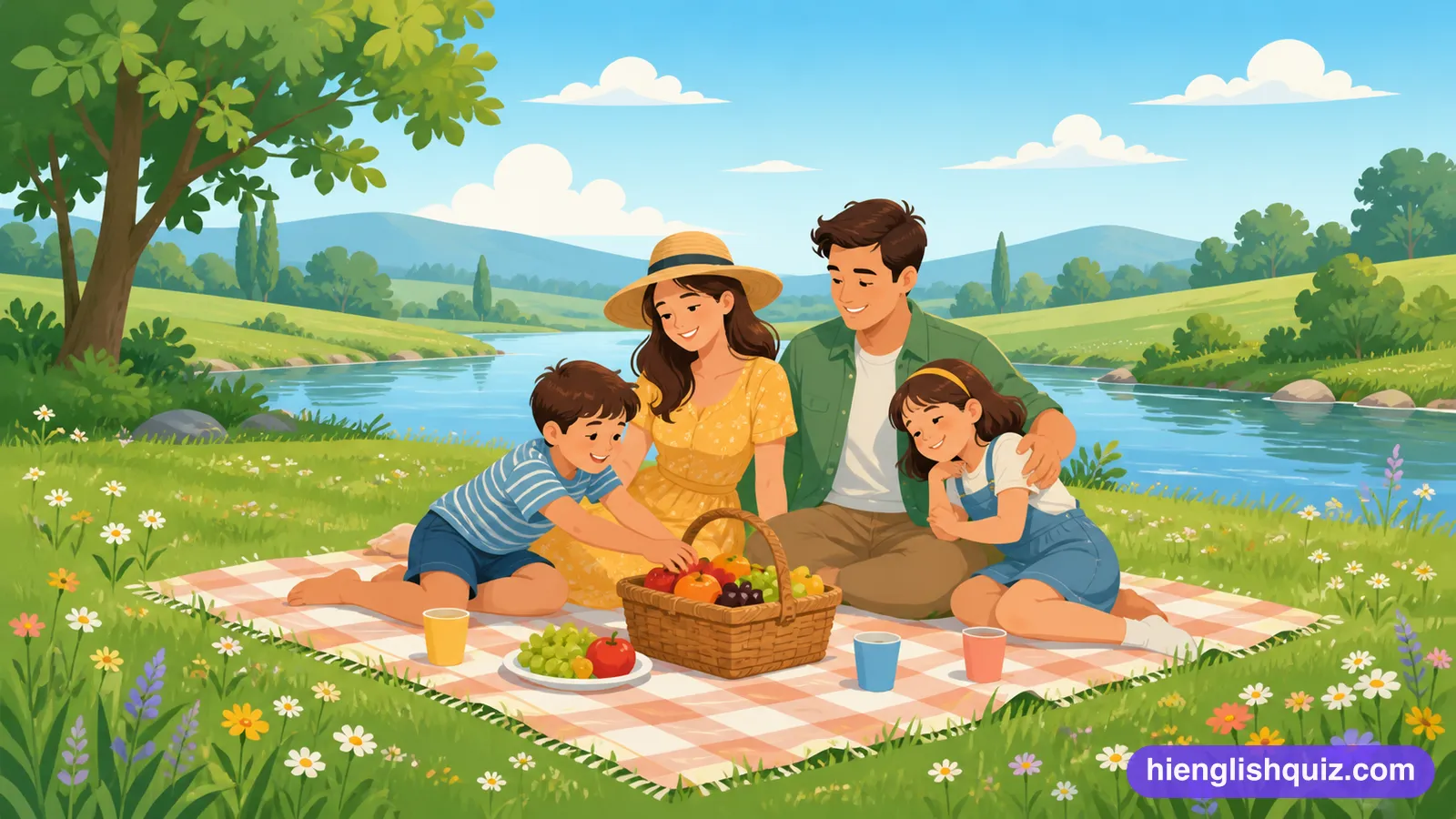
A very happy, peaceful period or situation, especially in the countryside.
Example: Their rural idyll was interrupted by the new motorway.
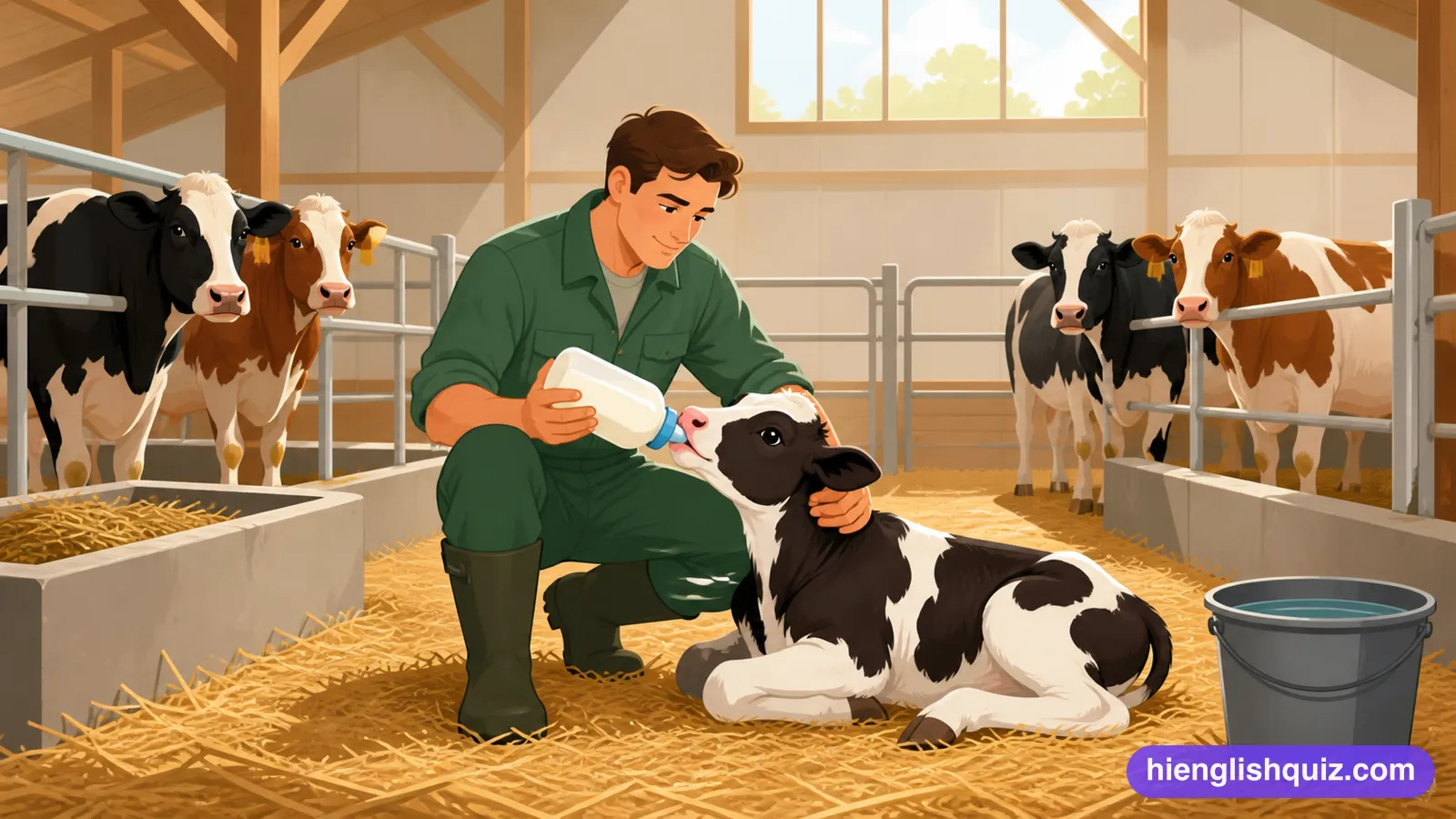
The care and breeding of farm animals and crops.
Example: The college teaches courses in animal husbandry.
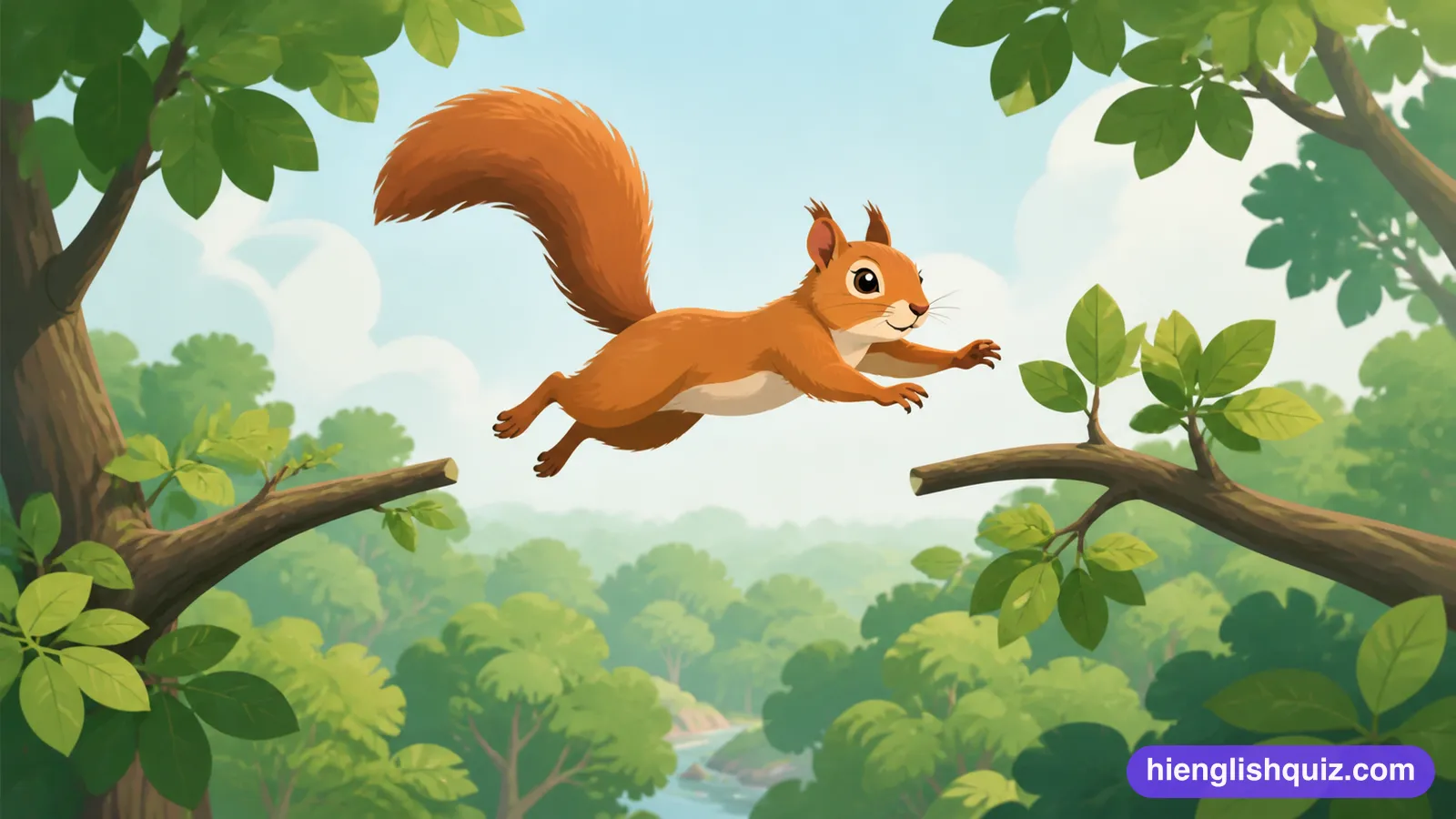
Living in or relating to trees.
Example: The squirrel is an arboreal creature, rarely on the ground.
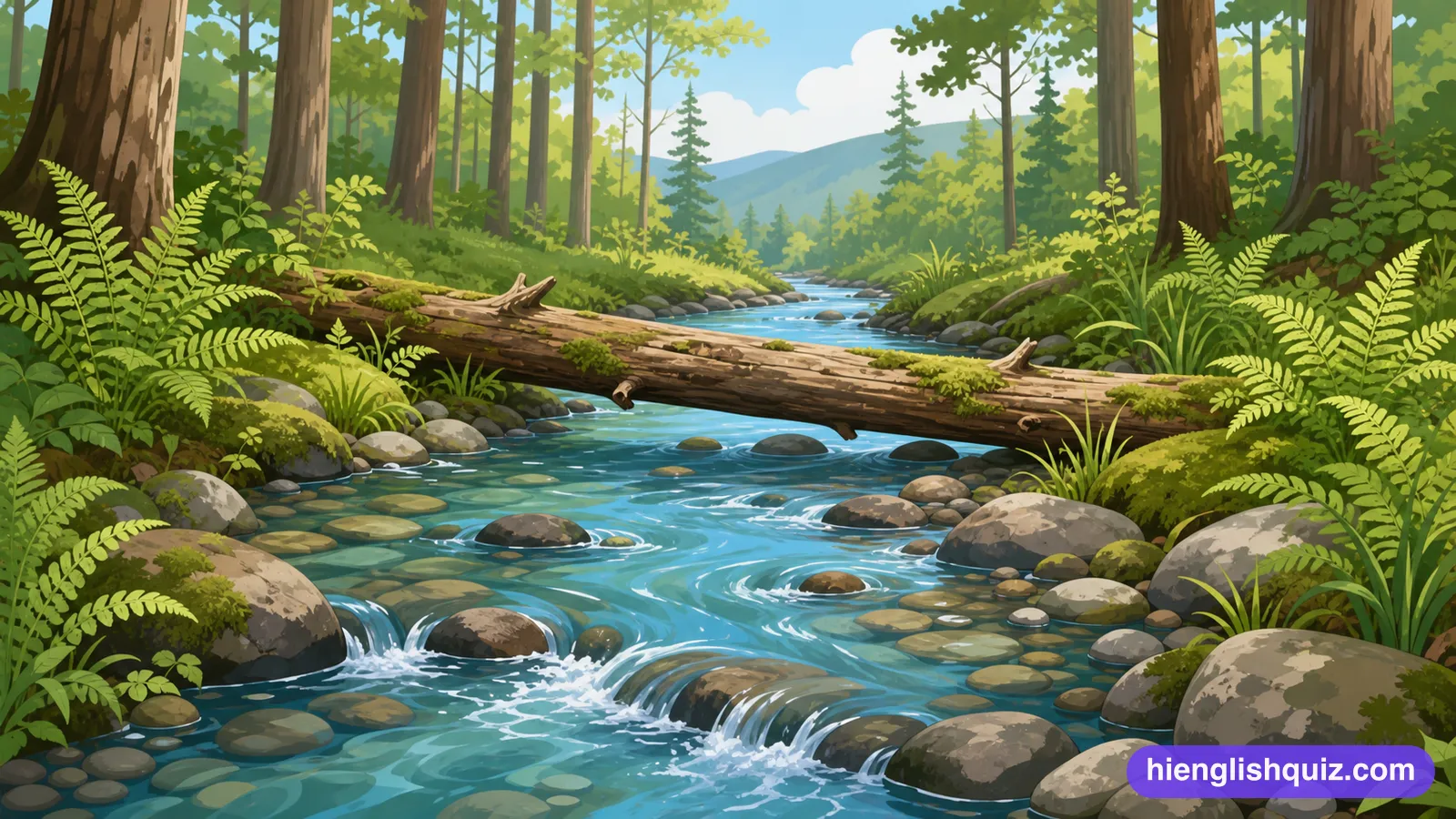
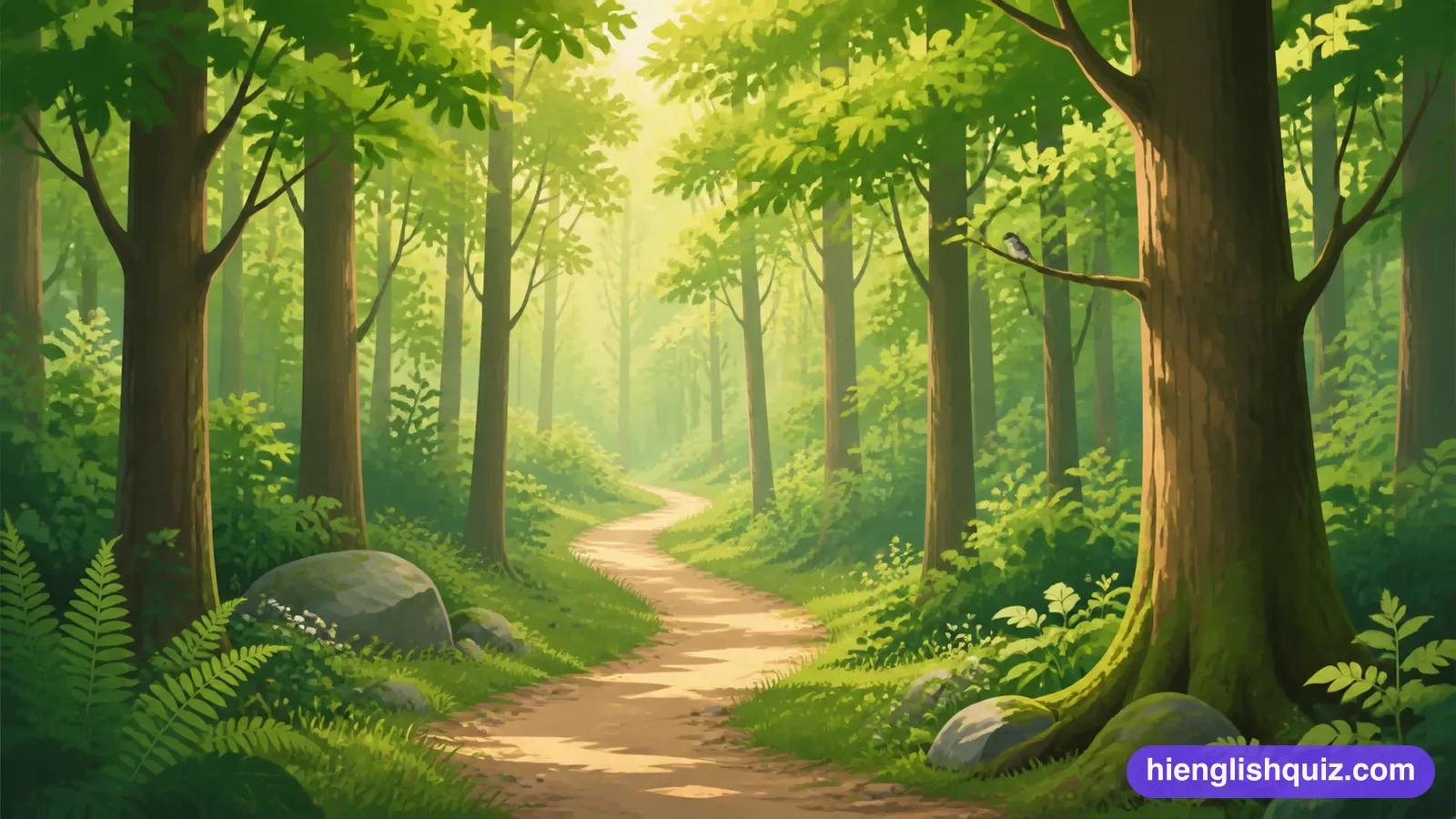
Relating to woods or forests, often used in a literary way.
Example: The path wound through a sylvan setting of tall pines.
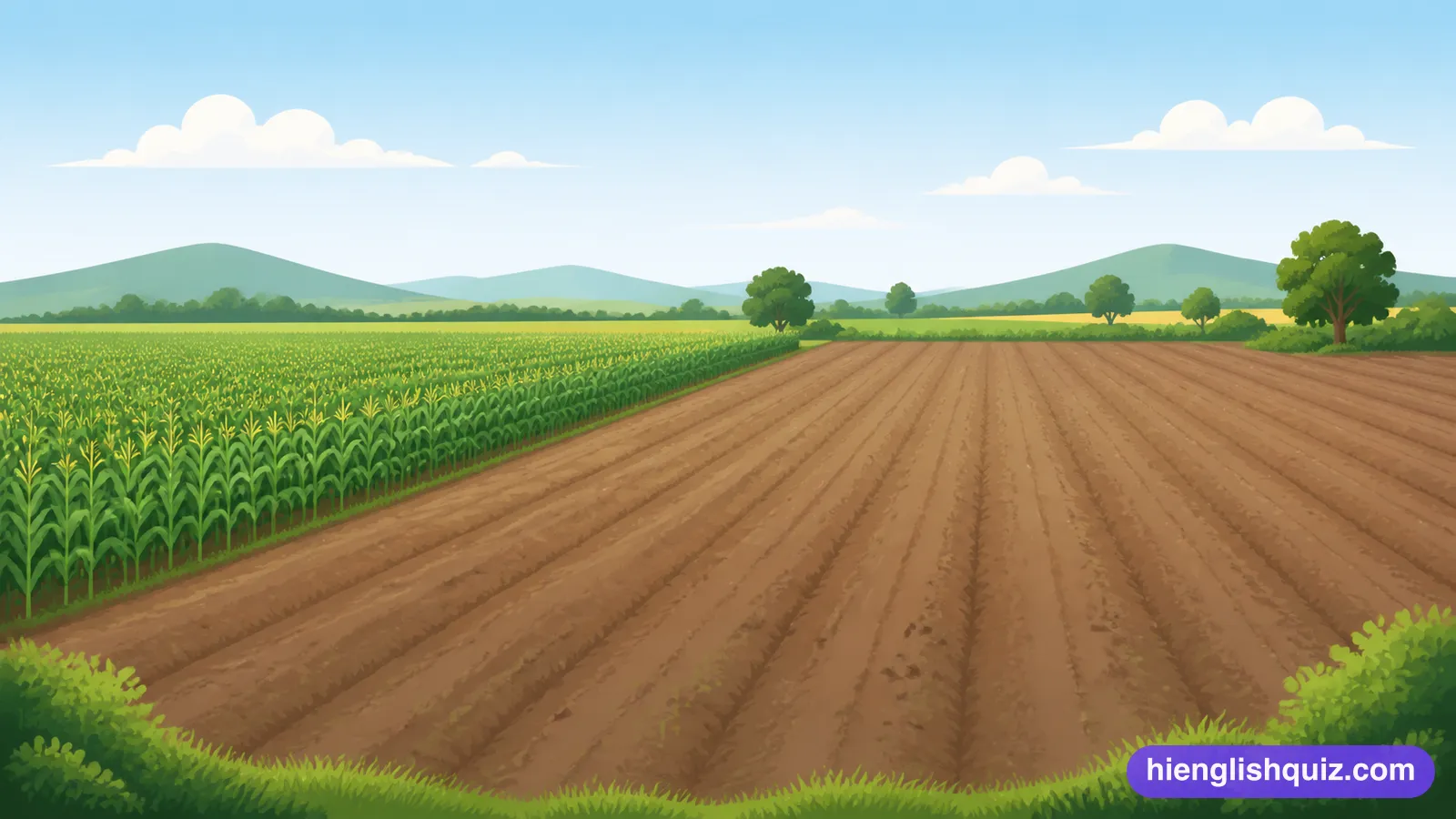
Land left unplanted for a period so it can recover its fertility.
Example: The field was left fallow for a whole season.
The physical features of an area of land, such as its hills and valleys.
Example: The region's rugged topography makes farming difficult.
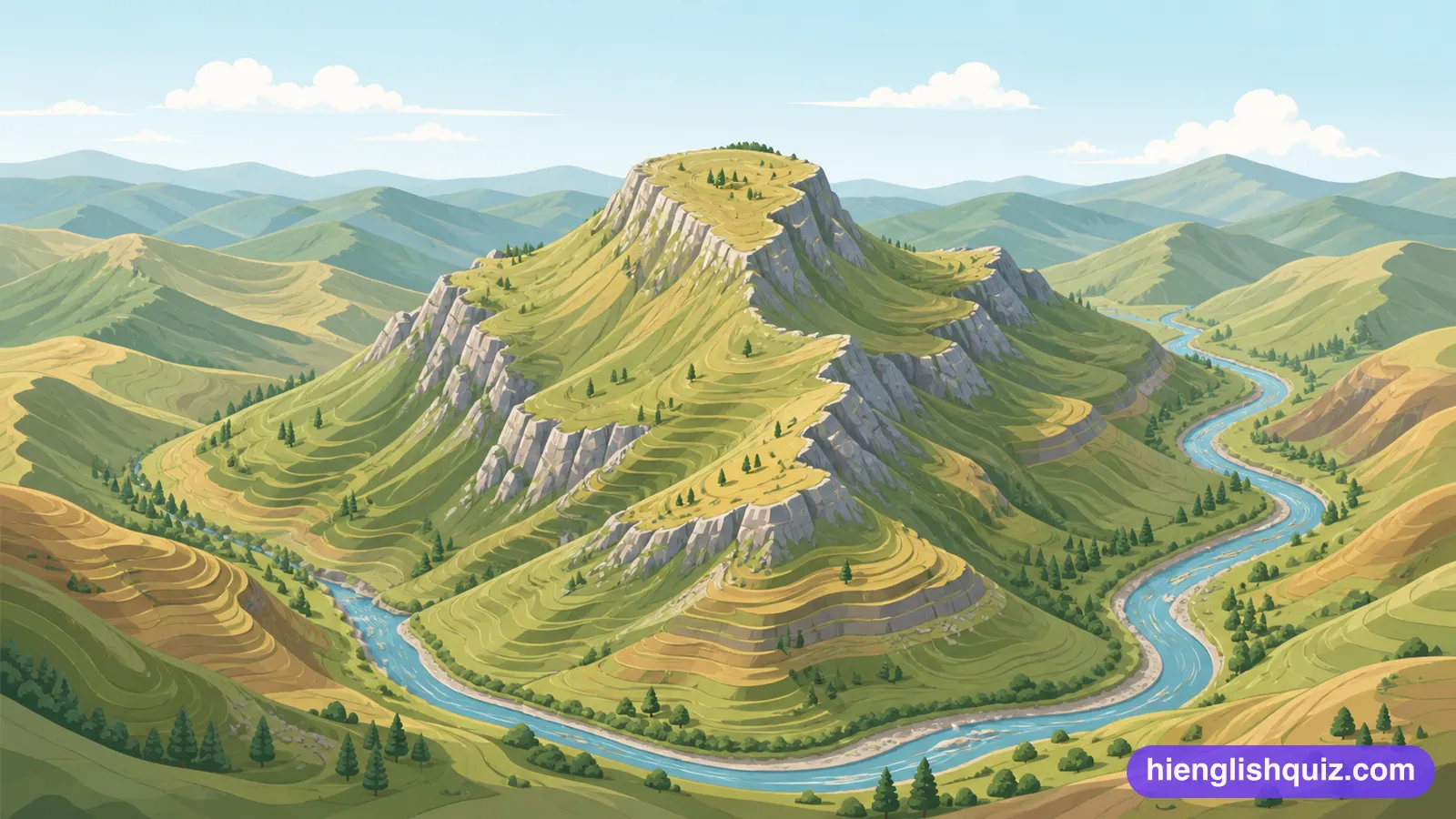
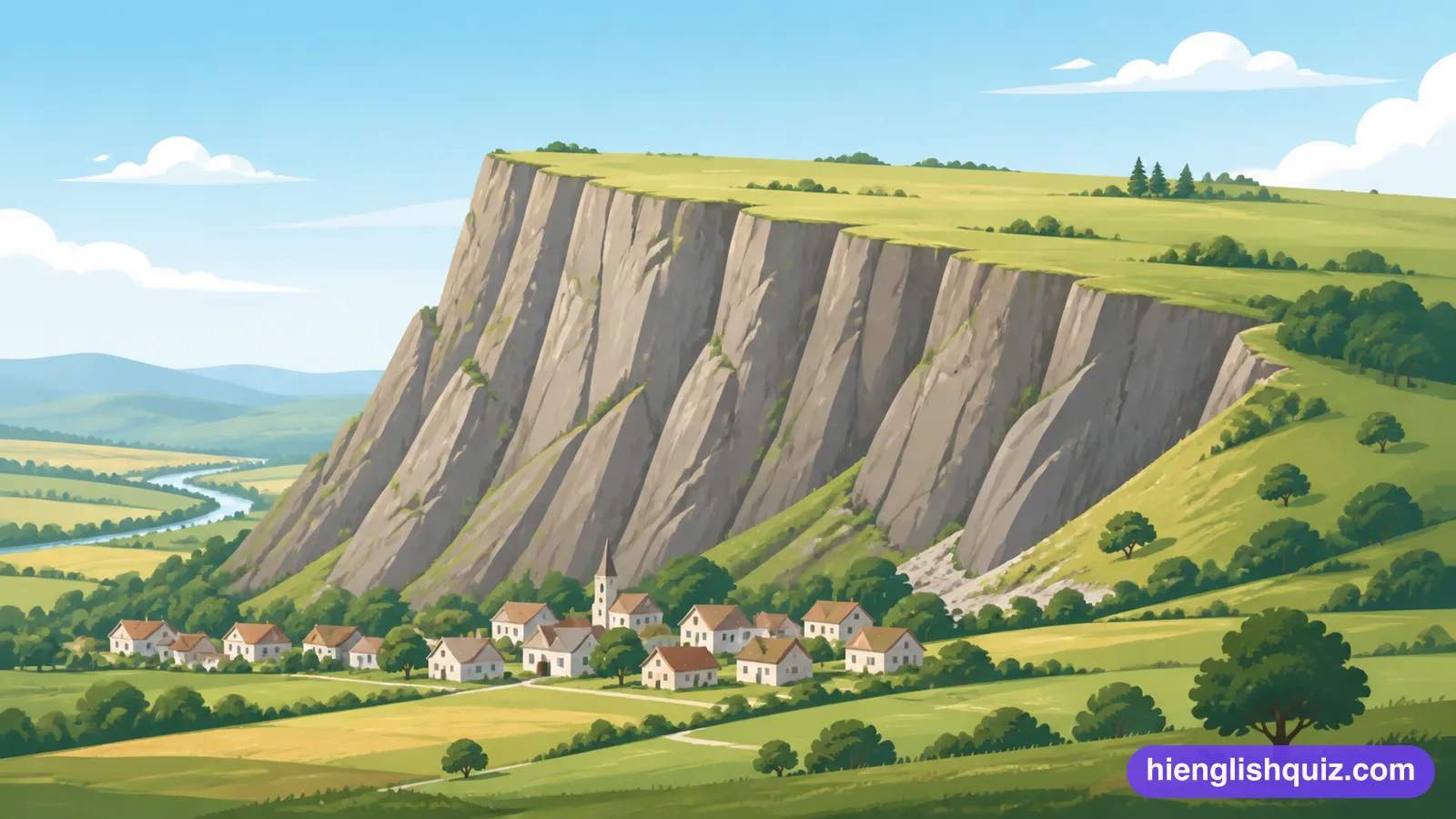
A long, steep slope, especially one separating two areas of land at different heights.
Example: The village sits below a dramatic escarpment.
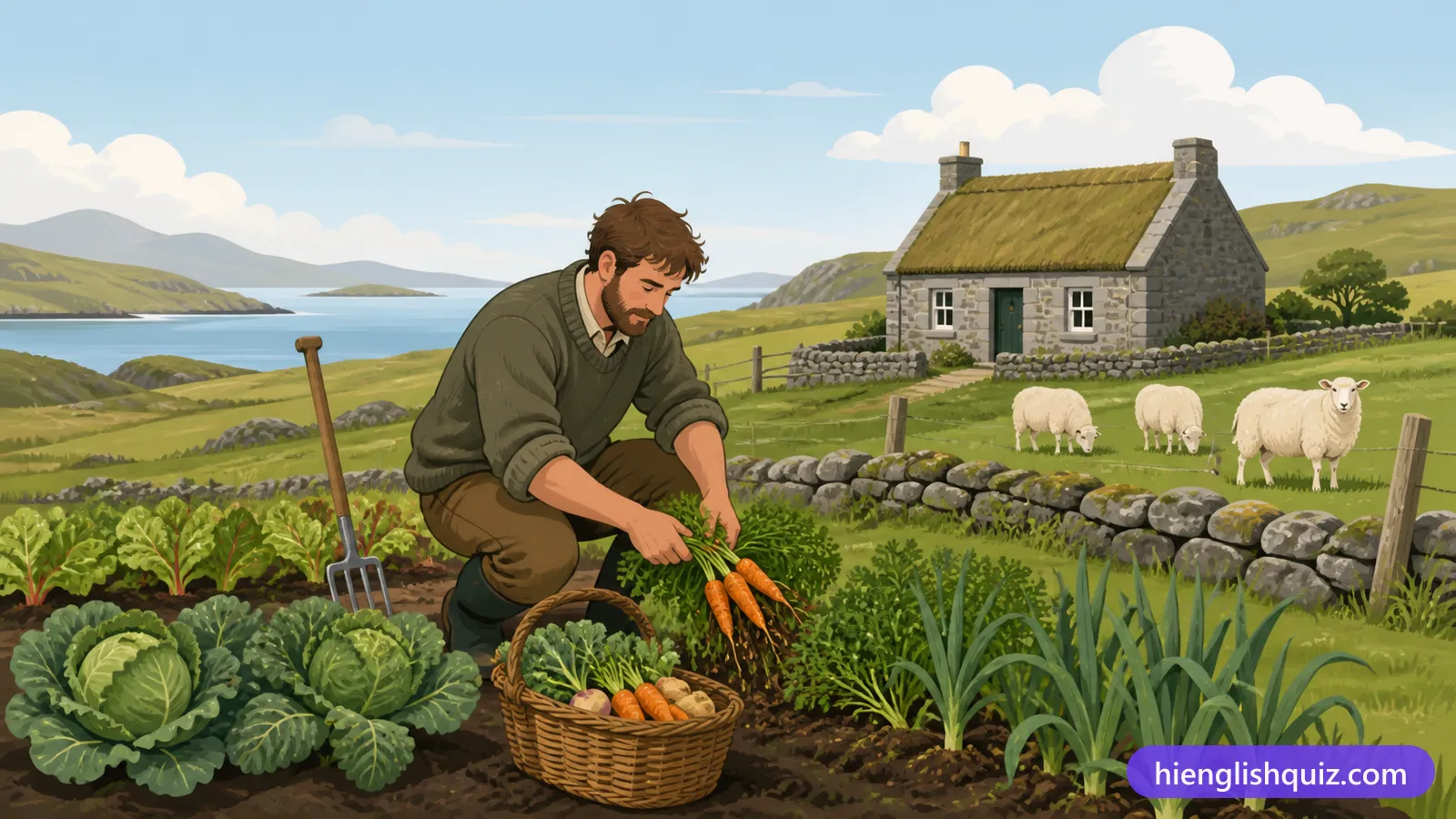
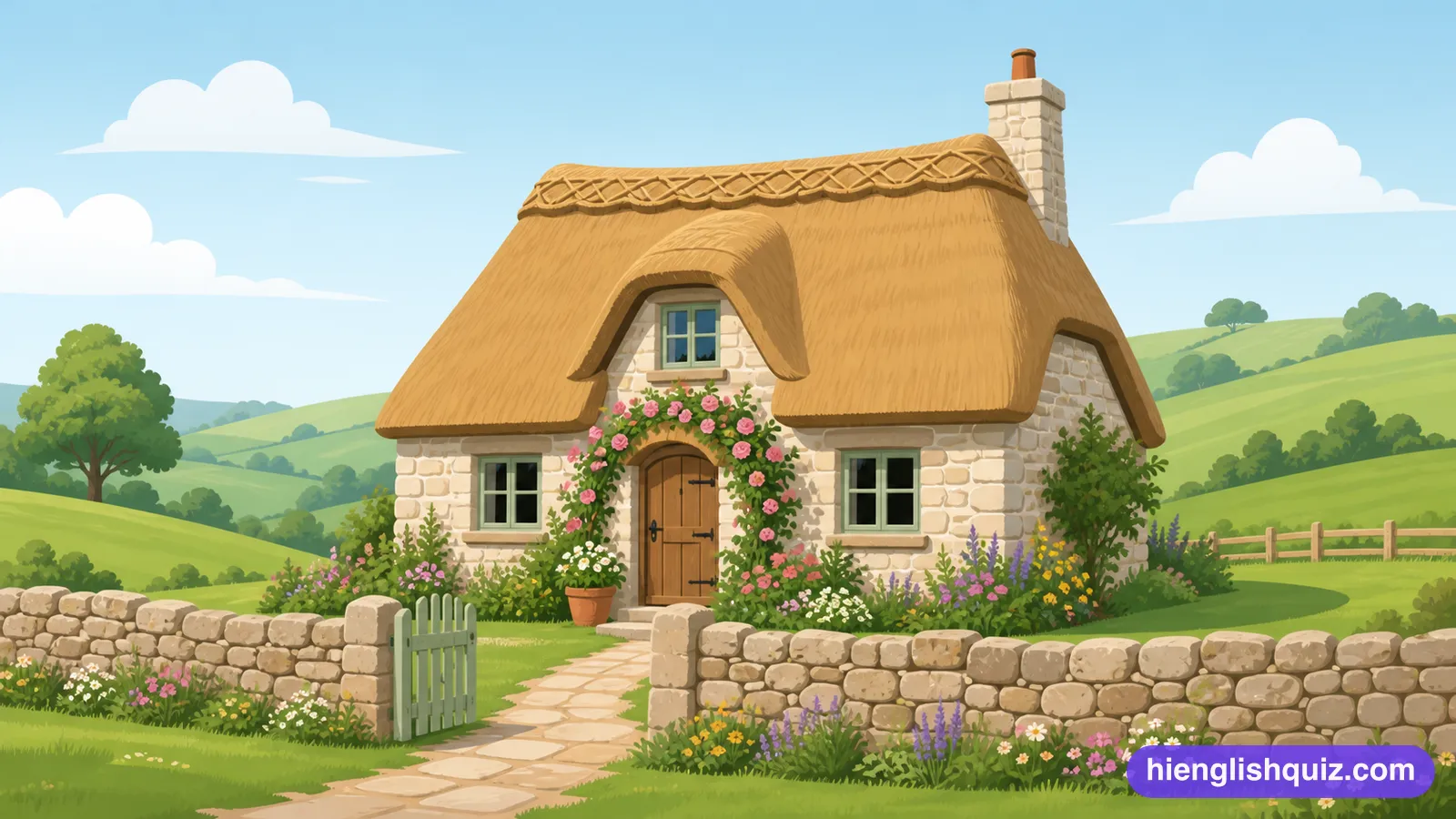
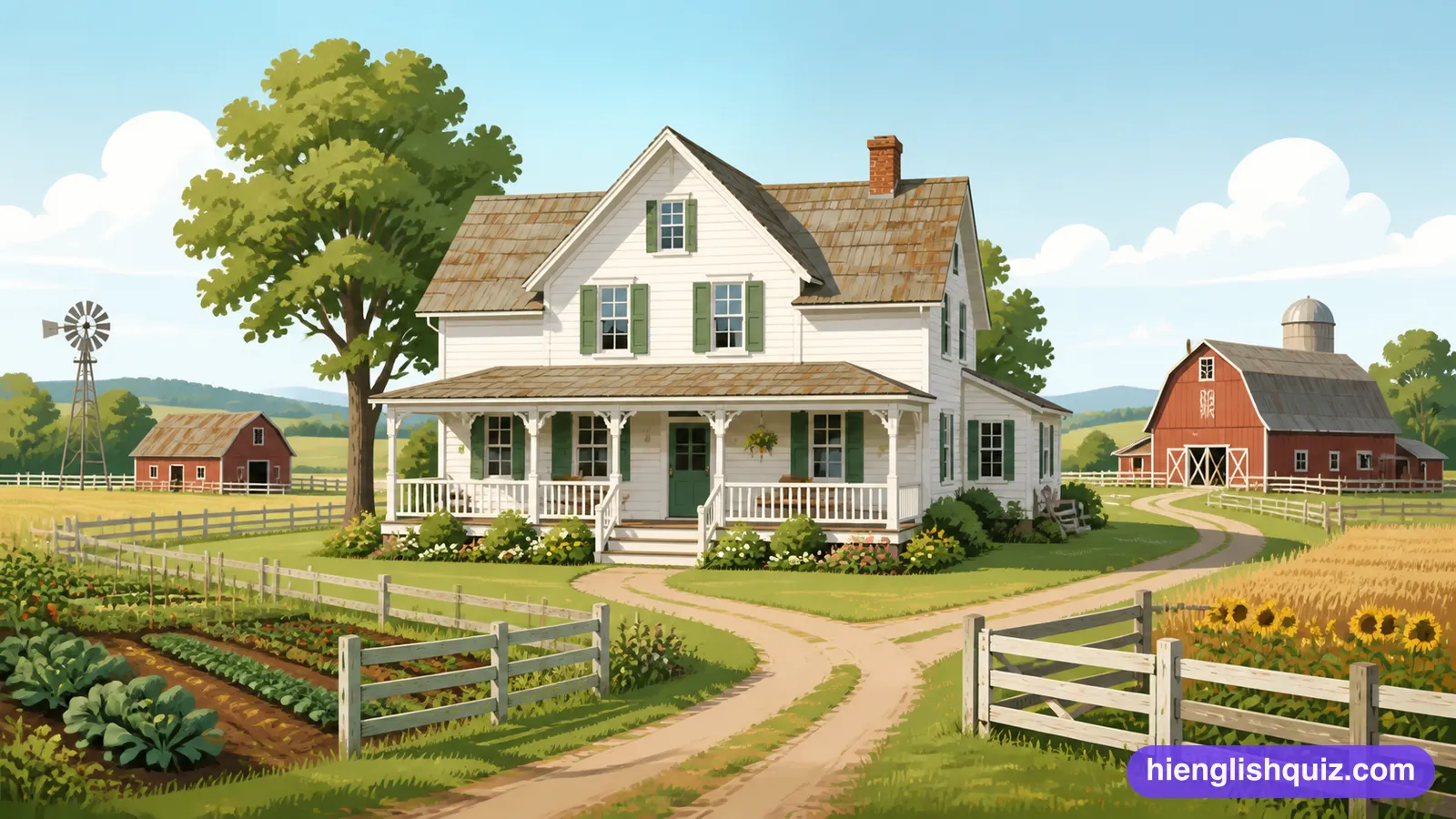
A house and its surrounding land, especially on a farm.
Example: The family has farmed the same homestead for generations.
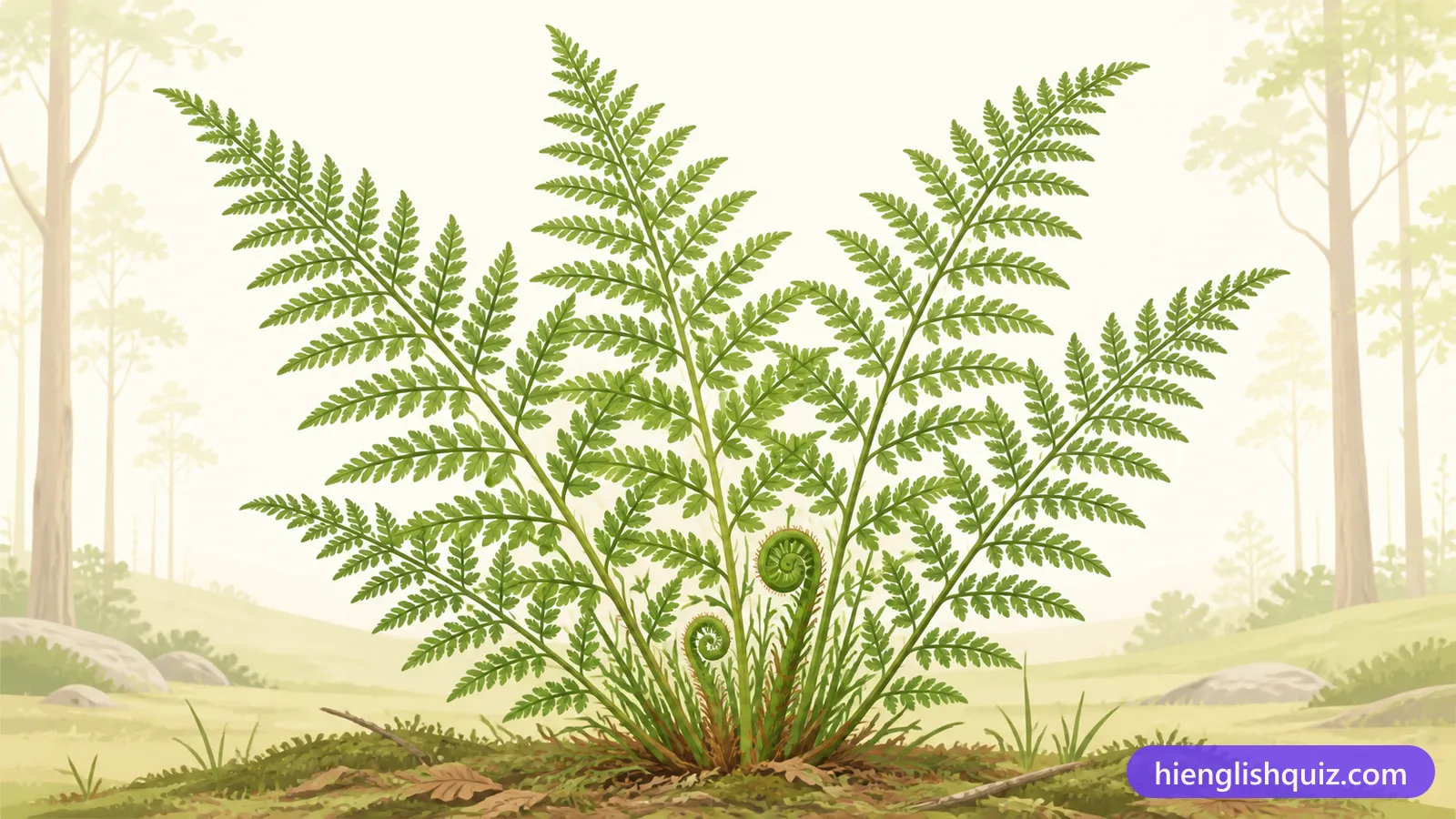
A large coarse fern that covers open ground on hills.
Example: By August the bracken is chest-high and hides the path.
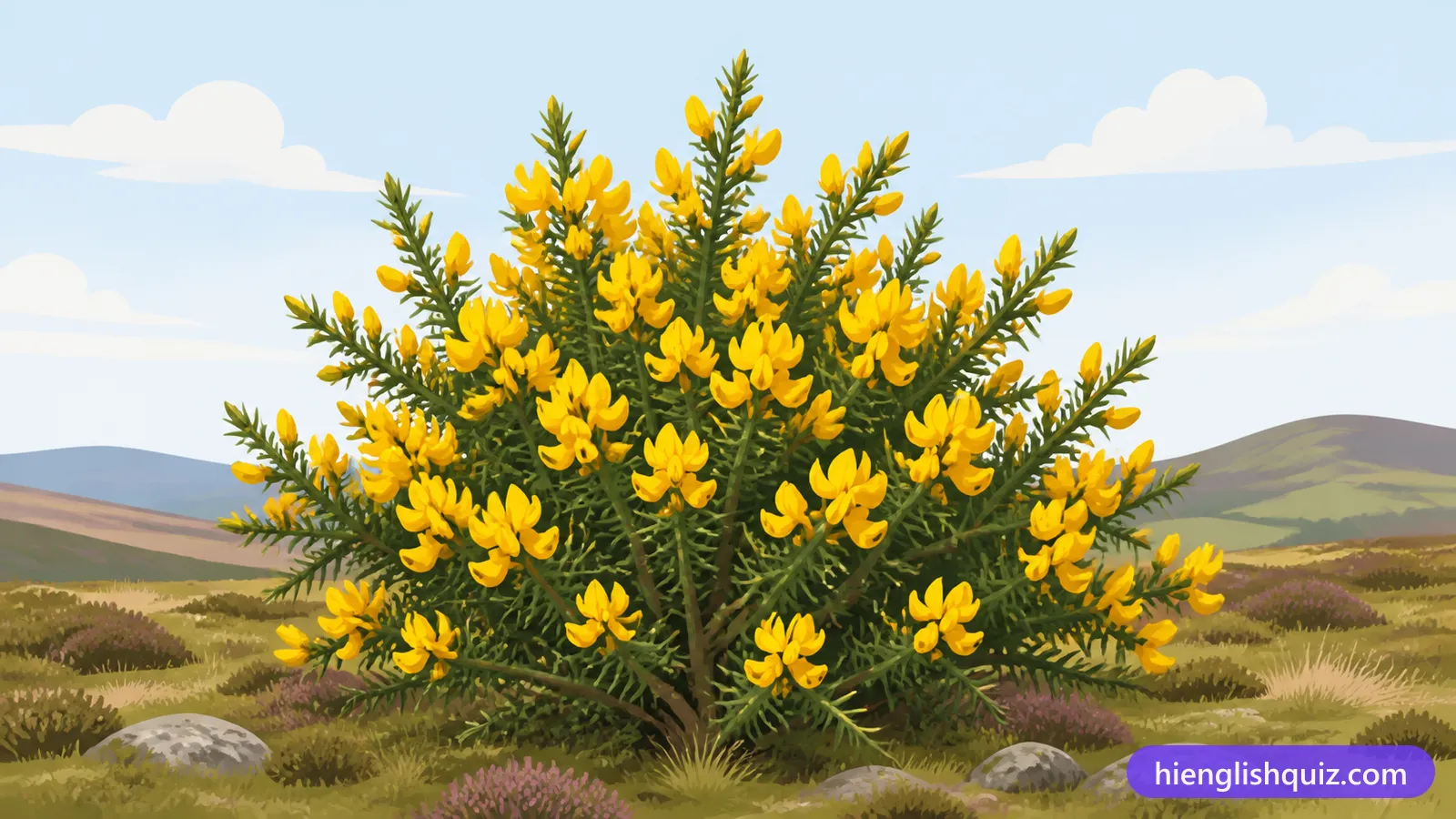
A prickly evergreen bush with bright yellow flowers.
Example: Gorse flowers somewhere on that hill in every month of the year.
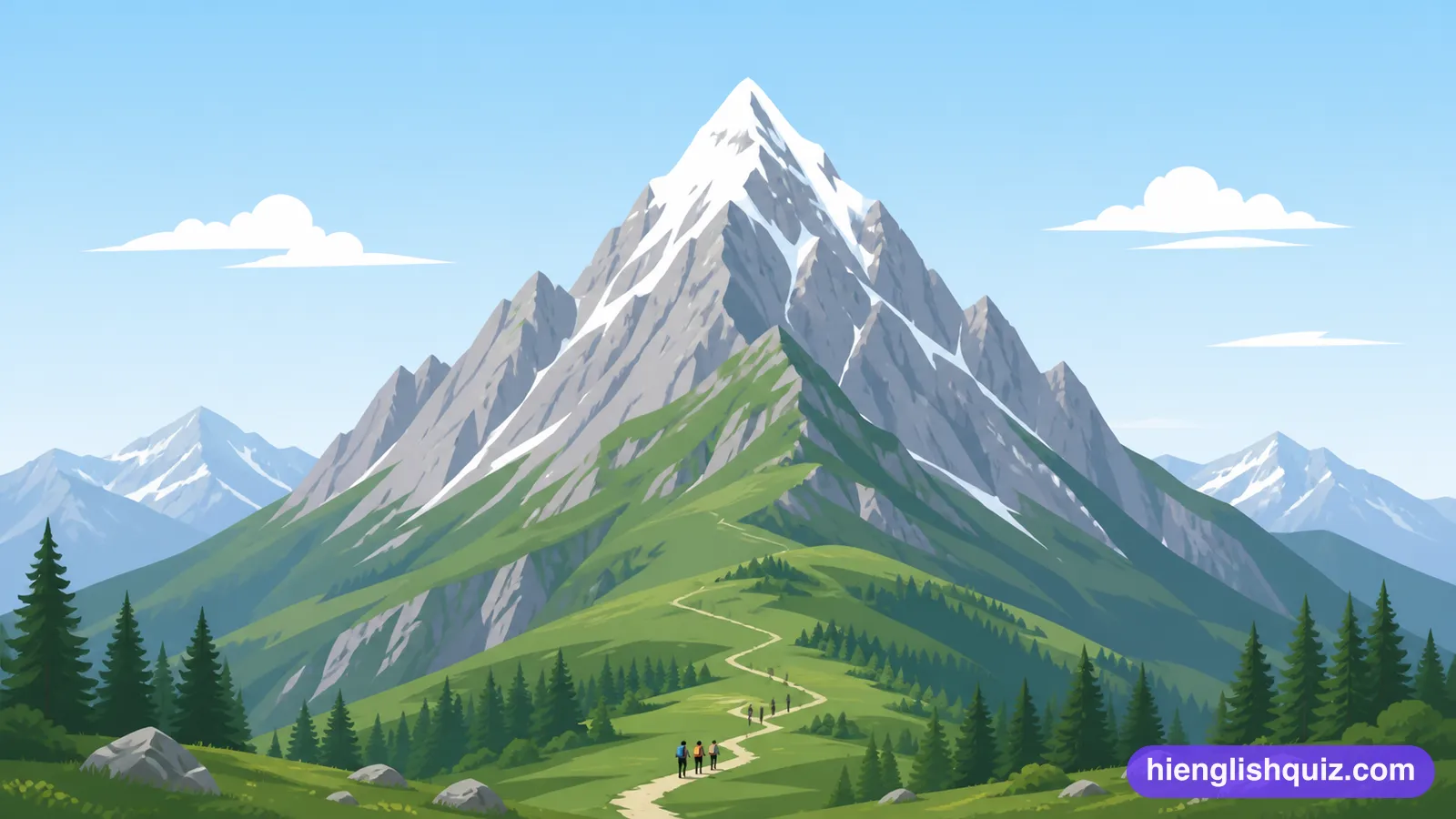
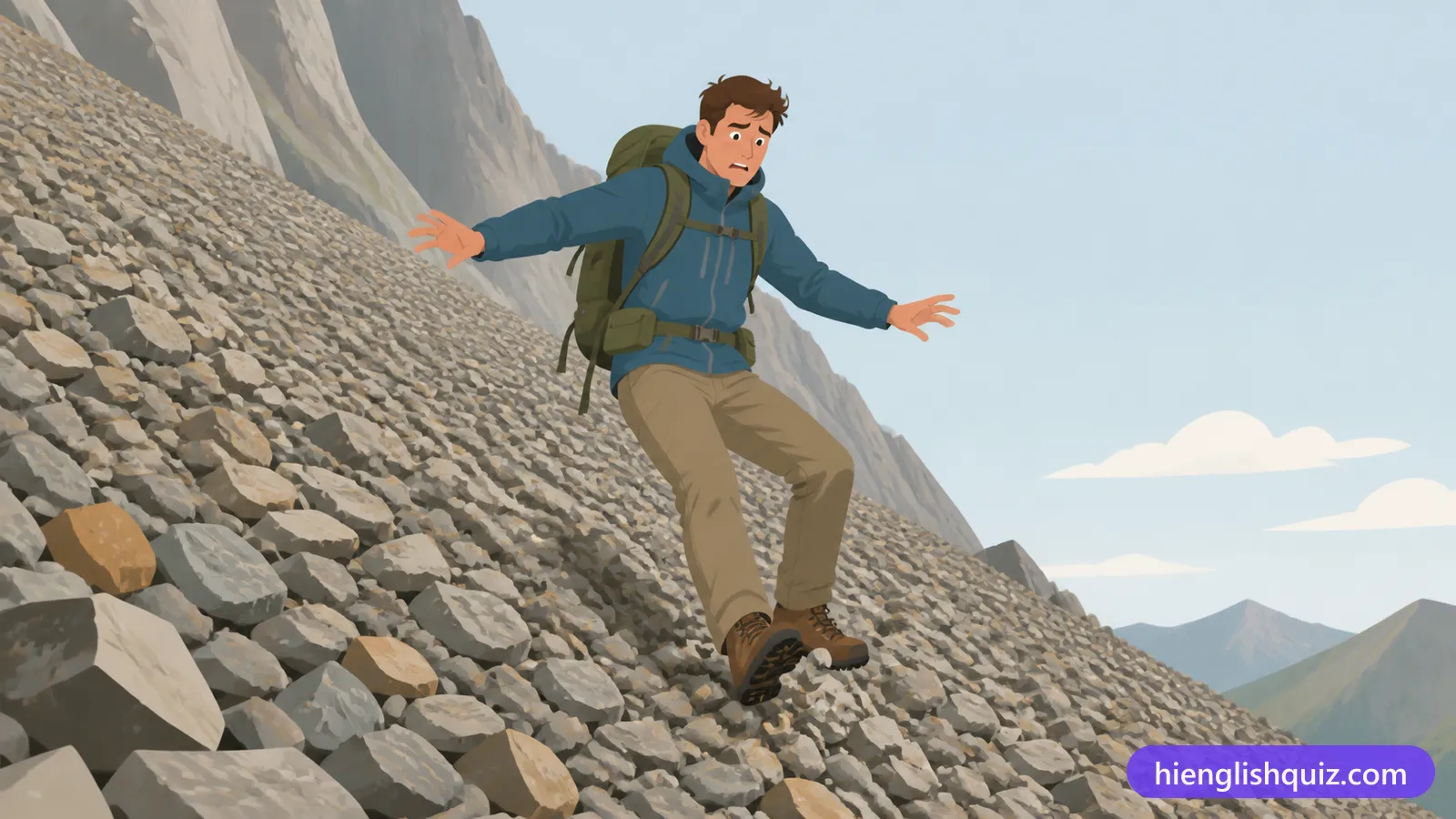
Loose broken stones on the side of a mountain.
Example: The last hundred metres is scree and takes longer than the rest.
A high rocky outcrop on the top of a hill.
Example: The tor is visible from three counties on a clear day.

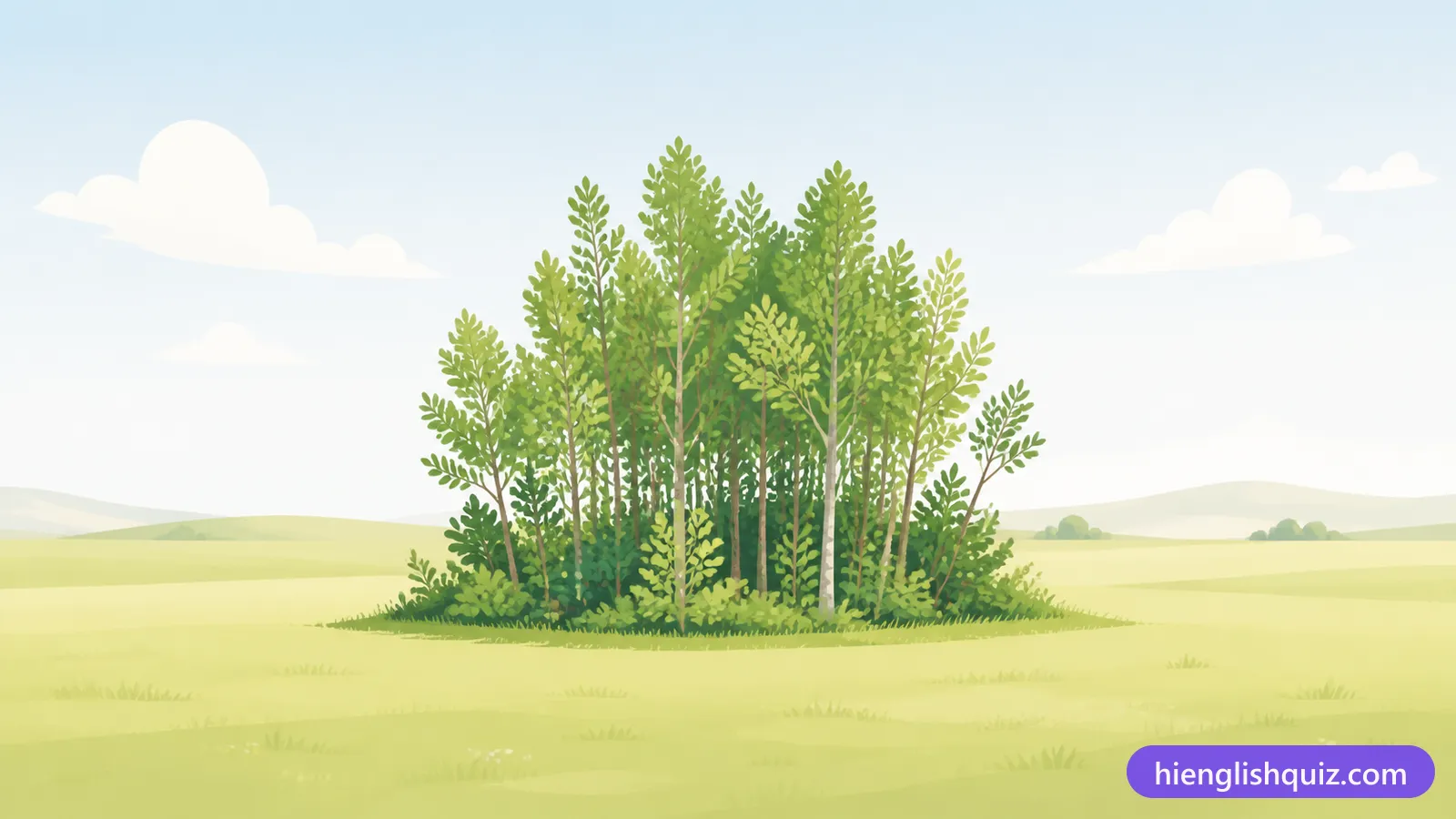
A small area of trees and bushes.
Example: Pheasants were driven out of the spinney towards the guns.
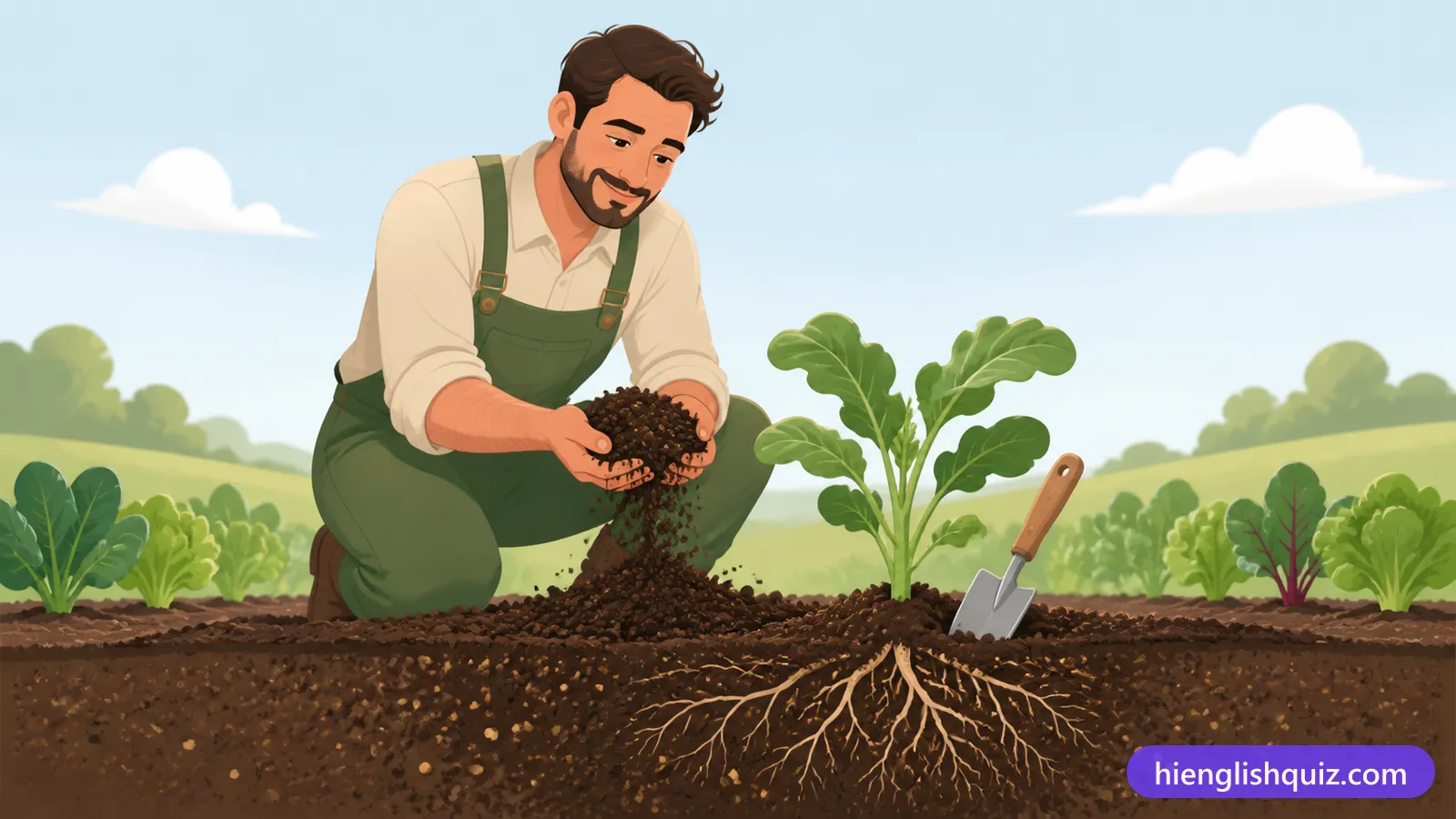
Rich dark soil that is good for growing things.
Example: The loam here is two feet deep and holds water beautifully.
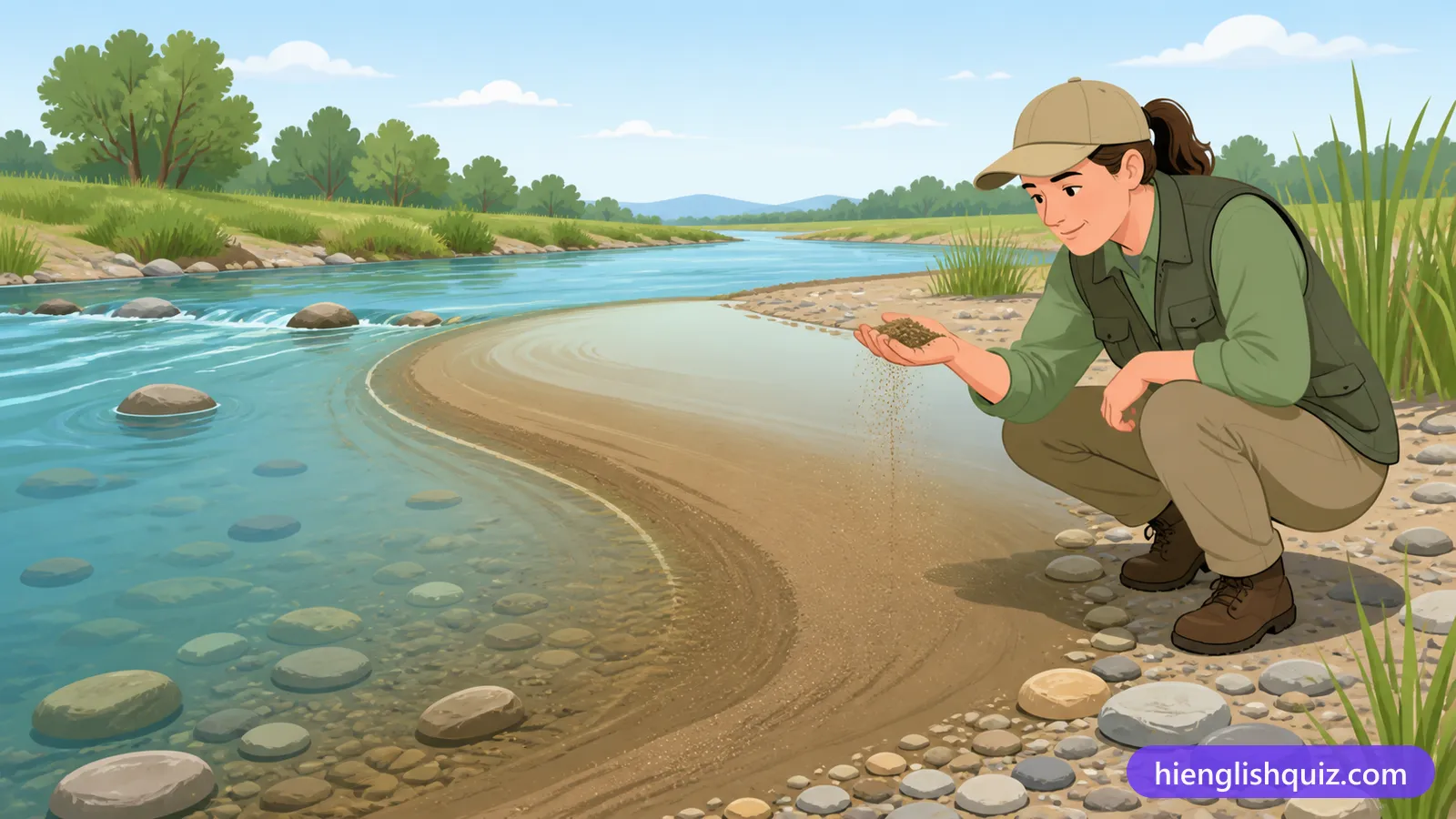
Fine sand and soil carried by a river and left behind.
Example: A century of silt has made the harbour too shallow for trawlers.
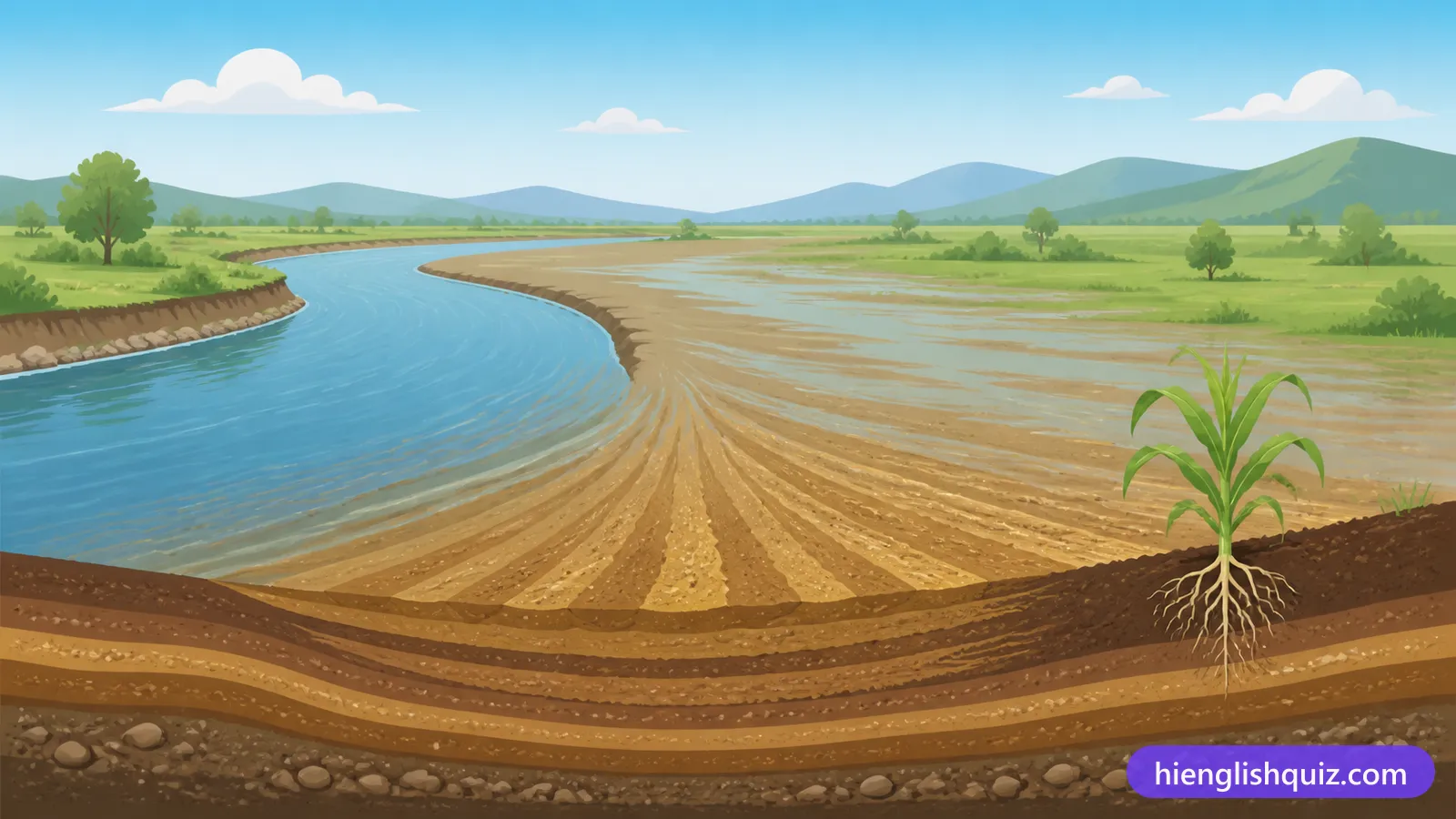
Made of soil left behind by a river.
Example: The alluvial flats grow better wheat than anywhere in the county.
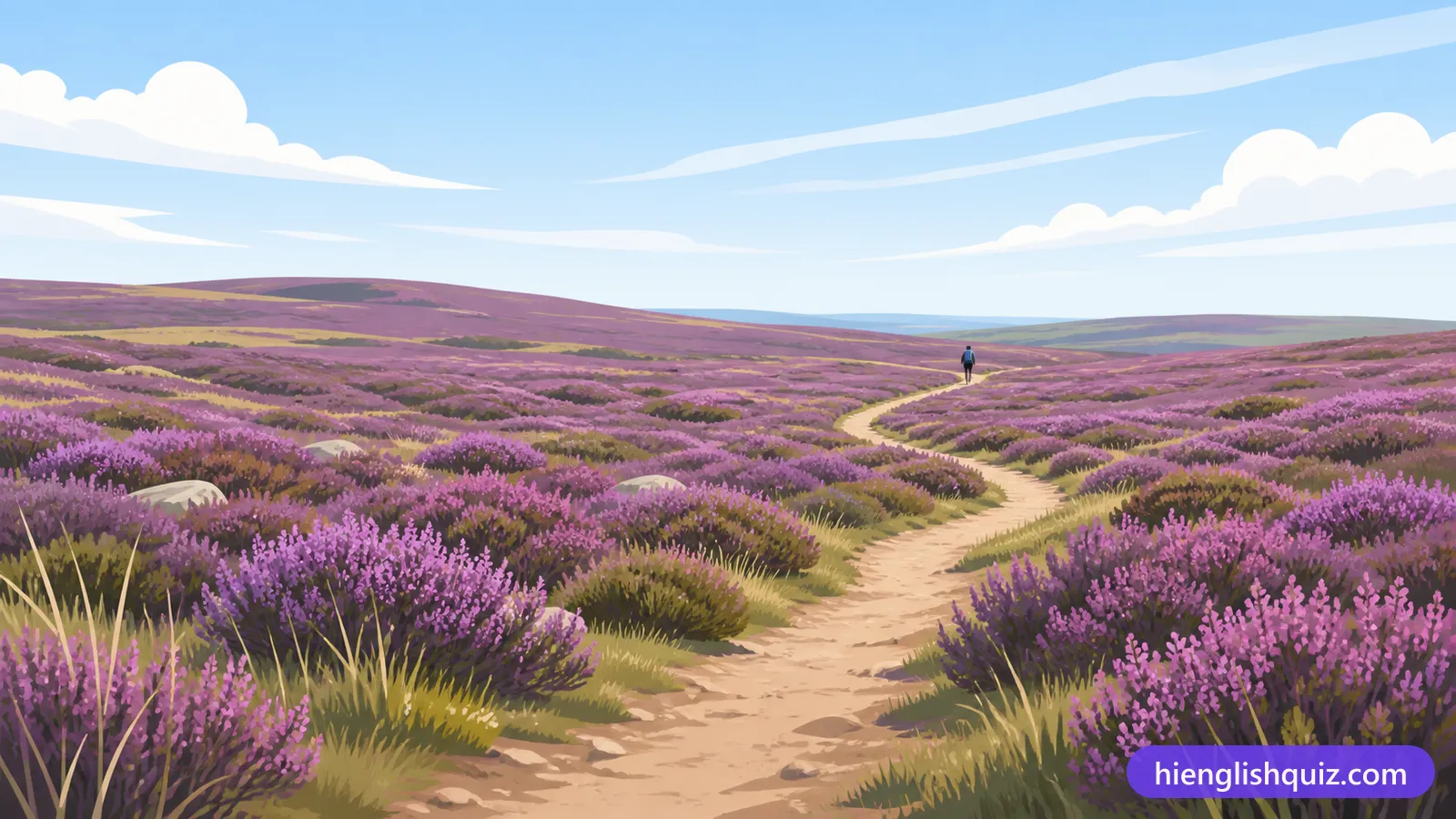
Open uncultivated land with poor sandy soil and low shrubs.
Example: The heathland is managed by grazing rather than cutting.
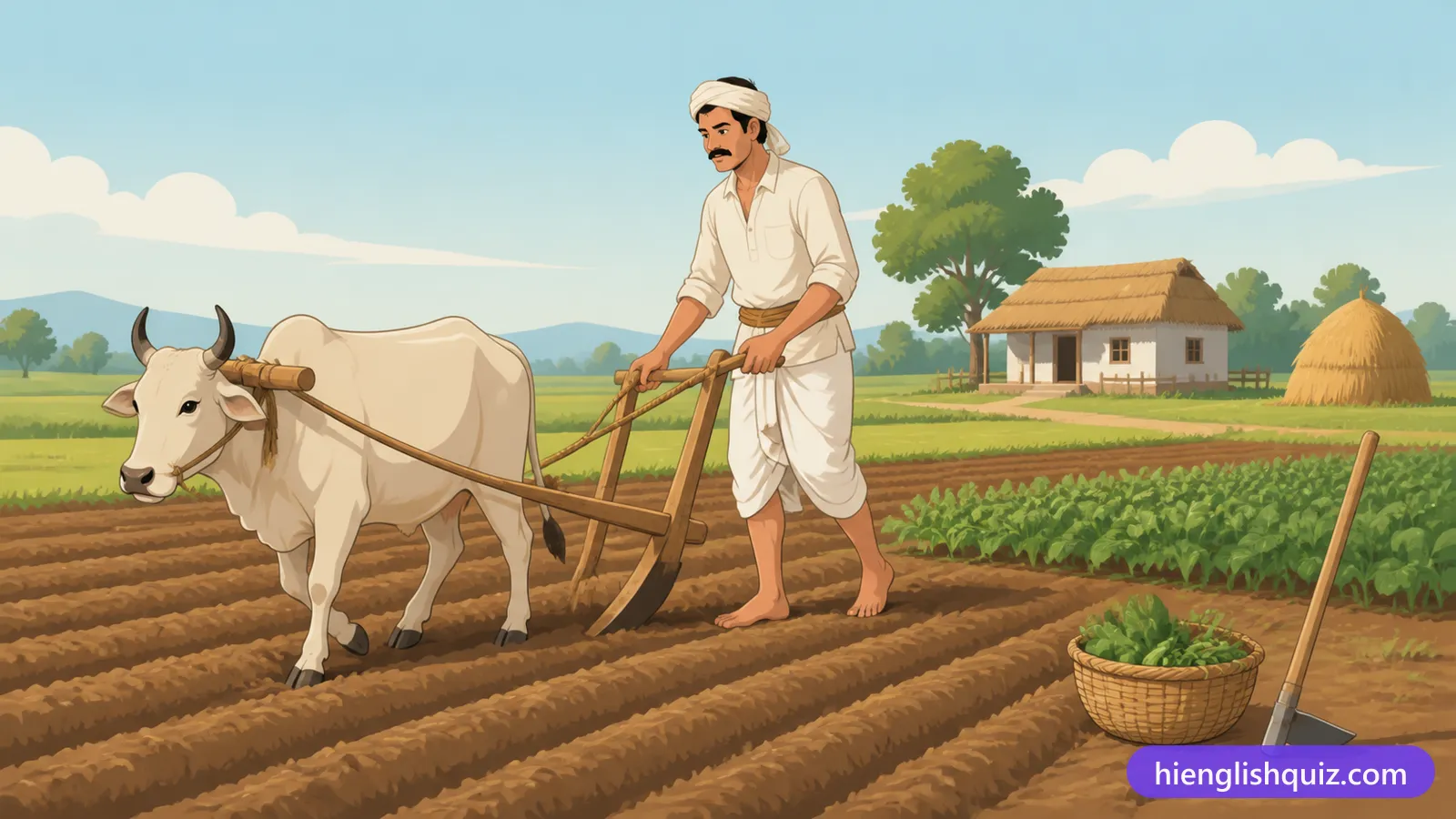
An old word for a farmer who works the land himself.
Example: The parish register lists him as a husbandman rather than a labourer.
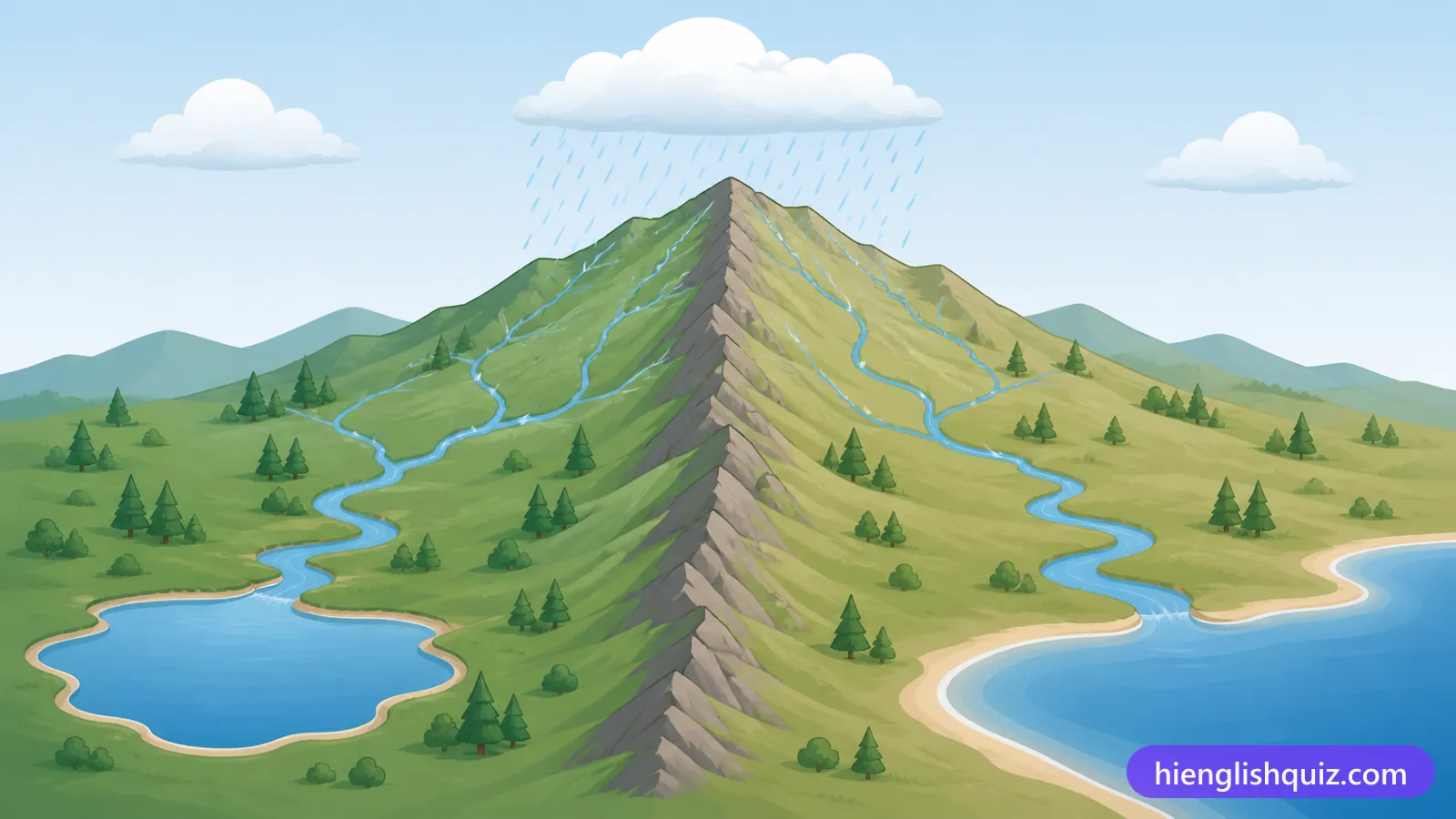
The line of high ground separating two river systems.
Example: The watershed runs along the spine of the whole range.
A way of farming small rented plots of land, especially in Scotland.
Example: Crofting kept a few hundred families on the island through the worst decades.