textile
/ˈtɛkˌstaɪl/- Nghĩa tiếng Việt
- Vải dệt
- Định nghĩa tiếng Anh
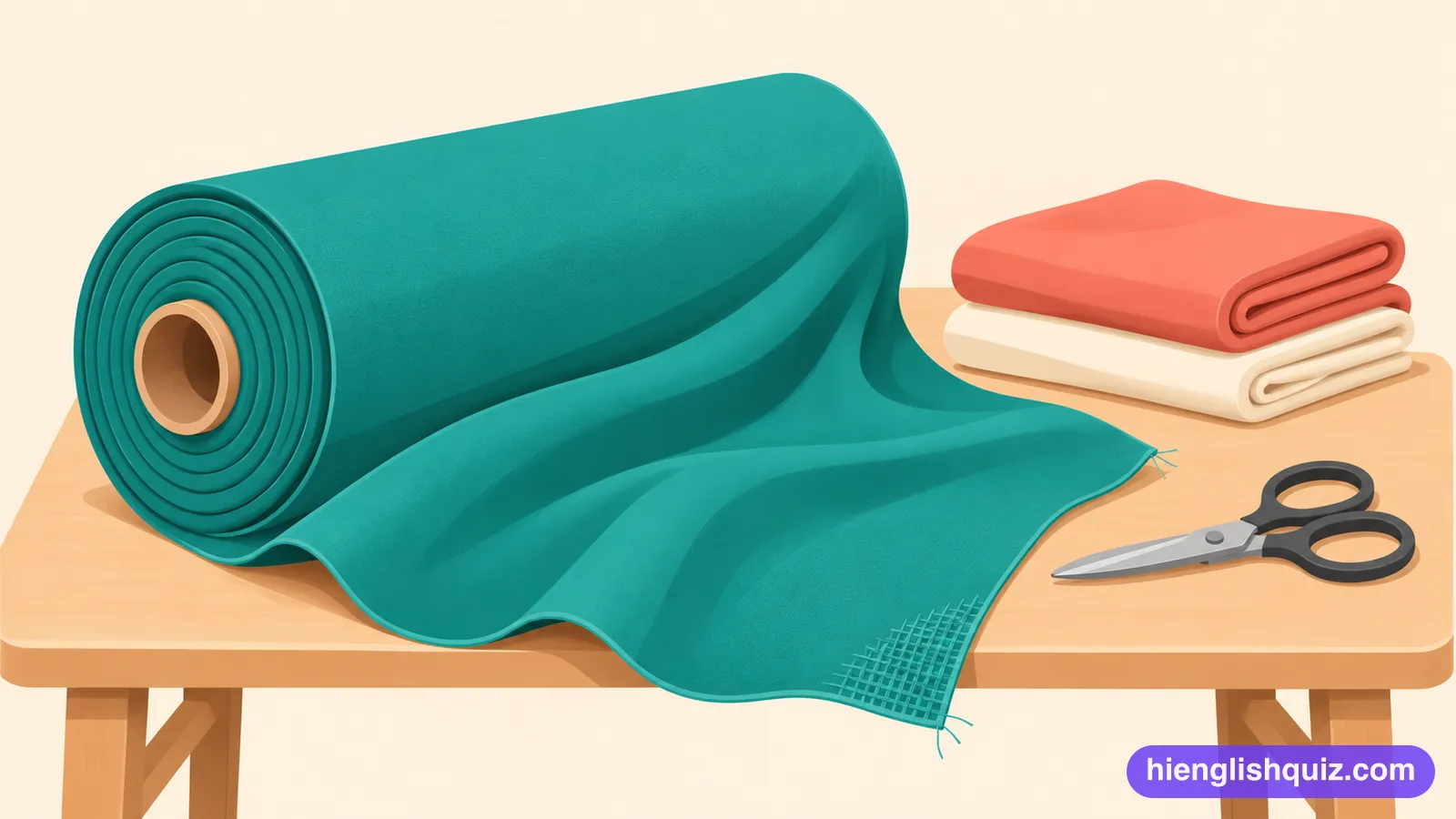
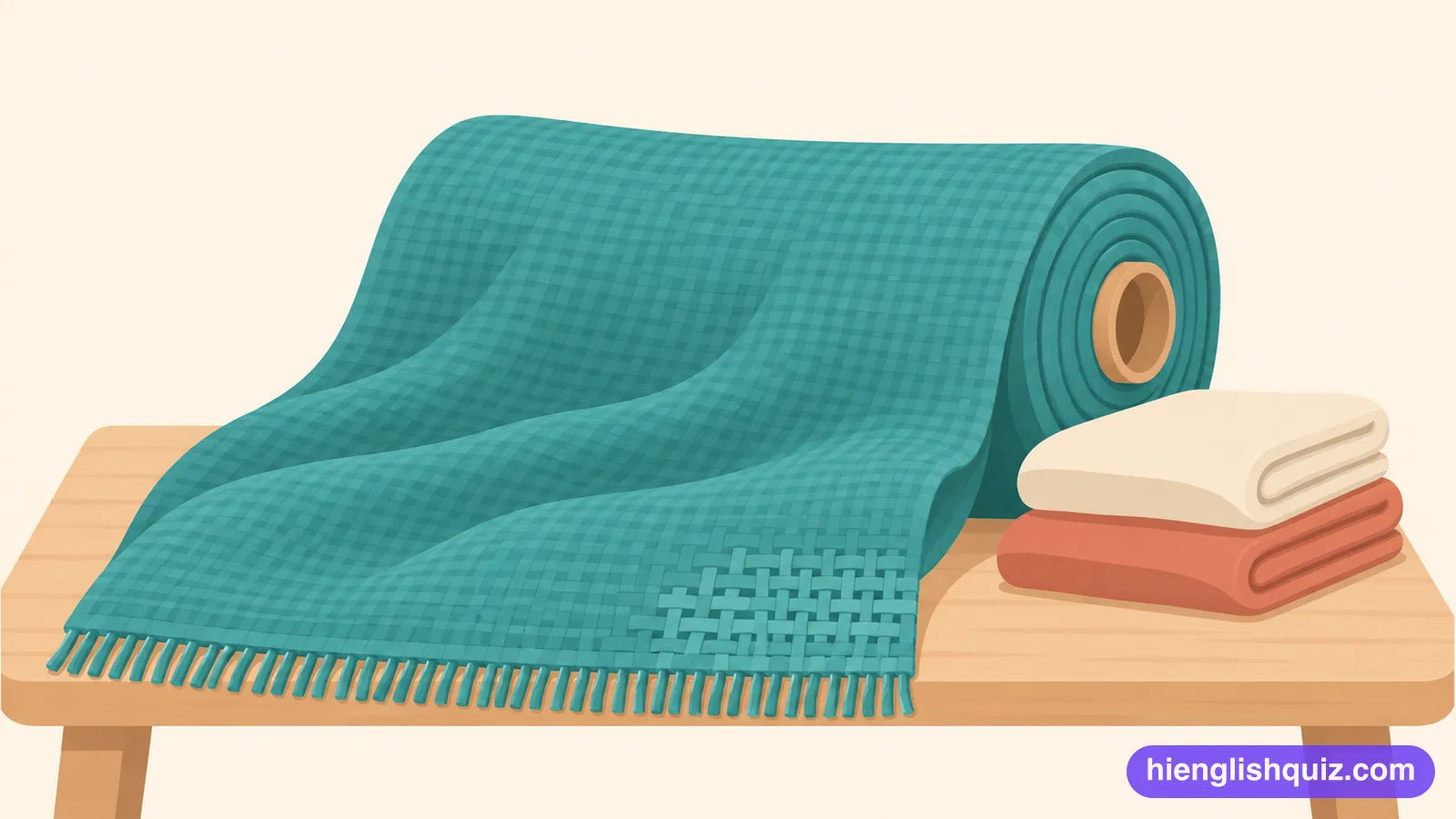
- Cloth made by weaving or knitting, or a product made from it.
Ví dụ: The town's textile industry employs thousands of people.
 Hi EnglishQuiz
B220 từ · Trung cao
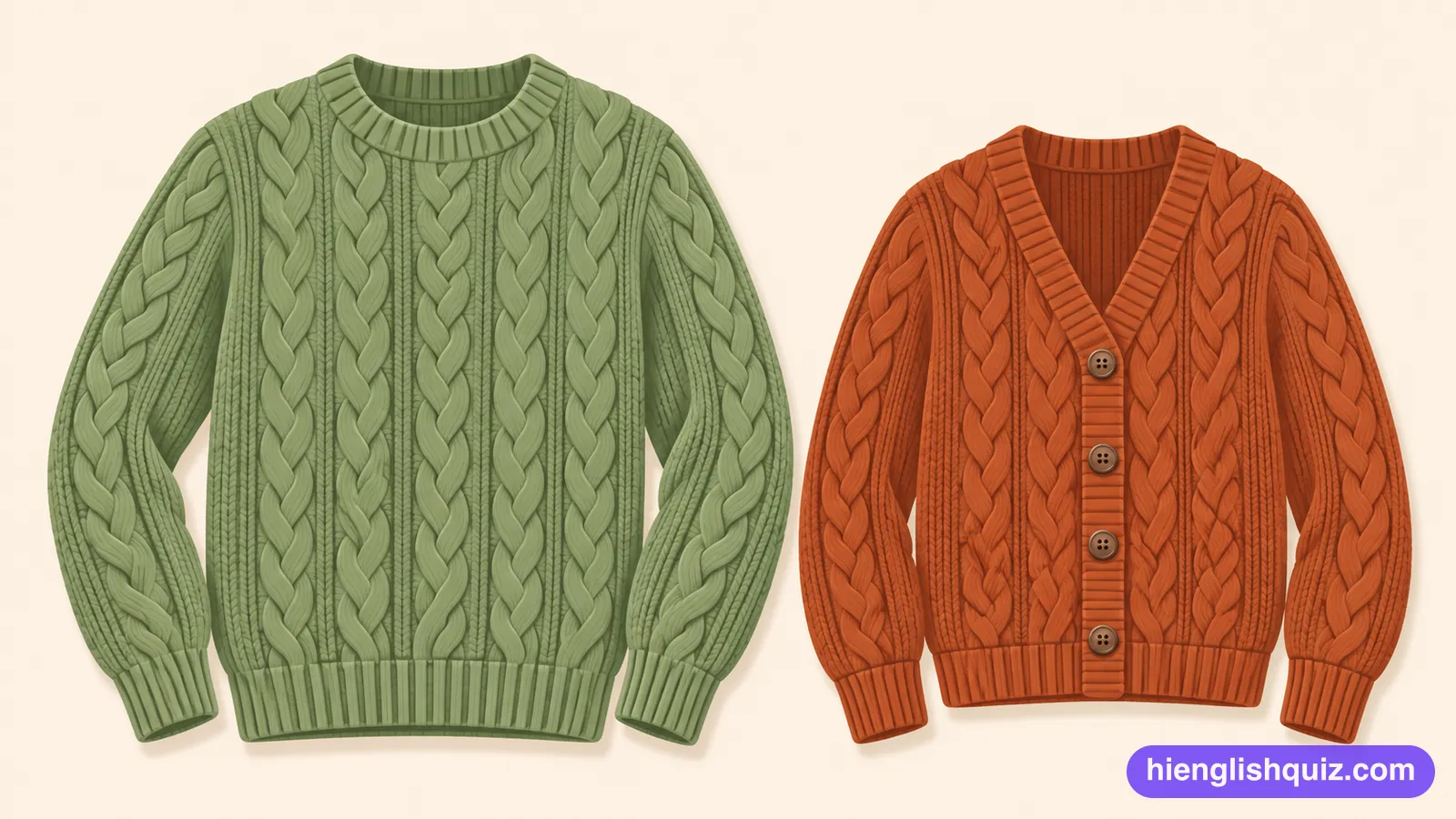
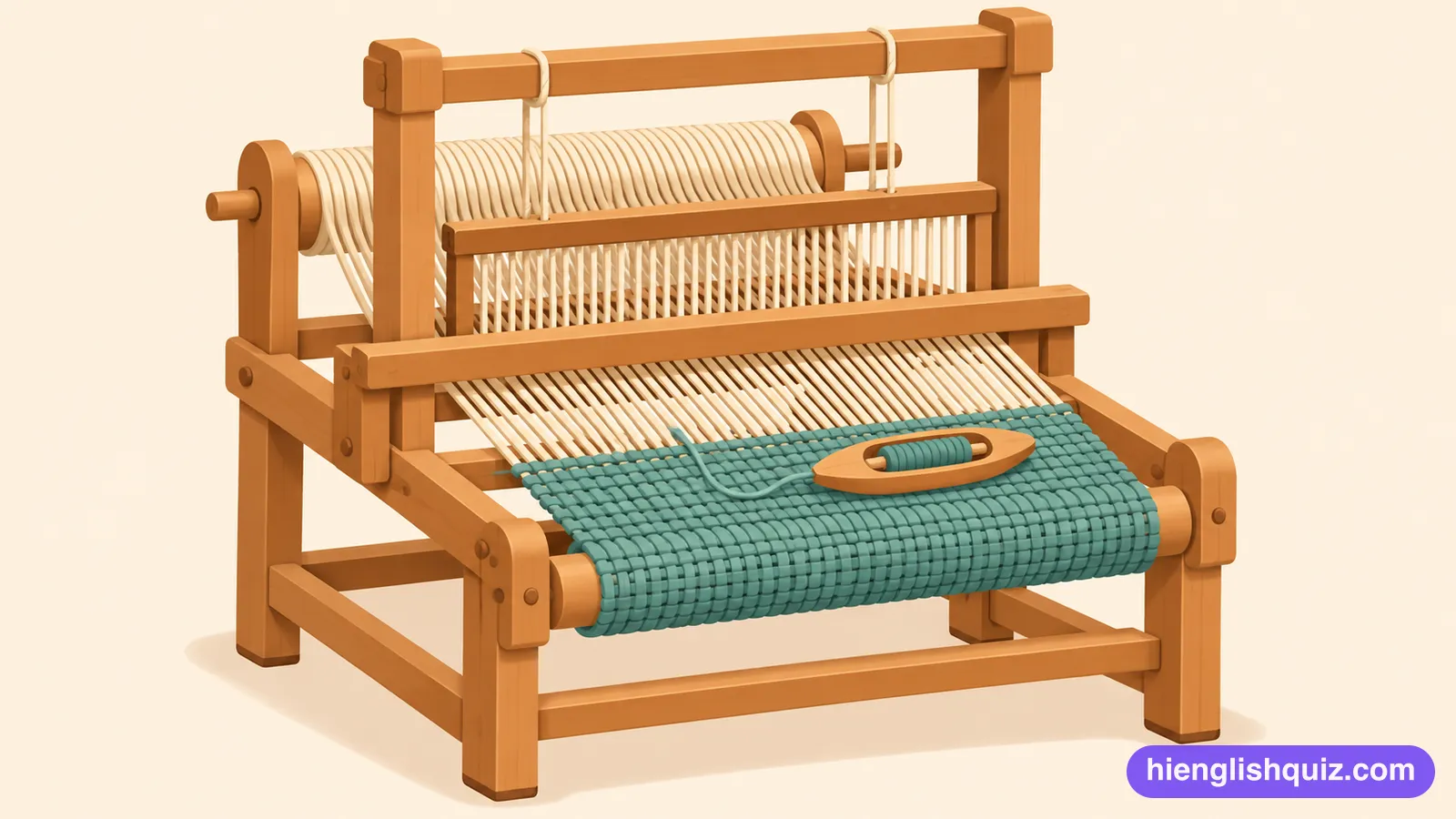
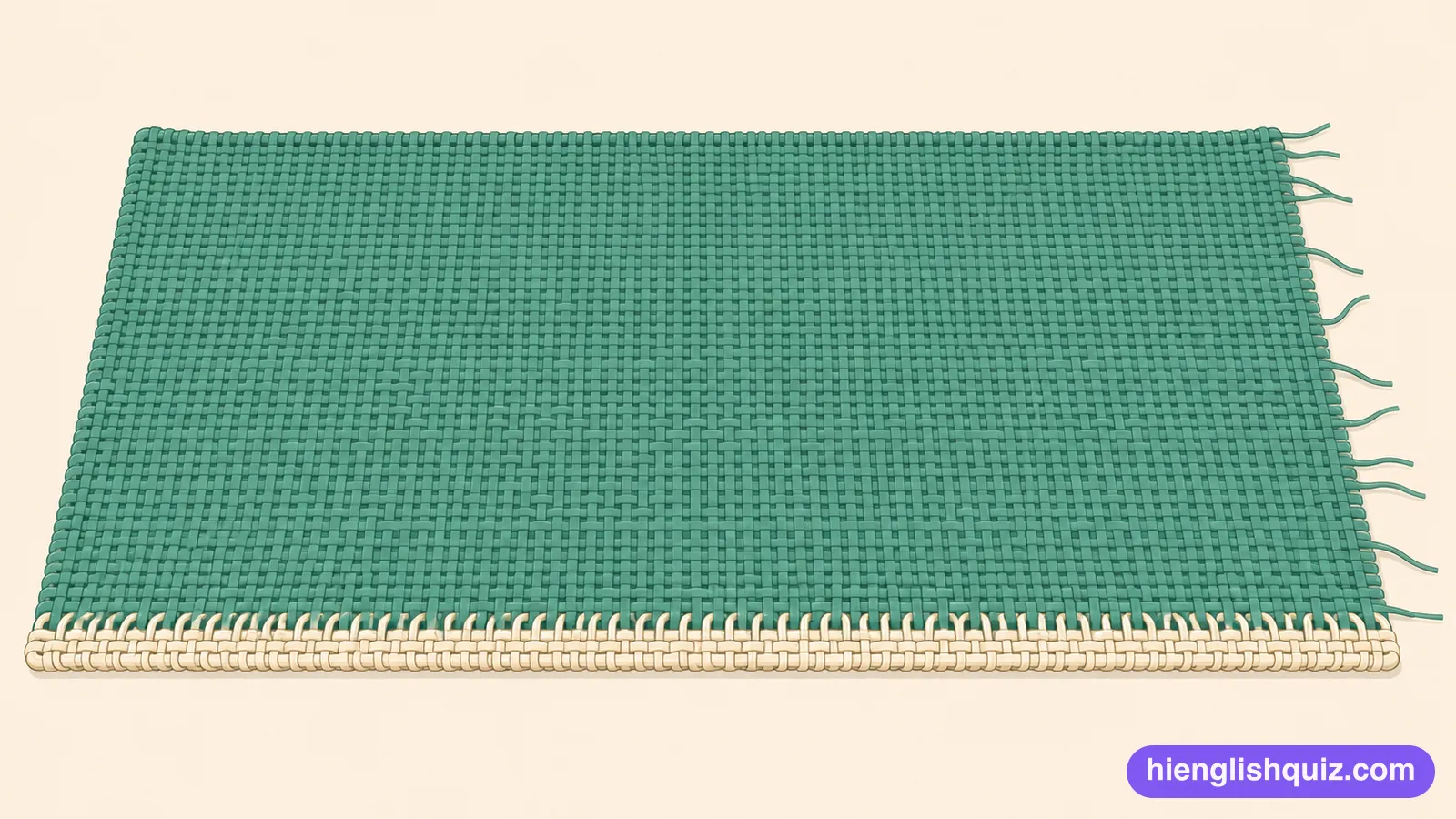
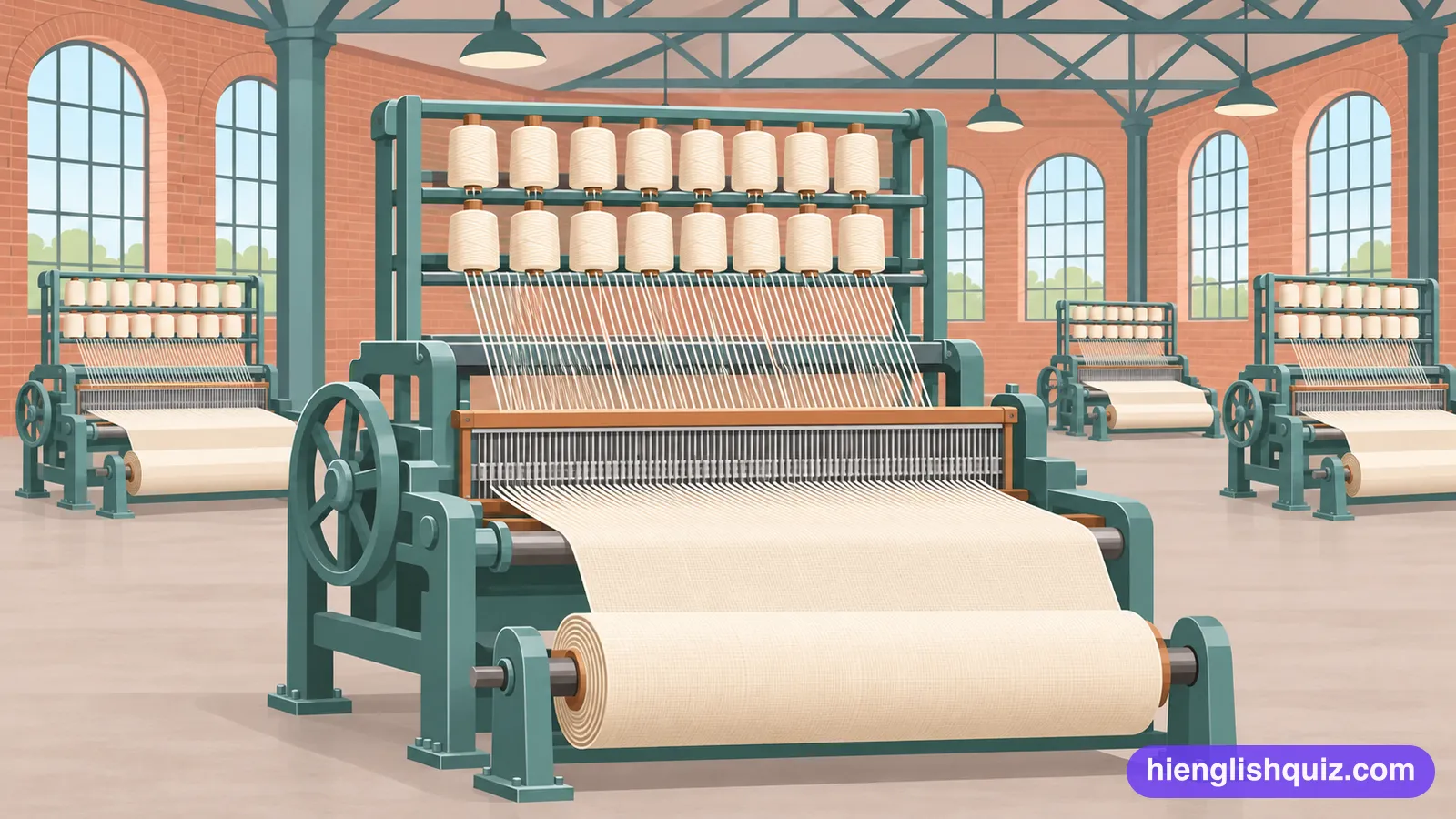
Cách yarn trở thành fabric rồi thành garment qua weave và knit trong nhà máy dệt, sau đó là seam, hem, lining và cuff mà seamstress hoàn thiện khi fitting hay alteration.
Ví dụ: The town's textile industry employs thousands of people.
Ví dụ: Each garment is checked for loose threads before it is packed.
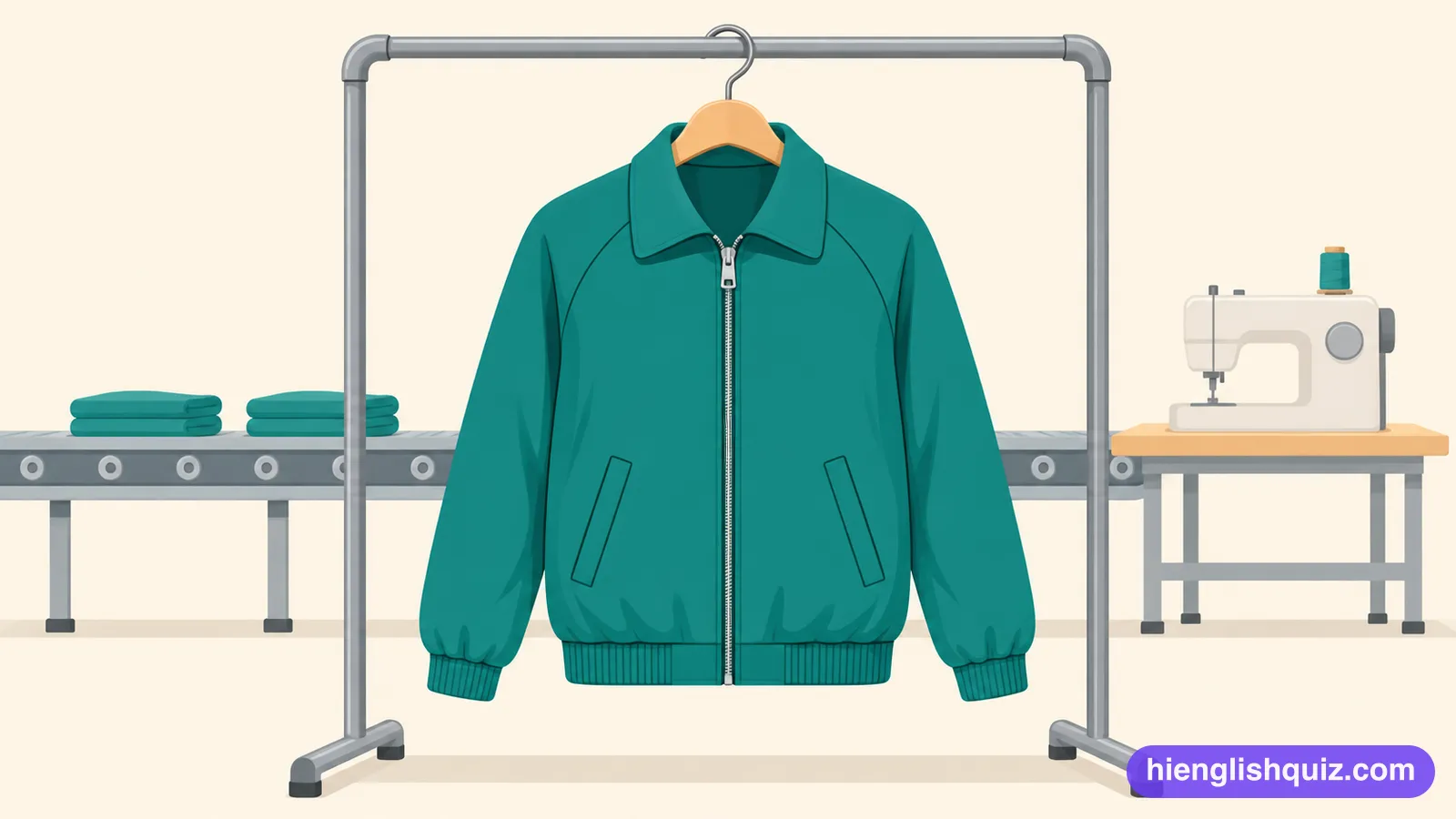
Ví dụ: The seam on the left sleeve had come apart.
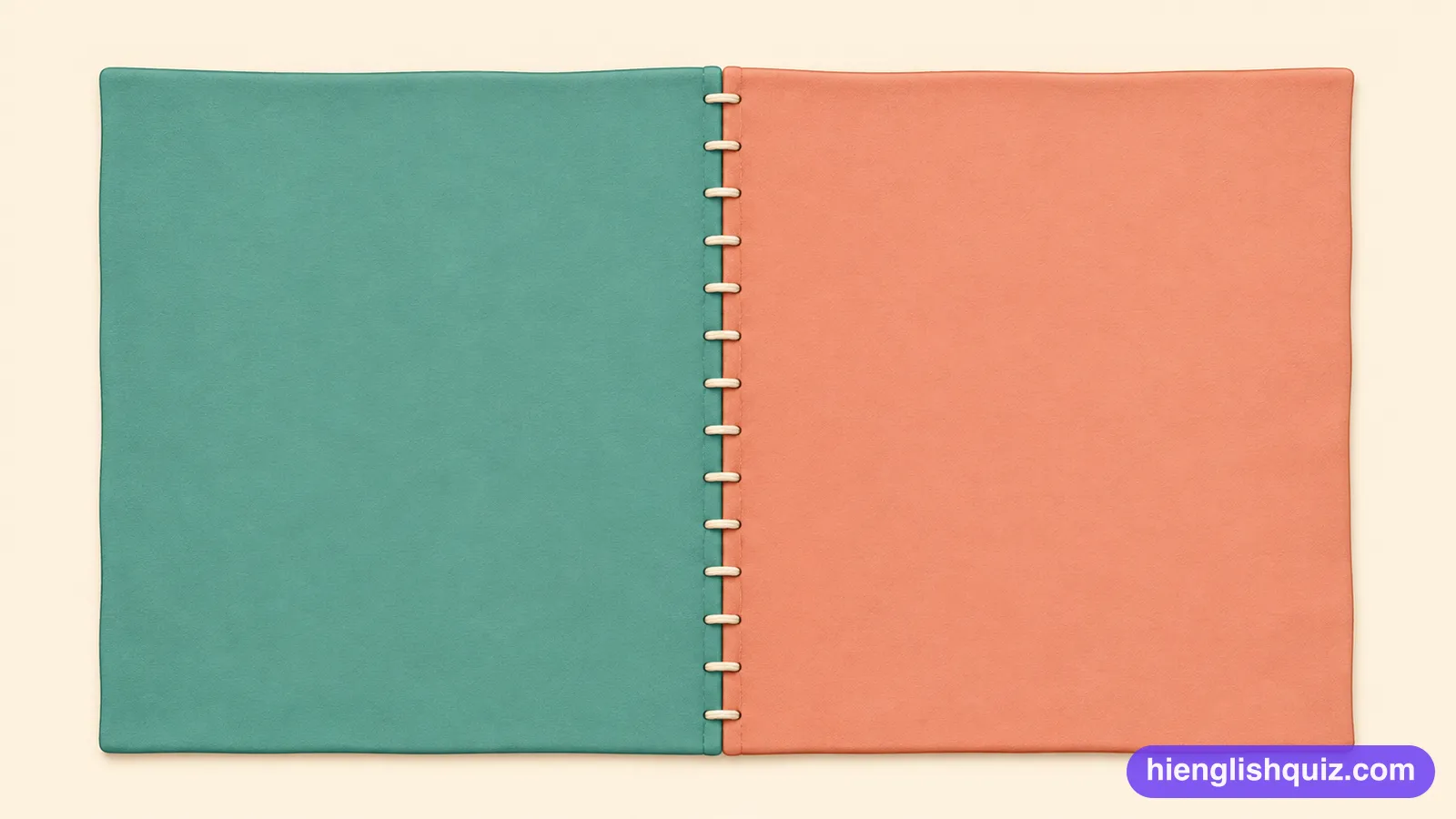
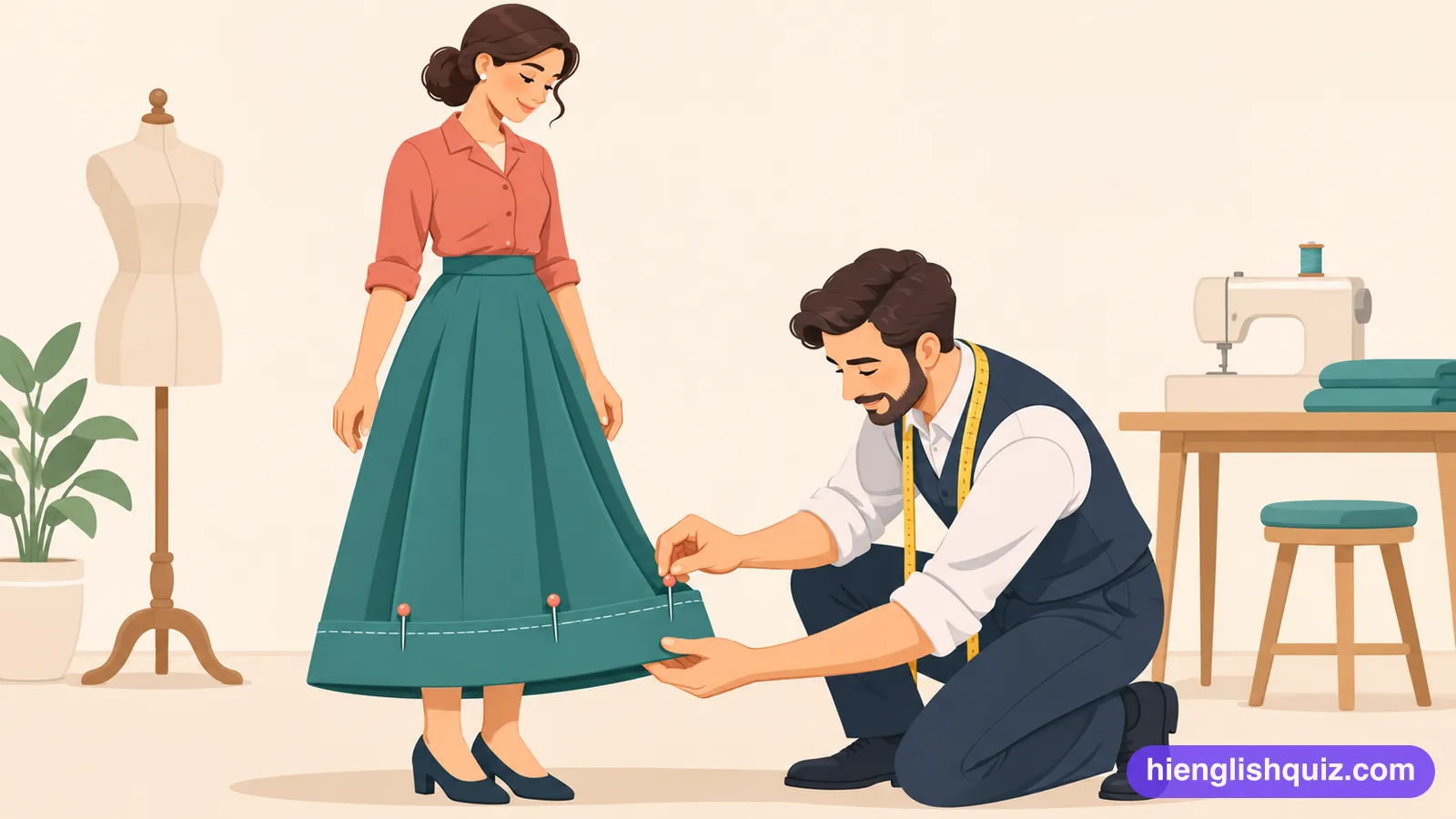
Ví dụ: She took up the hem of the trousers by two centimetres.
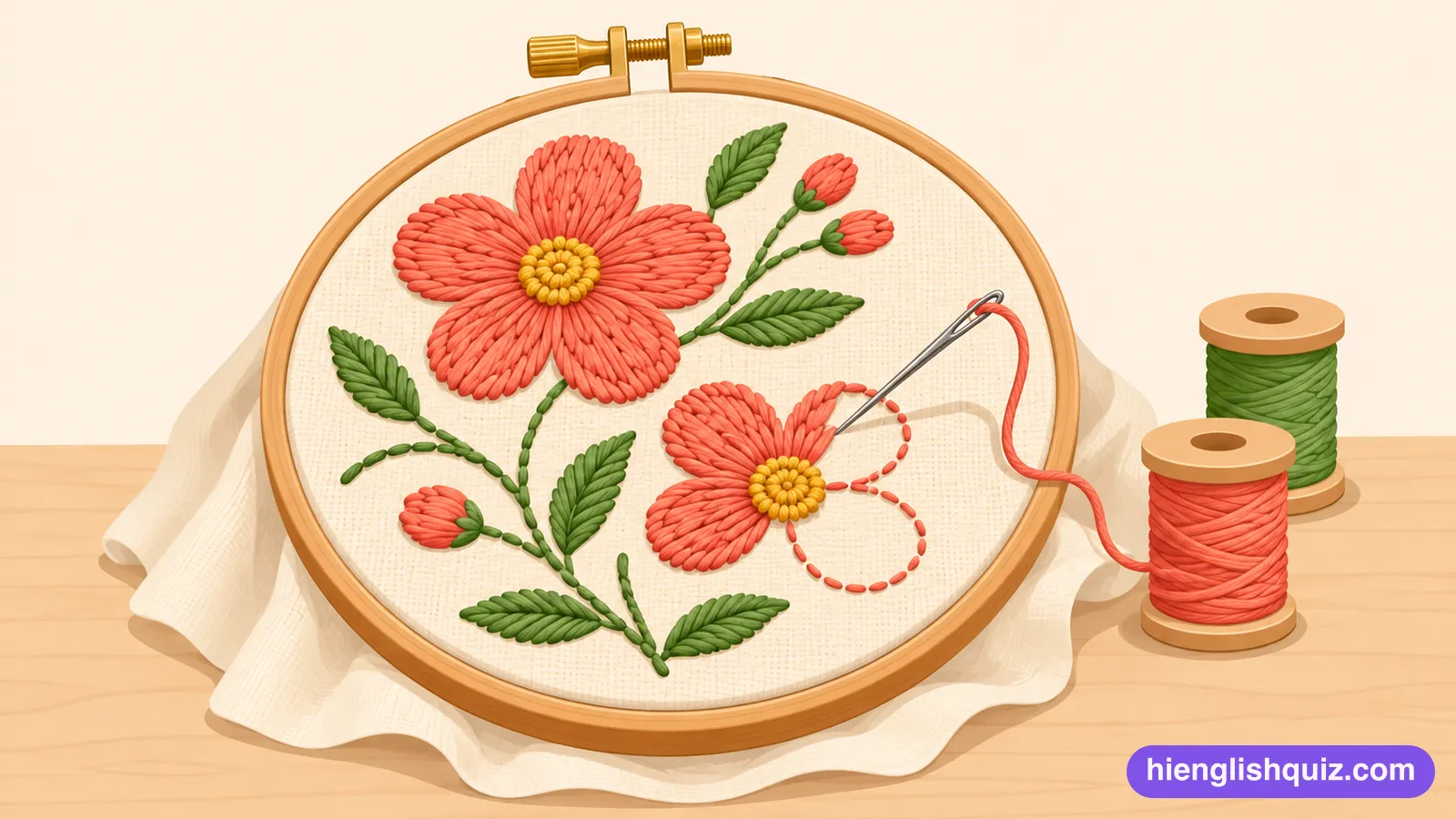
Ví dụ: The wedding dress was covered with delicate embroidery.
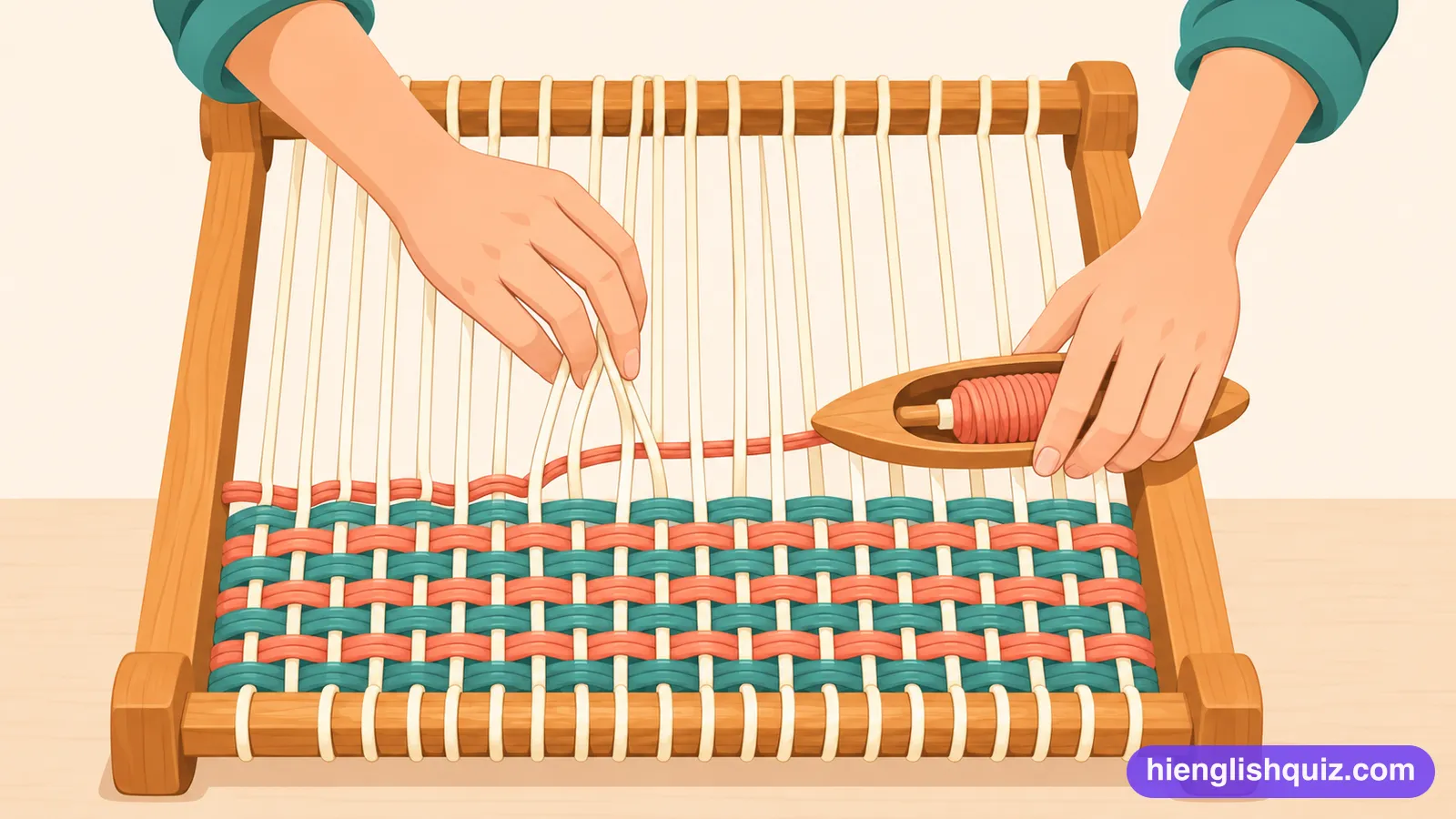
Ví dụ: Villagers still weave cloth by hand using traditional patterns.
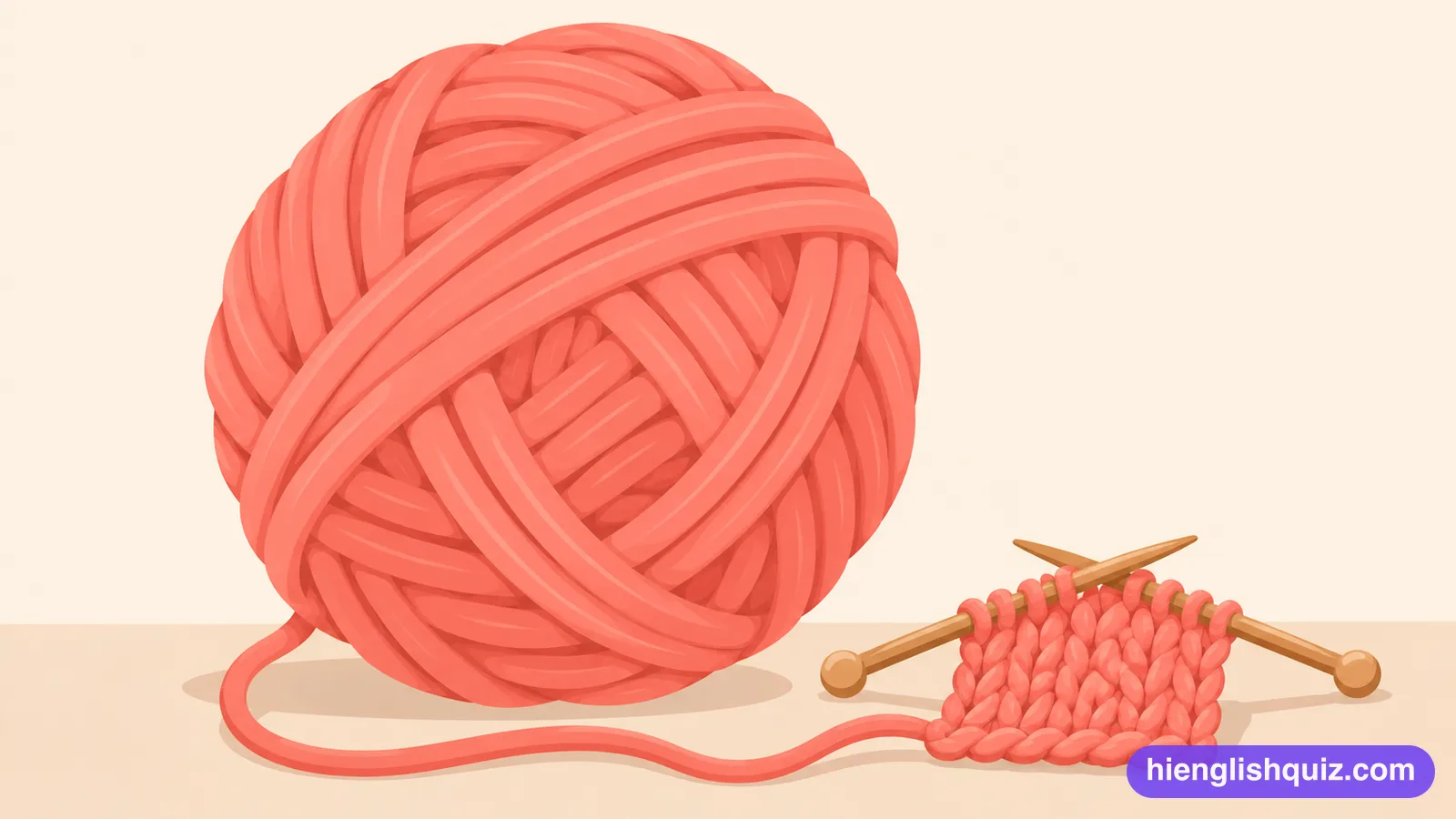
Ví dụ: My grandmother used to knit a scarf for each of us.
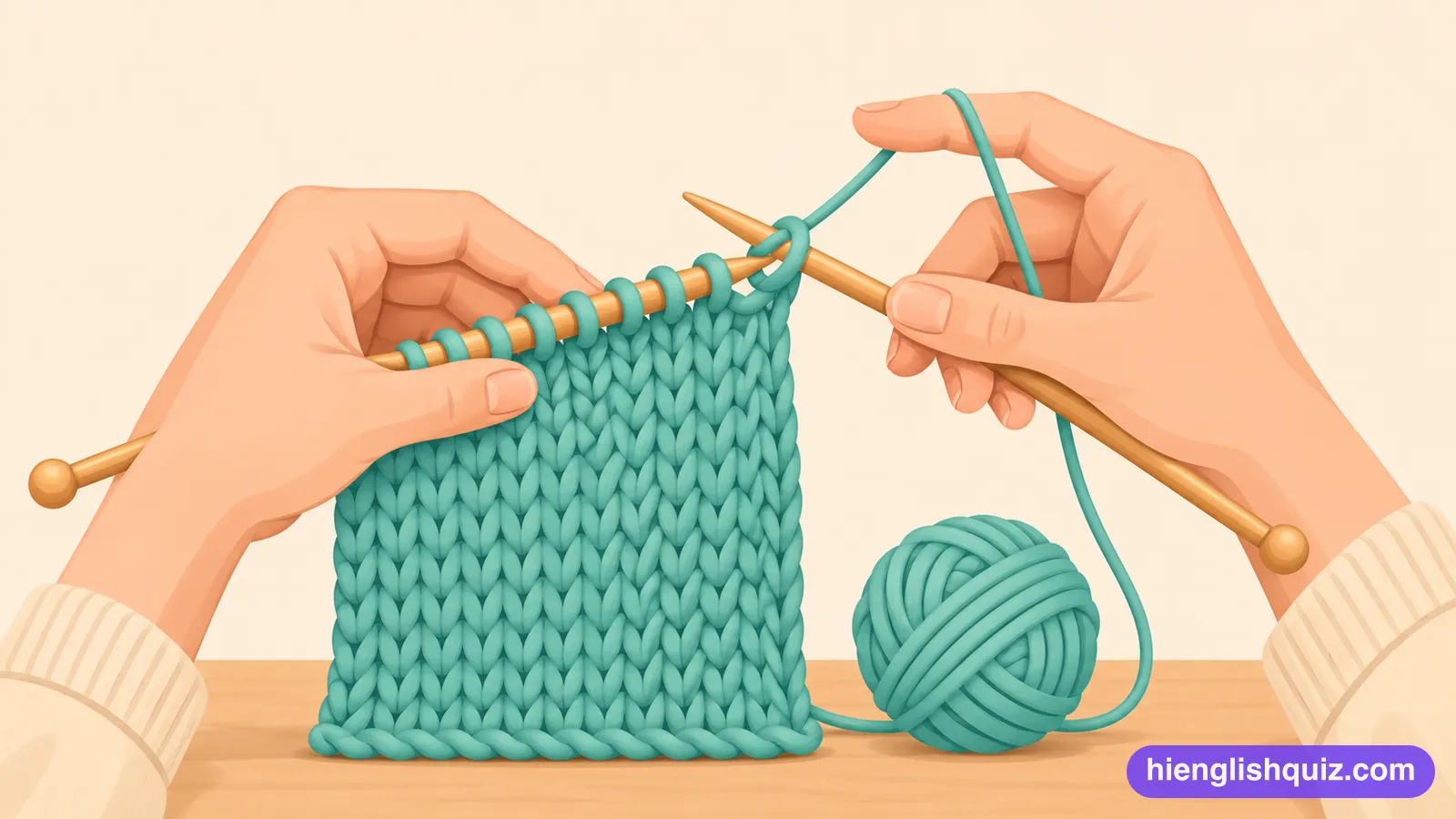
Ví dụ: She bought three balls of blue yarn for the sweater.
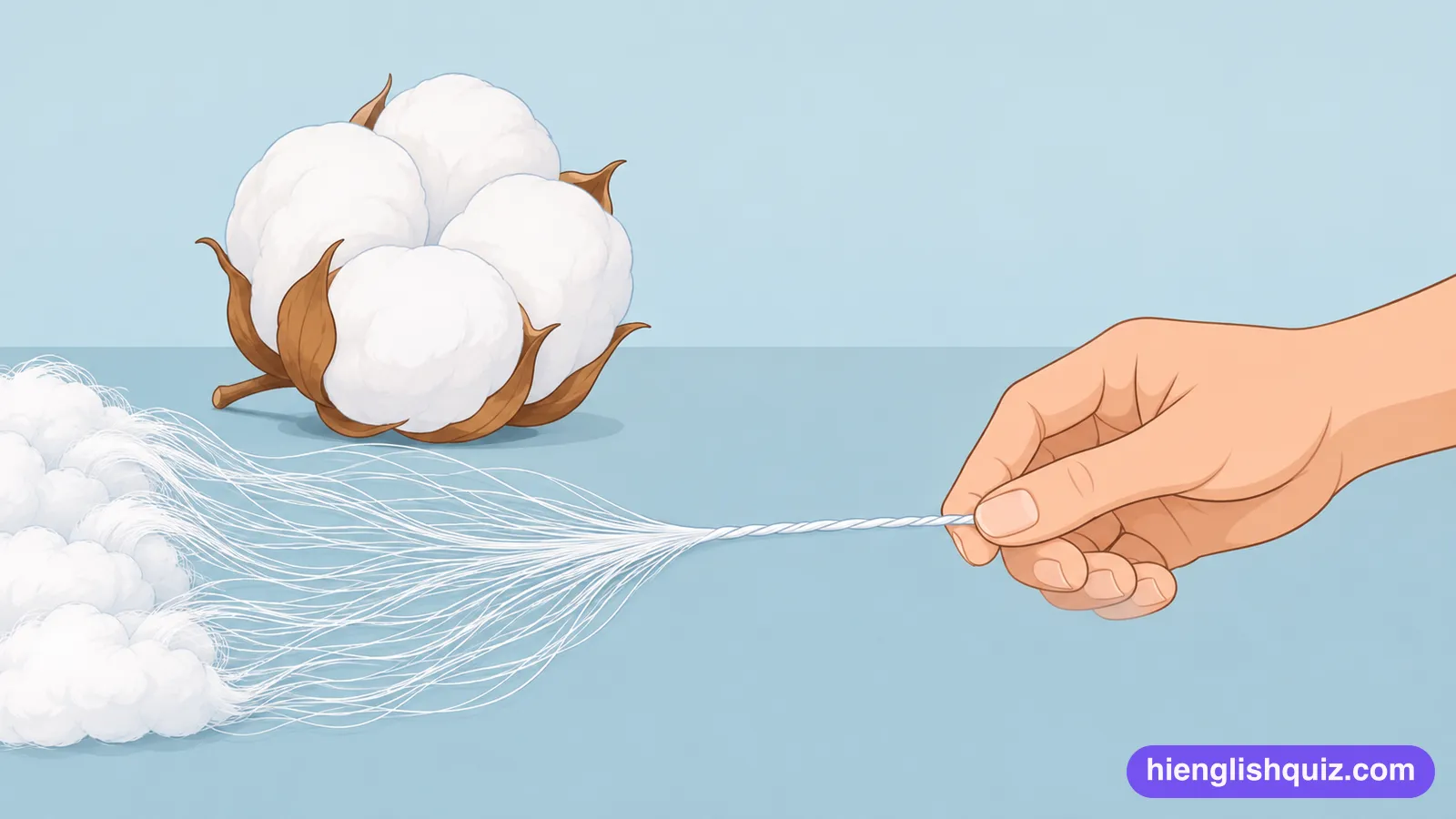
Ví dụ: Cotton fibre is soft, which makes it good for baby clothes.
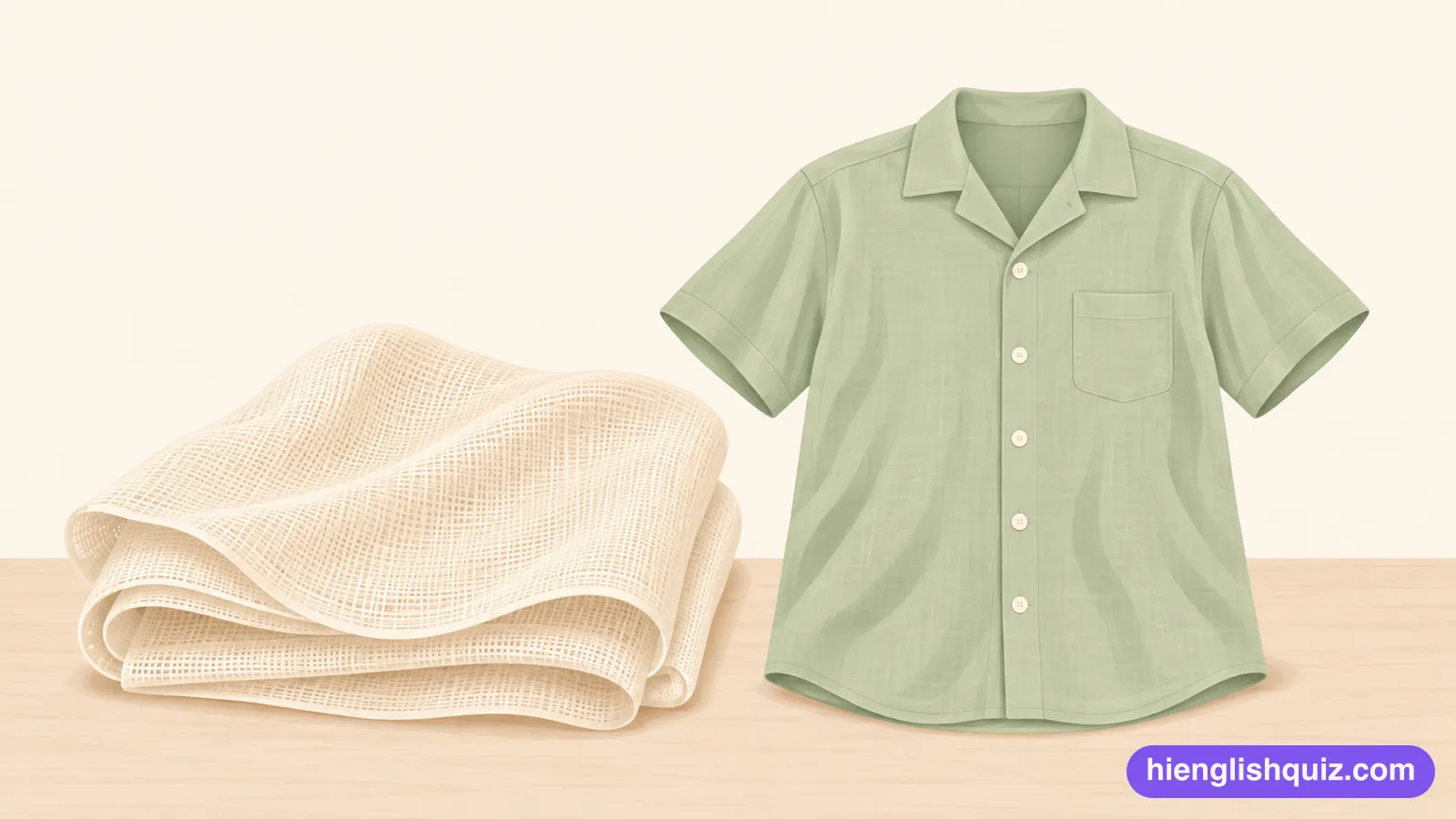
Ví dụ: He wore a pale linen shirt in the summer heat.
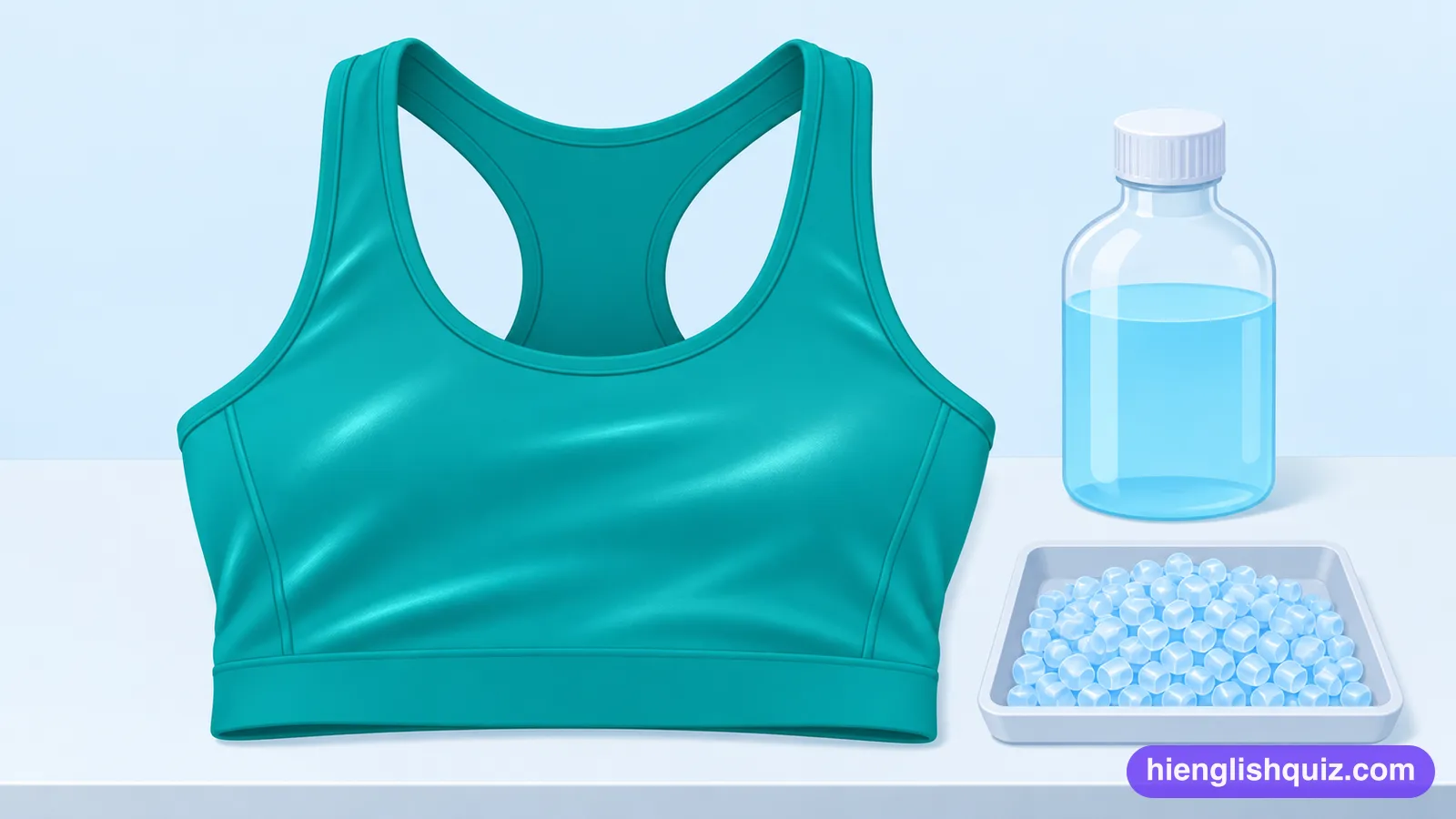
Ví dụ: Most sportswear is made from synthetic materials that dry quickly.
Ví dụ: Many people in the town worked at the textile mill.
Ví dụ: The bride had her last fitting a week before the wedding.
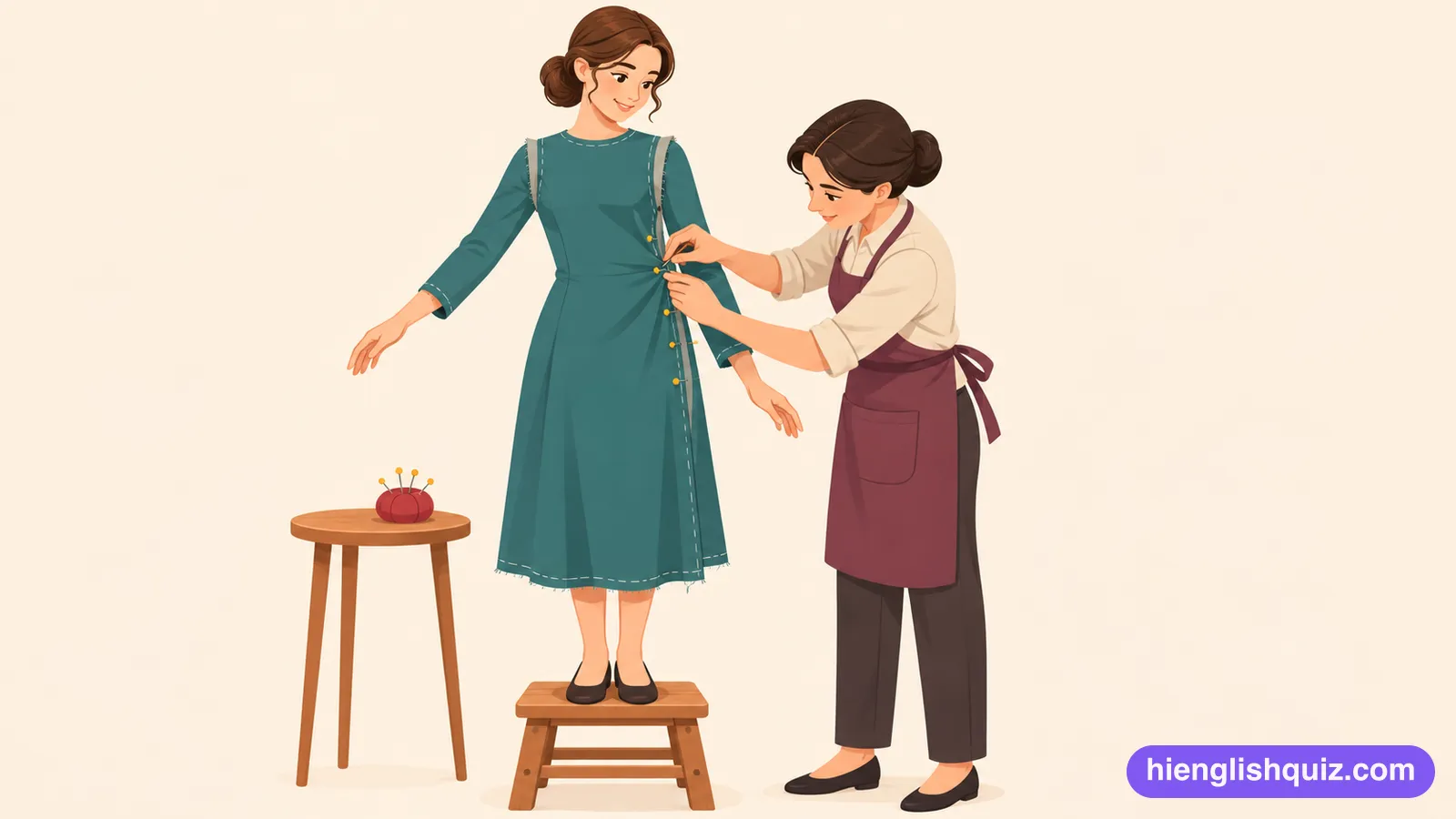
Ví dụ: The jacket needed an alteration to the sleeves.

Ví dụ: Check the care label before you put it in the dryer.

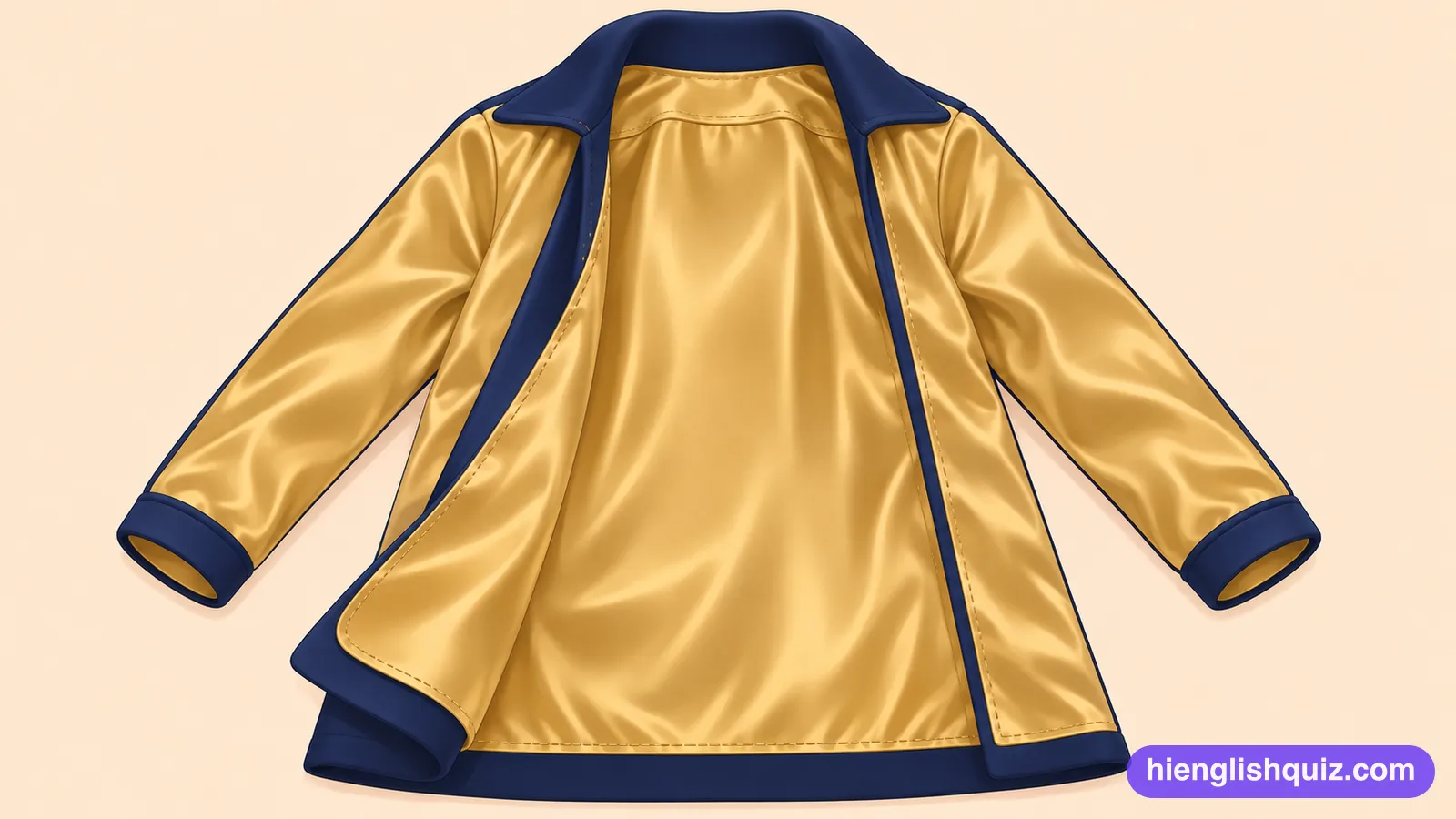
Ví dụ: The coat has a warm lining made of soft cloth.
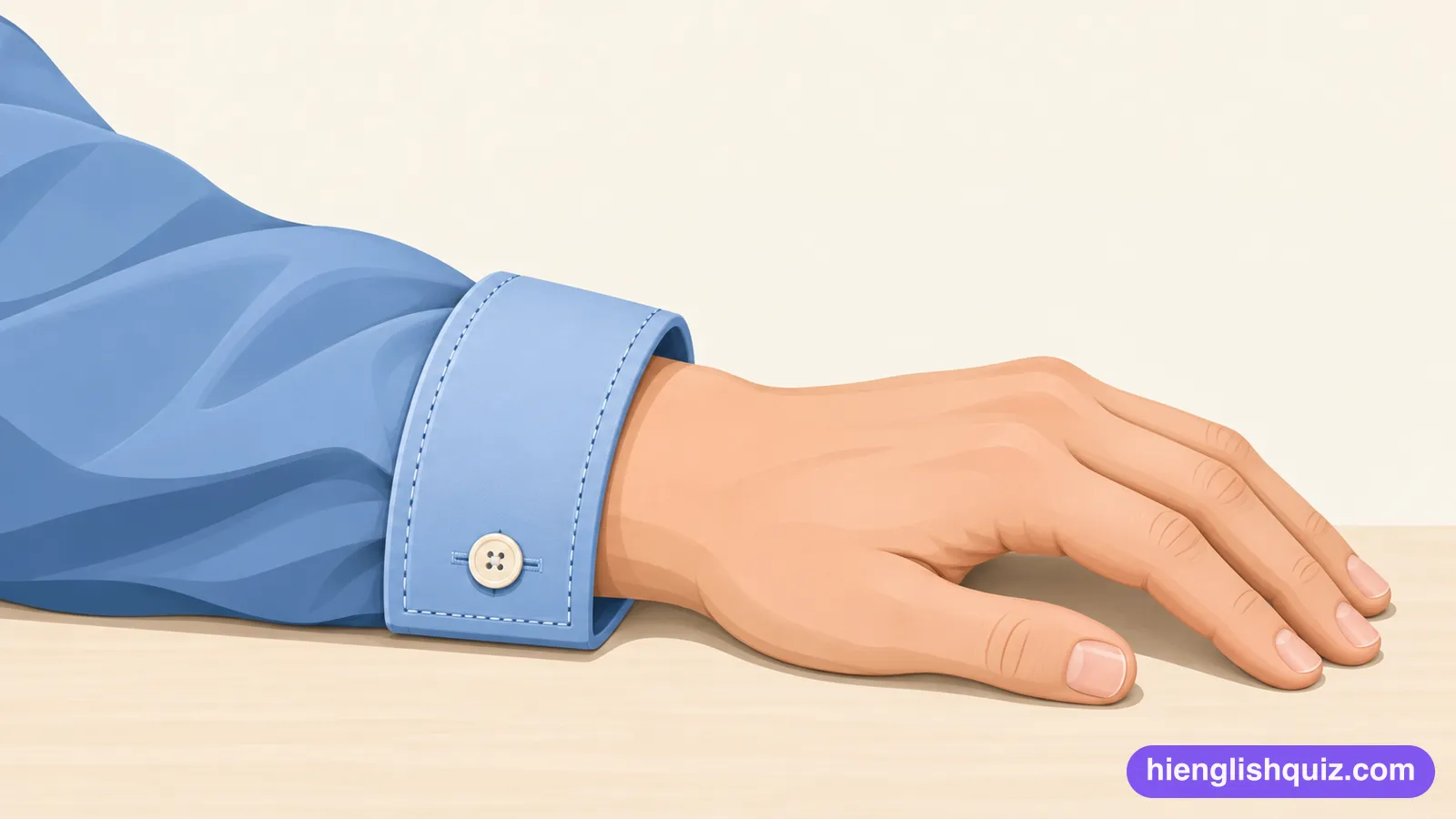
Ví dụ: He turned back the cuff of his shirt.
Ví dụ: He bought a spool of black thread for the trousers.
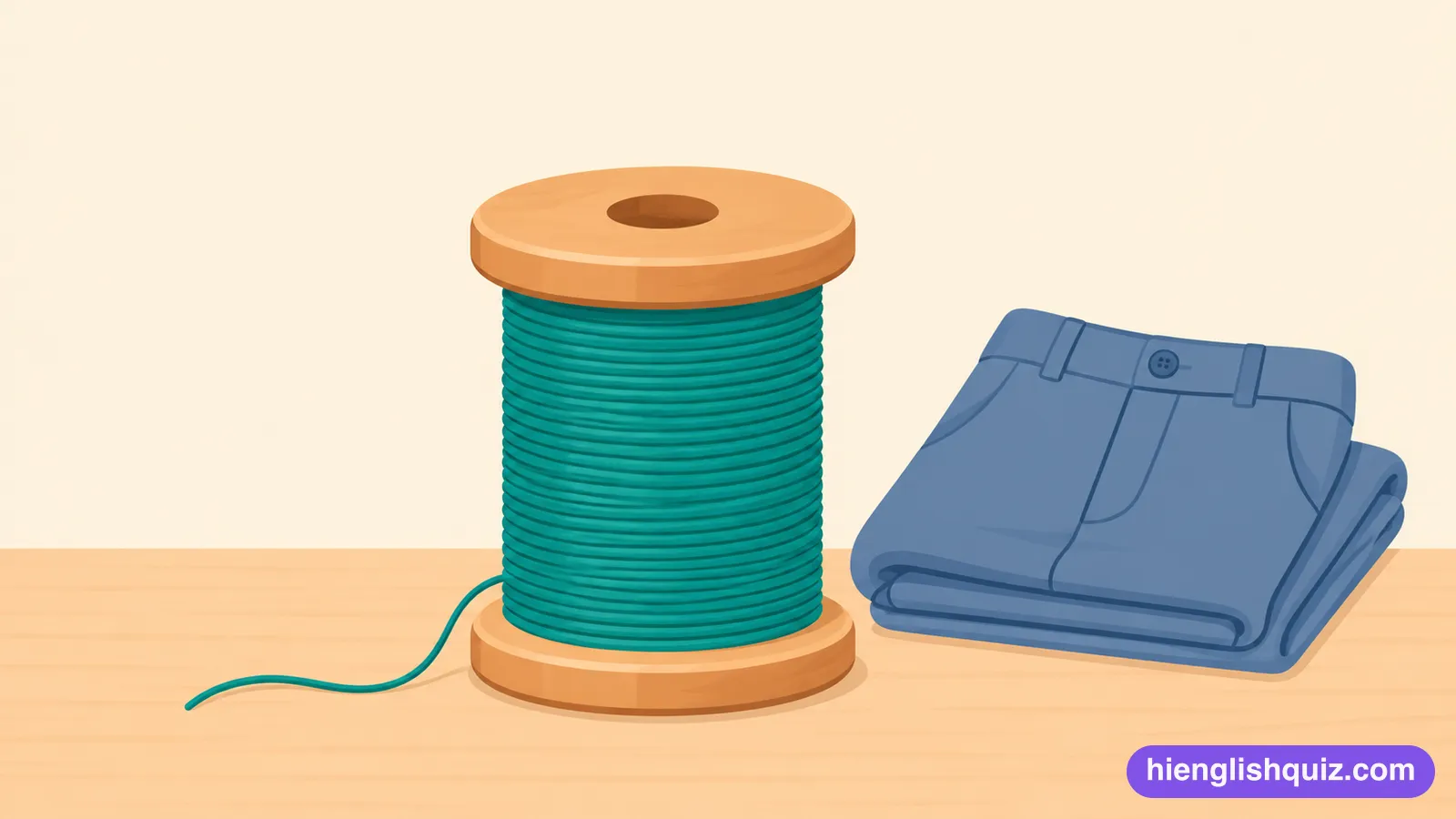
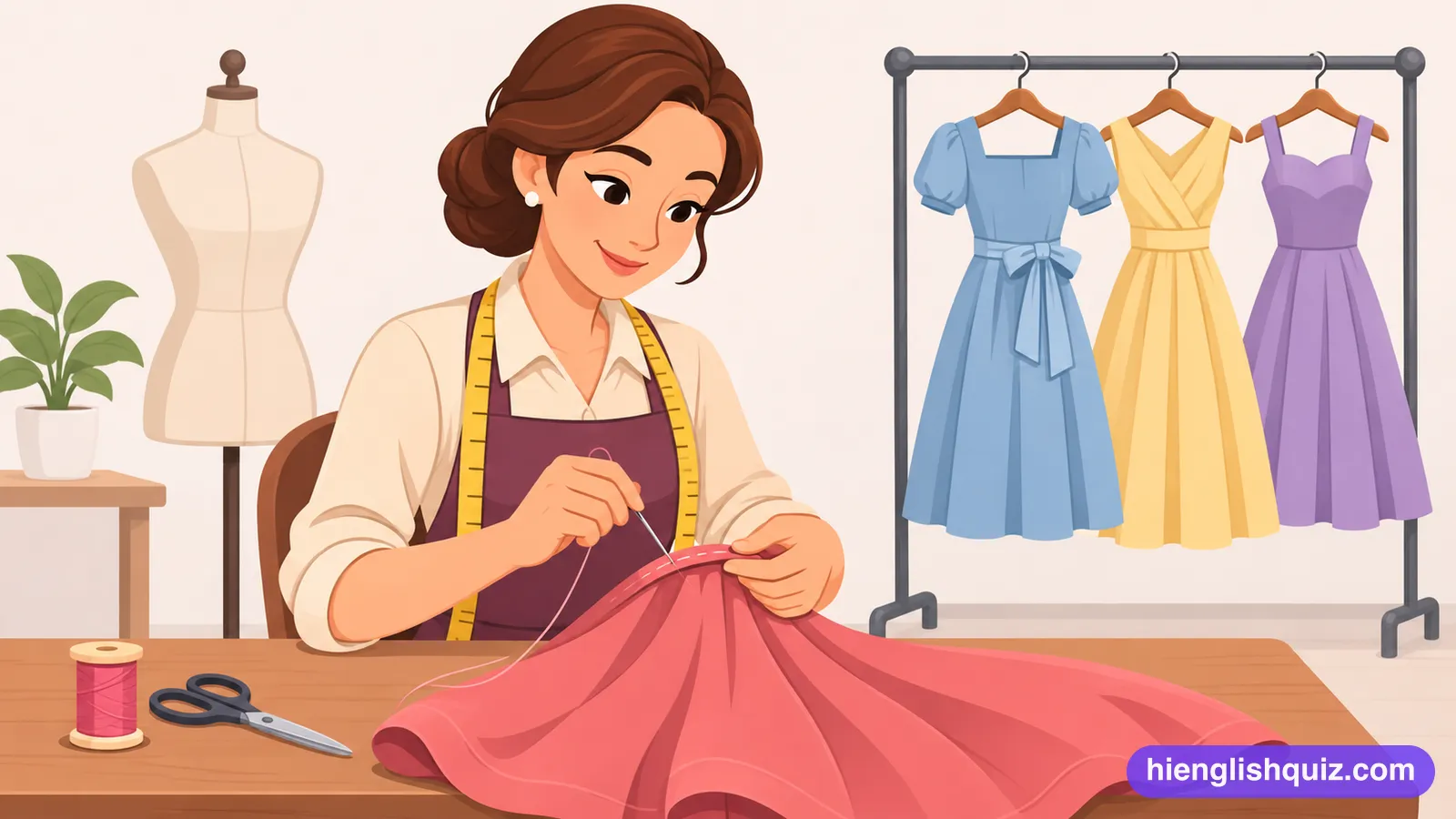
Ví dụ: The seamstress shortened the dress and sewed on new buttons.
Ví dụ: The company sells knitwear in wool and cotton.