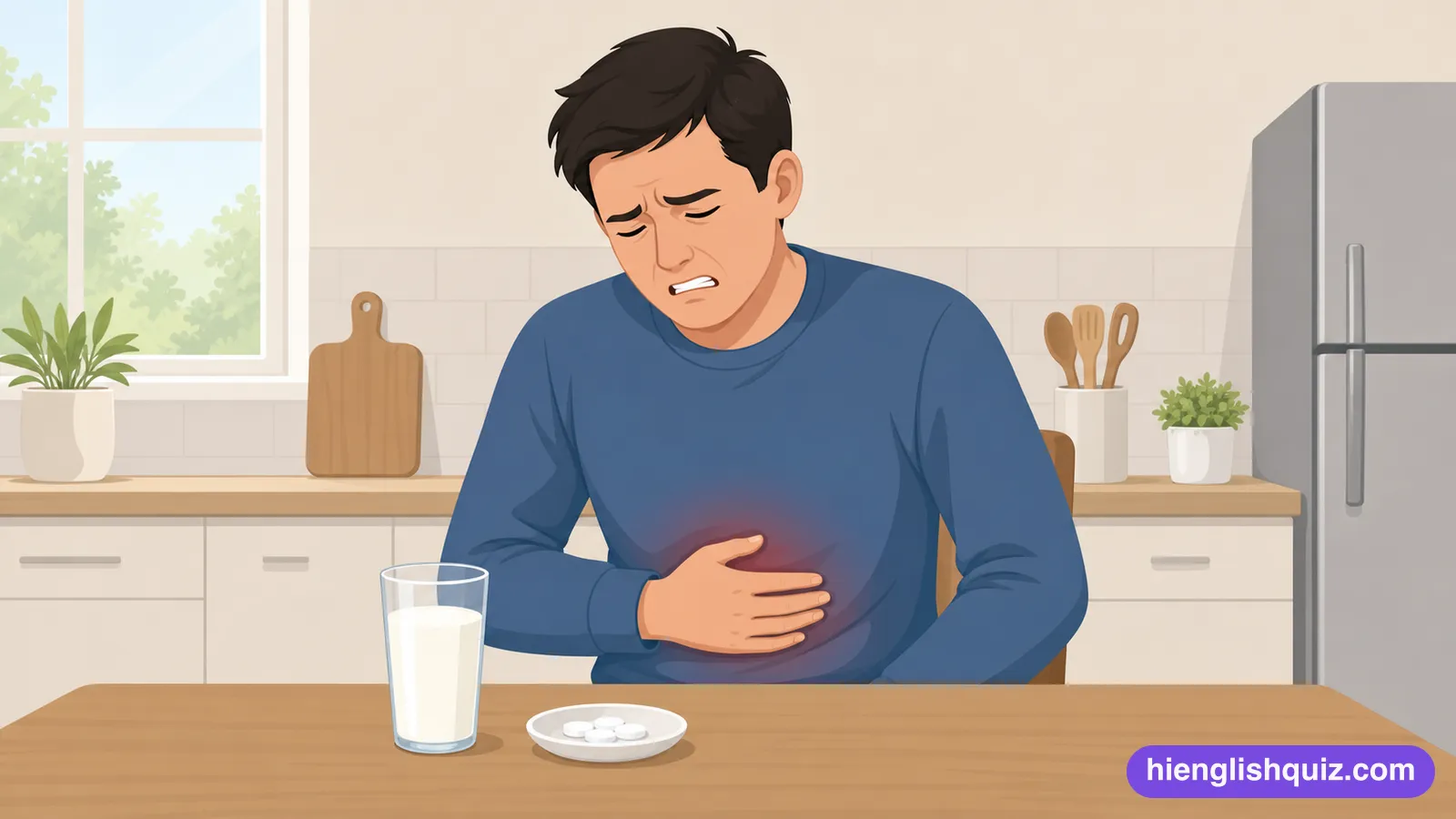
ulcer
/ˈʌlsər/A painful open sore, often in the stomach or the mouth, that is slow to heal.
Example: Stress and coffee gave him a stomach ulcer at thirty.
 Hi EnglishQuiz
C120 words · Advanced
Illness vocabulary for describing a condition in detail, including pneumonia, arthritis, a relapse and words like benign or malignant, plus how a symptom feels, from throbbing to acute.
A painful open sore, often in the stomach or the mouth, that is slow to heal.
Example: Stress and coffee gave him a stomach ulcer at thirty.
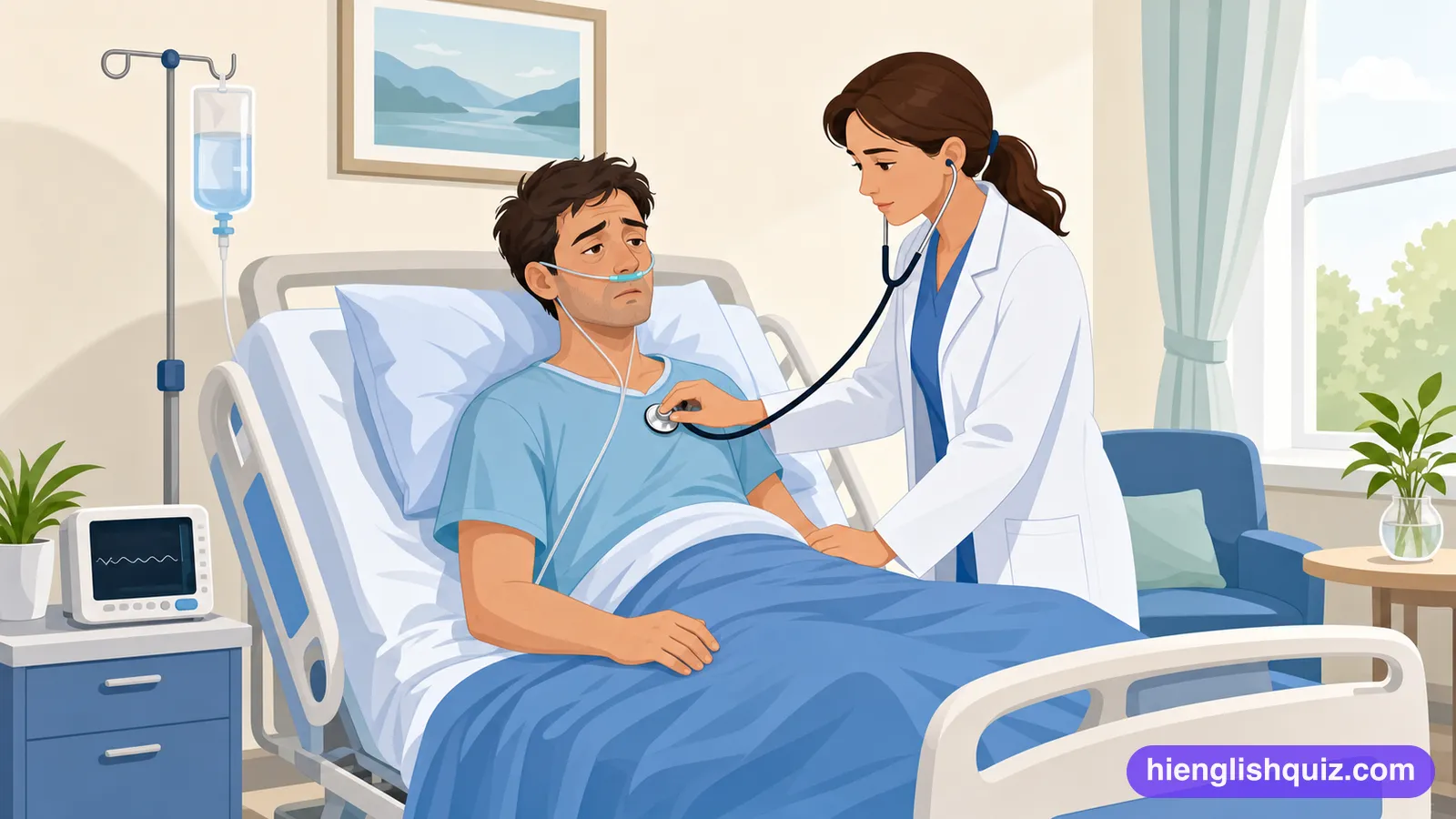
A serious infection that fills the lungs with fluid, bringing hard breathing and high fever.
Example: He spent a week in hospital with pneumonia last winter.
A return of an illness or a bad habit after a period of getting better.
Example: Six months sober, then one bad night and a relapse.

A condition in which the lens of the eye slowly becomes cloudy and sight is lost.
Example: My grandmother had a cataract removed last spring.
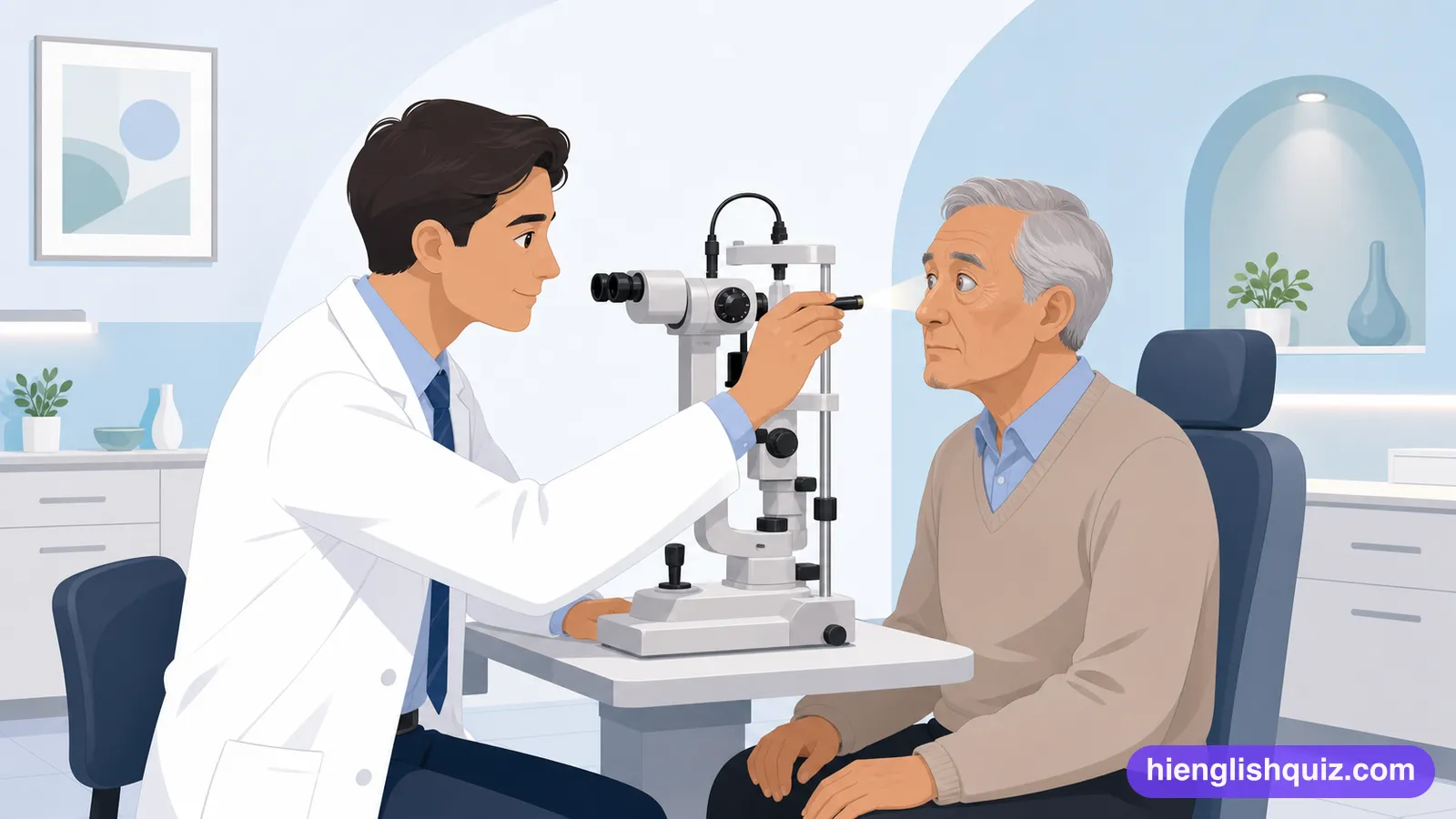
An illness of the brain that slowly destroys memory and clear thinking.
Example: My uncle was diagnosed with dementia two years ago.

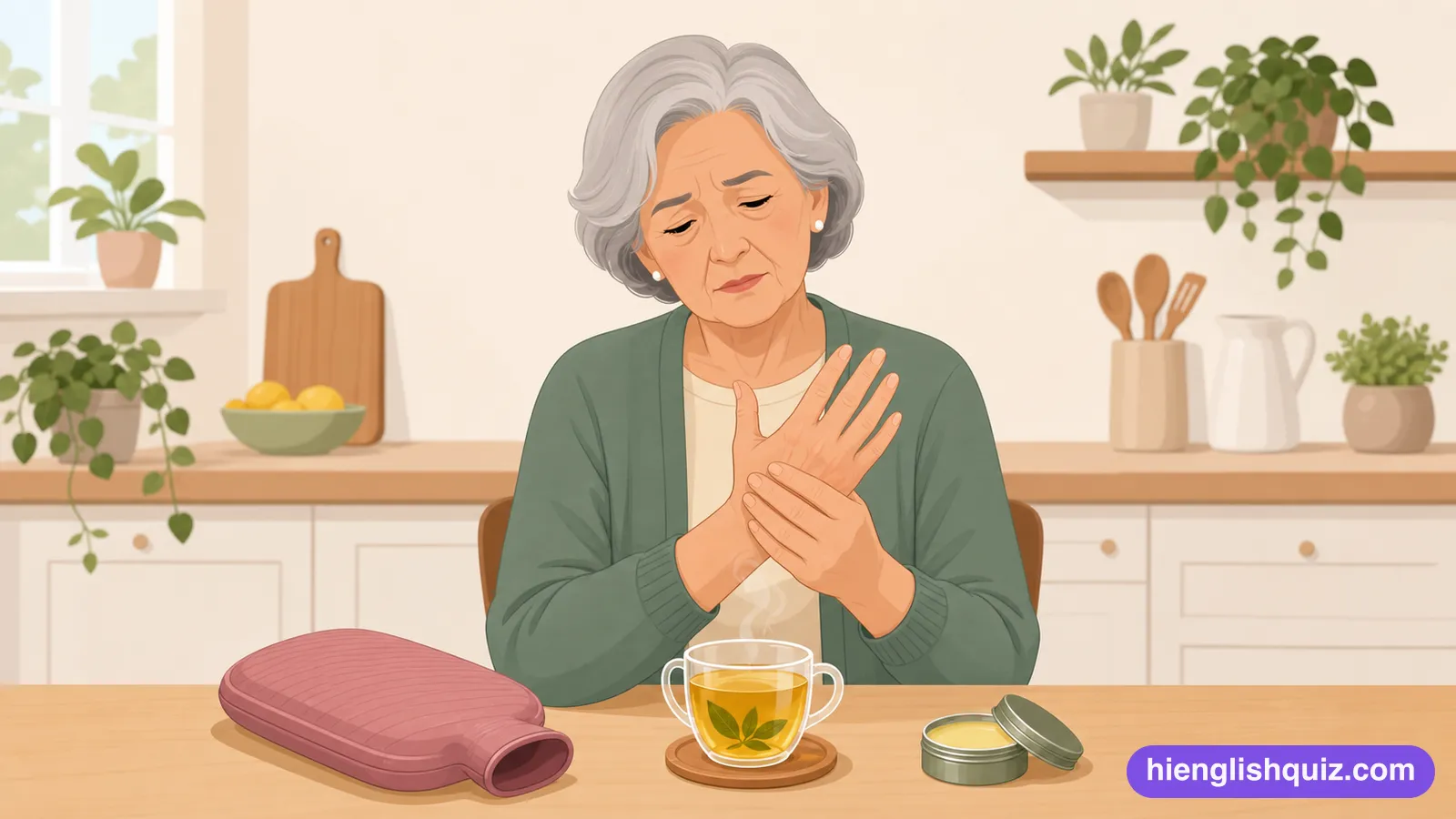
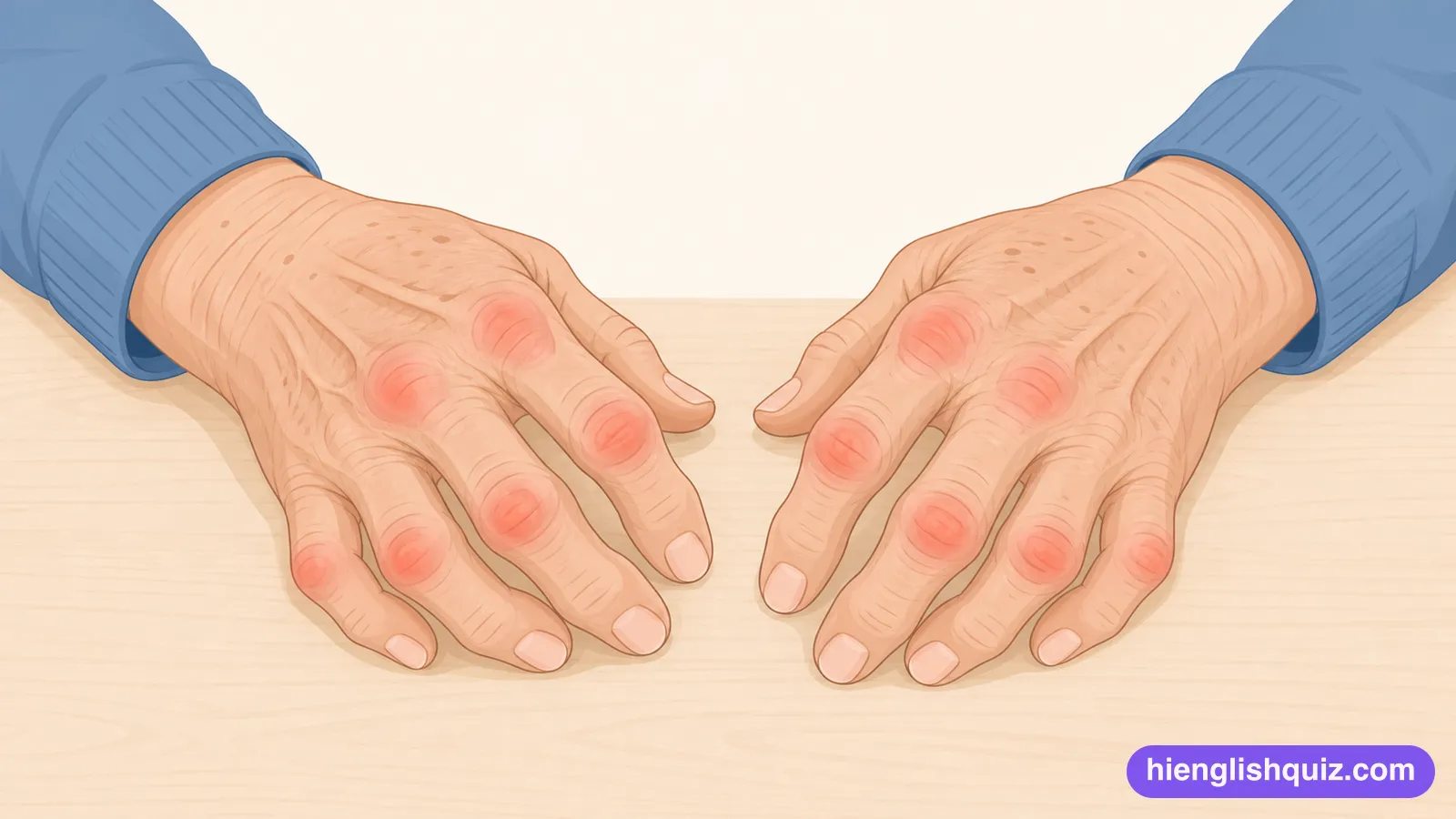
A long-lasting illness that makes the joints painful, stiff and swollen, often in older people.
Example: The arthritis in her hands makes writing difficult.
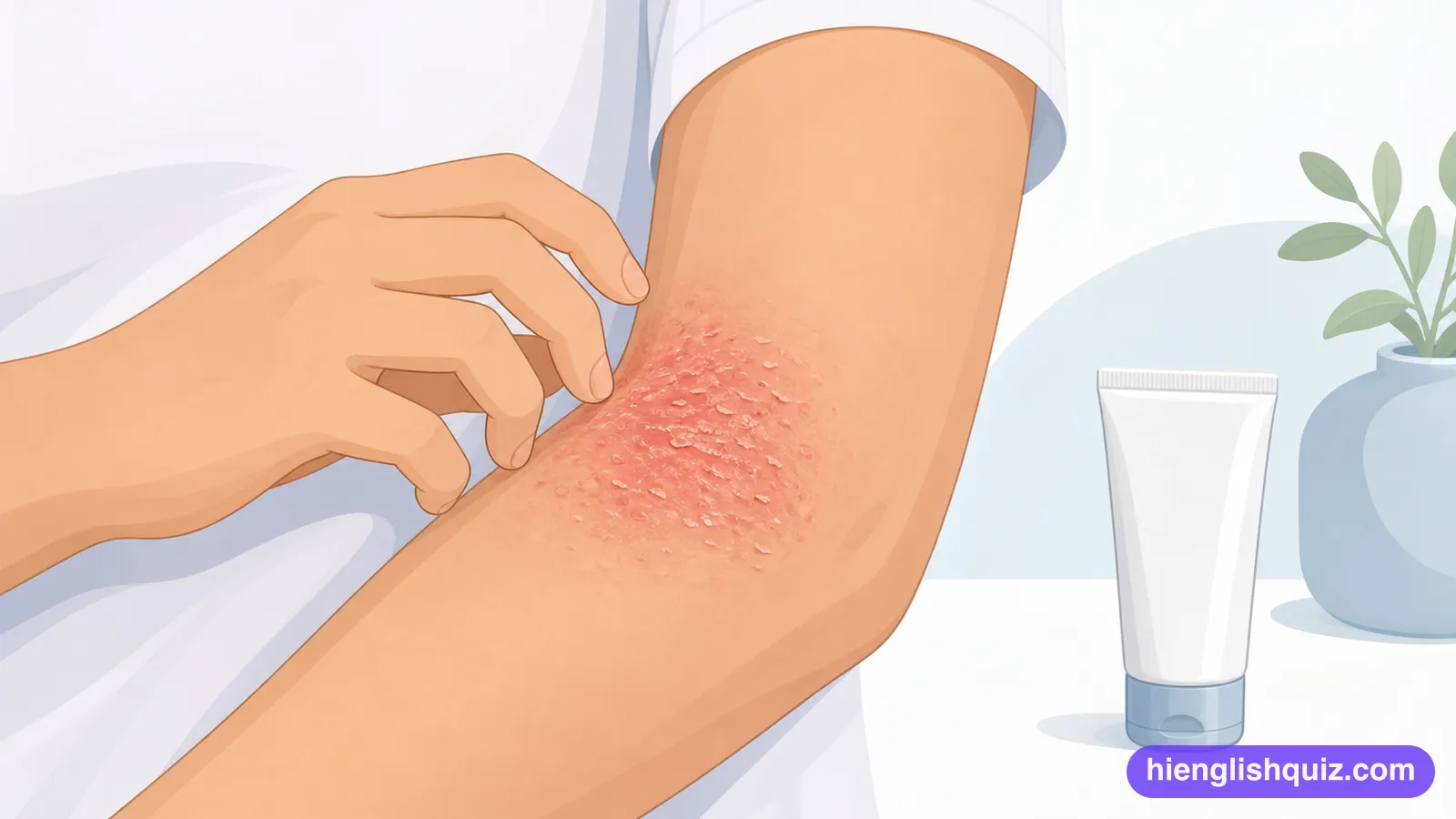
A skin condition that leaves patches of skin dry, red and very itchy.
Example: The cold weather always makes his eczema worse.
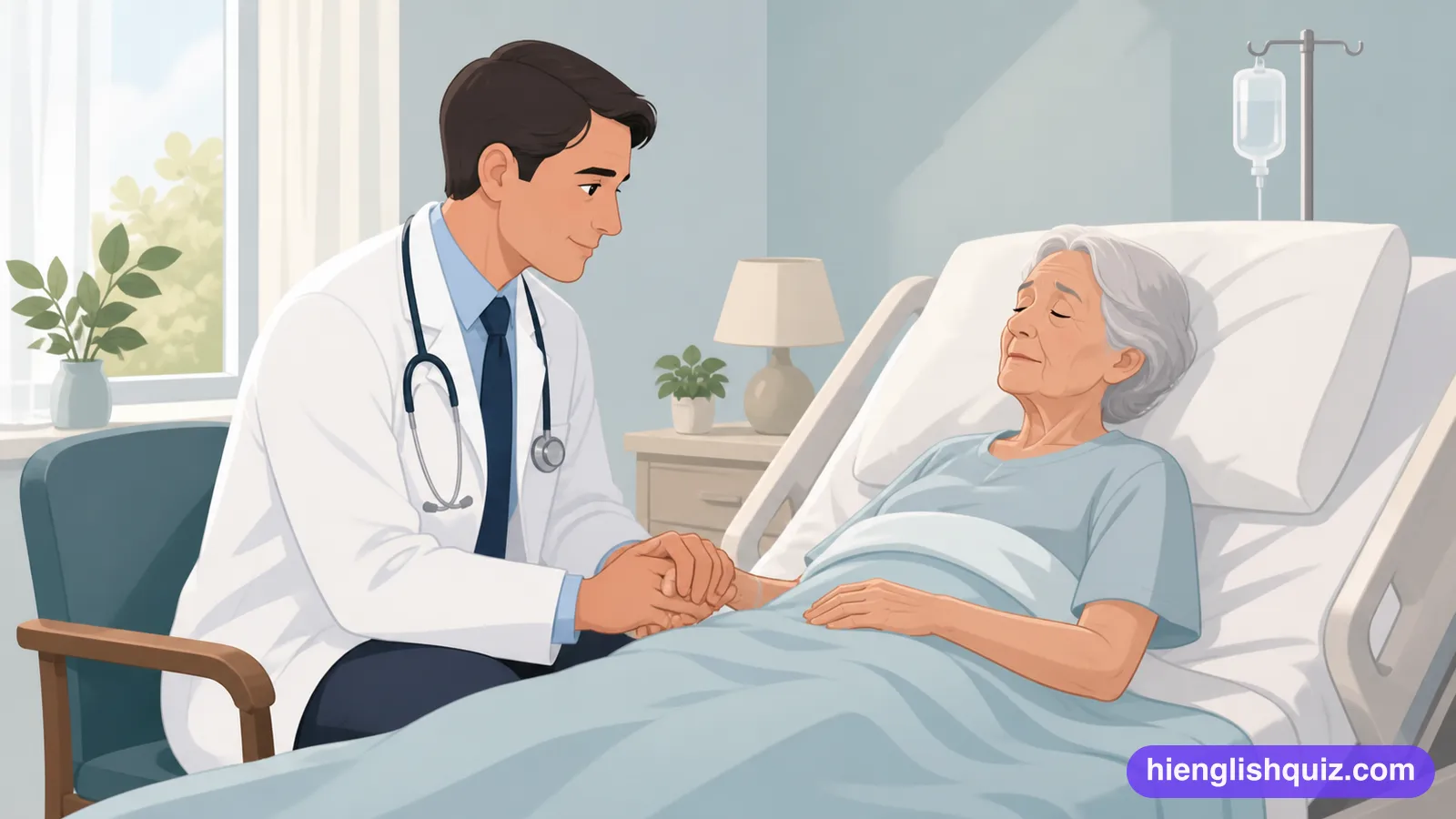
Describing an illness that cannot be cured and that will eventually cause death.
Example: He was diagnosed with a terminal illness last year.
Describing a tumour that is cancerous and can spread to other parts of the body.
Example: Tests showed the growth was malignant.
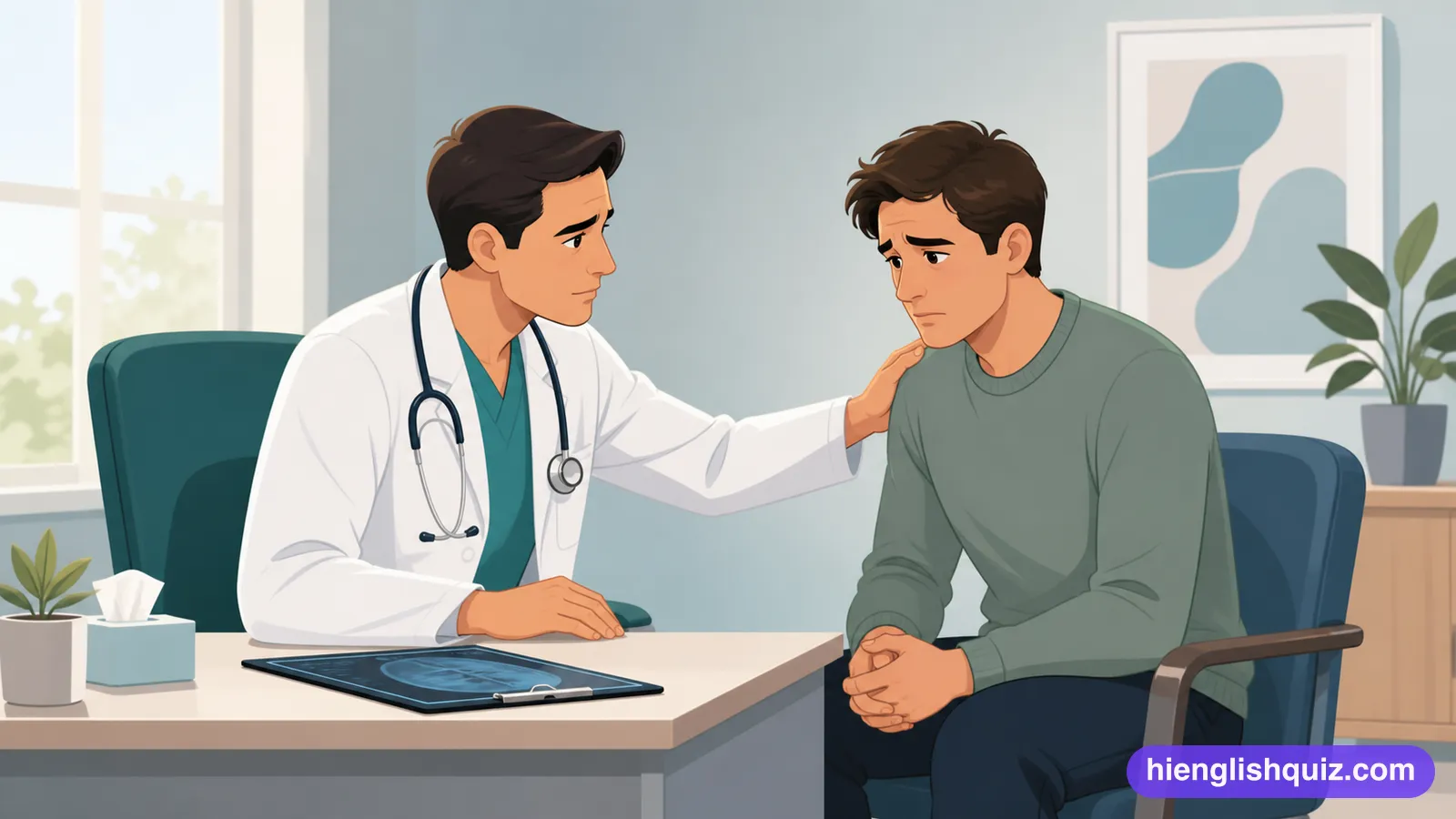
Describing a tumour or growth that is not cancerous and not dangerous.
Example: Luckily, the lump turned out to be benign.

Red, hot and swollen because of an injury or infection.
Example: My throat was inflamed, so swallowing hurt for days.
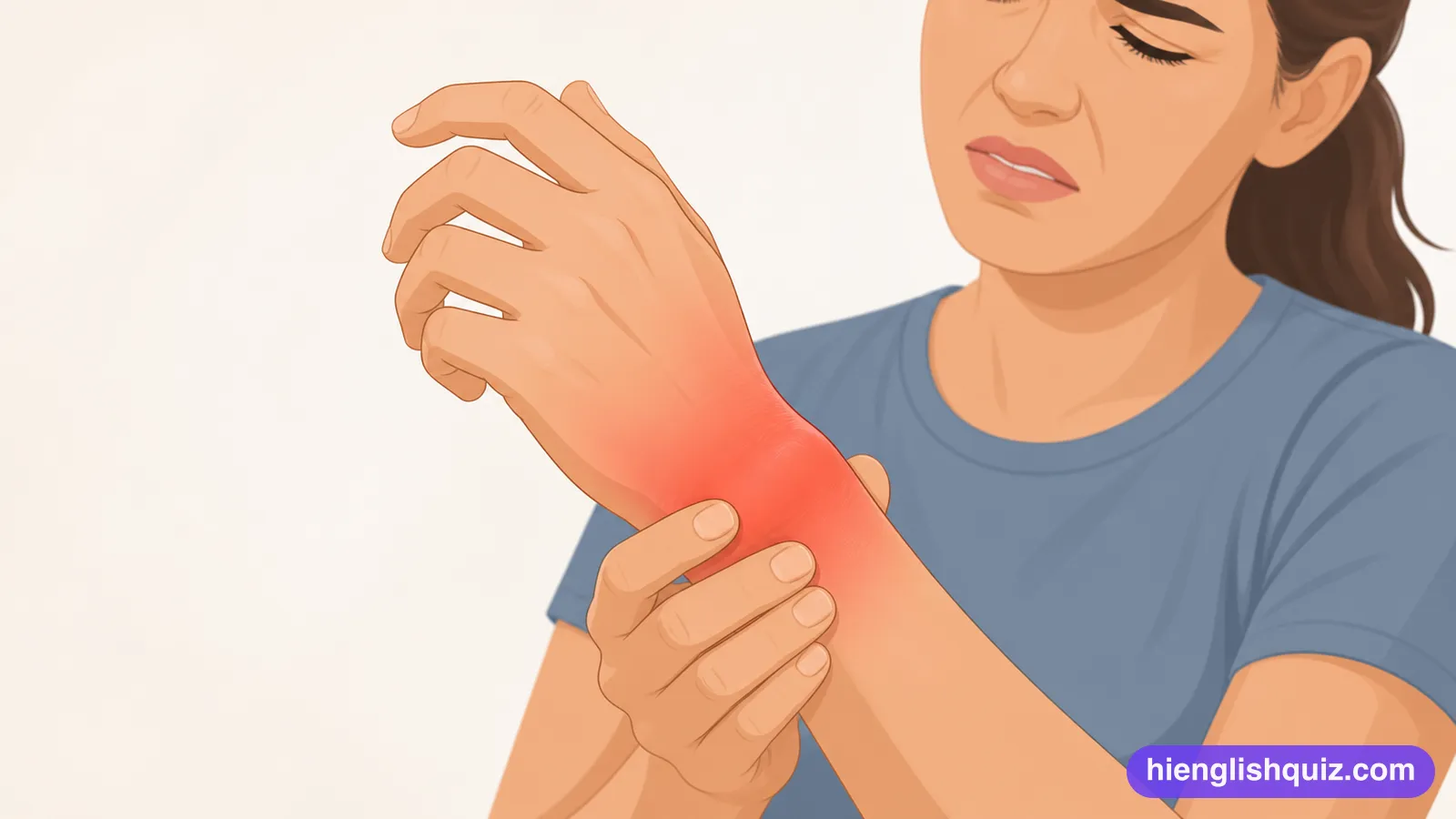
Hurting in a strong, regular beat, like a heartbeat.
Example: I woke up with a throbbing headache behind one eye.
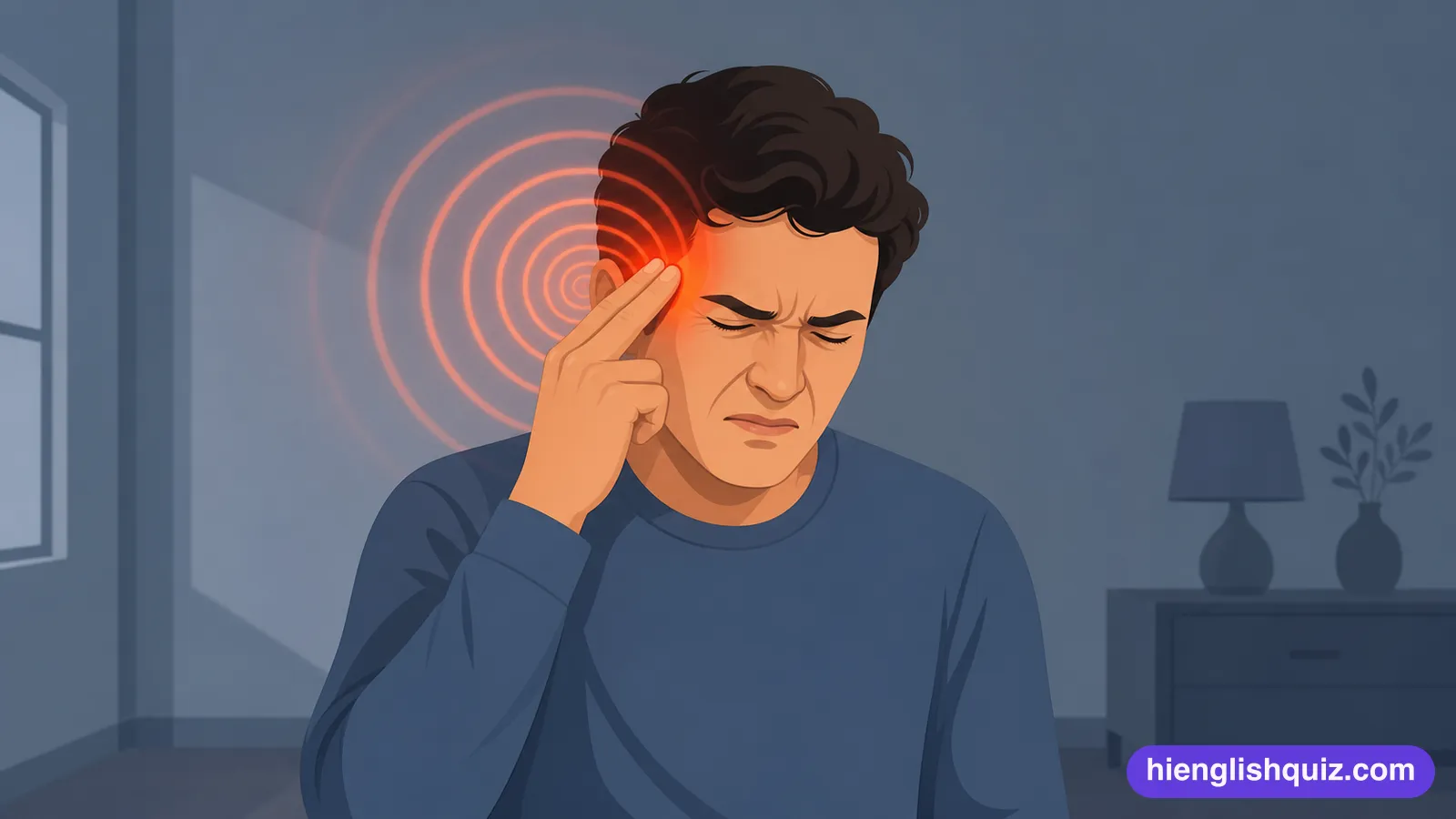
So blocked with thick mucus that breathing is difficult.
Example: I'm too congested to taste anything this morning.
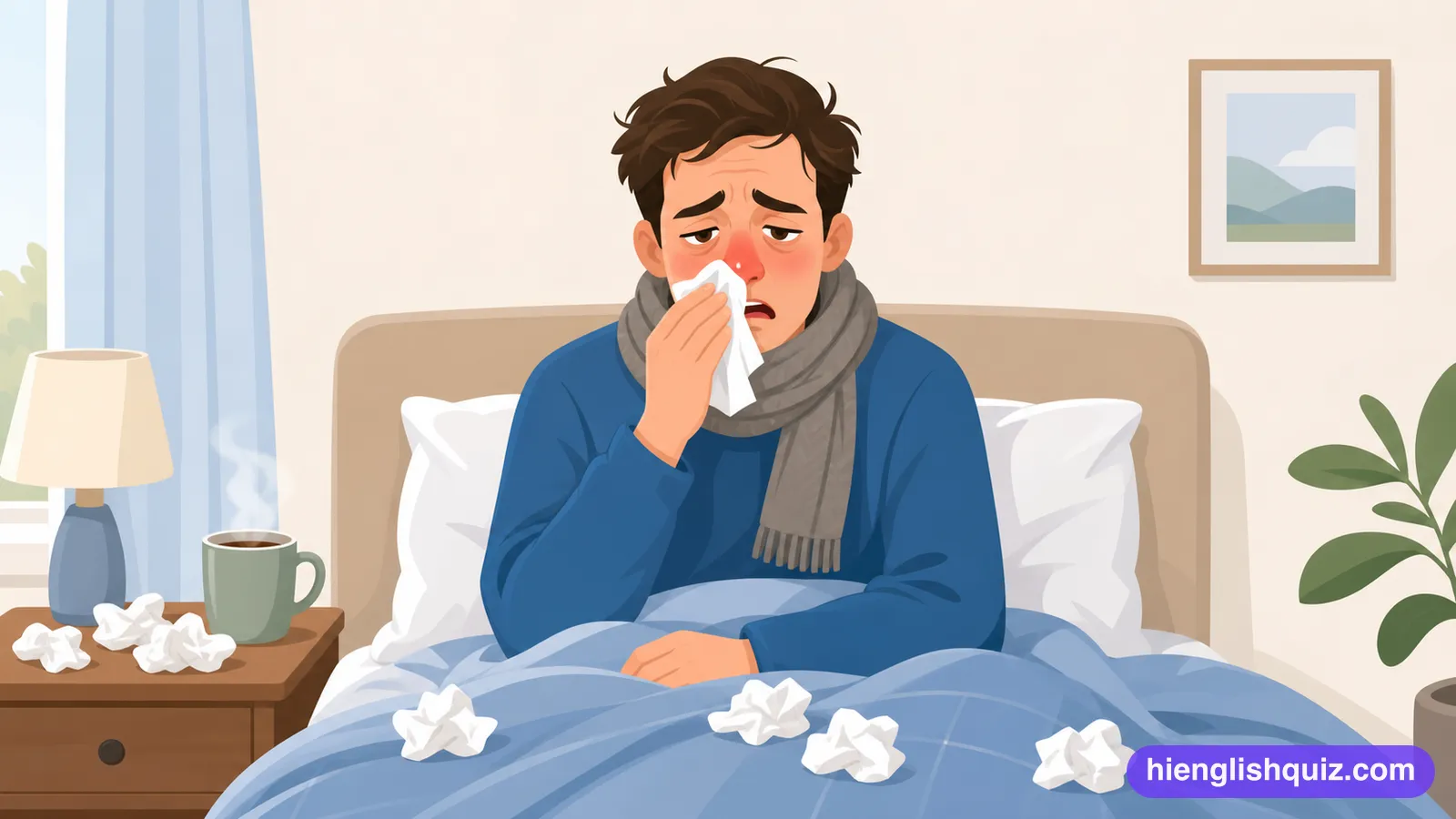
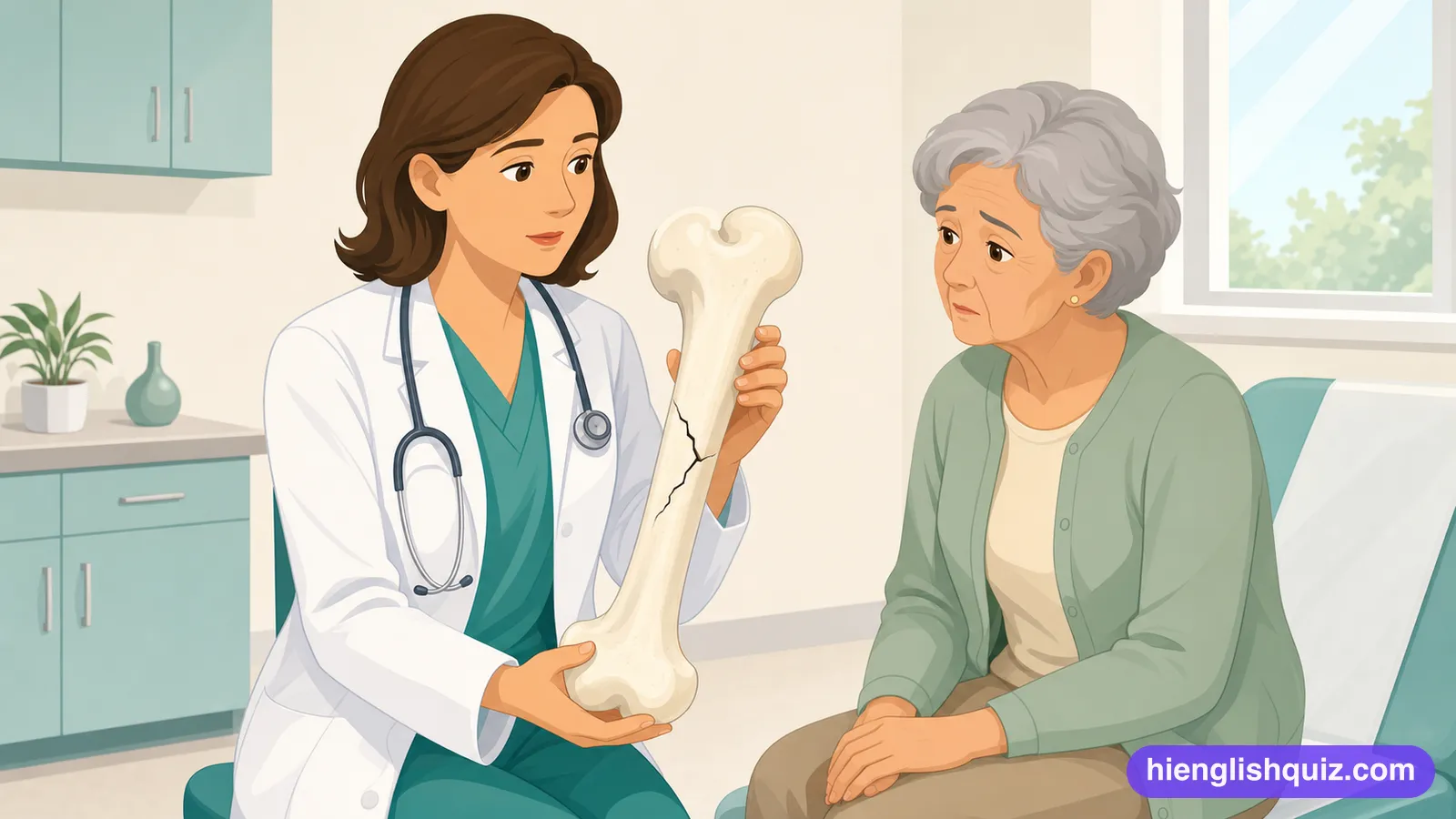
Hard but easily broken or cracked, as bones can become with age.
Example: Older people often have brittle bones and break them easily.
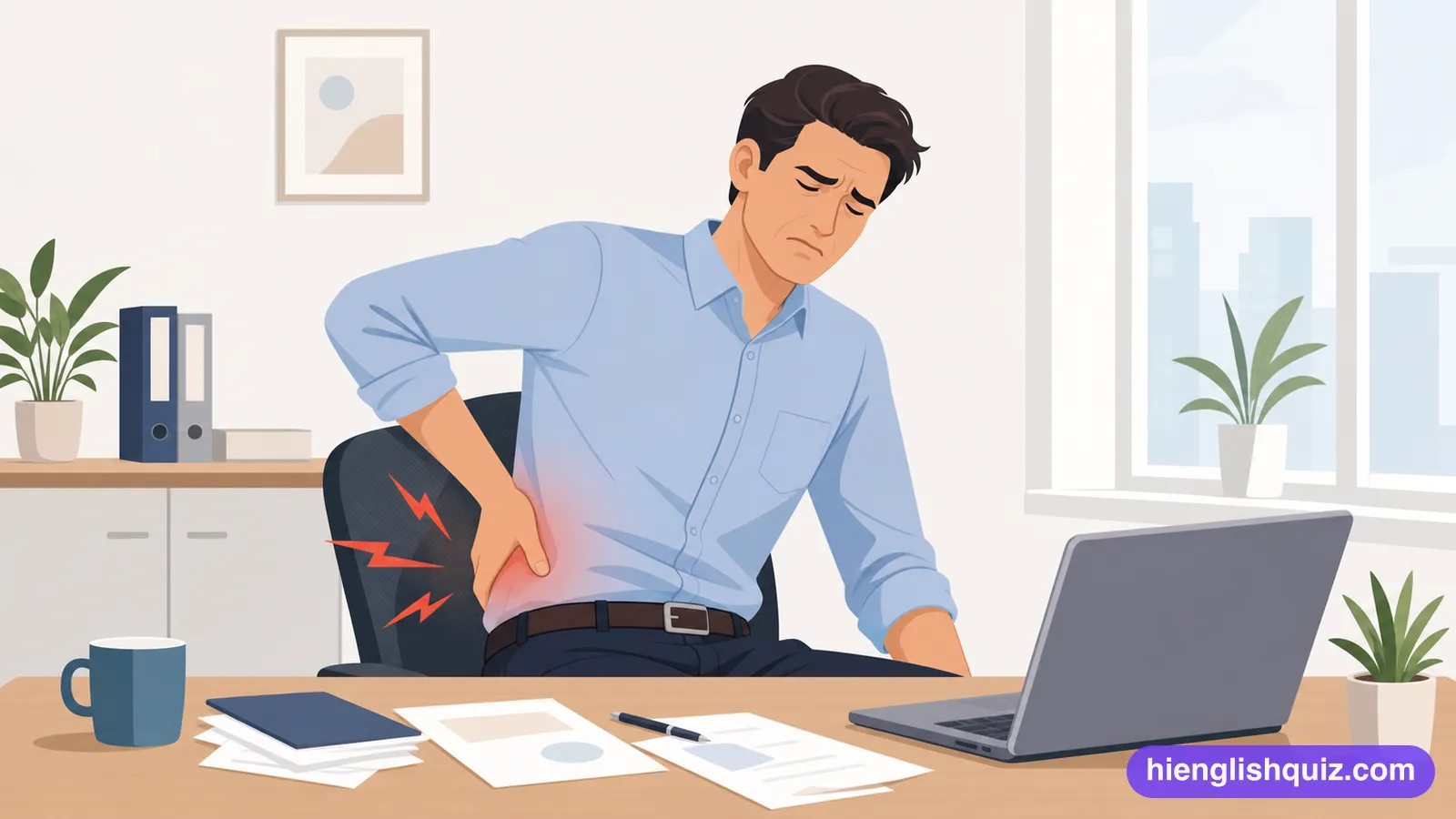
Mildly painful in a way that keeps coming back and bothering you.
Example: I have a nagging pain in my lower back.
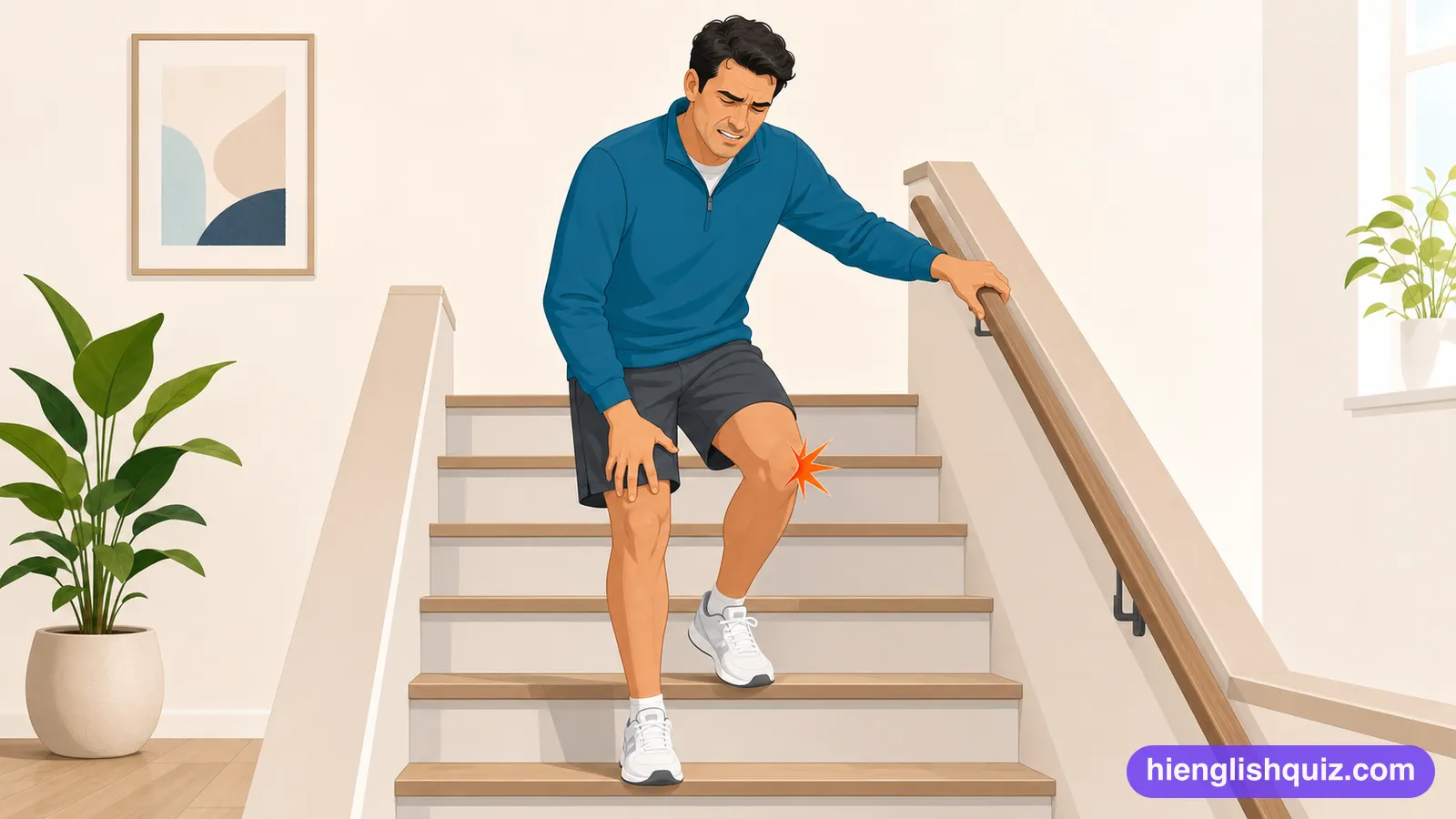
A sudden short sharp pain that quickly passes.
Example: I felt a sharp twinge in my knee going upstairs.
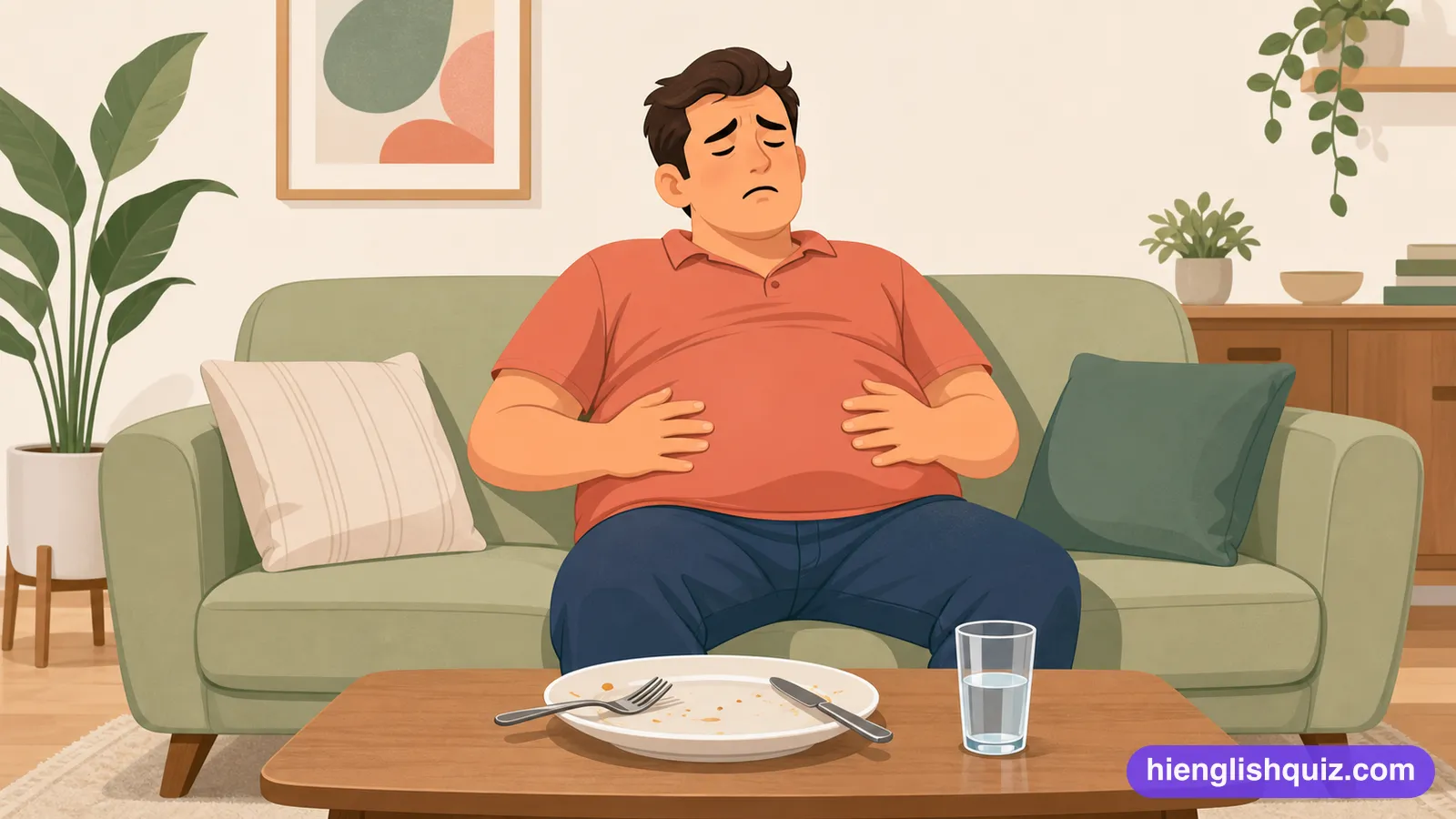
Feeling uncomfortably full and tight around the stomach, usually after eating too much.
Example: I always feel bloated after a big bowl of pasta.
Feeling slow and completely without energy.
Example: The heat left everyone feeling lethargic all afternoon.
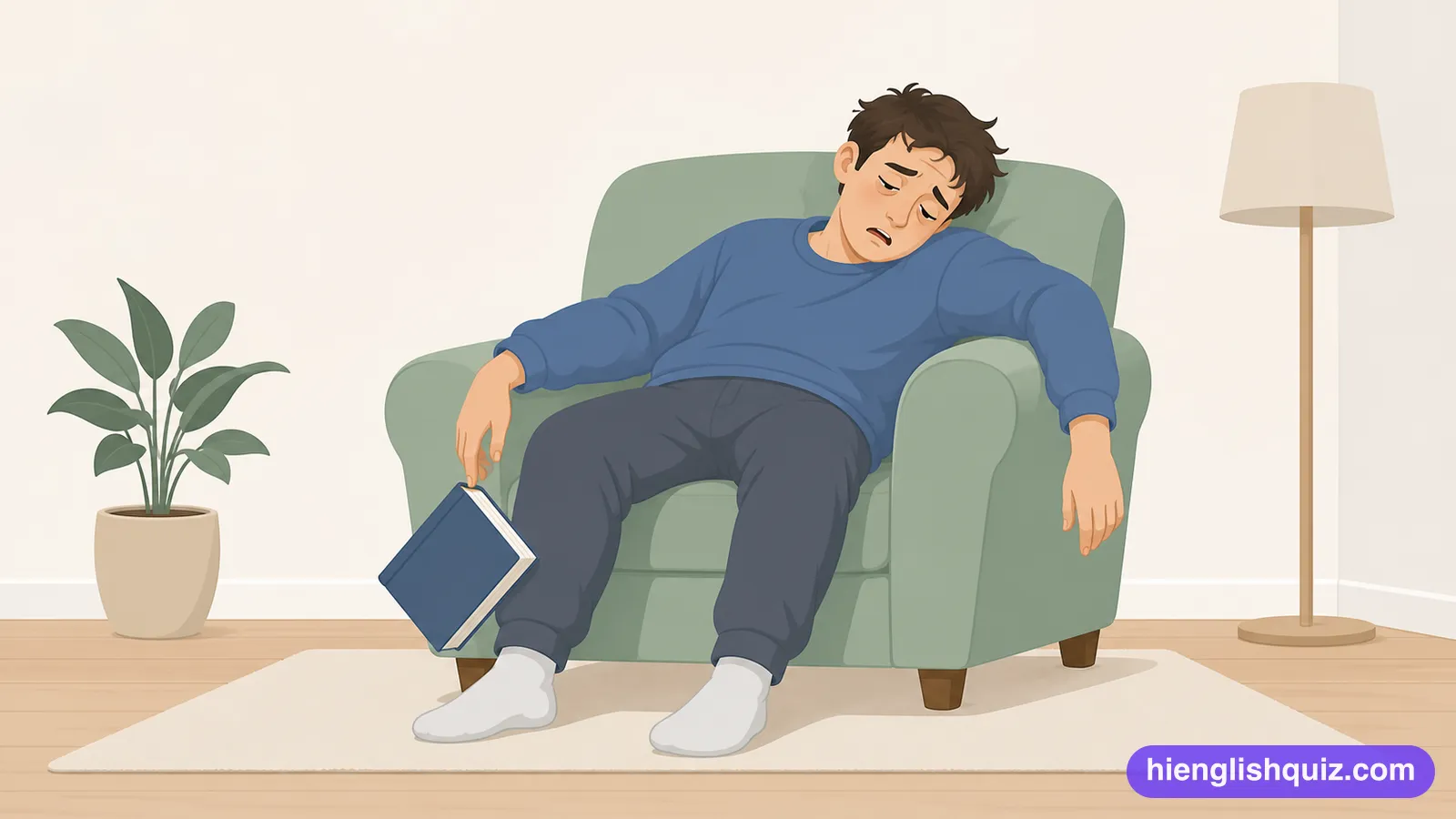
Describing pain or an illness that is severe but does not last very long.
Example: She was rushed to hospital with acute stomach pain.
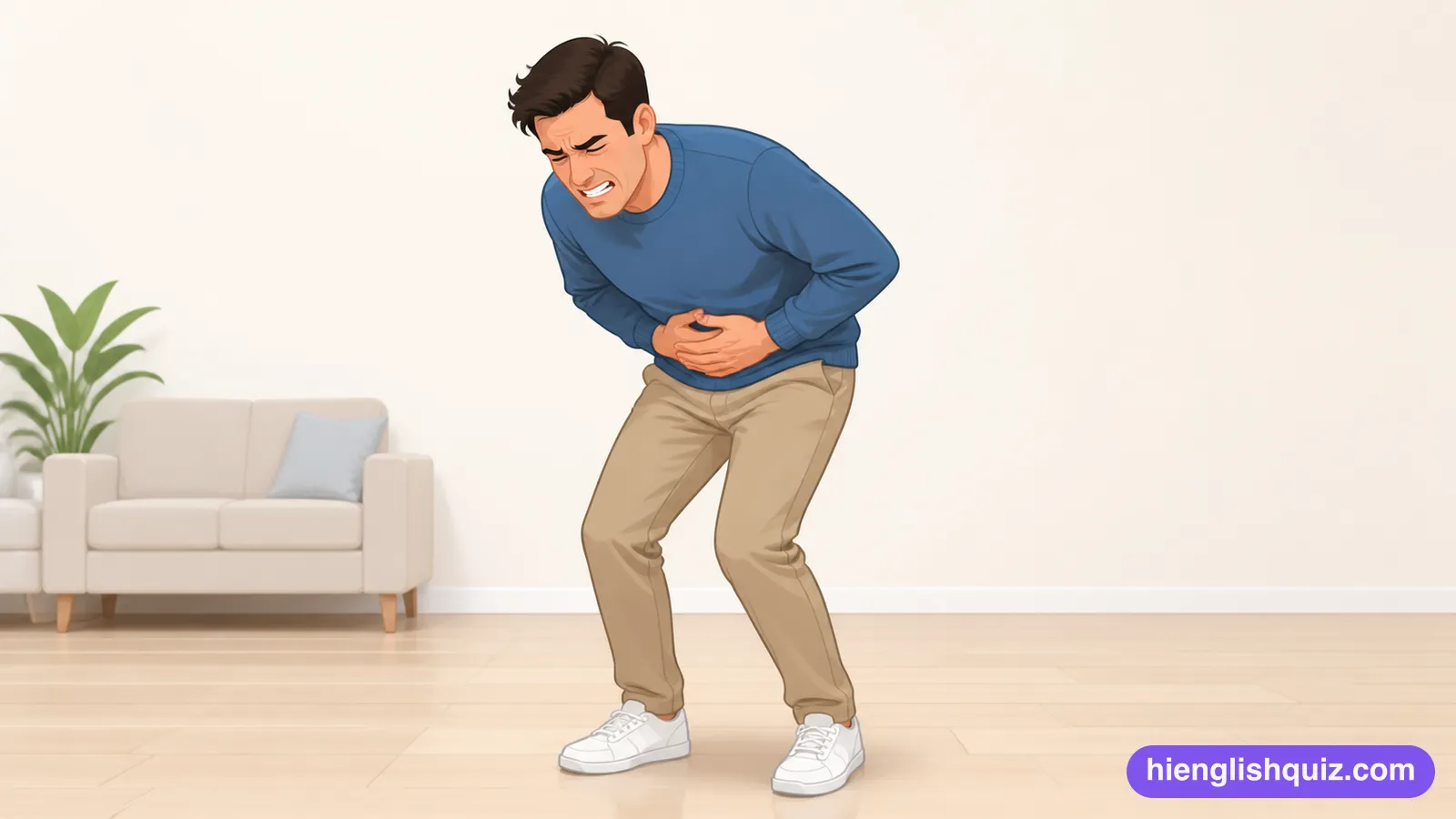
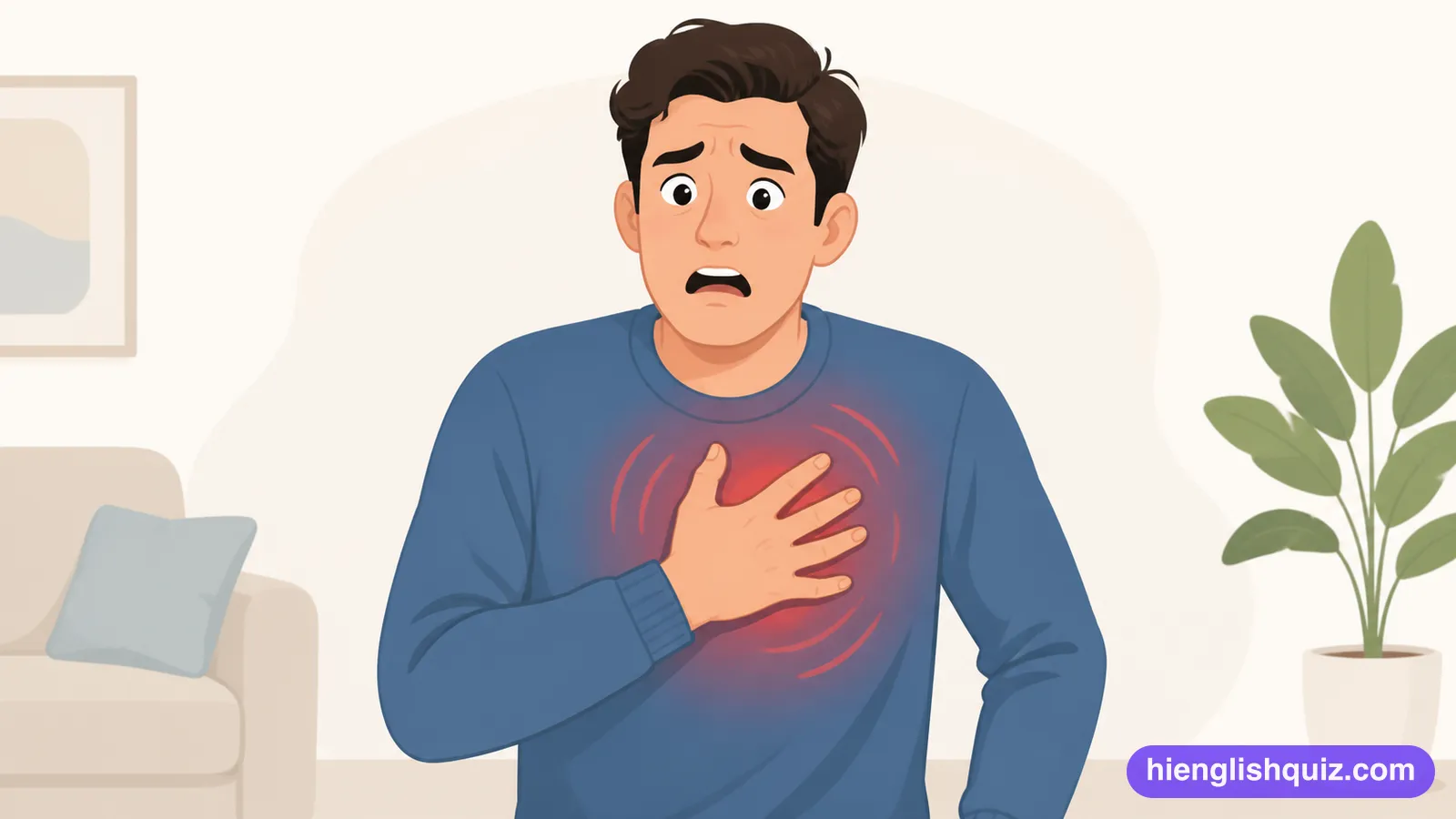
A sensation of your heart beating very fast or irregularly.
Example: Too much coffee gives her palpitations.