endurance
/ˈɛndərəns/The ability to keep going at physical effort for a long time without stopping.
Example: Marathon training is all about endurance, not speed.

 Hi EnglishQuiz
C120 words · Advanced
Exercise vocabulary for serious training, including endurance, a lunge, strenuous effort and the taper before a race, alongside the discipline and willpower that decide whether it holds.
The ability to keep going at physical effort for a long time without stopping.
Example: Marathon training is all about endurance, not speed.
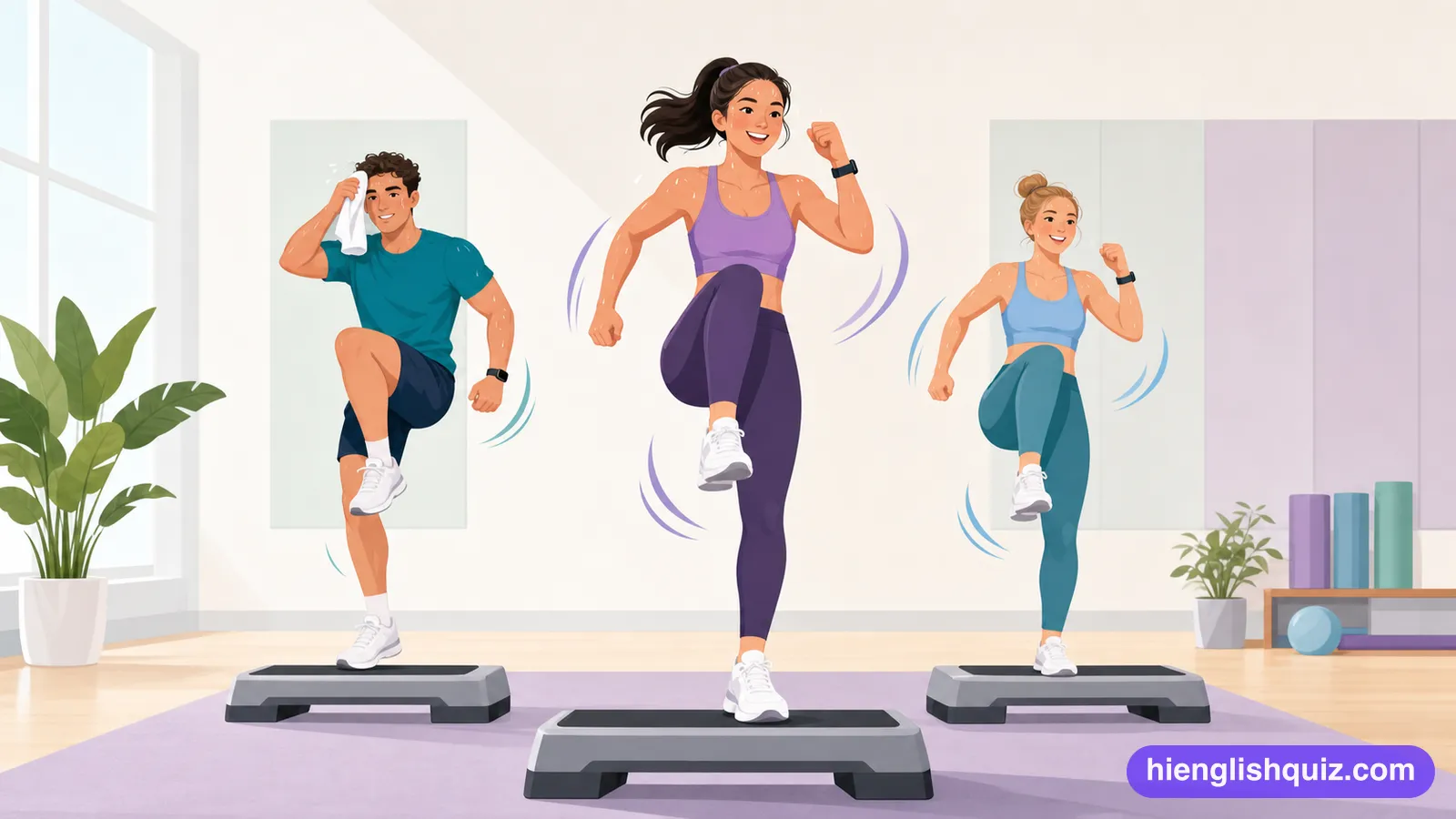
Involving steady exercise that raises your heart rate and breathing.
Example: Swimming counts as aerobic exercise if you keep the pace up.
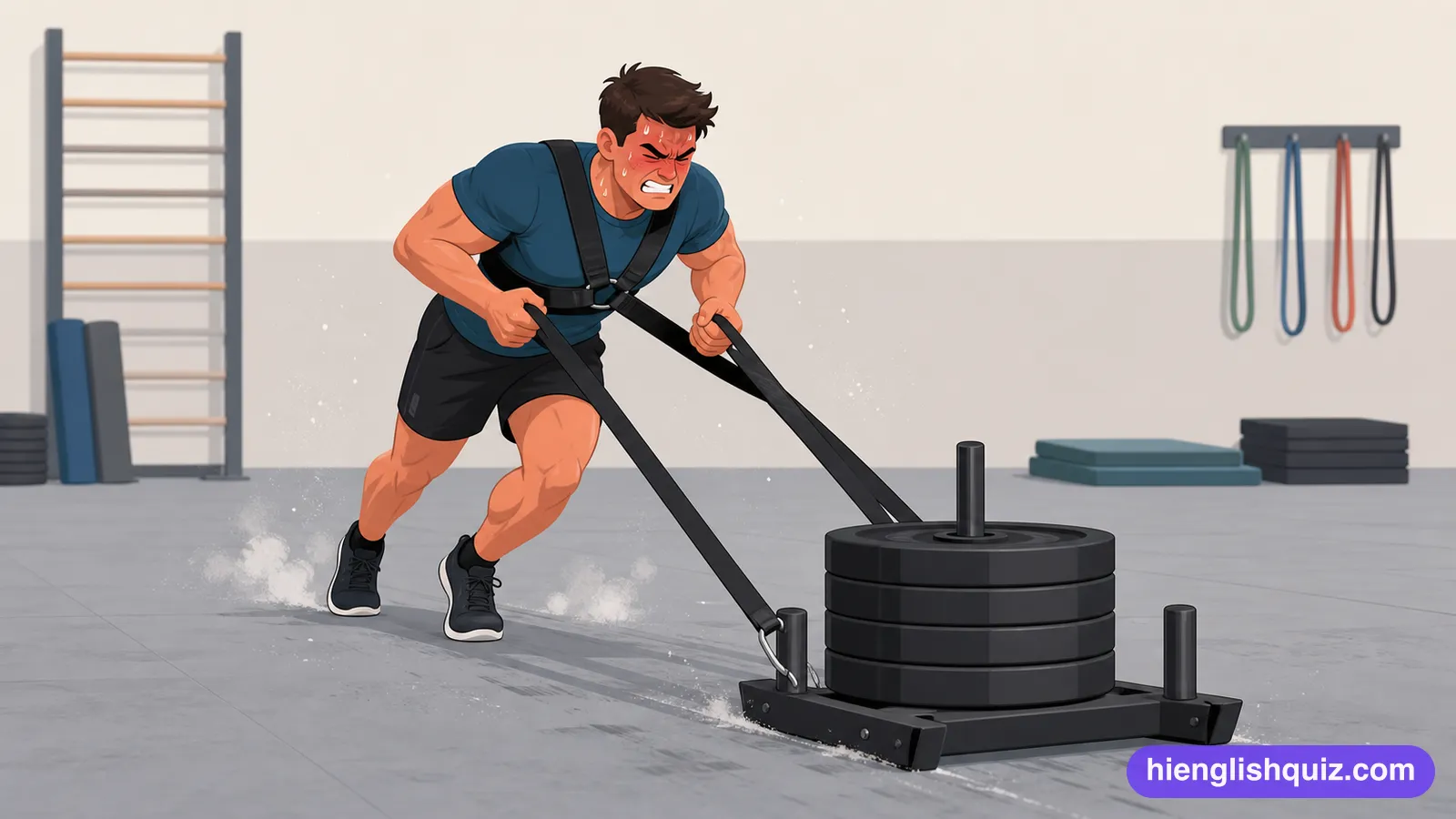
Needing great physical effort and leaving you exhausted afterwards.
Example: The doctor told him to avoid anything strenuous for a fortnight.
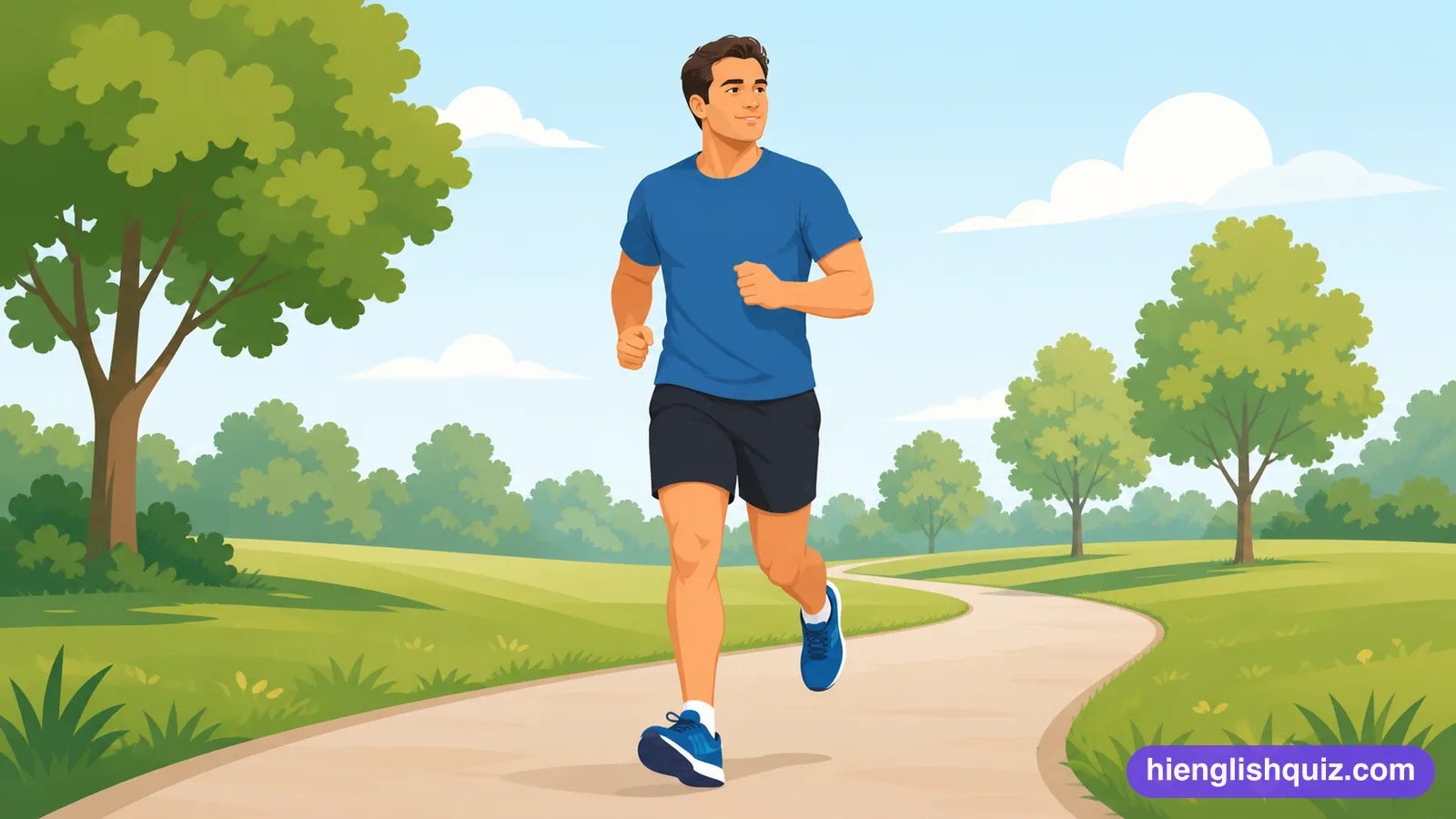
Quick and full of energy, especially of walking done at a lively pace.
Example: A brisk walk before breakfast wakes me up properly.

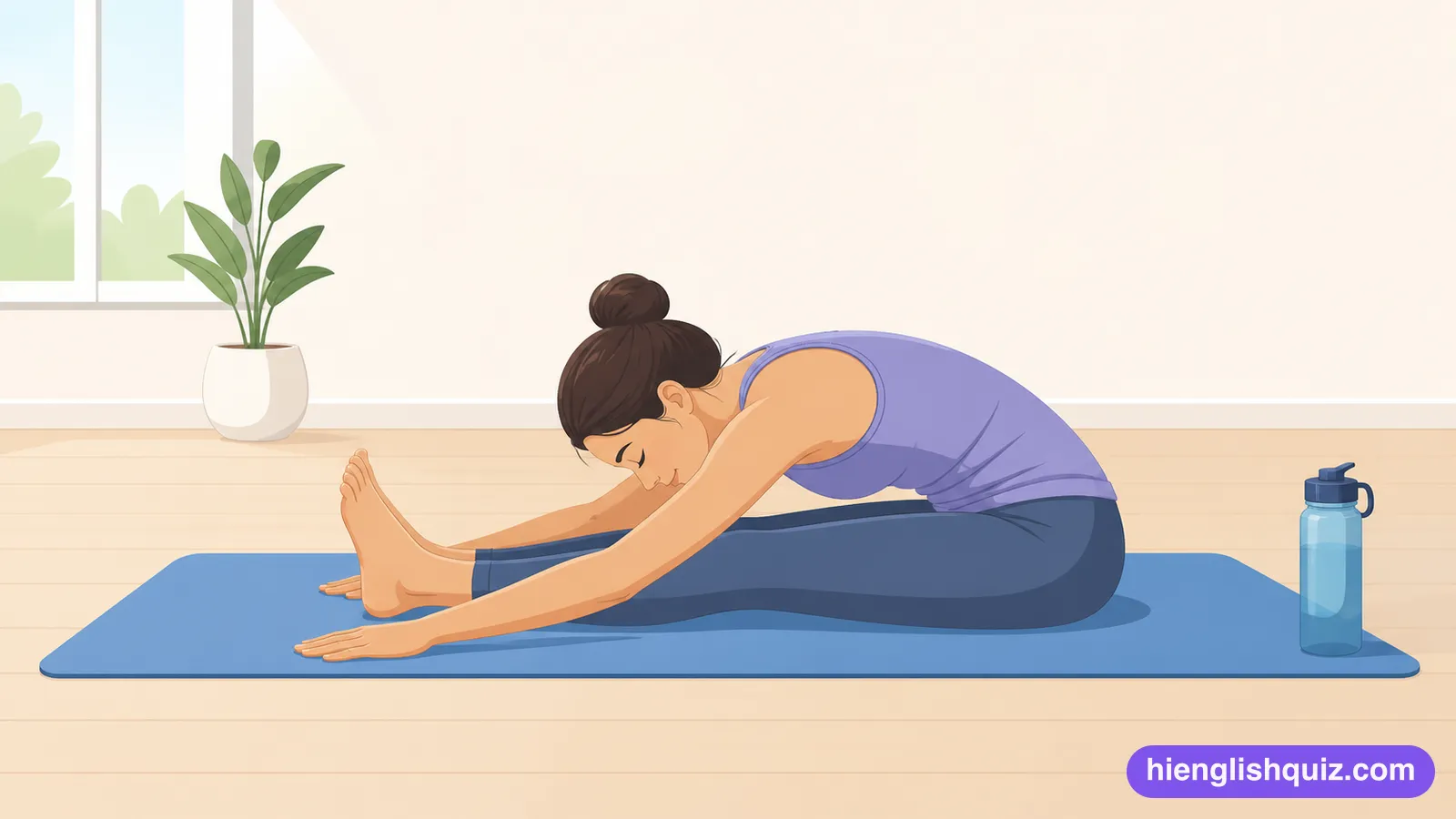
How easily your body can bend and move without pain or stiffness.
Example: Six months of stretching and my flexibility is completely different.
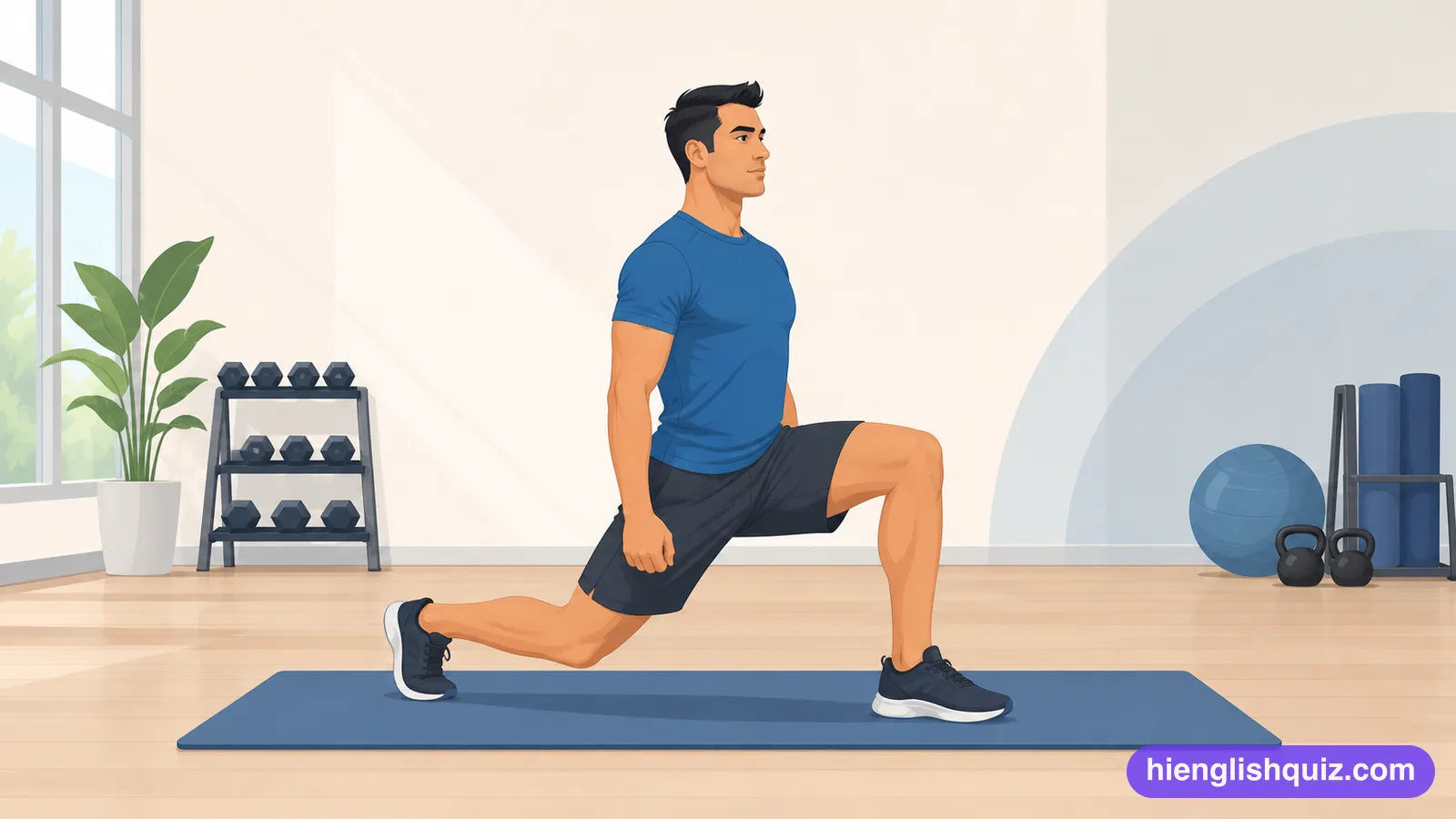
An exercise in which you step forward and bend your front knee deeply.
Example: Finish the set with ten lunges on each leg.
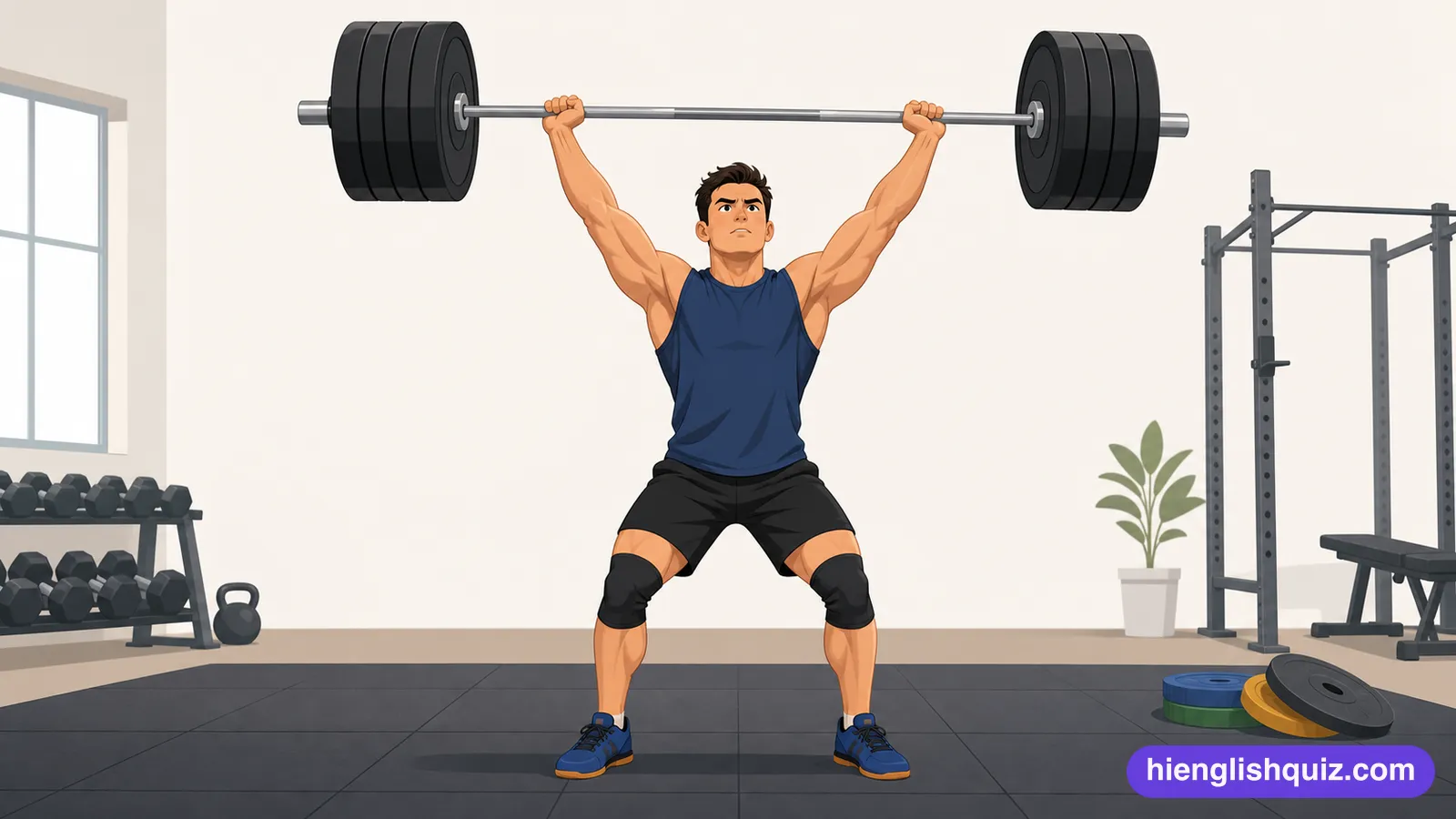
Involving a lot of physical strength and energy.
Example: Doctors recommend thirty minutes of vigorous exercise a day.

Relating to the heart and blood vessels, especially in the context of exercise that strengthens them.
Example: Running is excellent cardiovascular exercise.
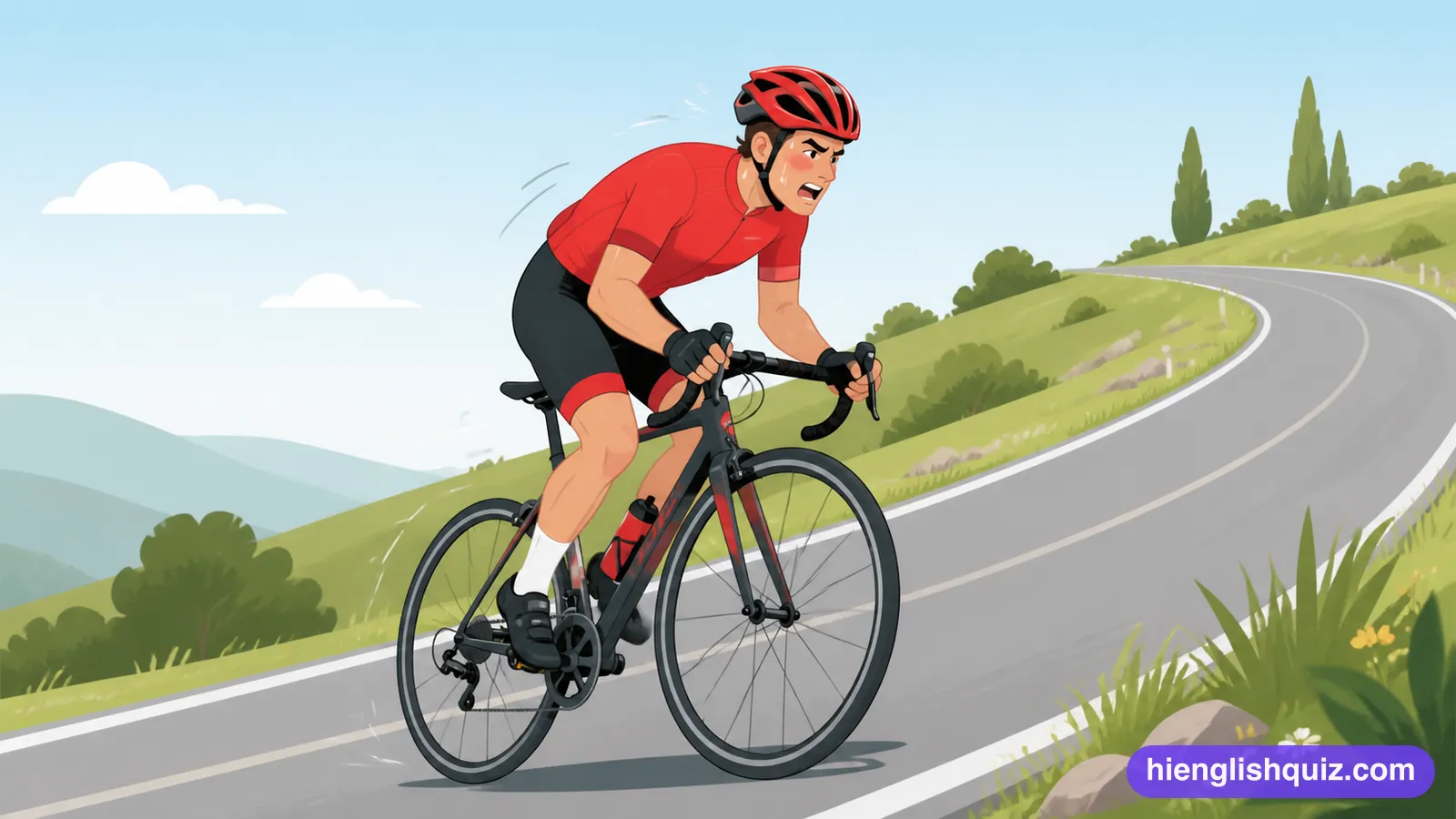
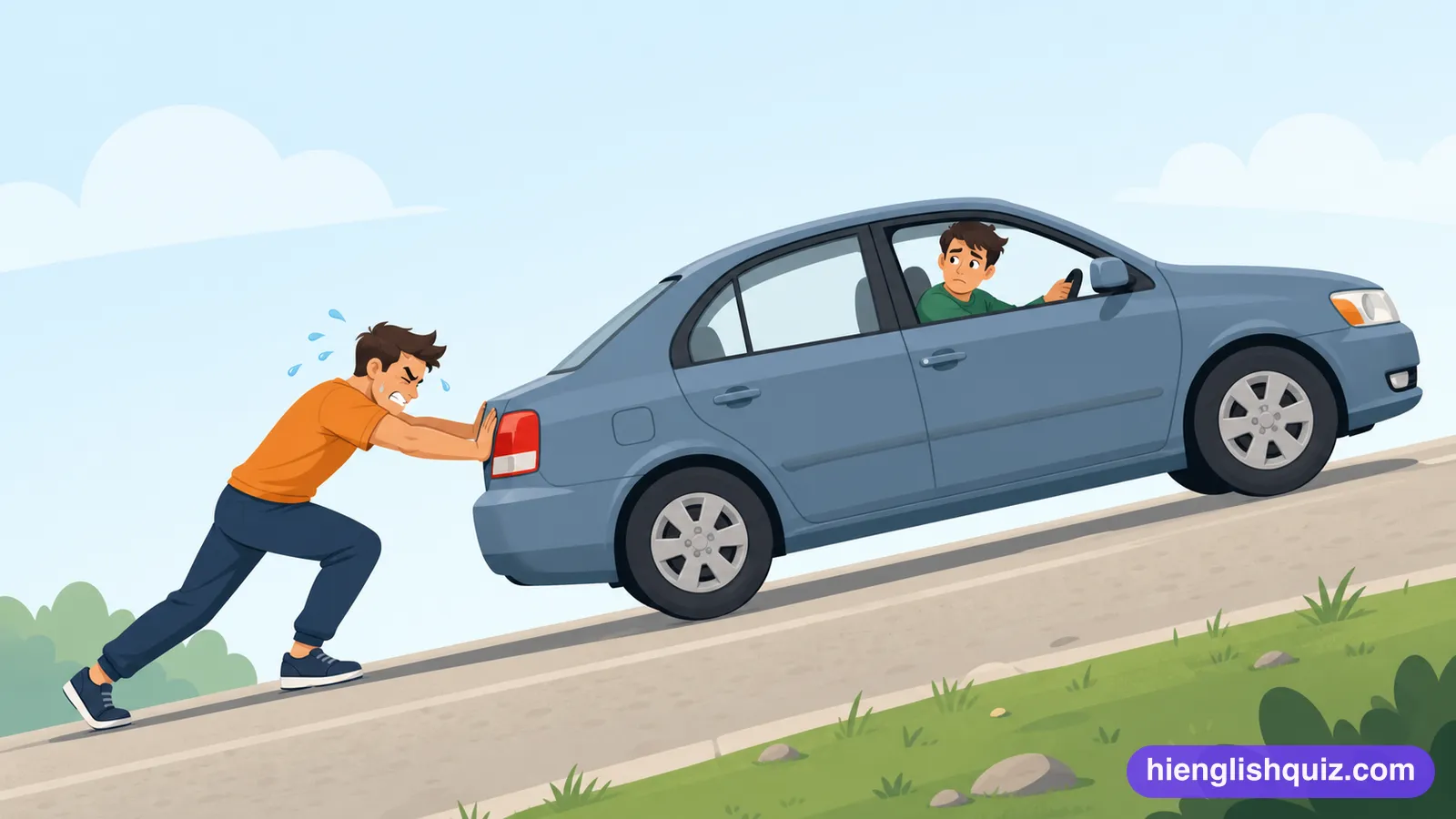
To make a physical or mental effort to do something.
Example: She had to exert herself to finish the last lap.

To gradually reduce the amount of training you do before an important race or event.
Example: Runners taper their training the week before a marathon.
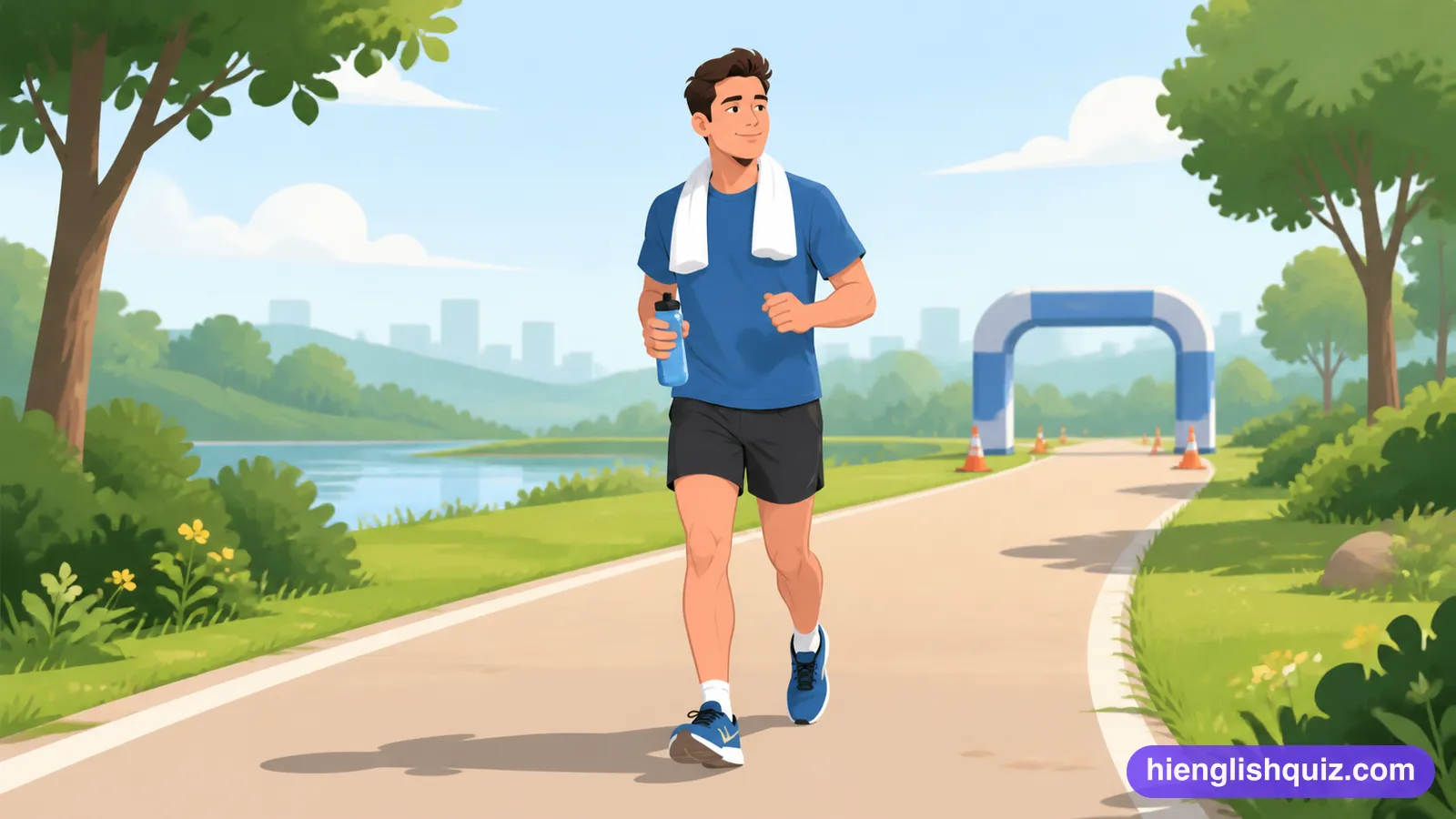
To take in enough water so that the body does not dry out.
Example: I didn't hydrate properly before the race and really felt it.
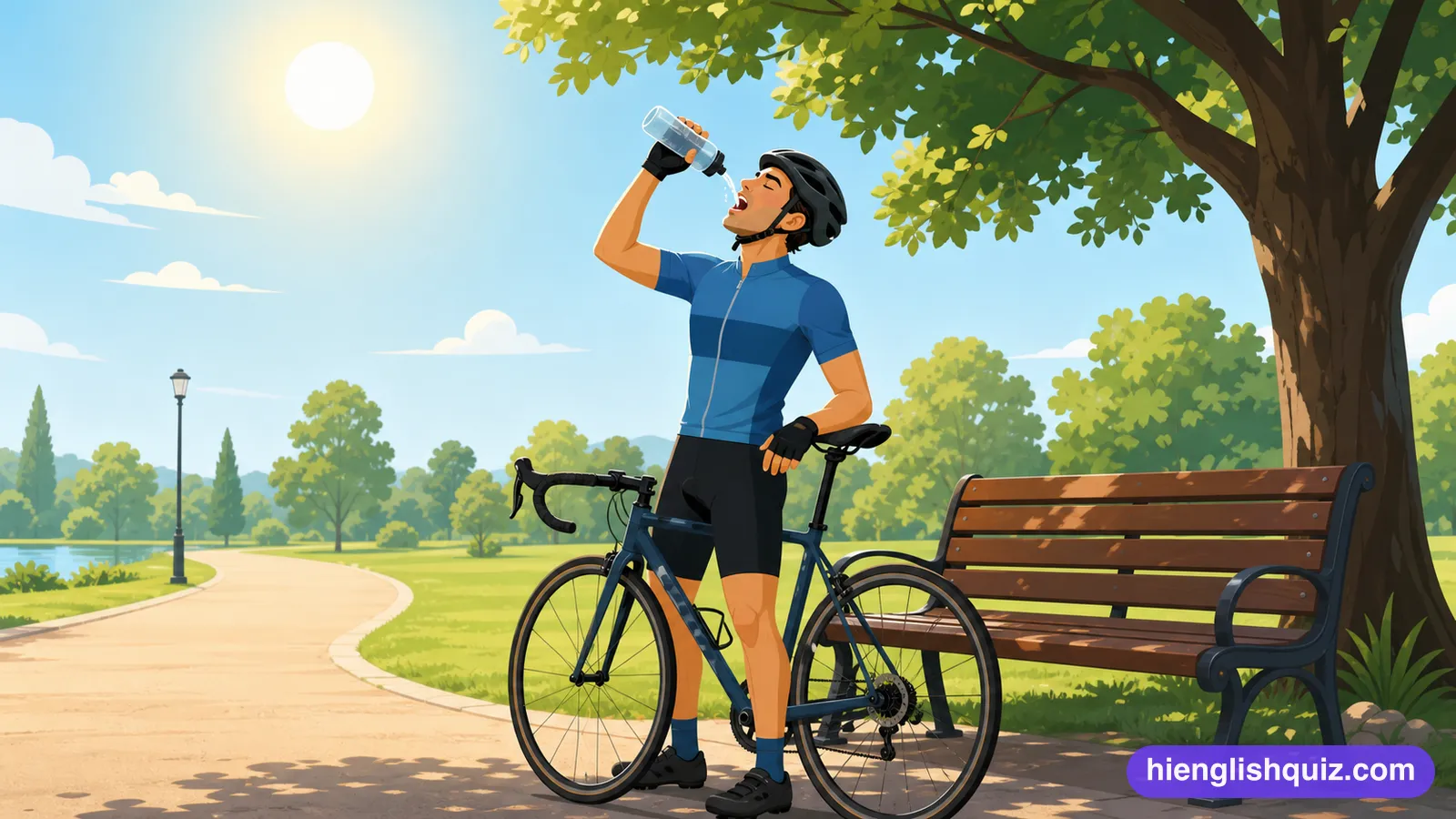
To let yourself enjoy something you normally hold back from, such as rich food.
Example: I indulge on Fridays and eat sensibly the rest of the week.

The unpleasant physical effects felt when someone stops taking a drug they depend on.
Example: He suffered badly from withdrawal in the first week.
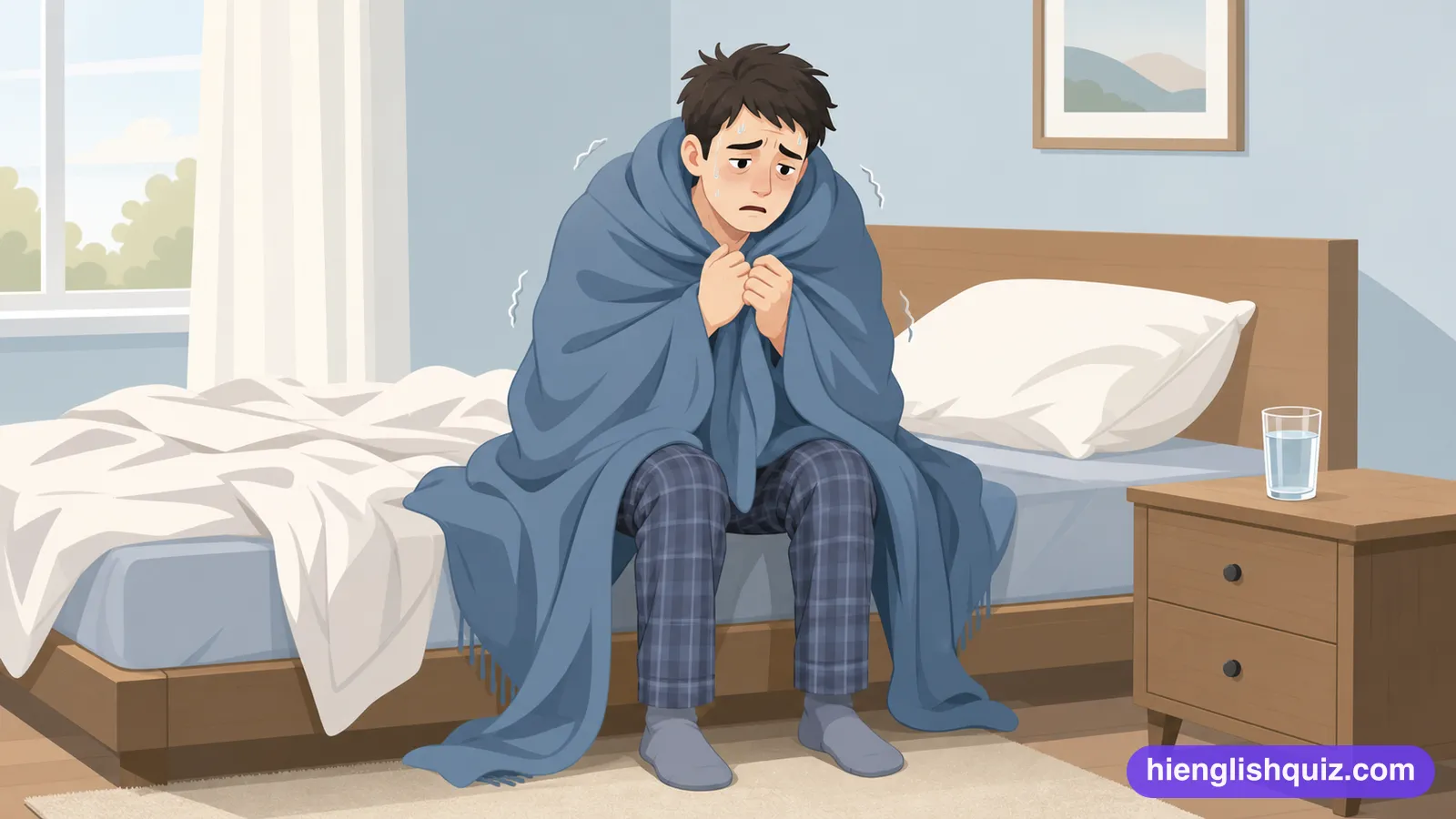
A substance in food that the body needs in order to grow and stay well.
Example: Steaming vegetables keeps more of their nutrients.

A lack of something, such as a vitamin or mineral, that your body needs.
Example: A vitamin D deficiency can make you feel tired.

Considering the whole person, including body and mind, rather than just physical symptoms.
Example: The clinic takes a holistic approach to health.

The ability to train yourself to behave or work in a controlled and consistent way.
Example: It takes real discipline to exercise every morning.

The ability to control yourself and stop yourself from doing something you want to do, especially something unhealthy.
Example: It takes willpower to say no to dessert every night.

The ability to recover quickly from difficulty and keep going under pressure.
Example: Kids show extraordinary resilience after a move like that.

The condition of regularly being unable to fall asleep or stay asleep at night.
Example: Her insomnia got worse after she started the new job.