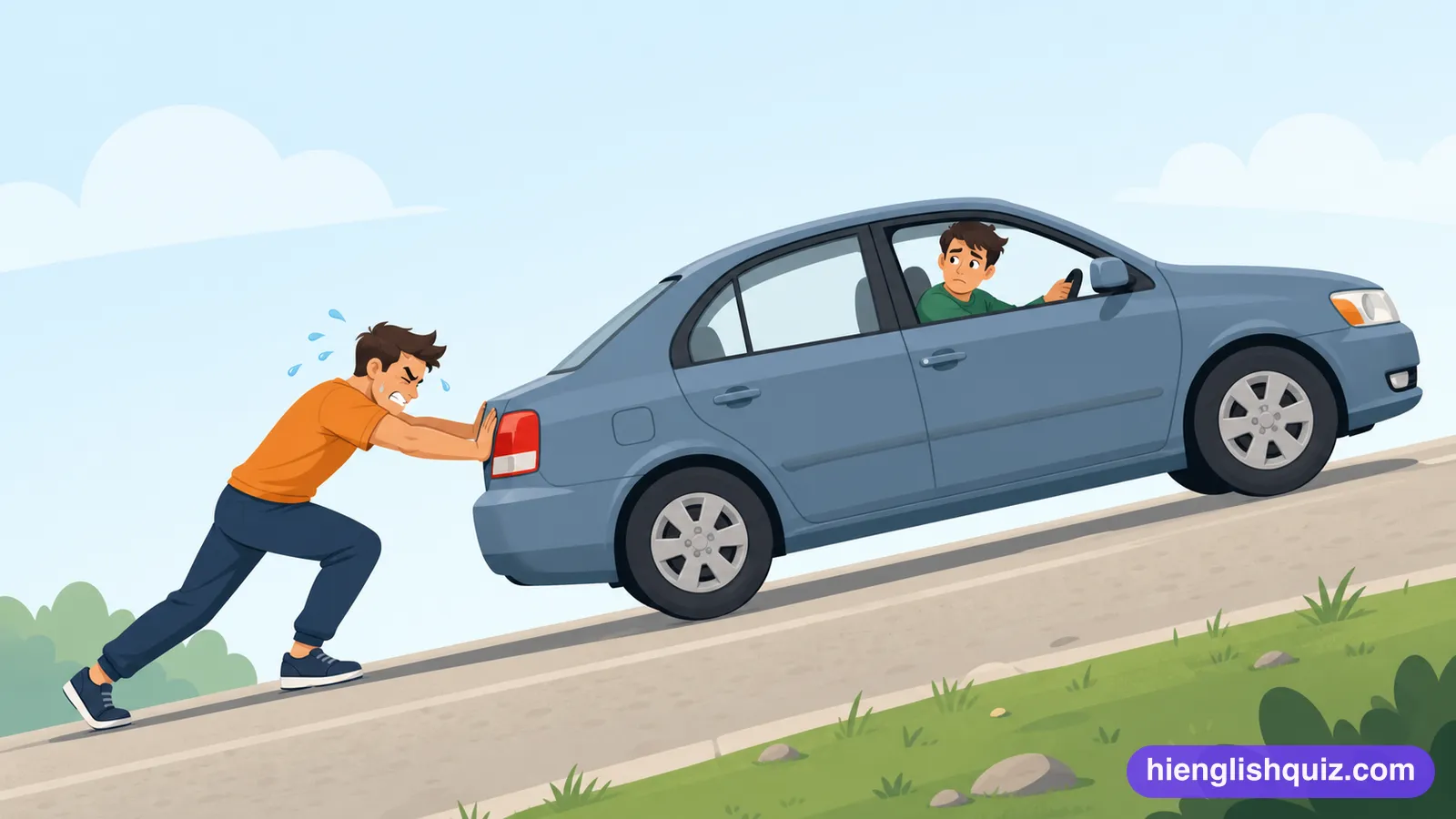
ailment
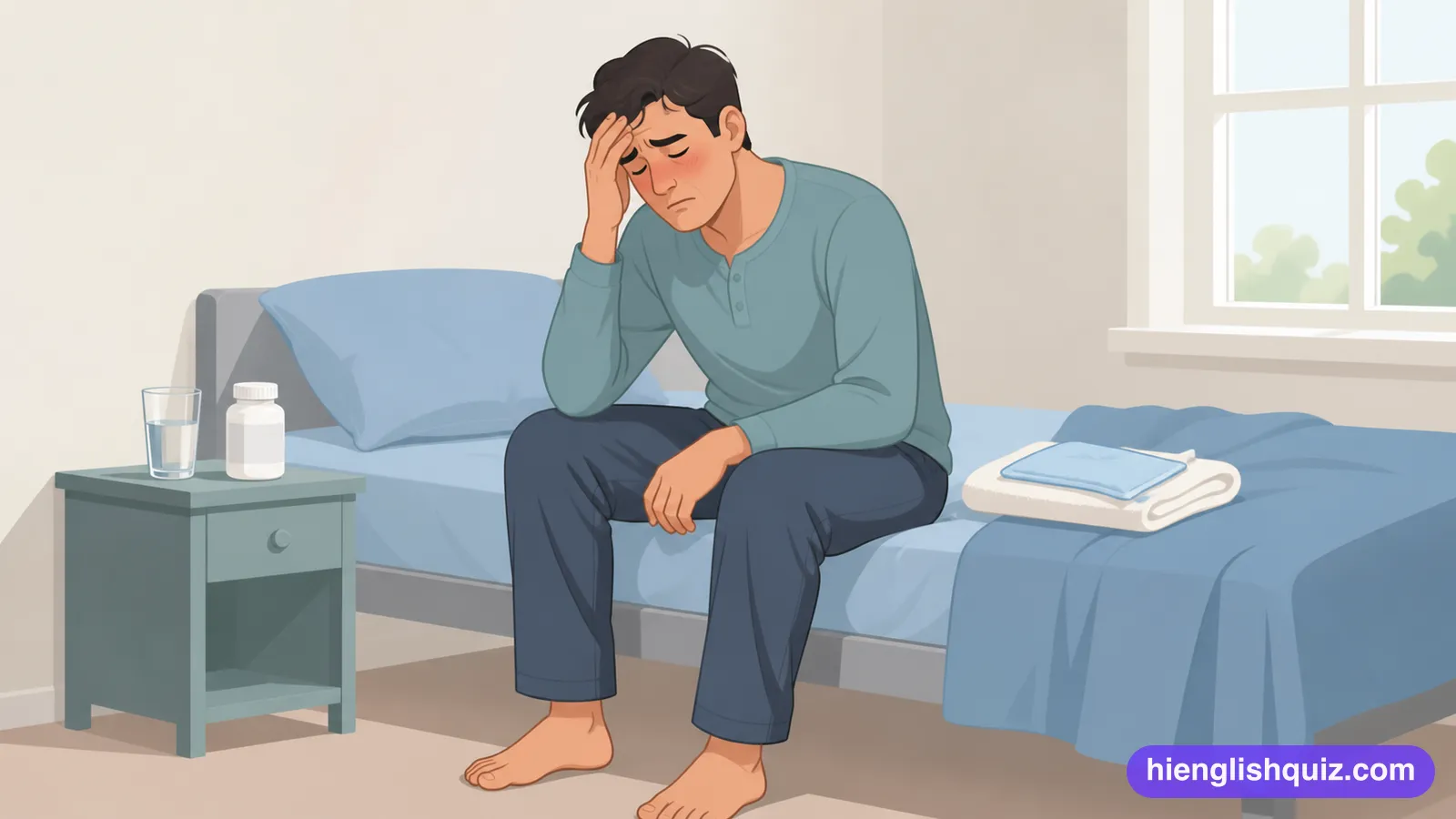
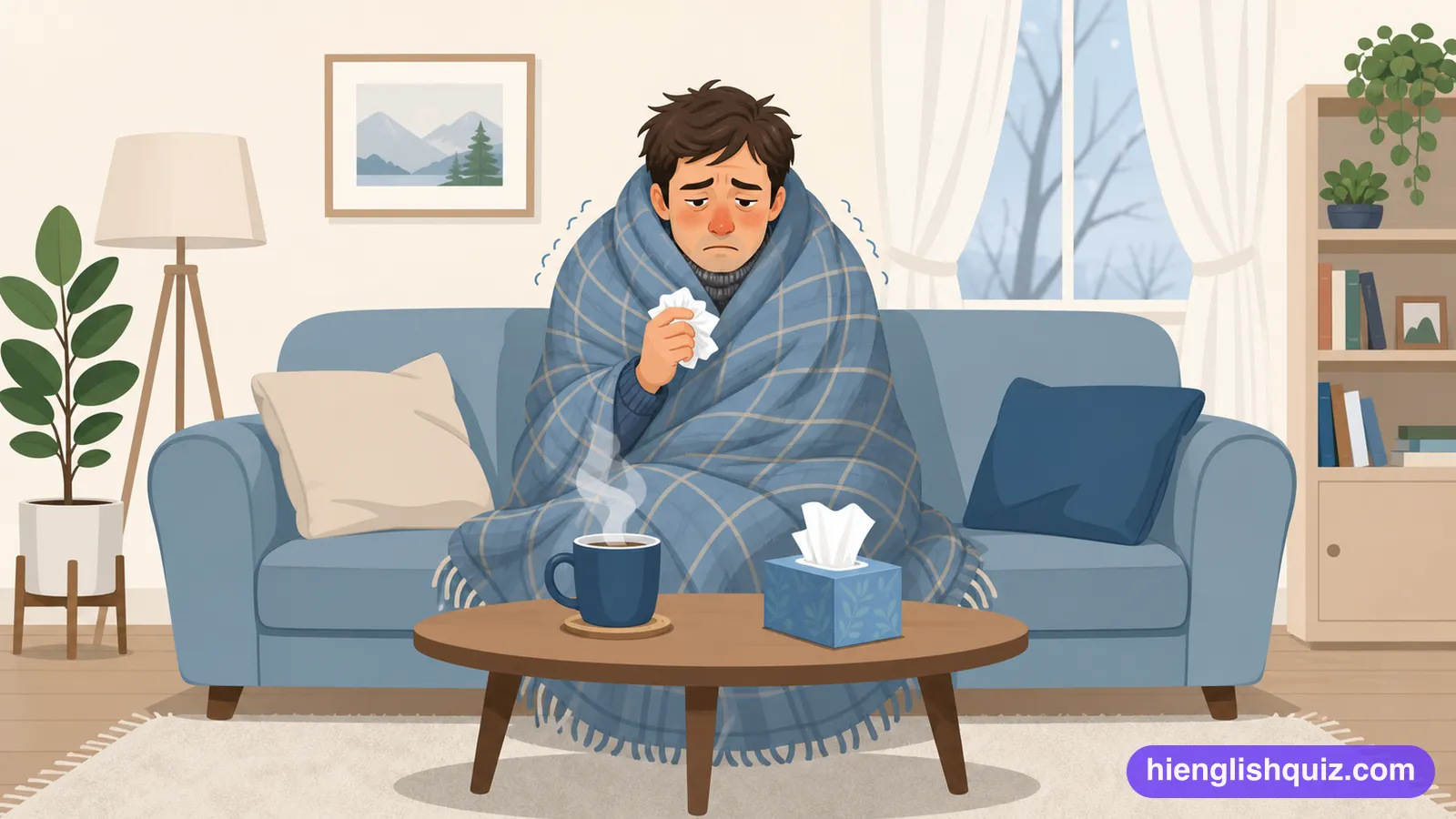
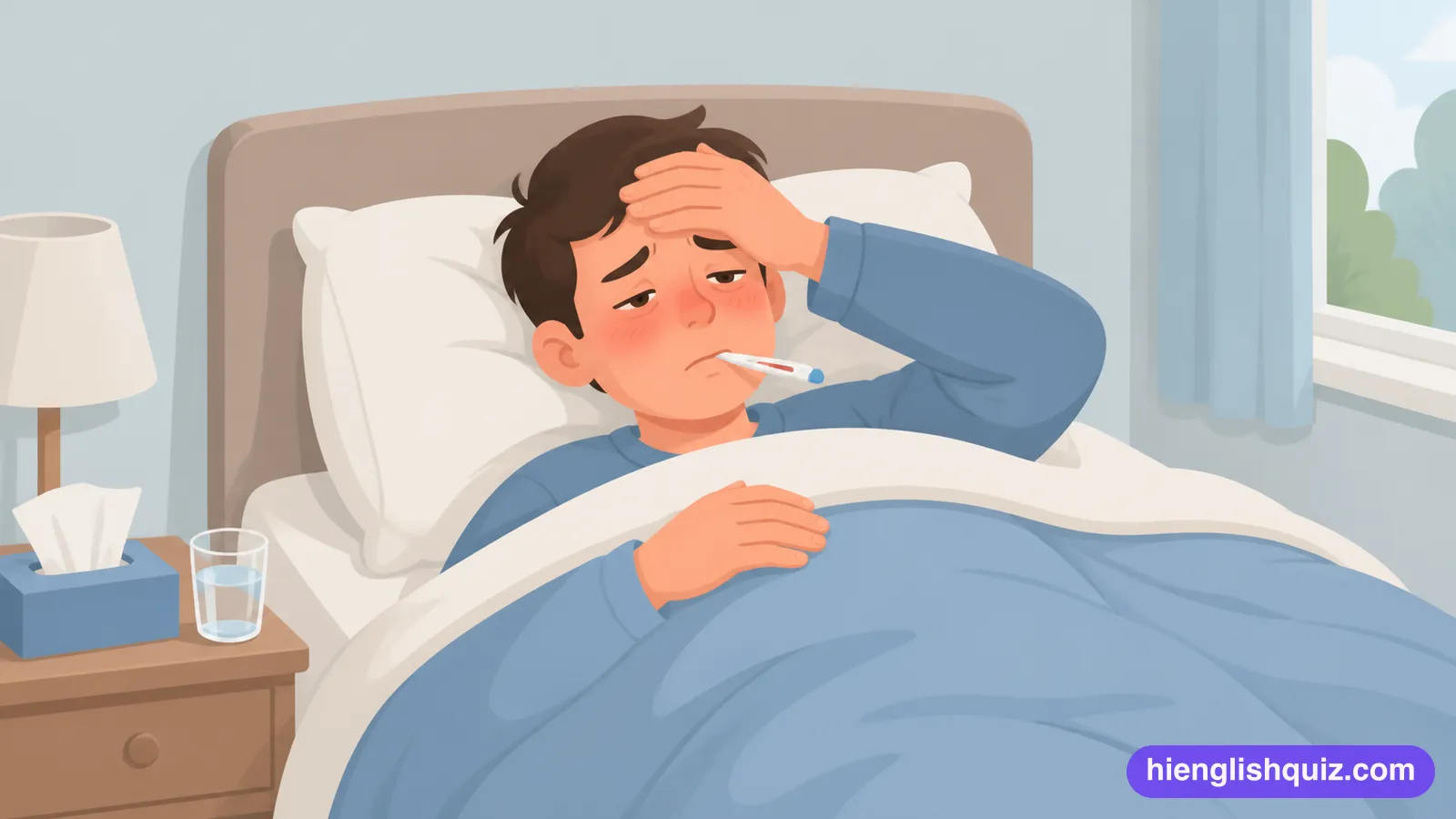
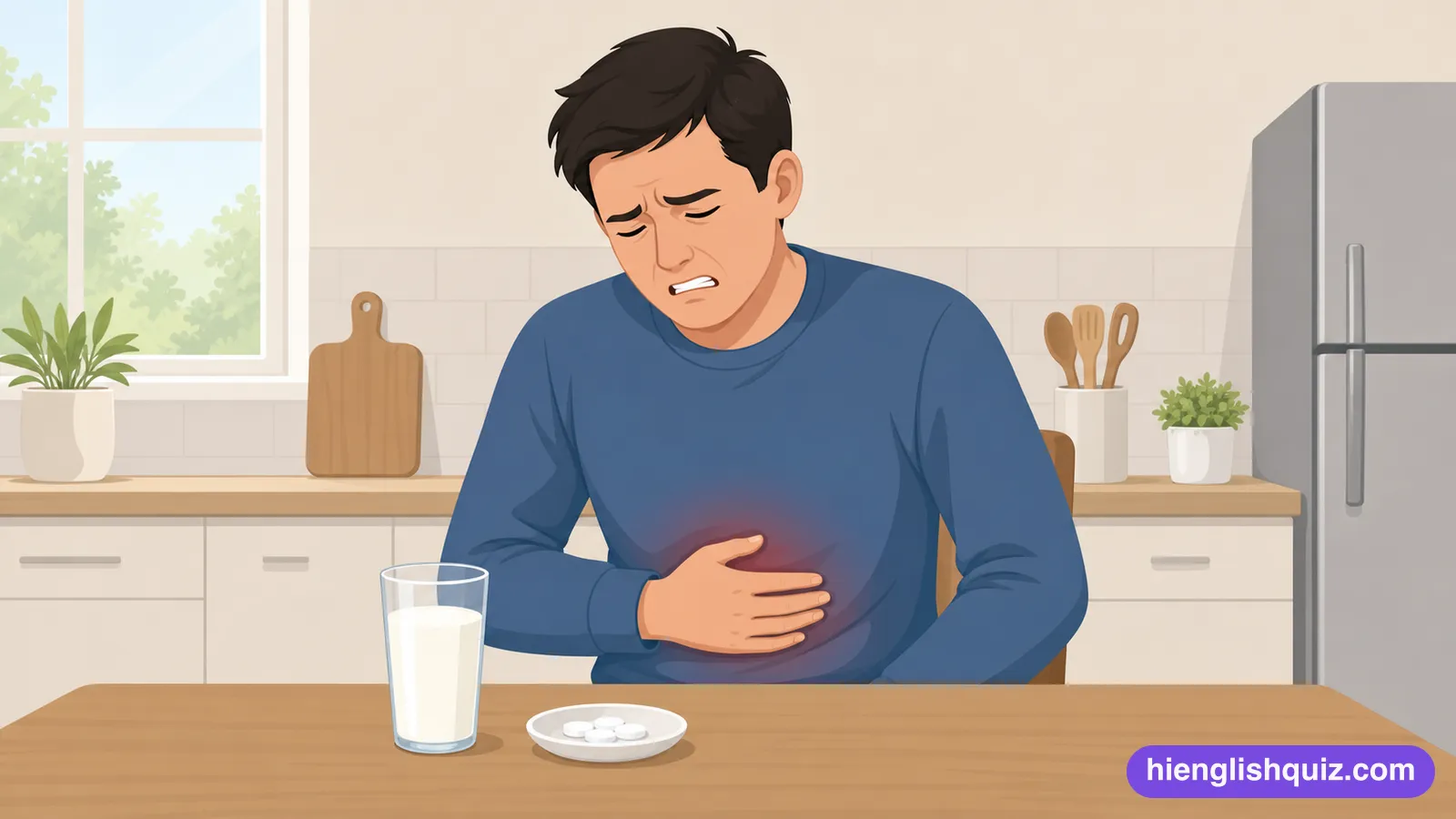
/ˈeɪlmənt/A minor illness or health problem that is not serious.
Example: My grandmother has a remedy for every small ailment.
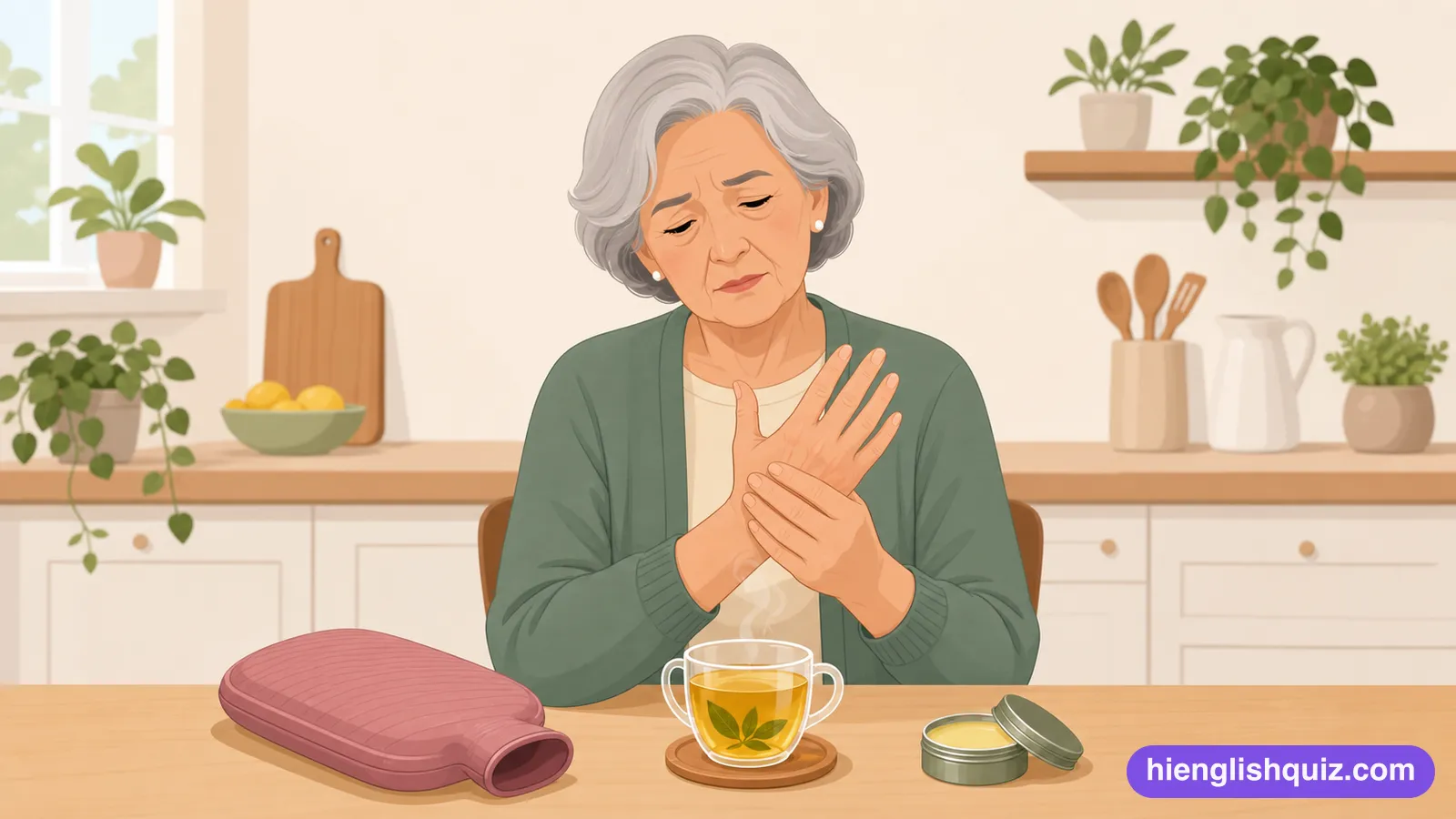
 Hi EnglishQuiz
C222 words · Proficient
Illness vocabulary for disease described the way a doctor or an epidemiologist would, including congenital, degenerative, a pandemic and an asymptomatic carrier, plus symptoms like vertigo and malaise.
A minor illness or health problem that is not serious.
Example: My grandmother has a remedy for every small ailment.
A period when a serious disease has eased and its effects disappear, perhaps only for a time.
Example: Her cancer has been in remission for three years now.

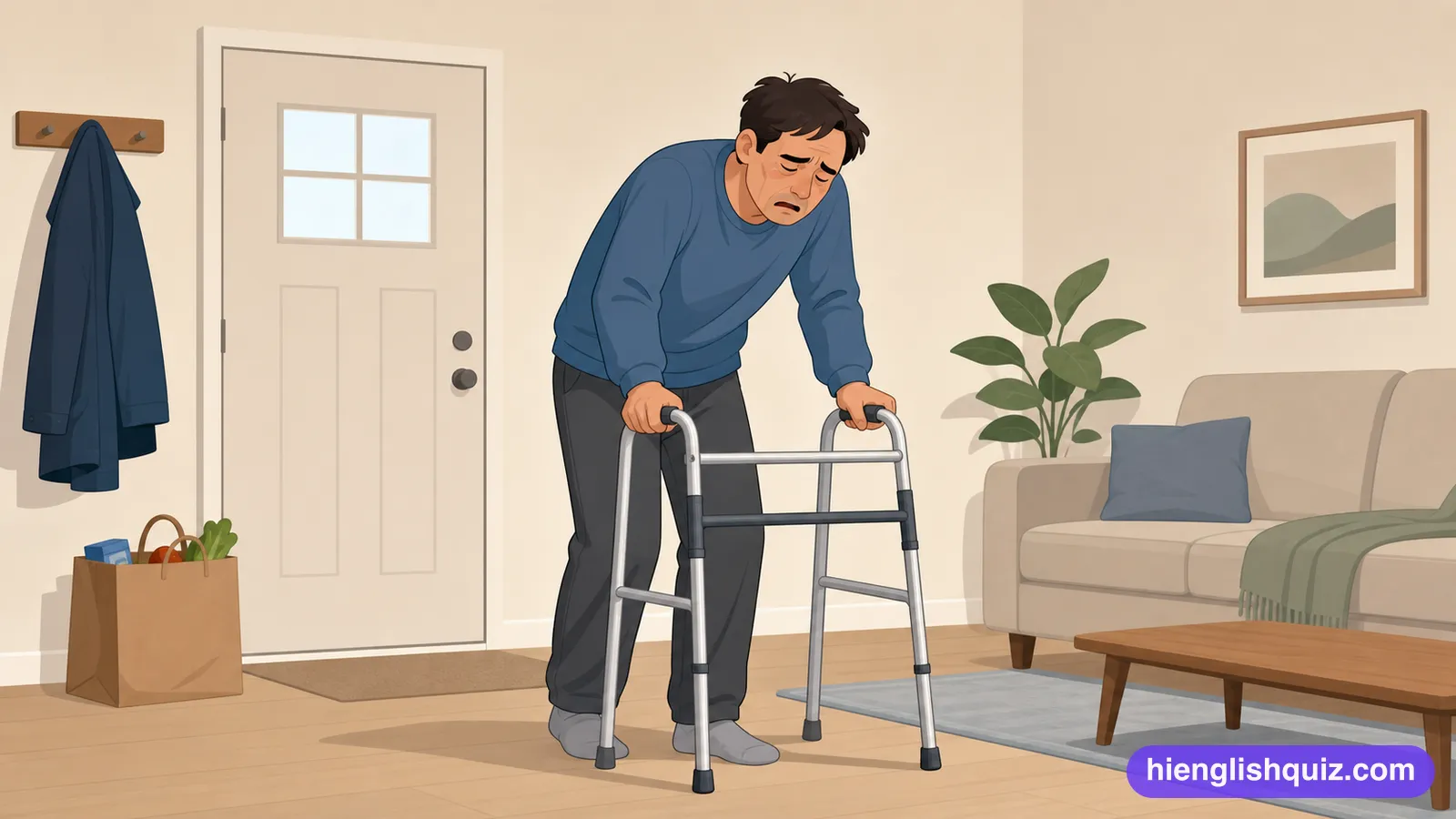
So severe that it leaves you weak and unable to live normally.
Example: The migraines were so debilitating that she left her job.
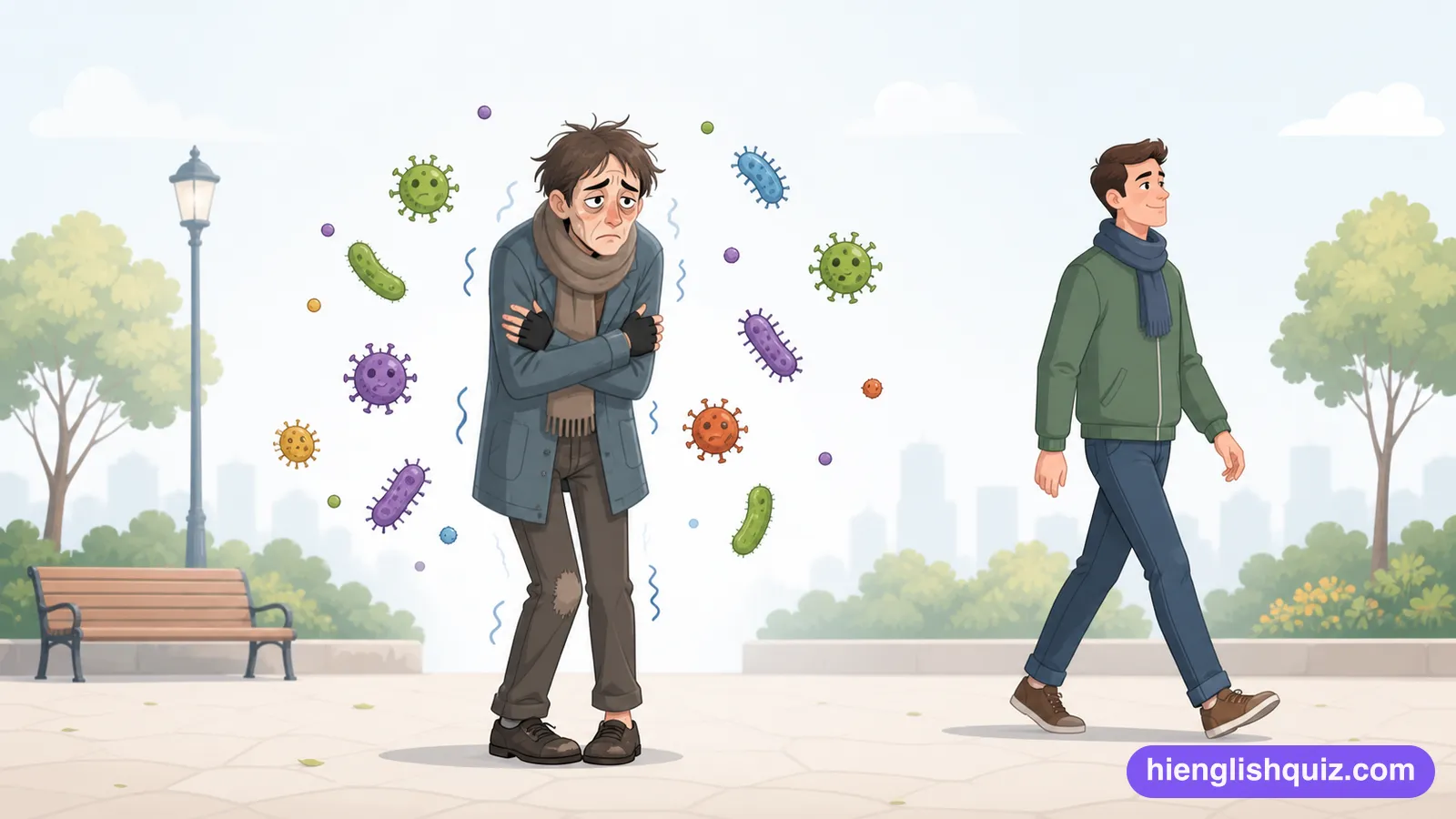
Easily affected or harmed by something, such as an infection or cold weather.
Example: Older patients are more susceptible to chest infections in winter.
Having an infection or disease without showing any signs of it.
Example: Many people who caught the virus were completely asymptomatic.

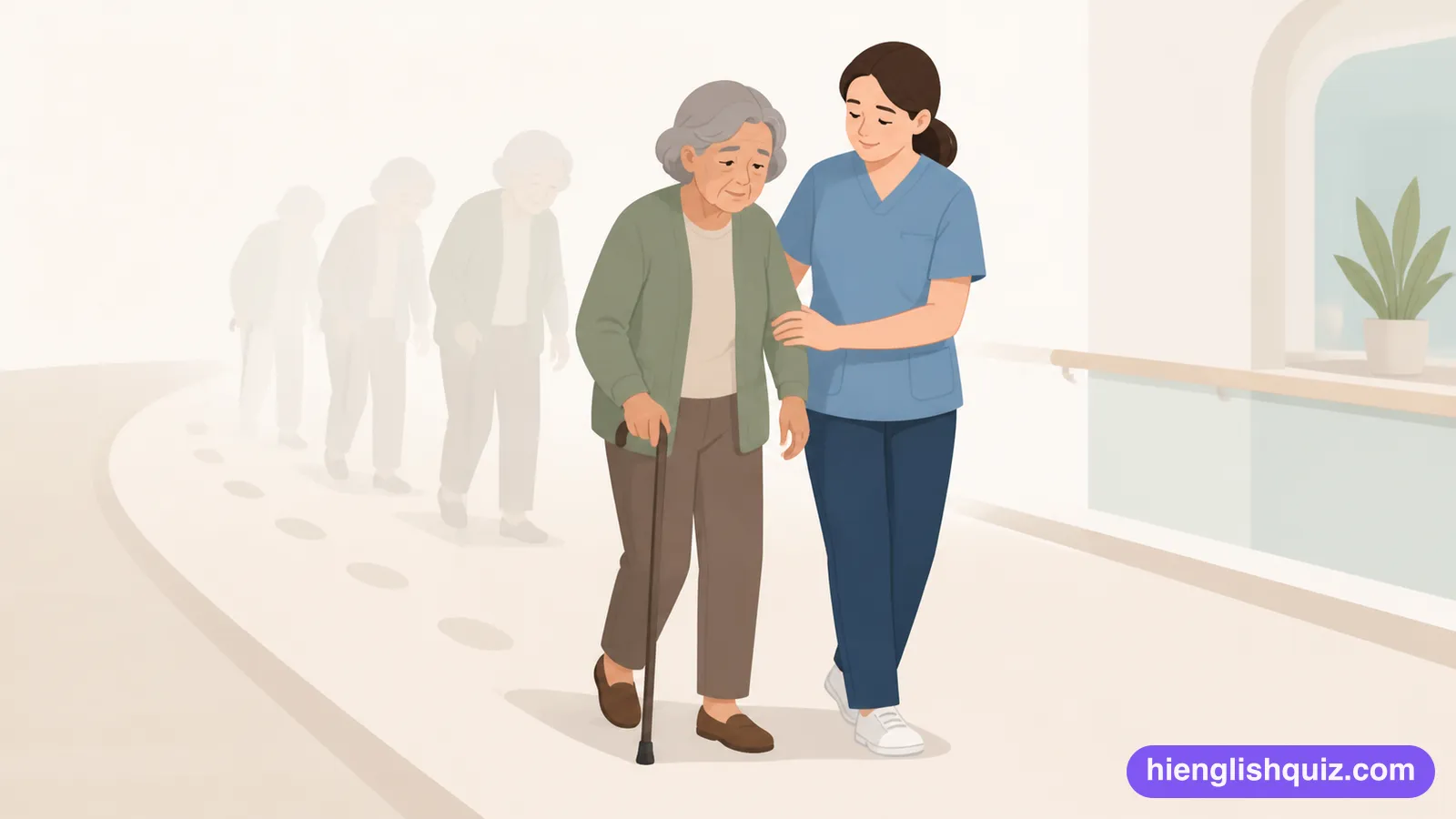
Describing a disease that gradually gets worse over time, causing the body or mind to weaken.
Example: Her grandmother suffers from a degenerative condition.
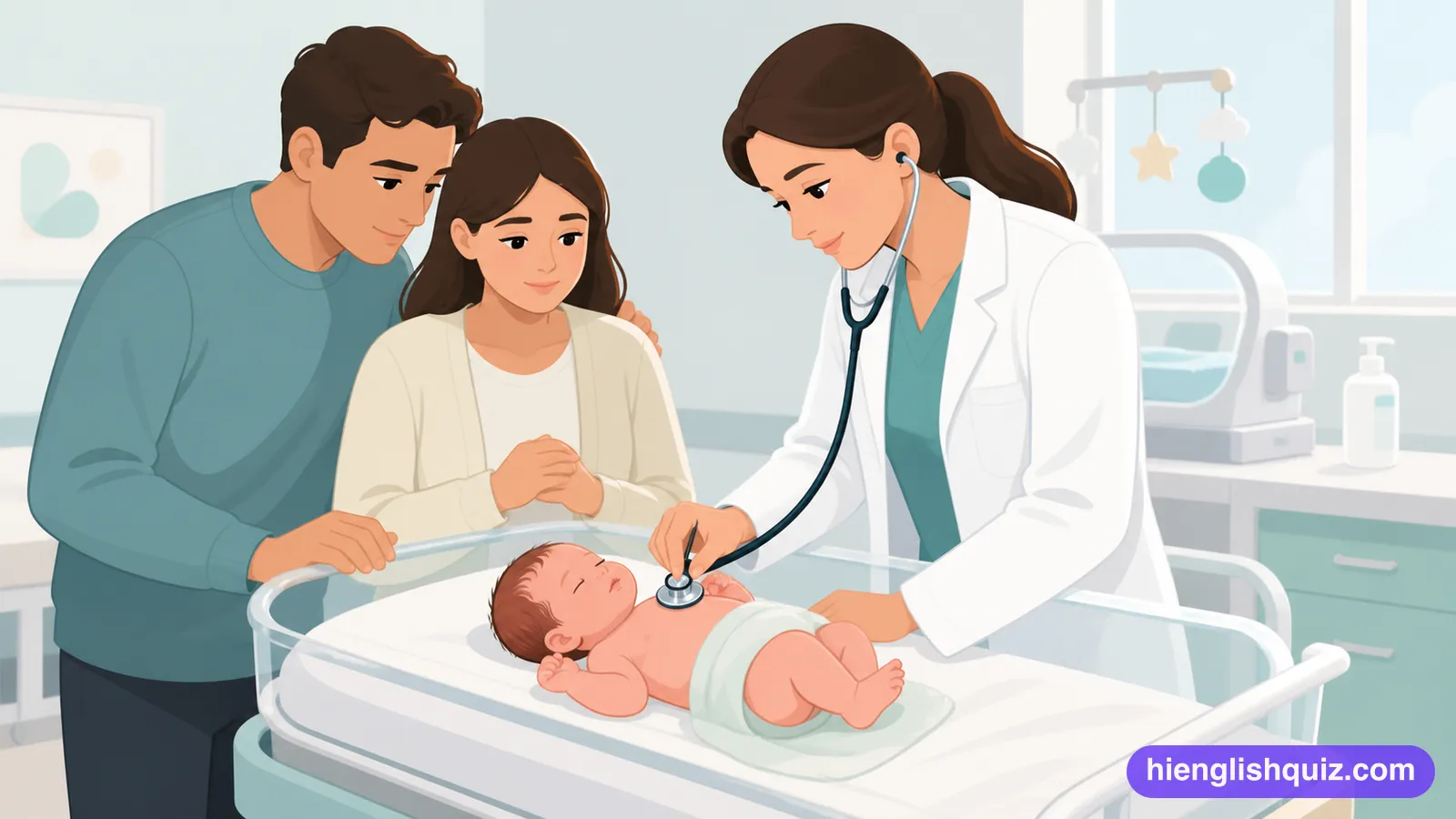
Describing a medical condition that a person has had since they were born.
Example: The baby was born with a congenital heart condition.
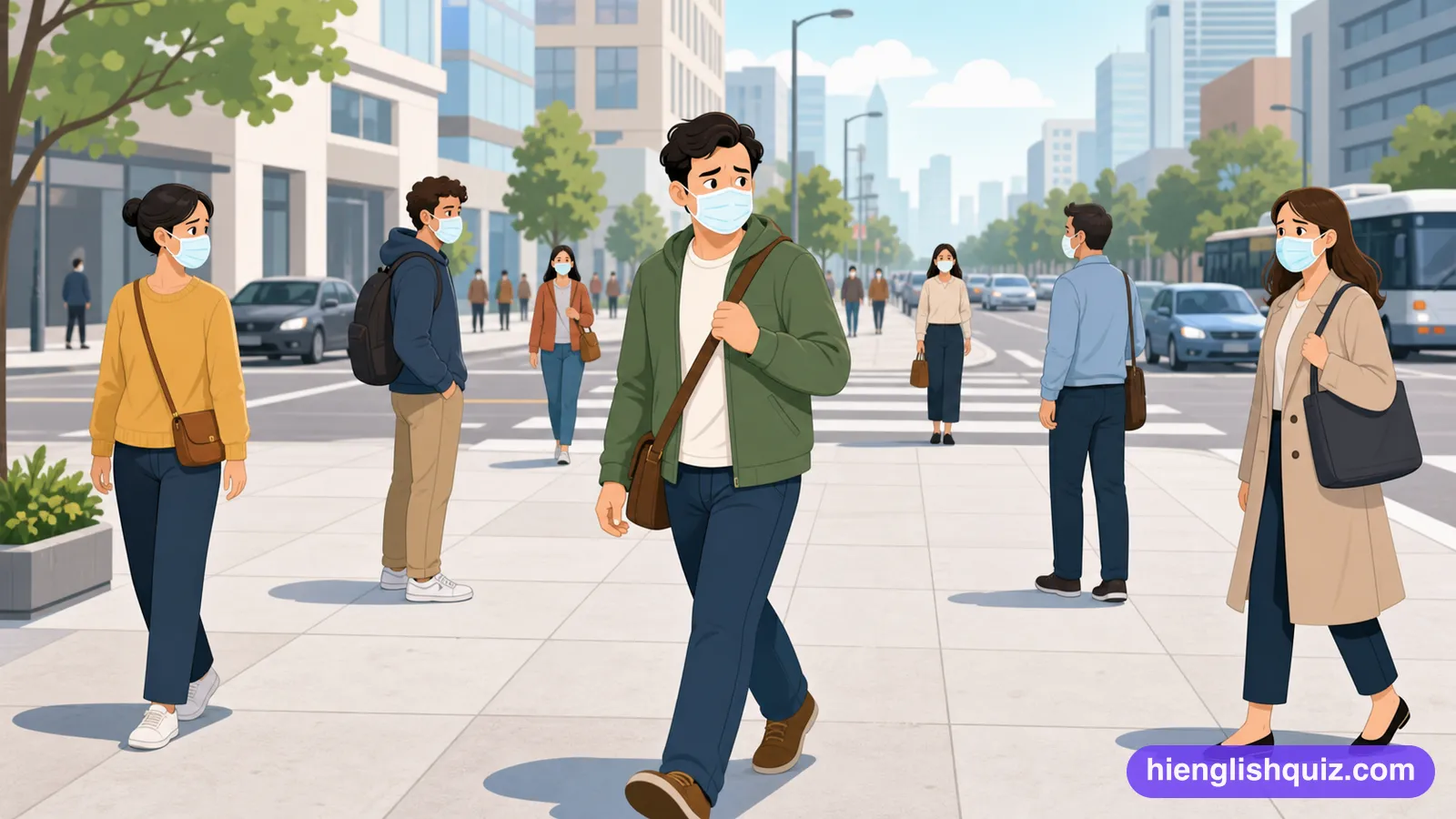
A disease that spreads across a whole country or the world, affecting a very large number of people.
Example: The virus quickly became a global pandemic.
The spreading of a disease by contact between people, or an instance of this happening.
Example: Officials acted fast to prevent further contagion.

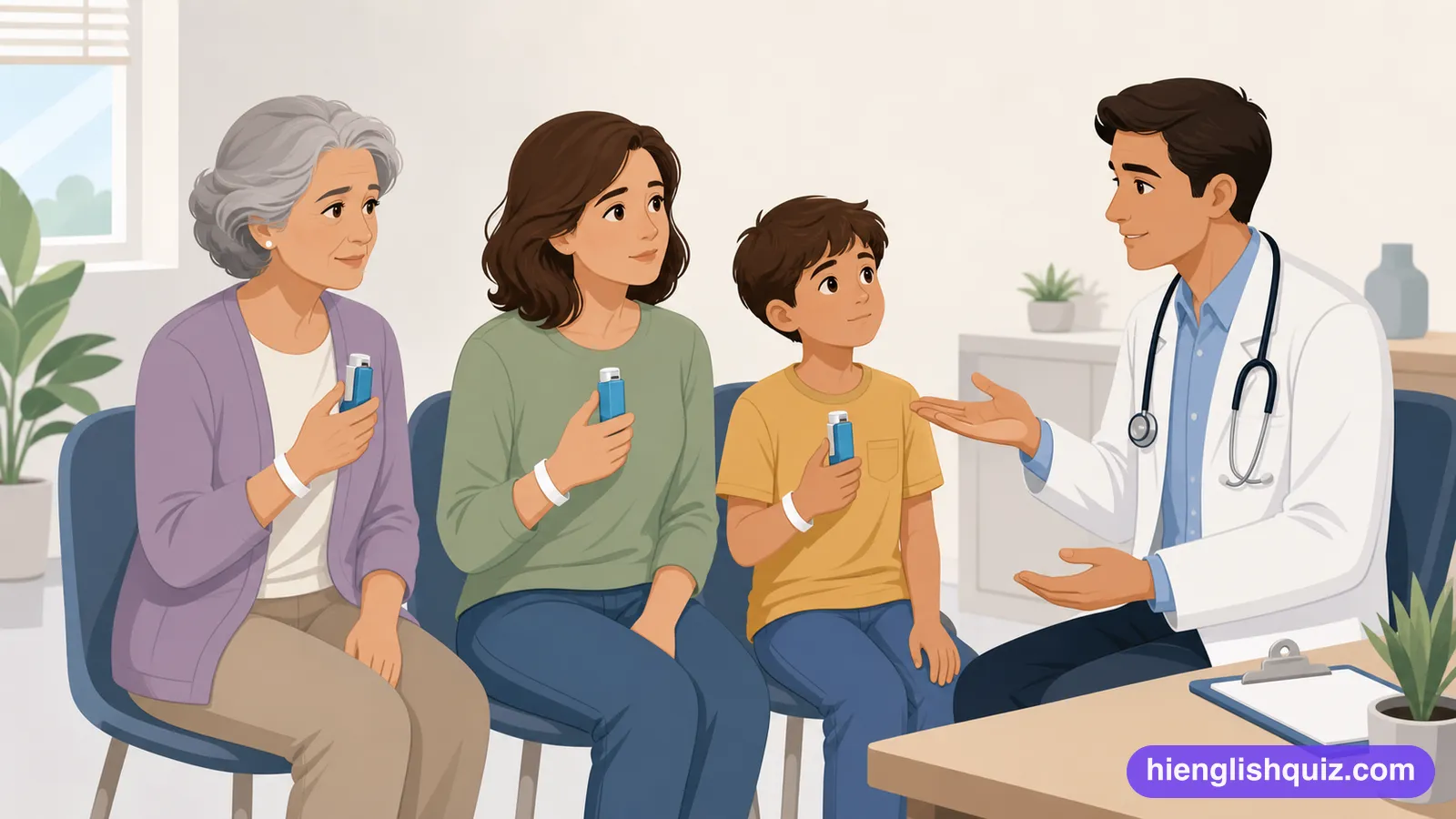
Describing an illness or characteristic that is passed from parents to children through their genes.
Example: Some types of cancer can be hereditary.
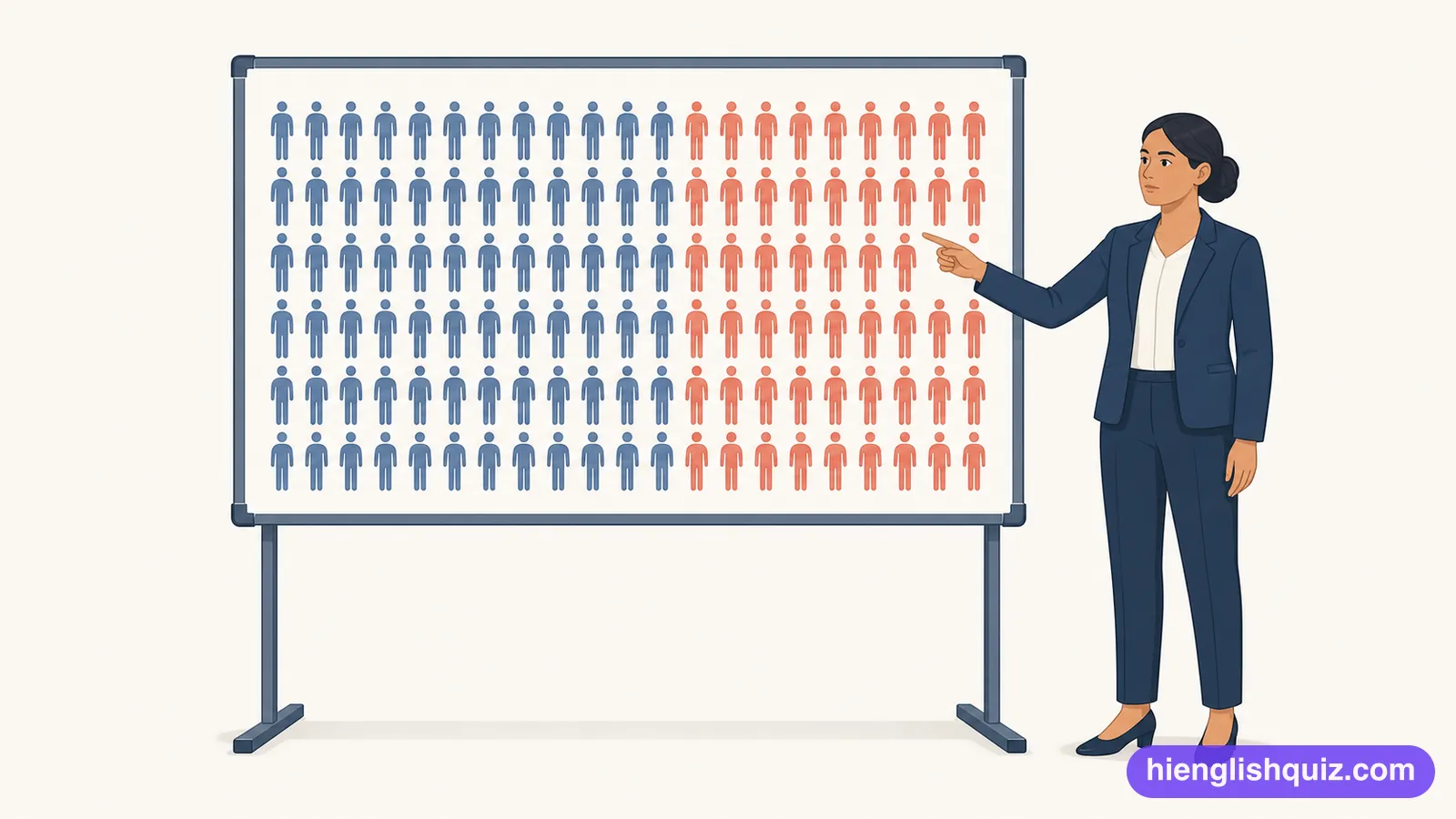
The rate of disease within a population.
Example: The study compared morbidity across three age groups.
Feeling slightly sick and unsettled in the stomach, as on a rocking boat.
Example: Boat trips always leave me a bit queasy.

Unpleasantly damp and cold to the touch, as skin can be during fever or fear.
Example: His hands went clammy just before he had to speak.

A general feeling of being unwell and low on energy.
Example: A general malaise hung over her for weeks afterwards.

Confused and saying things that make no sense, usually because of a very high temperature.
Example: He was delirious with fever and kept calling out strange names.
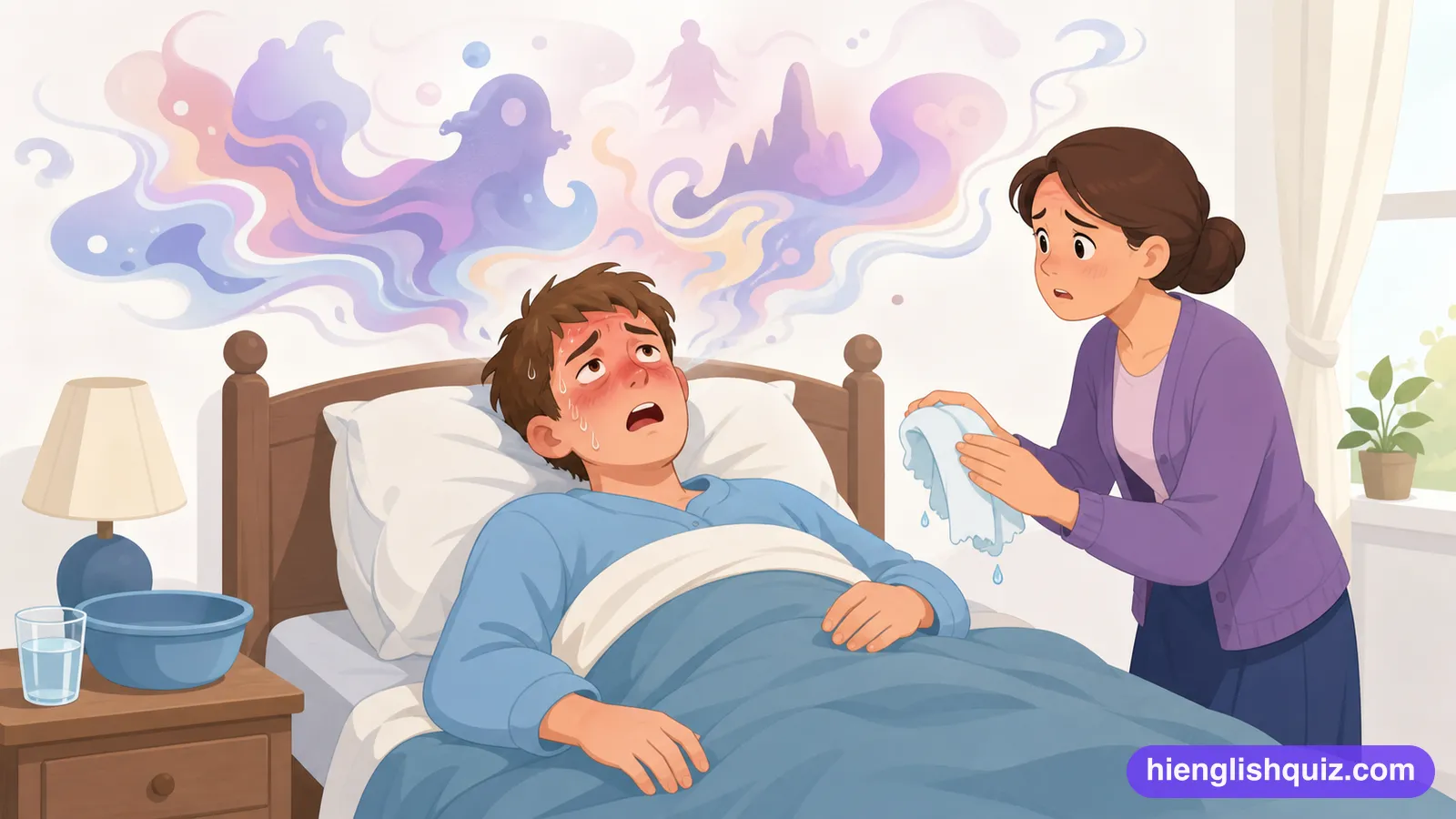
A dizzy feeling in which everything around you seems to be spinning.
Example: Looking down from the tower gave him sudden vertigo.

A sudden, involuntary movement or tightening of a muscle or organ, which you cannot control.
Example: A sharp spasm shot through his lower back as he bent down.

Confused about where you are or what is happening, and unable to think clearly.
Example: The blow to his head left him disoriented for a few minutes.

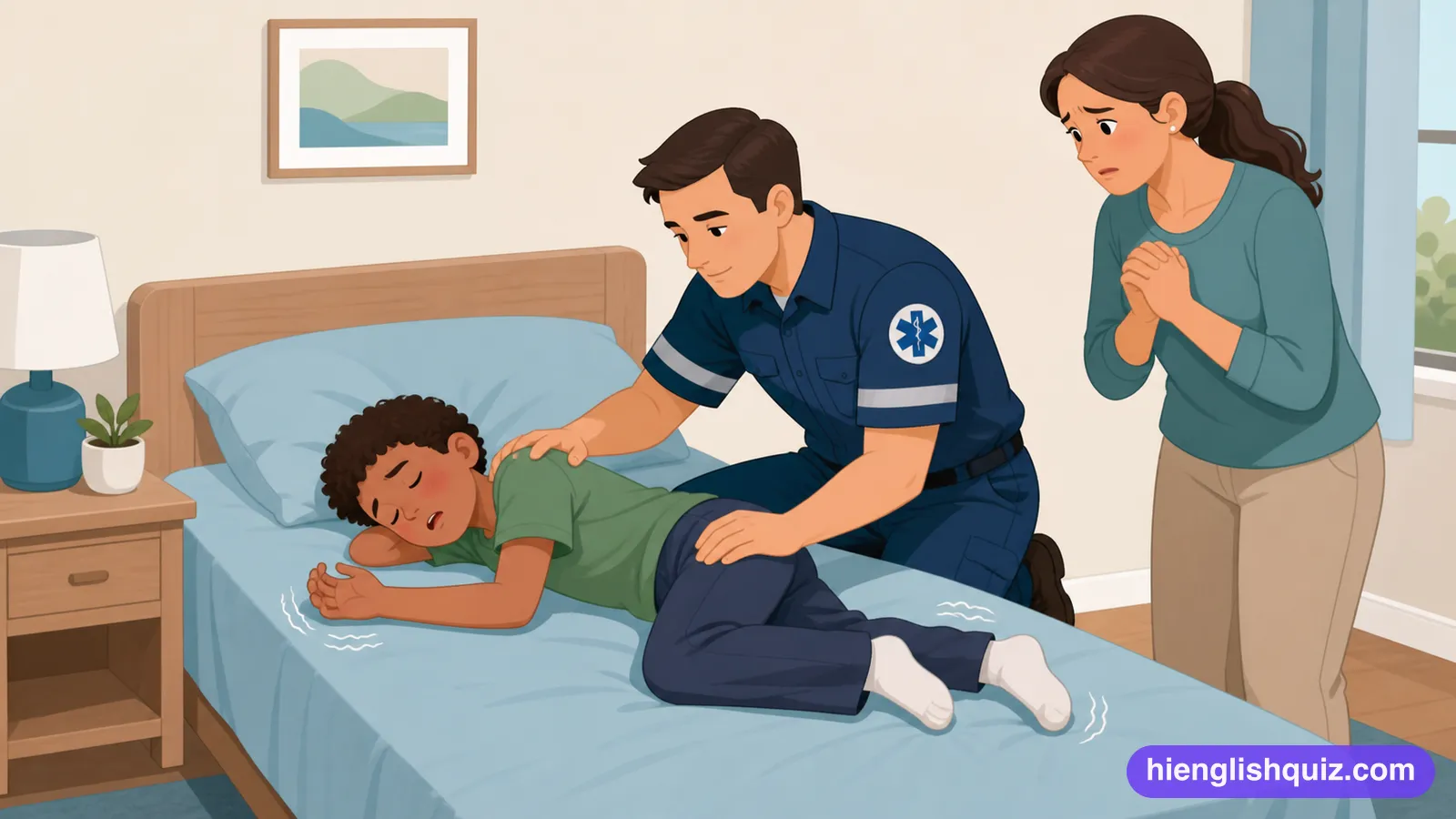
A sudden, uncontrollable shaking of the body caused by muscles contracting rapidly.
Example: The child had a convulsion caused by a very high fever.
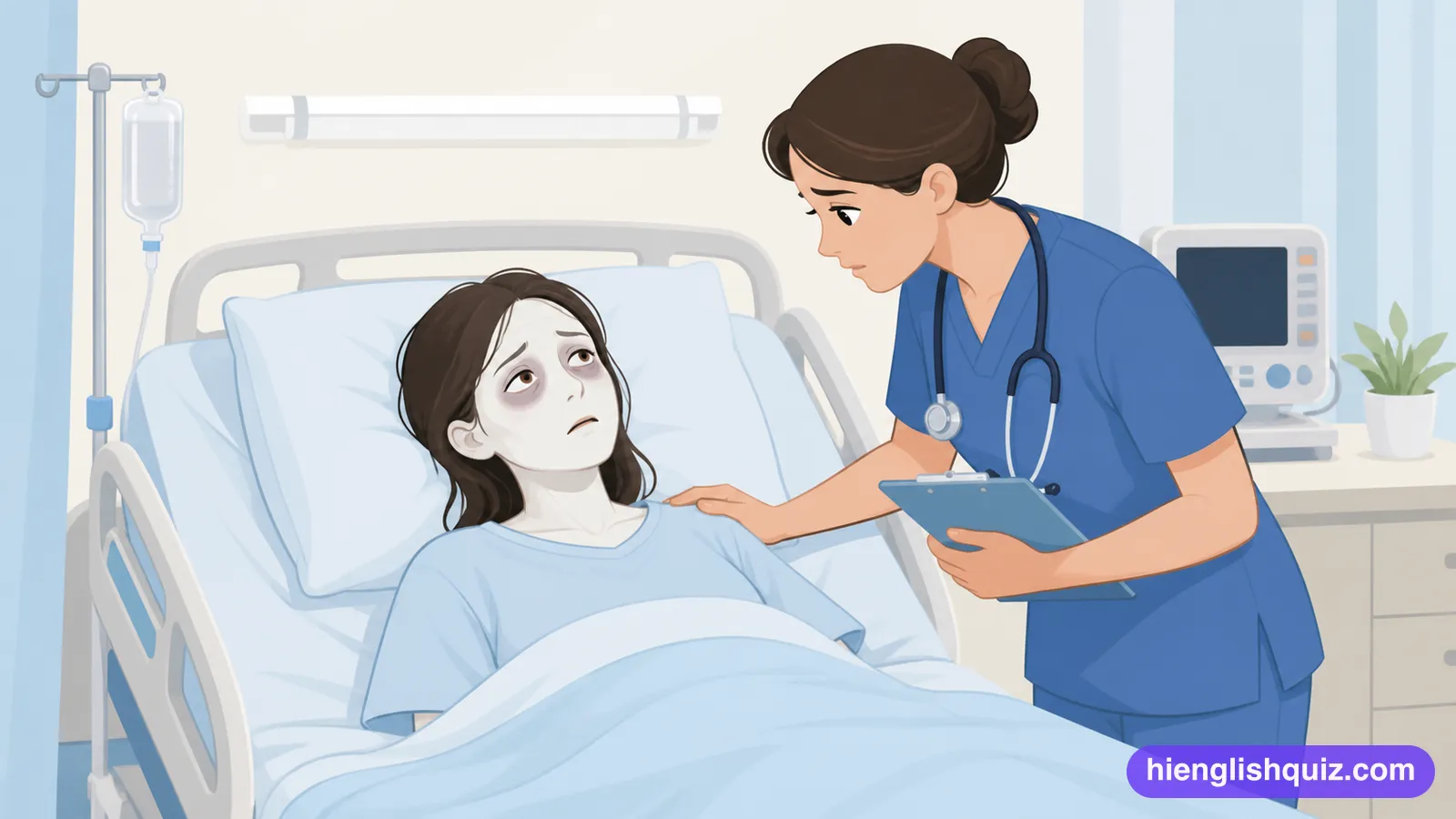
Unusual paleness of someone's face, especially because of illness or fear.
Example: The nurse noticed the patient's unusual pallor.
Unable to speak clearly or make sense, for example because of illness or exhaustion.
Example: He was so exhausted that his words came out incoherent and jumbled.
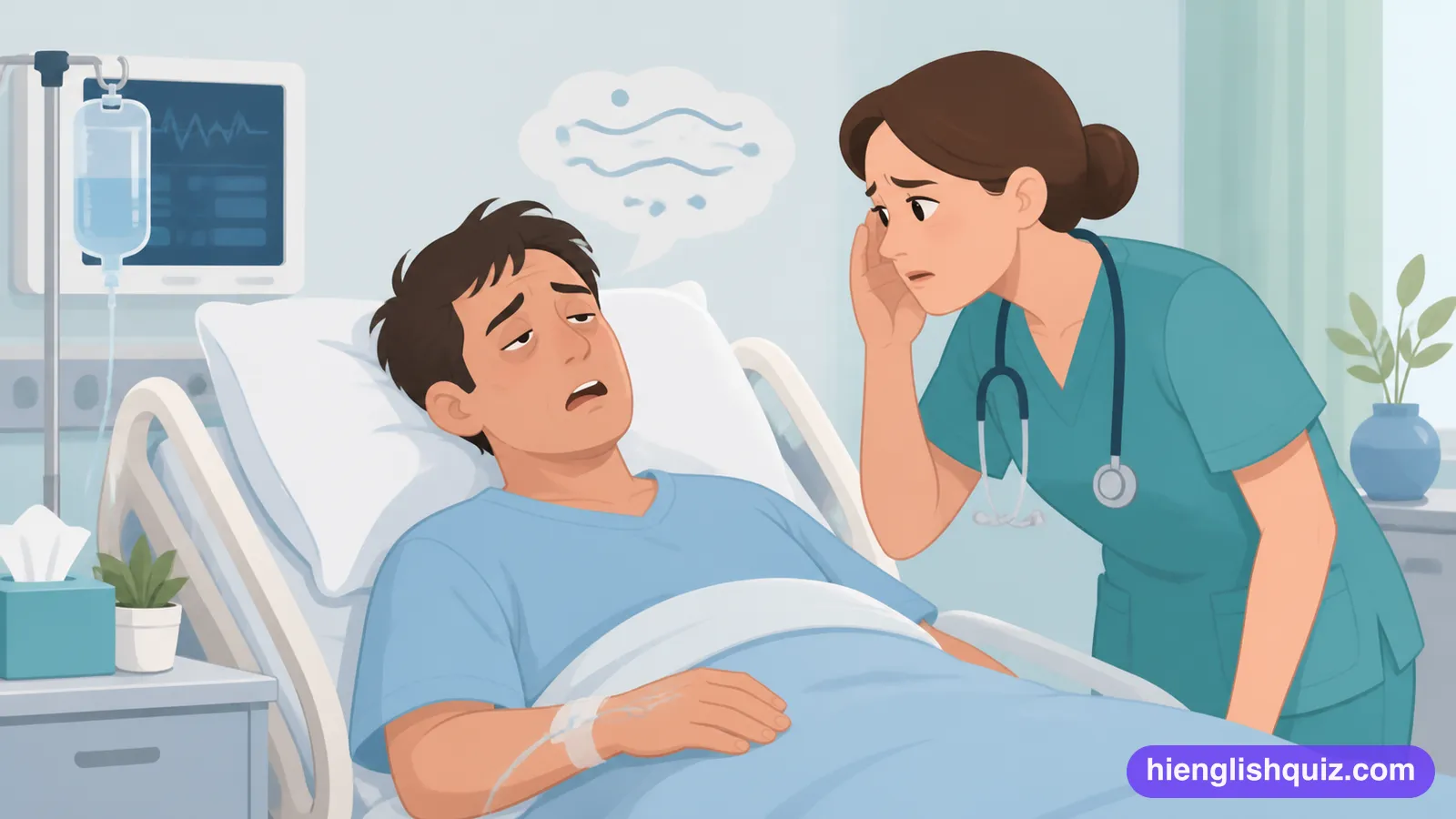
A condition that causes lasting pain or suffering.
Example: Hay fever was a minor affliction compared with what followed.