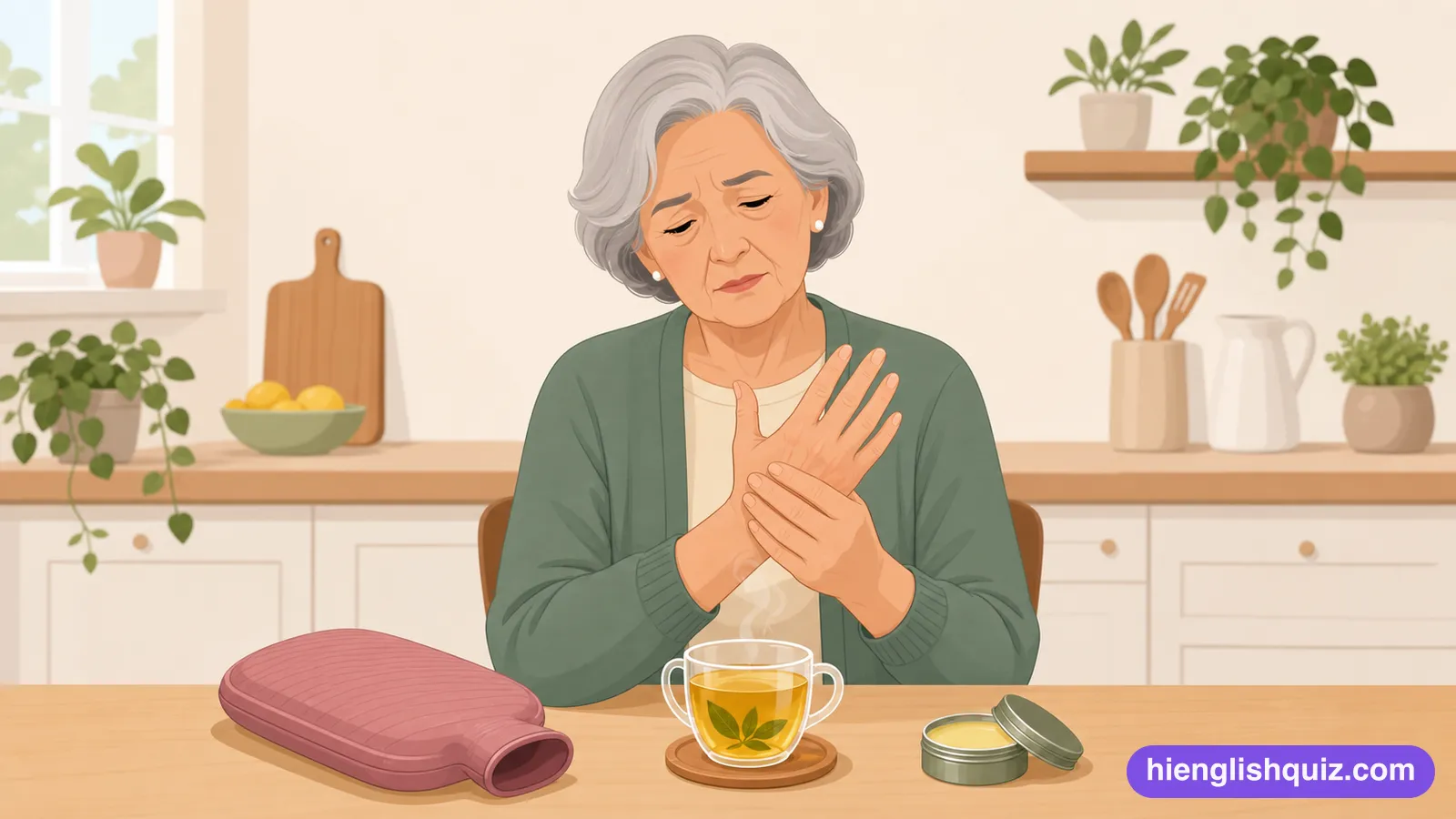
placebo
/pləˈsiboʊ/A harmless pretend treatment given in a trial to test whether a real drug works better.
Example: Half the group got the drug, half a placebo.
 Hi EnglishQuiz
C222 words · Proficient
Medicine vocabulary for pharmacology and hospital process, including a placebo, an analgesic, triage and the prognosis a family is eventually given, plus the efficacy of a drug.
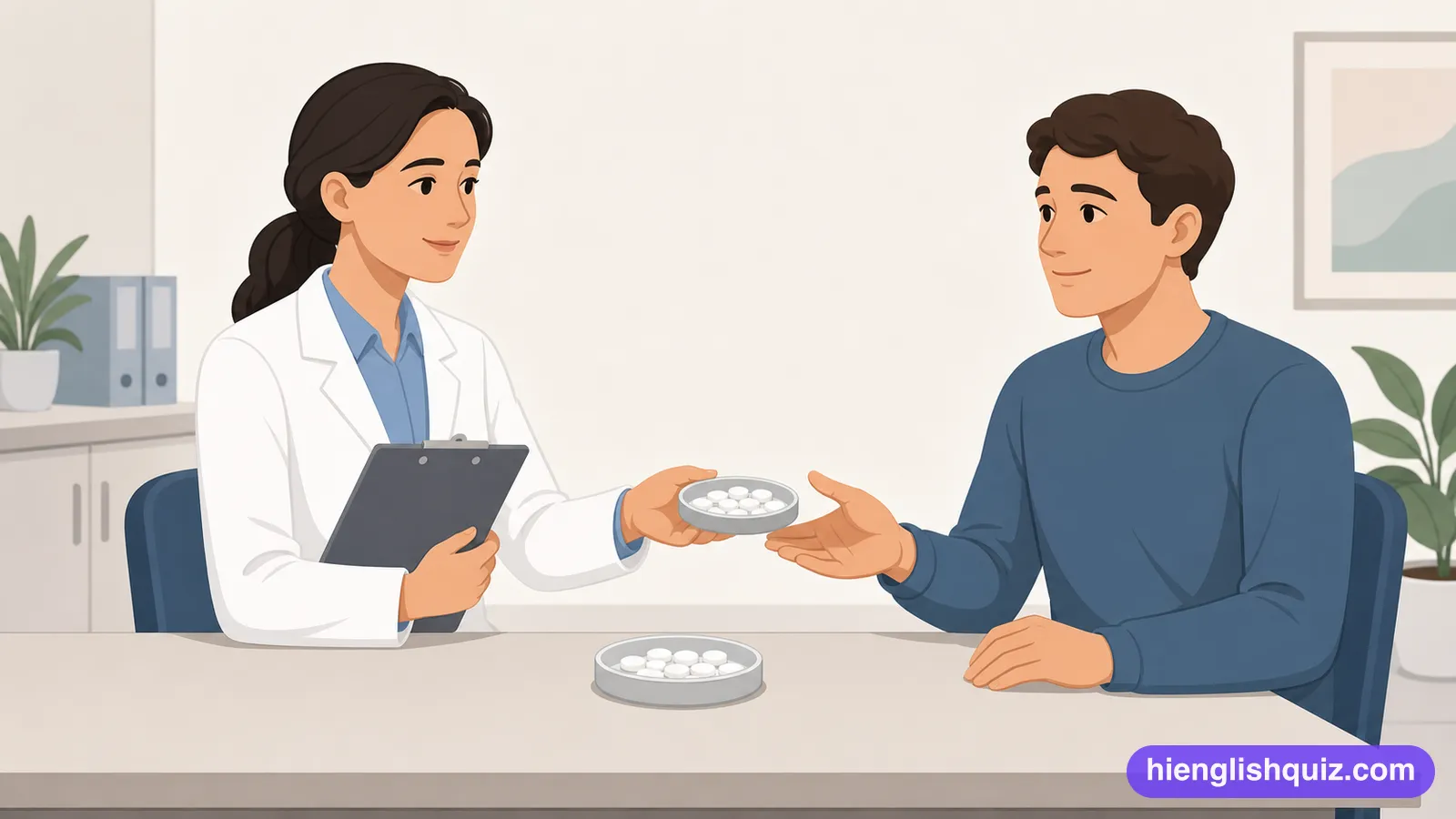
A harmless pretend treatment given in a trial to test whether a real drug works better.
Example: Half the group got the drug, half a placebo.
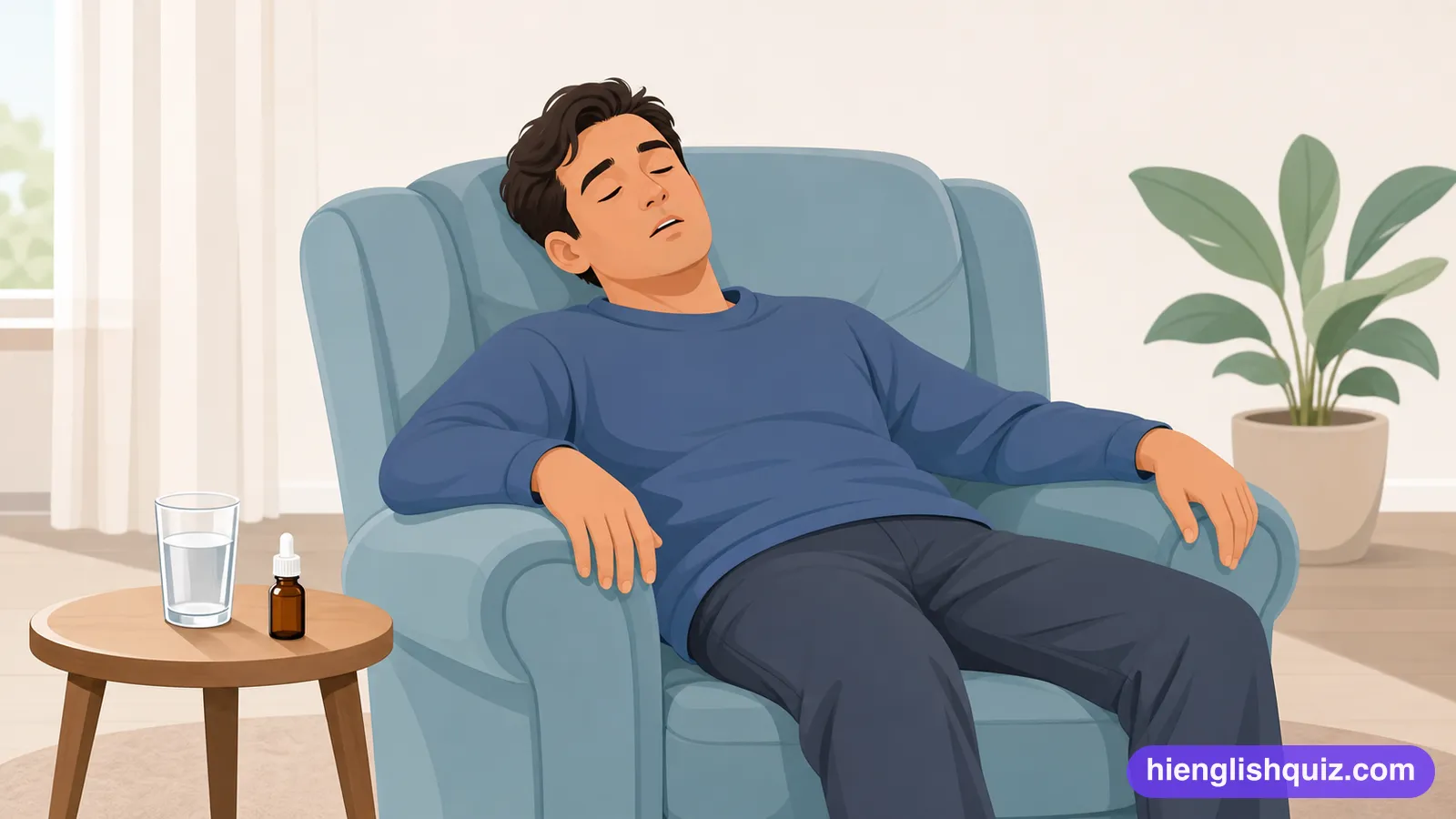
A drug that calms someone down or makes them sleepy, used to settle nerves.
Example: The vet gave the dog a mild sedative for the journey.
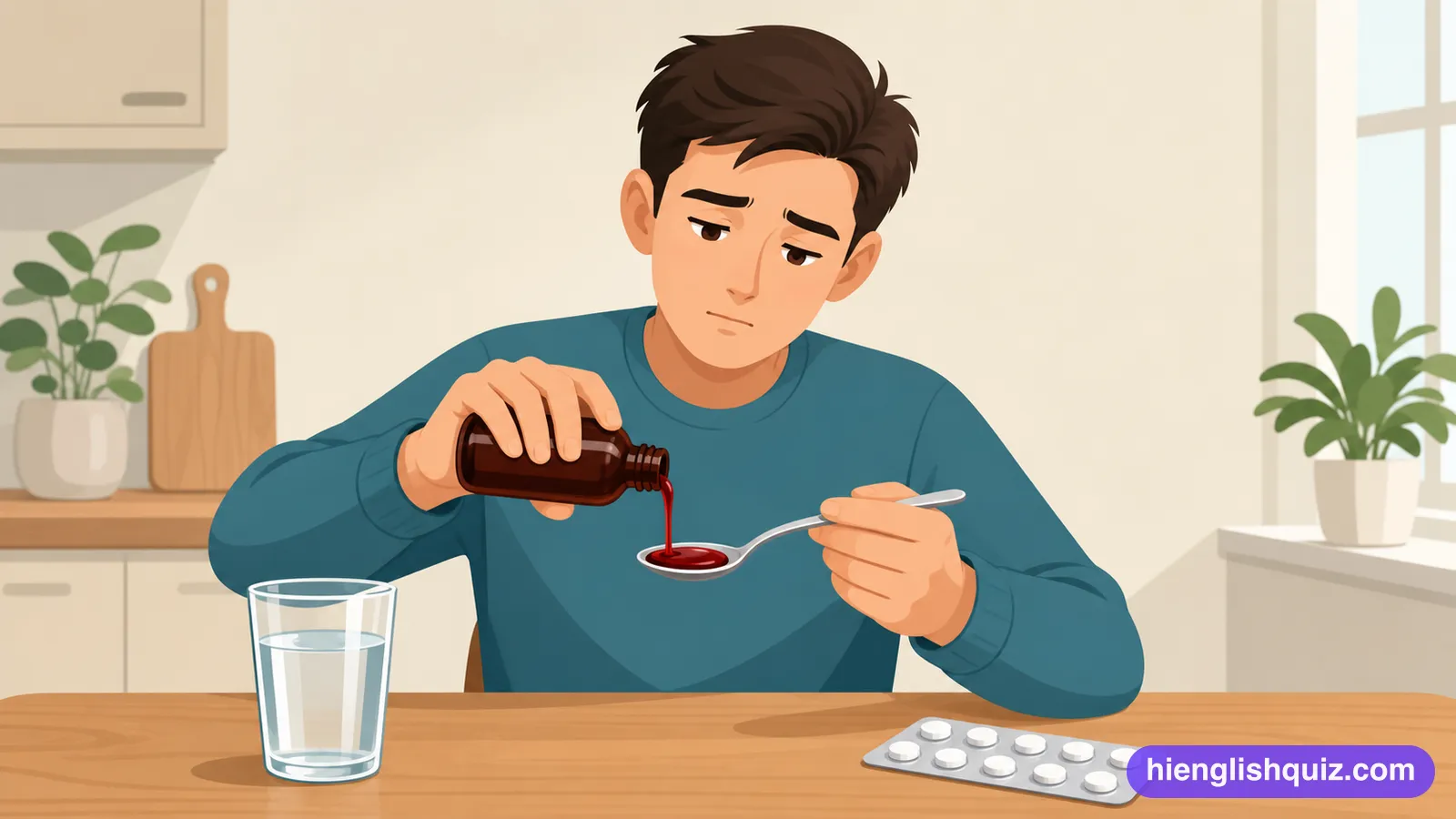
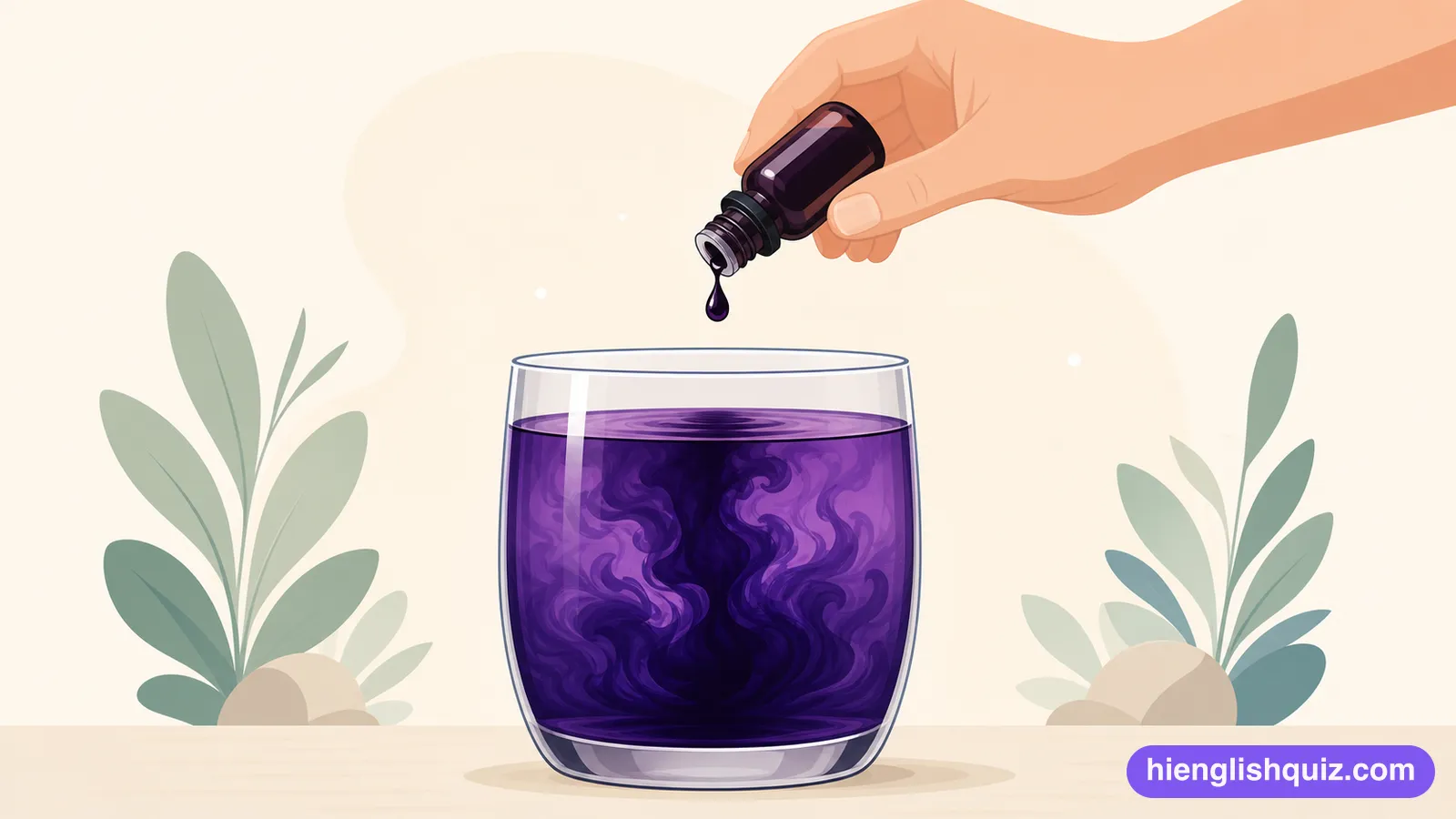
Having a very strong effect even in a small amount.
Example: This cough syrup is surprisingly potent — one spoon knocks me out.
How well a drug or treatment does what it is meant to do.
Example: Doctors are still testing the efficacy of the new vaccine.

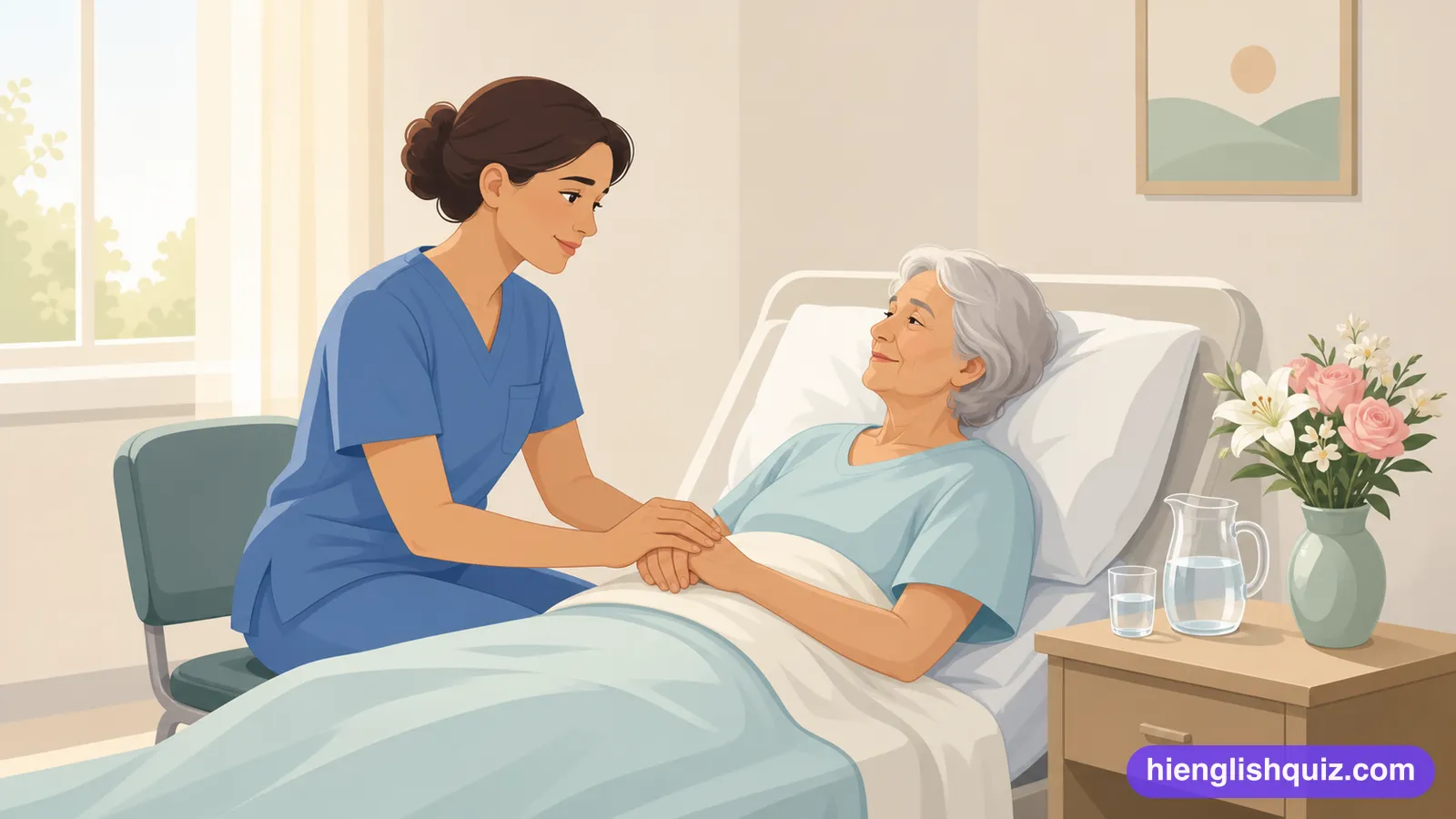
Easing pain and symptoms without curing the illness itself.
Example: She moved into palliative care once treatment could no longer help.
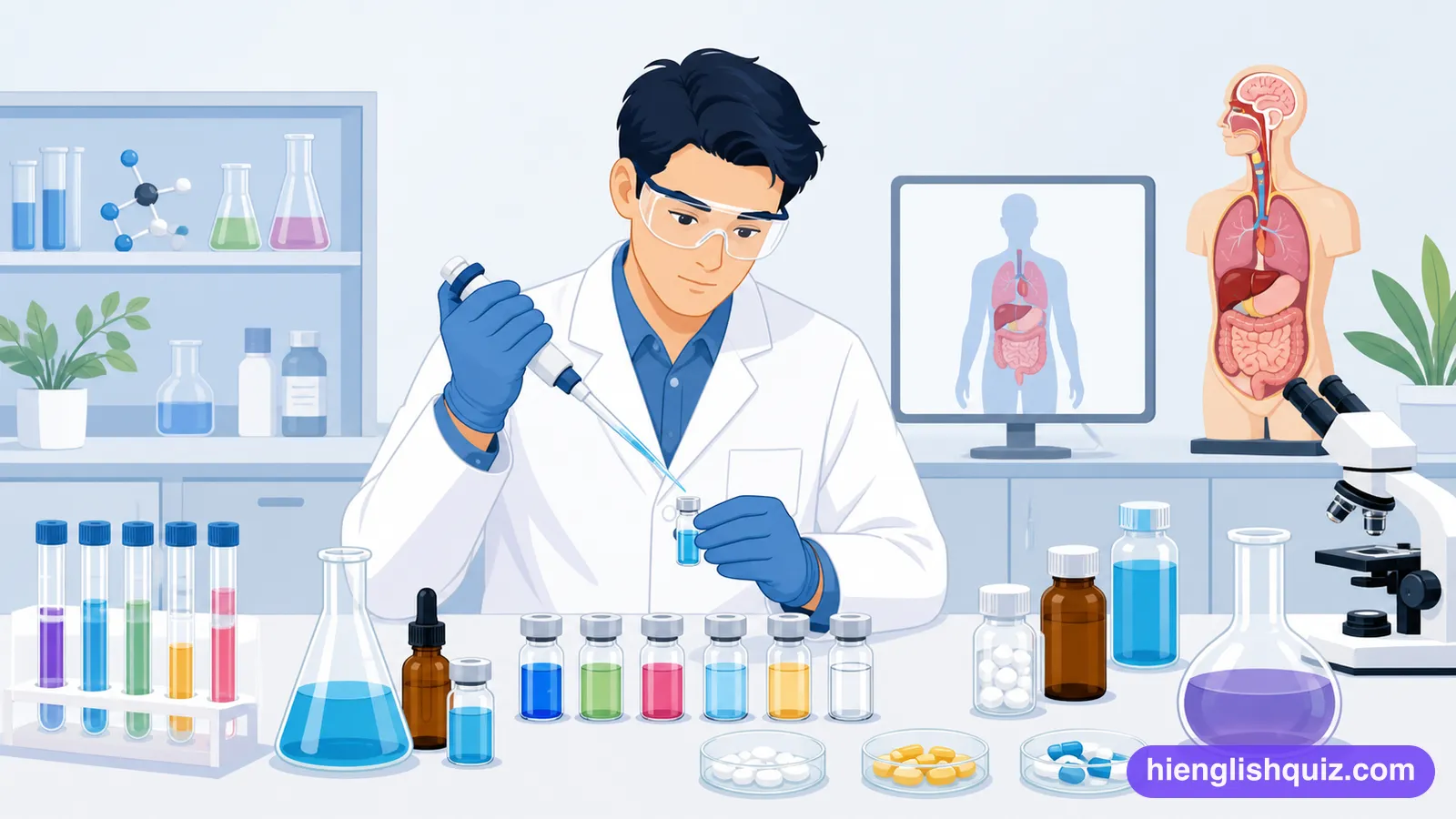
The scientific study of medicines and how they affect the body.
Example: She's studying pharmacology at university.
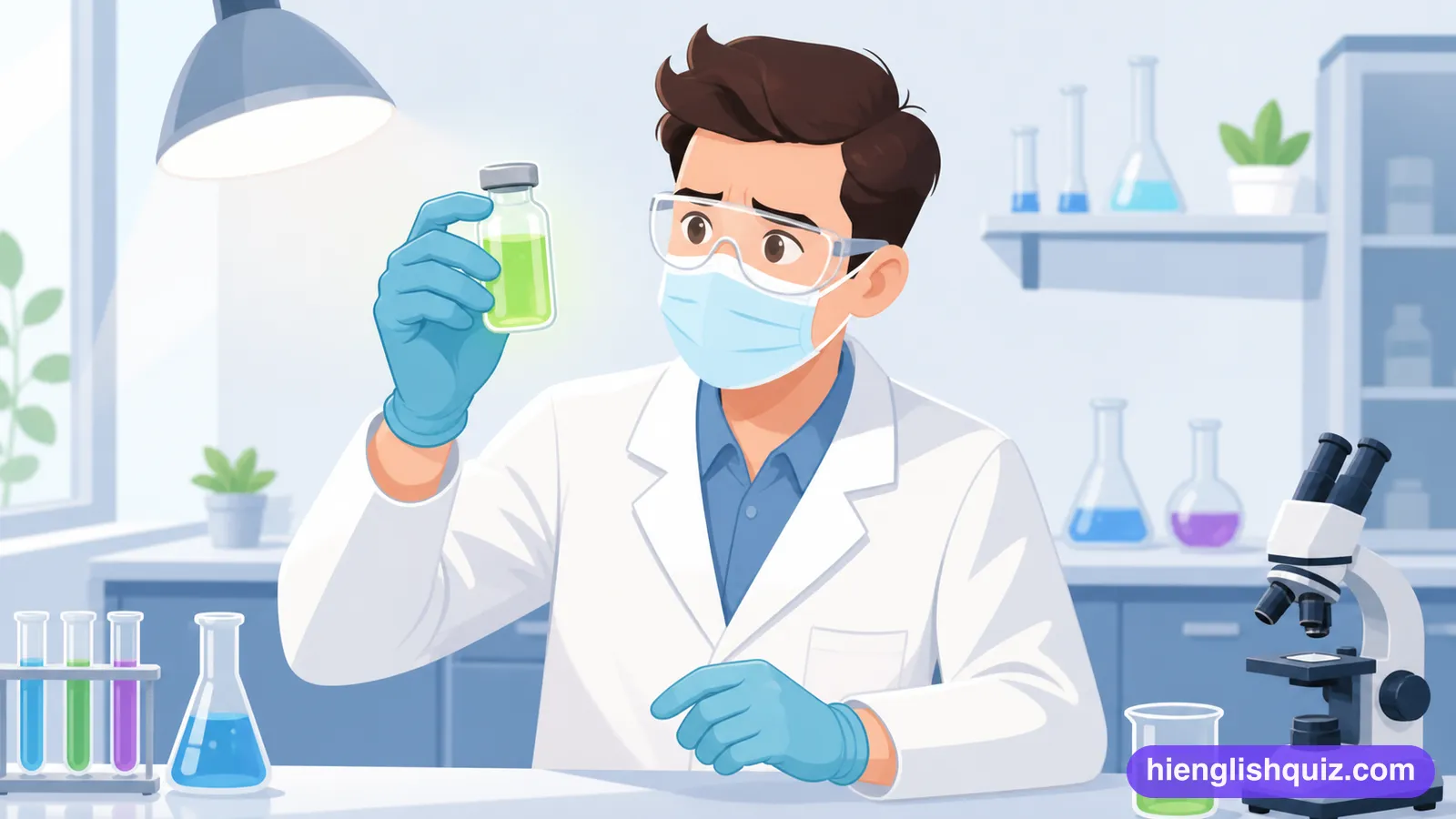
Made artificially by a chemical process rather than occurring naturally.
Example: The hormone used in the drug is completely synthetic.

The degree to which a substance is poisonous or harmful to the body.
Example: Doctors monitor drug toxicity carefully in high doses.
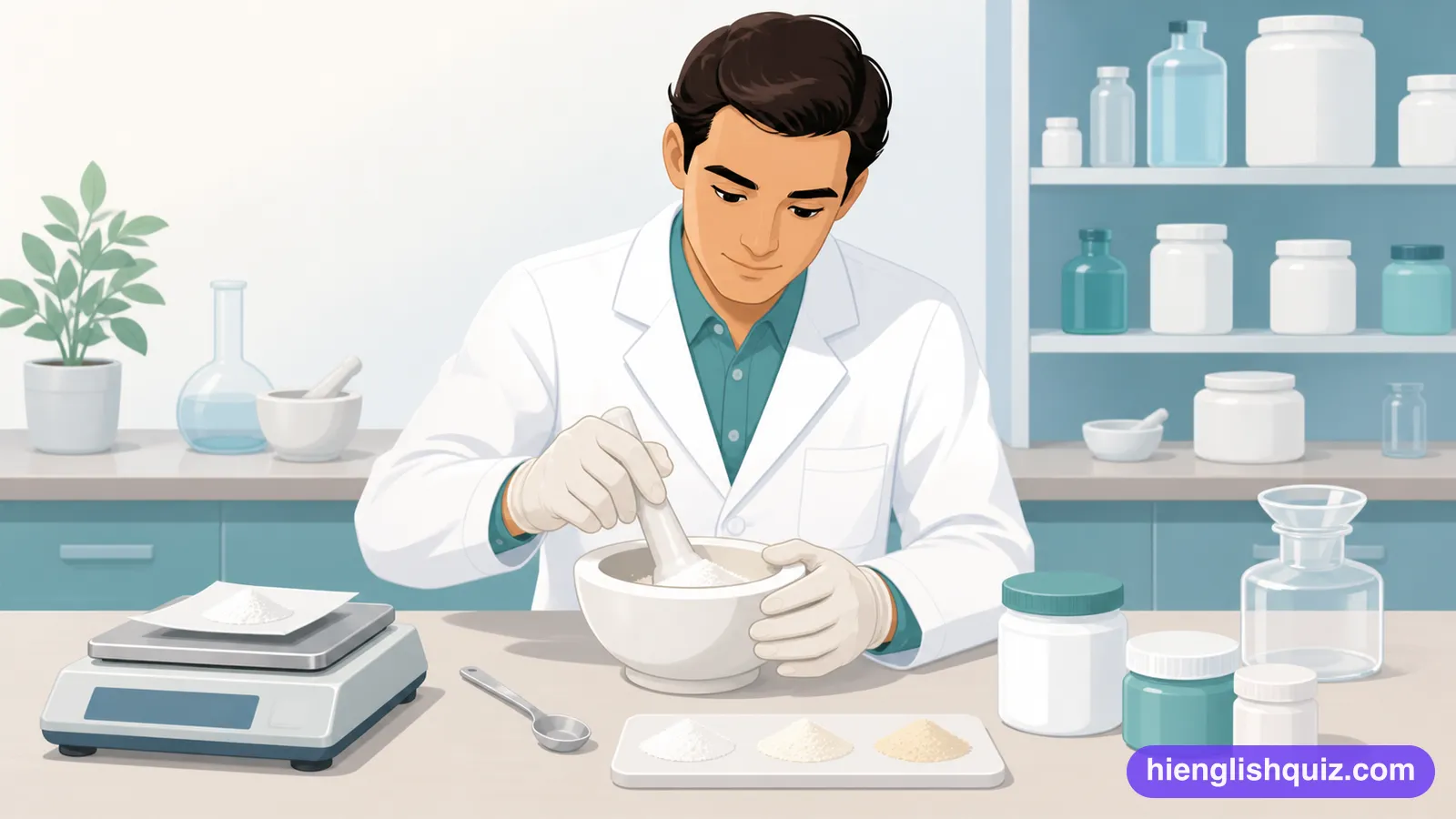
The particular way a medicine is prepared or made, including its ingredients and form.
Example: The company released a new formulation of the drug.
A medical word for a substance that relieves pain.
Example: Ibuprofen is a common over-the-counter analgesic.
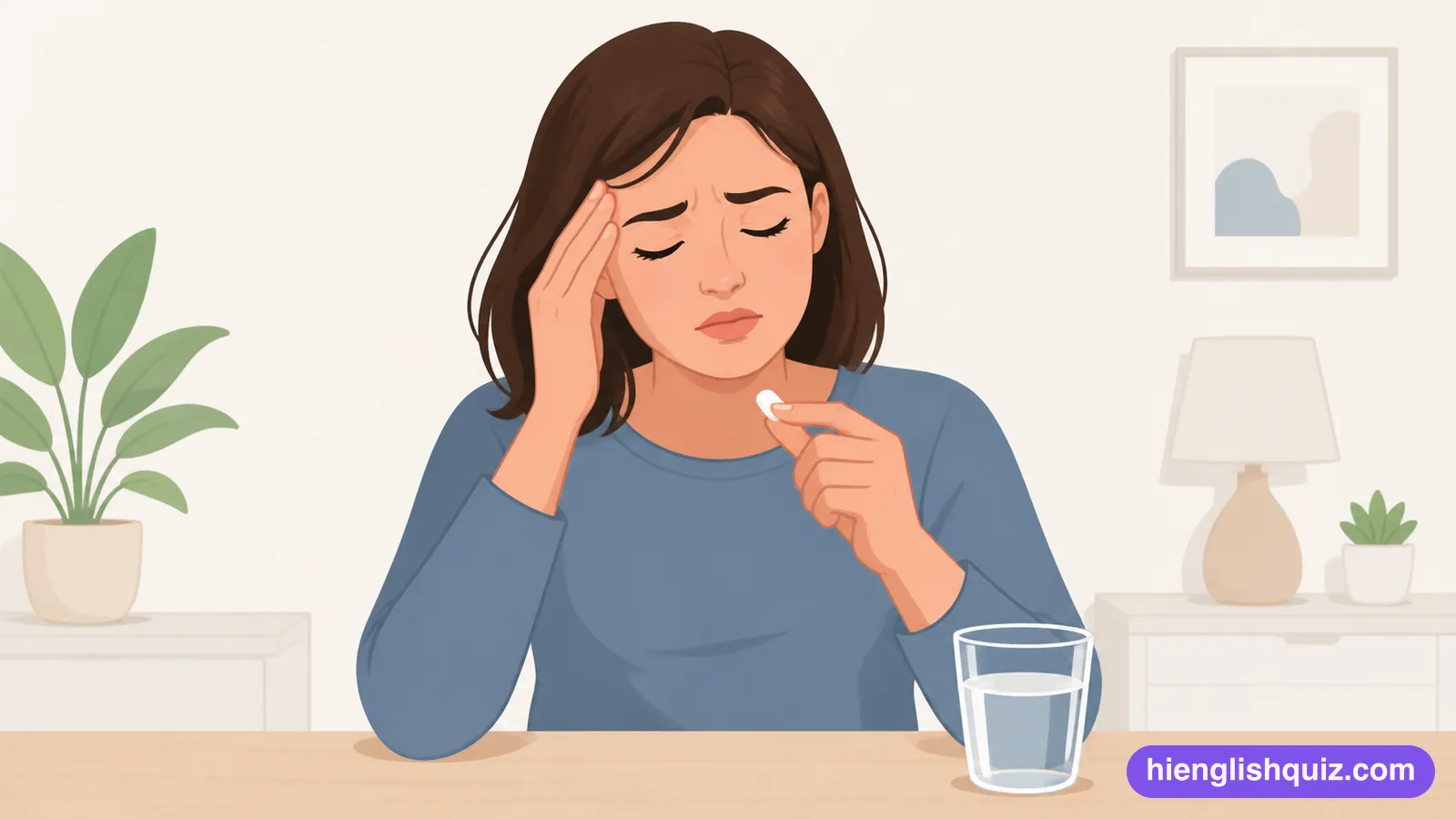
A reason why a particular treatment should not be given to someone.
Example: Pregnancy is listed as a contraindication on the packet.
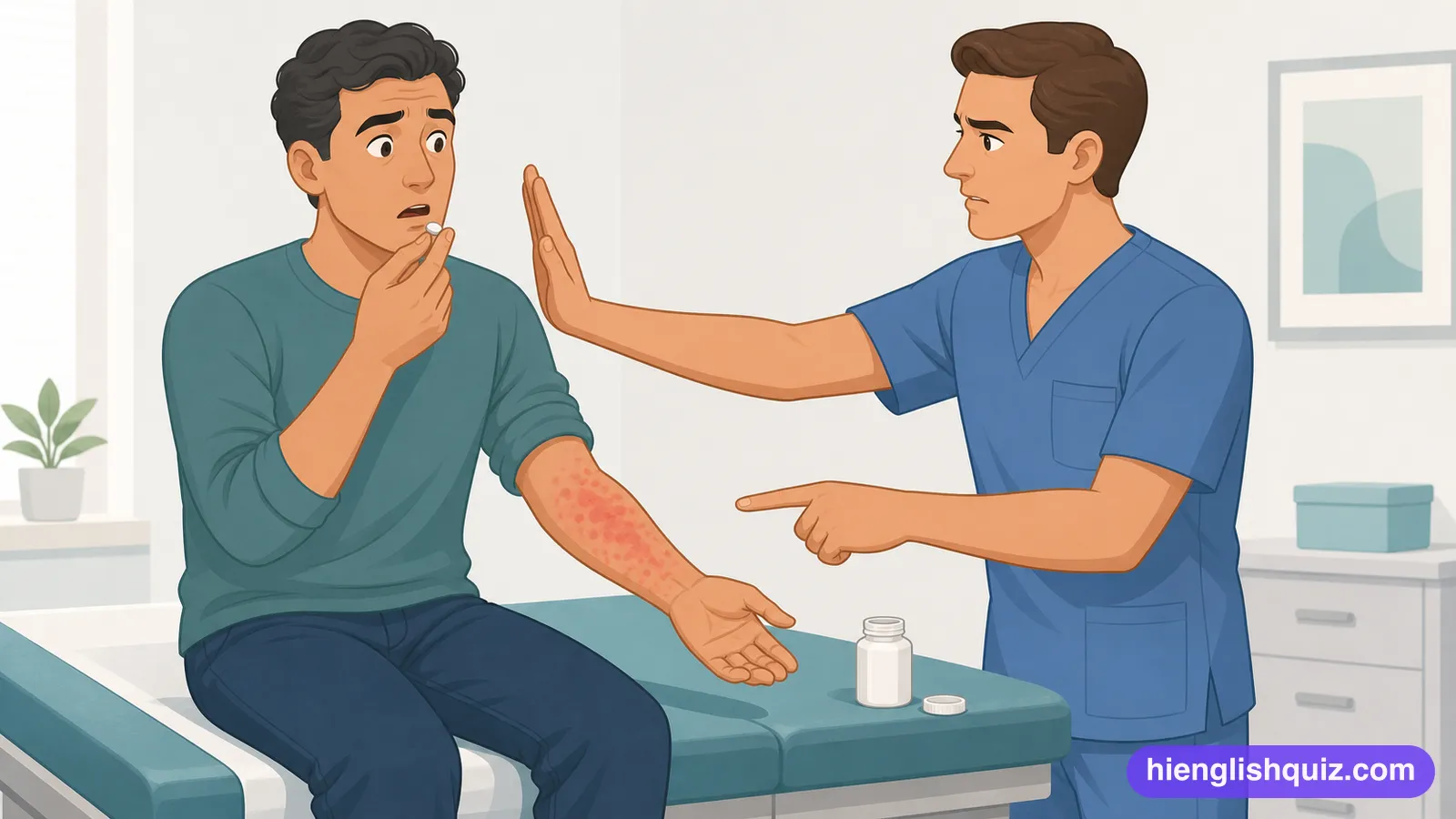
Given or done in order to prevent disease rather than treat it.
Example: The team were given a prophylactic course before travelling.
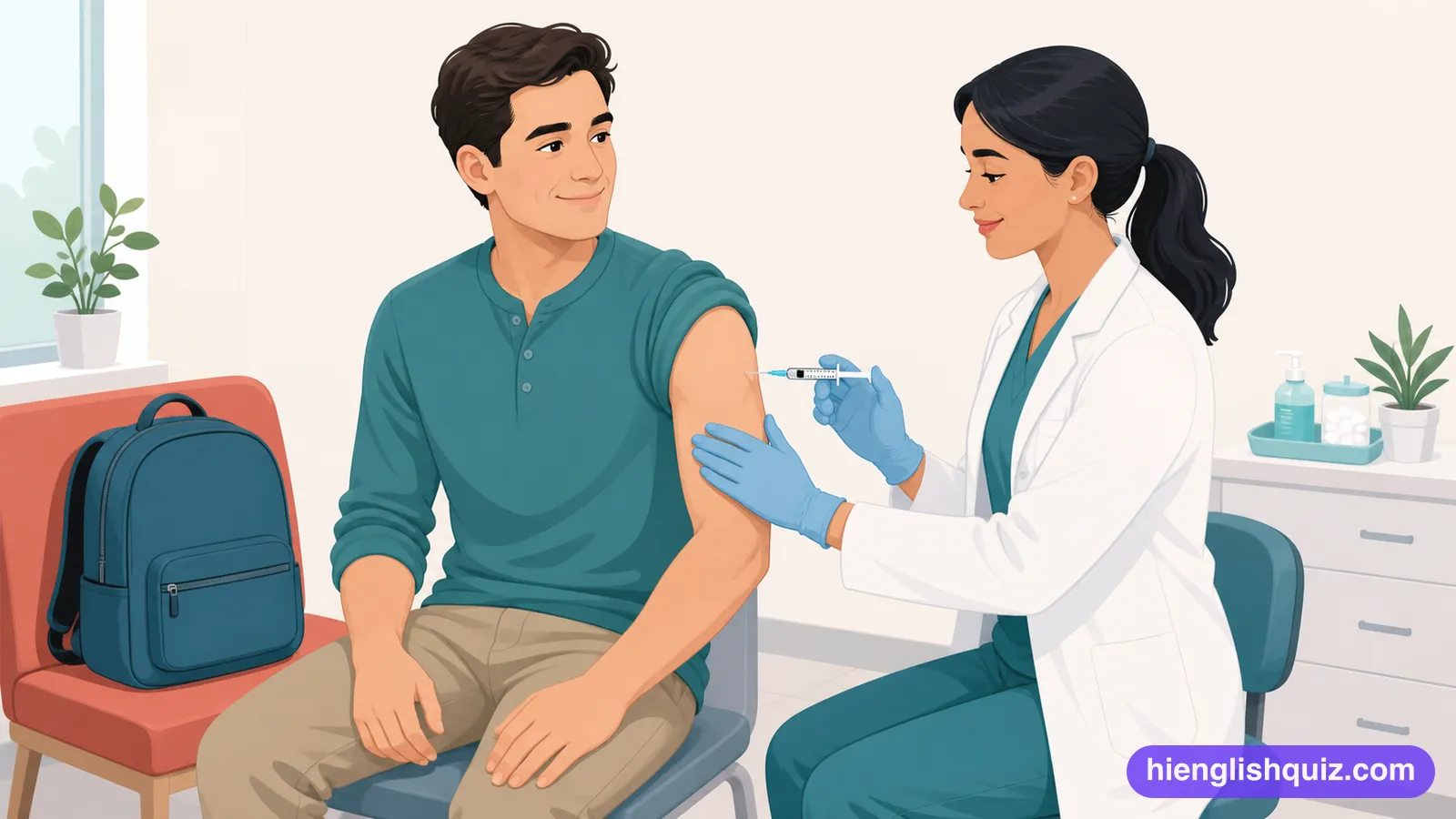
A doctor's forecast of how an illness will develop and how likely recovery is.
Example: The prognosis is good if the treatment starts early.
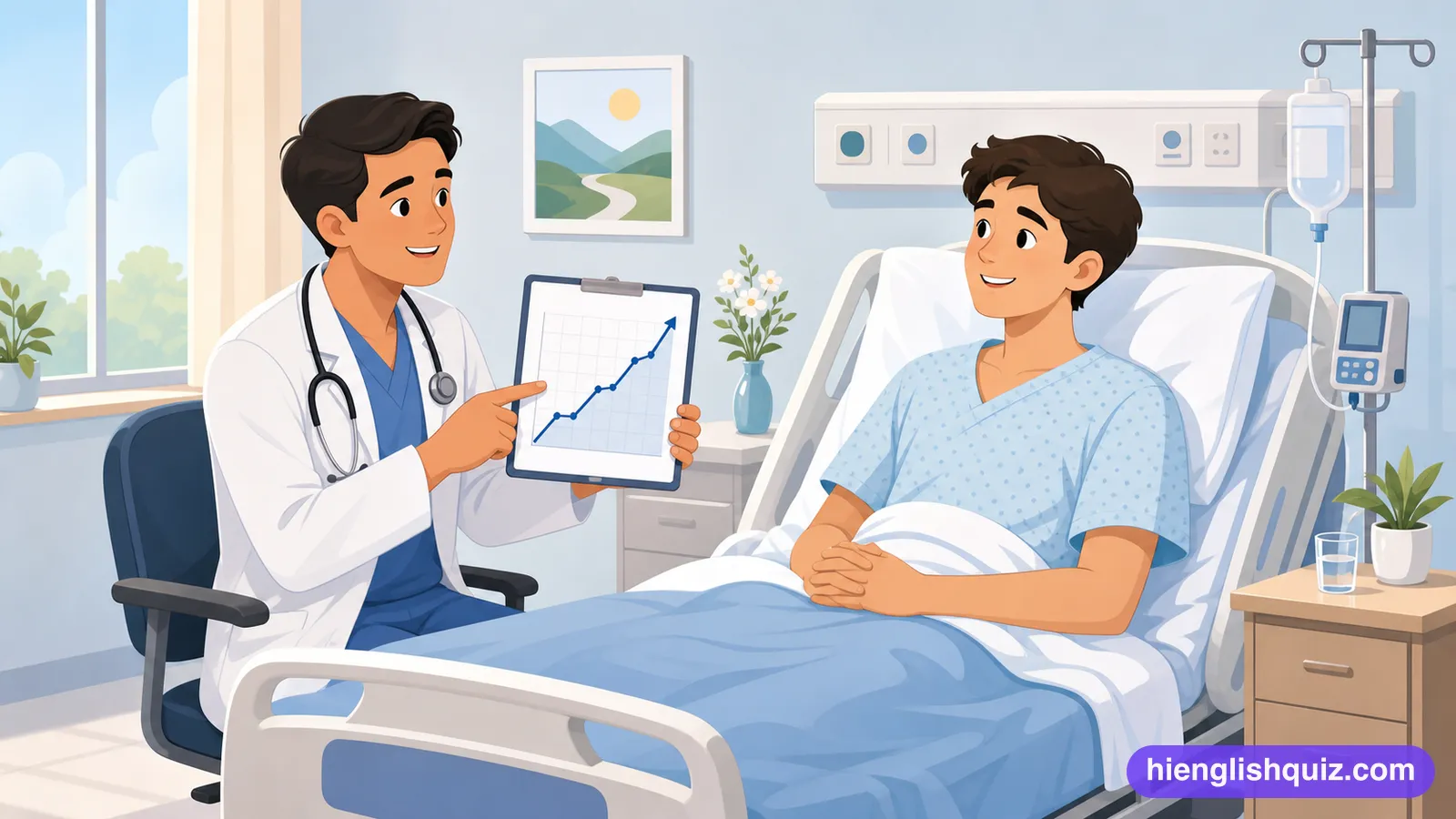
The sorting of injured people by urgency so that the worst cases are treated first.
Example: In triage the nurse decides who goes through first.
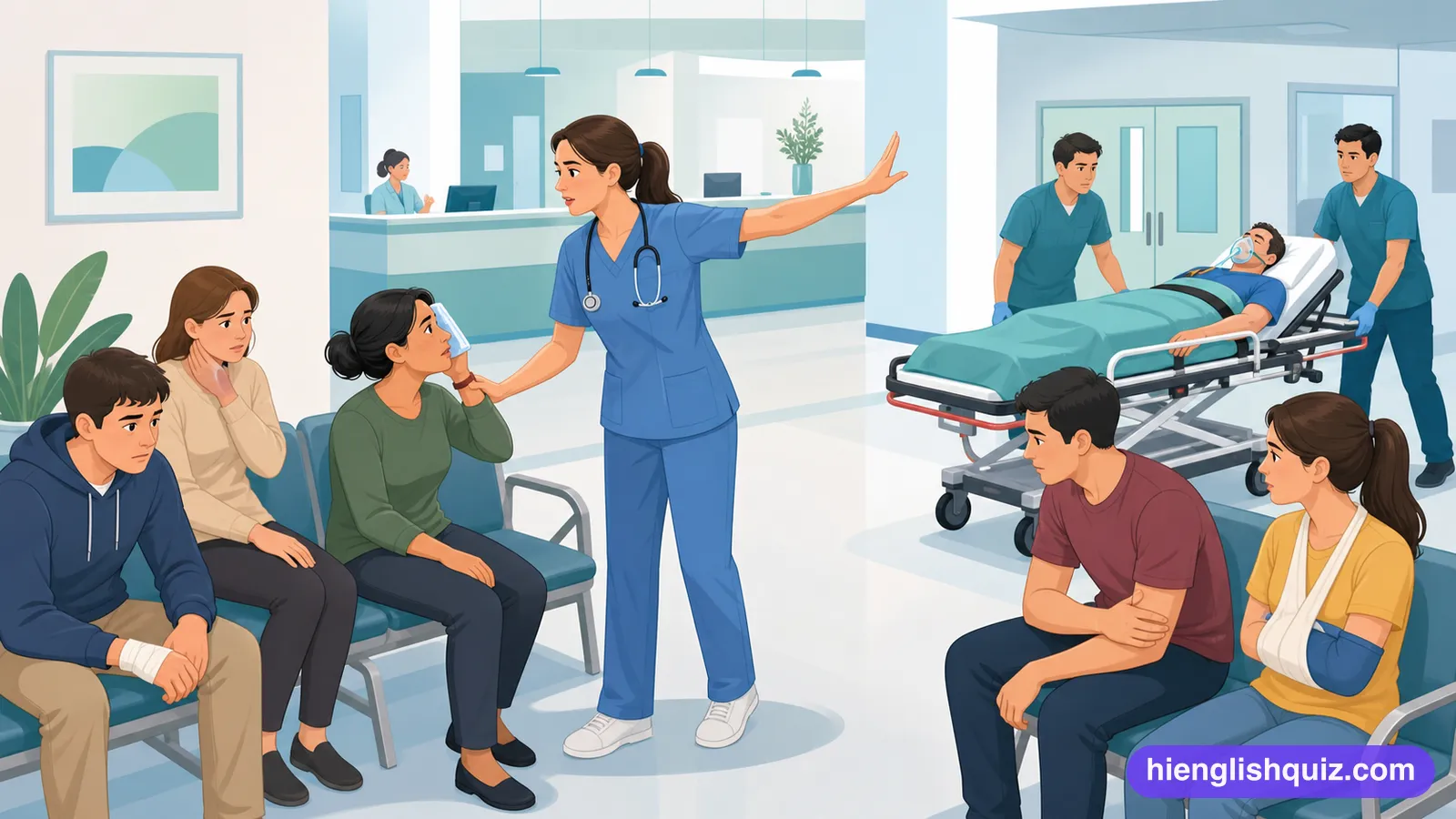
A person who comes to hospital for treatment and goes home the same day.
Example: She's coming in as an outpatient for the scan on Tuesday.

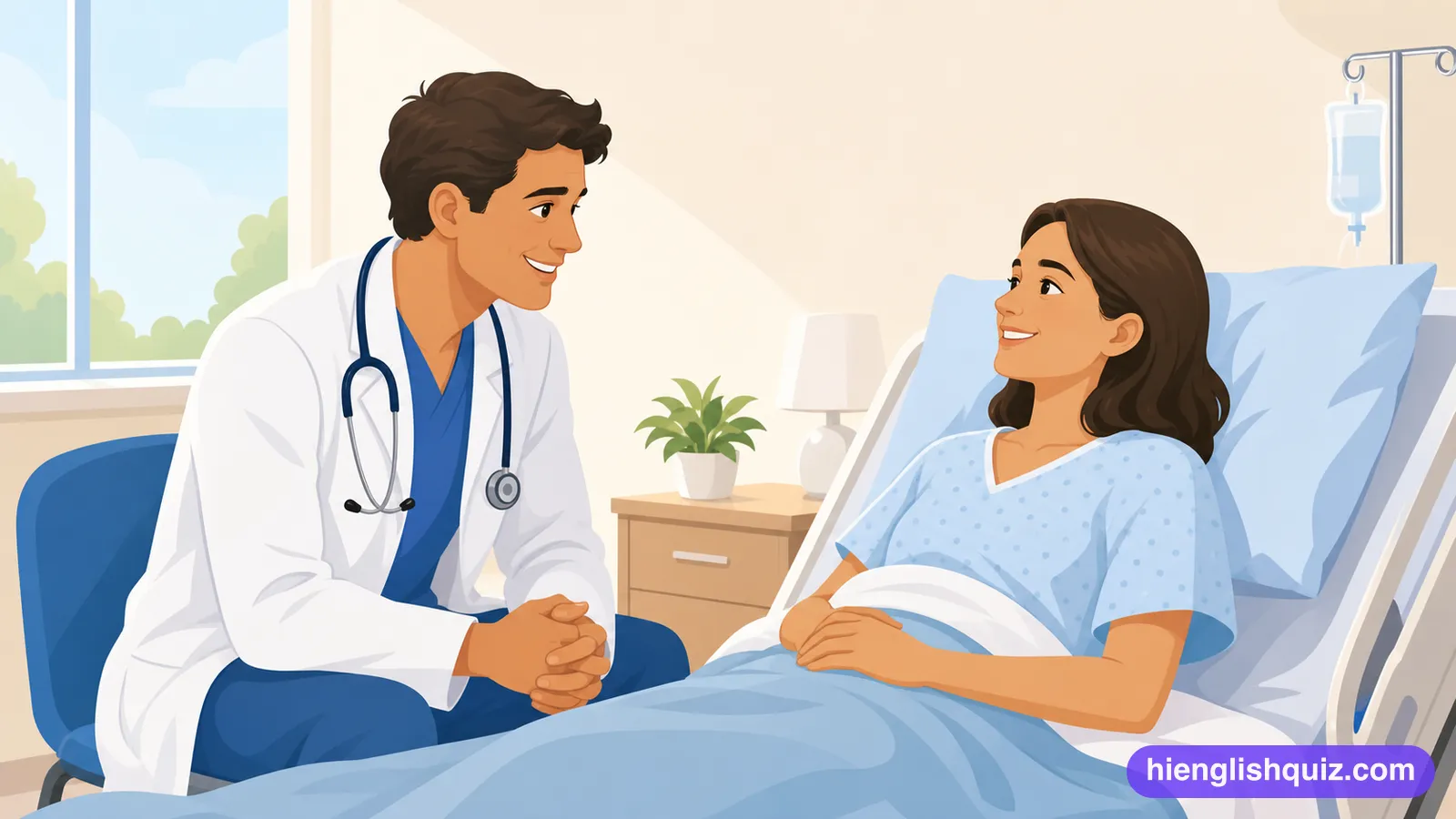
The way a doctor talks to and treats the people in their care.
Example: The surgeon is brilliant, but her bedside manner needs work.
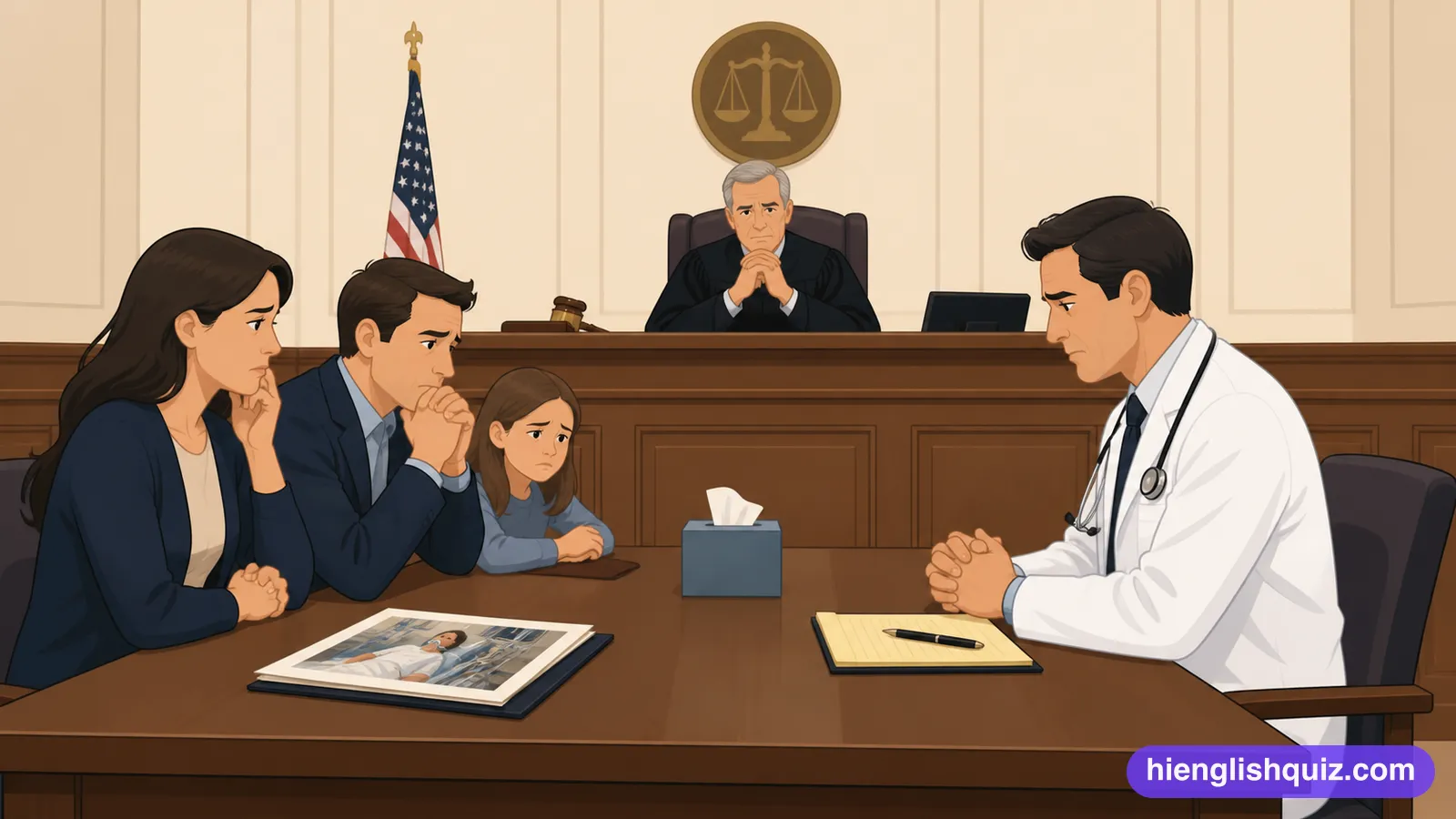
Careless or improper treatment by a doctor or other professional that causes harm.
Example: The family sued the hospital for medical malpractice.
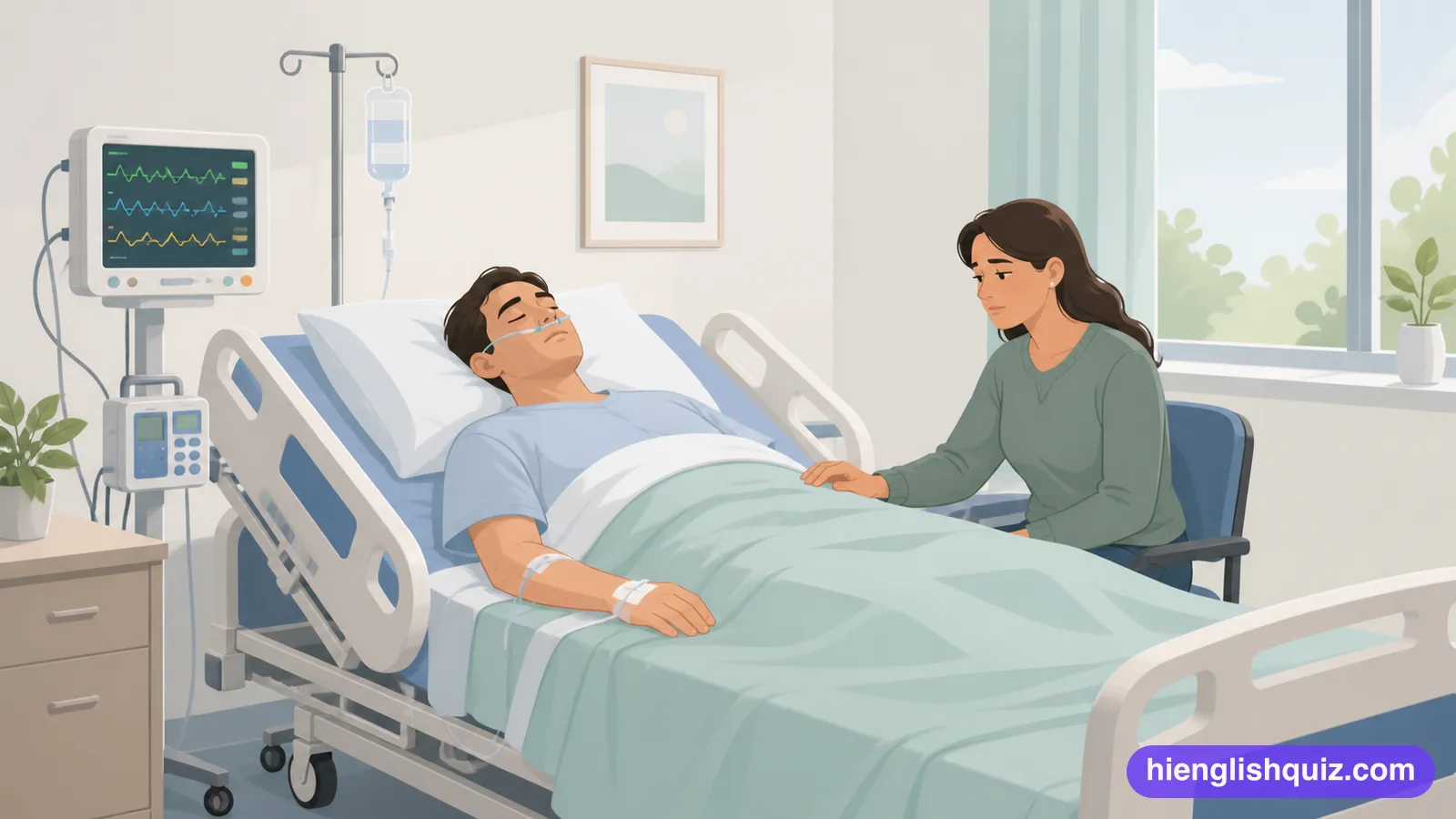
In a state of deep unconsciousness, unable to wake up or respond.
Example: He remained comatose for three days after the crash.
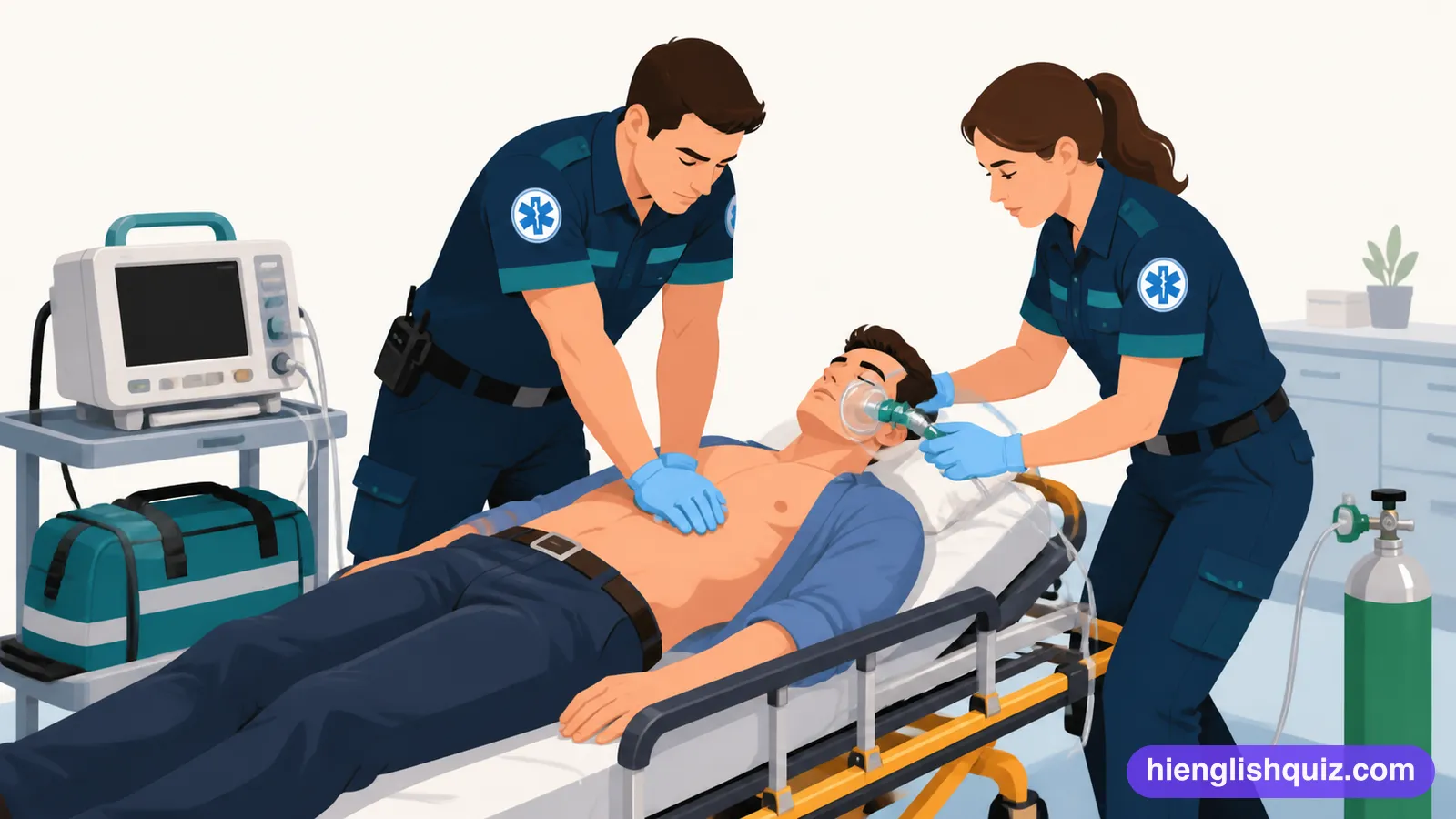
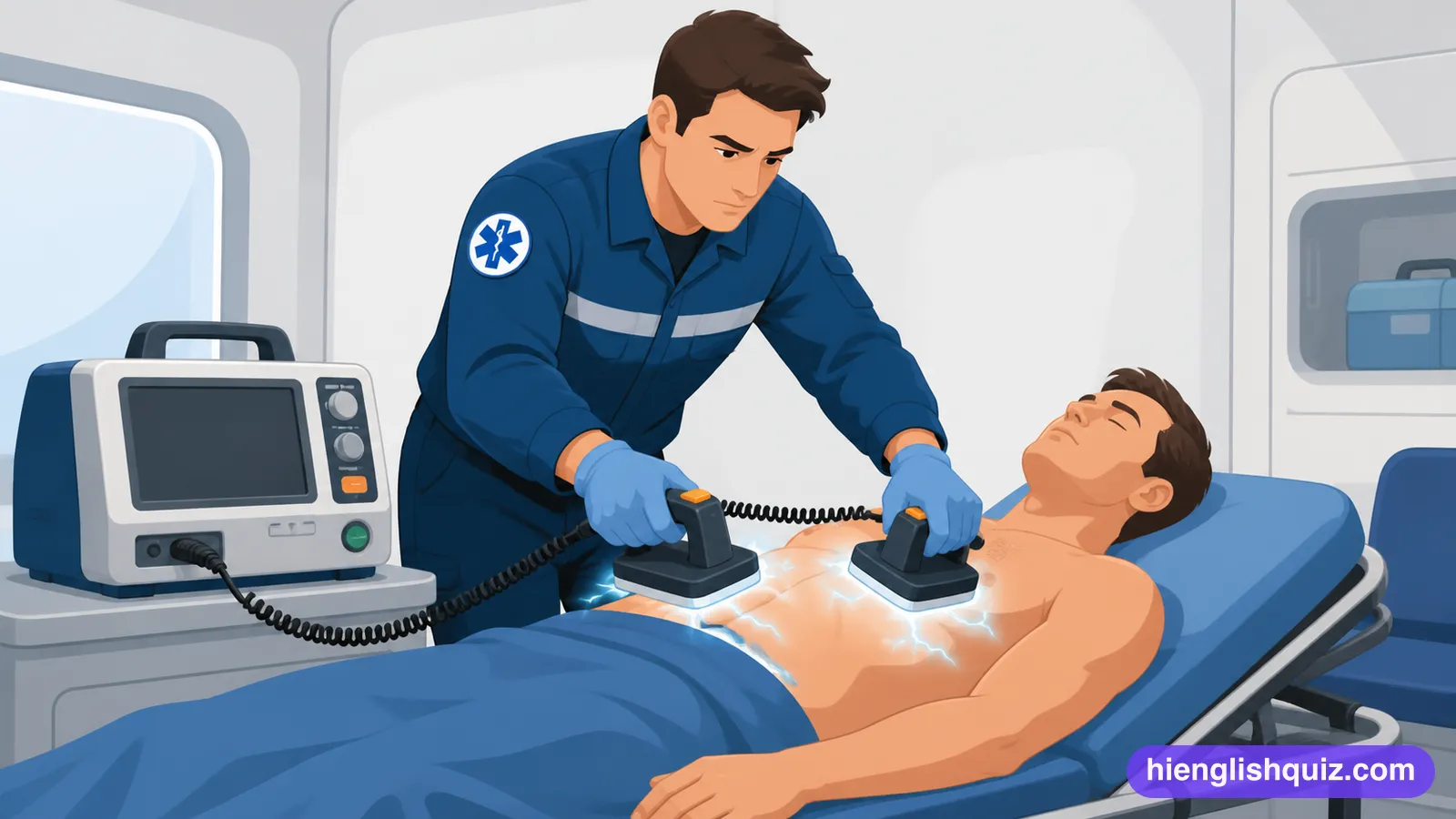
A machine used to give an electric shock to a person's heart to make it start beating normally again.
Example: Staff used a defibrillator to restart his heart.
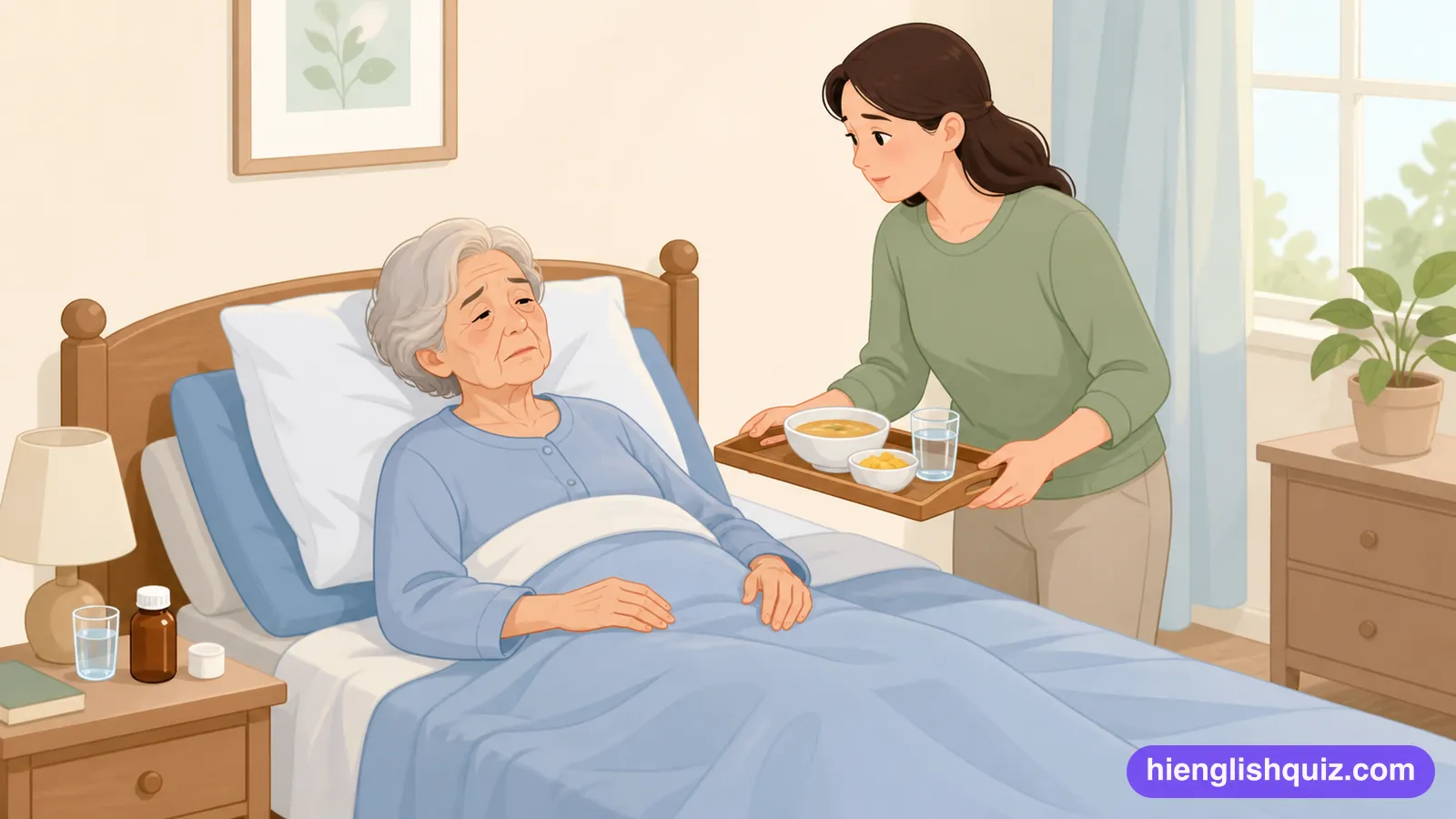
Confined to lying down for long periods because of illness, injury, or old age, unable to get up and move around.
Example: After the stroke, he became bedridden for months.
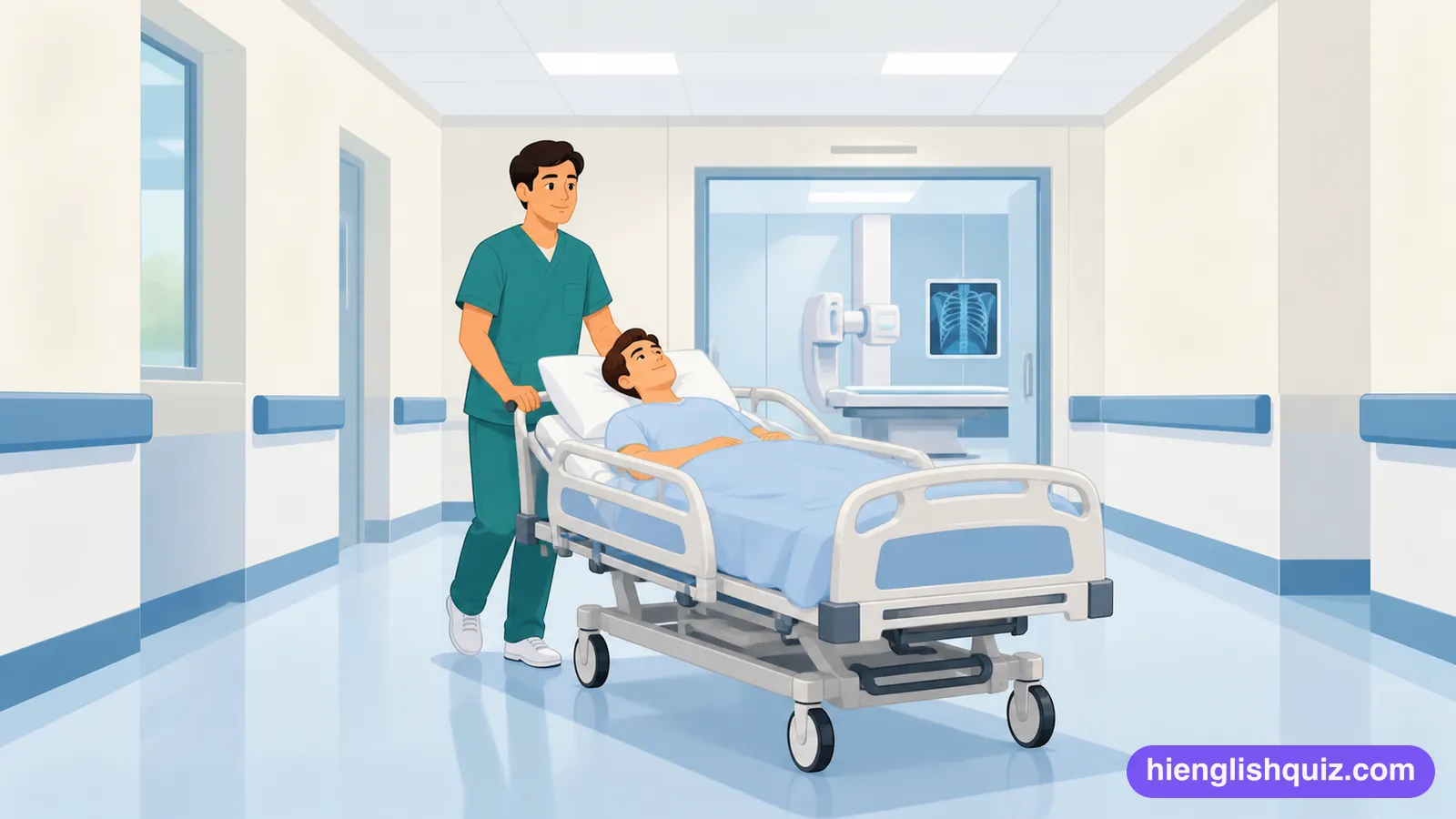
A hospital worker whose job is to move patients and equipment and do general tasks around the wards.
Example: An orderly wheeled the patient down to X-ray.
The process of reviving someone whose heart or breathing has stopped.
Example: Doctors began resuscitation the moment he arrived.