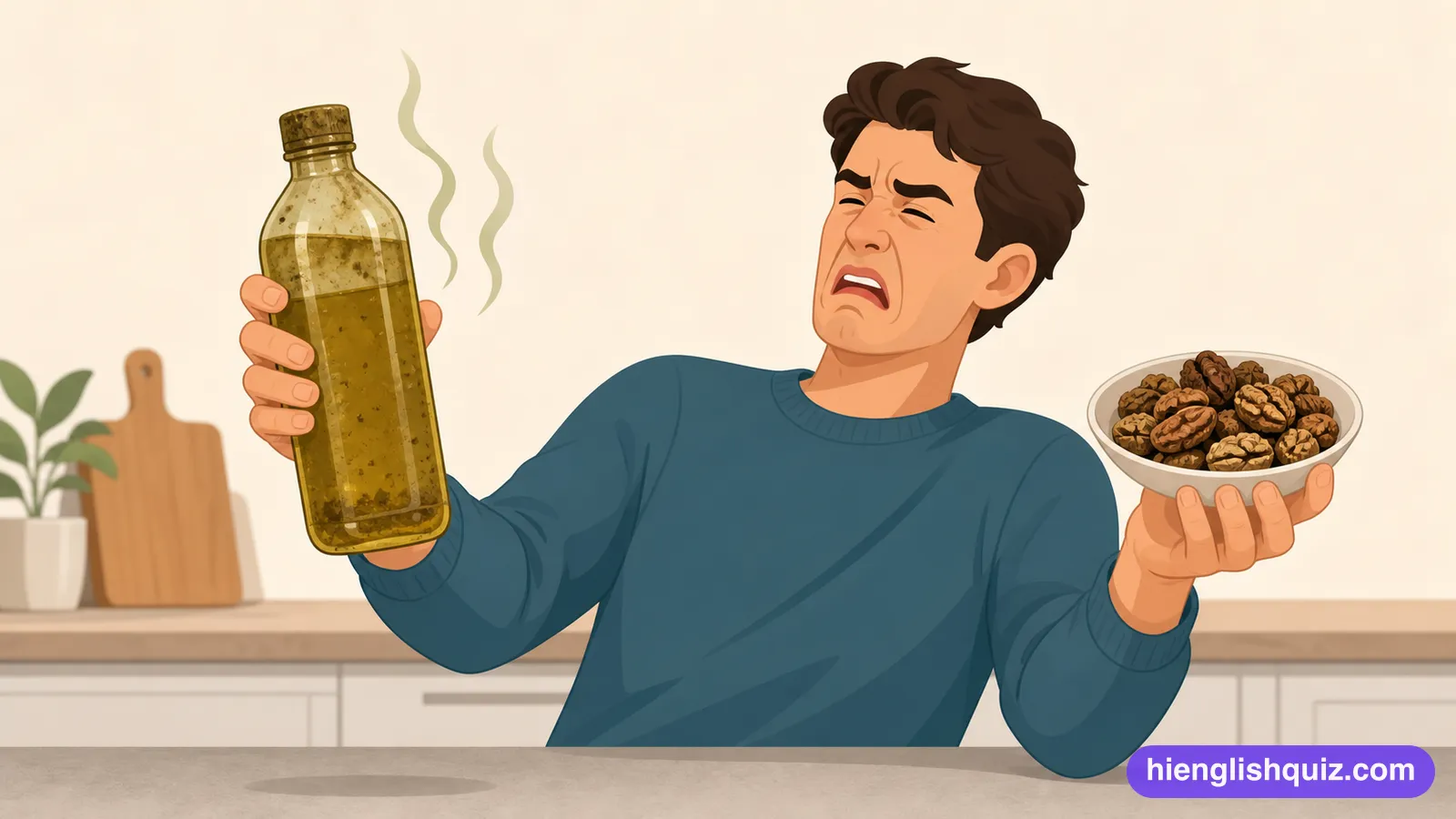
rancid
/ˈrænsɪd/Smelling and tasting stale and unpleasant, the way old butter or oil does.
Example: Throw that oil out — it smells rancid.
 Hi EnglishQuiz
C225 words · Proficient
Food vocabulary for expert discussion of gastronomy, covering sumptuous haute cuisine and a gourmand's indulgent fare alongside butchery terms like marbling, gristle and brisket.
Smelling and tasting stale and unpleasant, the way old butter or oil does.
Example: Throw that oil out — it smells rancid.
The kind of food and drink that is served in a particular place.
Example: The pub serves hearty fare at very reasonable prices.

the art and knowledge of preparing and enjoying good food.
Example: The region is famous for its rich gastronomy.
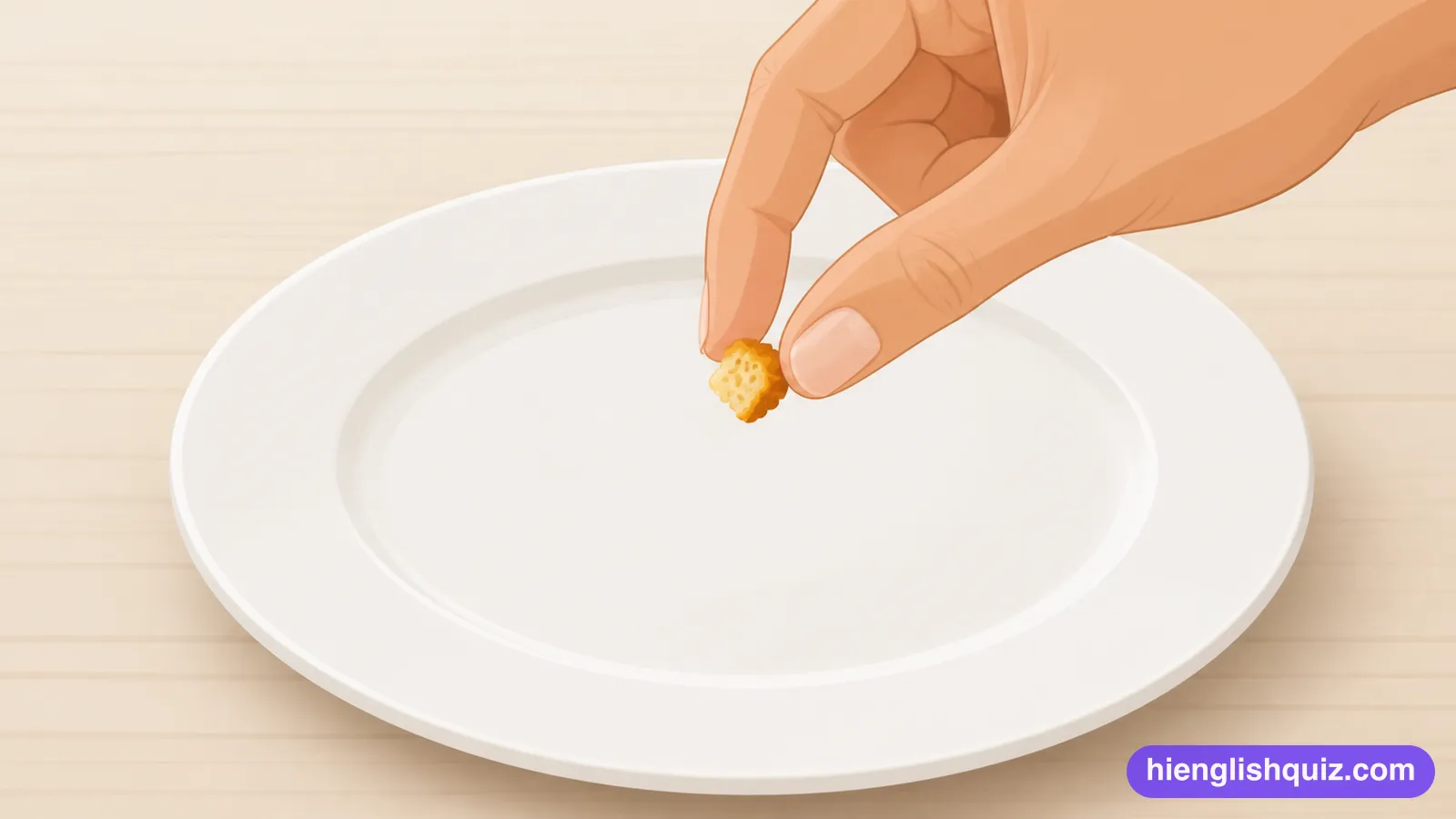
a small piece or amount of food.
Example: She saved the last morsel of cake for later.
a person who loves eating large amounts of good food.
Example: As a true gourmand, he never turns down dessert.

describes a meal that is rich, lavish and very impressive.
Example: They were served a sumptuous banquet at the palace.
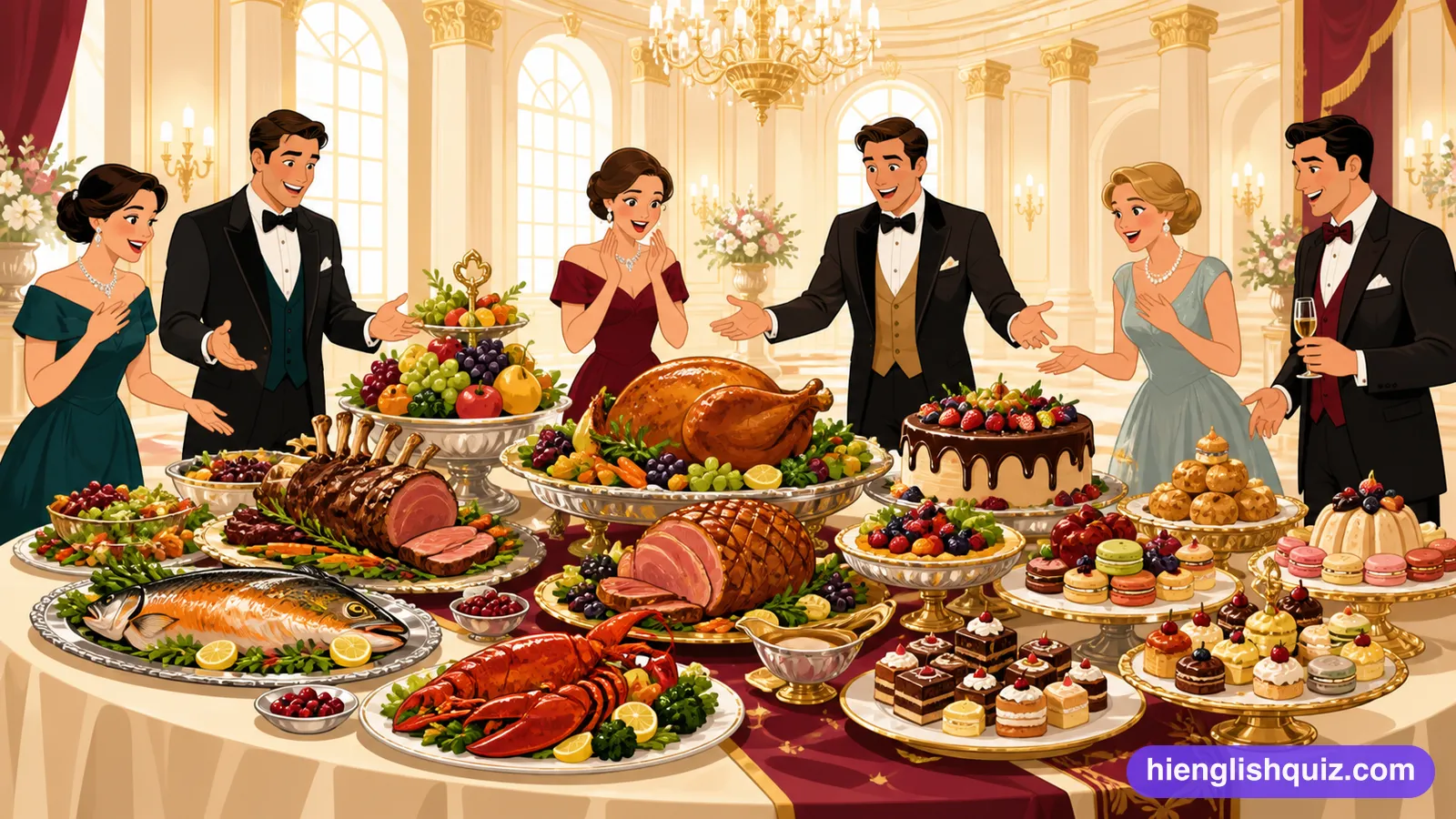
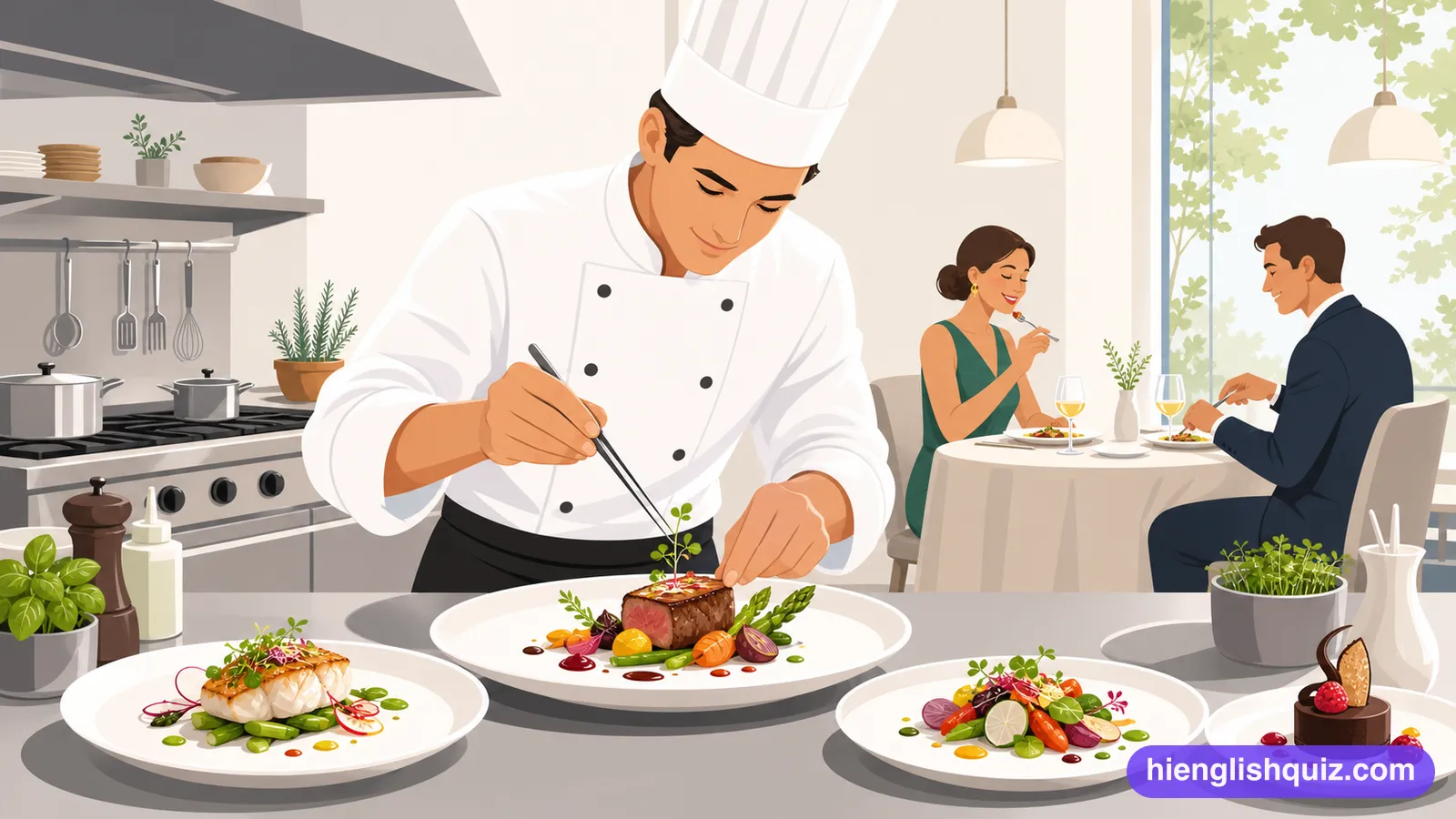
a style of very skilful, high-quality cooking, especially in the French tradition.
Example: The chef trained in haute cuisine before opening his own restaurant.
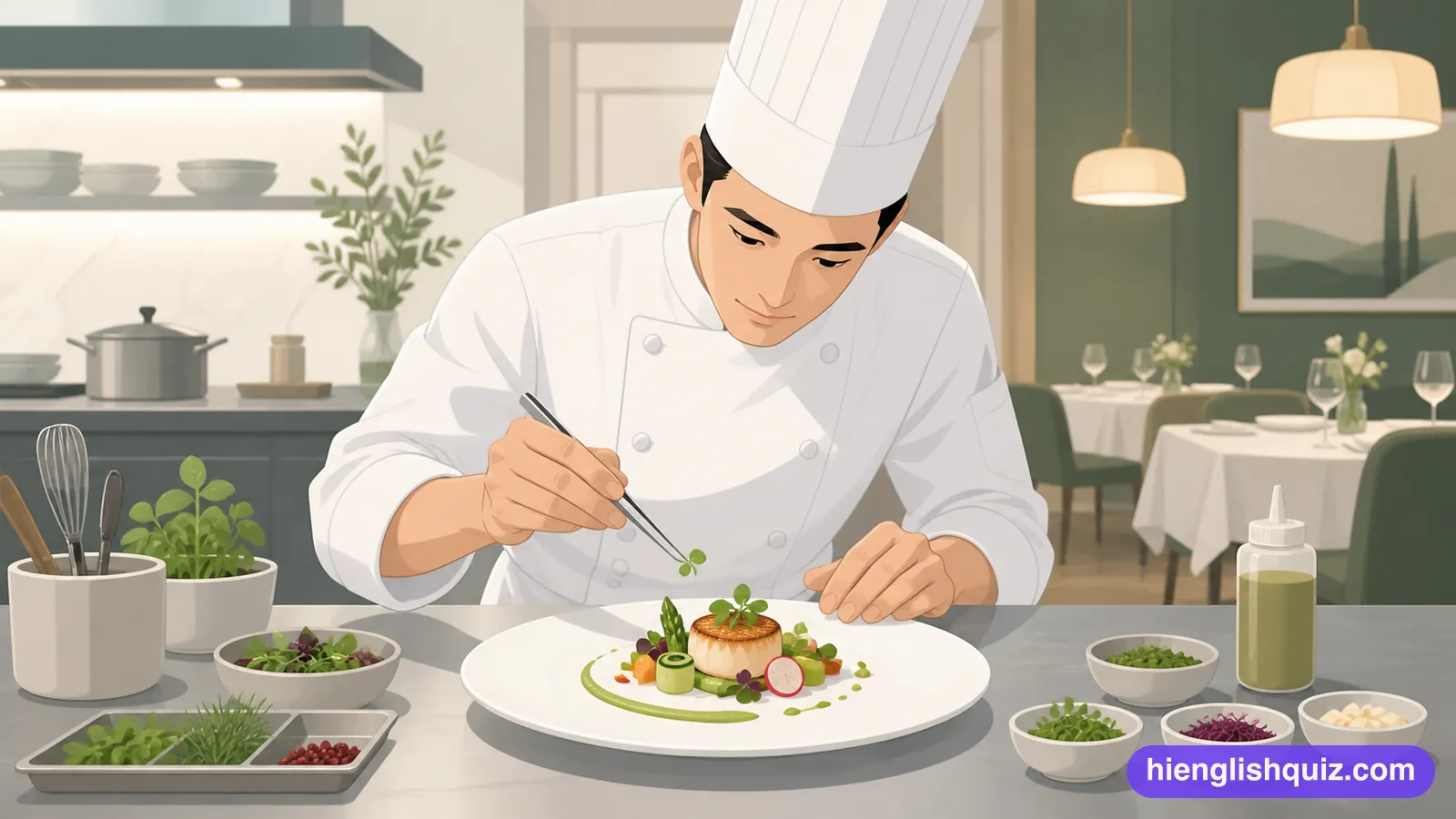
the bad habit of eating or drinking far more than you need.
Example: The huge feast was pure gluttony.
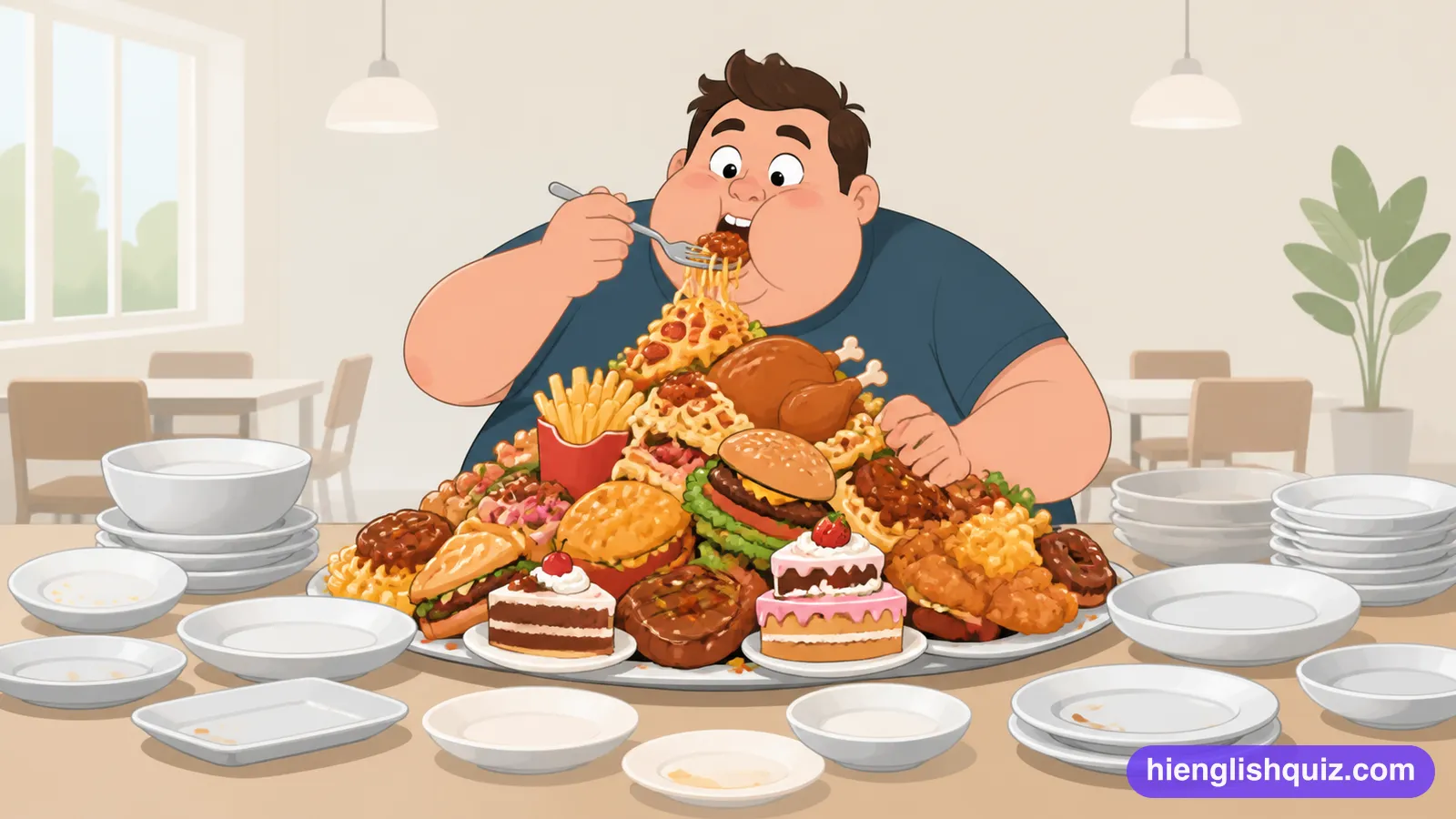
describes food eaten purely as a rich, enjoyable treat, often unhealthy.
Example: This chocolate cake is wonderfully indulgent.

a shop that sells high-quality or unusual foods, such as cheeses and cooked meats.
Example: We bought Italian ham from the local delicatessen.
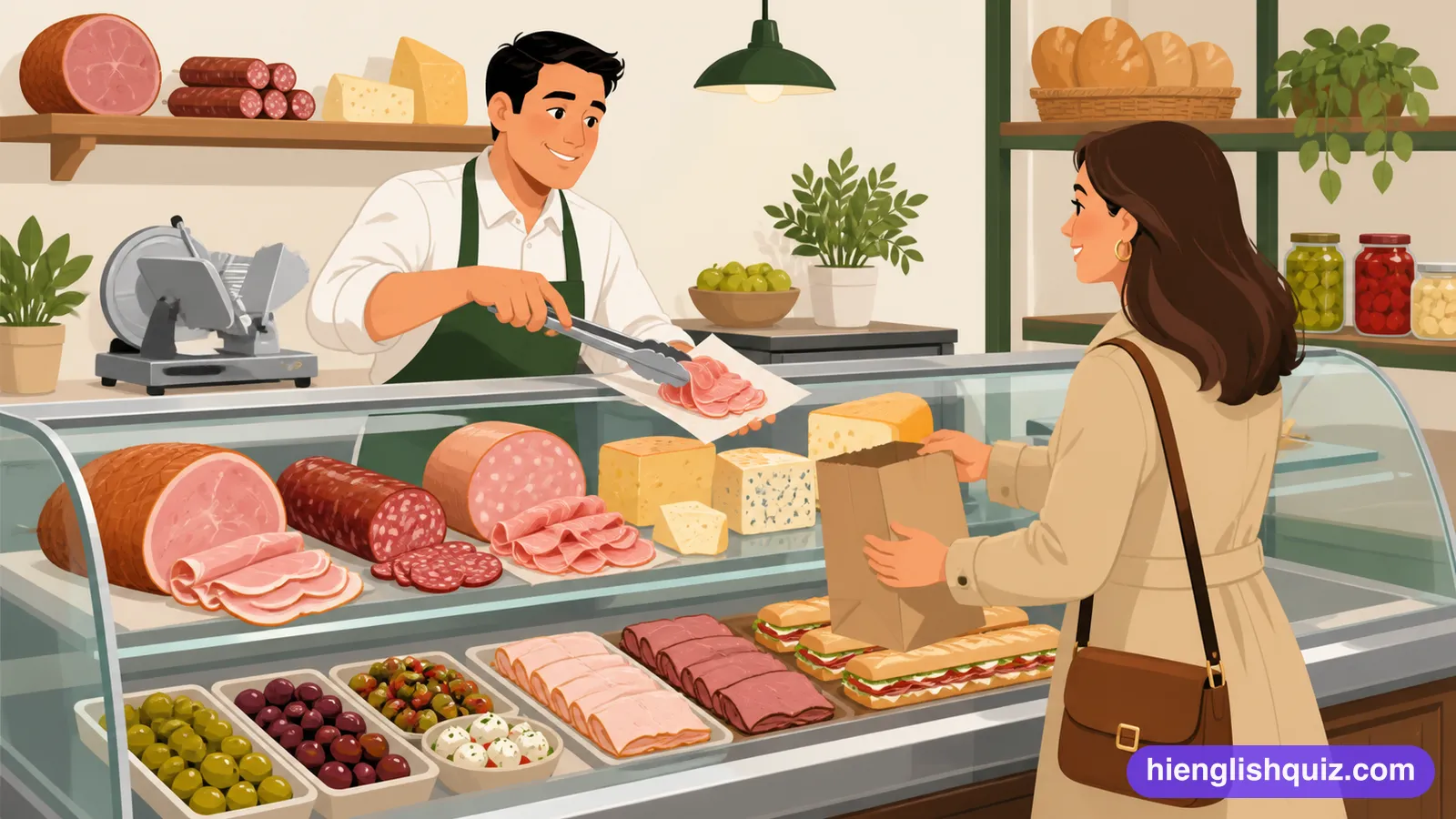
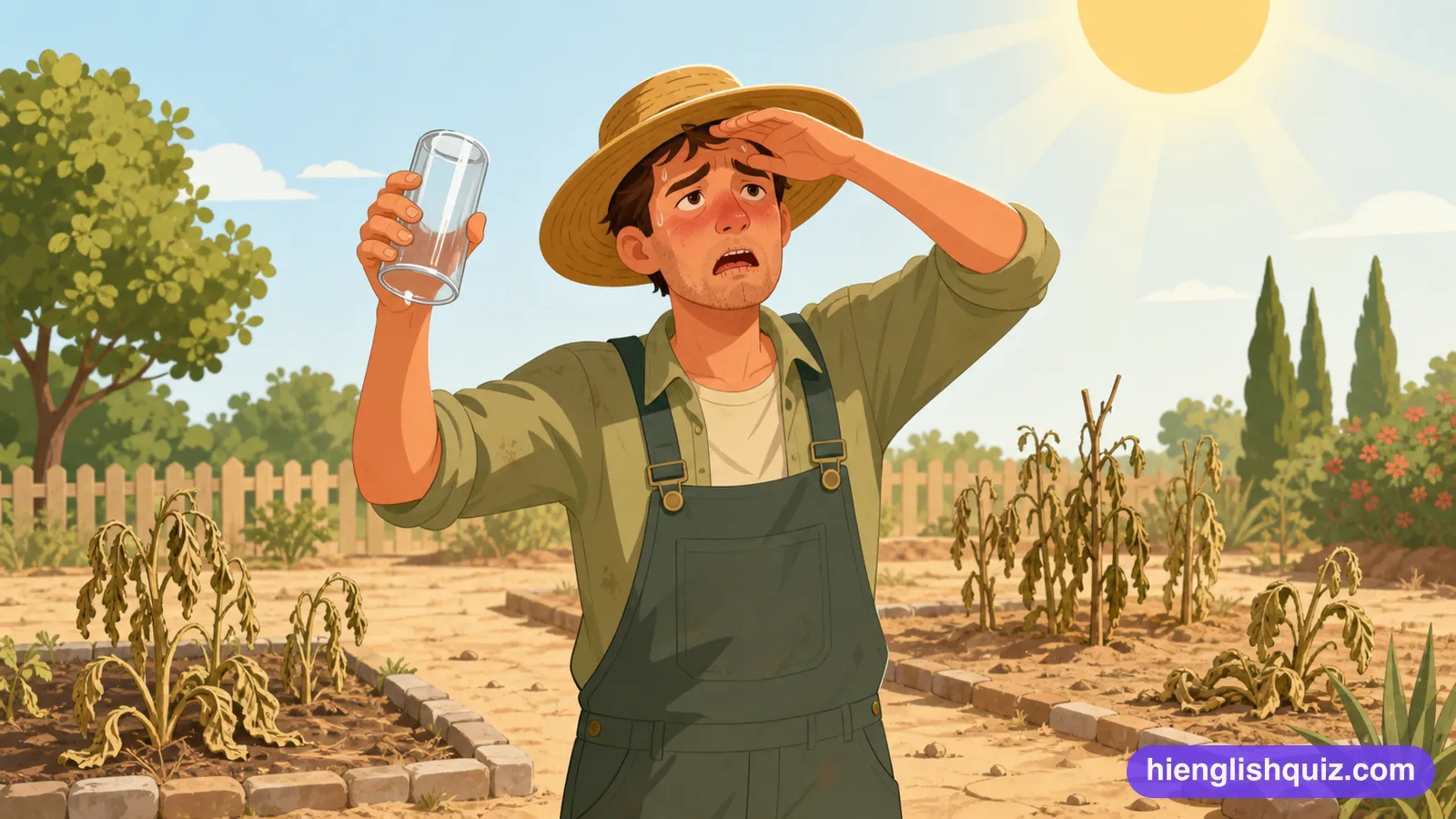
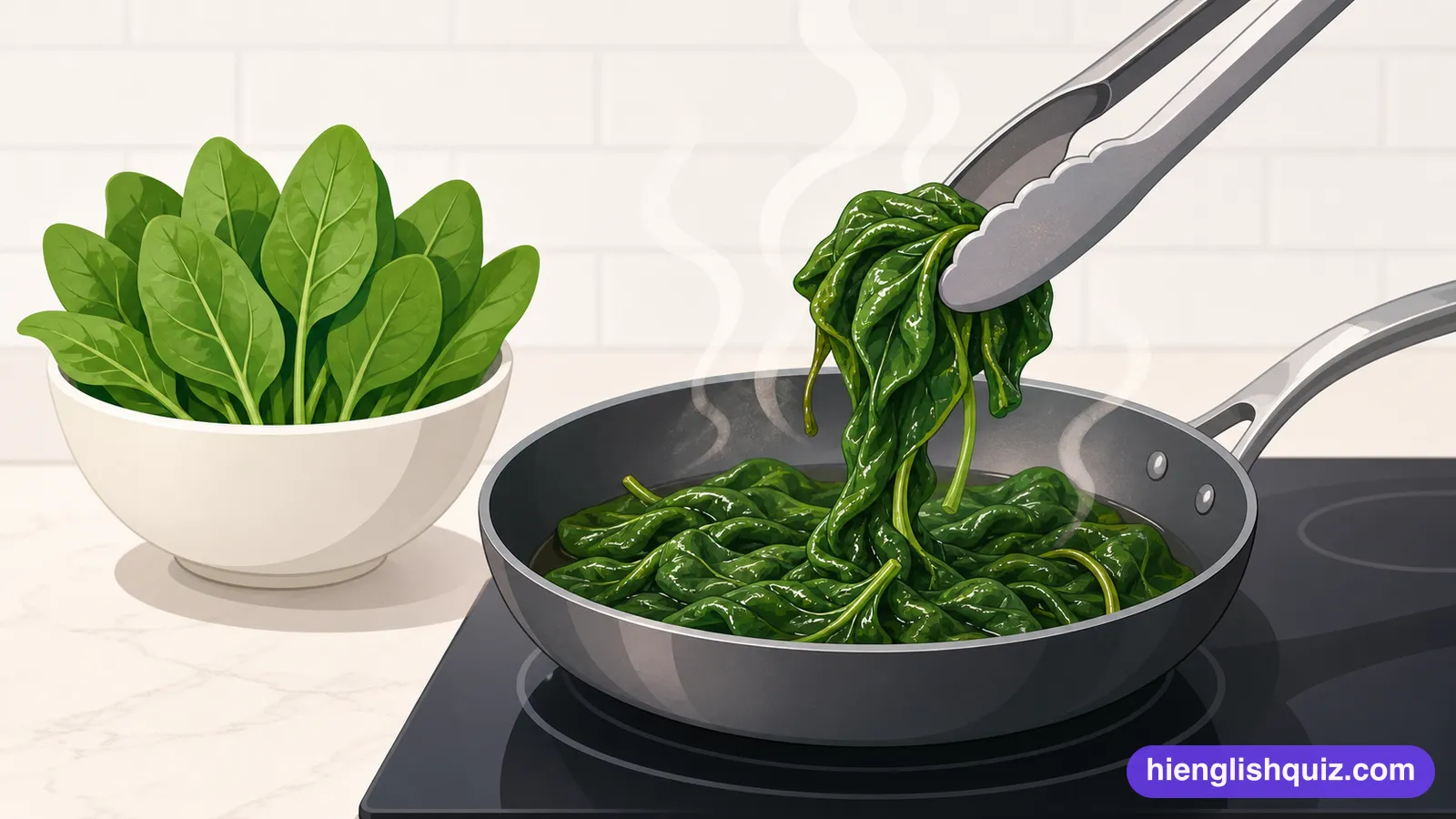
When leaves or greens lose their stiffness and go limp, from heat or from age.
Example: The spinach will wilt in seconds in that hot pan.
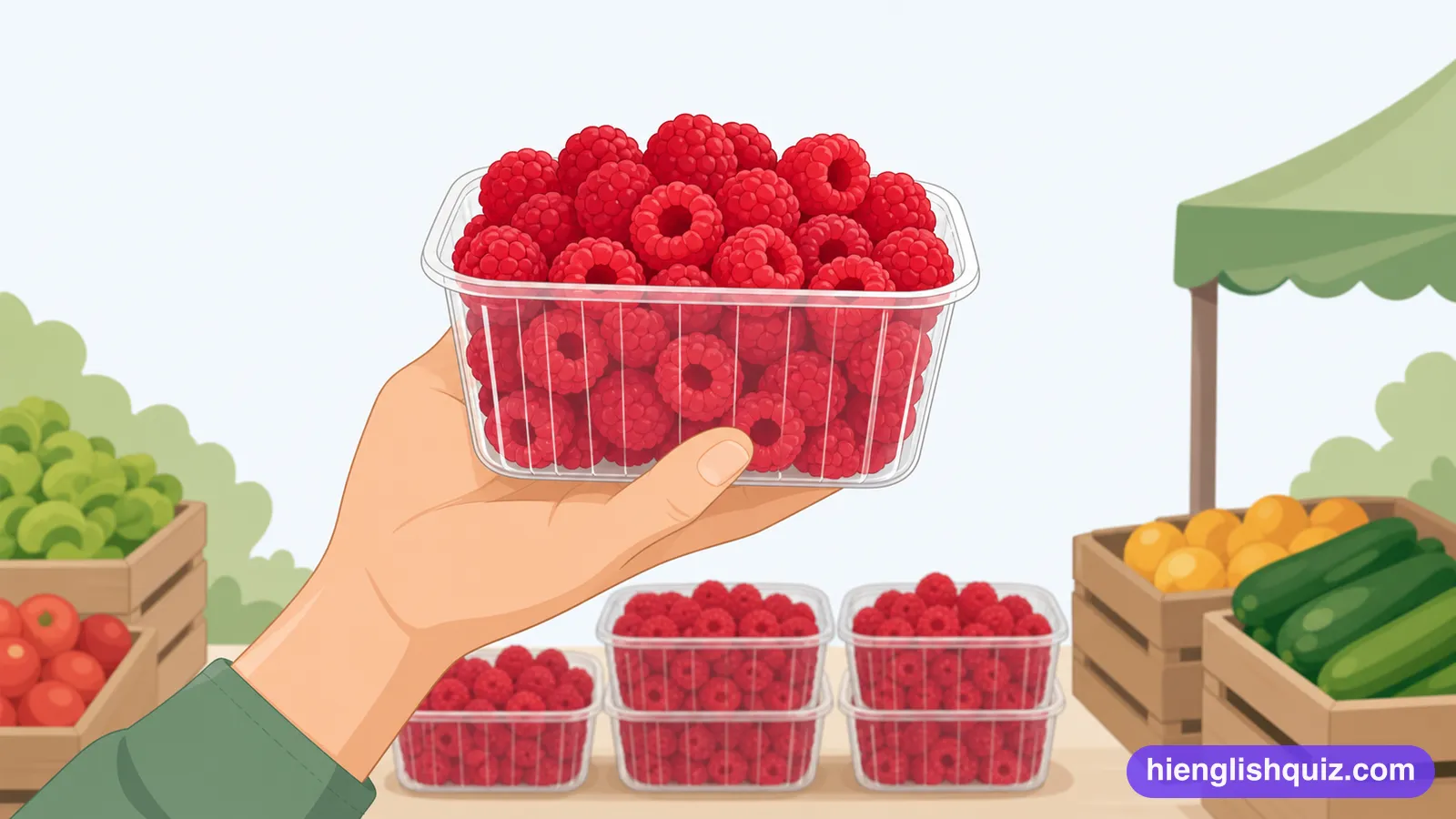
A small light box, often clear plastic, that soft fruit such as strawberries is sold in.
Example: I picked up a punnet of raspberries at the market.
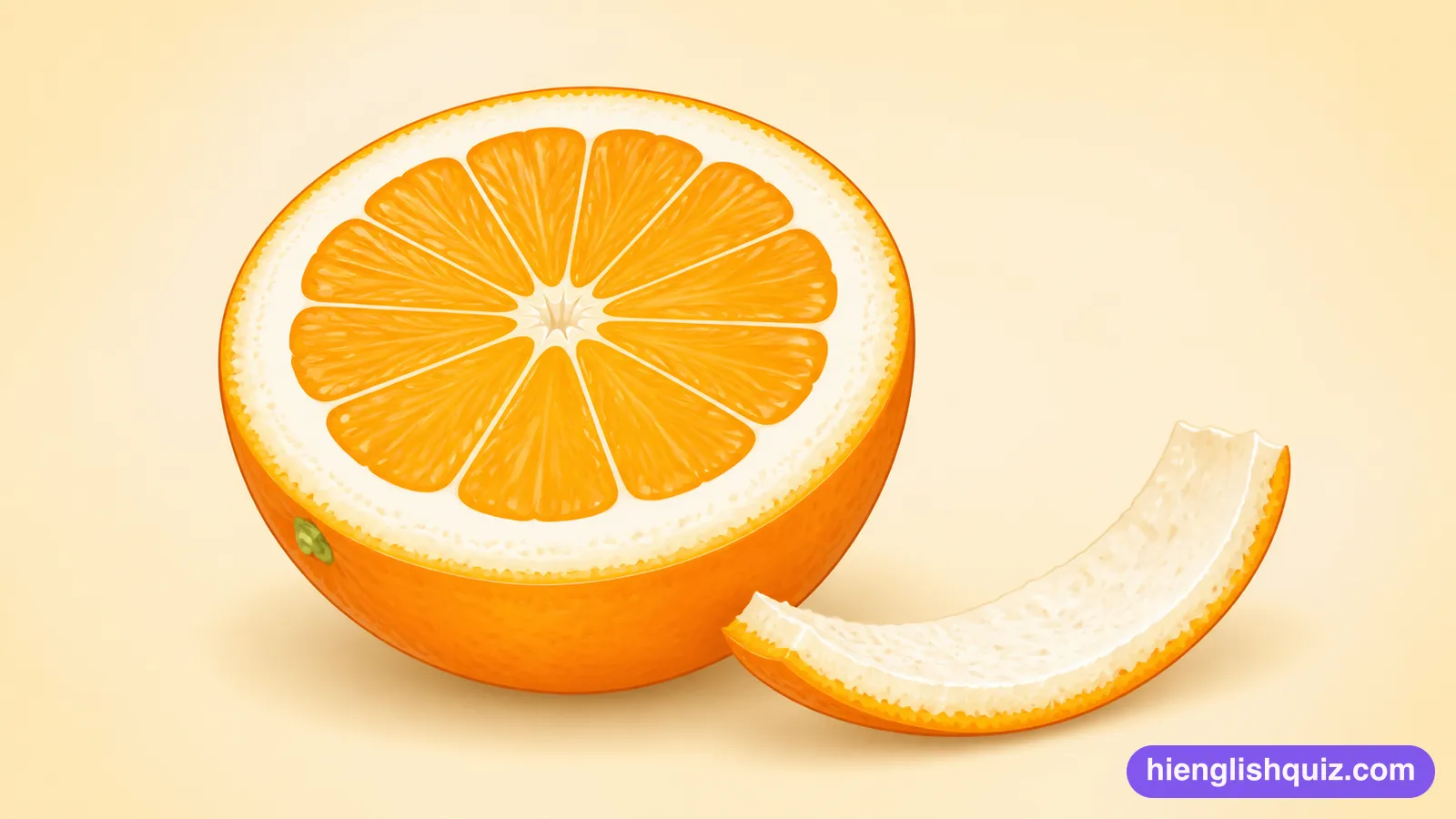
The soft white layer under the skin of an orange or lemon, which tastes bitter.
Example: Scrape off the bitter pith before you add the peel.
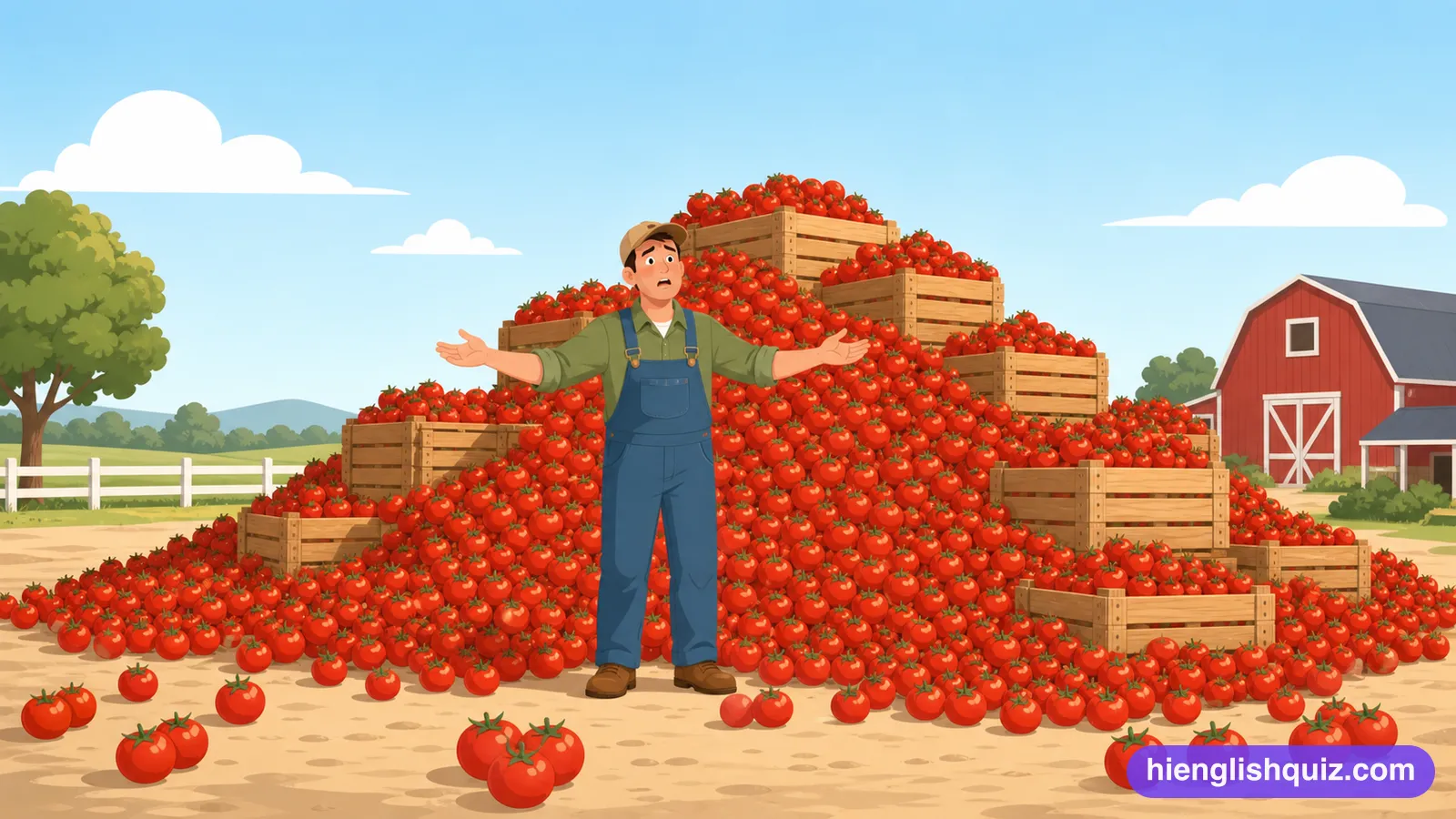
A supply of something that is far larger than anyone needs or wants.
Example: A glut of tomatoes this summer pushed prices right down.
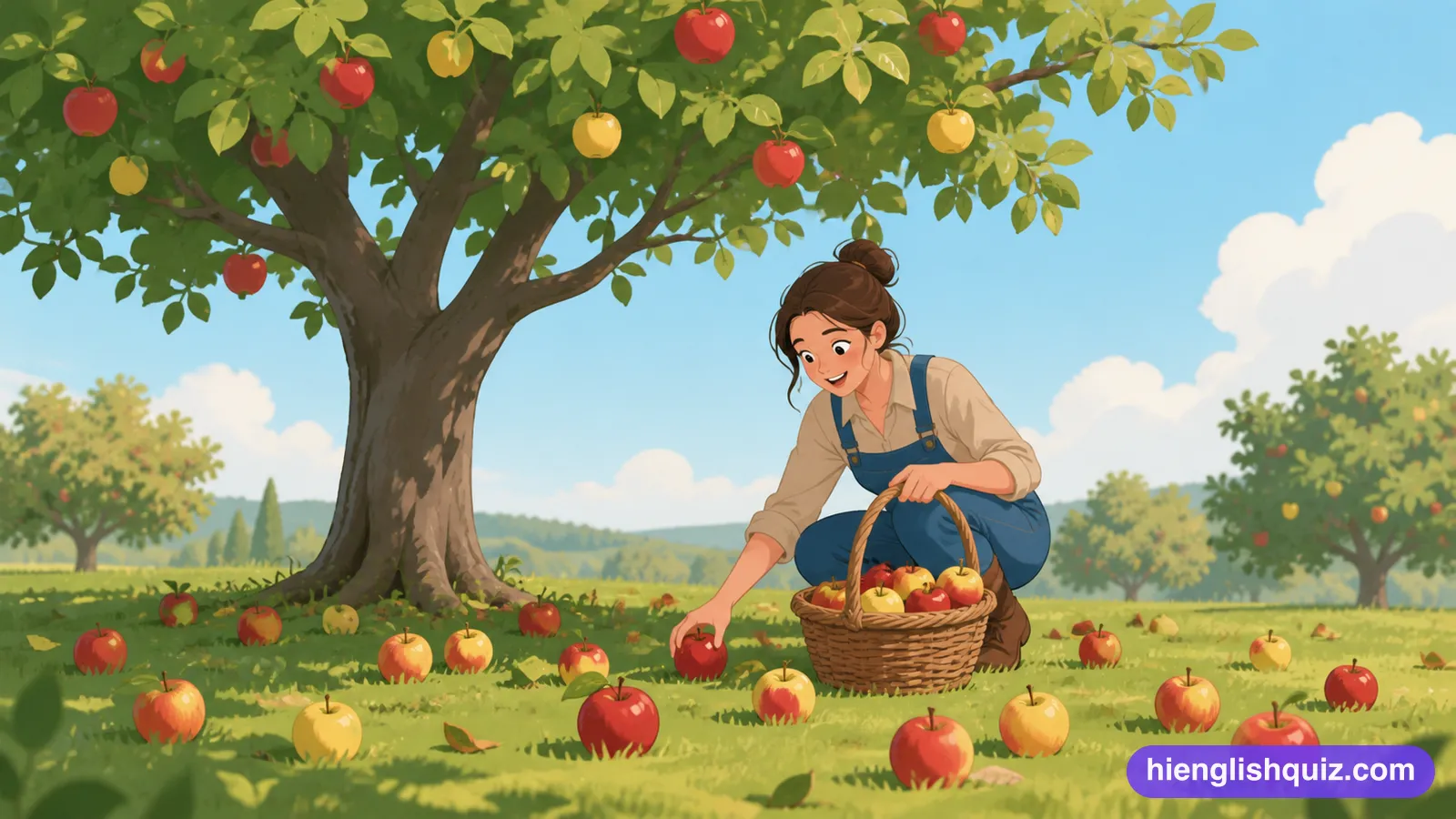
fruit that has fallen from a tree naturally, often blown down by wind.
Example: We collected windfall apples from under the tree.
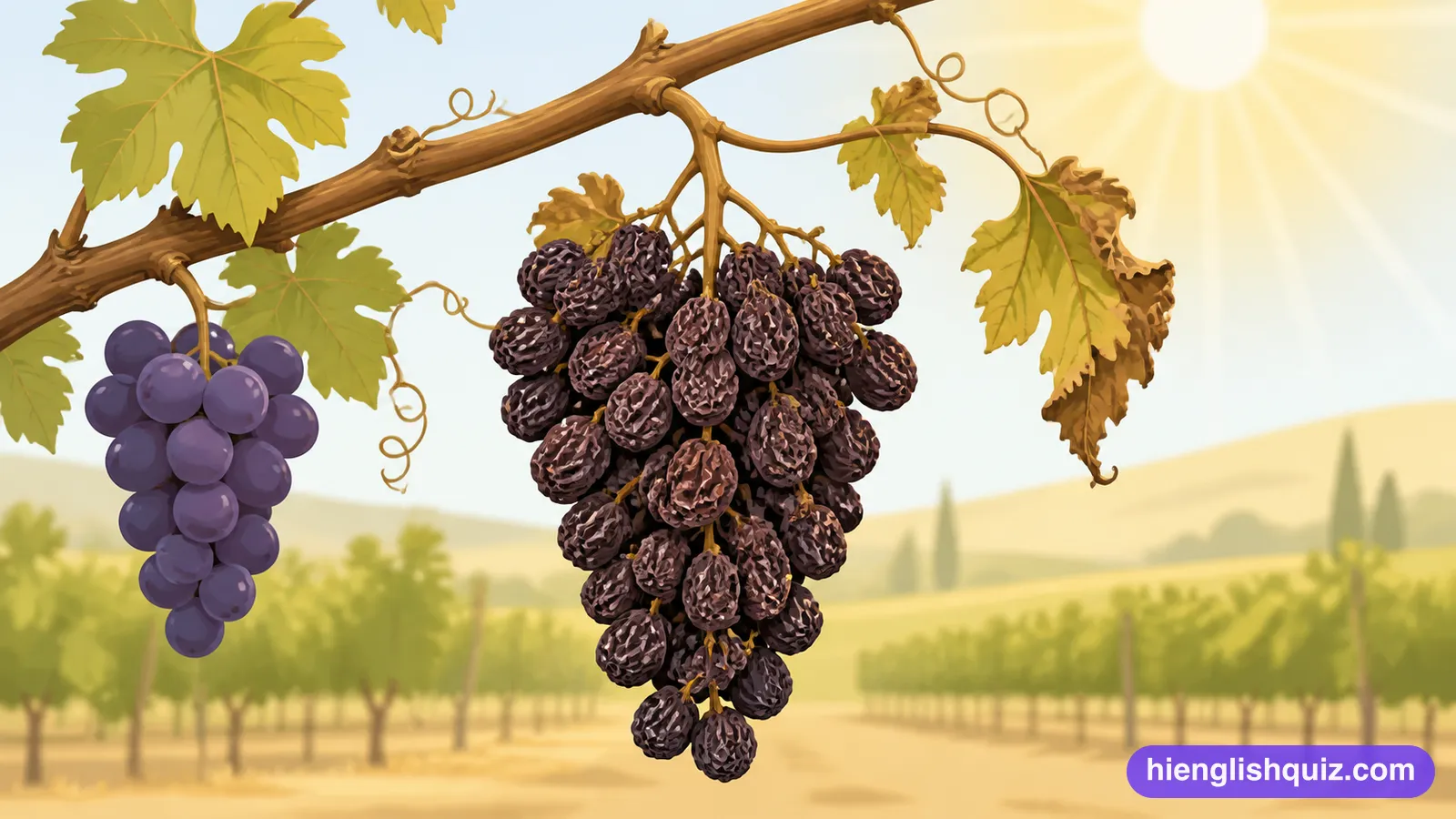
when fruit becomes smaller, wrinkled and dry, usually as it loses moisture.
Example: The grapes had begun to shrivel in the sun.
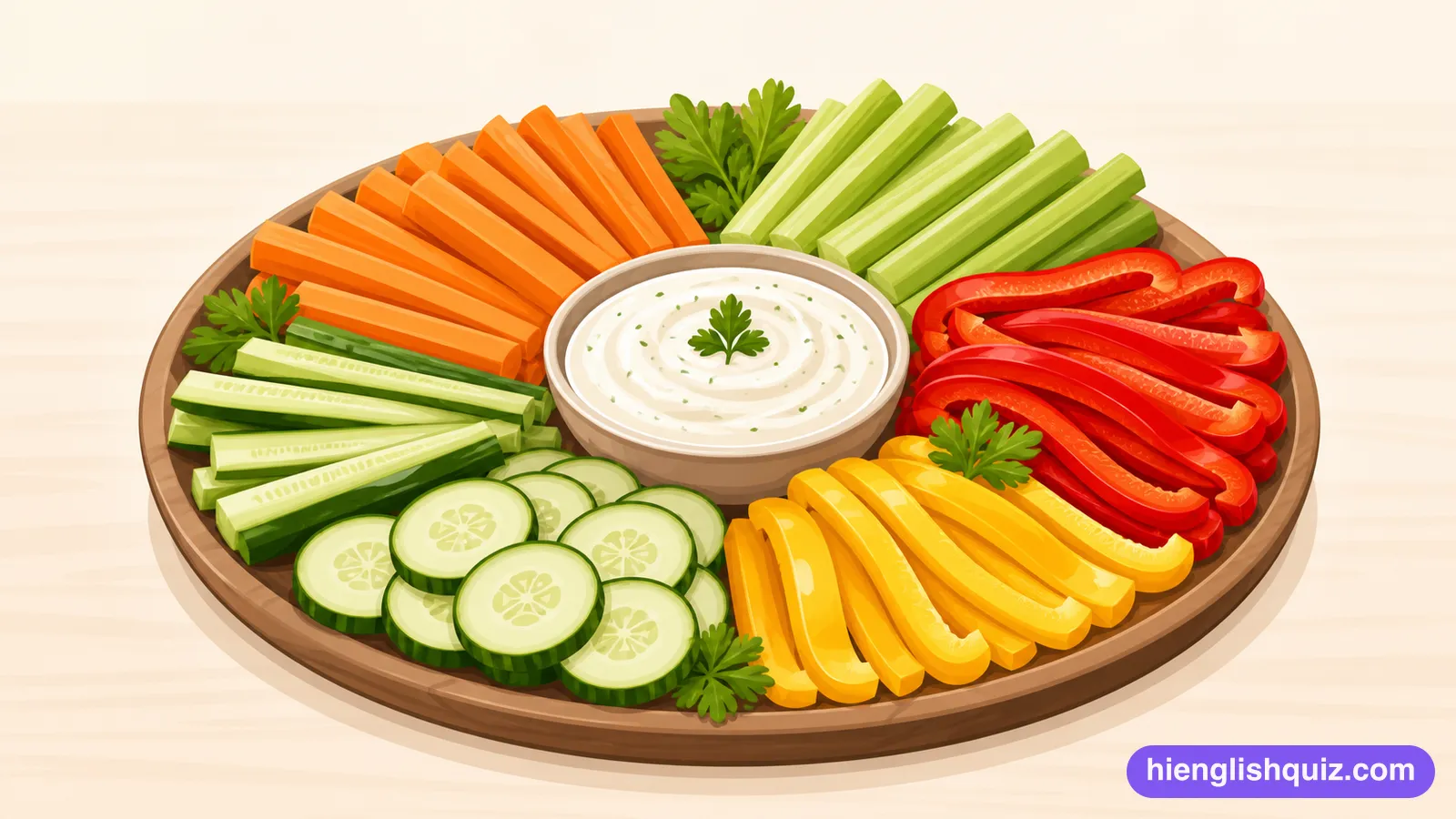
raw vegetables cut into pieces, often served with a dip.
Example: We served crudités with houmous before dinner.
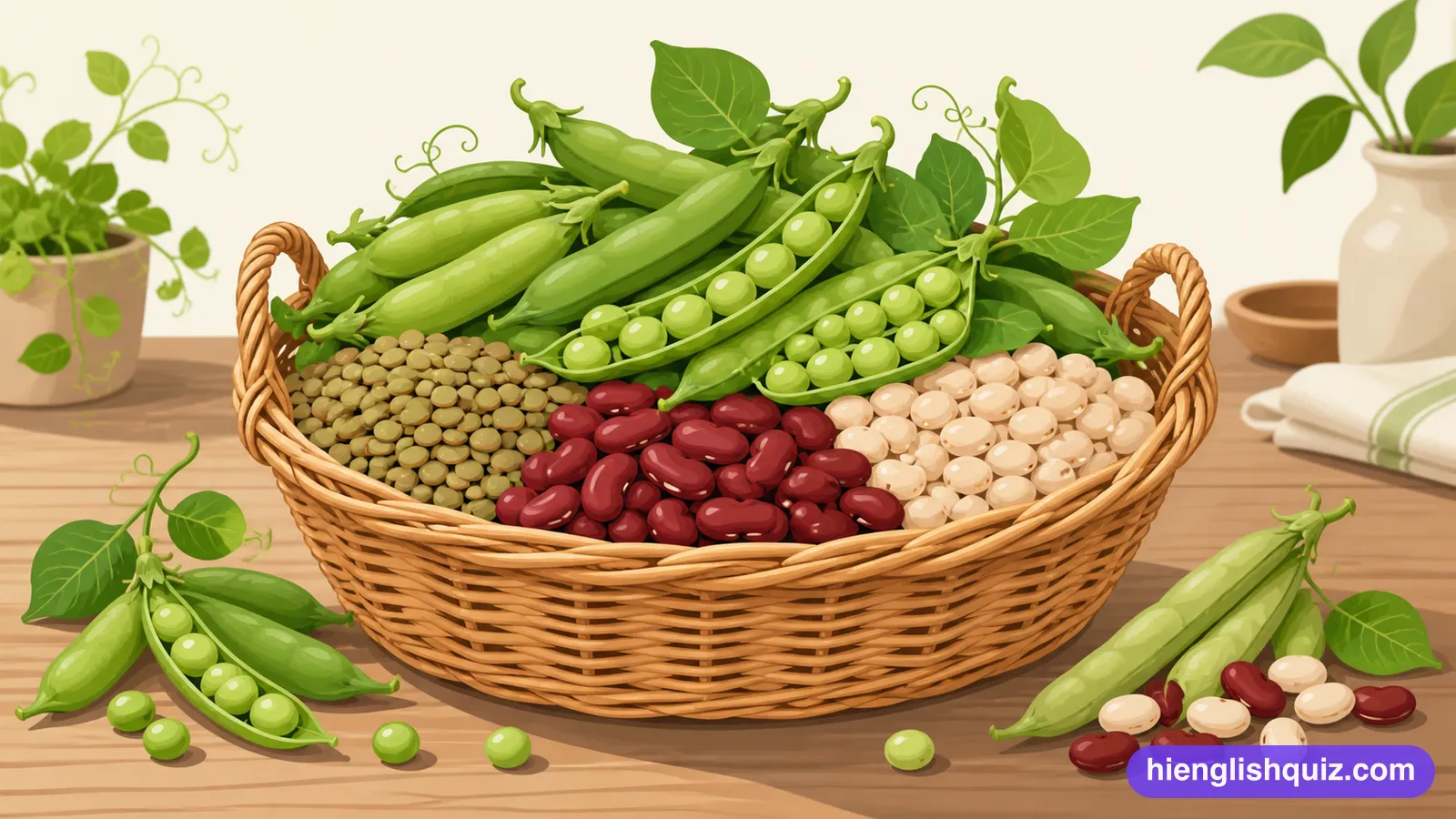
the scientific term for plants like peas, beans and lentils, whose seeds grow in pods.
Example: Farmers rotate their crops by planting a legume like beans.
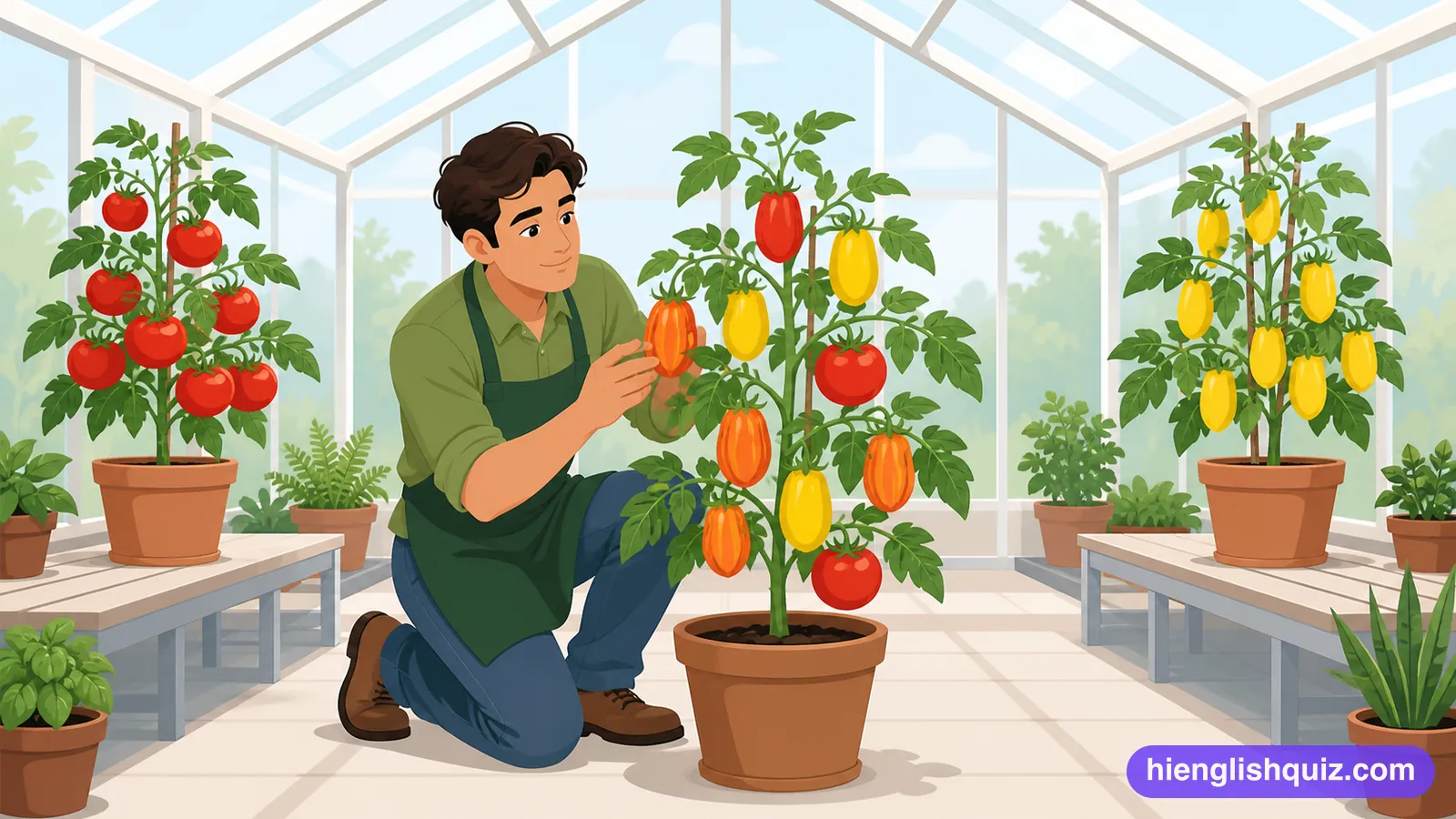
a plant produced by combining two different varieties to create something new.
Example: This tomato is a hybrid bred for disease resistance.
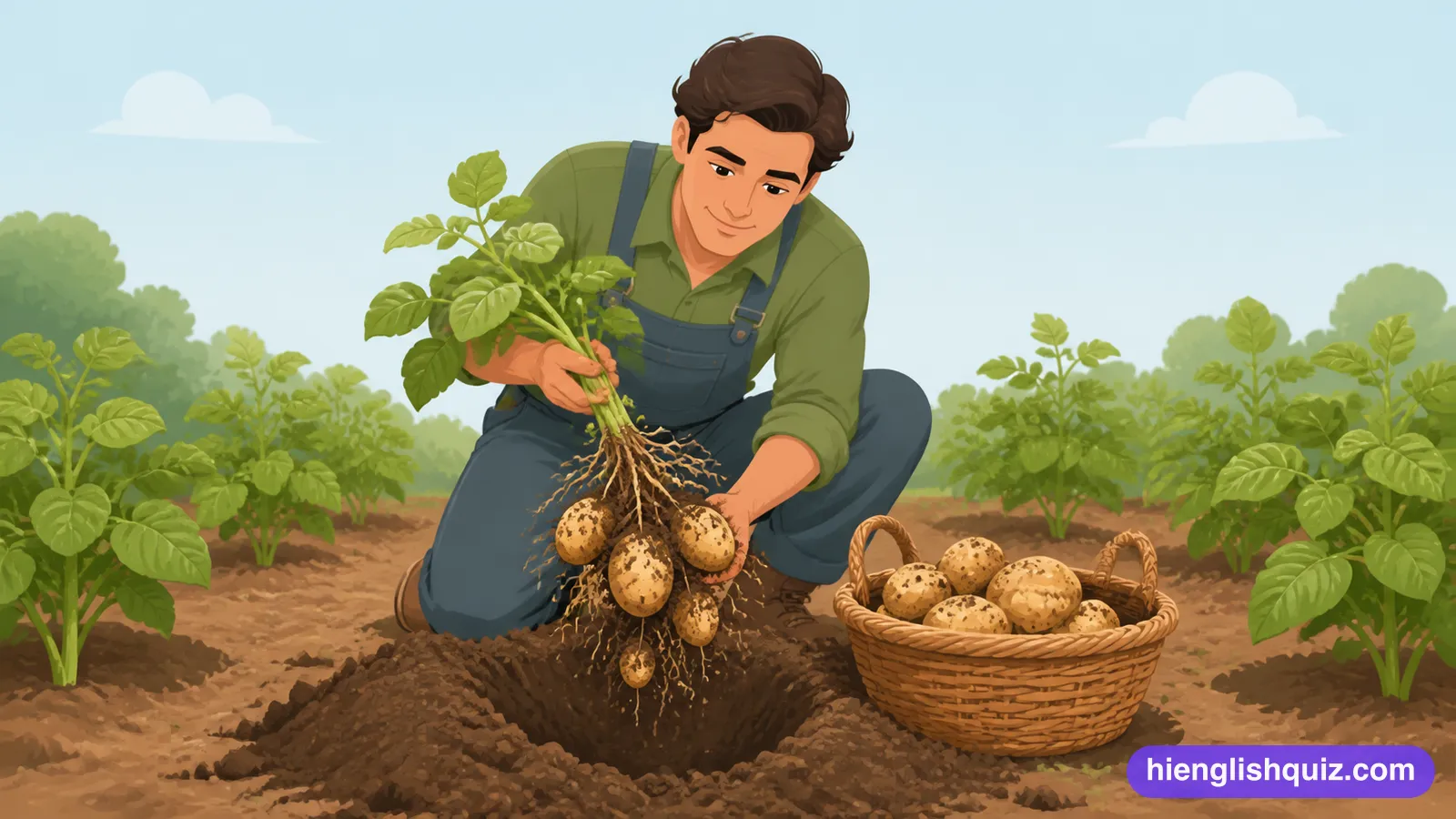
the round, thick underground part of a plant, such as a potato, from which new plants can grow.
Example: The potato is the most common edible tuber.
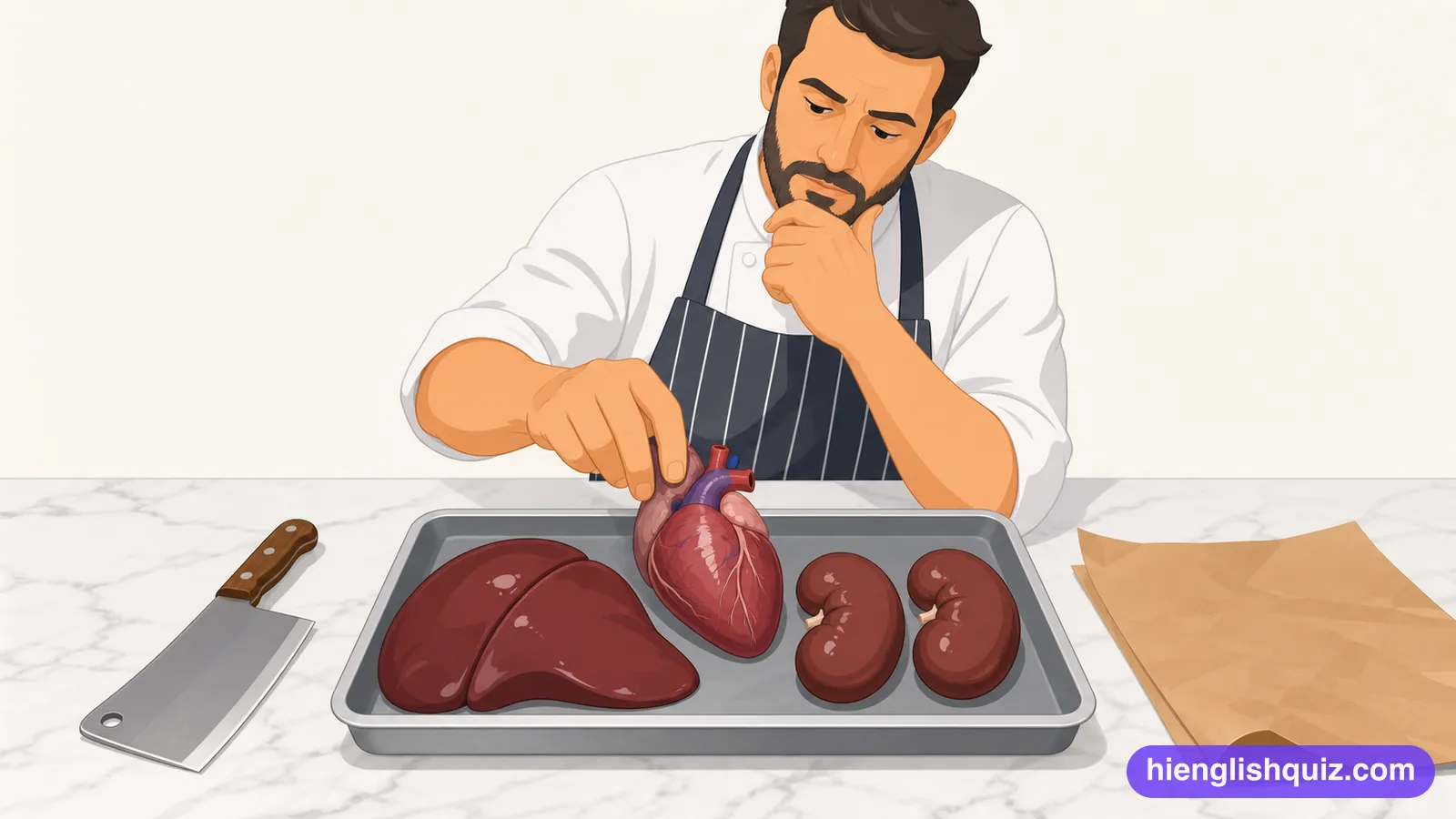
The inside organs of an animal — liver, kidney and heart — eaten as food.
Example: Plenty of chefs love cooking with offal.
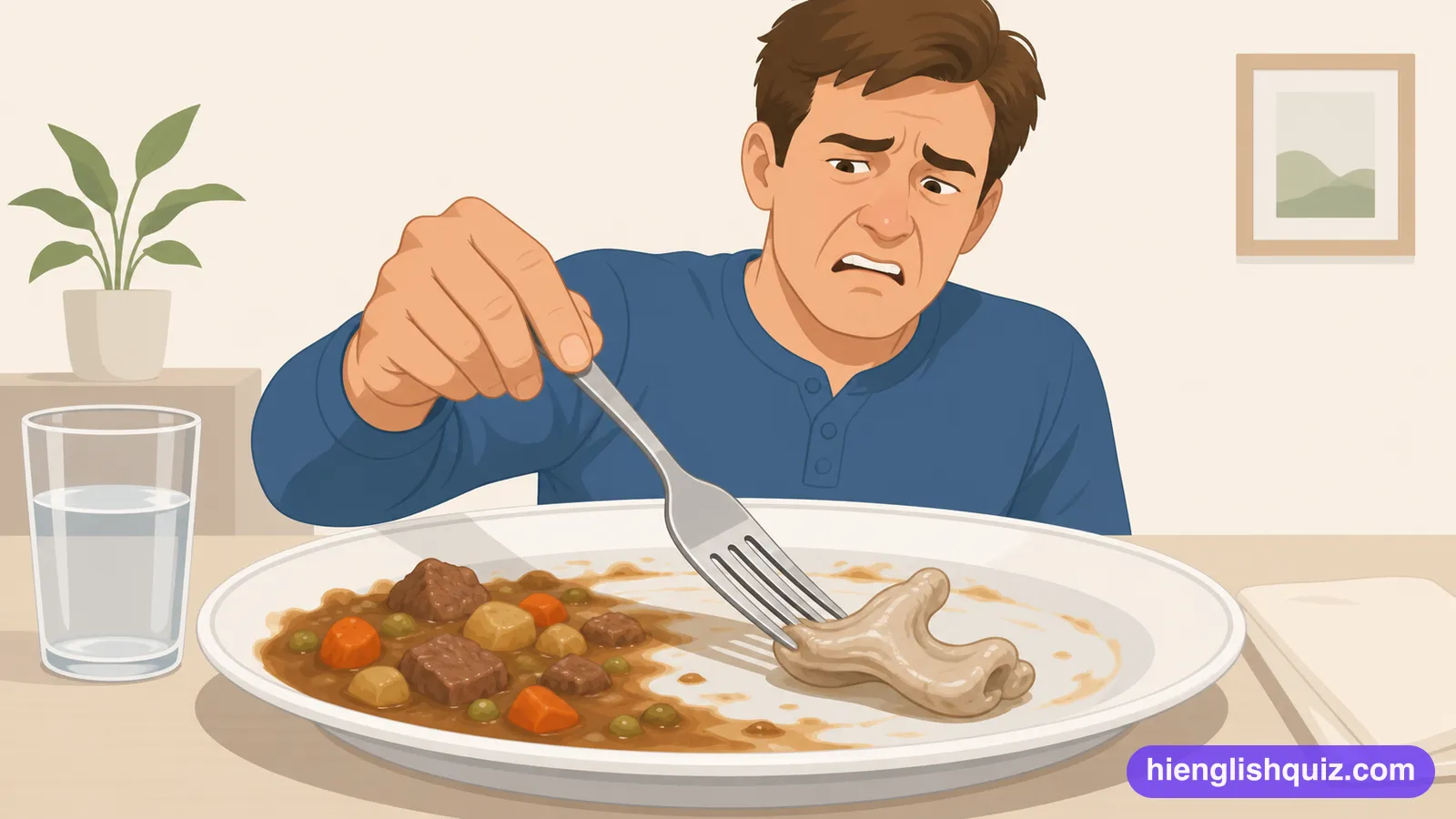
The tough rubbery white bits in meat that never go soft enough to chew.
Example: There was far too much gristle in that stew.
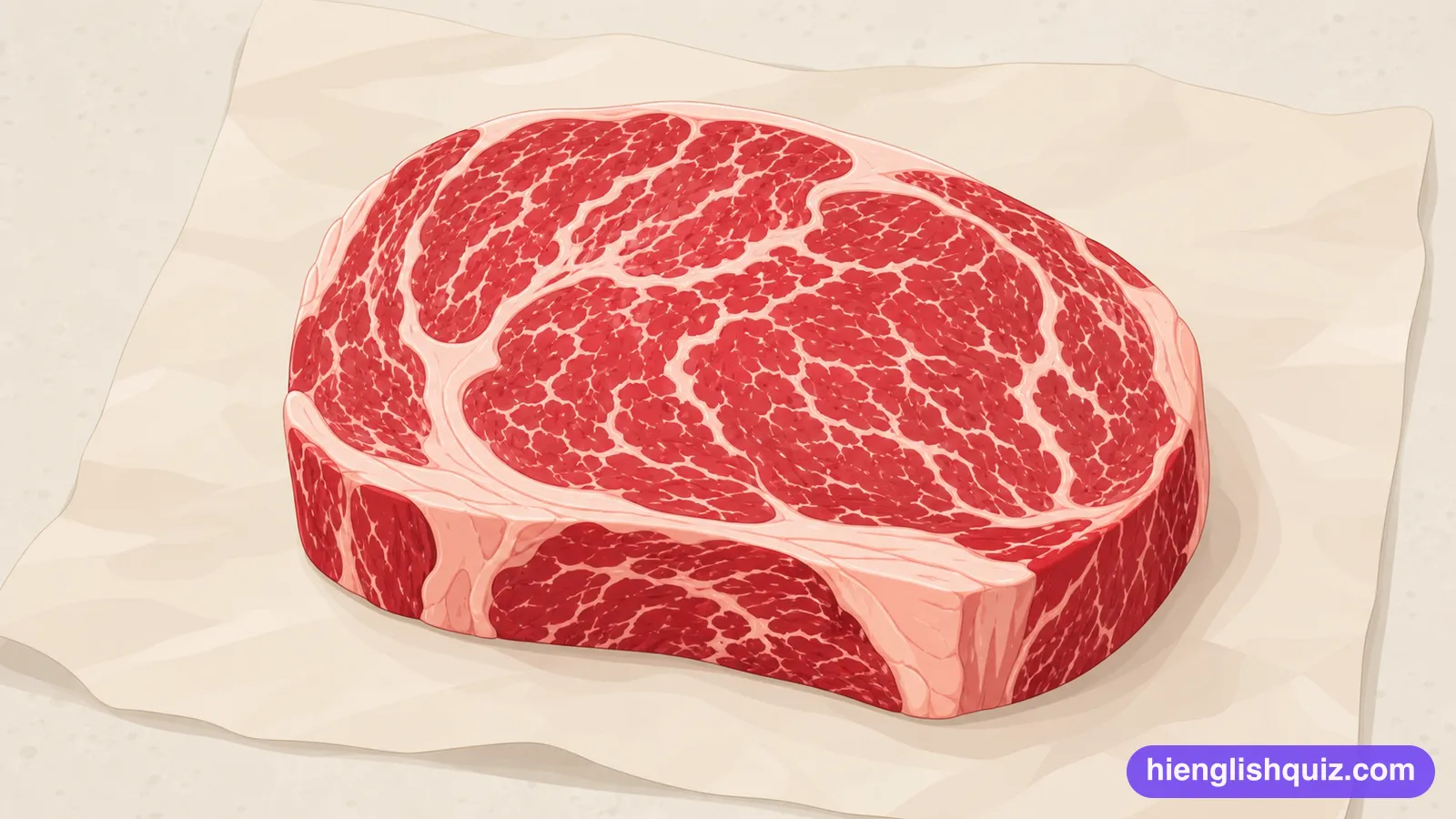
The fine white streaks of fat running through red meat that melt during cooking and keep it juicy.
Example: Look at the beautiful marbling on this steak.
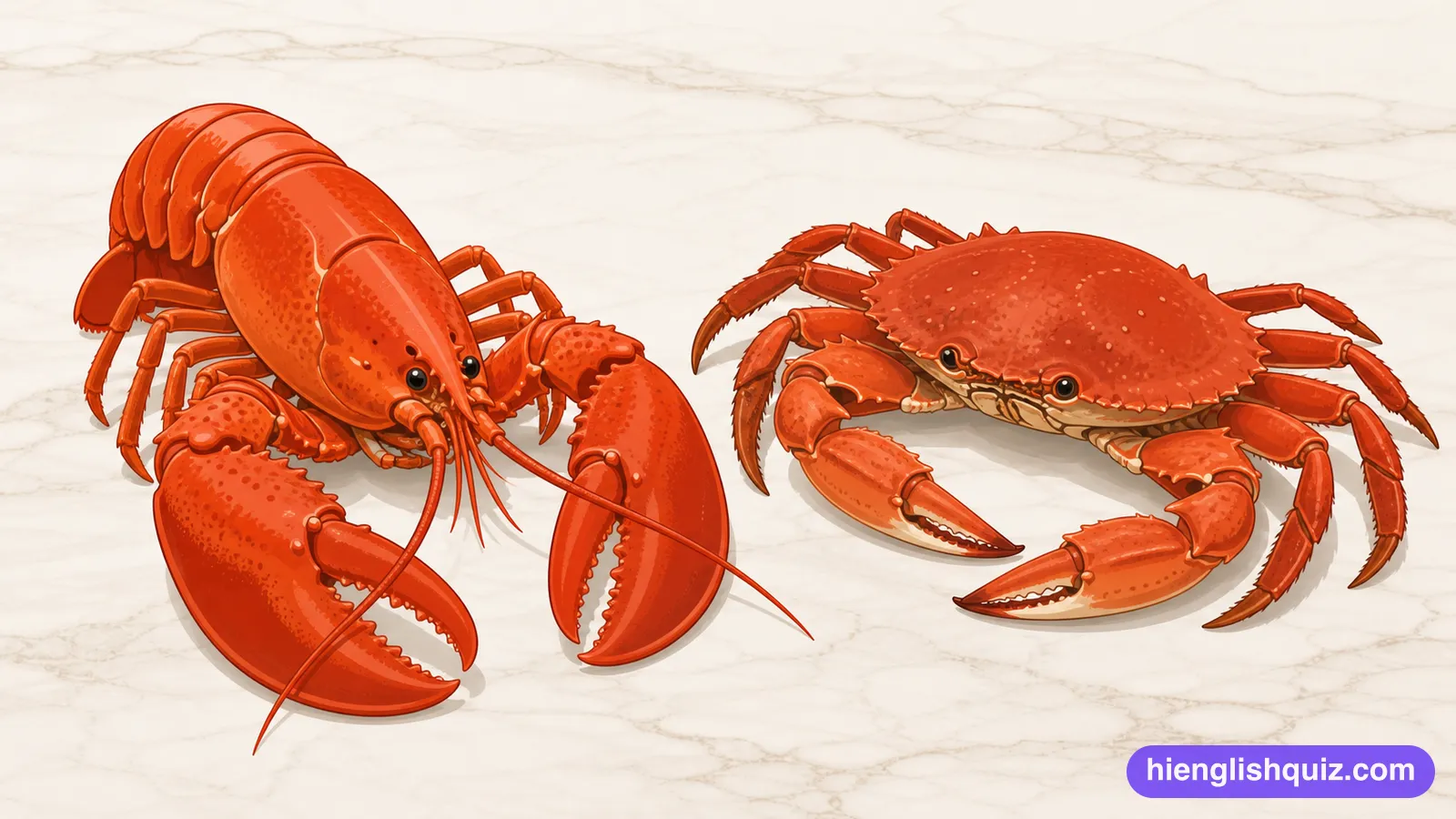
A sea animal with a hard outer shell and many legs, such as a crab or a lobster.
Example: This restaurant buys its crustaceans straight off the local boats.
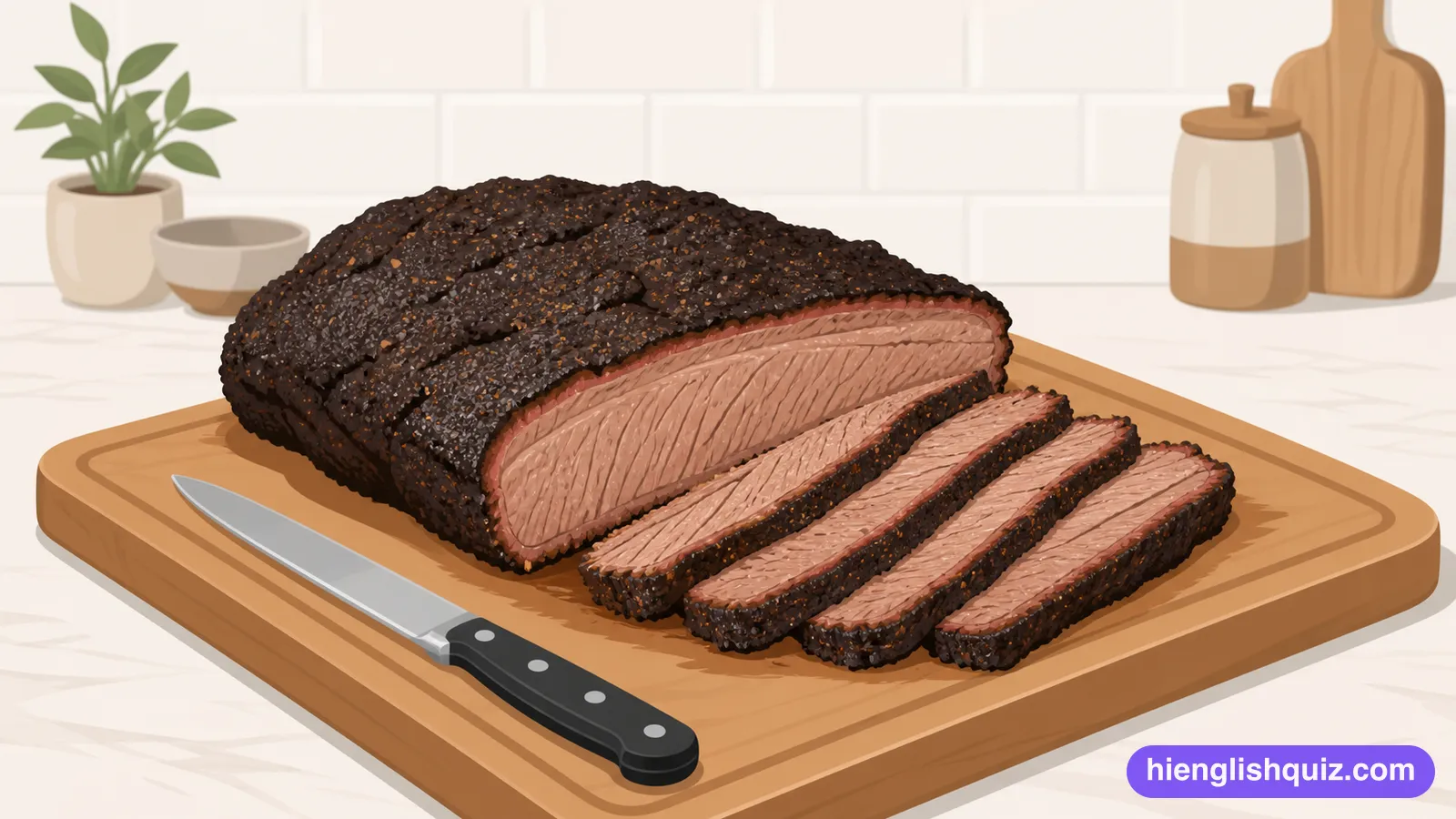
A cut of beef taken from the lower chest of a cow, best cooked slowly.
Example: He smoked the brisket for twelve hours before we ate.