cloying
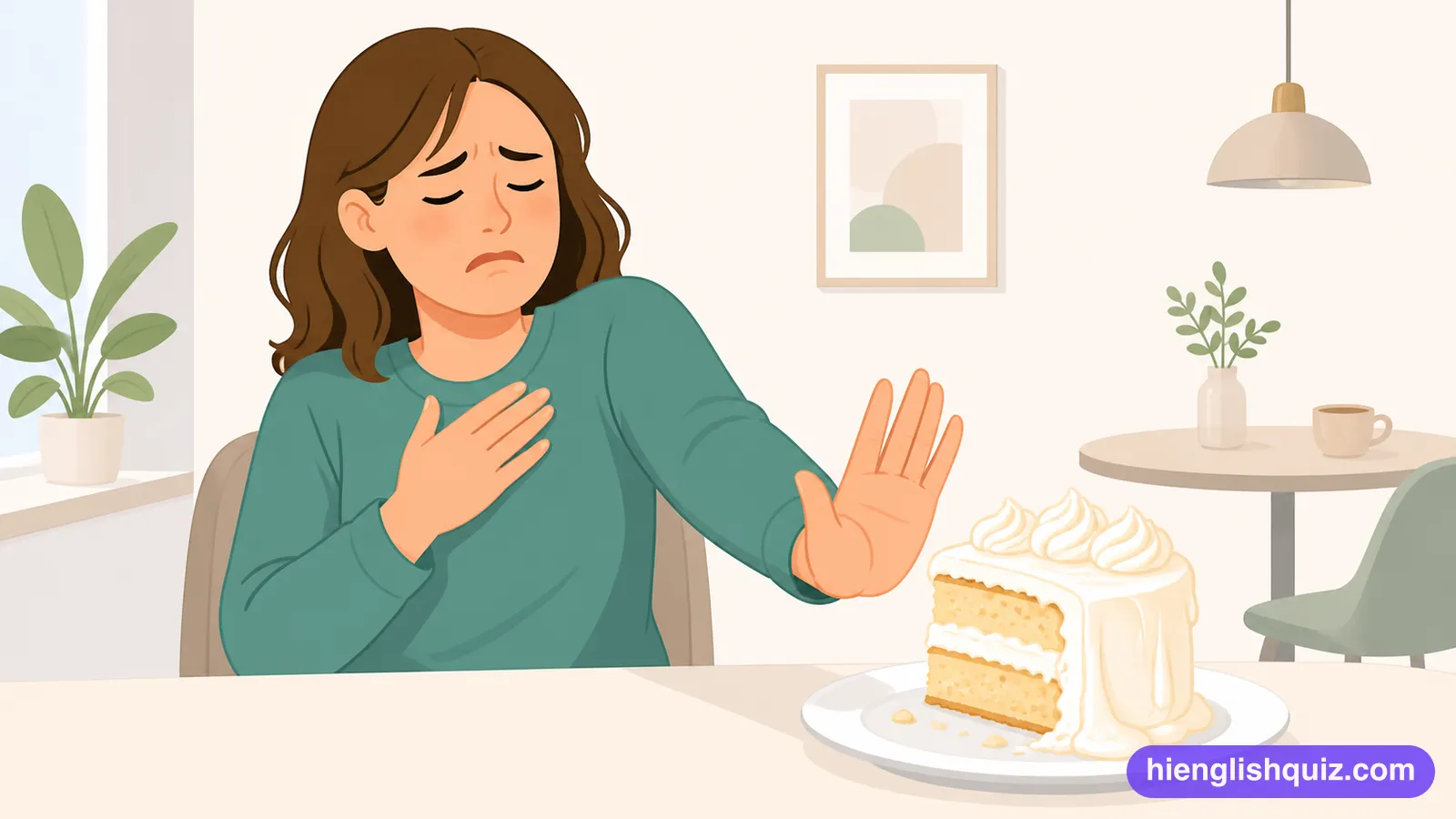
/ˈklɔɪɪŋ/So sweet or rich that a mouthful or two is already too much.
Example: That icing is far too cloying for me.
 Hi EnglishQuiz
C223 words · Proficient
Cooking vocabulary for expert-level taste and technique, covering how to blanch, braise and caramelise a dish and describing flavour with words like umami, cloying, moreish and astringent.
So sweet or rich that a mouthful or two is already too much.
Example: That icing is far too cloying for me.
So tasty that you keep reaching for another piece without meaning to.
Example: Careful with those crisps — they're dangerously moreish.

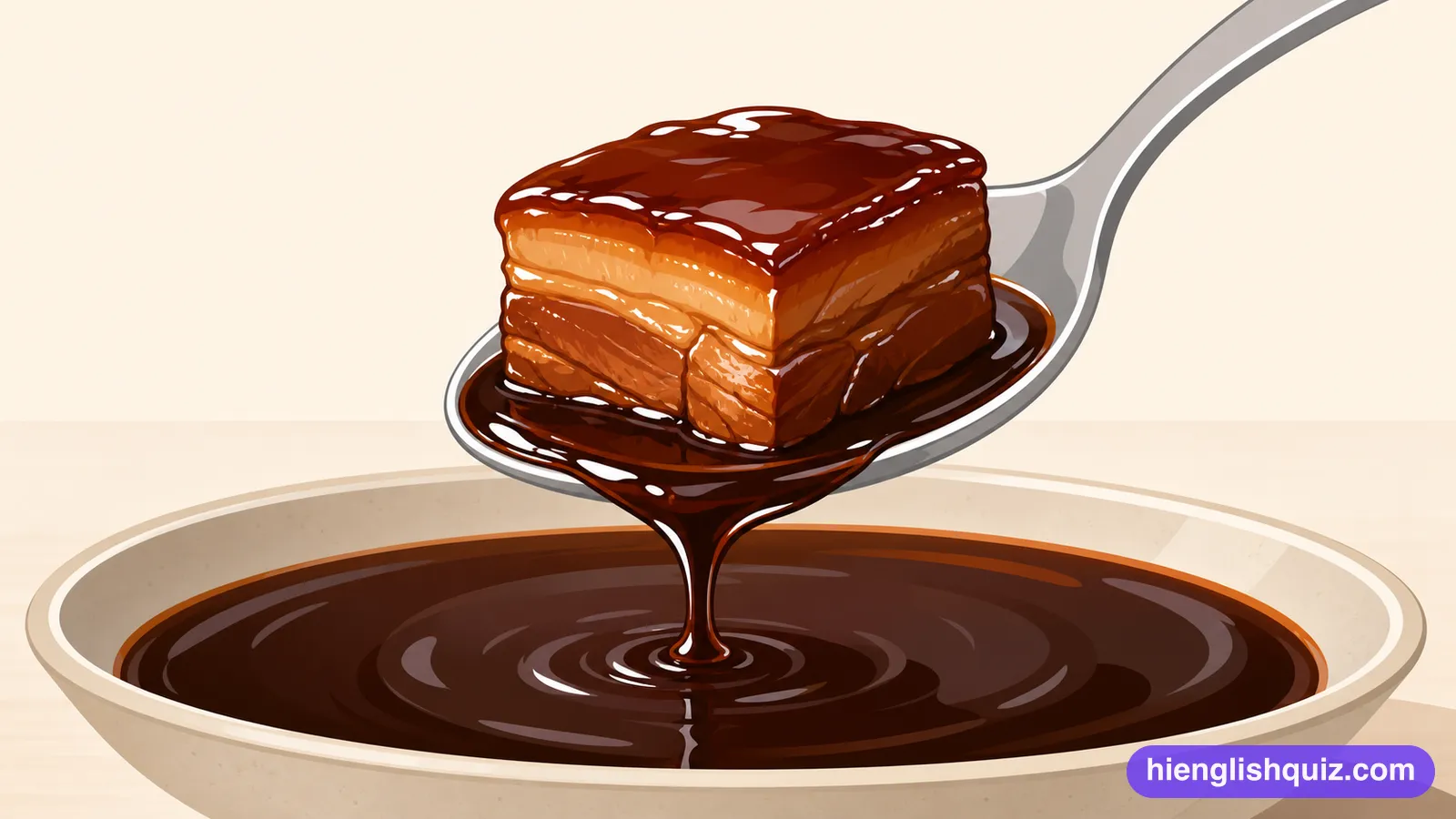
Rich and oily in the mouth in a deep satisfying way, as slow-cooked pork or egg yolk is.
Example: The pork belly was rich and wonderfully unctuous.
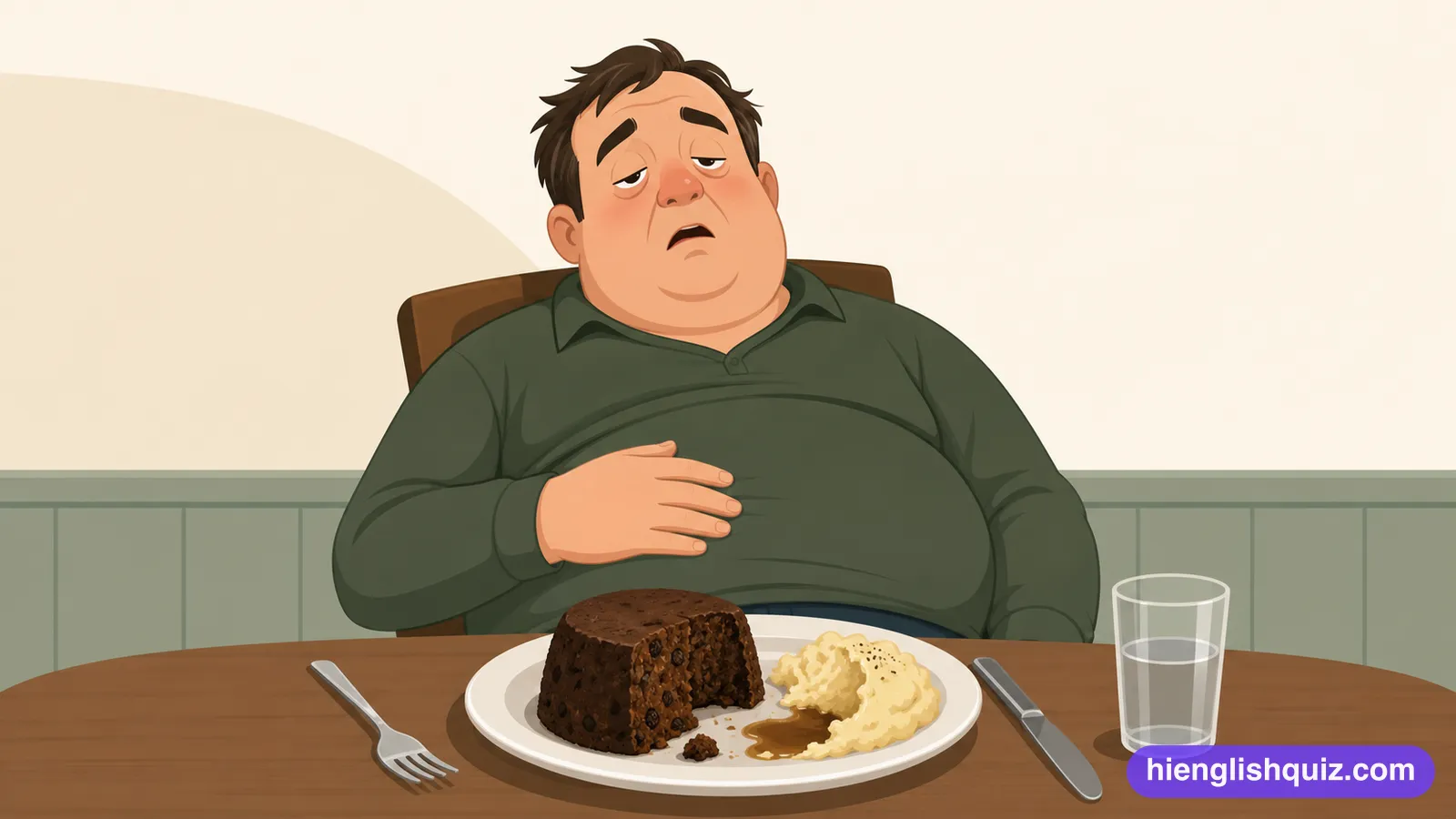
Heavy and starchy enough to fill you up fast and leave you sleepy.
Example: That dumpling pudding was a bit stodgy.
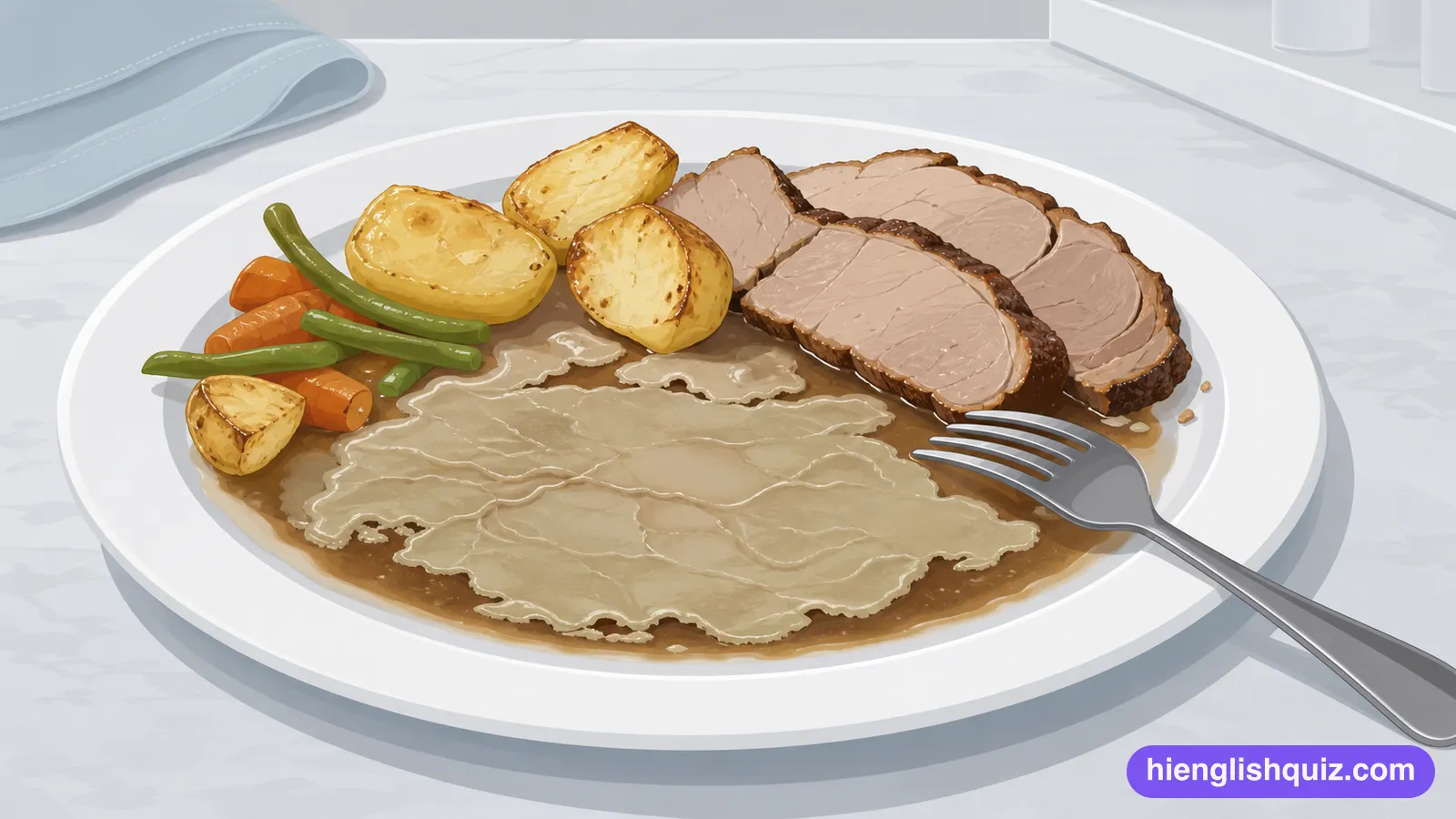
To become thick and half solid as something cools, in the unappetising way fat or gravy does.
Example: The gravy had started to congeal on the cold plate.
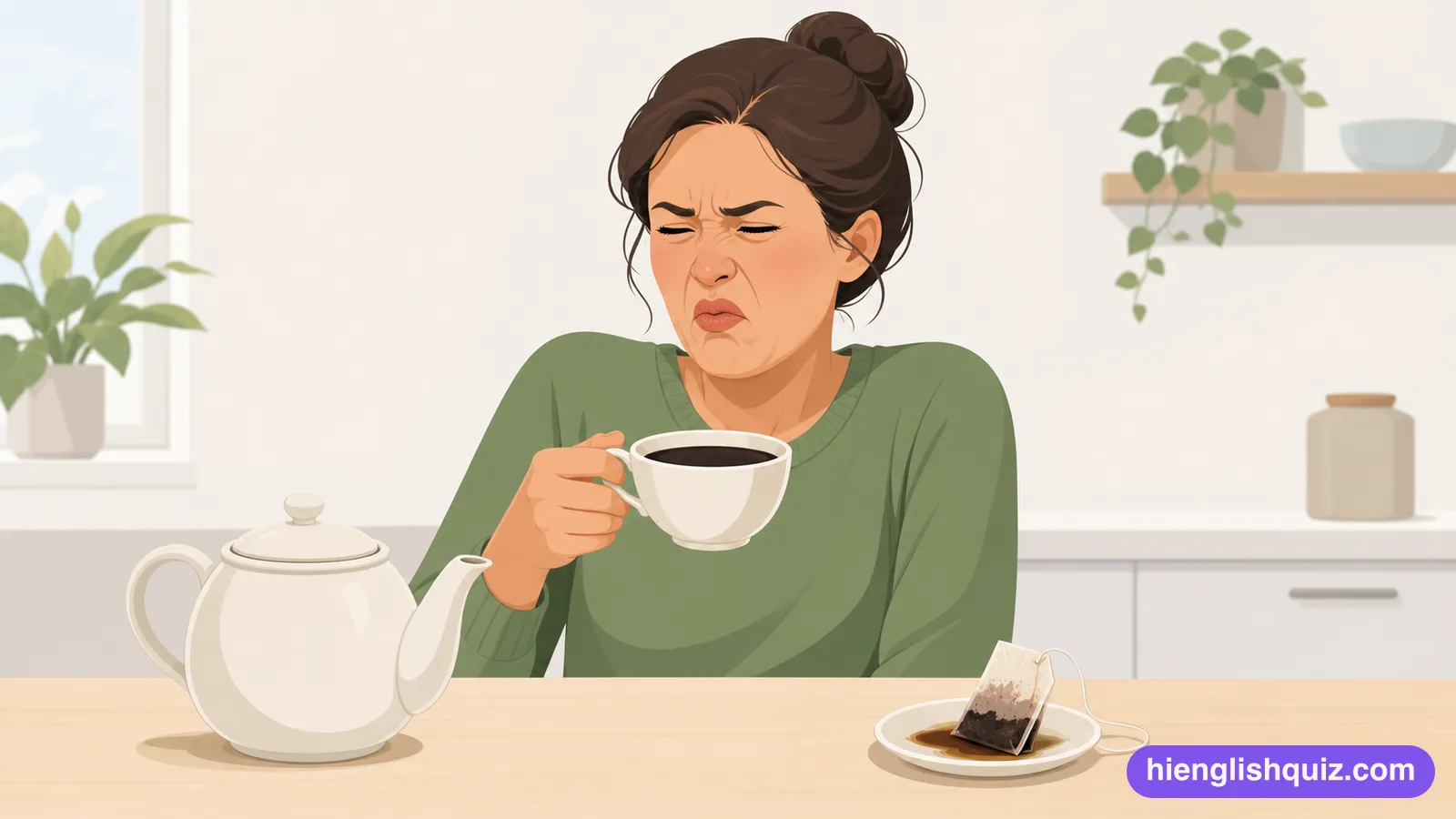
Sharp and drying in the mouth, the way very strong tea or an unripe apple is.
Example: Leave the tea brewing too long and it turns astringent.
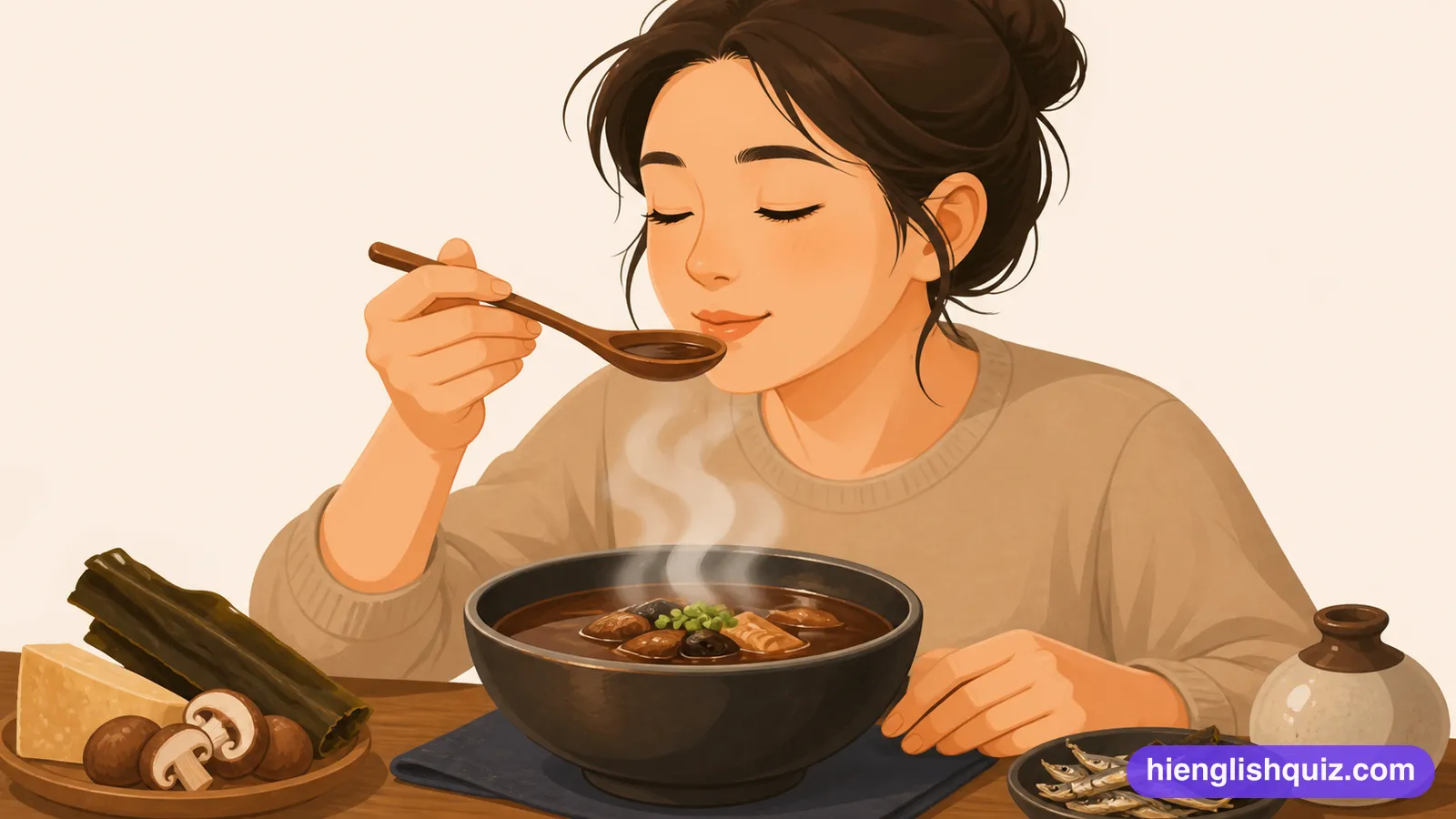
a savoury, meaty taste, considered one of the five basic tastes.
Example: Soy sauce adds a strong umami flavour to the dish.
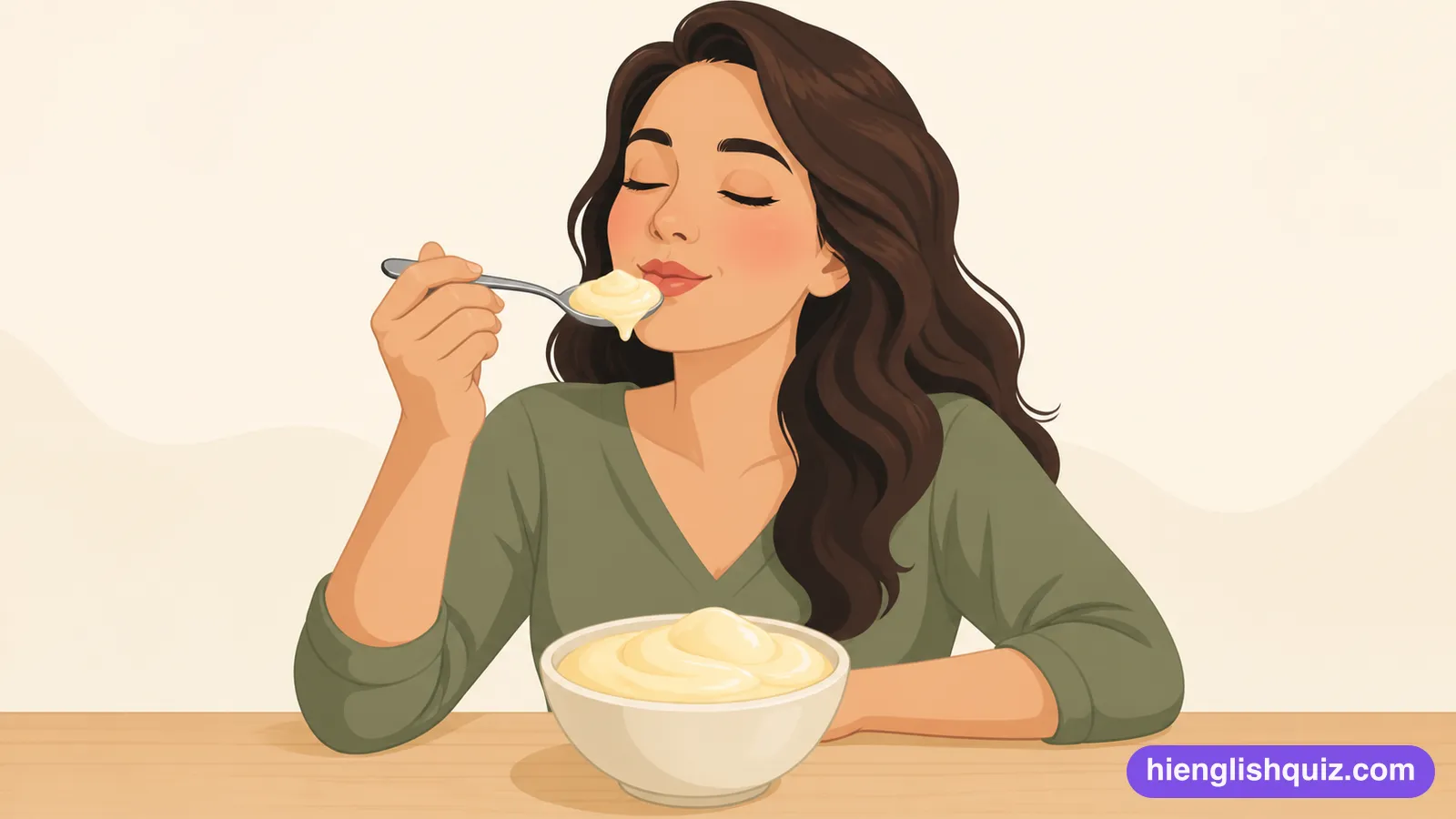
the physical sensation food produces in your mouth, such as its texture.
Example: The dessert had a rich, creamy mouthfeel.
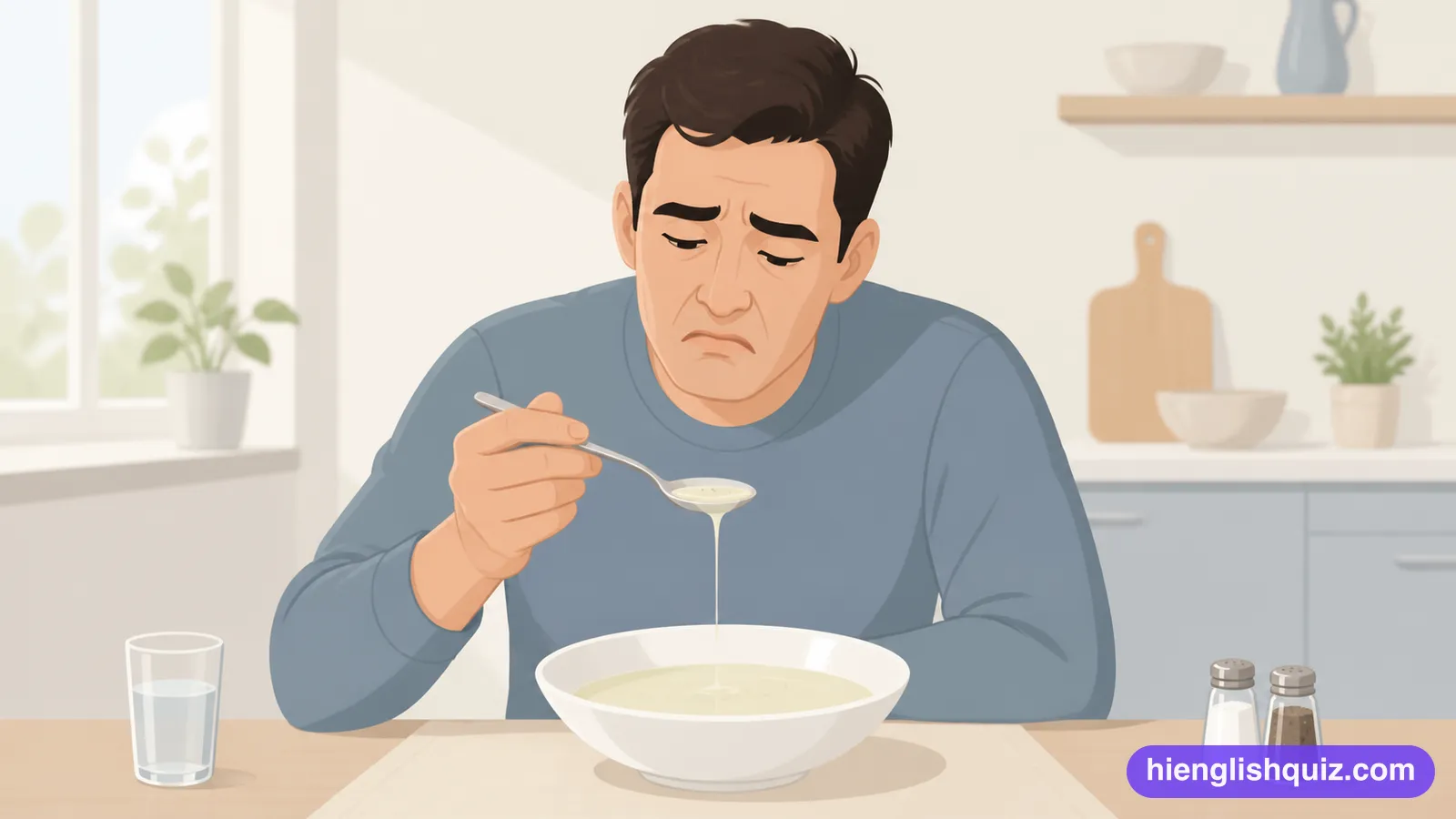
lacking a strong taste or flavour; boring to eat.
Example: The soup was watery and insipid.
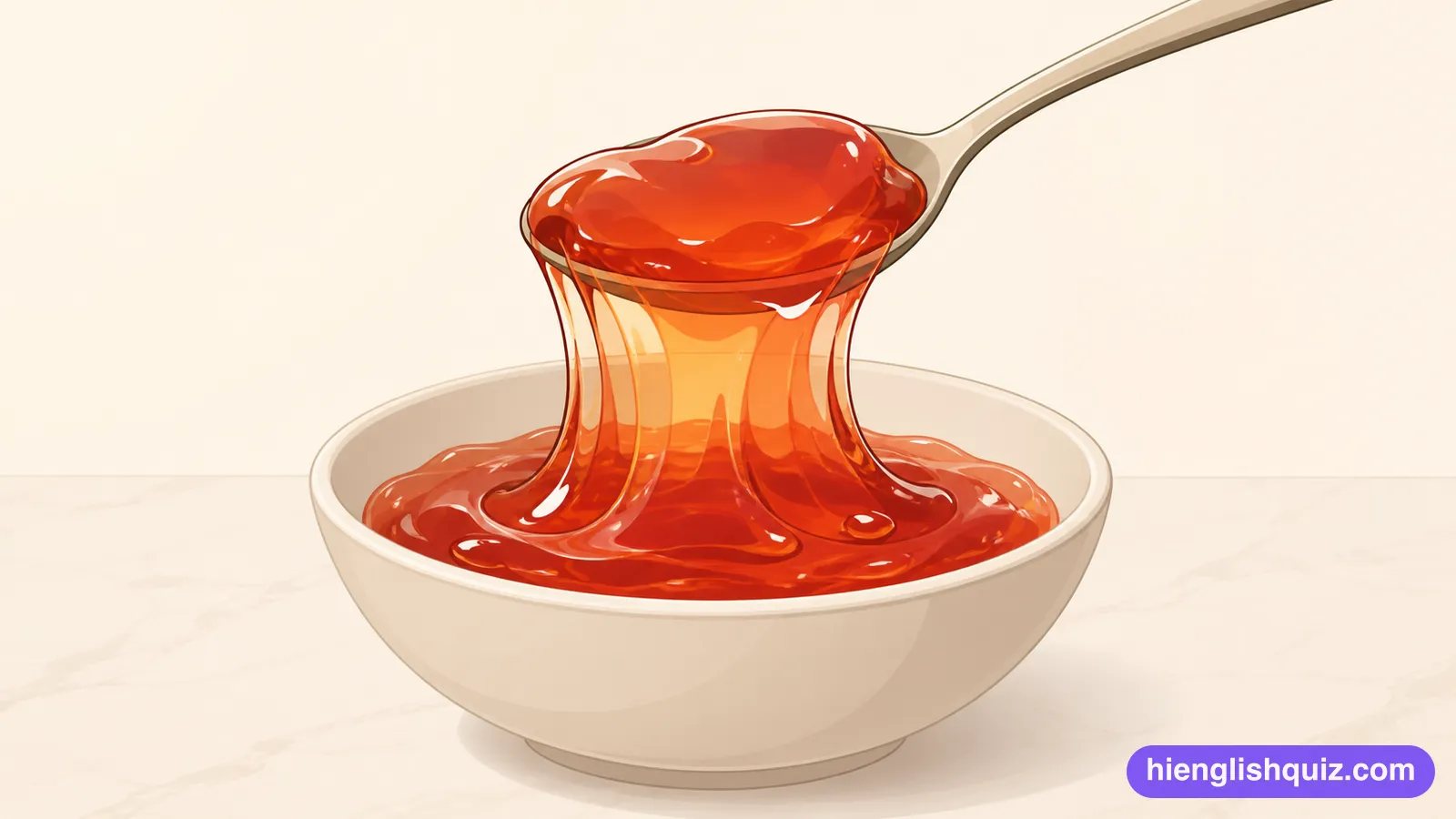
having a thick, sticky texture like jelly.
Example: The sauce had turned oddly gelatinous.
Unpleasantly sweet.
Example: The dessert was saccharine enough to make everyone put a spoon down.

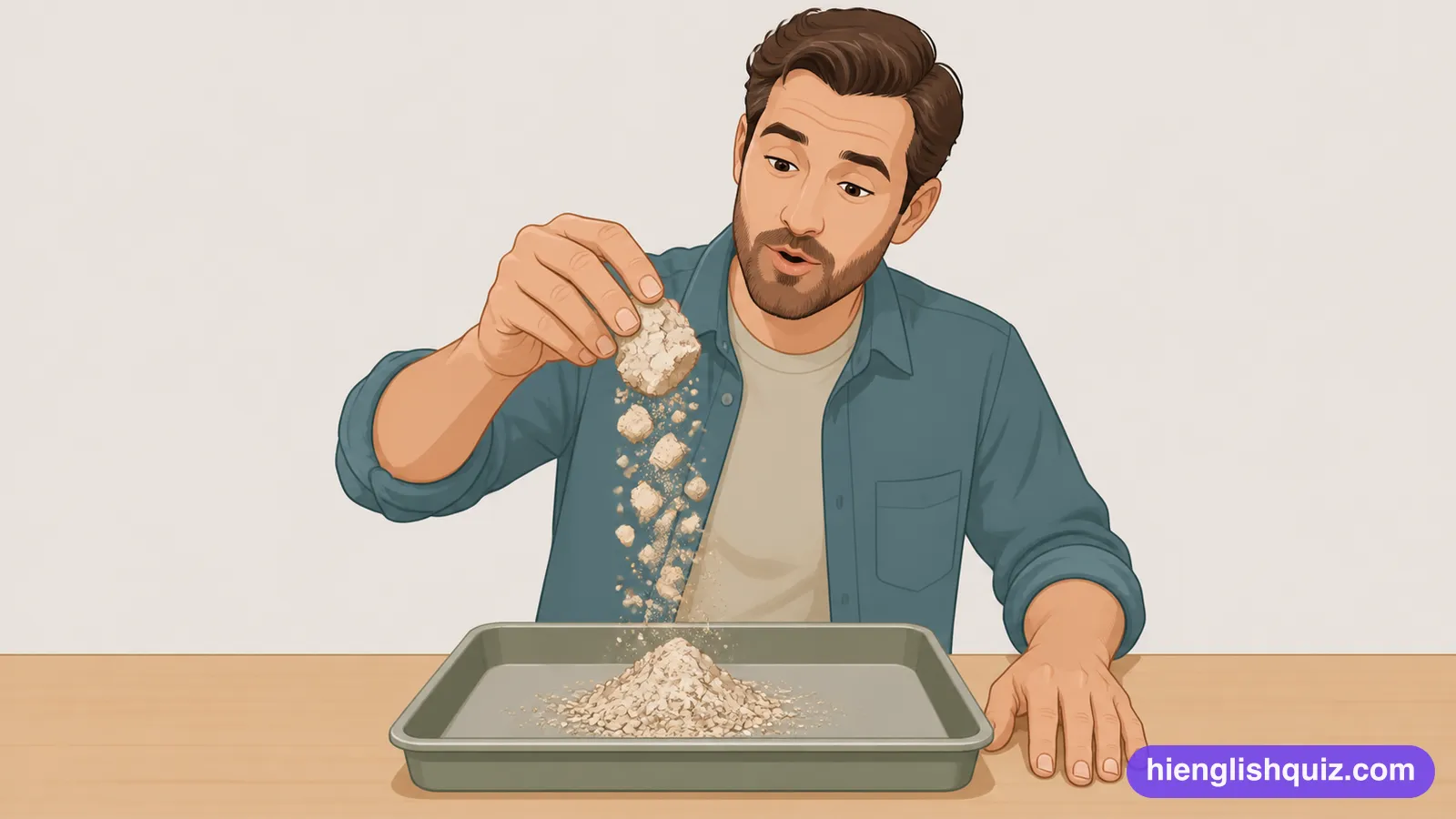
Easily broken into small pieces.
Example: The pastry was friable and collapsed the moment it was cut.
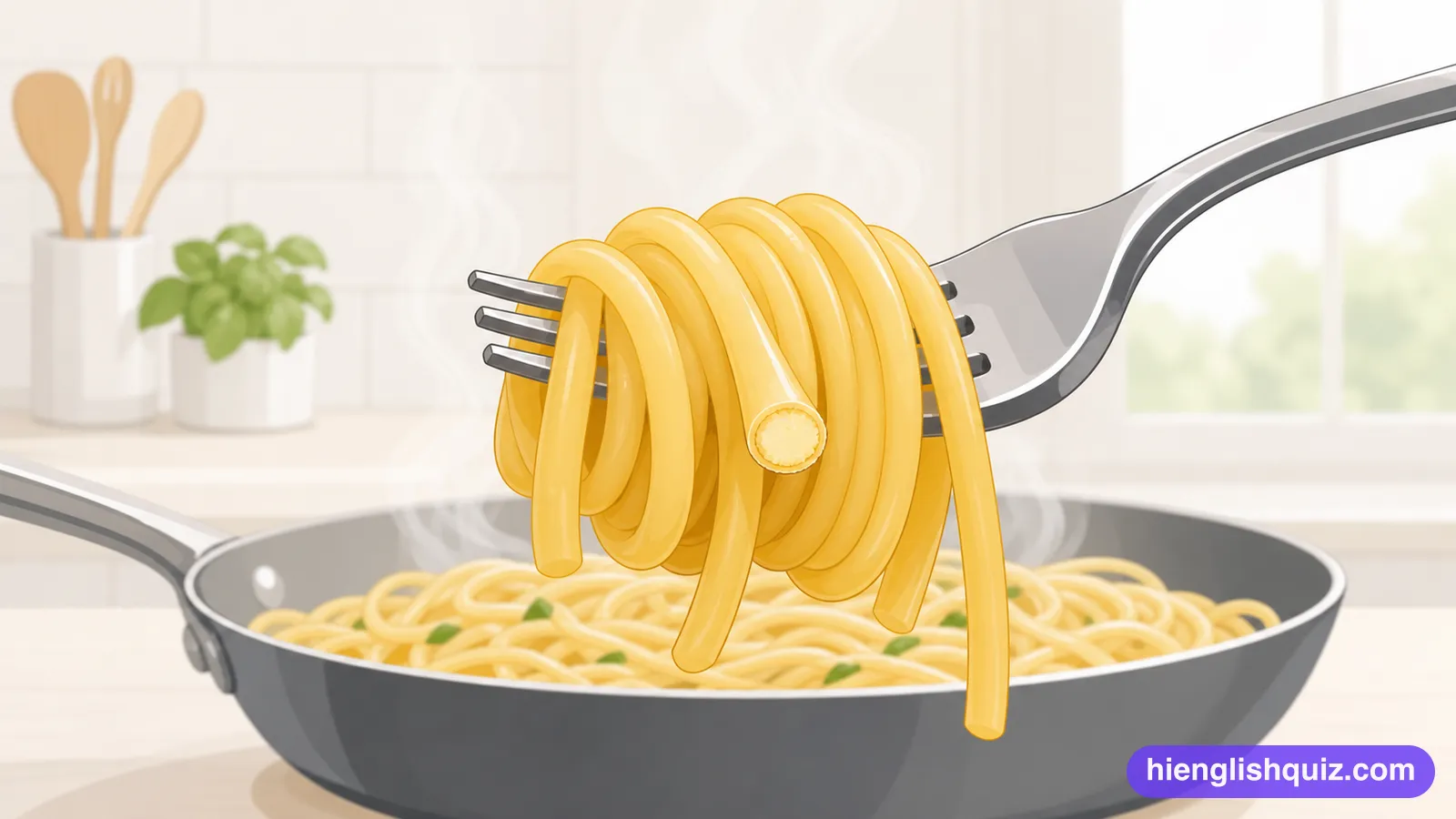
Cooked so that pasta still has a slight firmness left when you bite through it.
Example: Drain the pasta while it's still al dente.
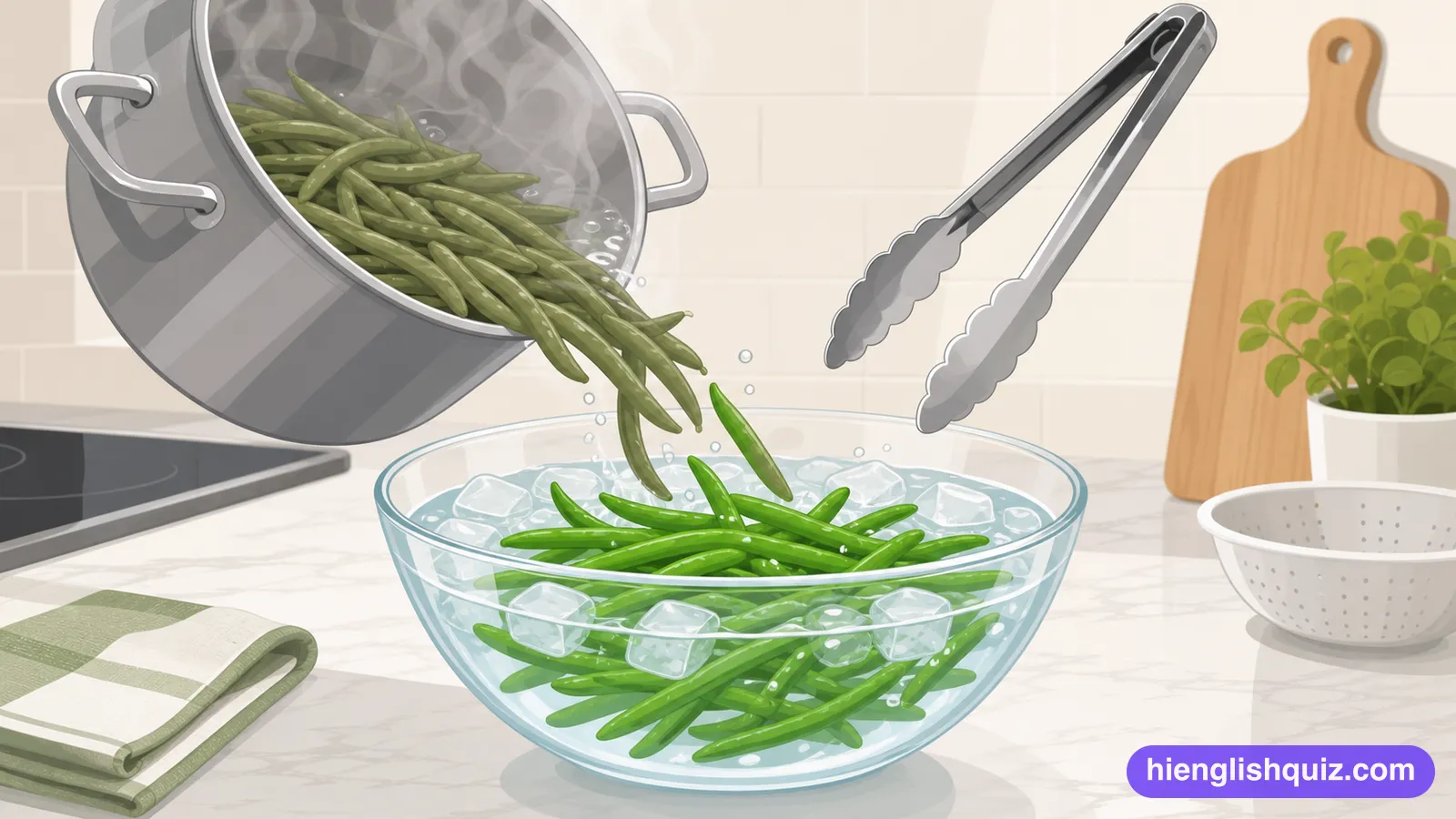
To drop vegetables into fiercely bubbling water for a moment, then straight into iced water.
Example: Blanch the beans for one minute, then cool them fast.
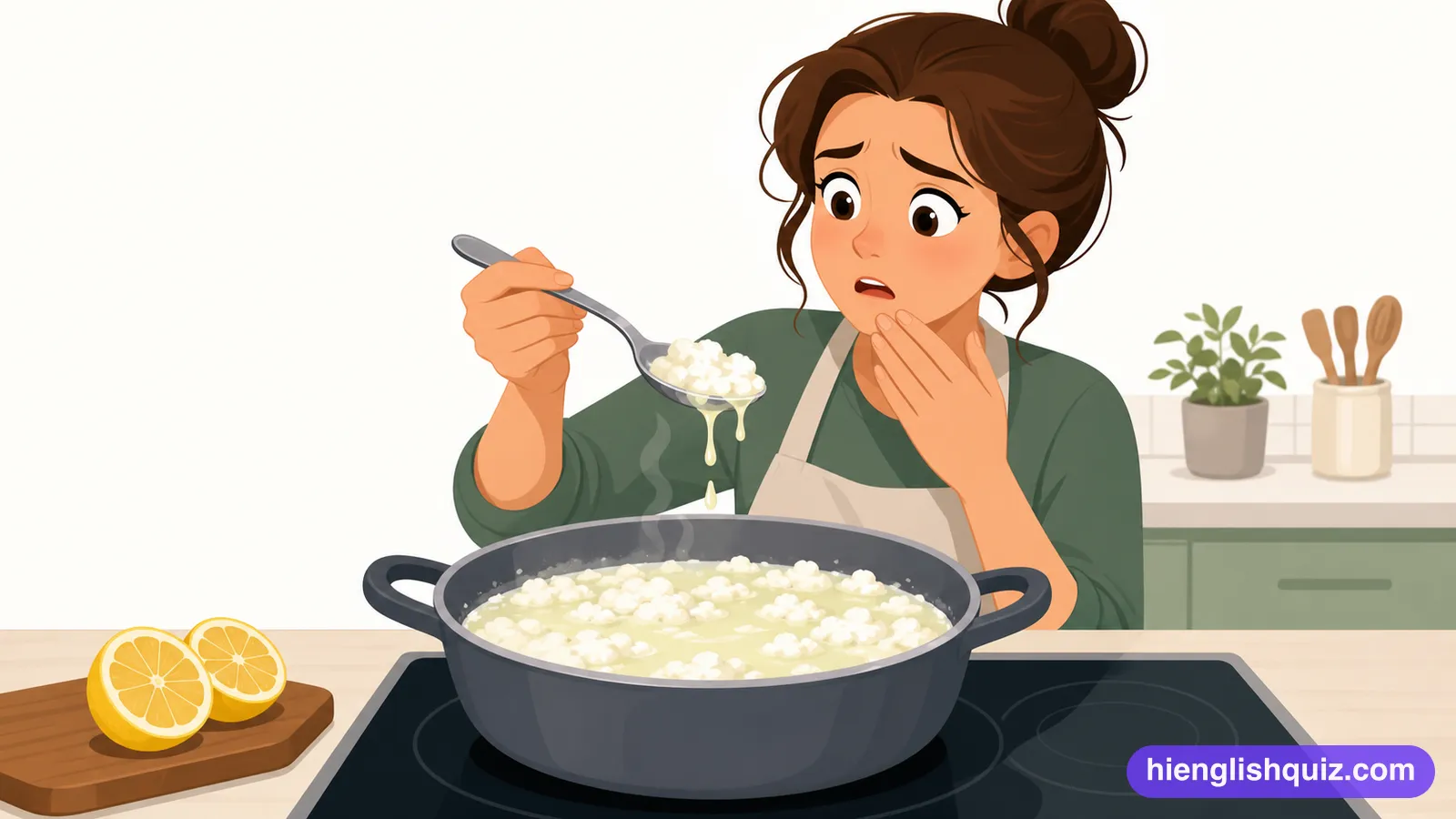
When milk or a sauce splits into lumps and thin liquid, usually from too much heat or acid.
Example: Add the lemon slowly or the cream will curdle.
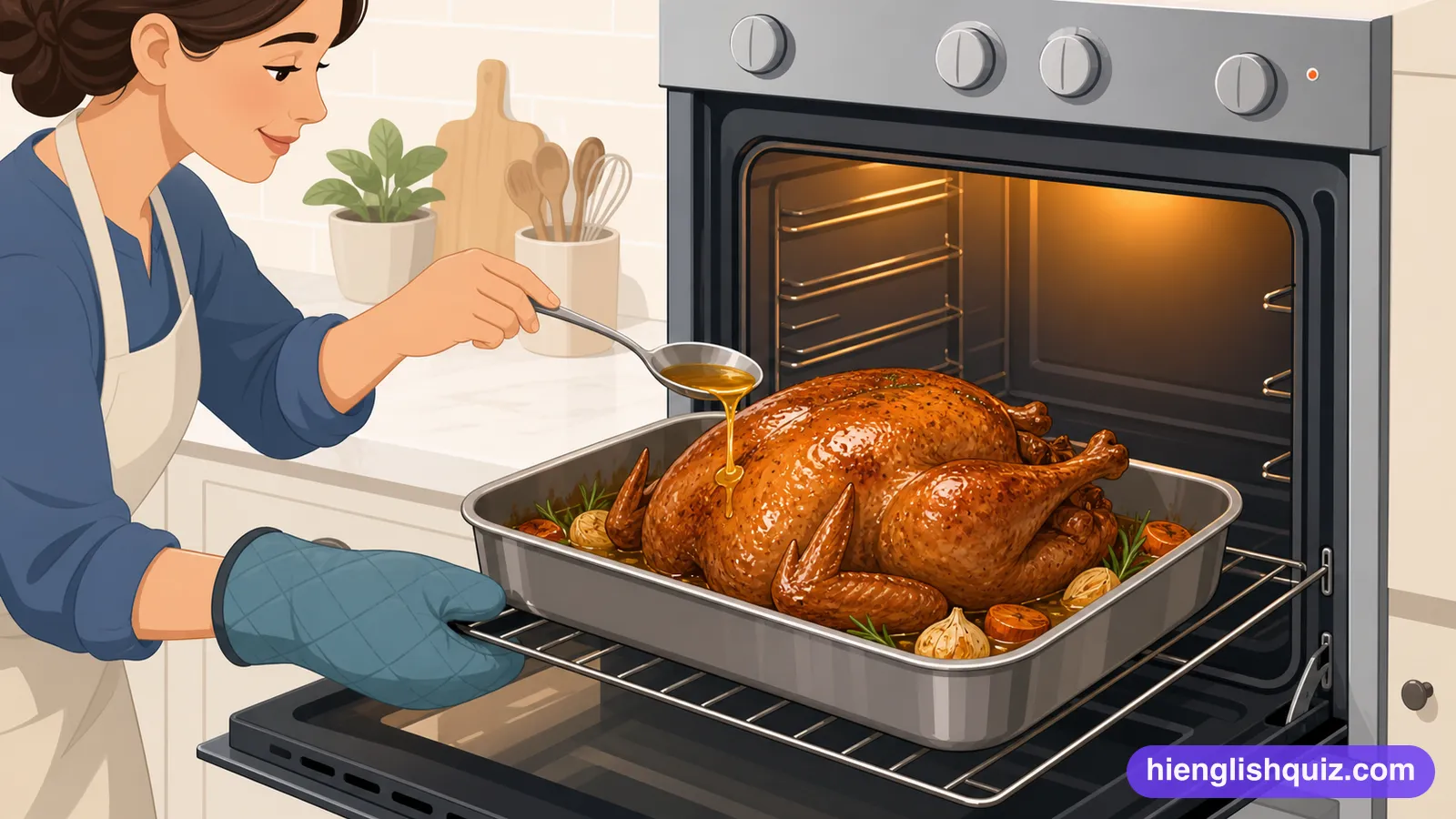
To spoon the hot fat and juices from the tin back over meat as it roasts, keeping it moist.
Example: Remember to baste the turkey every twenty minutes.
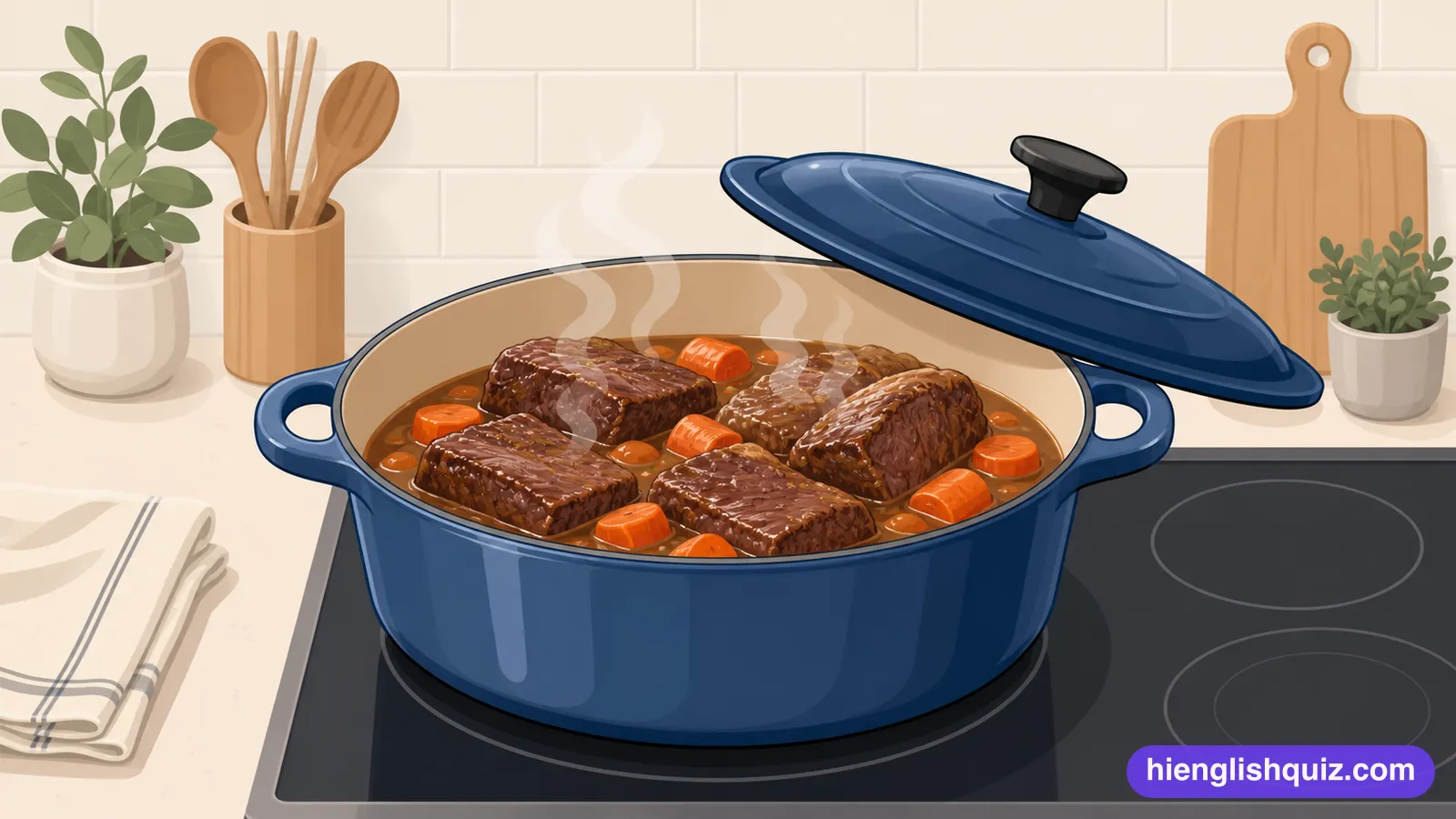
To cook meat or vegetables slowly in a covered pot with a small amount of liquid until very soft.
Example: We braise the beef for three hours in red wine.
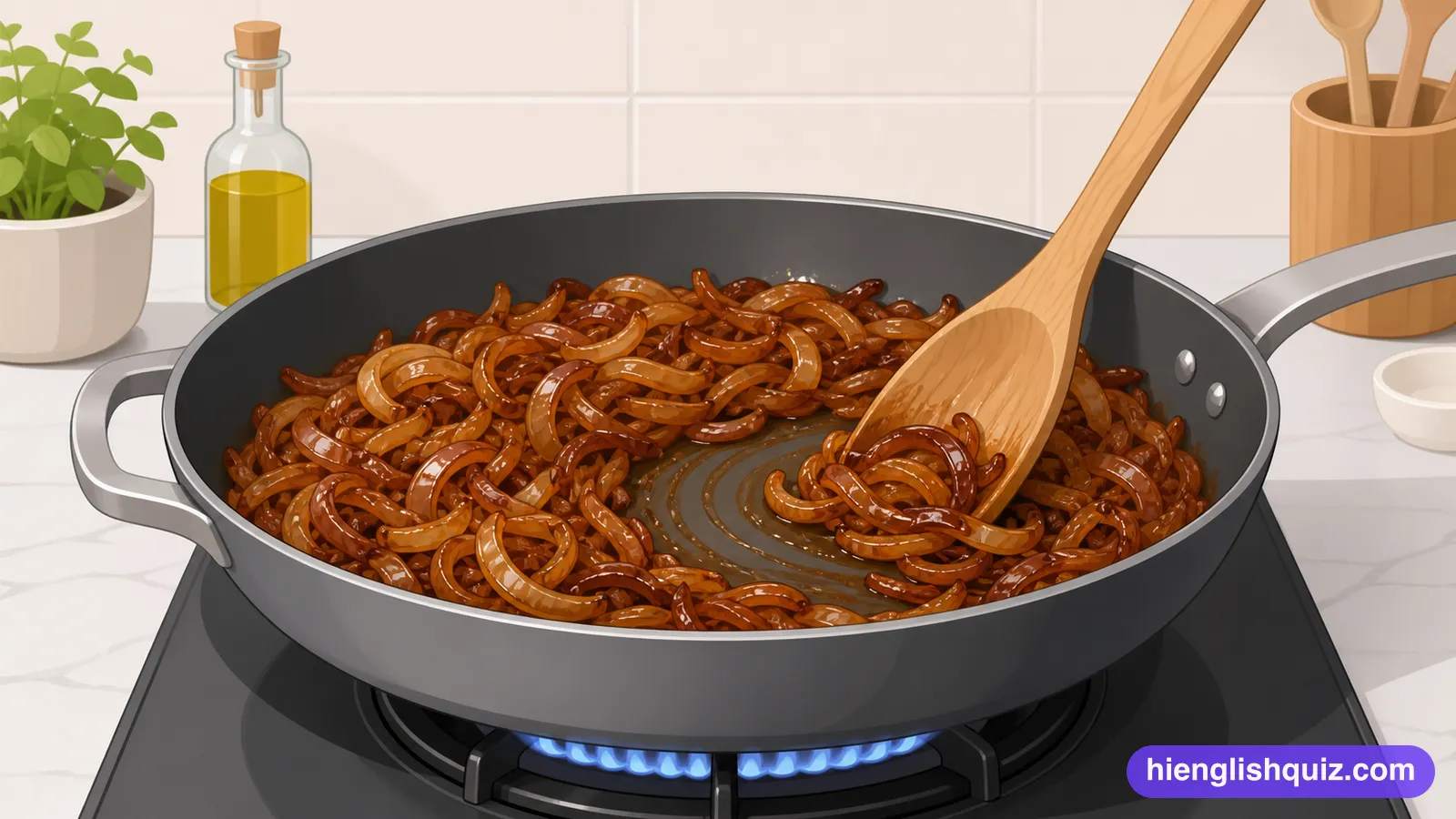
To cook something sweet slowly until the sugar in it turns brown and sticky.
Example: Slowly caramelise the onions for about forty minutes.
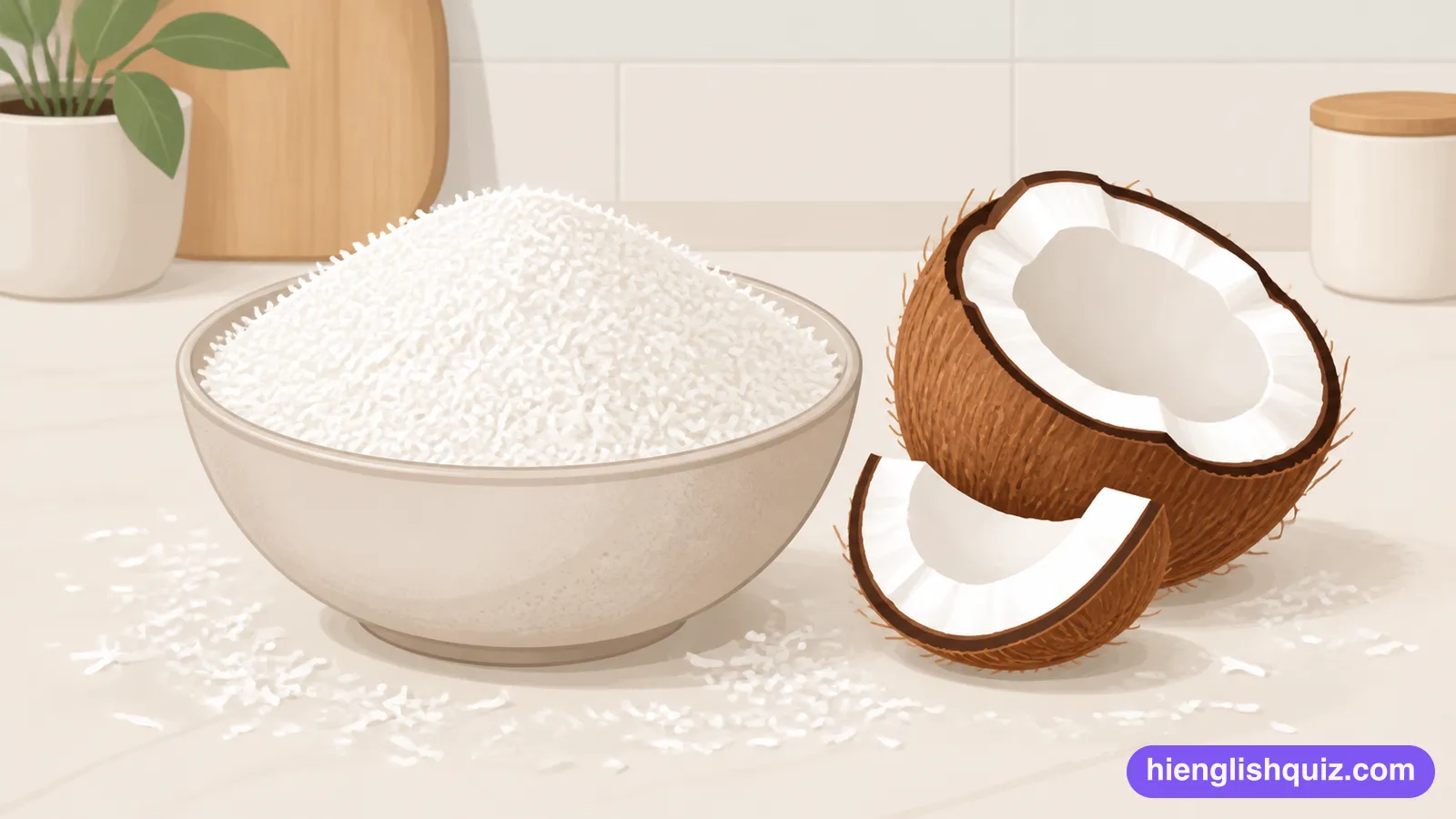
Dried until no moisture at all is left in it.
Example: The recipe calls for desiccated coconut, not fresh.
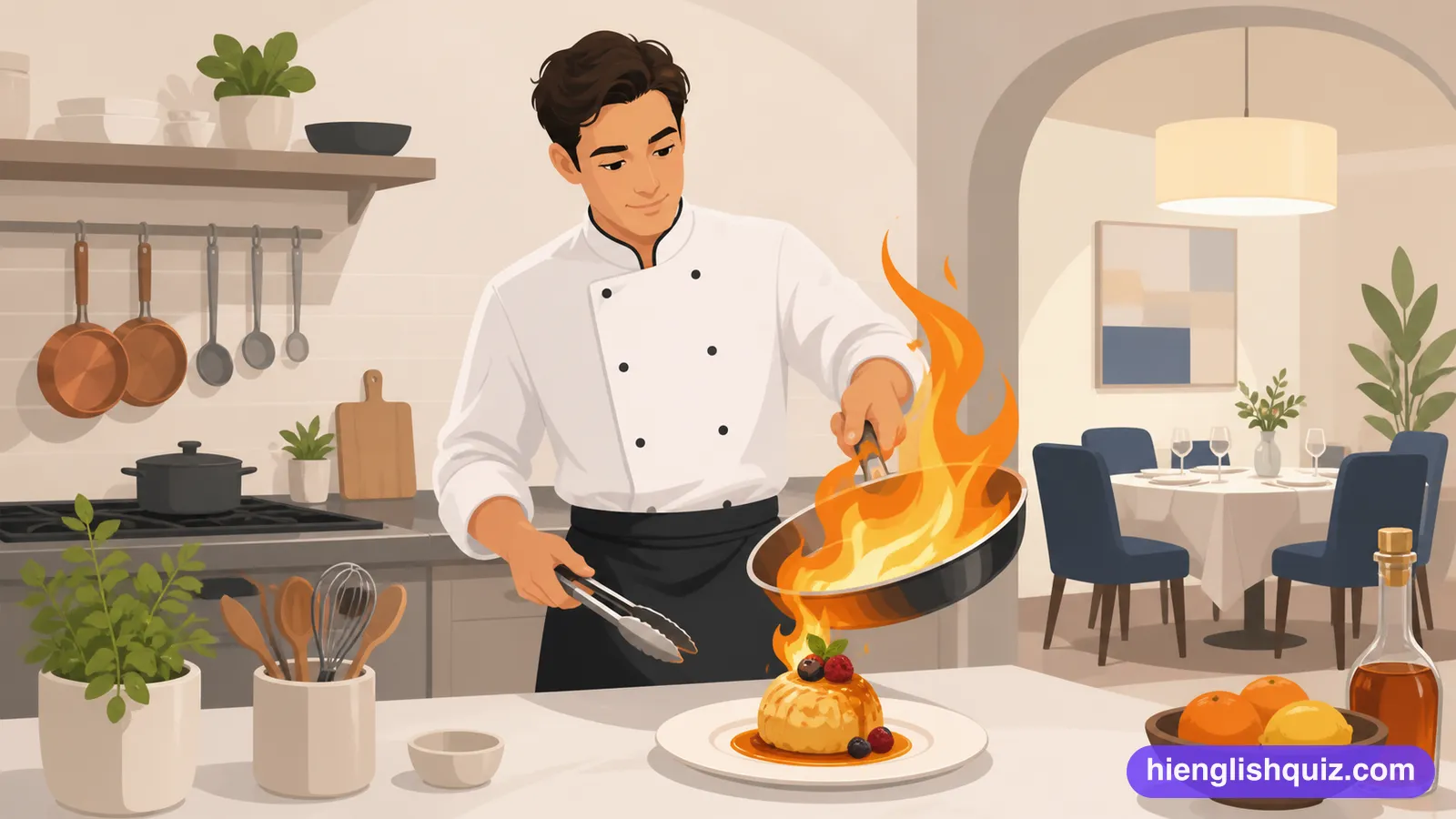
to pour alcohol over food and set it alight briefly for flavour and show.
Example: The waiter would flambé the dessert at the table.
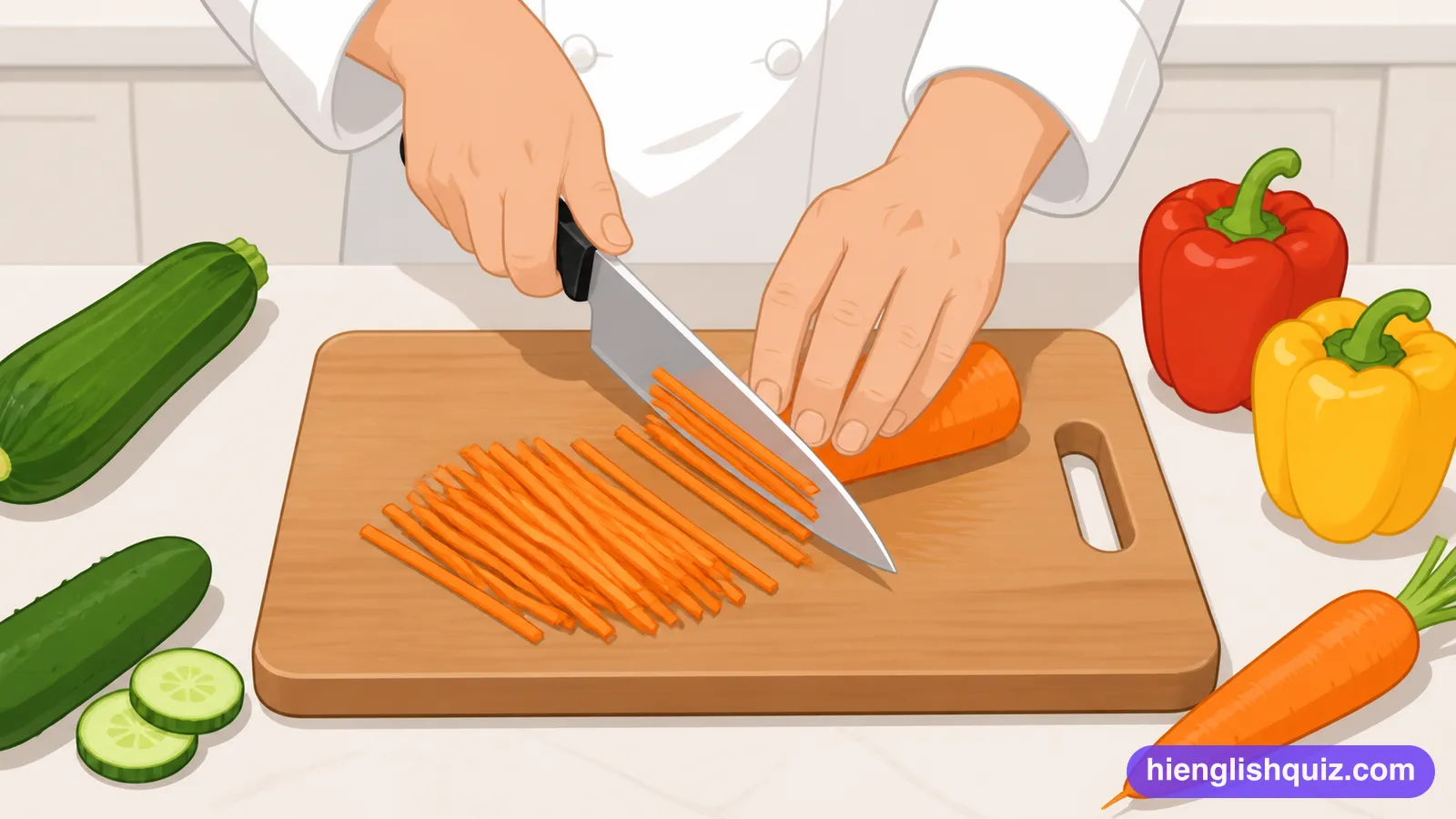
to cut vegetables into long, very thin strips.
Example: The chef showed us how to julienne a carrot.
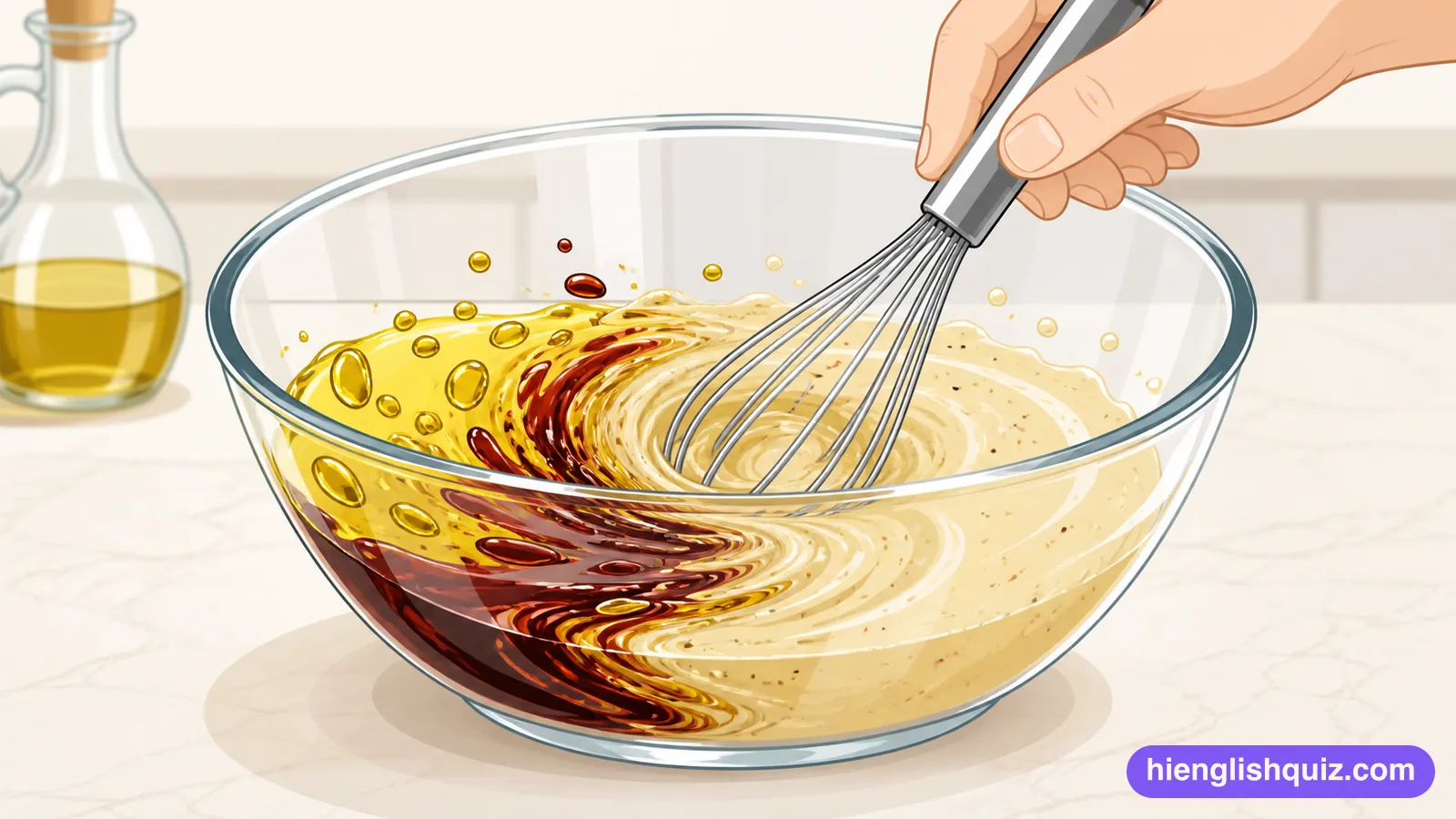
to mix two liquids that don't naturally combine, like oil and vinegar, into a smooth blend.
Example: Whisk quickly to emulsify the dressing.
Having a strong pleasant smell of something.
Example: The kitchen was redolent of garlic for two days afterwards.