population
/ˌpɑpjəˈleɪʃən/The total group of people who live in one city or country.
Example: Lagos has a population of over twenty million people.
 Hi EnglishQuiz
B116 words · Intermediate
City vocabulary for how a town is organised, including a neighbourhood, rush hour and the high street, plus a landmark, the council and a shopping centre.
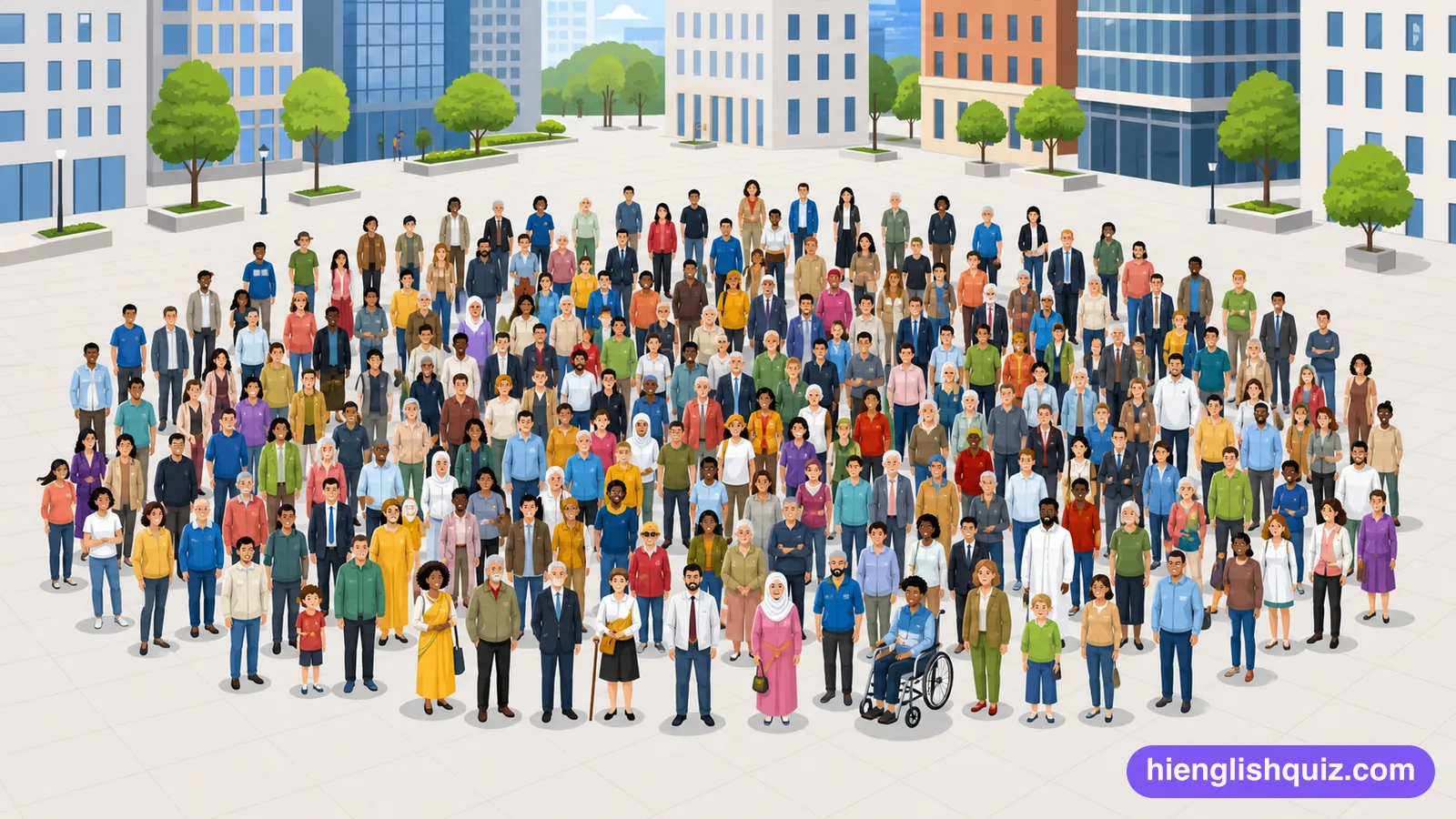
The total group of people who live in one city or country.
Example: Lagos has a population of over twenty million people.
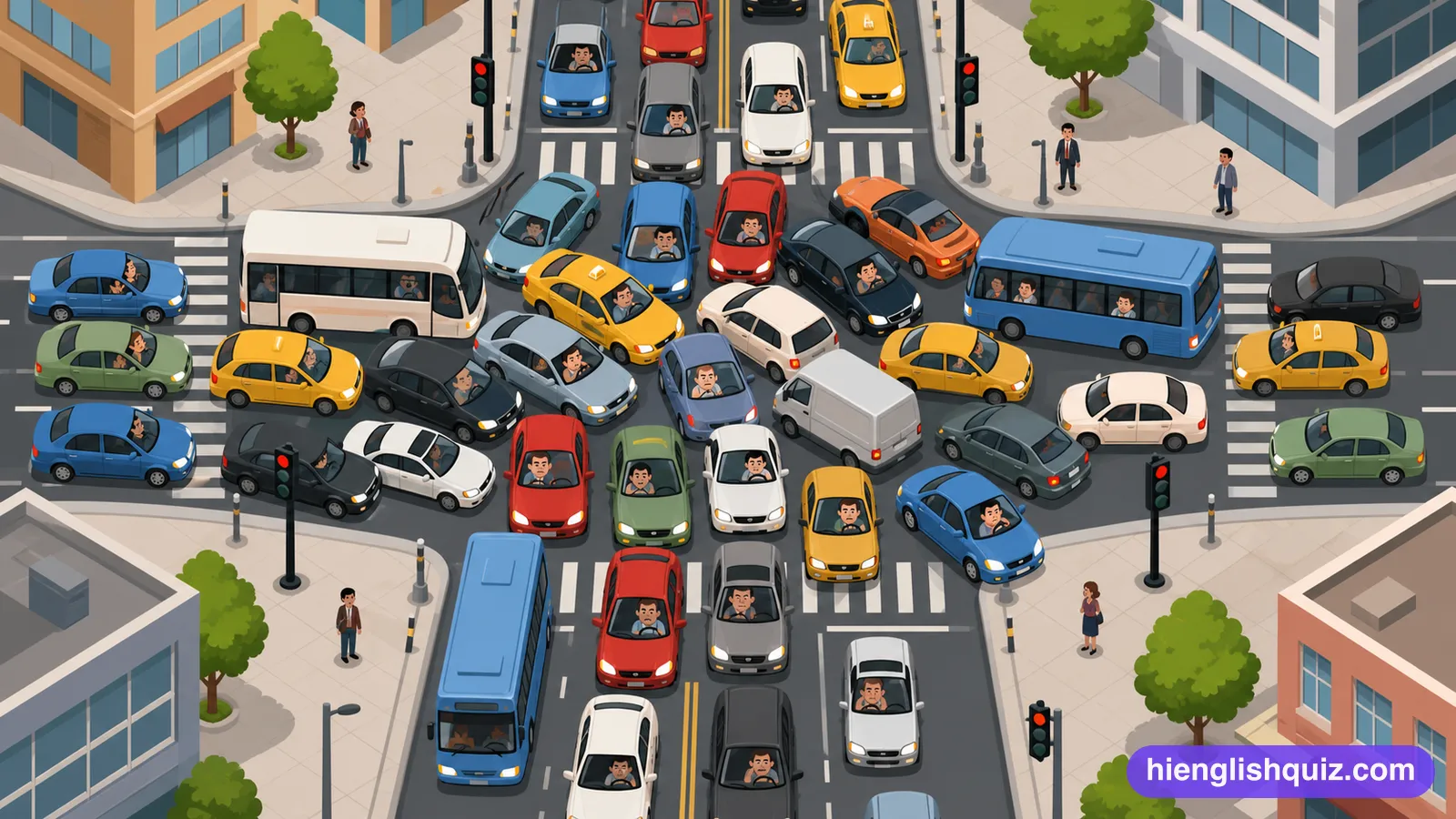
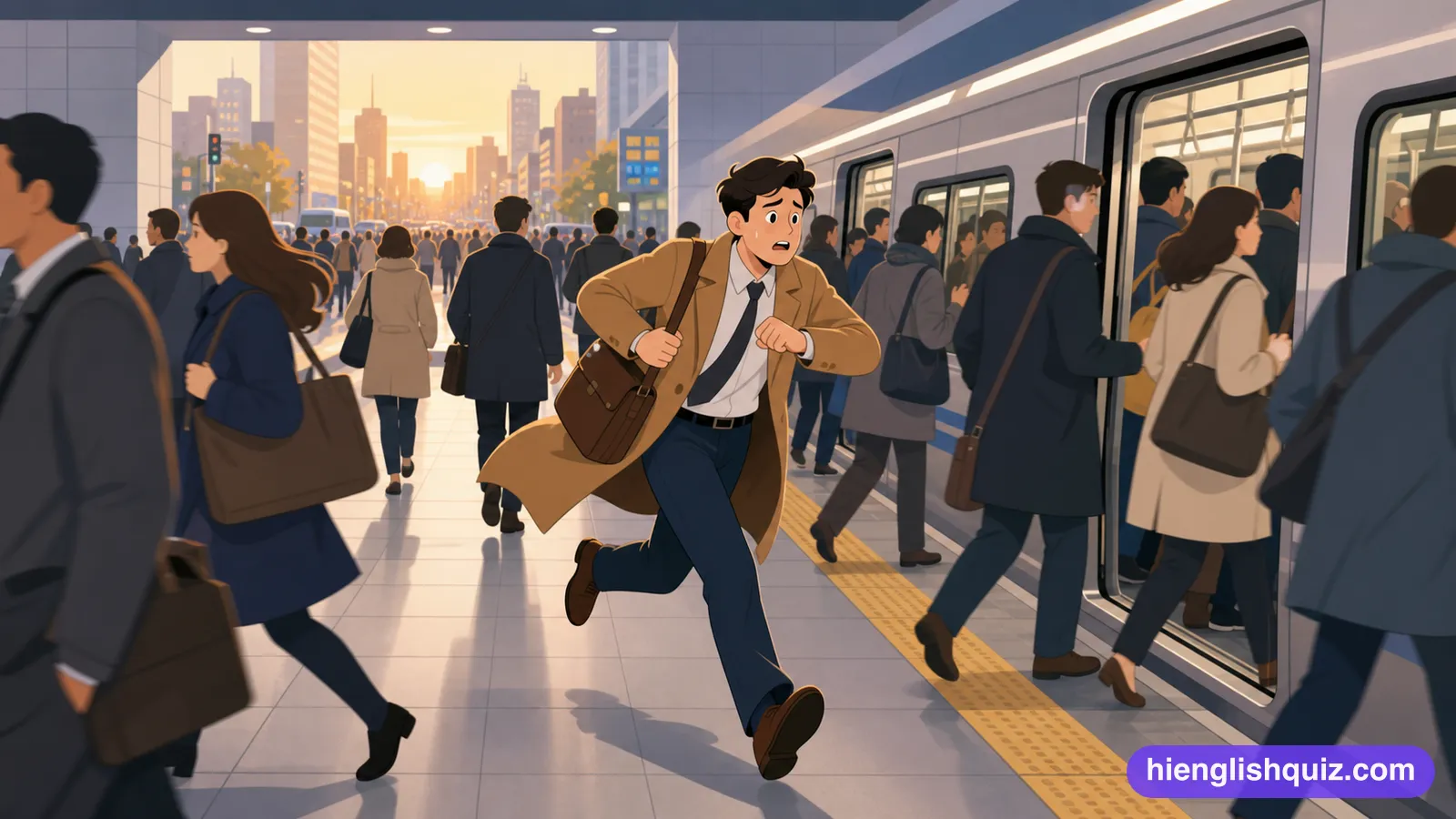
The busy time in the morning and evening when everyone travels to or from work.
Example: Avoid the underground during rush hour if you can.
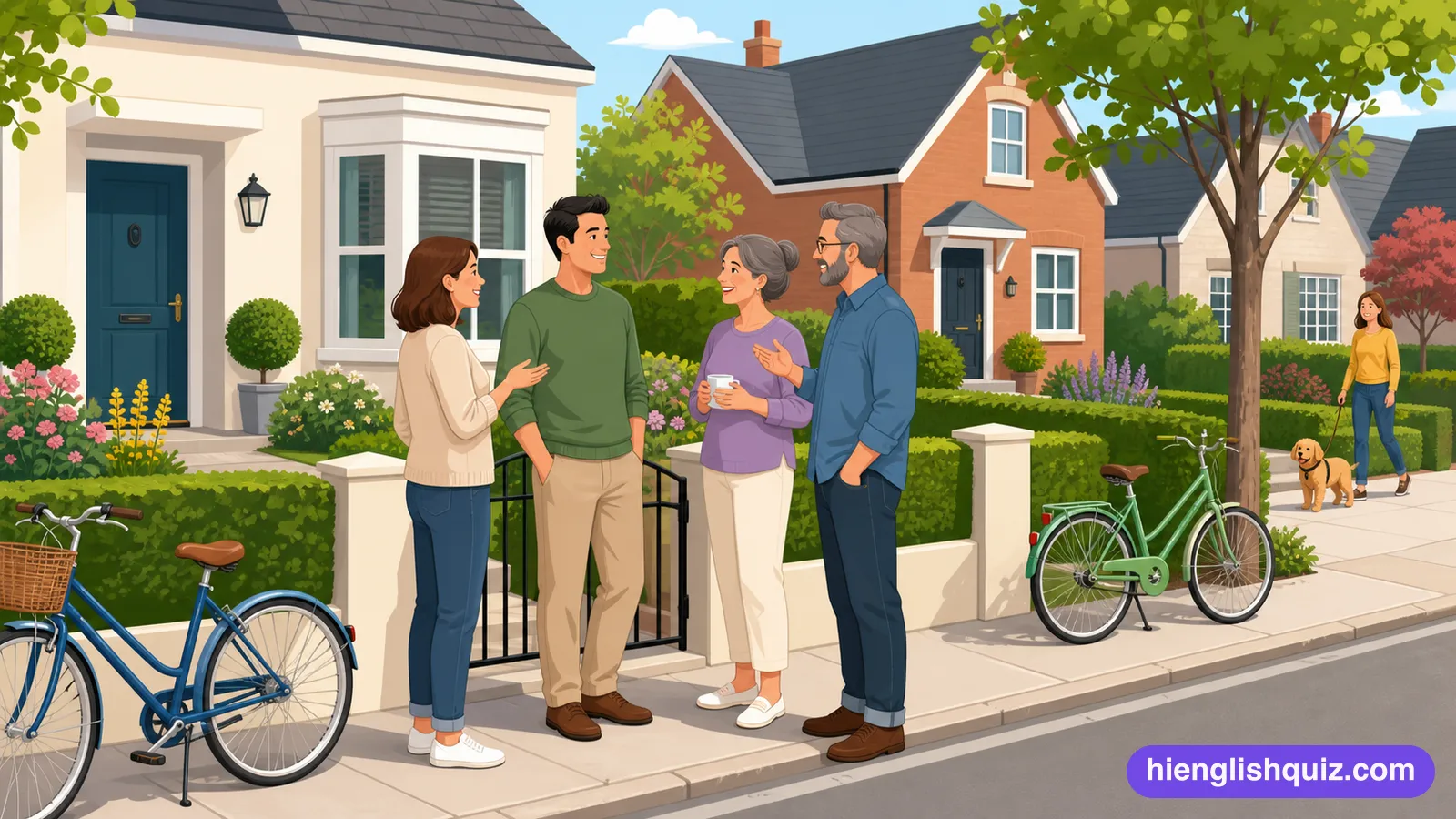
The small part of a town you live in, with its own streets and shops.
Example: We moved to a quieter neighbourhood near the park.
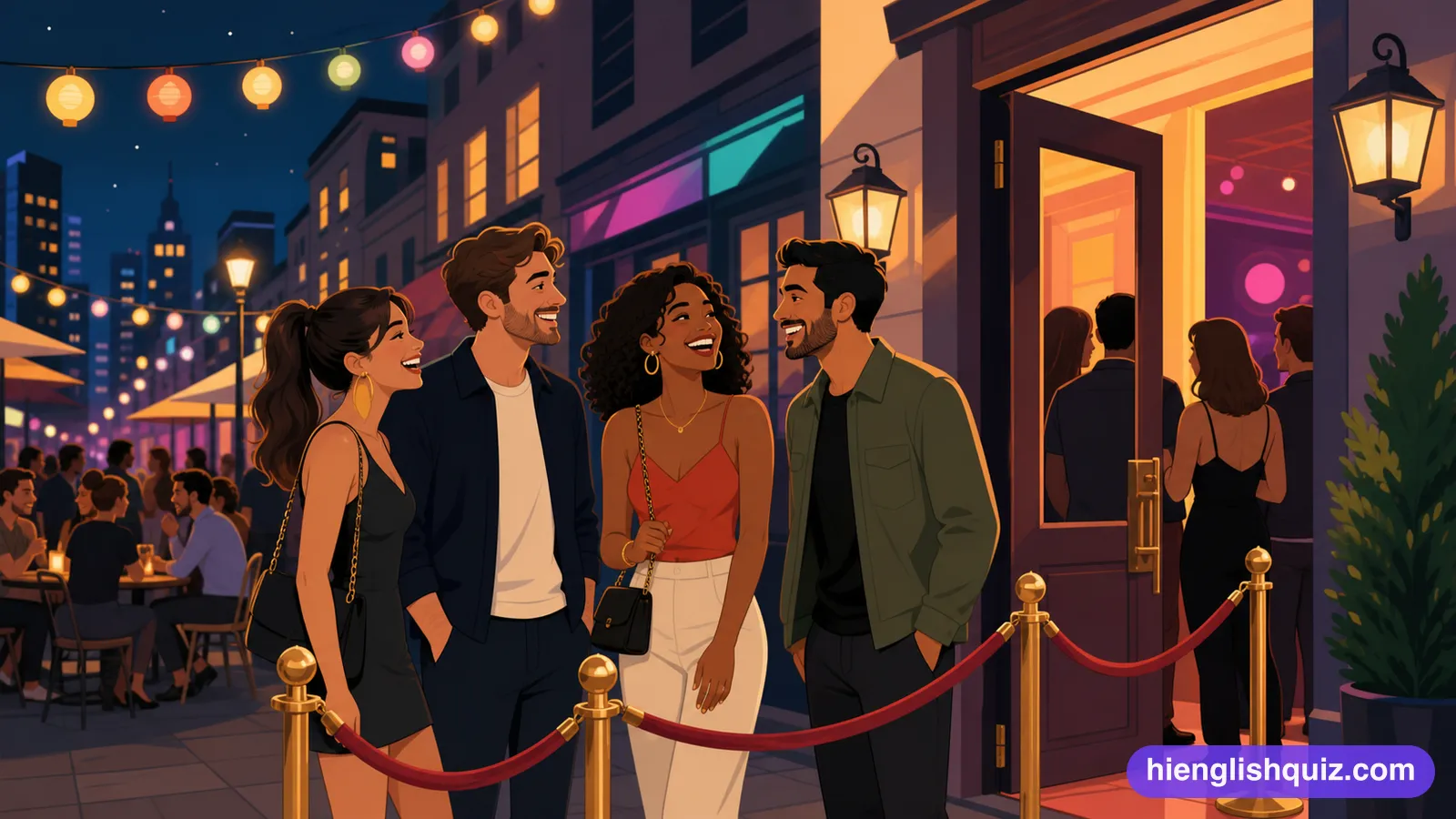
All the fun things people can do in a city late in the evening, like clubs and bars.
Example: Barcelona is famous for its amazing nightlife.
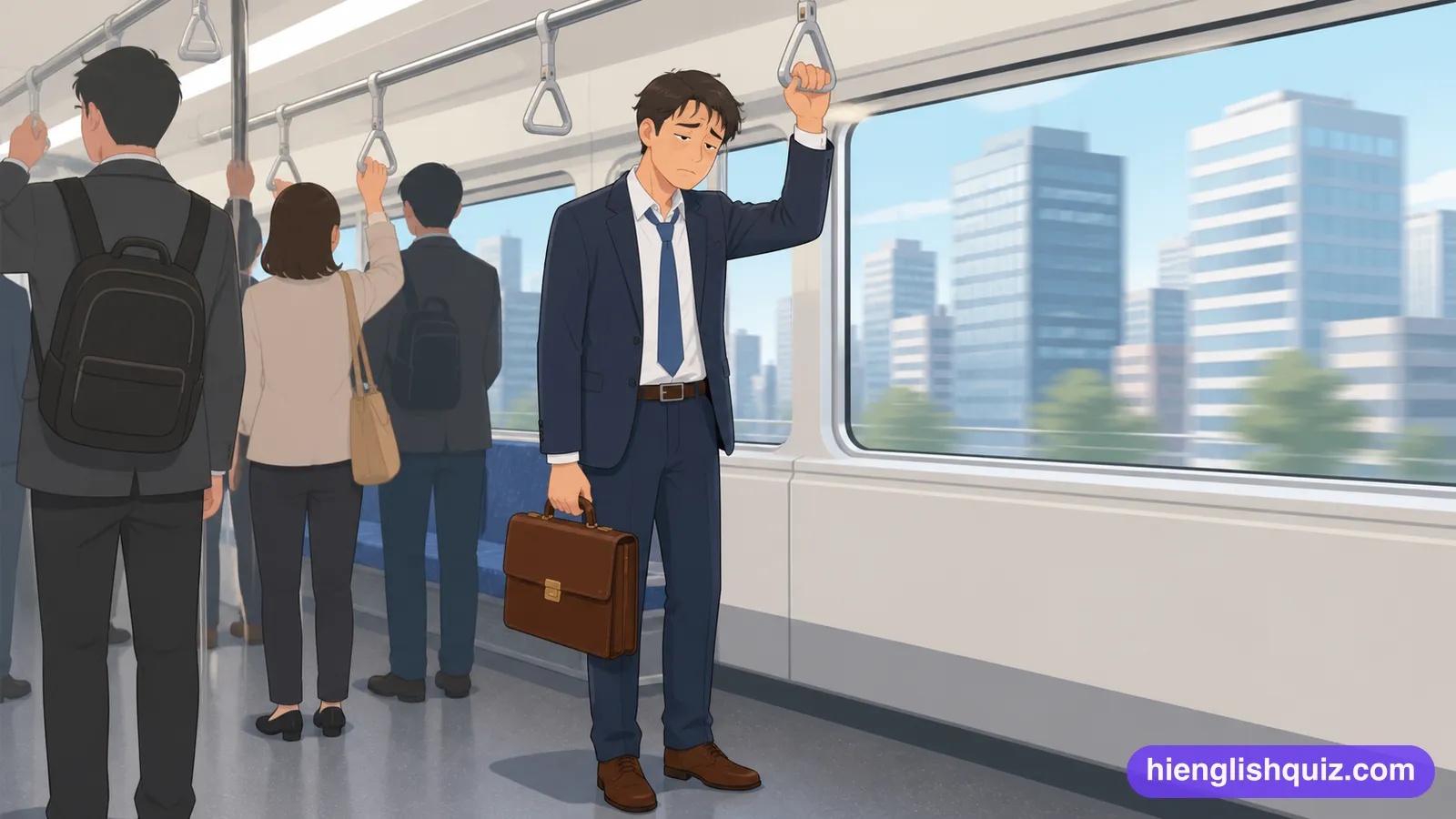
To travel regularly between home and work.
Example: She commutes to the city every day by train.
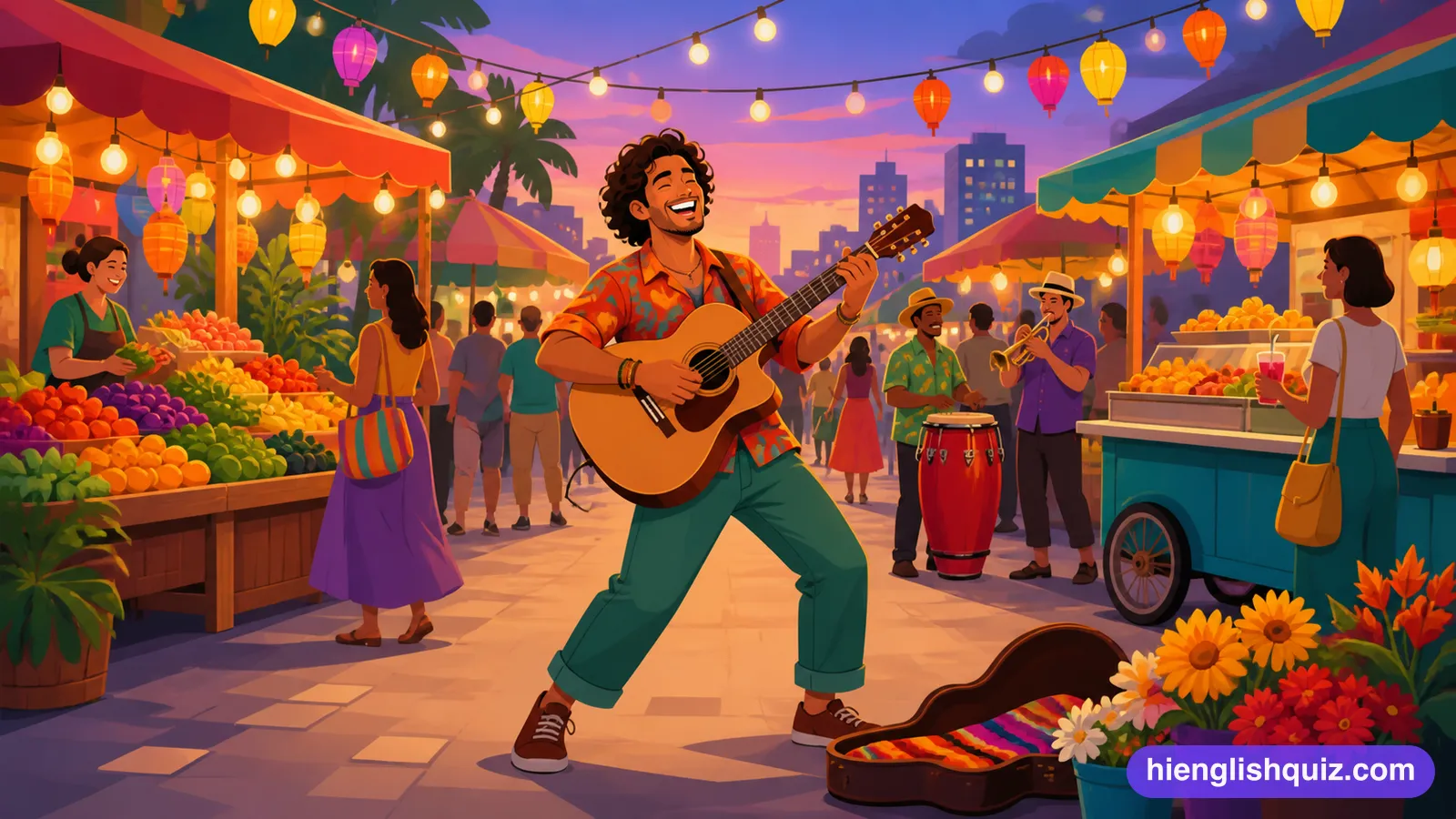
Full of life, energy and bright activity.
Example: The night market gives the city a vibrant atmosphere.
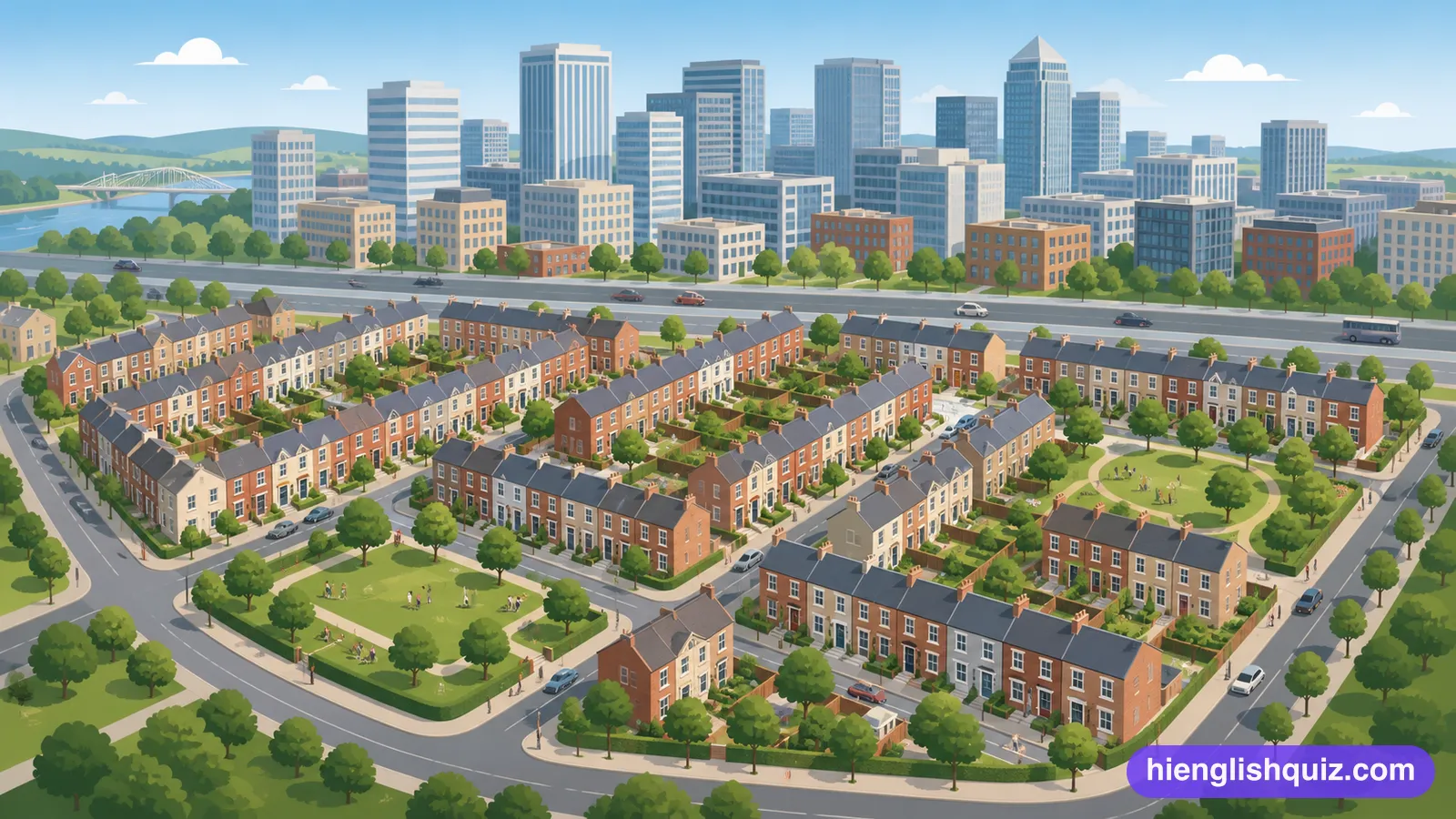
An official area of a large city, especially in the US or UK, each with some of its own local government.
Example: Brooklyn is a borough of New York City.
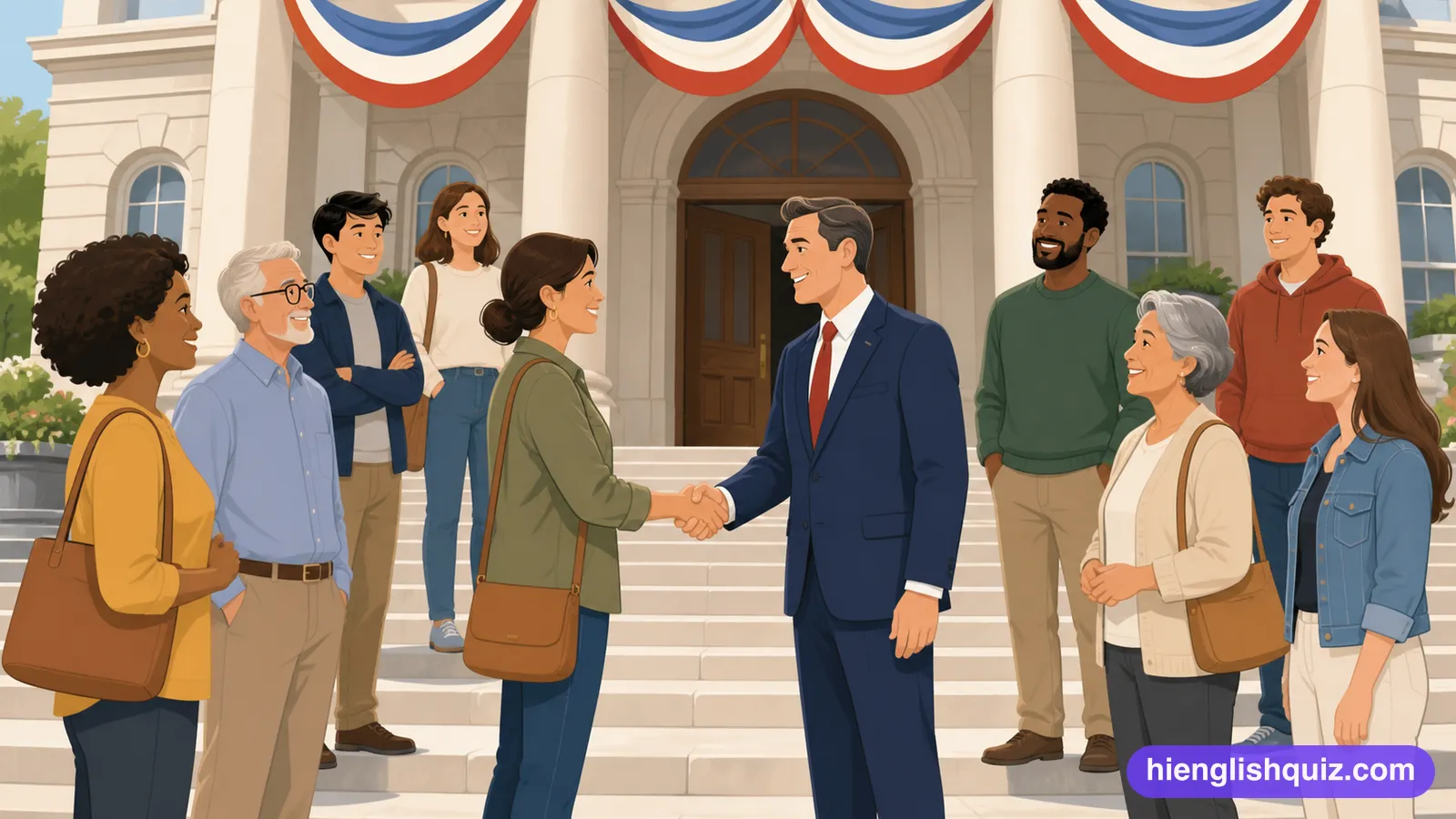
Relating to a city or the people who live in it.
Example: The new library was a civic project funded by the council.
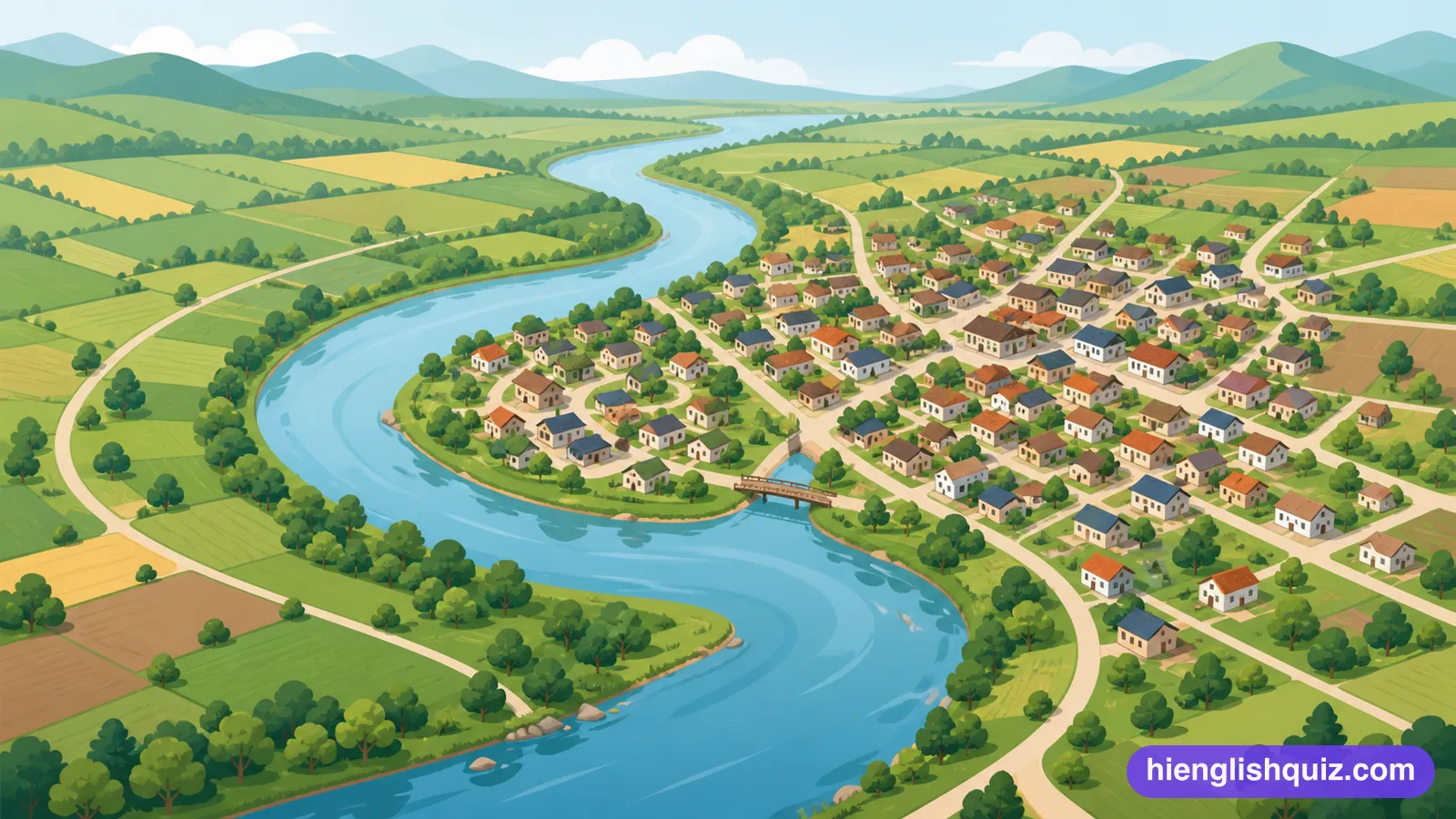
A place where a group of people have made their homes, especially a new one.
Example: The old fishing village grew into a large settlement.
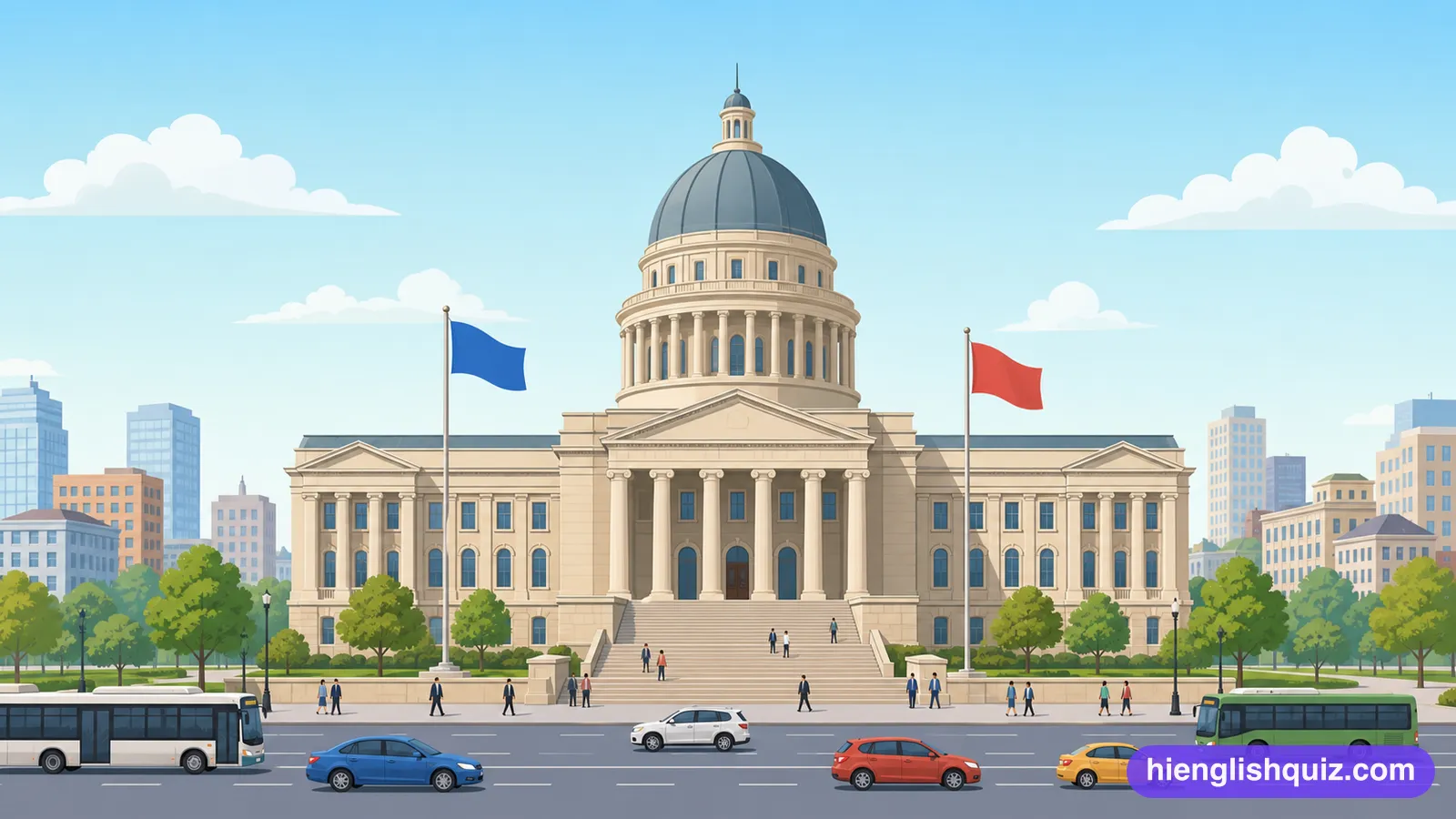
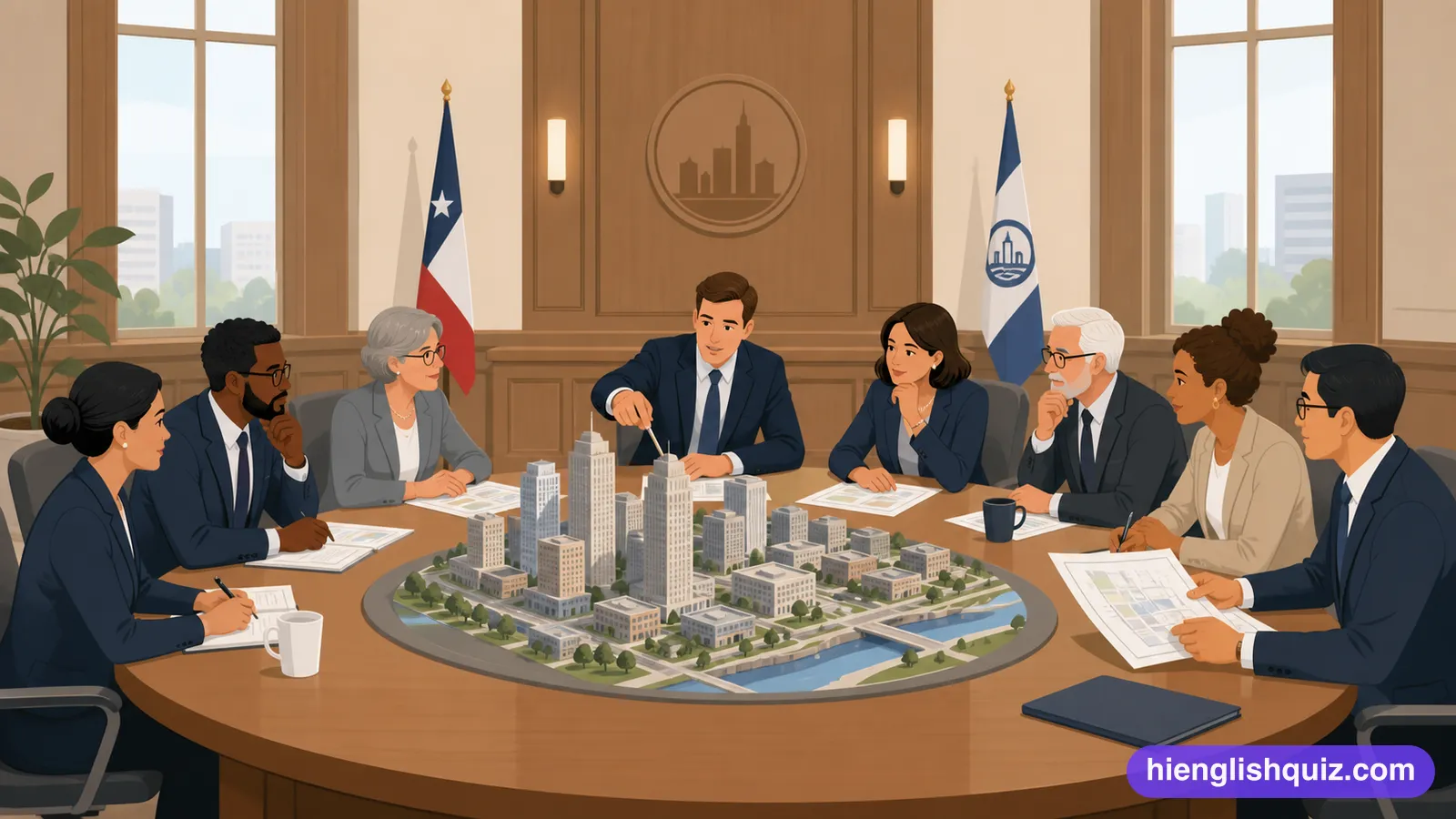
The group of people who manage the local government of a town or city.
Example: The city council approved plans for a new park.
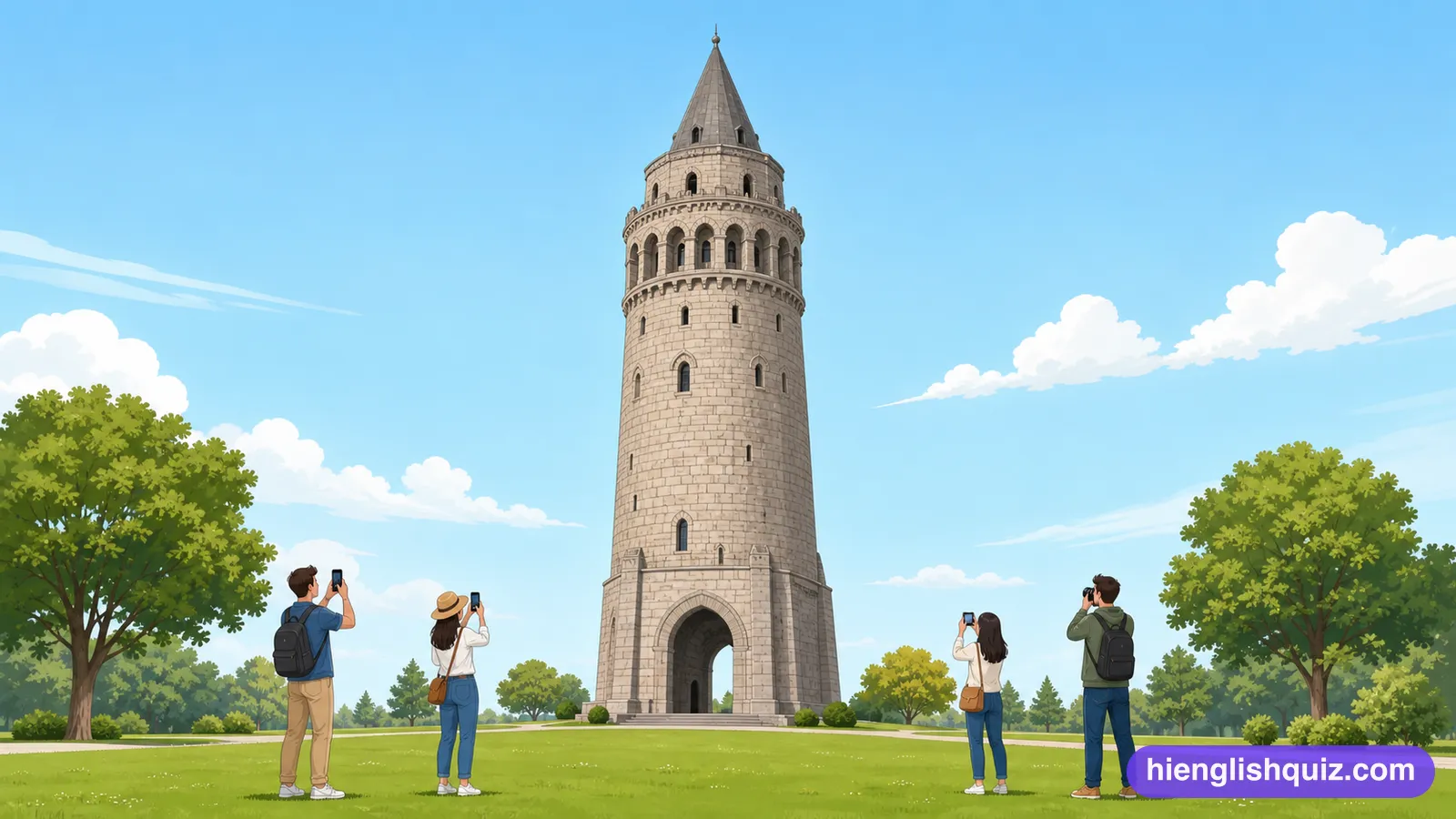
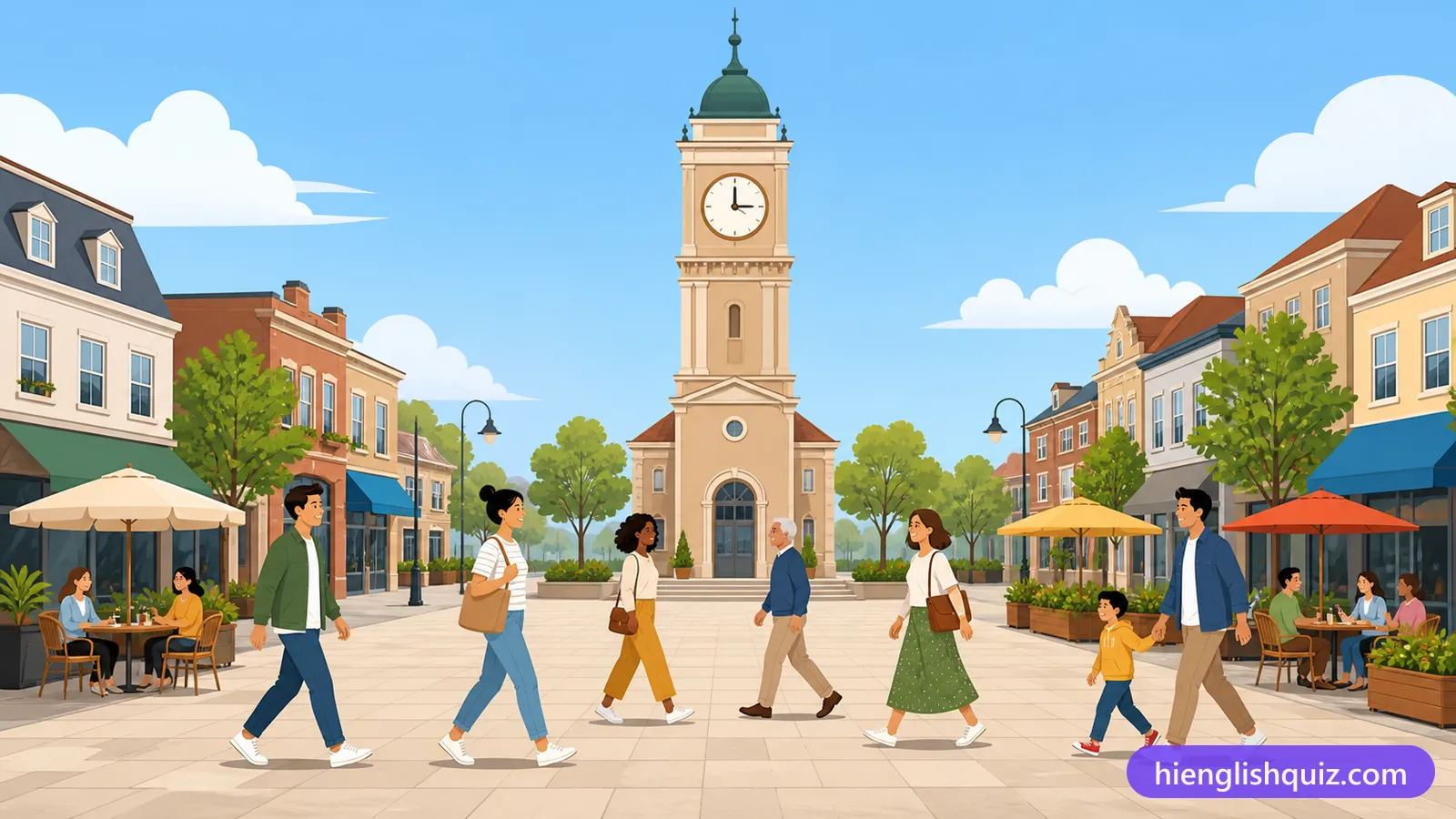
A well-known building or feature that helps people recognise a place.
Example: The clock tower is the most famous landmark in the town.
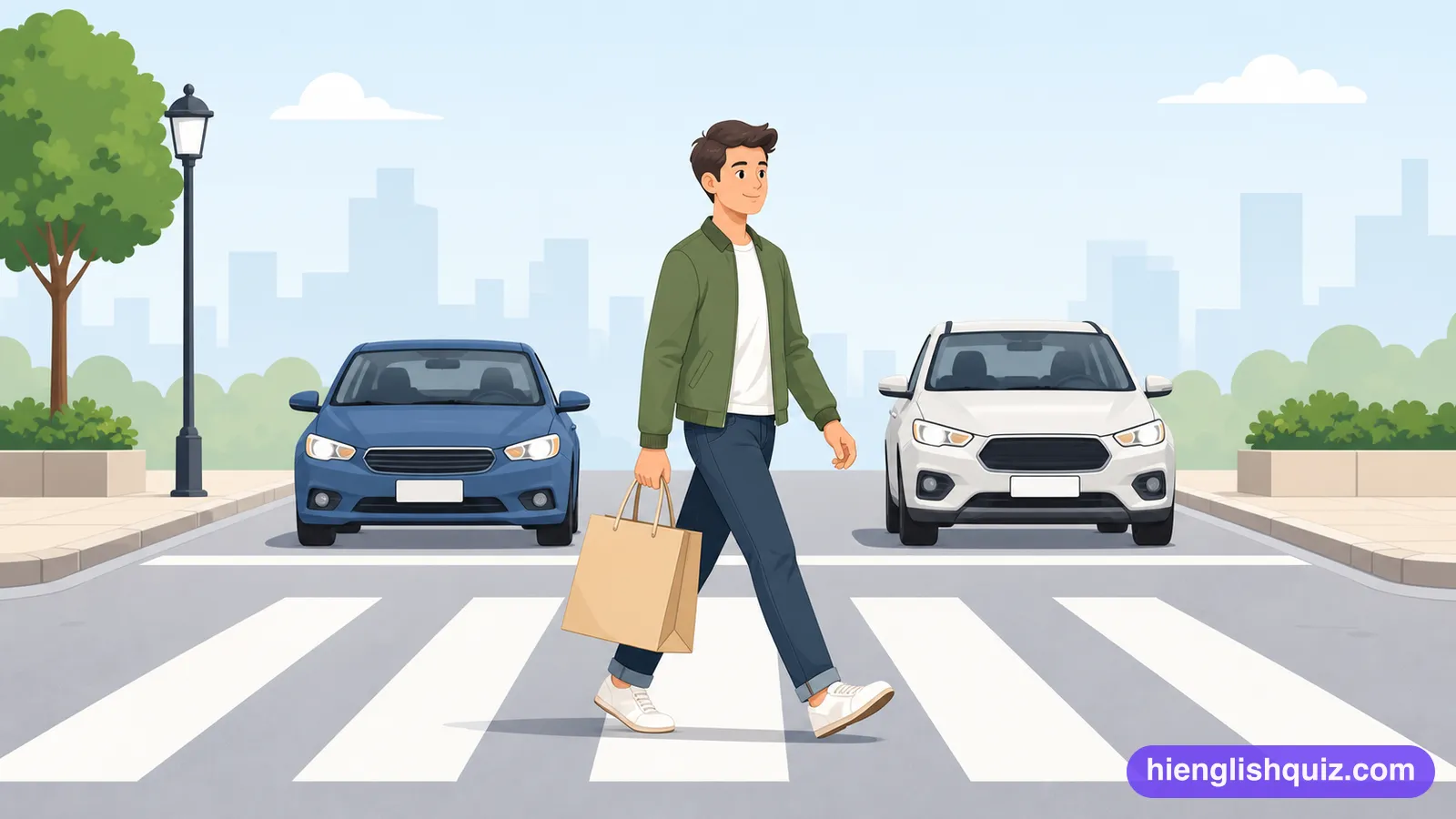
Someone walking along a street rather than driving or cycling.
Example: A pedestrian stepped out and the taxi stopped quickly.
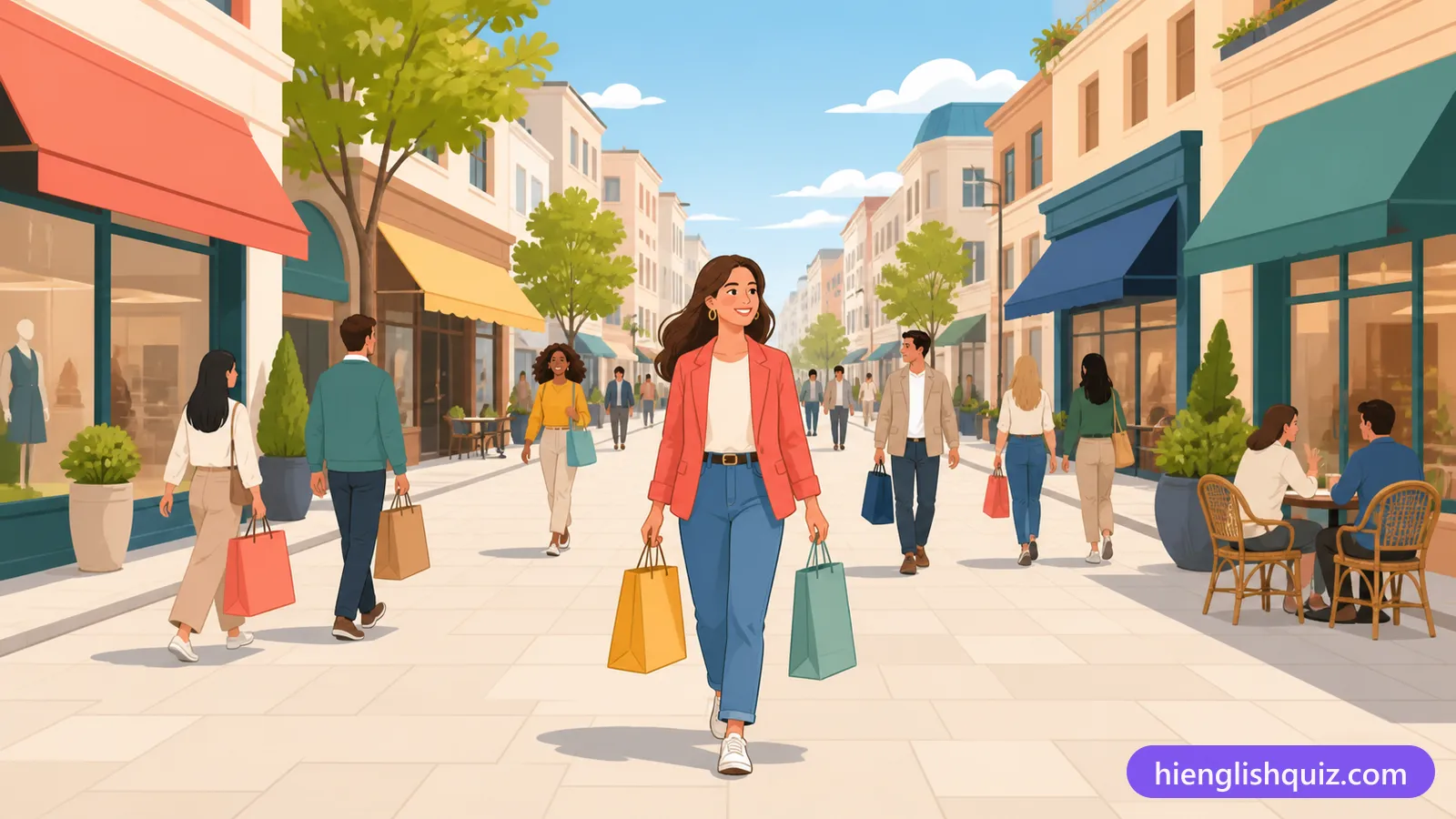
A large building that holds many separate stores, cafes and places to sit, all indoors.
Example: Let's meet at the shopping centre by the station.

The main road in a town, with most of the shops.
Example: We spent the afternoon shopping on the high street.
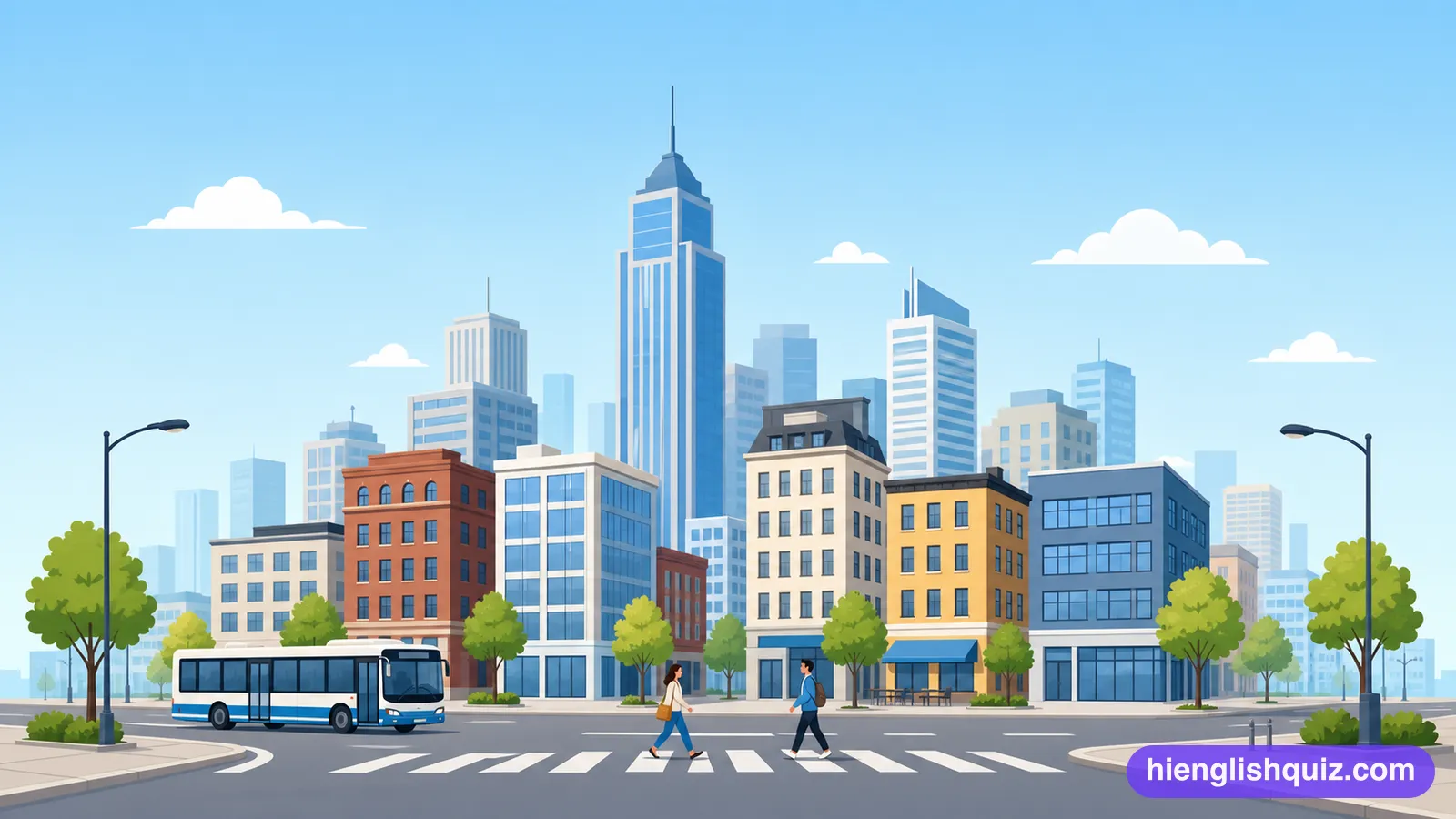
The main, busiest part of a settlement, often full of shops and offices.
Example: Parking is difficult in the town centre on weekends.
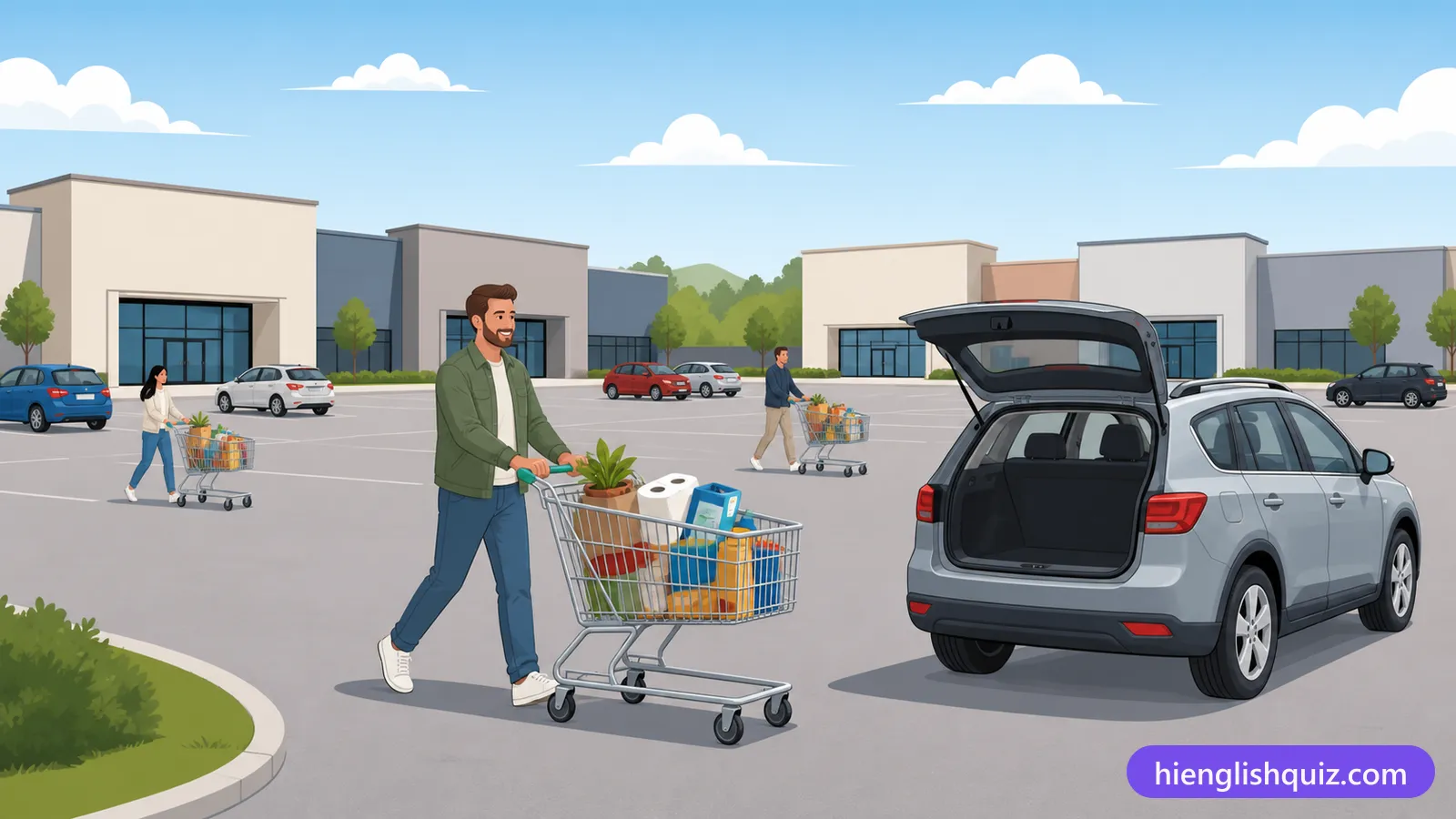
An area on the edge of a town with large stores and space for many cars.
Example: We bought the sofa from a warehouse at the retail park.