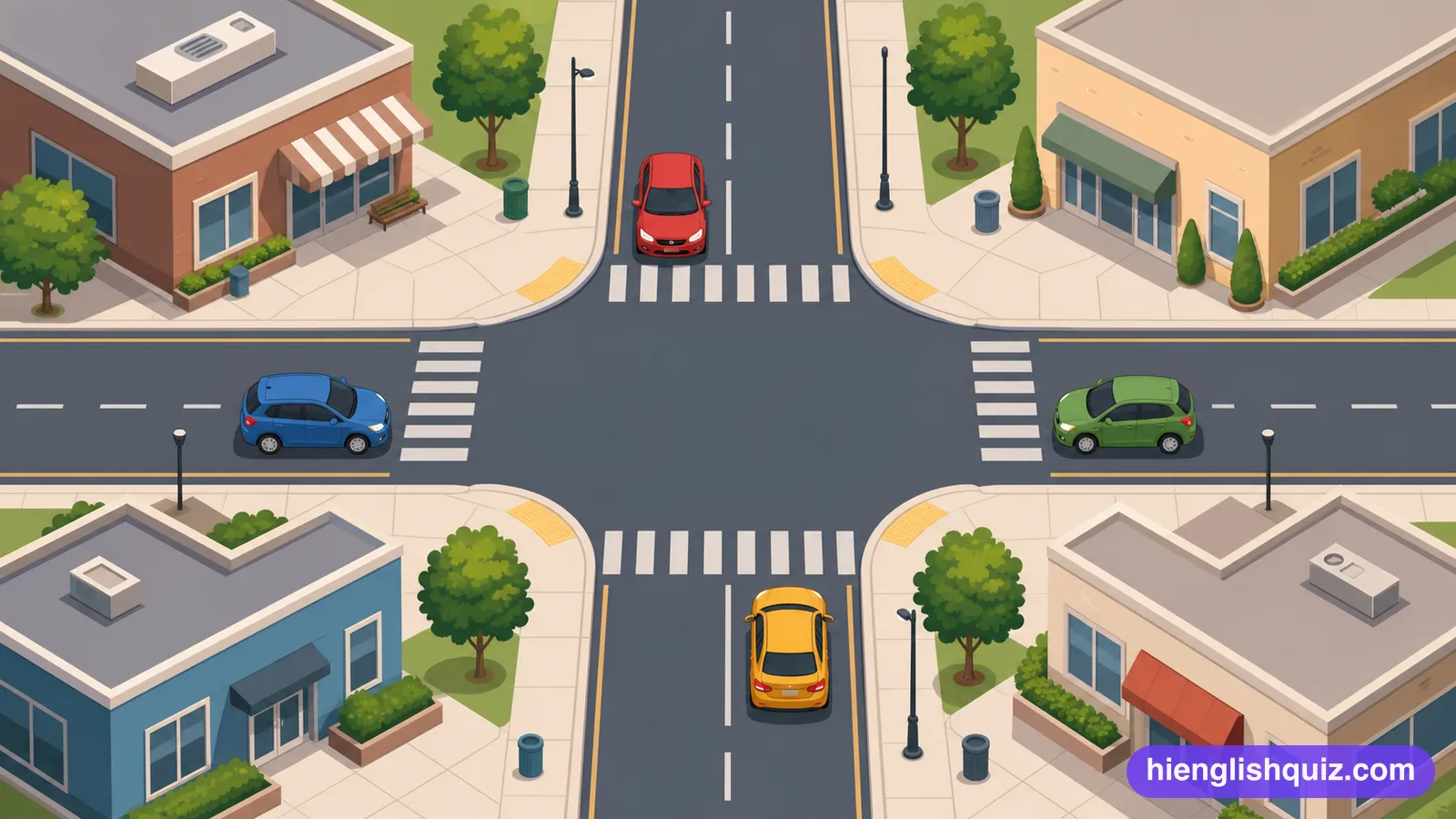
crossroads
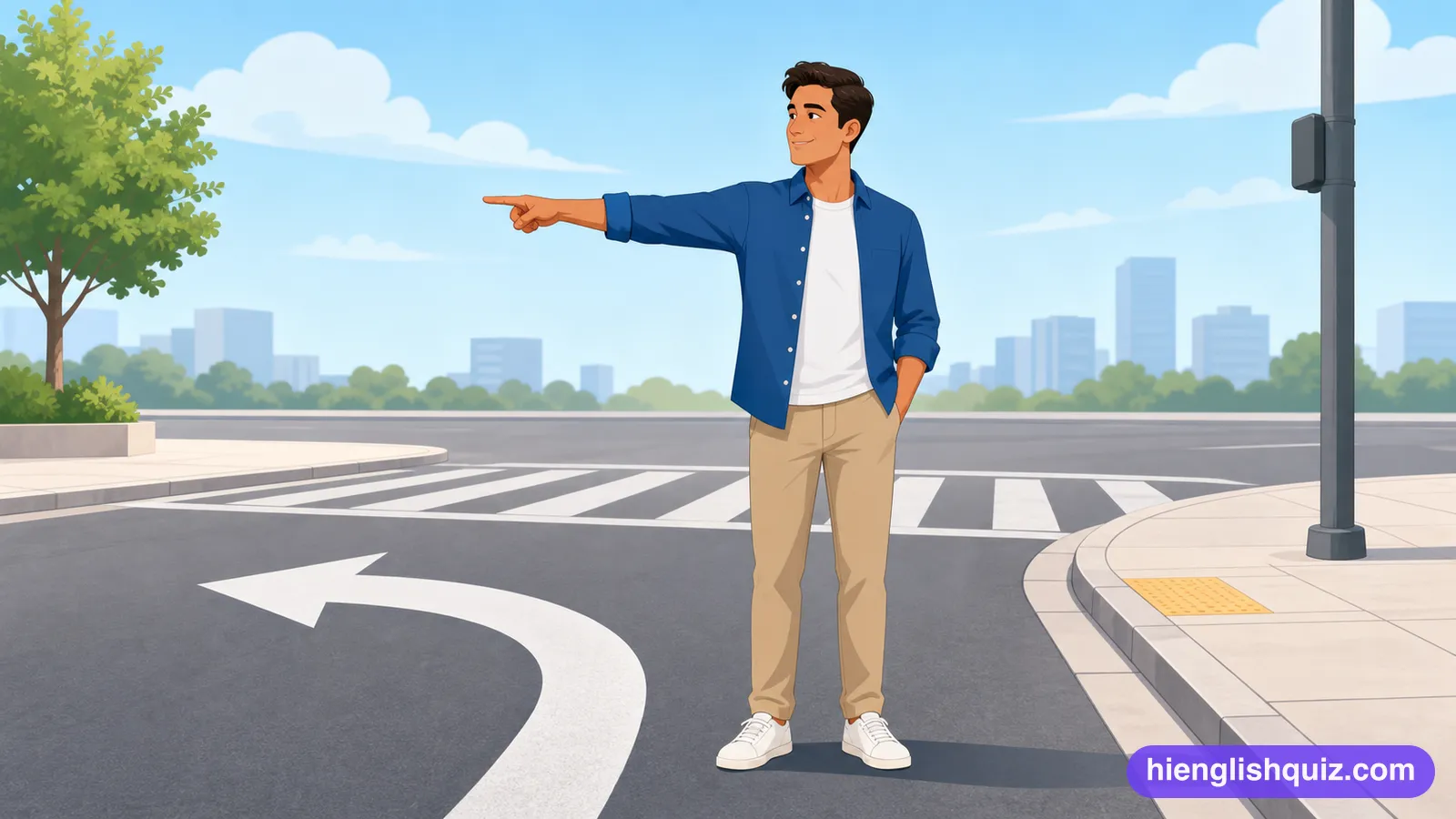
/ˈkrɔsˌroʊdz/A point where two or more streets meet and intersect.
Example: Turn left at the crossroads and the shop is on your right.
 Hi EnglishQuiz
B116 words · Intermediate
Directions vocabulary for finding a place by description or by map, including a crossroads, a fork in the road and a one-way street, plus a compass and a map symbol.
A point where two or more streets meet and intersect.
Example: Turn left at the crossroads and the shop is on your right.
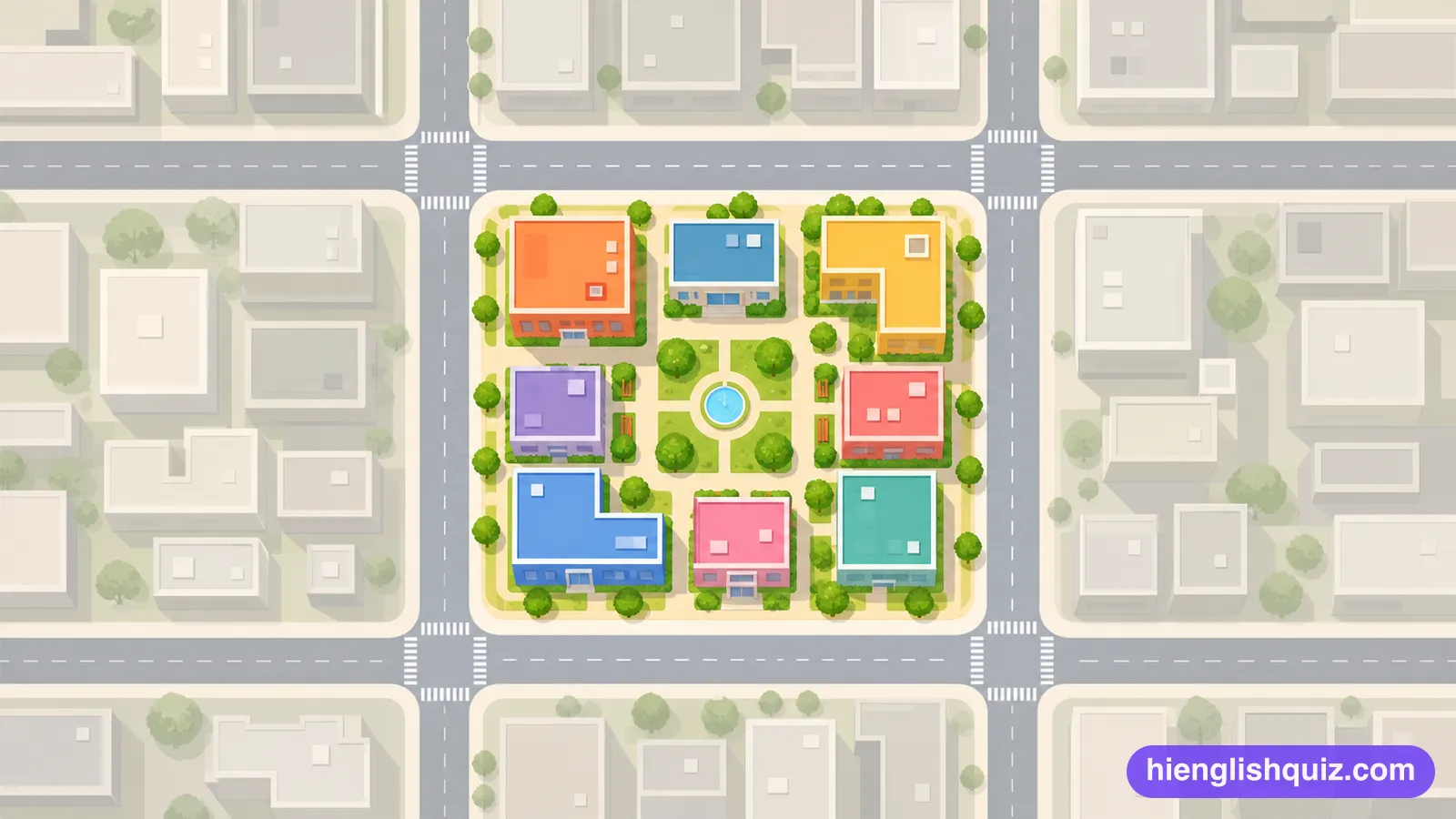
The distance along a street from one crossing to the next, in a city with square streets.
Example: Walk two blocks north and you'll see the museum.
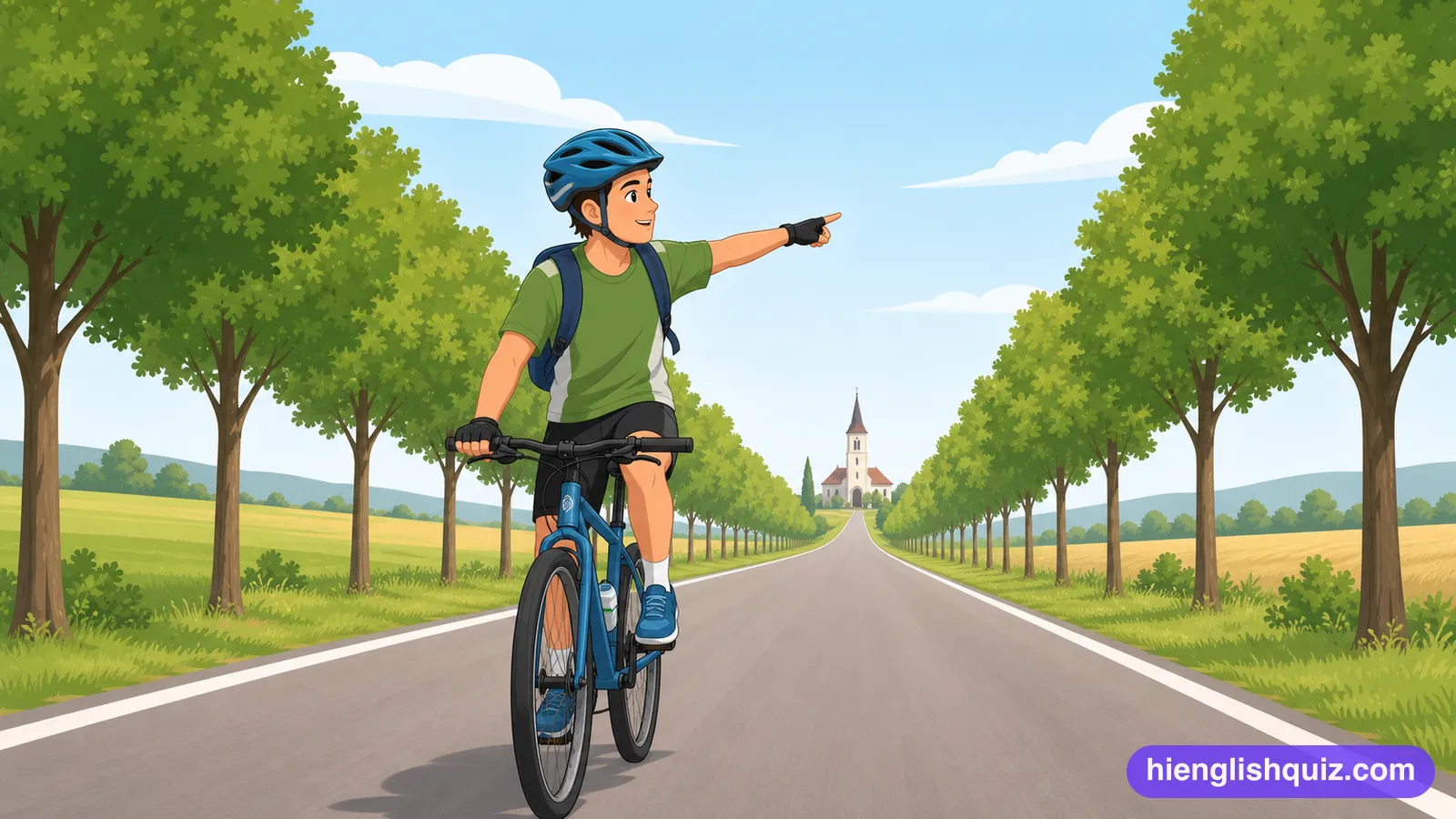
In the space directly in front of you, further along the way you are going.
Example: The station's just ahead, past the second set of lights.
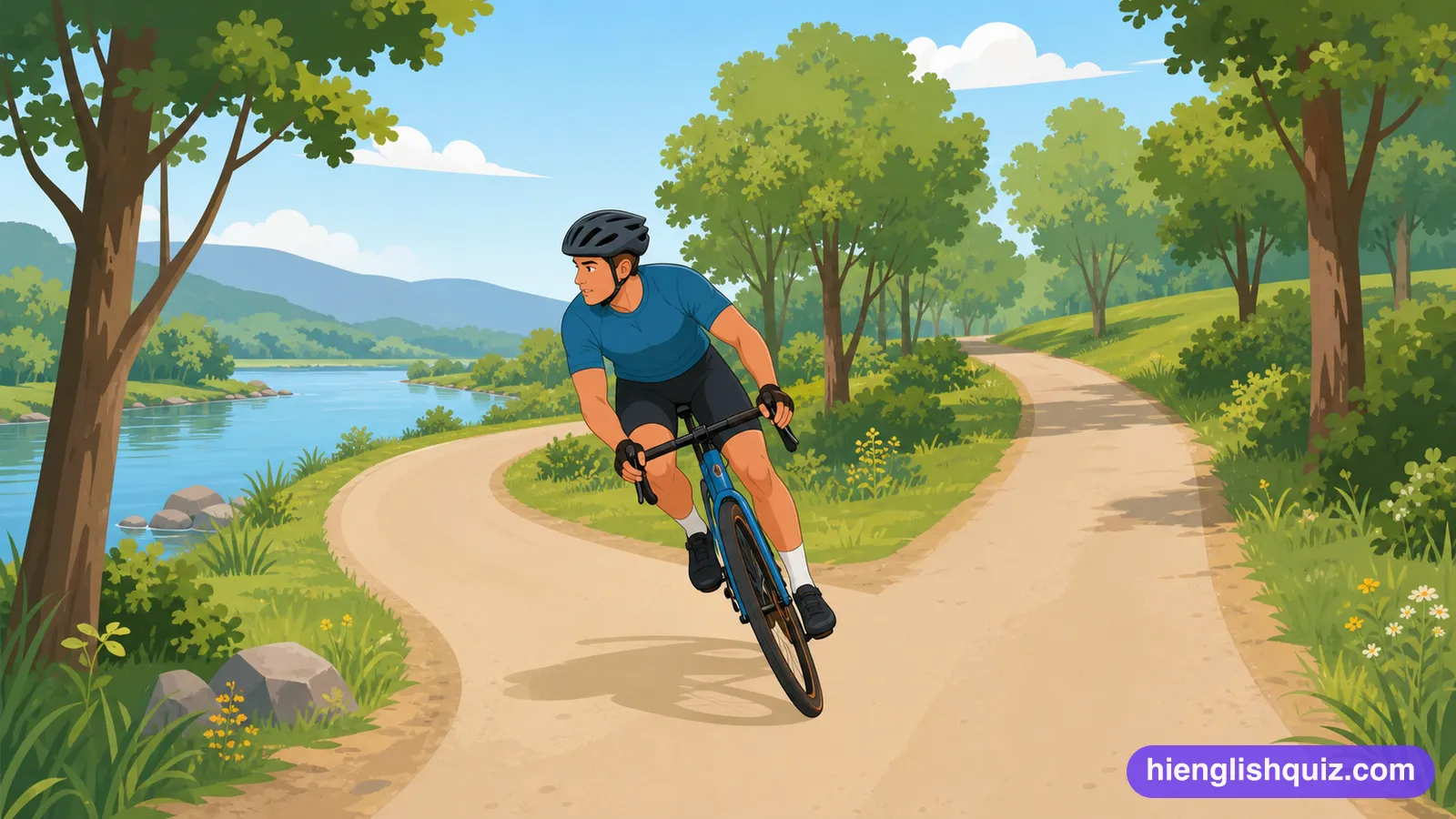
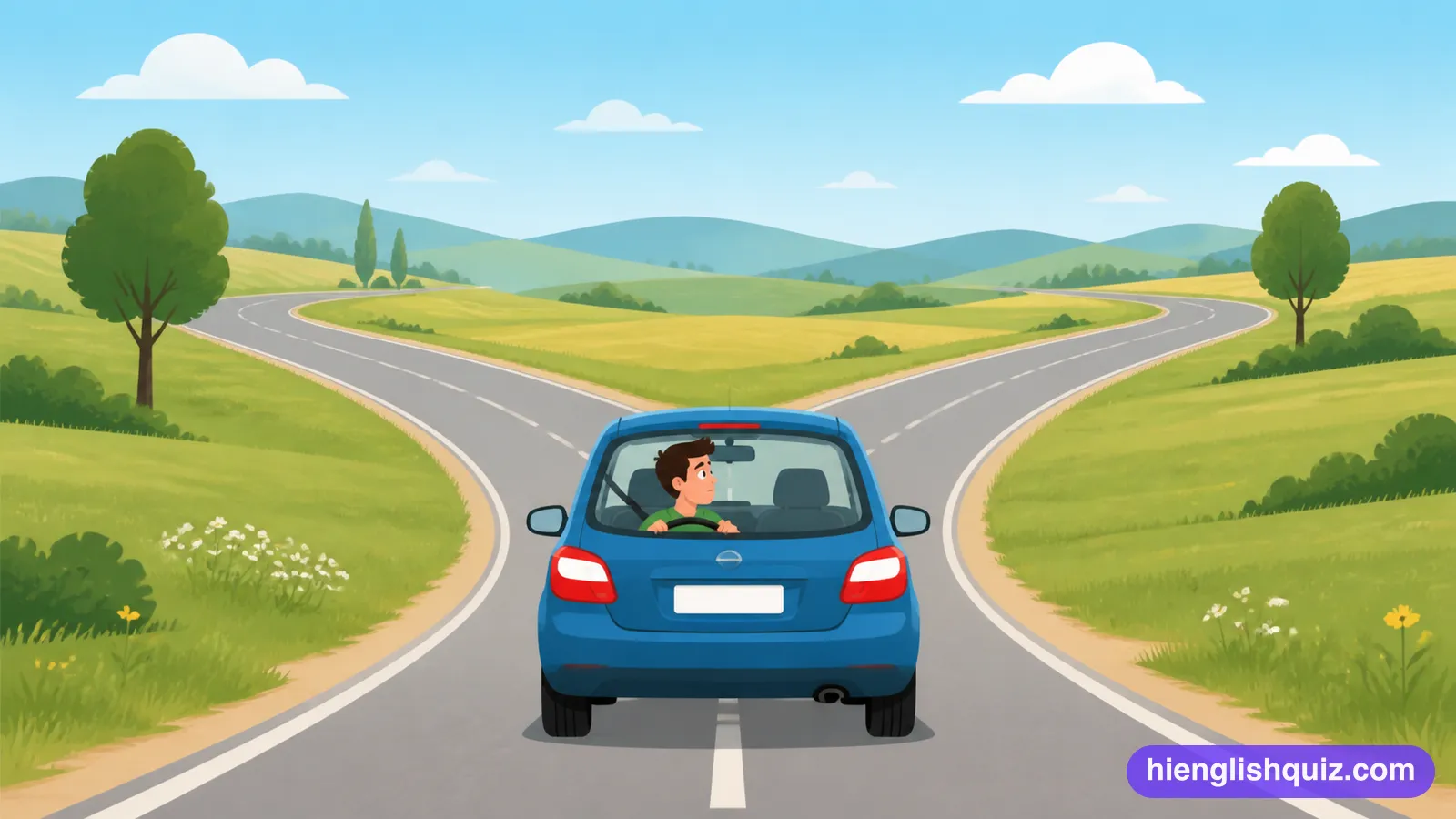
A point where a road or path splits into two different ways.
Example: Take the left path at the fork in the road.
Allowing traffic to travel in only one direction.
Example: You can't turn there — it's a one-way street.
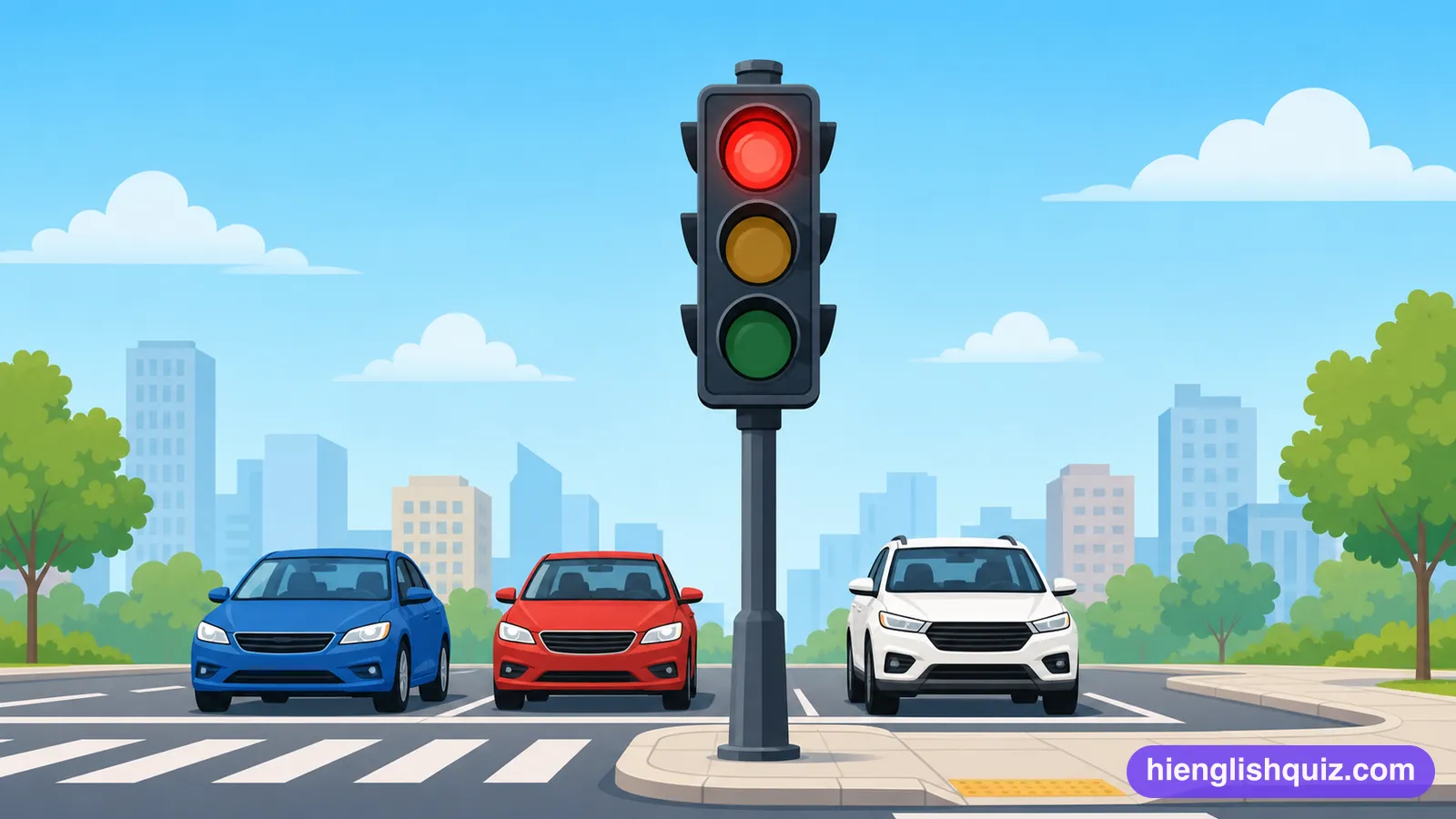
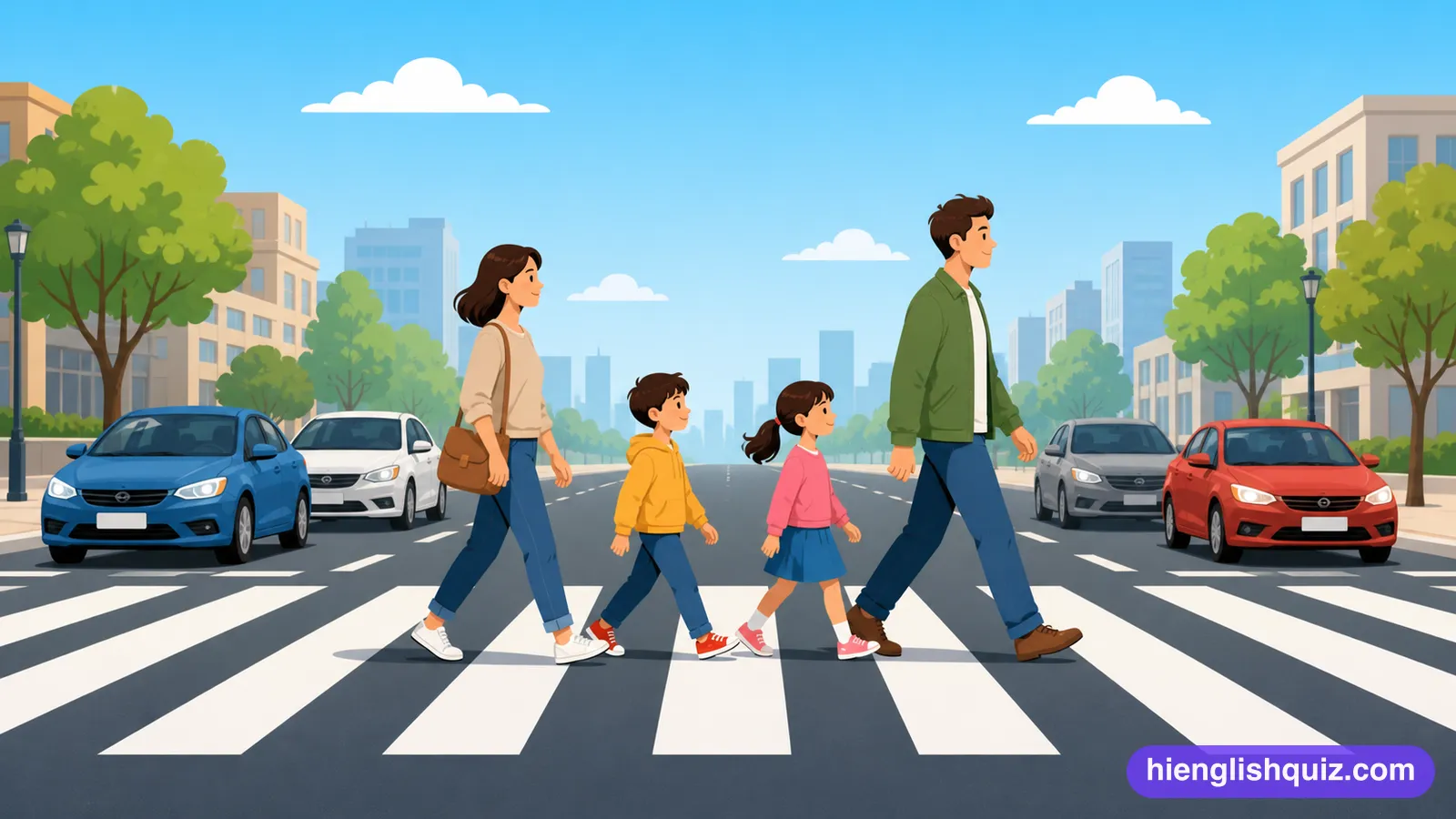
A road marking of black and white stripes, where people on foot go first.
Example: Cars must stop for you at a zebra crossing.
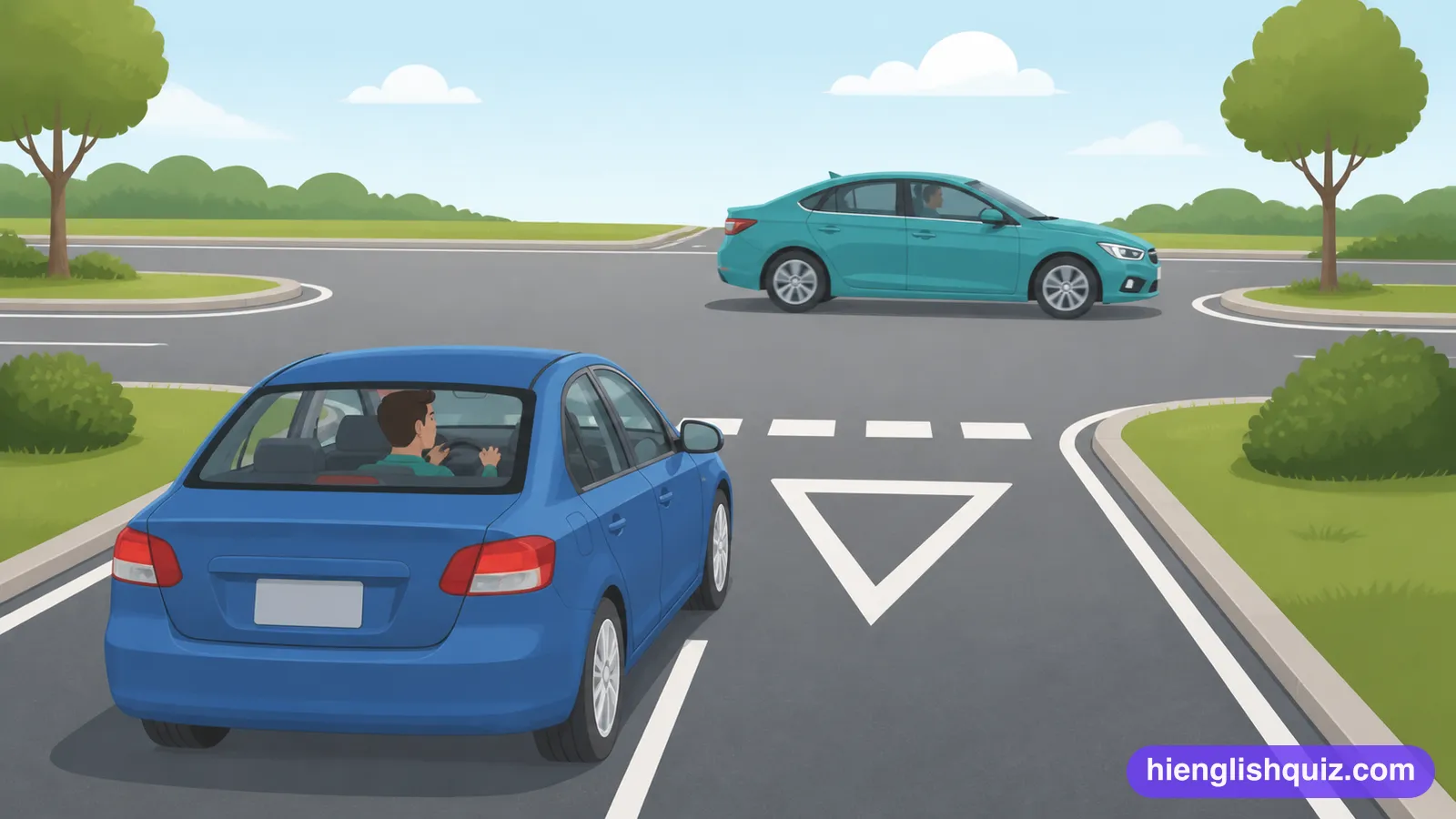
To let other traffic go first before you continue.
Example: You must give way to cars on the main road.
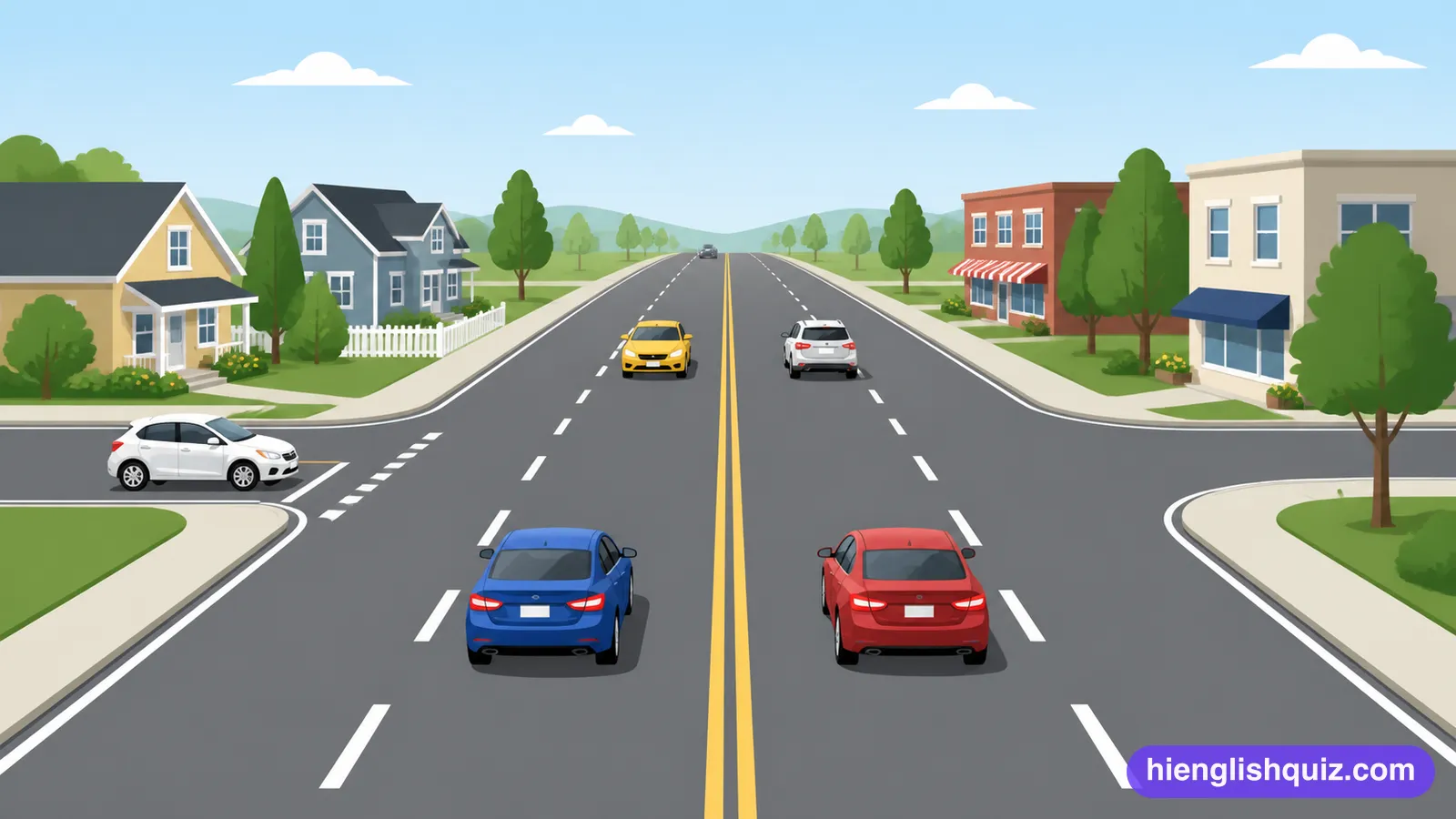
A large road that carries a lot of traffic between towns.
Example: Turn right when you reach the main road.
To find your way to a place, often using a map or directions.
Example: We used an app to navigate through the old town.
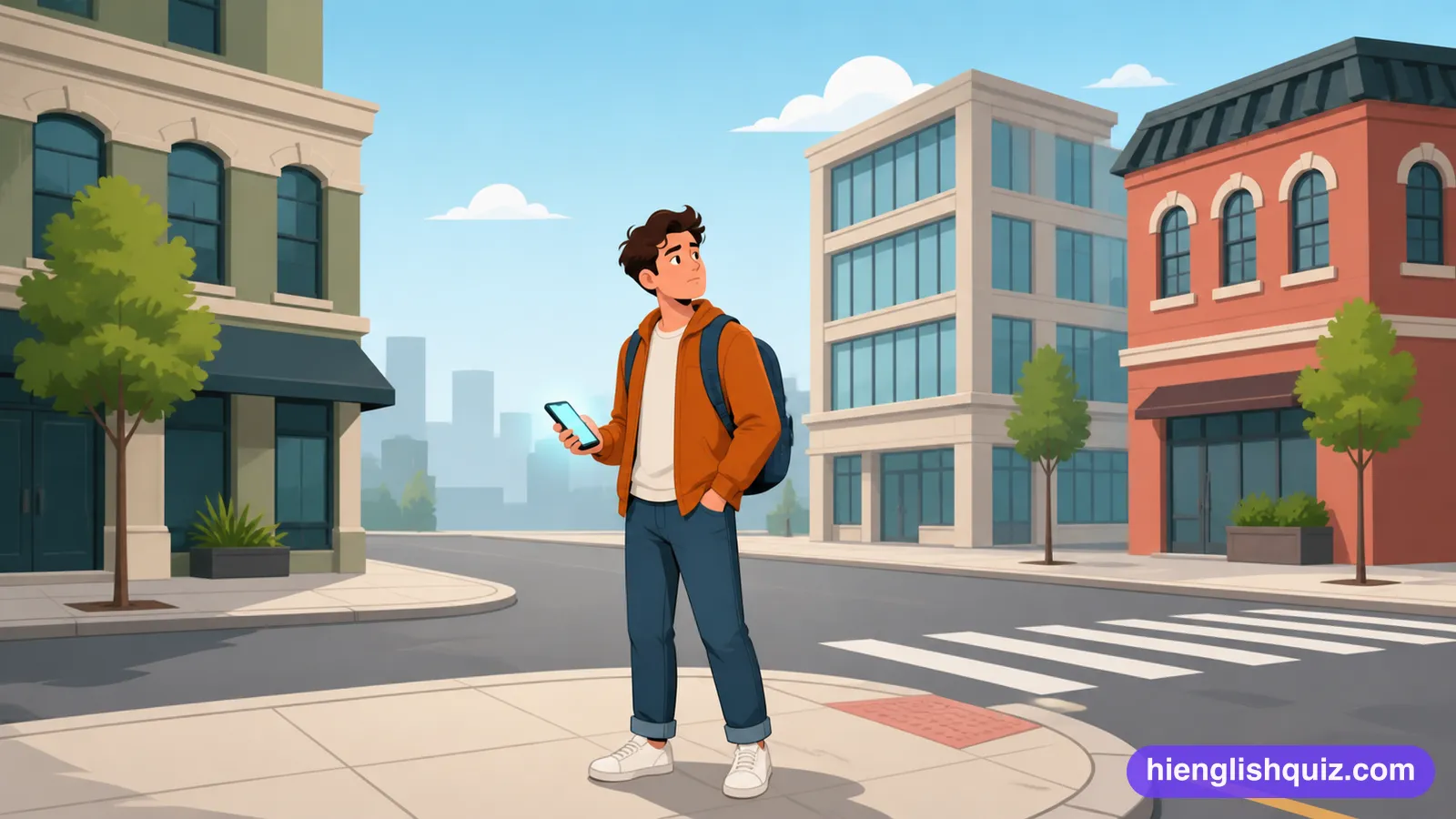
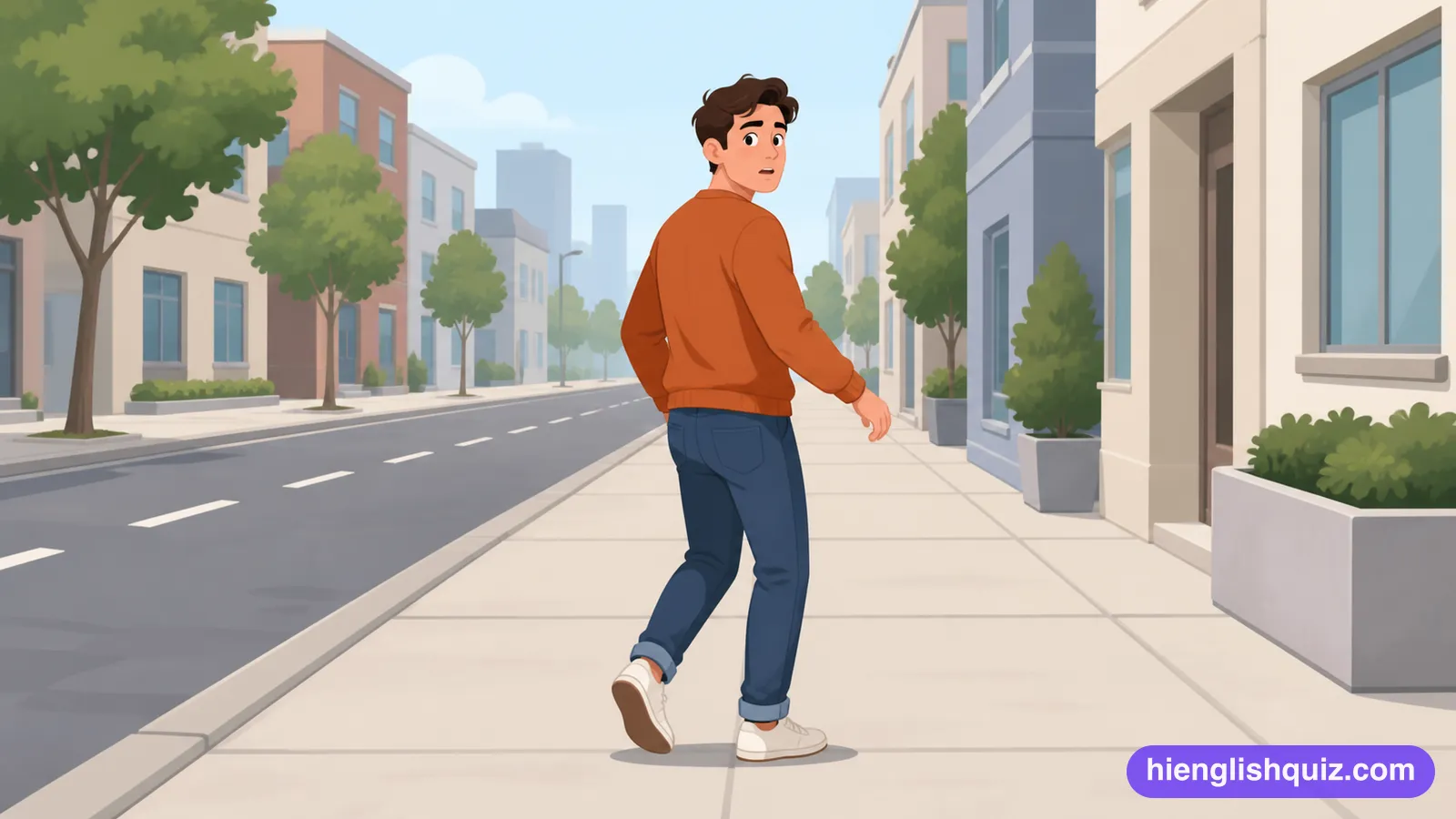
To go back in the direction you came from.
Example: We had to turn around because the road was closed.
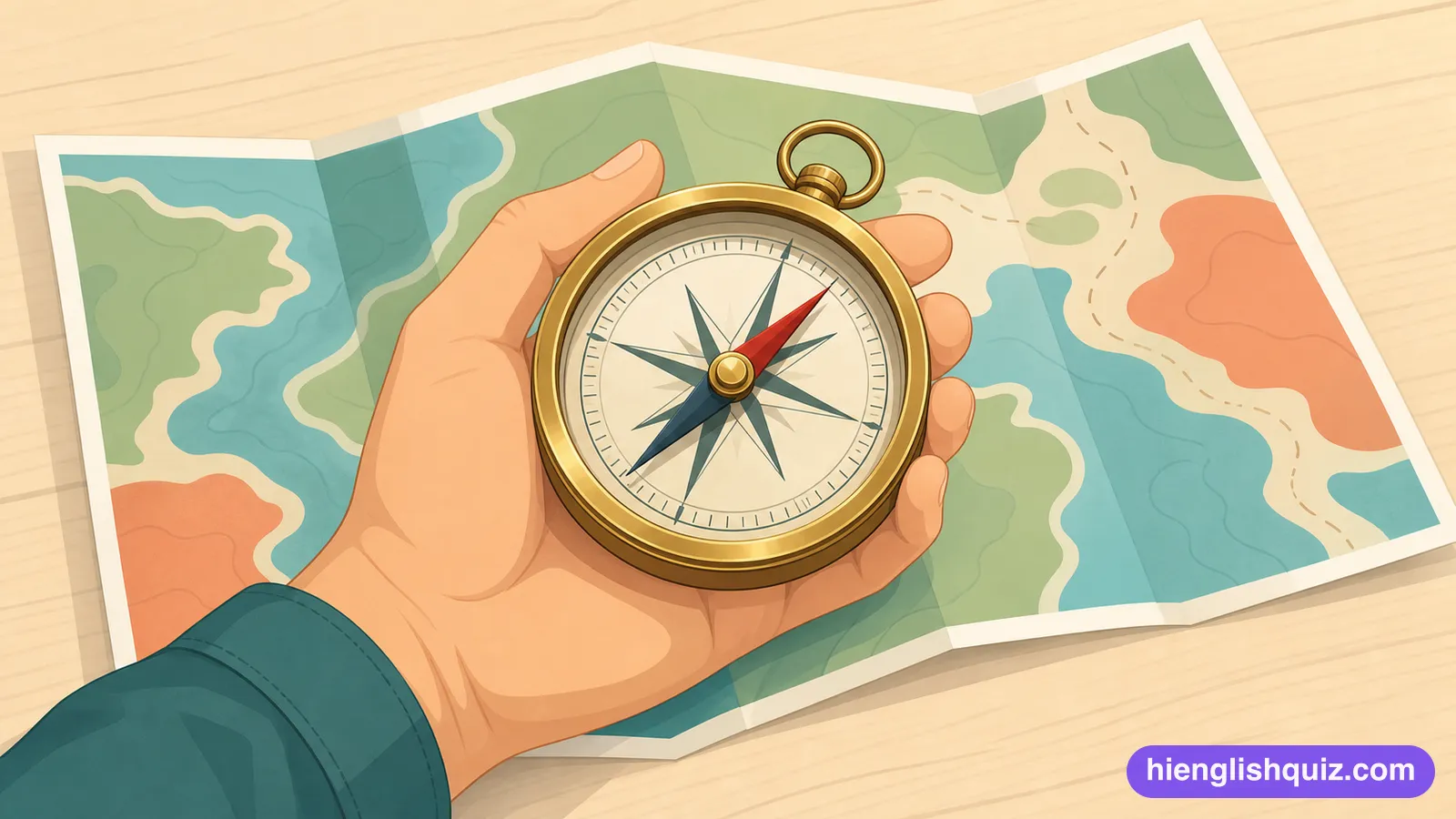
A small round tool with a needle that always points north.
Example: Without a compass you can easily lose your way.
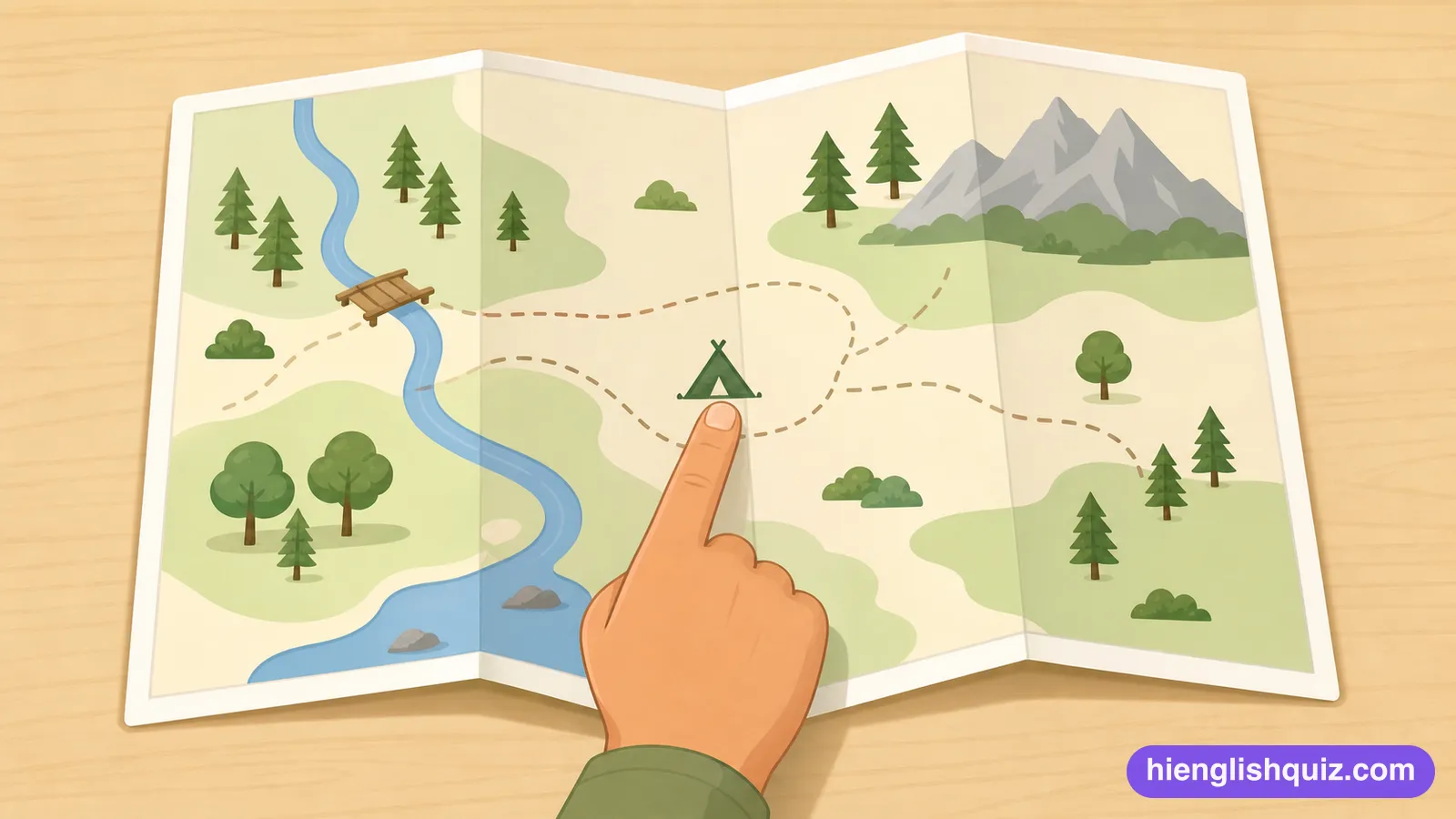
A small picture or shape on a map that stands for a real thing.
Example: This little symbol means there is a campsite by the lake.
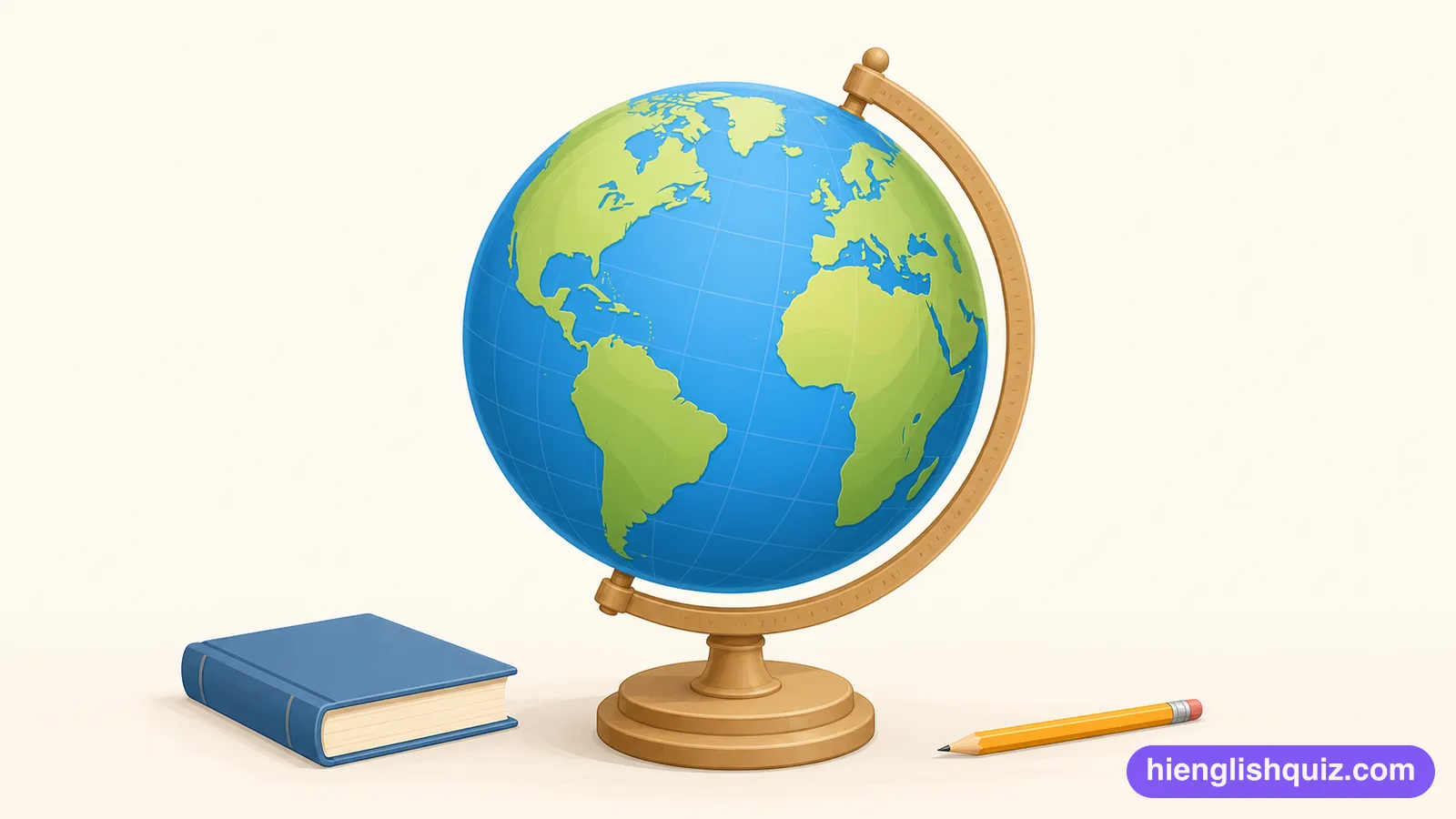
A round model of the Earth that you can turn, showing all the land and seas.
Example: She spun the globe and pointed at Peru.
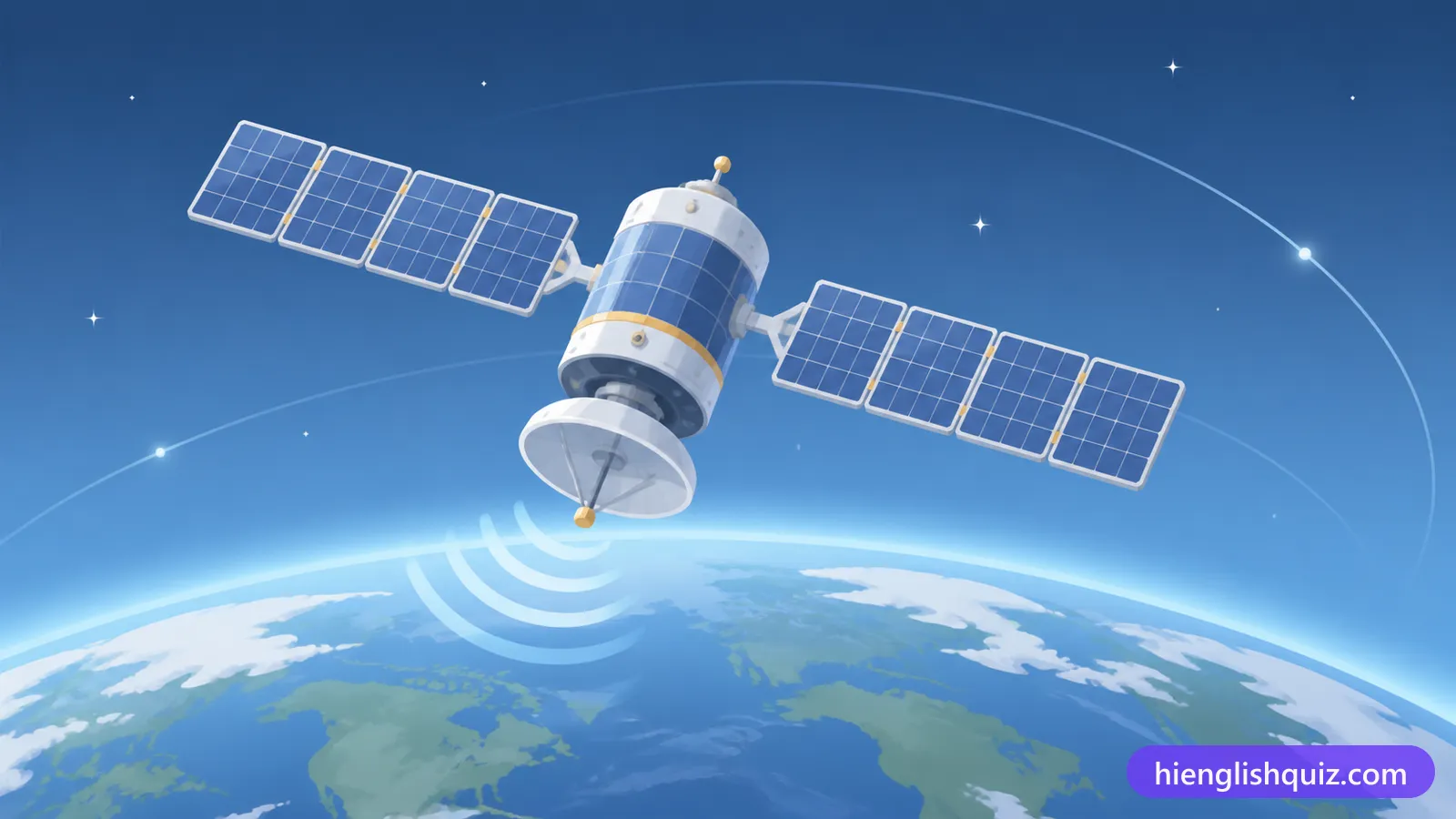
An object sent into space that orbits the Earth, used for communication and navigation.
Example: The image was taken by a satellite high above the Earth.
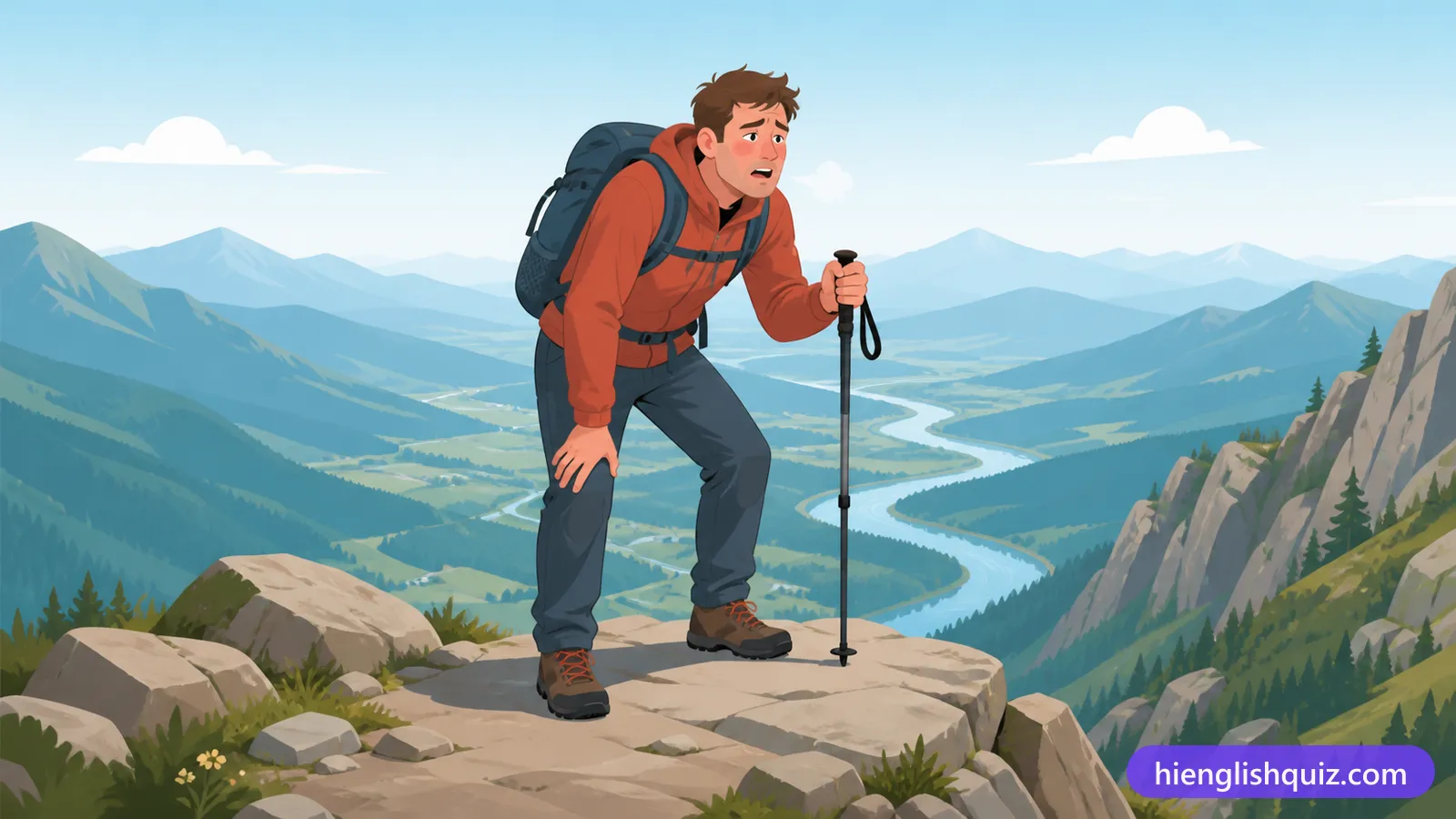
The height of a place above sea level.
Example: The village sits at an elevation of two thousand metres.
A line that marks the edge or limit of an area.
Example: The river forms a natural boundary between the two countries.