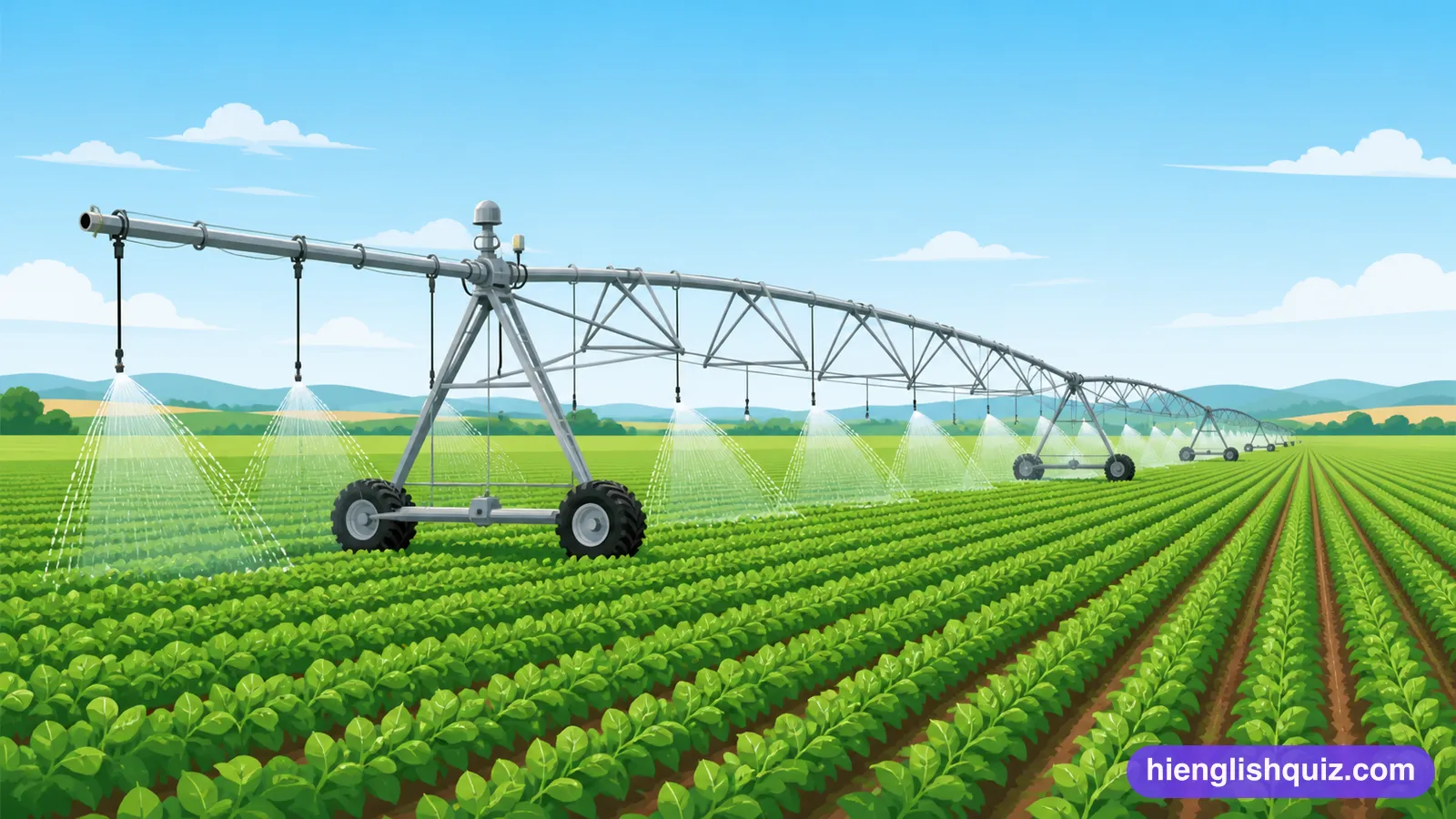
irrigation
/ˌɪrəˈɡeɪʃən/The supply of water to crops or land through pipes, channels or sprinklers.
Example: Farmers rely on irrigation during the dry season.
 Hi EnglishQuiz
B114 words · Intermediate
Agriculture vocabulary for farming basics, including irrigation, fertiliser, pesticide and livestock, plus crop rotation and the harvest that follows it.
The supply of water to crops or land through pipes, channels or sprinklers.
Example: Farmers rely on irrigation during the dry season.
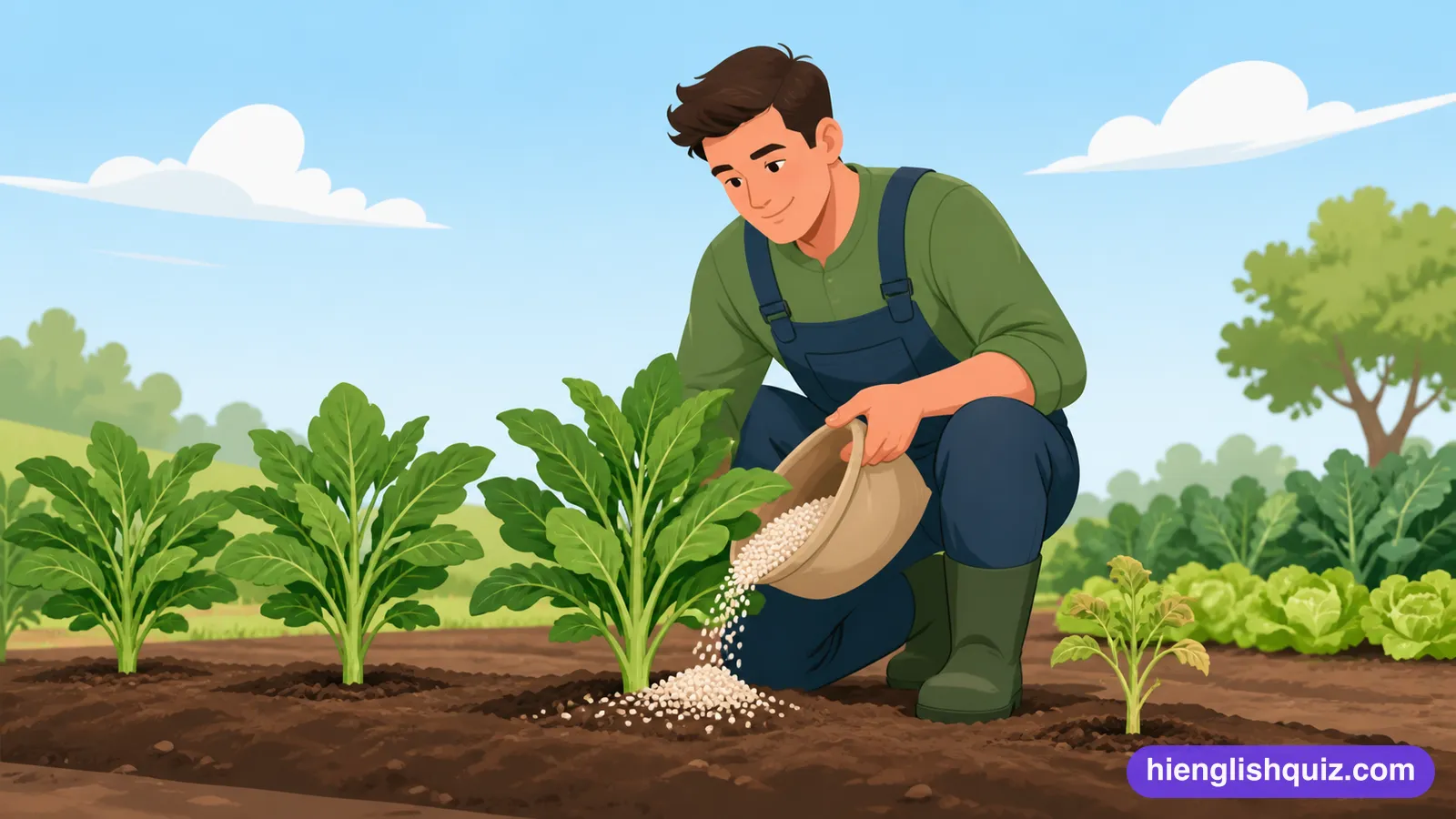
A substance added to soil to help crops grow better.
Example: She spread fertiliser over the field before planting.
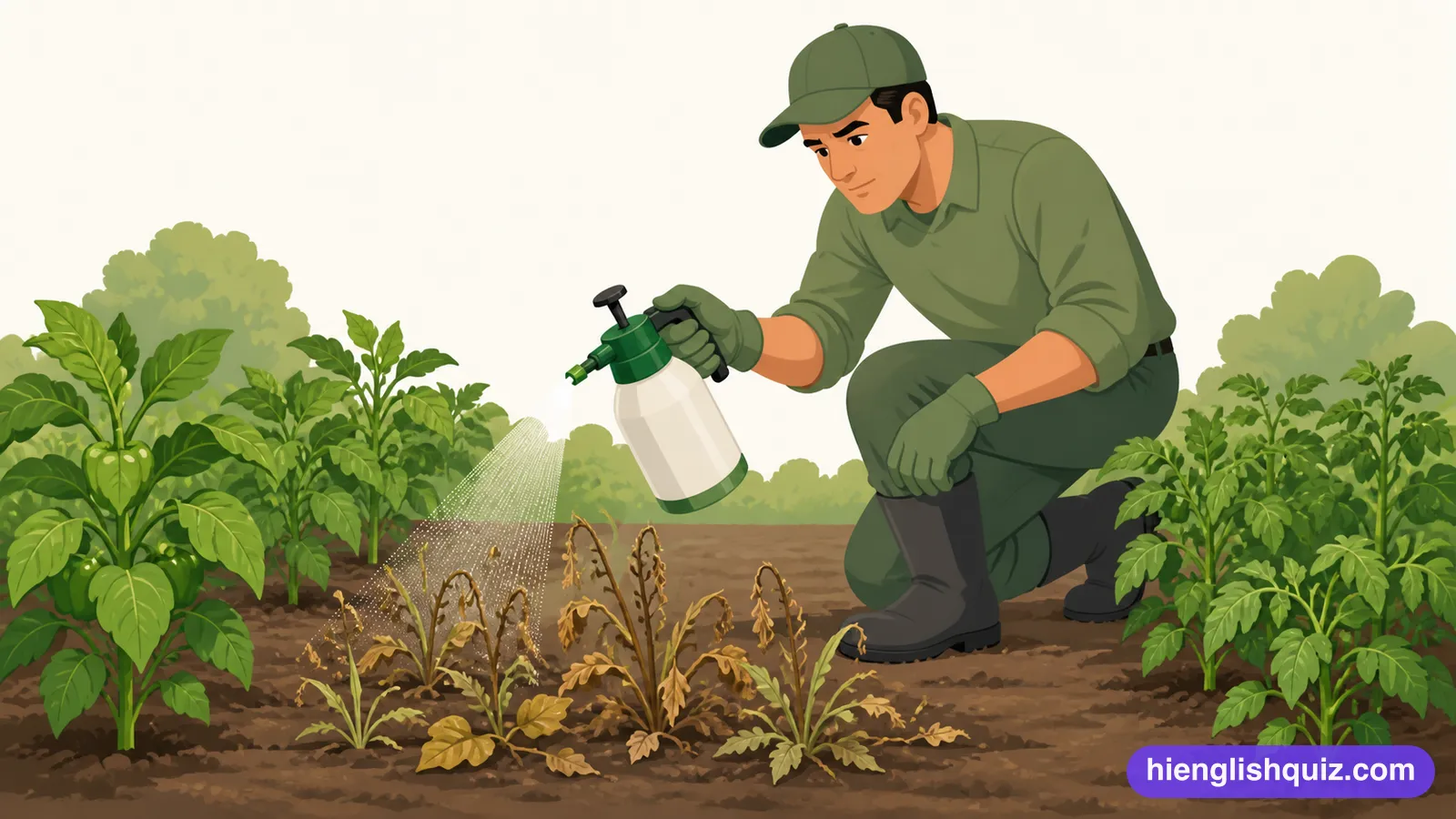
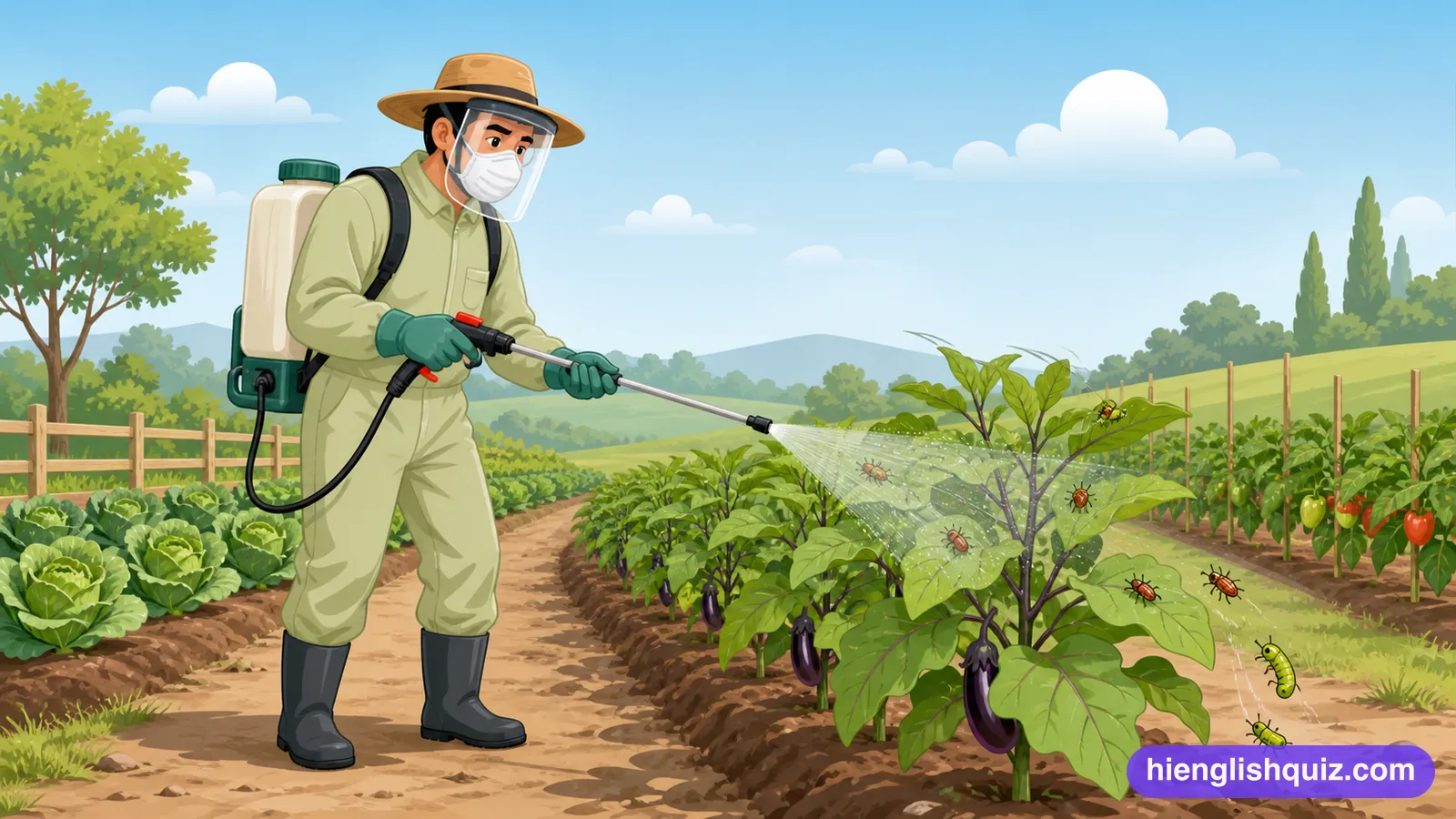
A chemical used to kill insects or other pests that damage crops.
Example: The farm switched to a less harmful pesticide.
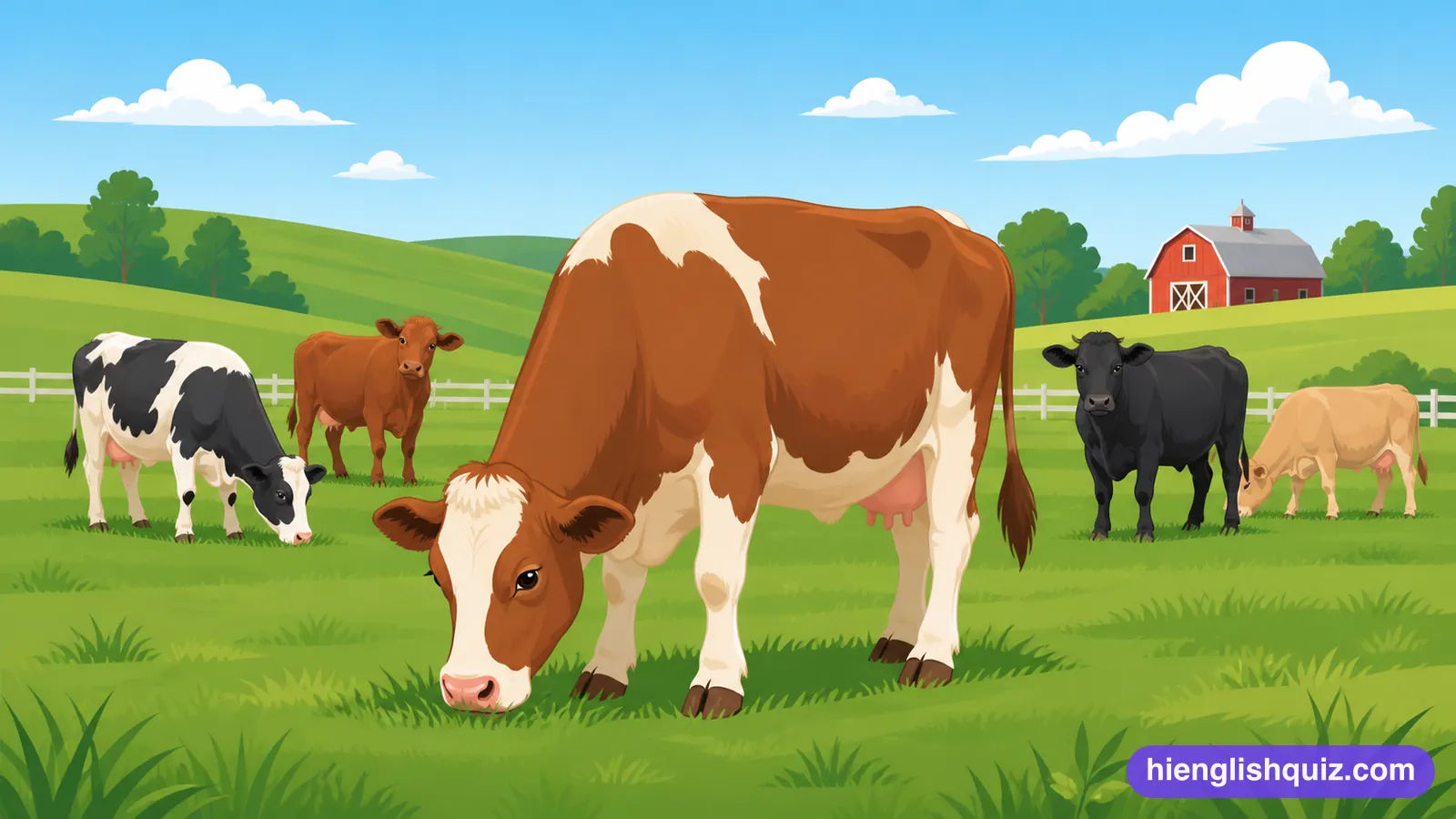
Animals such as cattle, sheep or pigs that are raised on a farm.
Example: The livestock were moved to a new field for grazing.
The practice of growing different crops in the same field each year to keep the soil healthy.
Example: Crop rotation helped the soil recover its nutrients.
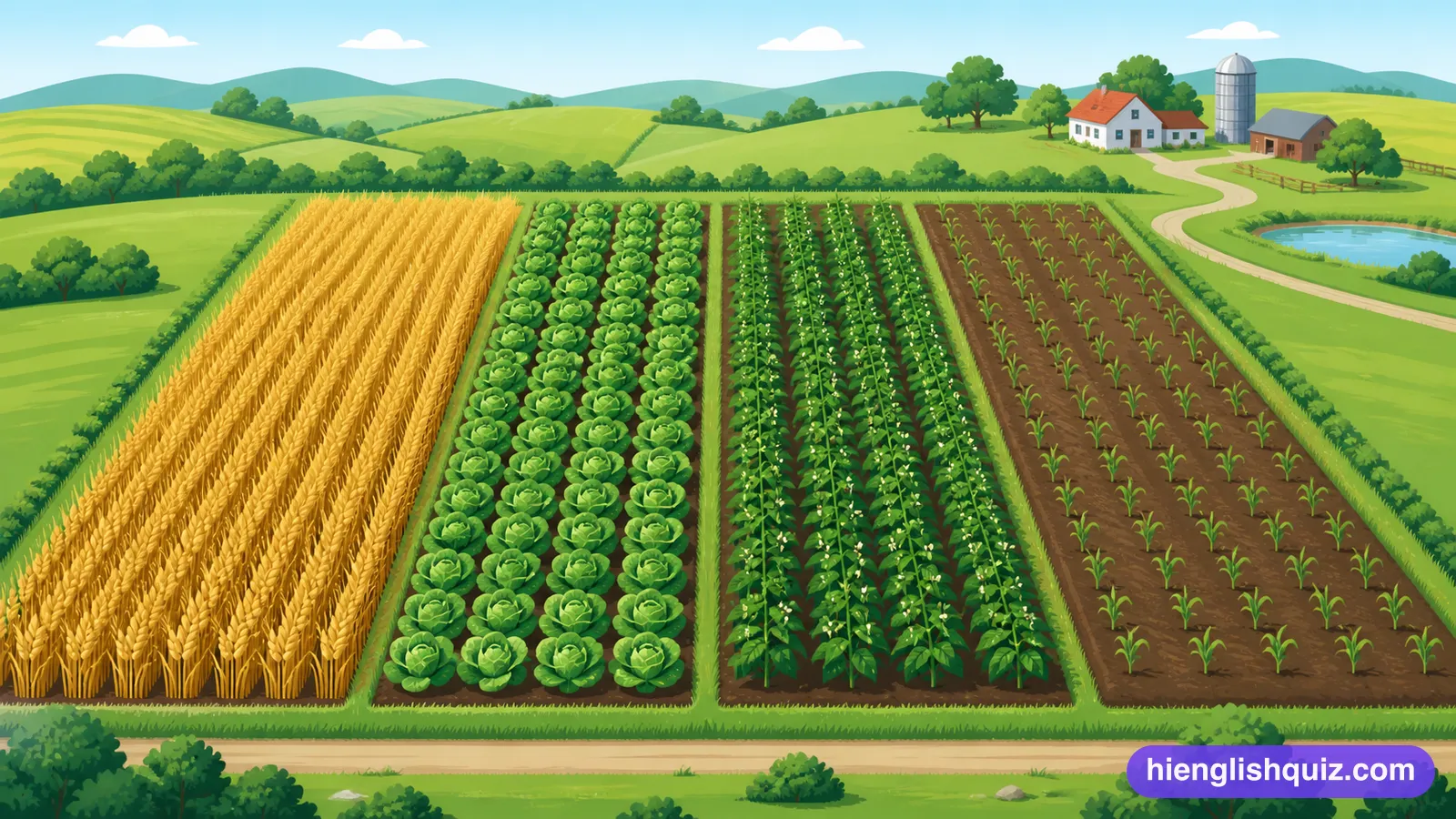
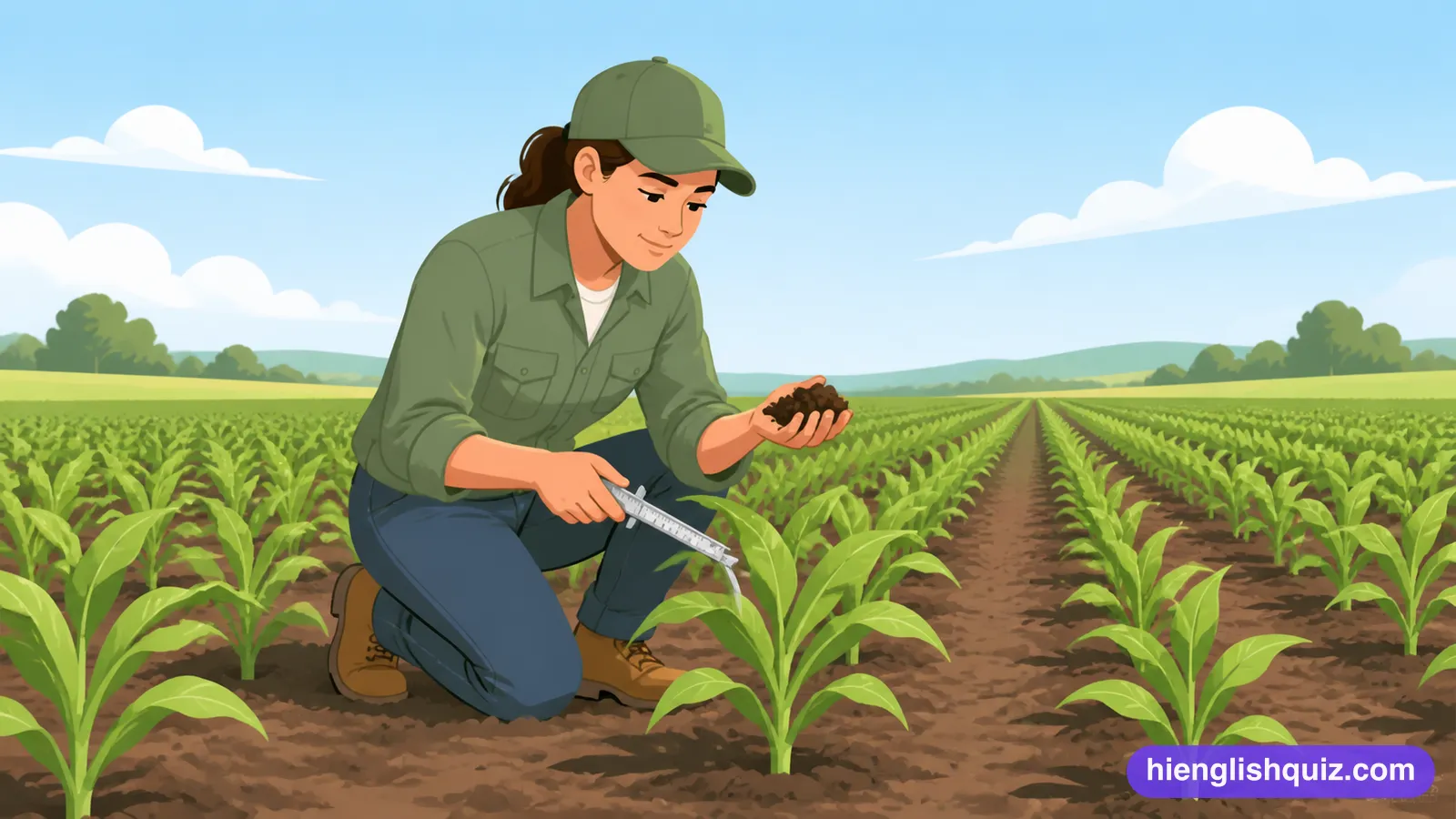
The total amount of crop that a piece of farmland produces.
Example: A dry summer cut the wheat yield in half this year.
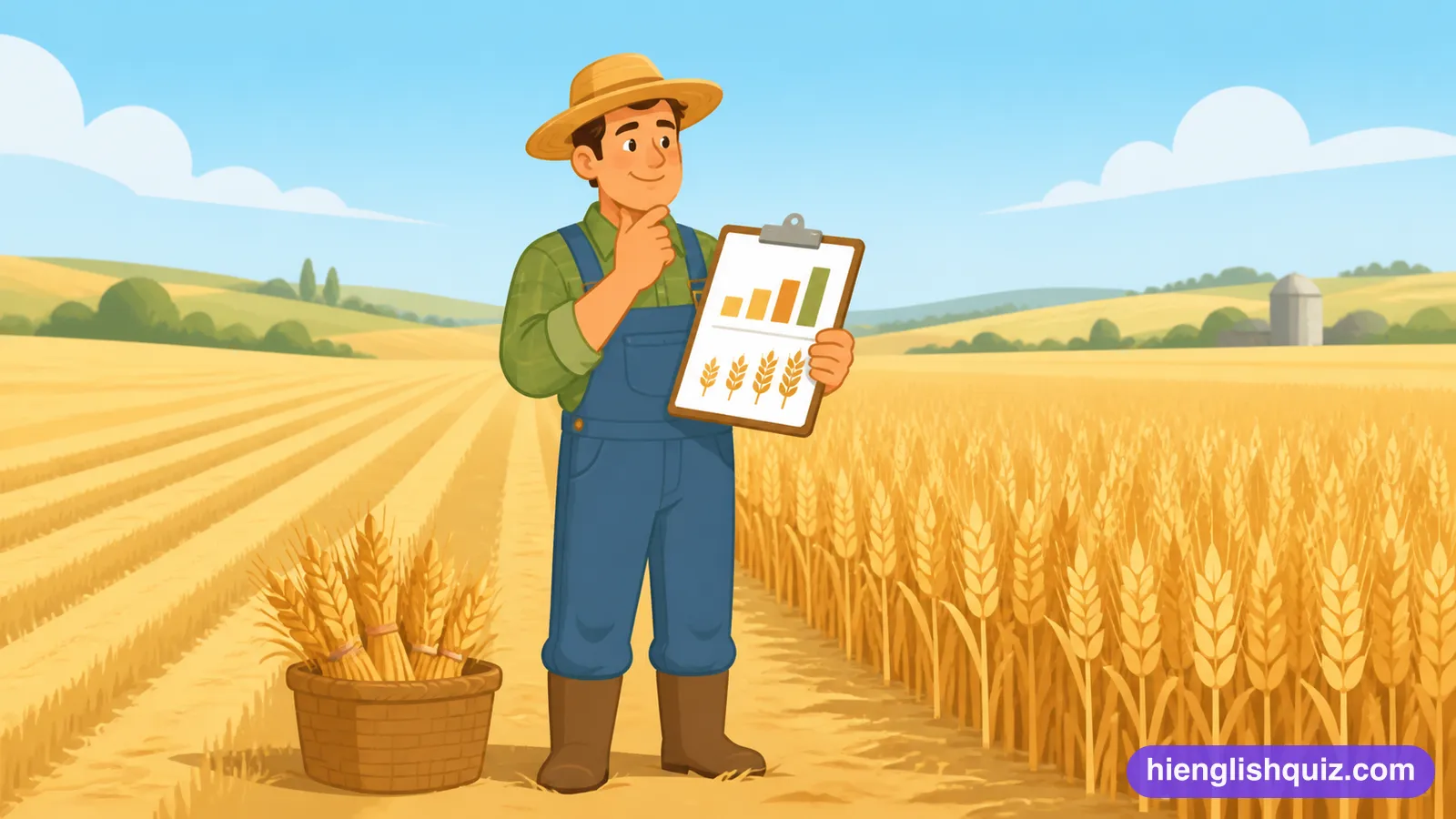
To gather a crop when it is ready, or the crop that is gathered.
Example: The whole village helped harvest the wheat before the rain.
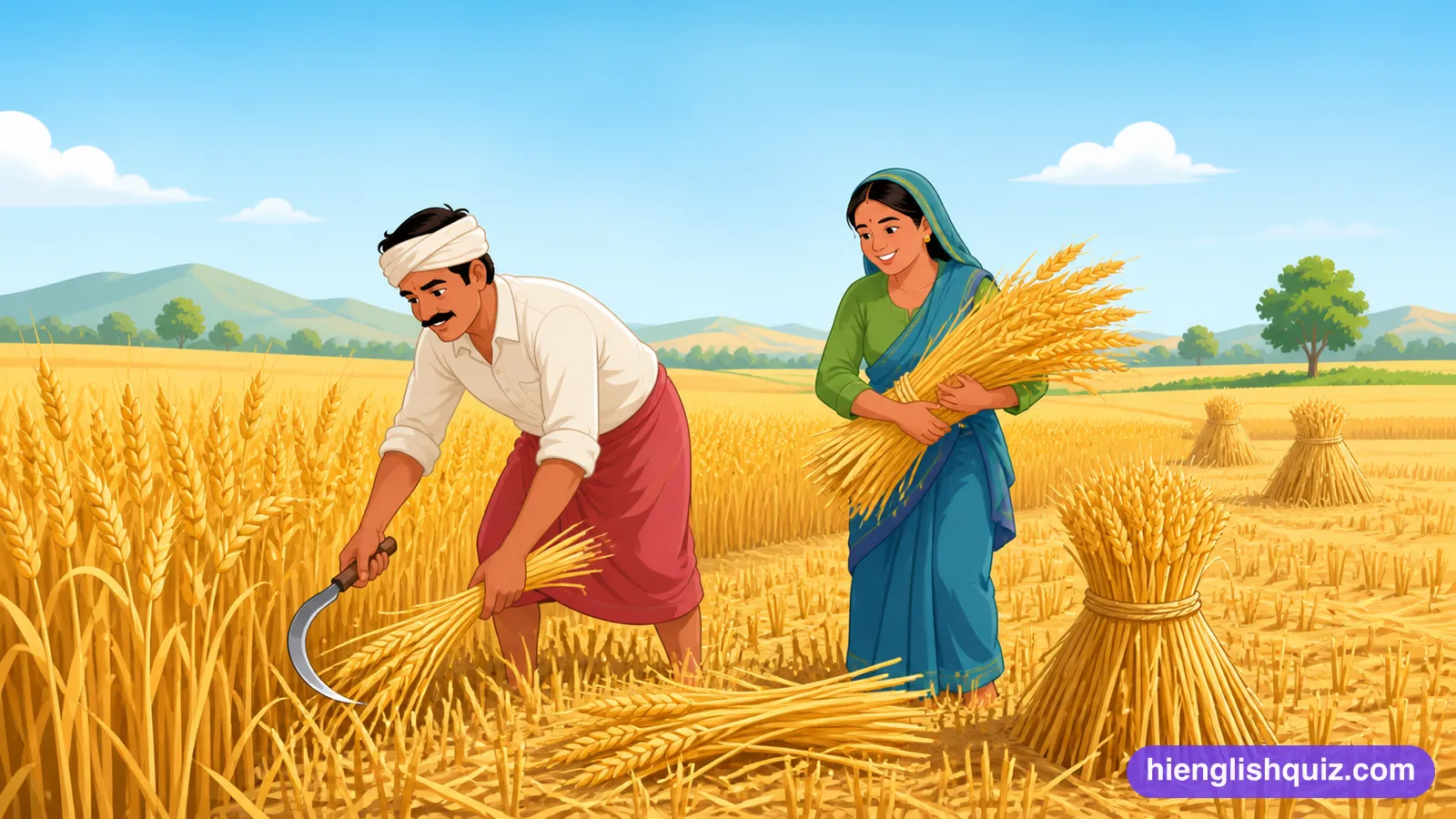
A piece of land where fruit trees are grown.
Example: The apples were picked from the old orchard behind the farmhouse.
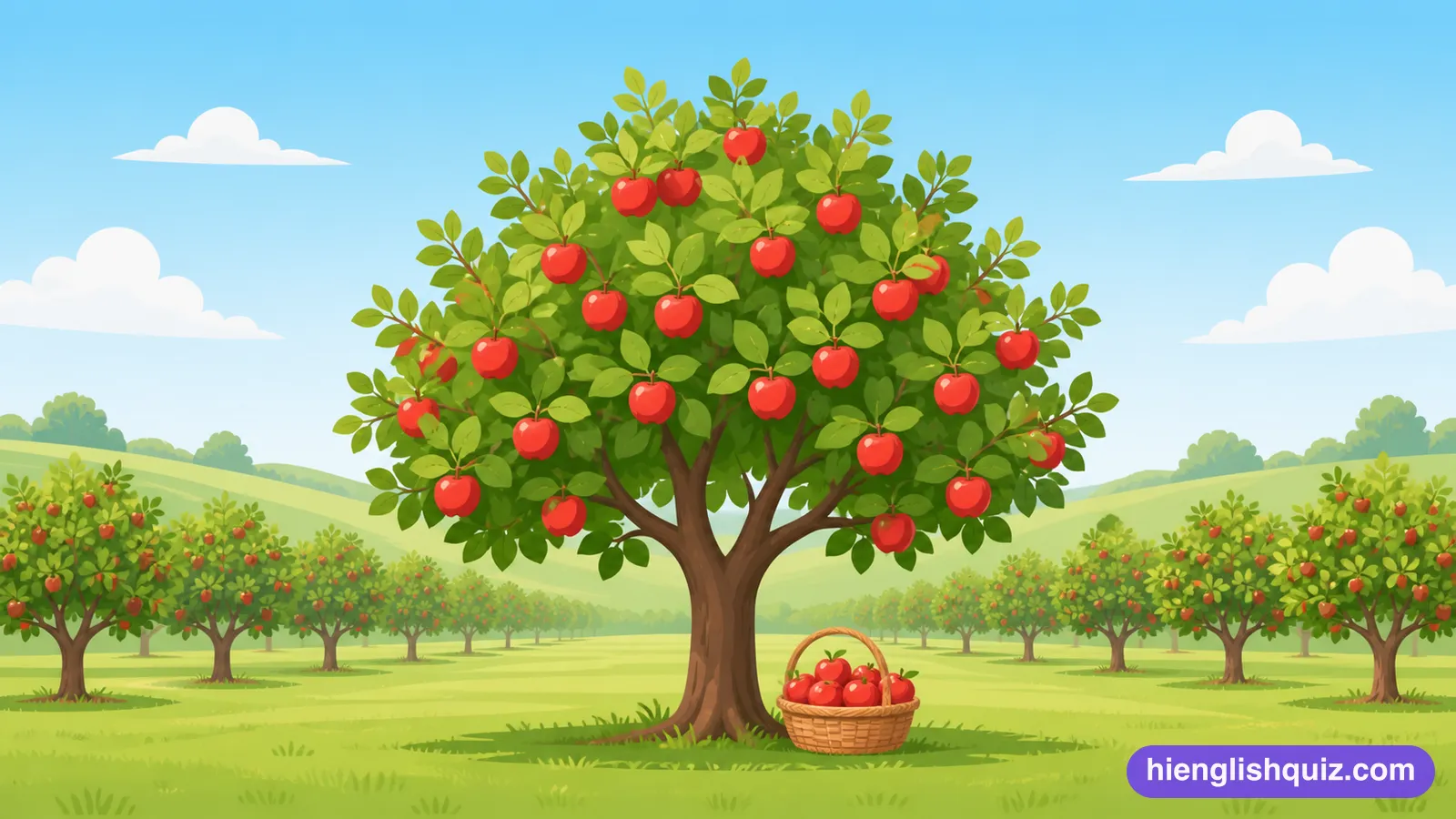
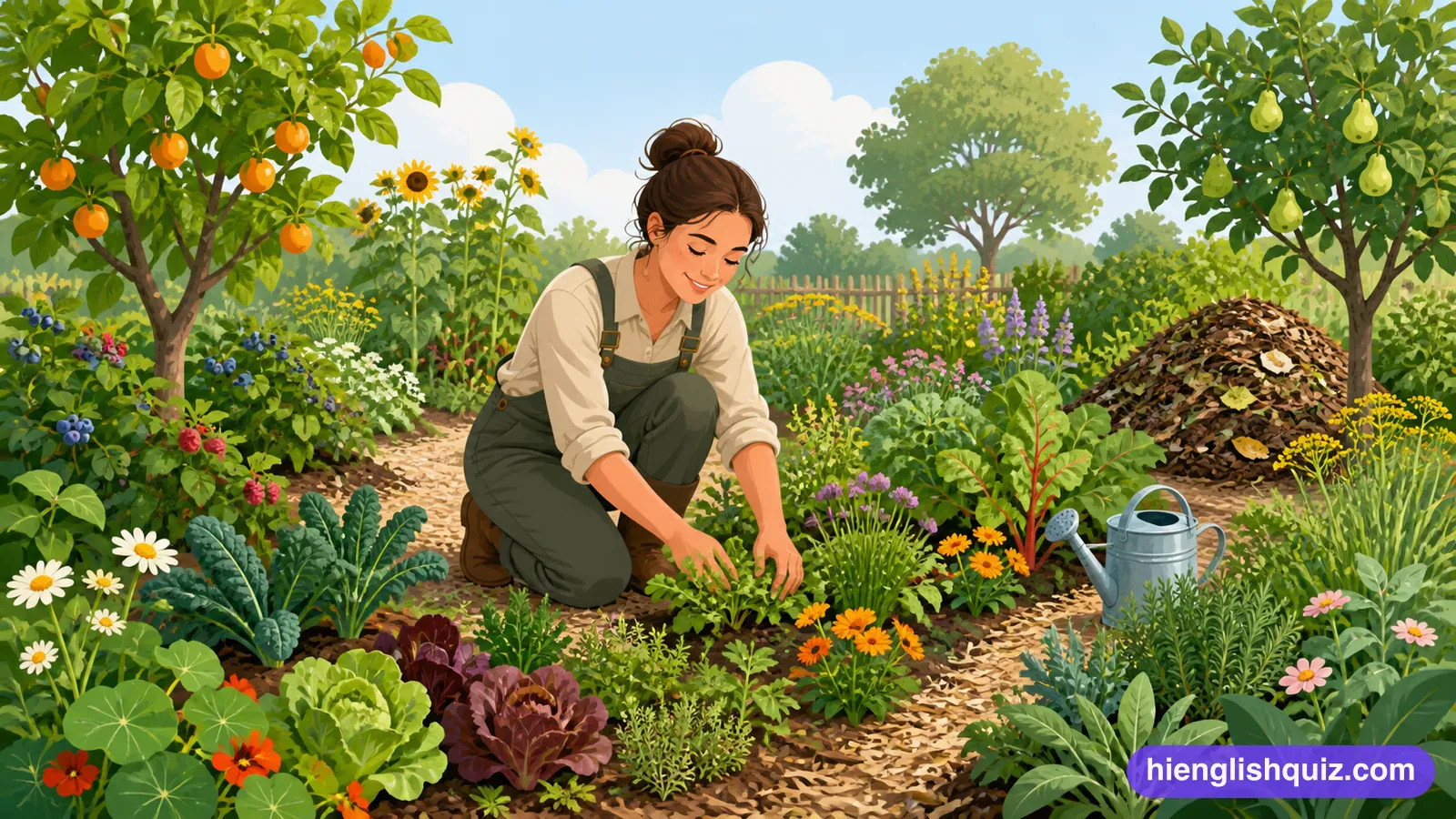
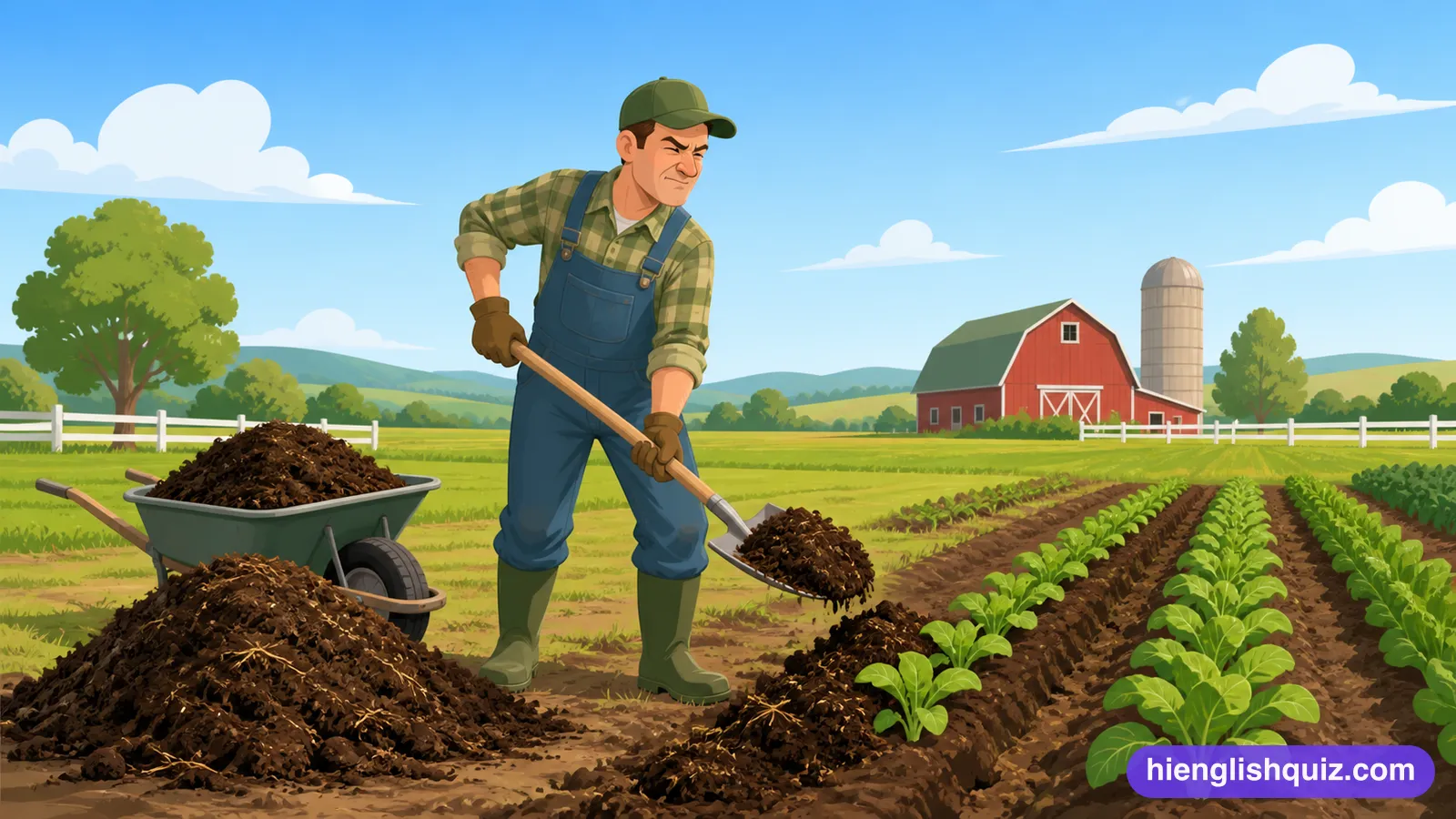
Animal waste that farmers put on fields to help plants grow.
Example: Farmers spread manure on the fields every spring.
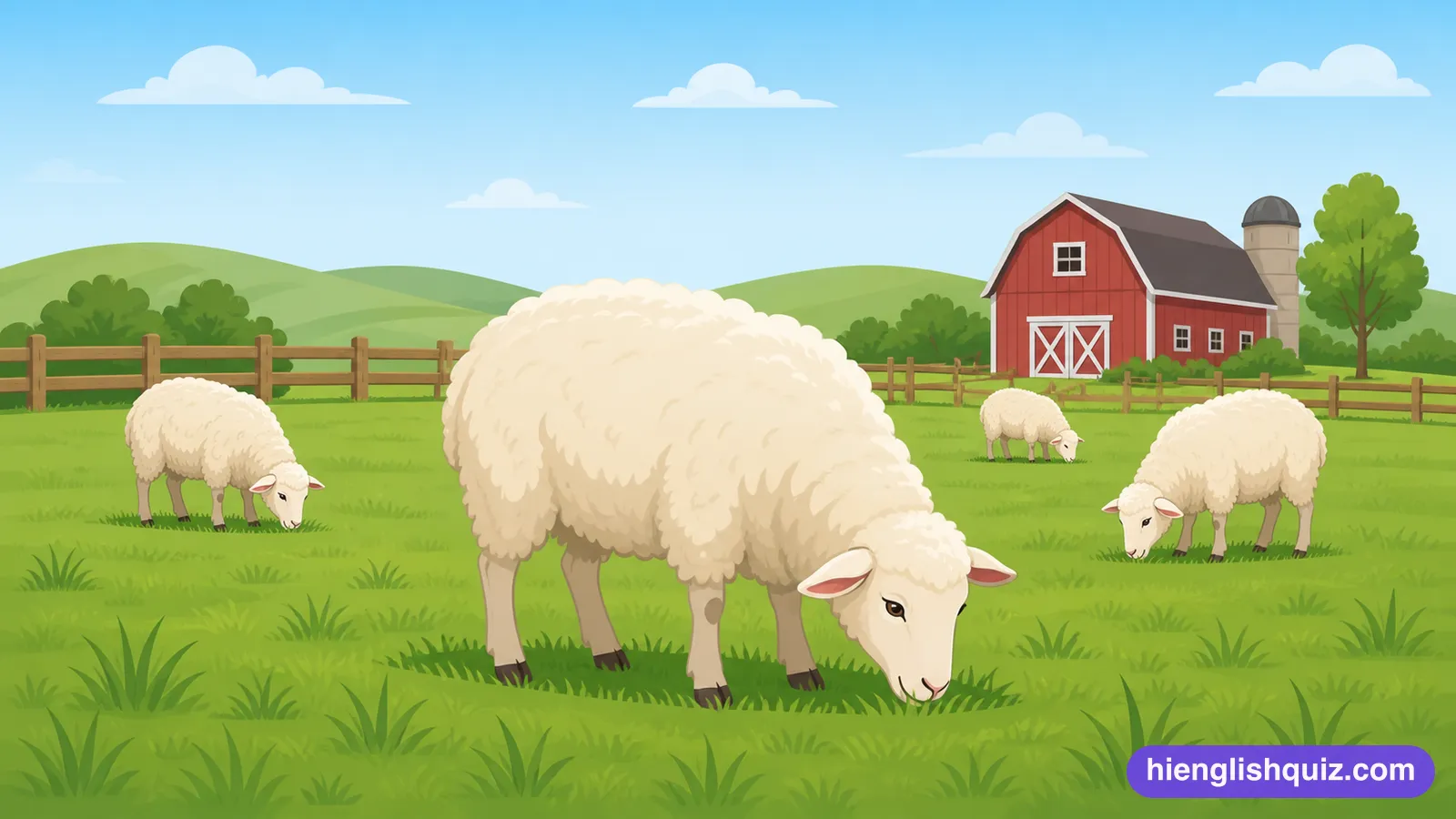
When animals eat grass growing in a field.
Example: The sheep were left to graze on the hillside all day.
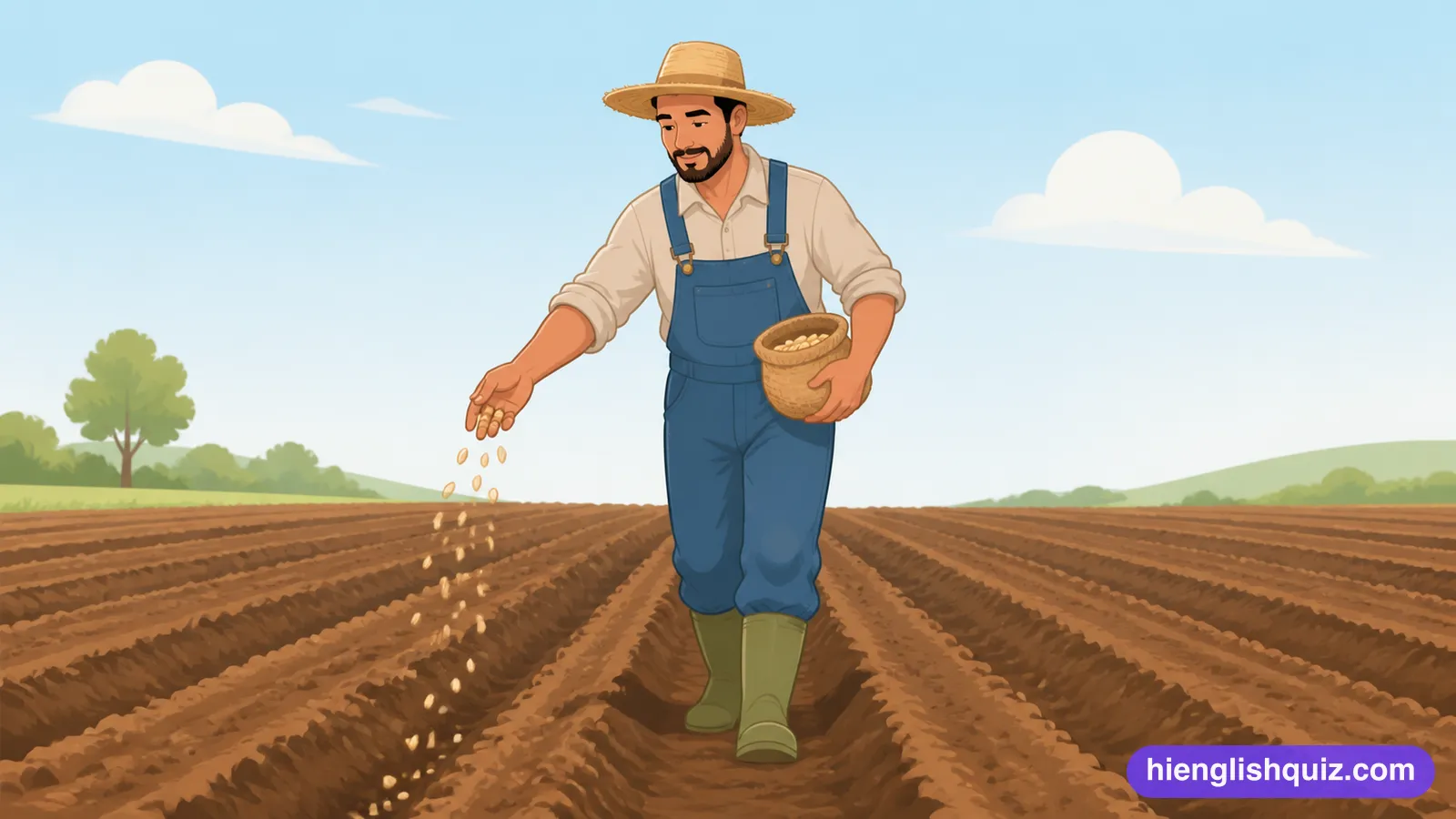
To put seed into the ground.
Example: They sow the top field in the second week of October.
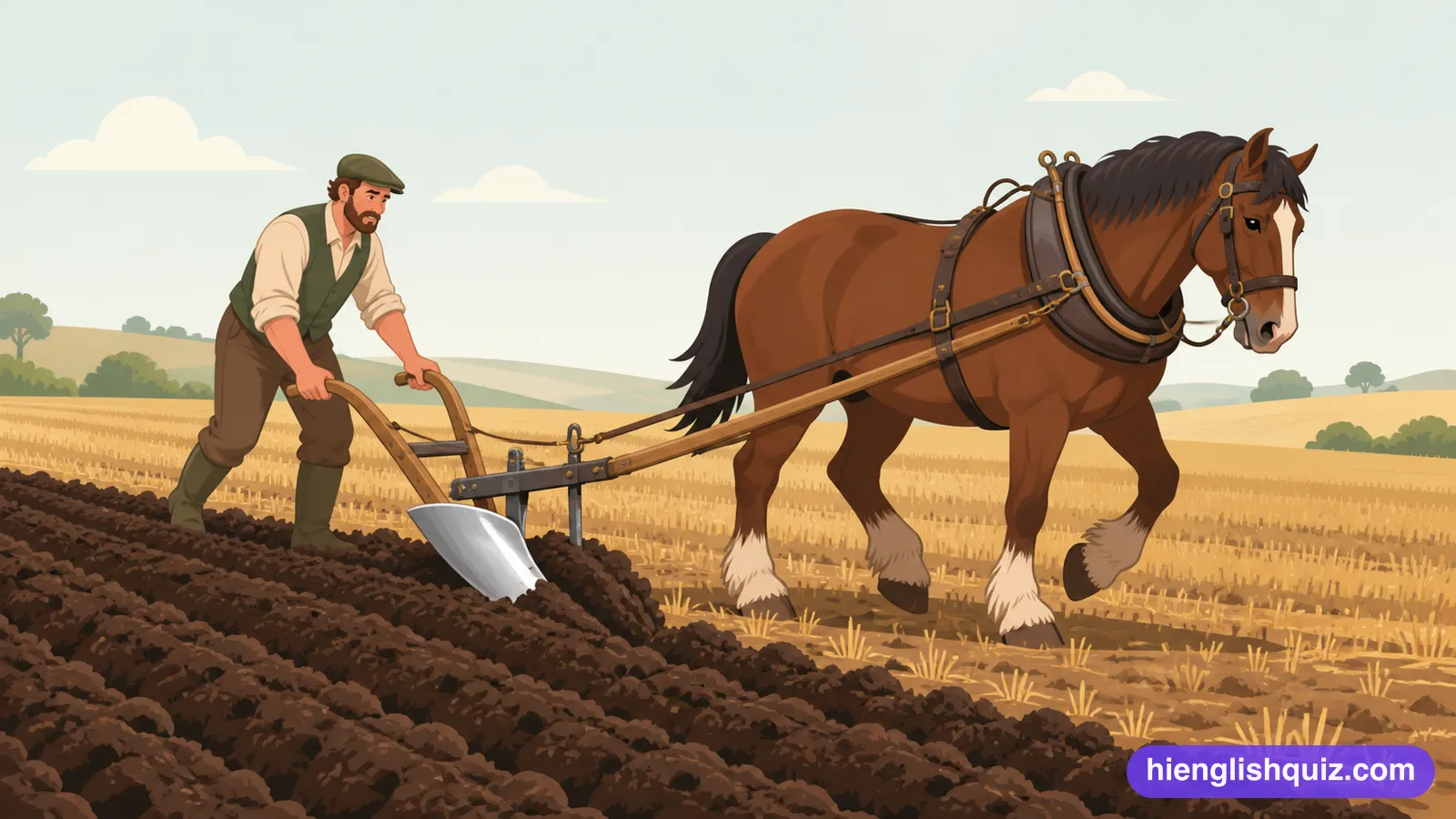
To turn over soil before planting.
Example: It takes two days to plough that field with one tractor.
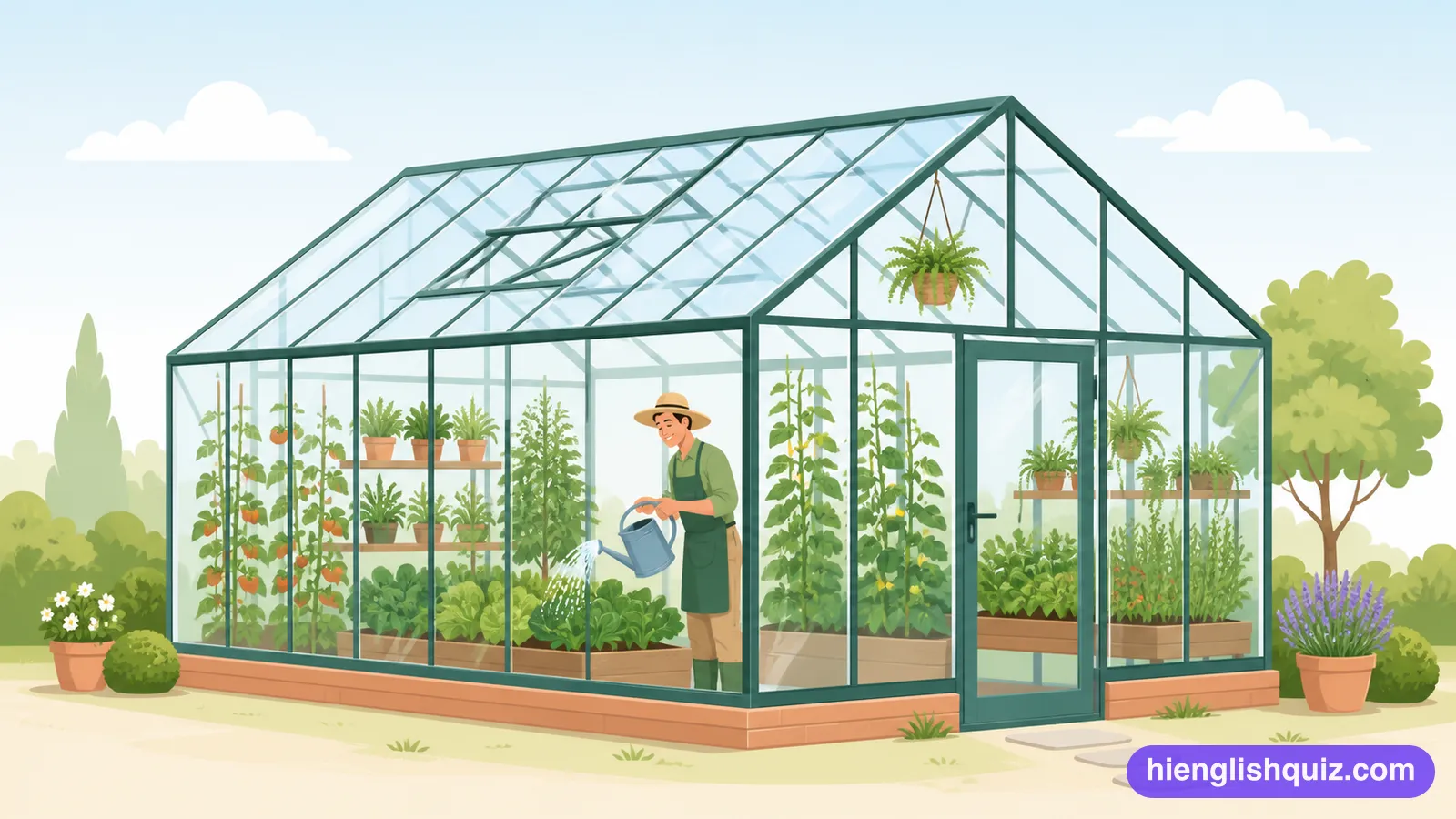
A glass building for growing plants in warmth.
Example: The greenhouse doubles the growing season for anything tender.
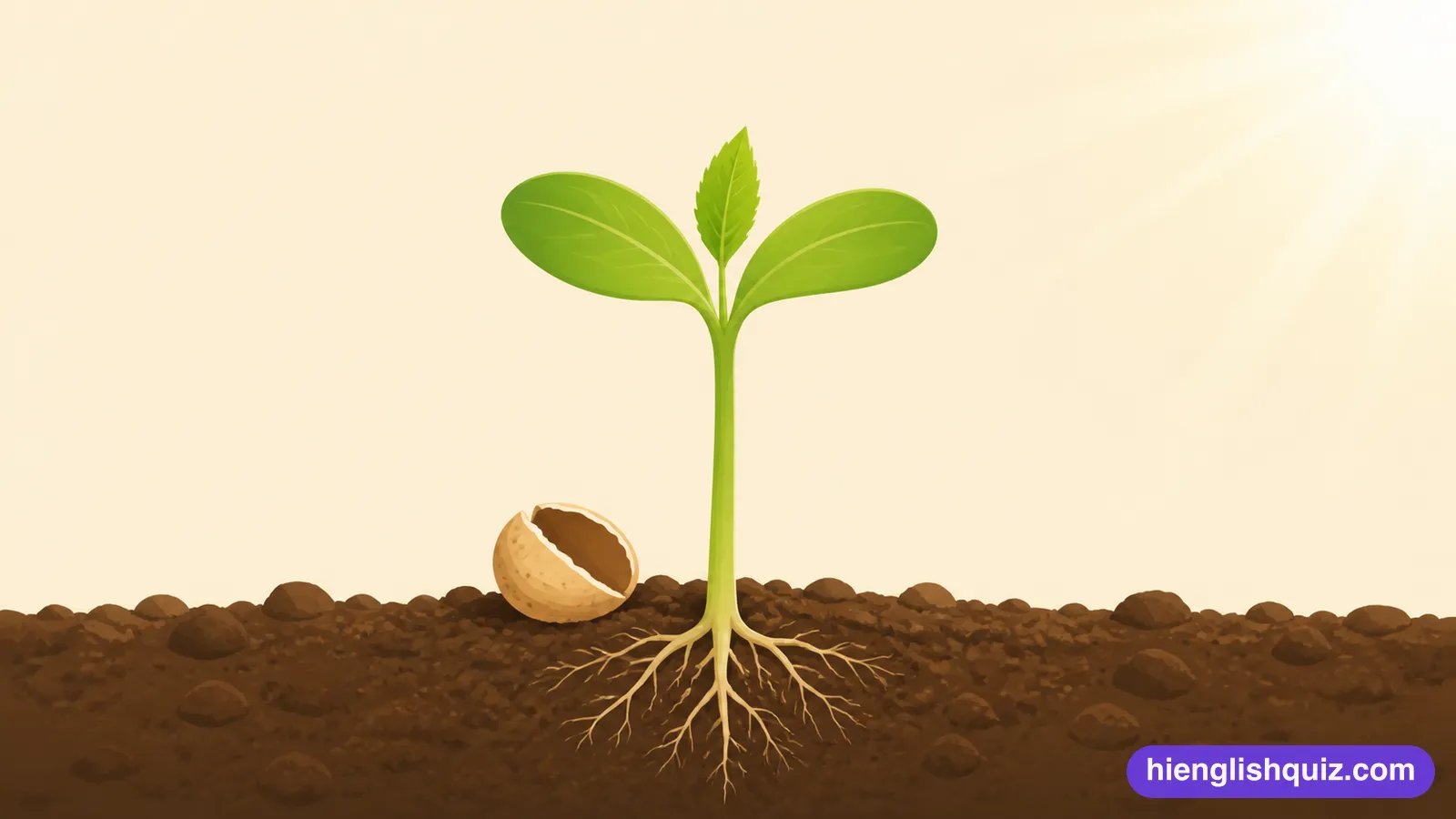
A very young plant grown from seed.
Example: Every seedling is potted on before it goes outside.