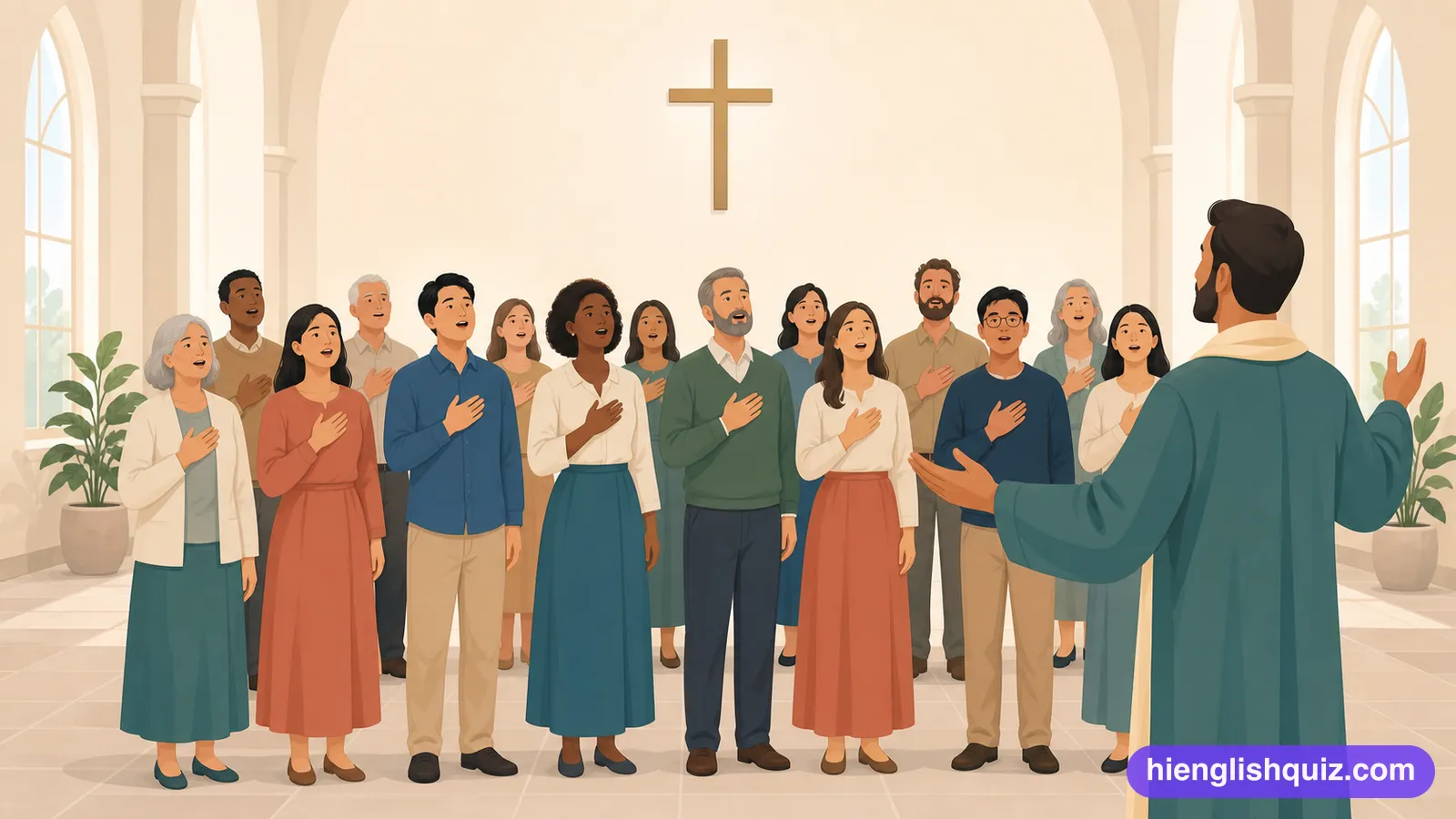
citizenship
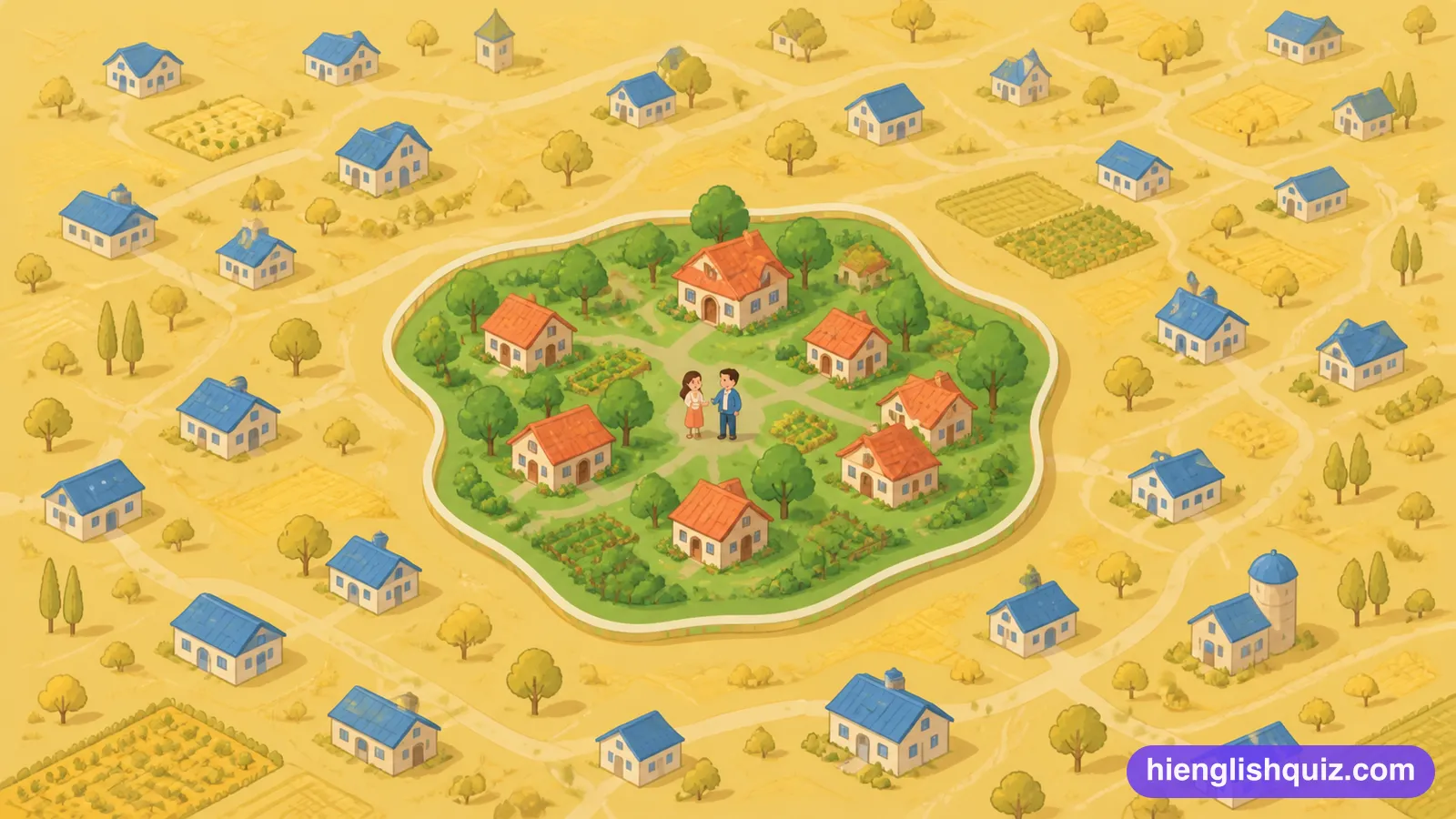
/ˈsɪtɪzənˌʃɪp/The legal right to belong to a particular country as one of its people.
Example: He's applying for citizenship after ten years here.

 Hi EnglishQuiz
C114 words · Advanced
Nationalities vocabulary for belonging, rights and the debates around them, including ethnicity, xenophobia and pluralism, plus prejudice and discrimination.
The legal right to belong to a particular country as one of its people.
Example: He's applying for citizenship after ten years here.
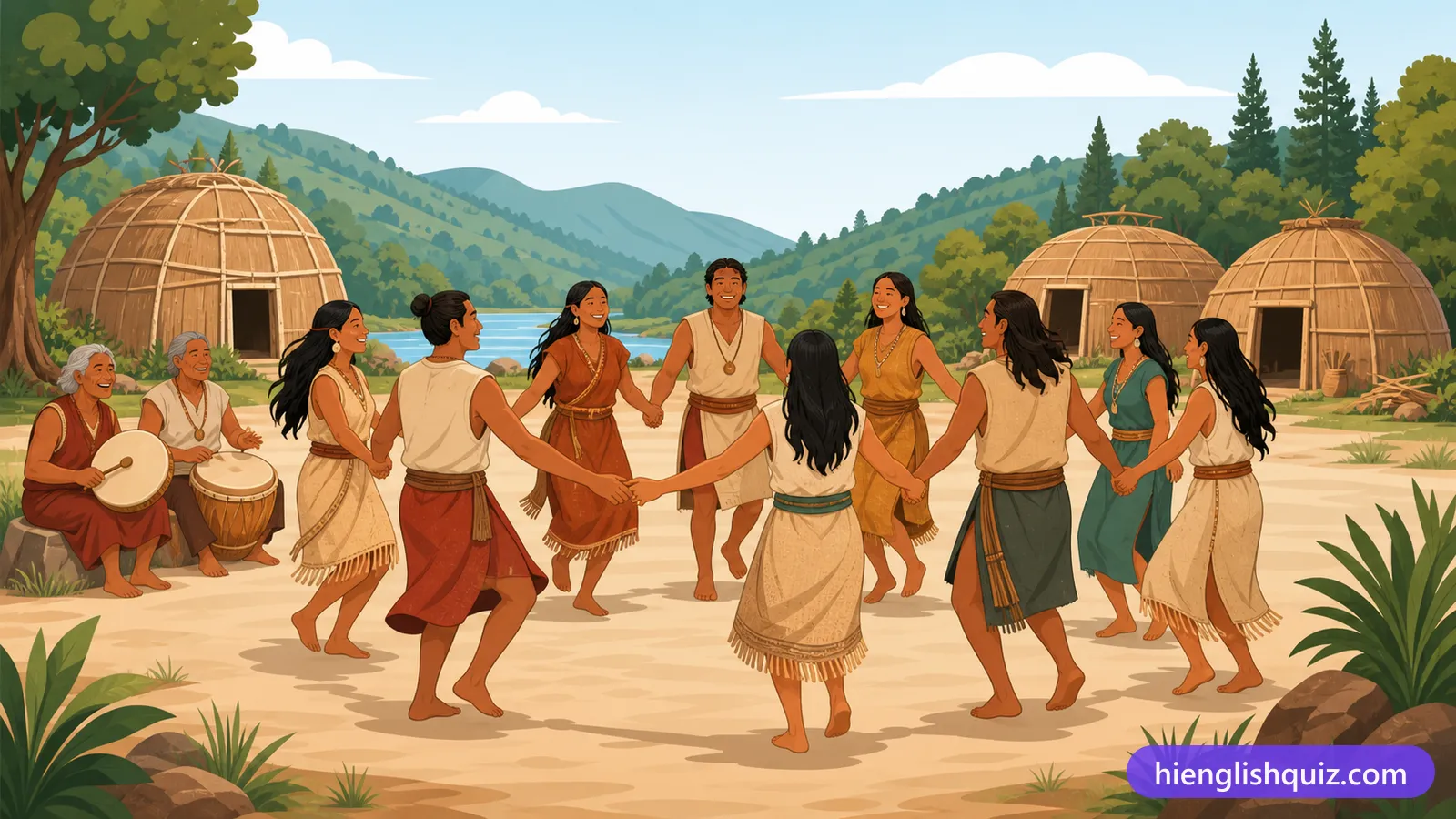
Belonging to the first people who lived in a land, before settlers came from elsewhere.
Example: The museum celebrates the indigenous cultures of the region.
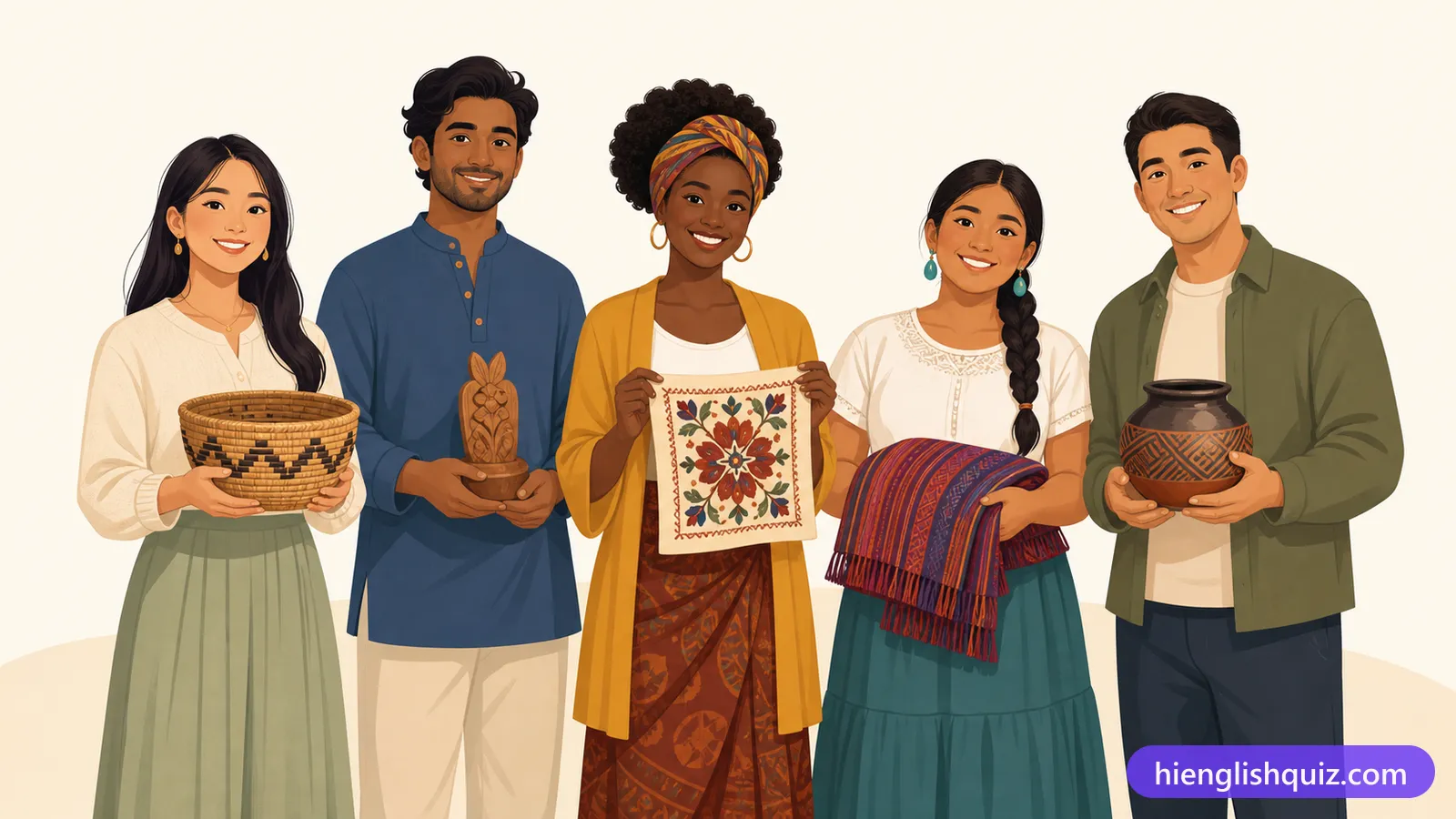
The fact of belonging to a group that shares the same culture, language or origins.
Example: People of every ethnicity are welcome at the community centre.
The official legal process of becoming a citizen of a country you were not born in.
Example: After ten years in the country, he applied for naturalisation.

A strong dislike or fear of people from other countries.
Example: The campaign was set up to challenge xenophobia in the community.
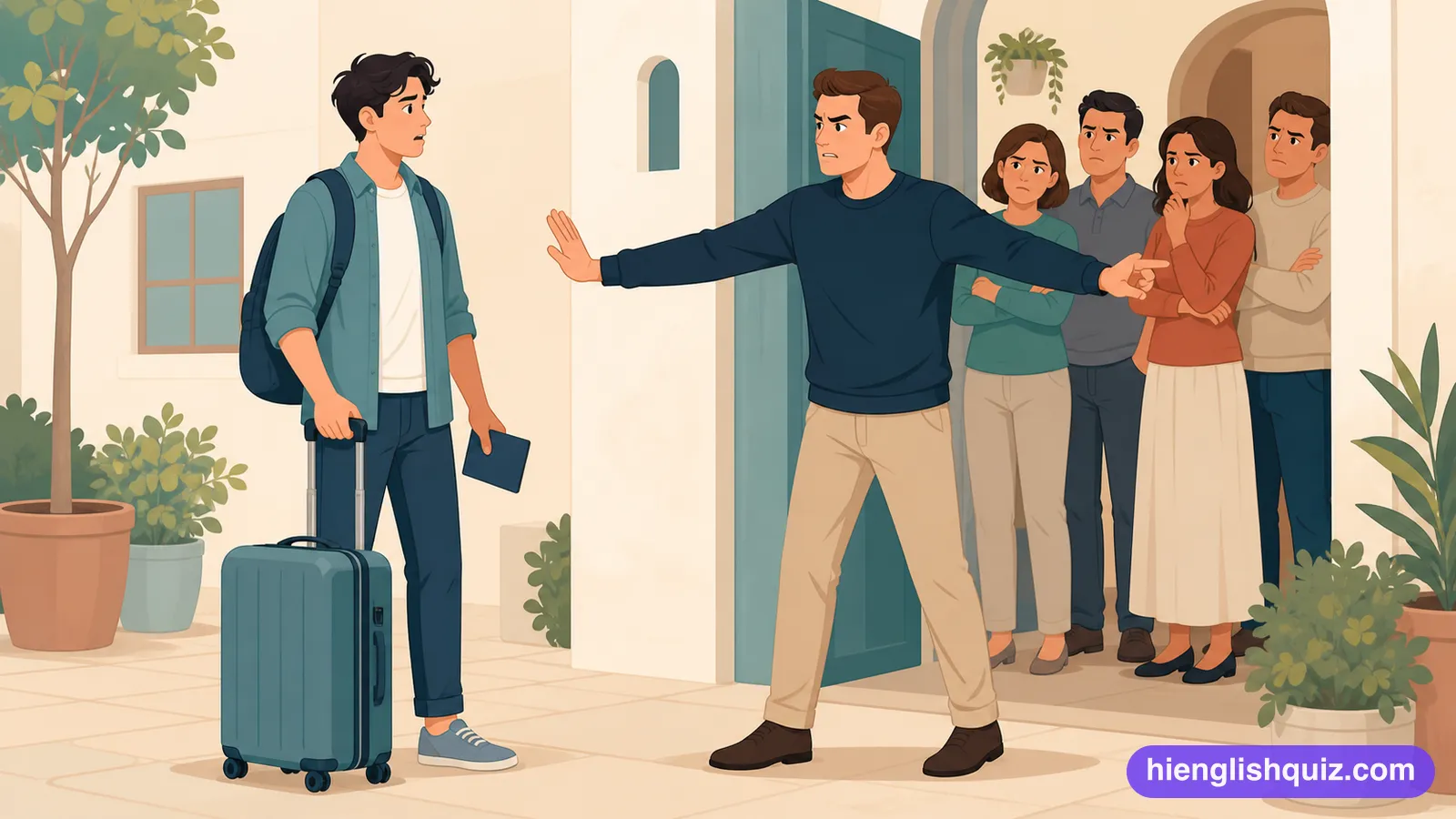
An unfair, negative opinion about someone formed without enough knowledge or reason.
Example: The training aims to reduce prejudice in the workplace.
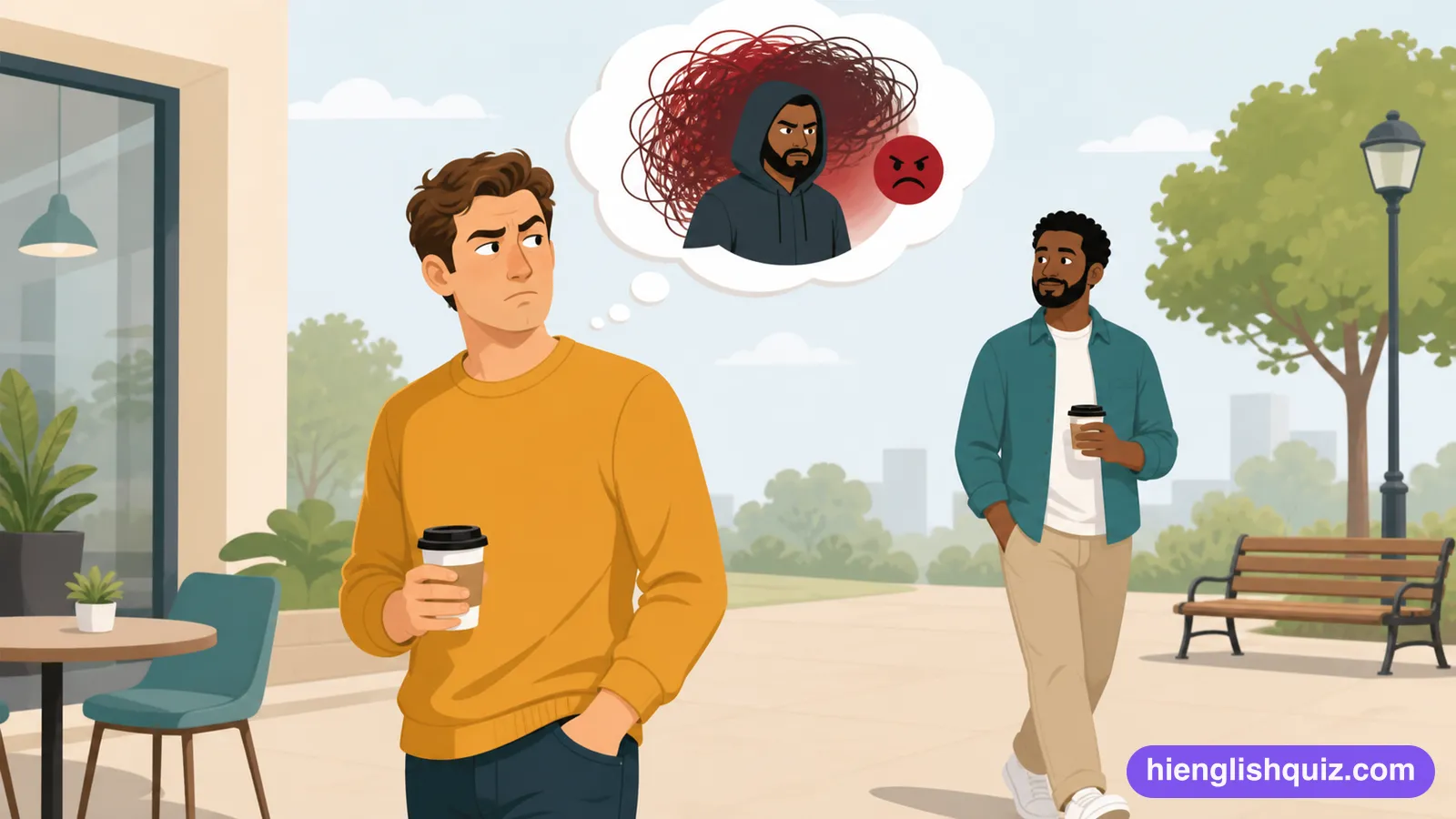
Treating a person or group unfairly because of their nationality, race or other characteristics.
Example: The law protects workers from discrimination based on nationality.

A situation in which people of different nationalities, religions or beliefs live together in one society.
Example: The country prides itself on its cultural pluralism.
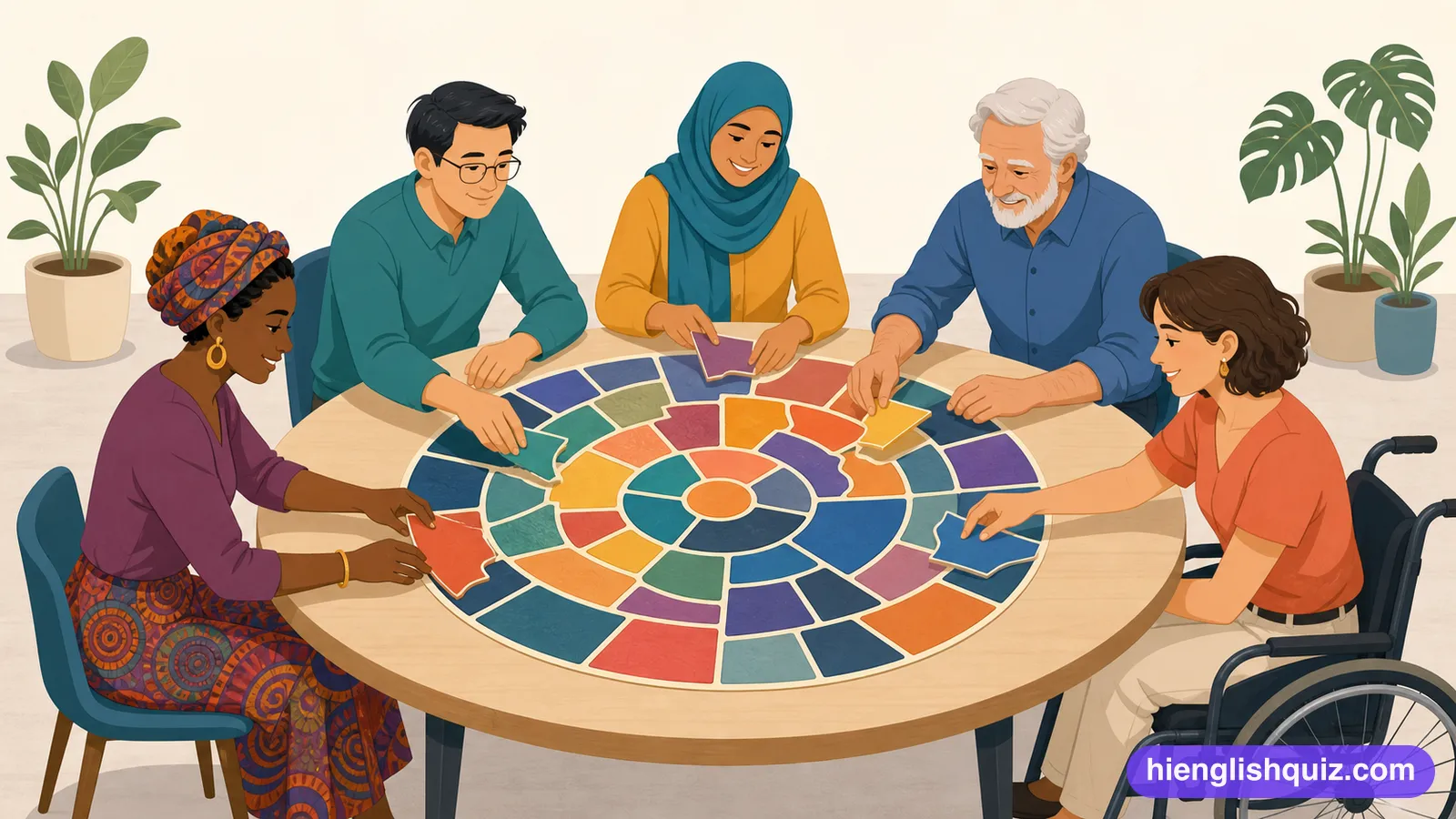
Not officially belonging to any country, and so having no passport or nationality.
Example: Thousands of people in the region remain stateless.

To send or bring someone back to their own country.
Example: The embassy helped repatriate citizens stranded abroad.

The process of adopting the culture of a place you have moved to.
Example: Acculturation took longer than the language did.
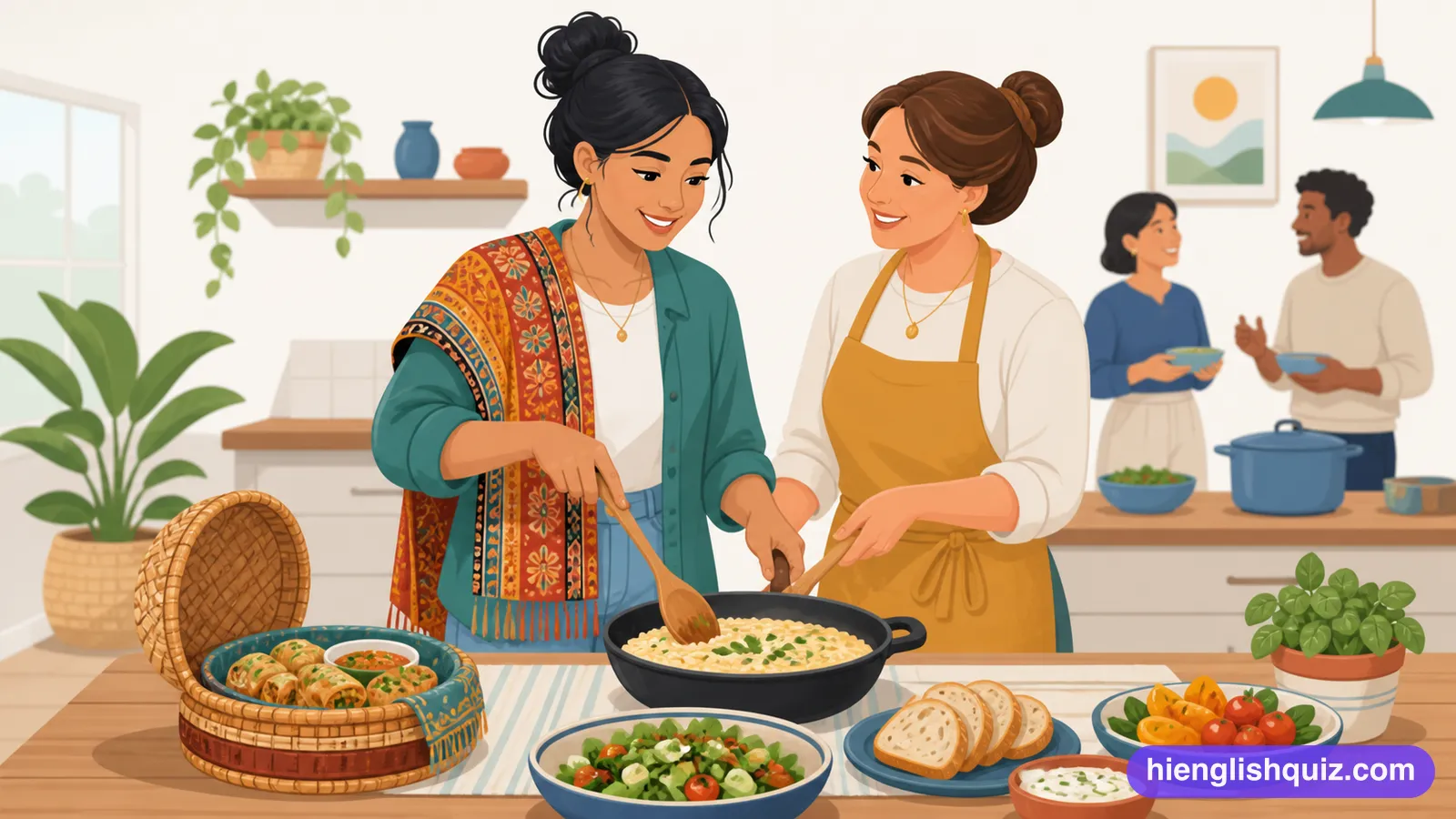
To leave your own country in order to live in another.
Example: Both brothers chose to emigrate in the same year.

A small area where people of one nationality live inside another country.
Example: The old Portuguese enclave still has its own bakery and church.
A set of beliefs shared by a group, often religious.
Example: The charter admits anyone regardless of colour or creed.