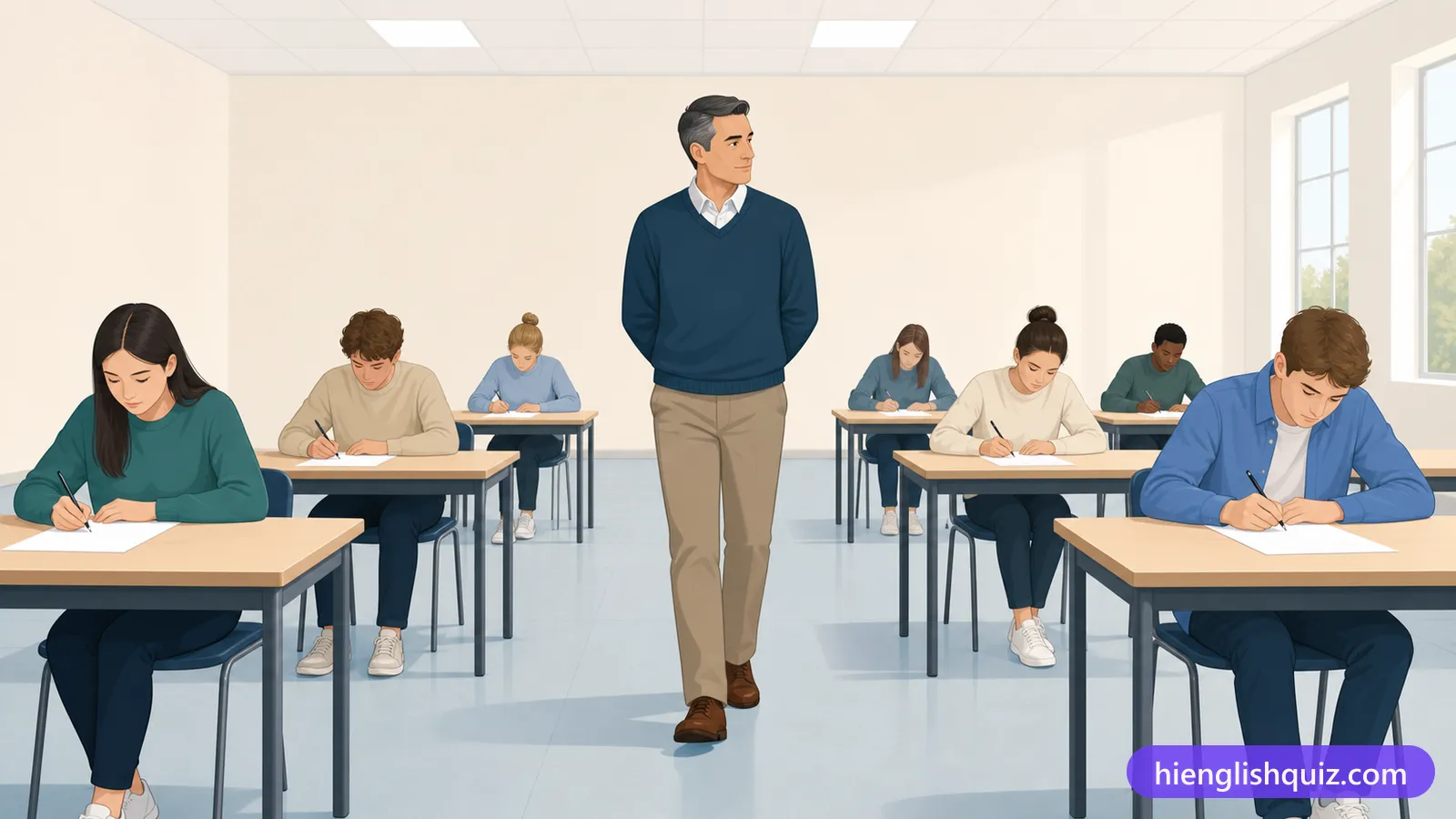
plagiarism
/ˈpleɪdʒərˌɪzəm/The act of using someone else's work and presenting it as your own.
Example: The university takes plagiarism extremely seriously.

 Hi EnglishQuiz
C121 words · Advanced
At School vocabulary for how teachers talk about their own work, including cite, keynote and conference, plus lab items such as a pipette and a beaker.
The act of using someone else's work and presenting it as your own.
Example: The university takes plagiarism extremely seriously.
To name the book or article where you found a piece of information.
Example: Remember to cite every source you use.

A formal meeting where experts give talks and discuss one subject in depth.
Example: She's presenting her findings at a symposium in Vienna.

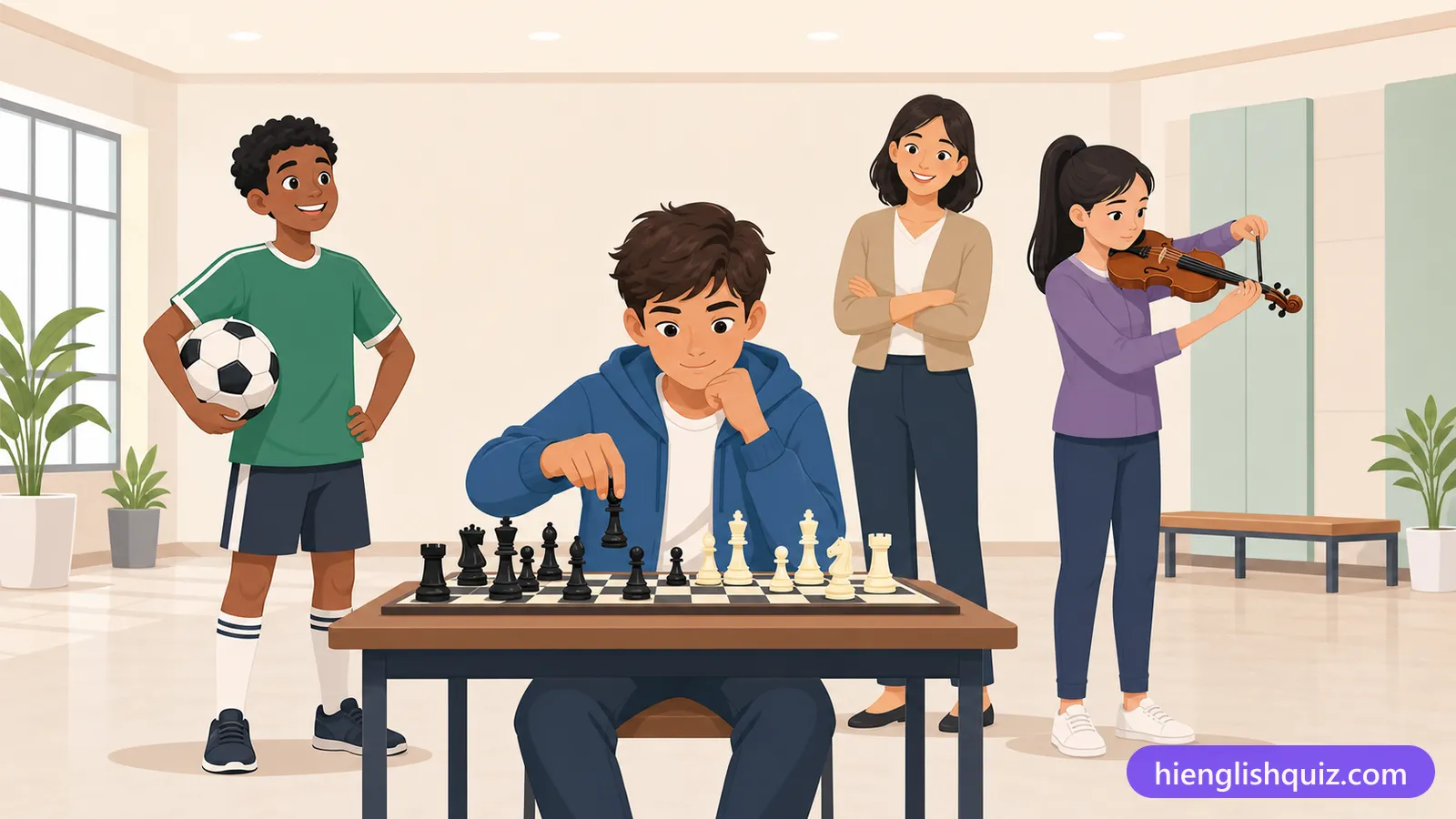
Describing school activities that students choose to do outside their normal lessons.
Example: Universities like applicants with plenty of extracurricular activities.
A summary and discussion of what has already been written about a topic, usually at the start of a research paper.
Example: Her thesis begins with a thorough literature review.

The main speech at a large event, usually given by an important speaker to open it.
Example: A famous economist gave the keynote to open the event.

A discussion where several experts sit together in front of an audience and share their views on a topic.
Example: The event ended with a lively panel discussion among four researchers.

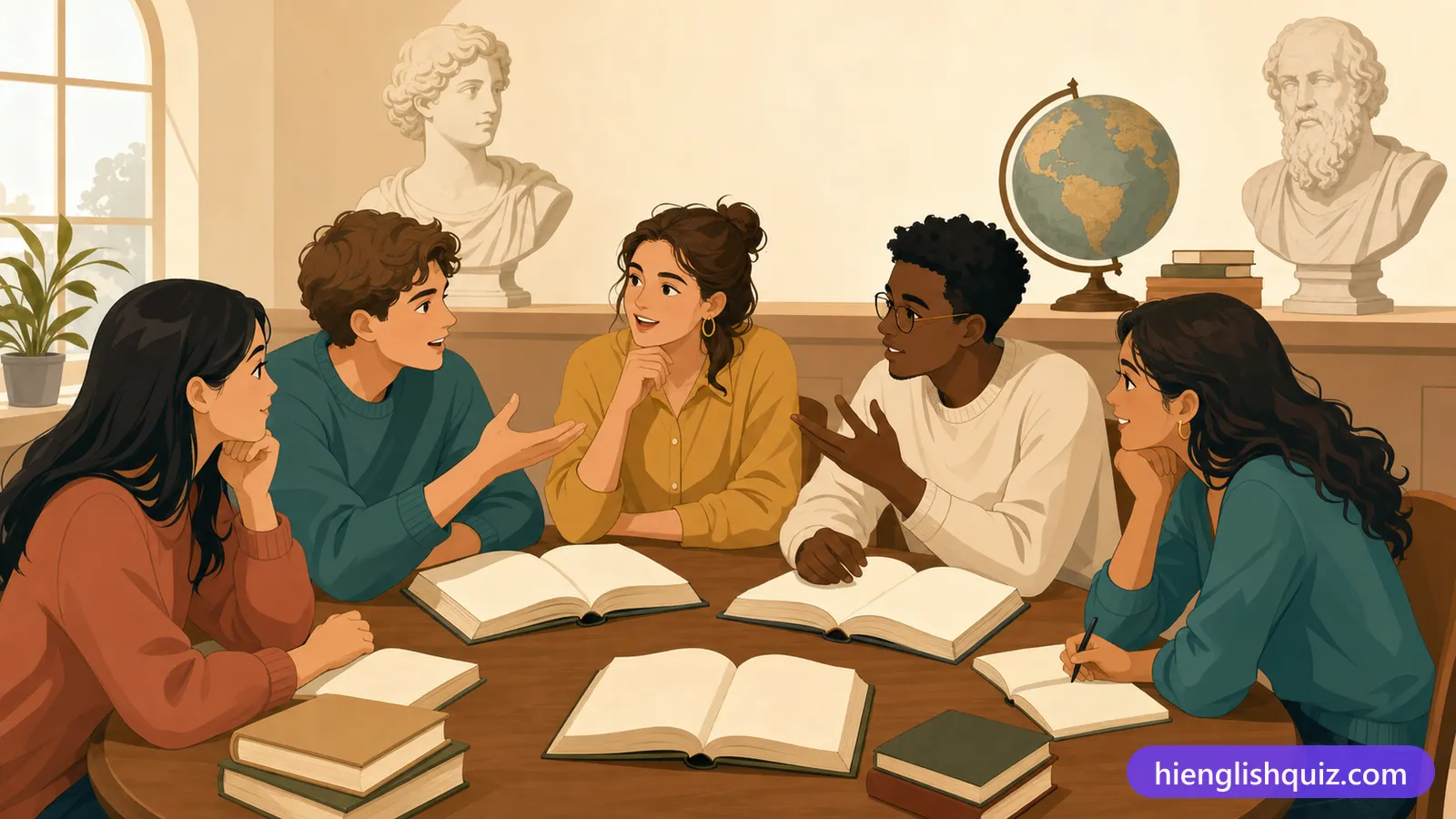
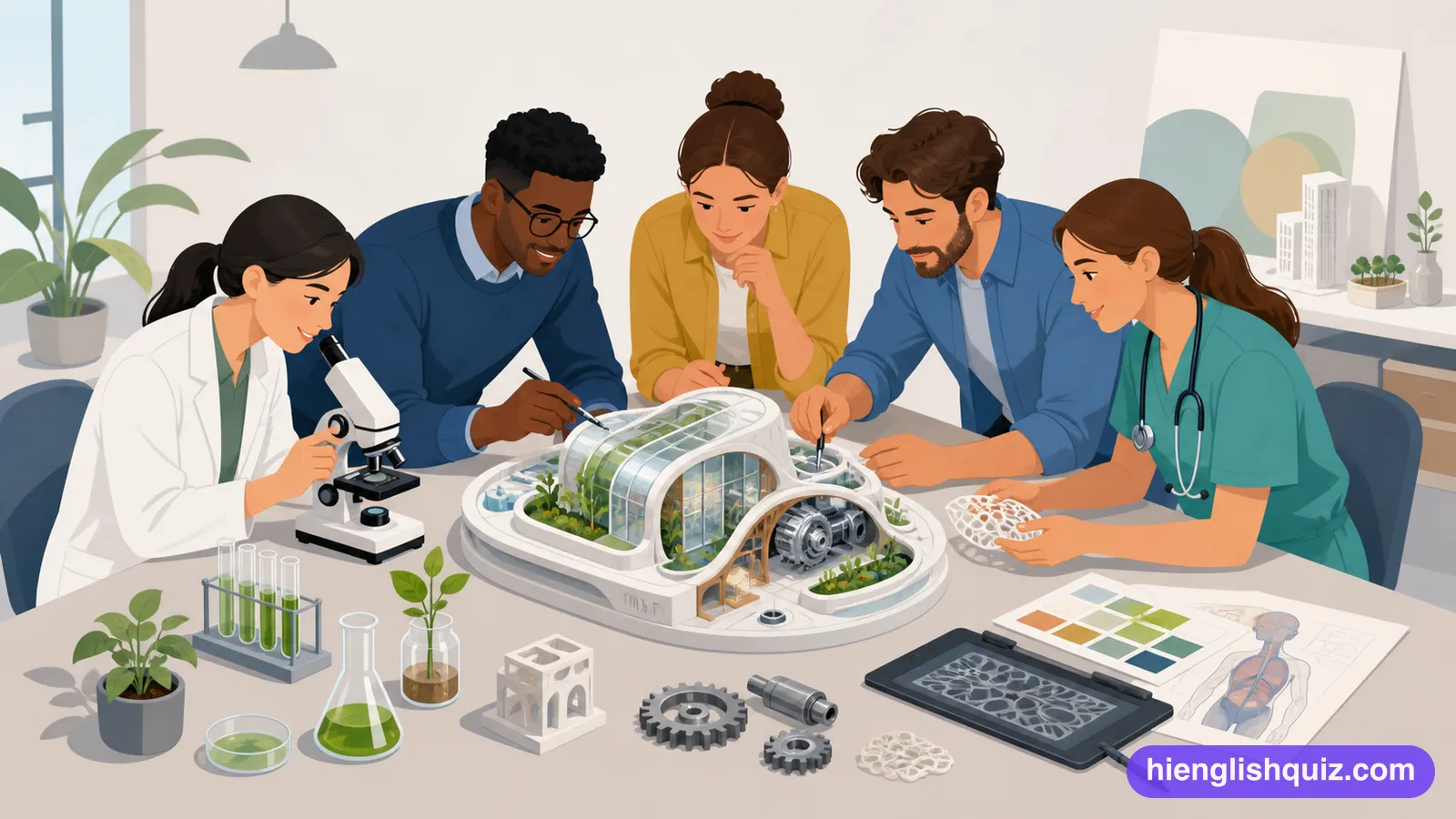
Combining knowledge or methods from more than one academic subject.
Example: It's an interdisciplinary course that combines biology and computer science.
A large meeting where people with a shared interest, often academics, come together to share ideas over a few days.
Example: She travelled to Berlin for an international conference.

Money that a government or organisation gives to pay for a research project, which the receiver does not have to pay back.
Example: The university won a grant to fund the new lab.

One of a set of small open boxes on a wall where notes and papers are left for each person.
Example: Your marked essays are in your pigeonhole by the staffroom.

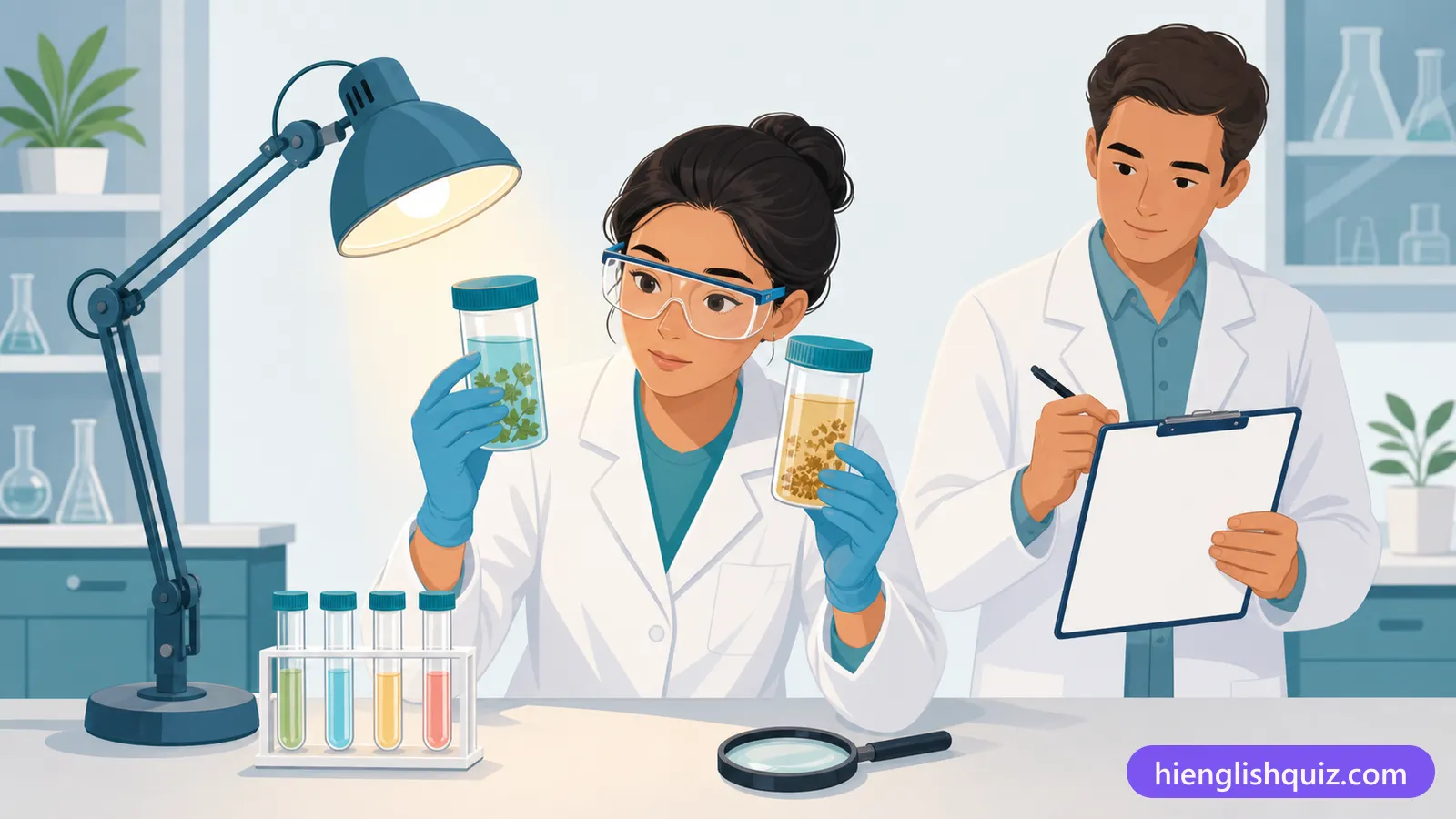
A small glass tube, closed at one end, used to hold liquids in a science experiment.
Example: She poured the solution carefully into a test tube.

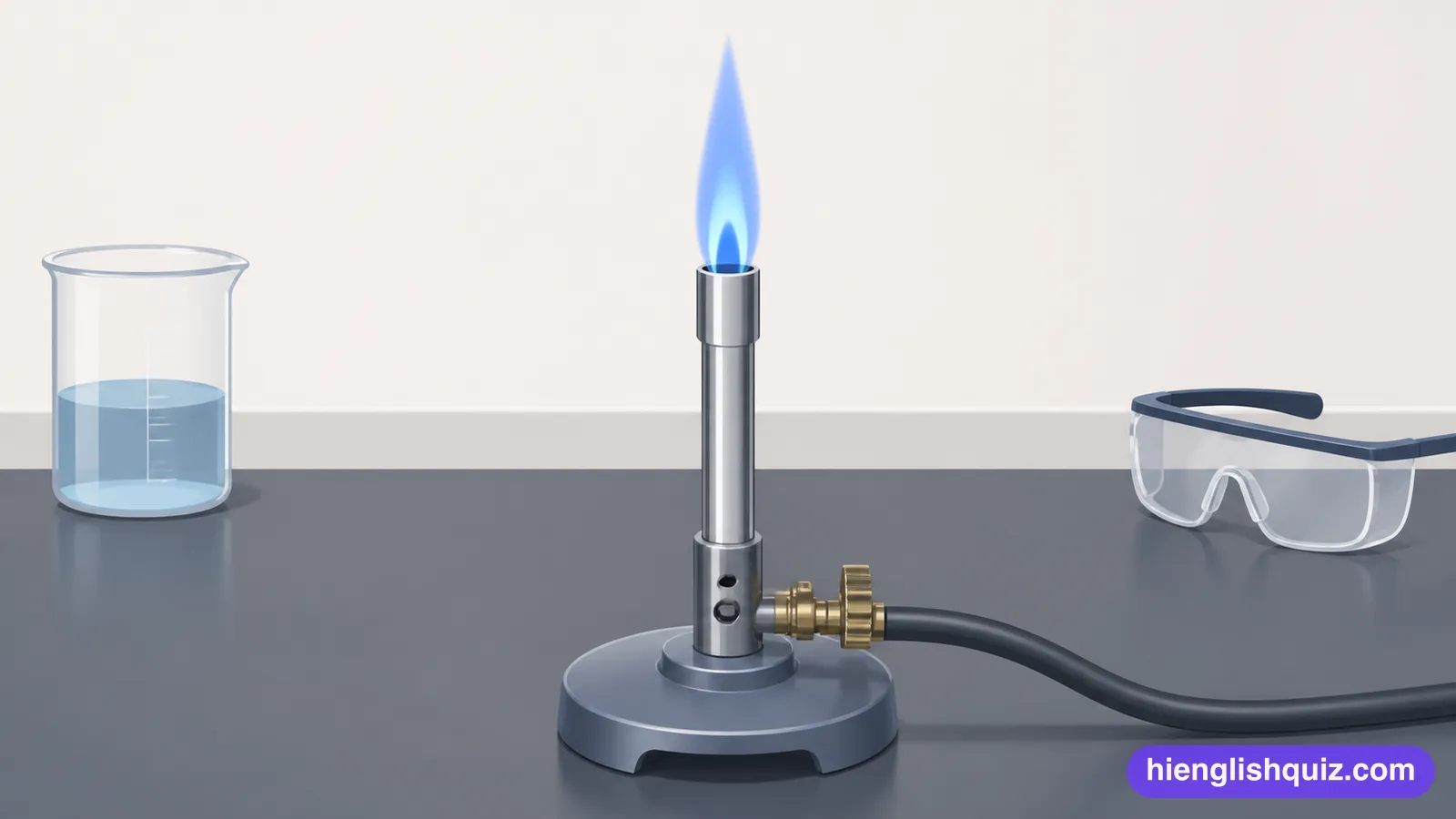
A piece of equipment in a science lab that produces a small, controlled flame for heating things.
Example: He adjusted the bunsen burner until the flame turned blue.
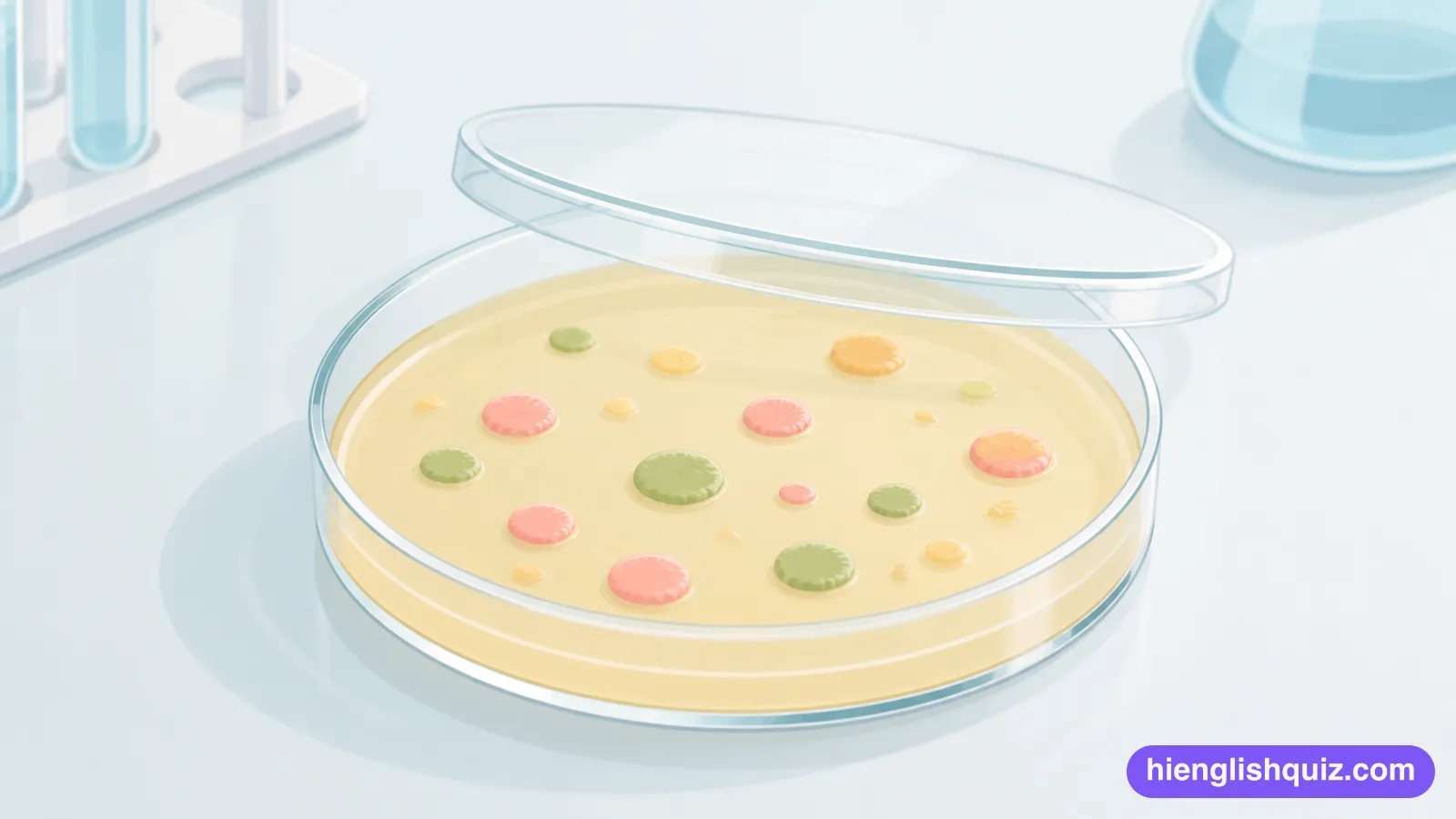
A shallow round dish with a lid, used to grow small living things such as bacteria.
Example: The bacteria grew into a circle inside the petri dish.
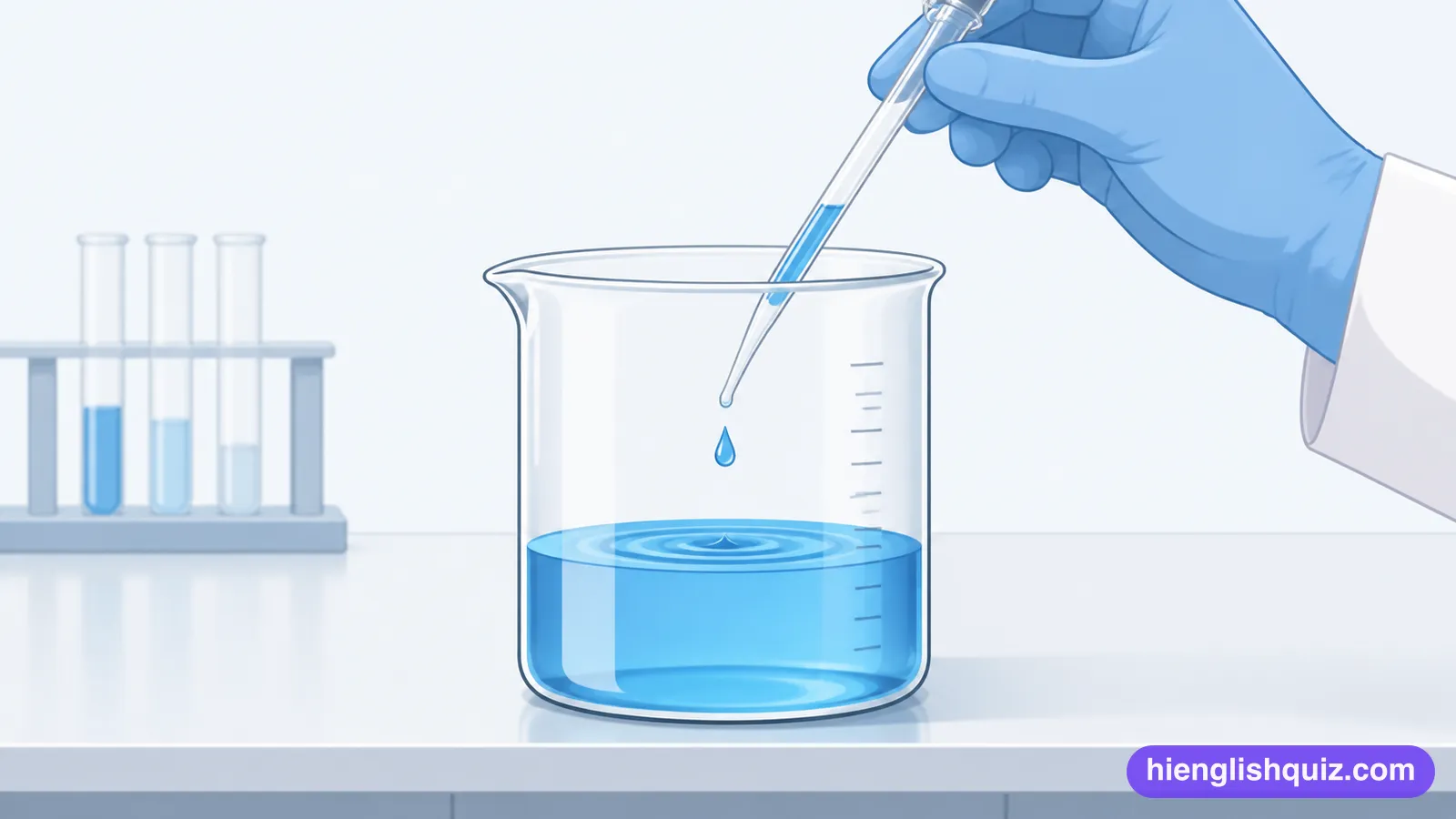
A thin instrument used to measure and transfer small, exact amounts of liquid.
Example: She used a pipette to add three drops of acid to the solution.

A glass container with a lip, used in a lab for mixing or heating liquids.
Example: He poured the blue liquid into a glass beaker.
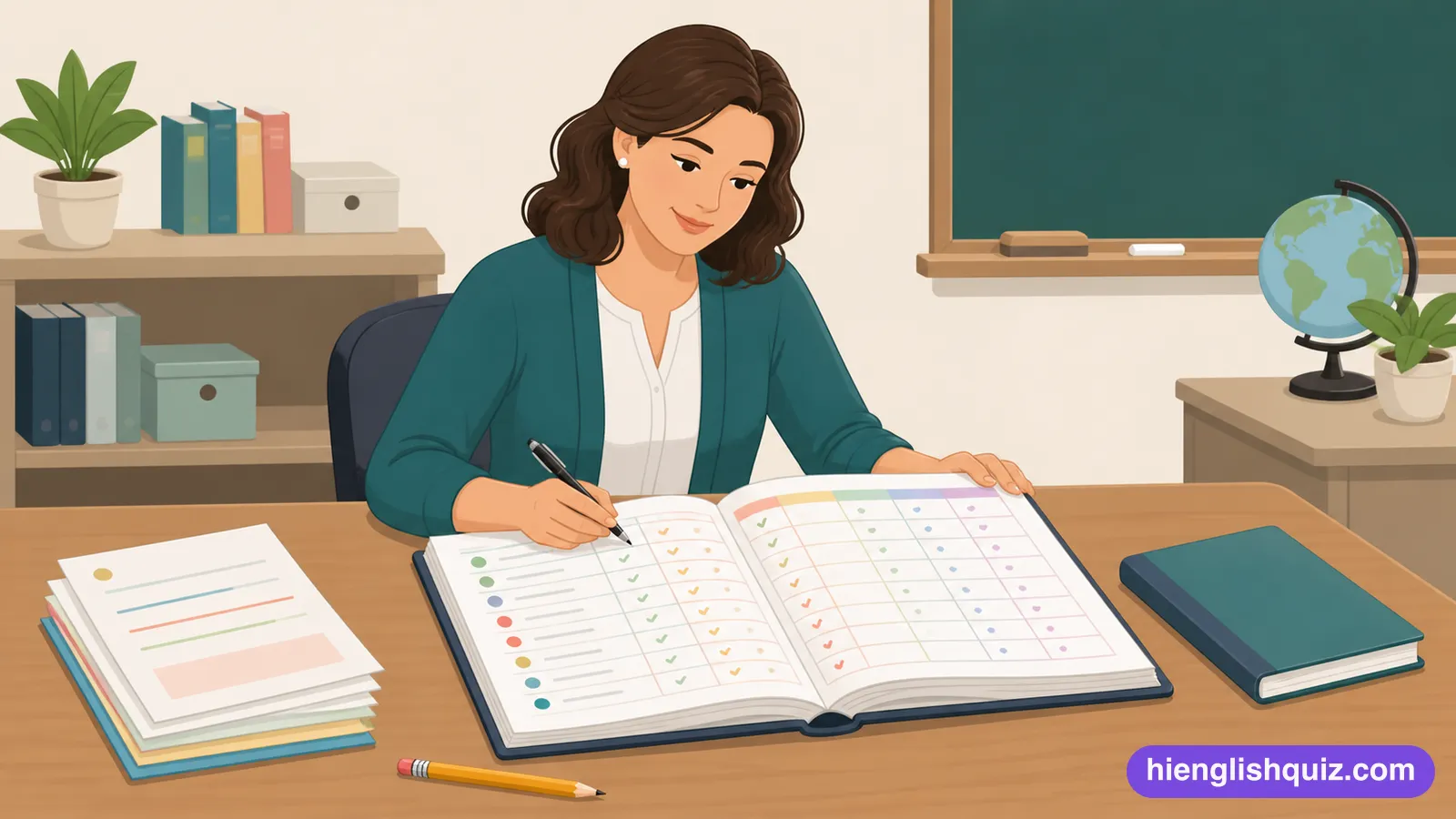
A book or file where a teacher records students' marks and results.
Example: The teacher entered the test scores into her gradebook.
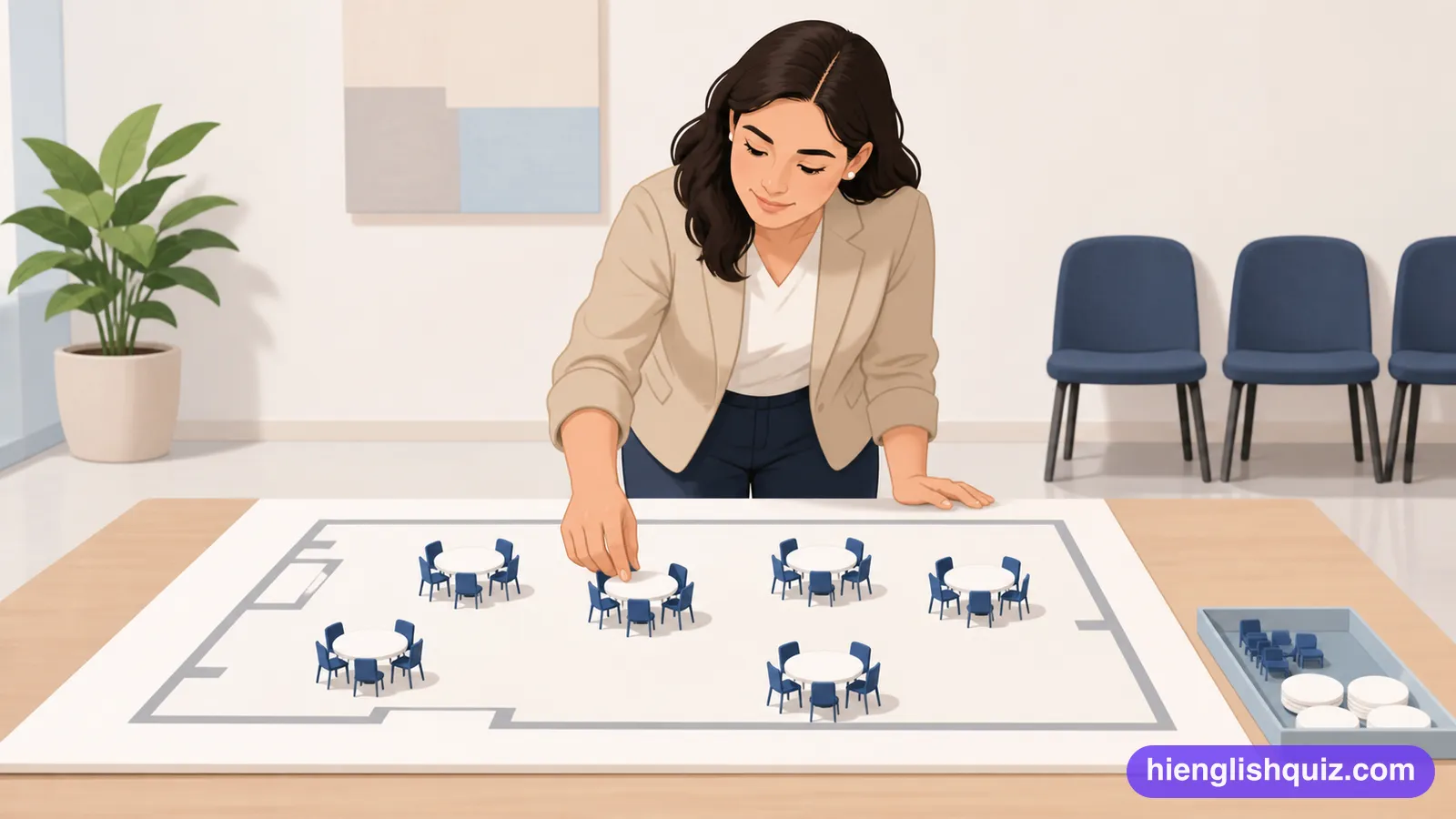
A diagram that shows where each student sits in a classroom.
Example: The teacher pinned a seating chart to the door on the first day.
A cord worn around the neck to hold an ID card or keys.
Example: Every visitor had to wear a lanyard with their name on it.

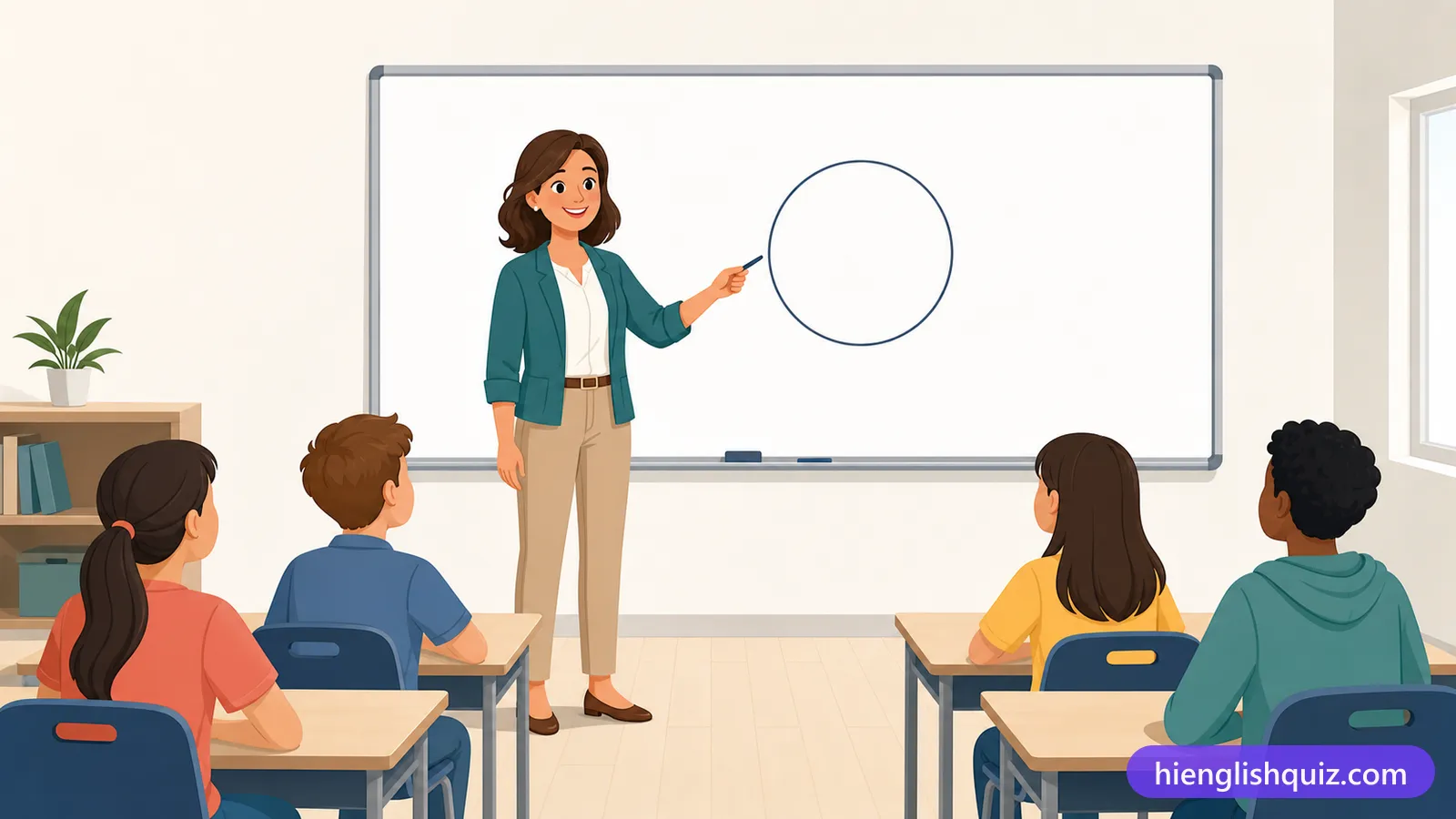
All the subjects and content that a school plans to teach over a course of years.
Example: The new curriculum includes coding from year three.

The school and university subjects that study people, their history and their ideas.
Example: She studies humanities rather than engineering.