bereavement
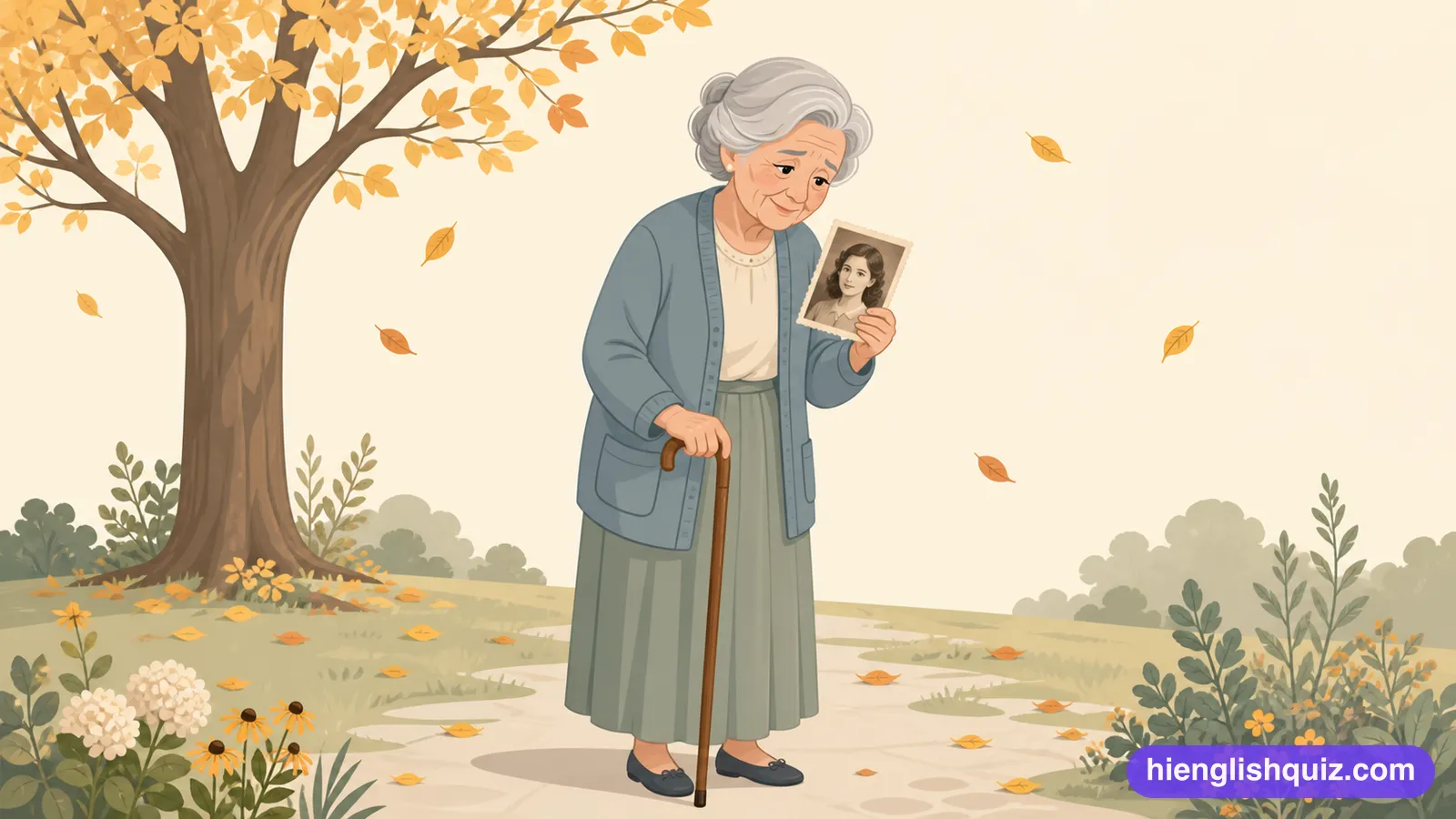
/bərˈivmənt/The period of deep sadness after someone close to you dies.
Example: The company gives staff a week of bereavement leave.

 Hi EnglishQuiz
C220 words · Proficient
Life Stages vocabulary for how English speaks carefully about the end of a life, including swan song, valediction and eulogy, plus octogenarian and venerable.
The period of deep sadness after someone close to you dies.
Example: The company gives staff a week of bereavement leave.
The lasting mark that a person's life or work leaves behind.
Example: Her legacy is the scholarship that still helps students.

A ceremony or experience that marks a person moving from one stage of life into the next.
Example: For many teenagers, a first job is a real rite of passage.

The biological process of growing old.
Example: Scientists are studying senescence to understand why cells stop dividing.
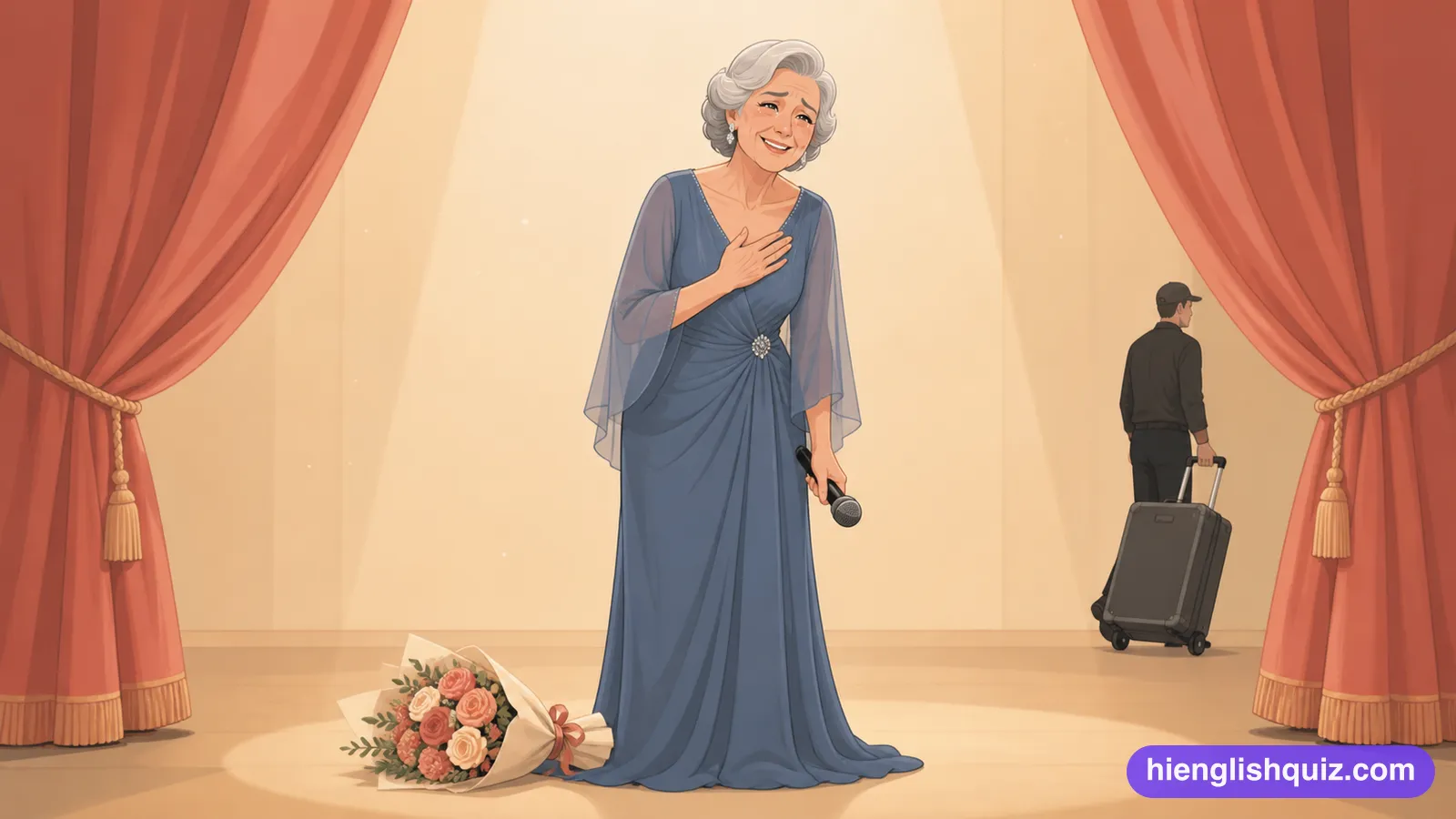
A person's final performance or achievement before retiring or dying.
Example: The concert turned out to be the singer's swan song.
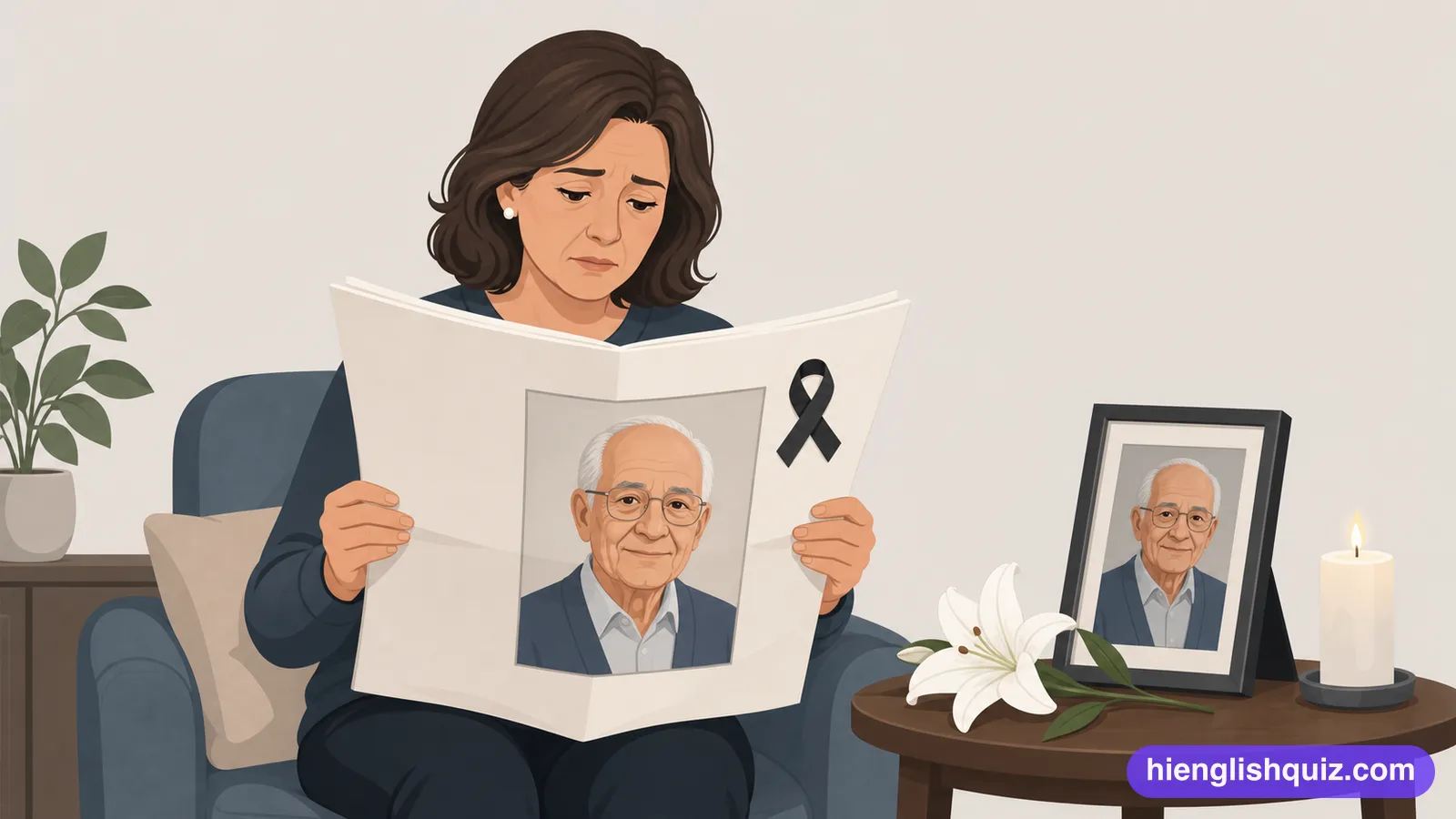
A published notice about someone's life, printed shortly after they have died.
Example: The newspaper printed a long obituary for the retired judge.
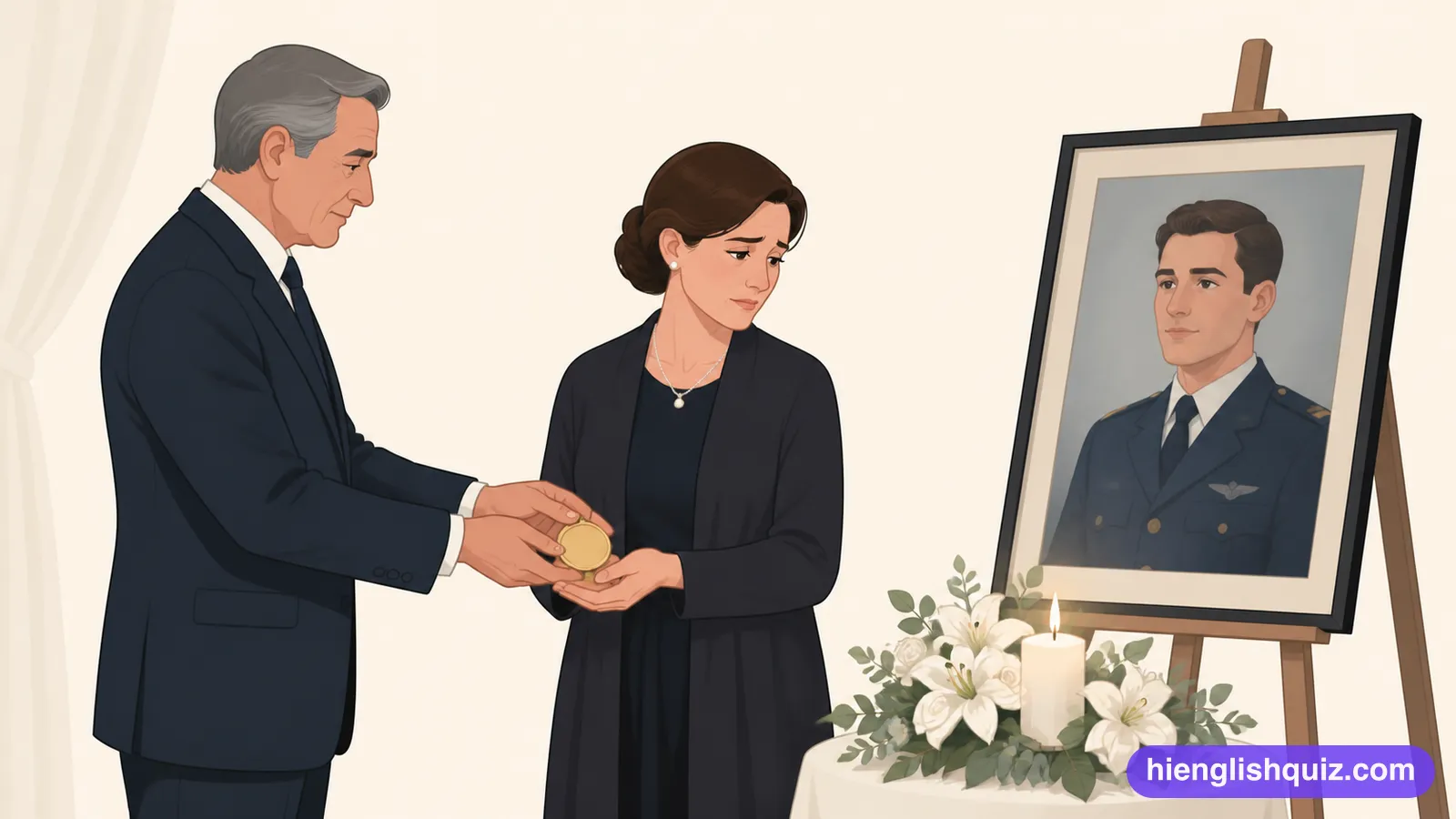
Happening or given after a person has died.
Example: The soldier received a posthumous medal for his bravery.
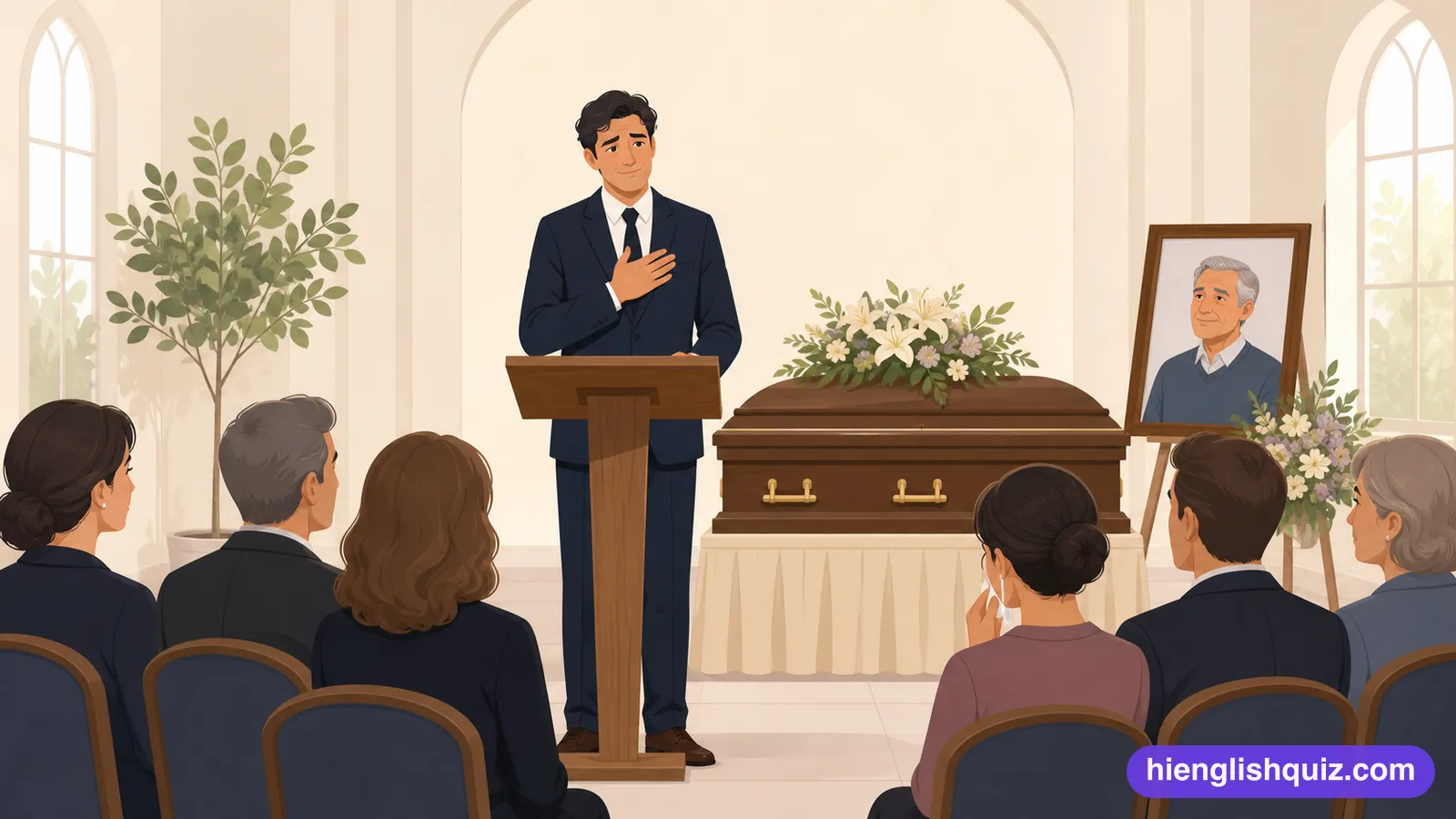
A speech given at a funeral that praises the life of the person who has died.
Example: His daughter gave a moving eulogy at the funeral.
A formal act or speech of saying goodbye.
Example: The retiring headteacher gave a warm valediction to the graduating class.

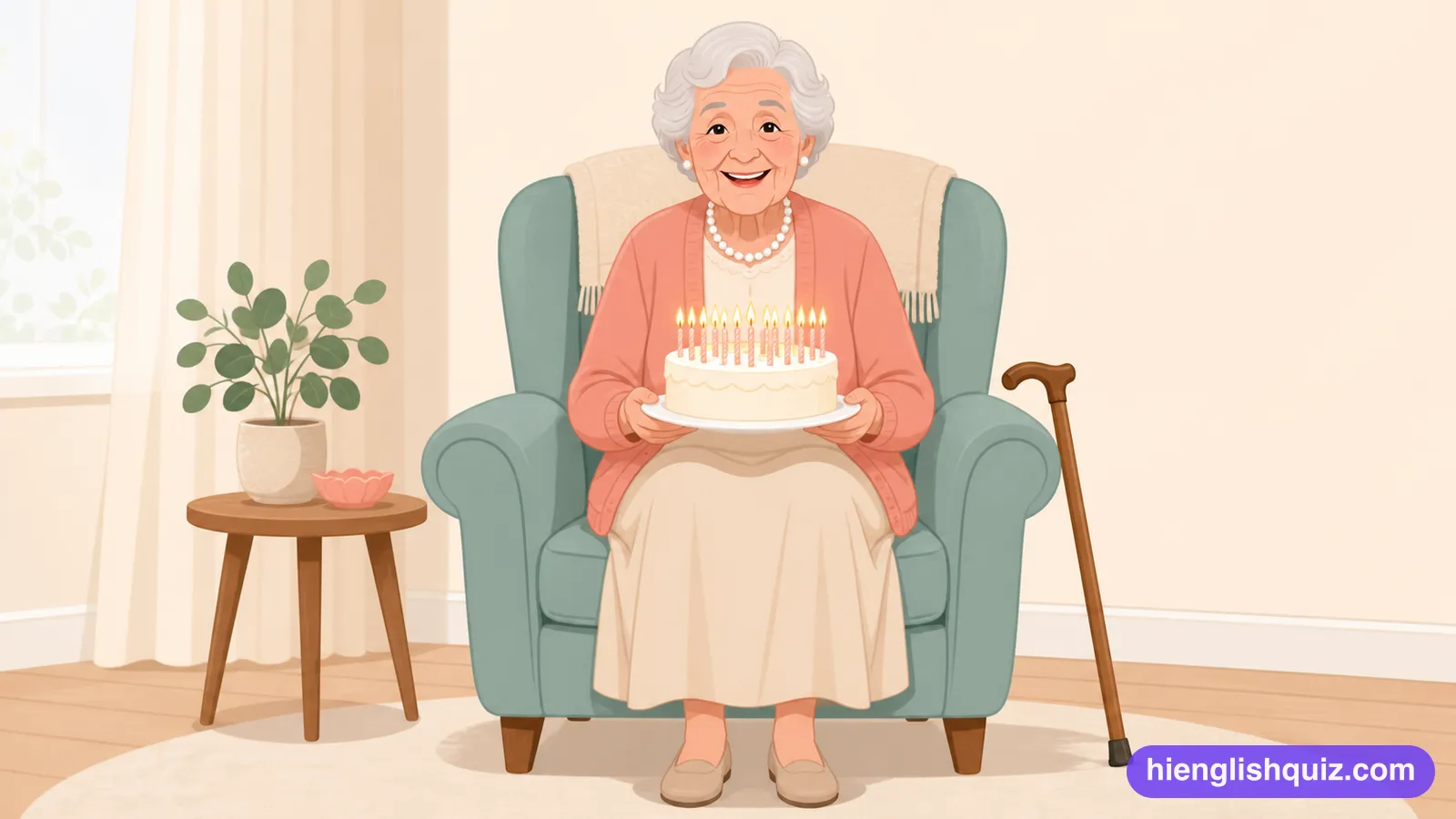
Someone between eighty and ninety years old.
Example: An octogenarian in the front row corrected the historian twice.
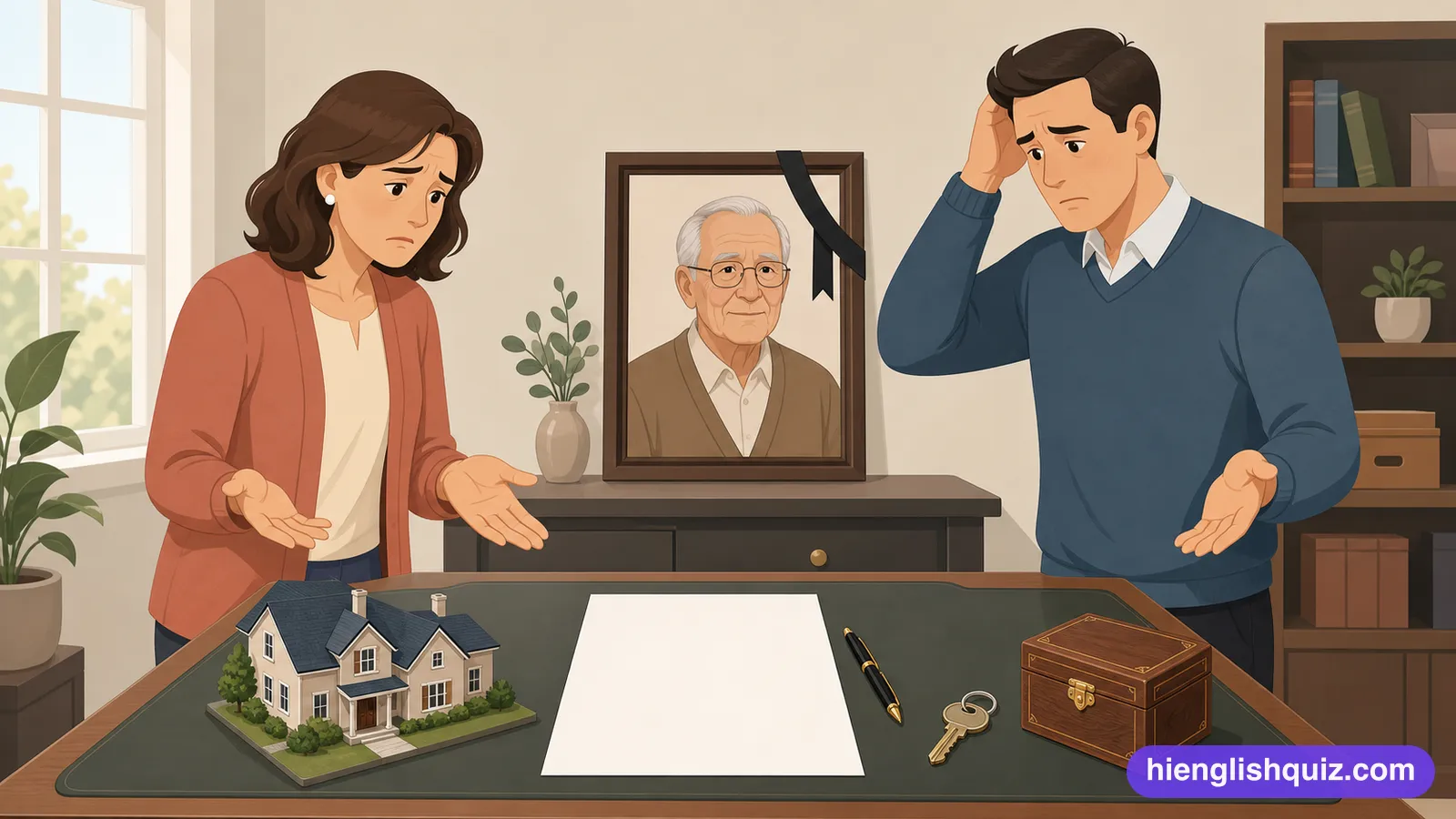
Having died without leaving a valid will.
Example: He died intestate, and the argument lasted longer than he had.
A wedding ceremony.
Example: The nuptials were held in a chapel that seated forty at most.

Relating to marriage and the relationship between husband and wife.
Example: The novel treats conjugal duty as a kind of quiet war.

Close to death, or no longer active and about to end.
Example: He described the family firm as moribund rather than bankrupt.

The weak condition of being old and worn out.
Example: He wrote about decrepitude with more humour than self-pity.
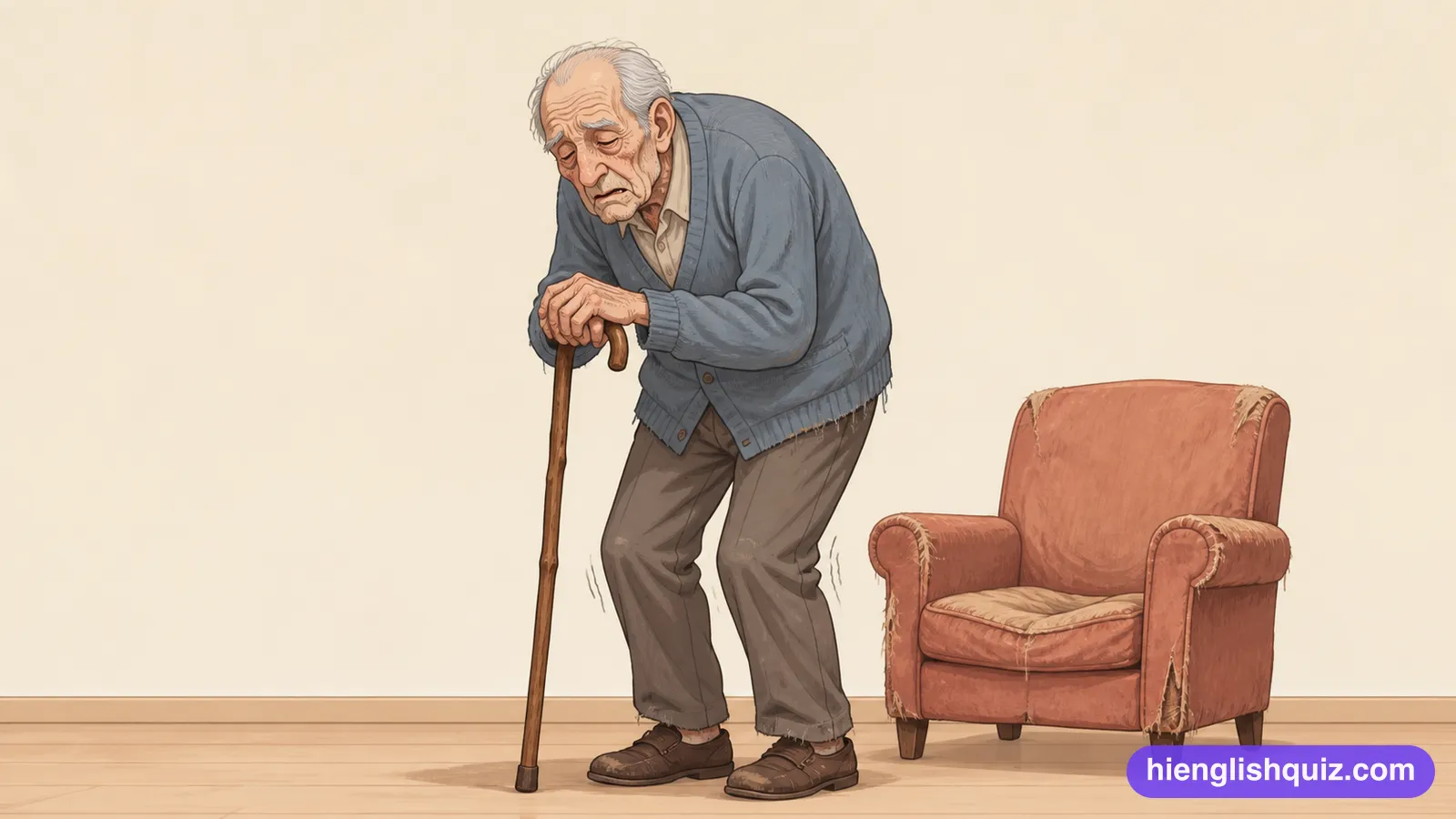
Too old to be useful or to continue working.
Example: The committee treated him as superannuated the day he turned sixty-five.

Deserving respect because of great age or long service.
Example: The venerable headmaster had taught three generations of the same family.
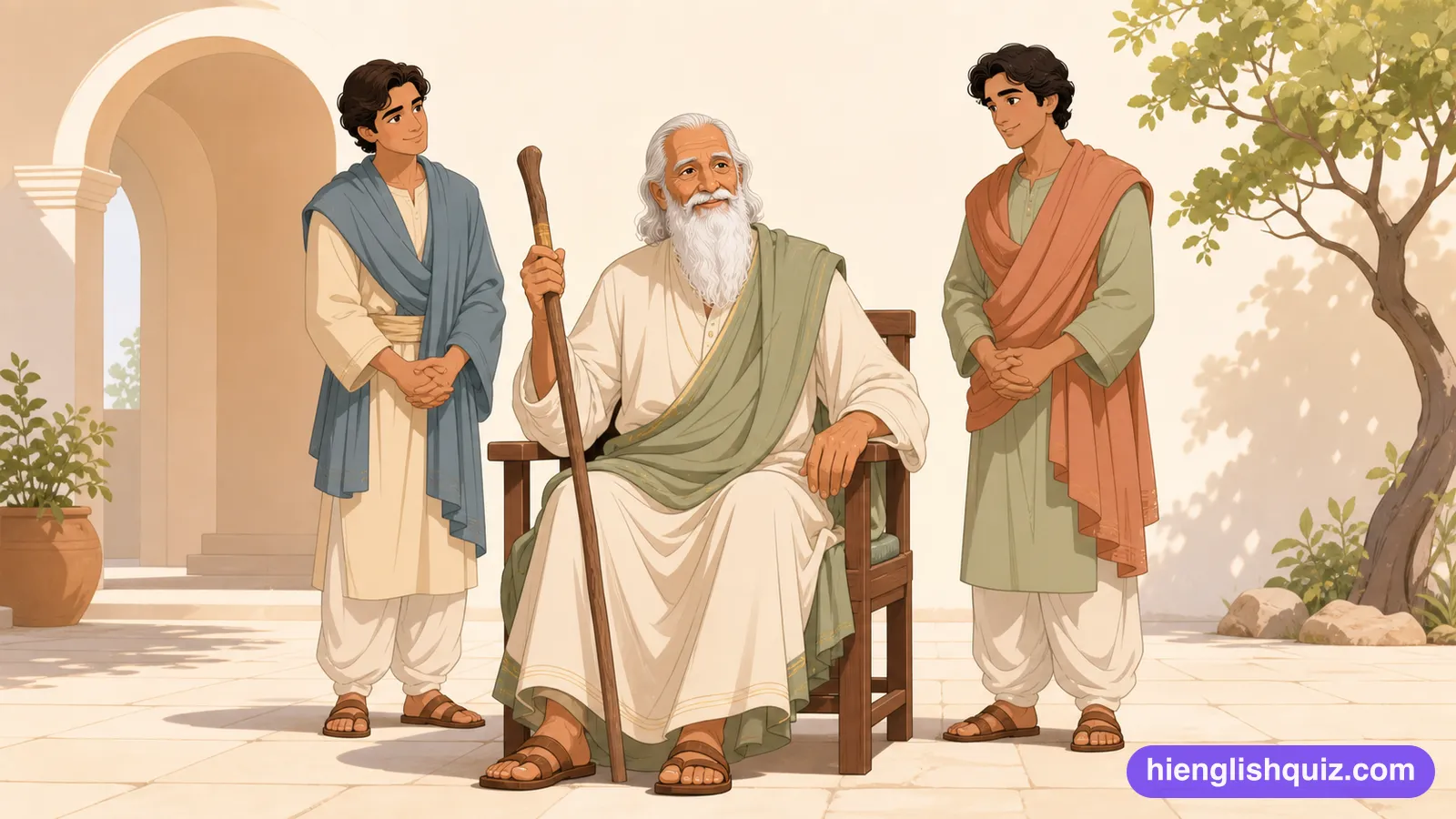
Property or tradition inherited from your father or ancestors.
Example: The whole patrimony amounted to a farmhouse and forty acres.
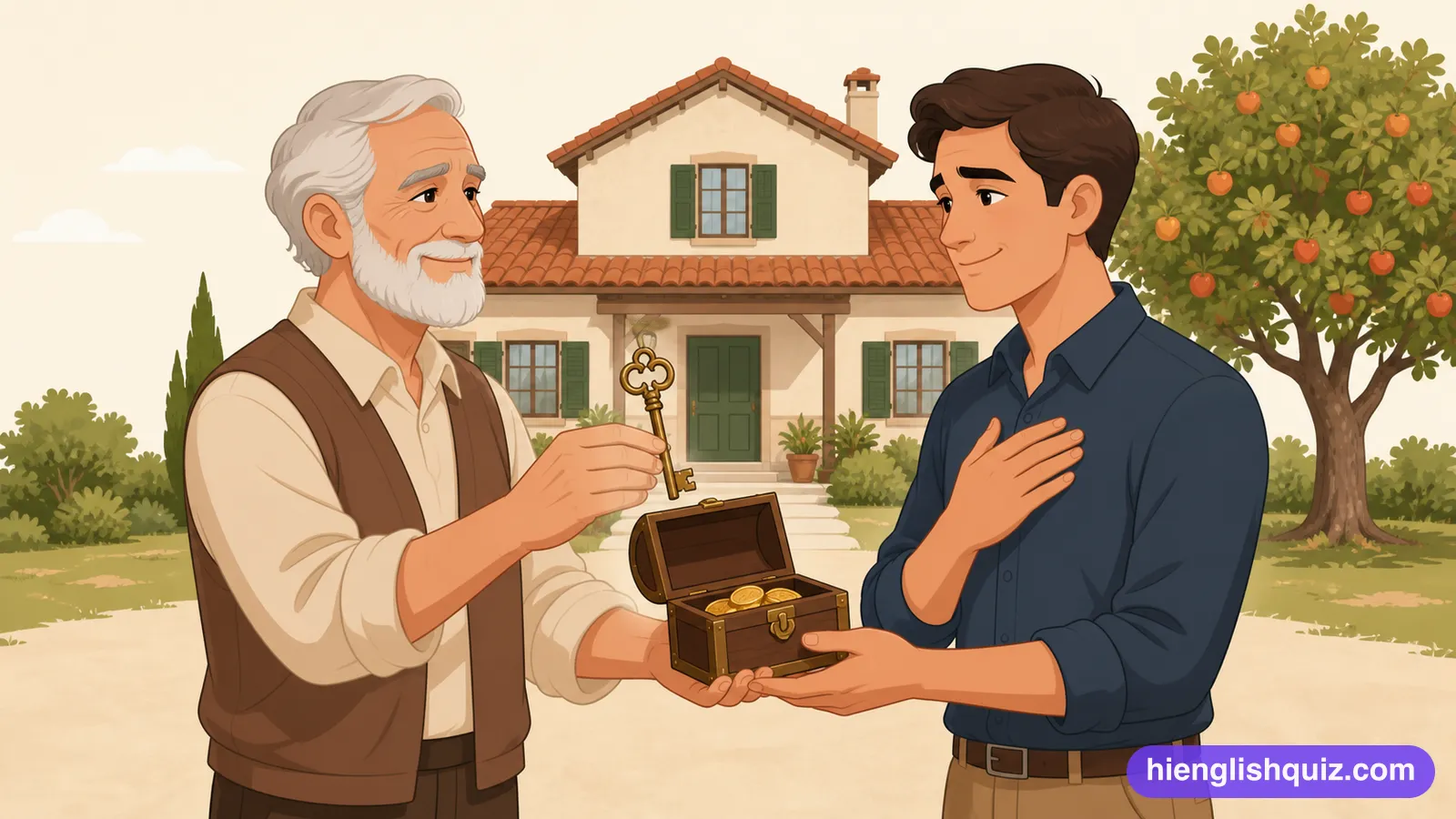
Someone between seventy and eighty years old.
Example: A septuagenarian finished the course ahead of half the field.

Someone between sixty and seventy years old.
Example: Every sexagenarian in the choir had been there since the seventies.