hinterland
/ˈhɪntərˌlænd/- Nghĩa tiếng Việt
- Vùng sâu xa
- Định nghĩa tiếng Anh
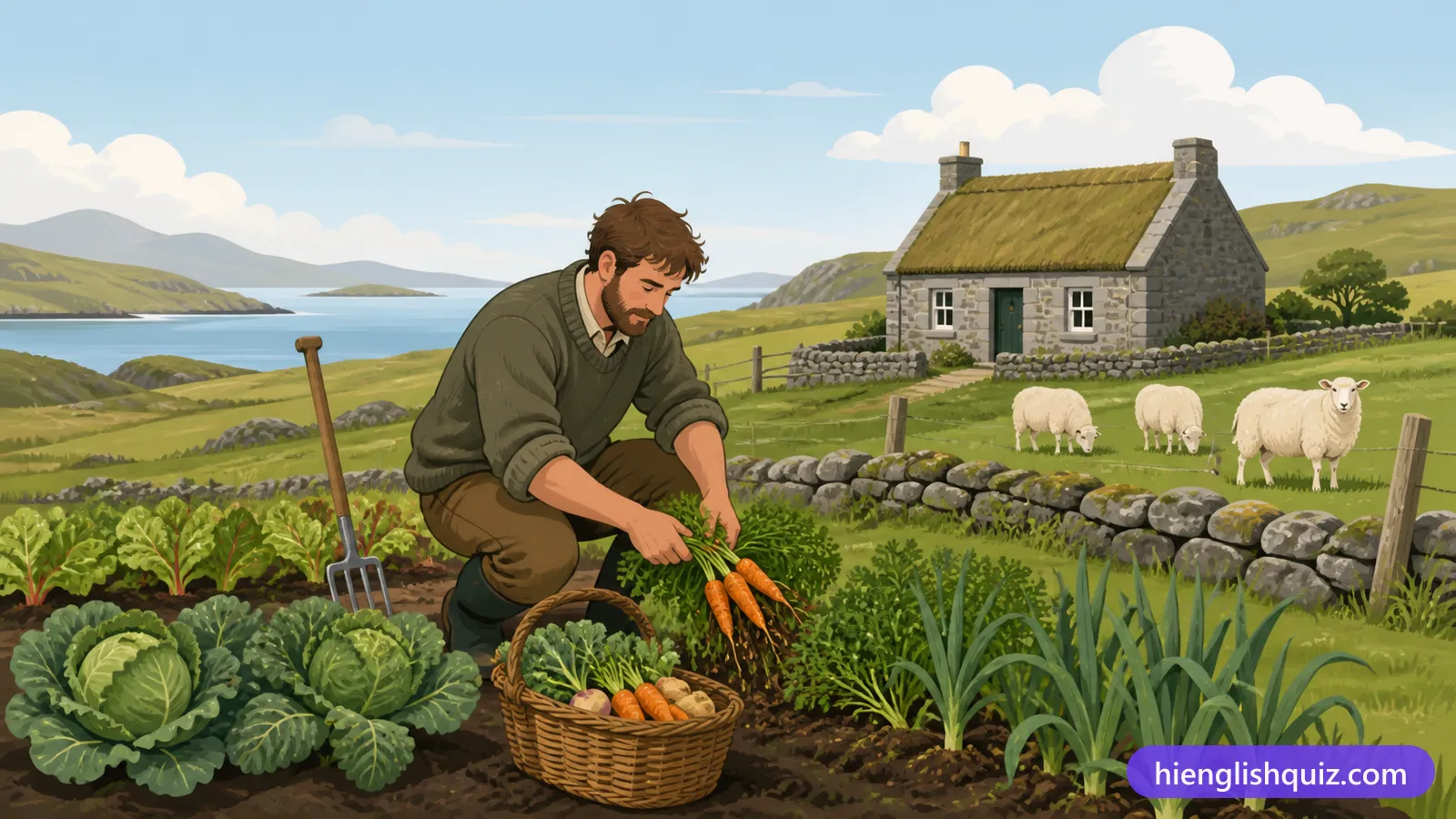
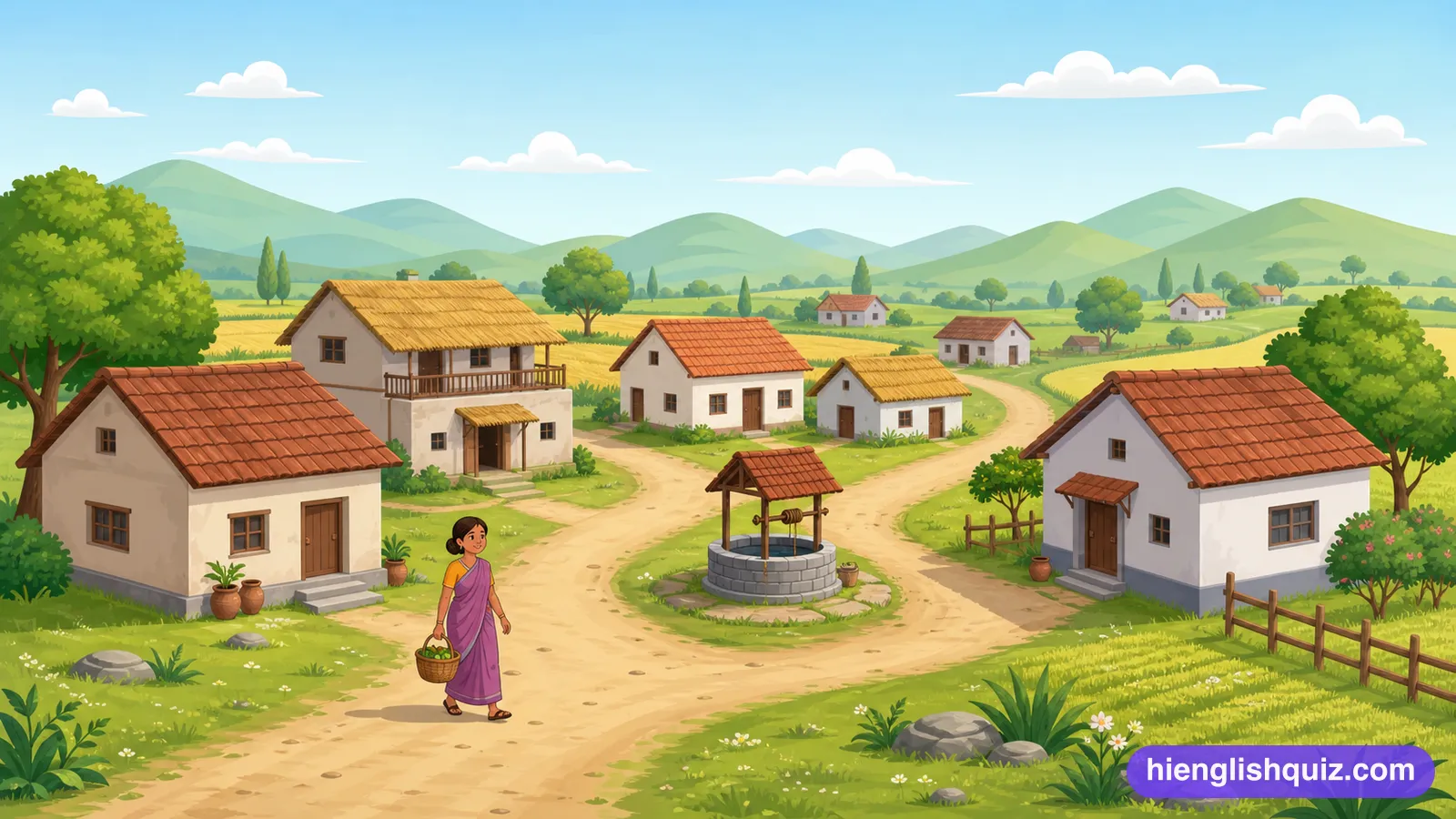
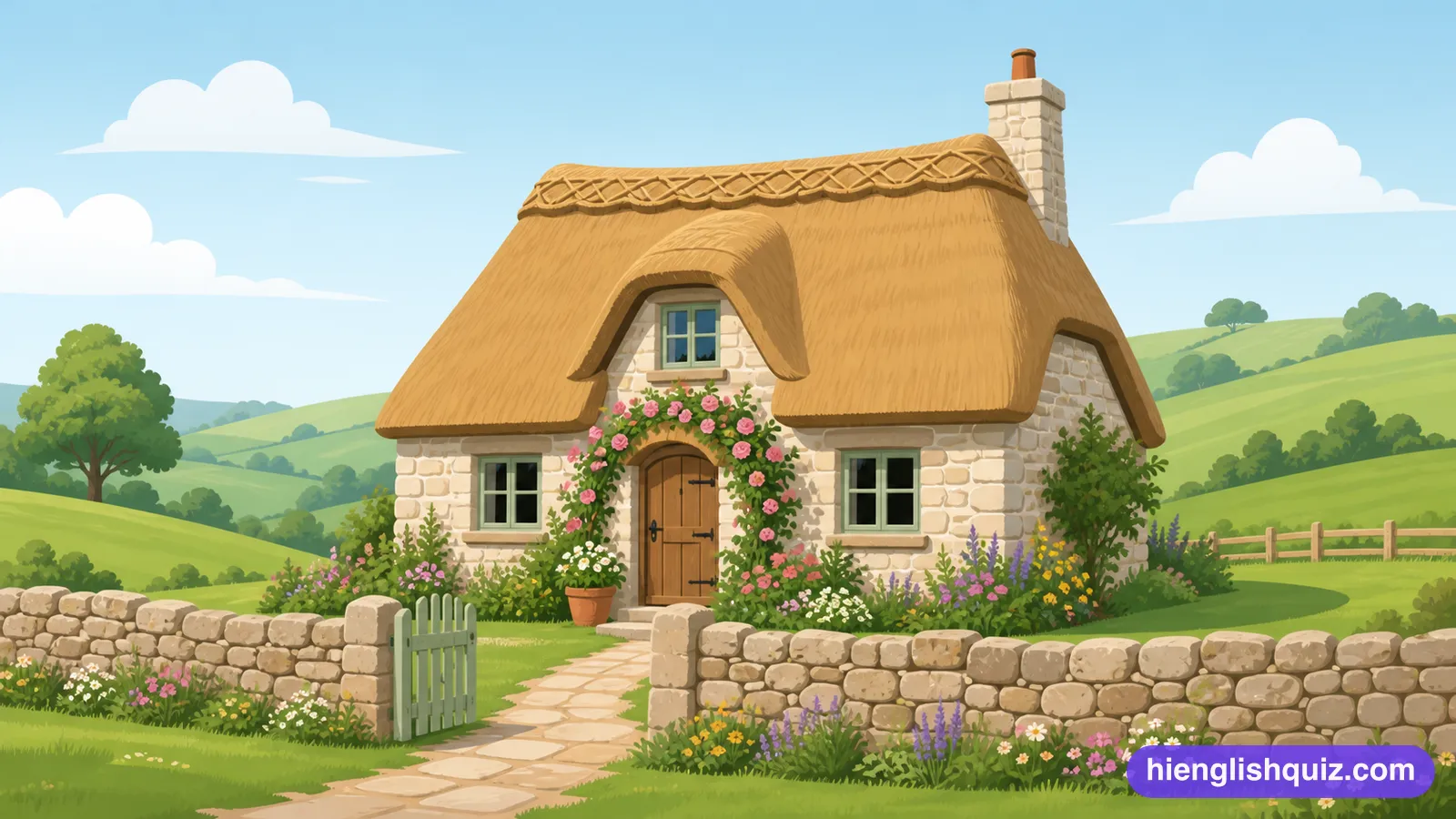
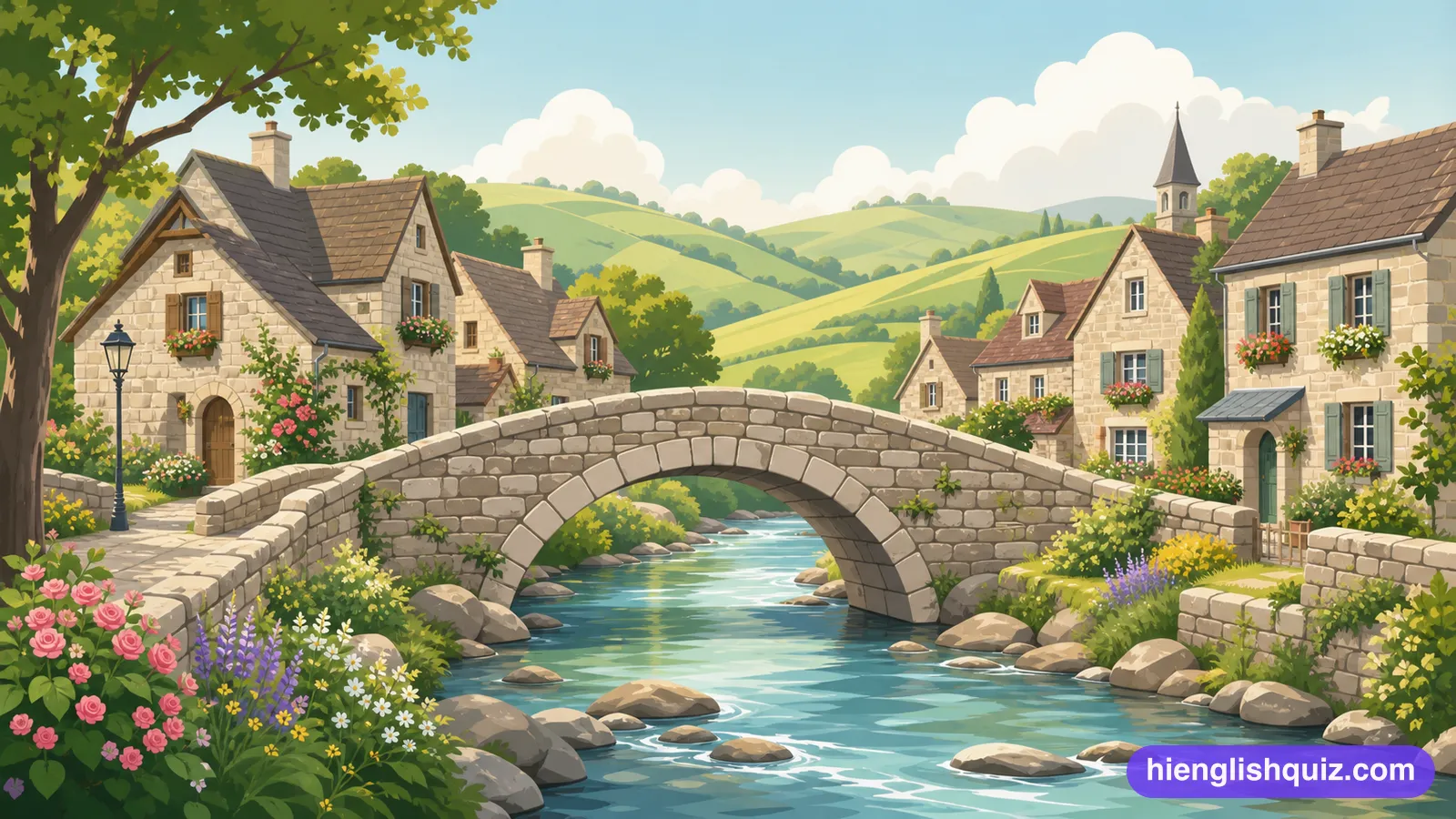
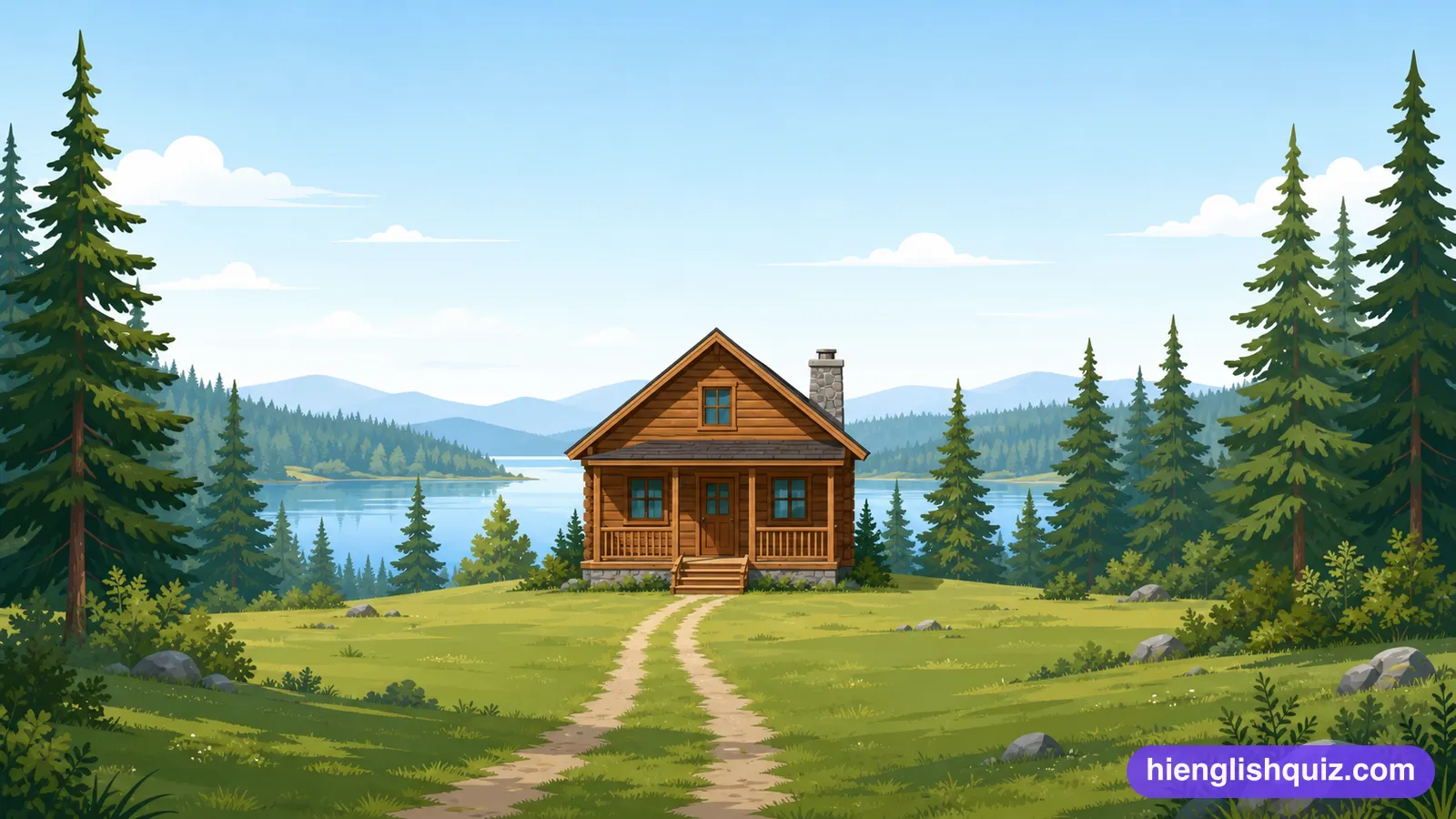
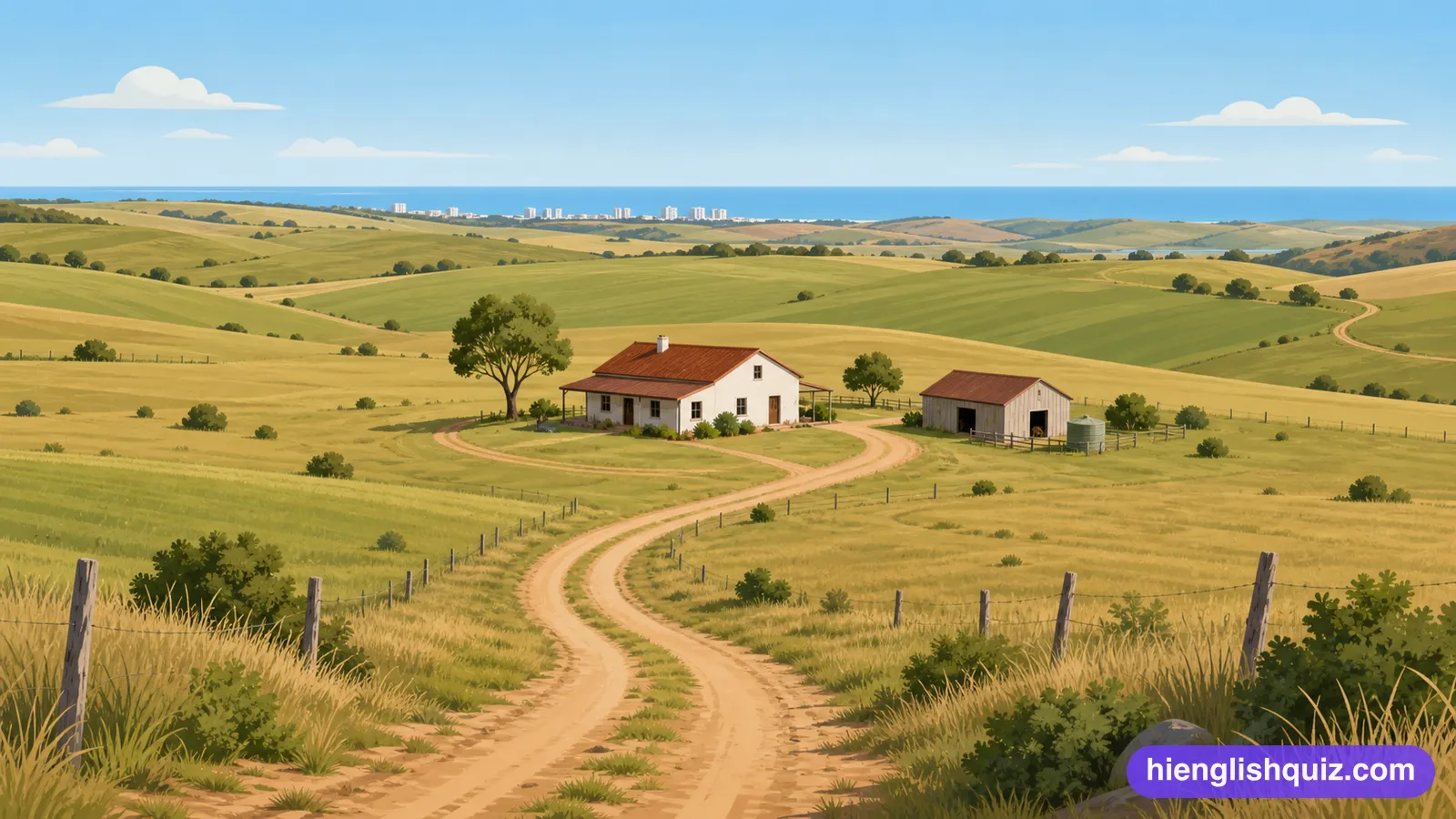
- The quiet rural area lying behind a coast or beyond a big city, away from the busy parts.
Ví dụ: Few visitors ever explore the hinterland behind the resorts.
 Hi EnglishQuiz
C222 từ · Thành thạo
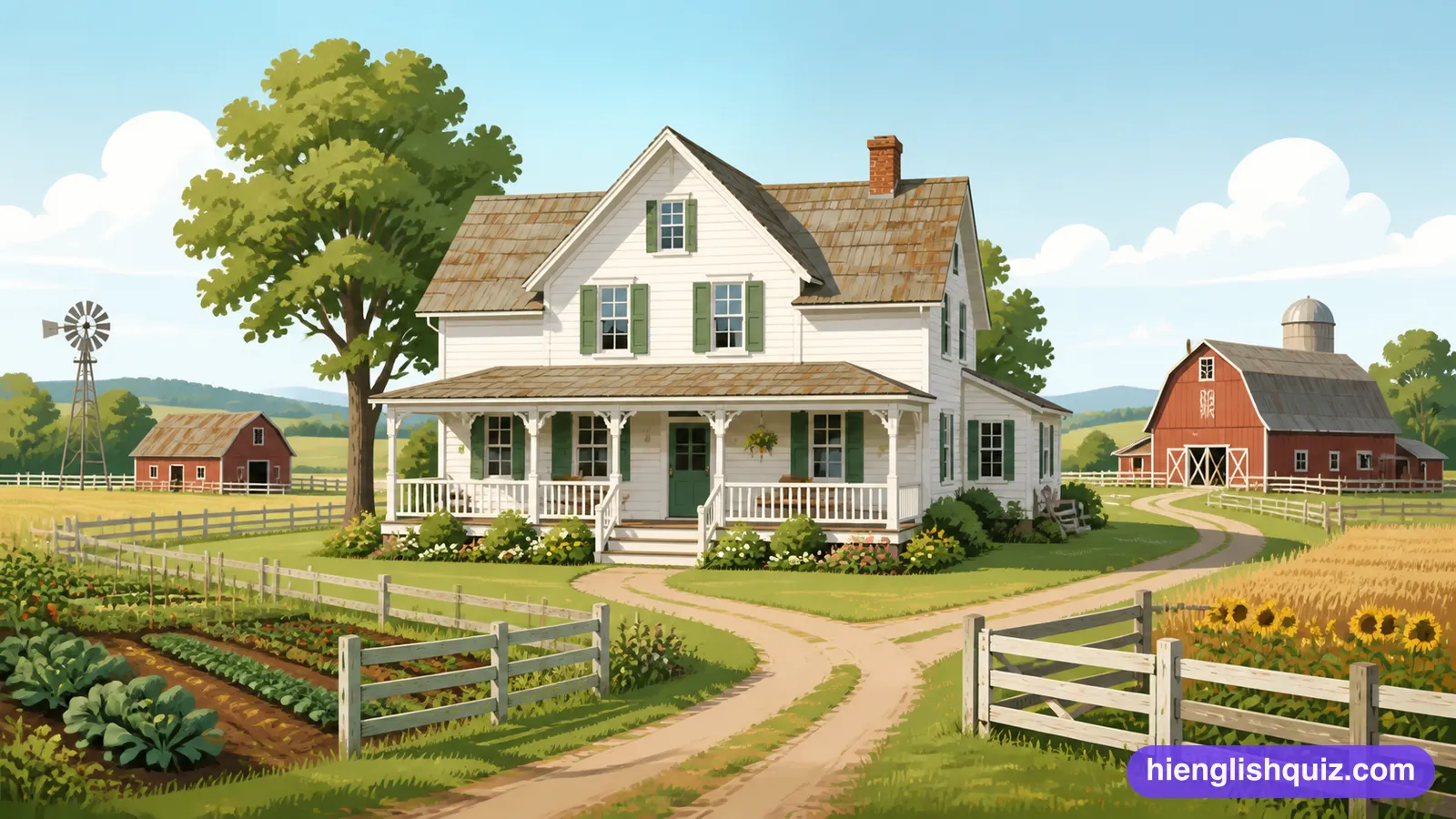
Từ vựng vùng nông thôn mô tả địa hình chính xác, gồm scree, gorse và loam, cùng hamlet, homestead và hinterland xung quanh chúng.
Ví dụ: Few visitors ever explore the hinterland behind the resorts.
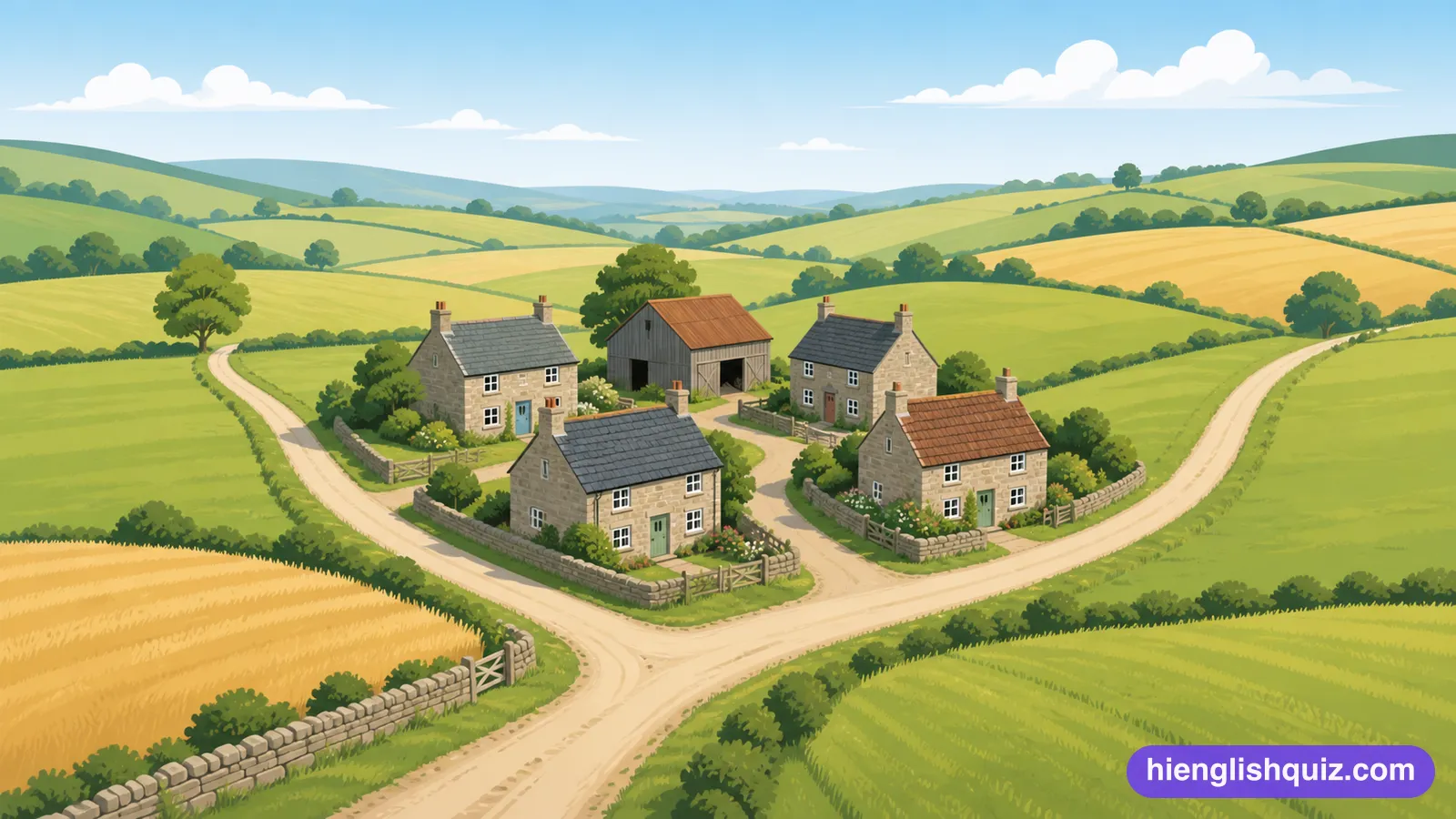
Ví dụ: Their farm sits in a hamlet of six stone houses.
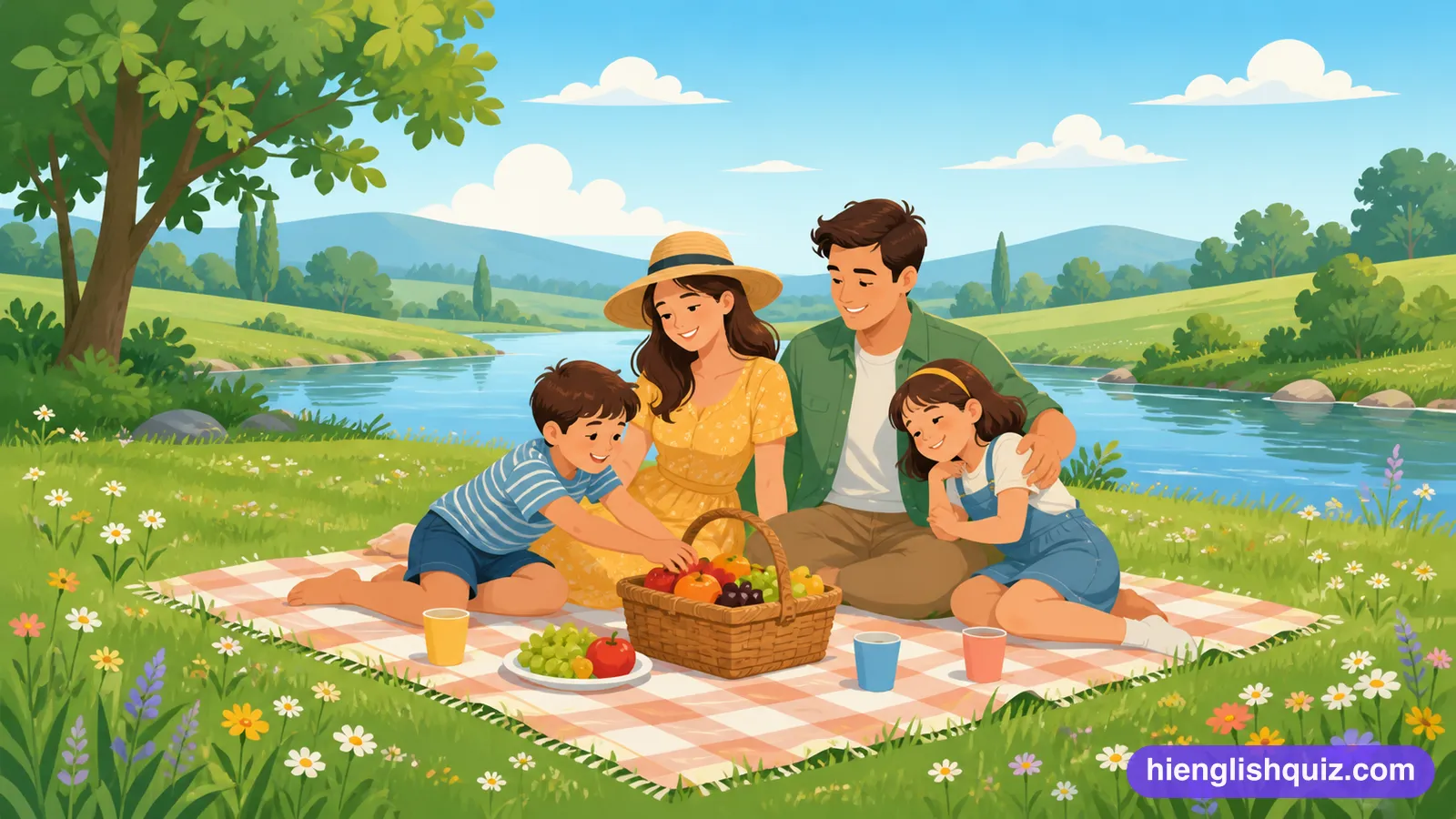
Ví dụ: Their rural idyll was interrupted by the new motorway.
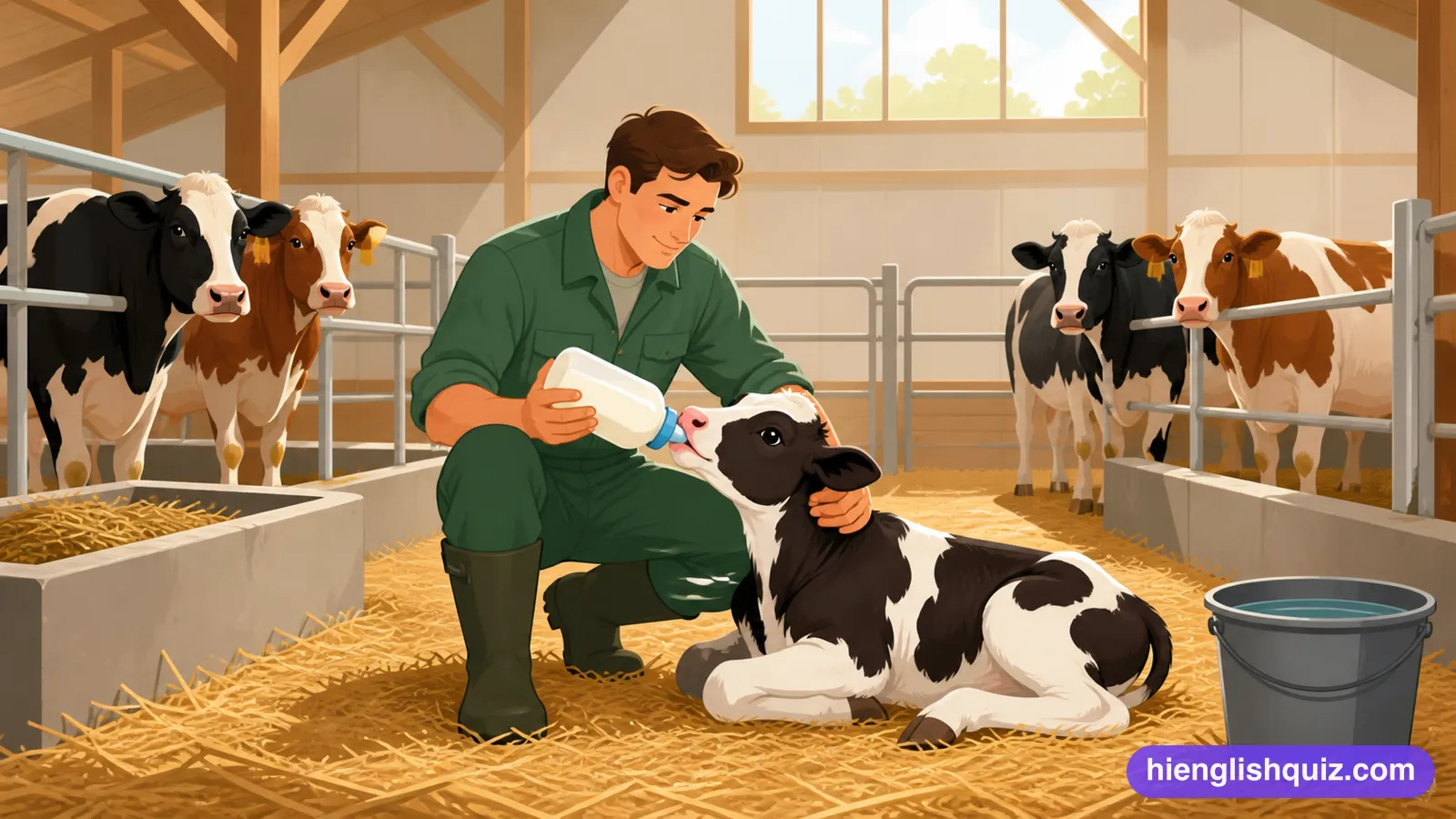
Ví dụ: The college teaches courses in animal husbandry.
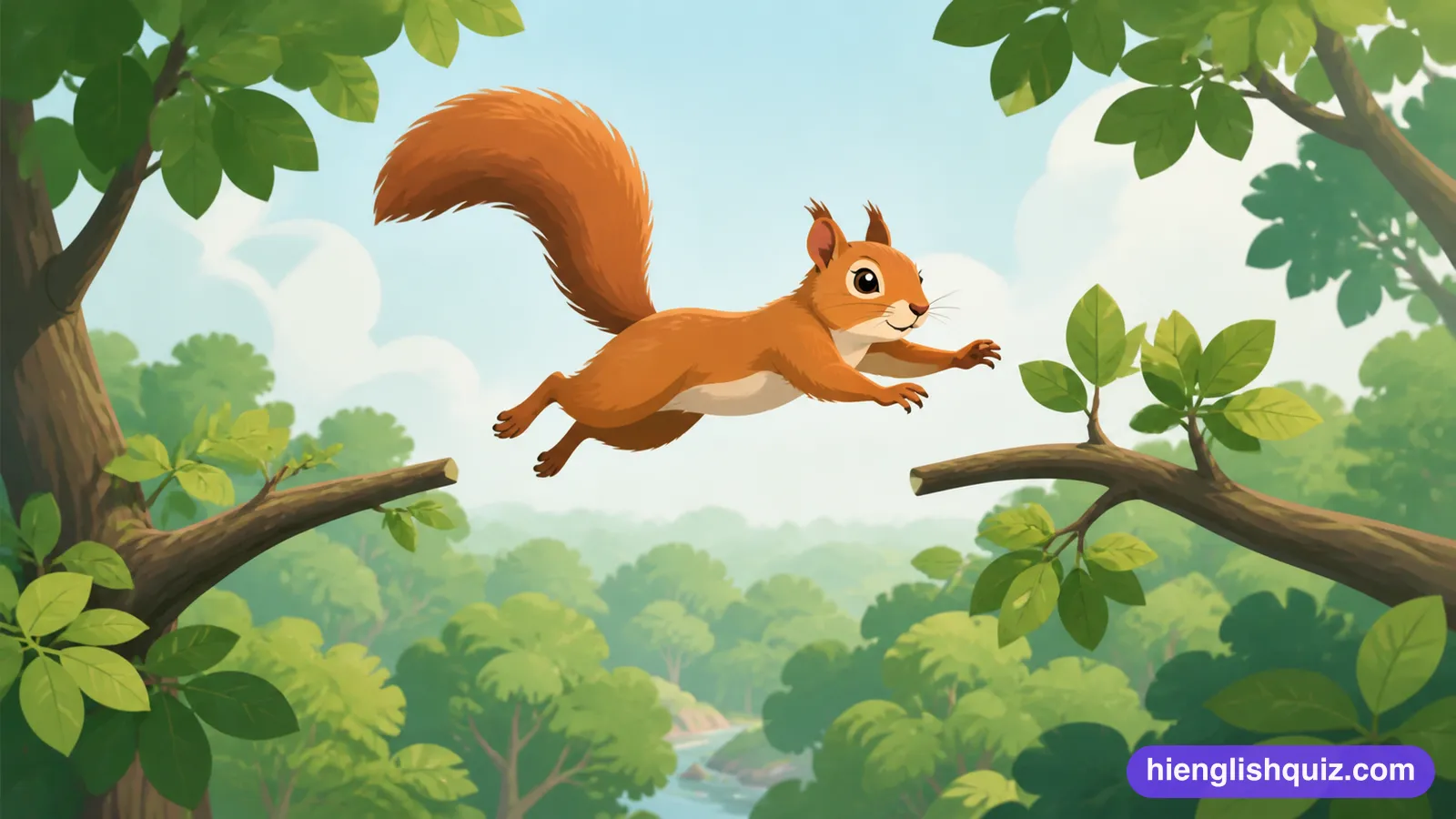
Ví dụ: The squirrel is an arboreal creature, rarely on the ground.
Ví dụ: The path wound through a sylvan setting of tall pines.
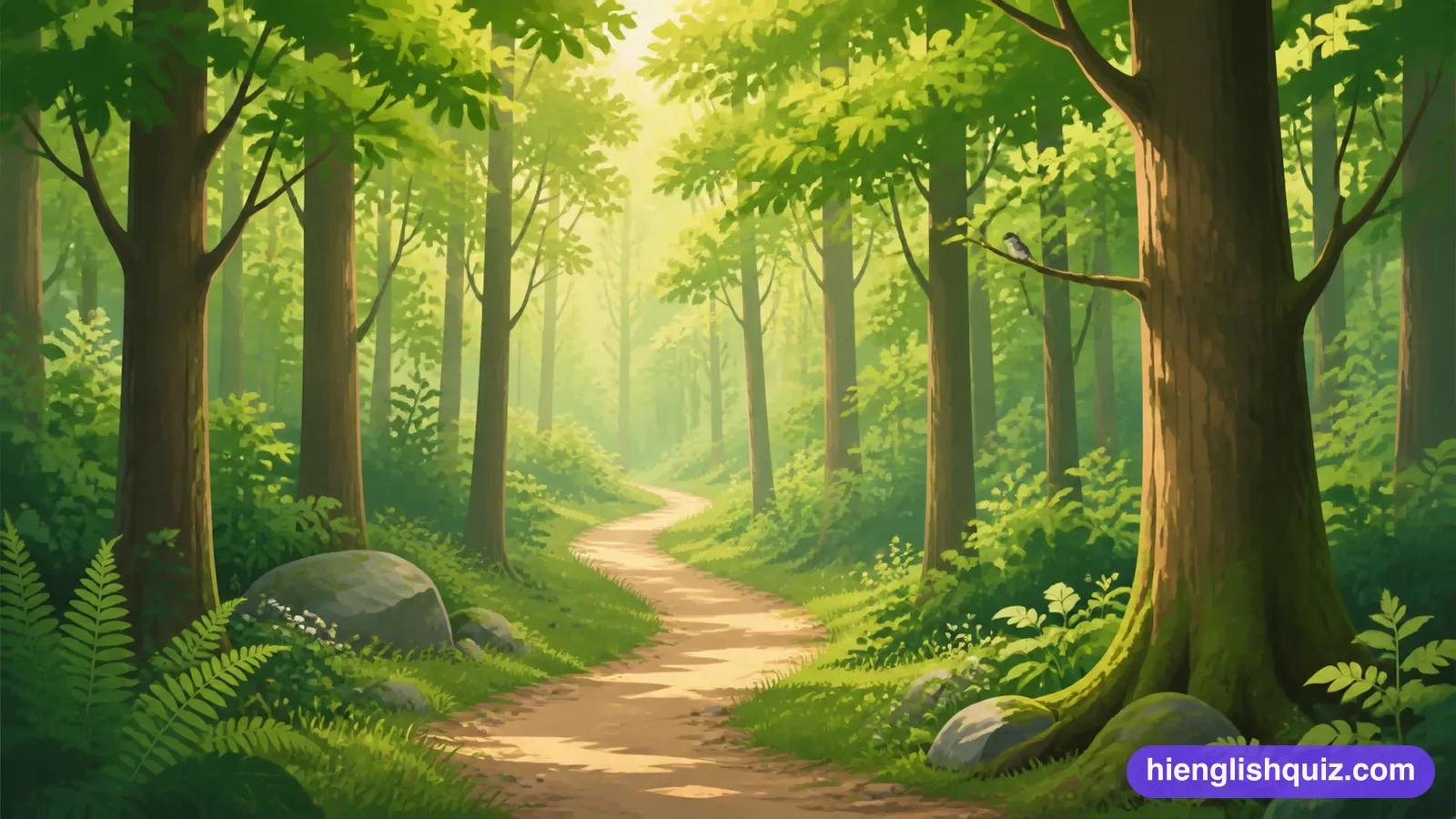
Ví dụ: The field was left fallow for a whole season.
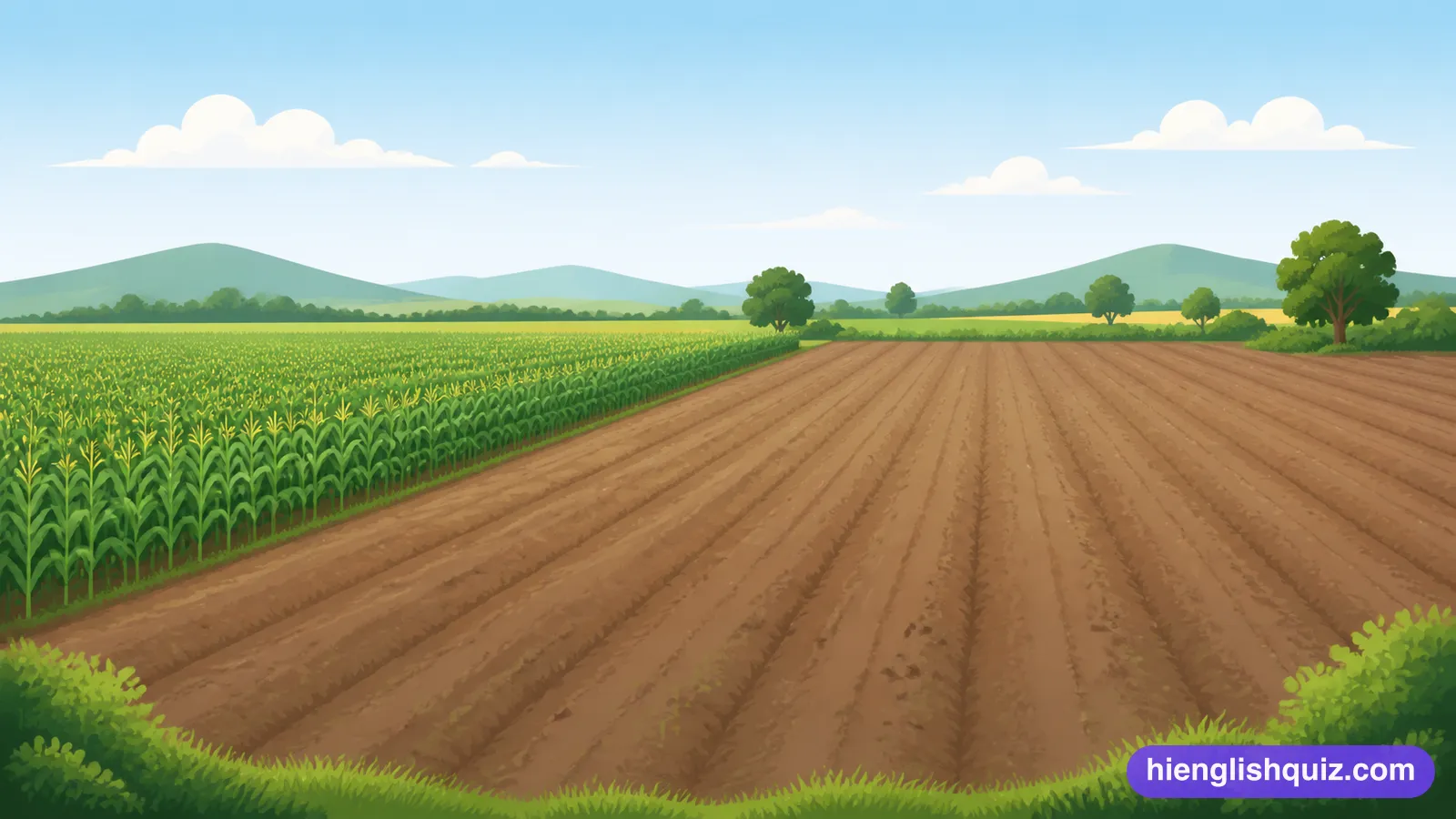
Ví dụ: The region's rugged topography makes farming difficult.
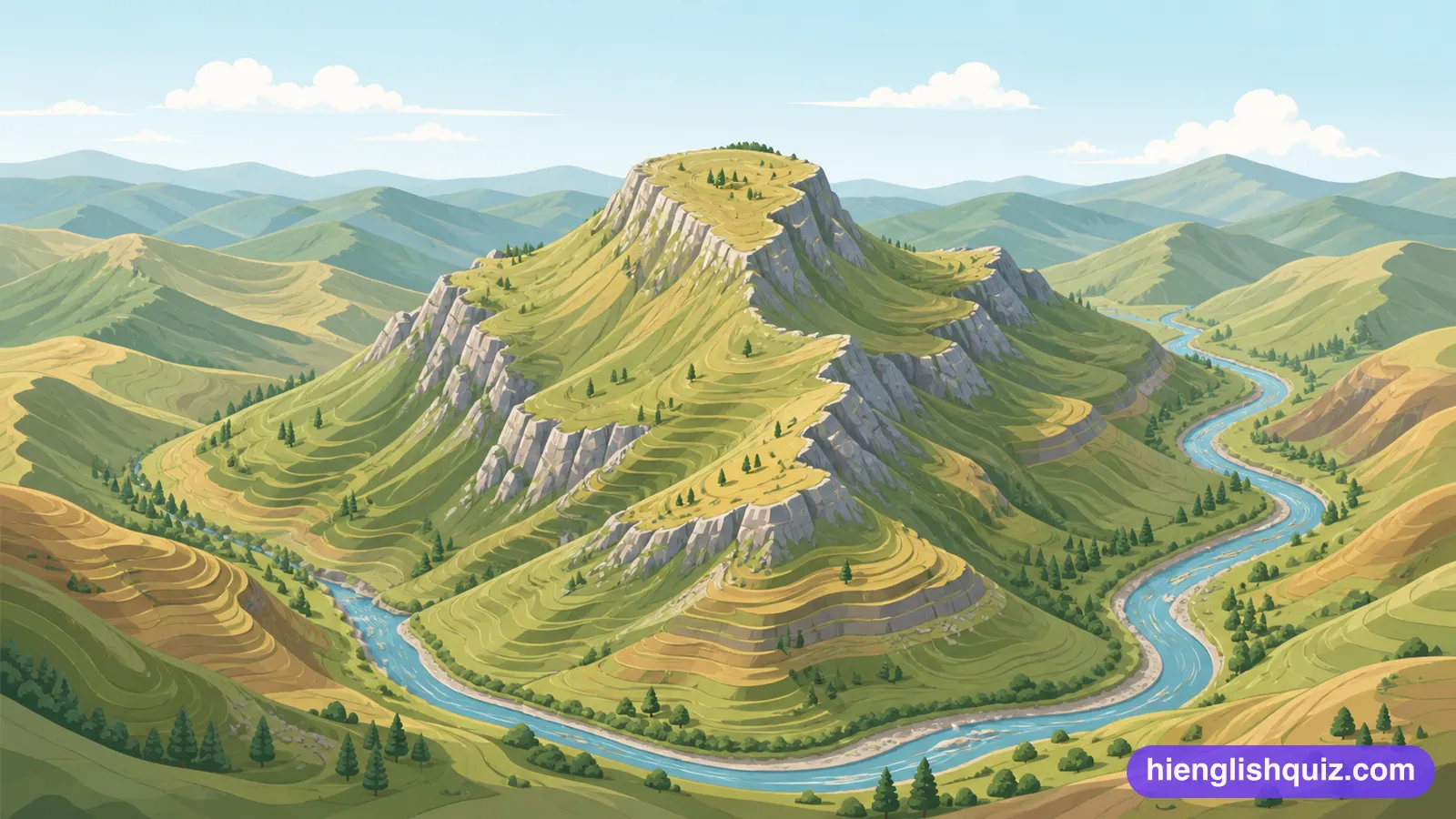
Ví dụ: The village sits below a dramatic escarpment.
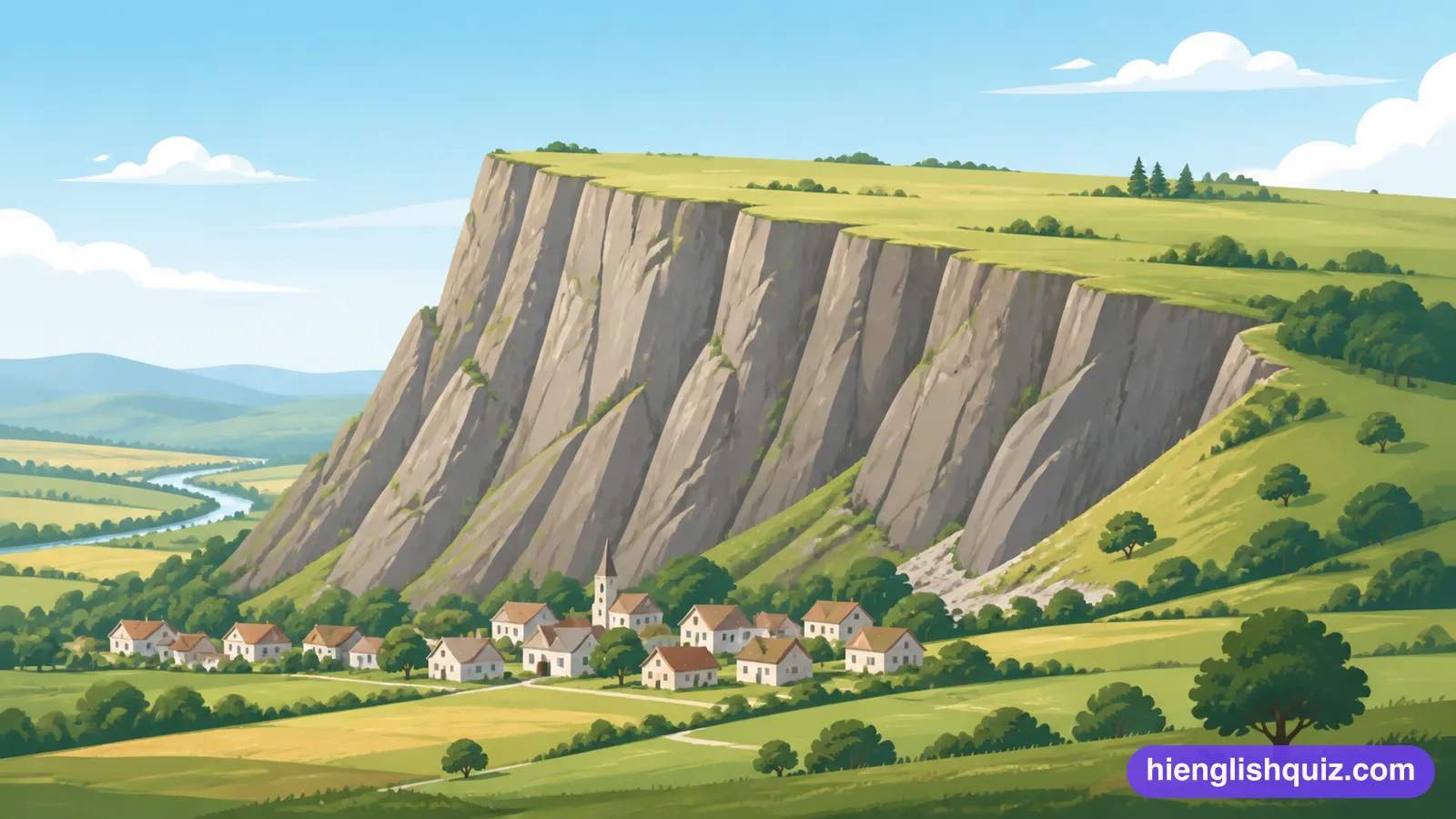
Ví dụ: The family has farmed the same homestead for generations.
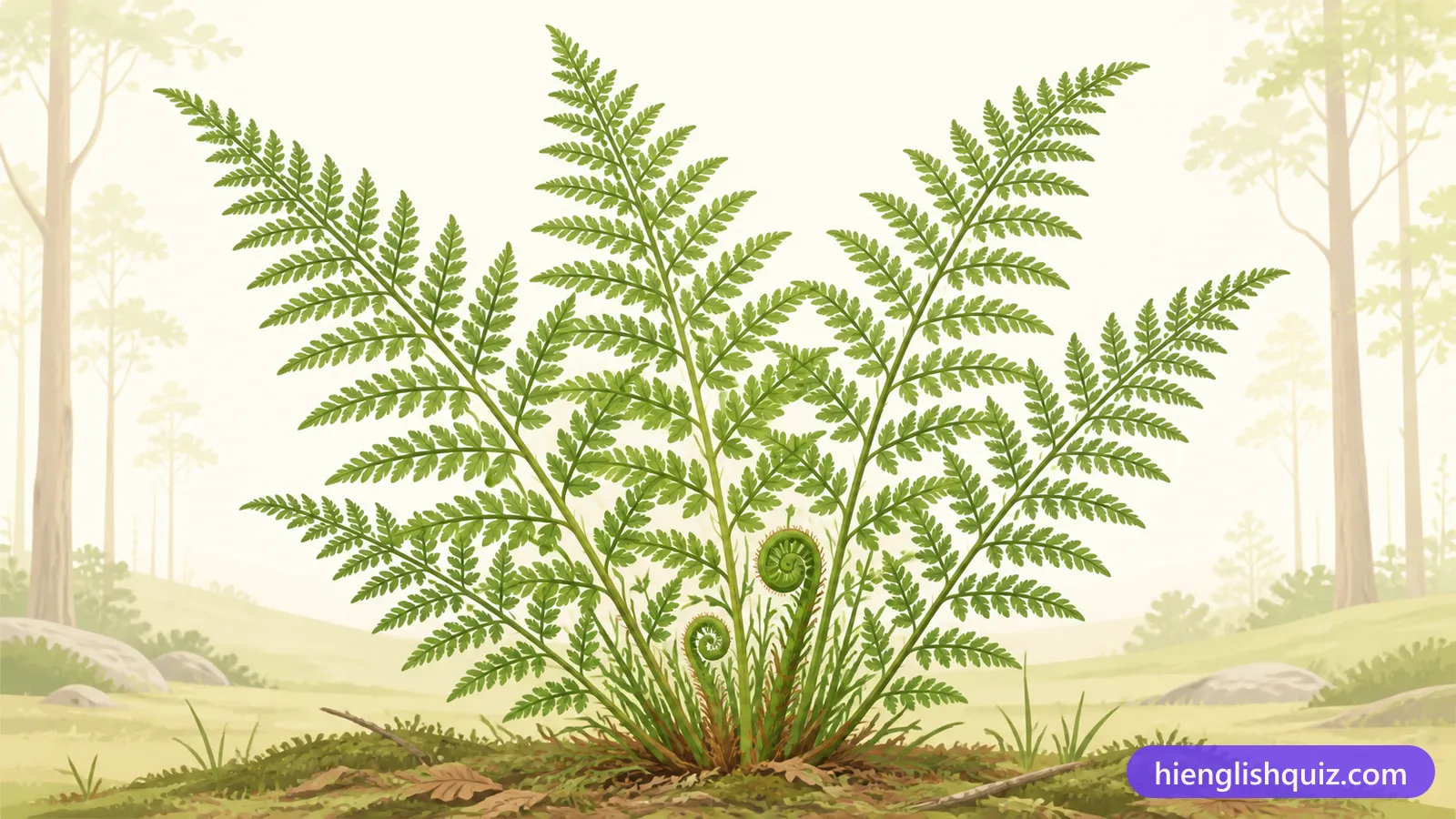
Ví dụ: By August the bracken is chest-high and hides the path.
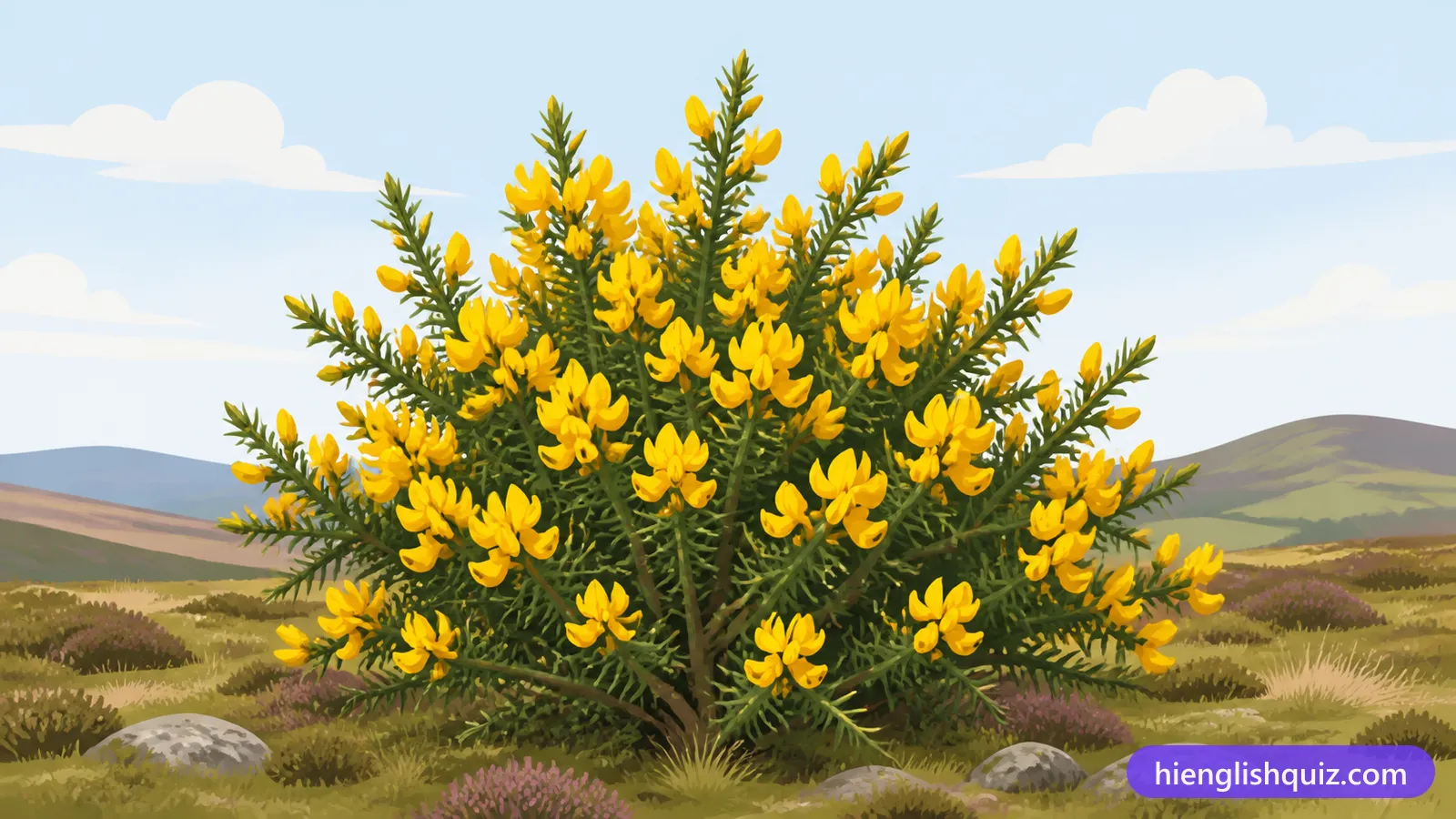
Ví dụ: Gorse flowers somewhere on that hill in every month of the year.
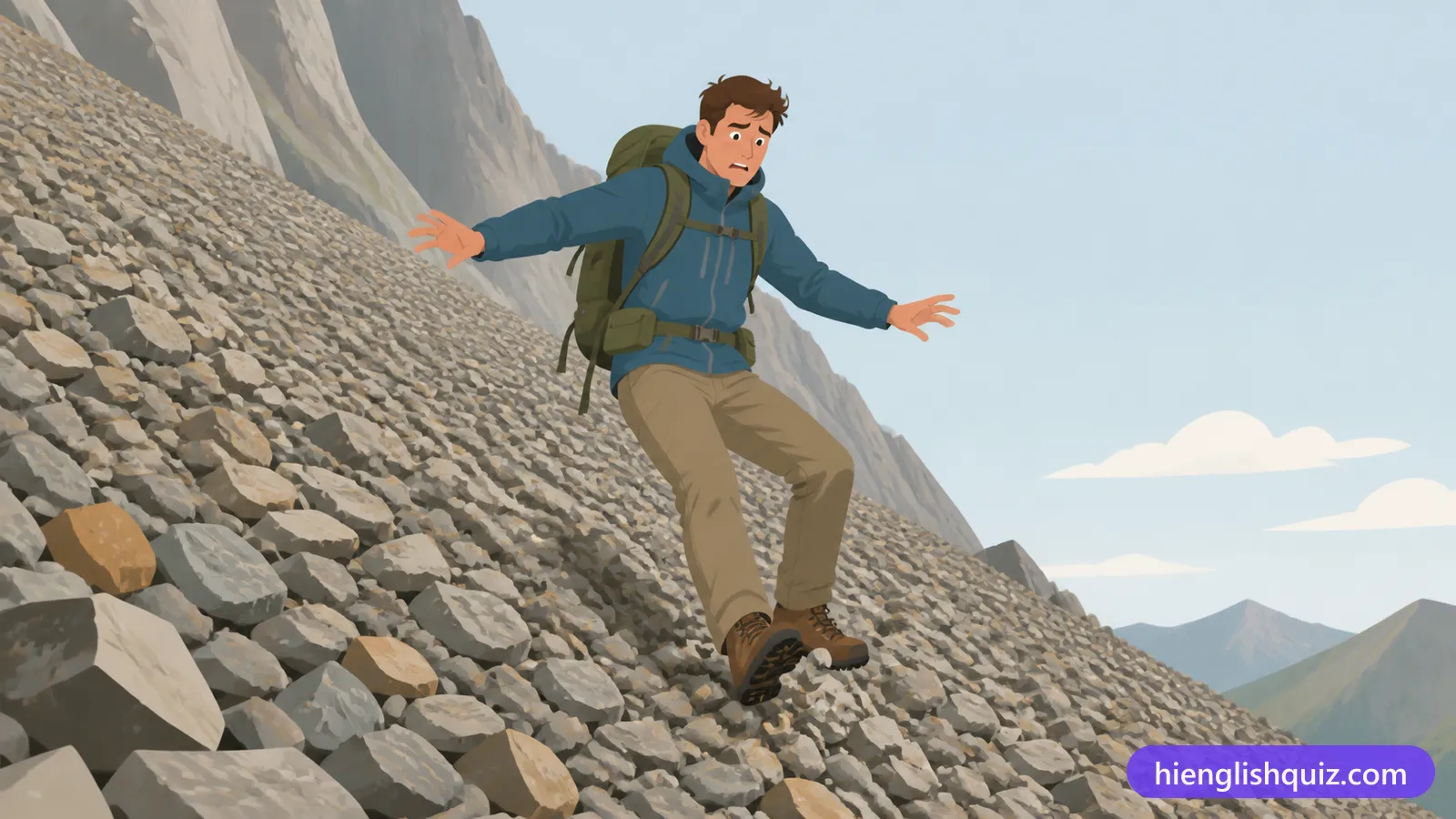
Ví dụ: The last hundred metres is scree and takes longer than the rest.
Ví dụ: The tor is visible from three counties on a clear day.

Ví dụ: Pheasants were driven out of the spinney towards the guns.
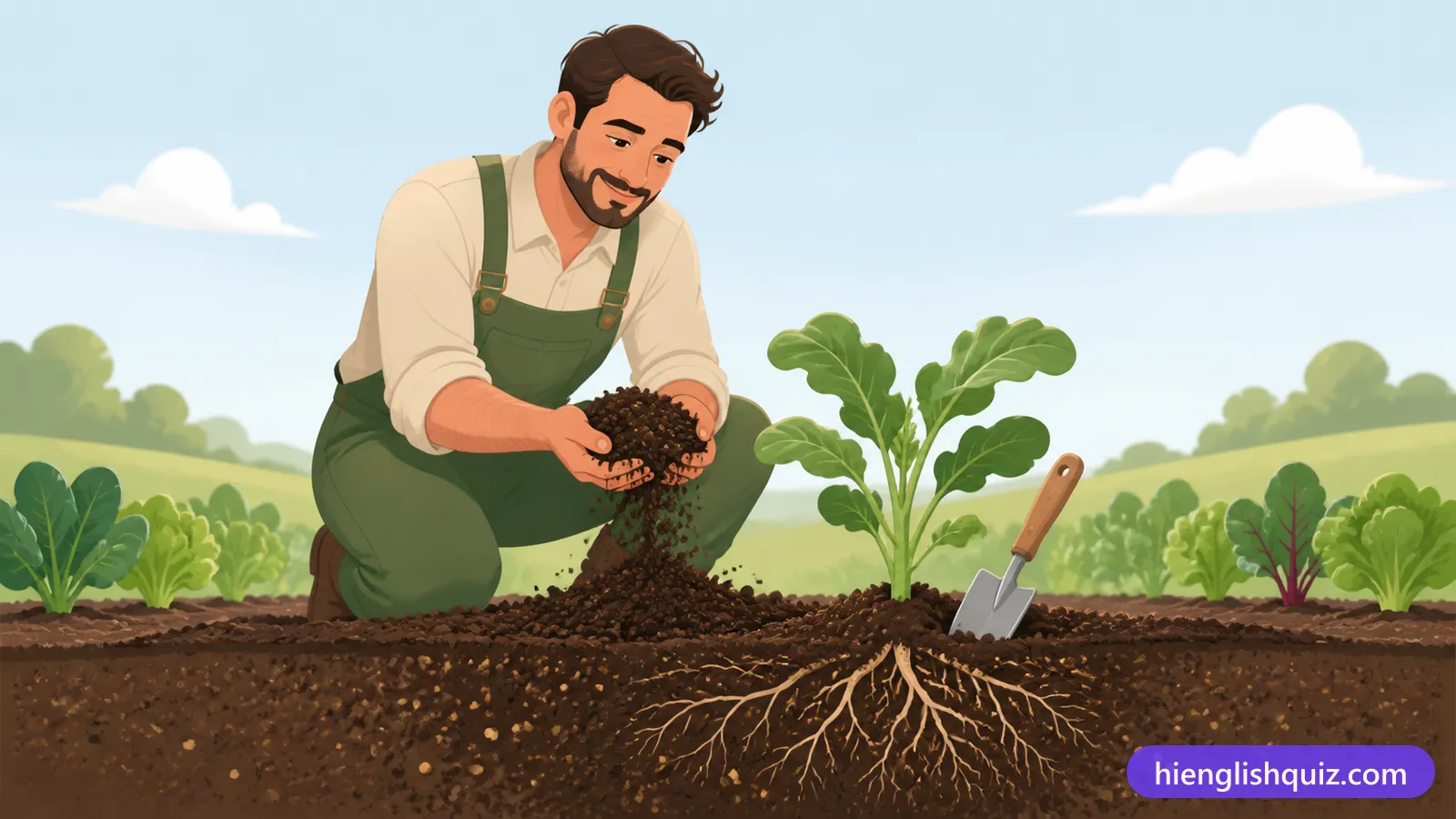
Ví dụ: The loam here is two feet deep and holds water beautifully.
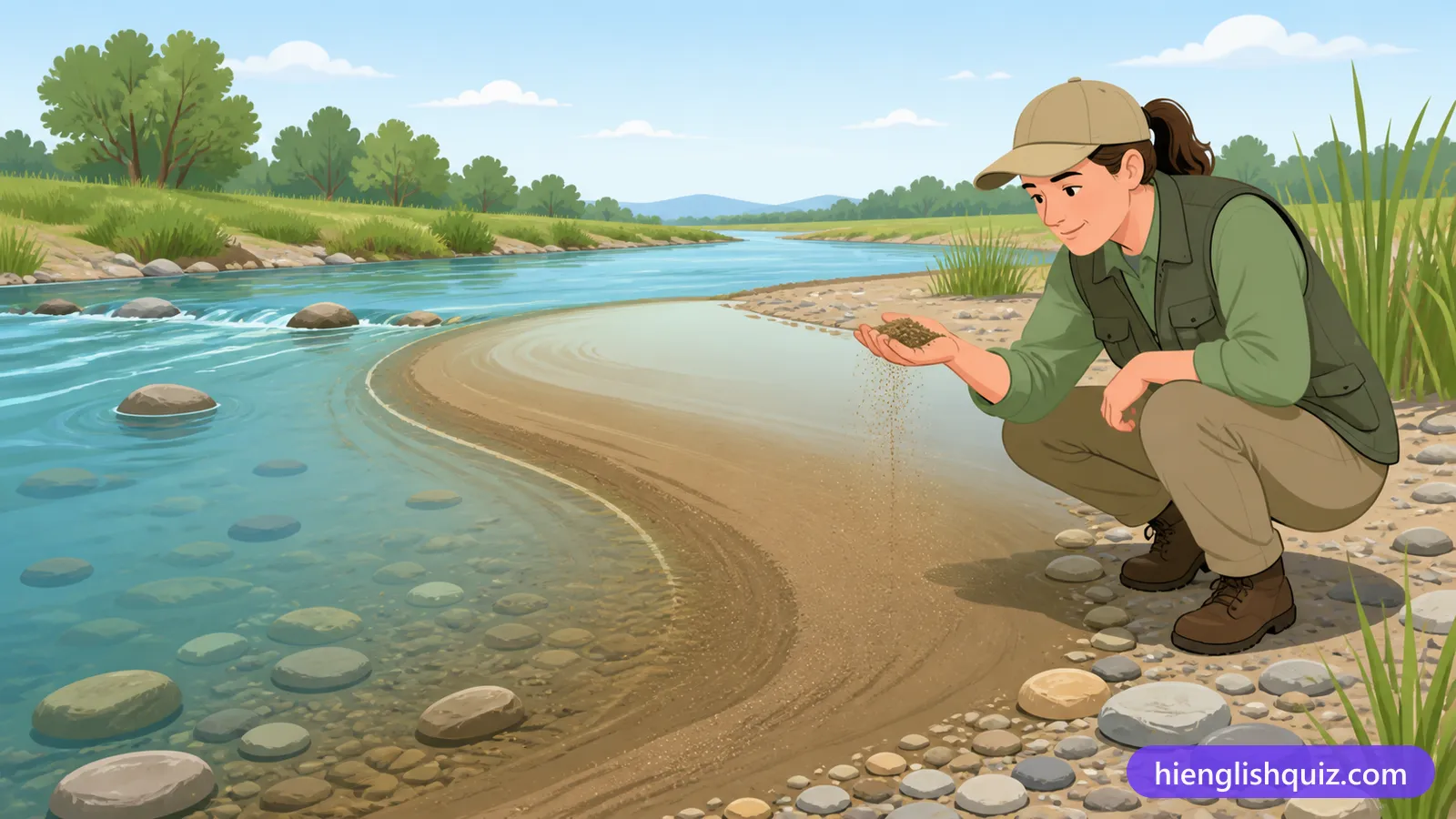
Ví dụ: A century of silt has made the harbour too shallow for trawlers.
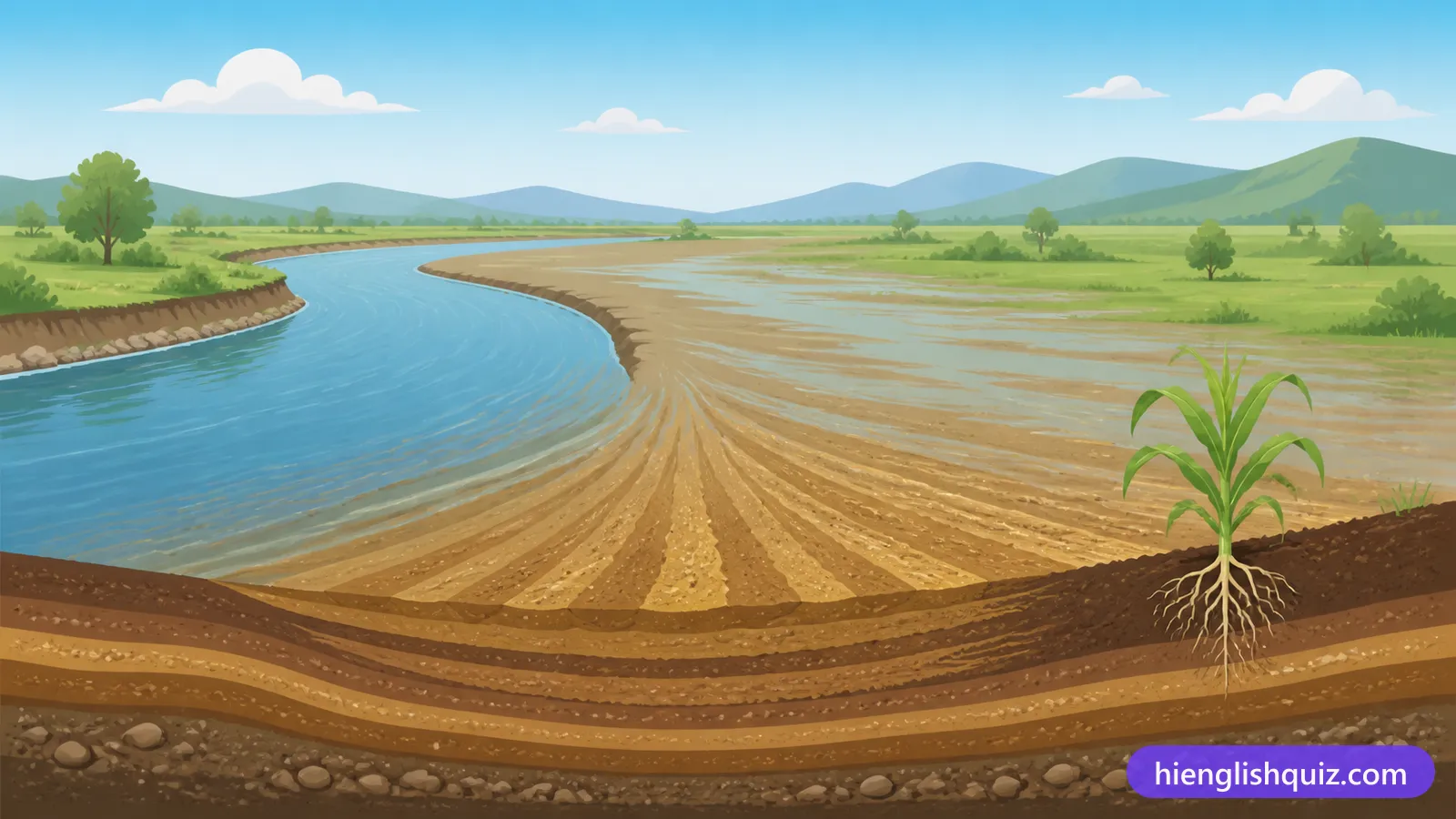
Ví dụ: The alluvial flats grow better wheat than anywhere in the county.
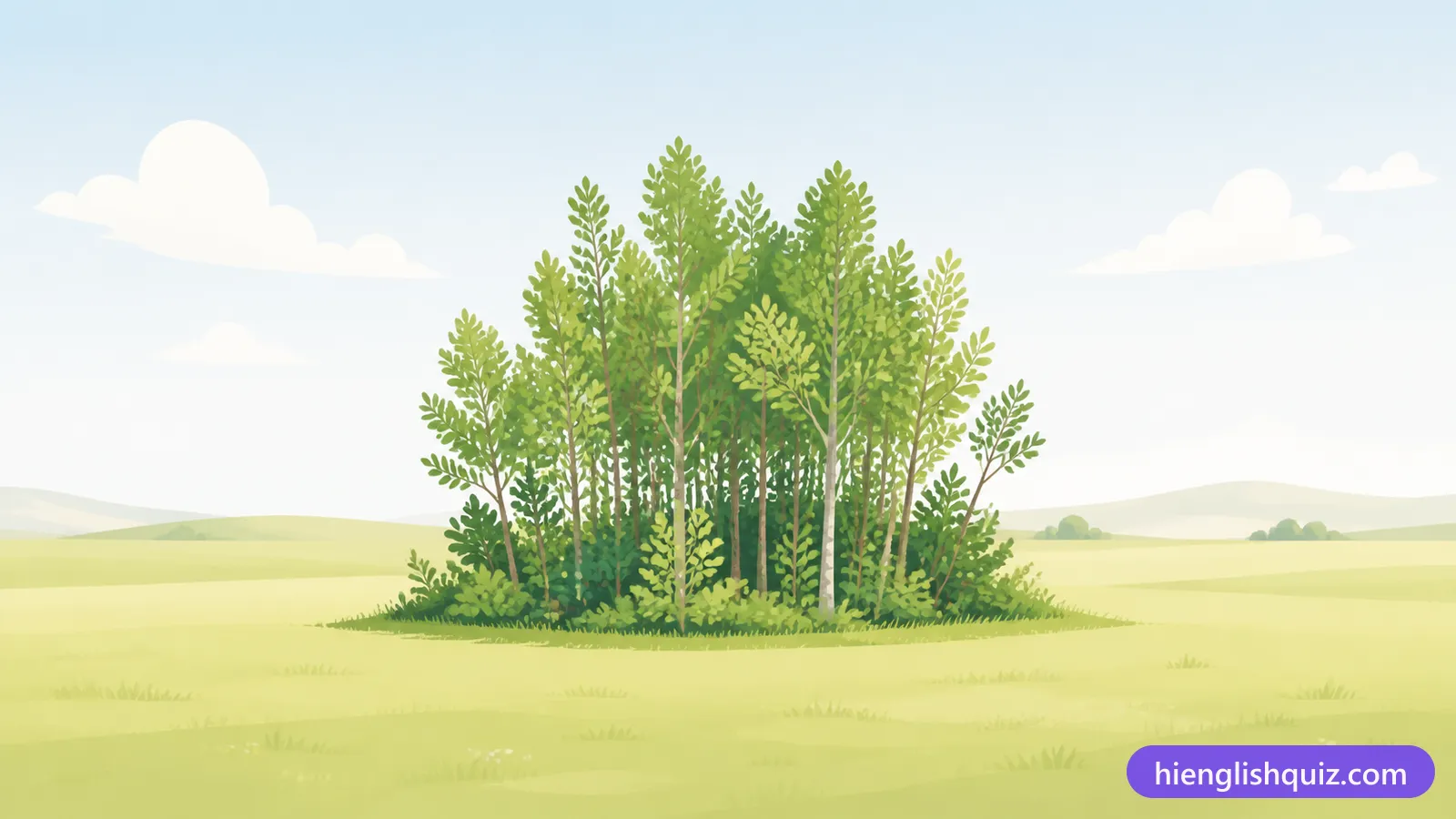
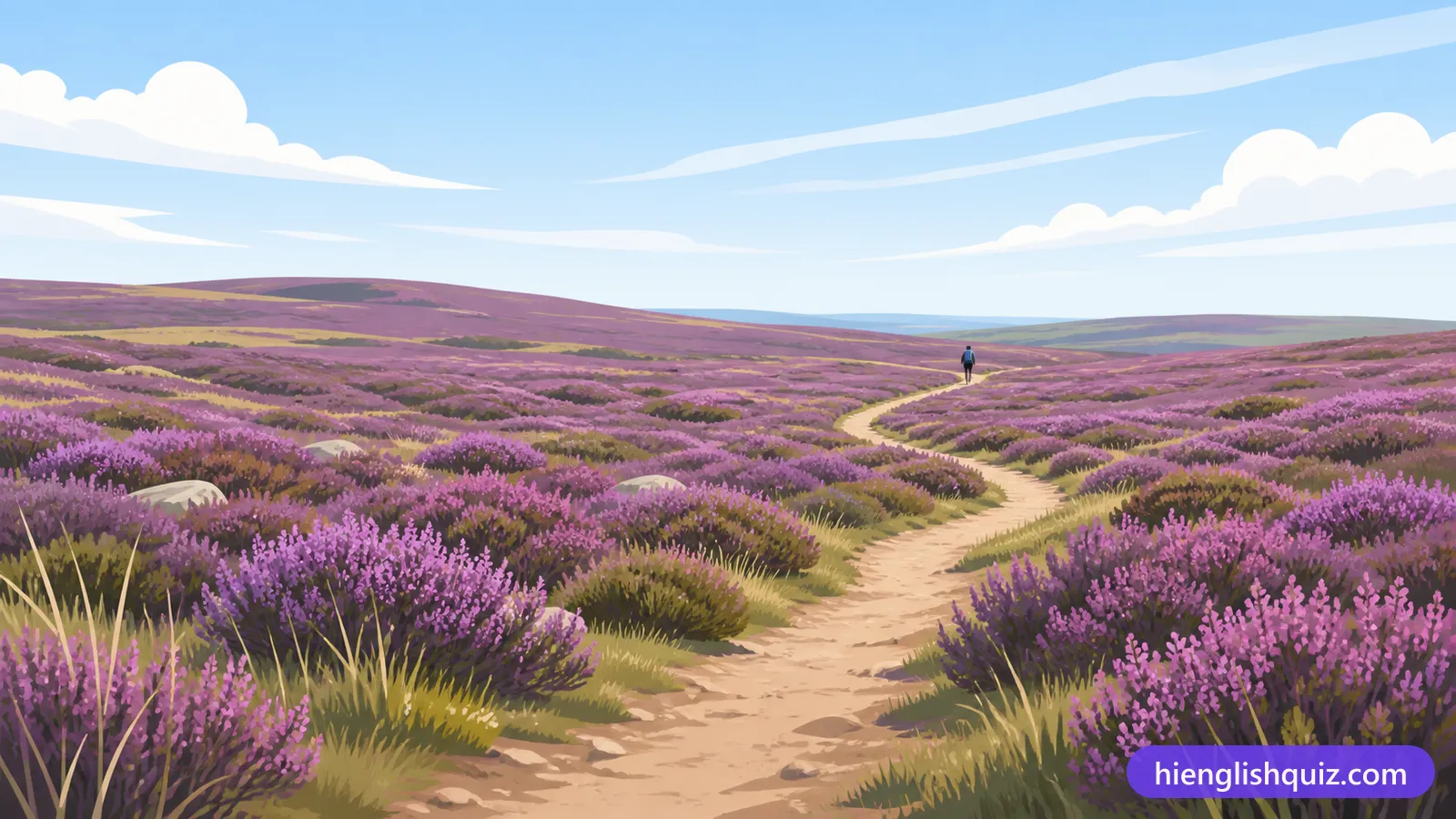
Ví dụ: The heathland is managed by grazing rather than cutting.
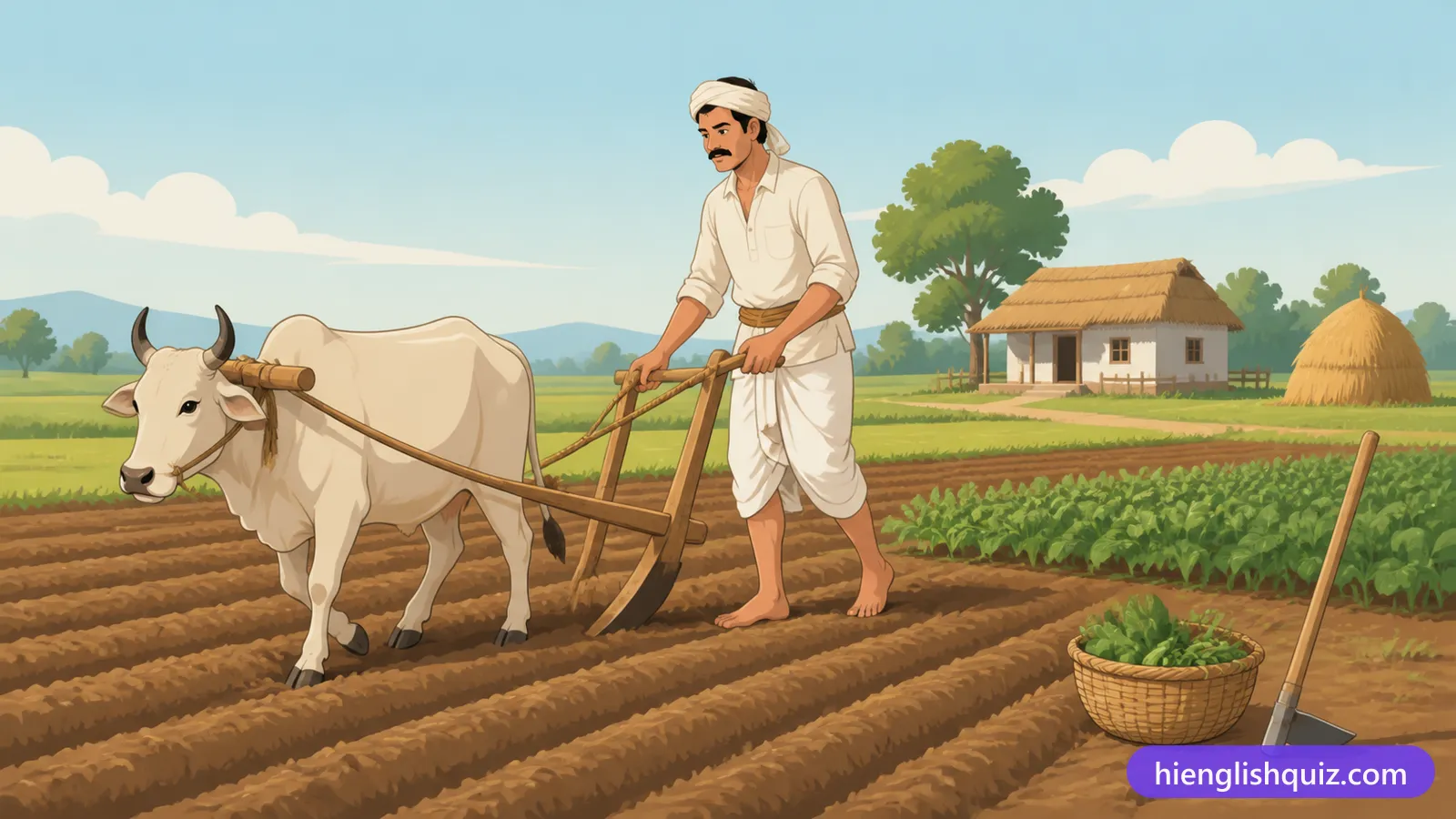
Ví dụ: The parish register lists him as a husbandman rather than a labourer.
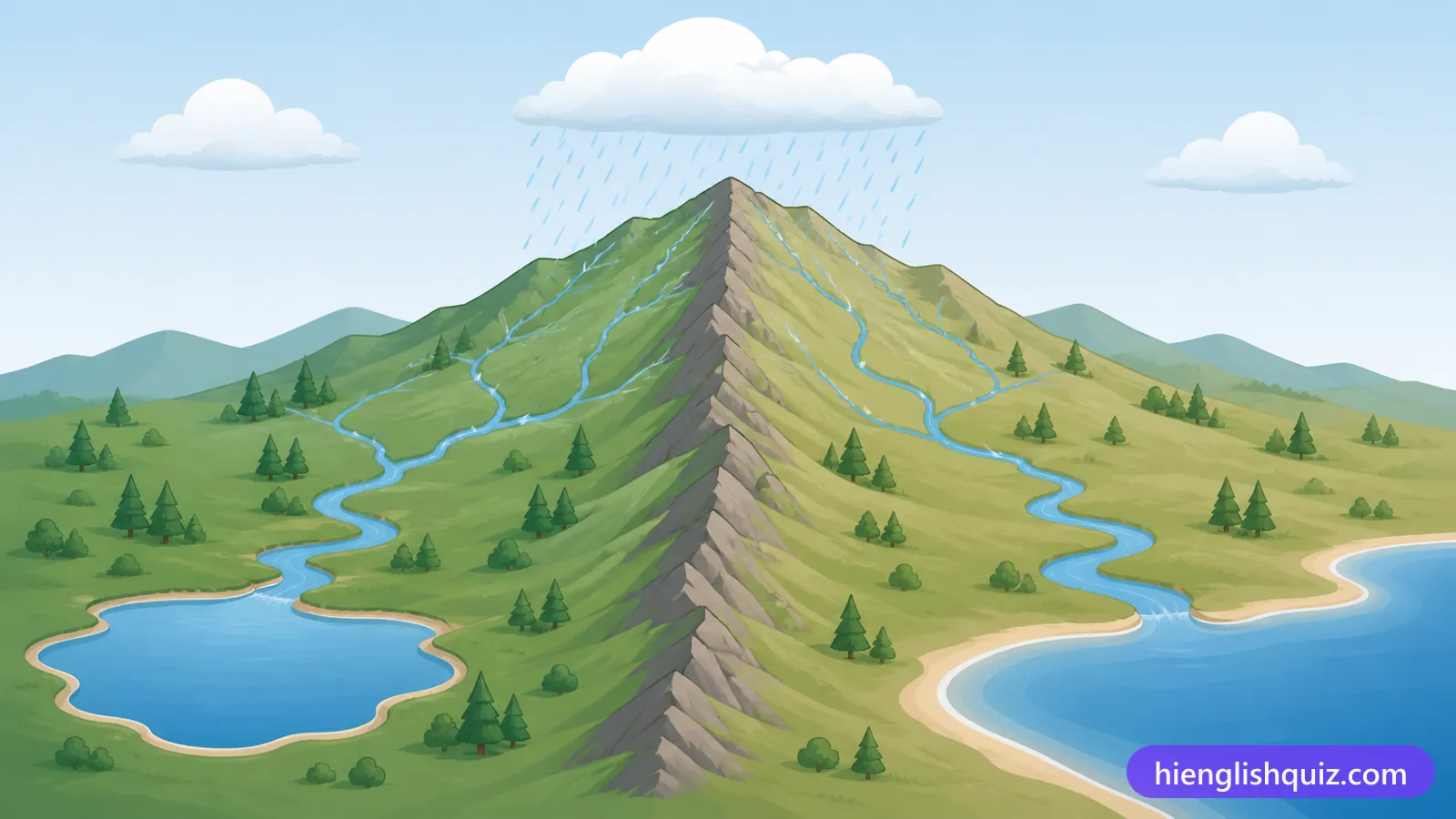
Ví dụ: The watershed runs along the spine of the whole range.
Ví dụ: Crofting kept a few hundred families on the island through the worst decades.