archipelago
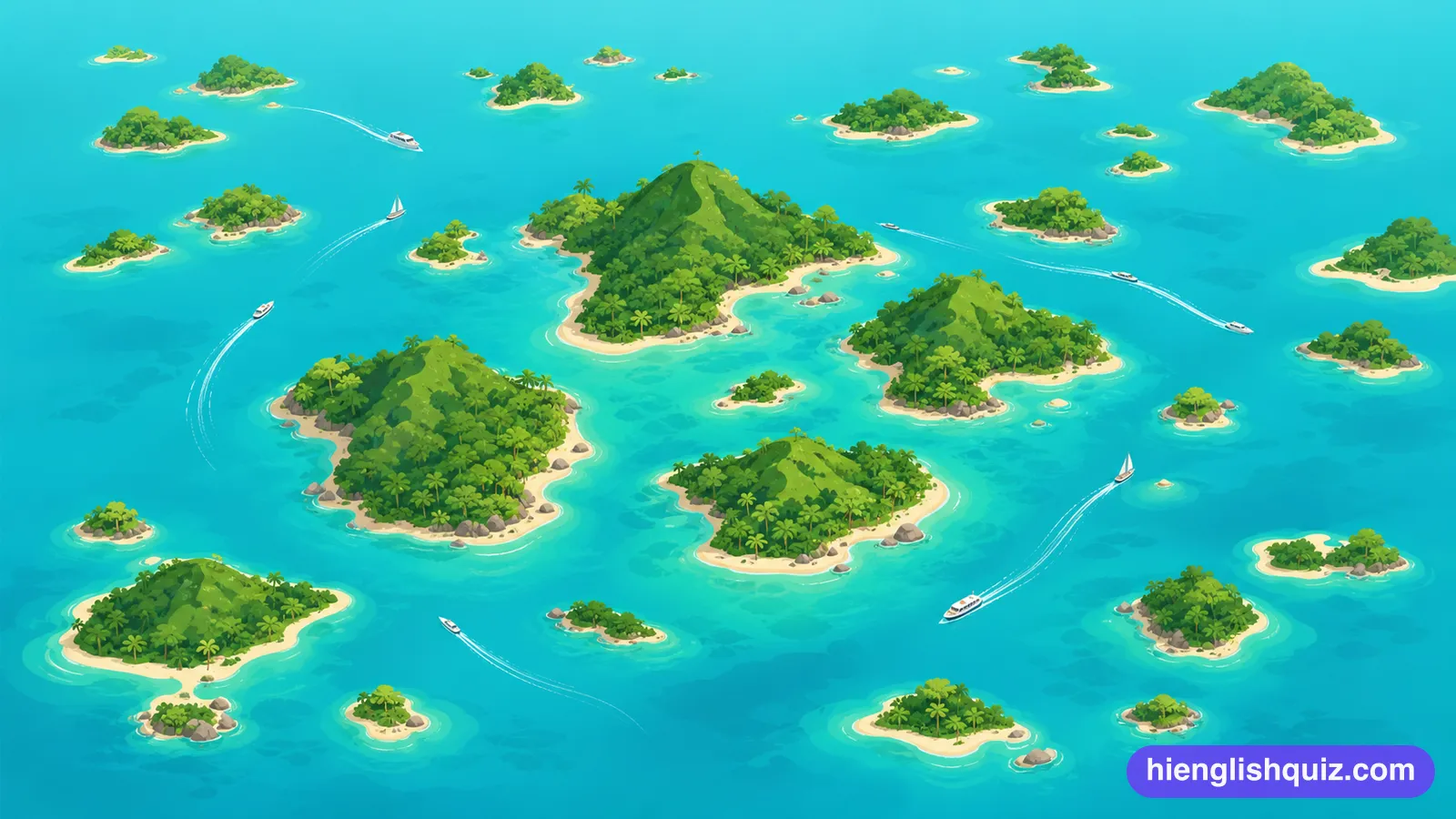
/ˌɑrkəˈpɛləˌɡoʊ/- Nghĩa tiếng Việt
- Quần đảo
- Định nghĩa tiếng Anh
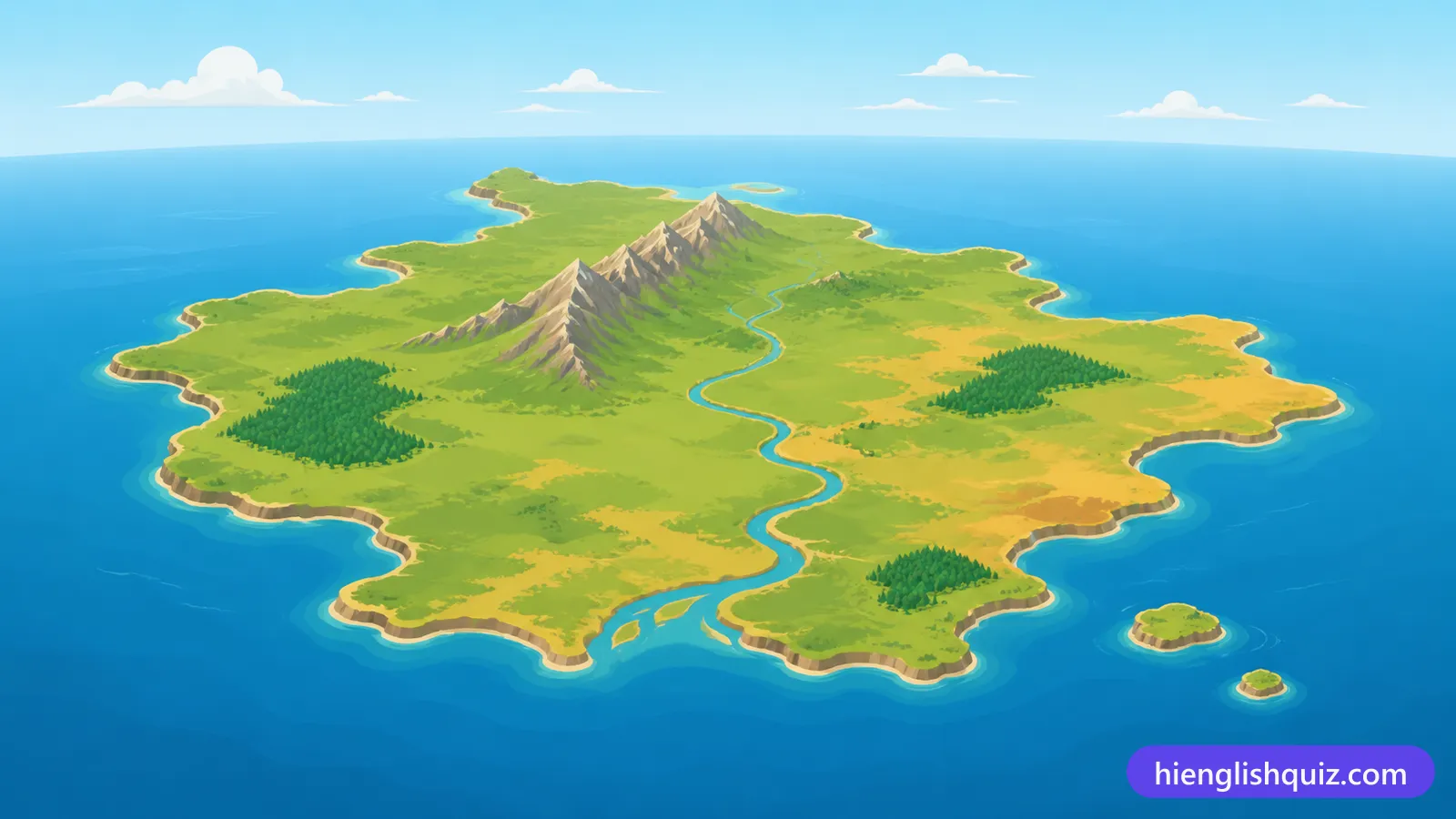
- A large group of many islands lying close together in the same stretch of sea.
Ví dụ: The archipelago has over three hundred islands, most of them empty.
 Hi EnglishQuiz
C223 từ · Thành thạo
Từ vựng quốc gia và châu lục về biên giới và quyền lực, gồm principality, emirate và buffer state, cùng annexation, partition và realpolitik địa chính trị.
Ví dụ: The archipelago has over three hundred islands, most of them empty.
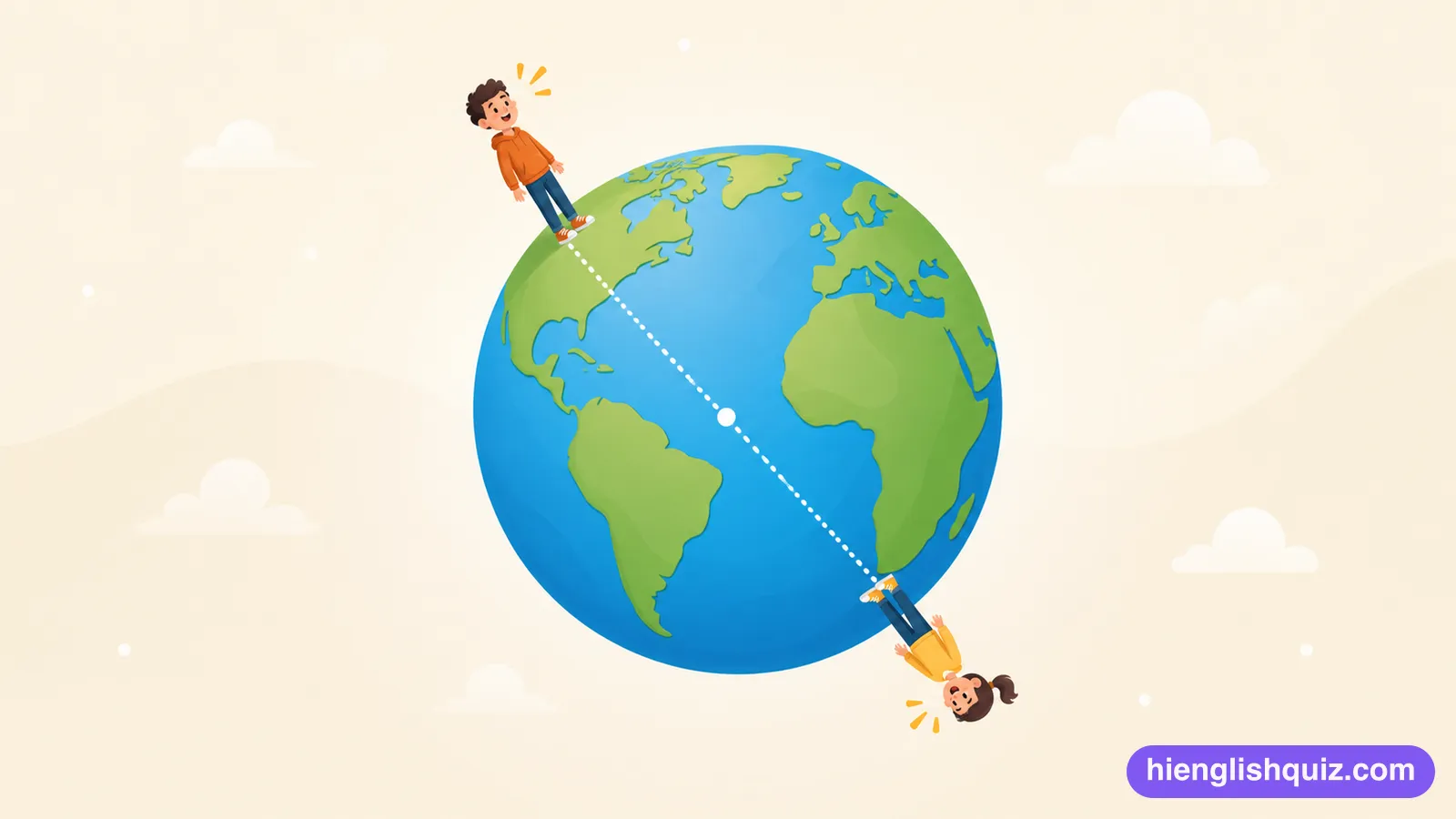
Ví dụ: He moved to the antipodes for a job in Wellington.
Ví dụ: The empire annexed the small kingdom in 1890.

Ví dụ: The strait has huge geopolitical importance.

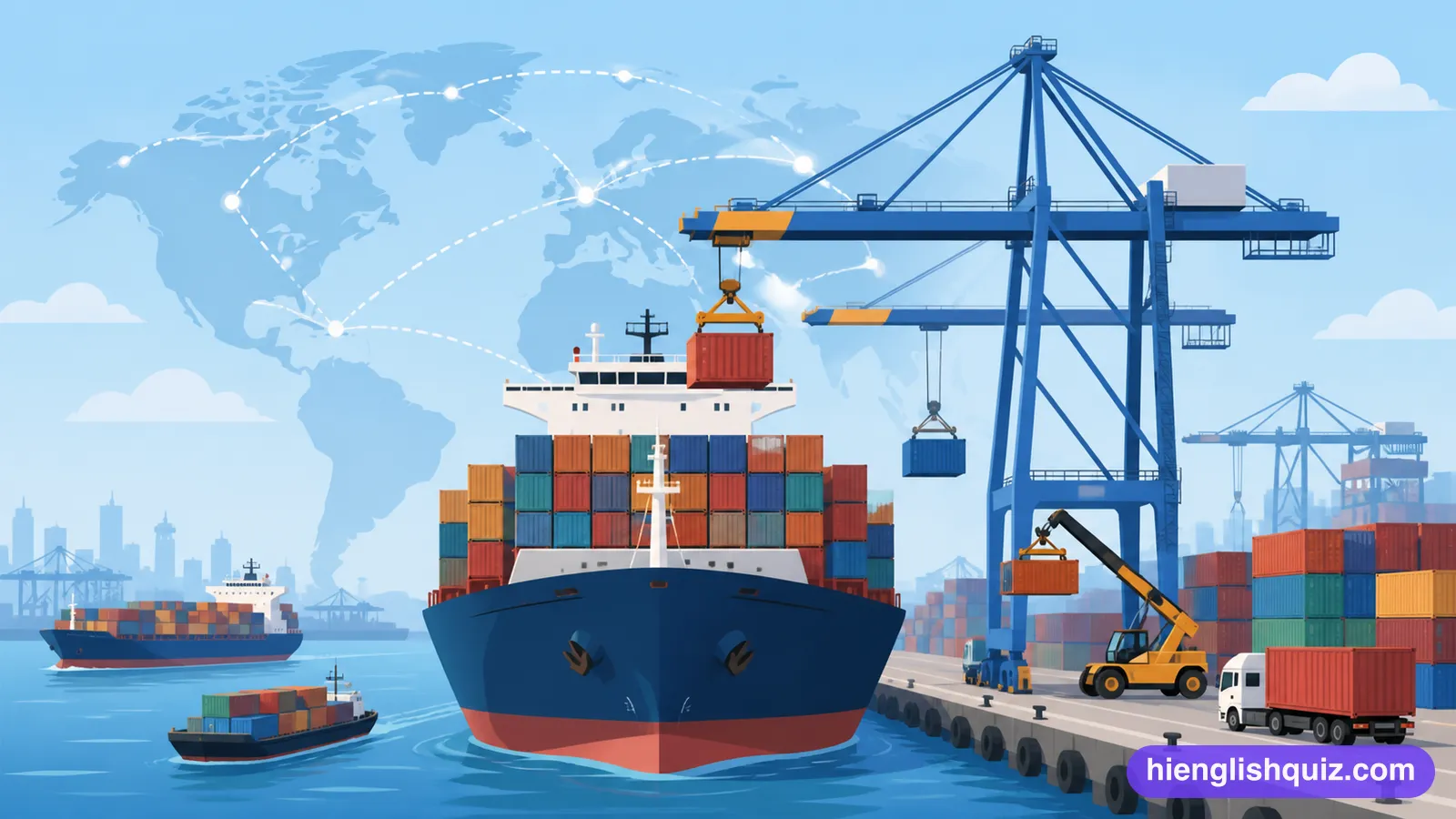
Ví dụ: The company runs a transnational supply chain.
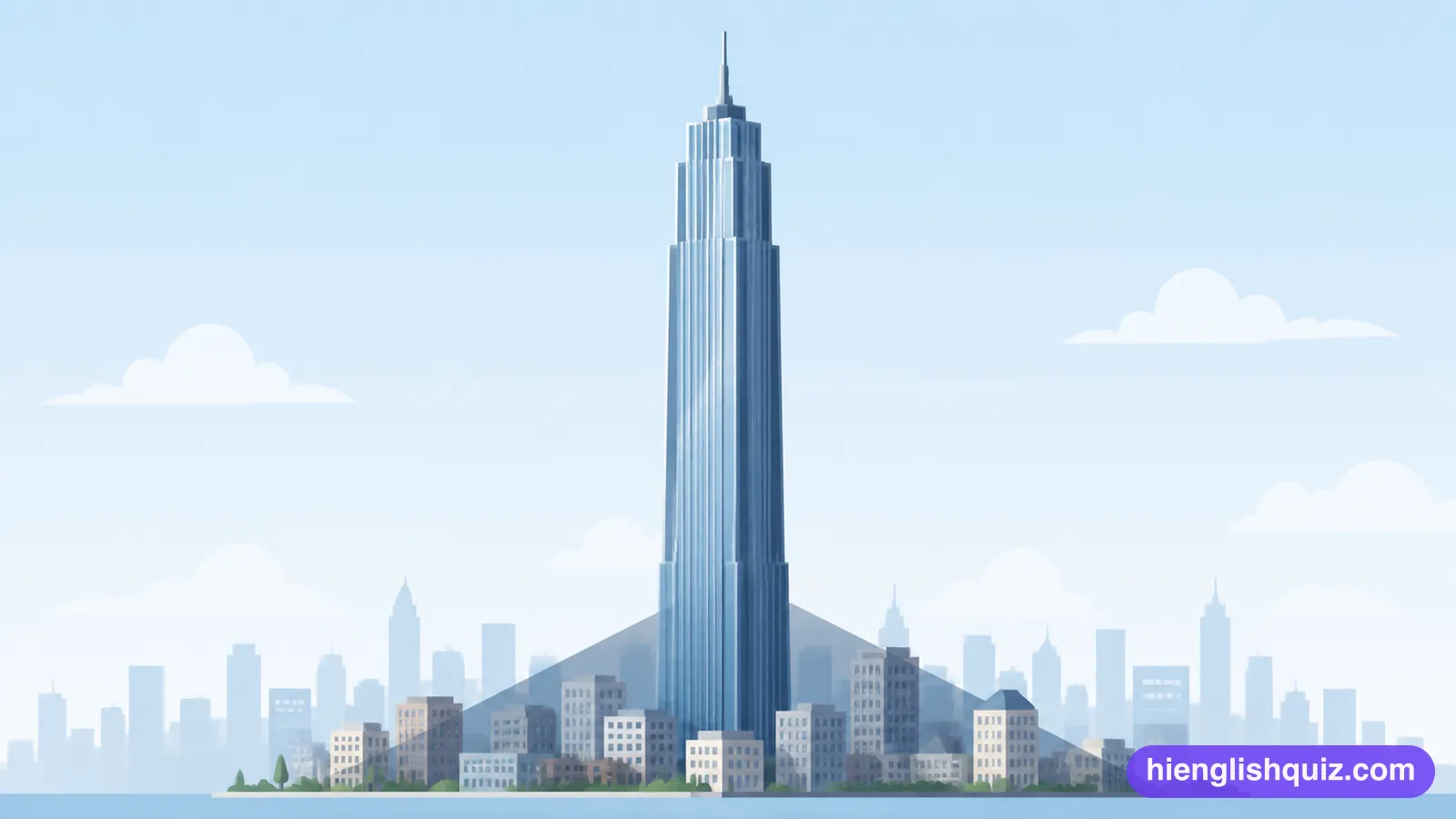
Ví dụ: The empire held hegemony over the region for centuries.
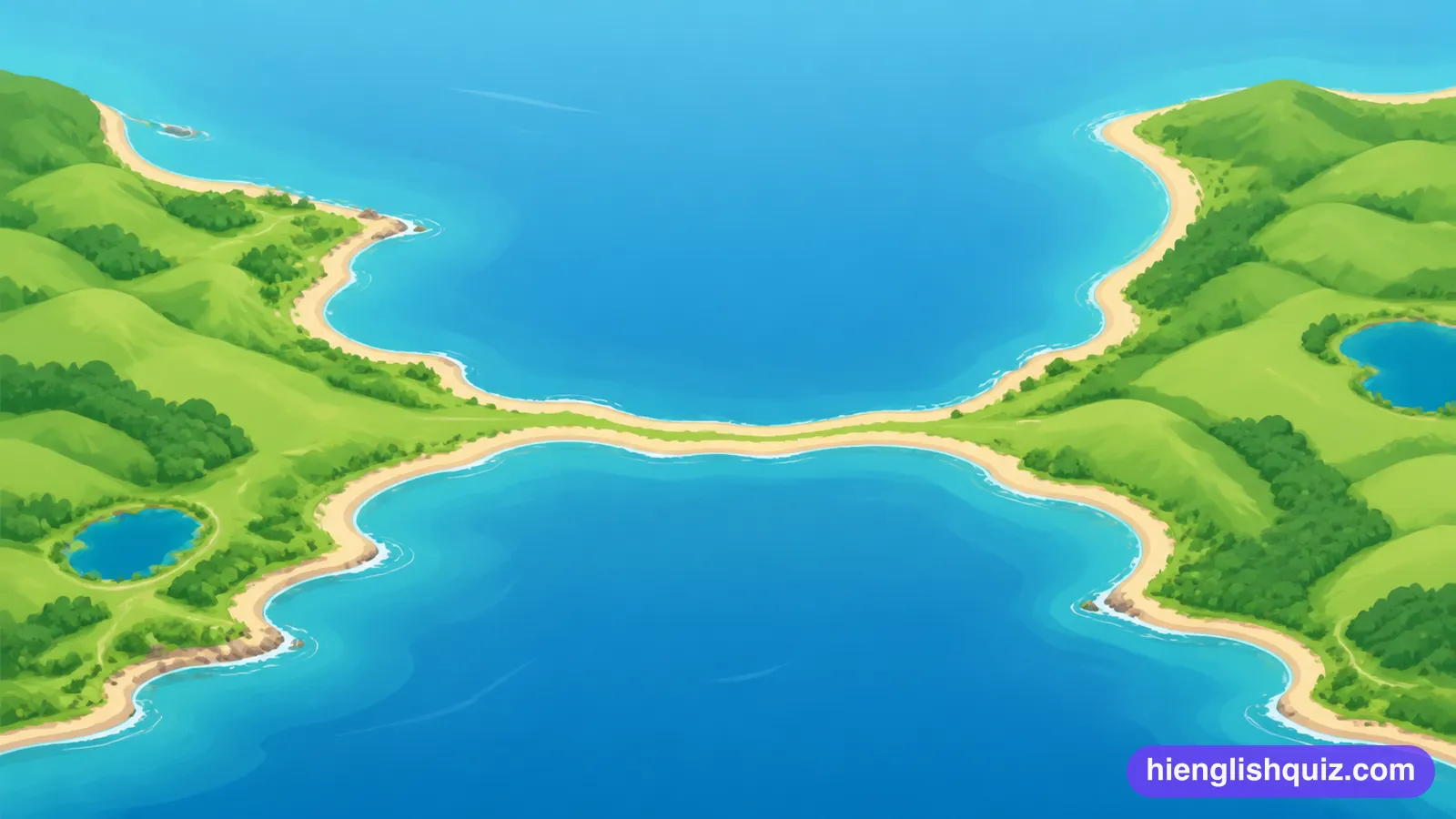
Ví dụ: Panama sits on a narrow isthmus between two oceans.
Ví dụ: The EU acts as a supranational body on trade rules.

Ví dụ: Kaliningrad is a Russian exclave on the Baltic Sea.
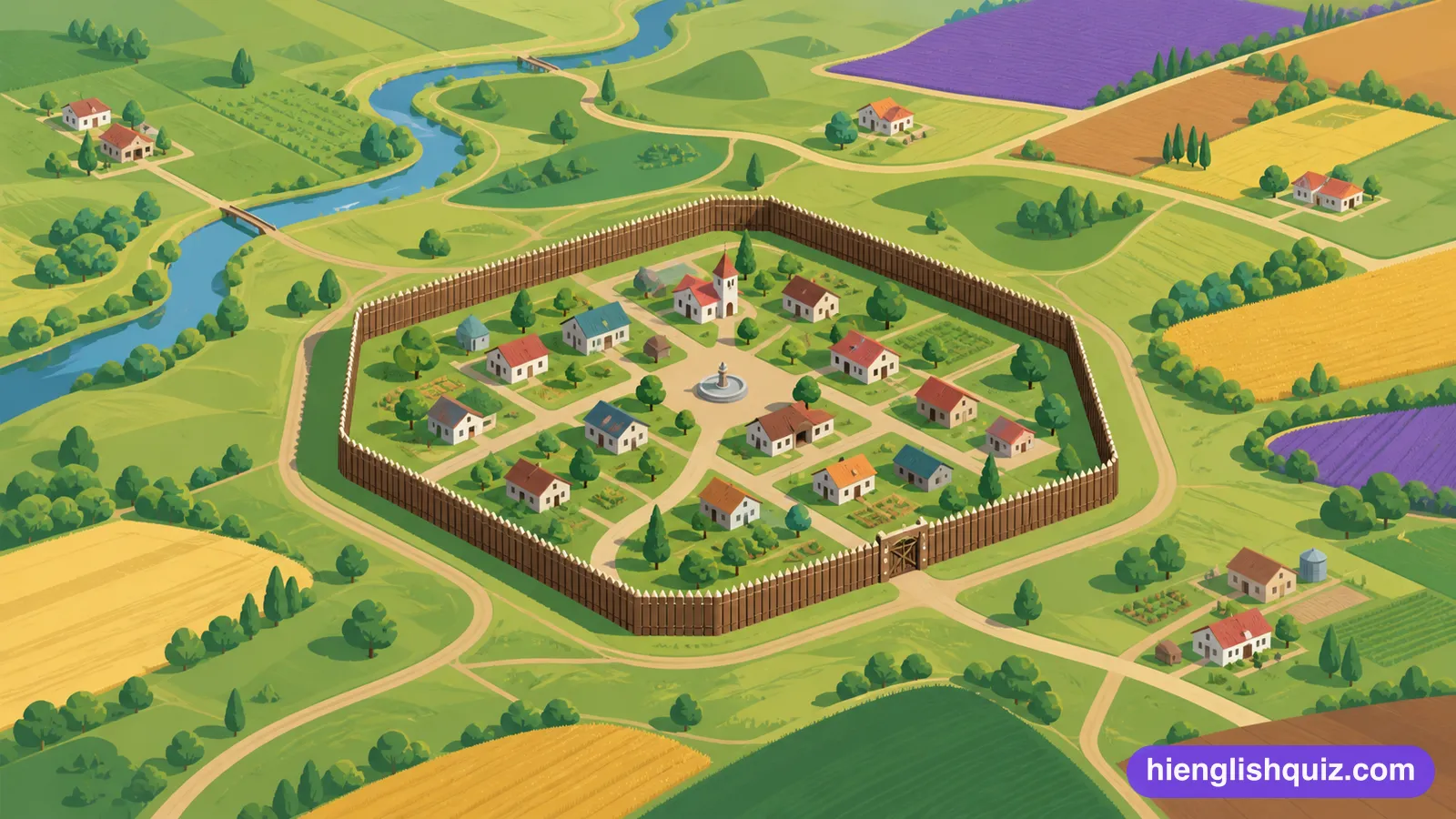
Ví dụ: Monaco is one of the smallest microstates in the world.
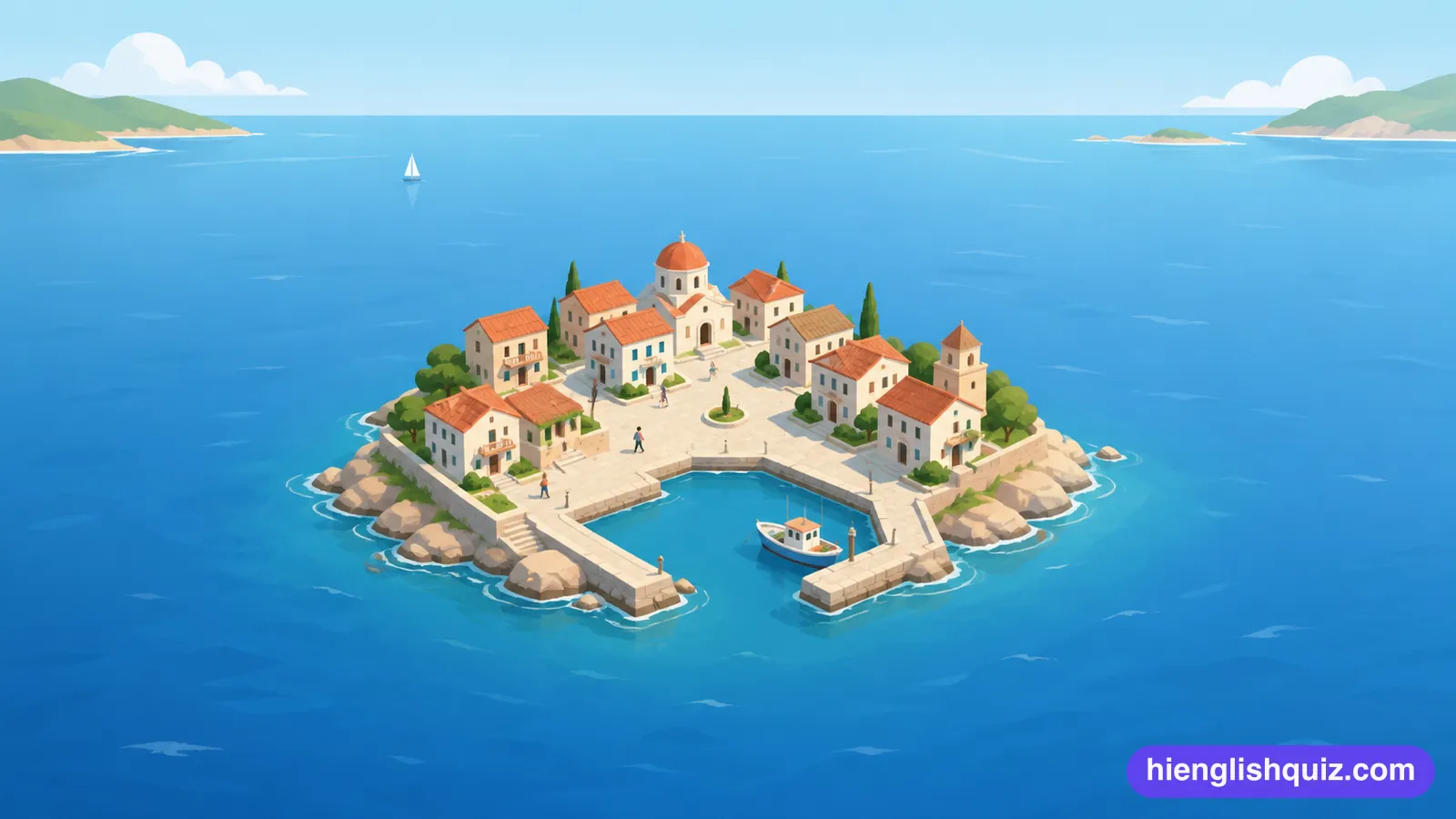
Ví dụ: The principality has a population smaller than a market town.
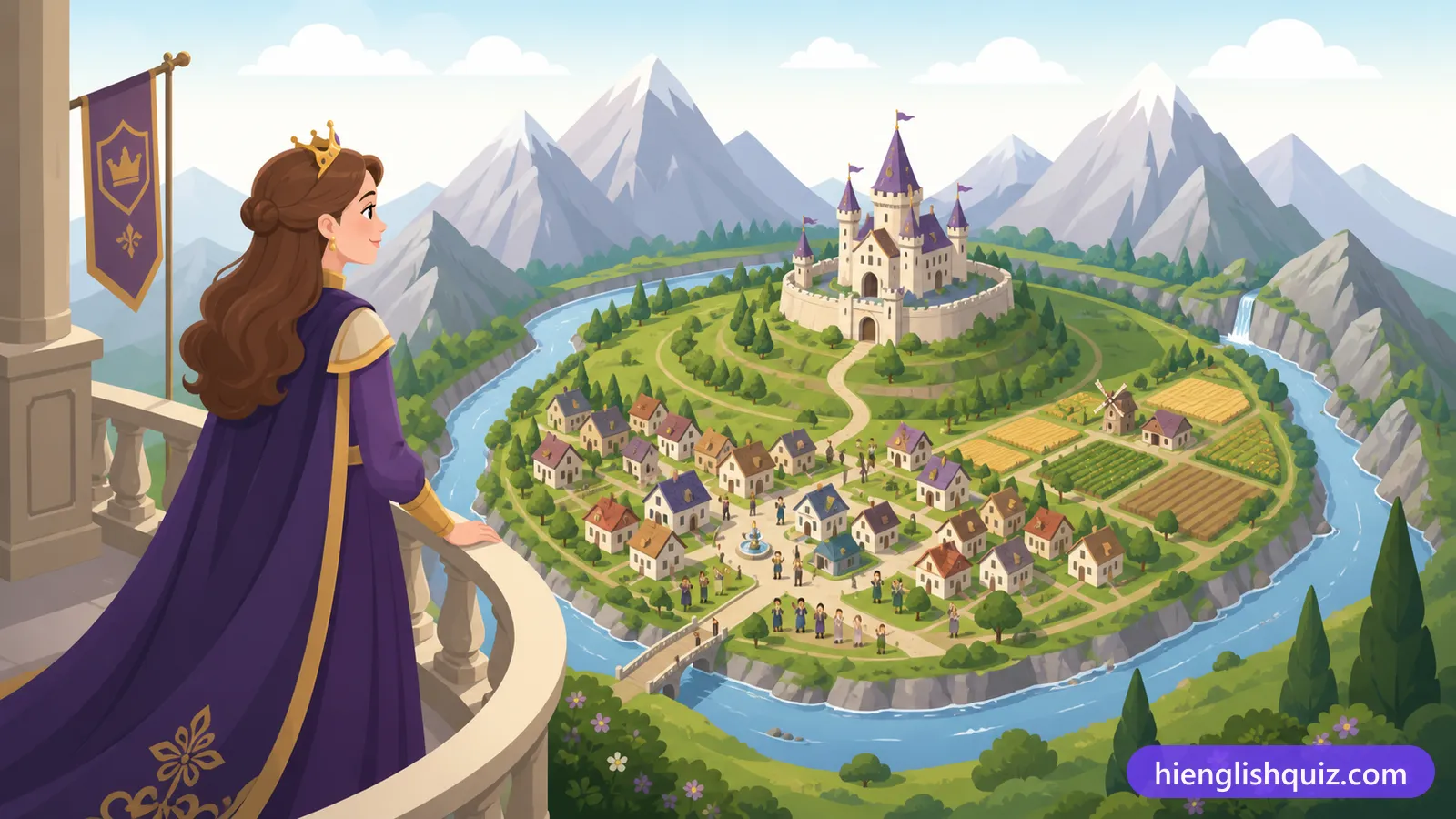
Ví dụ: Each emirate keeps control of its own resources.
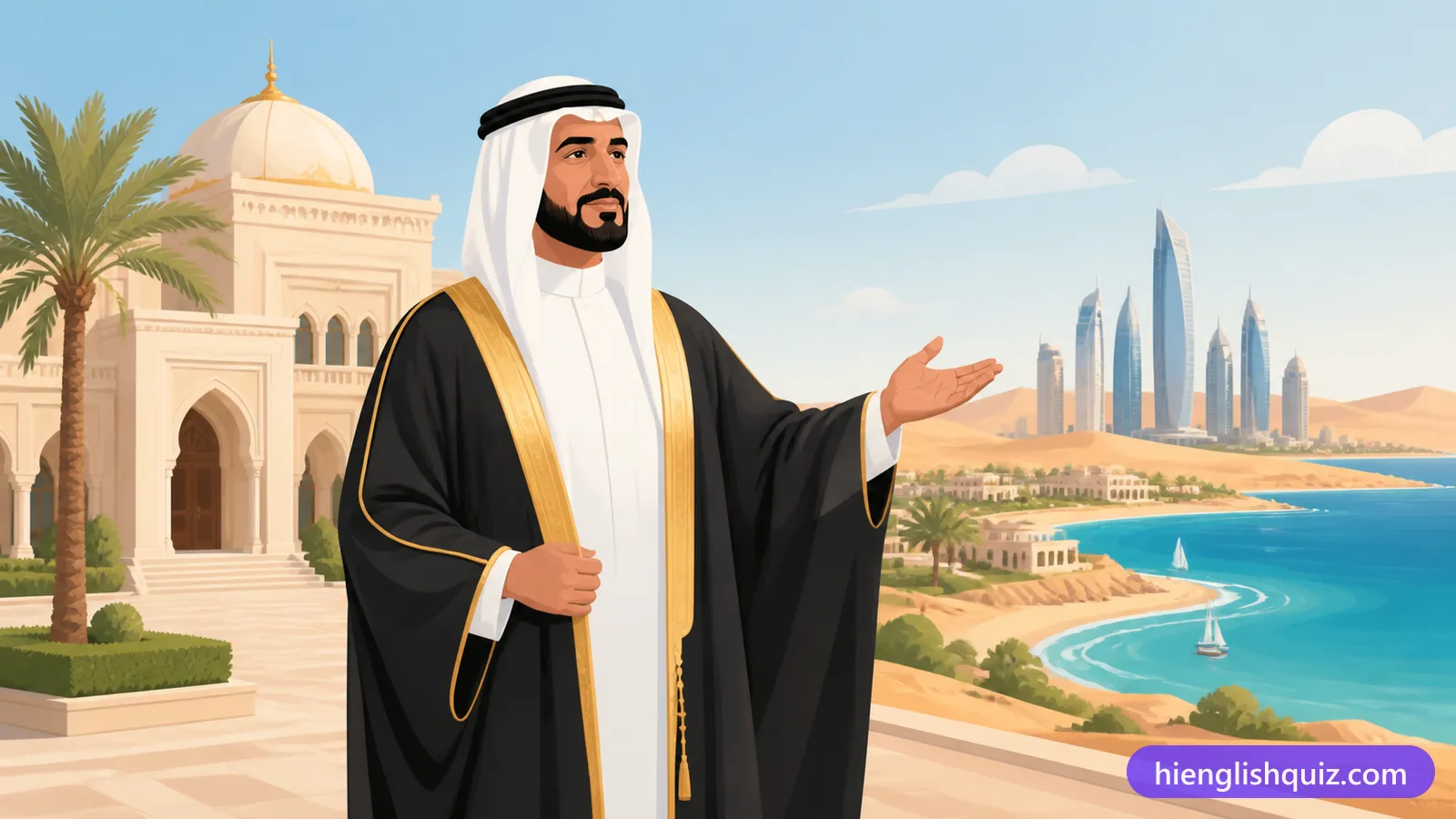
Ví dụ: The sultanate predates every border drawn around it.
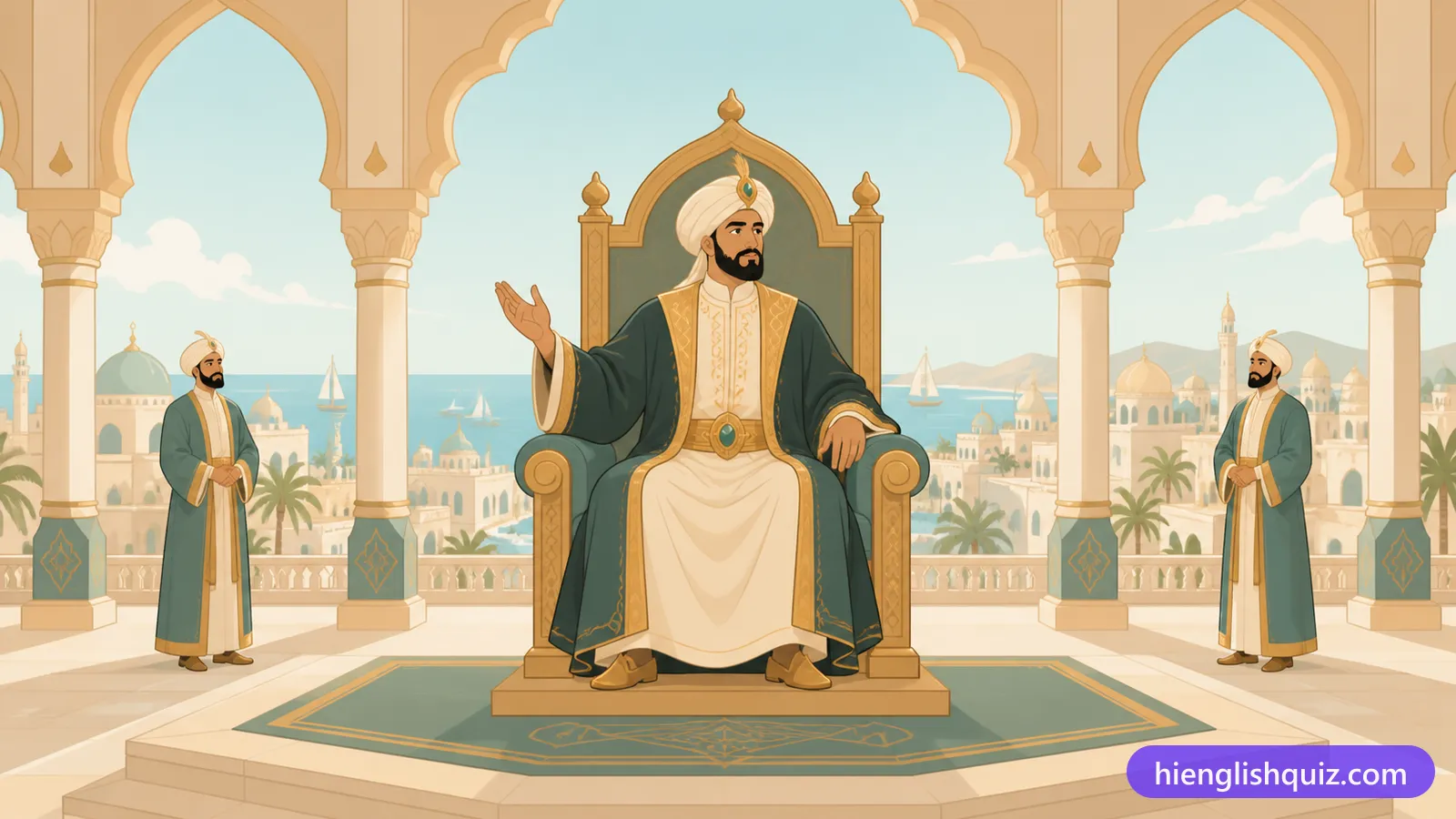
Ví dụ: The city functioned as an independent polity for four centuries.

Ví dụ: Partition displaced more people than the war that preceded it.

Ví dụ: The annexation was never recognised by the assembly.

Ví dụ: Its whole history is that of a buffer state between empires.

Ví dụ: Embassy grounds are treated as extraterritorial in practice.

Ví dụ: The treaty left suzerainty with the empire and everything else local.

Ví dụ: Everyone warned that the plan would balkanise the whole province.
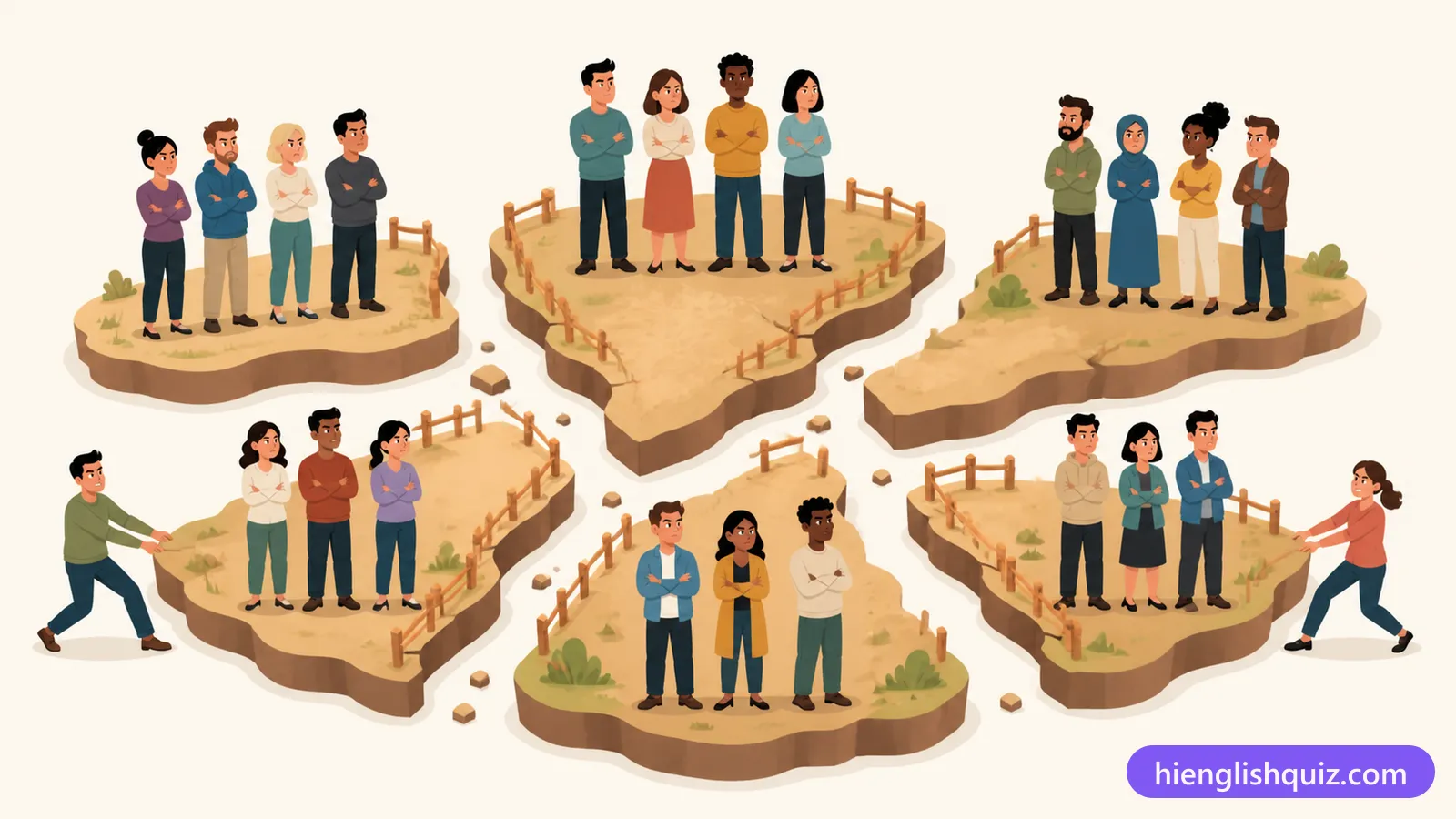
Ví dụ: The chapter reads as pure realpolitik with the moral language stripped out.

Ví dụ: The memoir is admired more for its statecraft than its prose.

Ví dụ: The single landmass broke apart long before any of this was named.