gridlock
/ˈɡrɪdˌlɑk/- Nghĩa tiếng Việt
- Tắc nghẽn hoàn toàn
- Định nghĩa tiếng Anh
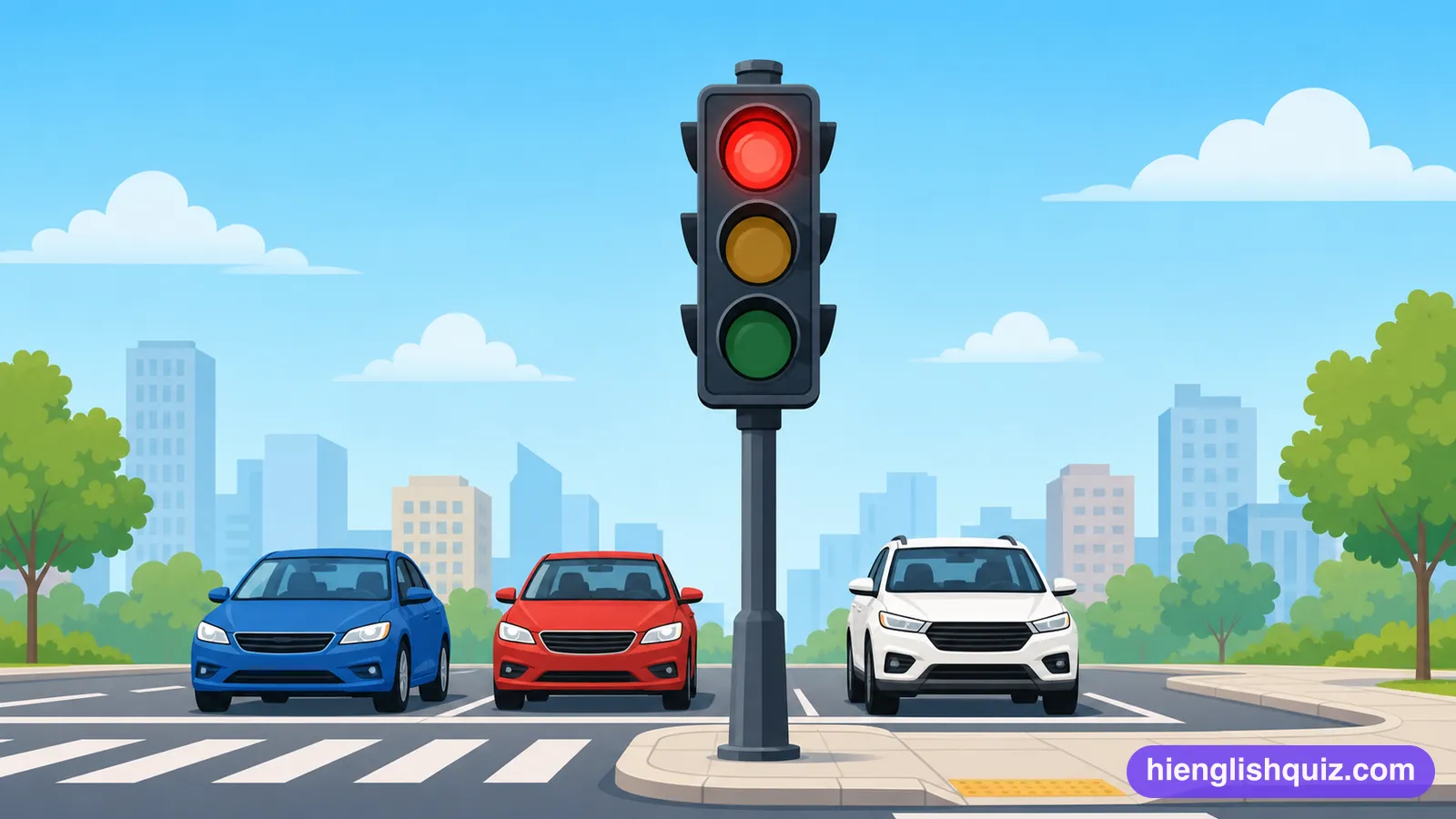
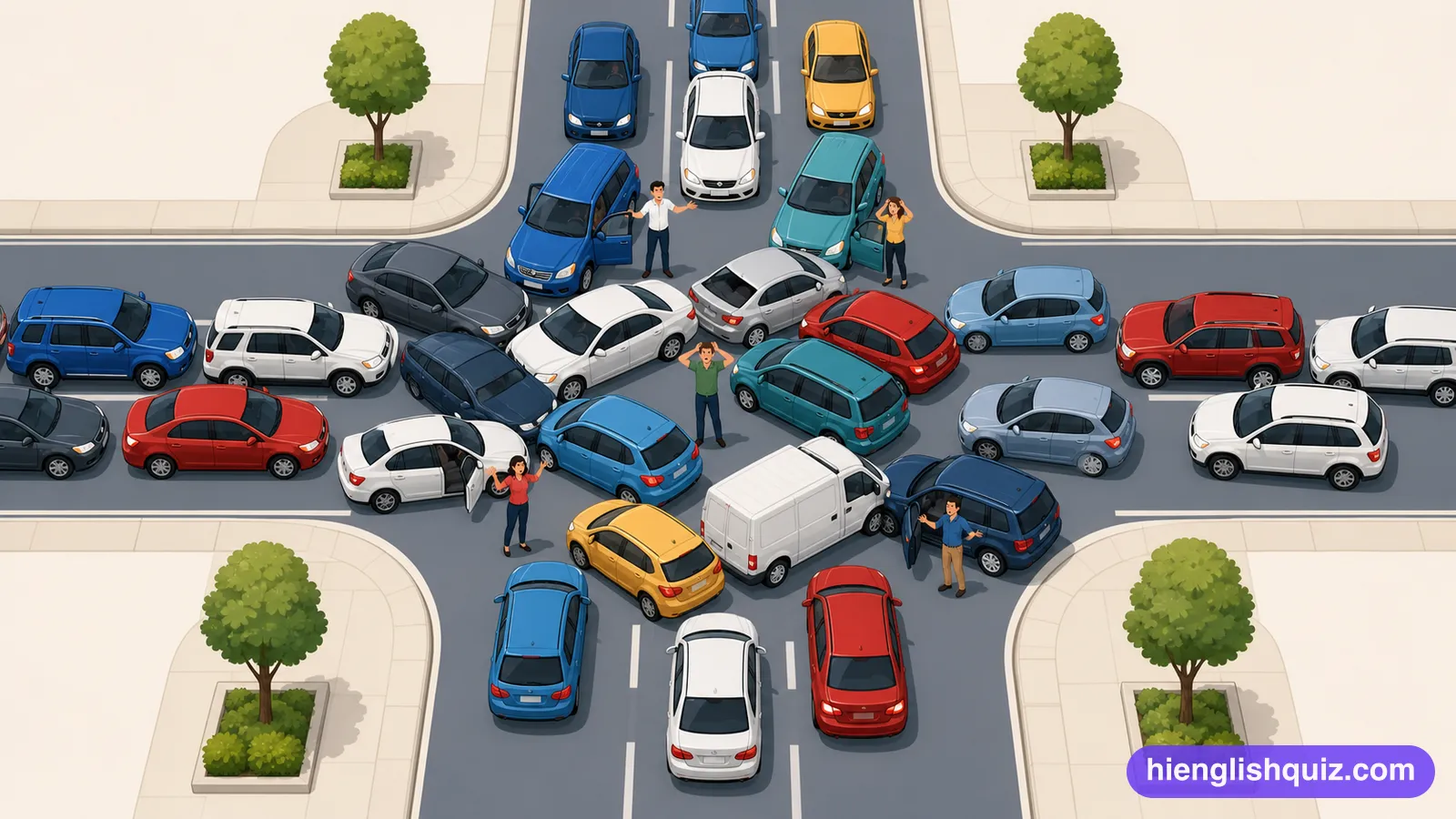
- A traffic jam so complete that no vehicle in any direction can move at all.
Ví dụ: One stalled lorry can bring total gridlock to the city centre.
 Hi EnglishQuiz
C225 từ · Thành thạo
Từ vựng đường bộ và đường sắt nhìn từ góc độ chính sách giao thông, gồm gridlock, electrification và decarbonisation, cùng nationalisation, privatisation và rail terminus.
Ví dụ: One stalled lorry can bring total gridlock to the city centre.
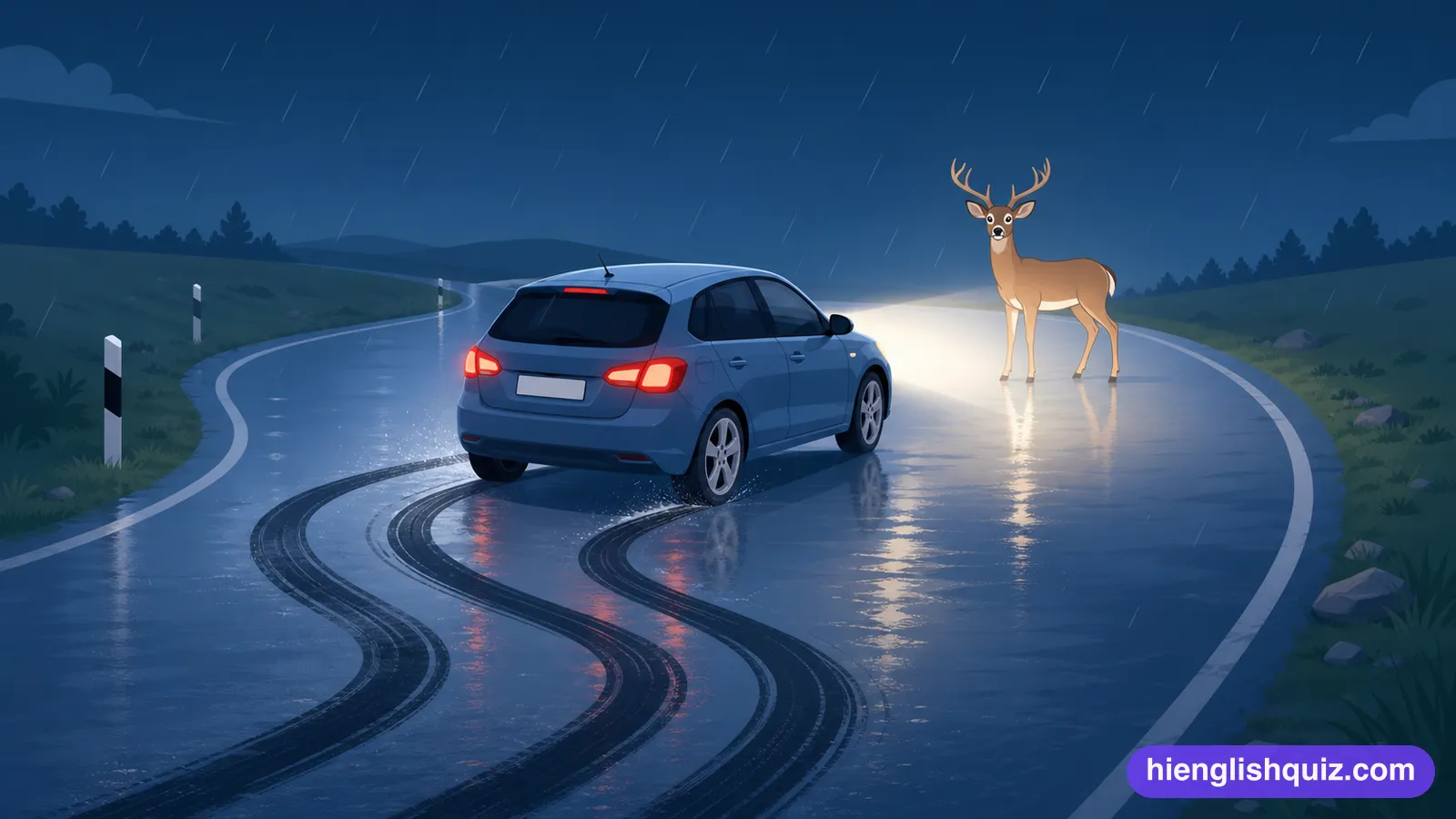
Ví dụ: You sometimes have to swerve to avoid deer on this road.
Ví dụ: The company is testing autonomous delivery vehicles.
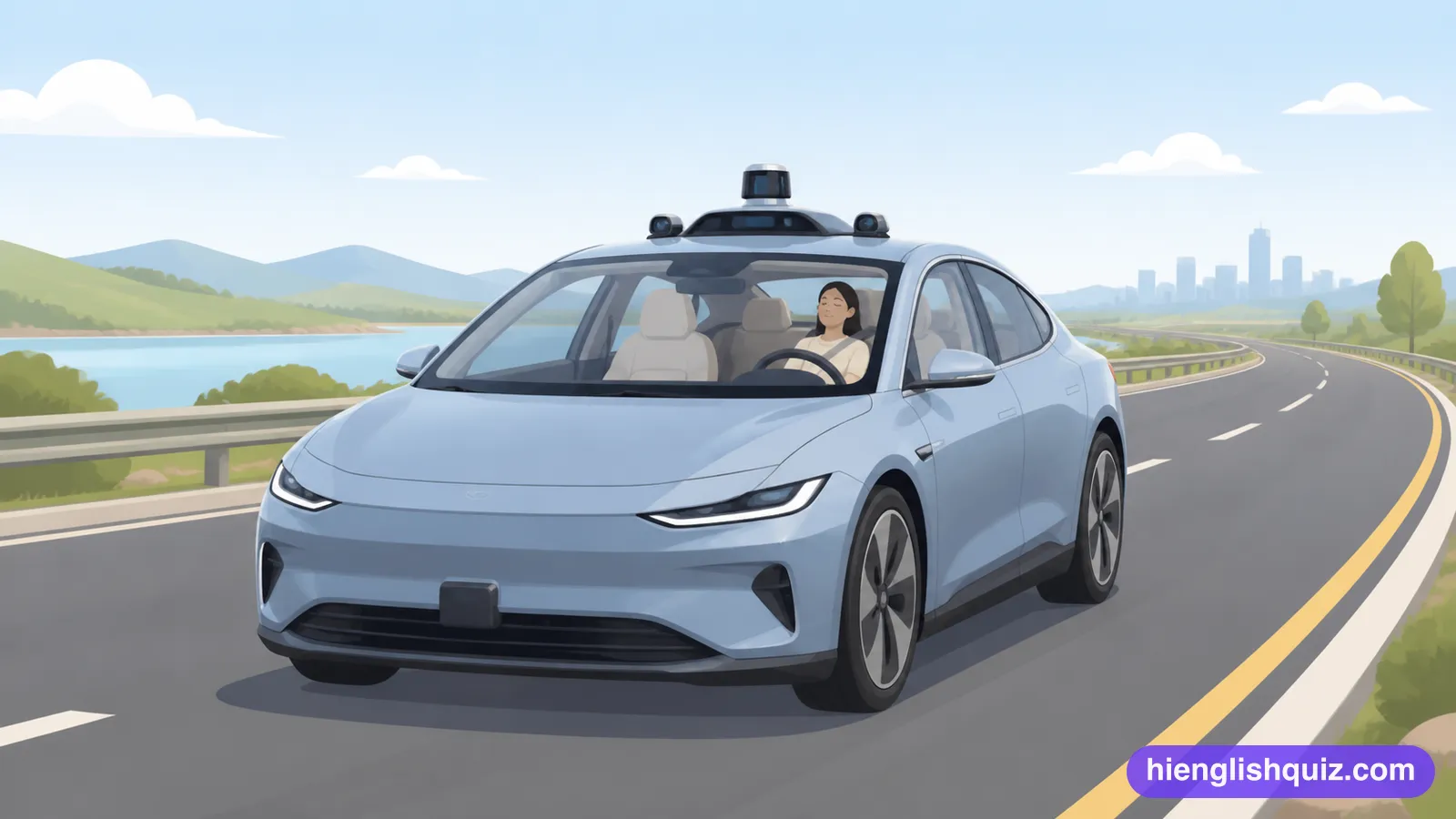
Ví dụ: A juggernaut thundered past on the motorway.
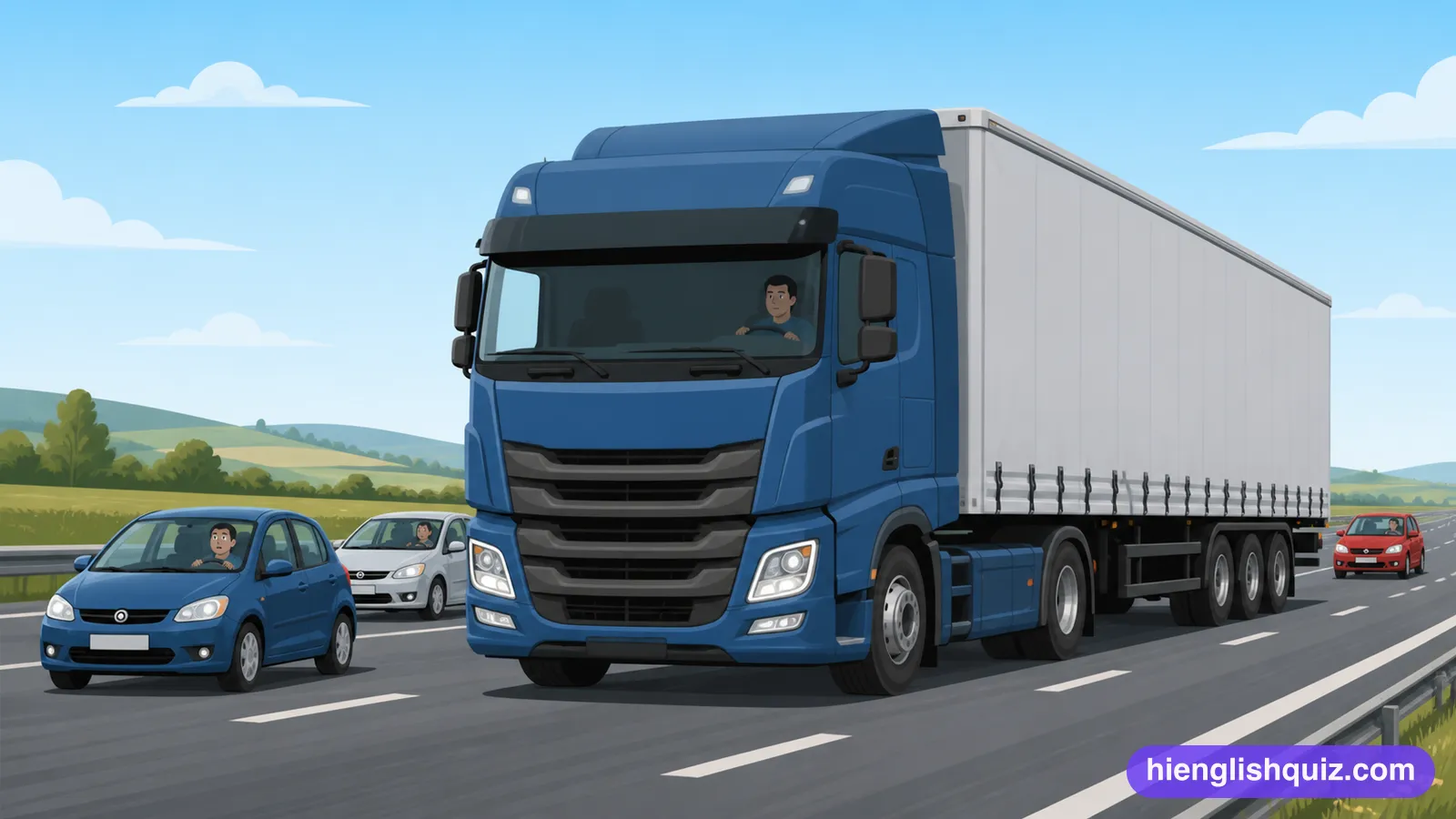
Ví dụ: He restored a vintage roadster from the 1960s.
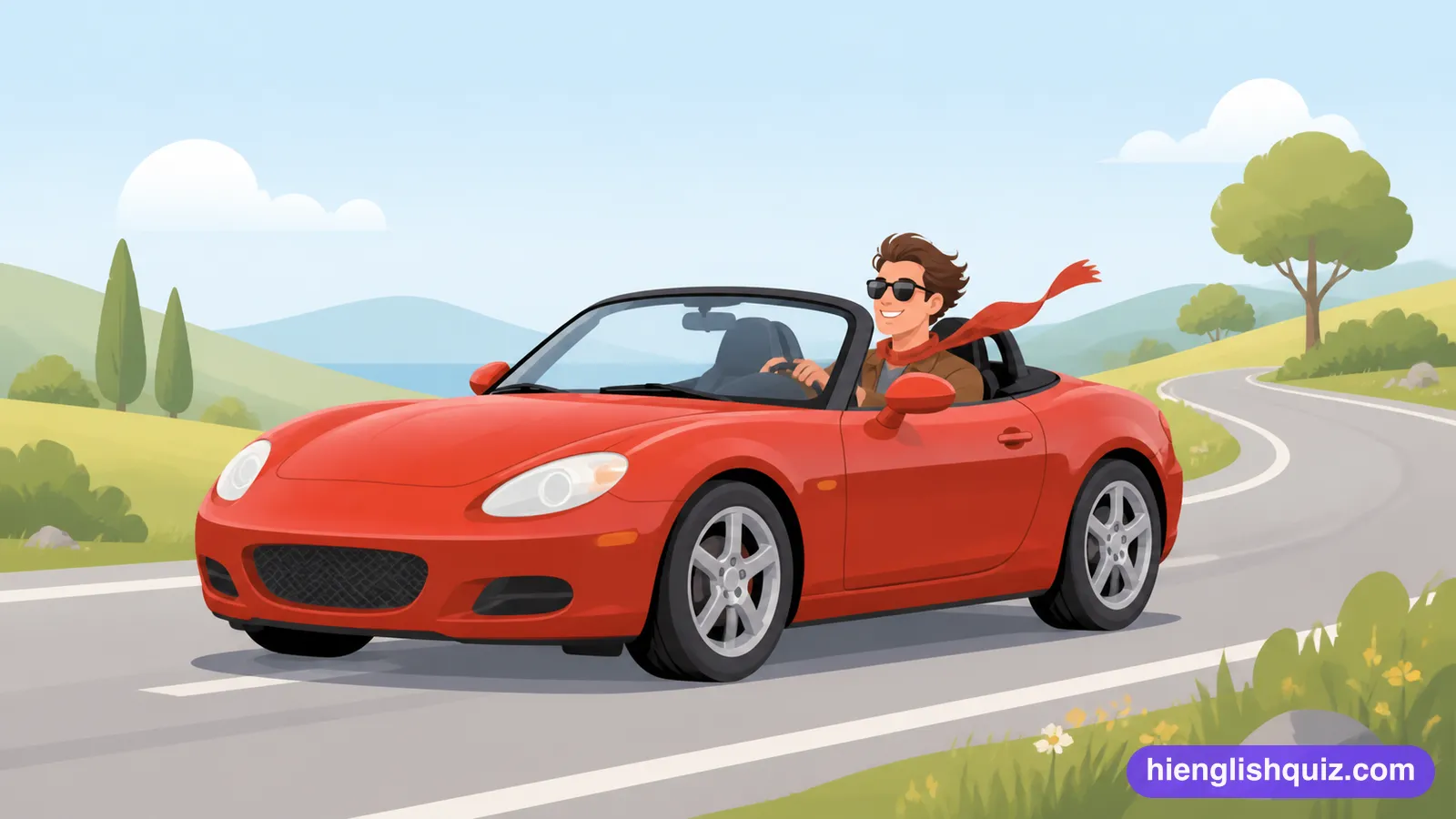
Ví dụ: A chauffeur waited outside with the car door open.

Ví dụ: The engine works through internal combustion.
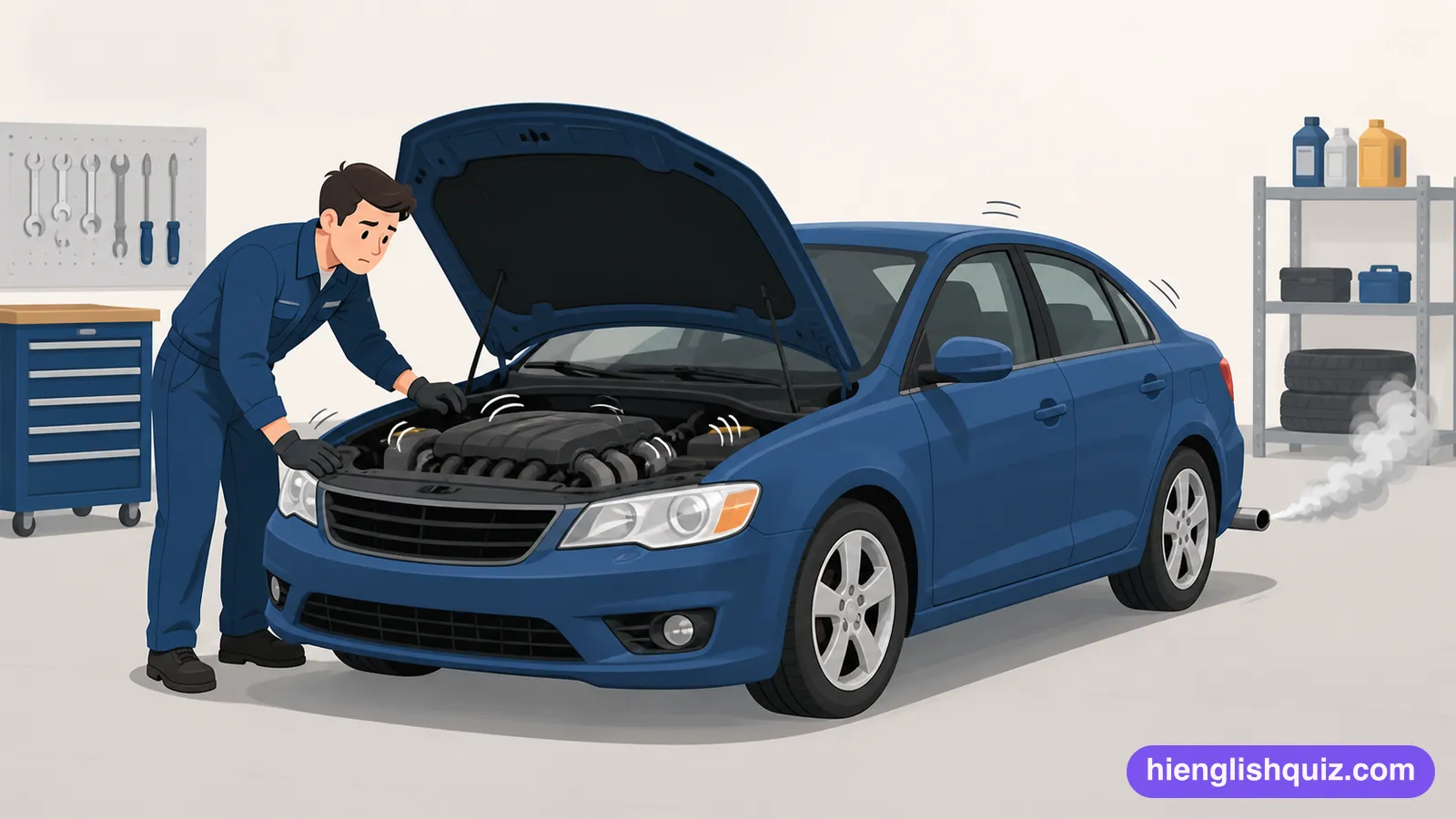
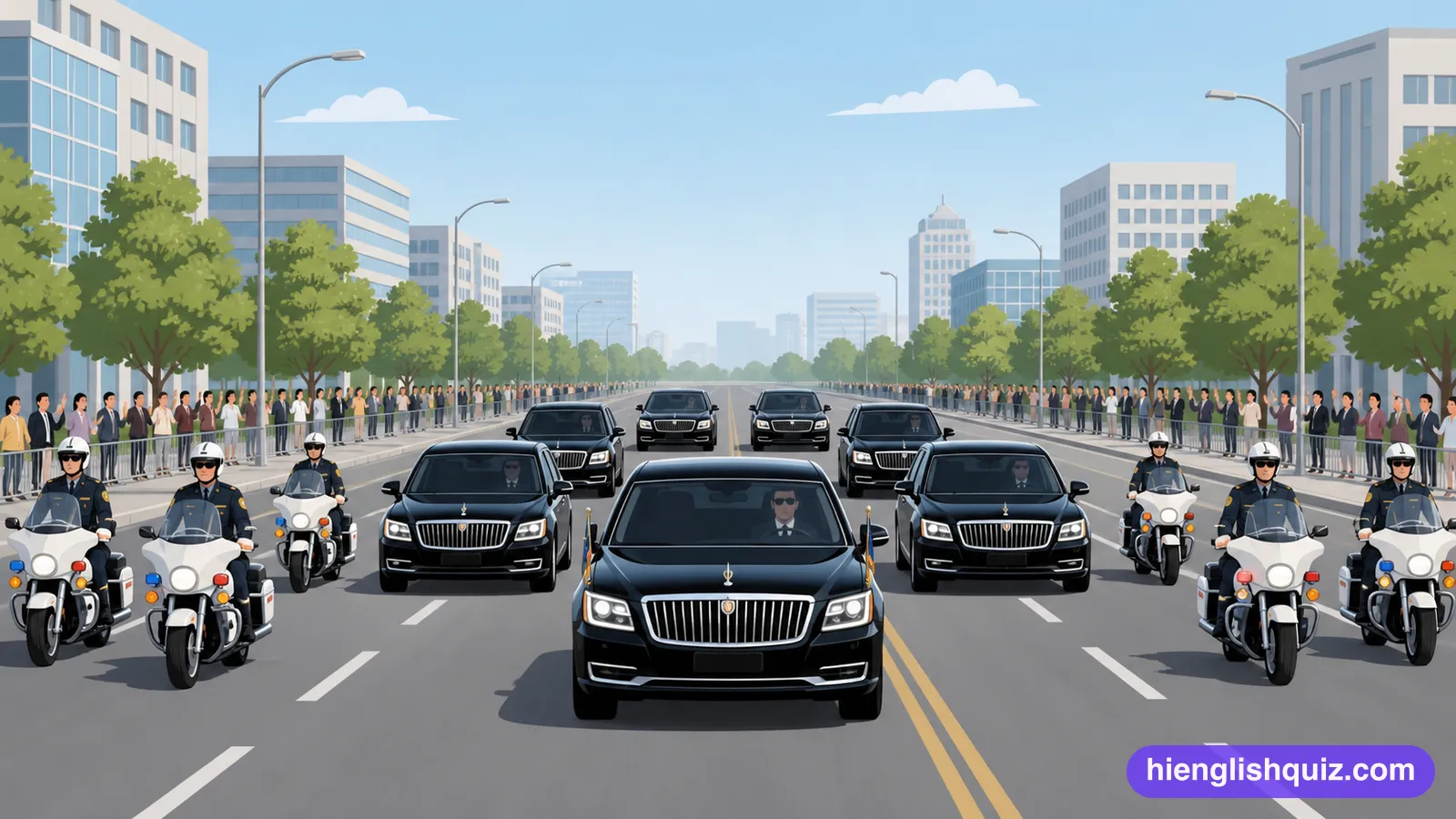
Ví dụ: The president's motorcade drove through the city centre.
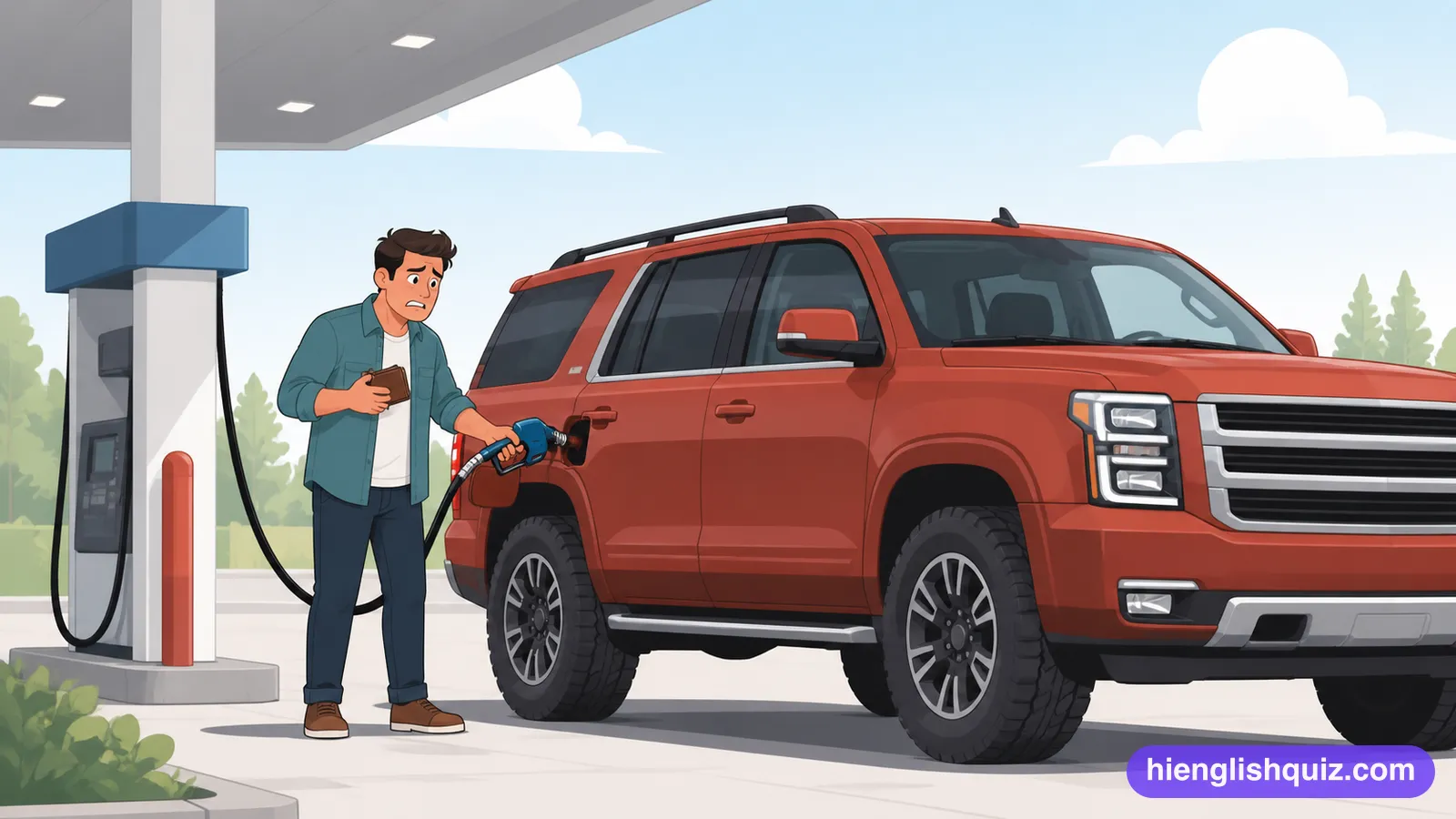
Ví dụ: His old gas-guzzler cost a fortune to fill up.
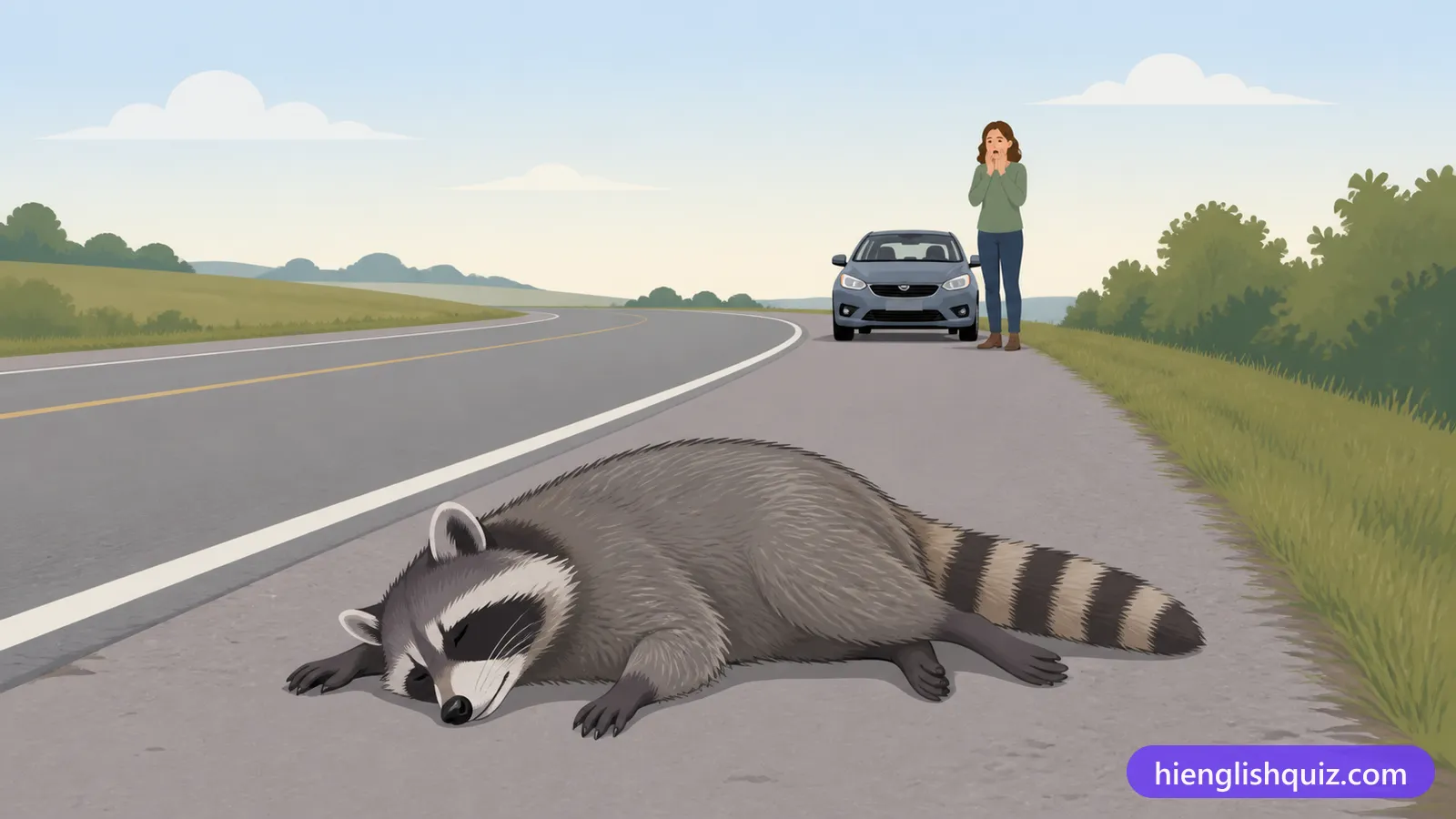
Ví dụ: We saw some roadkill on the country lane.
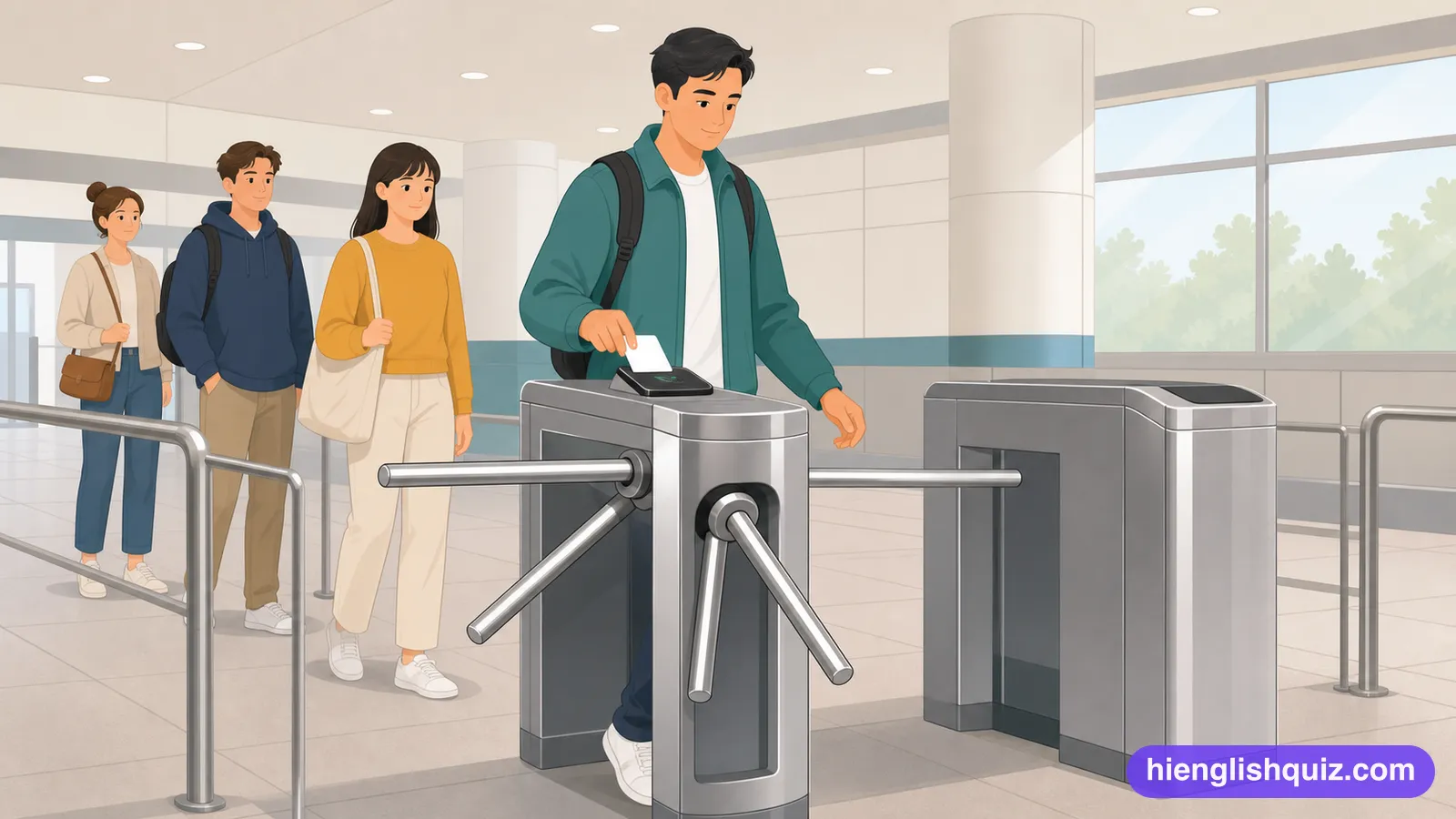
Ví dụ: Tap your card and the turnstile lets you through.
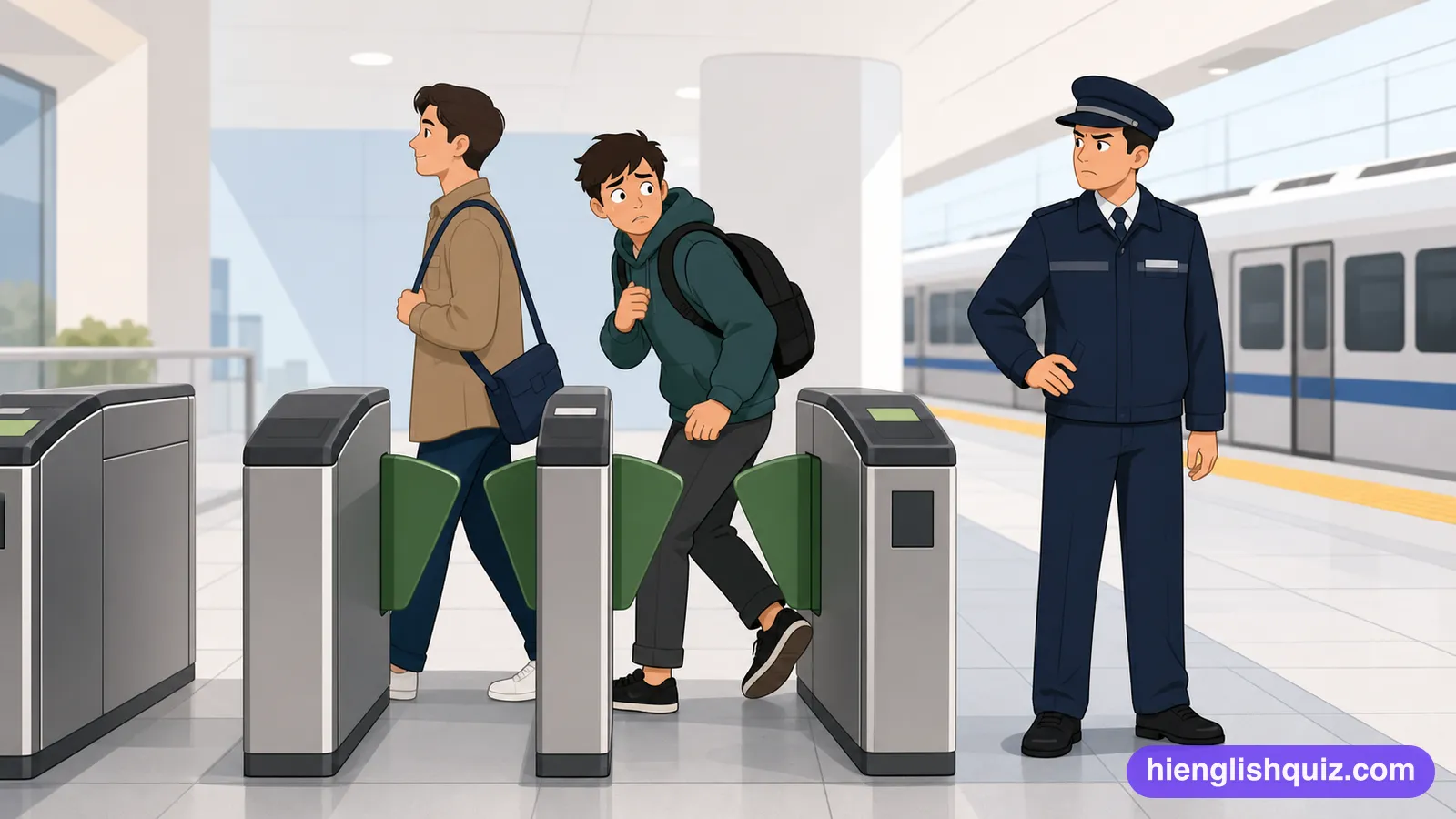
Ví dụ: Inspectors are cracking down hard on fare evasion across the network.
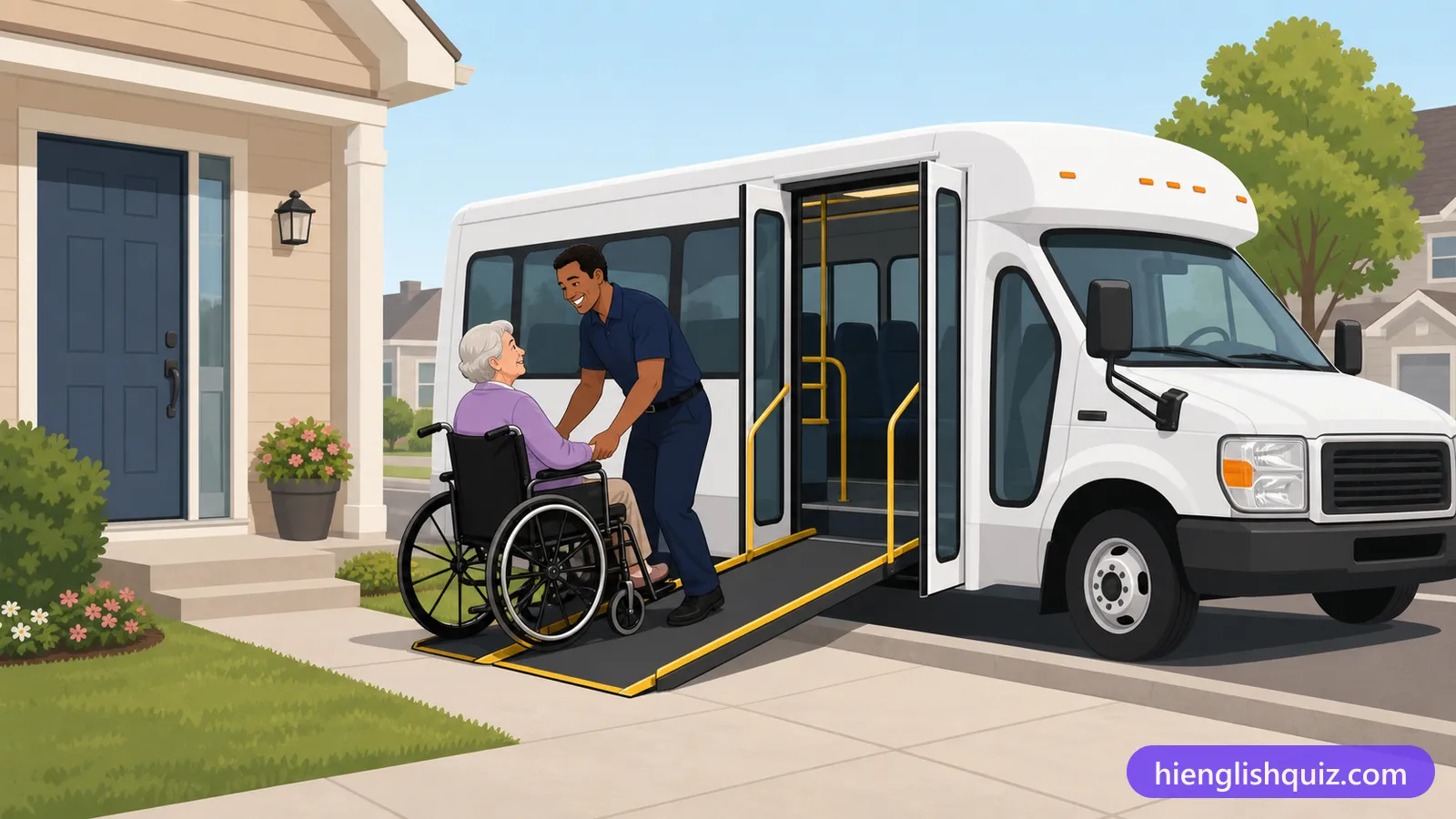
Ví dụ: Elderly residents rely on paratransit to reach the clinic.
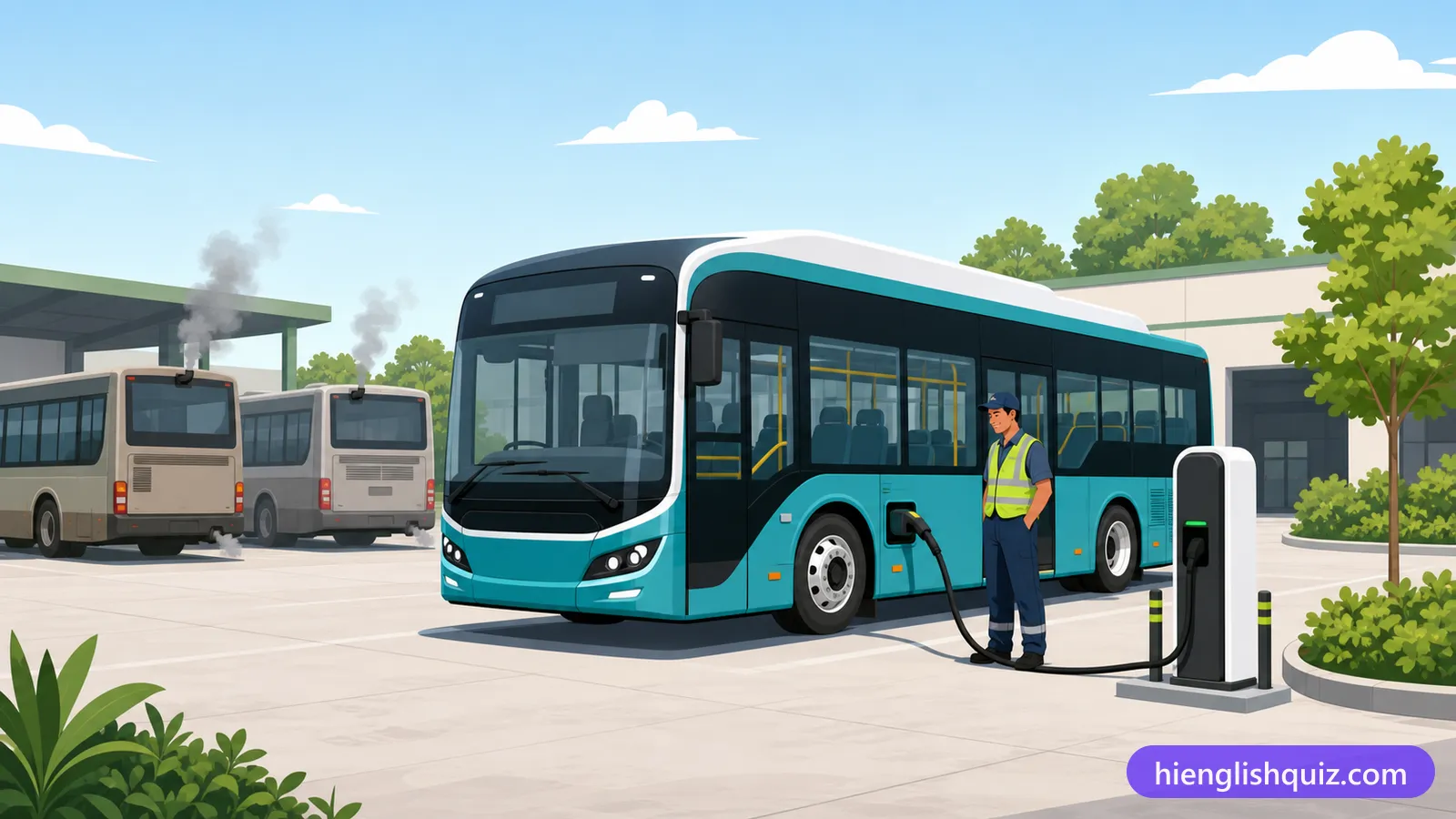
Ví dụ: Cities are under pressure to speed up transport decarbonisation.
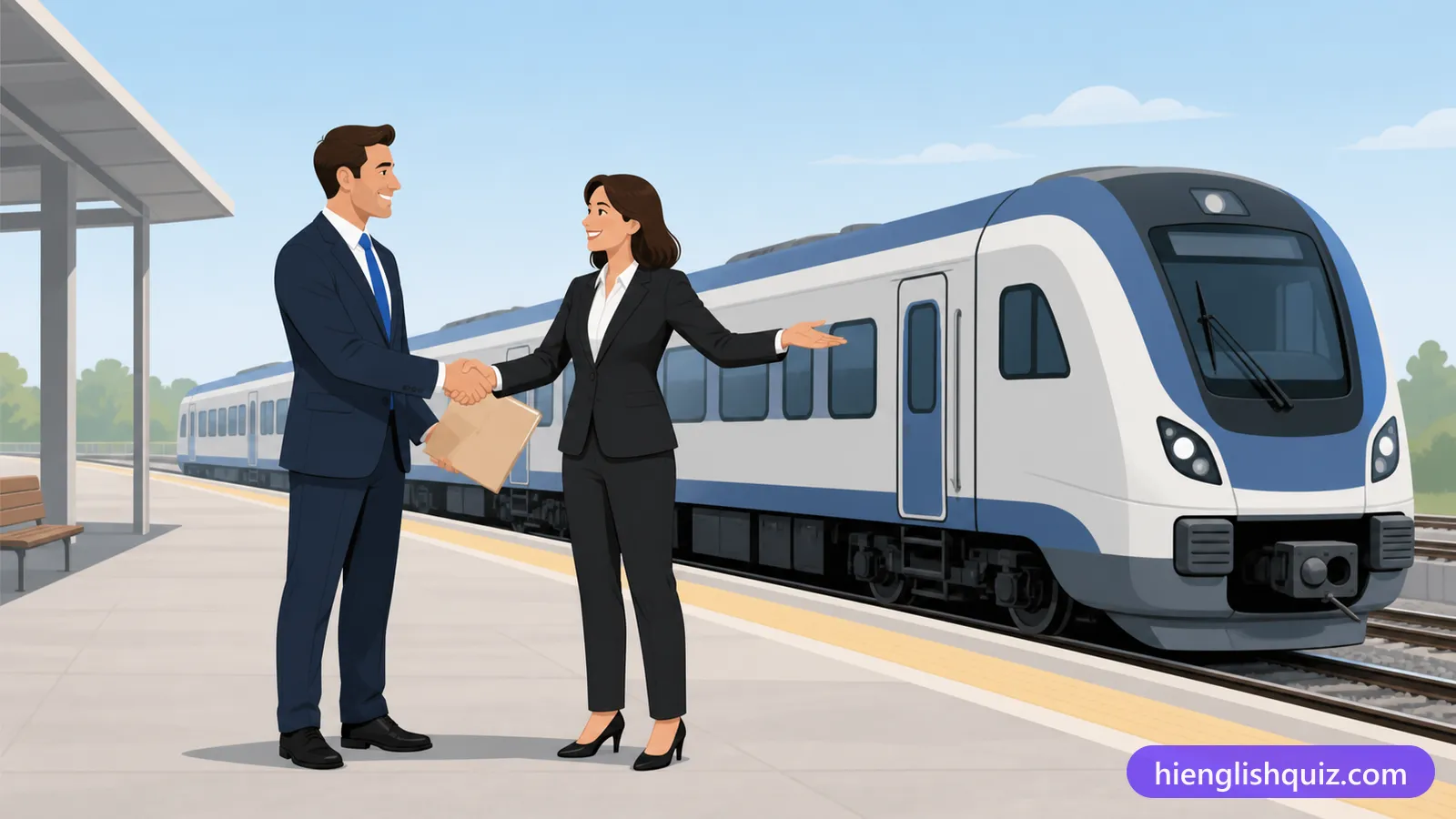
Ví dụ: A new company won the rail franchise last year.
Ví dụ: The party campaigned for the nationalisation of the railways.
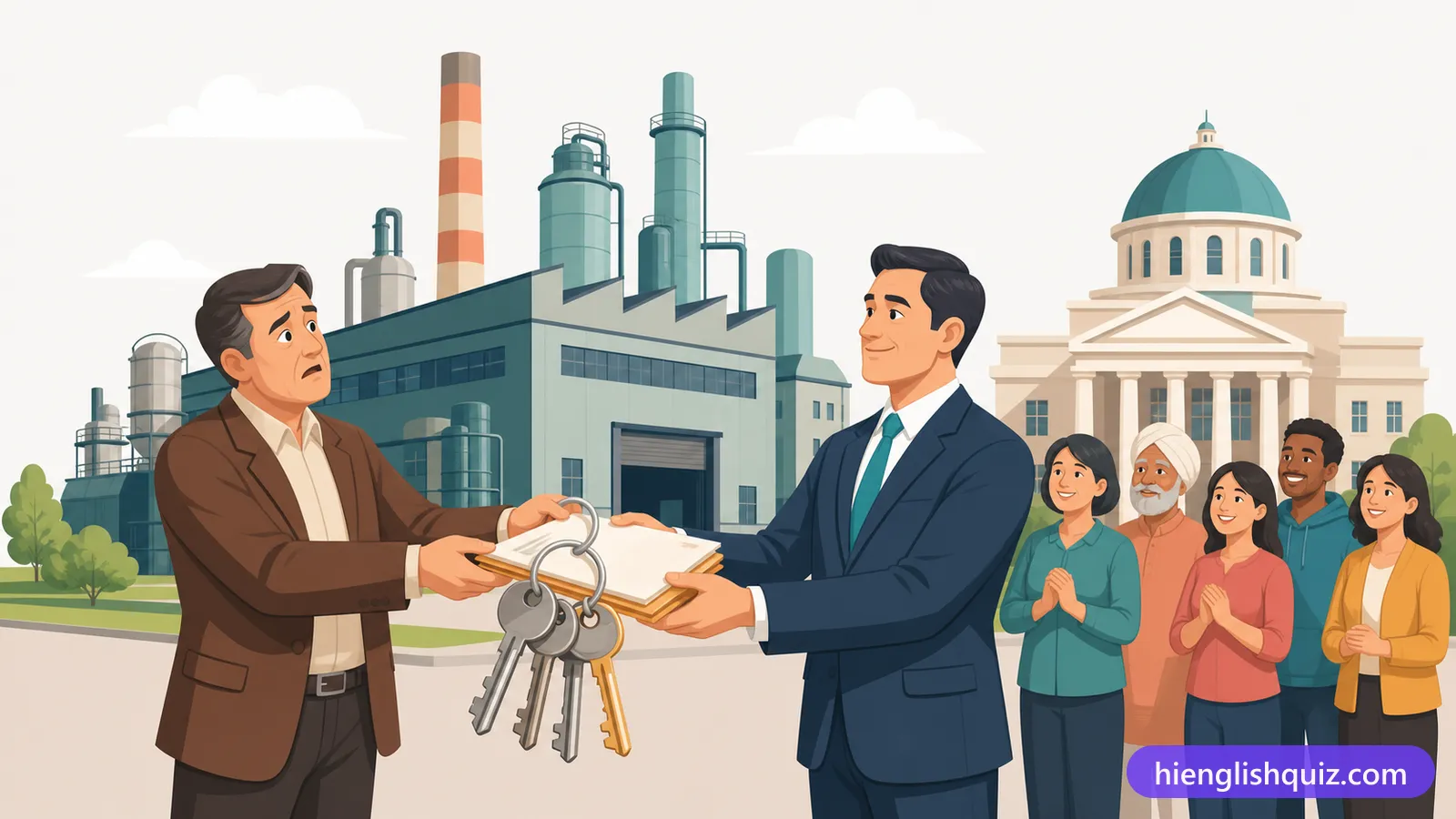
Ví dụ: Bus privatisation changed the city's routes completely.

Ví dụ: Deregulation allowed new companies to compete on the route.
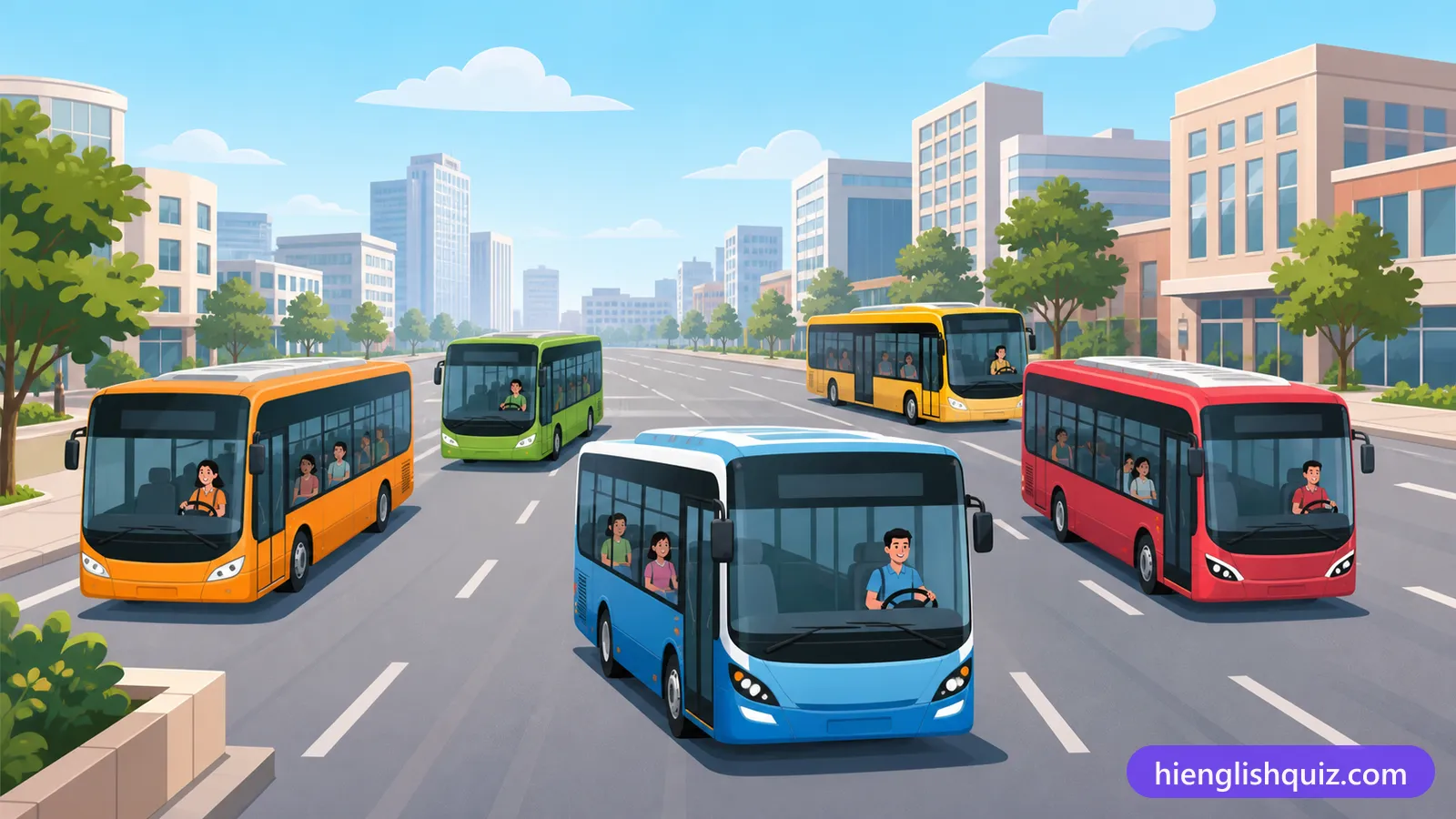
Ví dụ: The city hopes cheaper fares will encourage a modal shift.
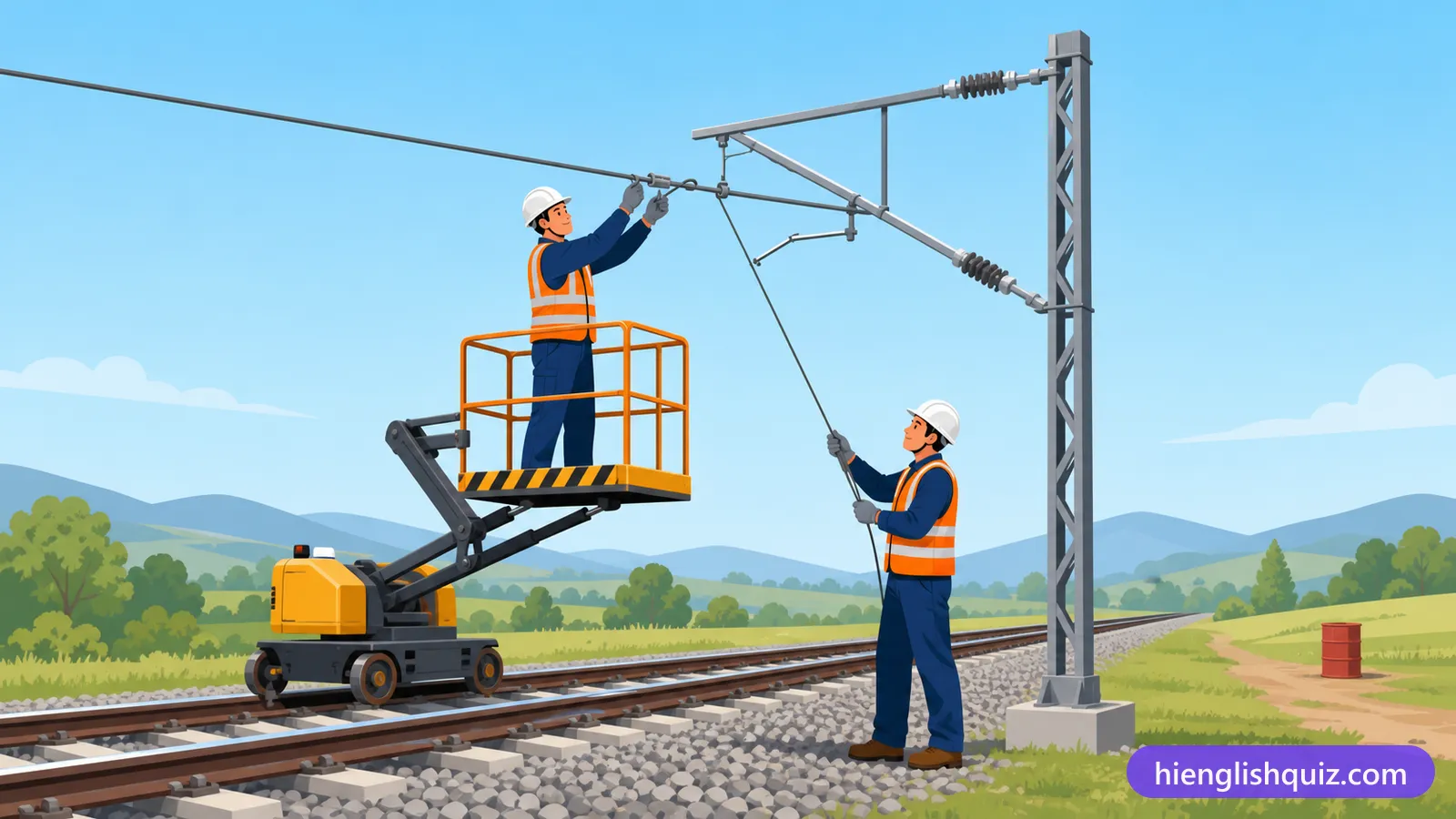
Ví dụ: The line's electrification cut journey times significantly.
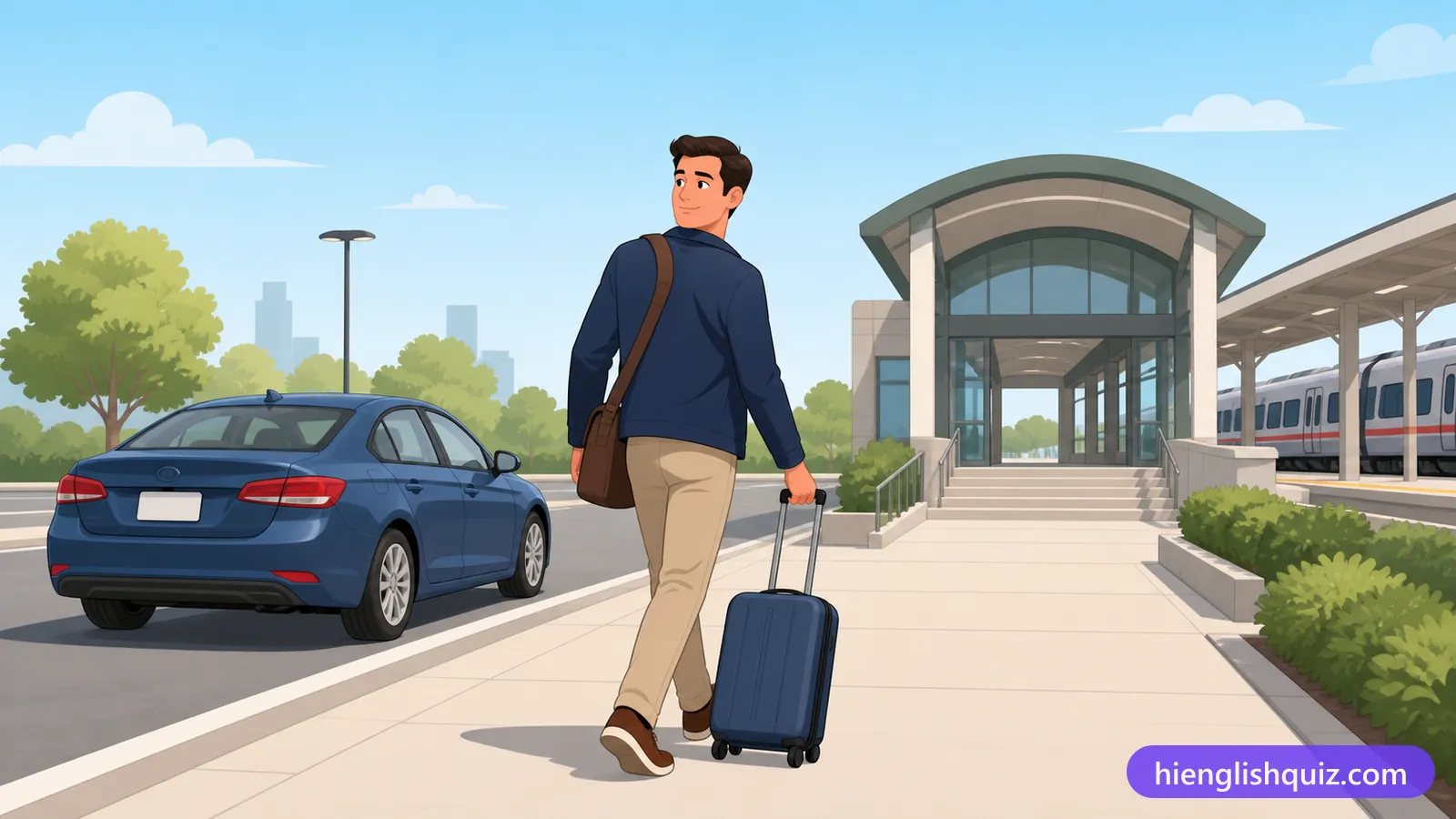
Ví dụ: Stay on until the terminus and then walk five minutes.
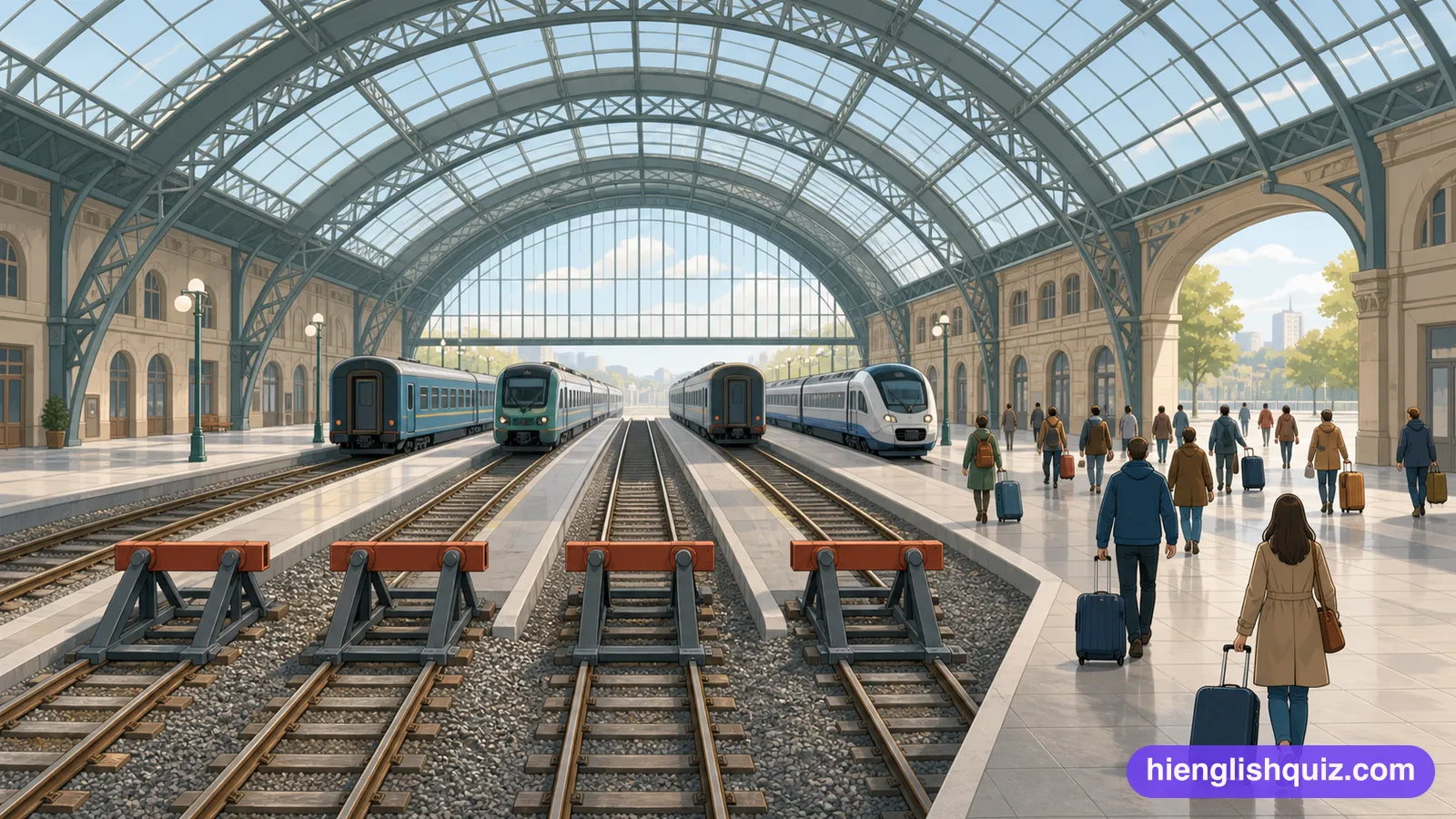
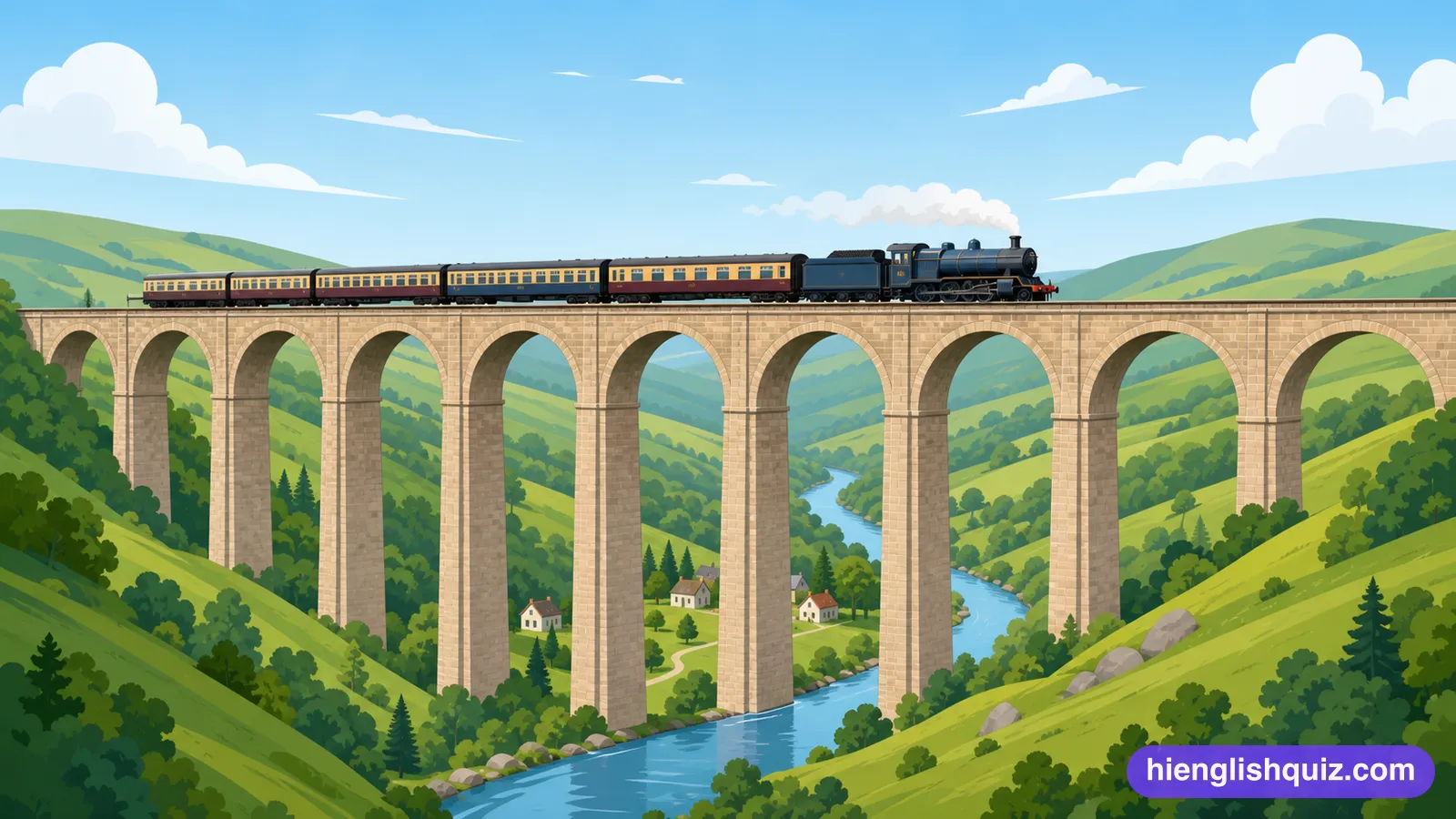
Ví dụ: The train crosses a stone viaduct above the whole village.
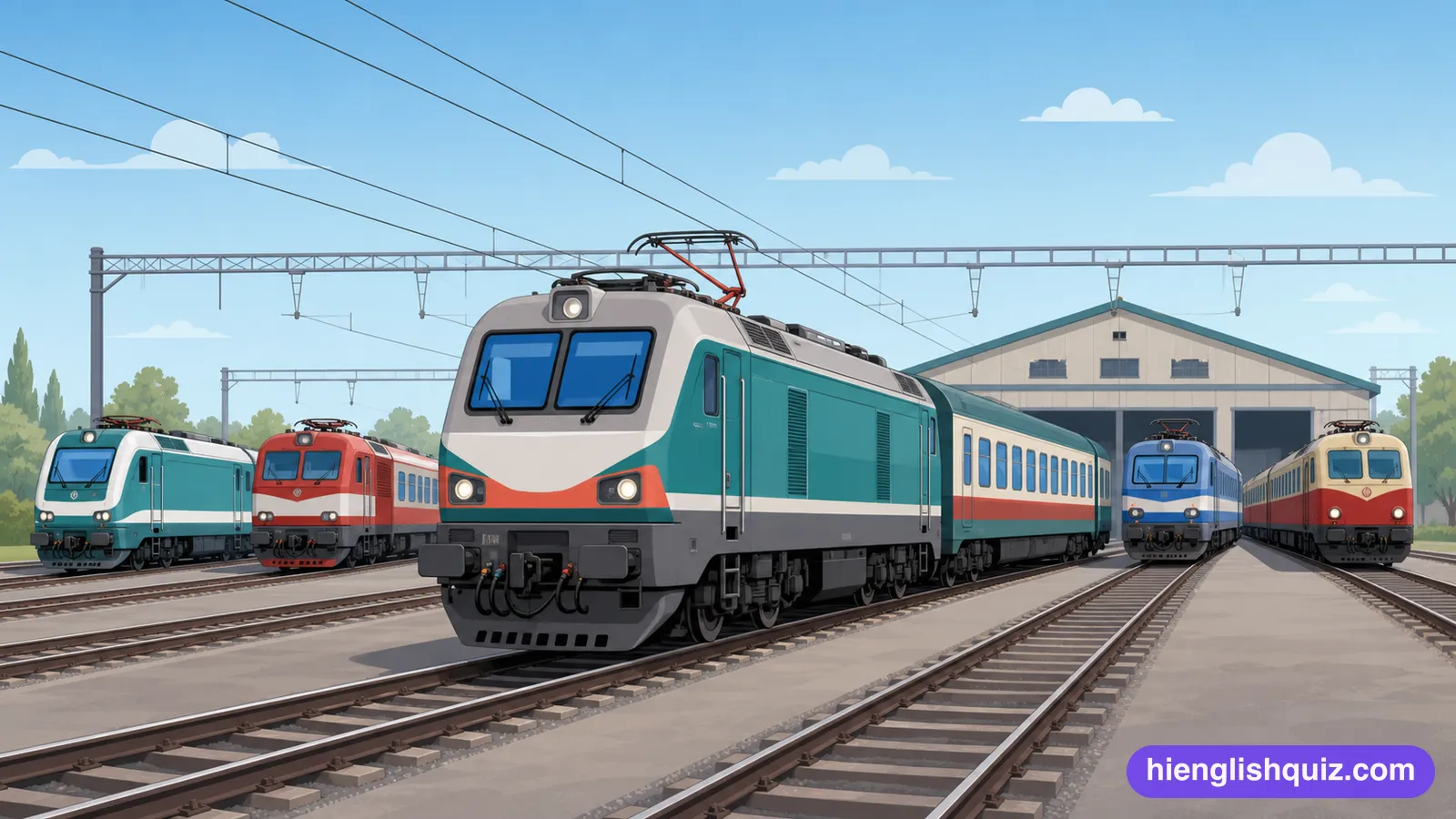
Ví dụ: The operator is finally replacing its ageing rolling stock next year.
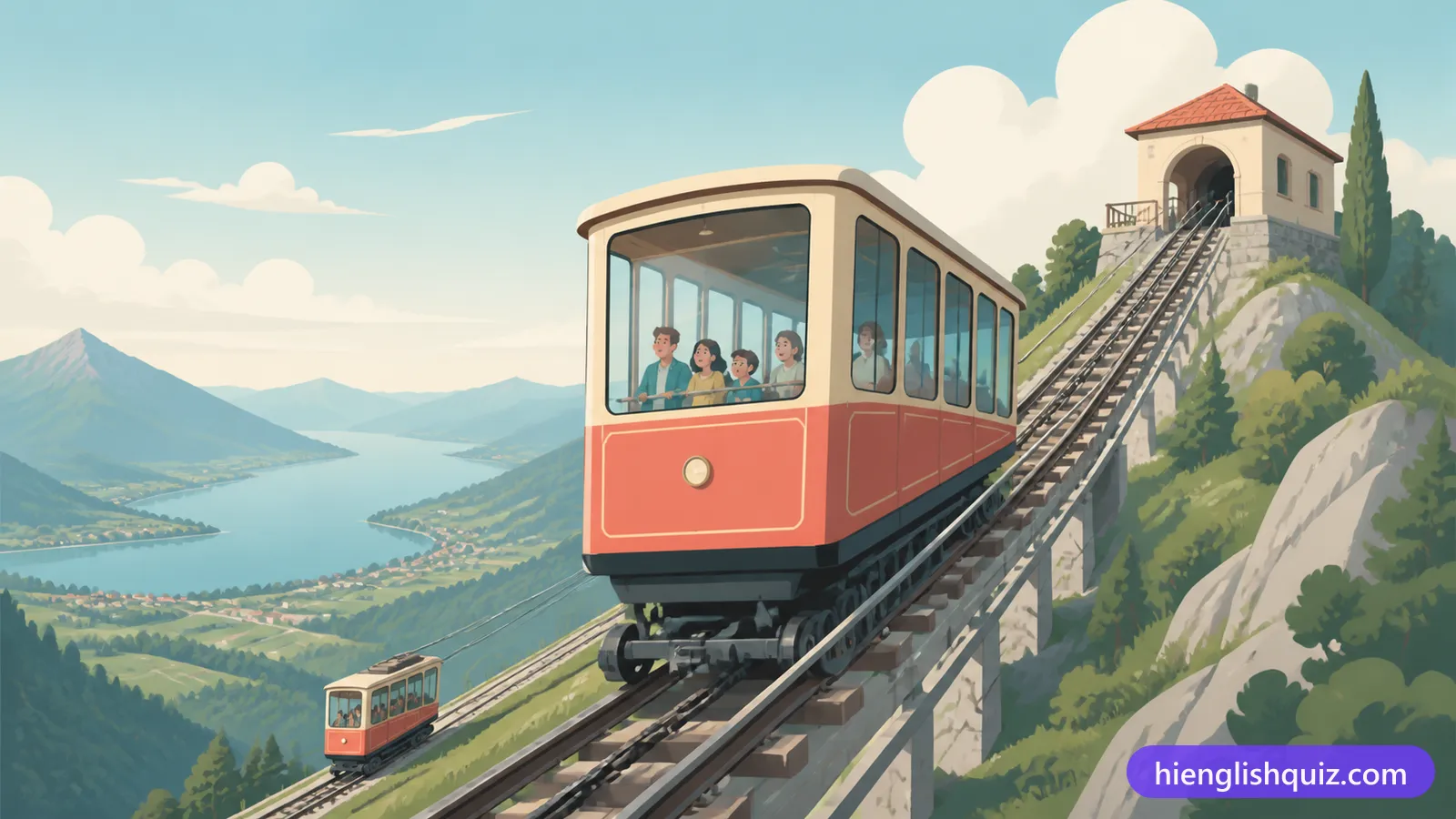
Ví dụ: We took the funicular up the mountainside.
Ví dụ: The old mining line is a narrow-gauge railway.