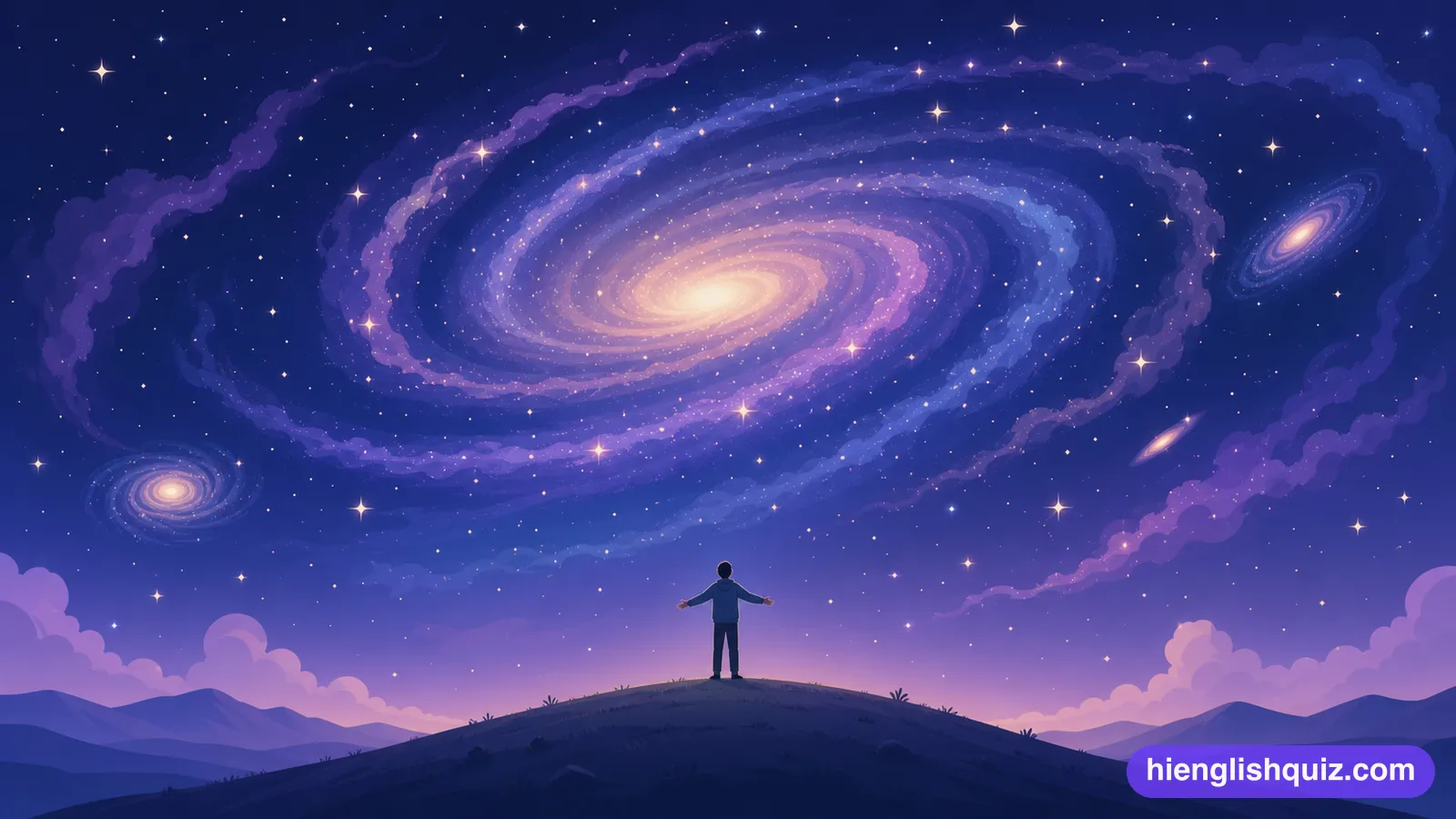
celestial
/səˈlɛstʃəl/- Nghĩa tiếng Việt
- Thuộc thiên thể
- Định nghĩa tiếng Anh
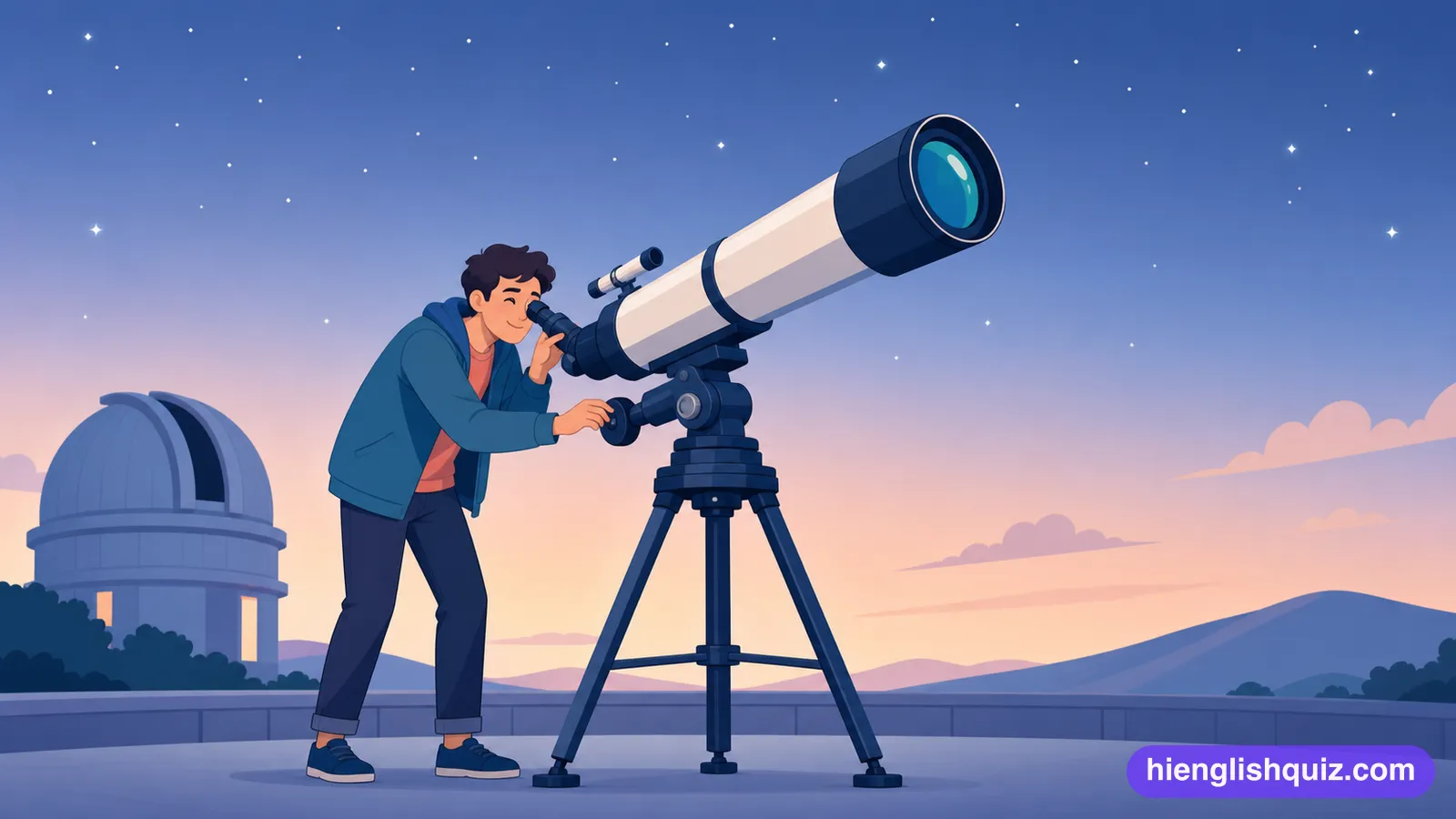
- Belonging to the sky and to the objects that move across it, seen from the ground.
Ví dụ: Sailors once navigated by celestial objects alone, night after night.
 Hi EnglishQuiz
C222 từ · Thành thạo
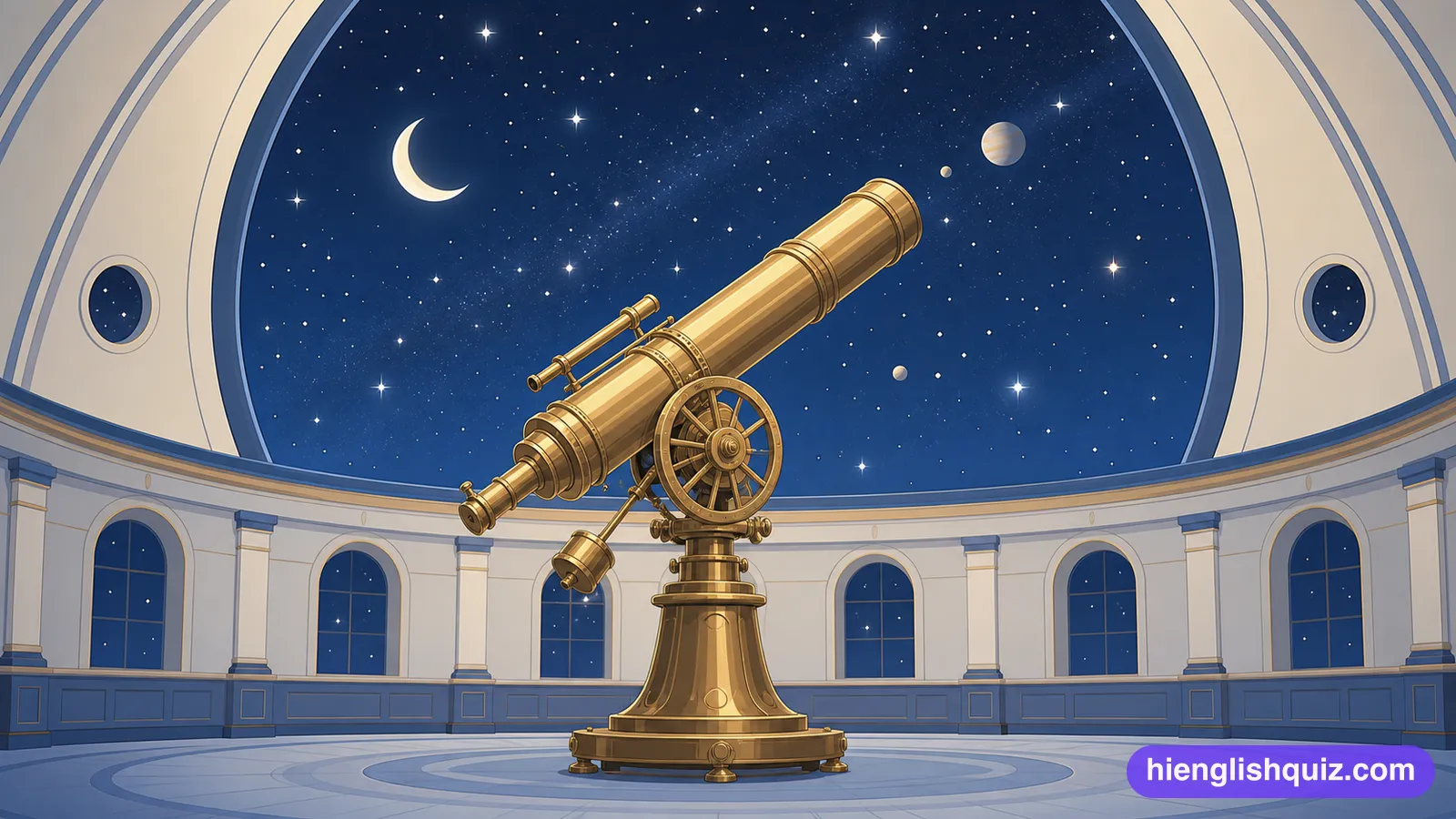
Từ vựng vũ trụ học như dark matter, event horizon, redshift cùng barycentre, nucleosynthesis và heliopause, phục vụ việc mô tả các hiện tượng thiên văn ở trình độ chuyên sâu.
Ví dụ: Sailors once navigated by celestial objects alone, night after night.
Ví dụ: Venus is uninhabitable: the surface is hot enough to melt lead.
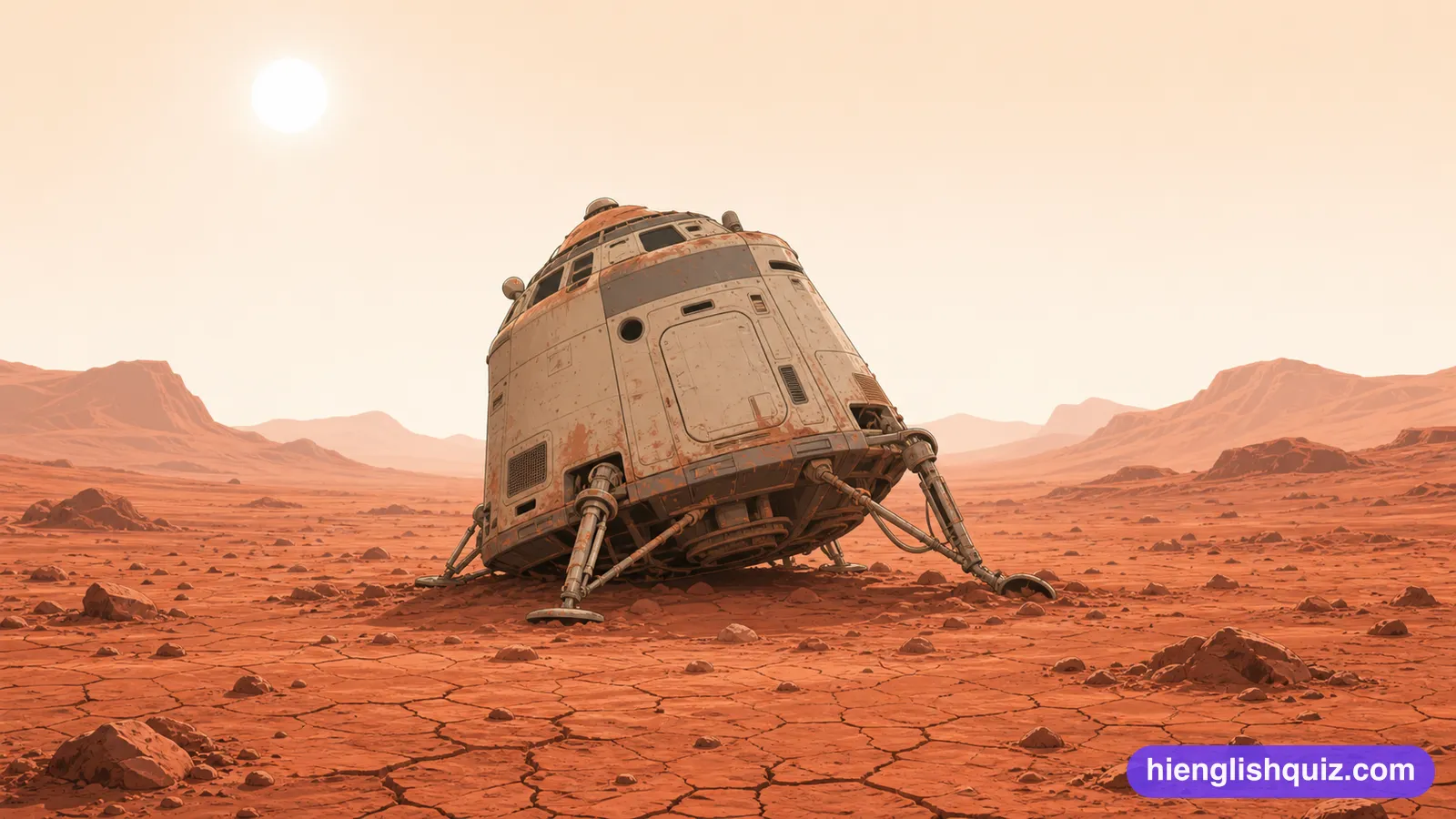
Ví dụ: Cosmology tries to explain how the universe began.
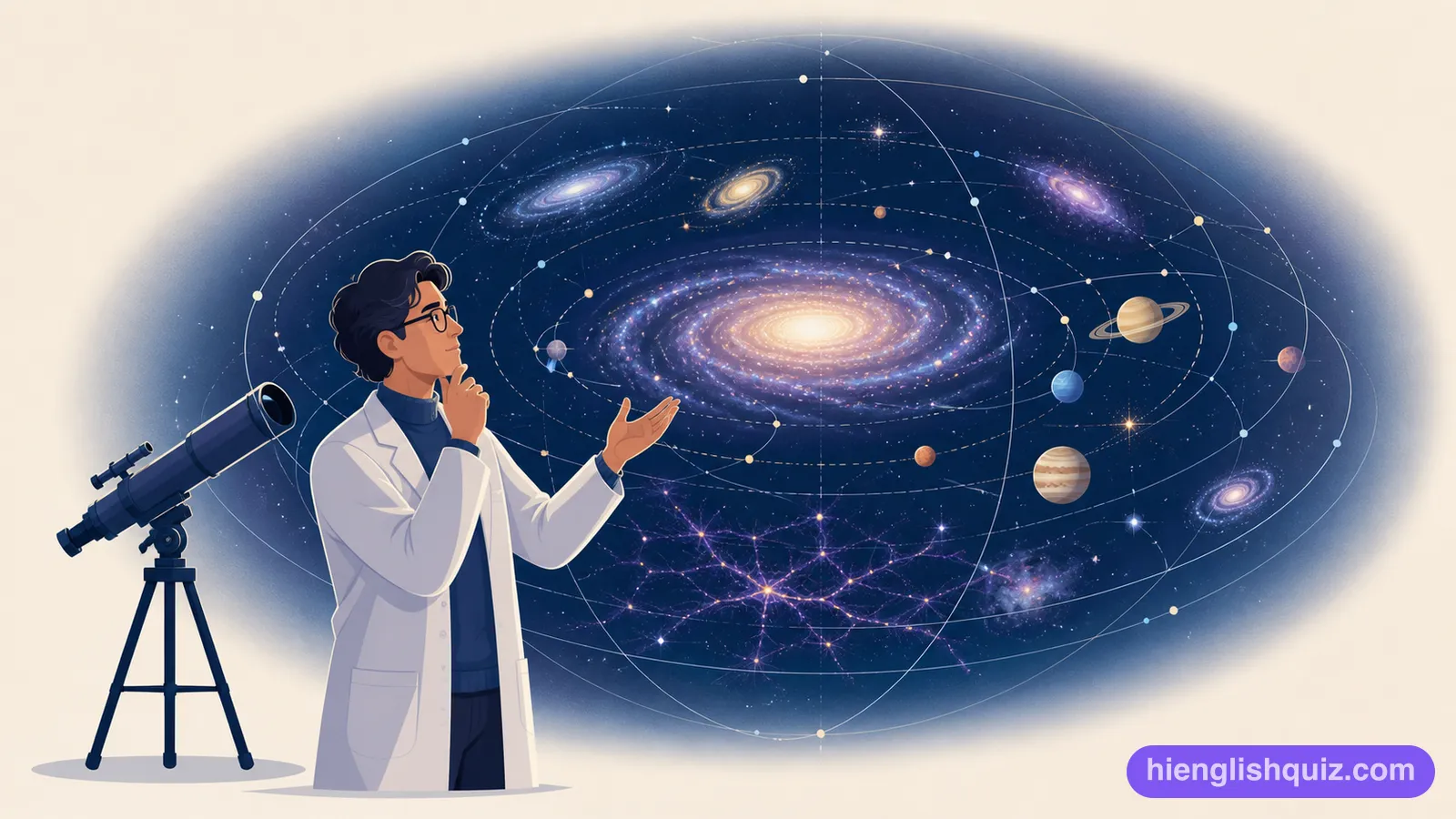
Ví dụ: Scientists still don't fully understand dark matter.
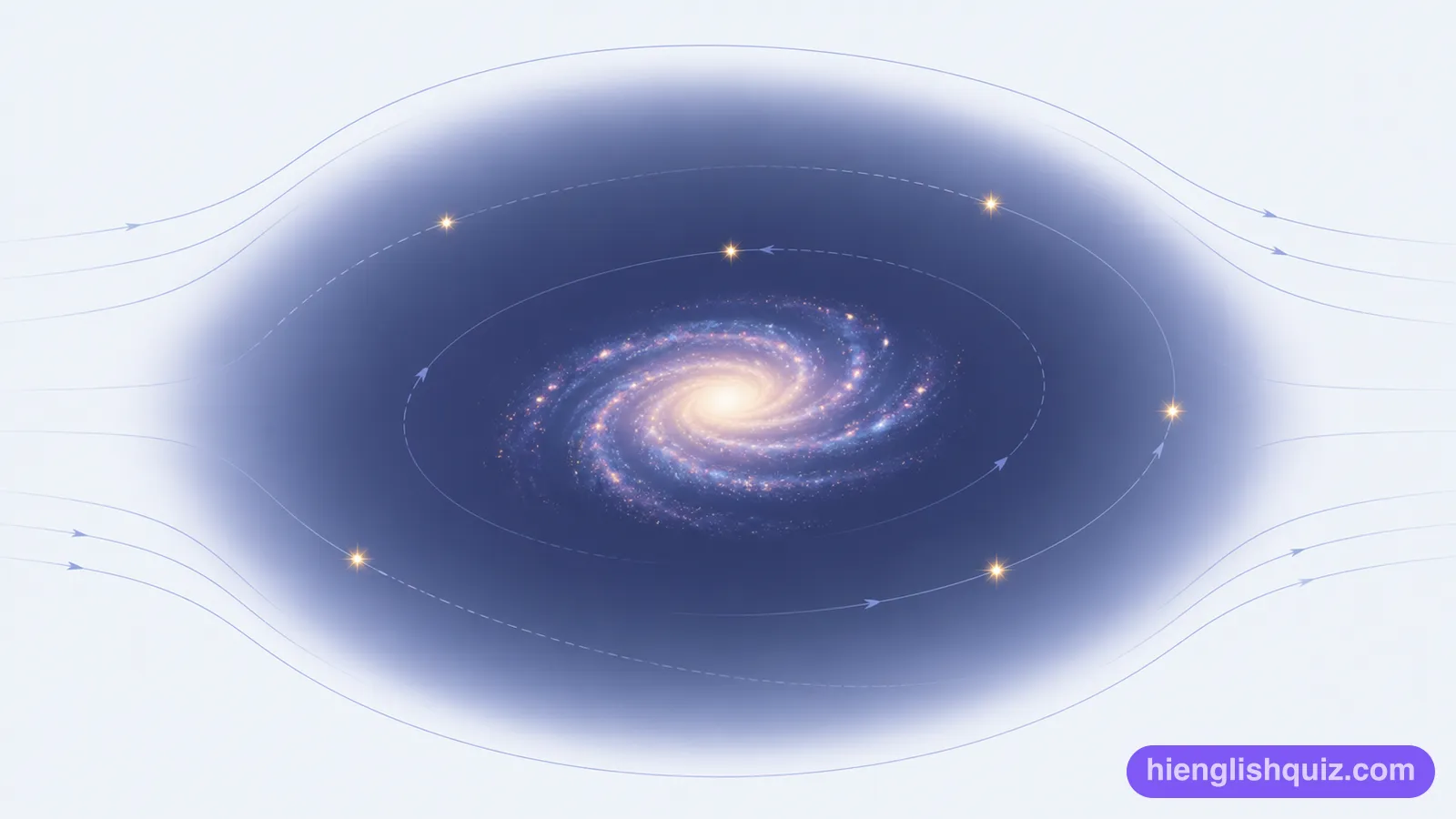
Ví dụ: Once an object passes the event horizon, it can never return.
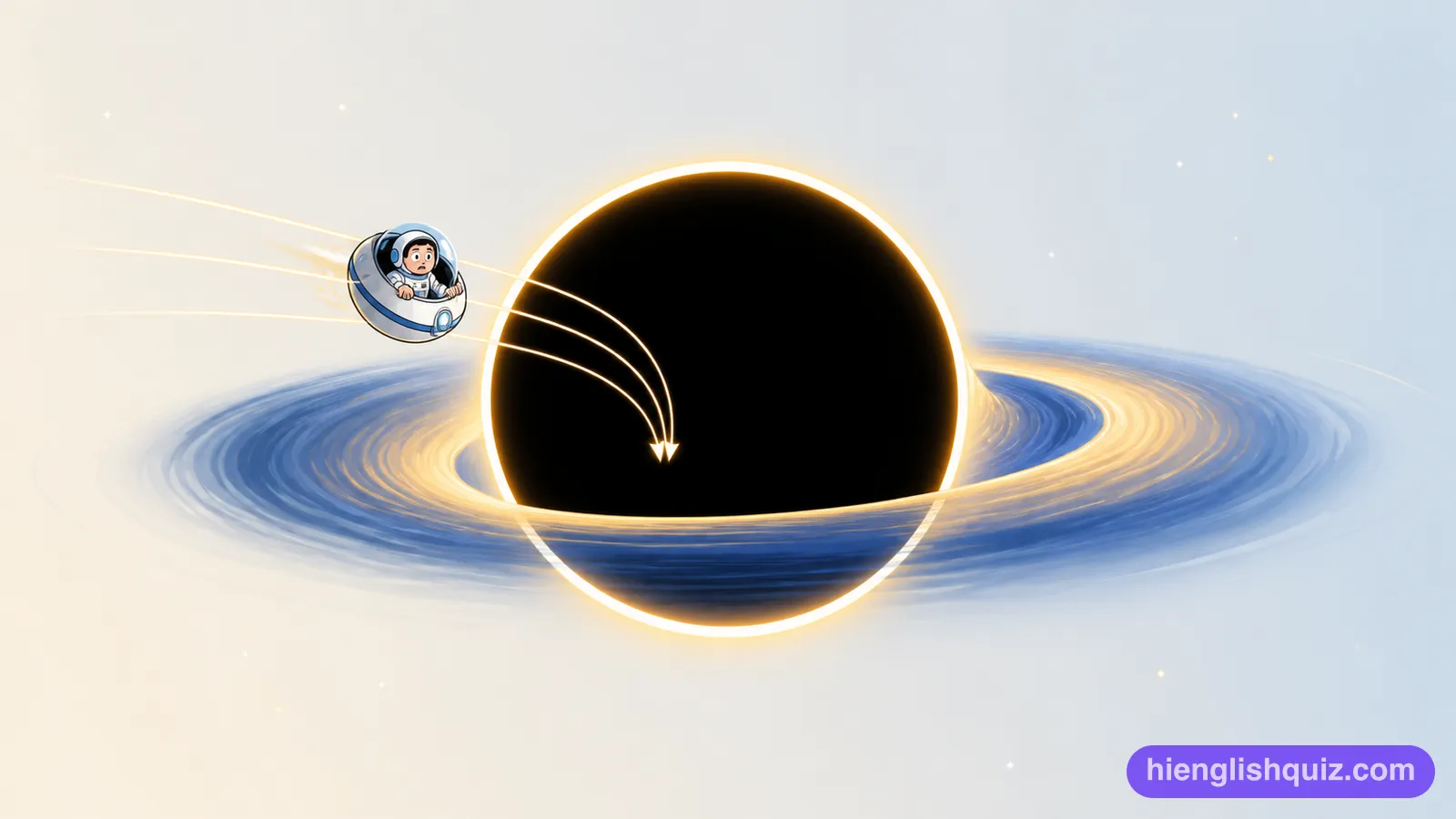
Ví dụ: The star's redshift proved that the universe is expanding.
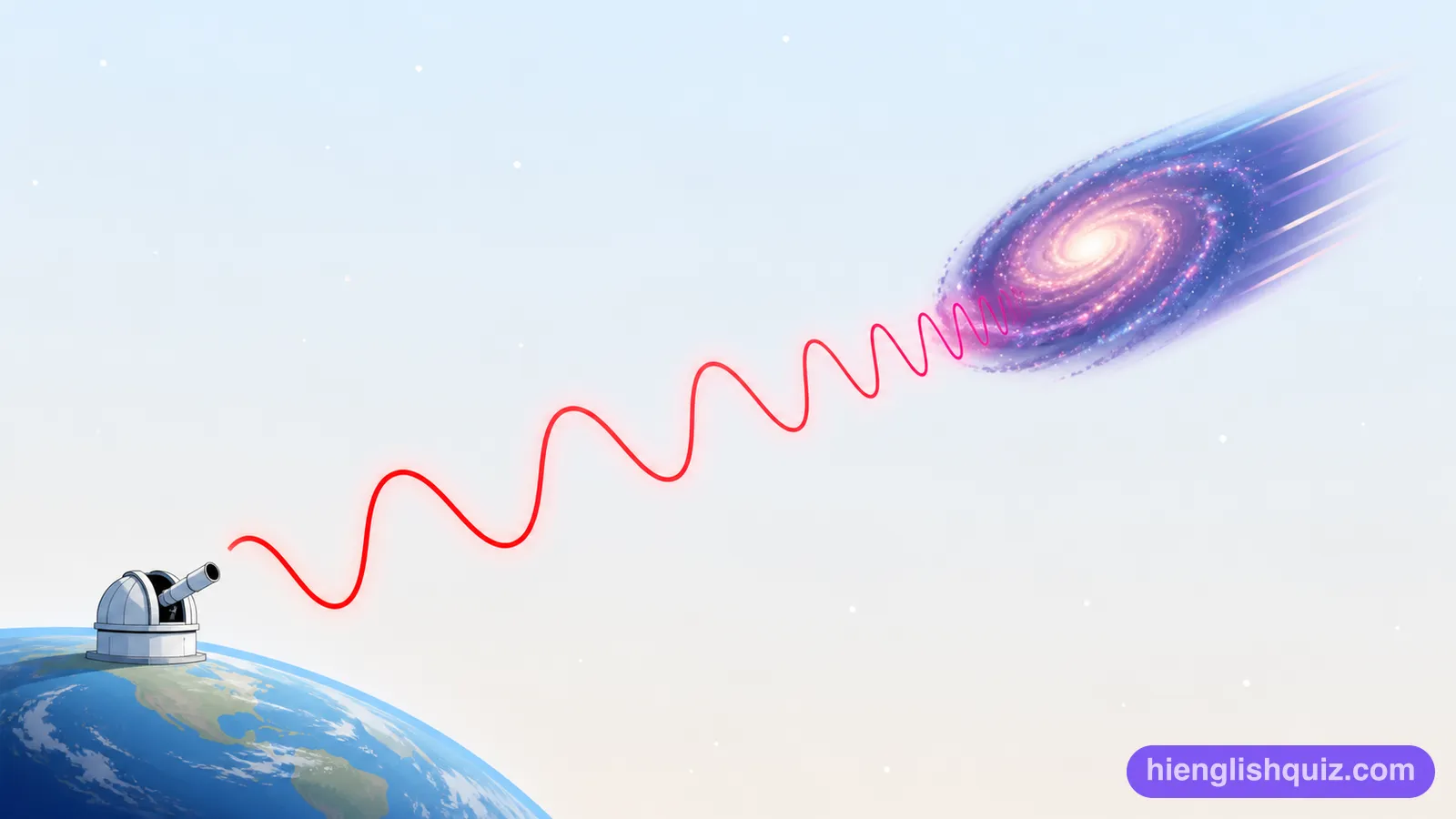
Ví dụ: A star's luminosity depends on its size and temperature.

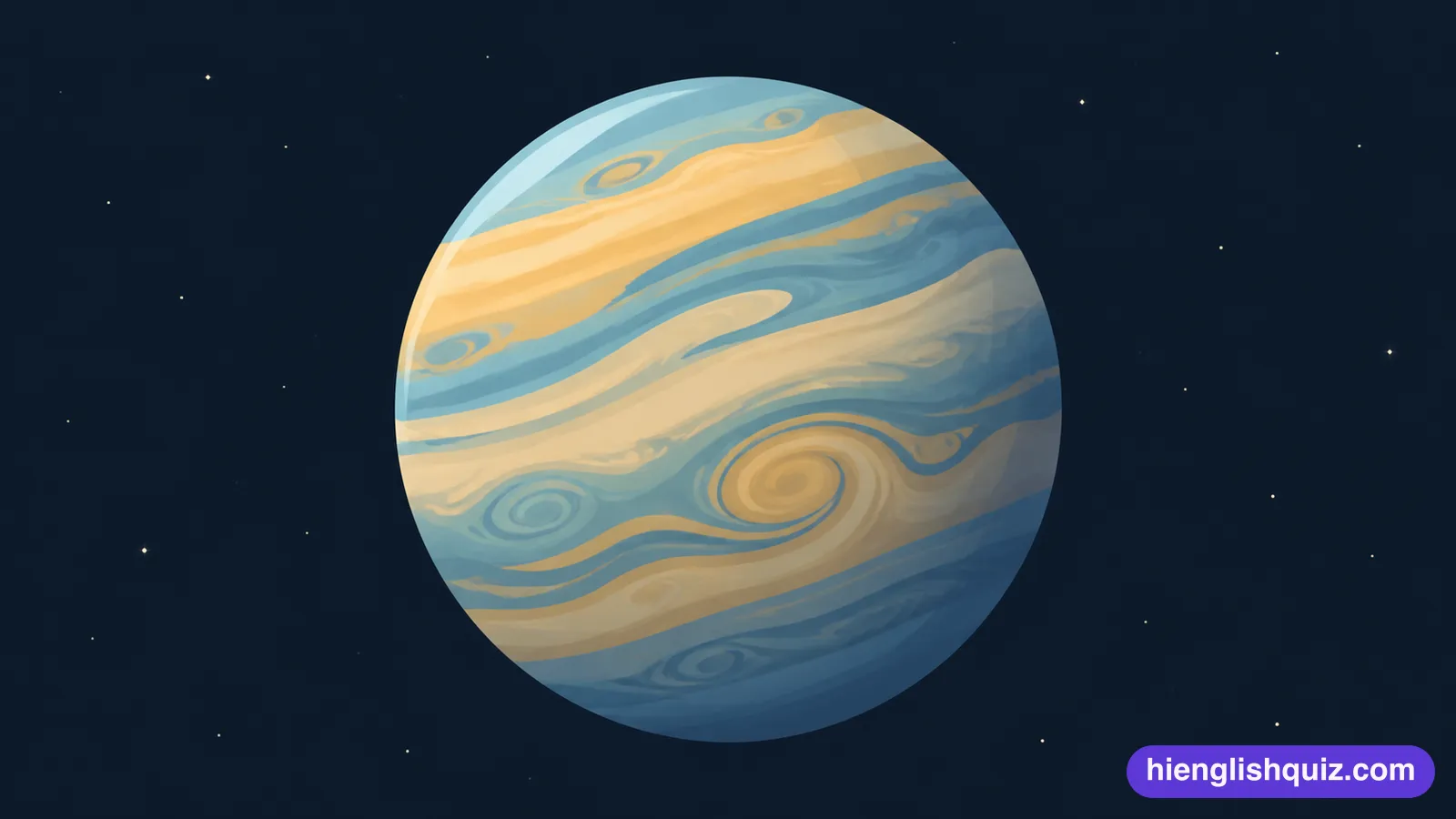
Ví dụ: Mars is a terrestrial planet, unlike gas giants such as Jupiter.
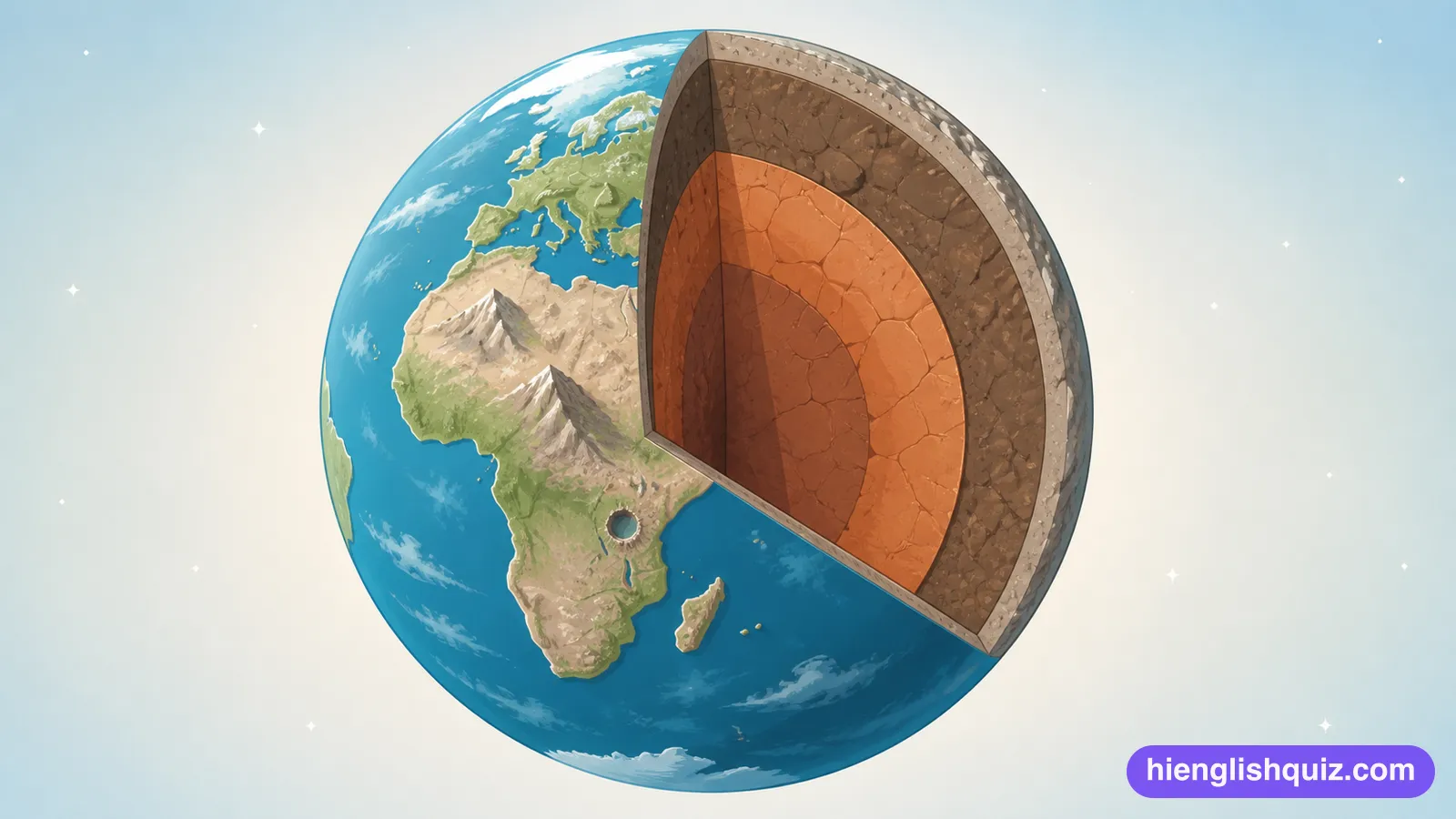
Ví dụ: The agency is planning an interplanetary mission to Mars.
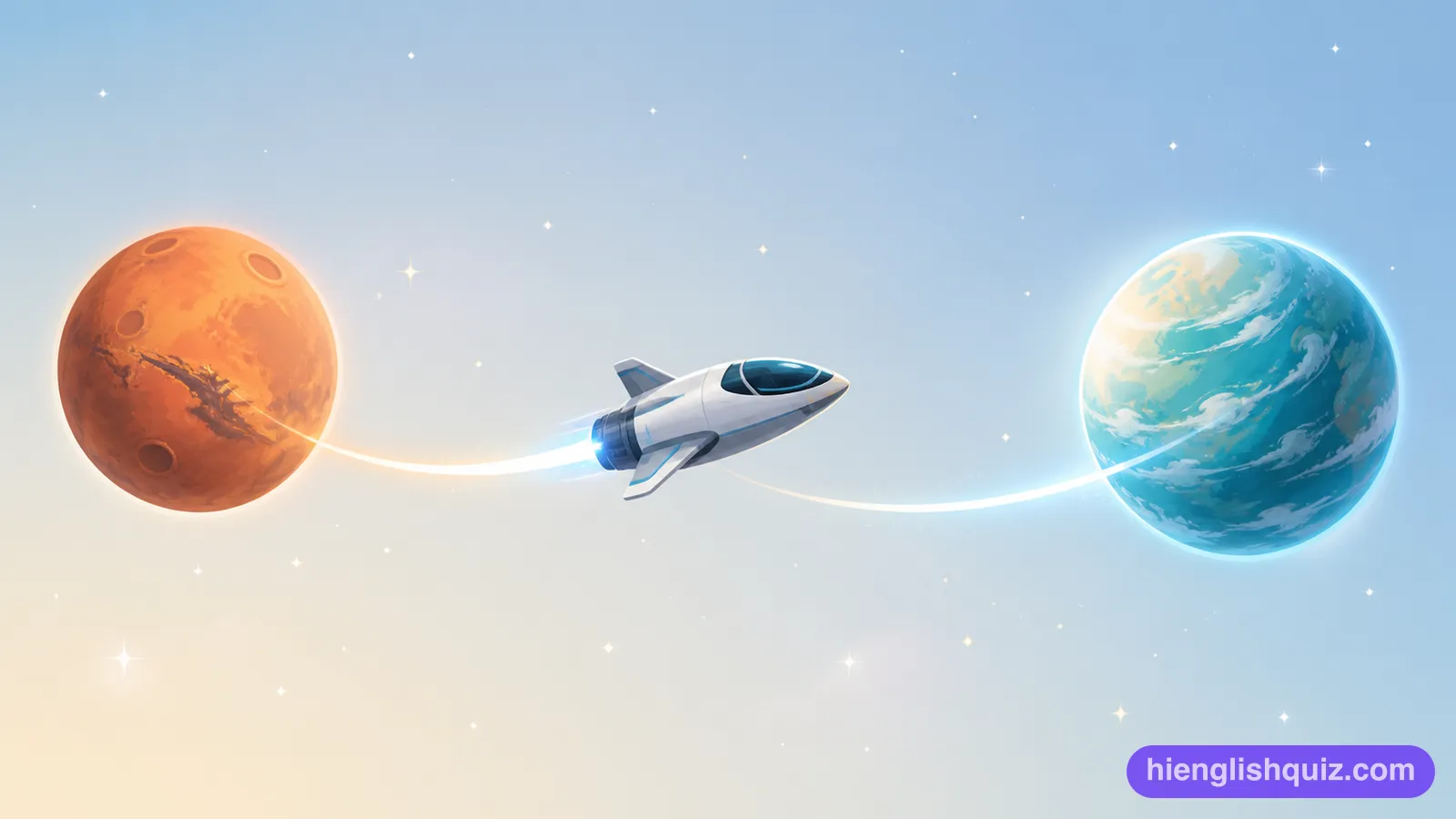
Ví dụ: Ancient astronomers once believed in a geocentric universe.
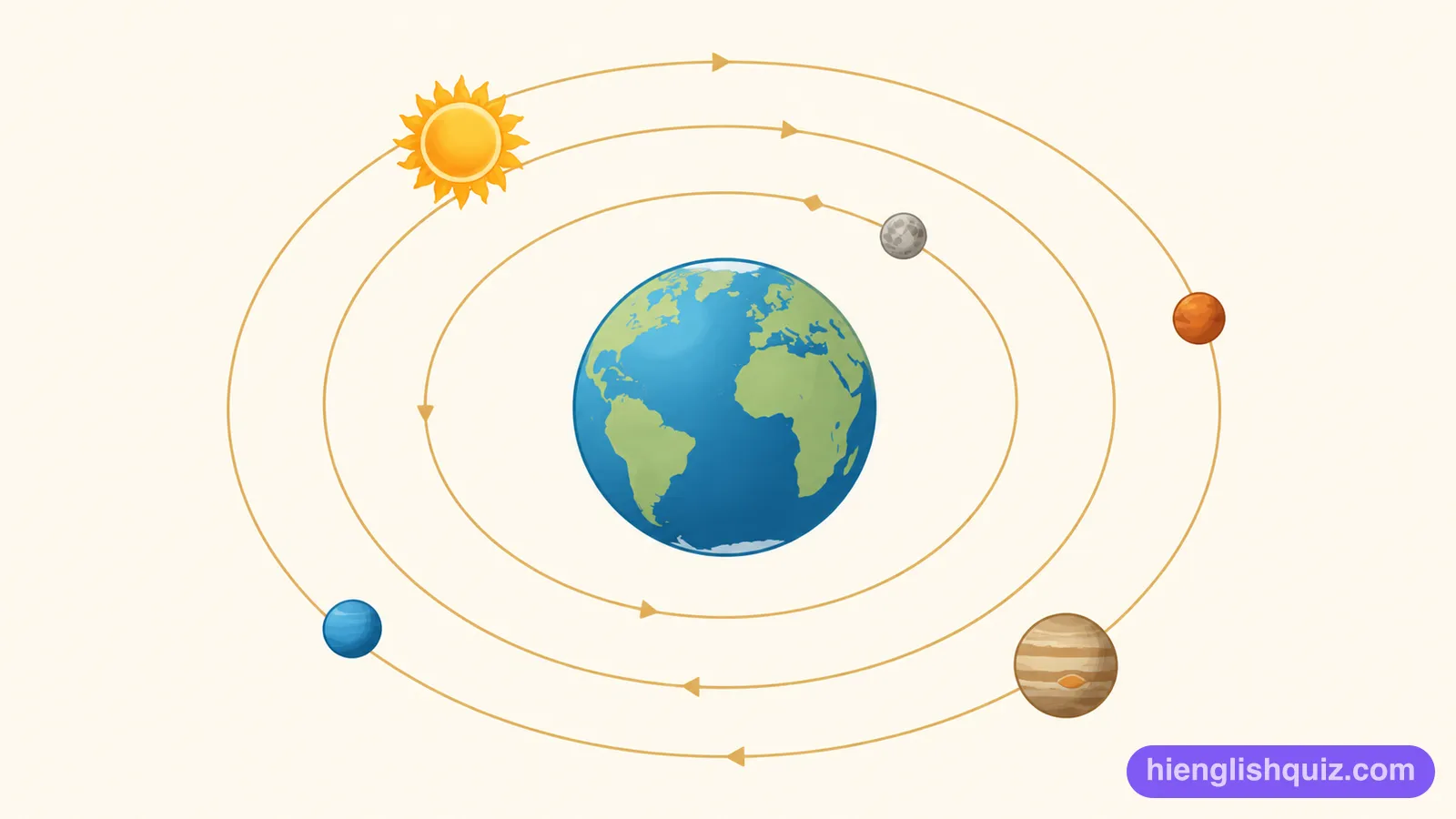
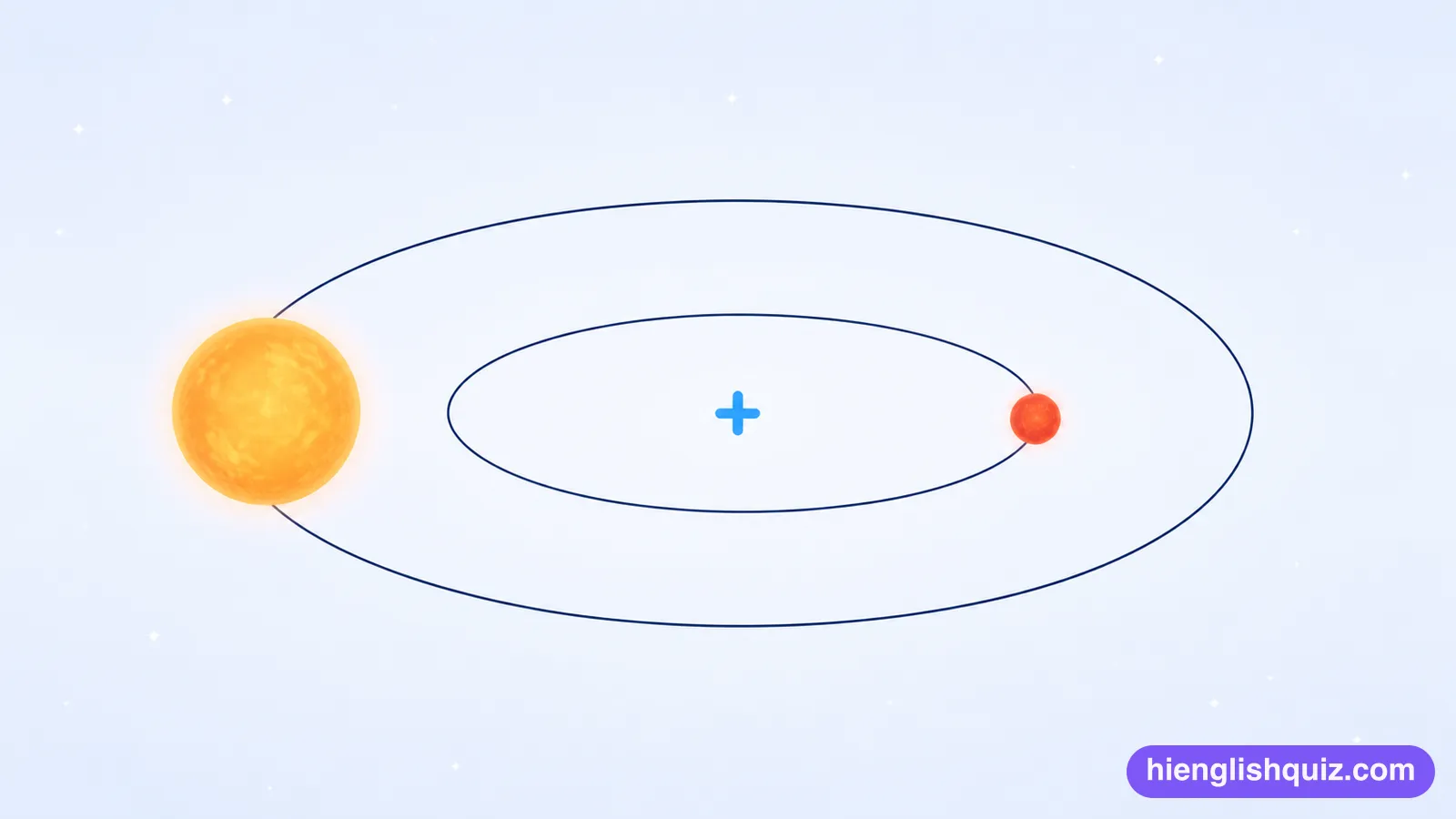
Ví dụ: The barycentre of the Earth and Moon sits inside the Earth.
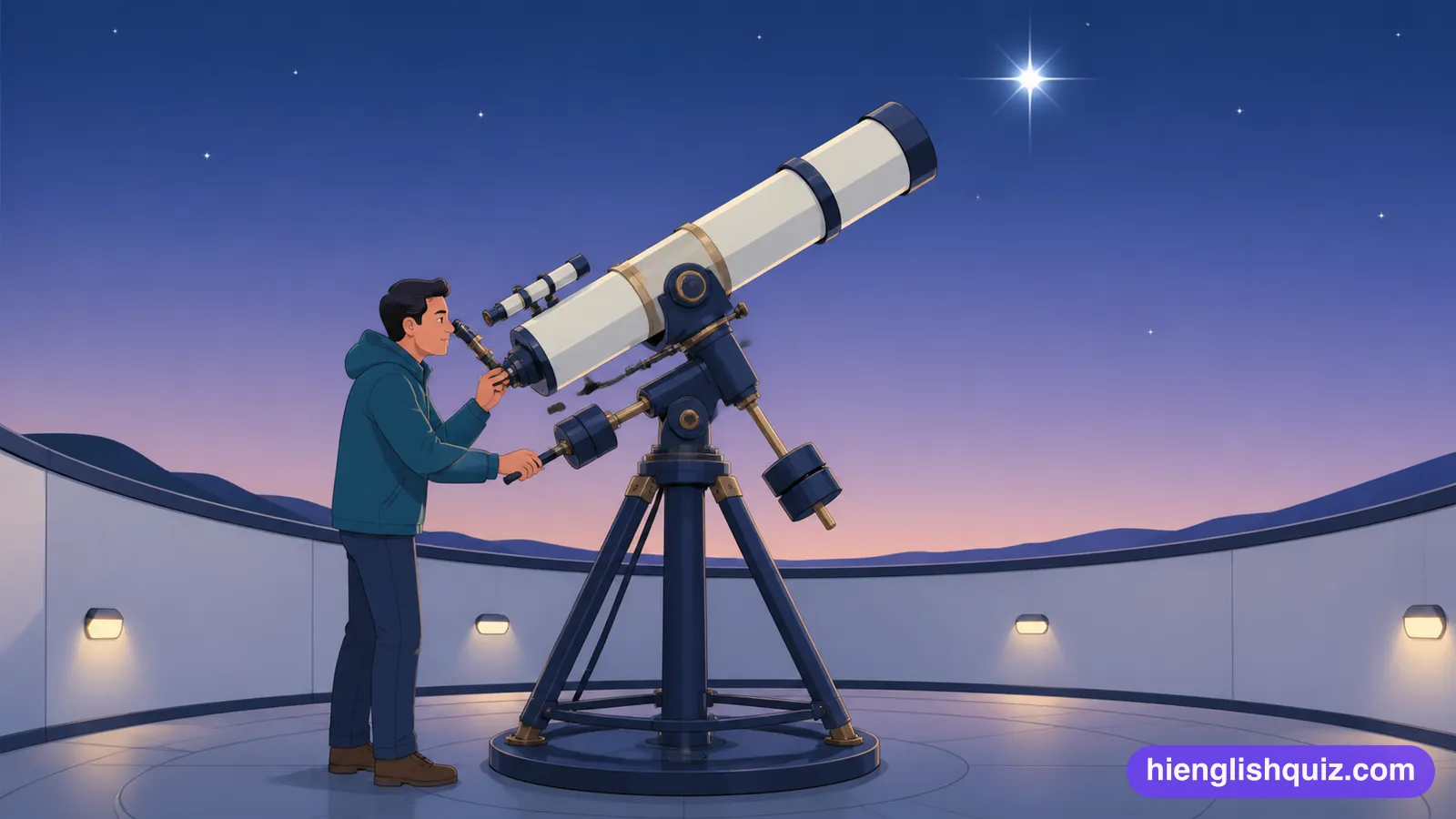
Ví dụ: A sidereal day is about four minutes shorter than a solar one.
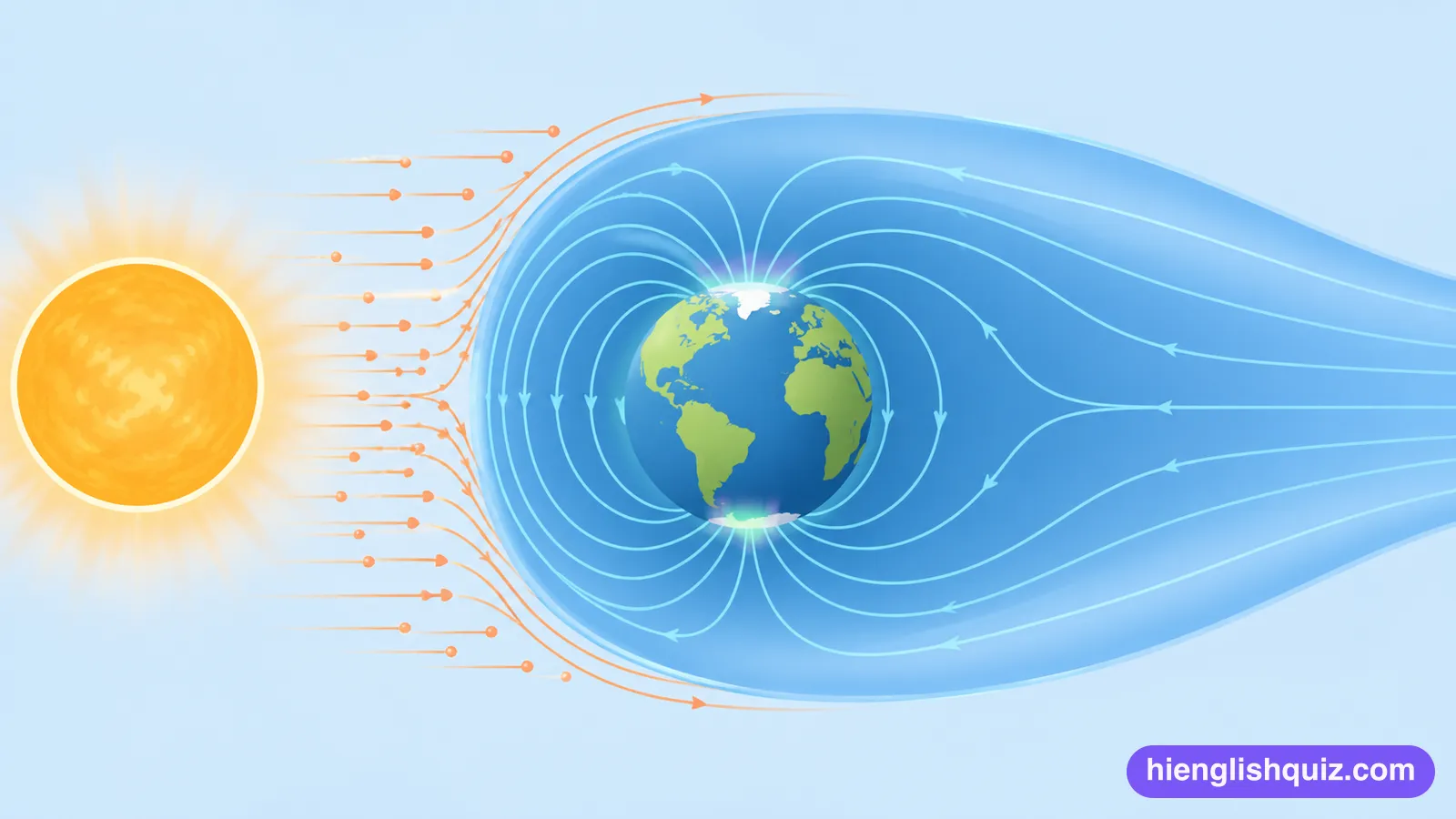
Ví dụ: The magnetosphere is what keeps the atmosphere from being stripped away.
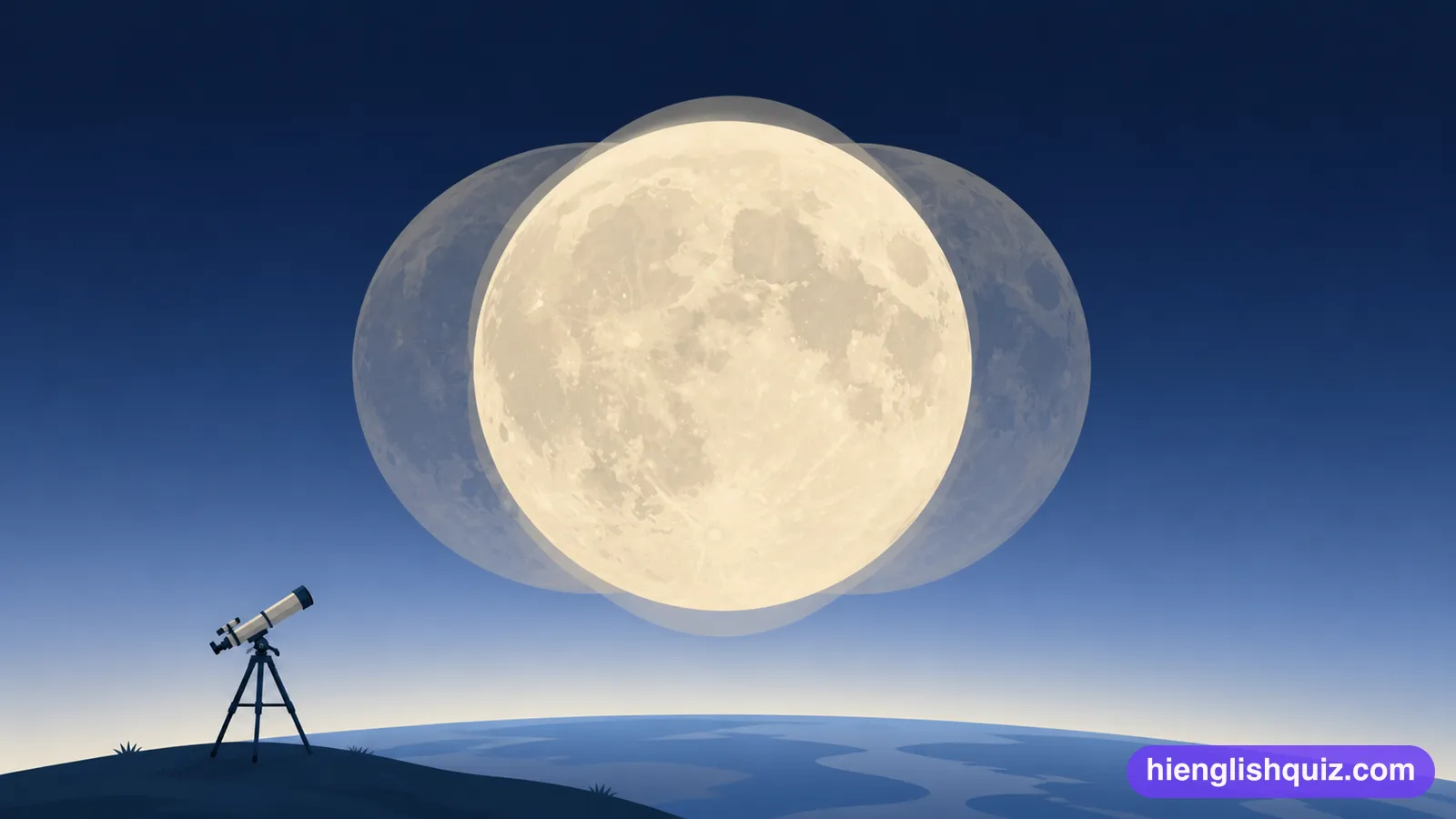
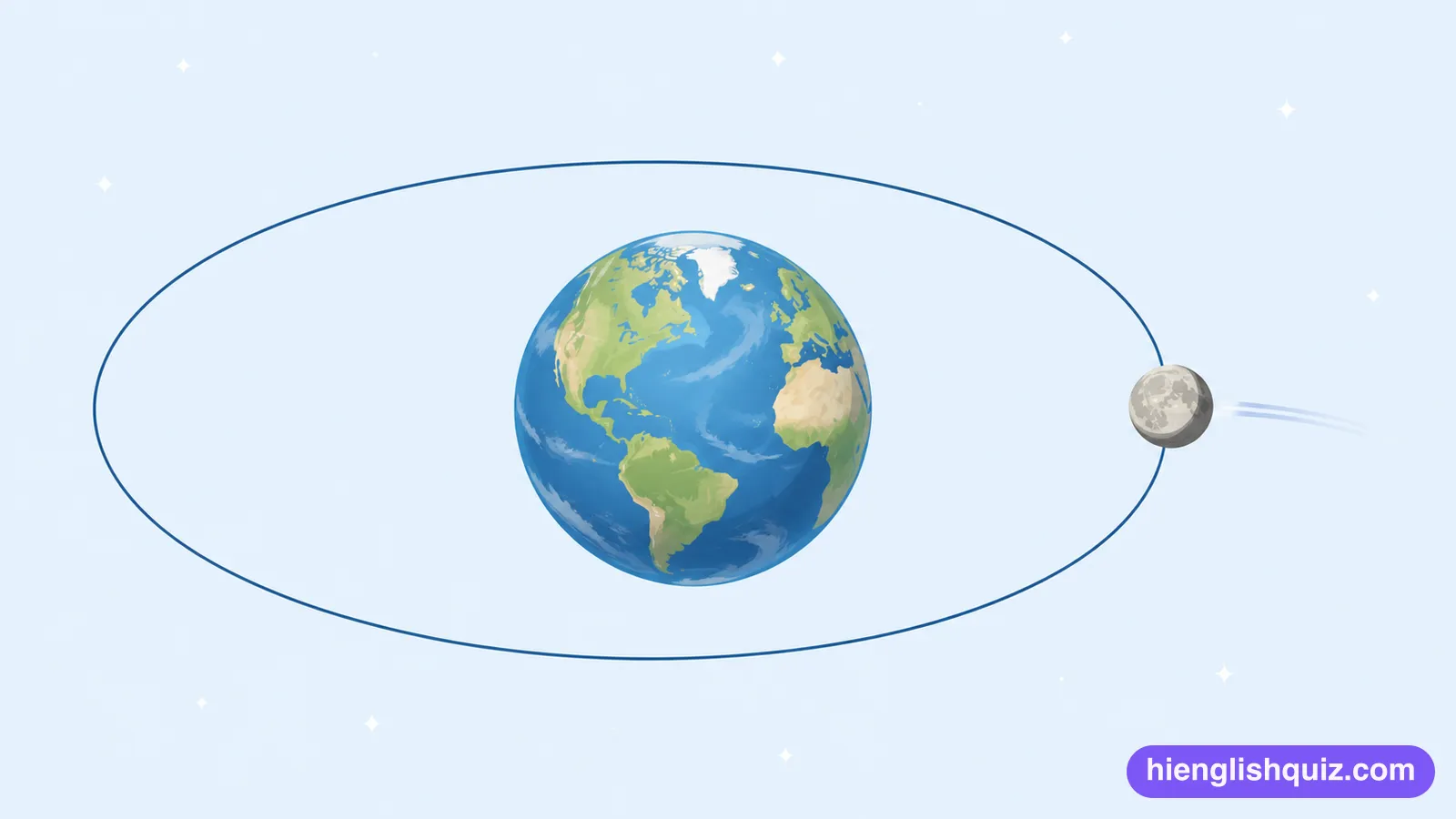
Ví dụ: The moon looks largest at perigee, which the papers call a supermoon.
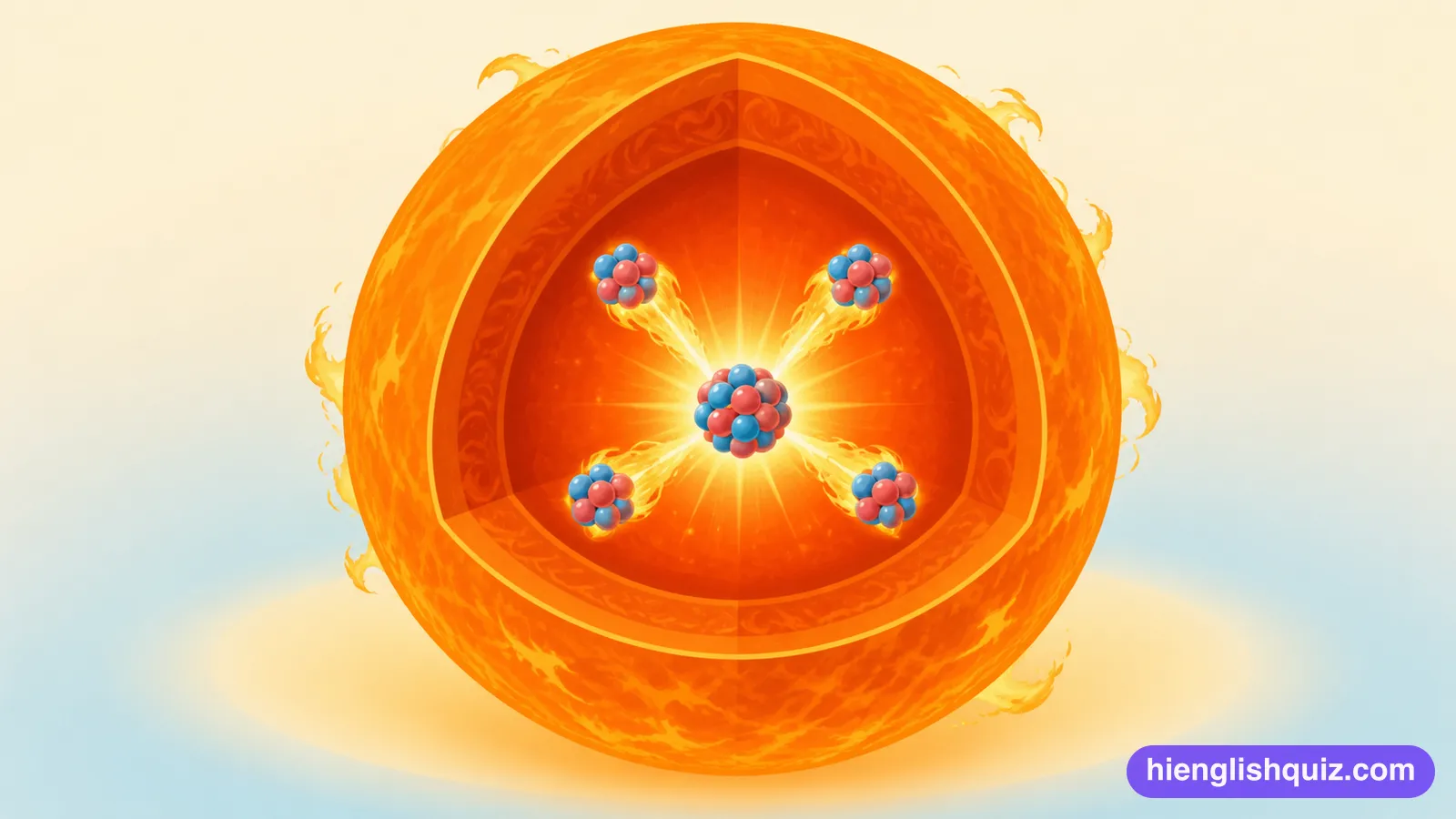
Ví dụ: Every atom heavier than helium comes from nucleosynthesis.
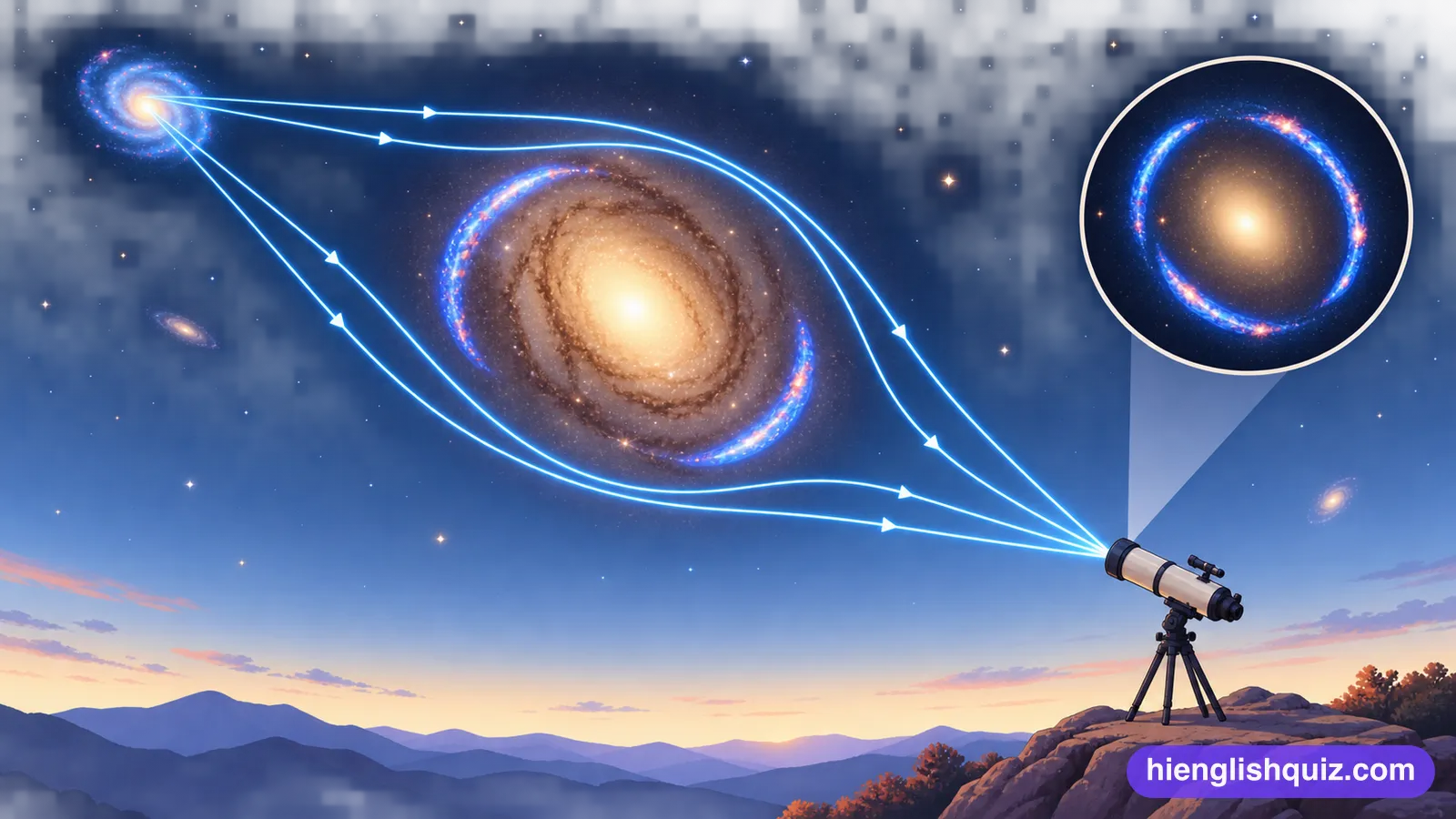
Ví dụ: Gravitational lensing lets astronomers see galaxies hidden behind others.
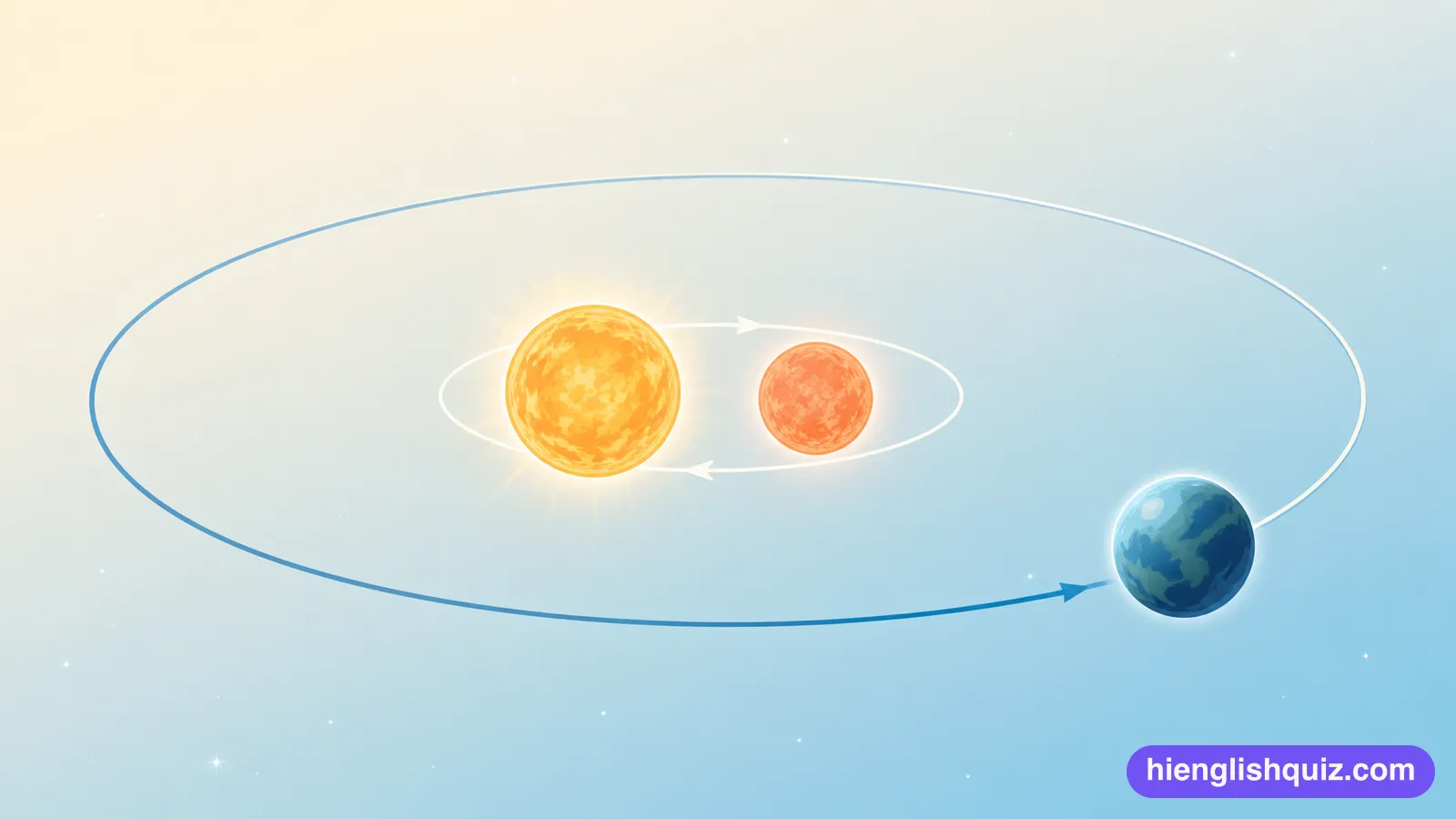
Ví dụ: A circumbinary planet has two sunsets and no stable seasons.
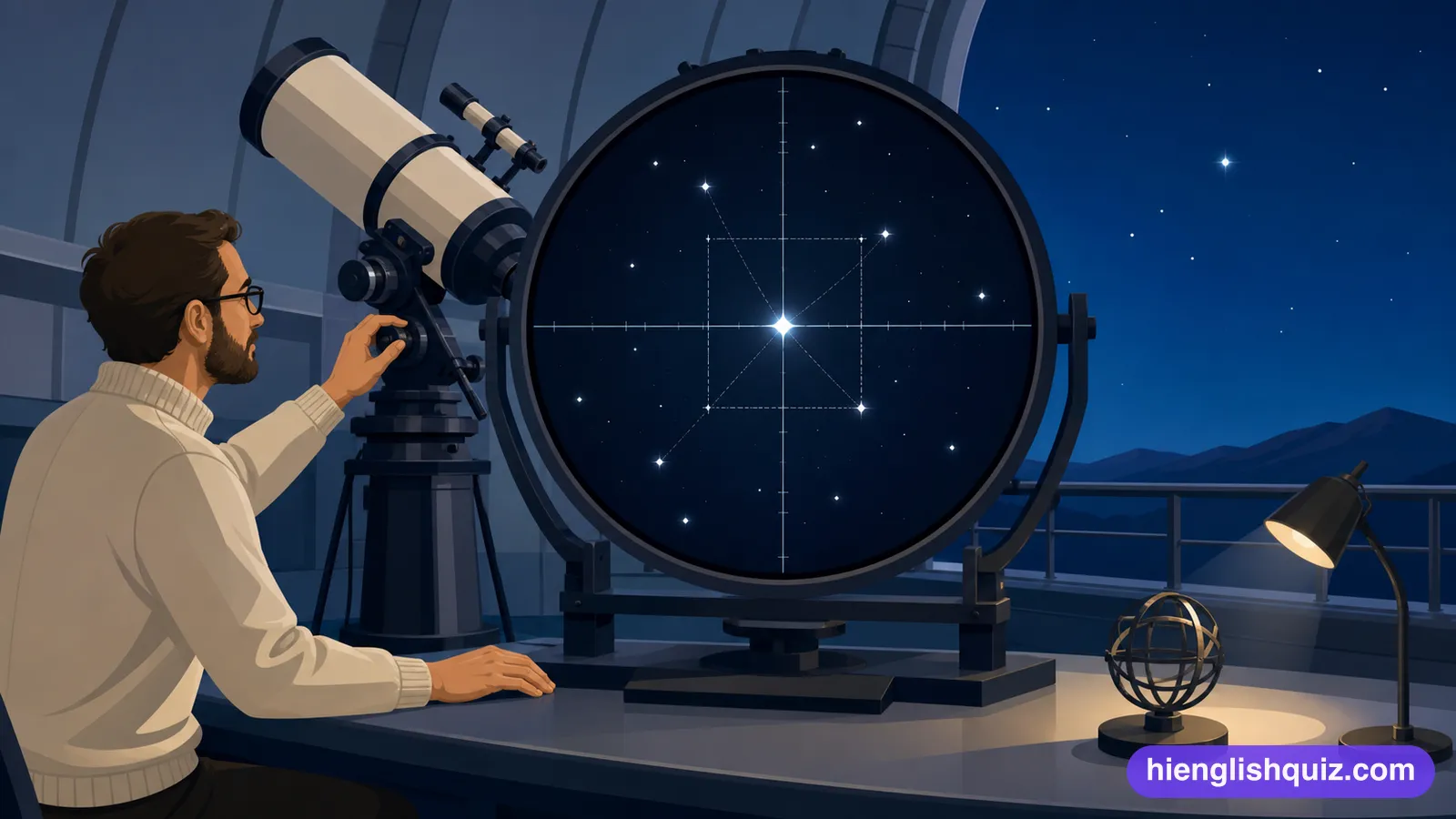
Ví dụ: Modern astrometry works to a millionth of a degree.
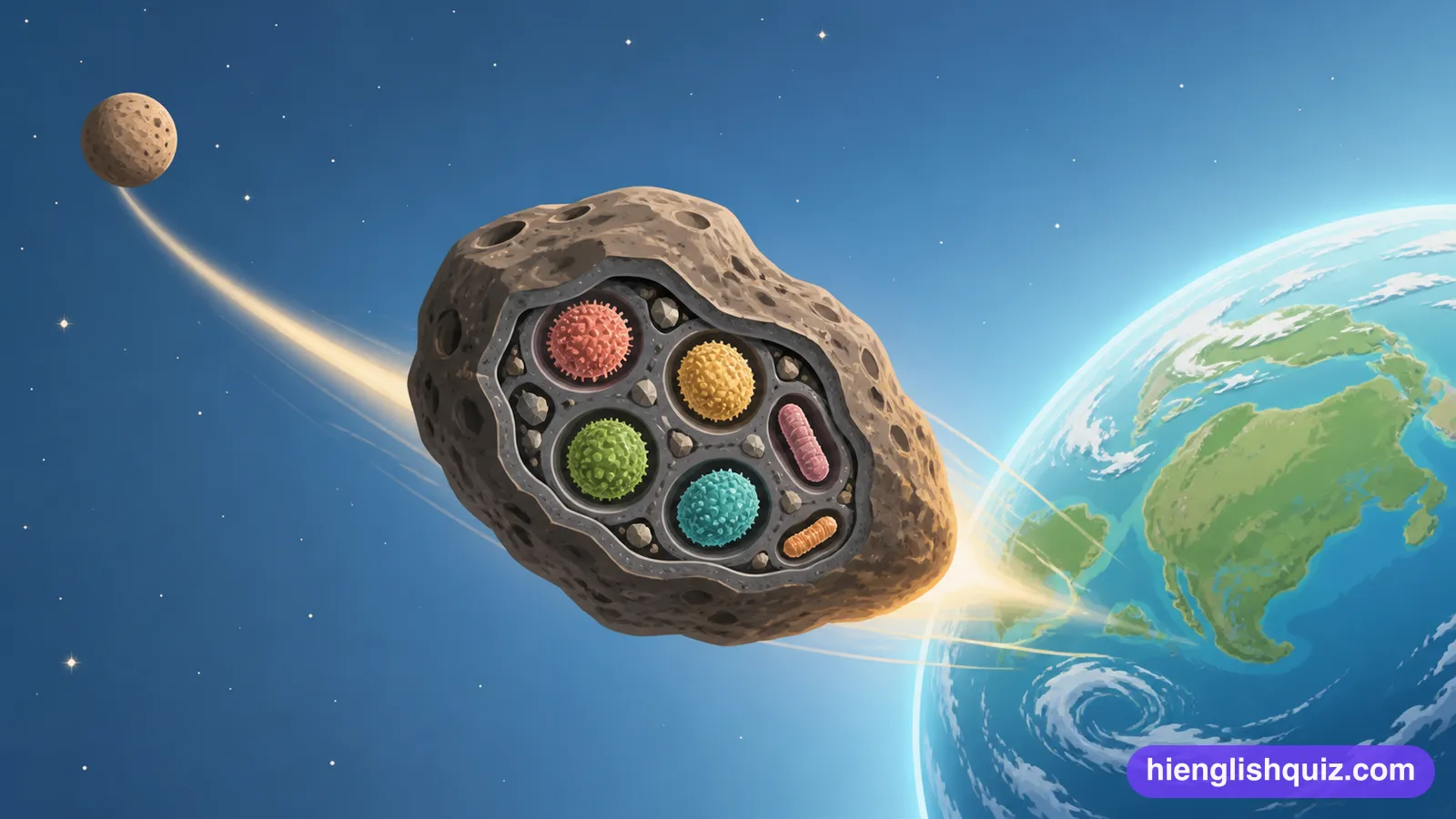
Ví dụ: Panspermia moves the question rather than answering it.
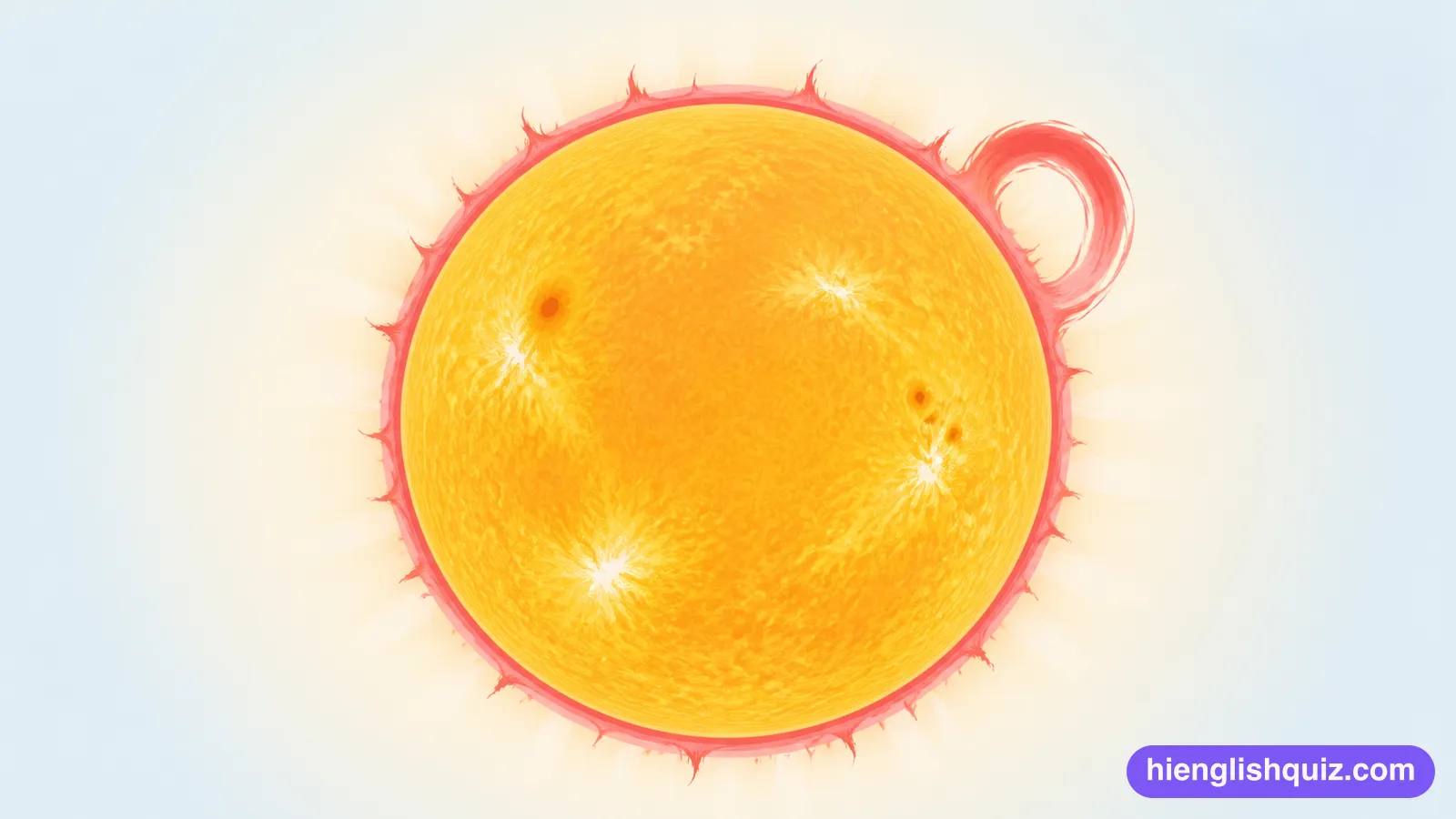
Ví dụ: The chromosphere is only visible during a total eclipse.
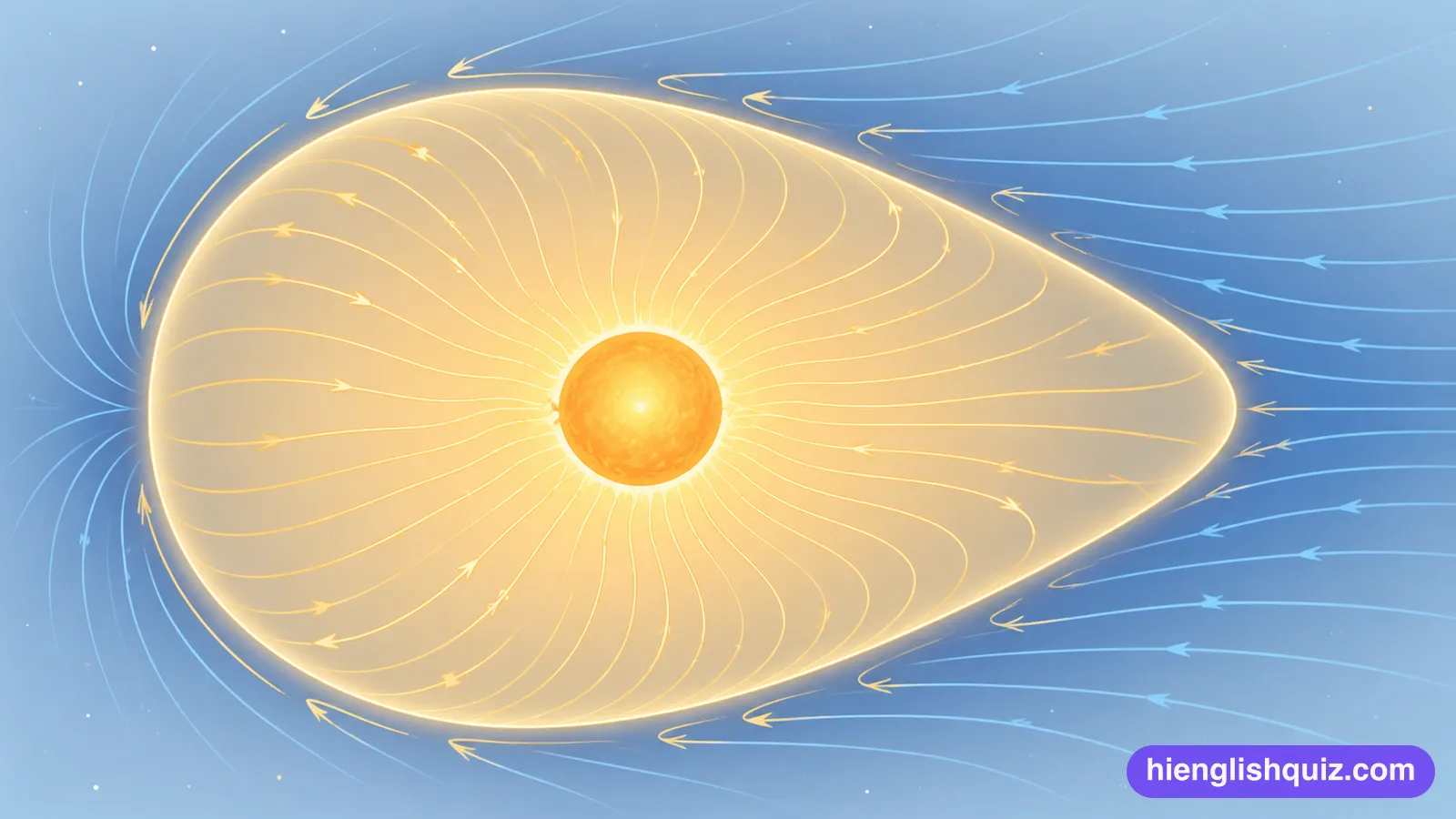
Ví dụ: Two probes have now crossed the heliopause and kept transmitting.
Ví dụ: Libration is why we see fifty-nine per cent of the lunar surface.