sentient
- Nghĩa tiếng Việt
- Có tri giác
- Định nghĩa tiếng Anh
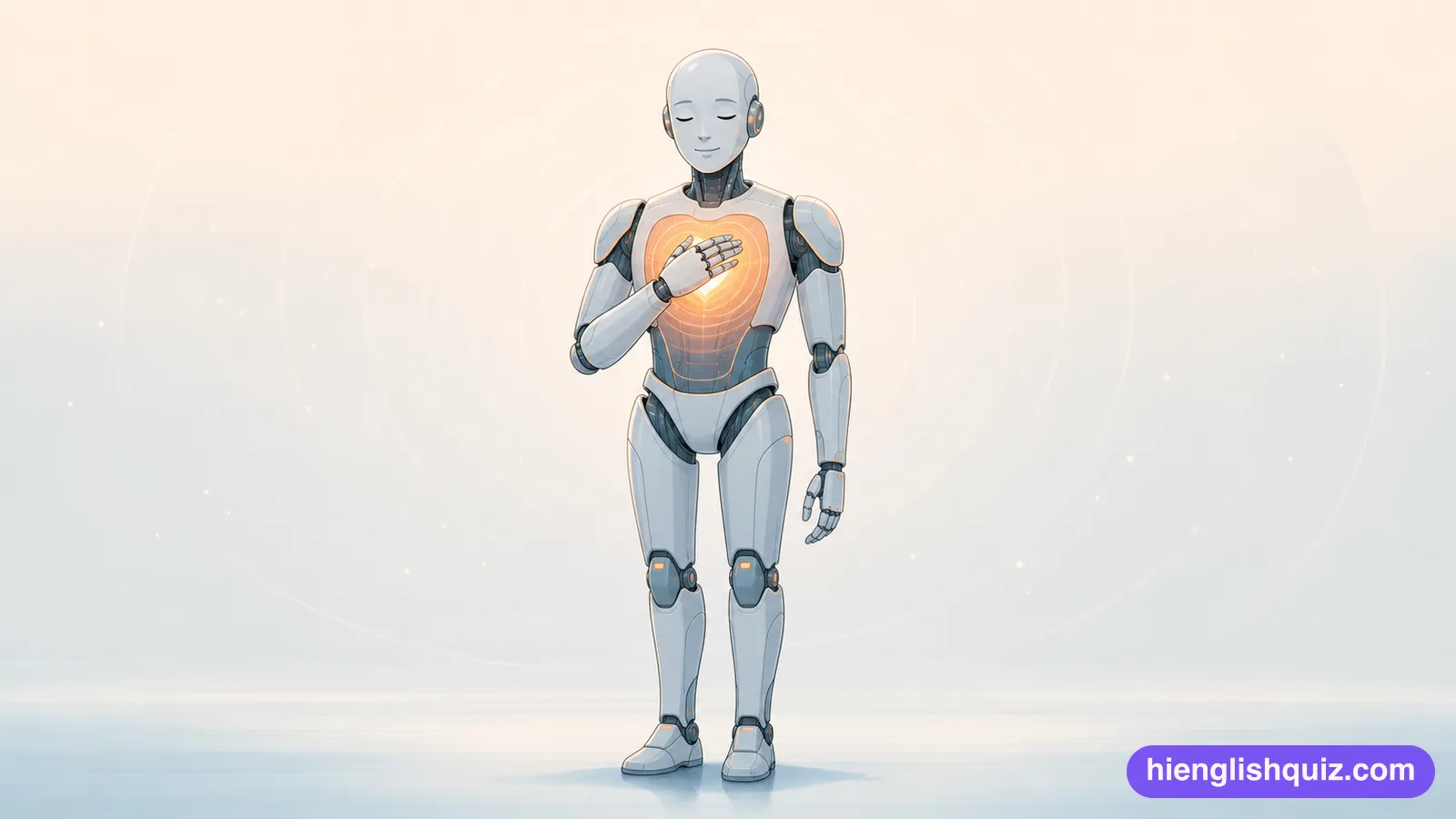
- Able to feel and to be aware of its own experience, not merely to calculate.
Ví dụ: Nobody seriously claims the chatbot is sentient yet.
 Hi EnglishQuiz
C222 từ · Thành thạo
Từ vựng trí tuệ nhân tạo như neural network, deep learning, overfitting cùng tokenisation, distillation và scaling law, giúp bạn bàn về cách xây dựng các mô hình AI.
Ví dụ: Nobody seriously claims the chatbot is sentient yet.
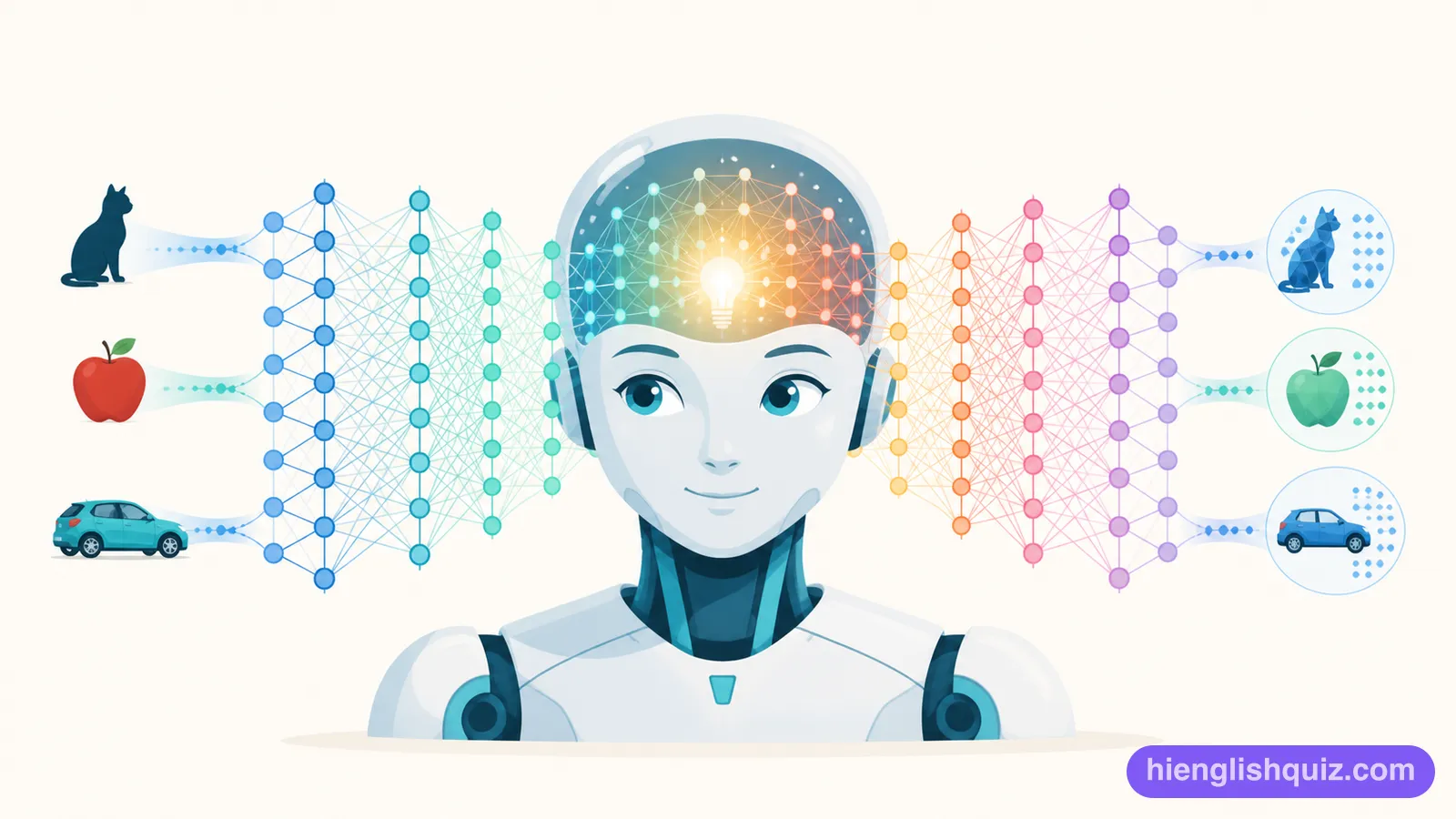
Ví dụ: They trained a neural network on millions of photographs.
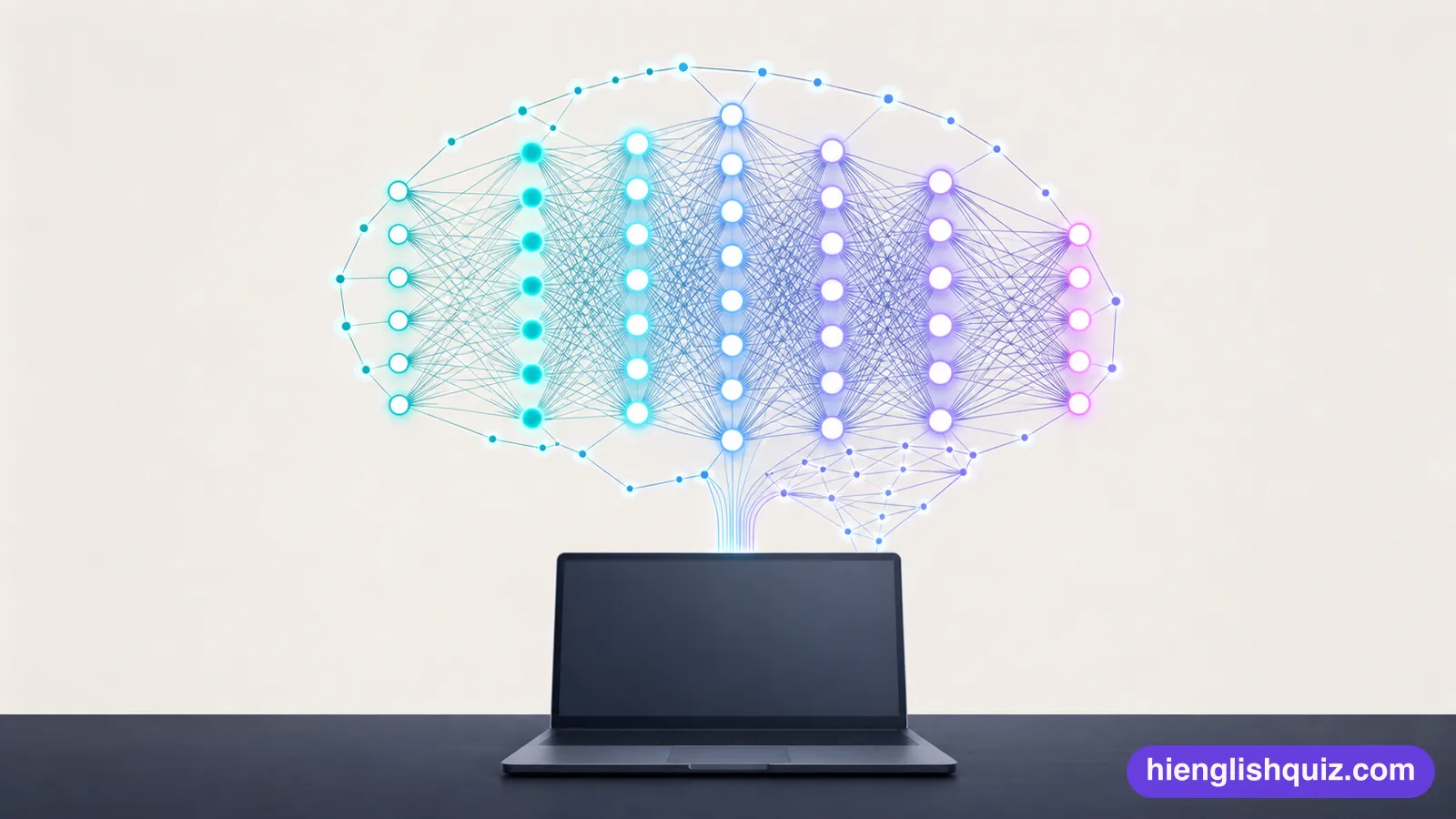
Ví dụ: Deep learning allowed the program to recognise thousands of objects.
Ví dụ: The chatbot can sometimes hallucinate facts that never happened.
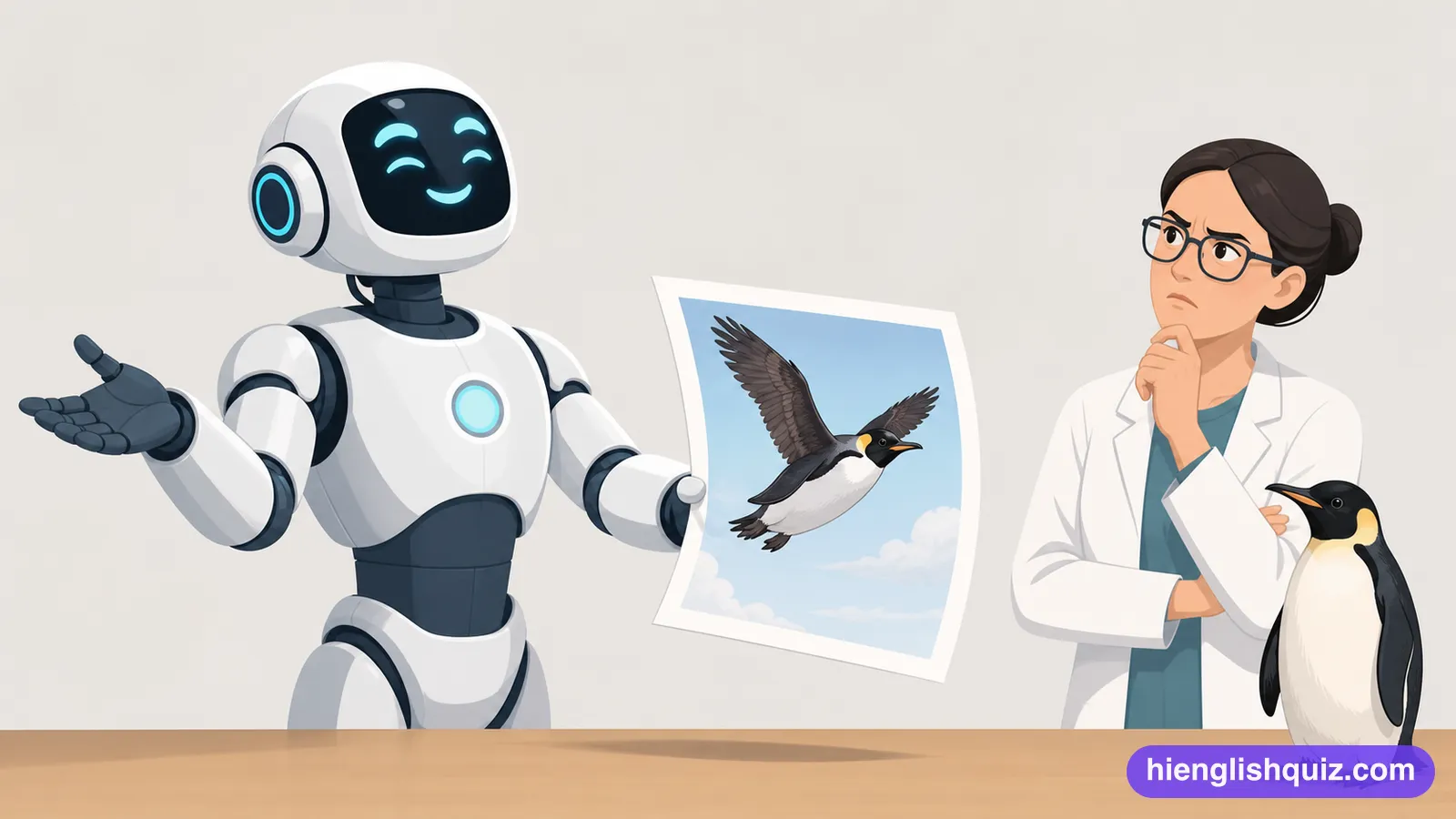
Ví dụ: Overfitting made the model useless on real customer data.

Ví dụ: Engineers fine-tune the model using a smaller, specific dataset.

Ví dụ: Some scientists doubt the singularity will ever really happen.
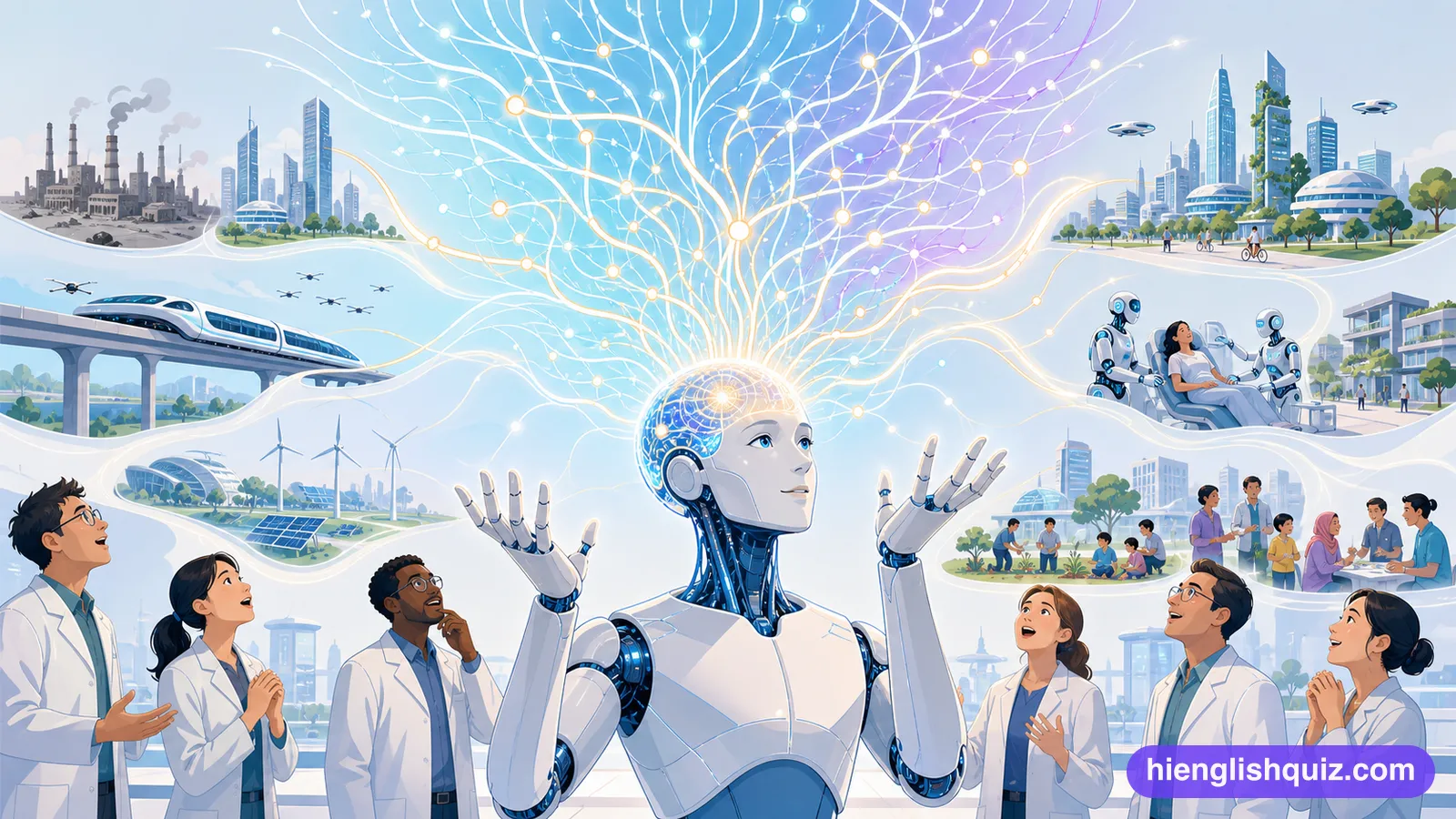
Ví dụ: The chatbot is said to have passed the turing test in one trial.

Ví dụ: Supervised learning needs thousands of correctly labelled examples.

Ví dụ: Critics worry that the algorithm behaves like a black box.
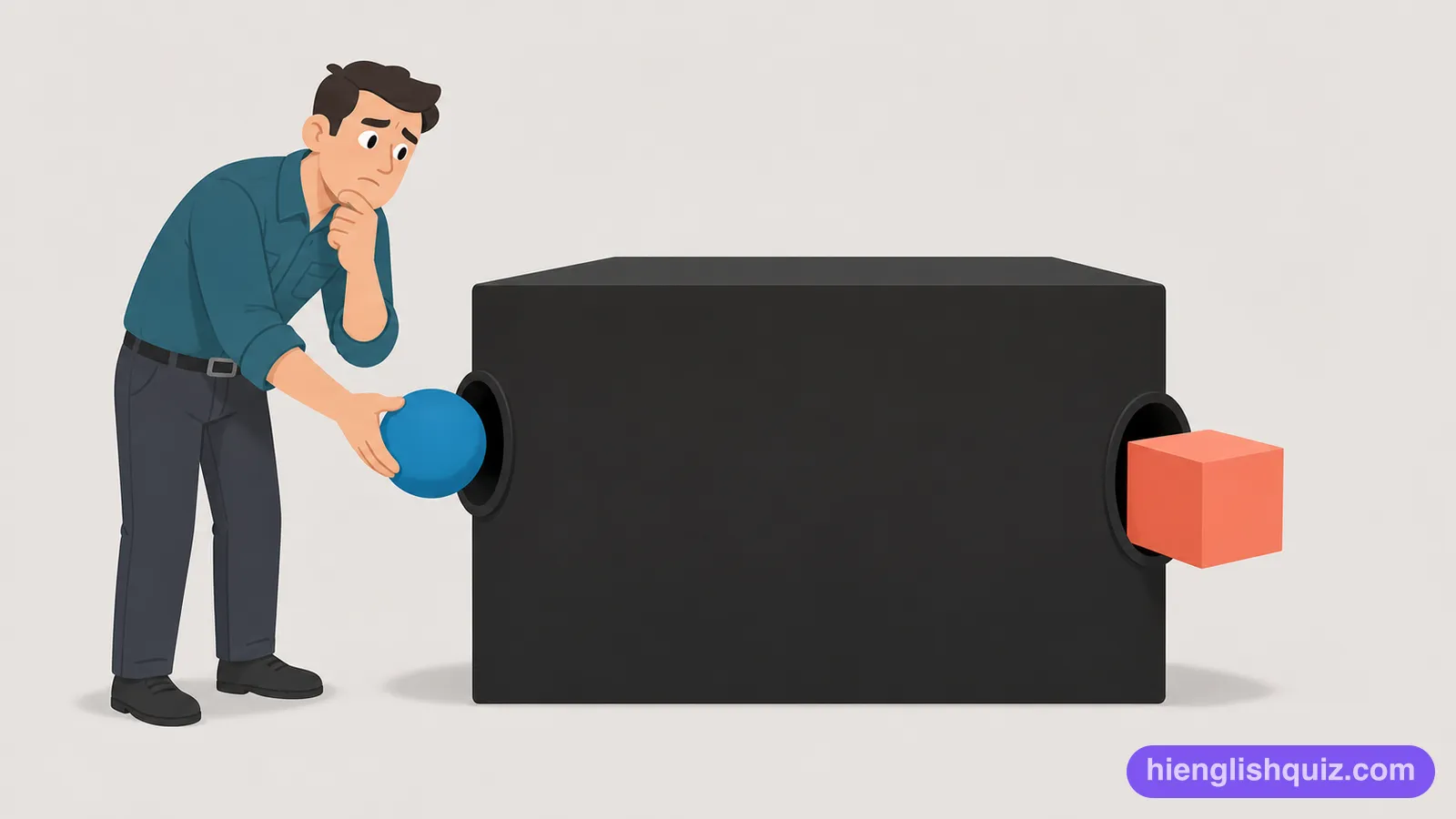
Ví dụ: The process is stochastic, so the same input never gives the same answer twice.

Ví dụ: Every word becomes an embedding before anything else happens.
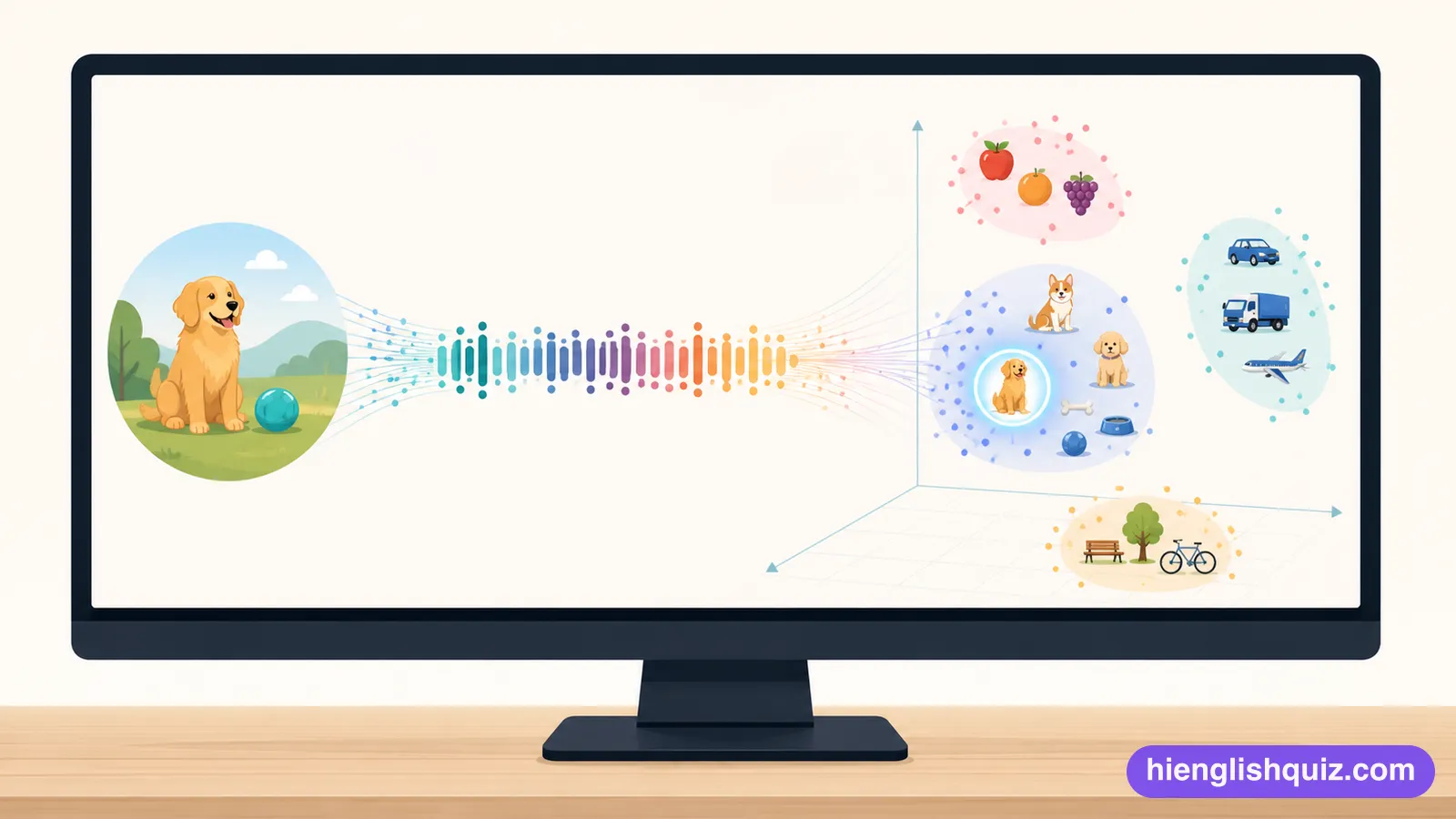
Ví dụ: Bad tokenisation is why it cannot count letters.

Ví dụ: Distillation gets you most of the quality at a tenth of the cost.
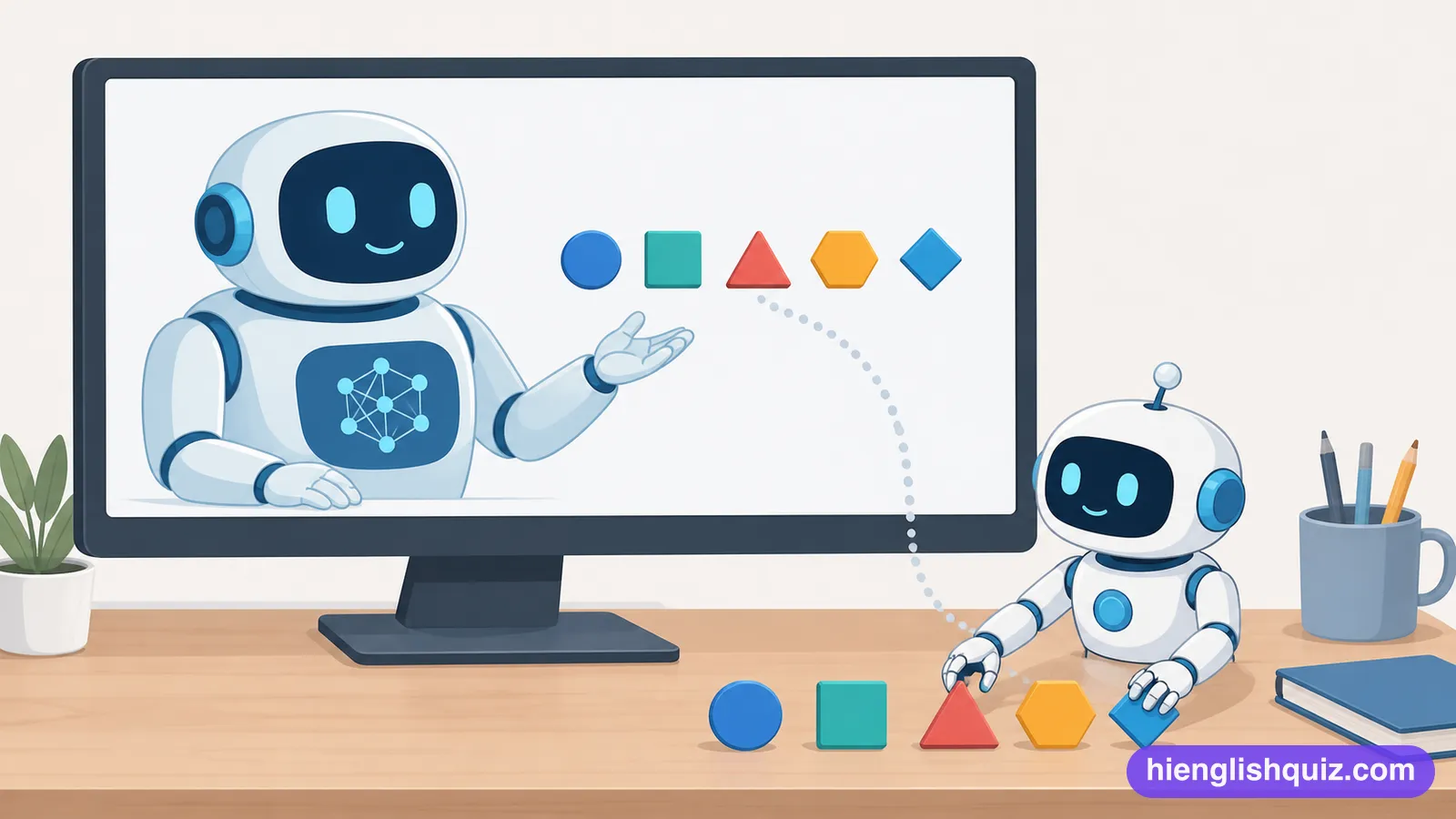
Ví dụ: Quantisation put the whole thing on a phone.

Ví dụ: Half the field now calls itself alignment research.

Ví dụ: Nobody predicted the emergent behaviour at that scale.
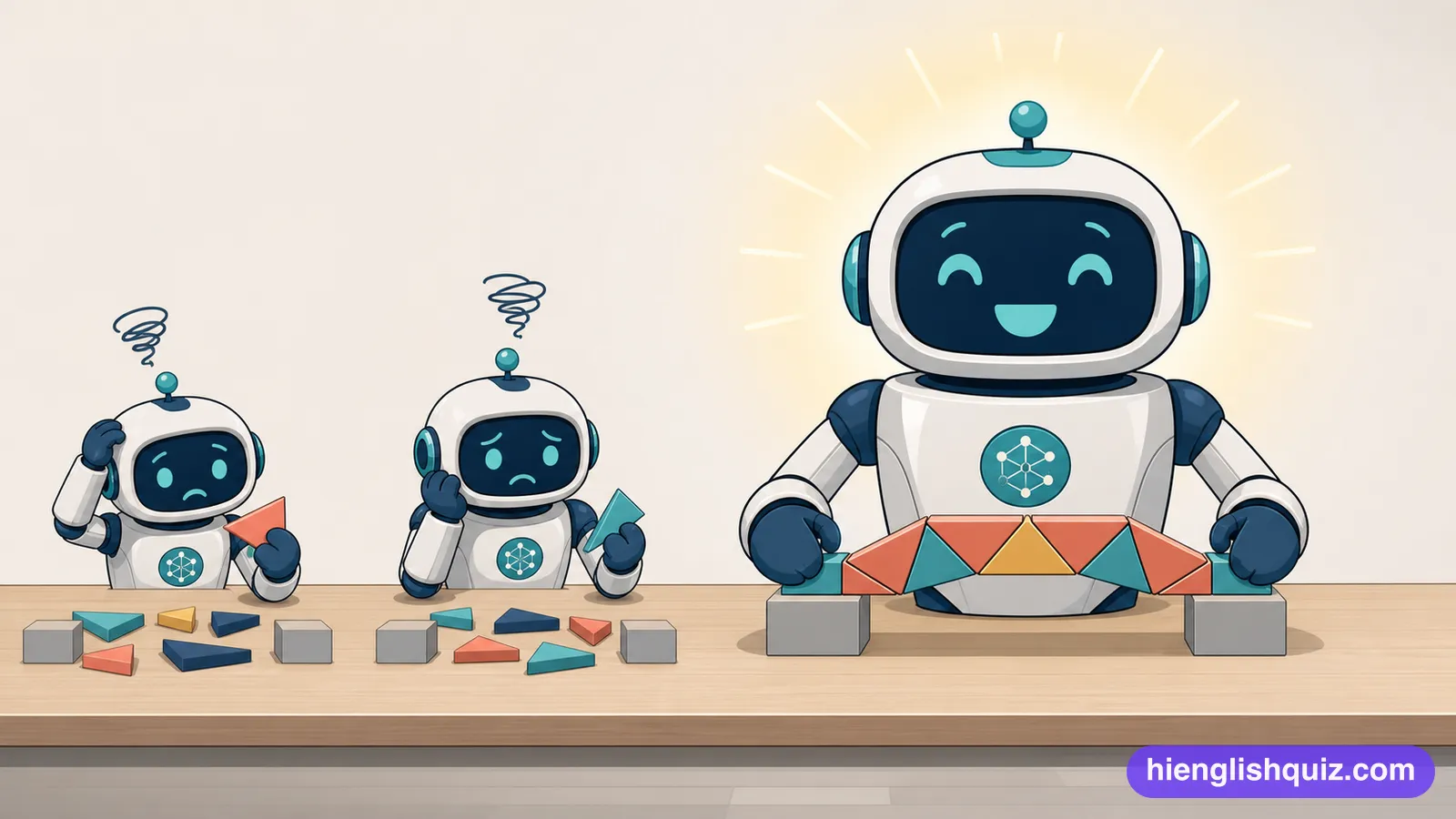
Ví dụ: A model that is accurate but not interpretable is useless in court.

Ví dụ: A federated approach keeps the records on the hospital's own machines.

Ví dụ: No provenance chain means no defence when someone sues.

Ví dụ: One hallucination in a legal filing ended a career.

Ví dụ: Every scaling law eventually meets a wall nobody predicted.