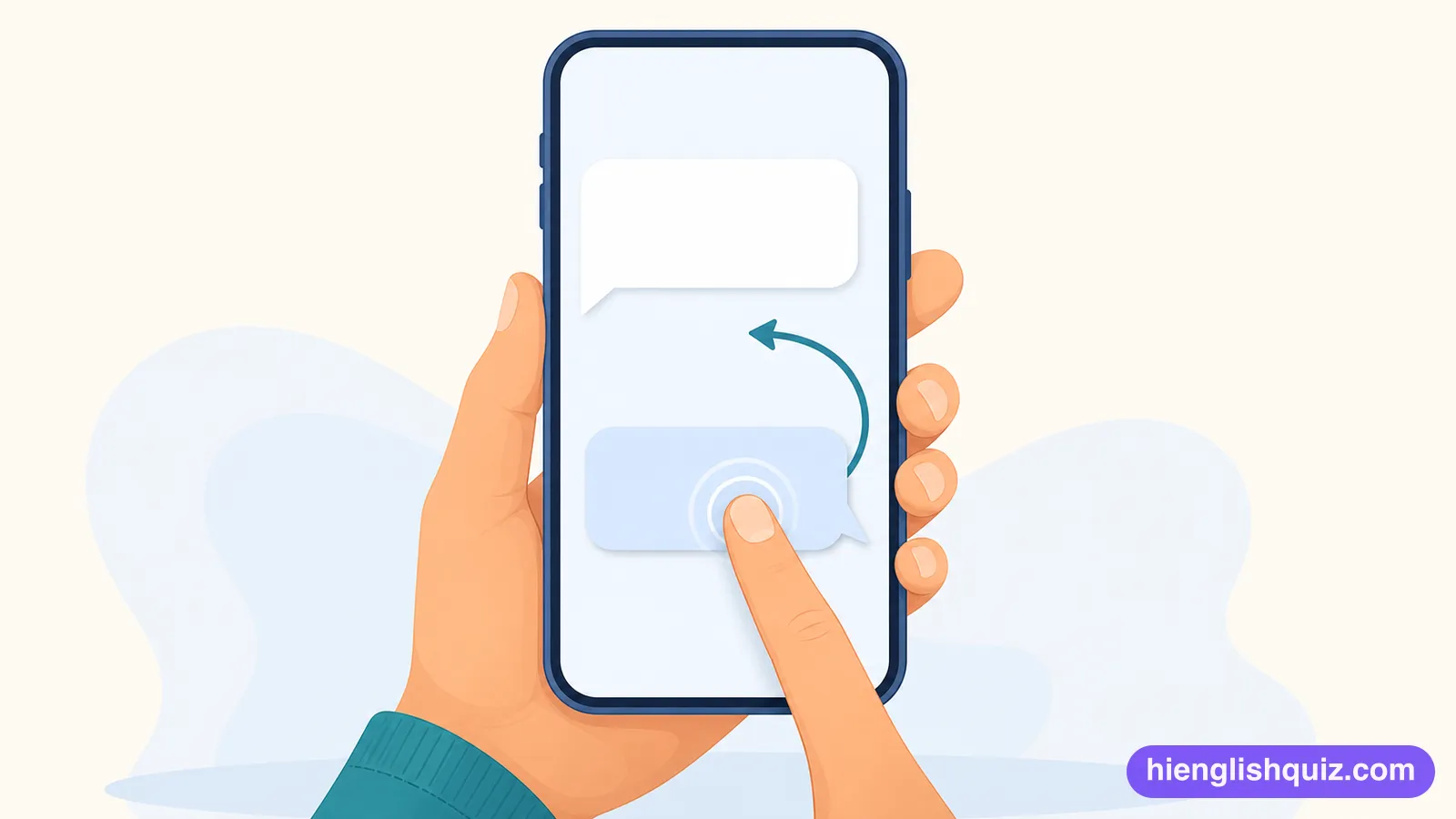
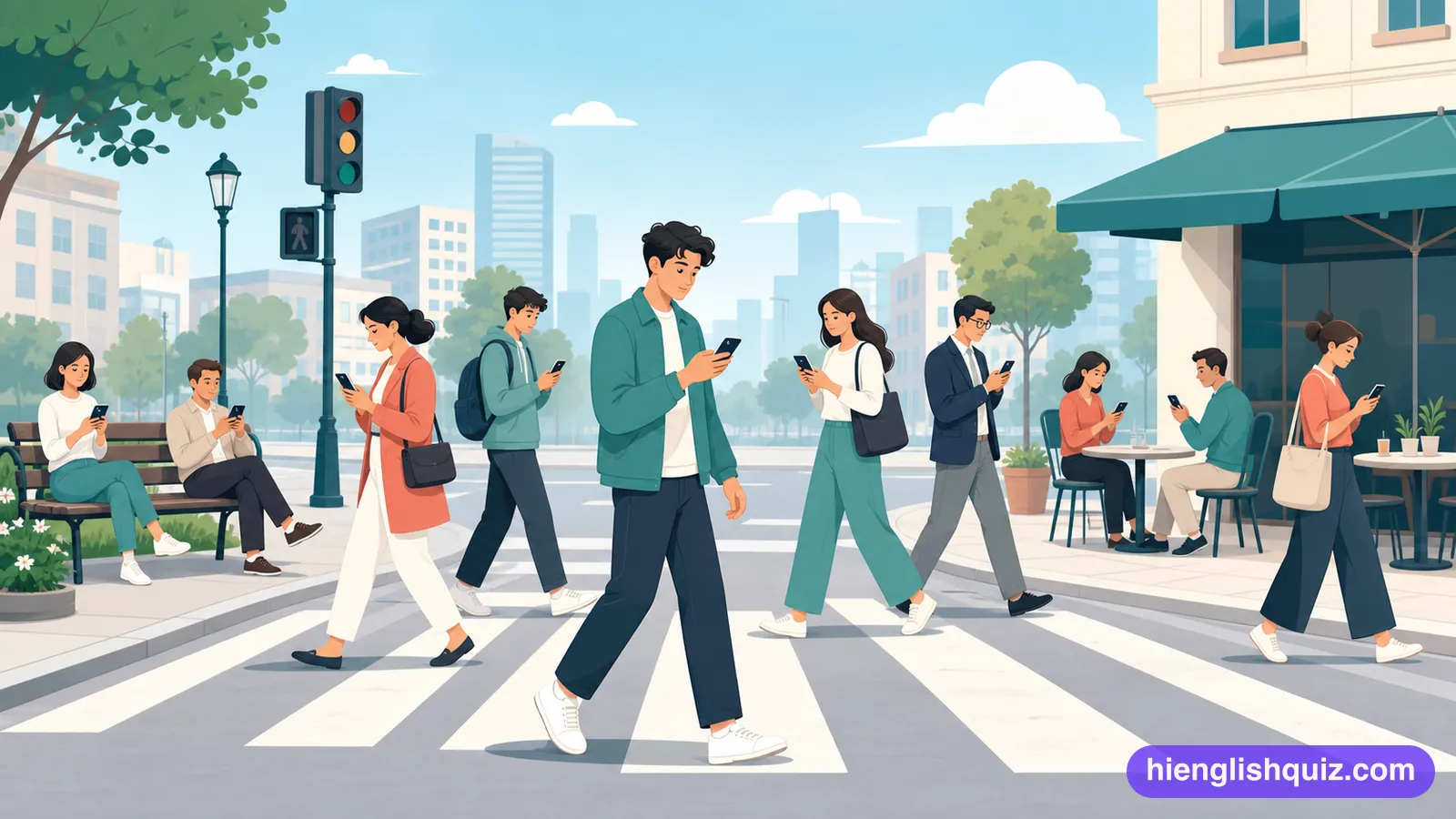
etiquette
/ˈɛtəkət/- Nghĩa tiếng Việt
- Phép lịch sự (mạng)
- Định nghĩa tiếng Anh
- The accepted unwritten rules about behaving politely towards other people.
Ví dụ: Replying to everyone breaks basic email etiquette.

 Hi EnglishQuiz
C218 từ · Thành thạo
Từ vựng giao tiếp số như zero-day, backdoor, cryptography cùng echo chamber, confirmation bias và filter bubble, phục vụ thảo luận sâu về cuộc sống trực tuyến.
Ví dụ: Replying to everyone breaks basic email etiquette.
Ví dụ: Text messages often lose the nuance of a real conversation.

Ví dụ: There was an unfriendly subtext hidden beneath her polite words.

Ví dụ: His passive-aggressive reply made everyone uncomfortable.

Ví dụ: The company admitted a breach affecting thousands of customers.

Ví dụ: Hackers can intercept anything you send over public wifi.
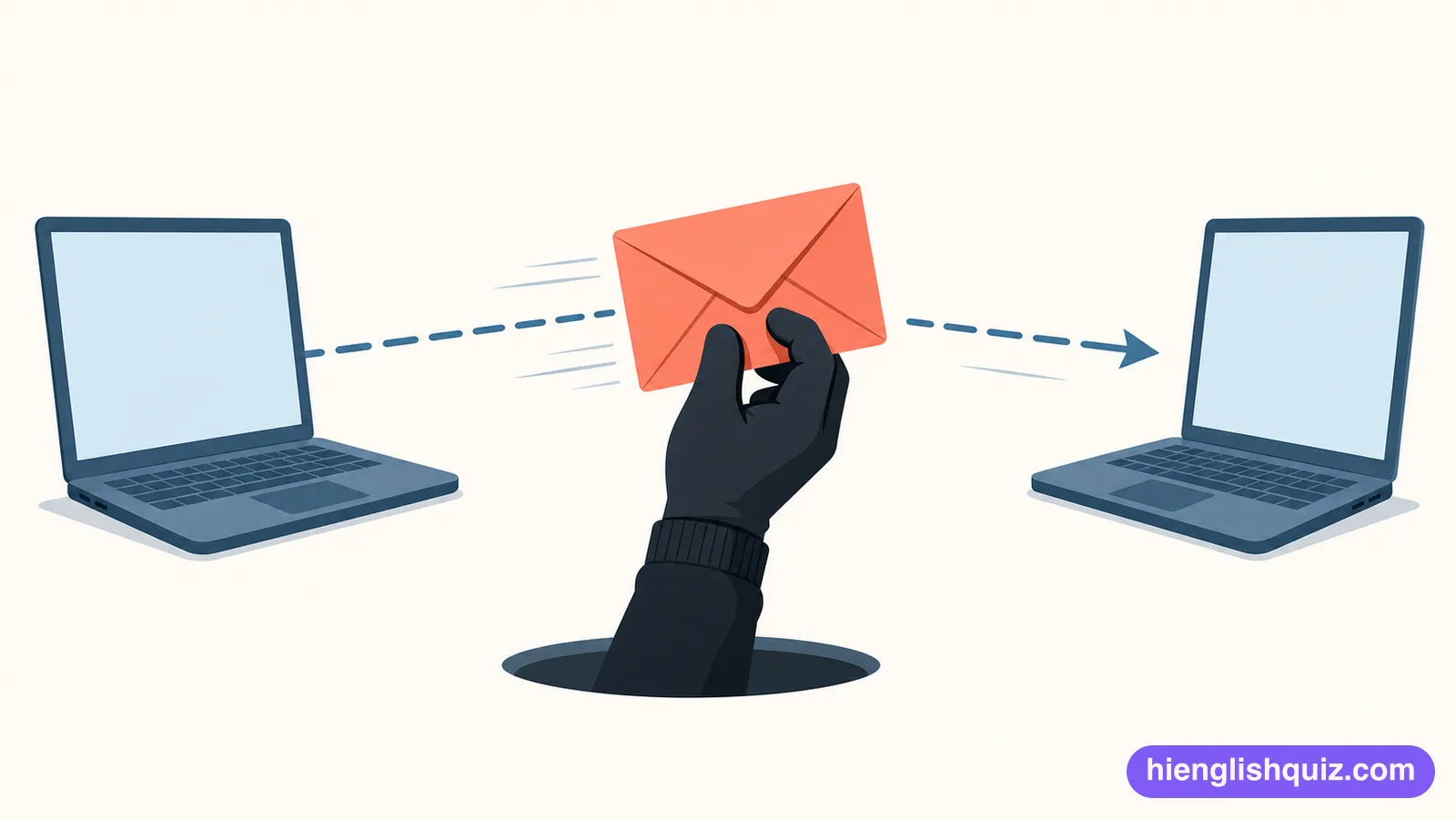
Ví dụ: The attack used a zero-day flaw that no one had patched yet.

Ví dụ: Investigators found a secret backdoor built into the software.
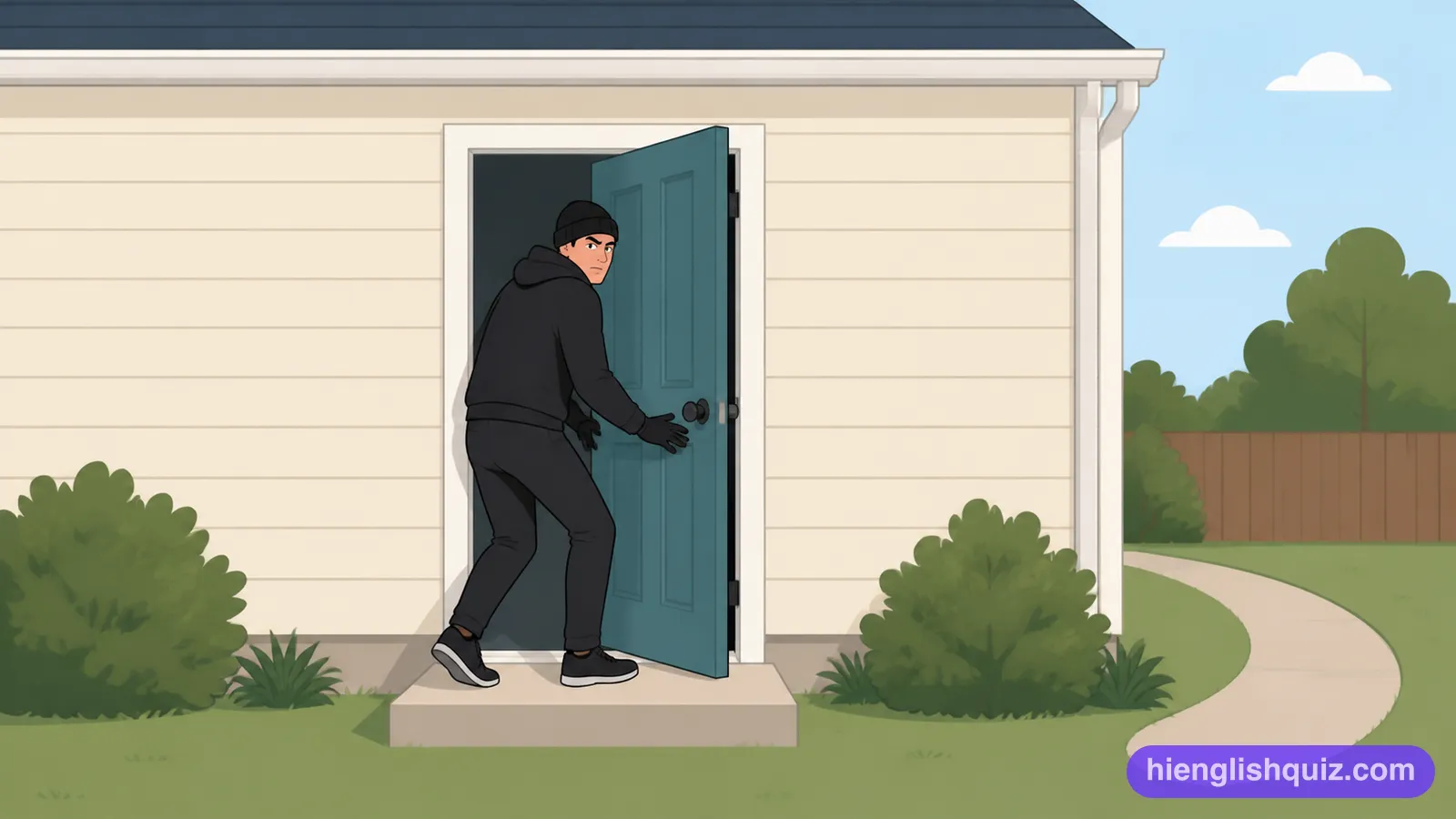
Ví dụ: The hackers managed to exfiltrate thousands of customer records.

Ví dụ: Malware writers obfuscate their code to avoid detection.

Ví dụ: Security researchers used a honeypot to study the attackers' methods.
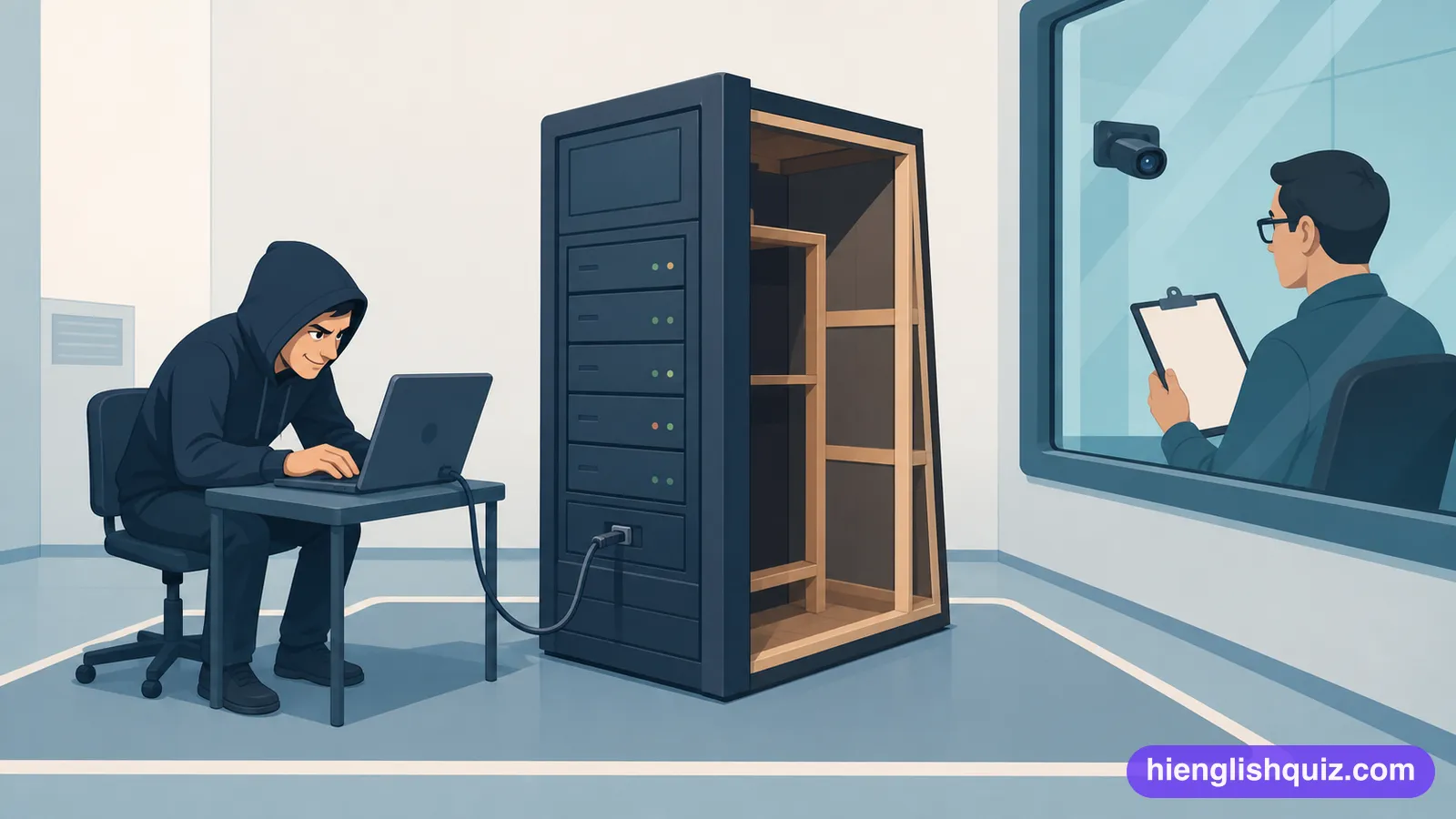
Ví dụ: The company hires experts to run penetration testing every year.

Ví dụ: Modern cryptography protects almost every online payment.

Ví dụ: Digital forensics experts traced the attack back to a single laptop.

Ví dụ: Online, it's easy to end up inside an echo chamber.
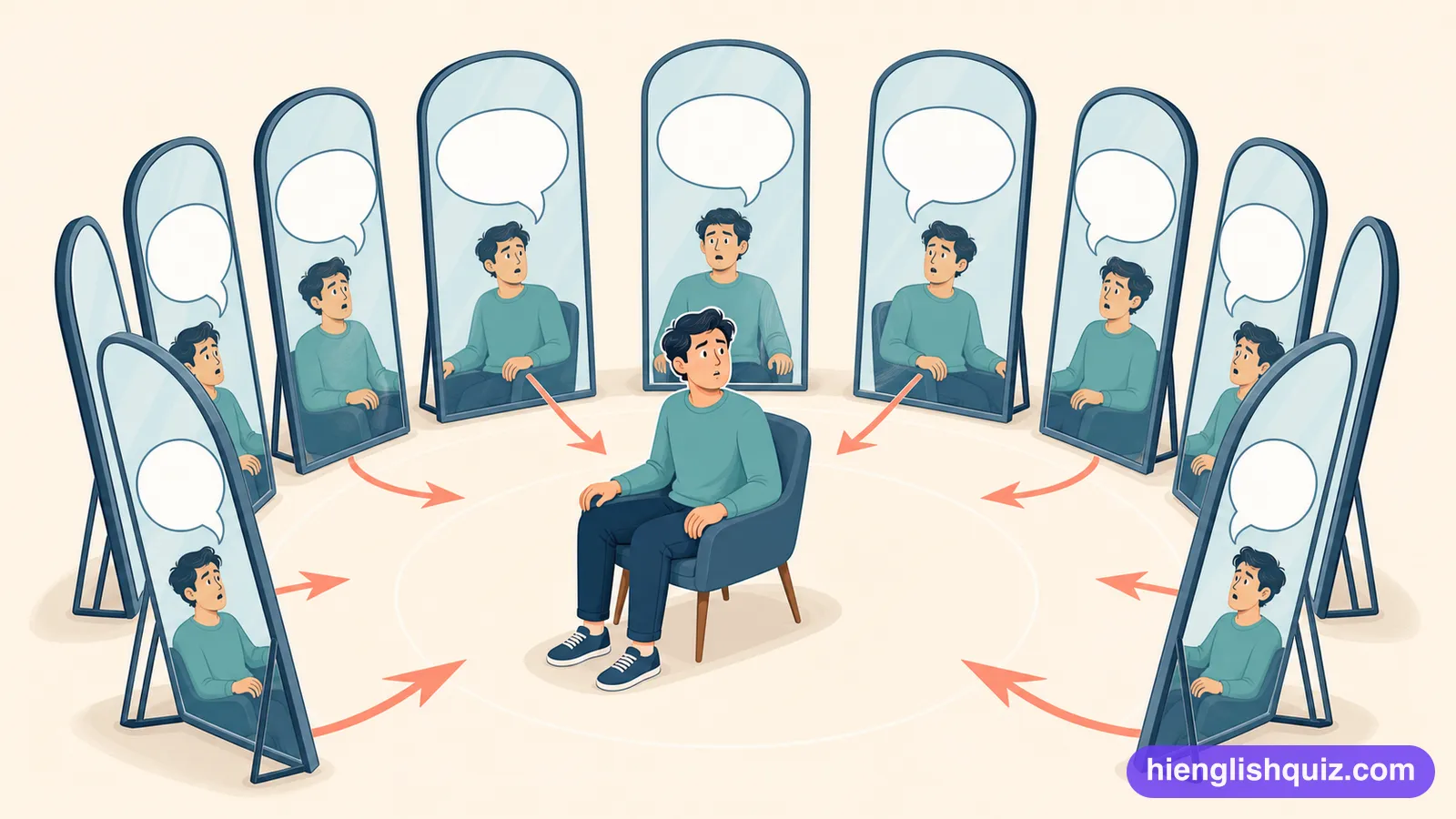
Ví dụ: Social media feeds can strengthen confirmation bias by showing you similar opinions.

Ví dụ: Personalized feeds can trap users inside a filter bubble.
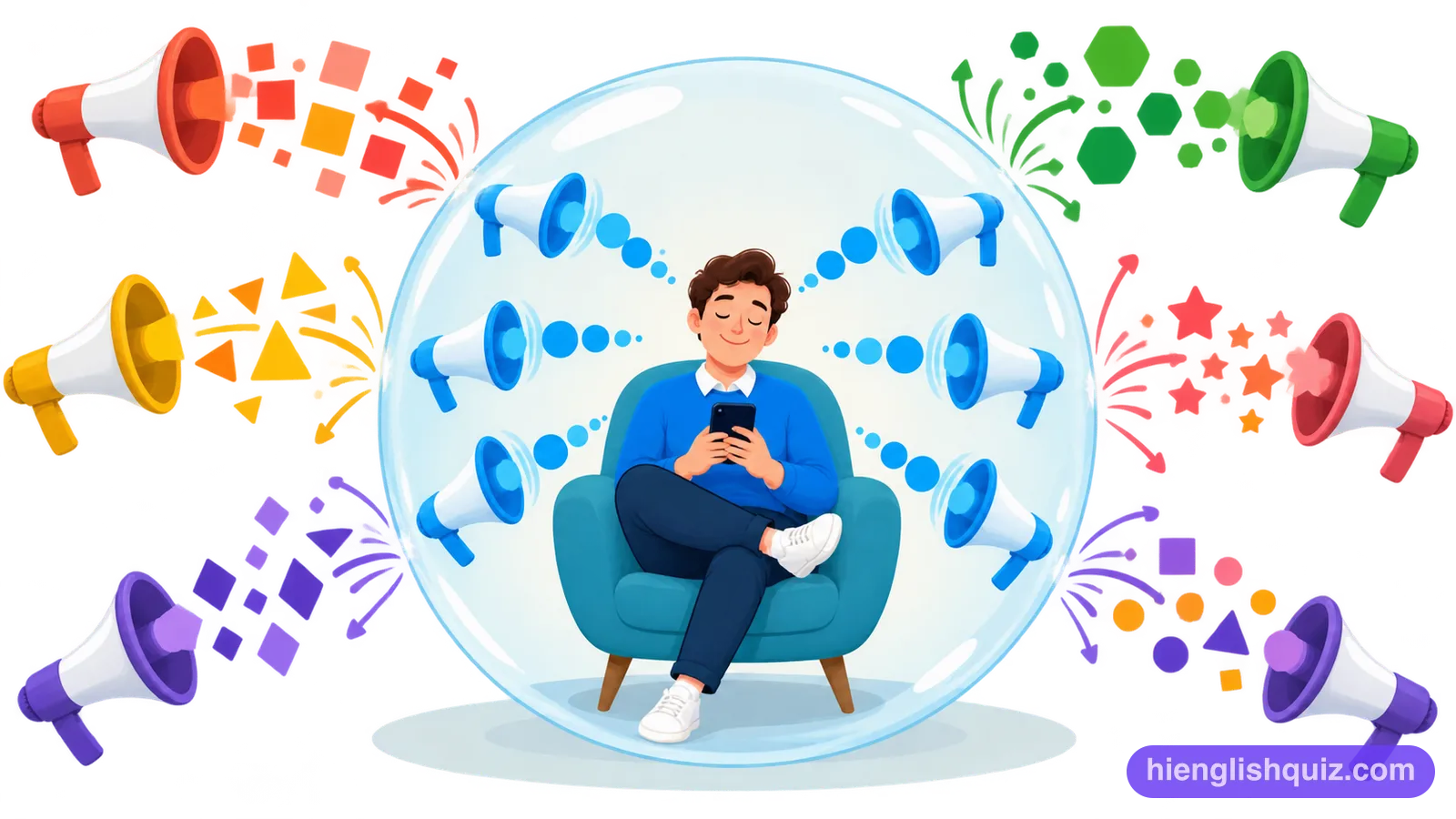
Ví dụ: Apps are designed around a dopamine loop that keeps people checking their phones.