C216 từ · Thành thạo

Từ vựng tiếng Anh về Quốc tịch và bản sắc — C2

Từ vựng về cách các dân tộc hòa trộn, kháng cự và tiếp nhận lẫn nhau, gồm expatriate, jingoism, diaspora, cùng globalisation và nativism, dành cho Nationalities chuyên sâu.

16 câu

Các từ trong bài

16
  1. expatriate

    /ɛkˈspeɪtriˌeɪt/
    Nghĩa tiếng Việt
    Người xa xứ
    Định nghĩa tiếng Anh
    A person living in a country other than their own, usually because of work.

    Ví dụ: She works as an expatriate teacher in Vietnam.

    Hình minh họa cho từ expatriate
  2. diaspora

    /daɪˈæspərə/
    Nghĩa tiếng Việt
    Cộng đồng người xa xứ
    Định nghĩa tiếng Anh
    A large group of people from one country who now live spread across many others.

    Ví dụ: The diaspora sends money home every month.
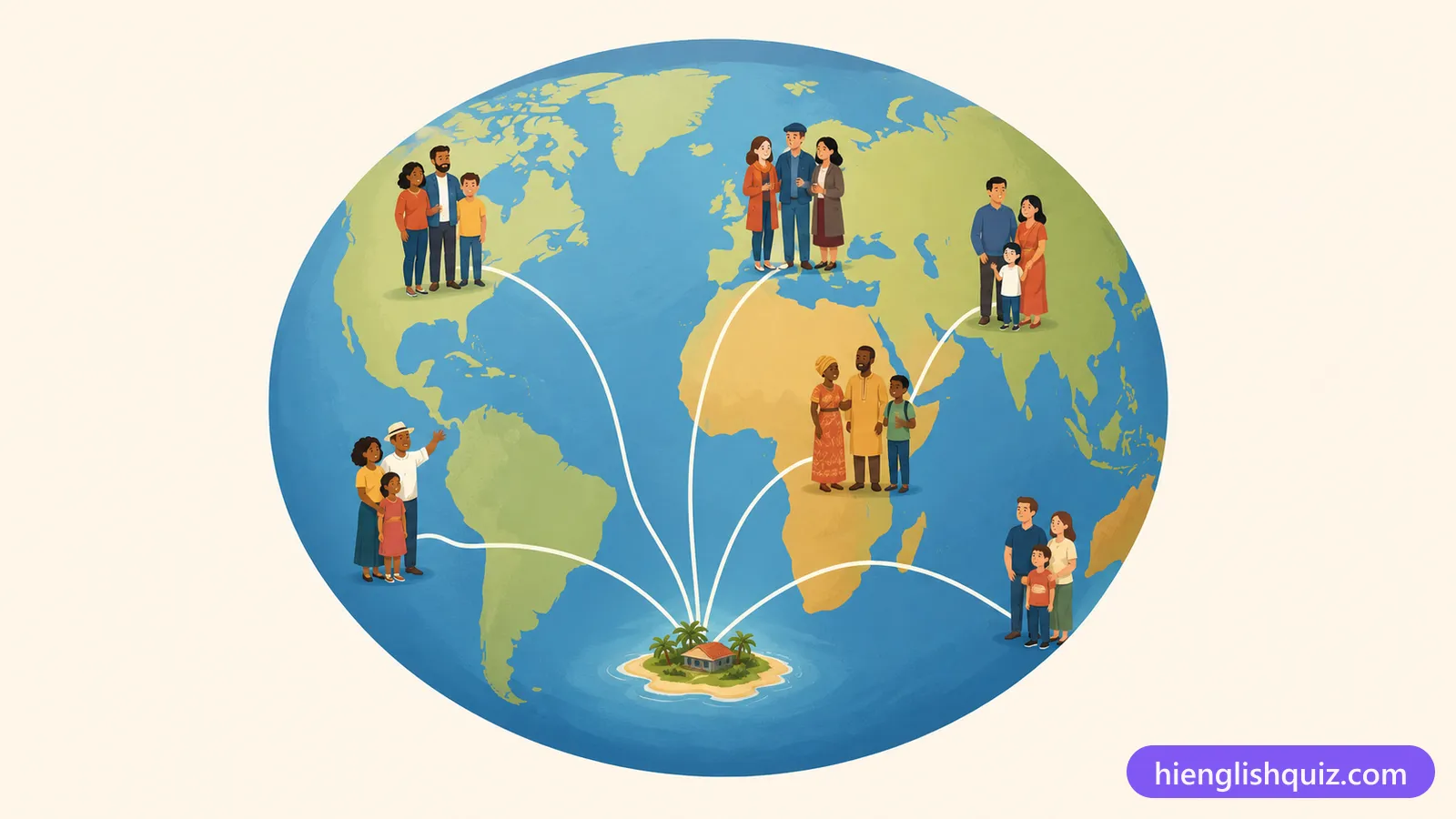
    Hình minh họa cho từ diaspora
  3. assimilation

    /əˌsɪməˈleɪʃən/
    Nghĩa tiếng Việt
    Đồng hóa (hòa tan văn hóa gốc)
    Định nghĩa tiếng Anh
    The process by which a person or group takes on the customs and culture of a new society.

    Ví dụ: The report looked at patterns of assimilation among second-generation immigrants.

    Hình minh họa cho từ assimilation
  4. jingoism

    /ˈdʒɪŋˌɡoʊɪzəm/
    Nghĩa tiếng Việt
    Sô vanh (yêu nước cực đoan)
    Định nghĩa tiếng Anh
    Extreme and aggressive pride in your own country, often paired with hostility towards others.

    Ví dụ: The newspaper's coverage was criticised for its jingoism.

    Hình minh họa cho từ jingoism
  5. ethnocentrism

    /ˌɛθnoʊˈsɛntrɪzəm/
    Nghĩa tiếng Việt
    Tự tôn (dân tộc mình)
    Định nghĩa tiếng Anh
    The belief that your own culture or nationality is naturally better than others.

    Ví dụ: The course encourages students to recognise their own ethnocentrism.
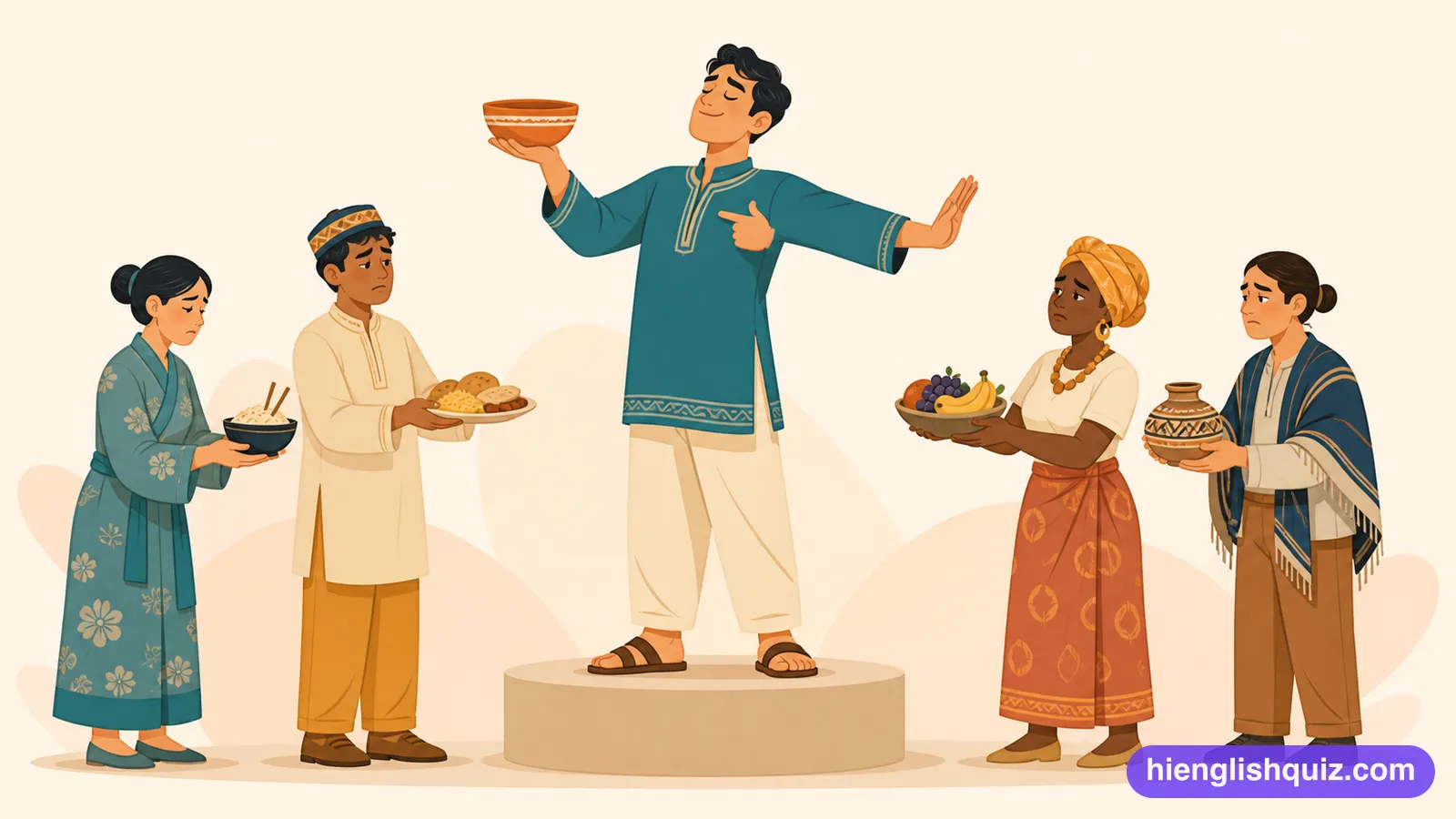
    Hình minh họa cho từ ethnocentrism
  6. globalisation

    Nghĩa tiếng Việt
    Toàn cầu hóa
    Định nghĩa tiếng Anh
    The process by which businesses, cultures and ideas increasingly spread and connect across national borders.

    Ví dụ: Globalisation has made it easier to find food from every nation in one city.
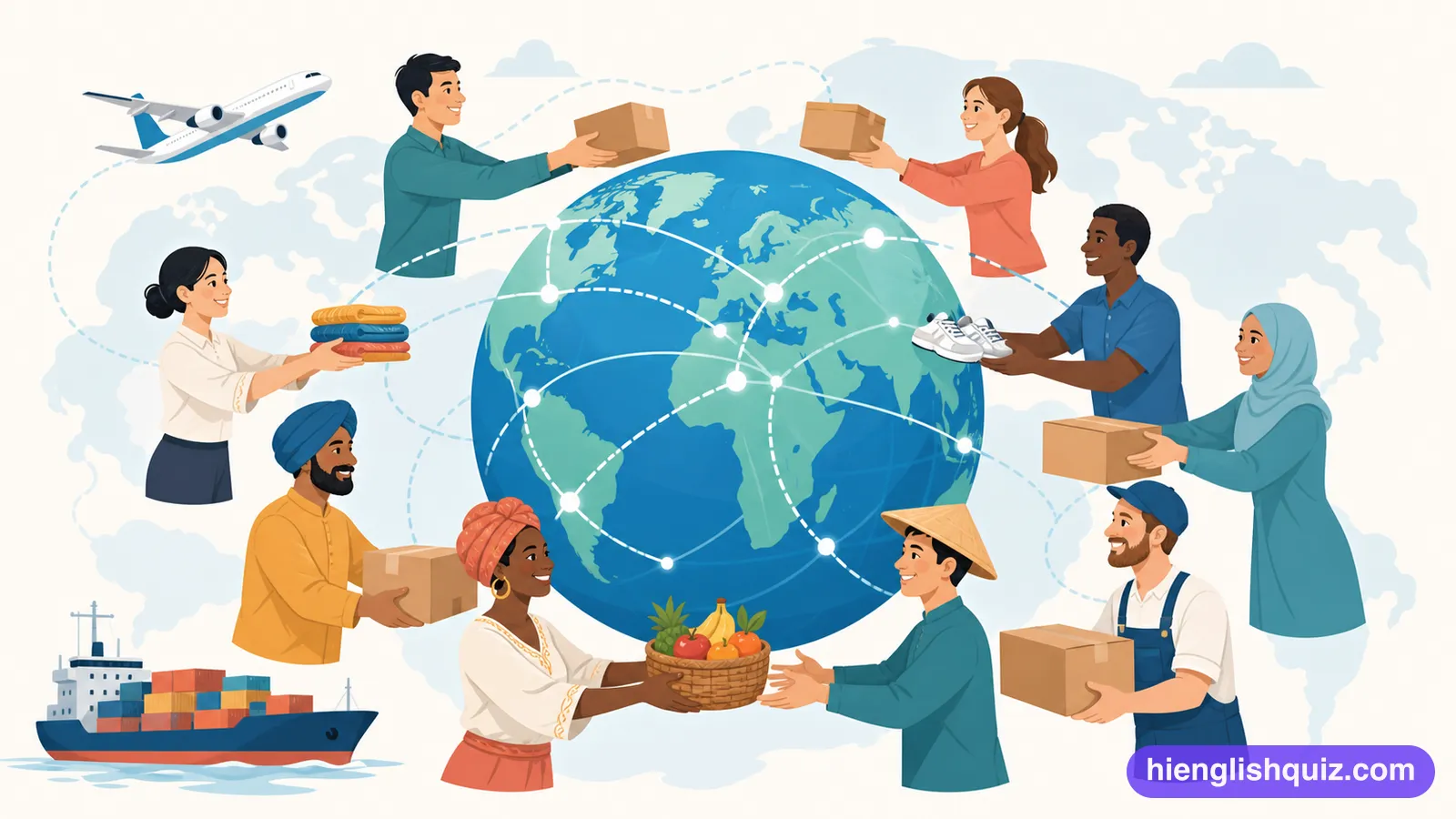
    Hình minh họa cho từ globalisation
  7. xenophile

    Nghĩa tiếng Việt
    Sính ngoại
    Định nghĩa tiếng Anh
    A person who is strongly attracted to foreign peoples, cultures or customs.

    Ví dụ: As a true xenophile, she has lived in six different countries.

    Hình minh họa cho từ xenophile
  8. nationalism

    /ˈnæʃənəˌlɪzəm/
    Nghĩa tiếng Việt
    Chủ nghĩa dân tộc
    Định nghĩa tiếng Anh
    Strong support for and pride in your own nation, sometimes including the belief that it should be independent or dominant.

    Ví dụ: The rise of nationalism shaped the country's politics for decades.

    Hình minh họa cho từ nationalism
  9. chauvinism

    /ˈʃoʊvəˌnɪzəm/
    Nghĩa tiếng Việt
    Chủ nghĩa sô vanh
    Định nghĩa tiếng Anh
    An unreasonable belief that your own country is better than others.

    Ví dụ: The editorial was dismissed as chauvinism dressed as history.
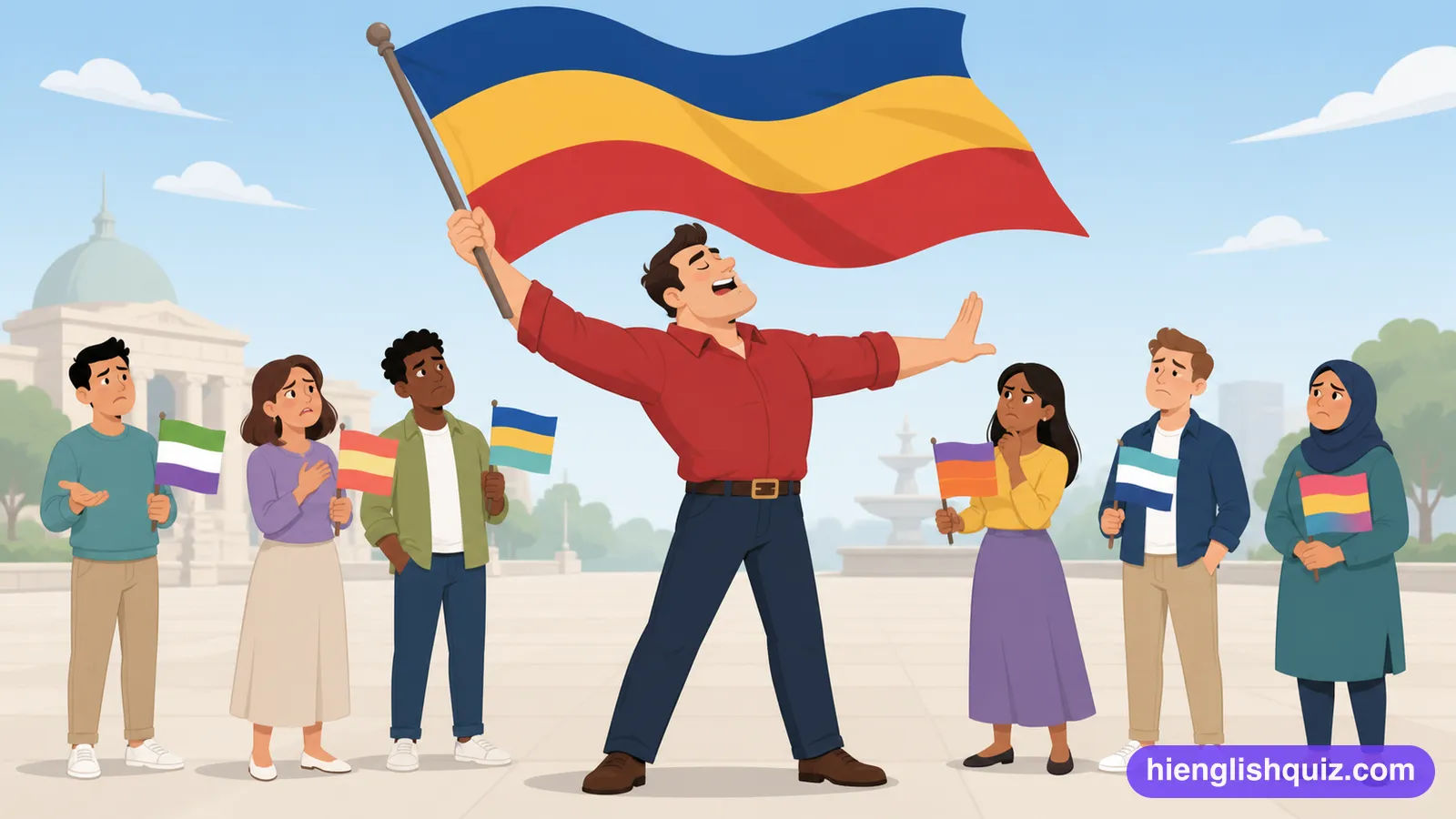
    Hình minh họa cho từ chauvinism
  10. ethnography

    Nghĩa tiếng Việt
    Dân tộc học (mô tả)
    Định nghĩa tiếng Anh
    The study and written description of the customs of a people.

    Ví dụ: Her ethnography of the fishing villages took eleven years.
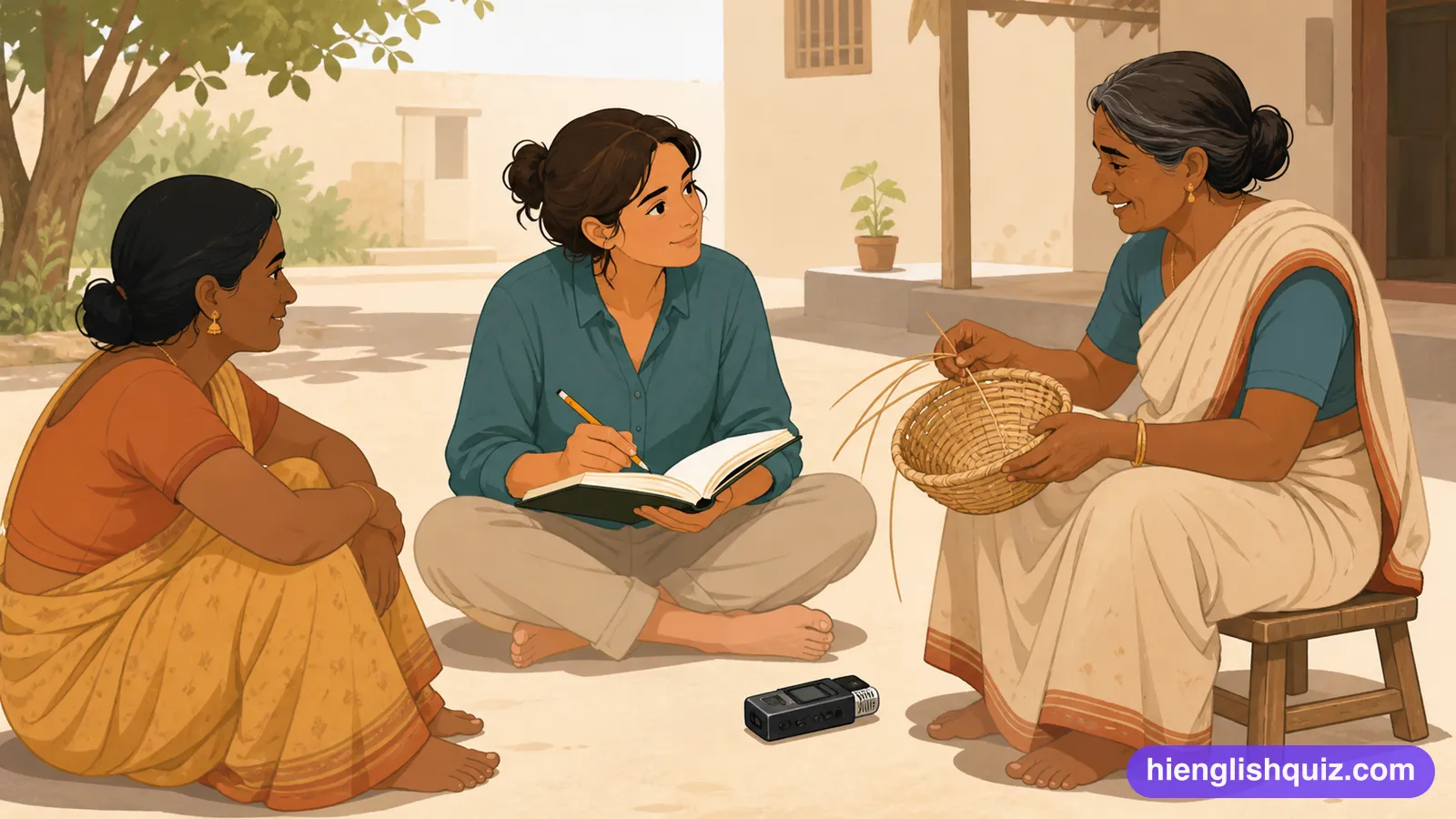
    Hình minh họa cho từ ethnography
  11. melting pot

    Nghĩa tiếng Việt
    Nơi hòa trộn văn hóa
    Định nghĩa tiếng Anh
    A place where people of many origins mix and become one community.

    Ví dụ: The docks were a melting pot long before anyone used the phrase.
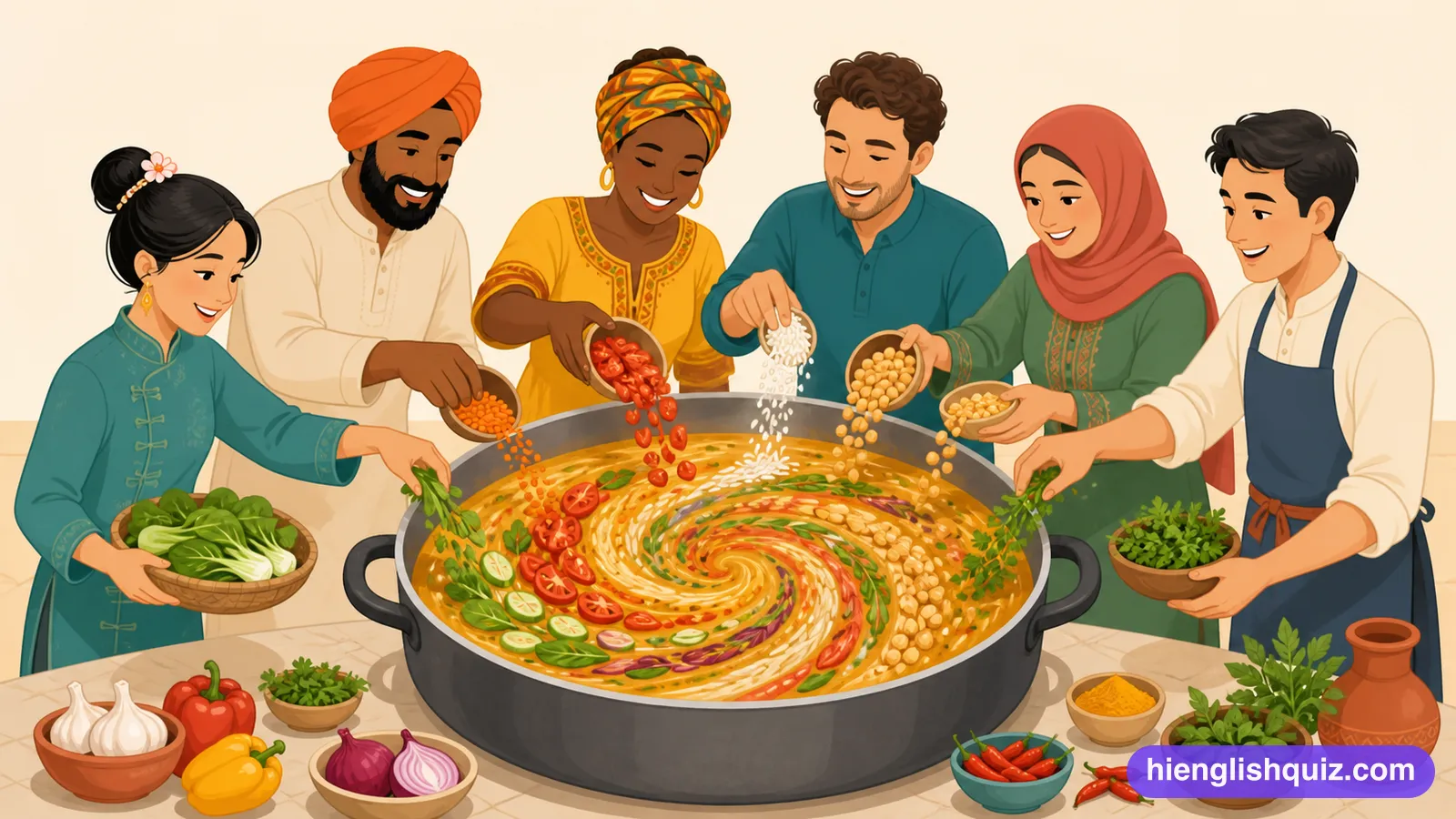
    Hình minh họa cho từ melting pot
  12. repatriation

    /riˌpeɪtriˈeɪʃən/
    Nghĩa tiếng Việt
    Hồi hương (bị đưa về)
    Định nghĩa tiếng Anh
    The act of sending someone back to their own country.

    Ví dụ: Repatriation flights ran every Tuesday for a month.

    Hình minh họa cho từ repatriation
  13. self-determination

    /ˈsɛlfdɪˌtɜrməˈneɪʃən/
    Nghĩa tiếng Việt
    Quyền tự quyết
    Định nghĩa tiếng Anh
    The right of a people to decide their own form of government.

    Ví dụ: The clause on self-determination held up the talks for weeks.
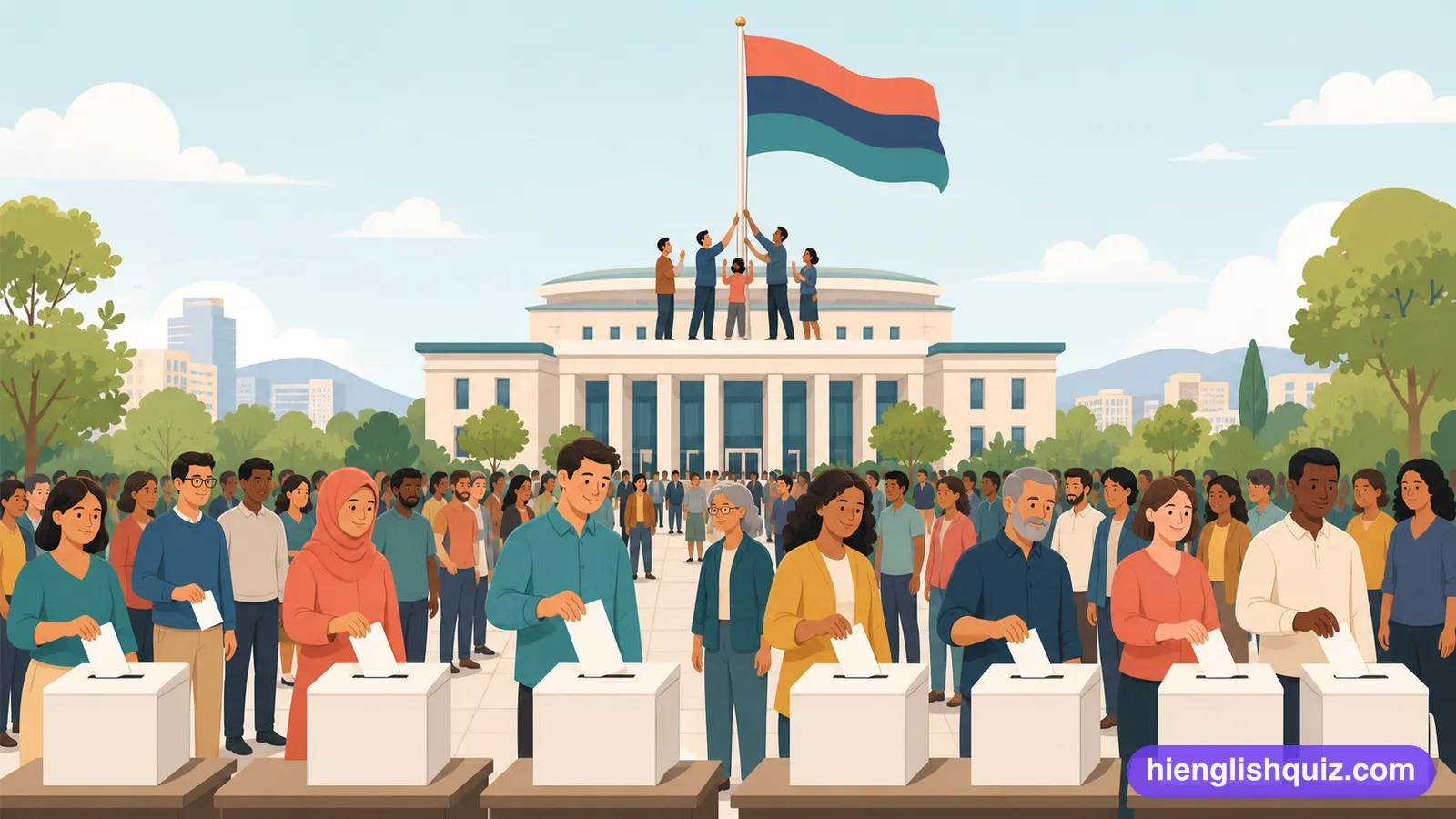
    Hình minh họa cho từ self-determination
  14. syncretism

    Nghĩa tiếng Việt
    Hỗn dung (tôn giáo văn hóa)
    Định nghĩa tiếng Anh
    The blending of two different cultures or religions into one.

    Ví dụ: The festival is a clear case of syncretism rather than survival.

    Hình minh họa cho từ syncretism
  15. insularity

    /ˌɪnsəˈlɛrɪti/
    Nghĩa tiếng Việt
    Tính khép kín
    Định nghĩa tiếng Anh
    The quality of being closed off from outside influence.

    Ví dụ: The island's insularity preserved a dialect nobody else speaks.

    Hình minh họa cho từ insularity
  16. nativism

    /ˈneɪtɪˌvɪzəm/
    Nghĩa tiếng Việt
    Chủ nghĩa bản địa
    Định nghĩa tiếng Anh
    A policy of favouring people born in a country over newcomers.

    Ví dụ: The campaign slid from patriotism into open nativism.

    Hình minh họa cho từ nativism

Chủ đề này ở các trình độ khác

Khám phá thêm từ vựng Xã hội và văn hóa

Tất cả bài chủ đề Xã hội và văn hóa

Từ vựng tiếng Anh về Quốc tịch và bản sắc (C2): 16 từ kèm nghĩa, ví dụ và bài tập