bereavement
/bərˈivmənt/- Nghĩa tiếng Việt
- Nỗi đau mất người thân
- Định nghĩa tiếng Anh
- The period of deep sadness after someone close to you dies.
Ví dụ: The company gives staff a week of bereavement leave.

 Hi EnglishQuiz
C220 từ · Thành thạo
Từ vựng về cách tiếng Anh nói tế nhị về sự ra đi của một đời người, gồm swan song, valediction, eulogy, cùng octogenarian và venerable, dành cho Life Stages chuyên sâu.
Ví dụ: The company gives staff a week of bereavement leave.
Ví dụ: Her legacy is the scholarship that still helps students.

Ví dụ: For many teenagers, a first job is a real rite of passage.

Ví dụ: Scientists are studying senescence to understand why cells stop dividing.
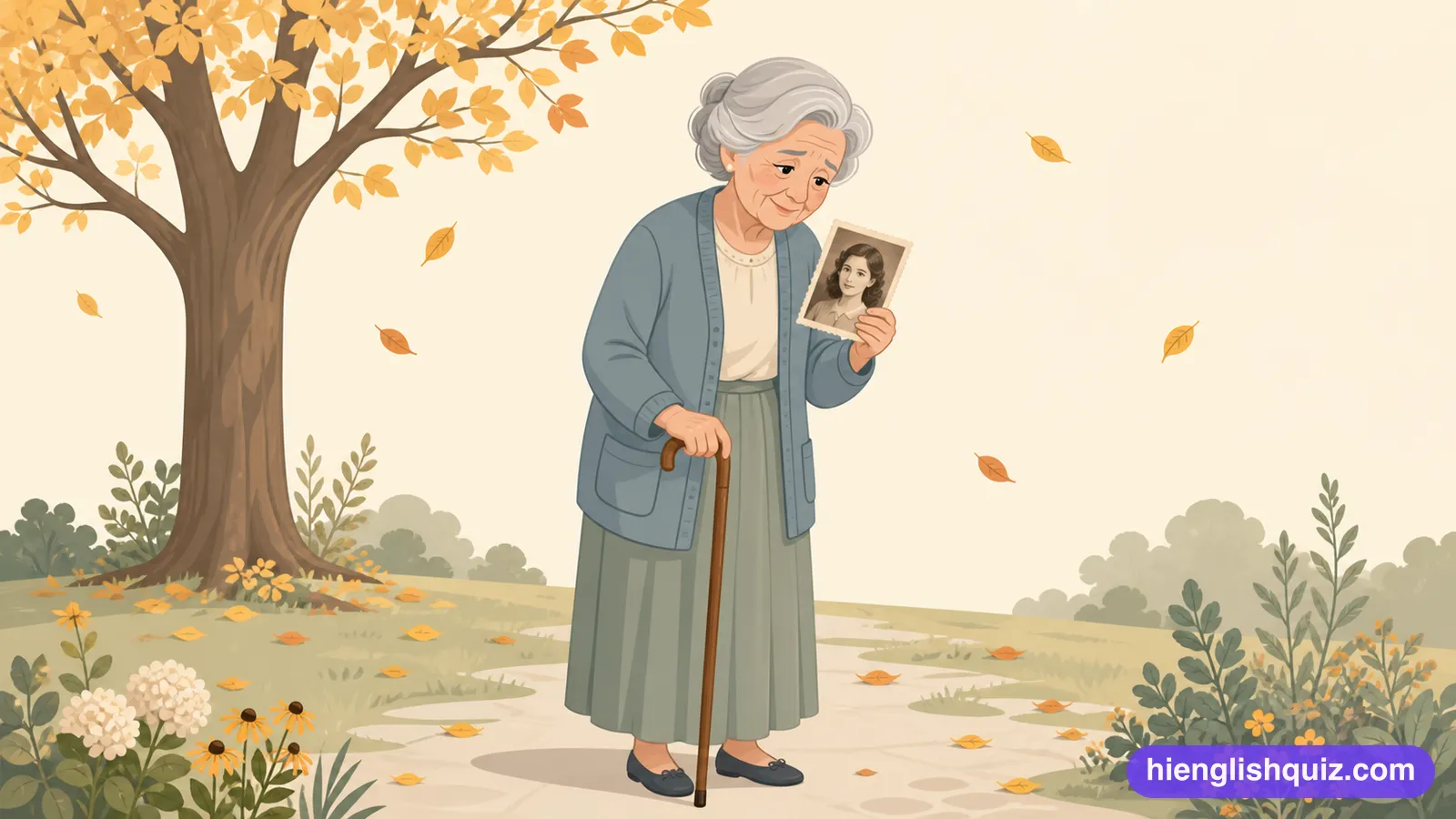
Ví dụ: The concert turned out to be the singer's swan song.

Ví dụ: The newspaper printed a long obituary for the retired judge.
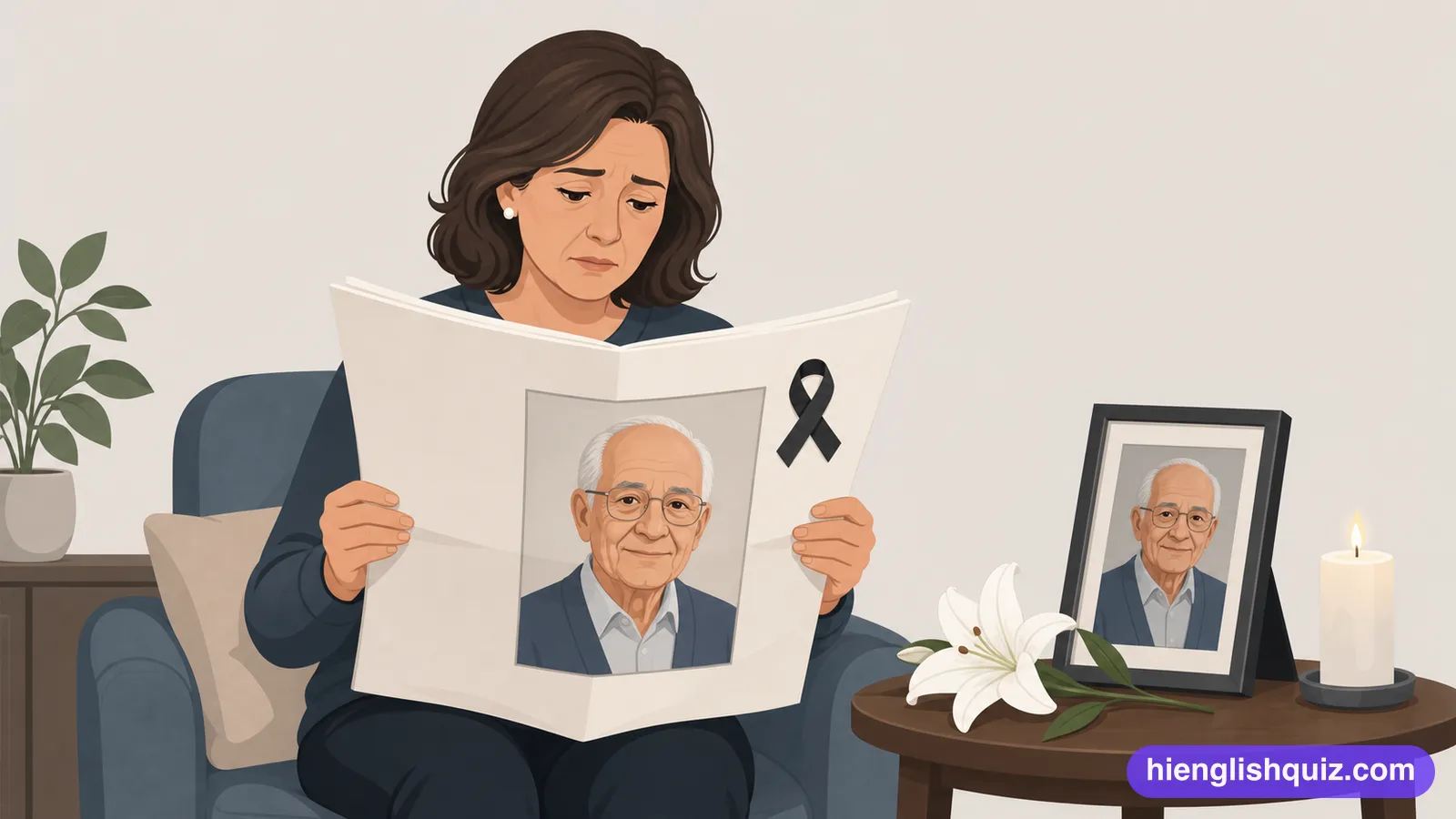
Ví dụ: The soldier received a posthumous medal for his bravery.

Ví dụ: His daughter gave a moving eulogy at the funeral.

Ví dụ: The retiring headteacher gave a warm valediction to the graduating class.

Ví dụ: An octogenarian in the front row corrected the historian twice.

Ví dụ: He died intestate, and the argument lasted longer than he had.

Ví dụ: The nuptials were held in a chapel that seated forty at most.

Ví dụ: The novel treats conjugal duty as a kind of quiet war.

Ví dụ: He described the family firm as moribund rather than bankrupt.

Ví dụ: He wrote about decrepitude with more humour than self-pity.
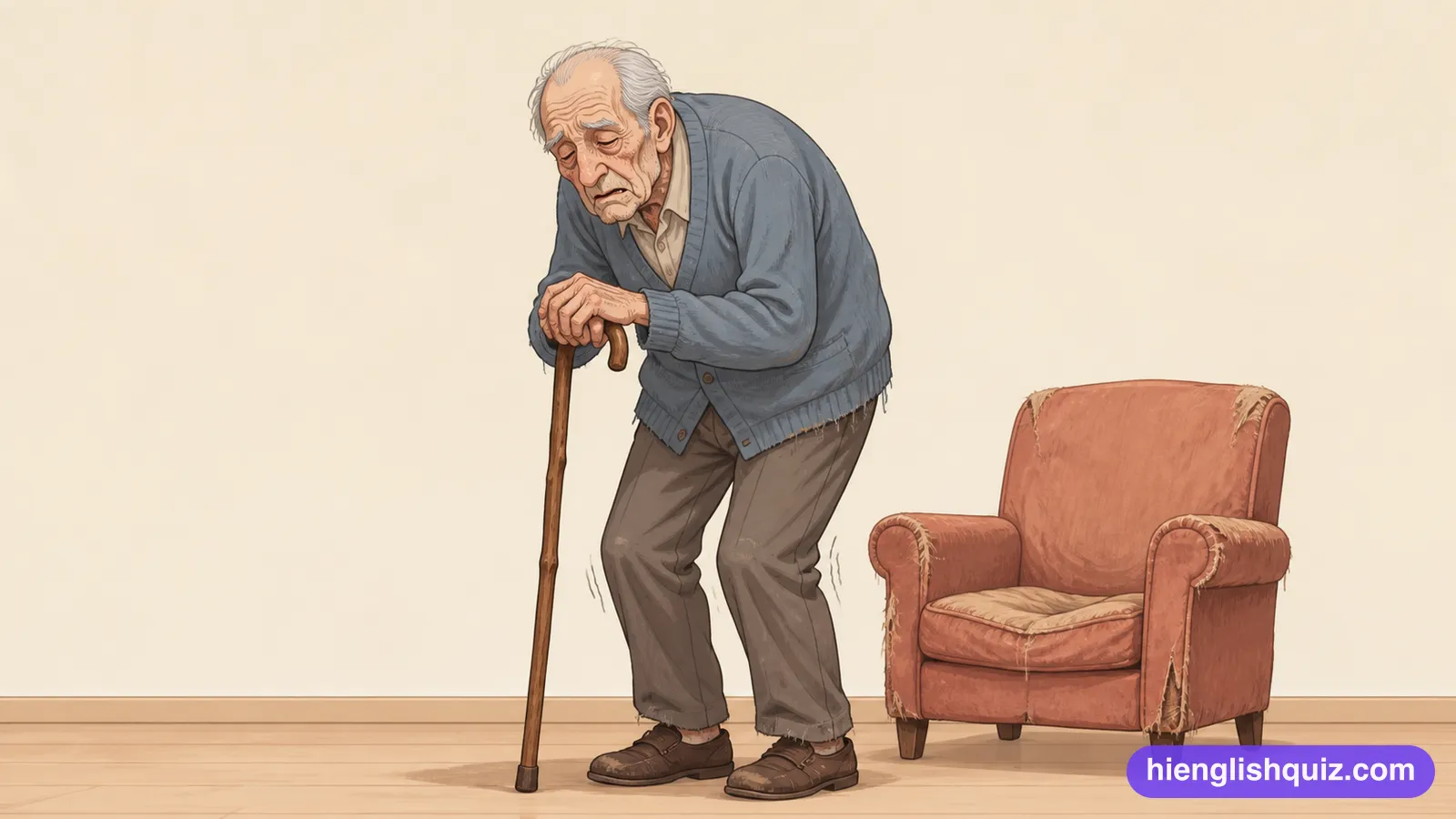
Ví dụ: The committee treated him as superannuated the day he turned sixty-five.

Ví dụ: The venerable headmaster had taught three generations of the same family.

Ví dụ: The whole patrimony amounted to a farmhouse and forty acres.

Ví dụ: A septuagenarian finished the course ahead of half the field.

Ví dụ: Every sexagenarian in the choir had been there since the seventies.