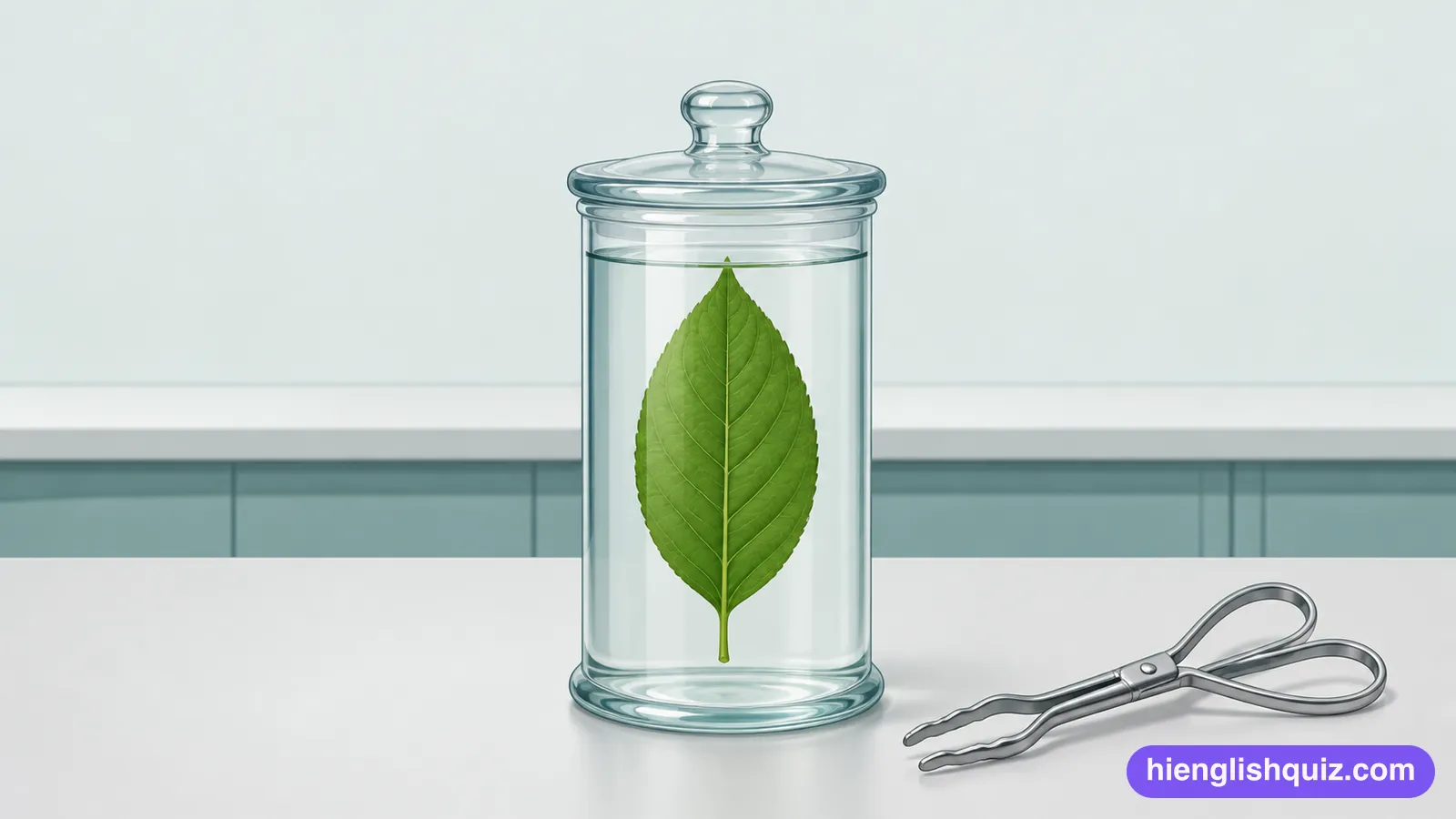
specimen
/ˈspɛsəmən/- Nghĩa tiếng Việt
- Mẫu vật
- Định nghĩa tiếng Anh
- A small sample of something collected so that it can be studied or tested.
Ví dụ: The scientist placed the blood specimen under the lens.
 Hi EnglishQuiz
B220 từ · Trung cao
Từ vựng khoa học như specimen, beaker và bunsen burner, cùng estimate, accurate và margin of error. Từ vựng mô tả công việc trong phòng thí nghiệm và kết quả.
Ví dụ: The scientist placed the blood specimen under the lens.
Ví dụ: Heat the beaker slowly and keep stirring the mixture.

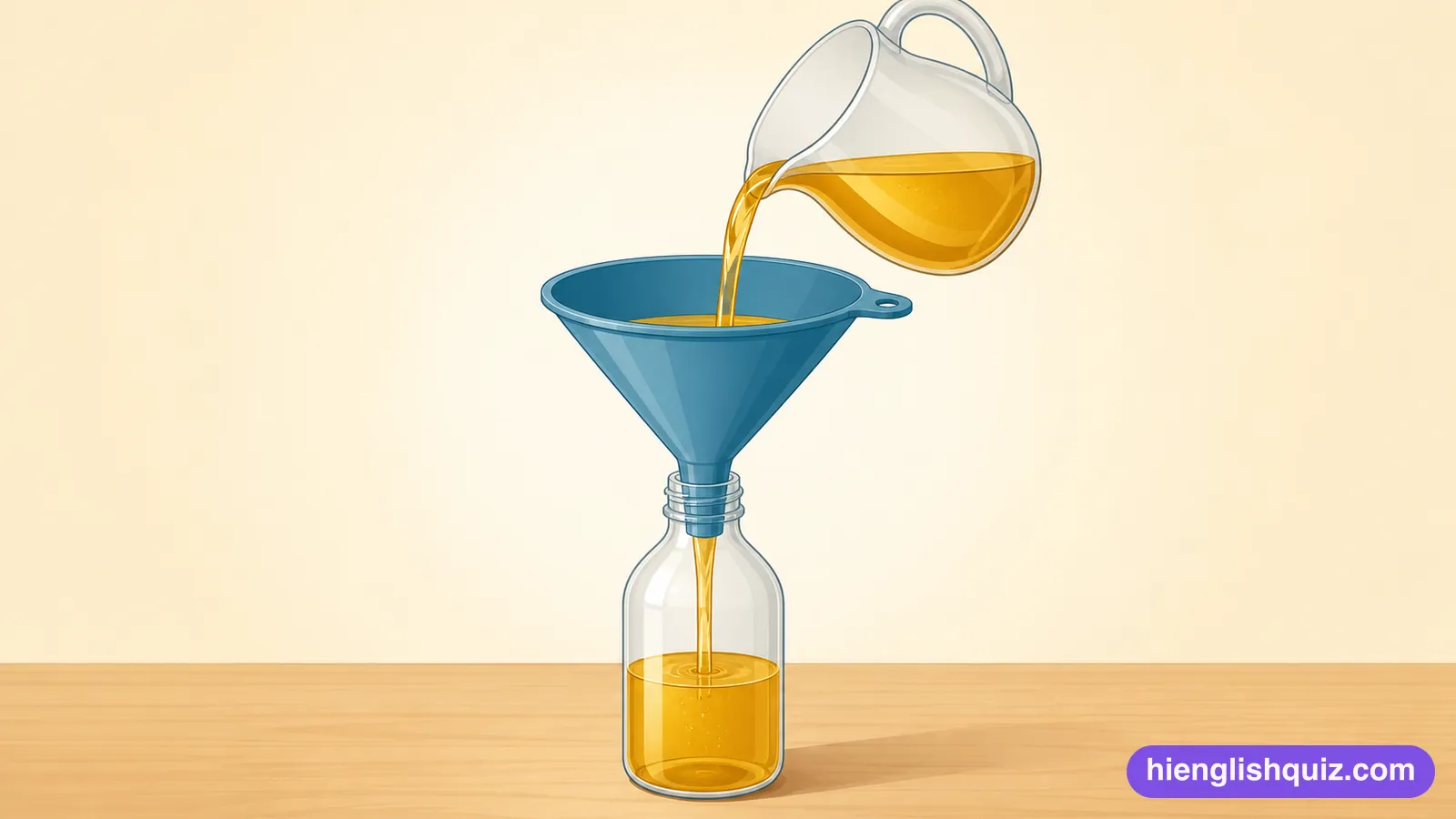
Ví dụ: Use a funnel so you do not spill the oil.
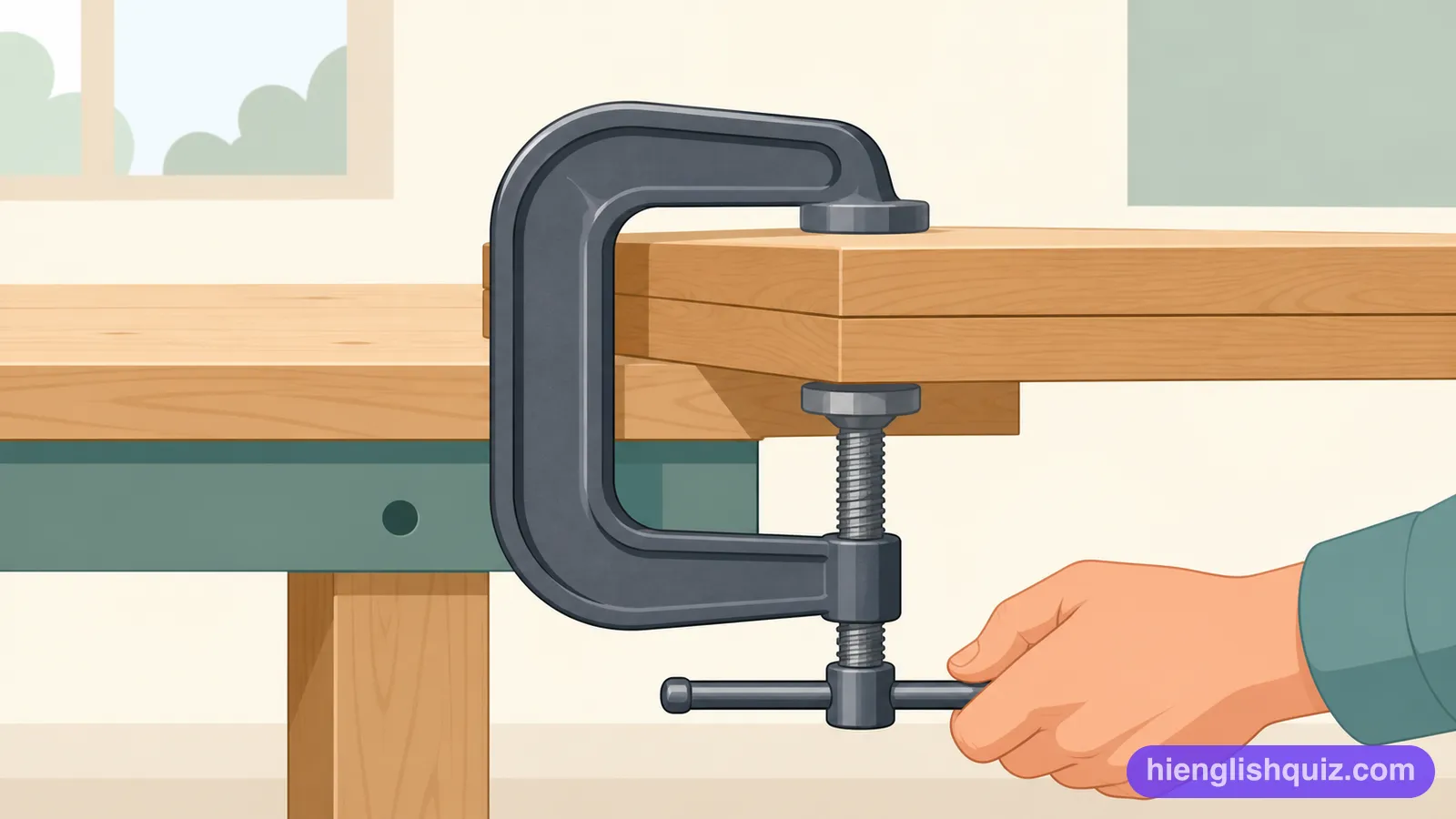
Ví dụ: The flask was held steady with a metal clamp.
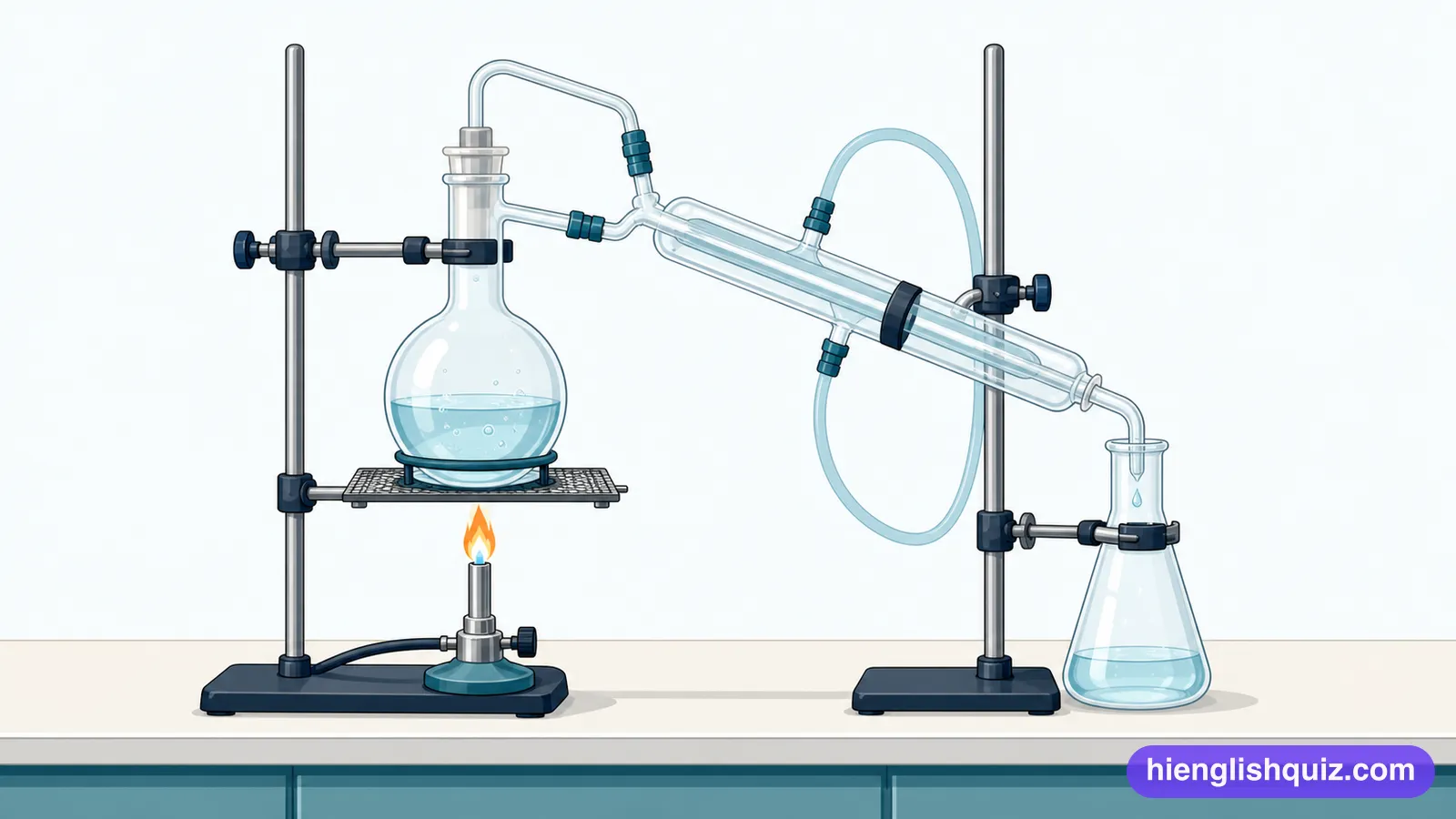
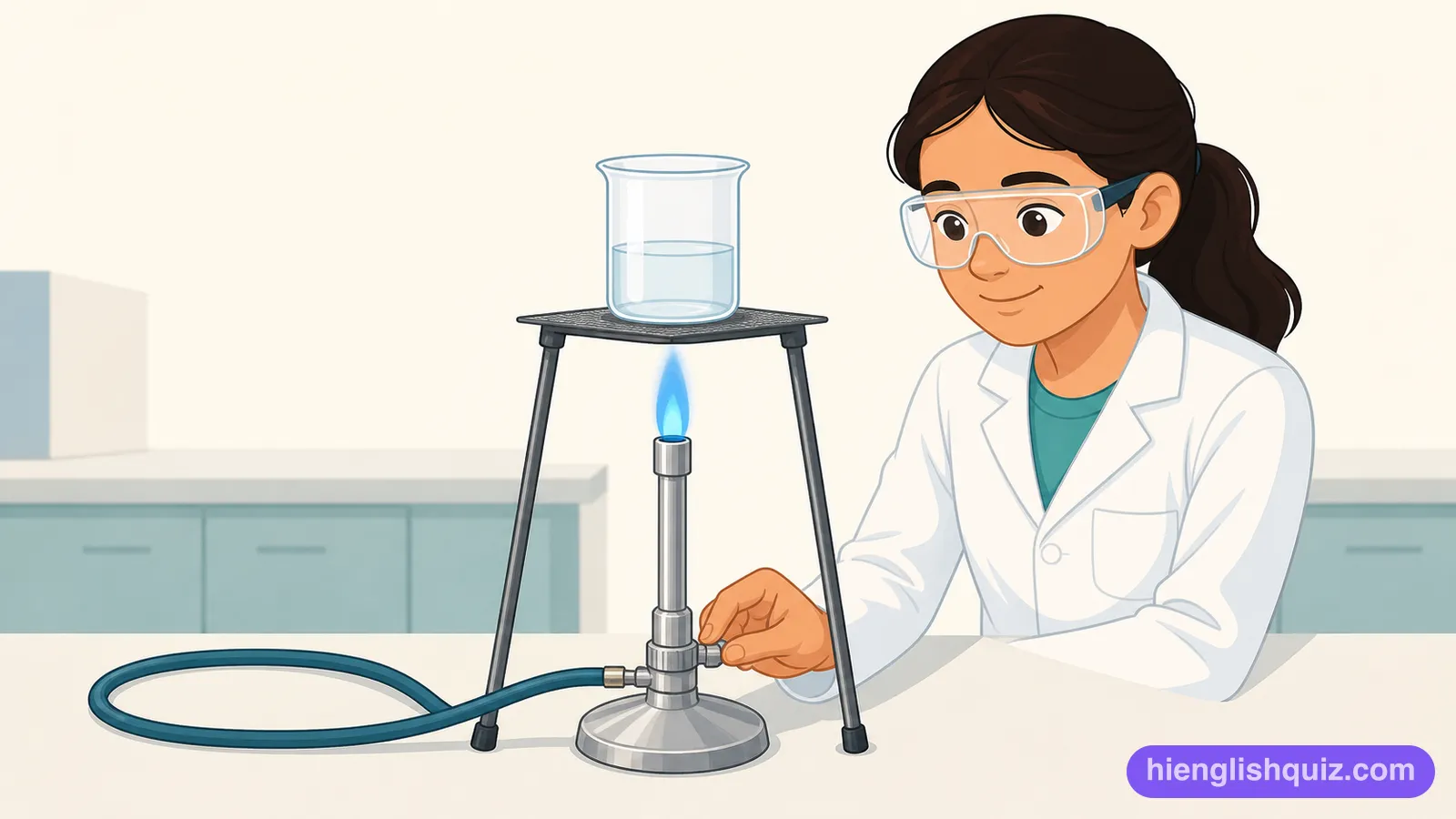
Ví dụ: She lit the bunsen burner to heat the liquid.
Ví dụ: The mixture was poured through filter paper to remove the sand.

Ví dụ: Litmus paper turned red when dipped in the acid.

Ví dụ: Use the dropper to add exactly three drops of the solution.

Ví dụ: He used tongs to lift the hot beaker off the burner.

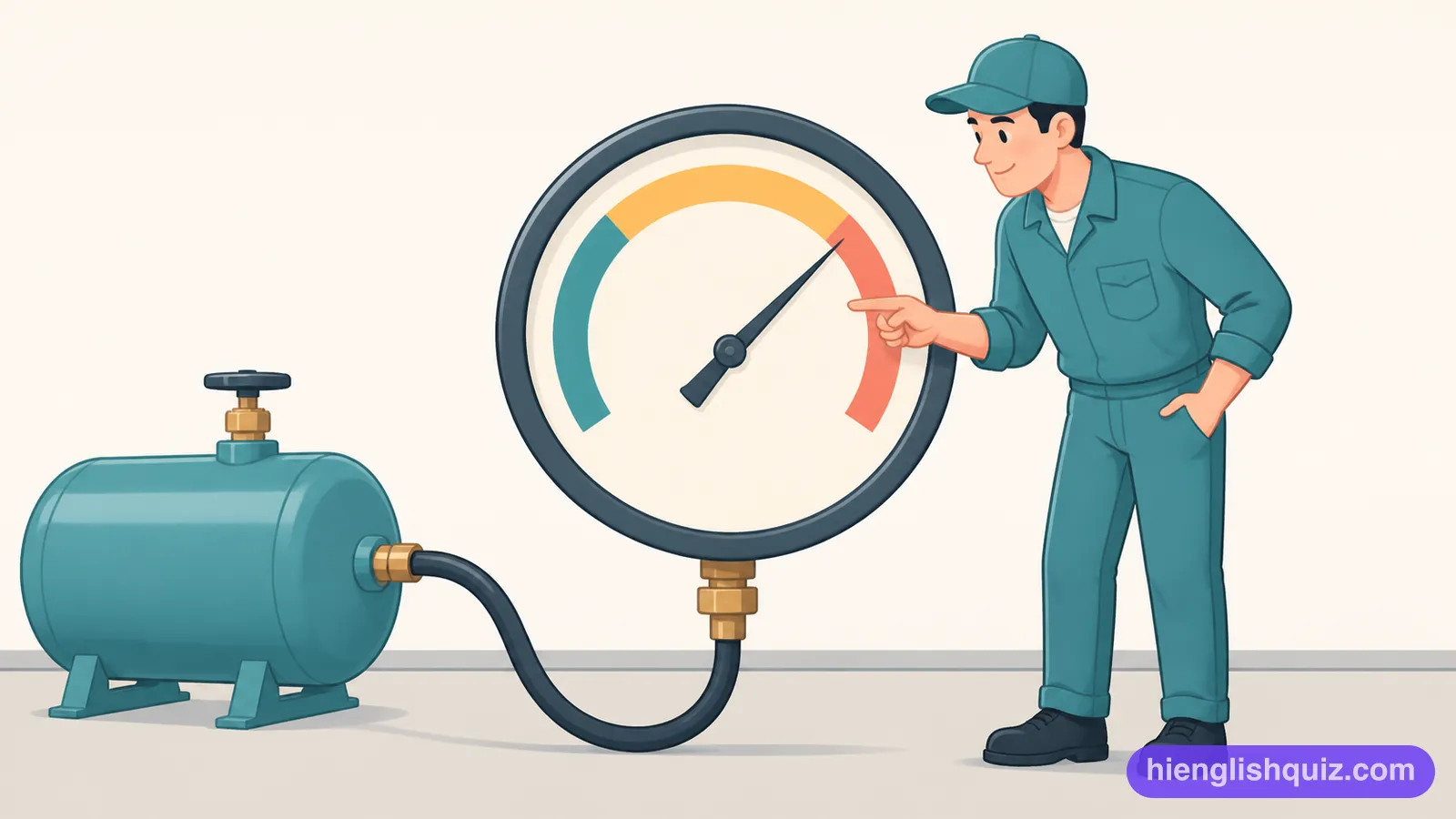
Ví dụ: The pressure gauge showed the tank was nearly full.
Ví dụ: My estimate was about fifty people at the meeting.

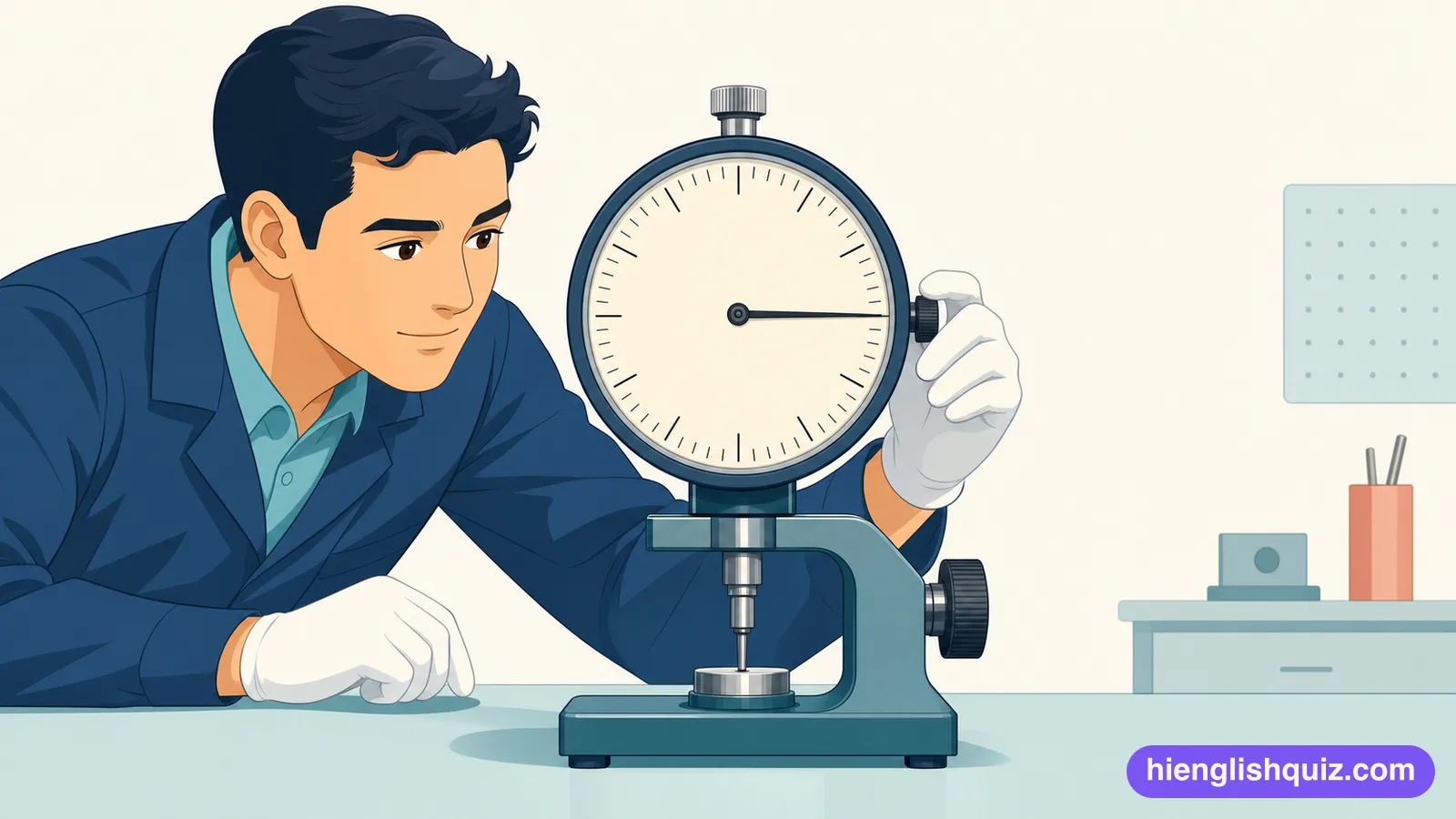
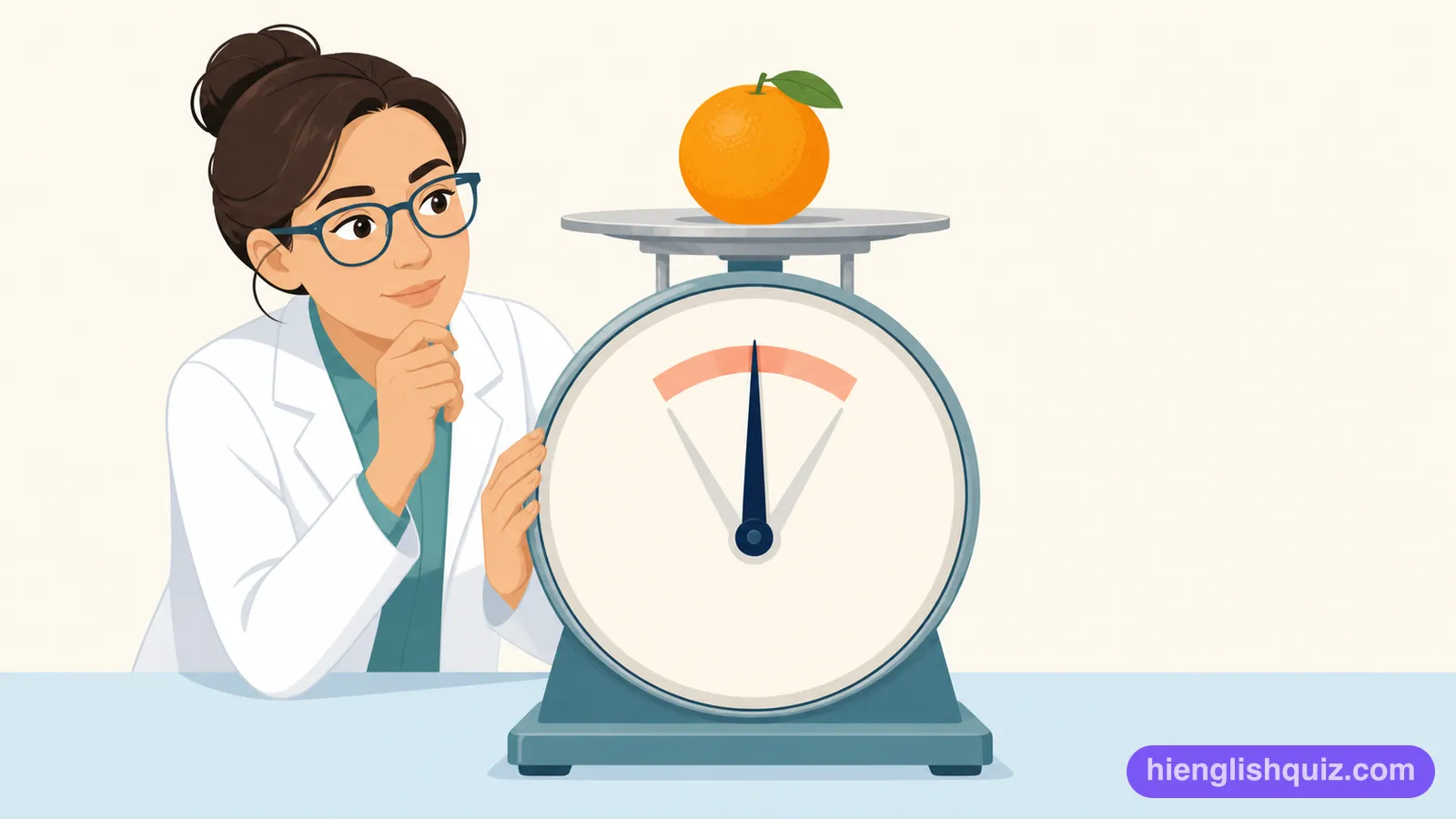
Ví dụ: The scales are not very accurate when they are cold.
Ví dụ: Two thousand people took part in our online survey.

Ví dụ: The median salary was lower than the average because of a few very high earners.

Ví dụ: The mode of the test scores was seventy, since more students got that mark than any other.
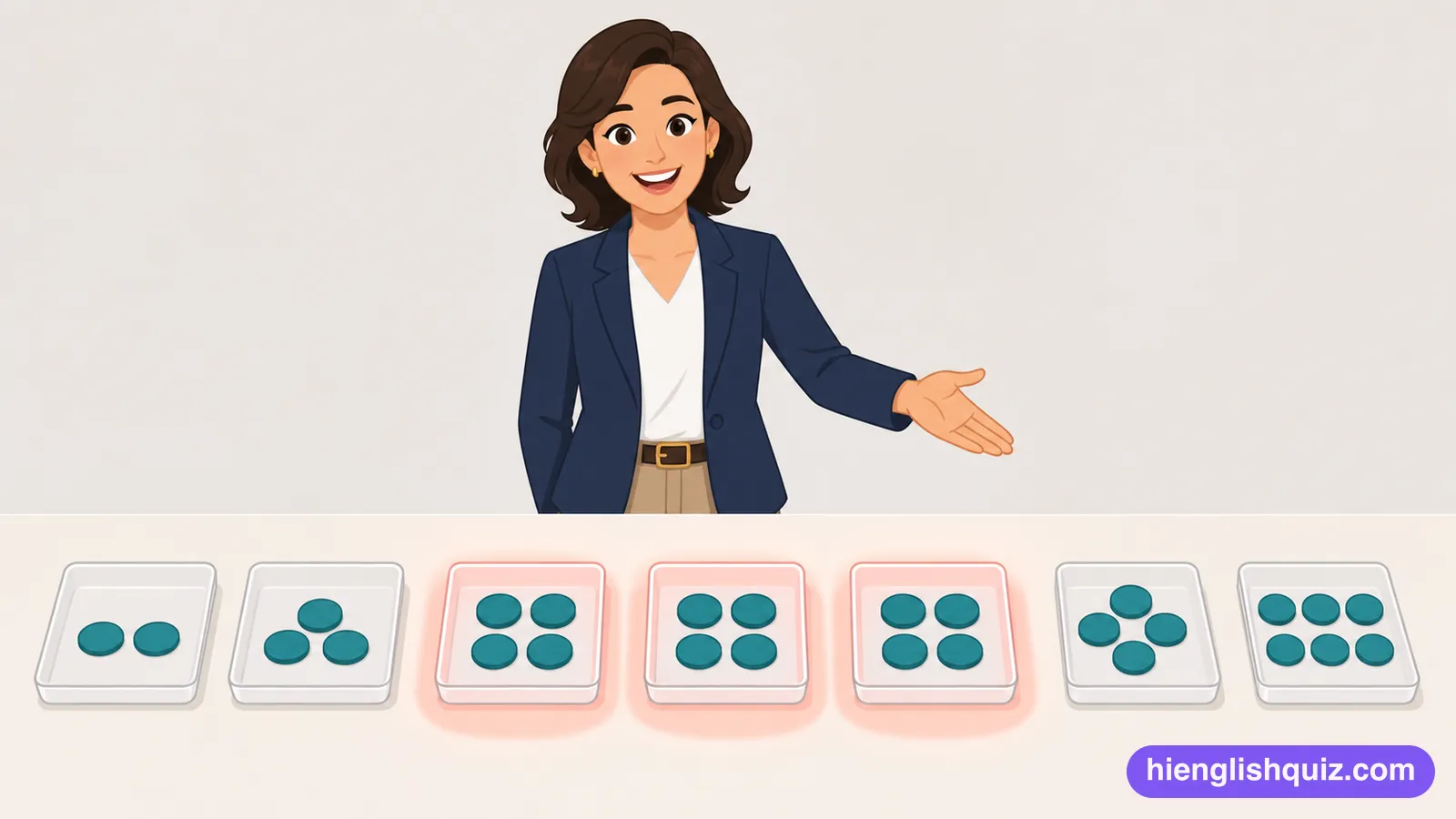
Ví dụ: A large deviation from the normal reading suggested a fault in the machine.

Ví dụ: The poll has a margin of error of three percent.
Ví dụ: A large proportion of the students passed the exam.

Ví dụ: There was a significant improvement in the results this year.

Ví dụ: The temperature must reach a certain threshold before the reaction starts.