calibrate
/ˈkæləˌbreɪt/- Nghĩa tiếng Việt
- Hiệu chỉnh
- Định nghĩa tiếng Anh
- To adjust an instrument carefully so that its readings are exactly right.
Ví dụ: We calibrate the scales every morning before any testing.

 Hi EnglishQuiz
C122 từ · Cao cấp
Từ vựng khoa học như calibrate, reagent và centrifuge, cùng hypothesis, correlation và standard deviation, dùng để mô tả phương pháp khoa học chặt chẽ.
Ví dụ: We calibrate the scales every morning before any testing.
Ví dụ: Surgeons work in a sterile room with filtered air.
Ví dụ: One dirty pipette can contaminate the whole sample.

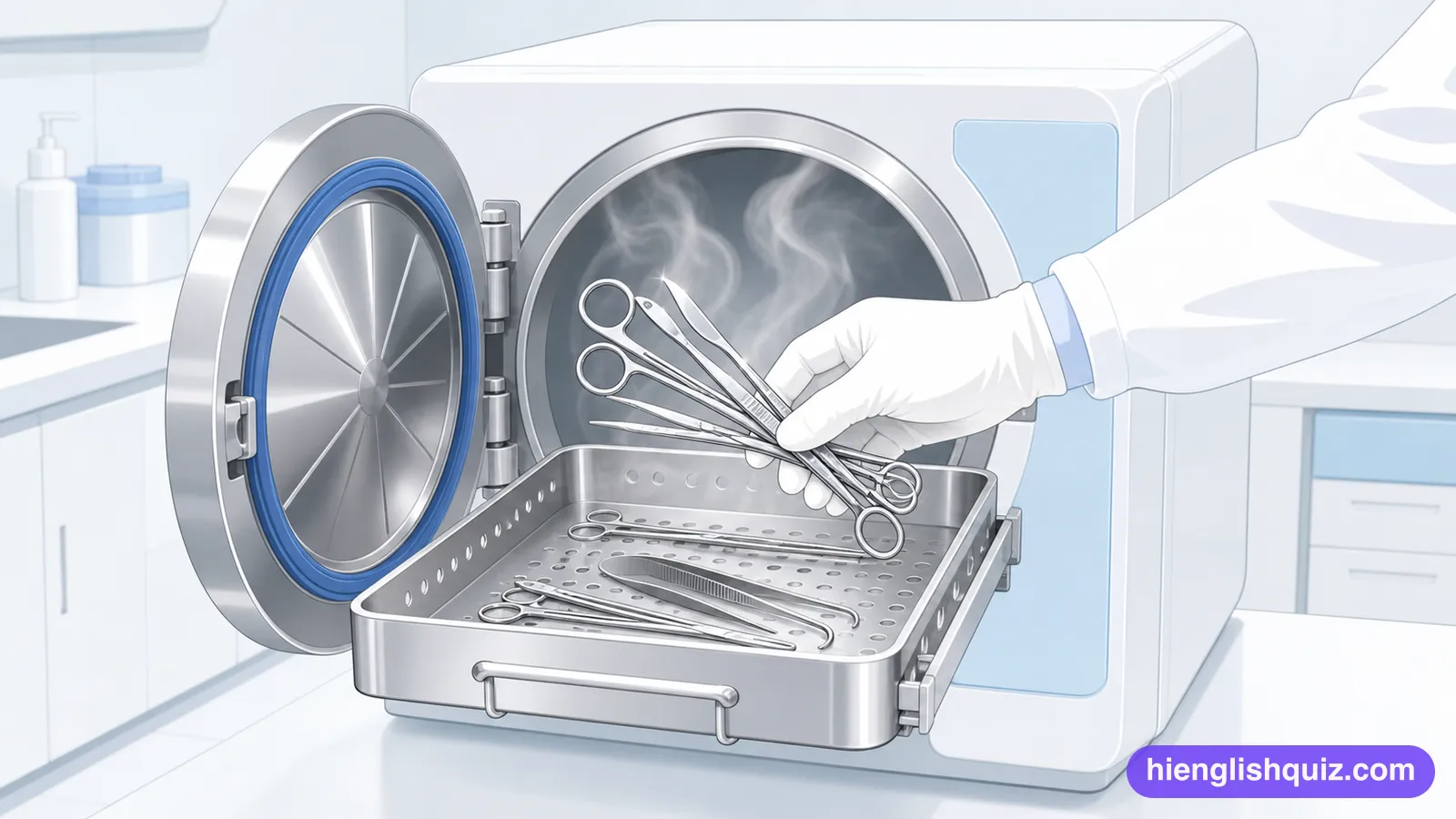
Ví dụ: Nurses sterilize the equipment before every use.

Ví dụ: Adding the reagent made the solution turn bright blue.

Ví dụ: Titration showed exactly how much acid was in the sample.

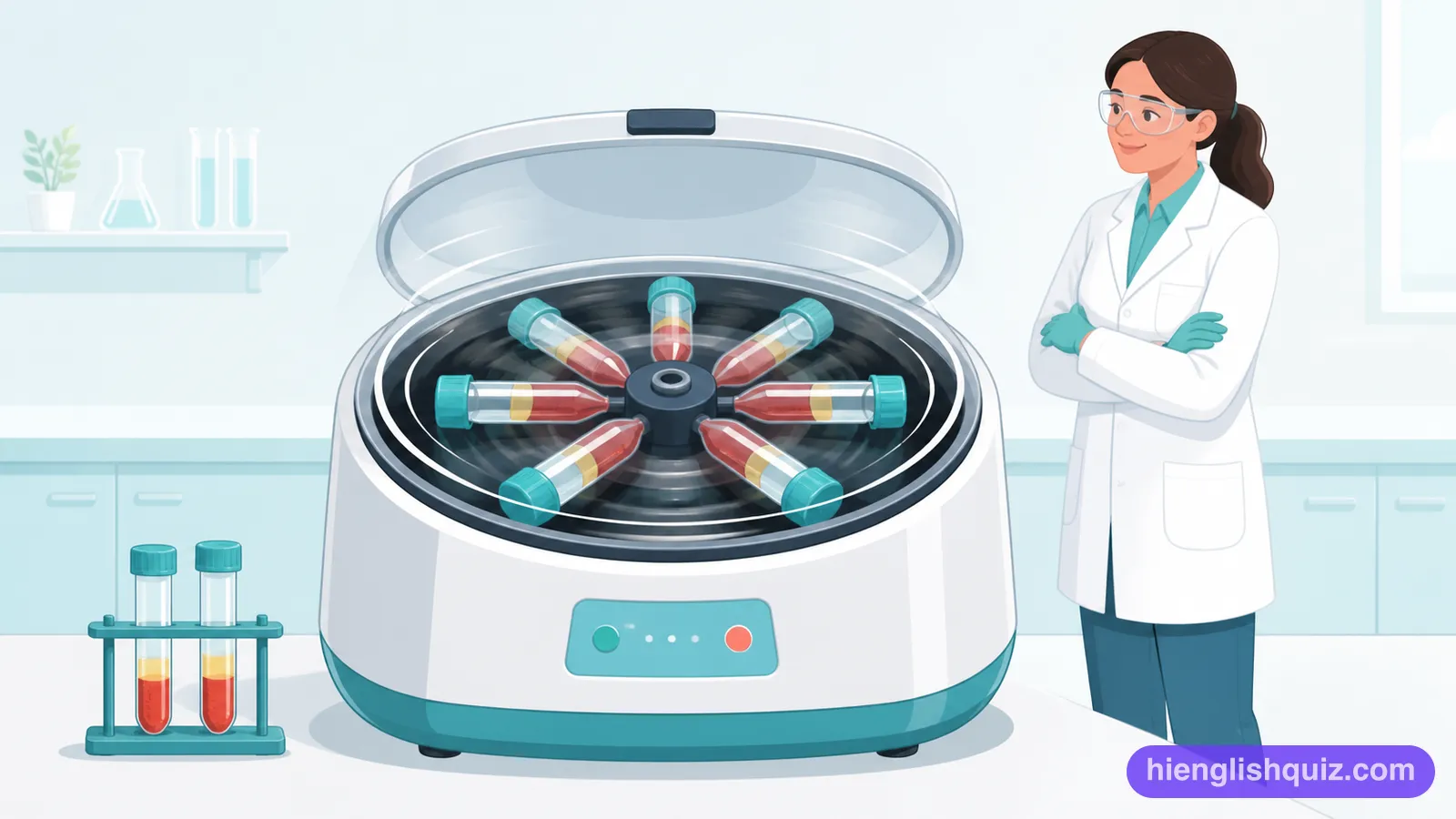
Ví dụ: The blood sample was spun in a centrifuge to separate its parts.
Ví dụ: Students learned to dissect a frog in biology class.

Ví dụ: Scientists extract the oil from the plant's seeds.

Ví dụ: The scale gives a precise reading, down to a tenth of a gram.

Ví dụ: The ratio of staff to students has improved this term.
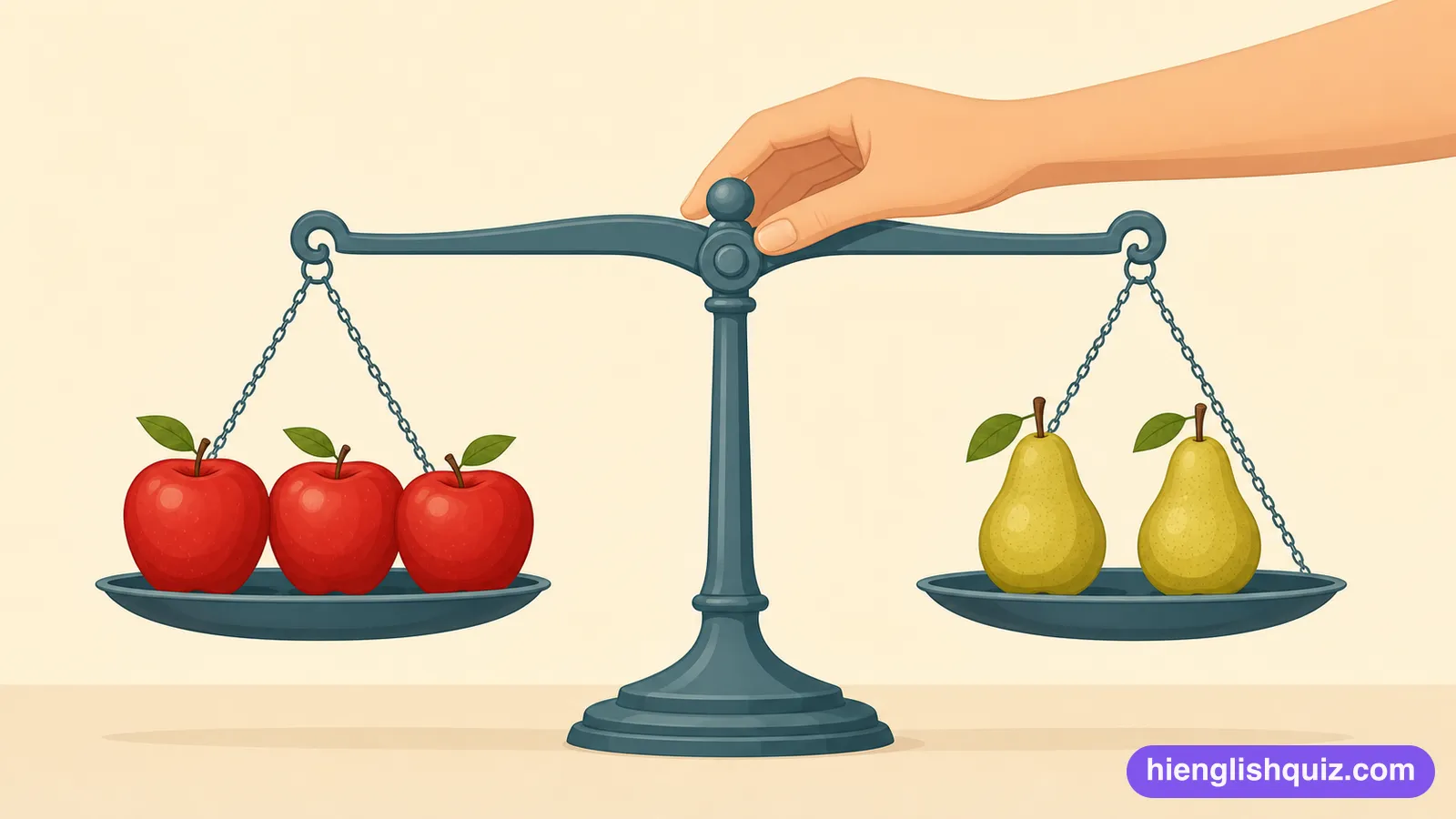
Ví dụ: These sensors measure temperature with remarkable precision.
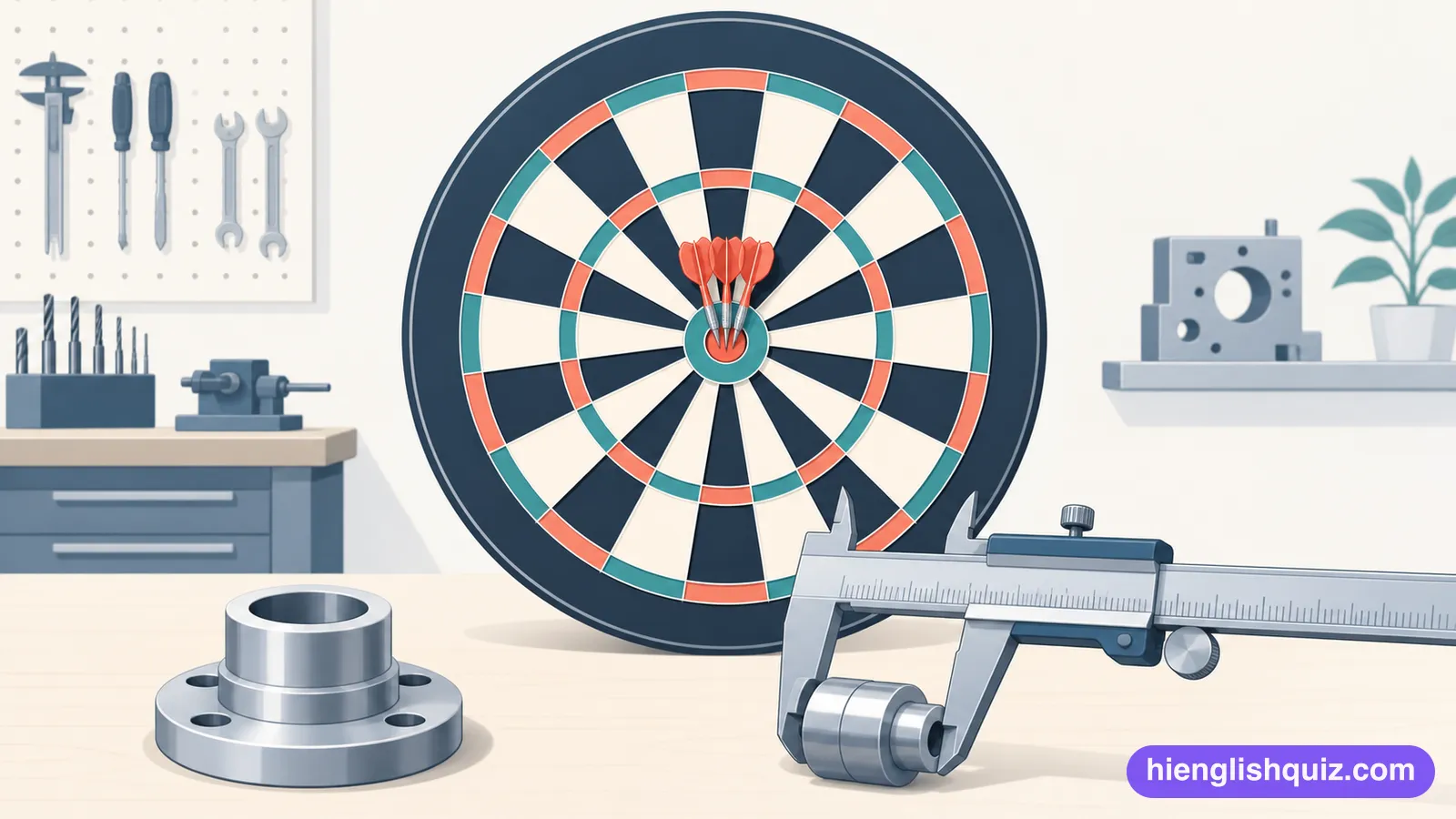
Ví dụ: A few unusual answers can skew the whole survey.

Ví dụ: The high variance in the results suggests the test was unreliable.

Ví dụ: The coefficient in the equation shows how strongly the two factors are linked.

Ví dụ: It's hard to quantify exactly how happy people feel.

Ví dụ: The new results were compared against last year's benchmark.

Ví dụ: One extremely high score was clearly an outlier.

Ví dụ: A low standard deviation means the results were very consistent.

Ví dụ: A bigger sample size makes a survey result more reliable.

Ví dụ: Their hypothesis was that the plants grow faster with more light.

Ví dụ: There's a strong correlation between sleep and exam results.