species
/ˈspiʃiz/- Nghĩa tiếng Việt
- Loài sinh vật
- Định nghĩa tiếng Anh
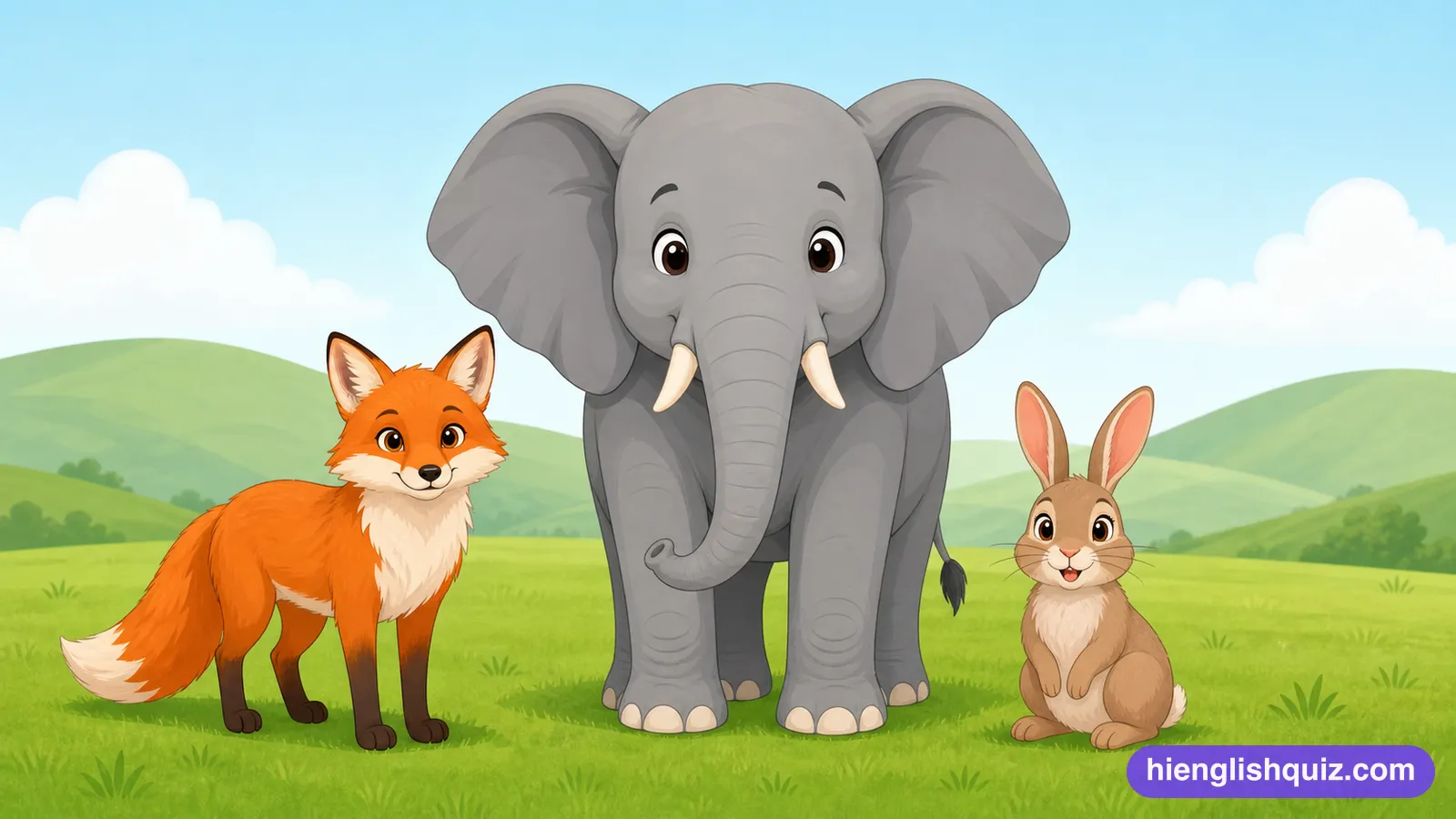
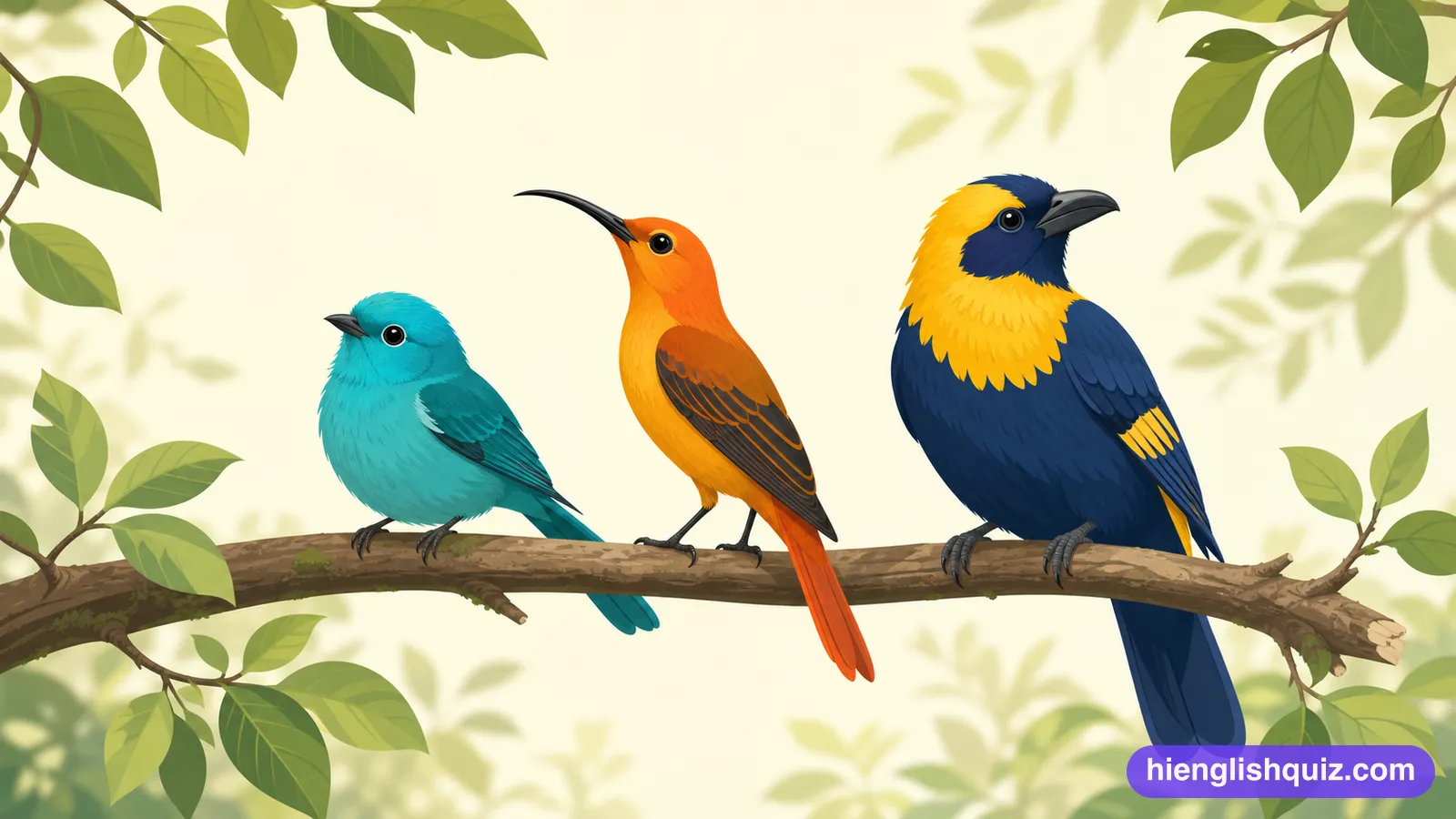
- A group of animals or plants that are alike and can breed together to produce young.
Ví dụ: This frog is a rare species found only on one island.
 Hi EnglishQuiz
B220 từ · Trung cao
Từ vựng sinh học và hóa học nâng cao như species, habitat, adaptation, cùng compound, molecule và oxygen, điểm giao thoa giữa hai lĩnh vực khoa học tự nhiên.
Ví dụ: This frog is a rare species found only on one island.
Ví dụ: Cooking the meat properly kills most bacteria.
Ví dụ: Cutting down forests destroys the habitat of thousands of birds.
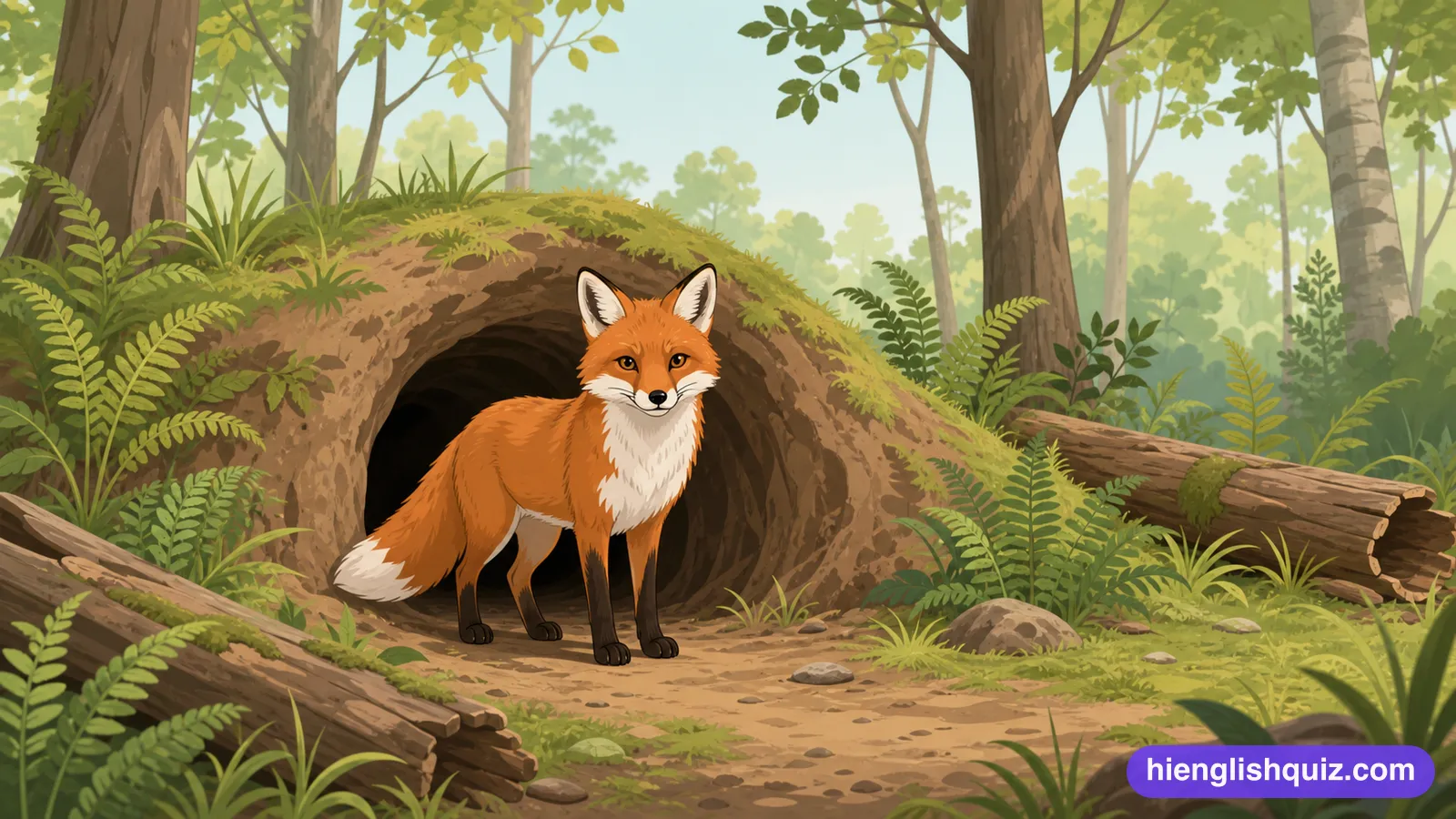
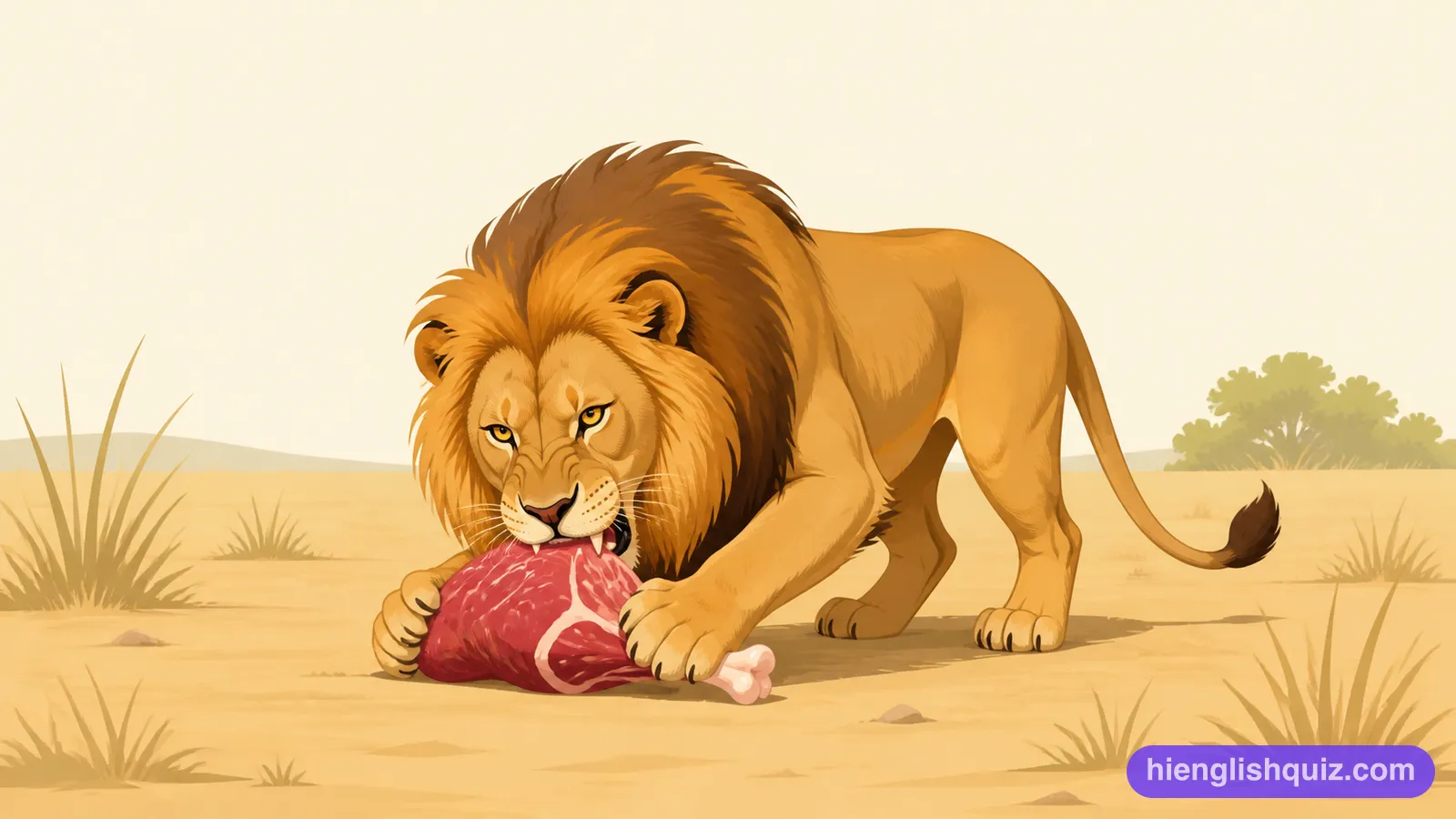
Ví dụ: A tiger is a carnivore that hunts other animals.
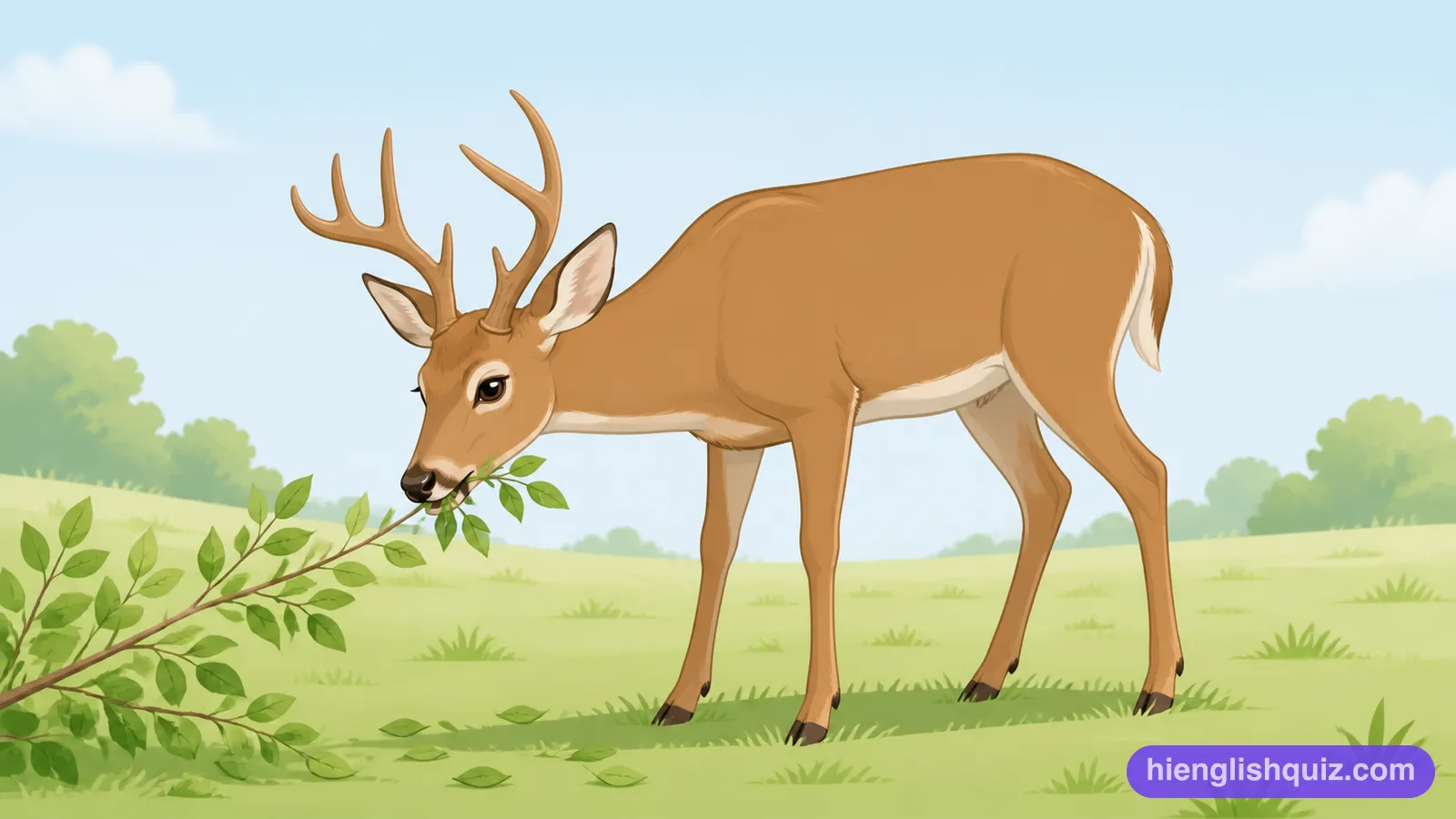
Ví dụ: A cow is a herbivore that grazes on grass all day.
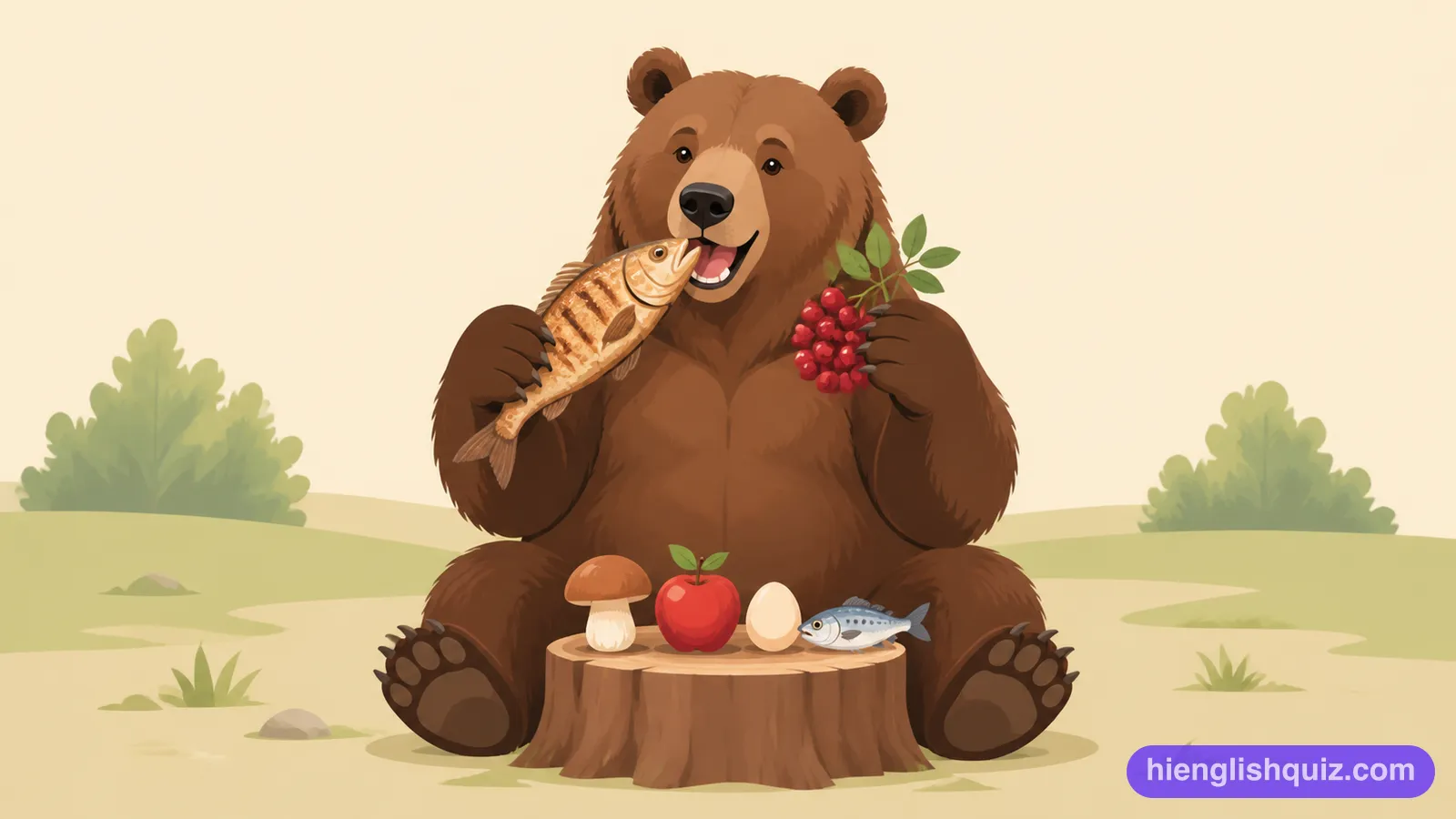
Ví dụ: A bear is an omnivore, eating berries as well as fish.
Ví dụ: Every organism on Earth needs energy to survive.
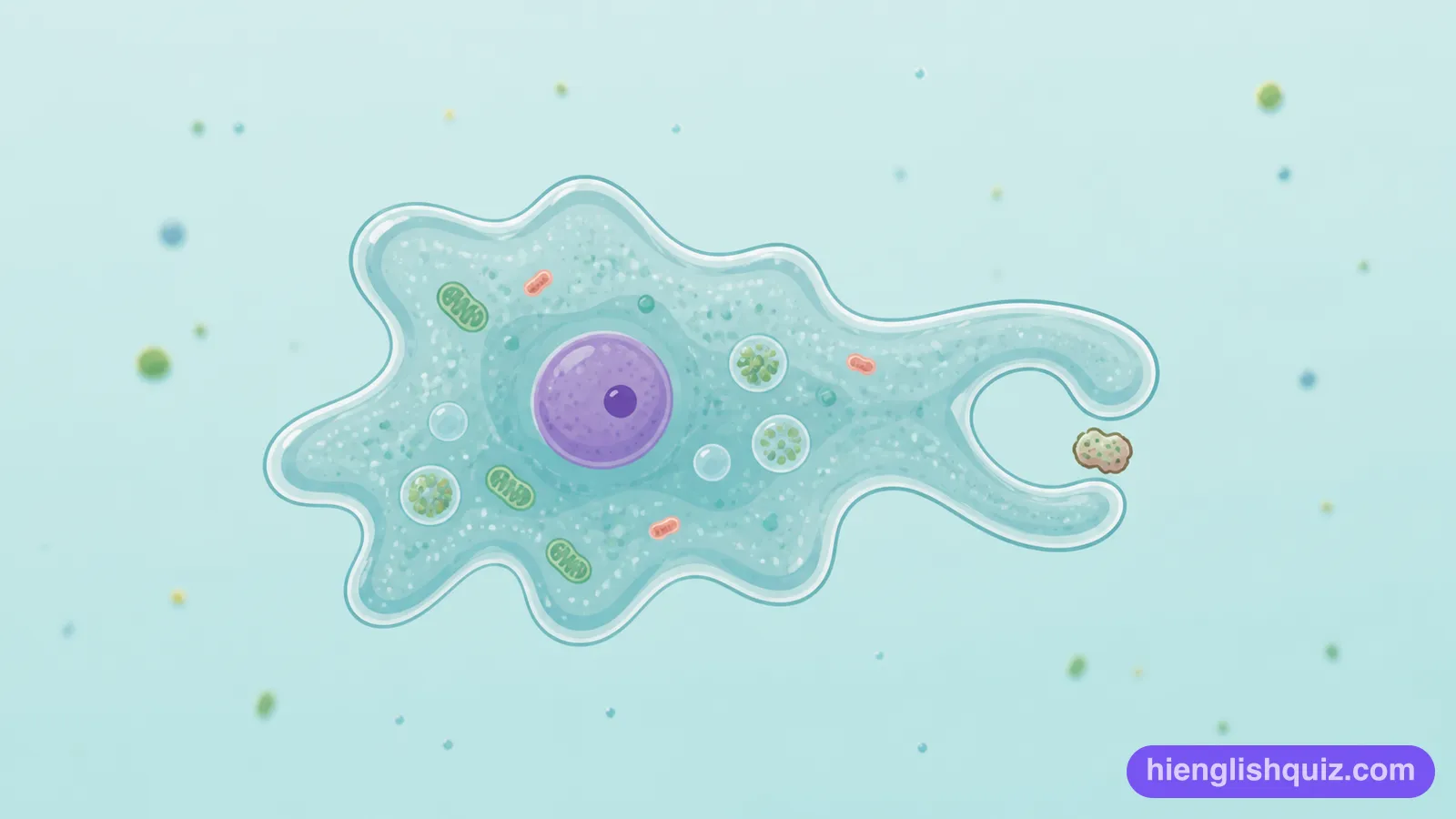
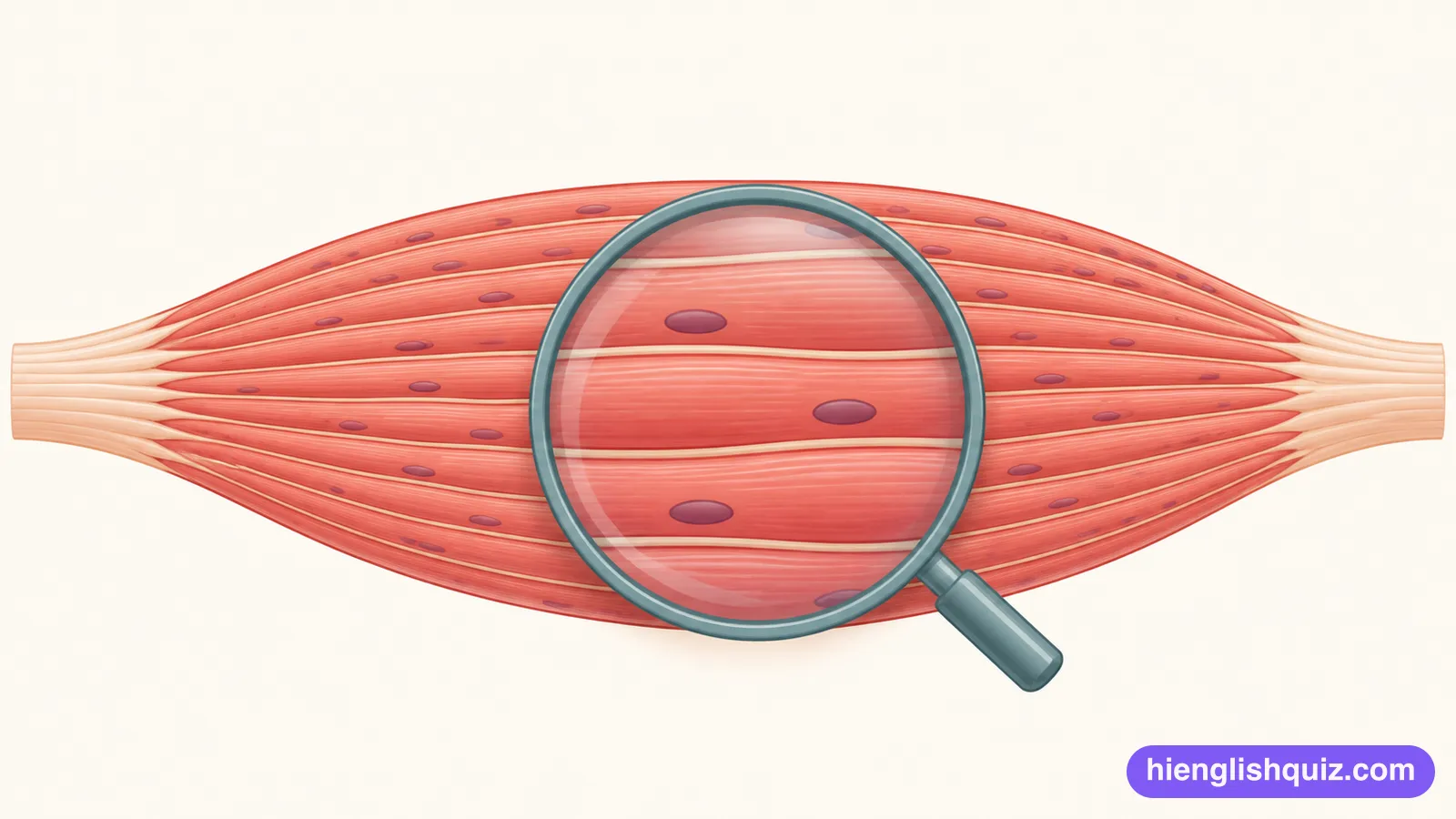
Ví dụ: Doctors took a small sample of tissue to test it.
Ví dụ: A long neck is a useful adaptation for reaching high leaves.
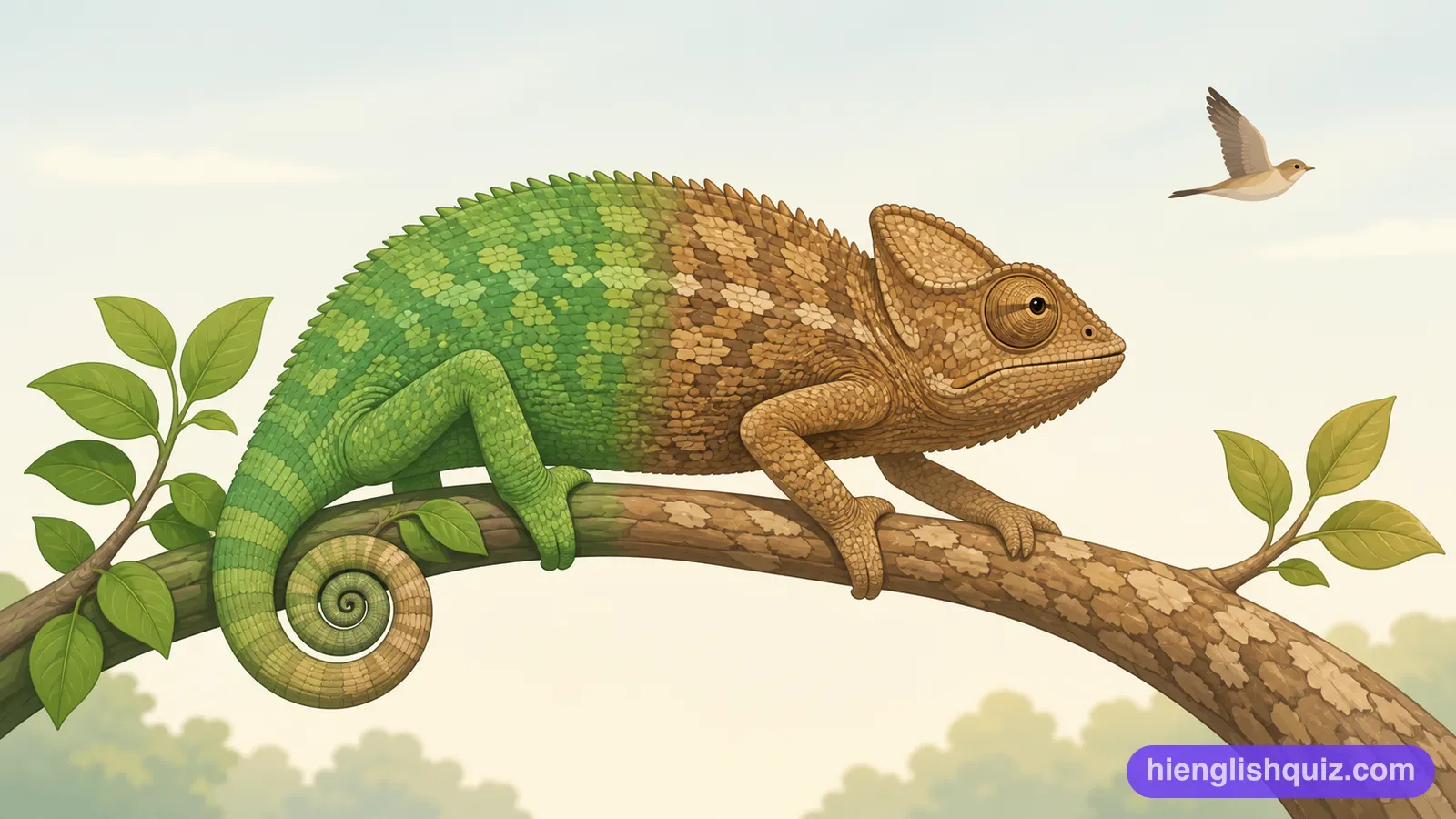
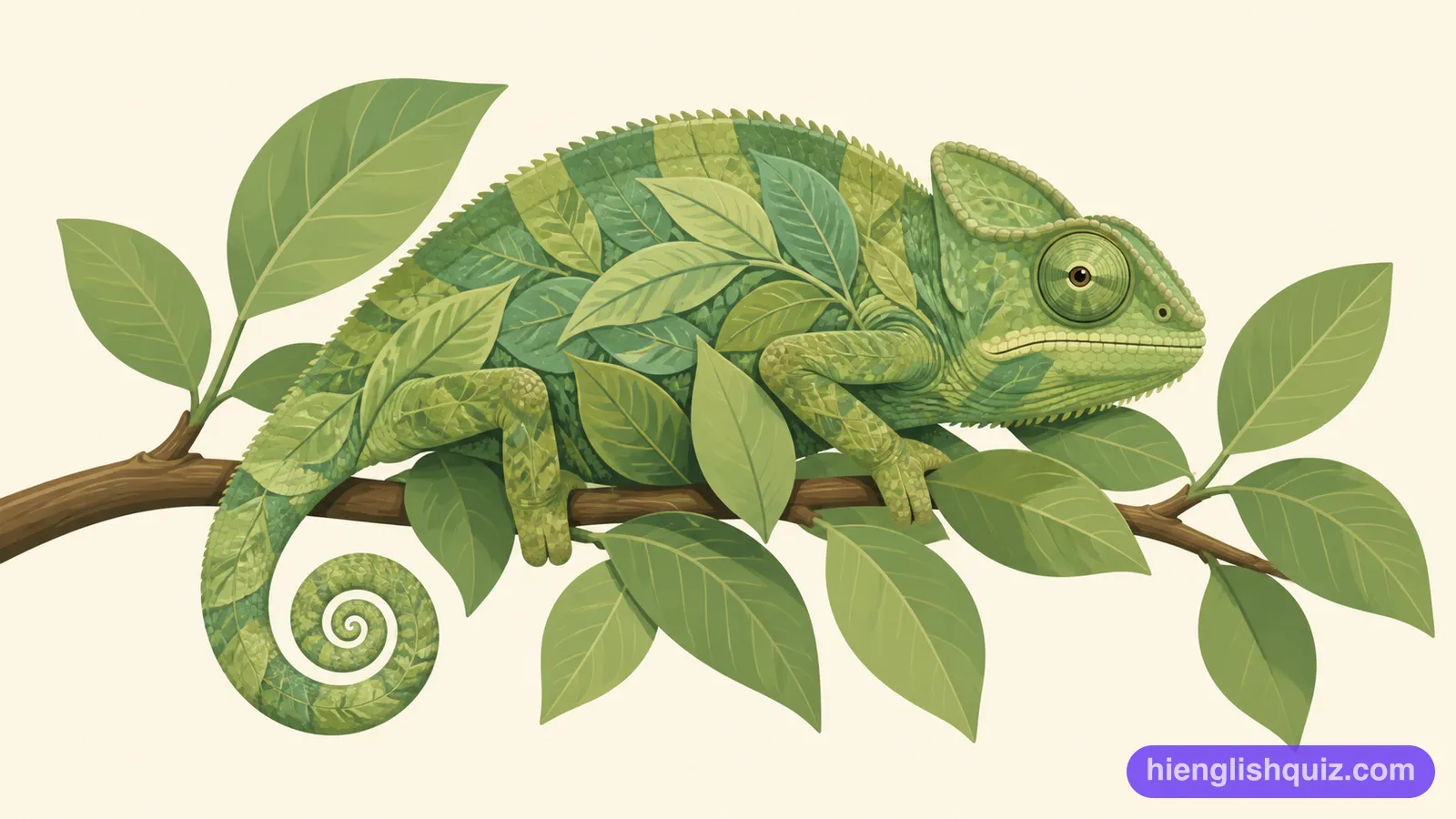
Ví dụ: The frog's green skin gives it perfect camouflage among the leaves.
Ví dụ: The puddles evaporated quickly in the hot sun.

Ví dụ: Water is a compound of hydrogen and oxygen.
Ví dụ: Divers carry tanks of oxygen so they can breathe underwater.

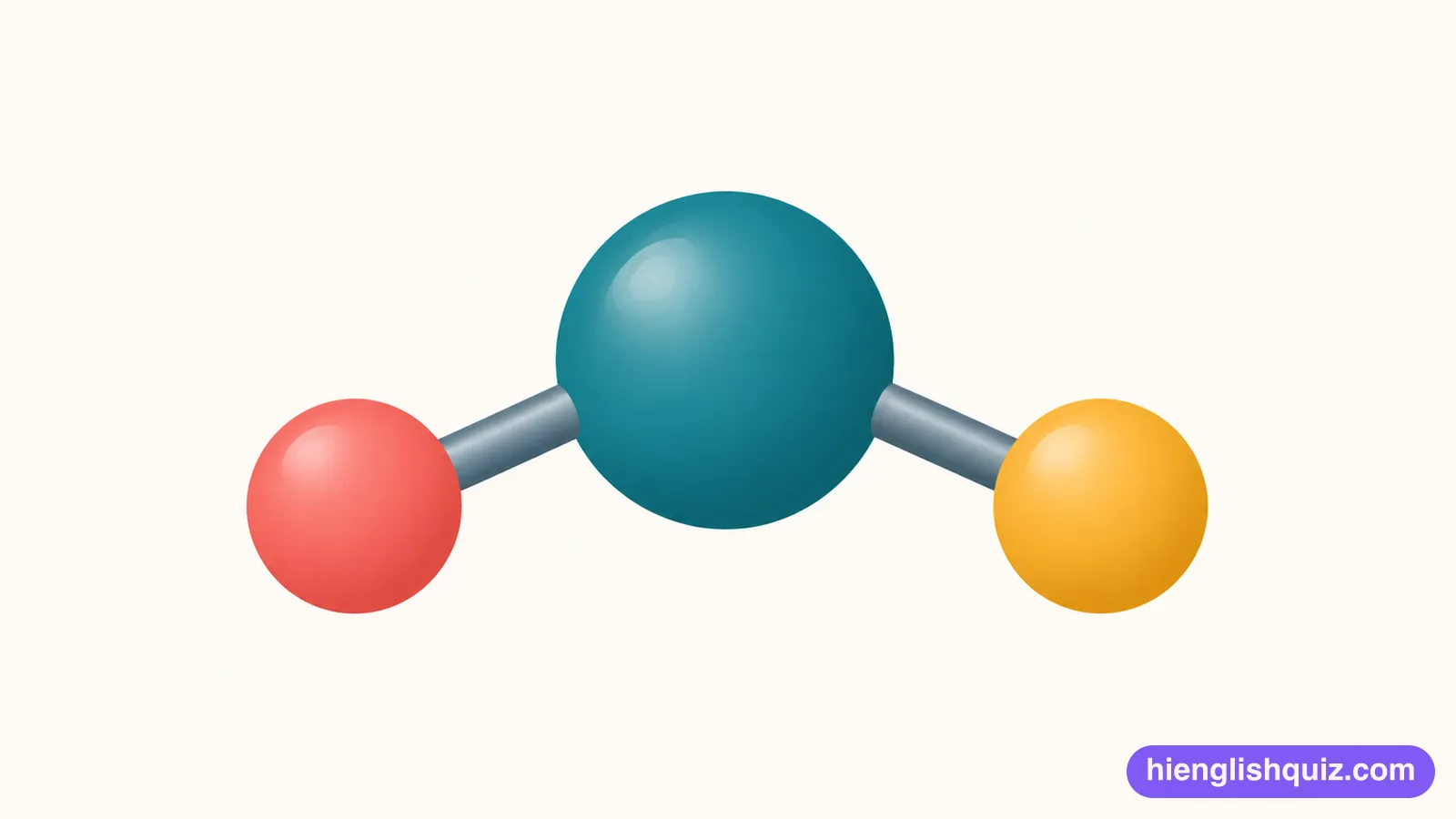
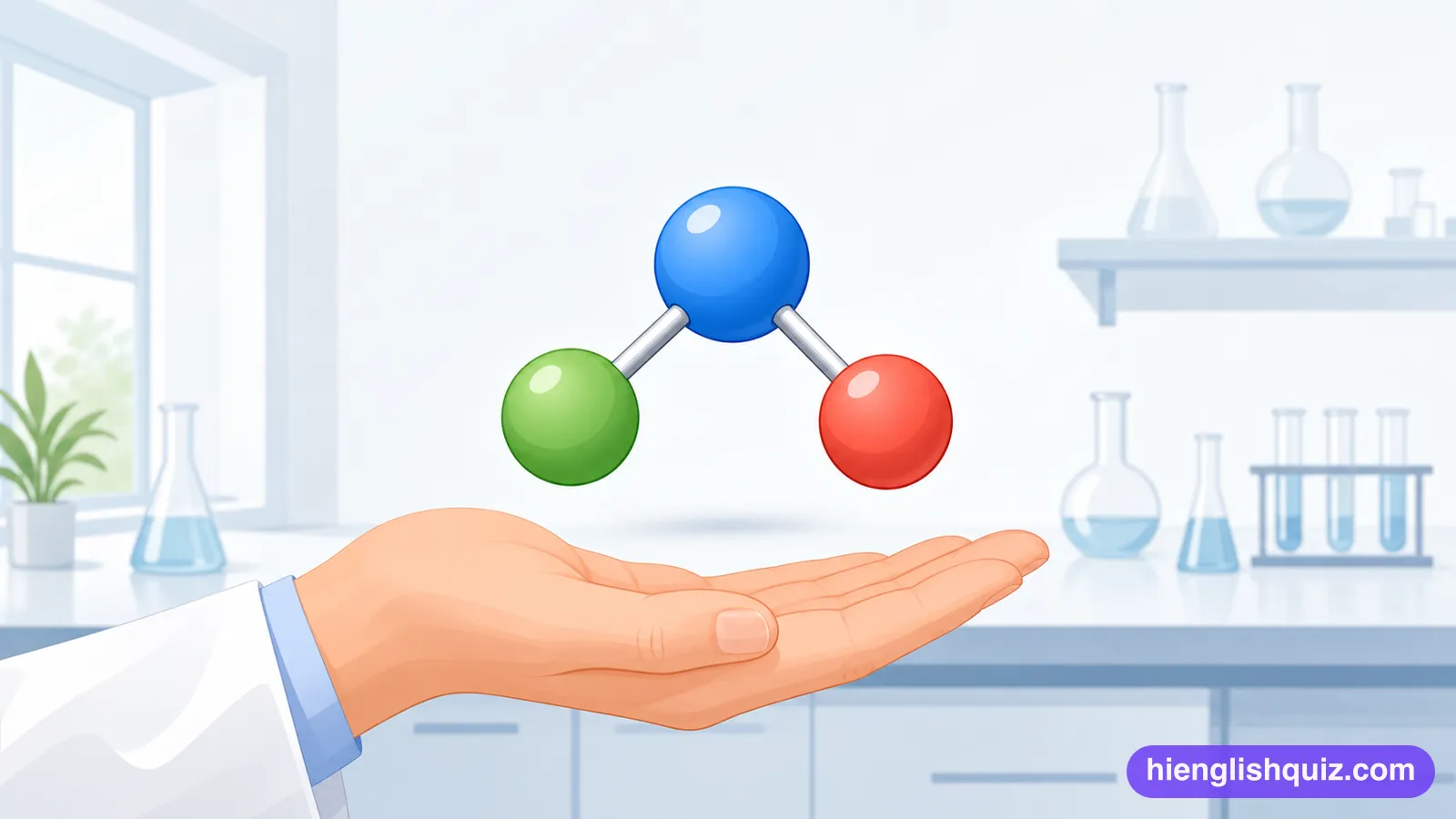
Ví dụ: A water molecule has one oxygen and two hydrogen parts.
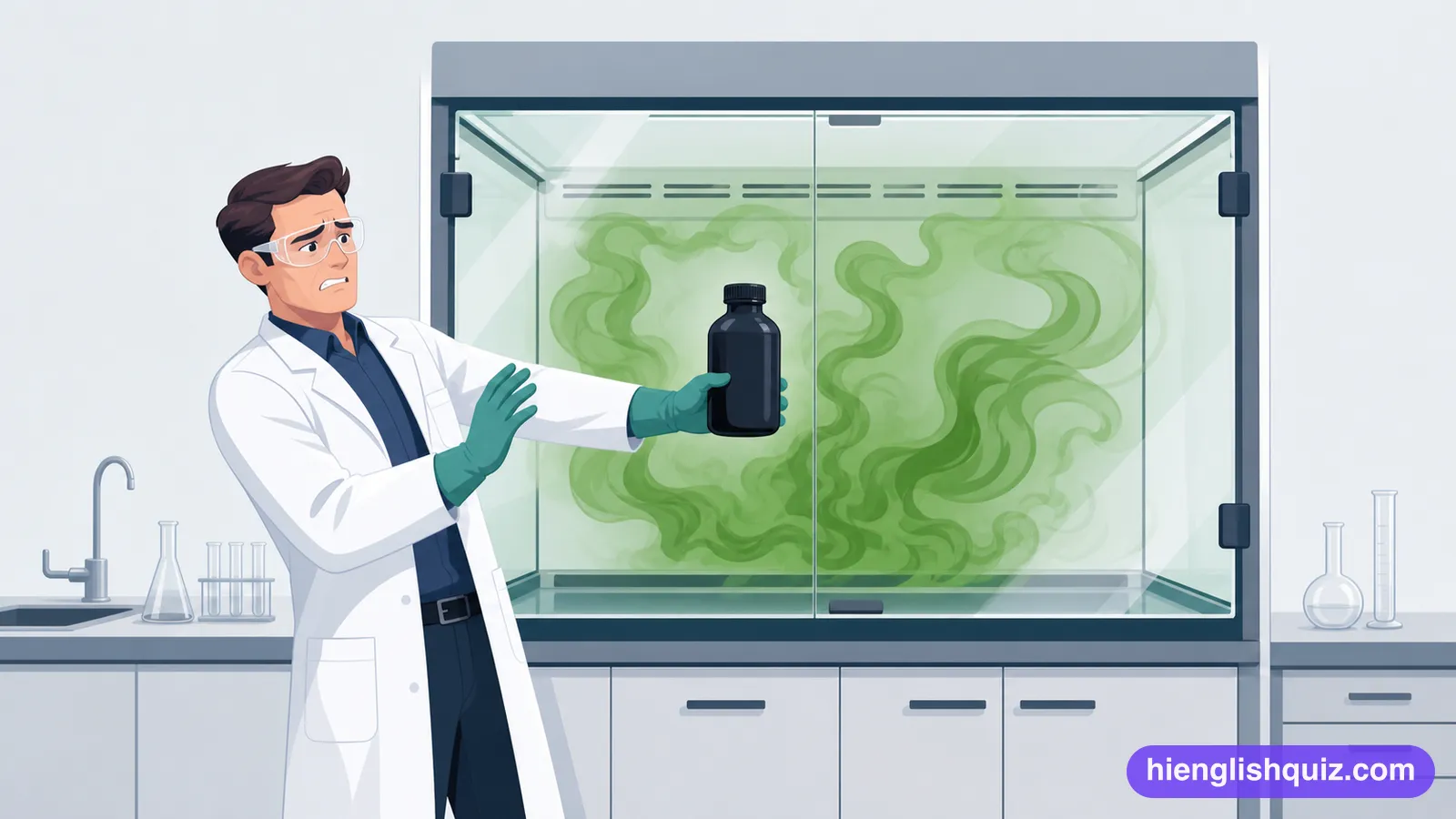
Ví dụ: The fumes from that cleaner are toxic, so open a window.
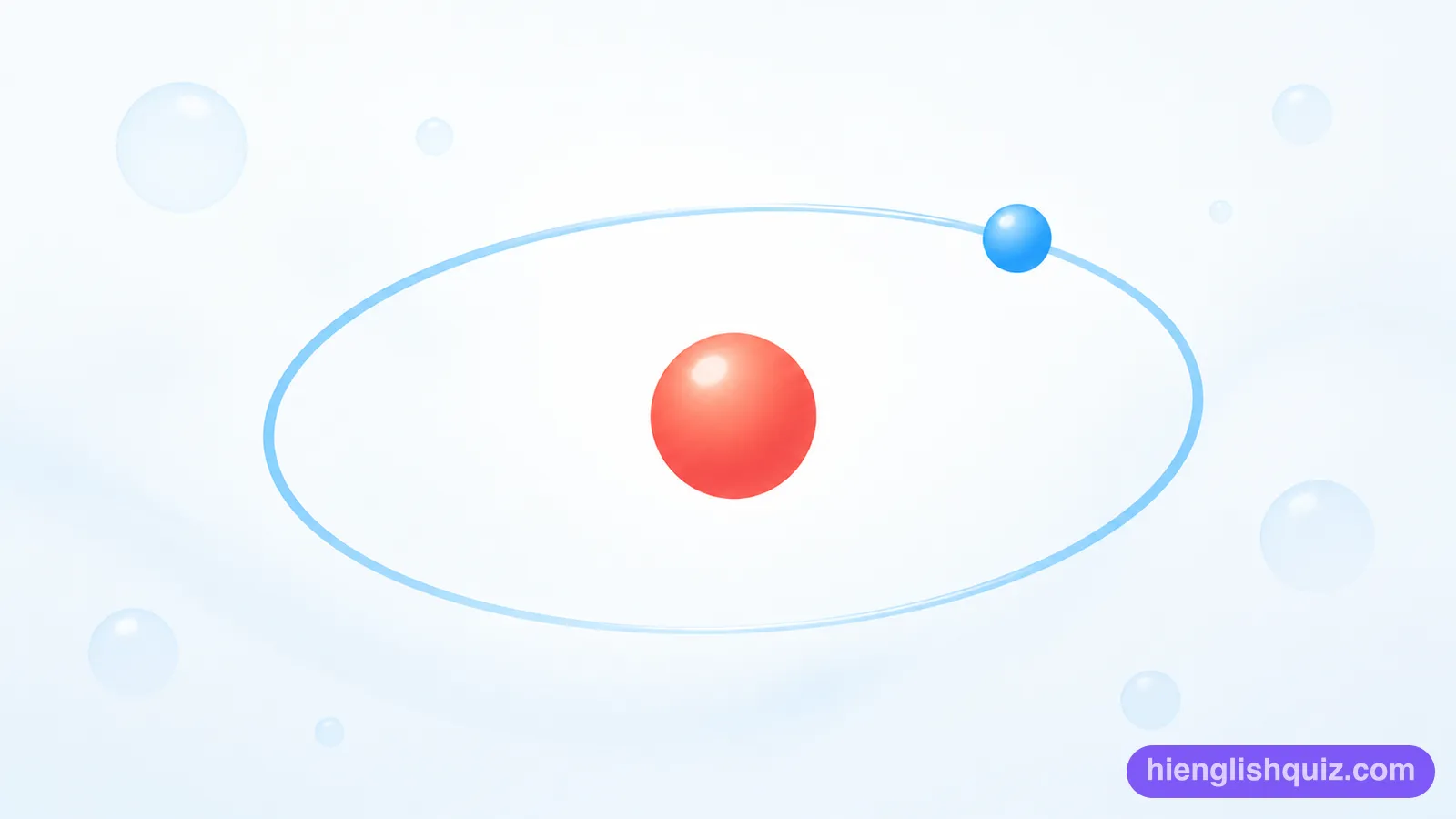
Ví dụ: Water is made of hydrogen and oxygen.
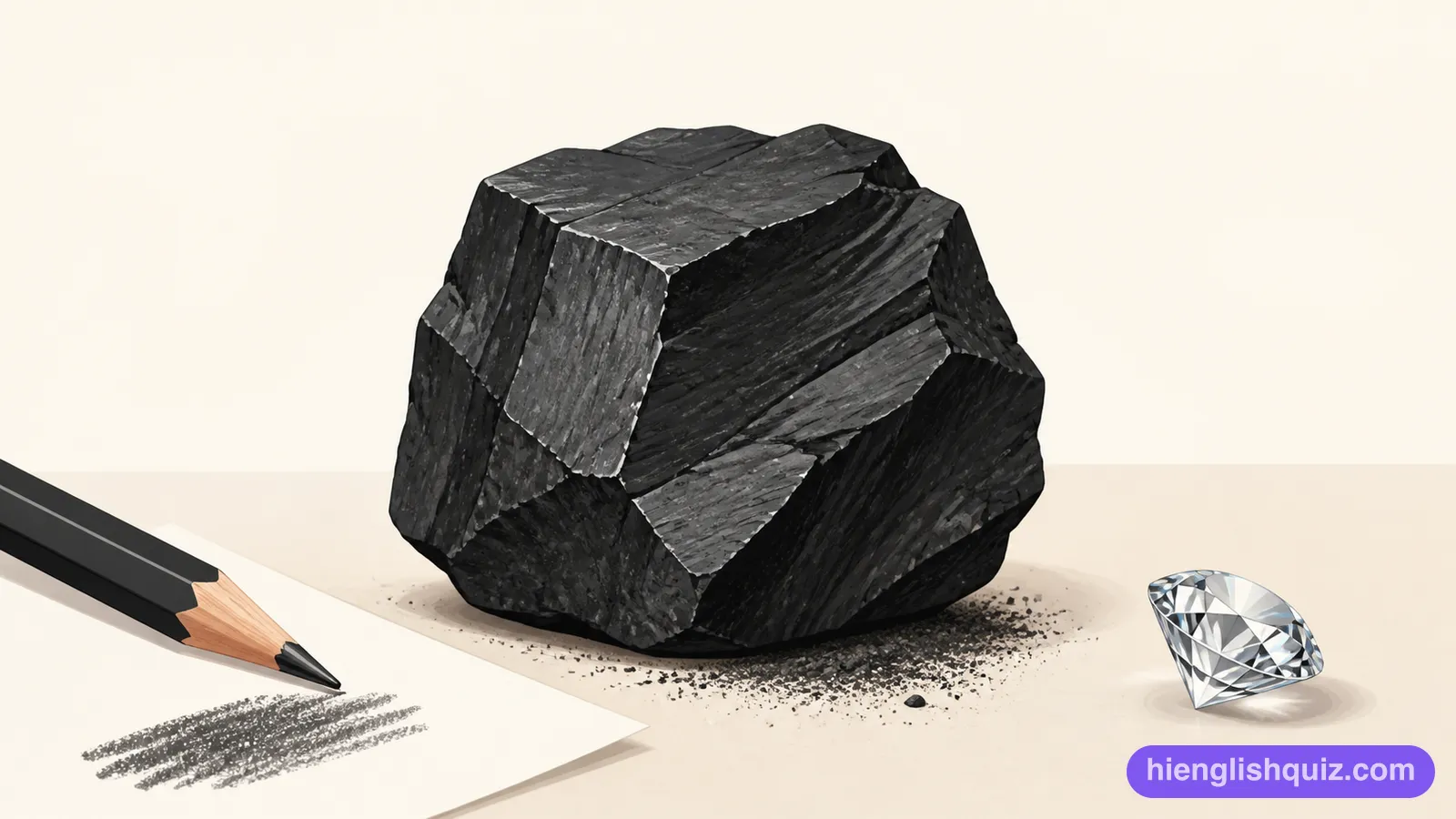
Ví dụ: Diamonds are a pure form of carbon.
Ví dụ: You should dilute the juice with water before drinking it.

Ví dụ: The cleaning liquid is very concentrated, so use only a little.
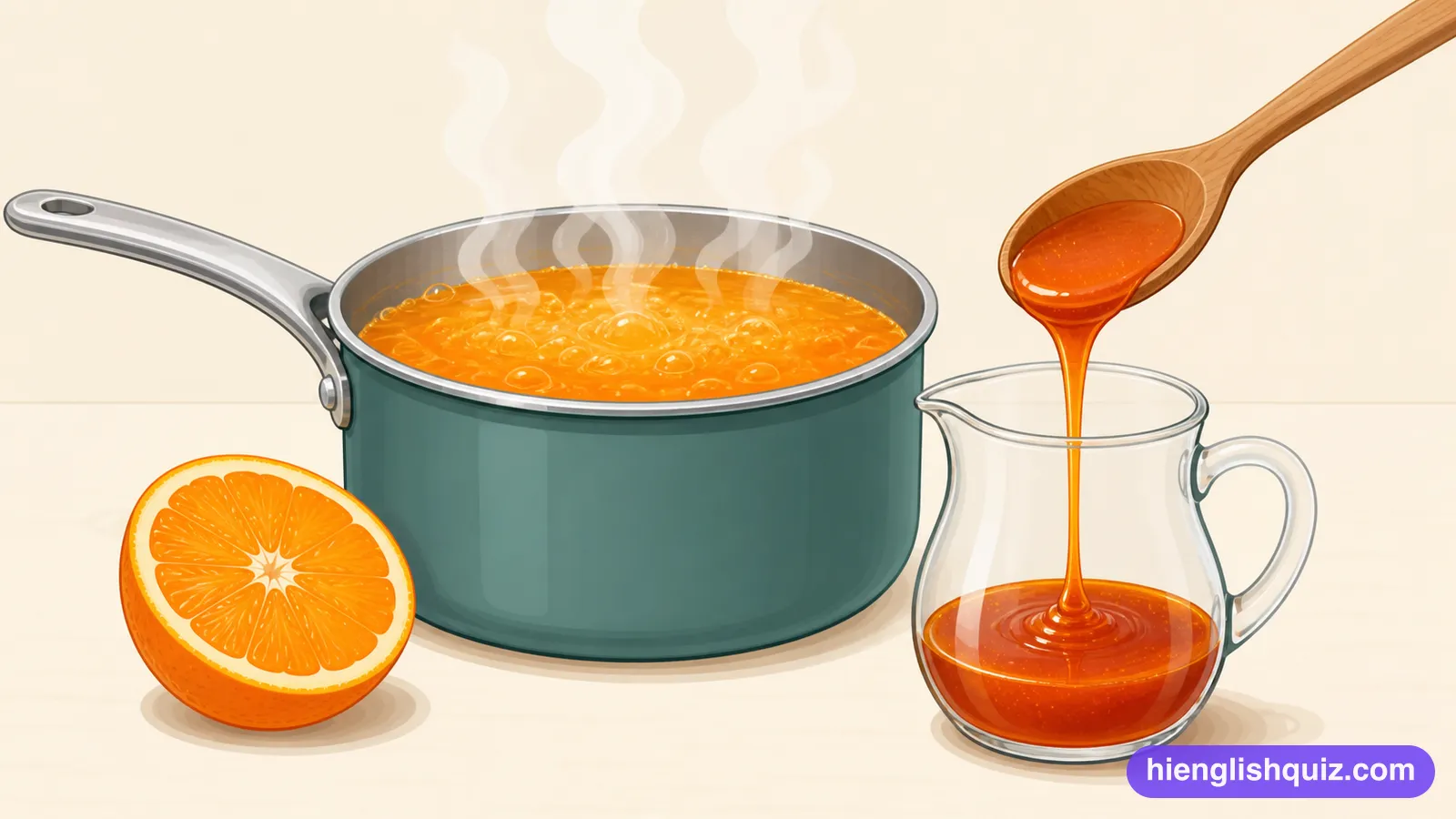
Ví dụ: A sticky residue was left on the glass after the liquid evaporated.