physique
/fəˈzik/- Nghĩa tiếng Việt
- Vóc dáng
- Định nghĩa tiếng Anh
- The shape, size and muscular build of a person's body.
Ví dụ: Rowing gave him the physique of an athlete.

 Hi EnglishQuiz
C222 từ · Thành thạo
Từ vựng giải phẫu chính xác như clavicle, femur, sternum và cerebellum, những thuật ngữ bác sĩ phẫu thuật hay chuyên viên vật lý trị liệu dùng khi từ thông thường không đủ.
Ví dụ: Rowing gave him the physique of an athlete.
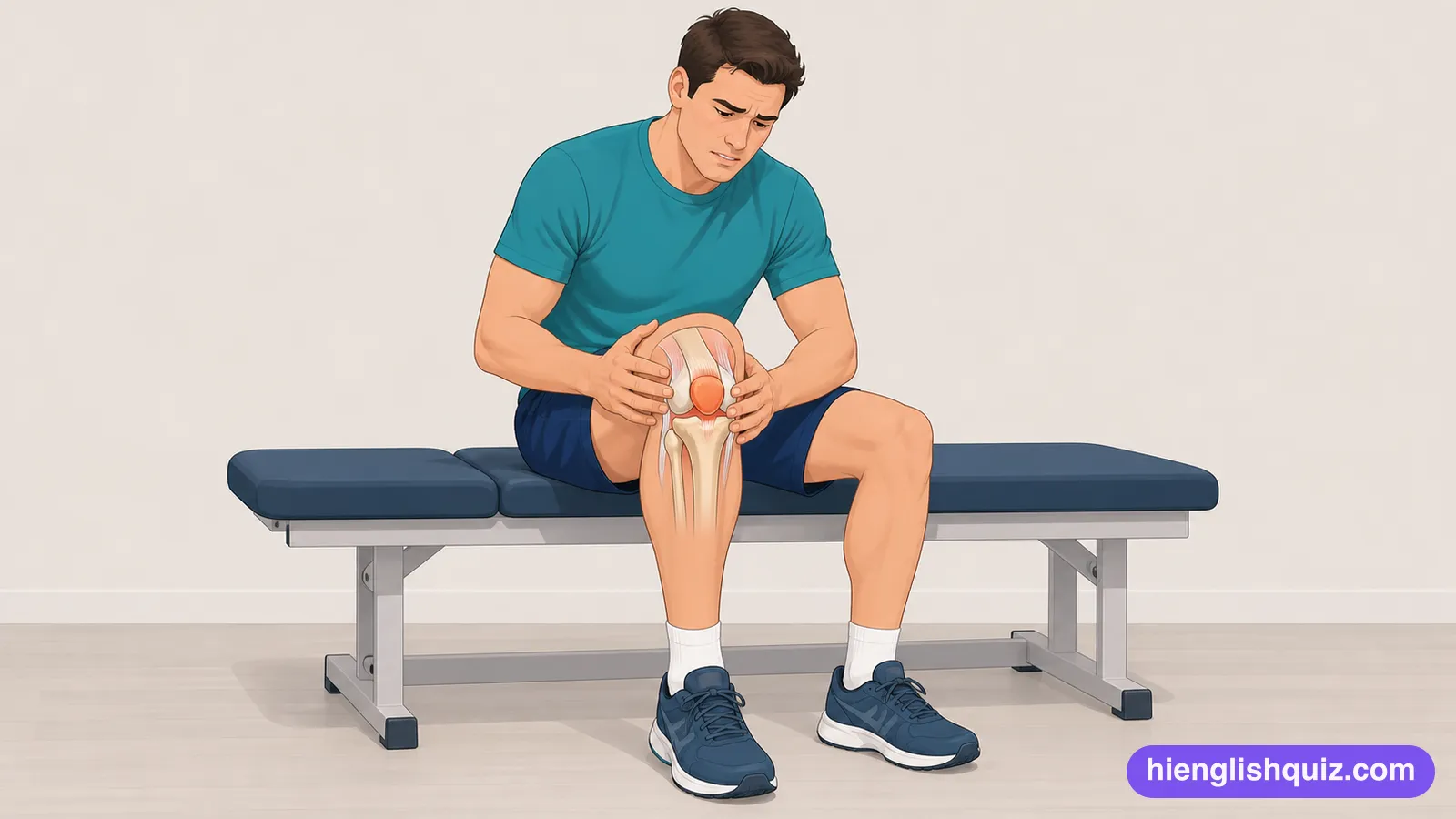
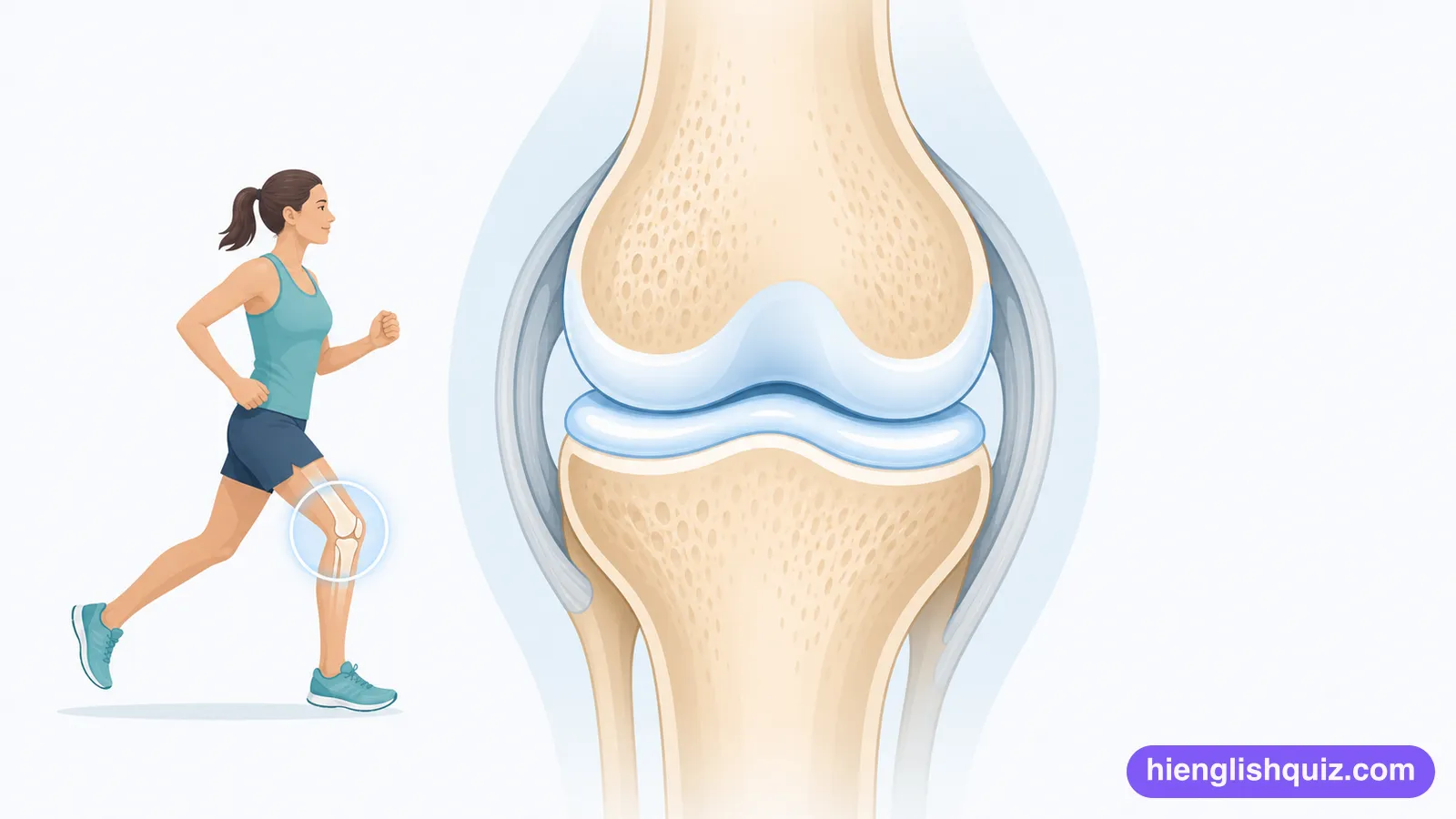
Ví dụ: He tore the cartilage in his knee playing rugby.
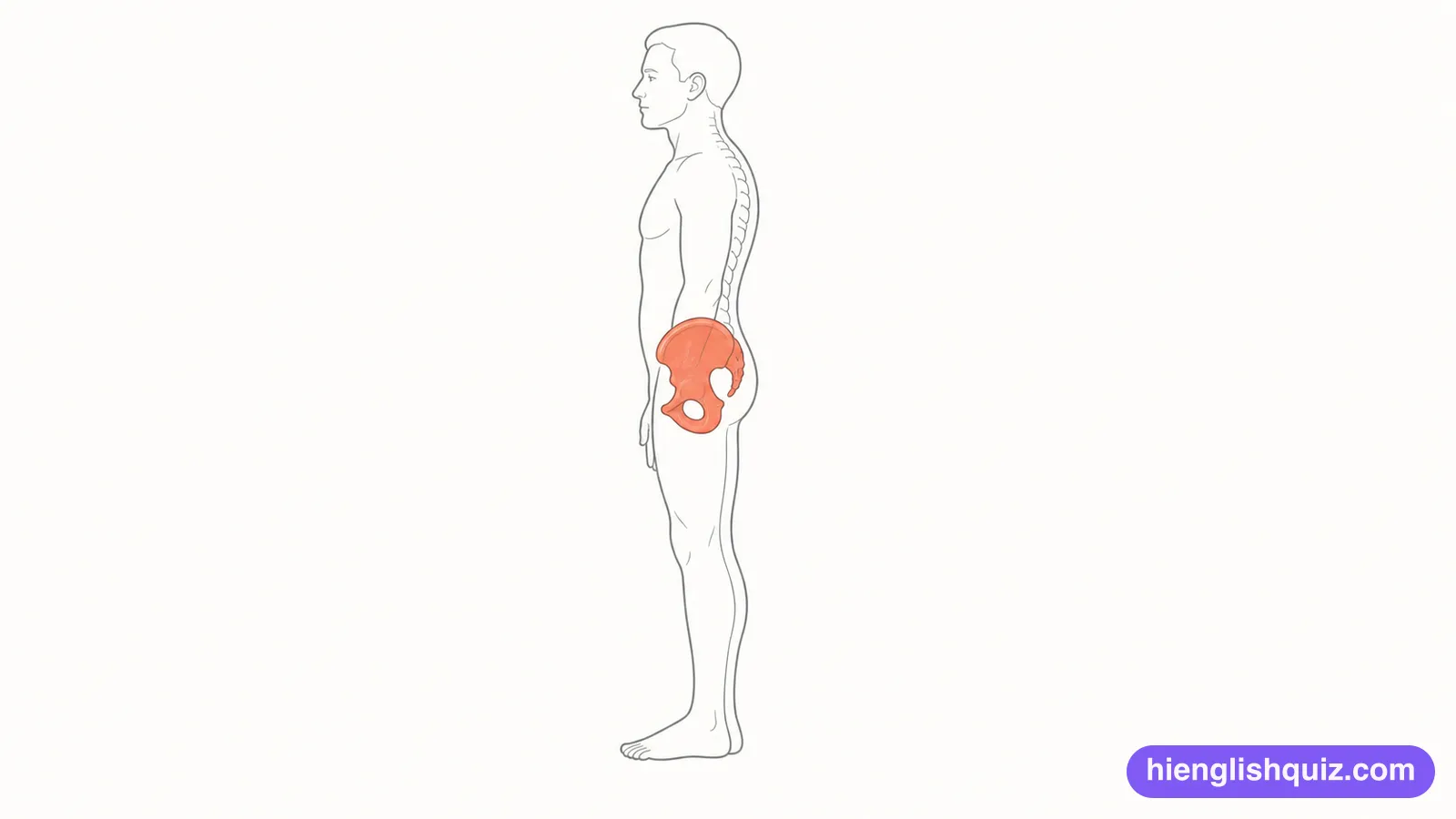
Ví dụ: She fractured her pelvis in the fall and needed months of rest.
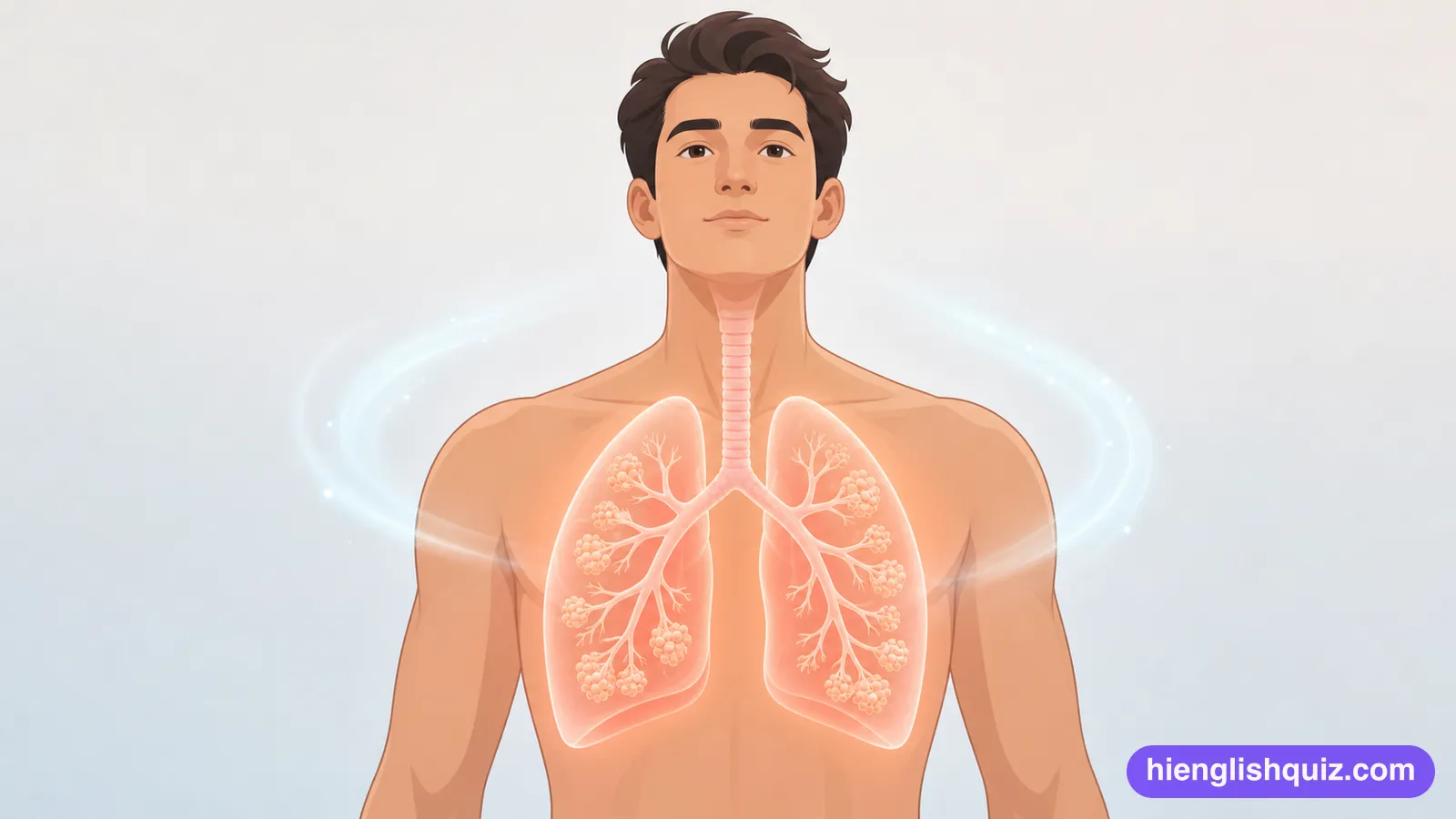
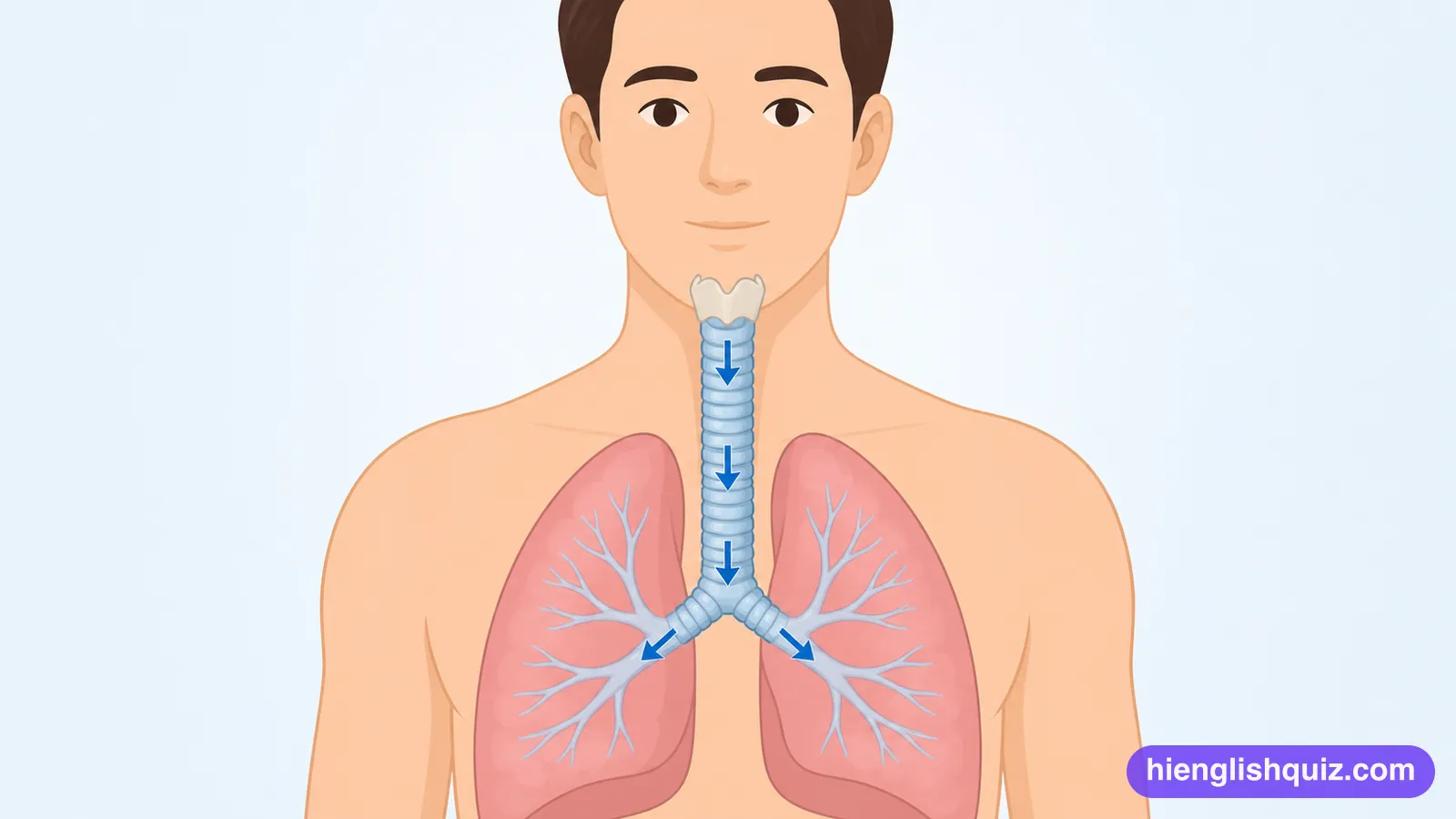
Ví dụ: A bit of bread went down my windpipe and I choked.
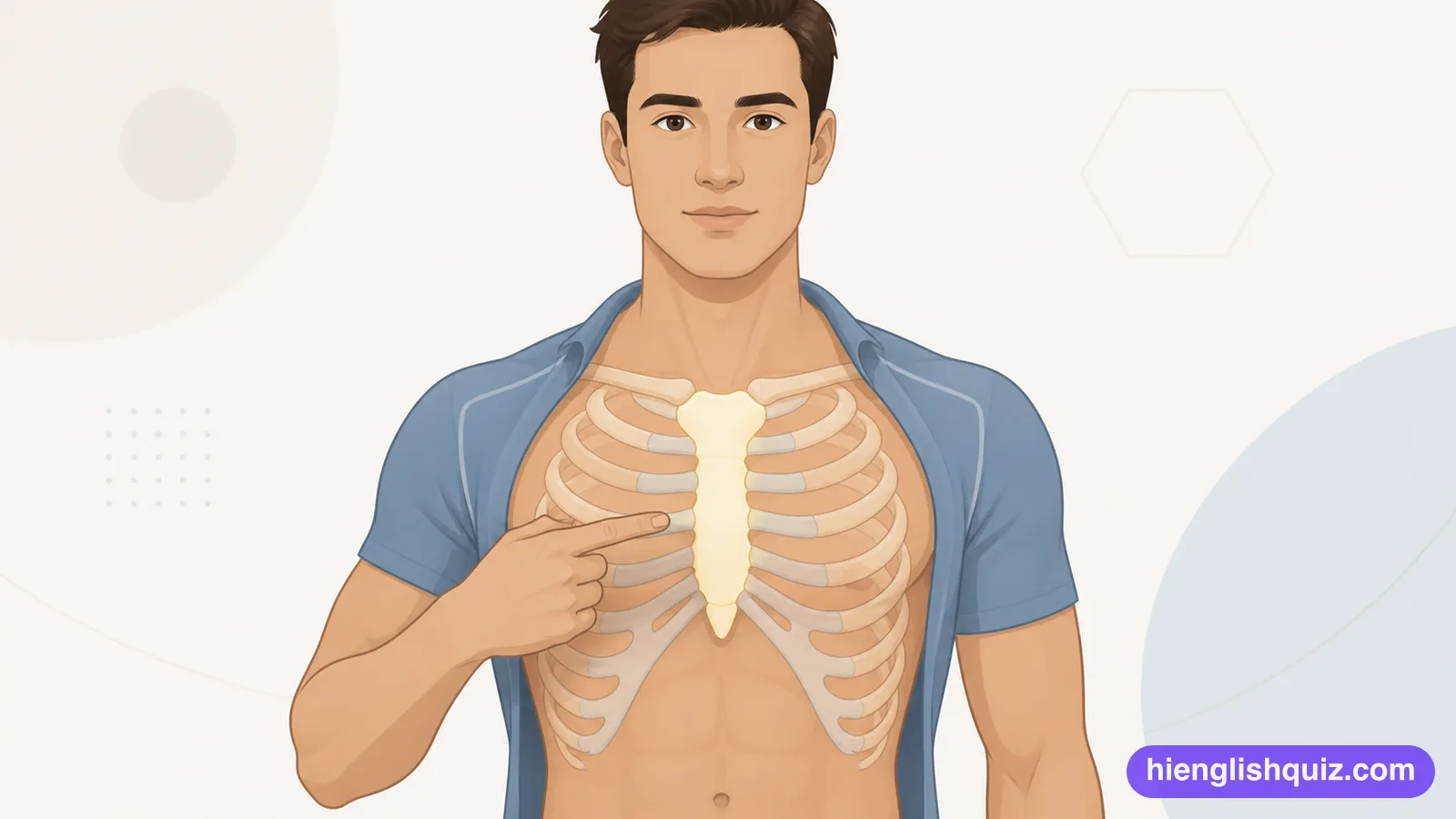
Ví dụ: The doctor pressed gently on his sternum during the exam.
Ví dụ: The scan showed a small growth in her oesophagus.
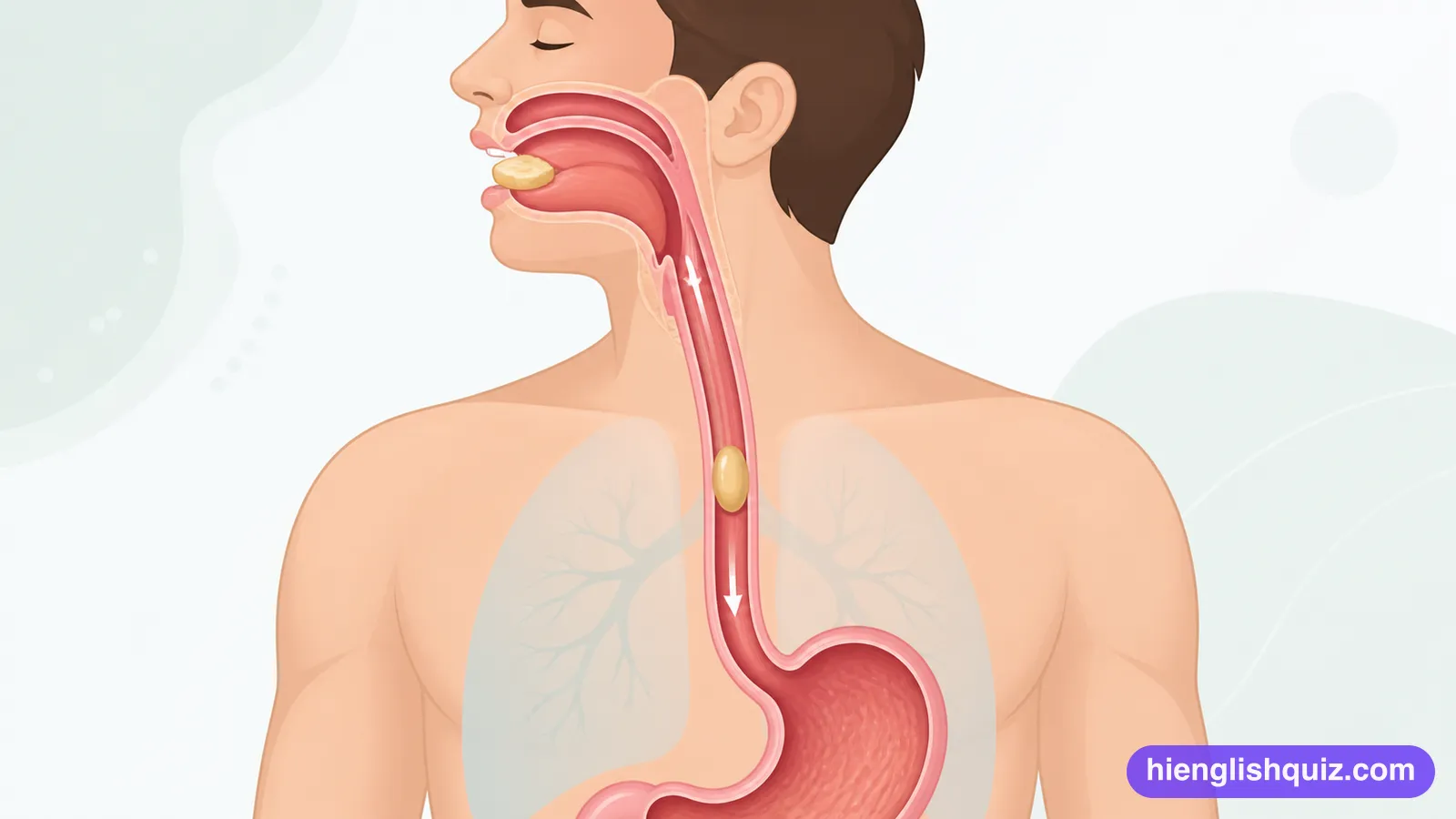
Ví dụ: The doctor checked the lymph nodes in his neck.

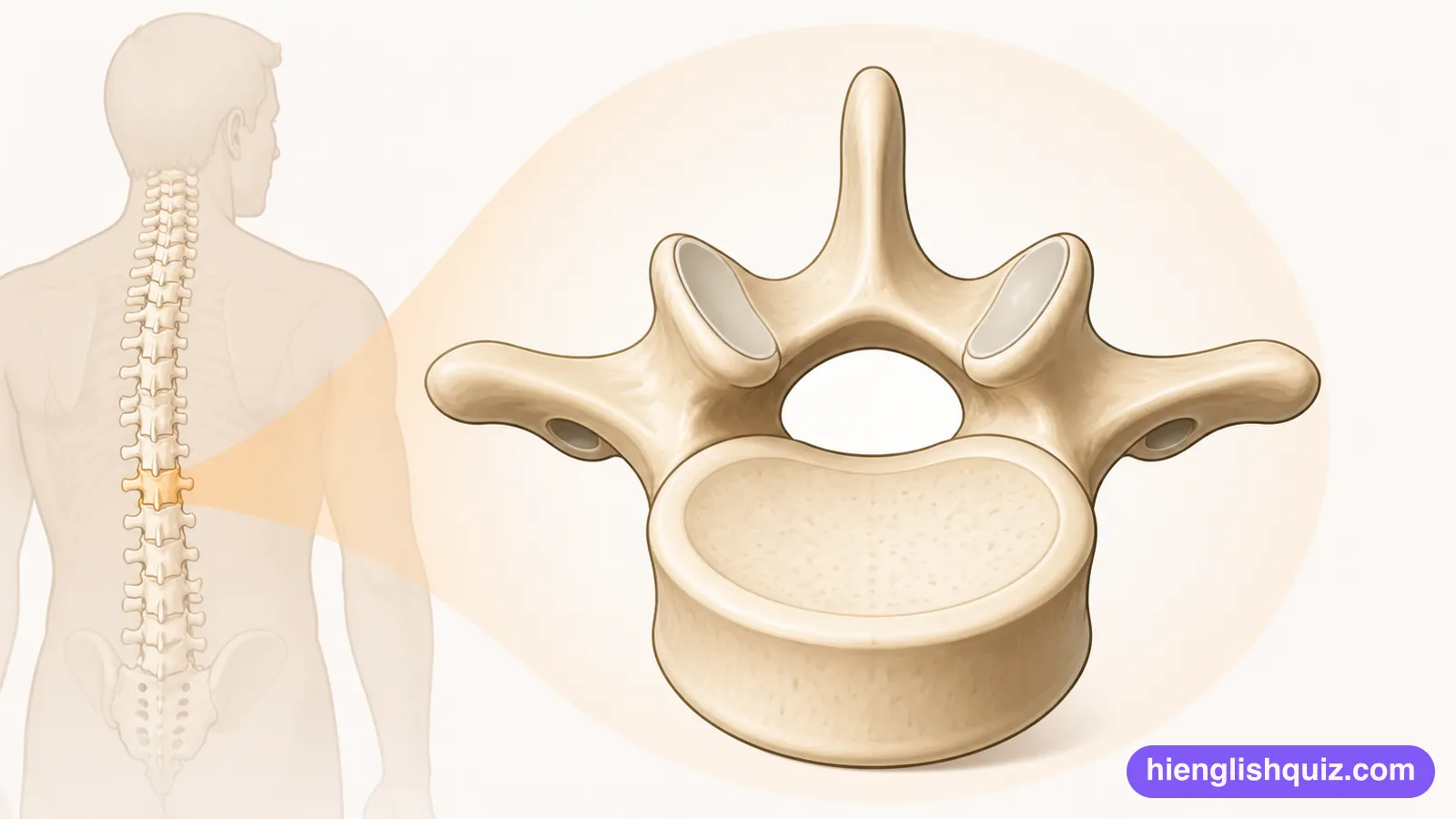
Ví dụ: He fractured a vertebra in the fall.
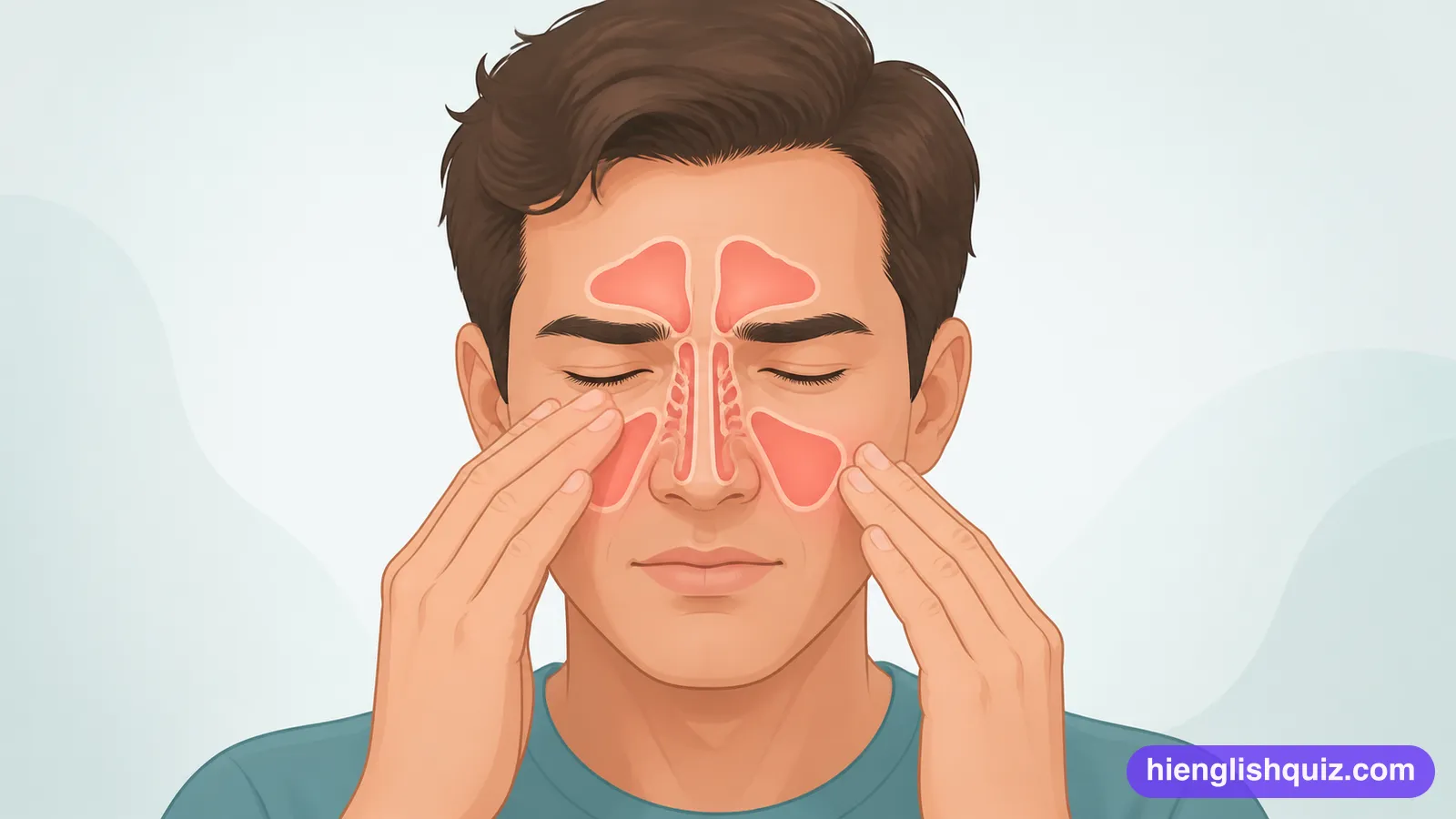
Ví dụ: Her blocked sinuses made it hard to breathe.
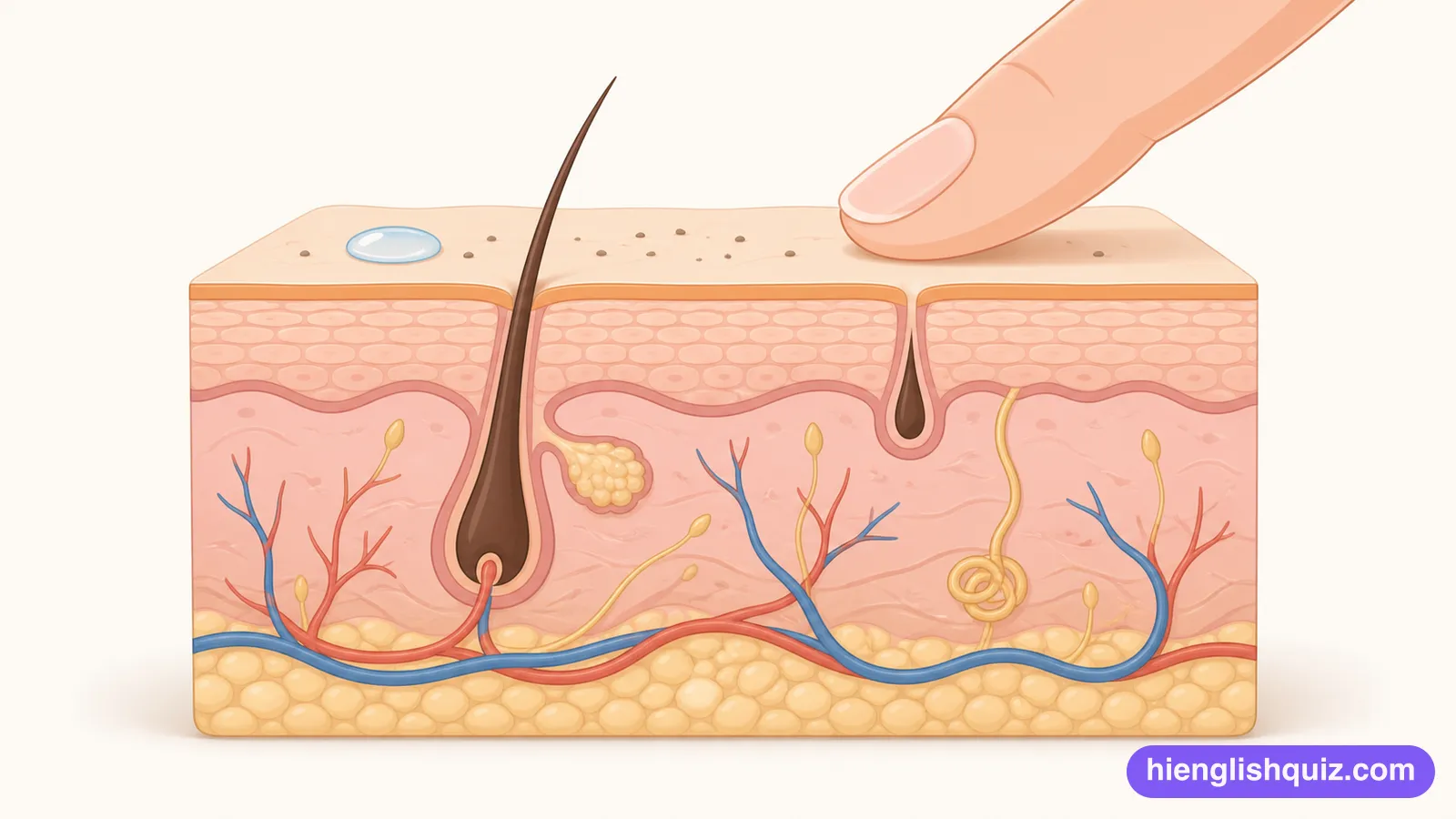
Ví dụ: Sunburn damages the outer layer of the epidermis.
Ví dụ: A broken clavicle kept him out of the squad for two months.
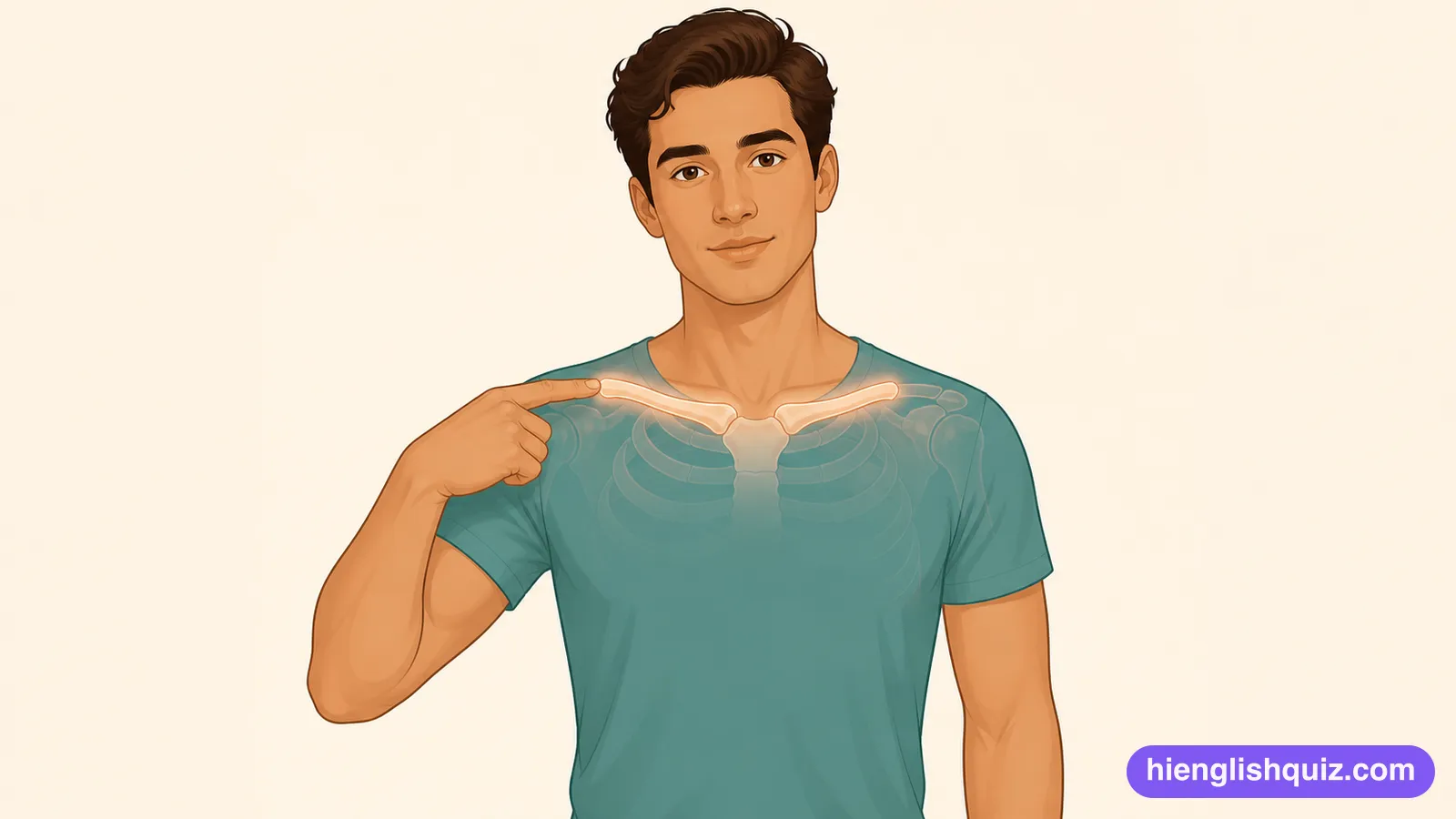
Ví dụ: The muscle attaches along the lower edge of the scapula.
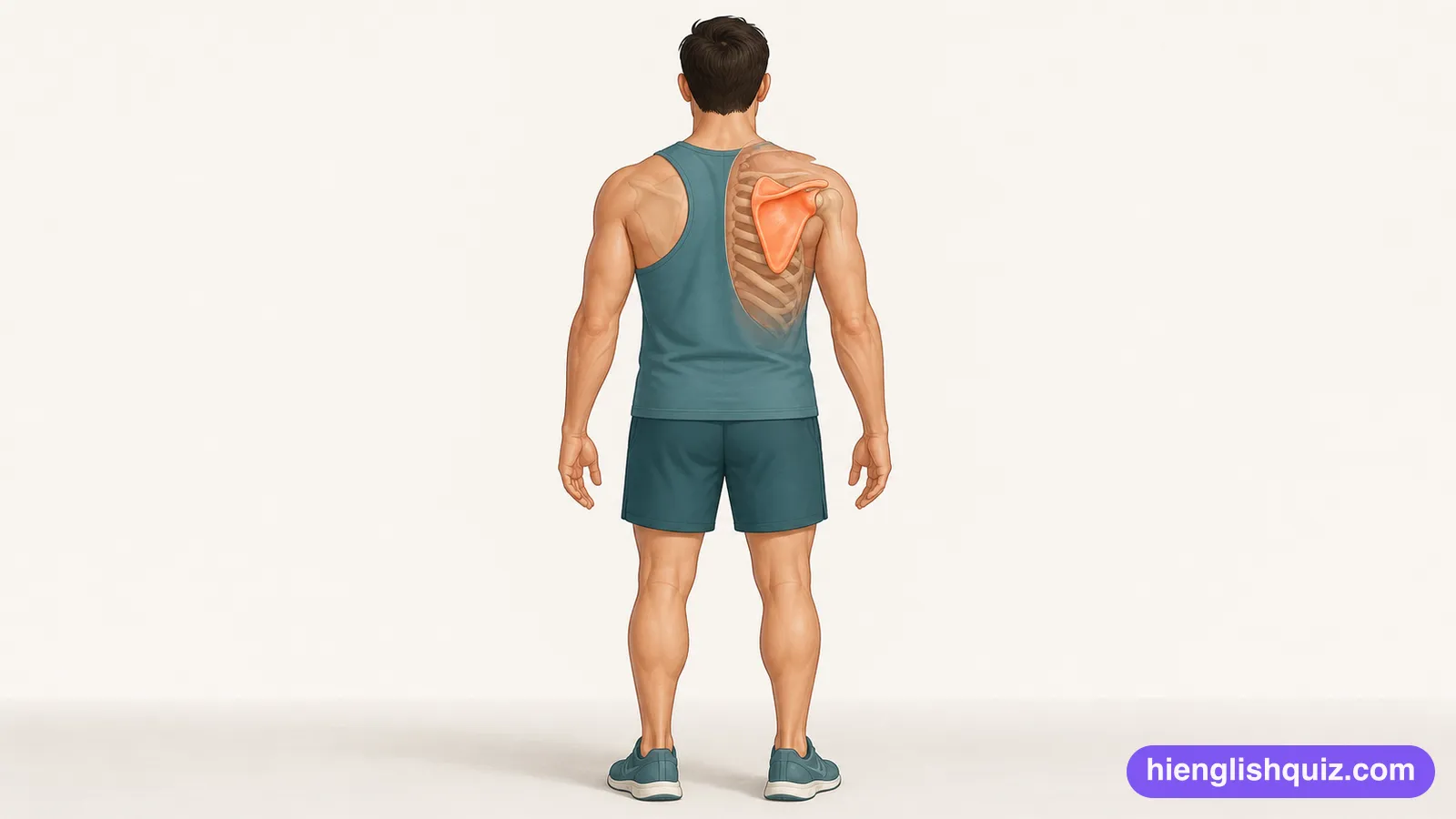
Ví dụ: The femur is the strongest bone in the human body.
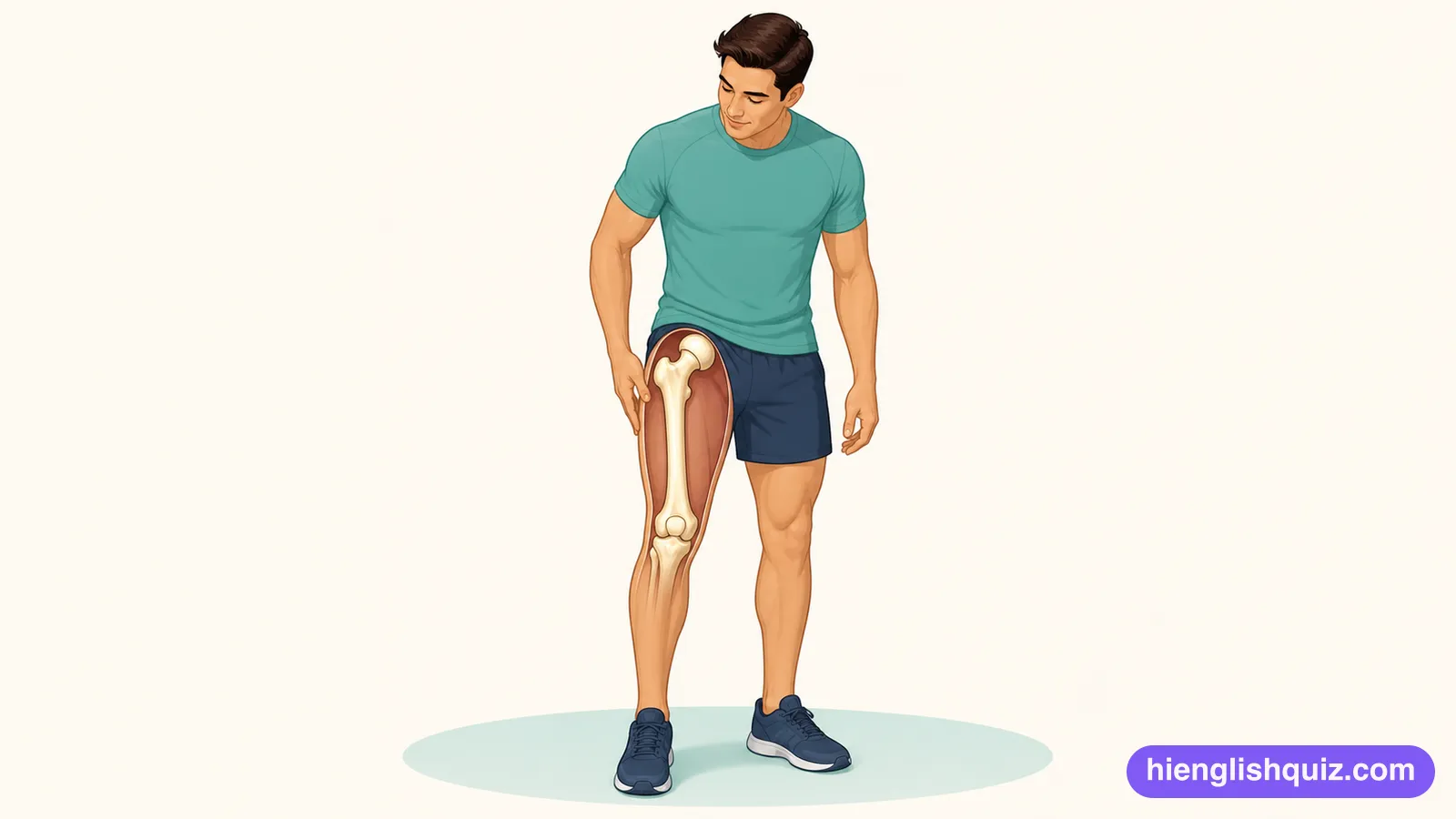
Ví dụ: A hairline crack in the tibia ended his season.
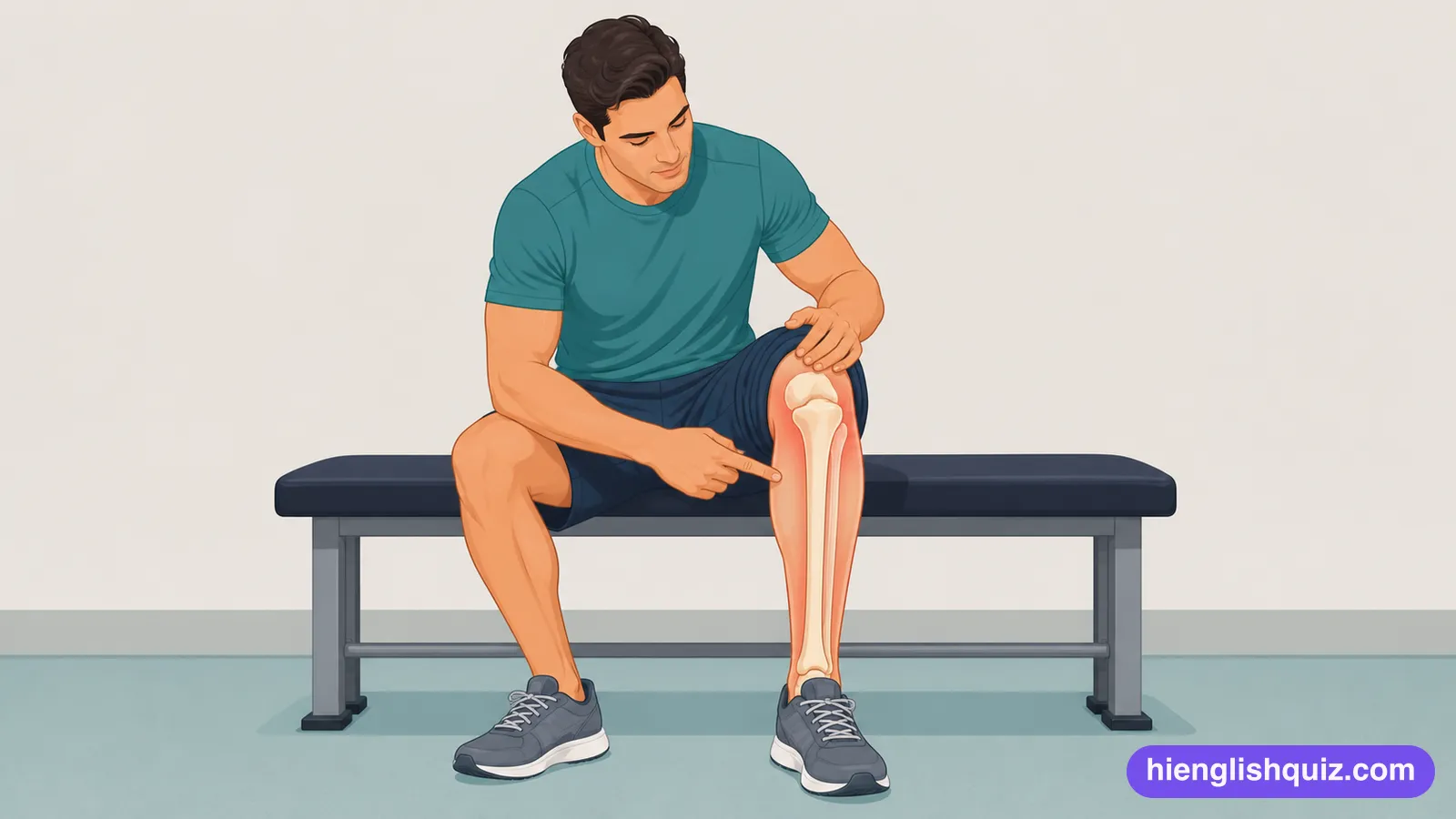
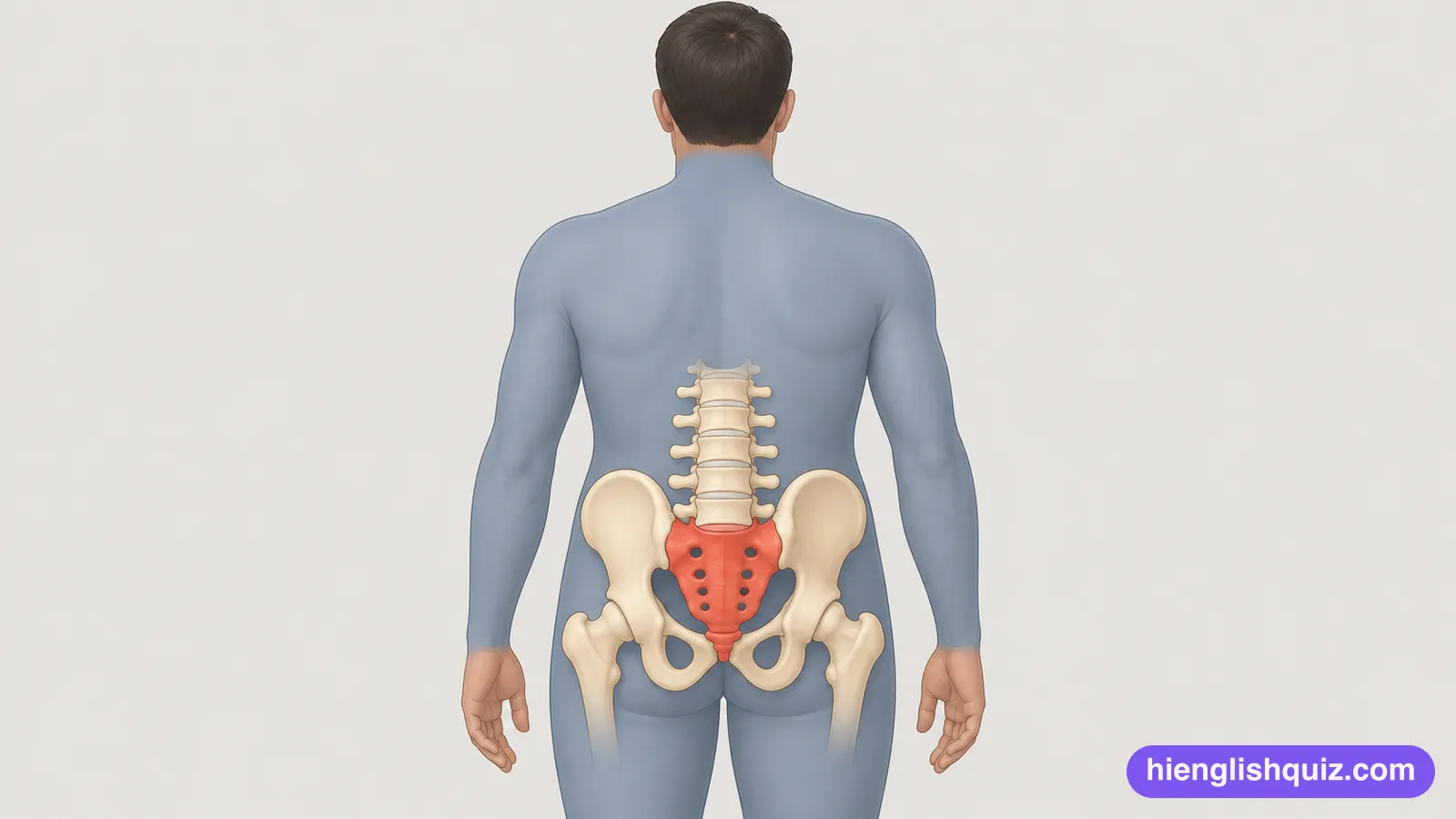
Ví dụ: The sacrum takes most of the load when you sit badly.
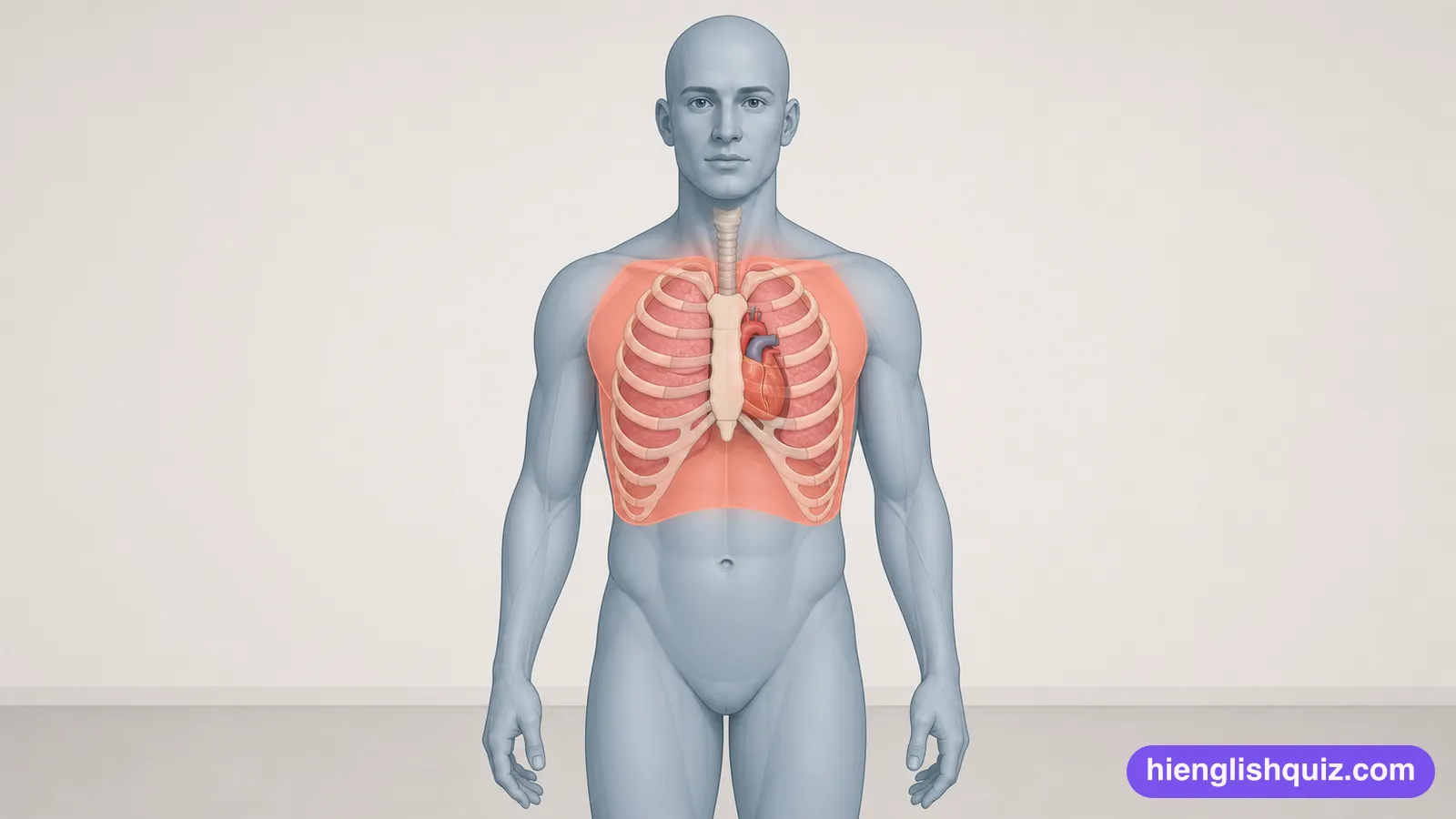
Ví dụ: The X-ray covered the whole thorax in one image.
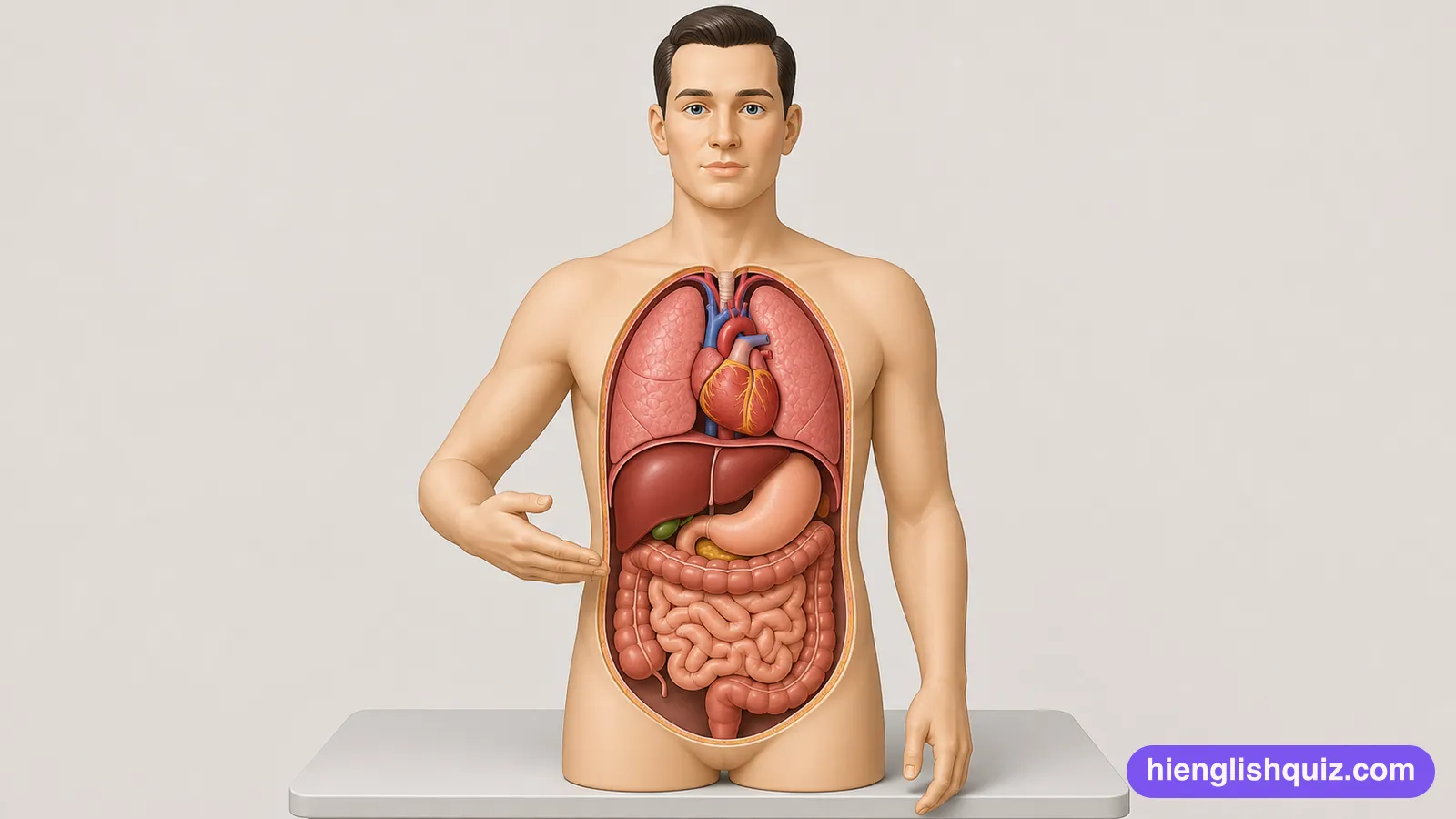
Ví dụ: The lecture covered the viscera and their blood supply.
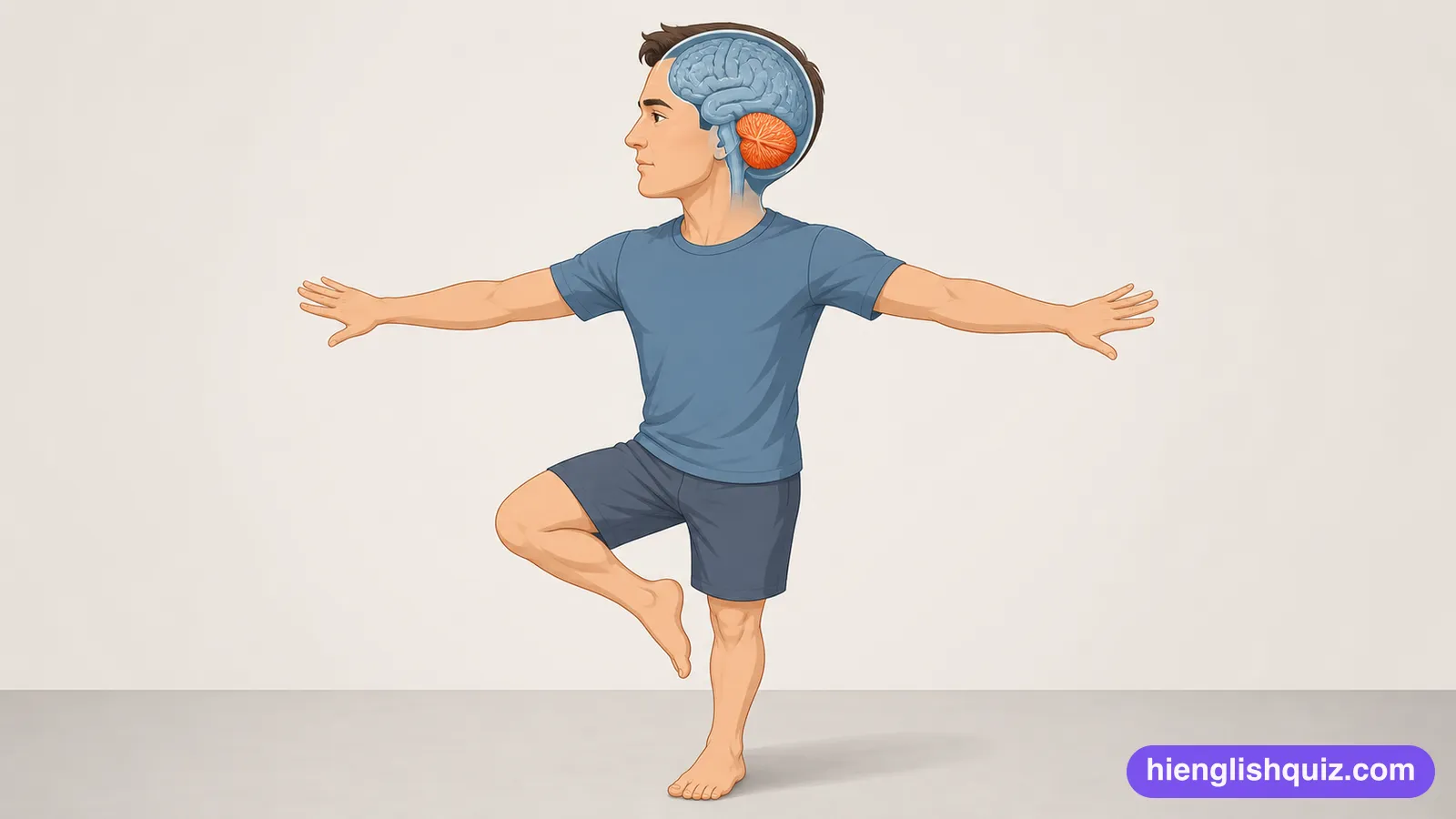
Ví dụ: Damage to the cerebellum affects coordination more than memory.
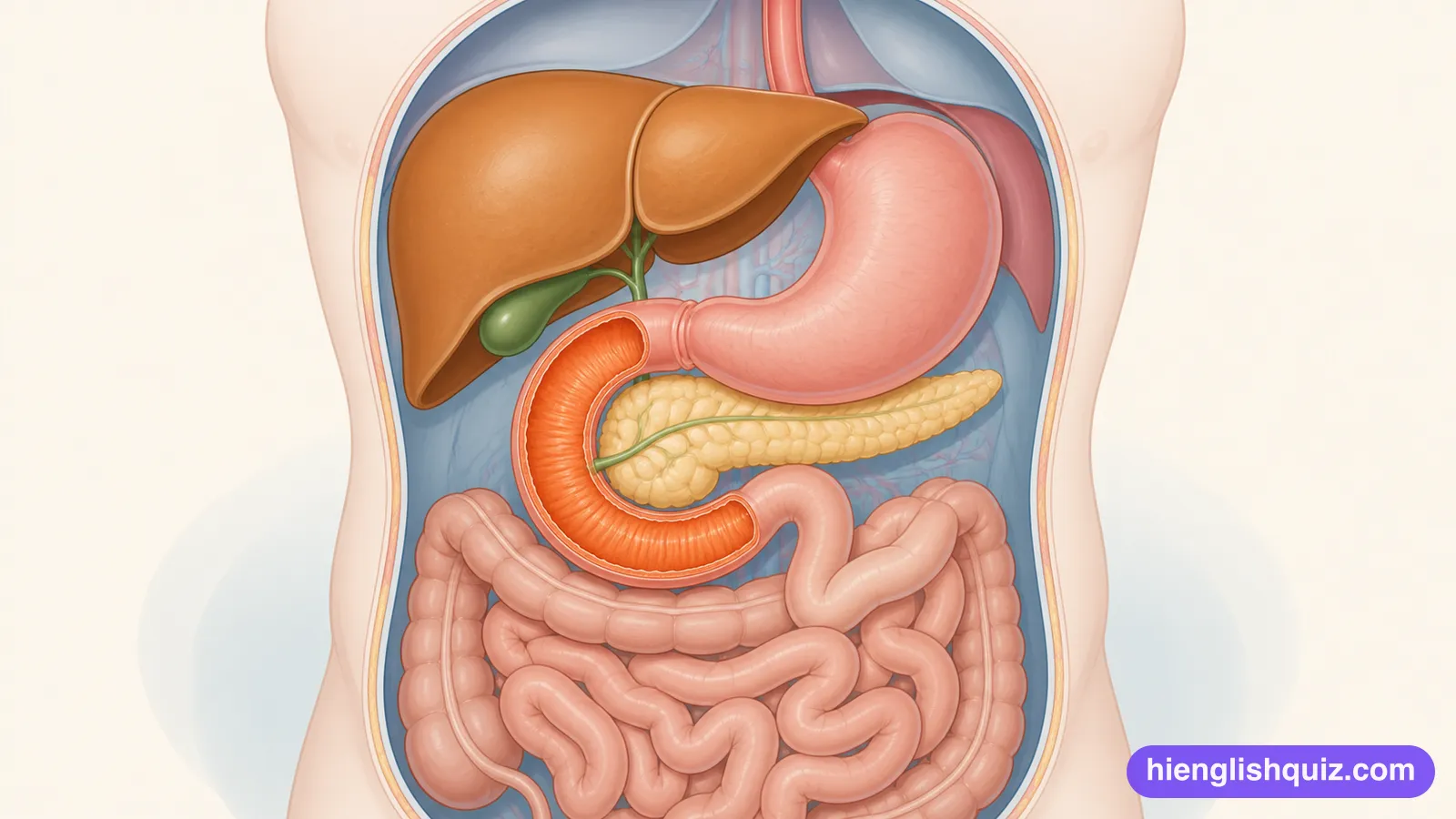
Ví dụ: An ulcer in the duodenum caused the pain after meals.
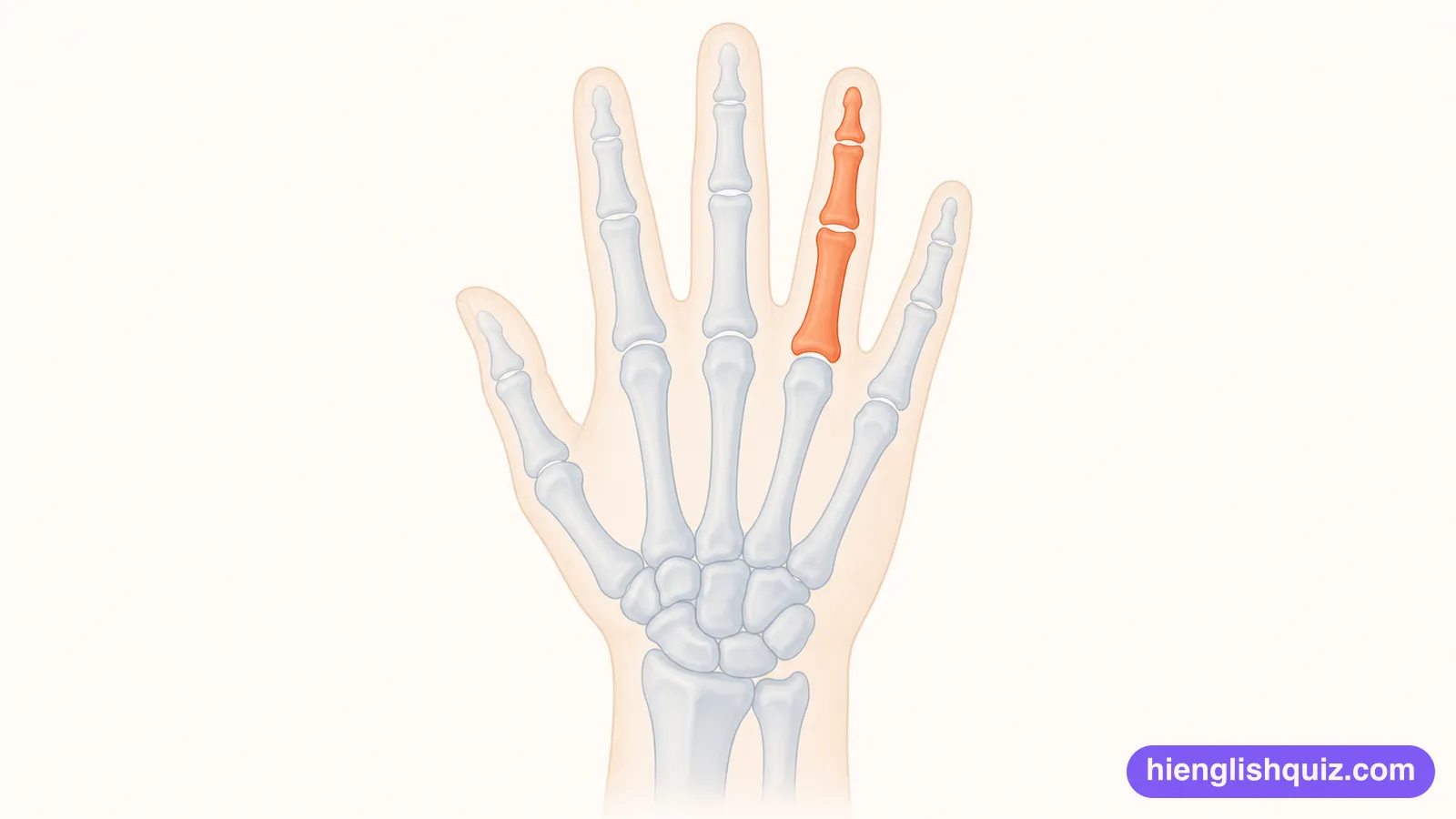
Ví dụ: Each finger has three of these bones and the thumb only two, so a broken phalanx is common.
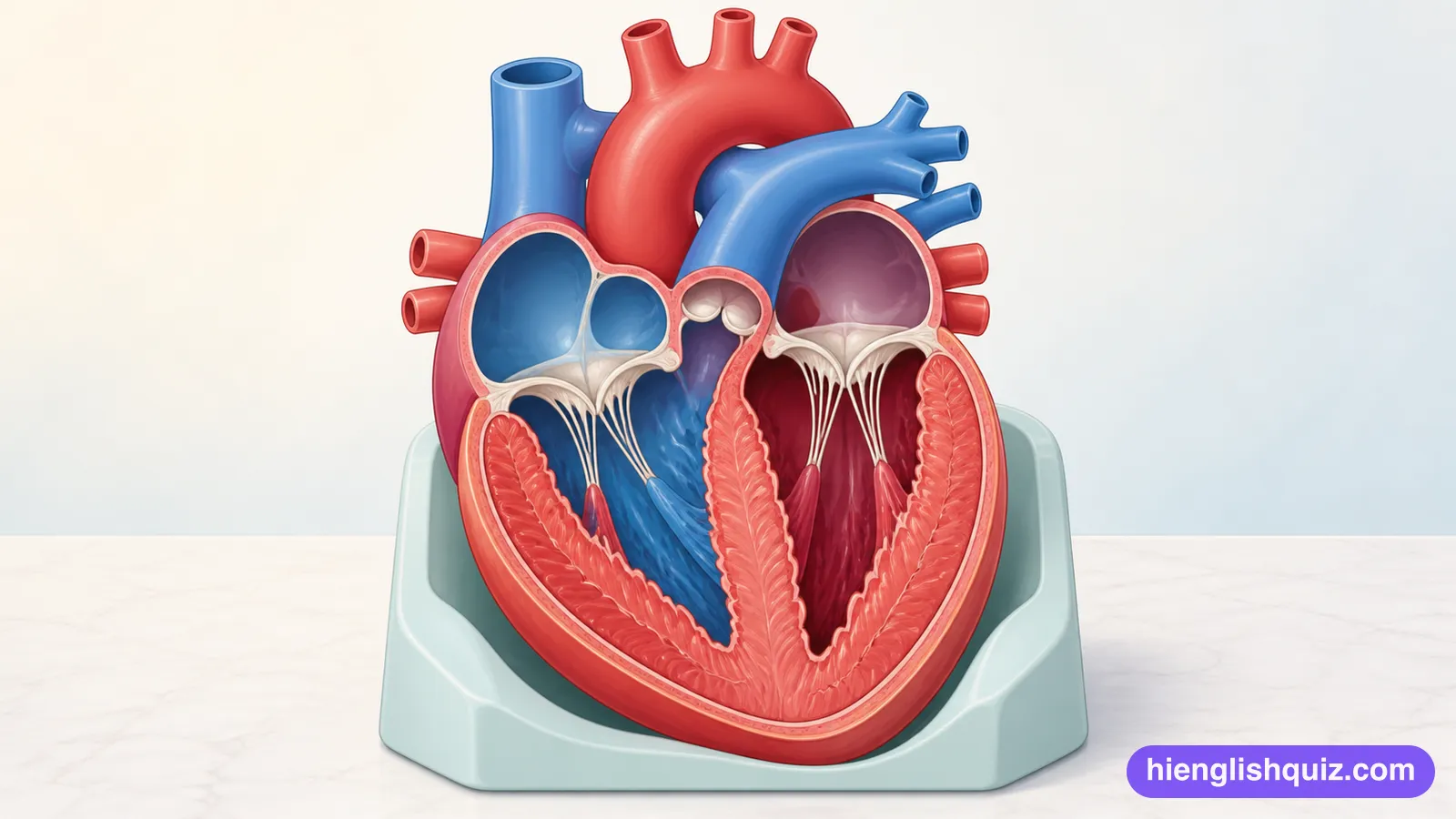
Ví dụ: The left ventricle does most of the pumping work.
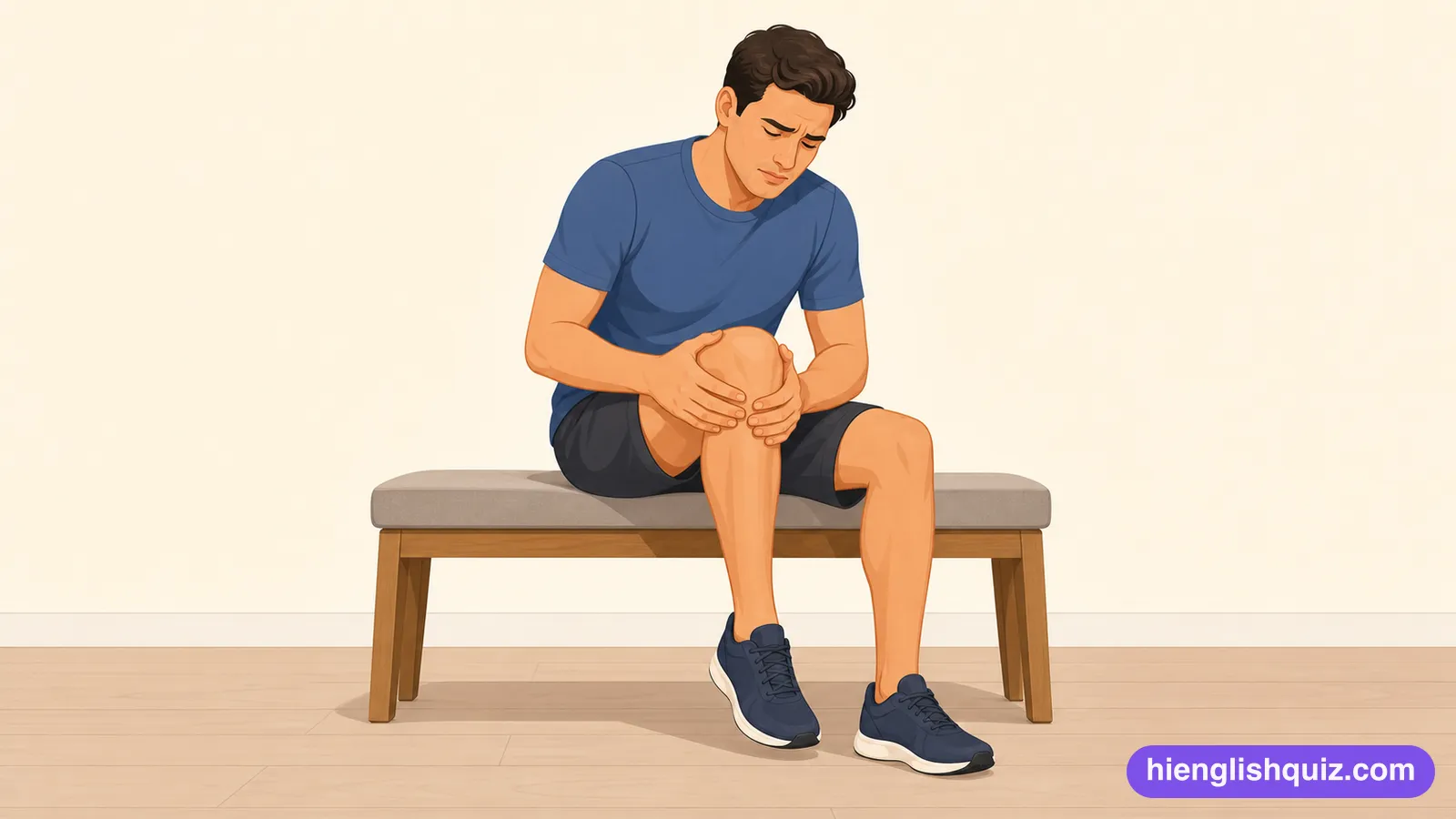
Ví dụ: A dislocated patella slides back with a click.