microplastics
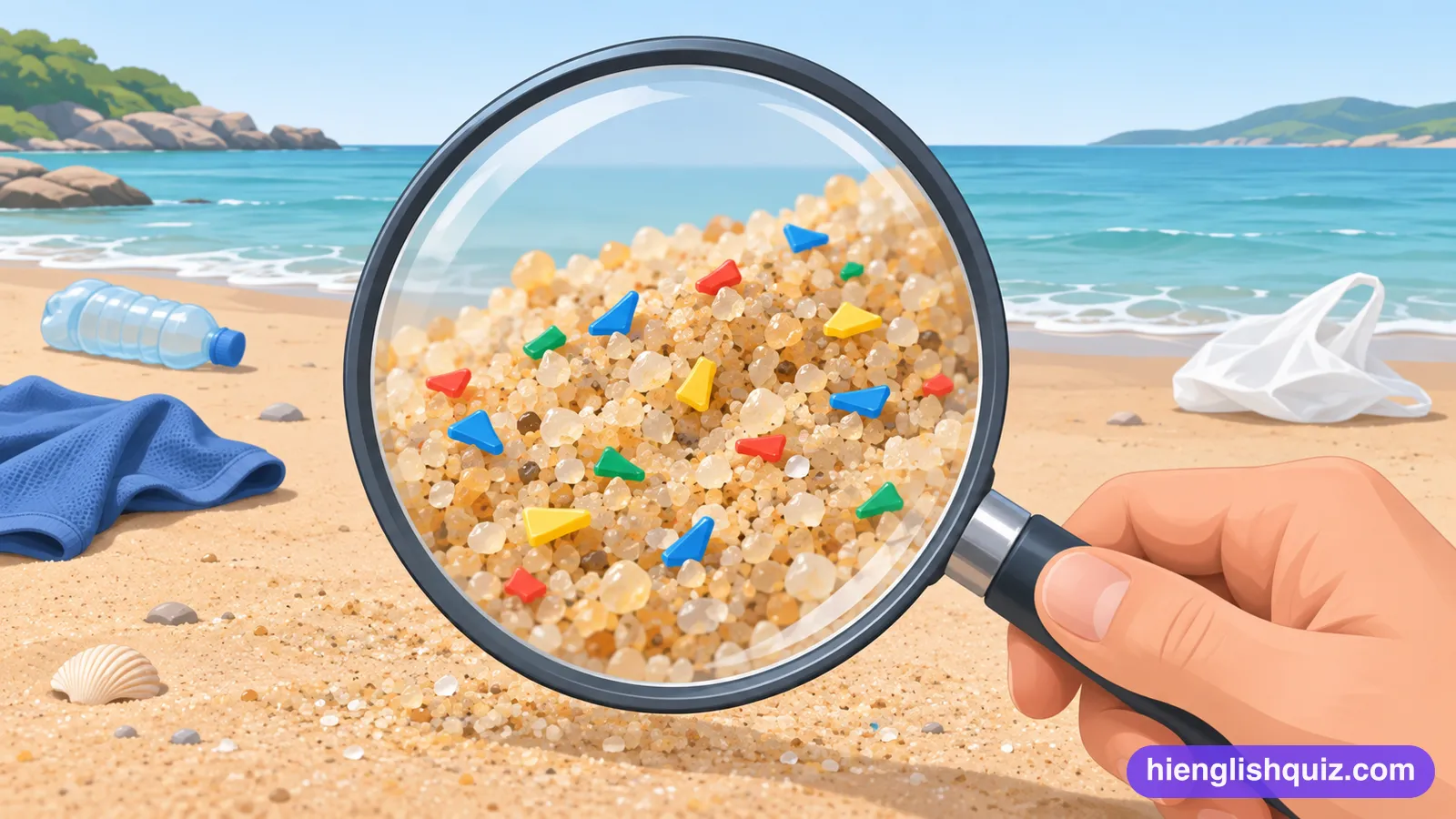
Tiny pieces of man-made material, often only a few millimetres wide, that come from bottles, clothes and bags and end up in water, soil and food.
Example: Scientists have found microplastics in bottled water, fish and even table salt.
 Hi EnglishQuiz
C121 words · Advanced
Advanced words for pollution science and policy, such as microplastics, effluent, remediation and particulate matter, plus the polluter-pays principle and emissions cap.
Tiny pieces of man-made material, often only a few millimetres wide, that come from bottles, clothes and bags and end up in water, soil and food.
Example: Scientists have found microplastics in bottled water, fish and even table salt.
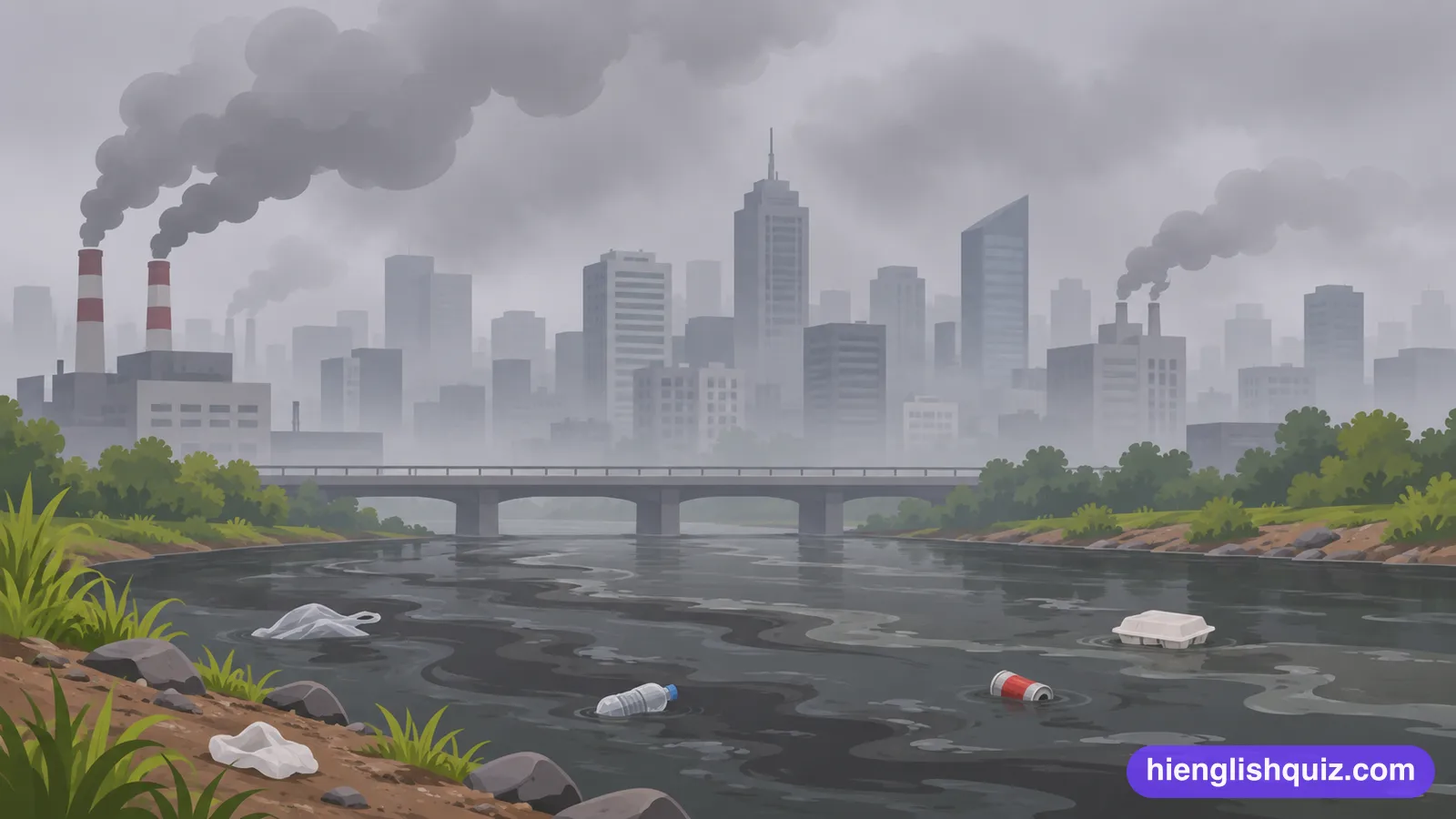
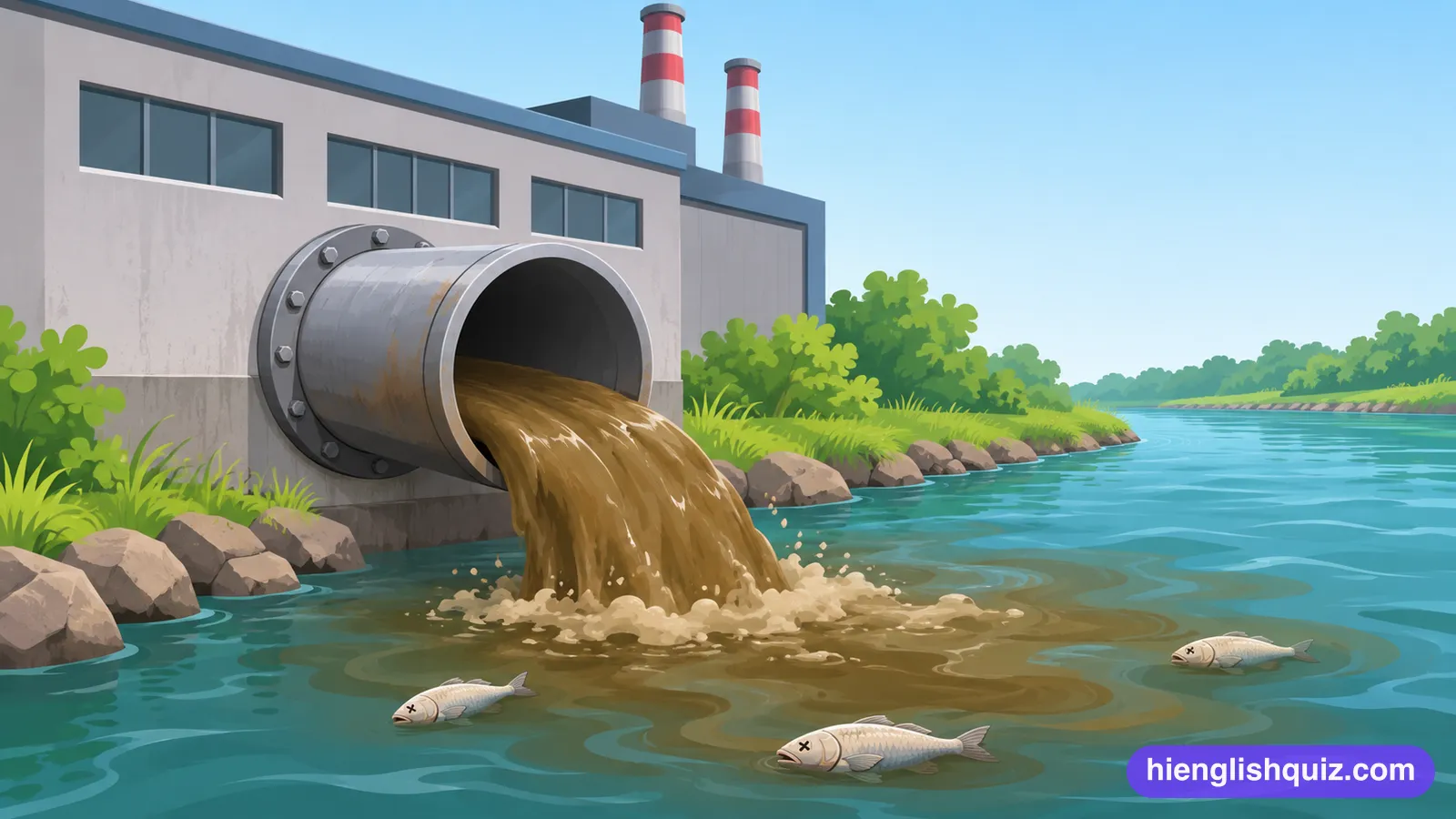
Liquid waste that a factory or sewage works pours into a river or the sea.
Example: The plant was fined for releasing untreated effluent into the river.
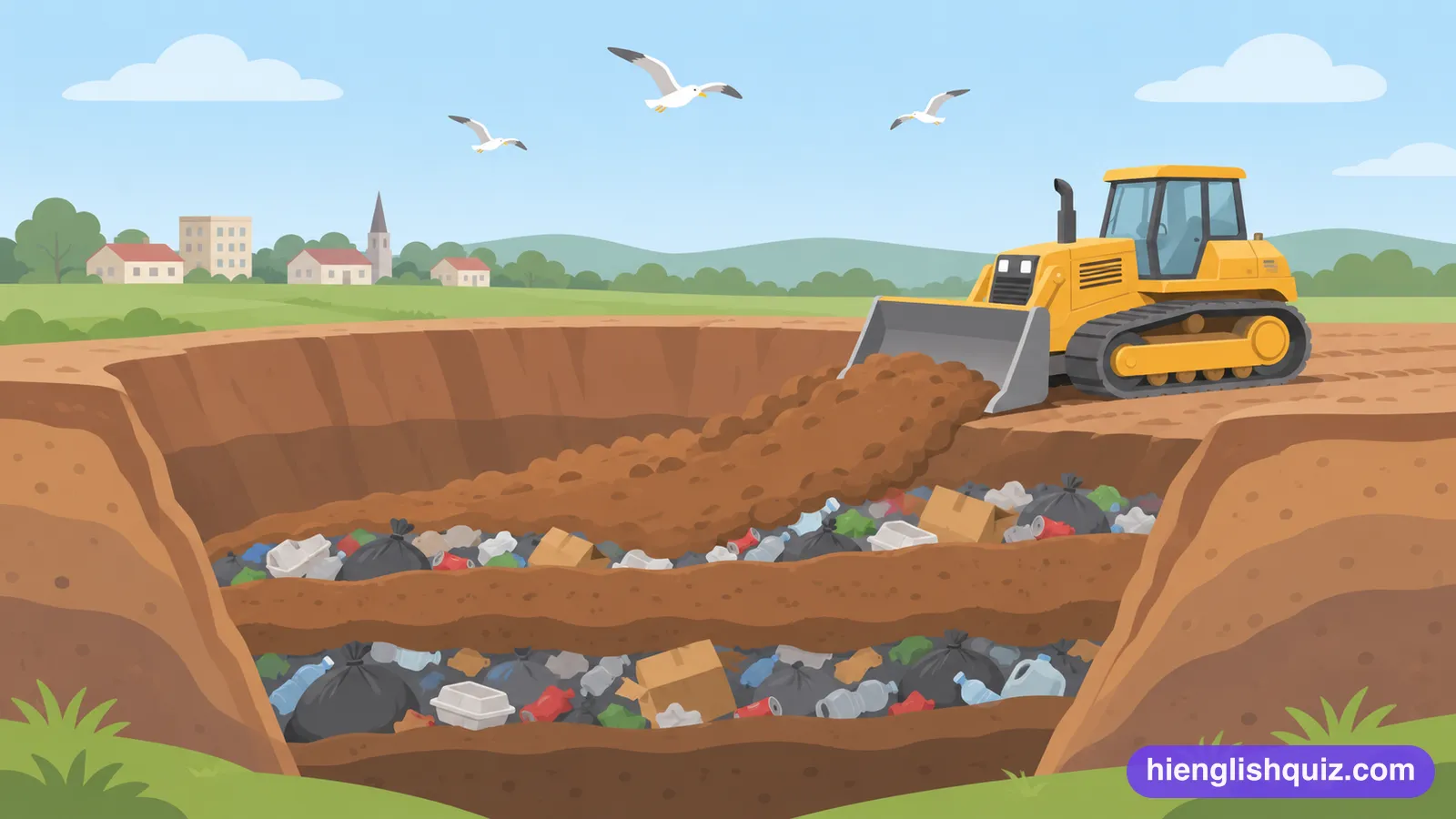
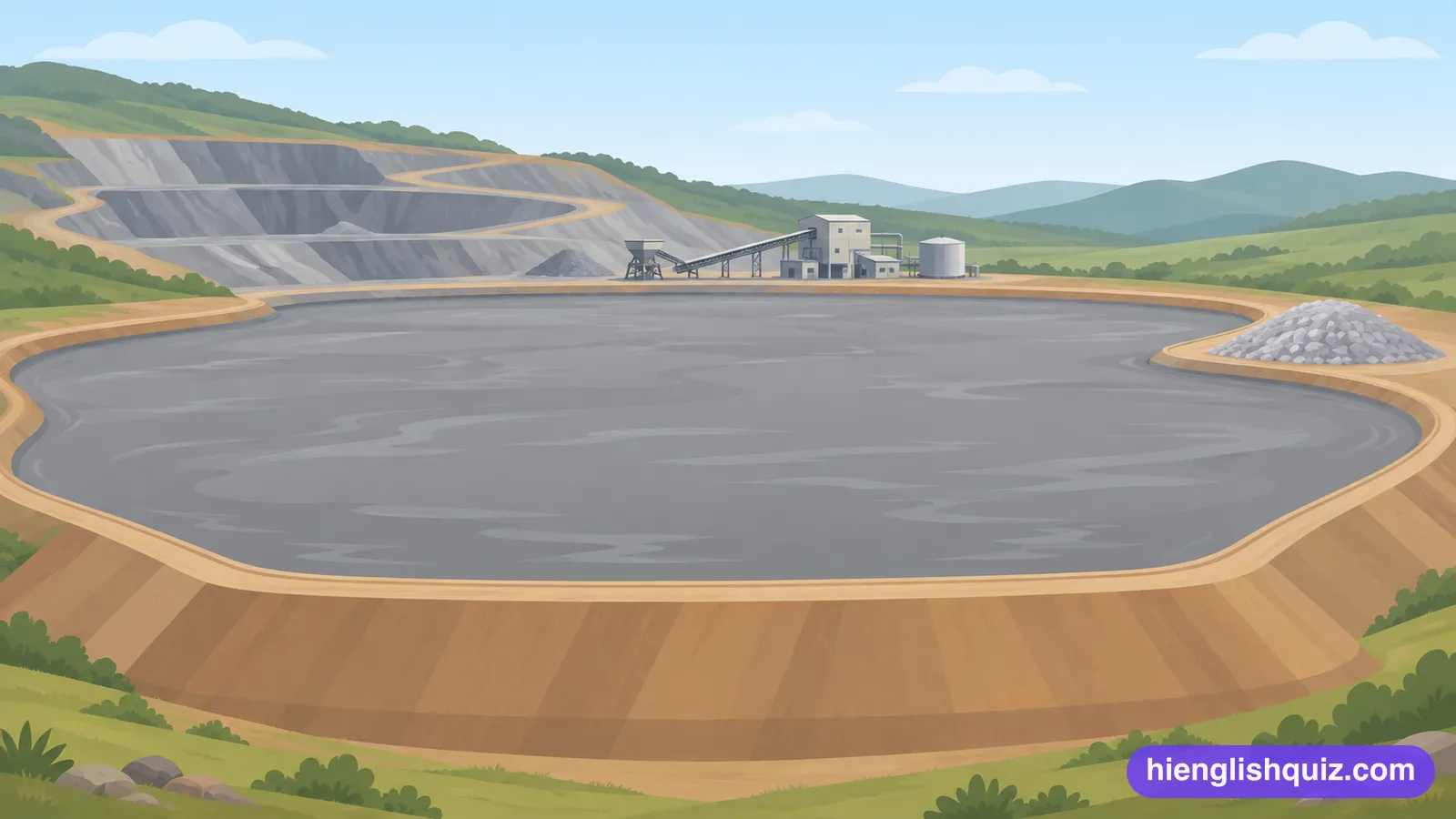
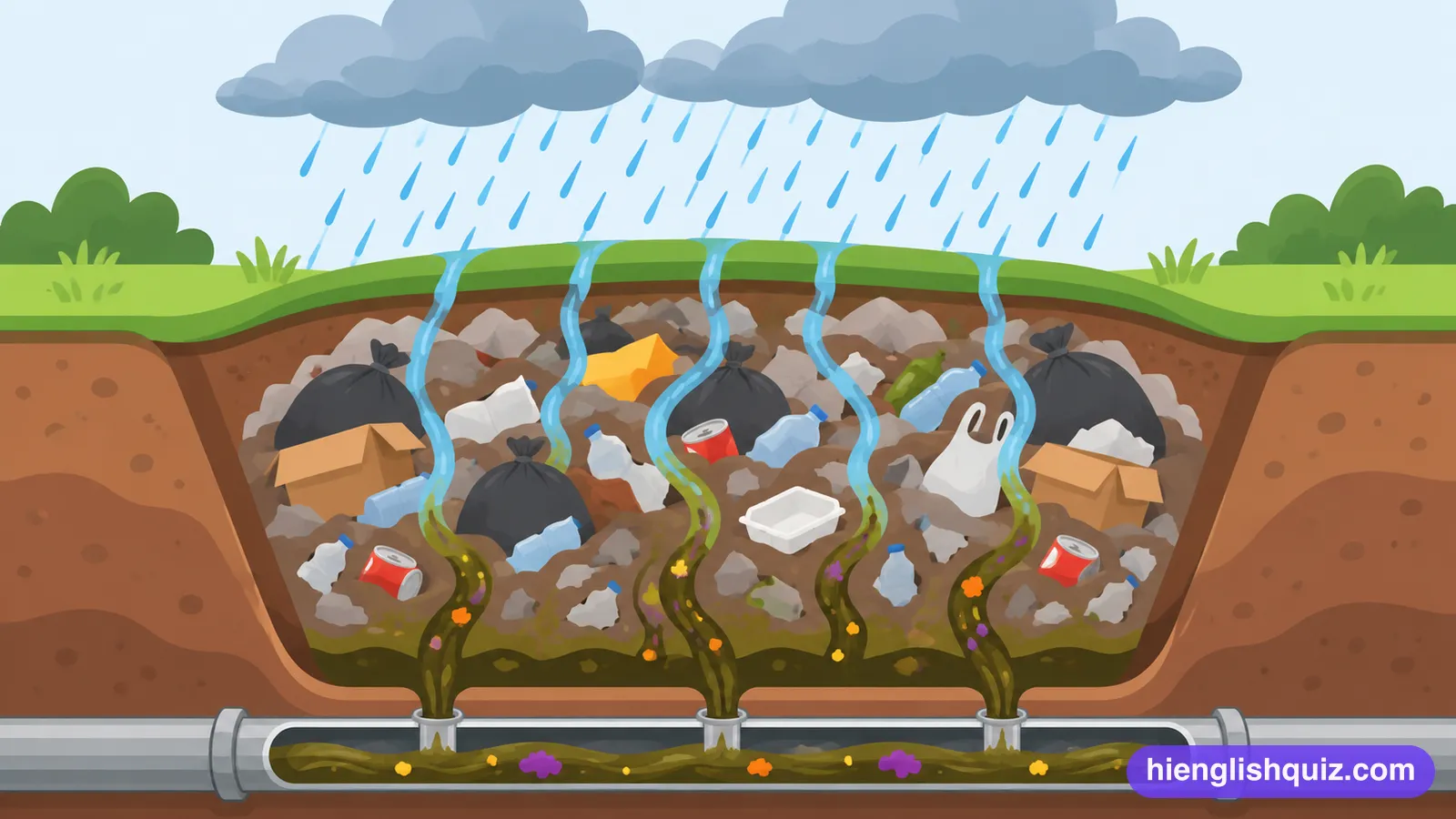
Dirty liquid that forms when rain runs down through buried rubbish and carries harmful substances out of it.
Example: Workers collect the leachate at the bottom of the landfill so it cannot reach the groundwater.
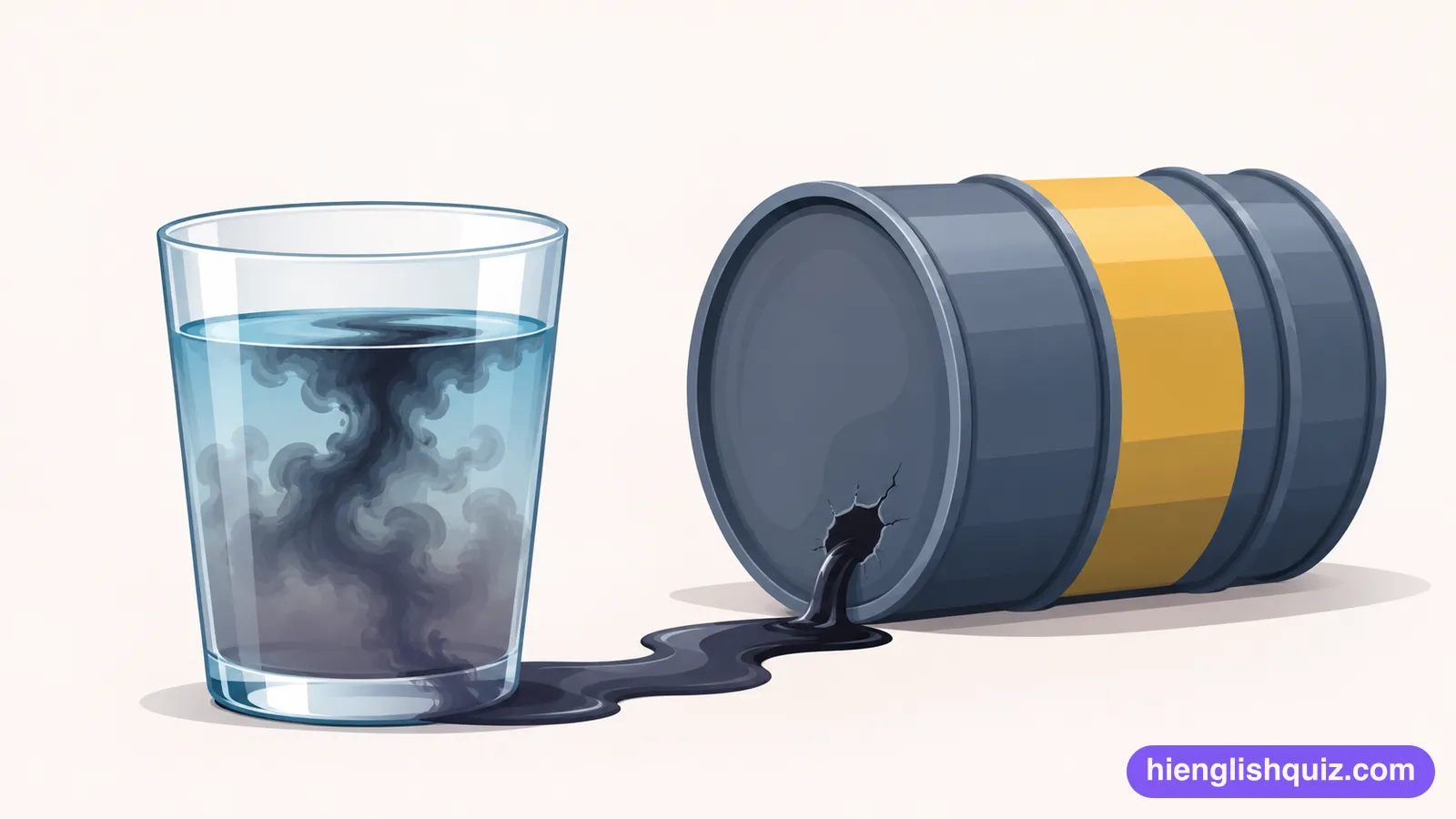
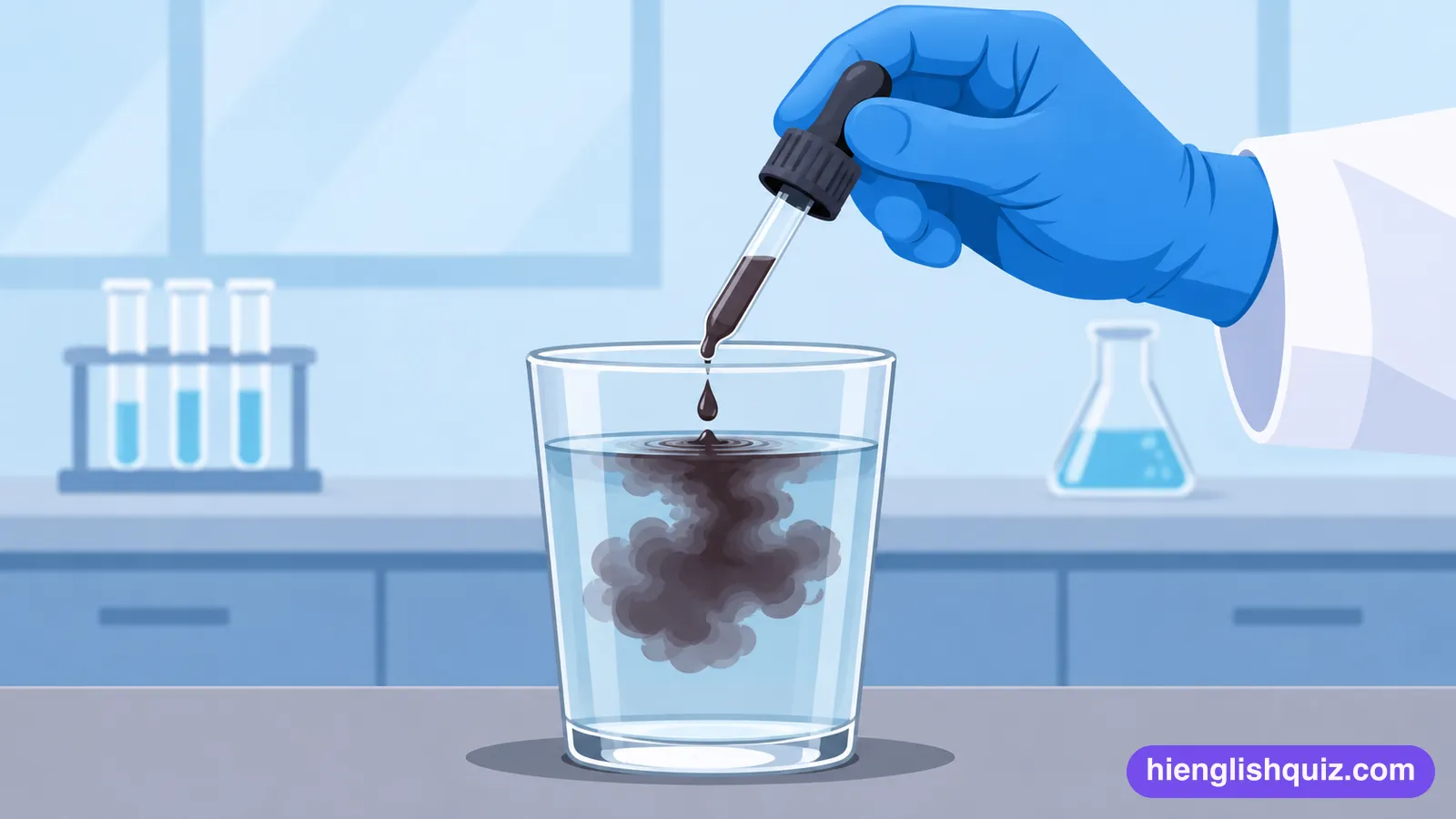
A substance that makes water, soil or food dirty or unsafe by getting into it where it should not be.
Example: Tests showed that lead was the main contaminant in the town's drinking water.
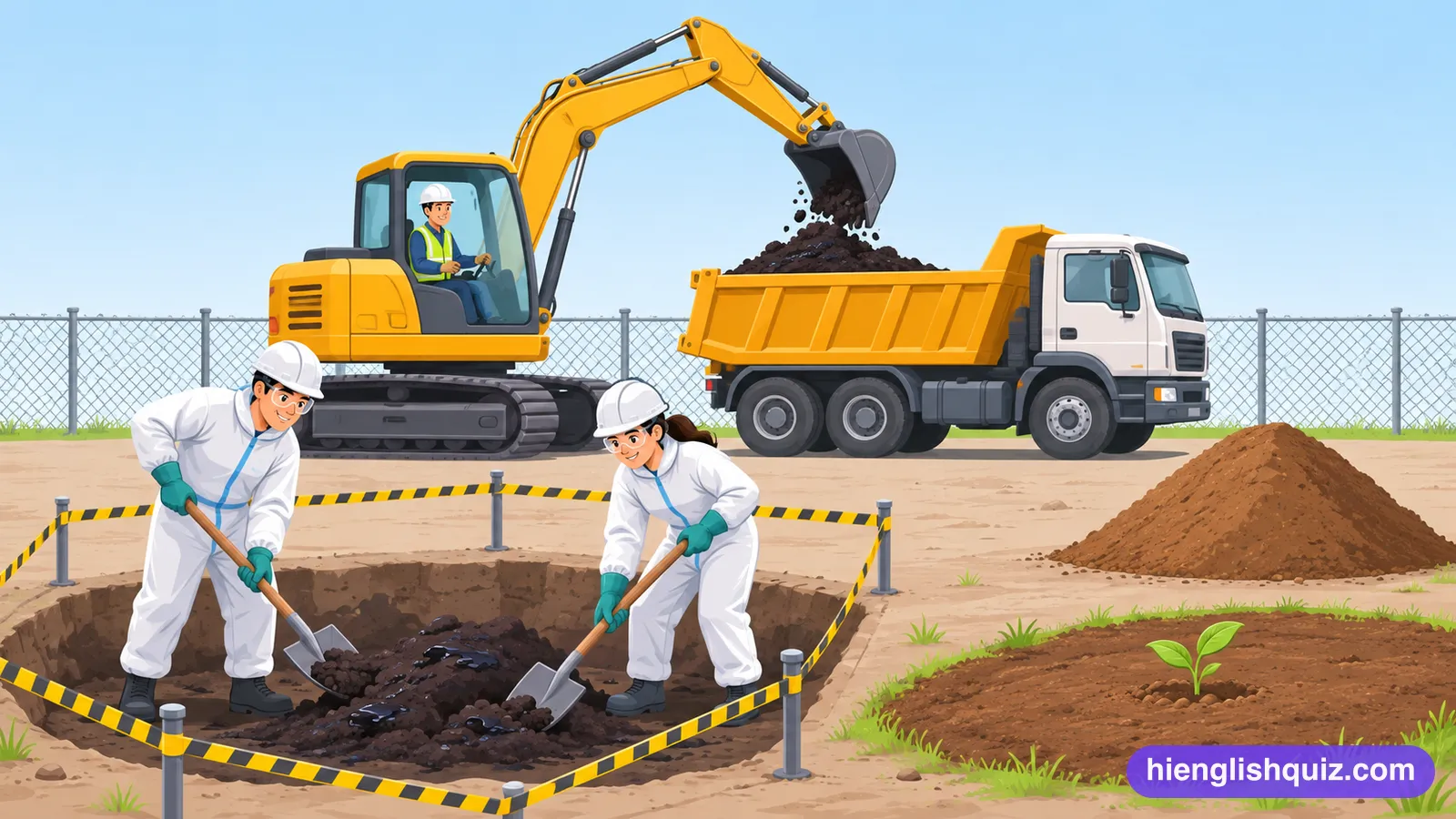
The work of cleaning up polluted land or water so that it is safe to use again.
Example: The remediation of the old gasworks site took almost ten years.
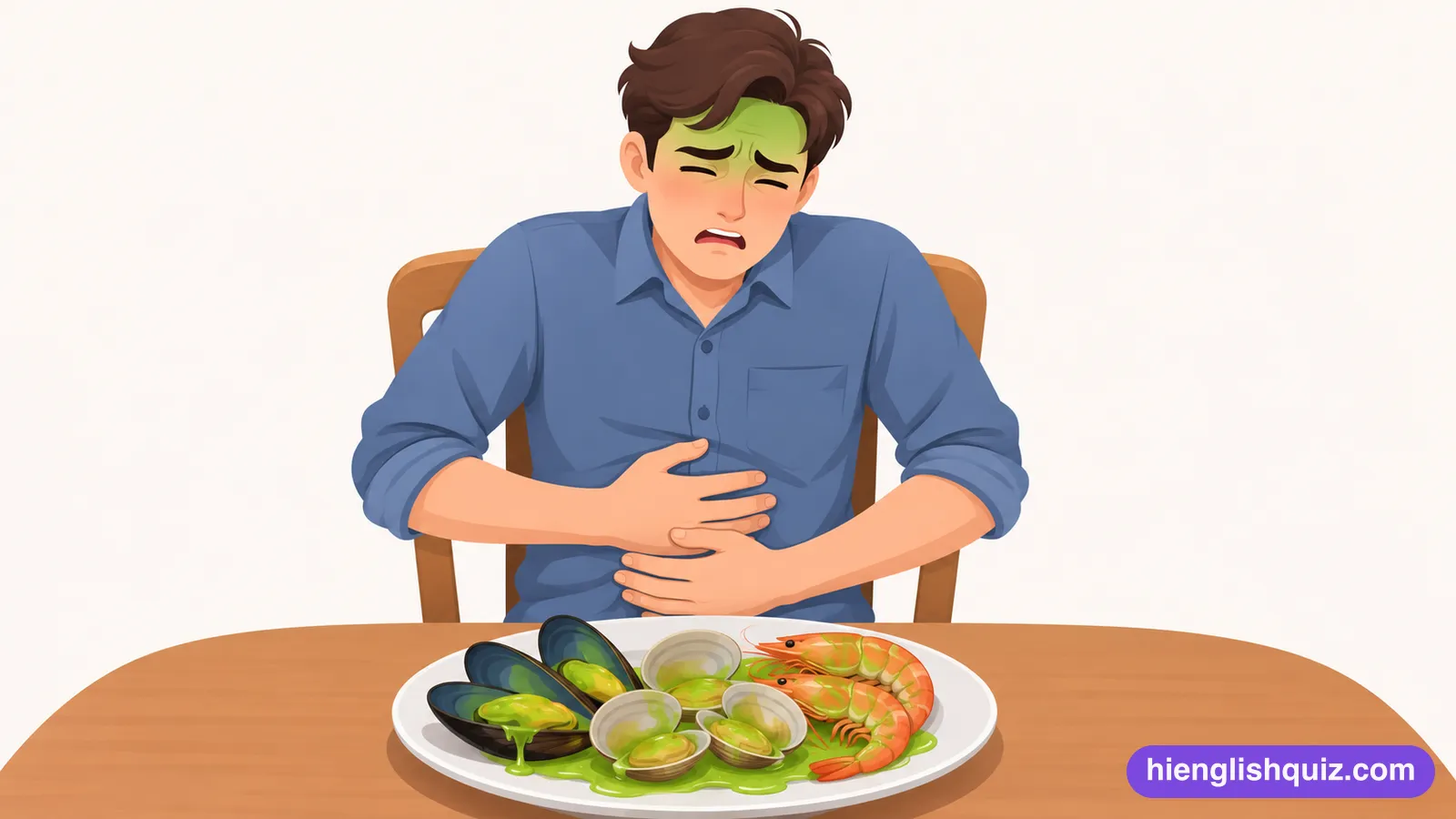
A poisonous substance made by a living thing, or a harmful chemical that can damage the body.
Example: Some shellfish carry a toxin that can make people seriously ill.
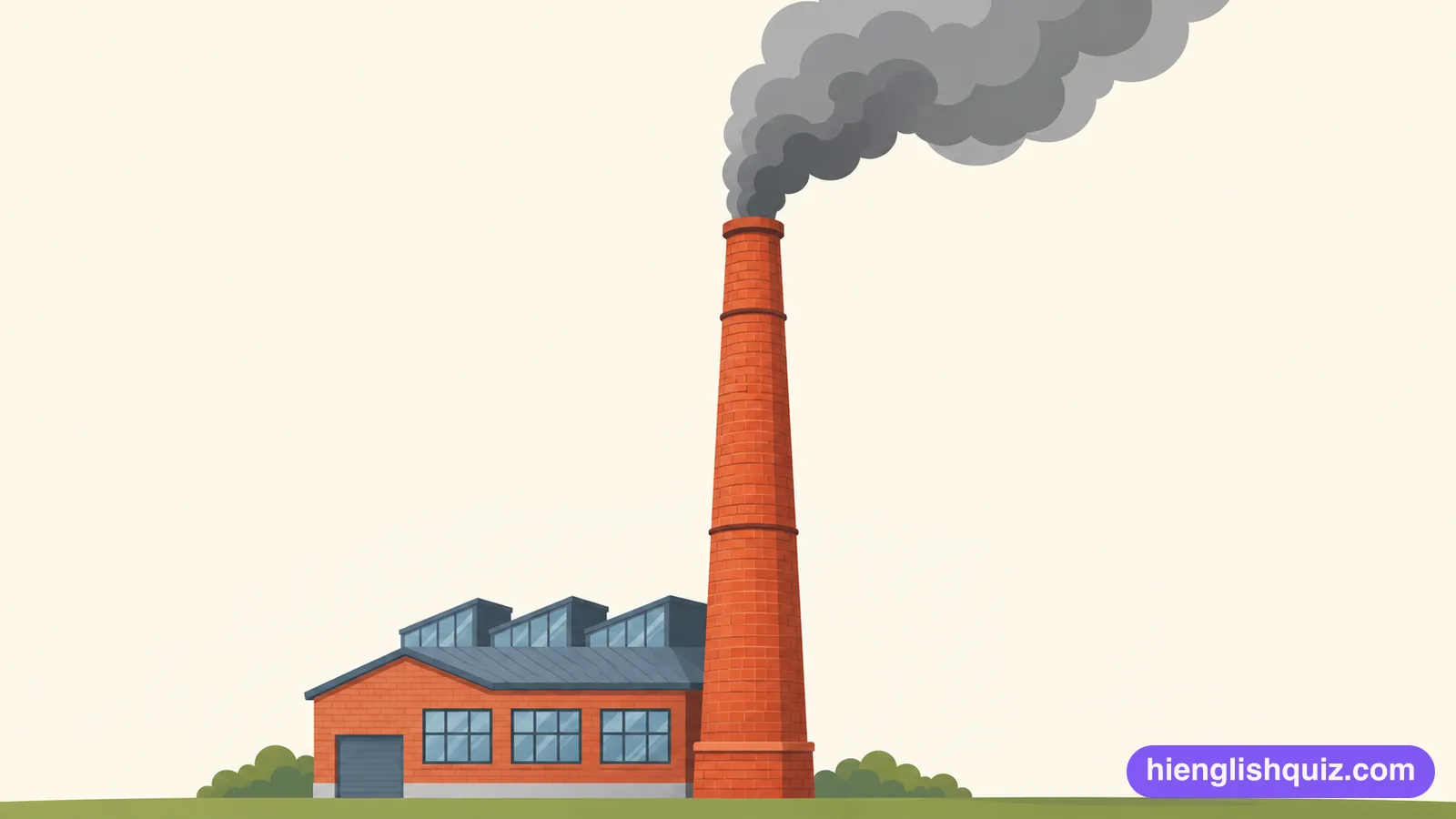
A very tall chimney on a factory or power station that sends dirty gases high into the air.
Example: Black smoke poured from the smokestack all through the night.
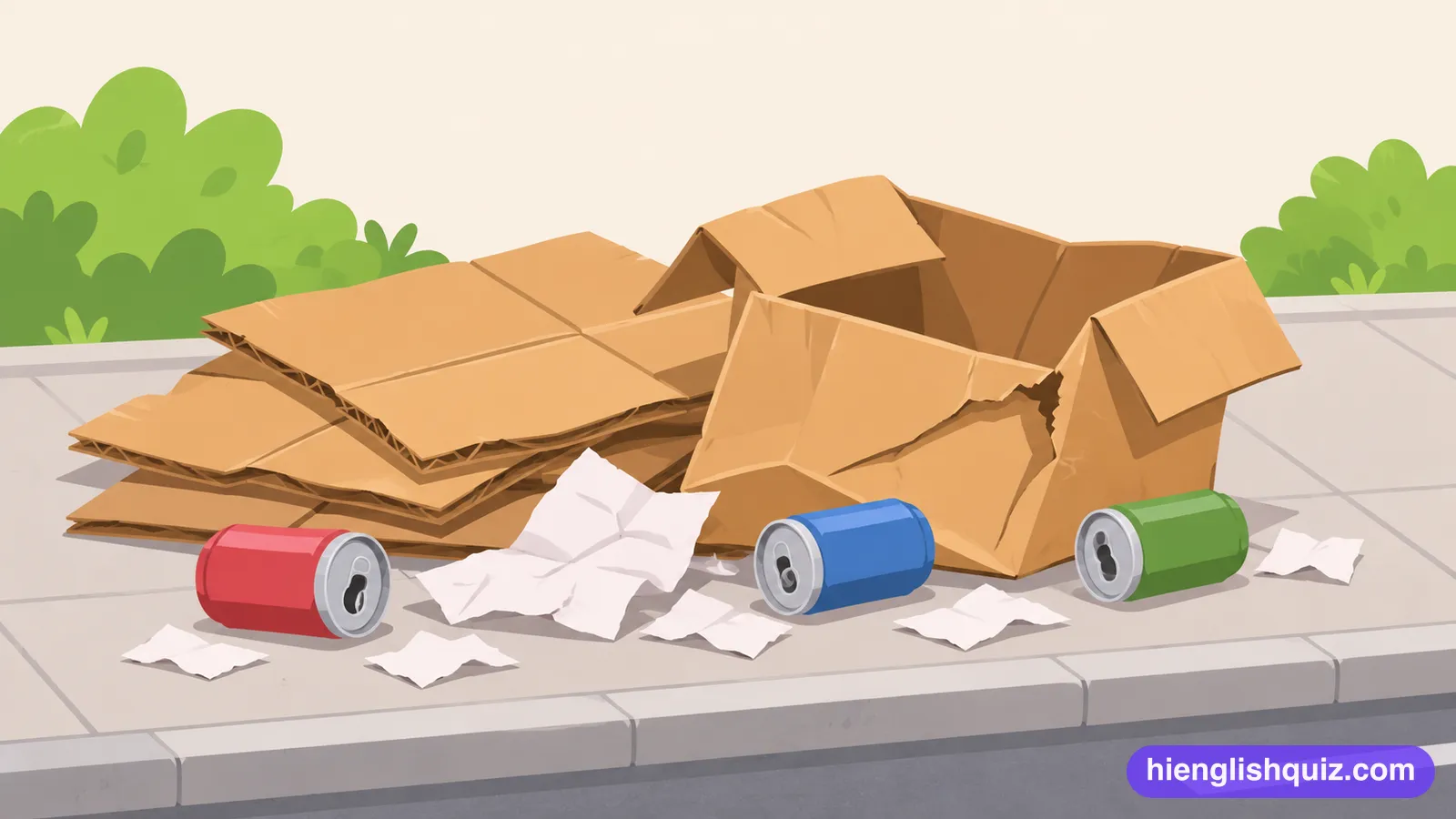
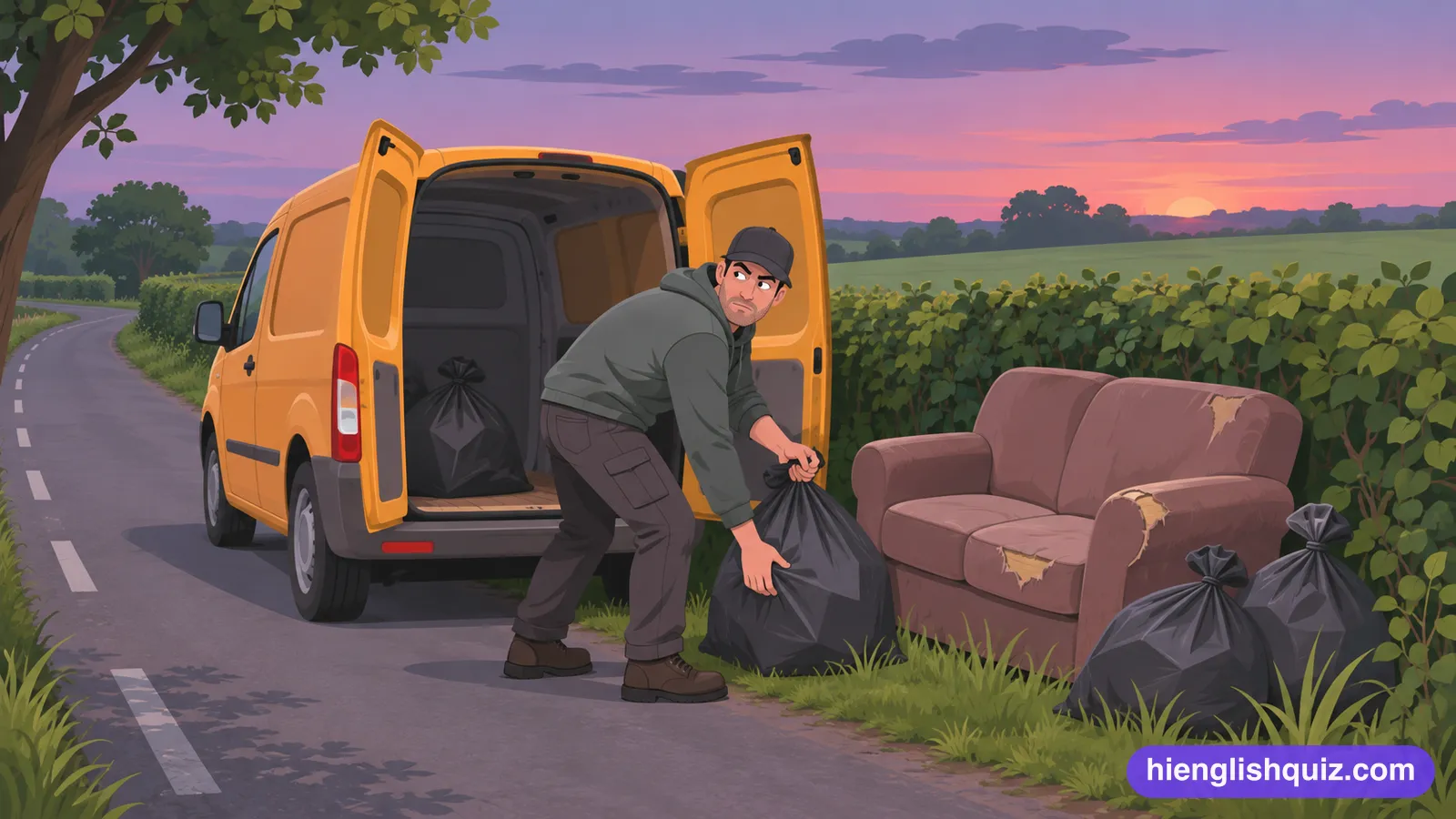
Dumping rubbish illegally in a place that is not meant for waste, such as a roadside or field.
Example: The council has put up cameras to stop fly-tipping on the country lanes.
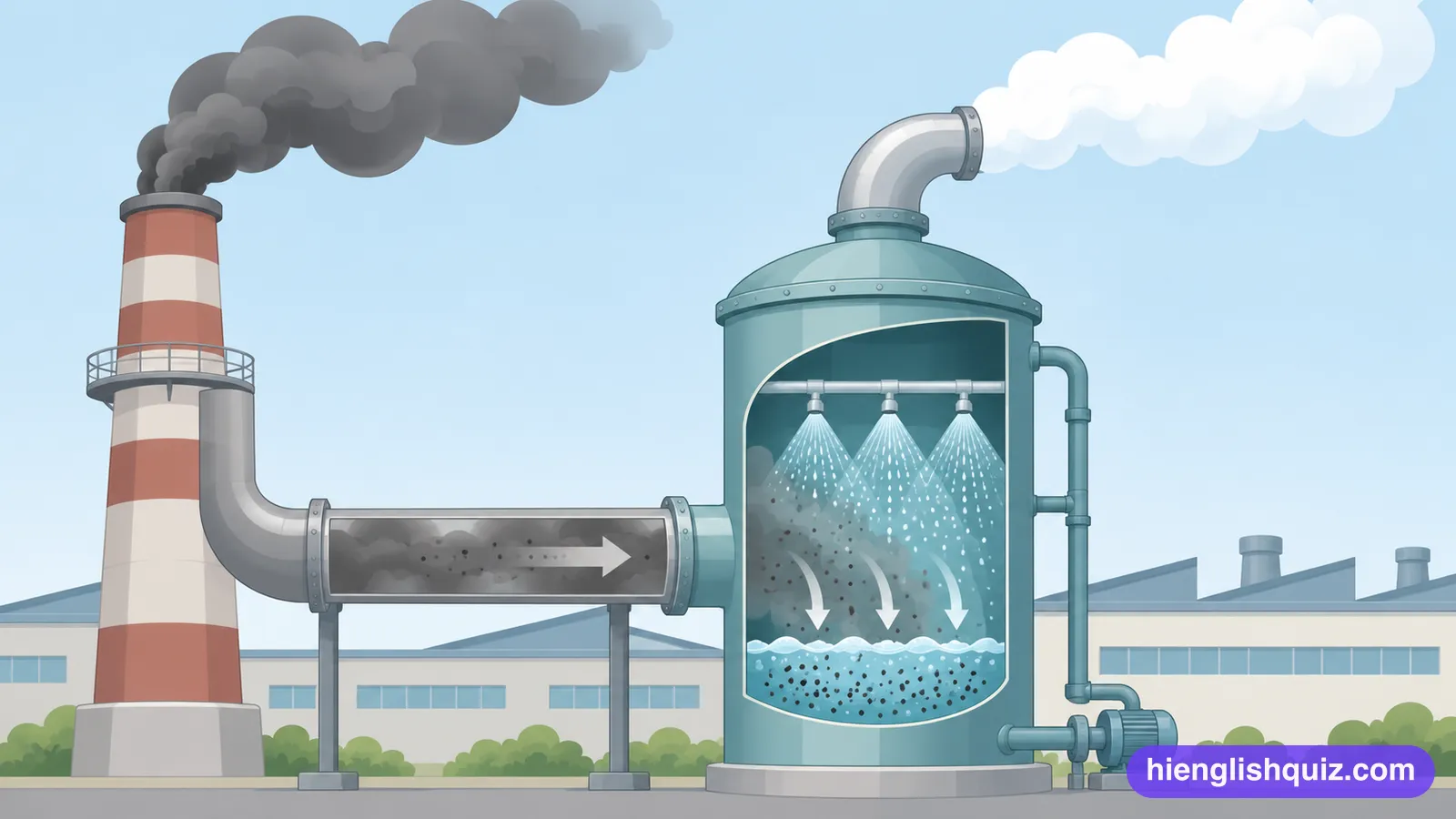
A device that removes harmful gases or particles from factory smoke before it goes into the air.
Example: The power station fitted a scrubber to its chimney last year.
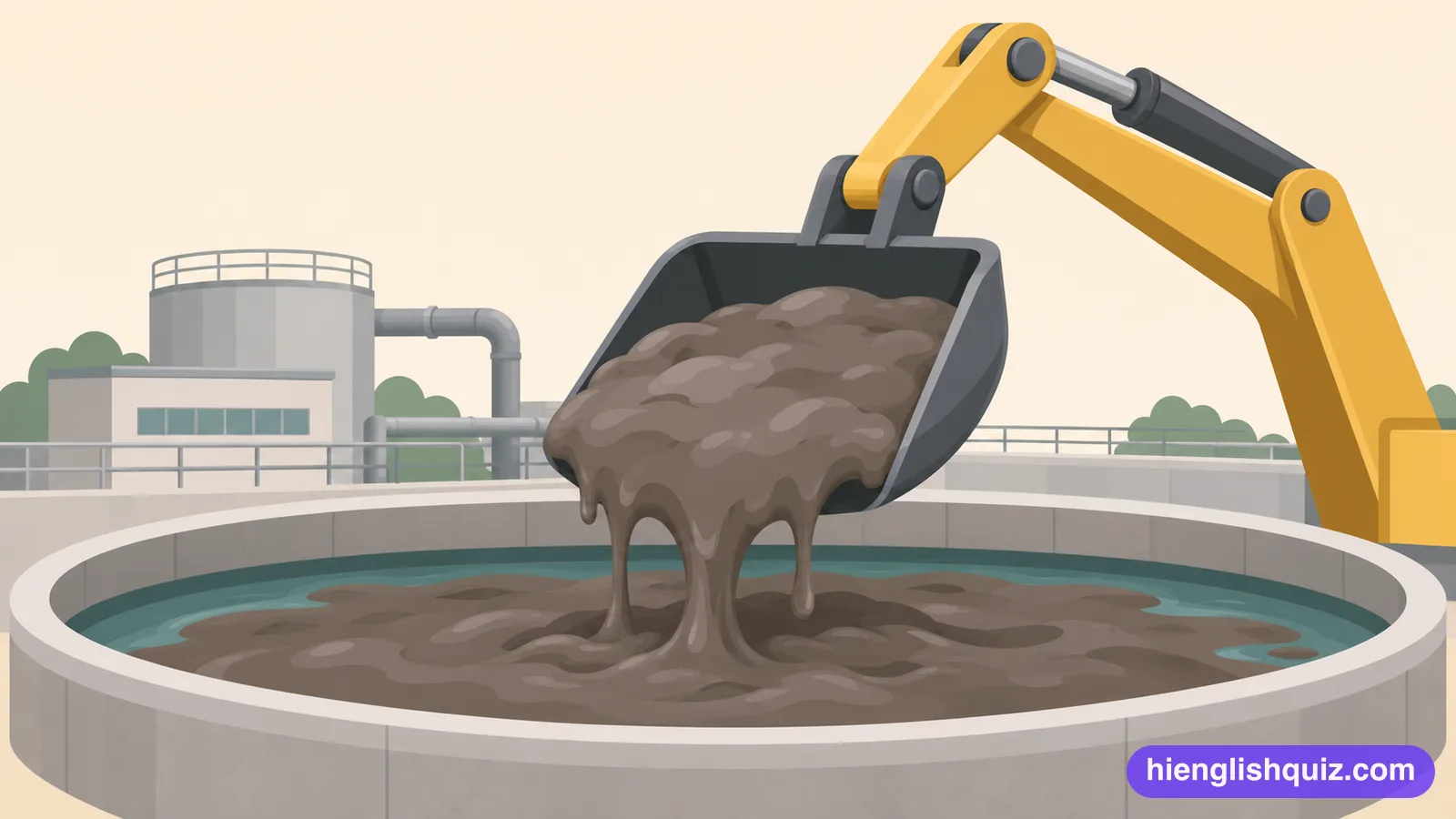
Thick, soft, dirty mud left over after sewage or industrial waste has been treated.
Example: The treatment plant has to dispose of tonnes of sludge every week.
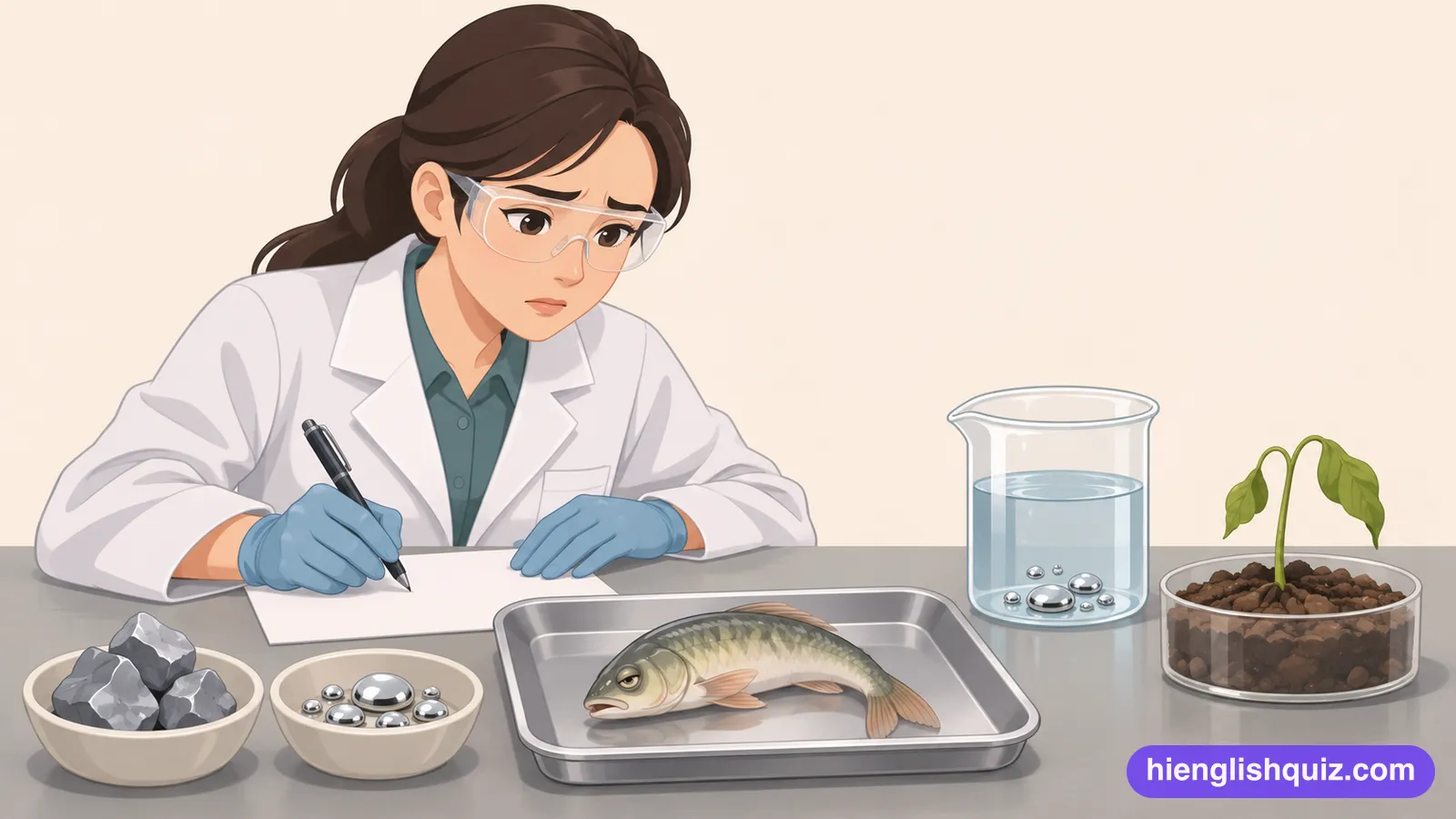
Poisonous substances such as lead and mercury that stay in soil and water and harm living things.
Example: Fish from the lake contain high levels of heavy metals.
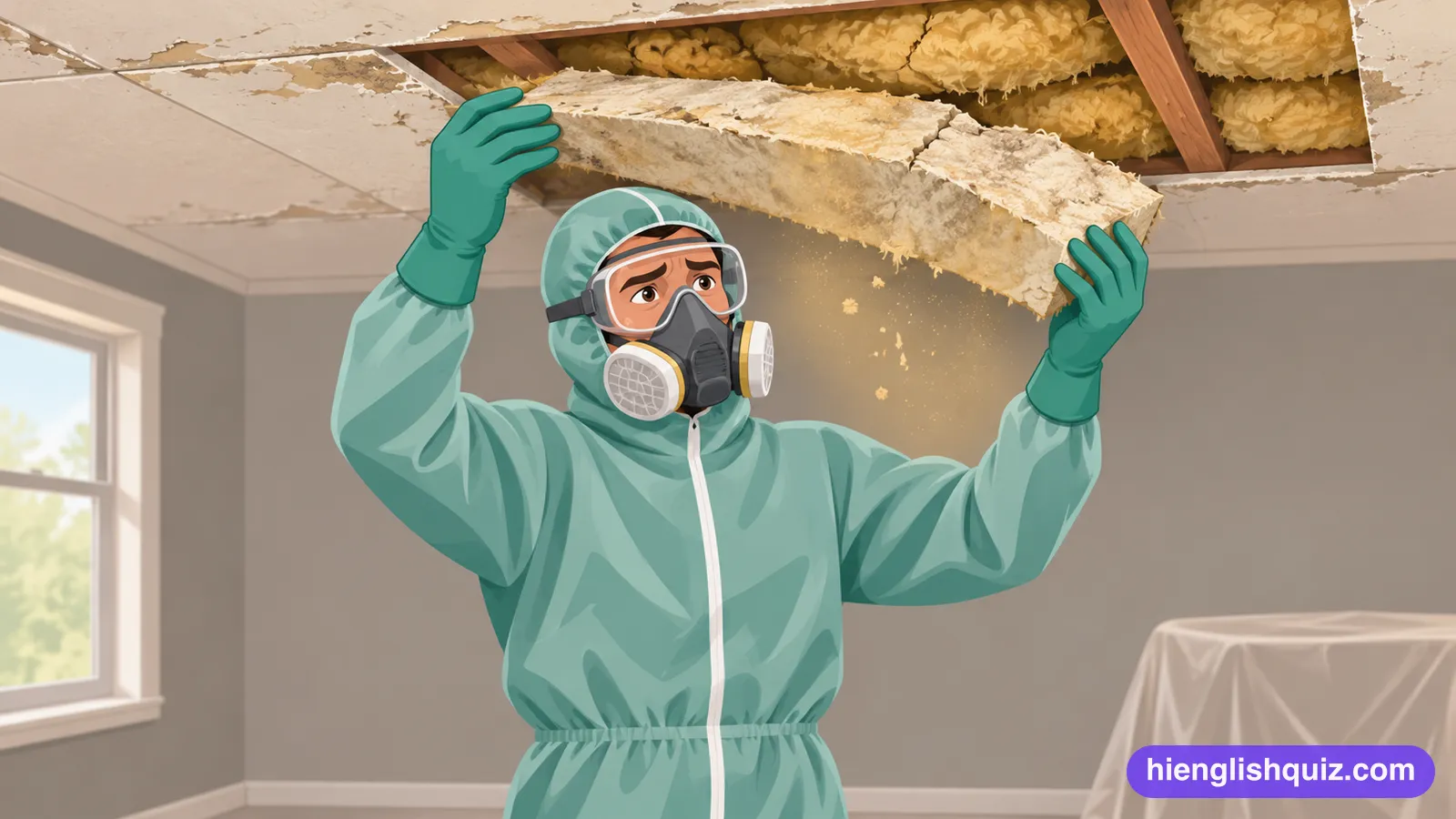
A substance that can cause cancer.
Example: Asbestos is a well-known carcinogen, so it is no longer used in buildings.
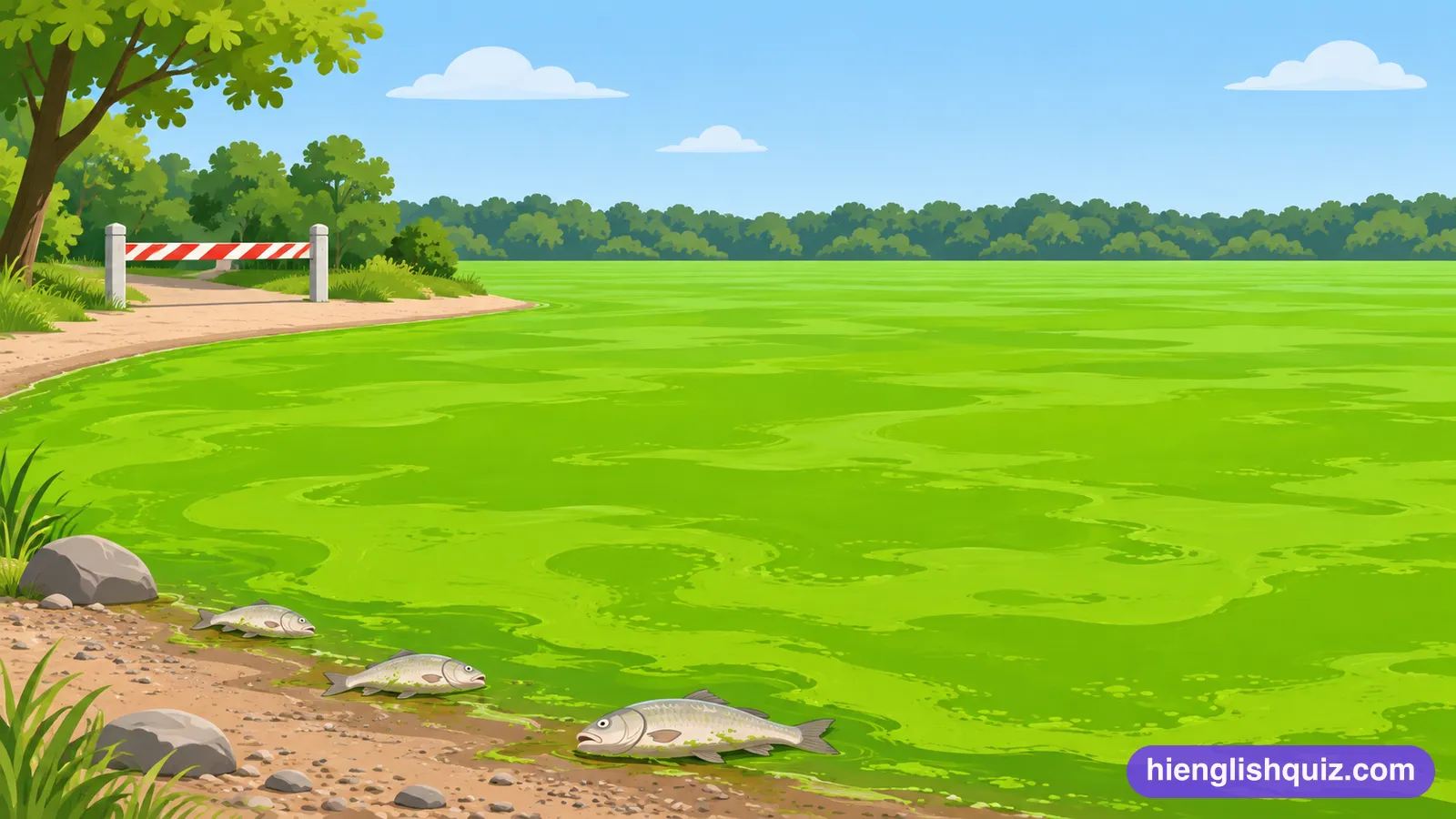
A sudden fast growth of tiny water plants that turns a lake or sea green and can poison fish.
Example: An algal bloom covered the whole lake, and swimming was banned.
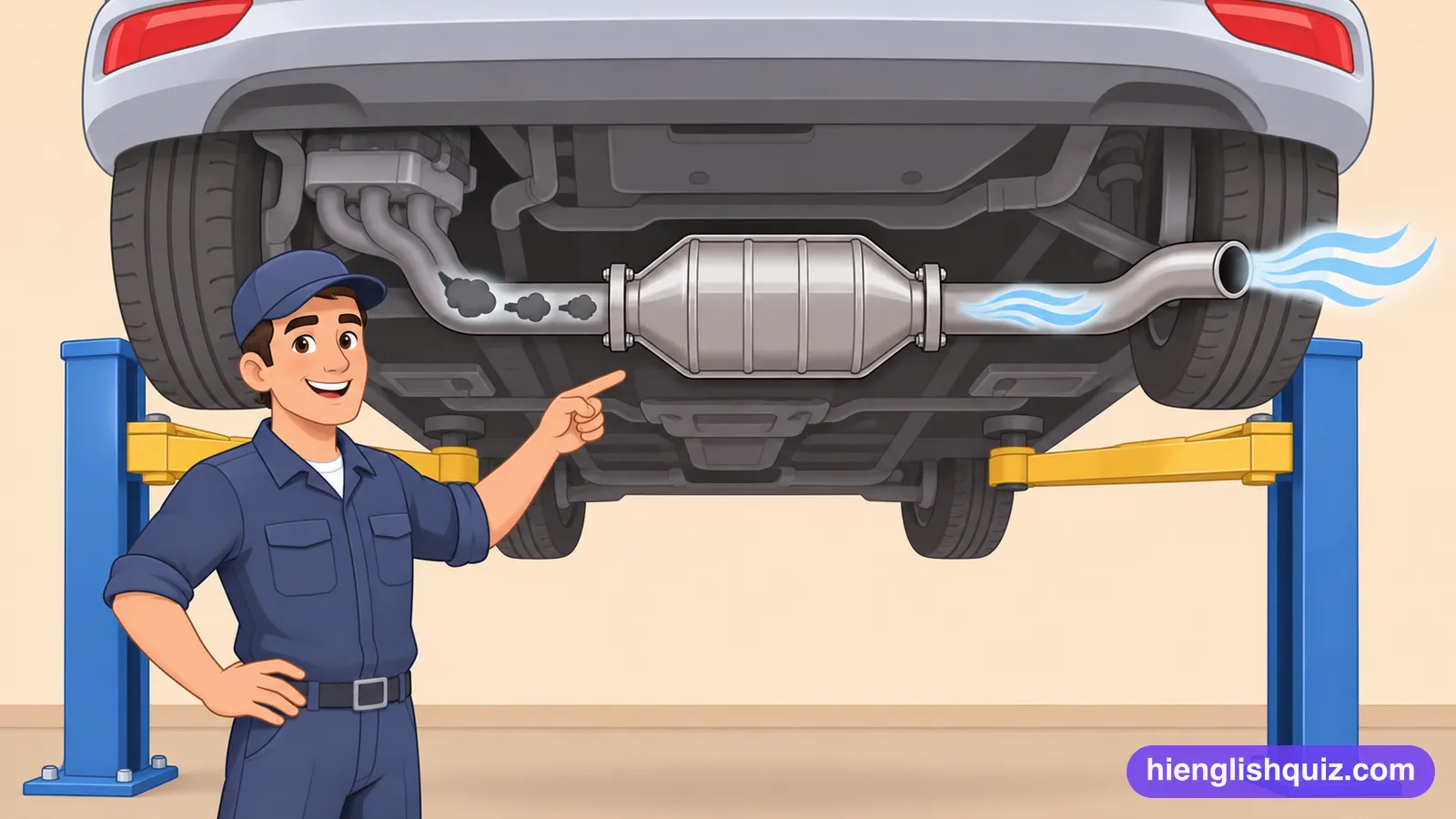
A part in a car's exhaust system that turns the most harmful gases into less harmful ones.
Example: Thieves stole the catalytic converter from her car overnight.
A government charge on companies for each tonne of rubbish they bury in the ground, meant to encourage recycling.
Example: The landfill tax has pushed many firms to sort and recycle more.
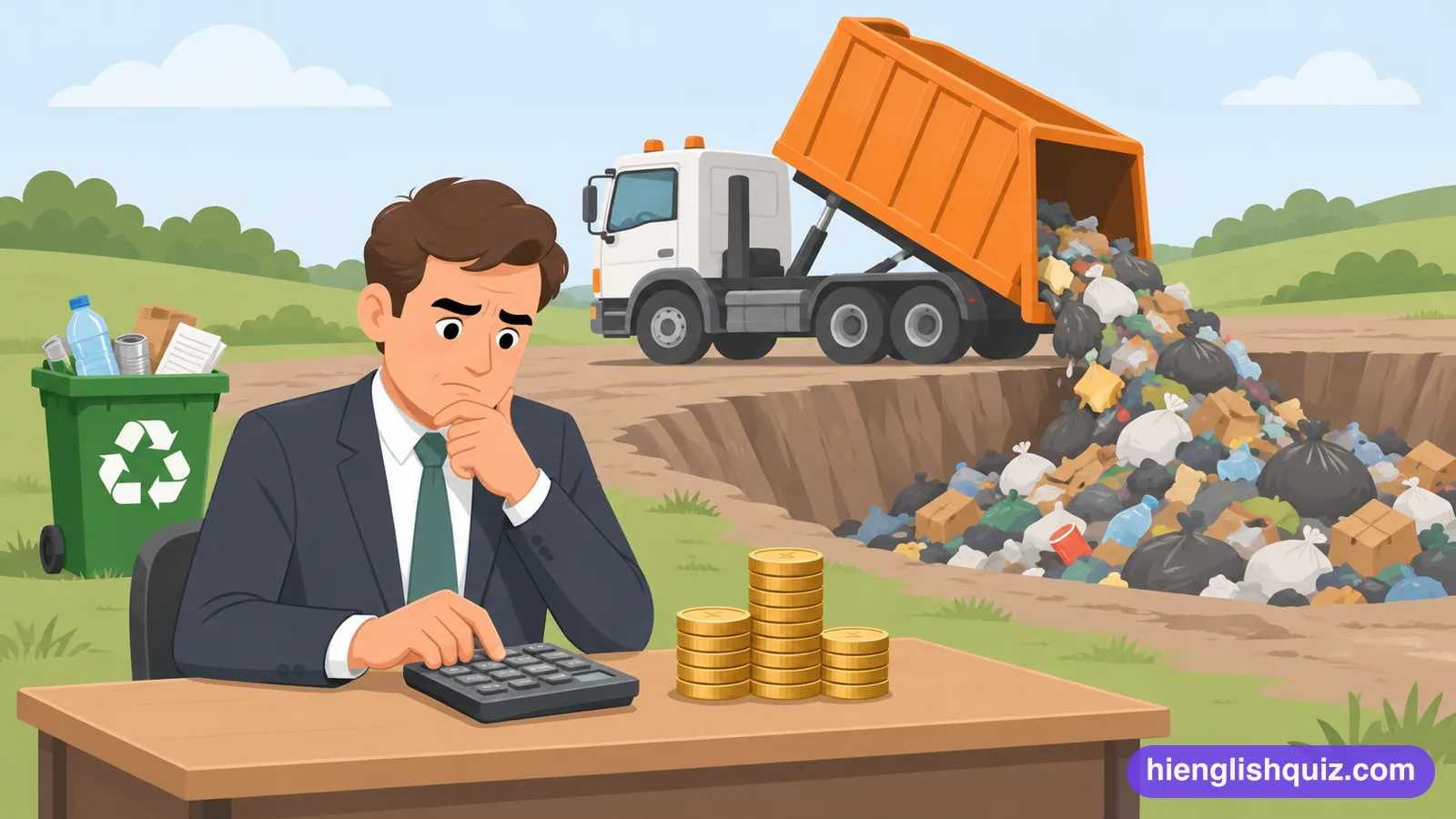
The idea that whoever causes damage to the environment should cover the cost of putting it right.
Example: Under the polluter-pays principle, the company had to fund the clean-up.
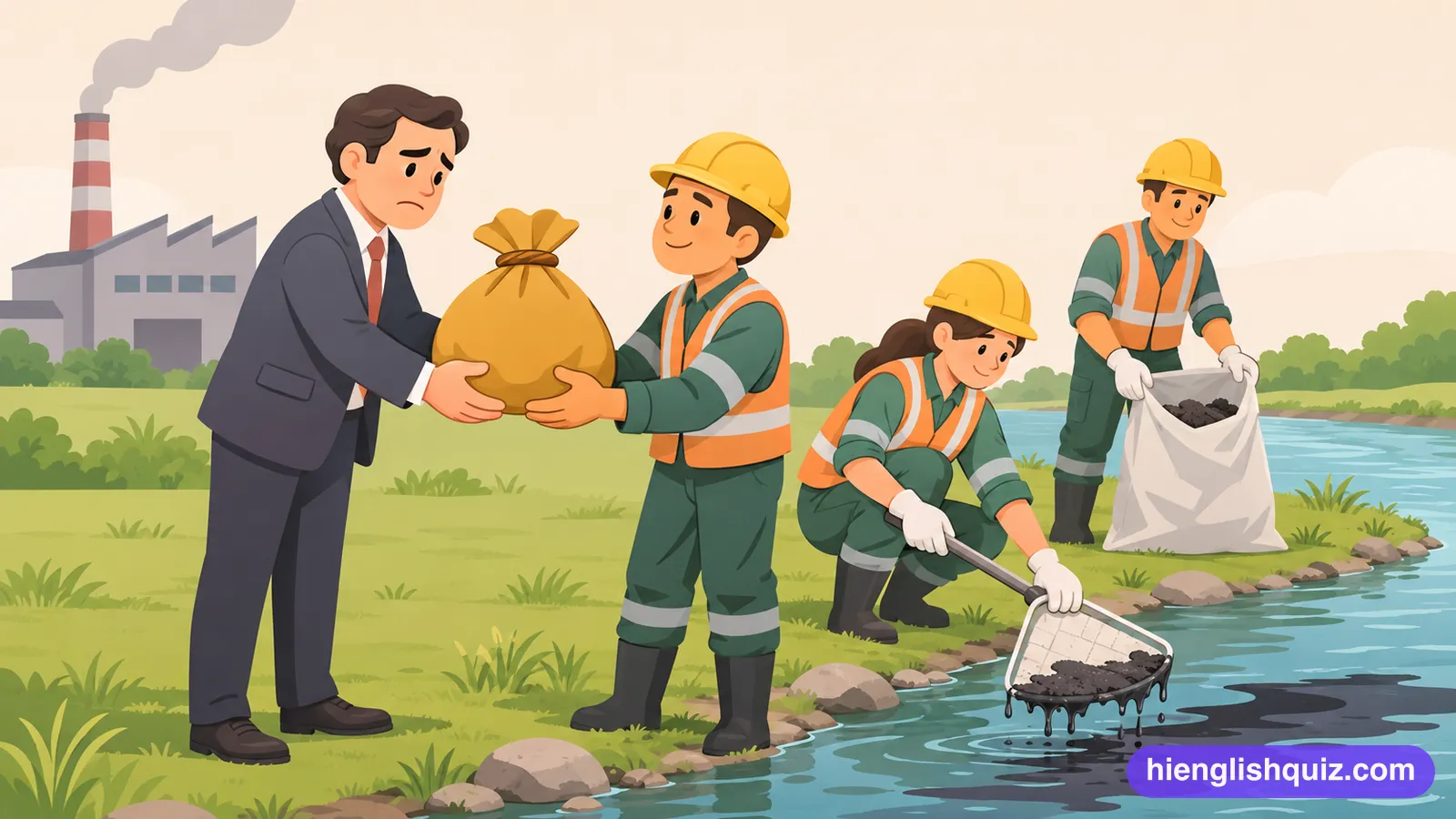
A measure of how much land, water and resources a person or group uses and how much waste they produce.
Example: Flying less is one way to shrink your ecological footprint.
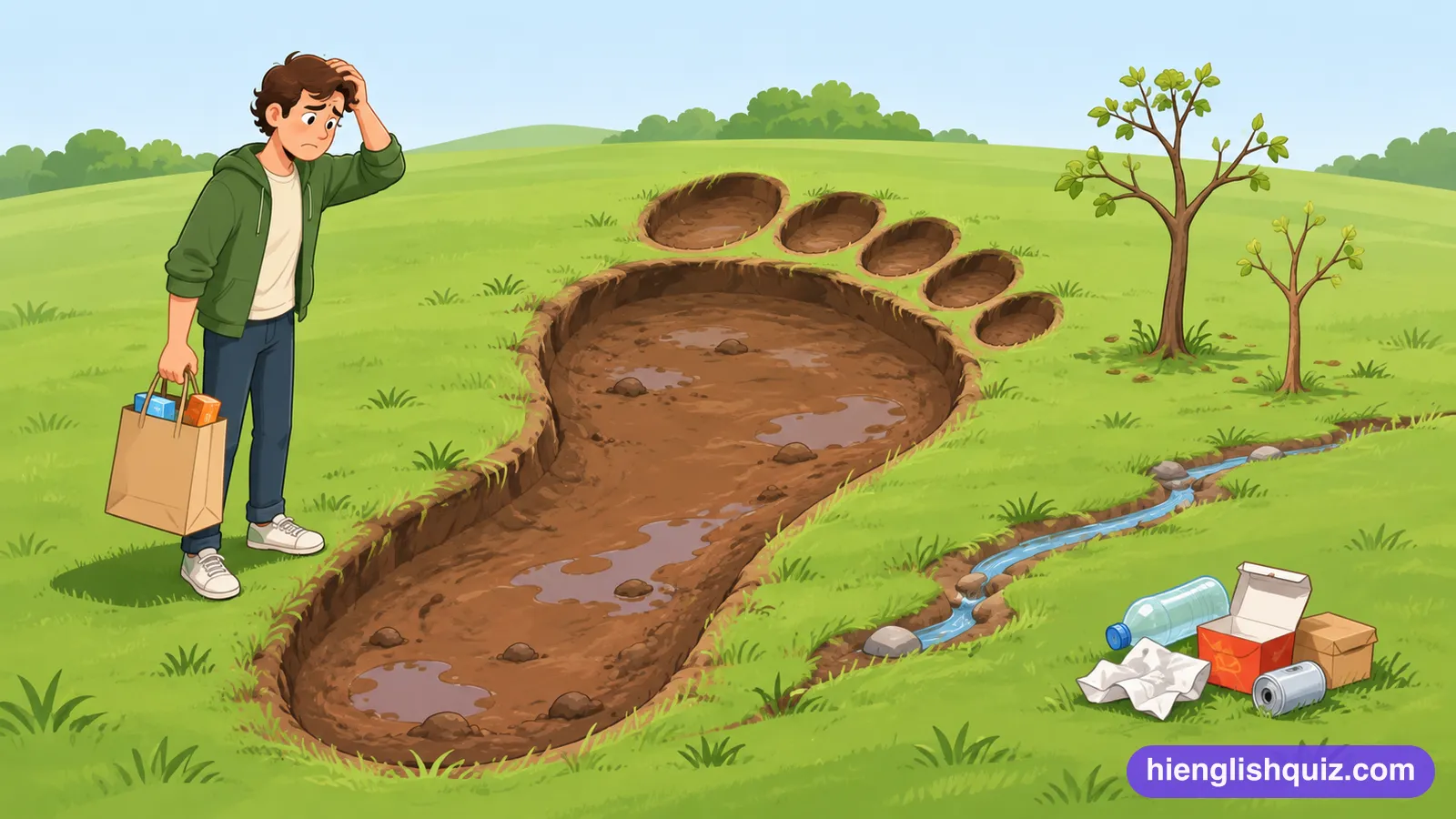
A legal upper limit on the amount of a harmful gas or substance that a factory or country may release.
Example: The government lowered the emissions cap for coal plants again this year.
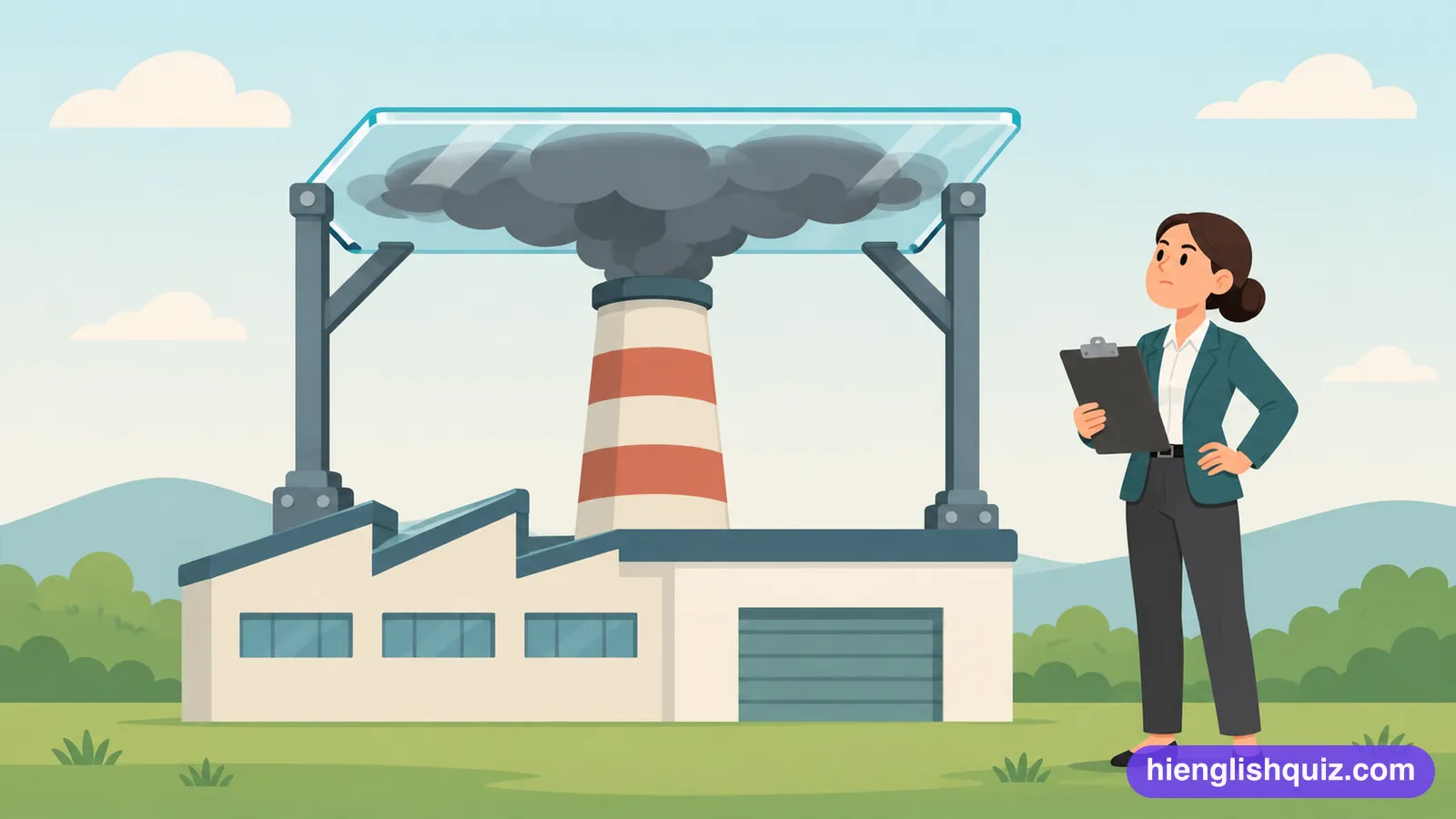
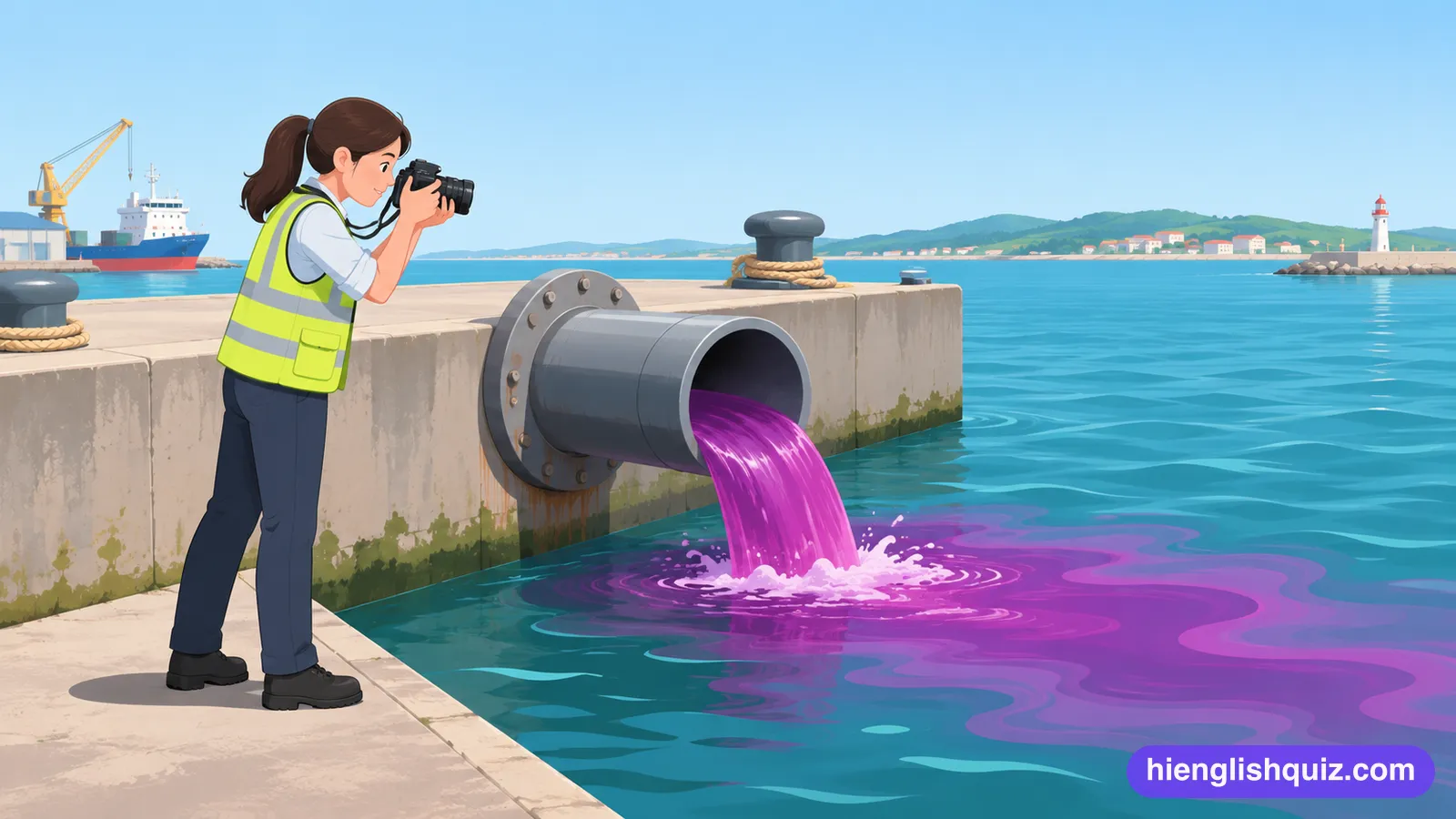
The release of liquid or gas, especially waste, into a river, the sea or the air.
Example: The company was fined for the illegal discharge of chemicals into the harbour.
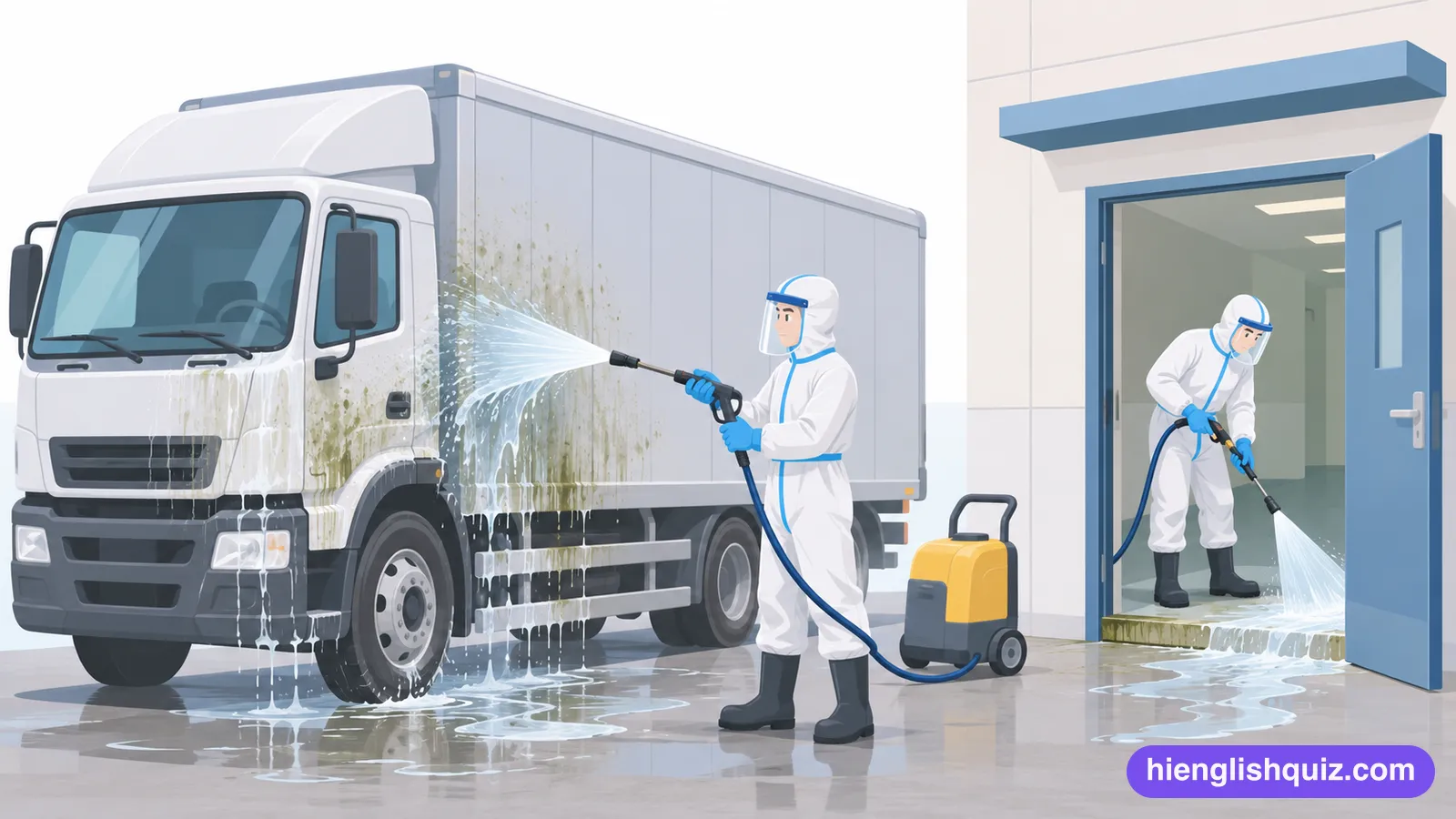
To remove dangerous substances from a place, person or object so that it becomes safe.
Example: Teams in white suits had to decontaminate the whole lab after the spill.
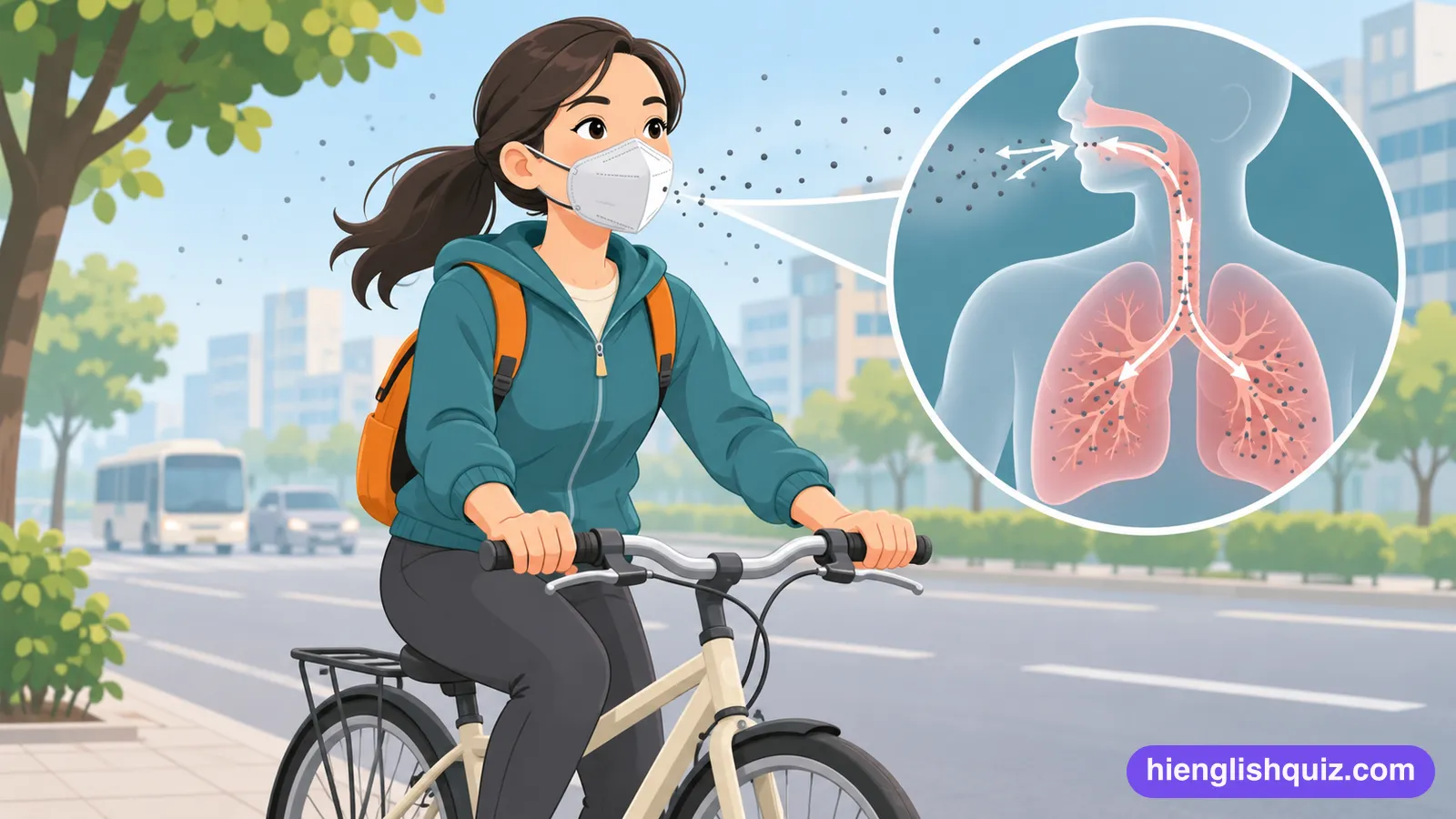
Extremely small pieces of solid or liquid floating in the air, which can be breathed deep into the lungs.
Example: Traffic is the main source of particulate matter in the city centre.