consensus
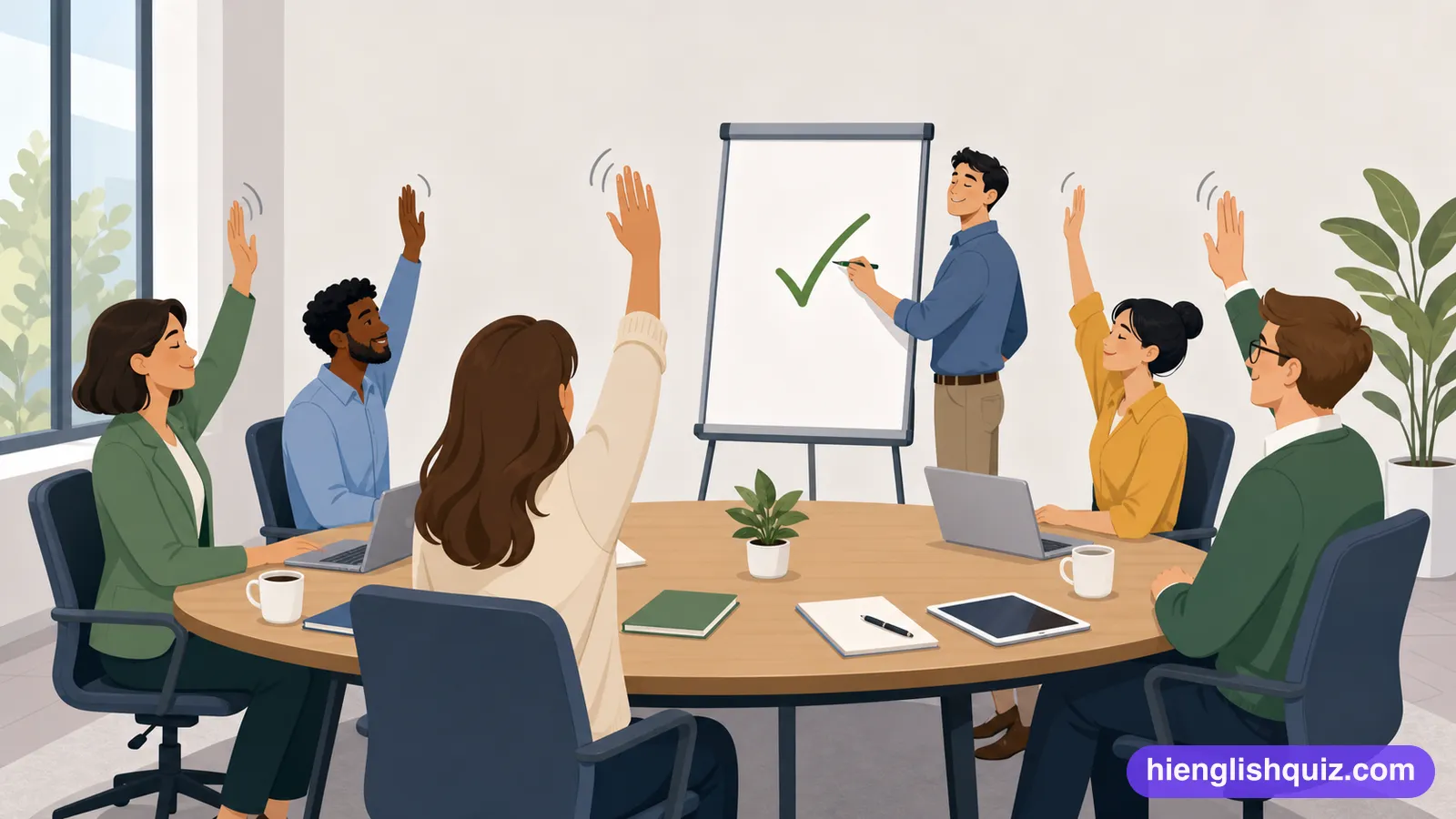
/kənˈsɛnsəs/General agreement across a whole group, where nobody strongly objects any more.
Example: We reached a consensus after two hours of argument.
 Hi EnglishQuiz
C122 words · Advanced
Workplace vocabulary for running a meeting and an office at a senior level, covering how to reach a consensus, adjourn a discussion, and streamline a backlog.
General agreement across a whole group, where nobody strongly objects any more.
Example: We reached a consensus after two hours of argument.
To break off a meeting or hearing partway through, intending to continue it later.
Example: Let's adjourn until Thursday and finish the budget then.

To help a discussion or process run smoothly without controlling it.
Example: An outside expert will facilitate the planning session tomorrow.

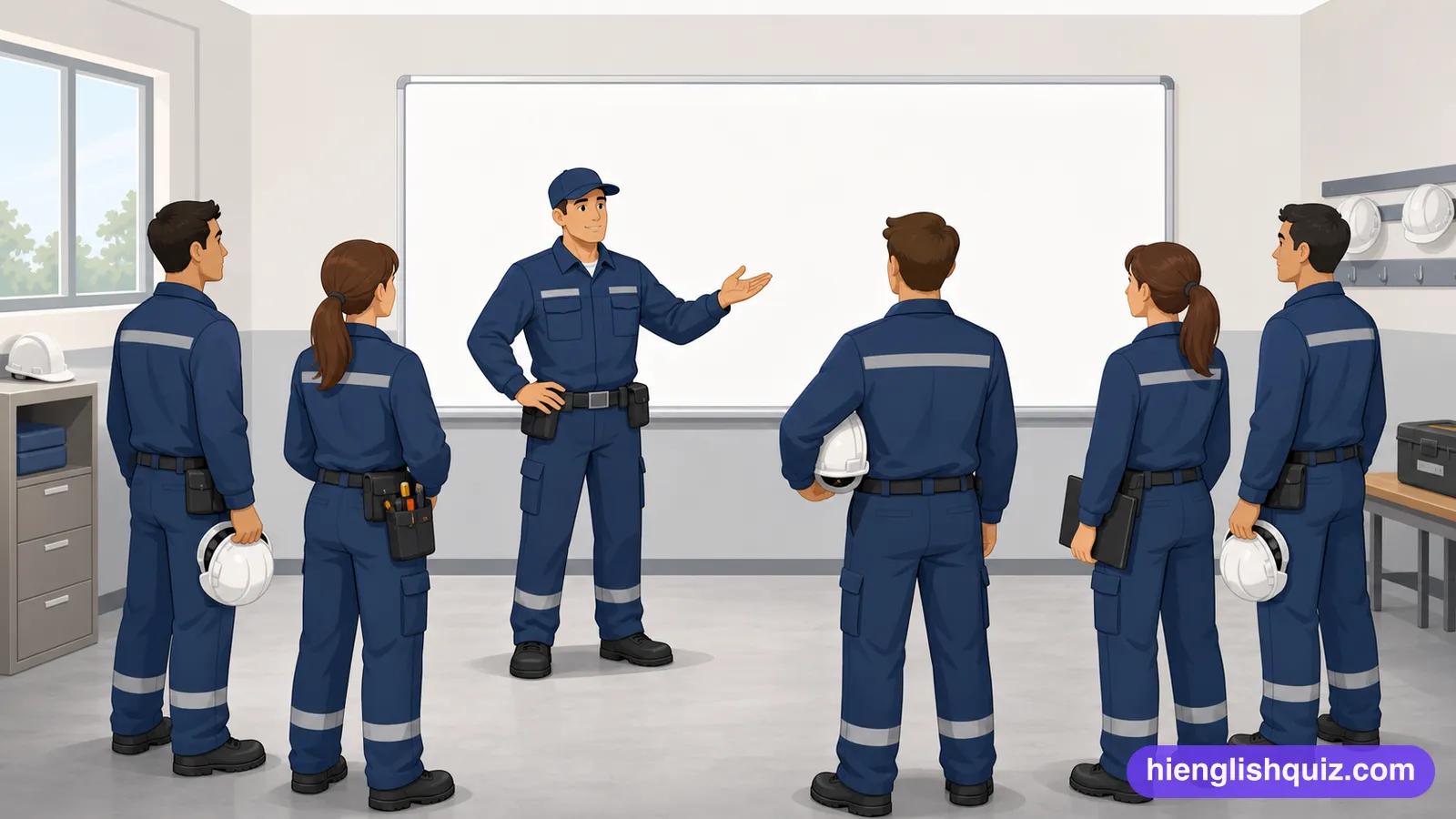
A specific job that one named person agrees to carry out after a discussion.
Example: Each action point got an owner before we closed the meeting.

To continue for longer than the time that was set aside for it.
Example: Our Monday stand-ups always overrun by at least twenty minutes.
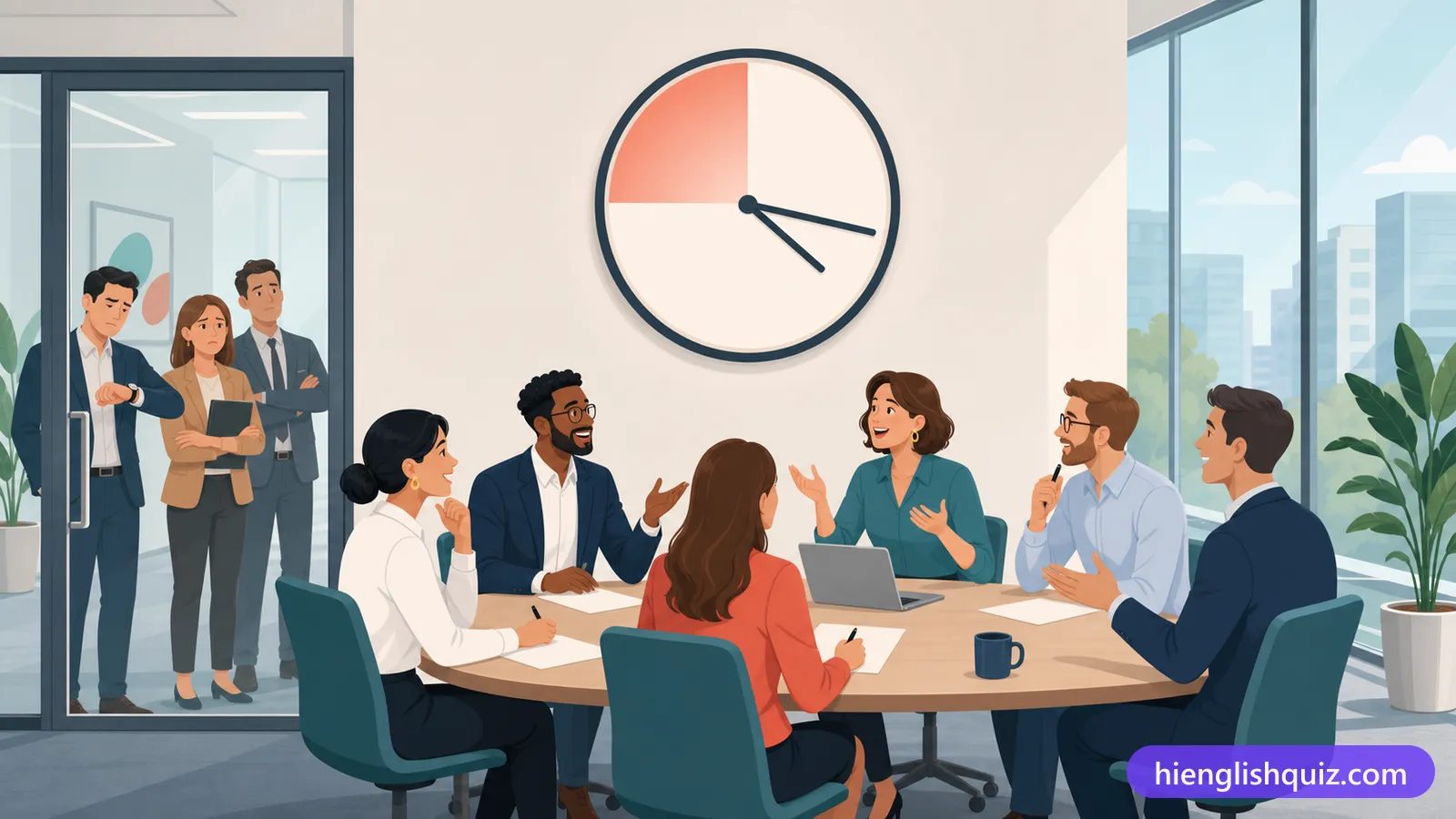
To move away from the main subject when speaking, and talk about something else.
Example: Sorry, I digressed — let's get back to the budget.

A situation in which no progress can be made because people cannot agree.
Example: The negotiations reached an impasse after three hours.

To prevent something from happening or someone from doing something.
Example: Time constraints precluded a full discussion of every point.
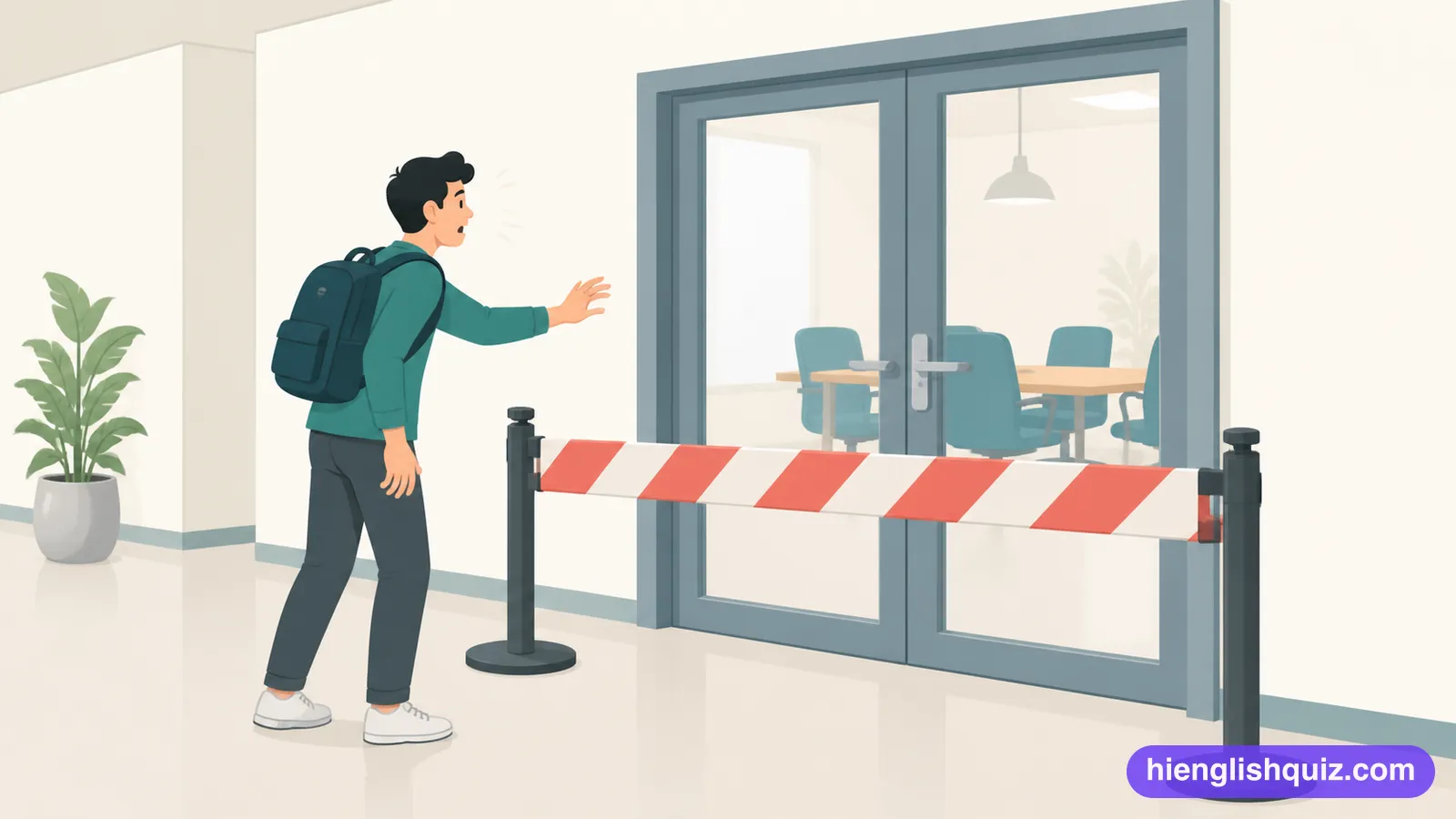
A warning about a particular limitation or condition in an agreement or plan.
Example: I'll approve the plan, with one caveat about the budget.

To think about or discuss something carefully before making a decision.
Example: The board will deliberate on the proposal overnight.

A small individual work space divided off from an open office by low partitions.
Example: I've covered my cubicle walls with postcards from home.

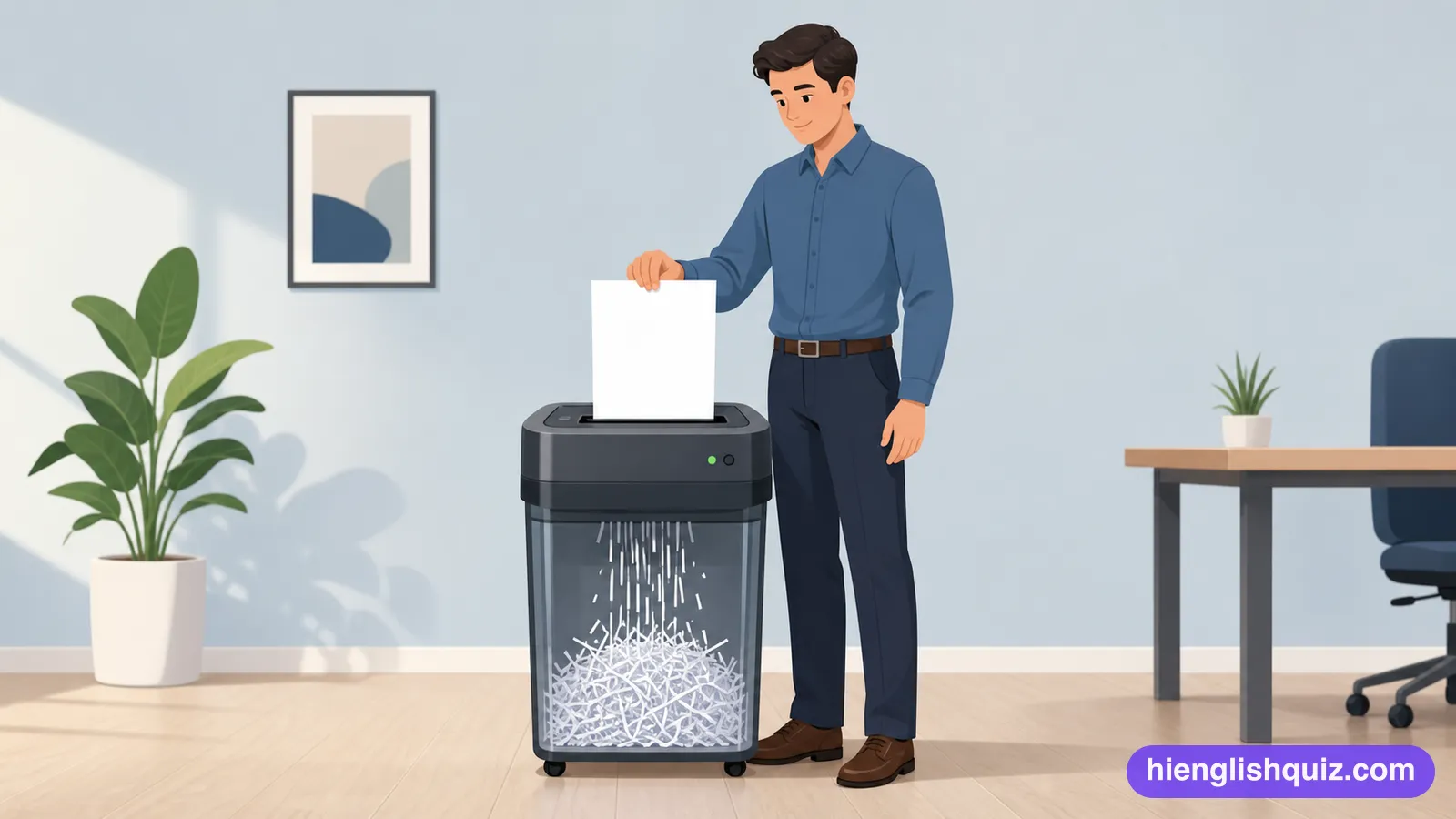
The office machine that cuts documents into thin strips so nobody can read them.
Example: Put anything with client details straight into the shredder.
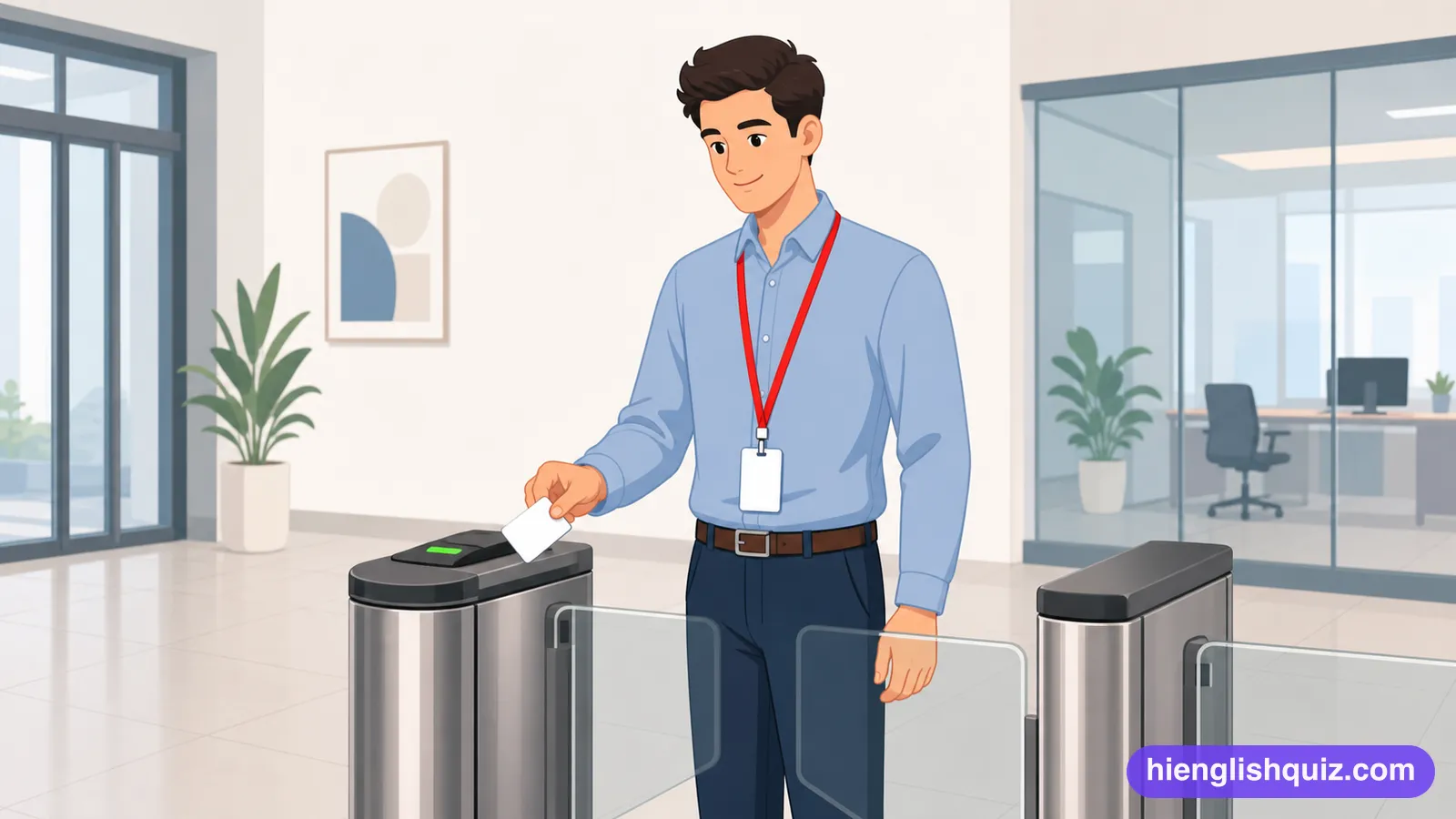
The cord worn round the neck to carry a building pass at work.
Example: Security stopped me because I forgot my lanyard upstairs.
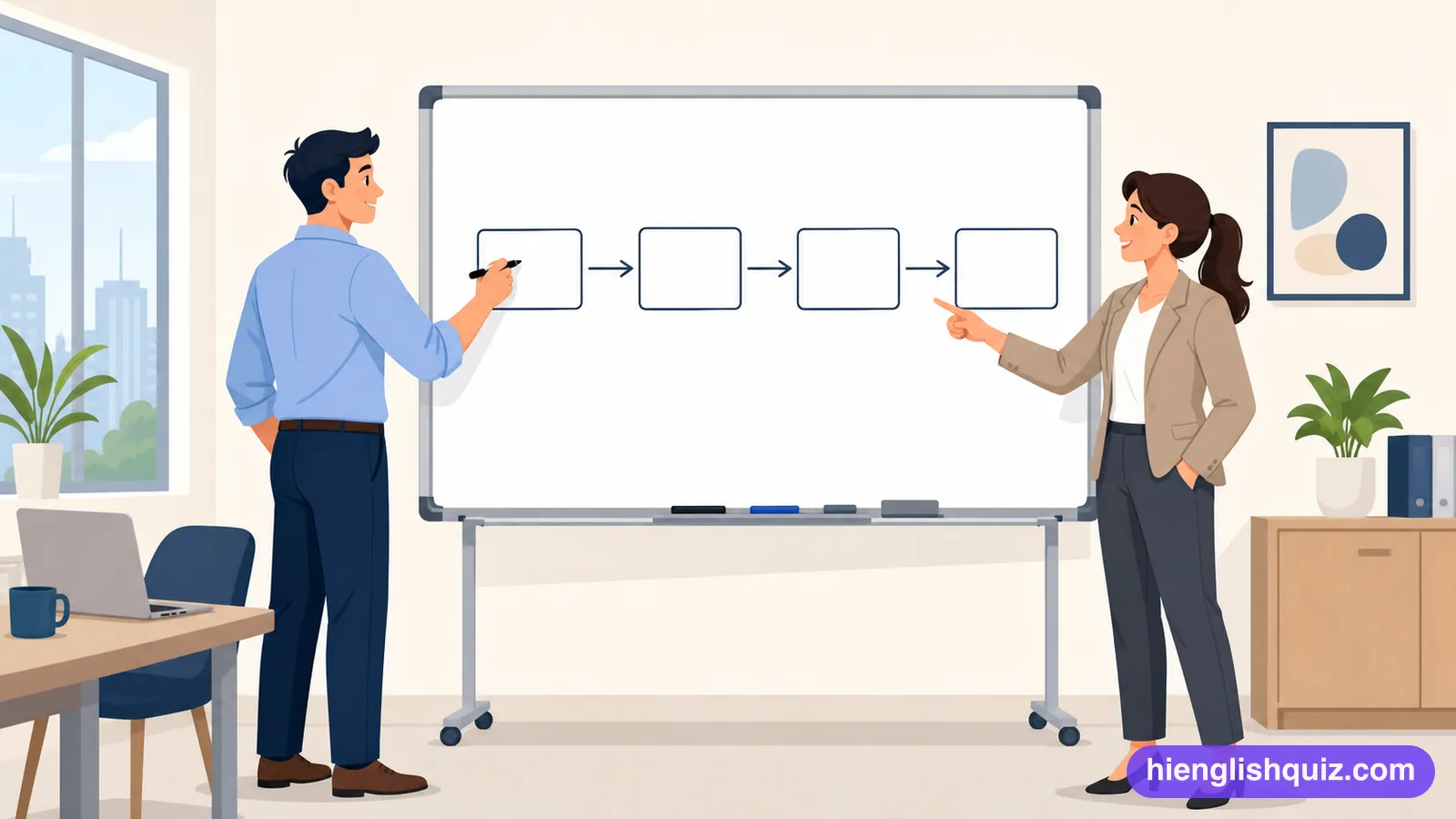
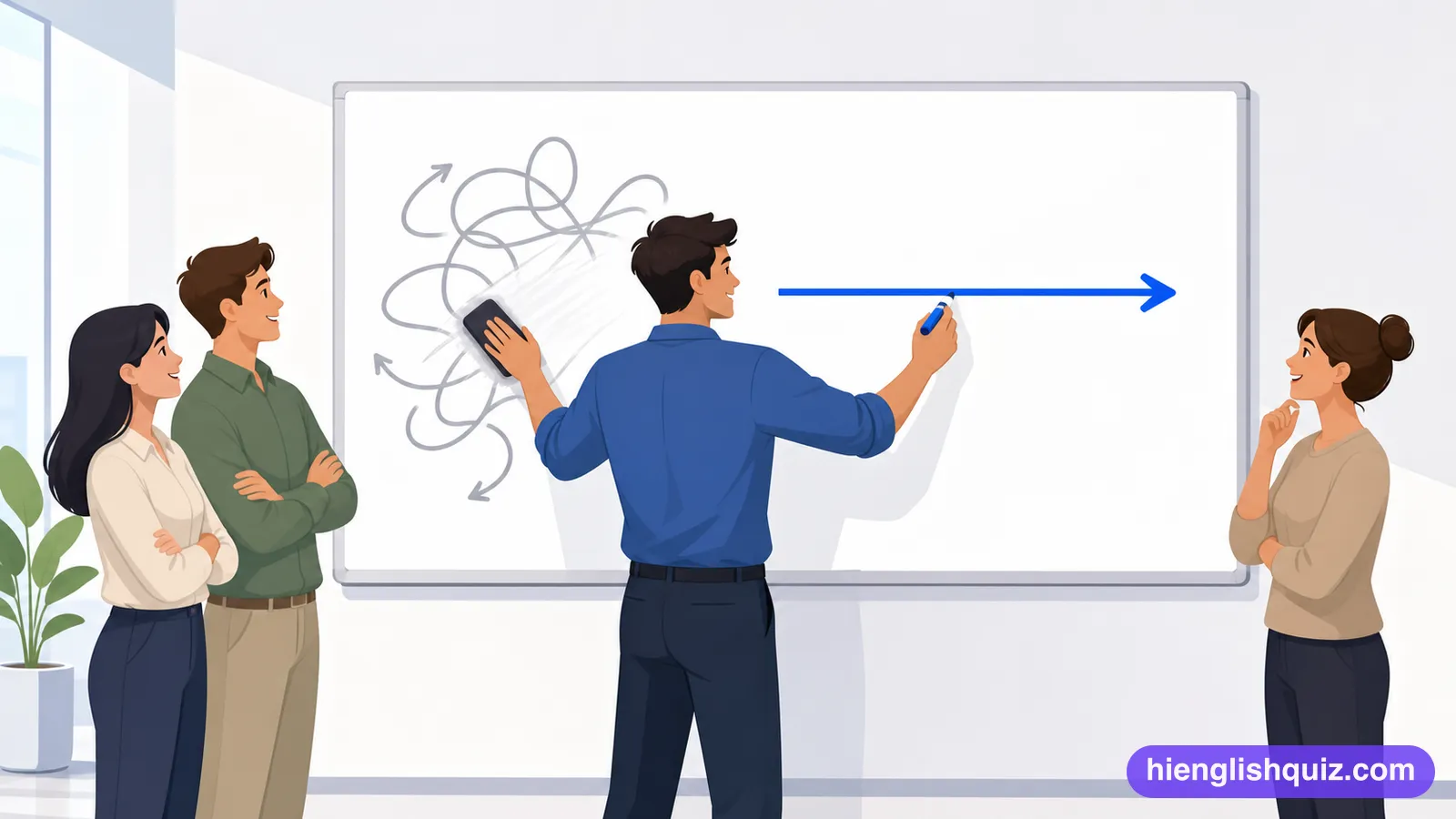
To make a process simpler and faster by removing unnecessary steps.
Example: We need to streamline the approval process for new orders.
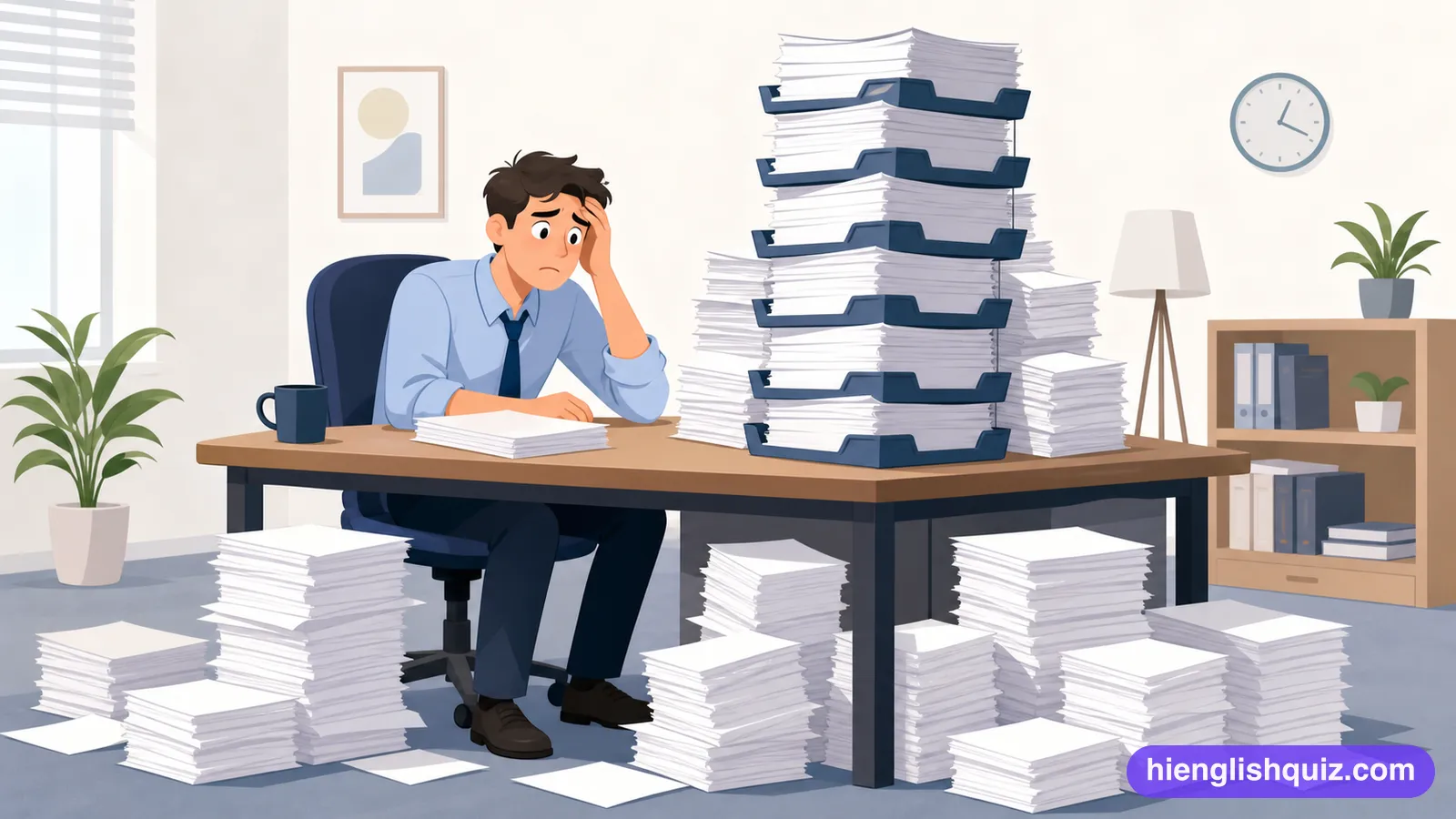
A large amount of work that you should have finished already.
Example: We have a huge backlog of orders after the holiday.
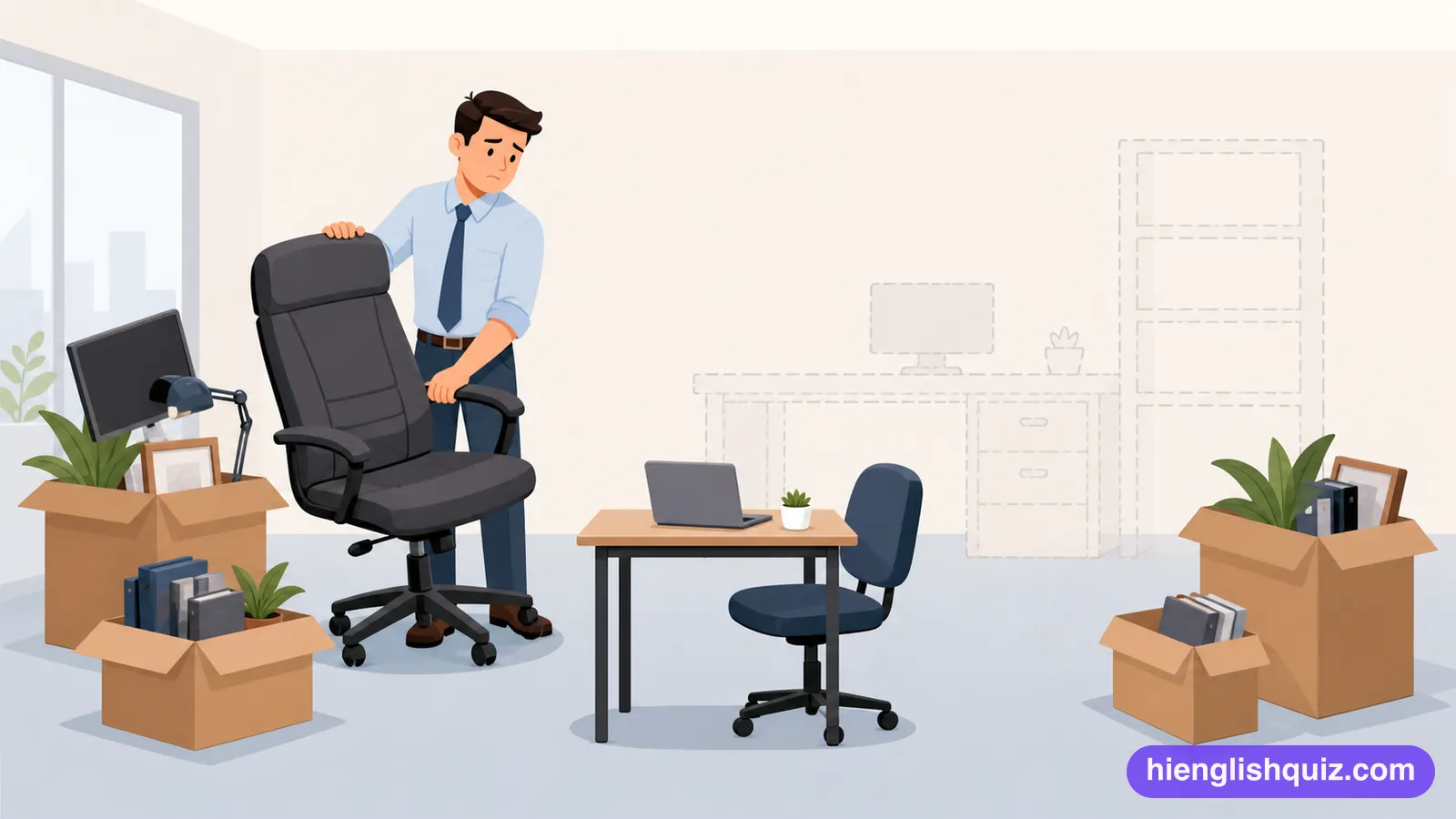
To make a company or organisation smaller by reducing staff or space.
Example: The firm decided to downsize and move to a smaller office.
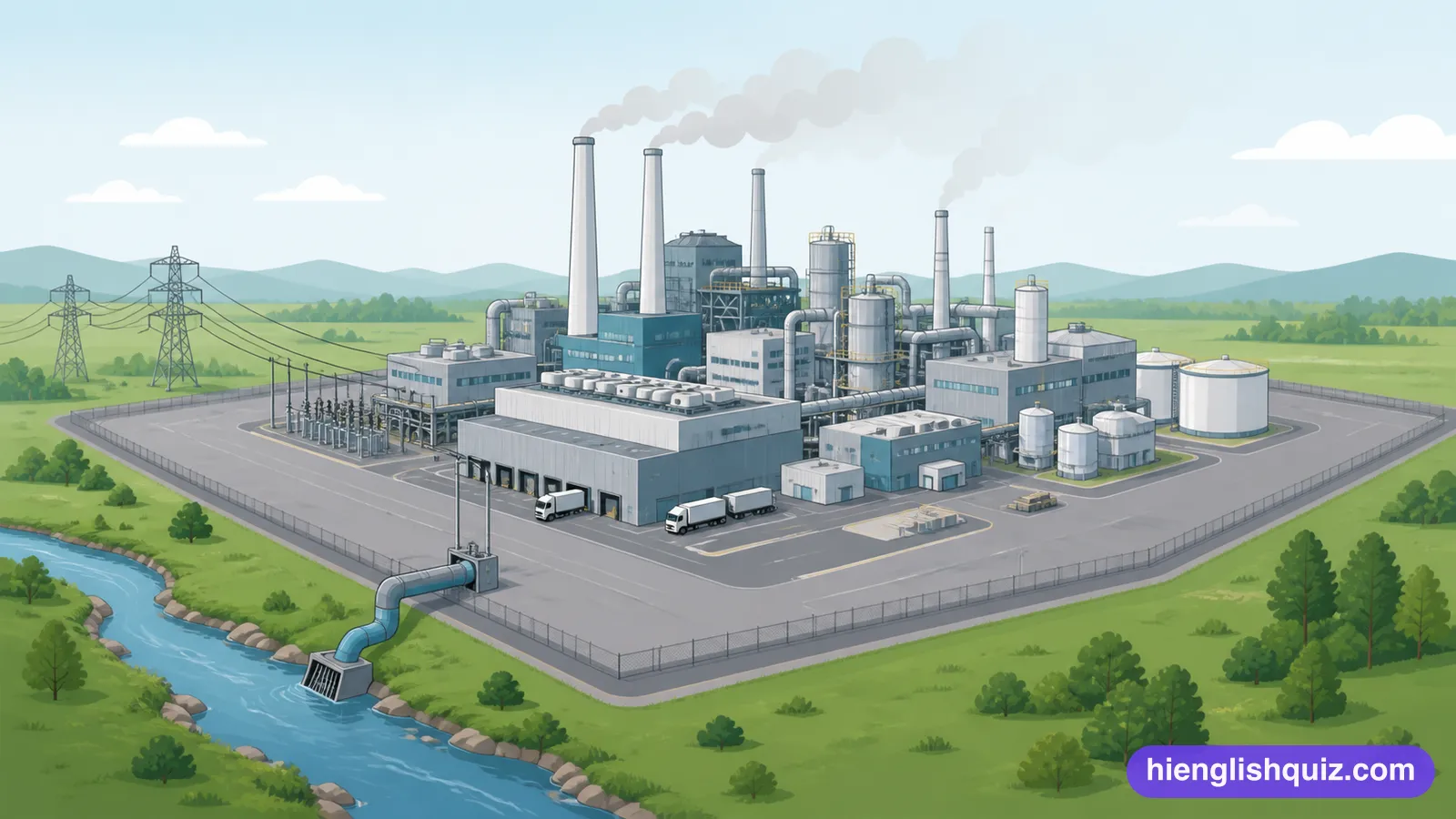
The amount of space, resources, or impact that something uses or has.
Example: The company reduced its office footprint by going remote.
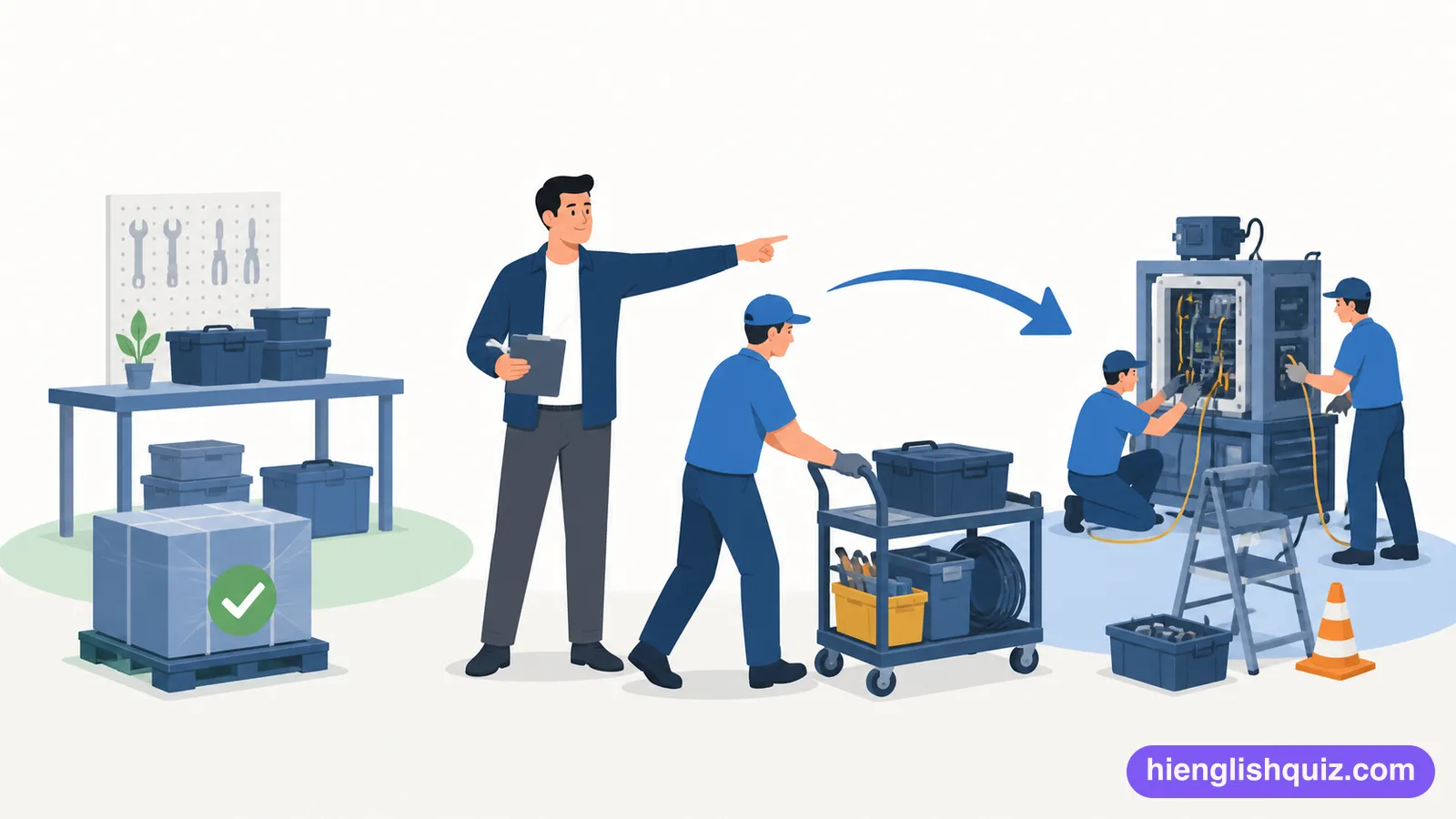
To move staff, equipment, or resources to a different task or location.
Example: Staff were redeployed to the new open-plan office.
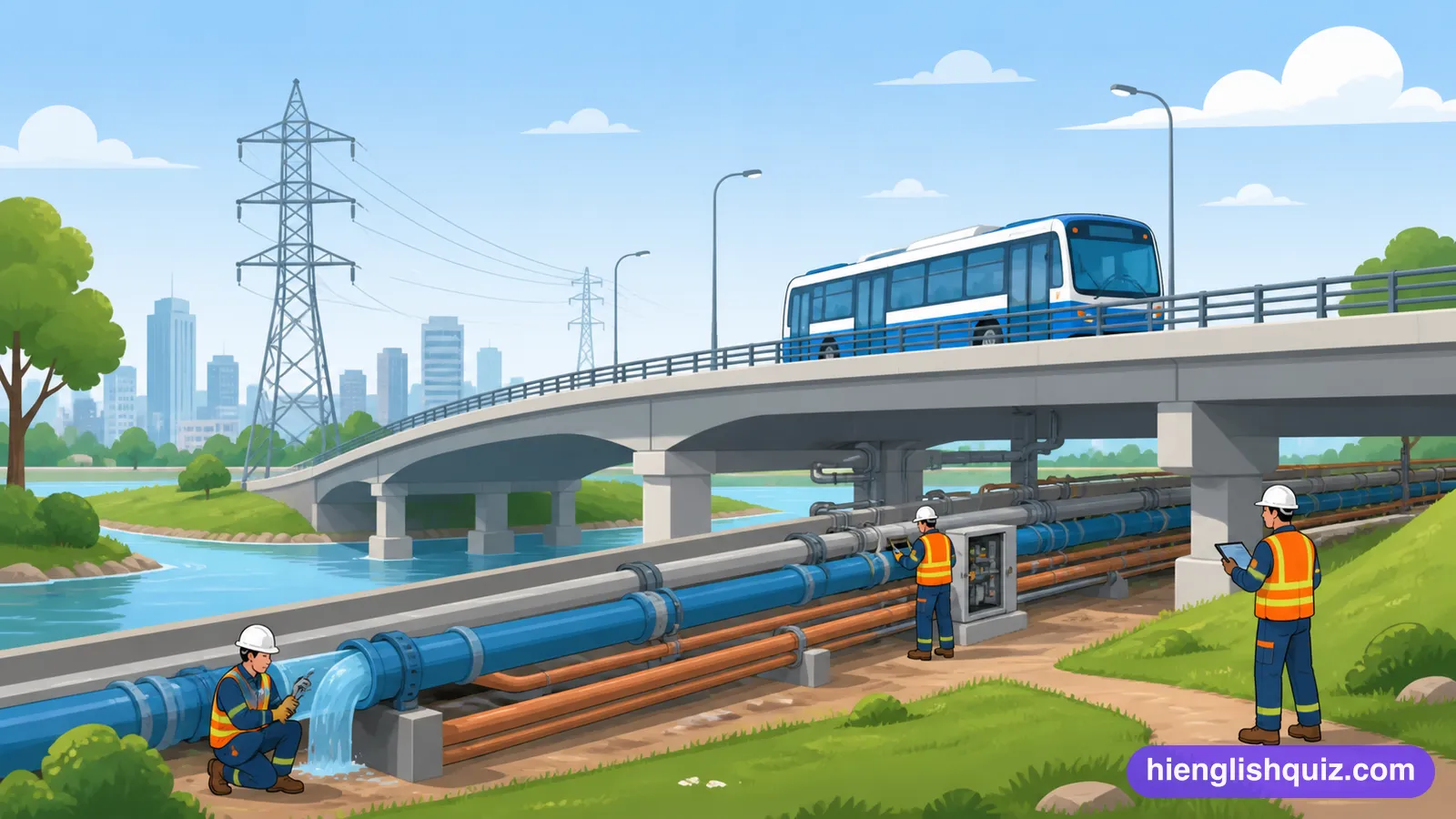
The basic systems and equipment an organisation needs in order to work properly, such as computer networks.
Example: The company upgraded its IT infrastructure last year.
To combine several things into one, more effective whole.
Example: They consolidated three offices into one large hub.

To stay in regular contact with another team or organisation so that both sides remain informed.
Example: I liaise with the suppliers about delivery dates every week.

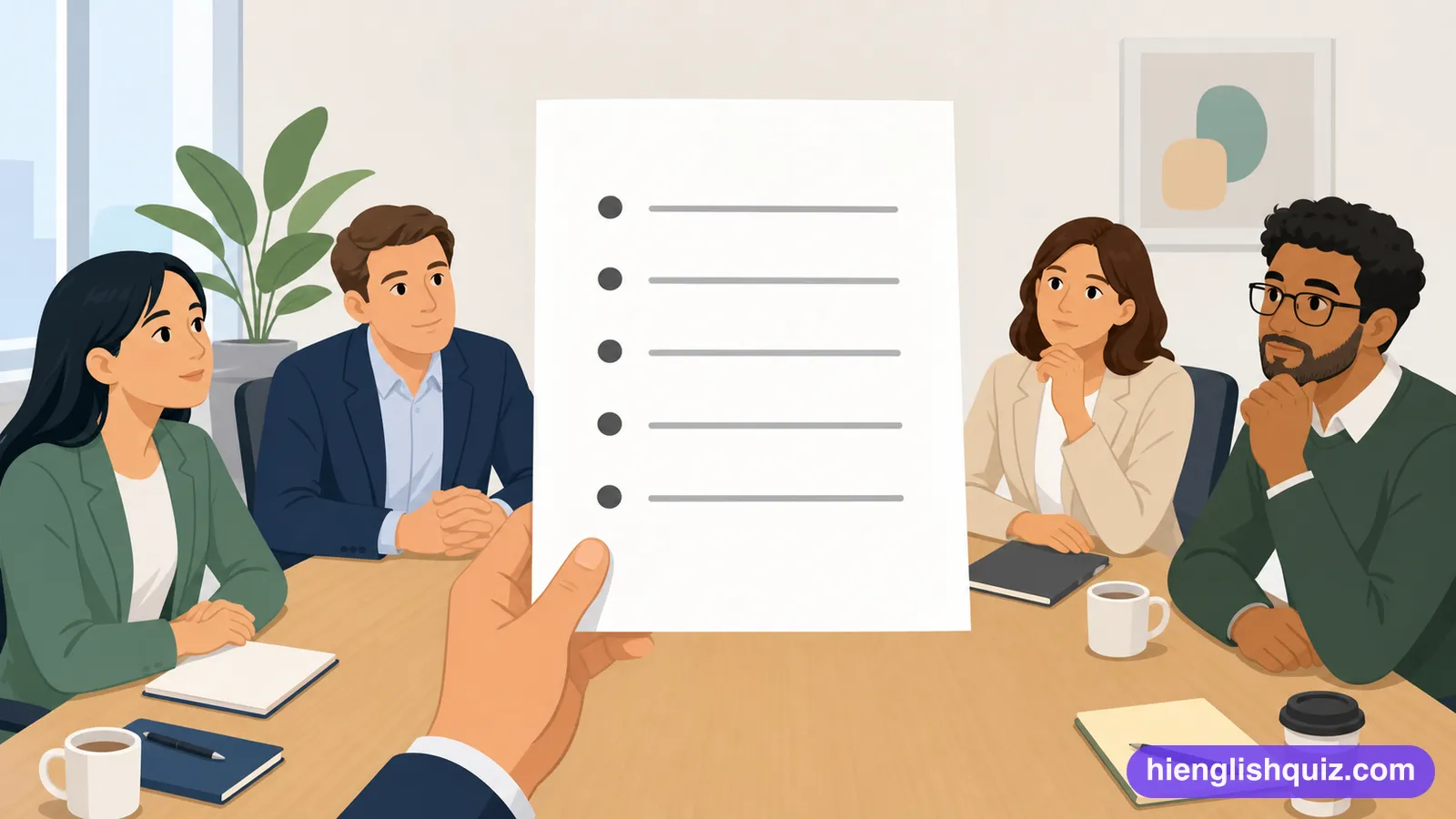
A short meeting where people are told what they need to know before doing something.
Example: There is a quick briefing at eight before the shift.