rummage
/ˈrʌmɪdʒ/To search through a drawer or bag, moving things about untidily.
Example: I had to rummage through three drawers to find the charger.
 Hi EnglishQuiz
C120 words · Advanced
Common Actions vocabulary for physical verbs with an attitude built in, including rummage, fumble, wrench and jostle — words that describe the awkwardness of an action, not just the action itself.
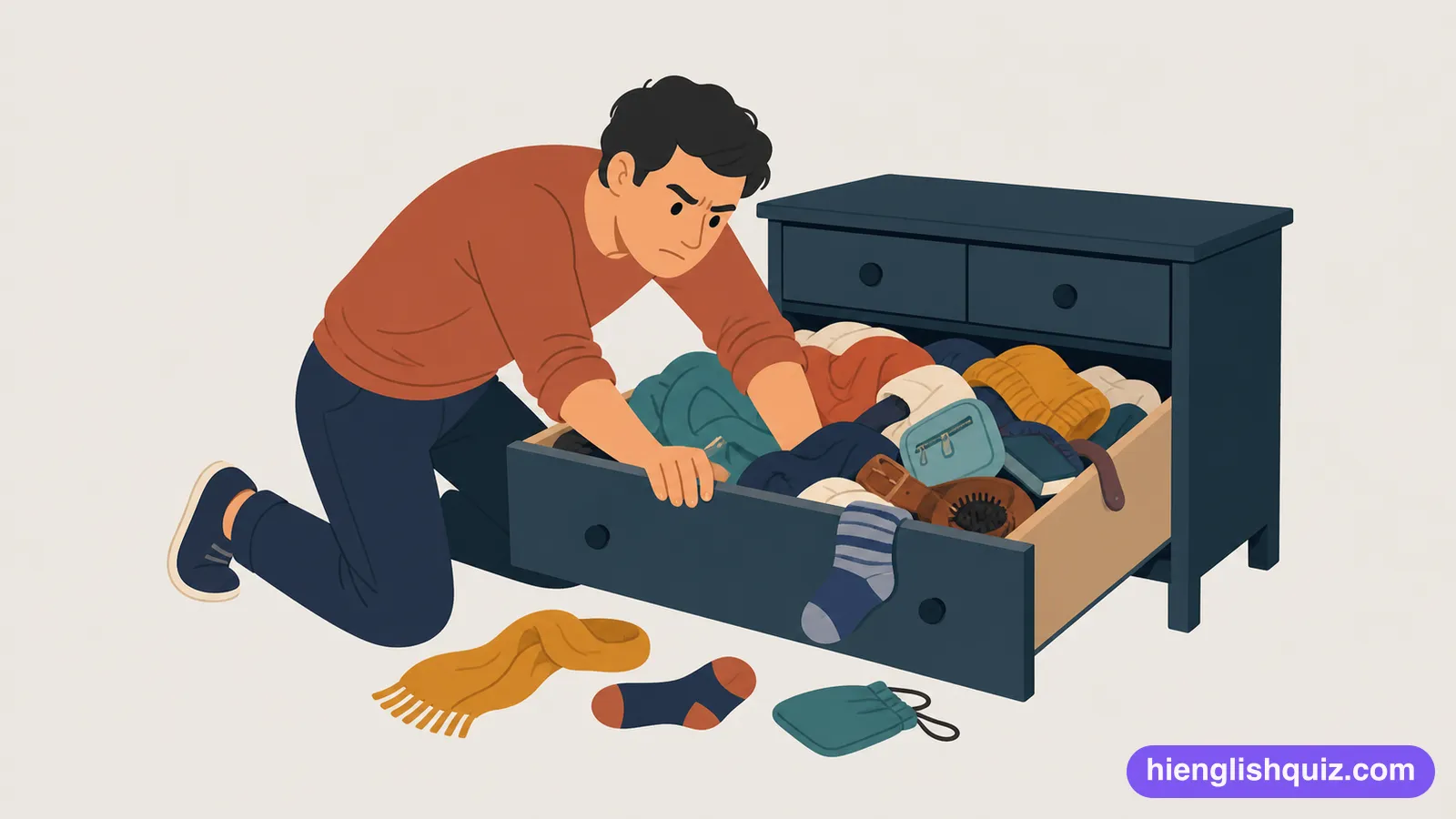
To search through a drawer or bag, moving things about untidily.
Example: I had to rummage through three drawers to find the charger.
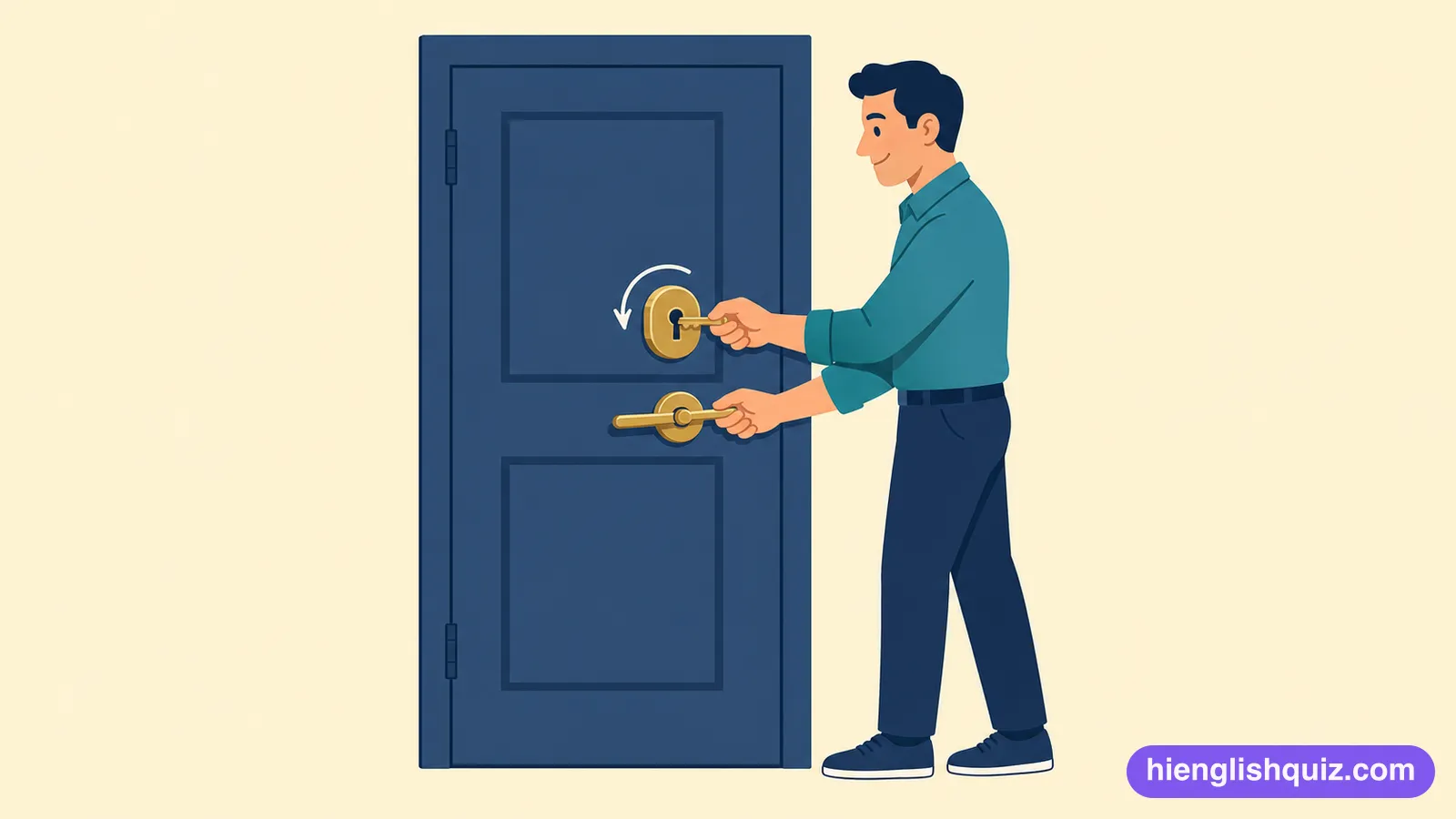
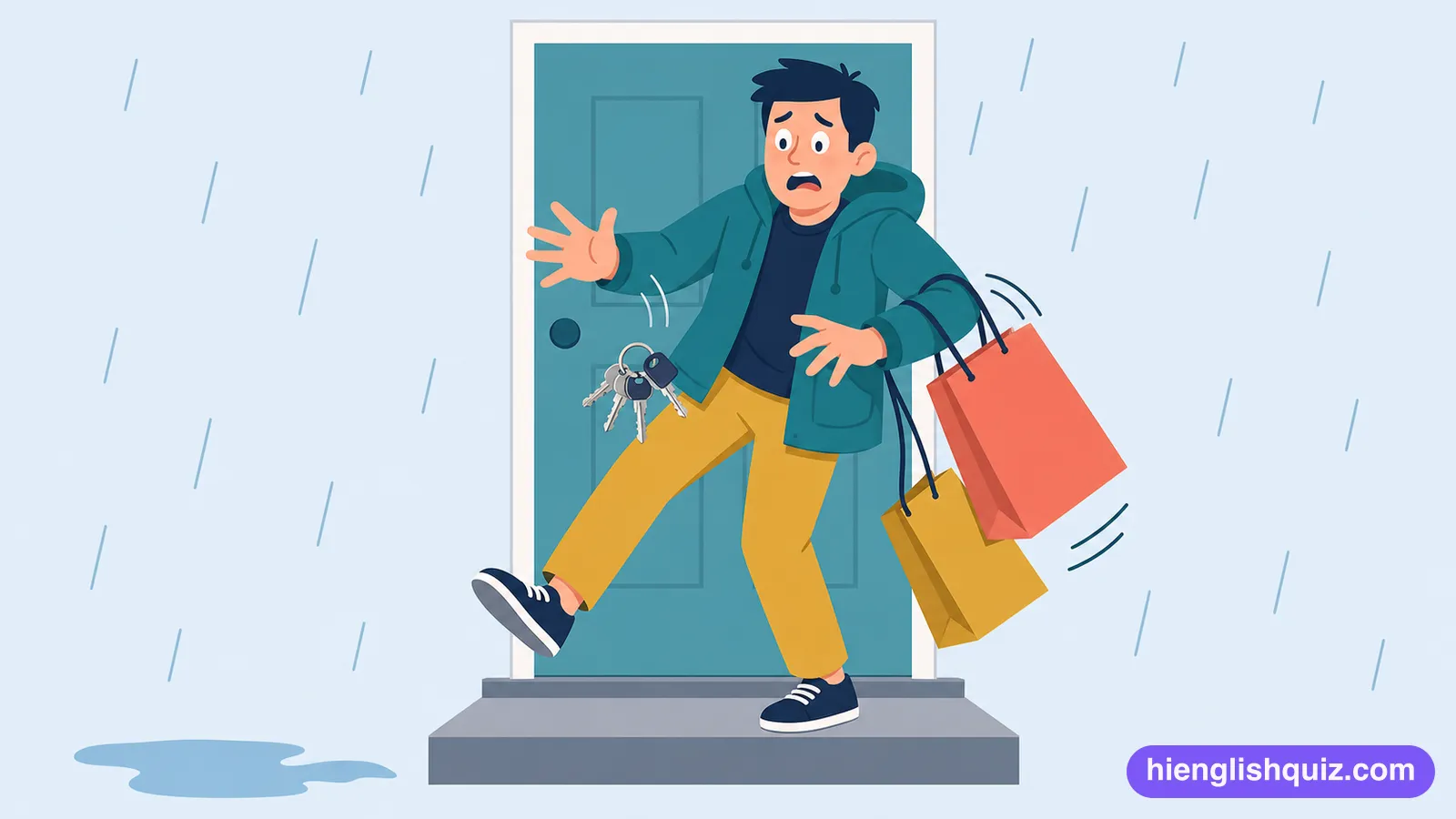
To handle or reach for something clumsily with your hands.
Example: He fumbled with the keys while the rain got heavier.
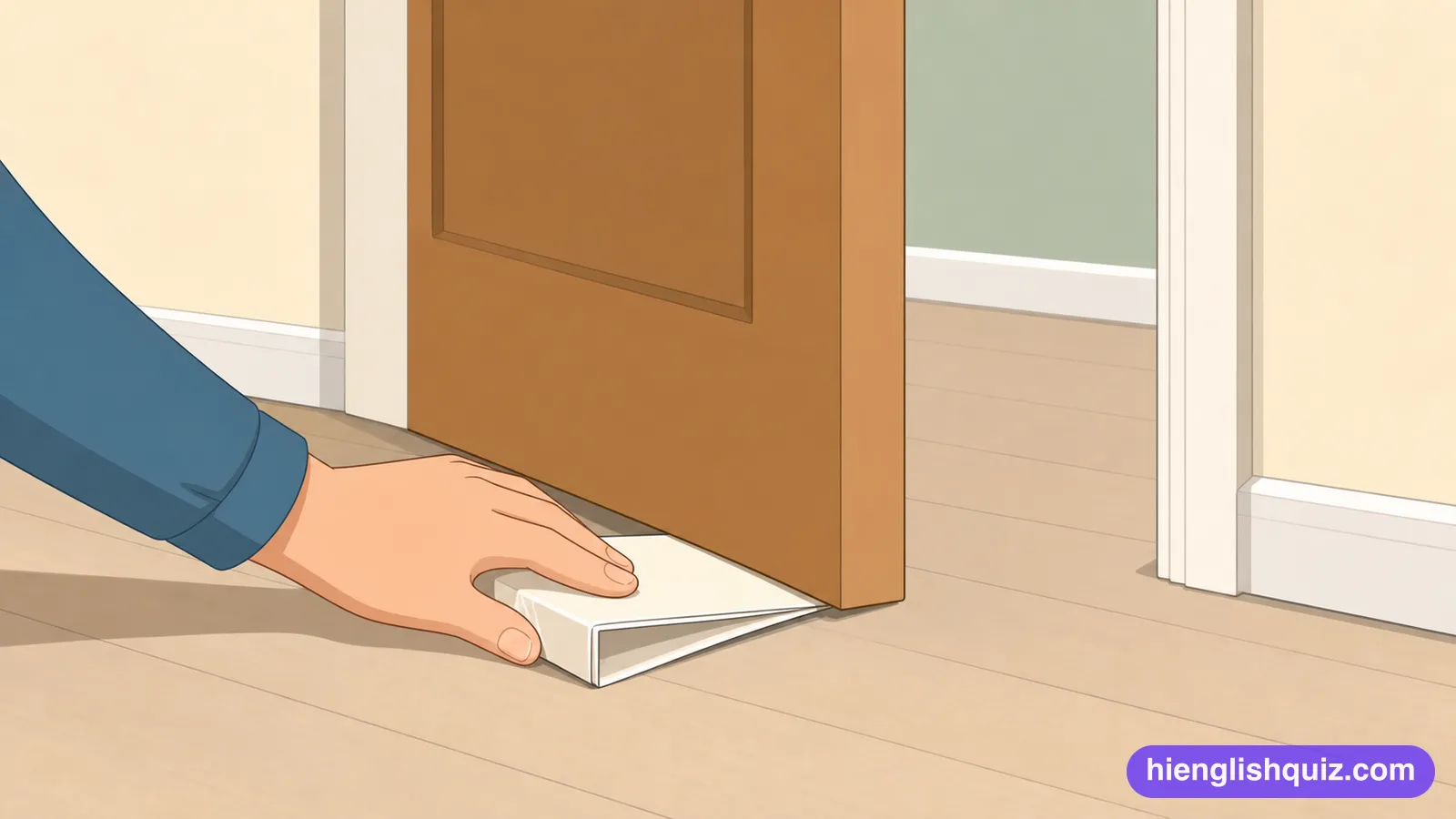
To push something firmly into a tight space so that it stays put and cannot move.
Example: He wedged the door open with a folded newspaper.
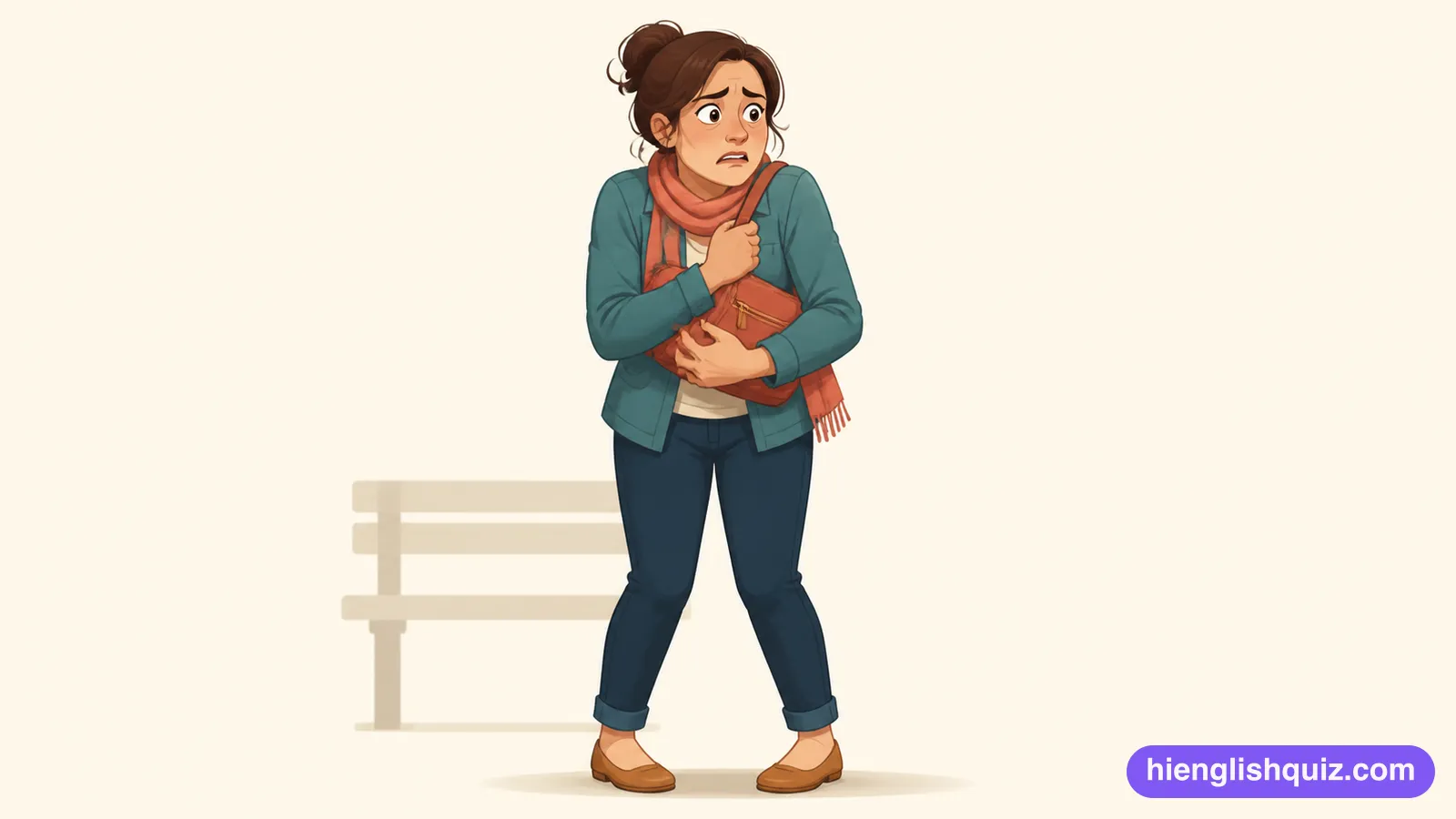
To hold something tightly, often because you are anxious or don't want to lose it.
Example: She clutched her bag as the train jolted.
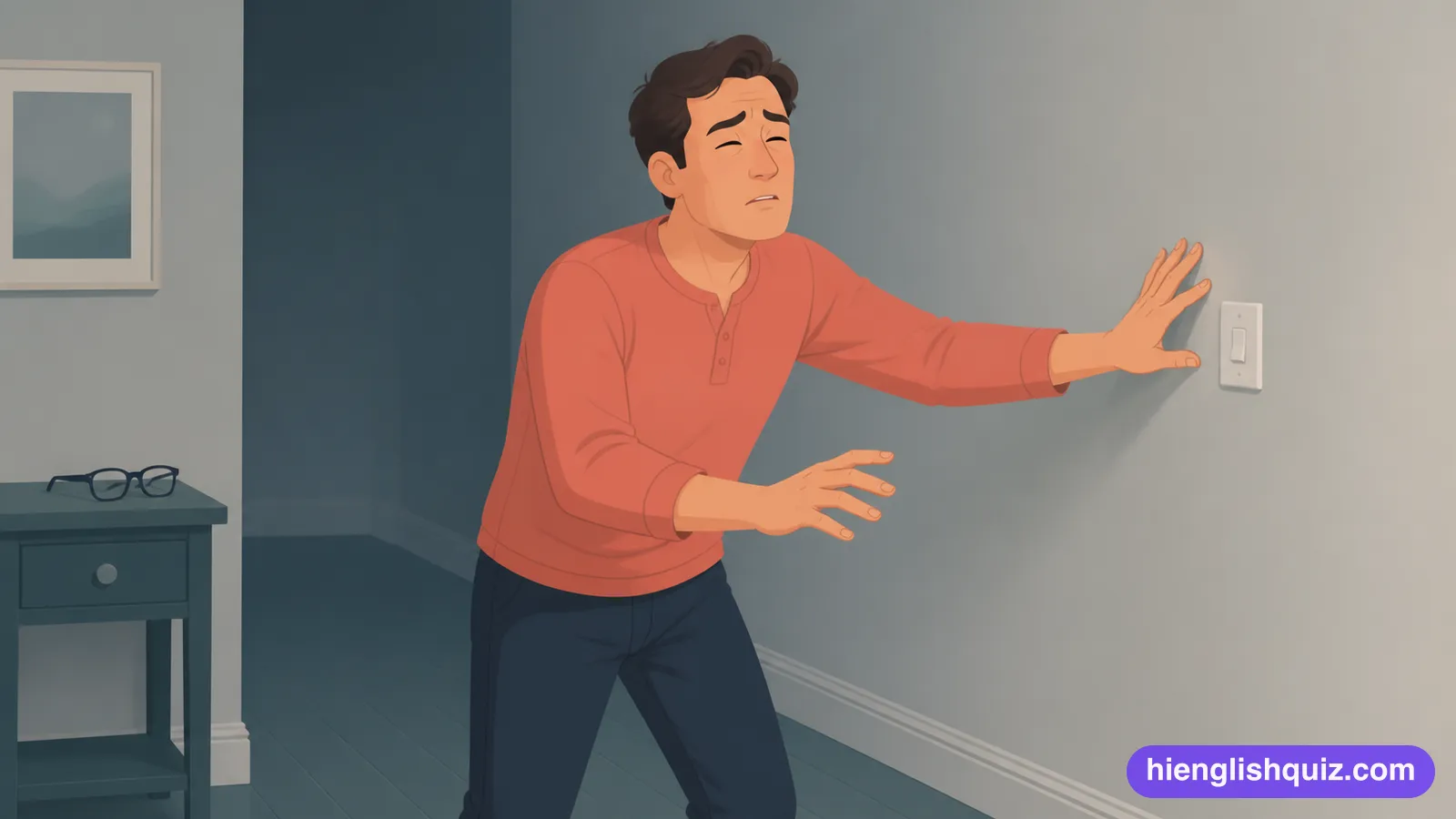
To feel around with your hands because you cannot see clearly.
Example: He groped for the light switch in the dark.
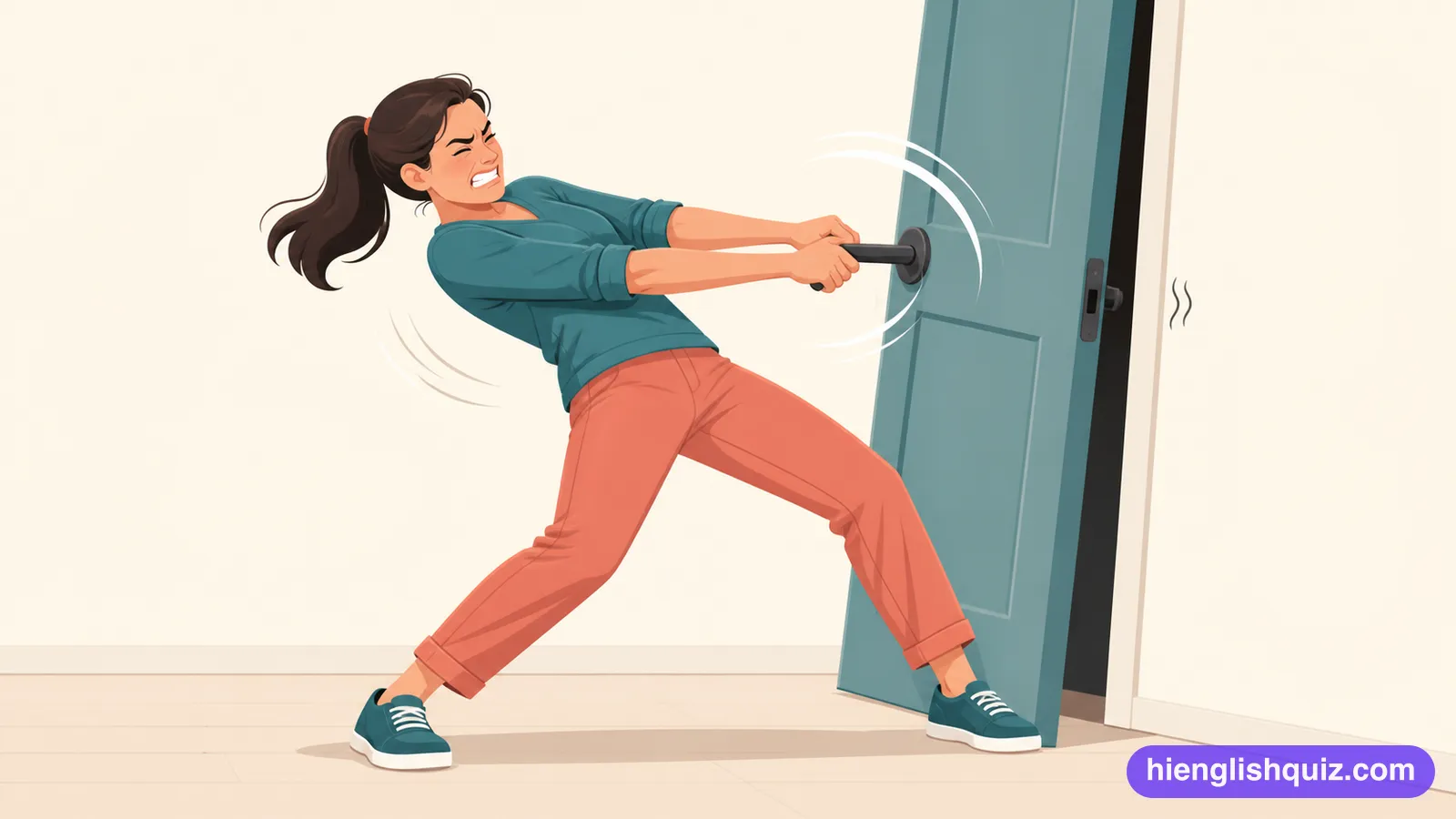
To pull or twist something suddenly and violently.
Example: She wrenched the stuck drawer open.
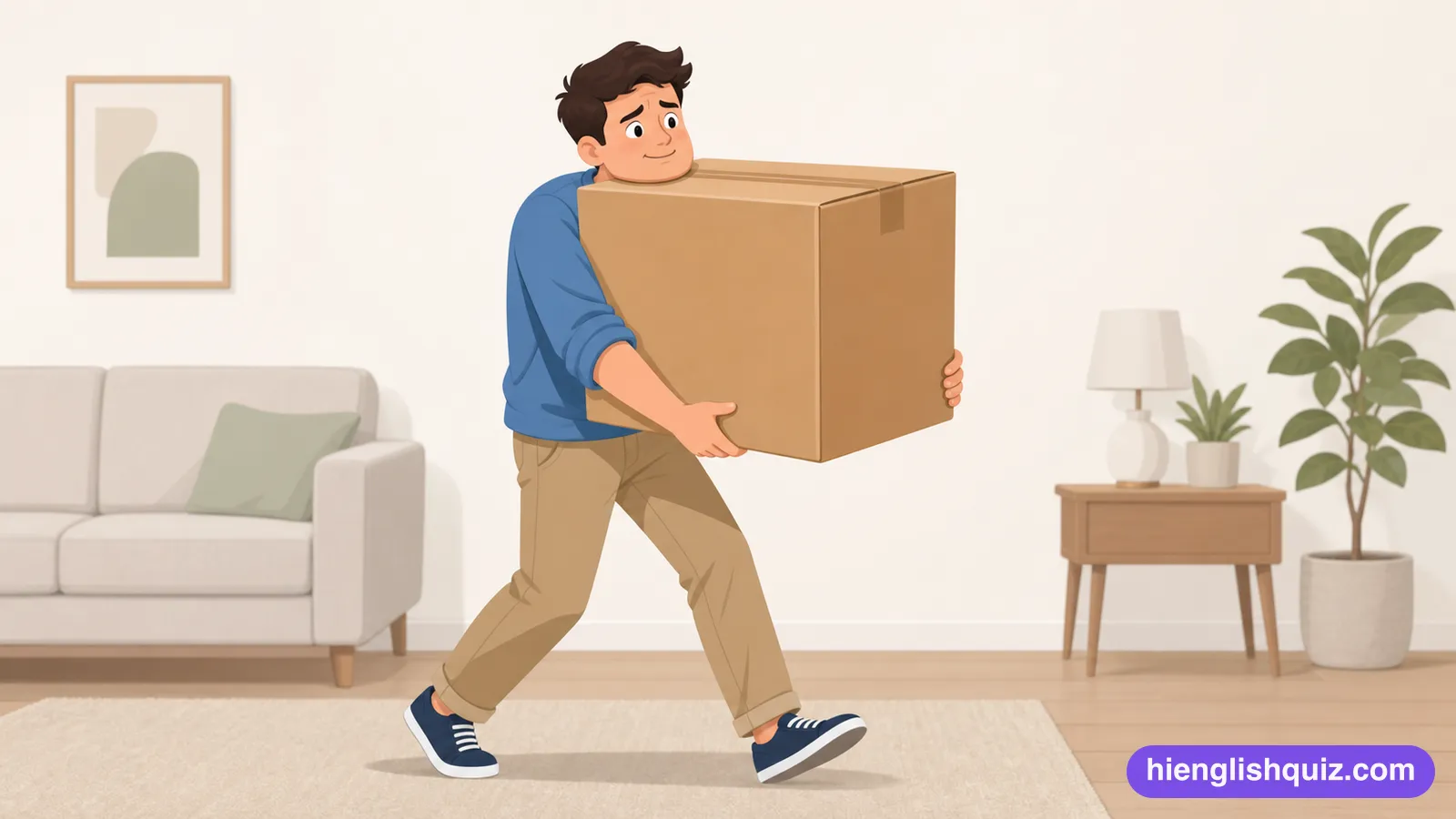
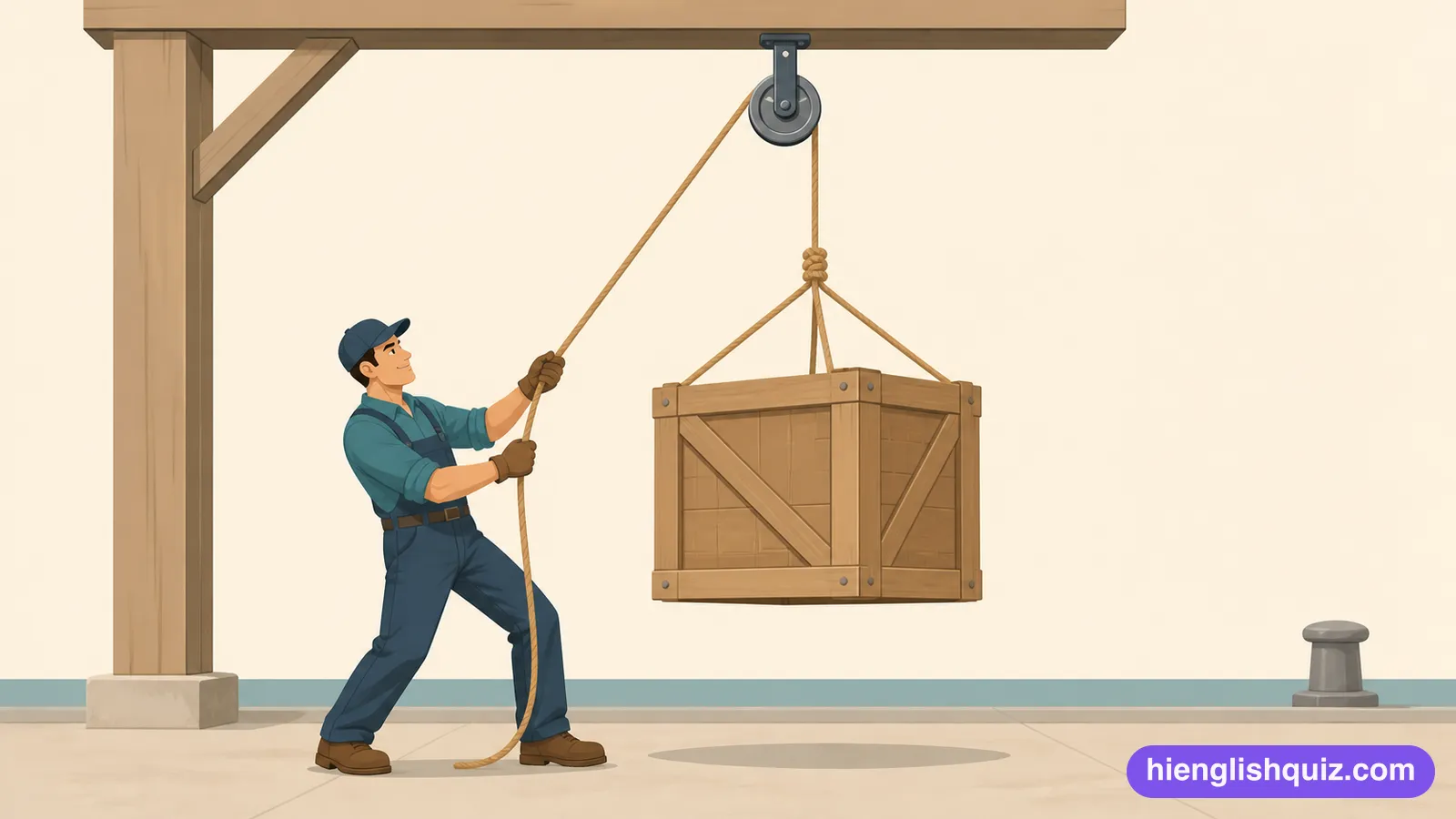
To lift something heavy, often using a rope, pulley or great effort.
Example: They hoisted the sofa up through the window.
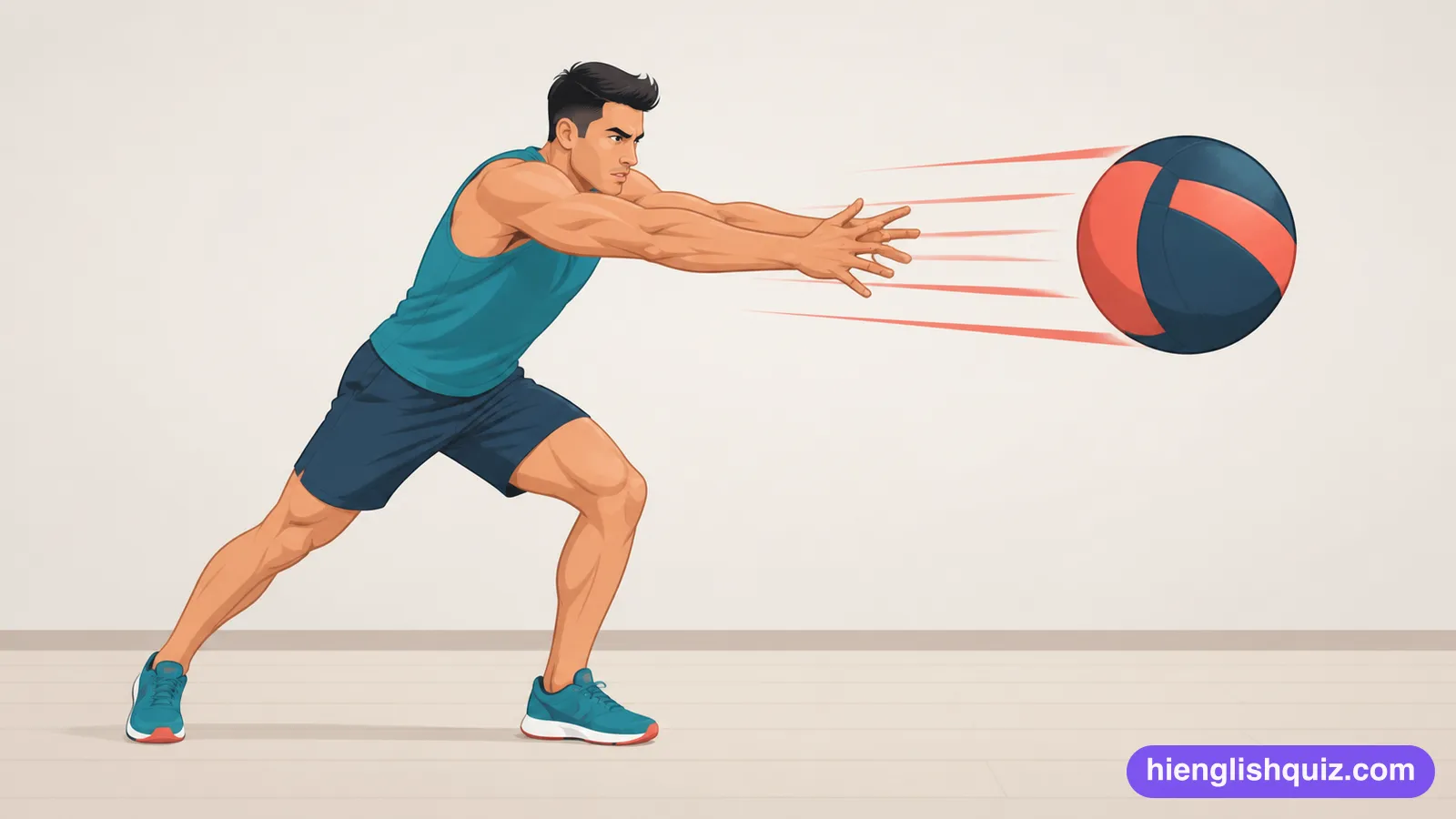
To push something suddenly and with force.
Example: He thrust his hands into his pockets.
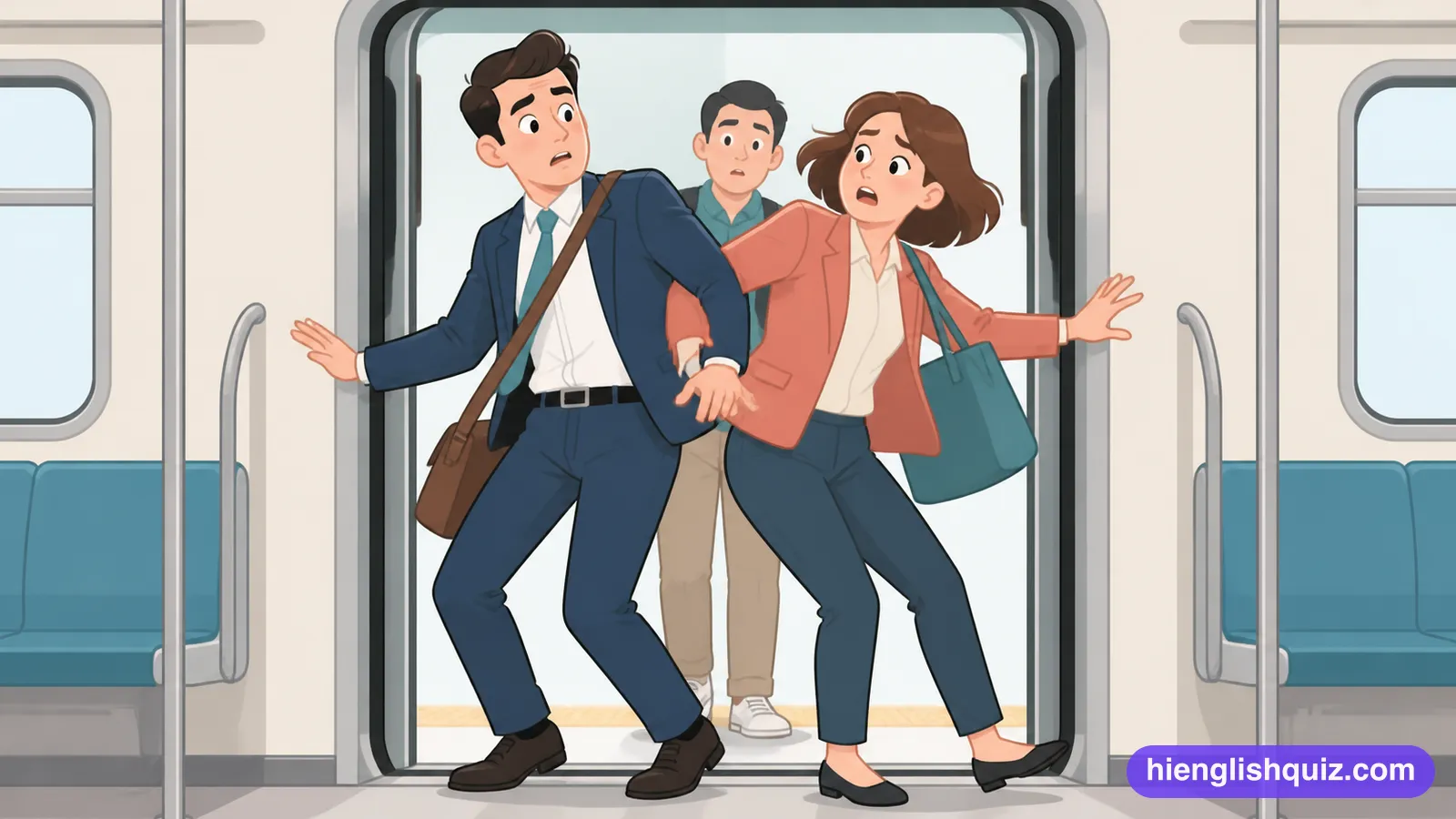
To push against people roughly in a crowd.
Example: Passengers jostled each other to get off the train.
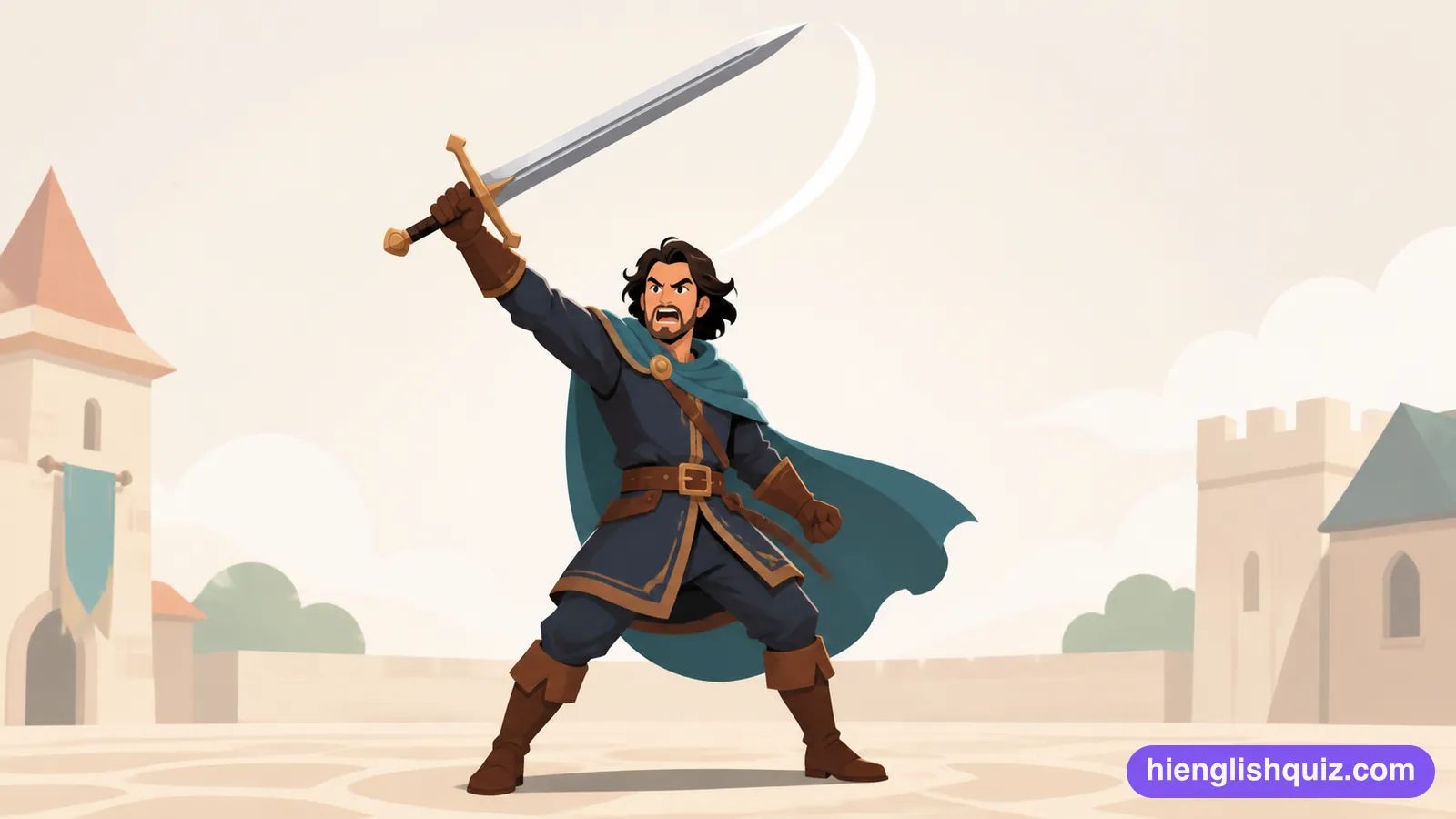
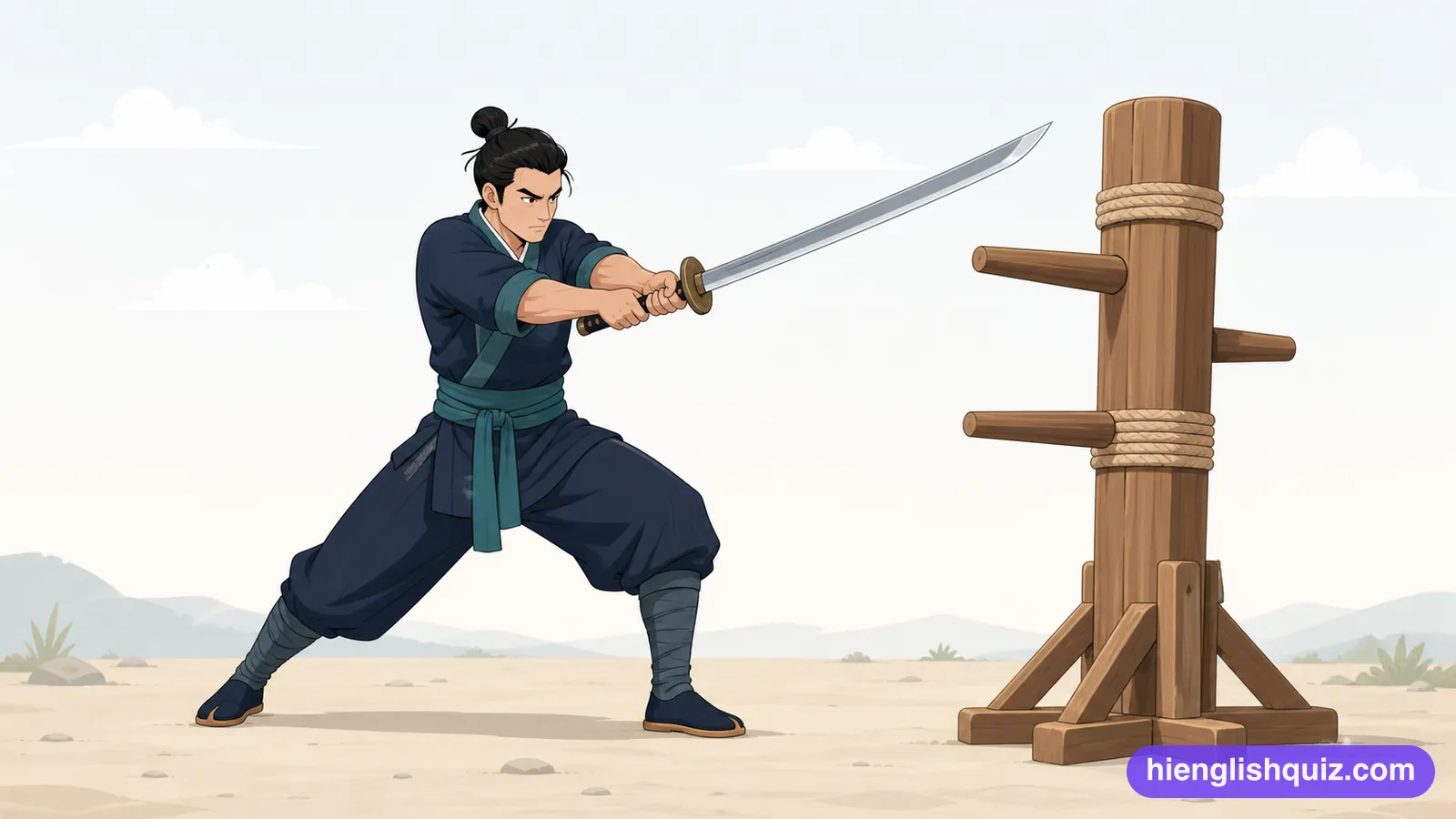
To wave something, especially a weapon or object, in a threatening or excited way.
Example: He burst in brandishing a rolled-up newspaper.
To hold and use something, especially a tool or weapon.
Example: It takes both hands to wield a scythe properly.
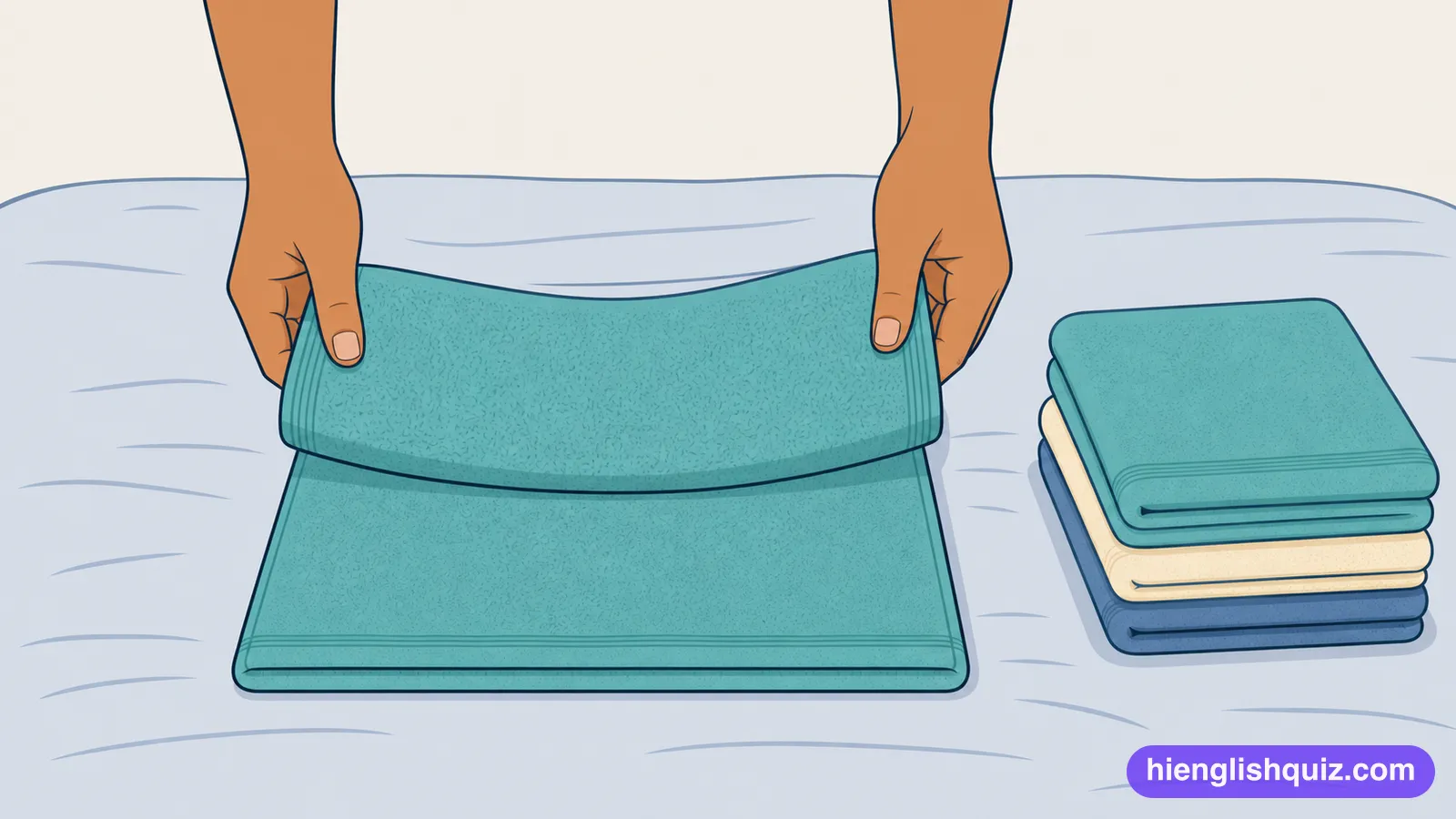
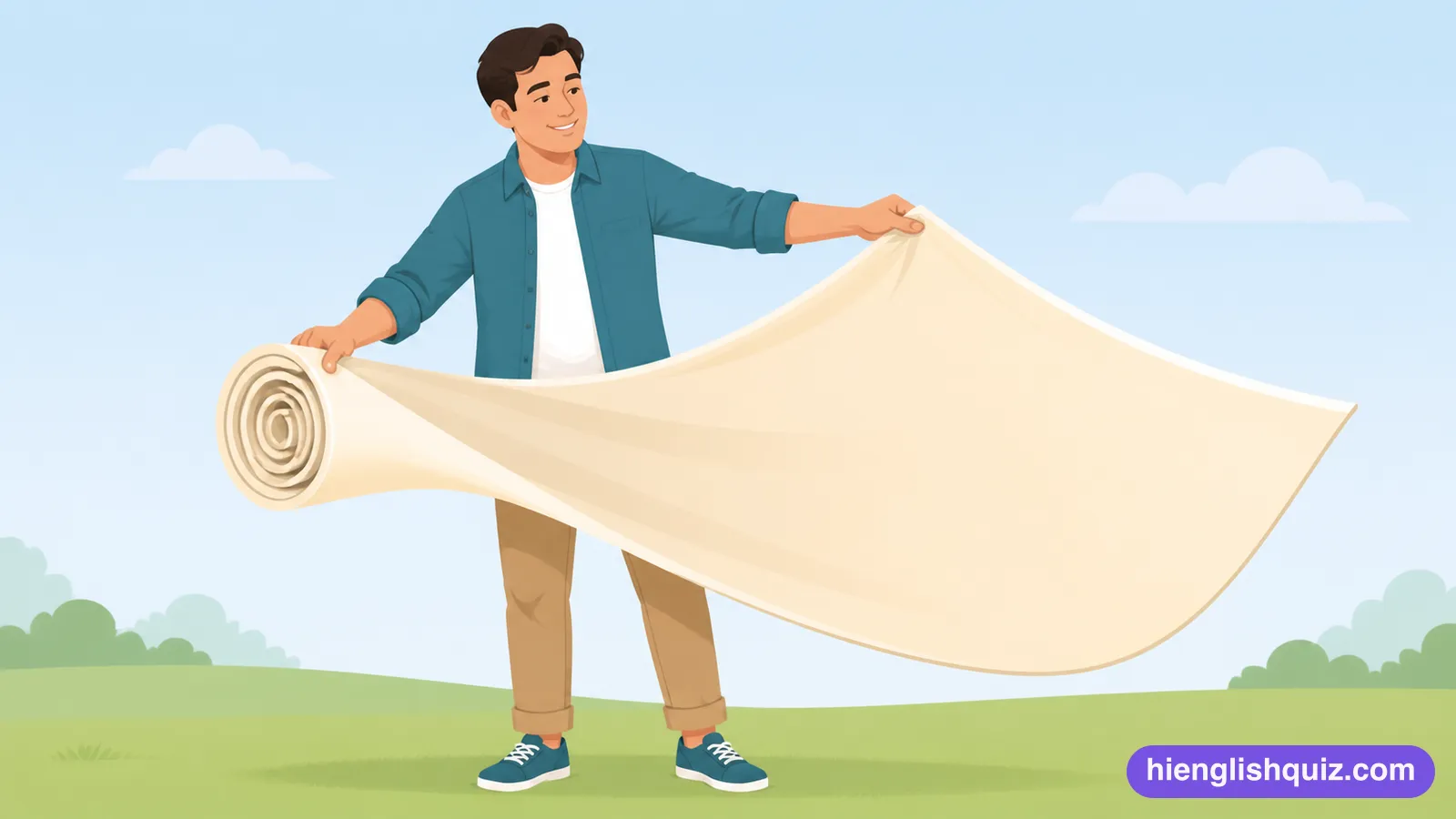
To open something that was rolled or folded up.
Example: It takes two people to unfurl the banner in any wind.
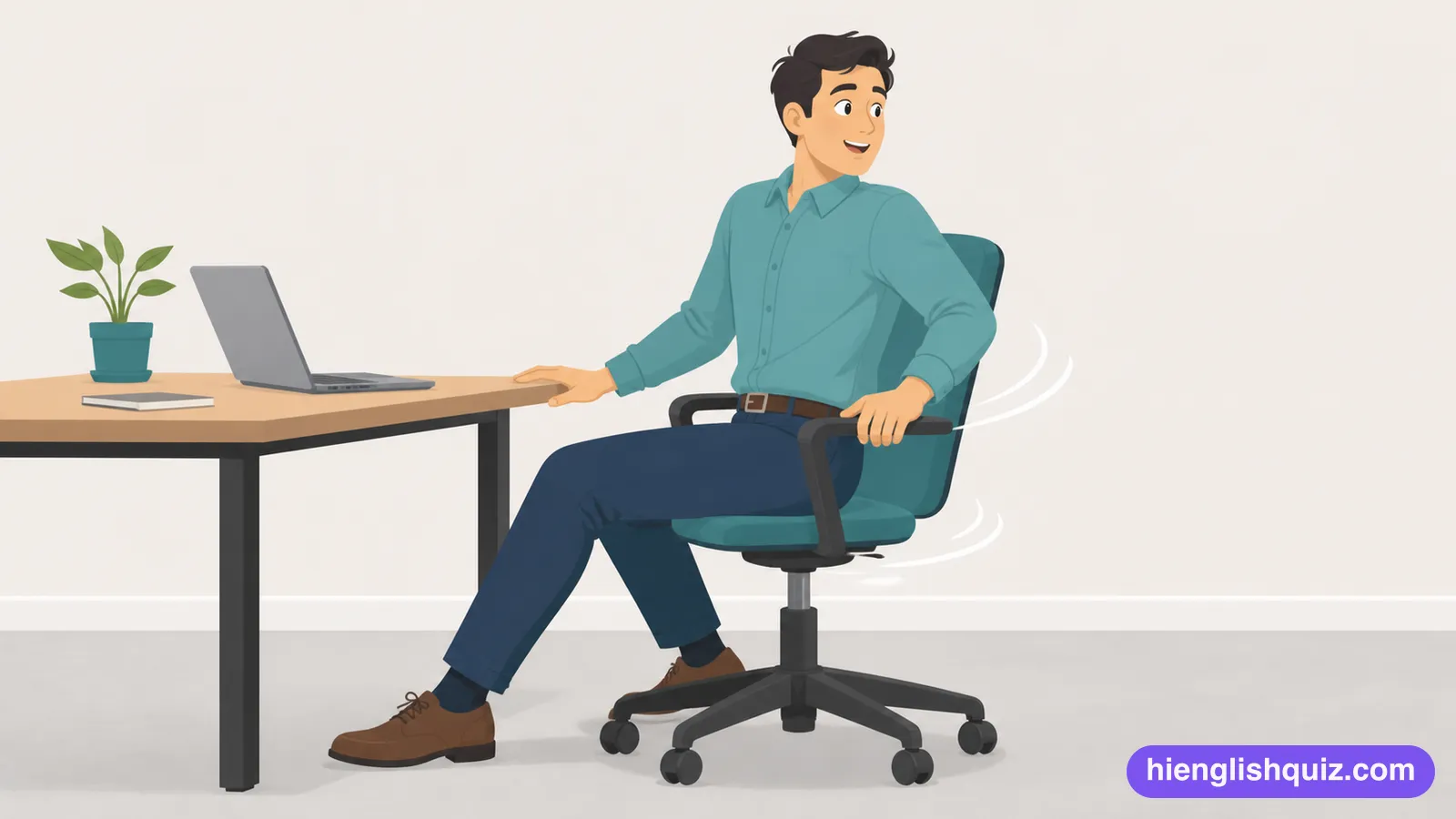
To turn round while staying in the same place.
Example: The chair will swivel but it will not go up or down.
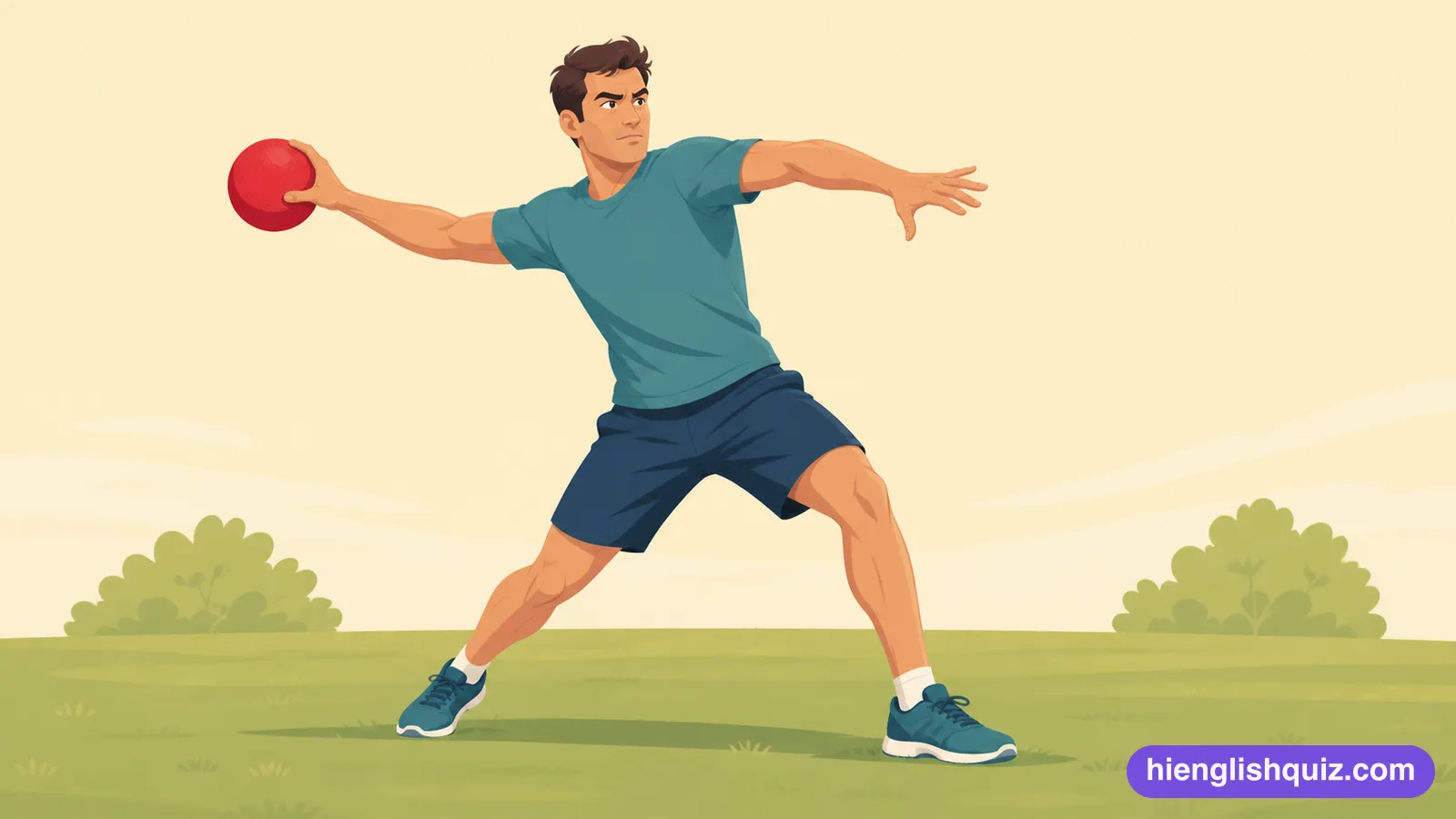
To throw something carelessly and with force.
Example: He would fling his coat at the hook and usually miss.
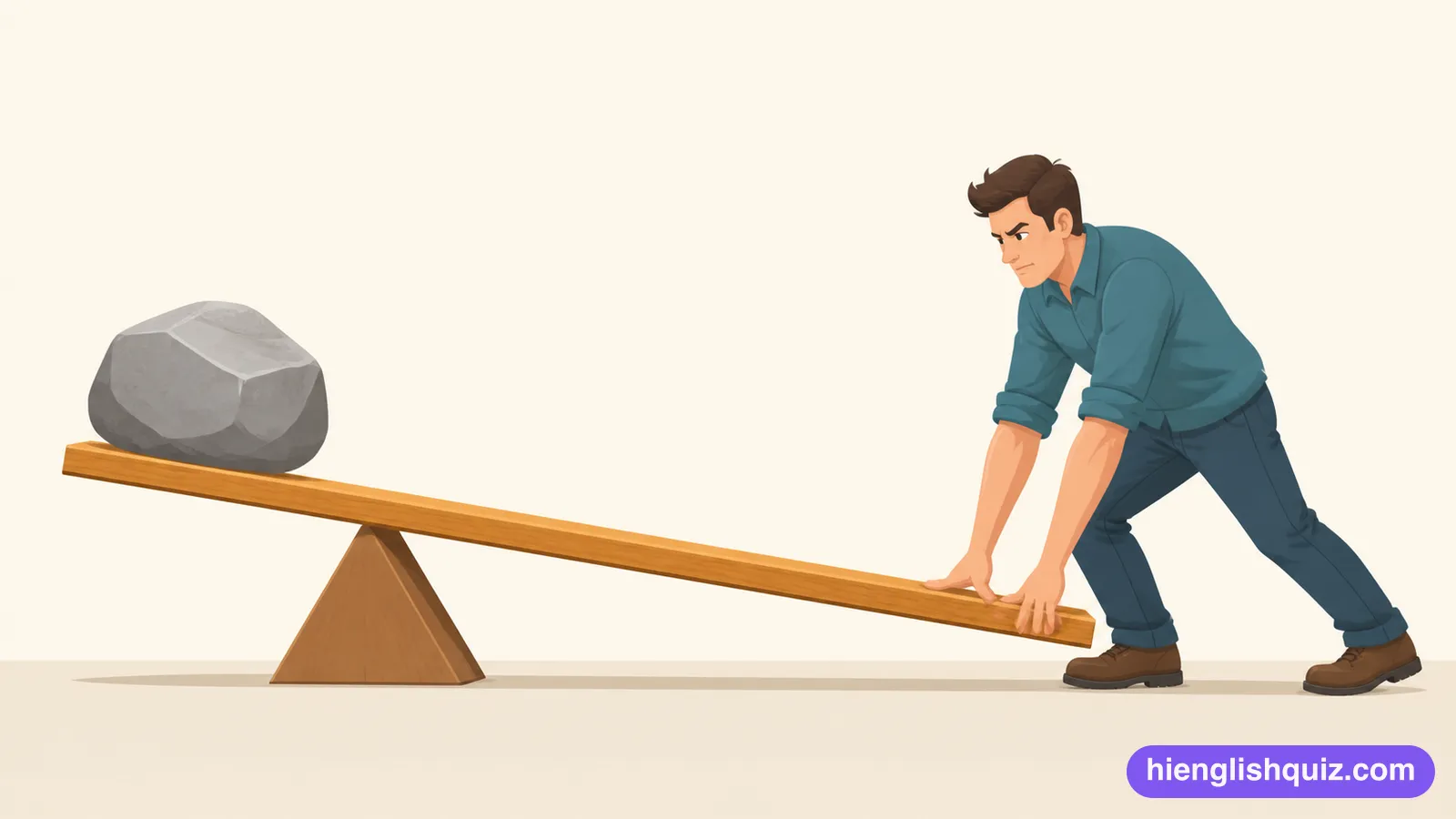
To move something using a bar and a fixed point.
Example: You have to lever the flagstone up with a spade.
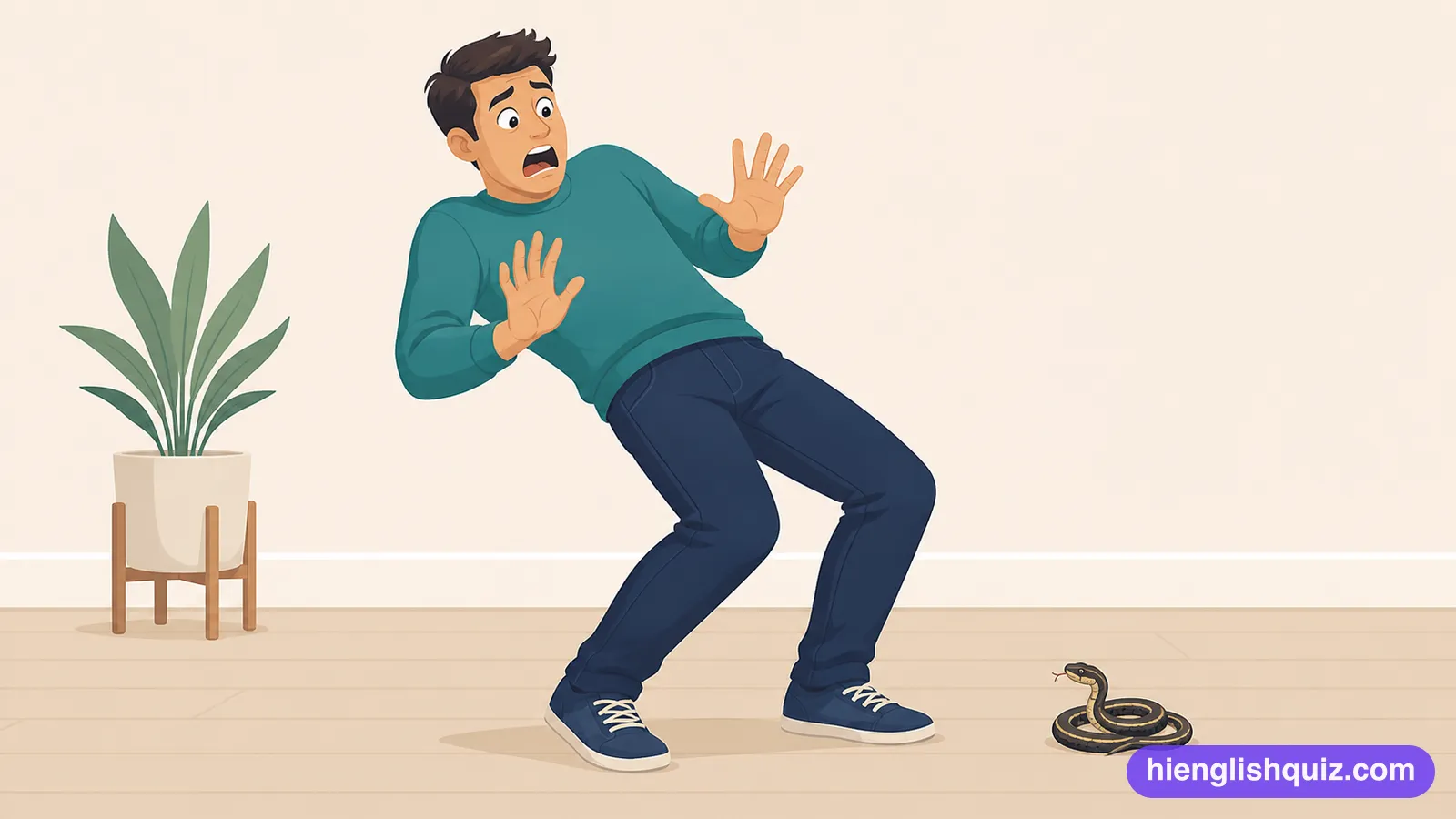
To move back suddenly because of shock or fear.
Example: Everyone would recoil the first time they touched it.
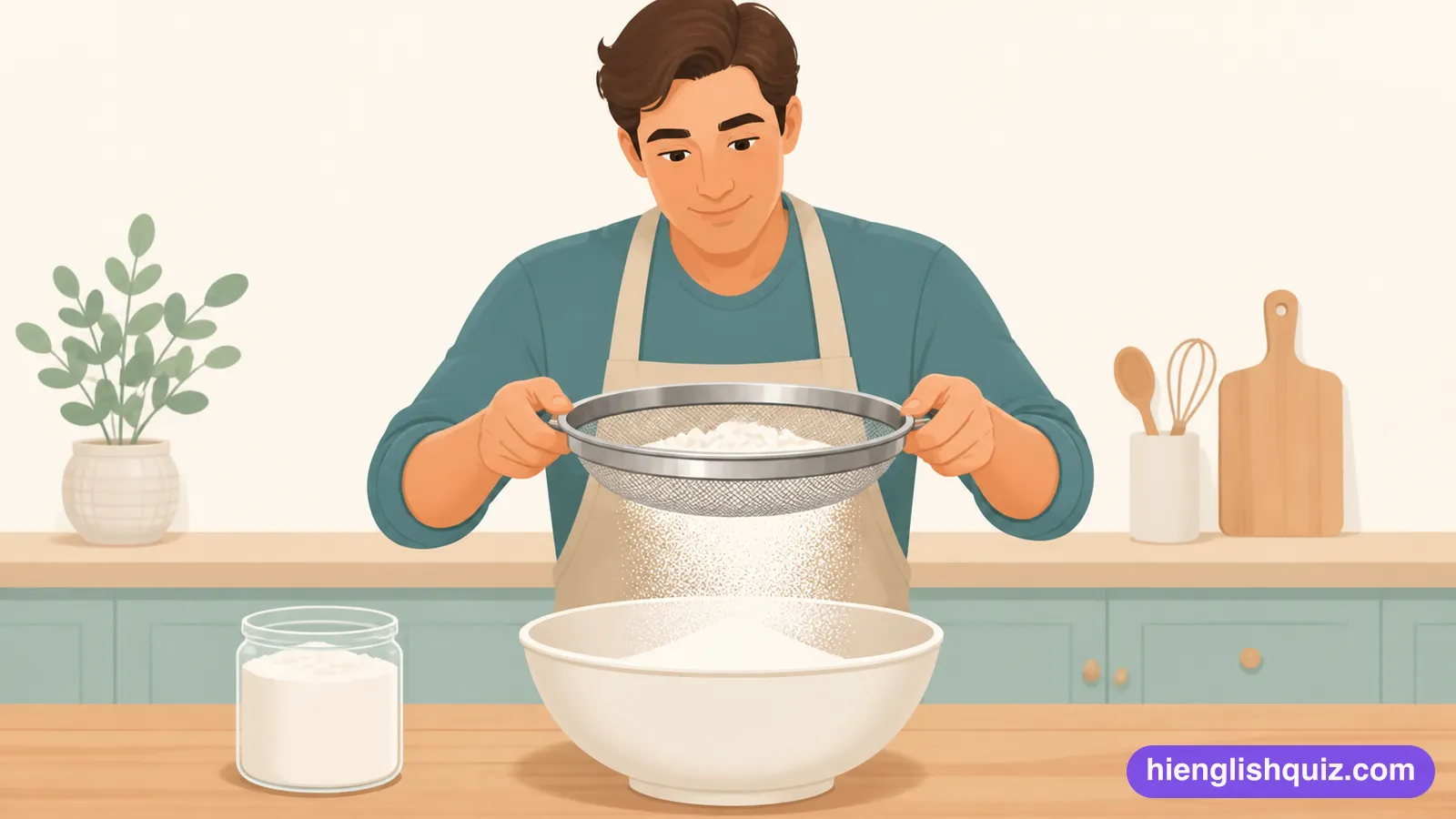
To pass something through a fine mesh to separate it.
Example: She would sift the whole bag before starting.
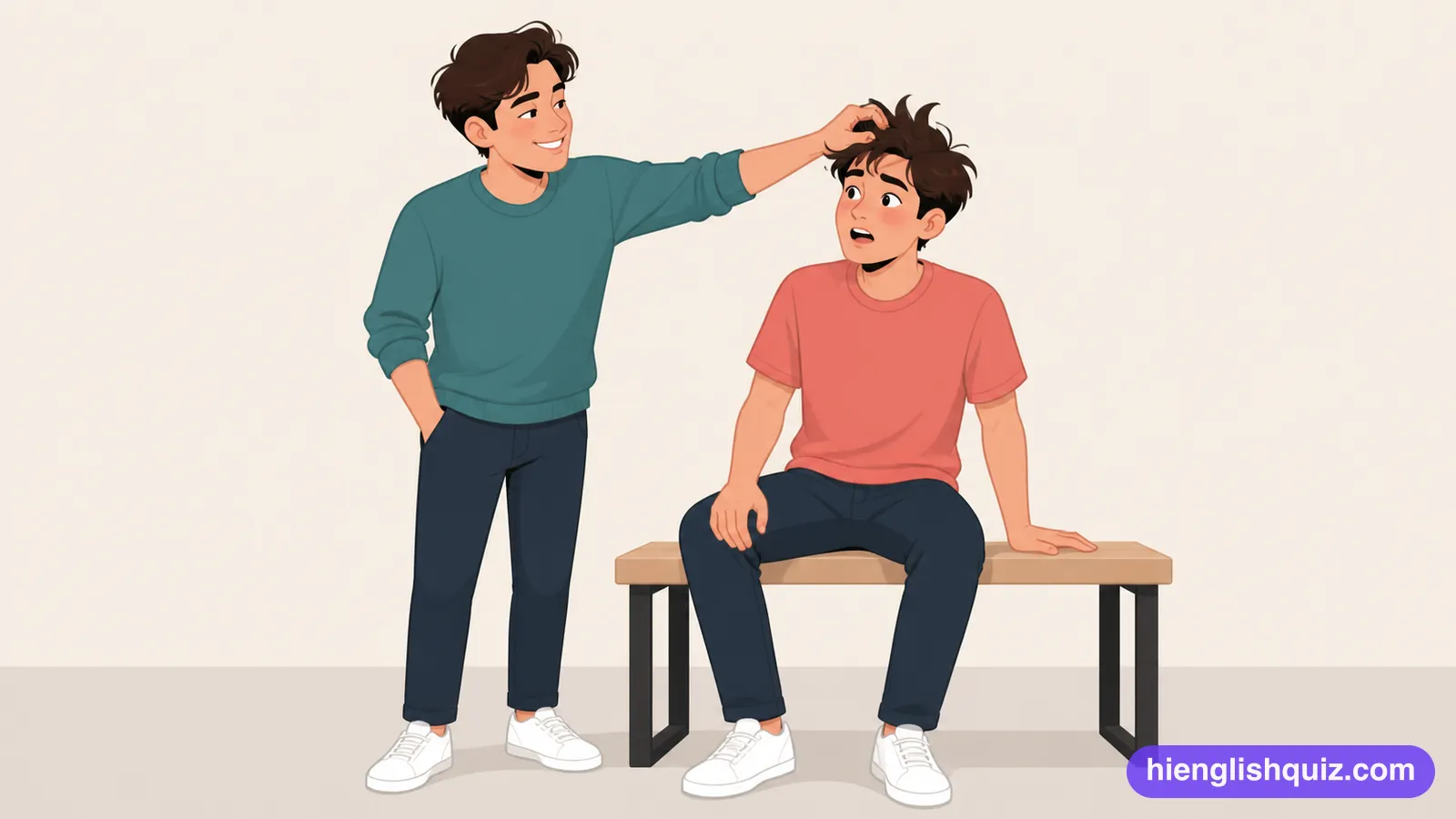
To disturb the smooth surface of something.
Example: The wind would ruffle every paper on the desk.
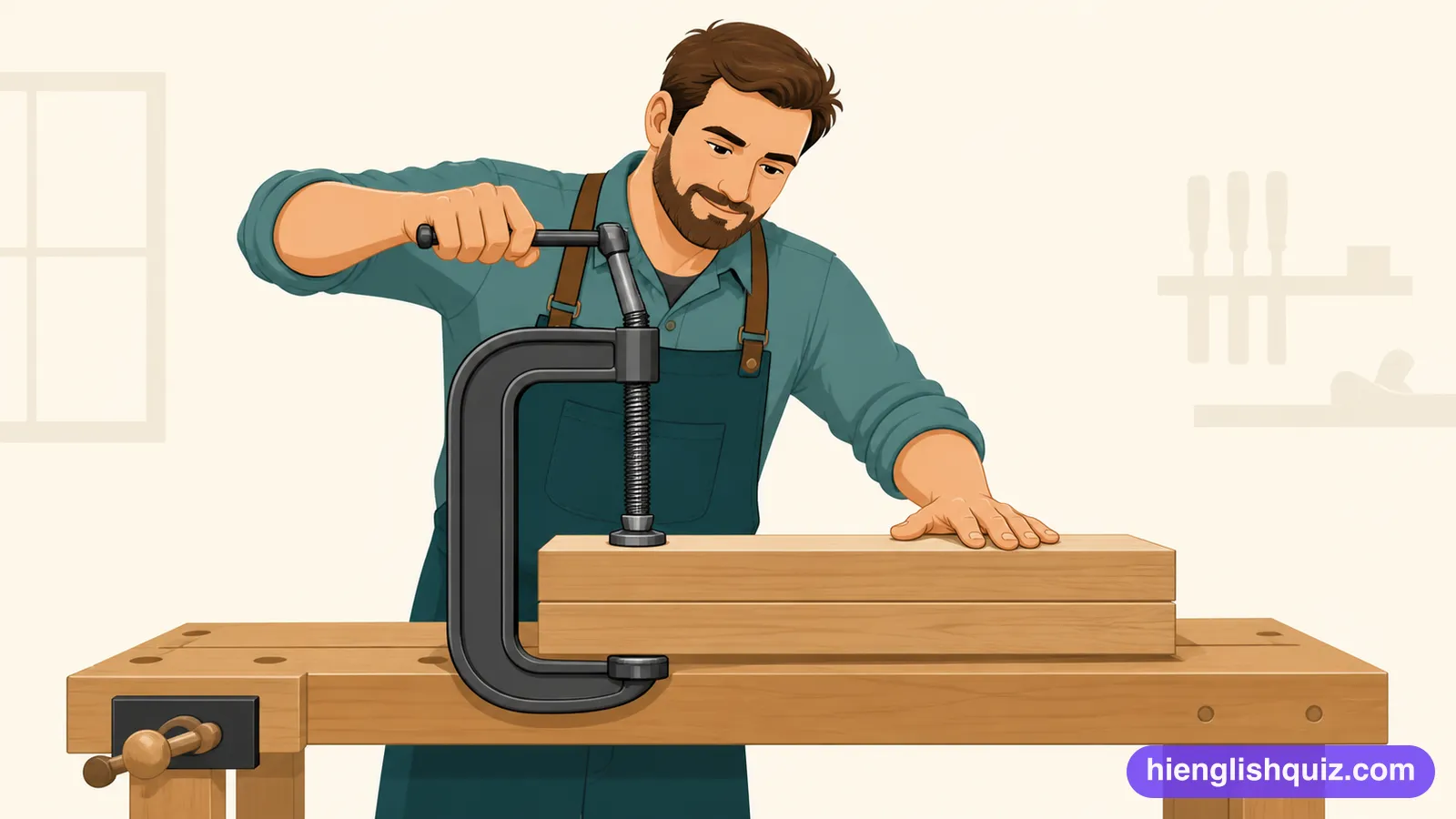
To hold something firmly in position.
Example: You have to clamp the two pieces while the glue sets.
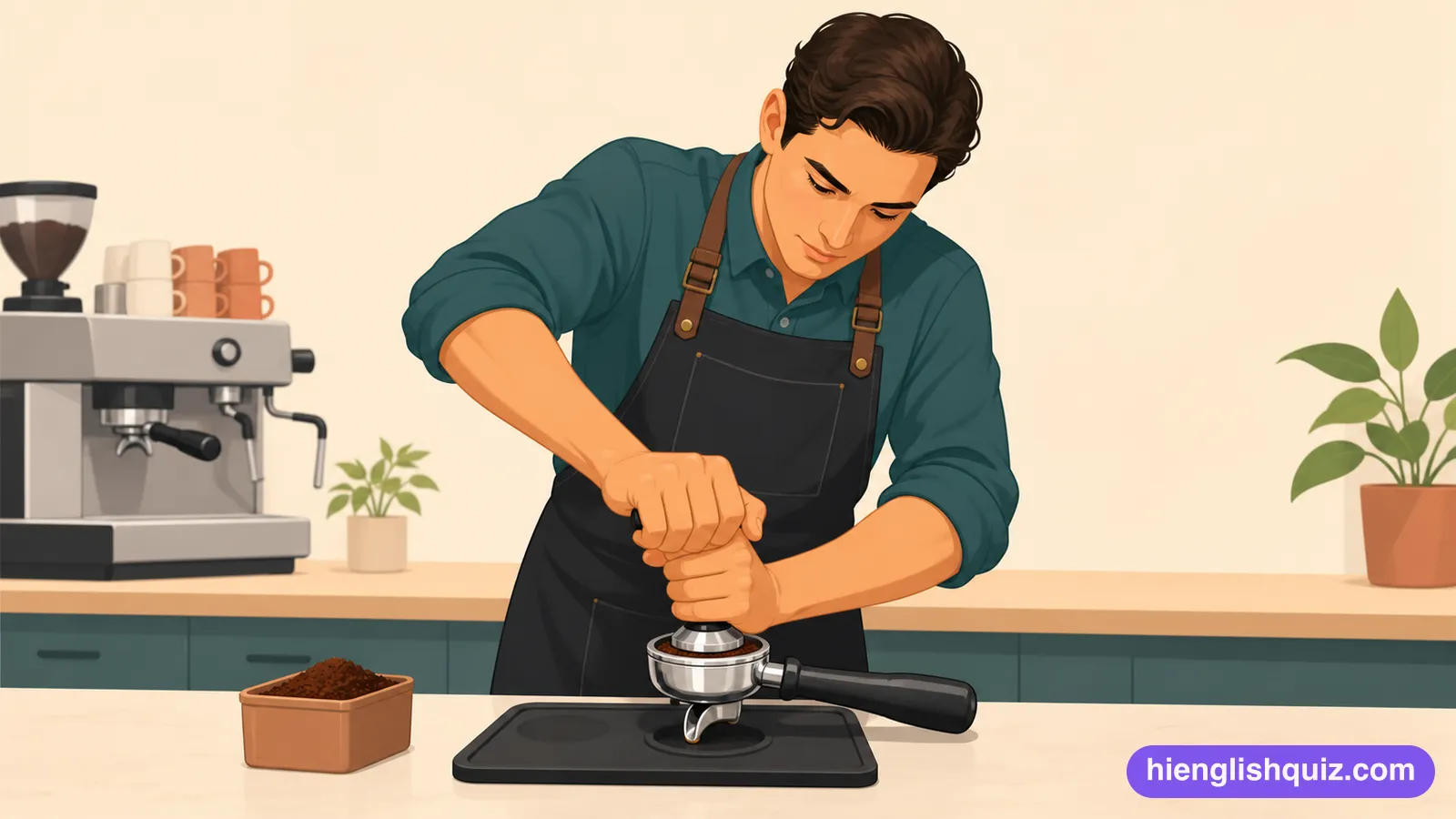
To press something down firmly with repeated light blows.
Example: You have to tamp the soil round each plant.