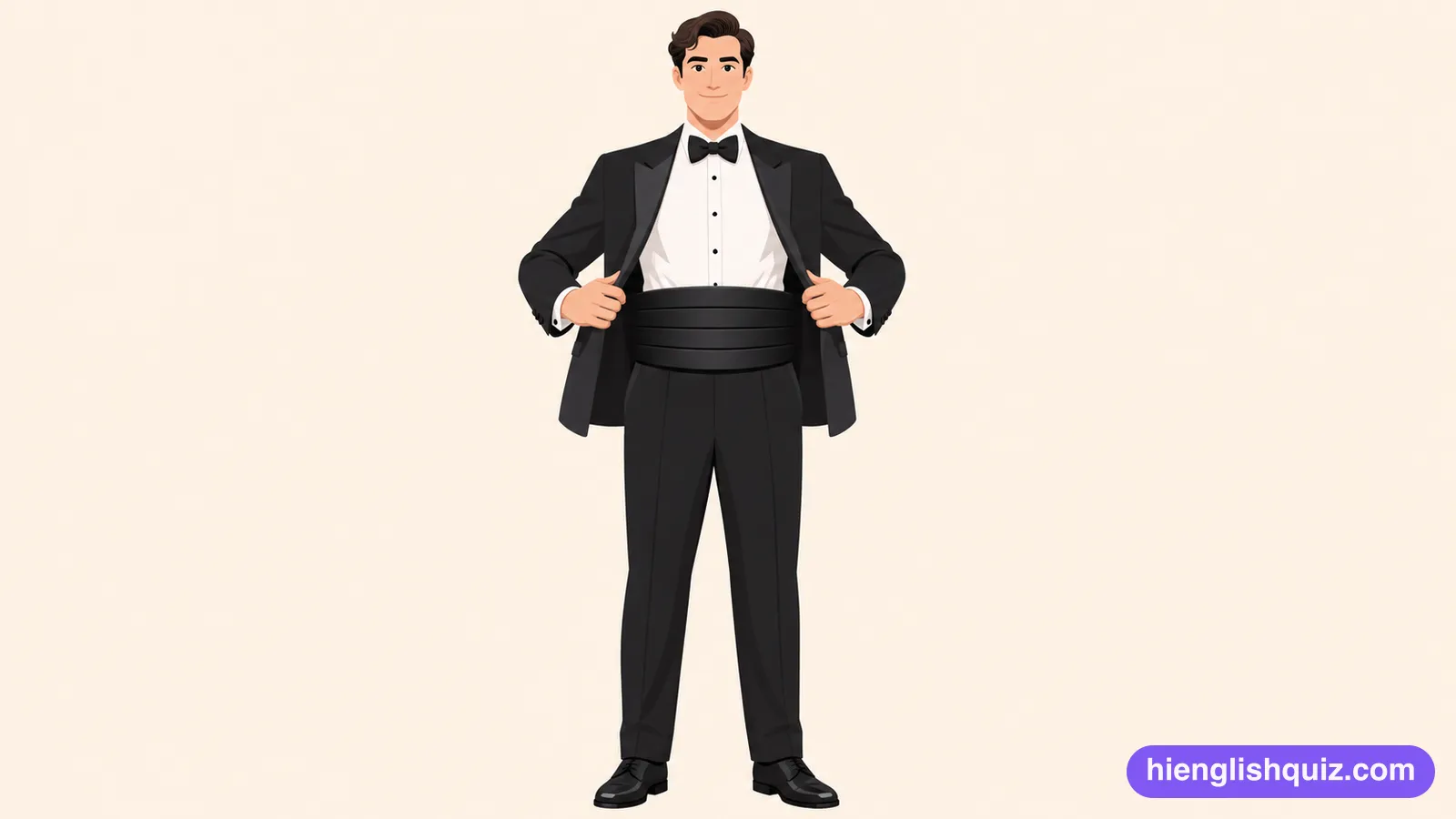
cummerbund
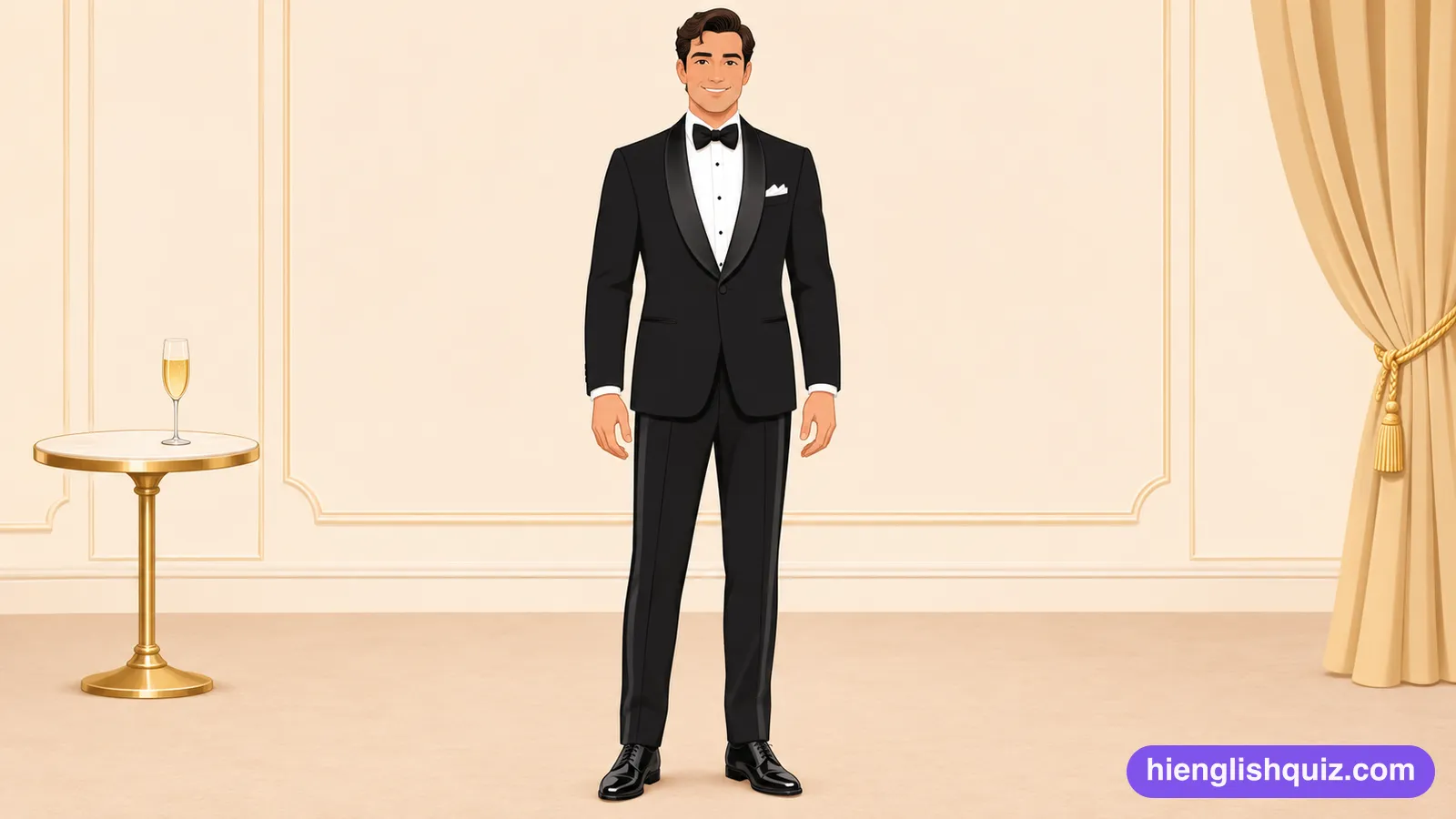
A wide band of cloth worn around the waist with a dinner suit.
Example: He wore a red cummerbund with his black dinner jacket.
 Hi EnglishQuiz
C224 words · Proficient
Rare and historical clothing items such as a cummerbund, jodhpurs, petticoat, fedora and cloak, plus words that describe how clothes look, fit or wear out, such as figure-hugging, ill-fitting, frayed and moth-eaten.
A wide band of cloth worn around the waist with a dinner suit.
Example: He wore a red cummerbund with his black dinner jacket.
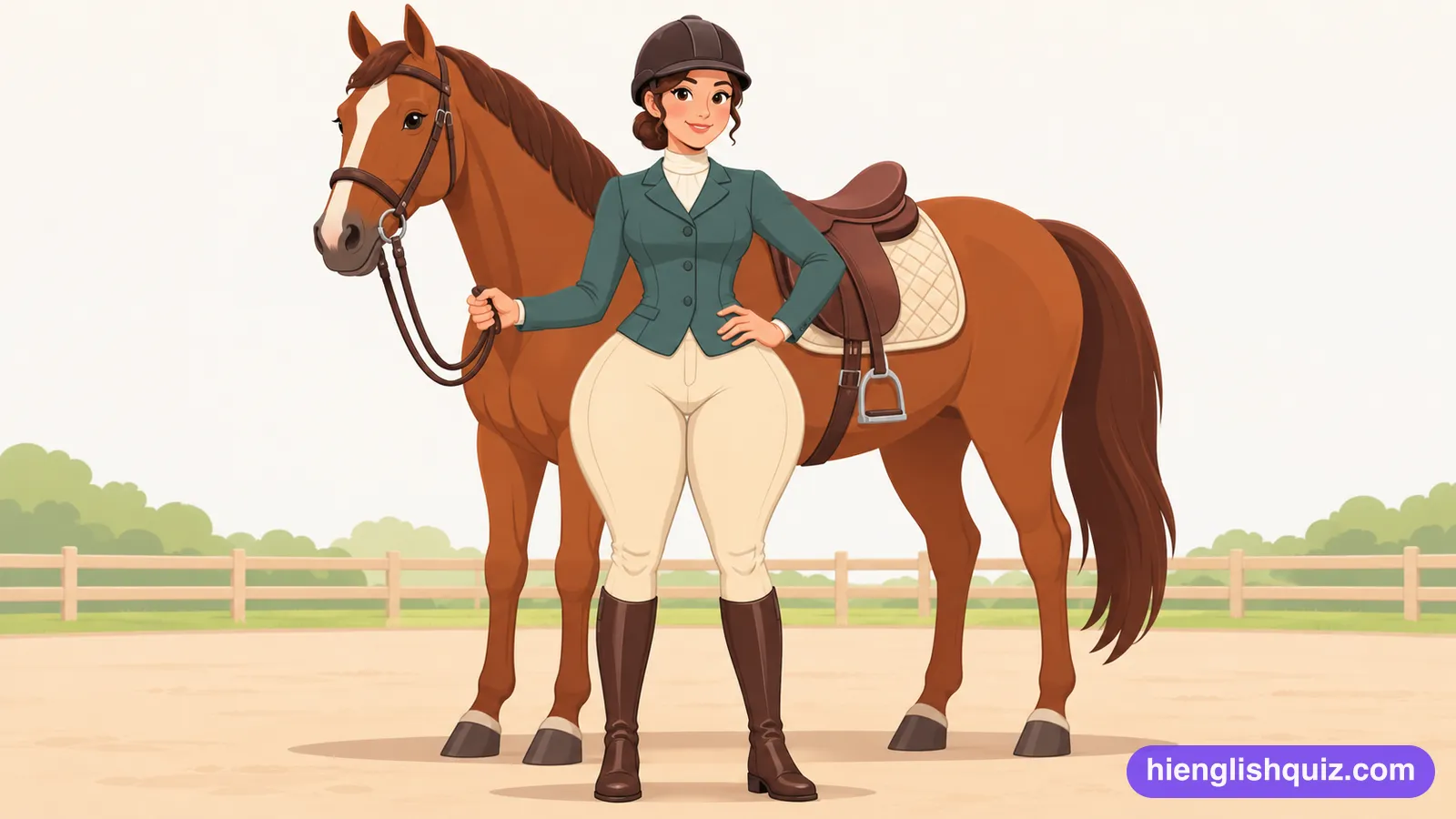
Trousers that are loose above the knee and tight from the knee to the ankle, worn for riding horses.
Example: She pulled on her jodhpurs and boots before the riding lesson.
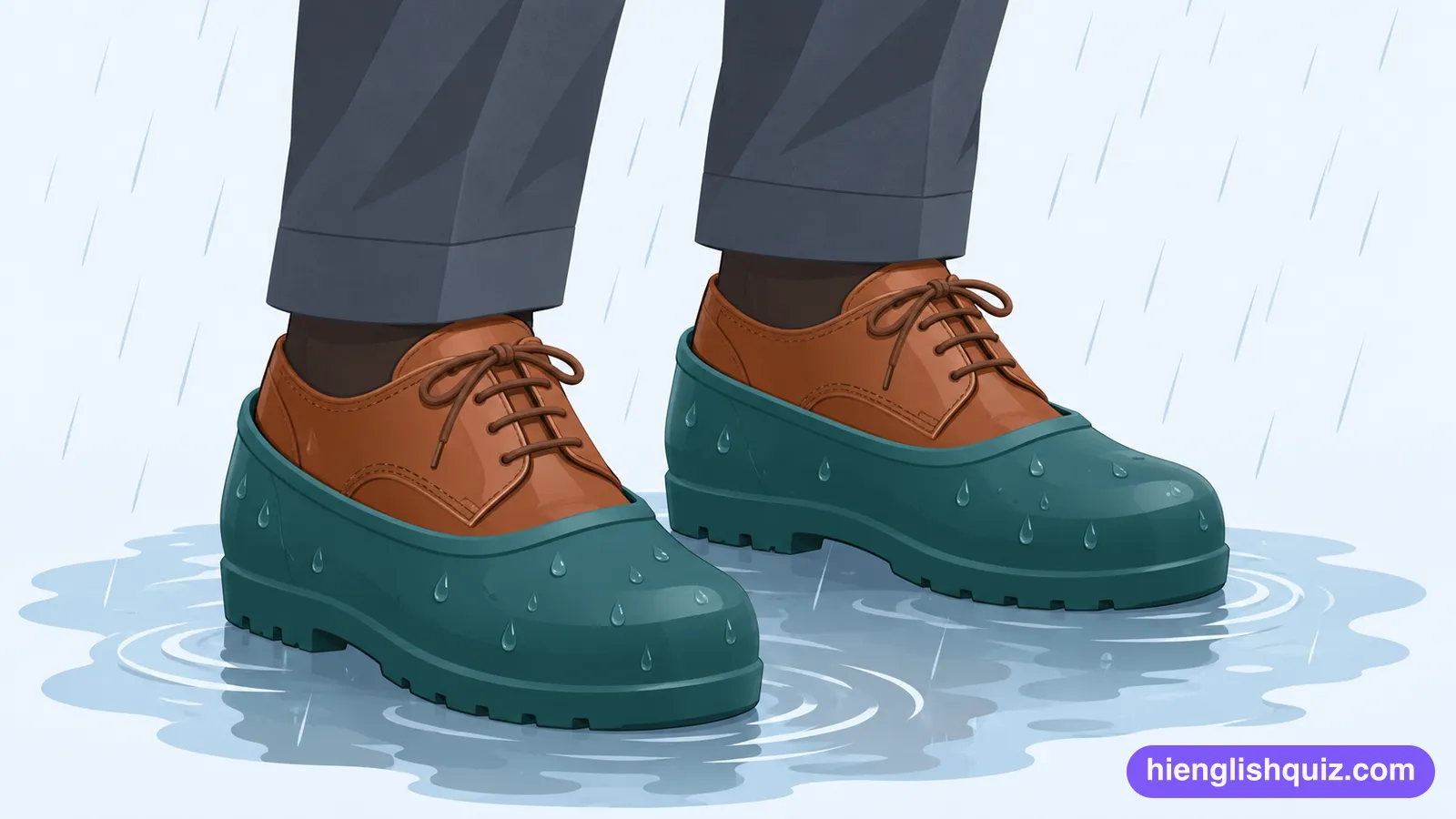
Waterproof rubber shoes worn over ordinary shoes to keep them dry.
Example: He kept his galoshes by the door for rainy days.
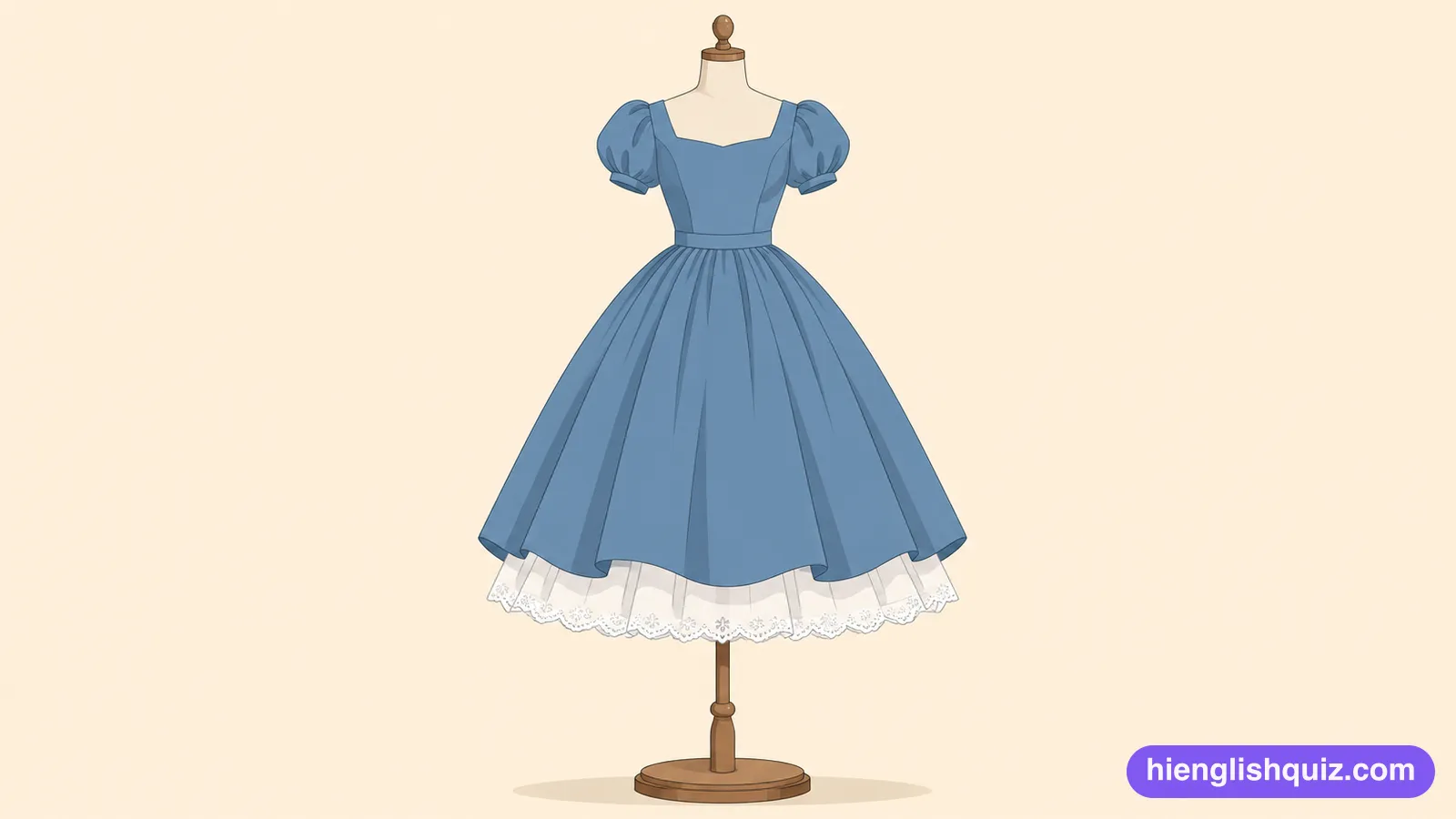
A thin skirt worn under a dress or skirt, often to make it look fuller.
Example: The petticoat made her wide skirt stand out.
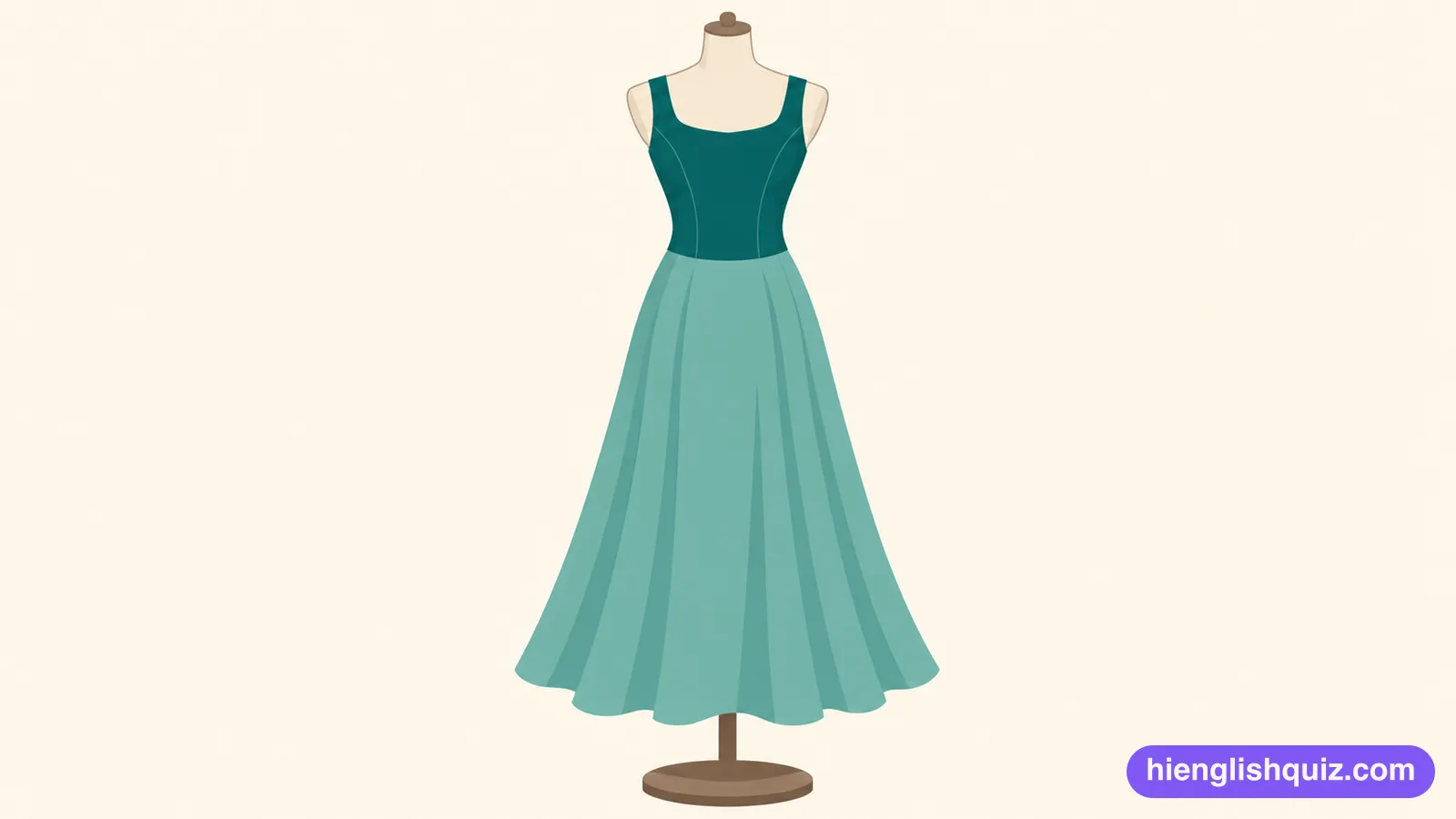
The upper part of a woman's dress, from the shoulders to the waist.
Example: The dress had a tight bodice and a long, full skirt.
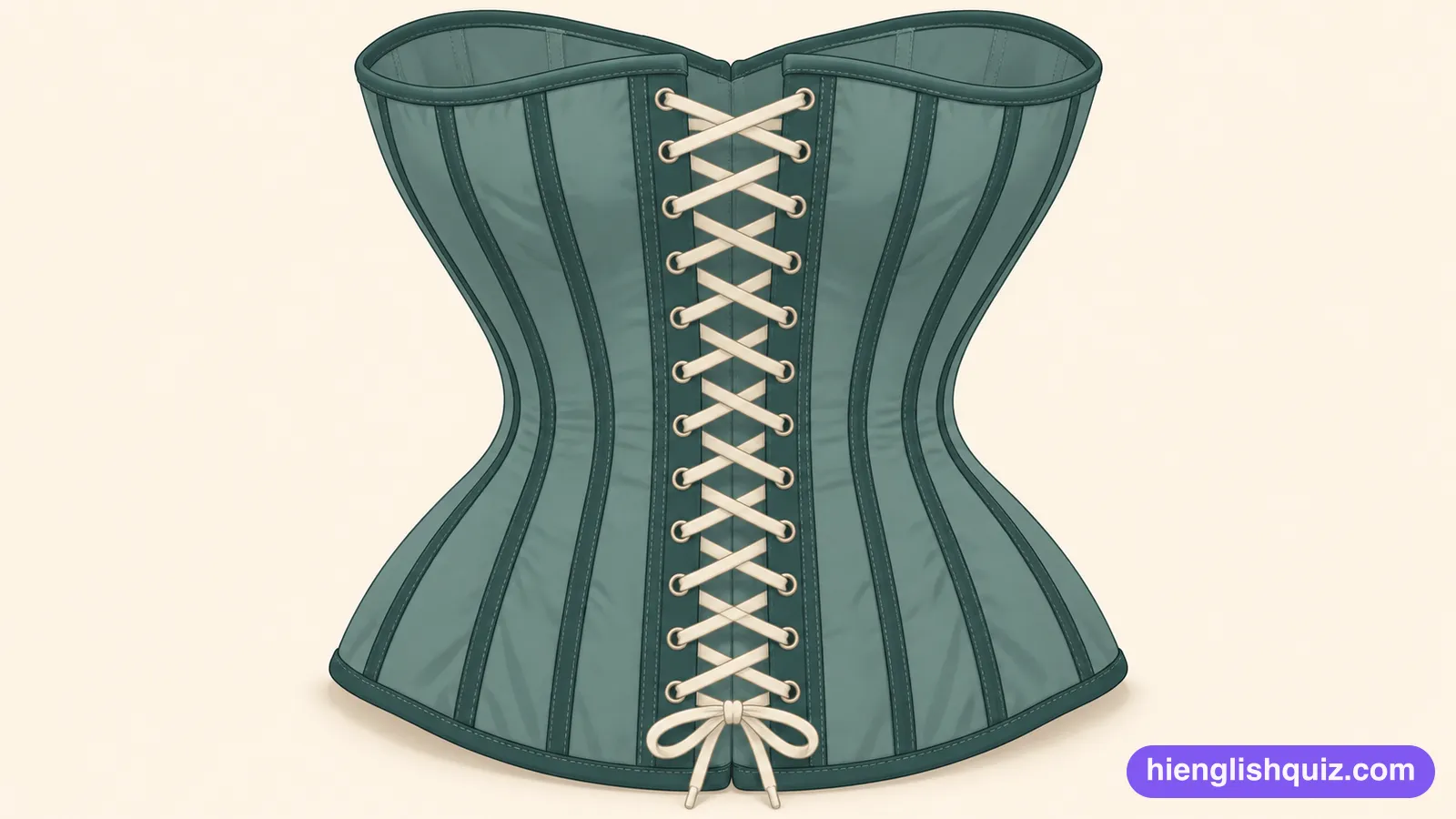
A tight undergarment with stiff strips that pulls in the waist.
Example: In the painting, the woman wears a laced corset under her dress.
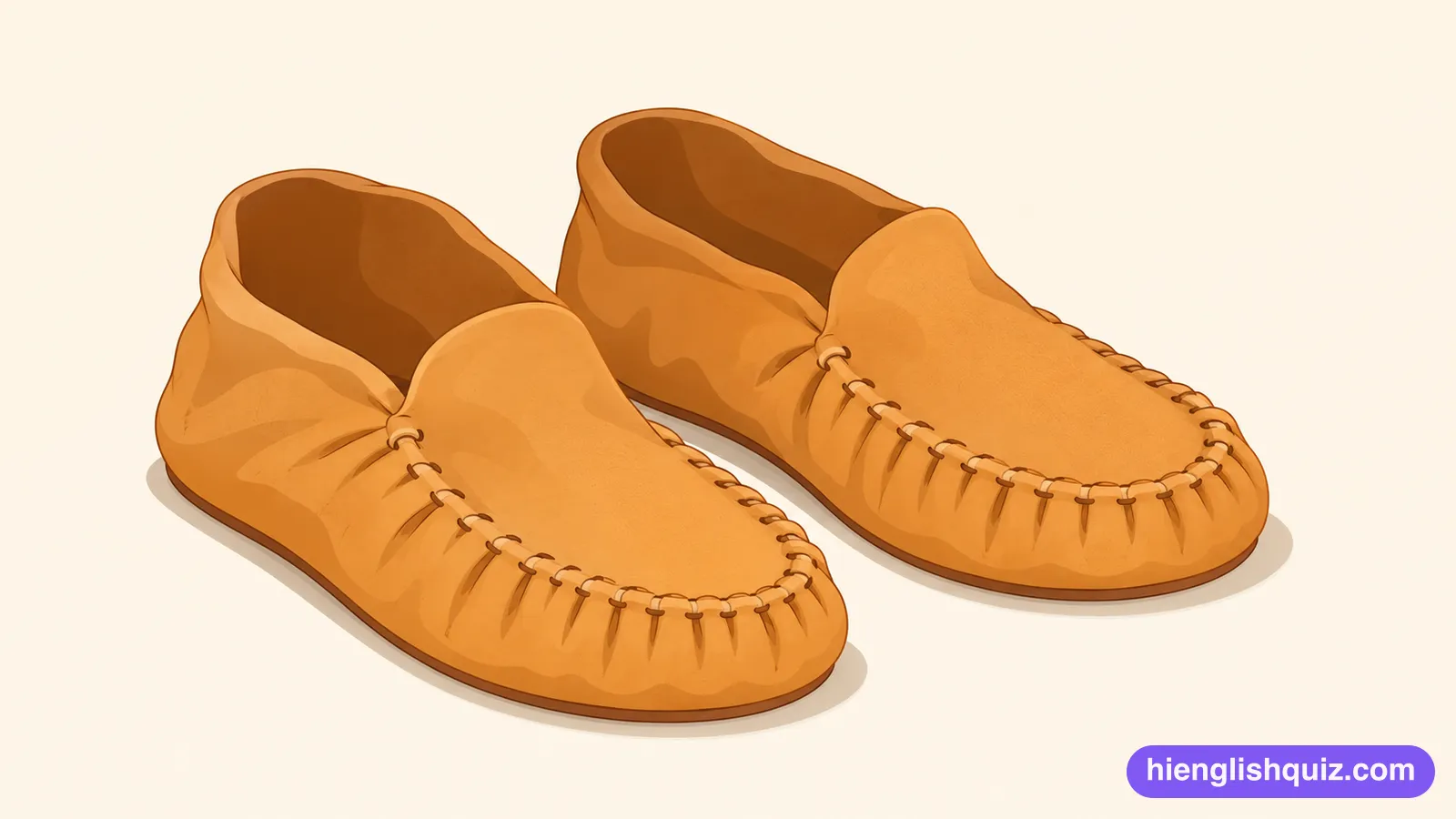
Soft, flat leather shoes with stitching around the top at the front, first made by some Indigenous peoples of North America.
Example: He padded around the cabin in a pair of old moccasins.
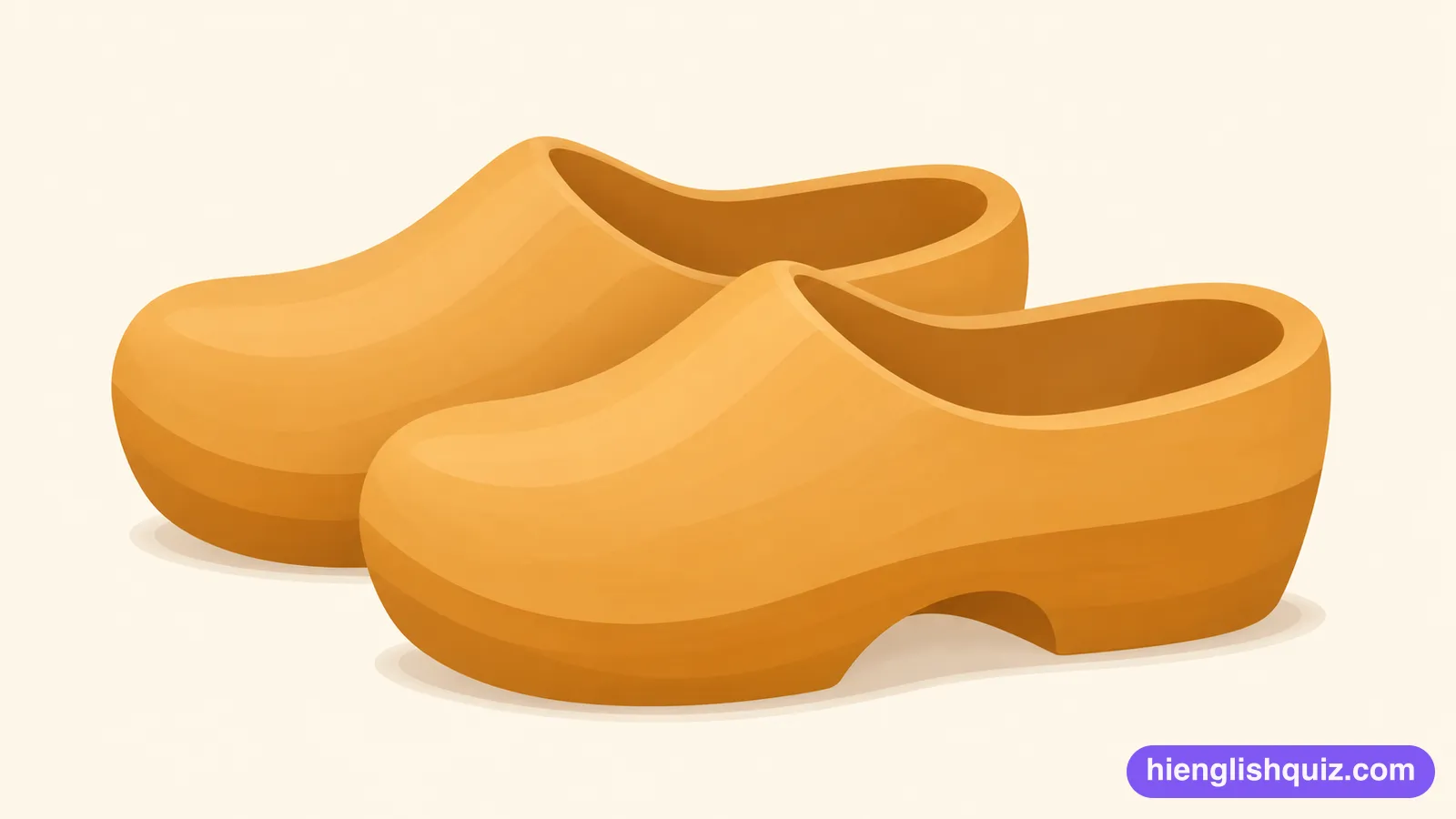
Shoes with thick wooden soles, traditionally worn in the Netherlands.
Example: The farmer left his muddy clogs outside the door.
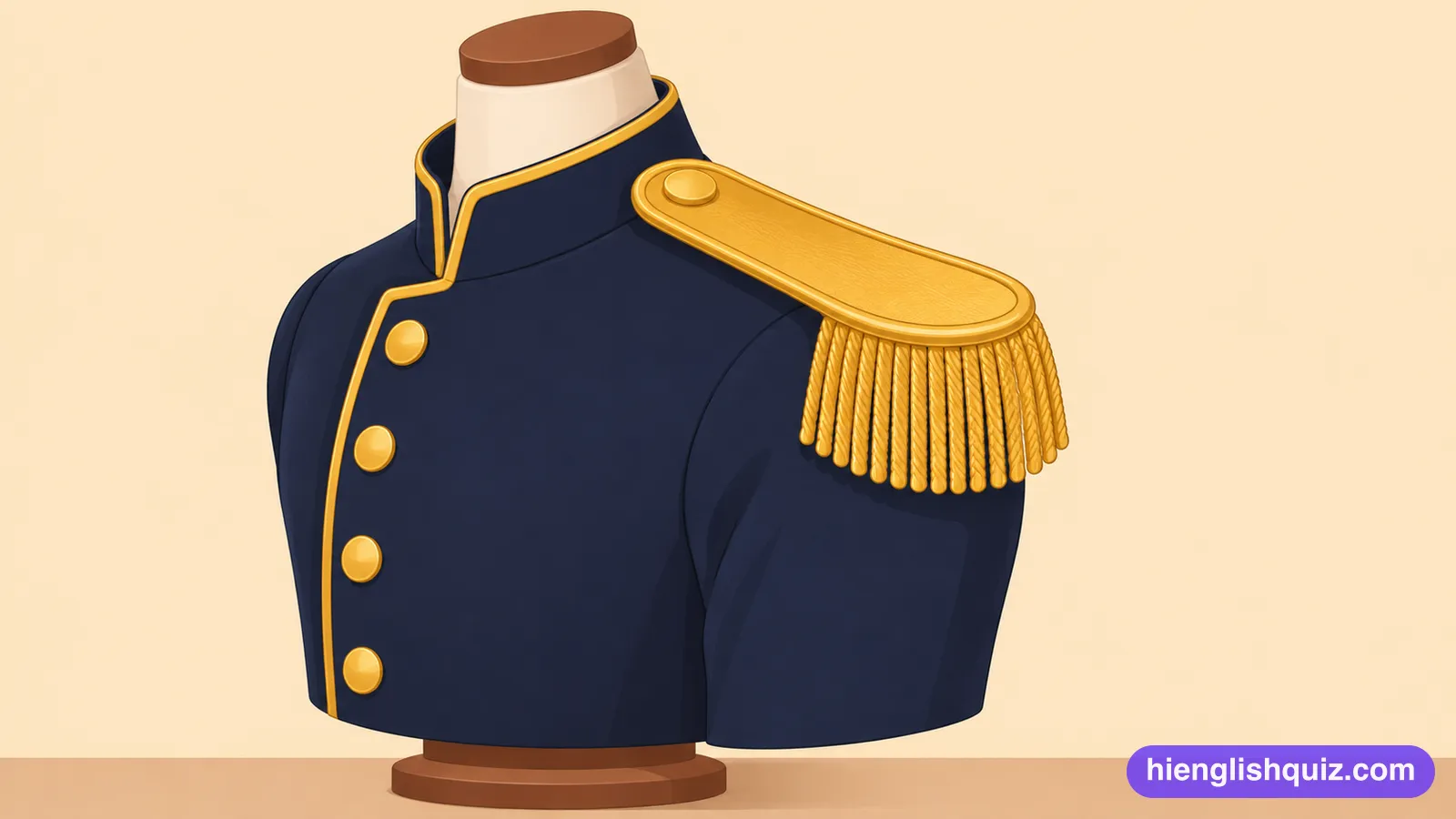
A decorated strip on the shoulder of a uniform jacket.
Example: A gold epaulette was sewn onto each shoulder of the general's uniform.
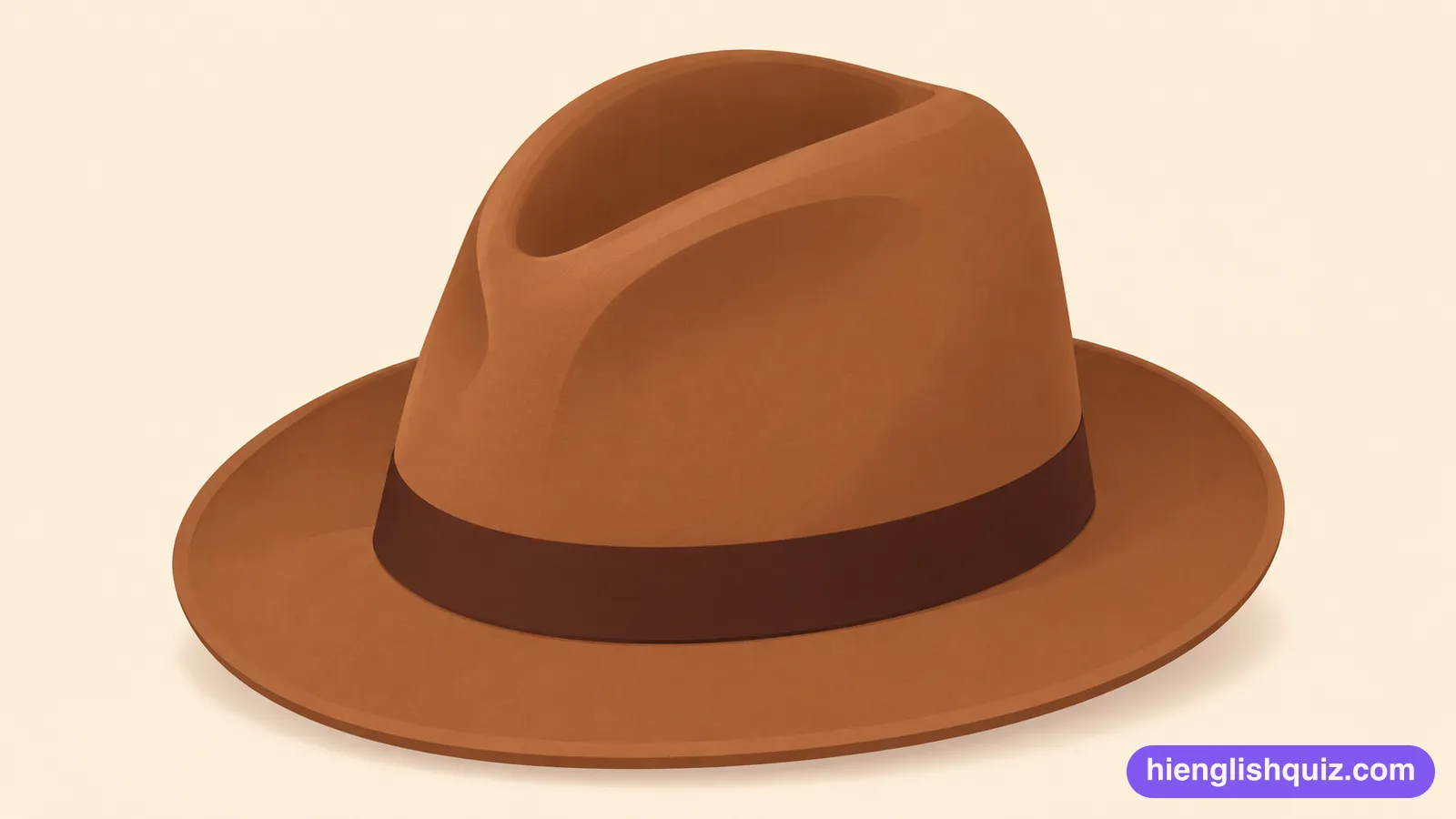
A soft felt hat with a brim and a dent along the top.
Example: The detective tipped his fedora and walked into the bar.
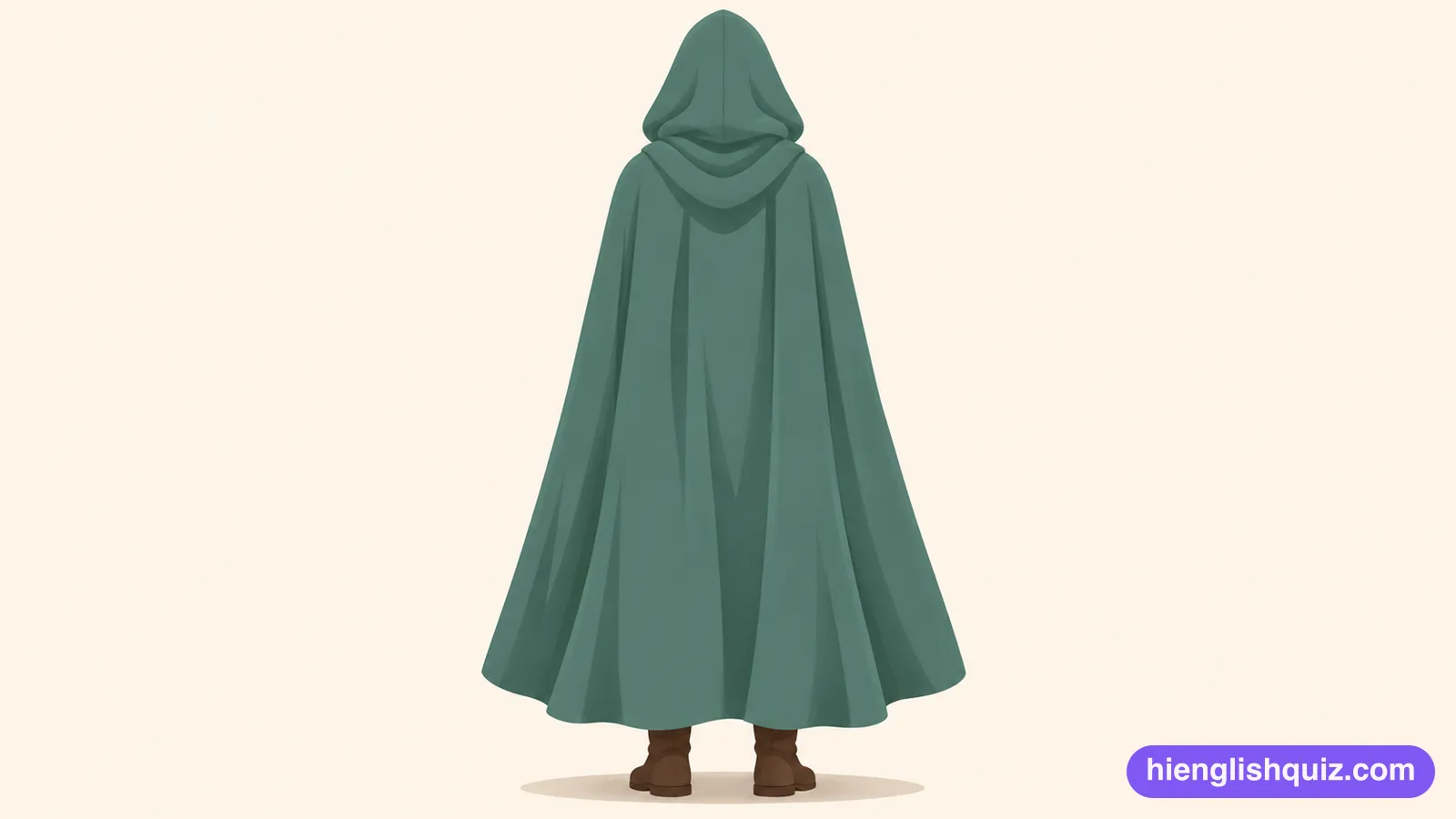
A long loose coat with no sleeves that hangs from the shoulders.
Example: The traveller wrapped his cloak tightly around himself in the wind.
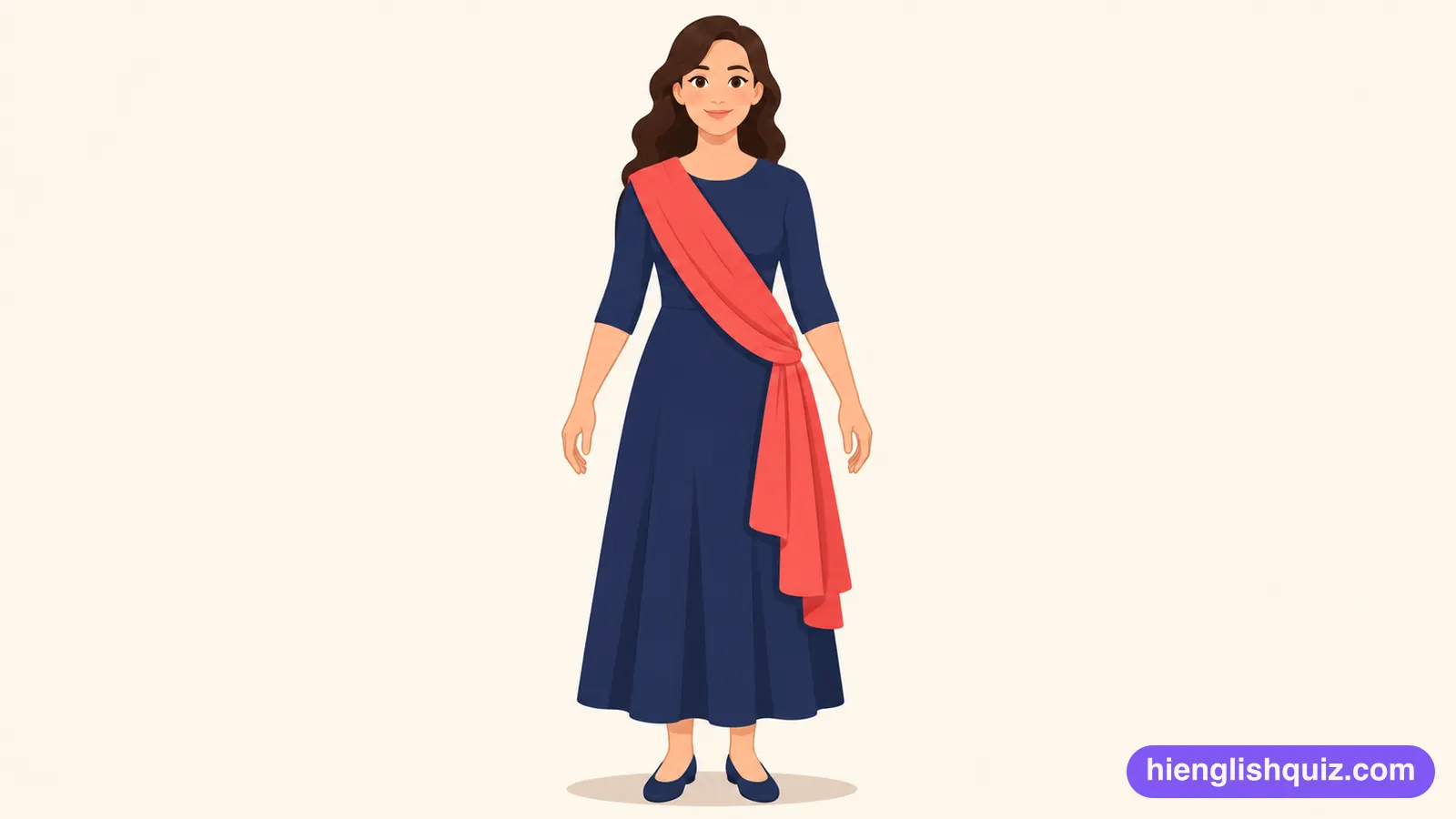
A long band of cloth worn around the waist or over one shoulder.
Example: The bride wore a blue sash around the waist of her white dress.
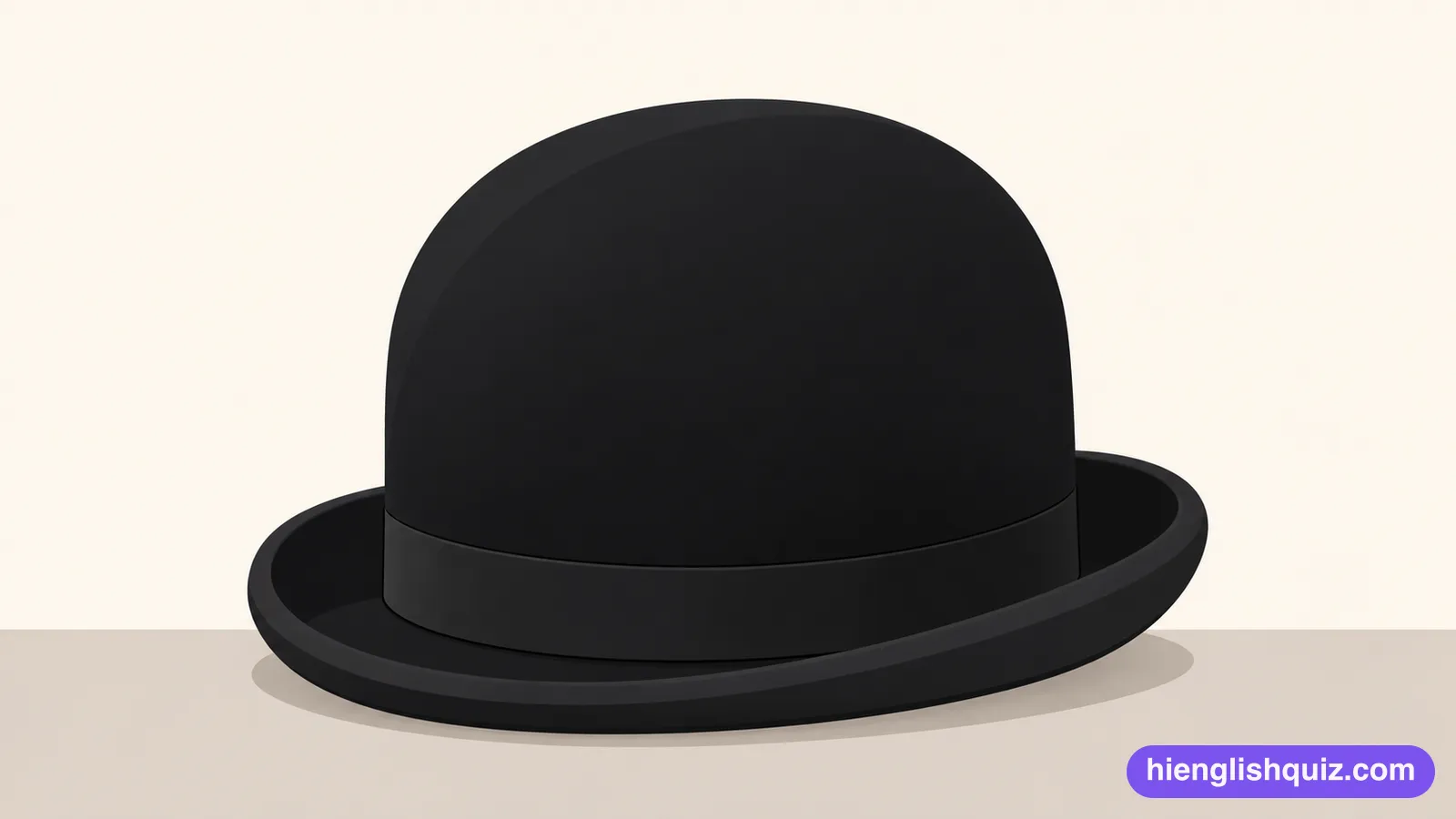
A hard round black hat with a narrow brim, often worn by British businessmen in the past.
Example: The banker in the old photo wore a bowler hat.
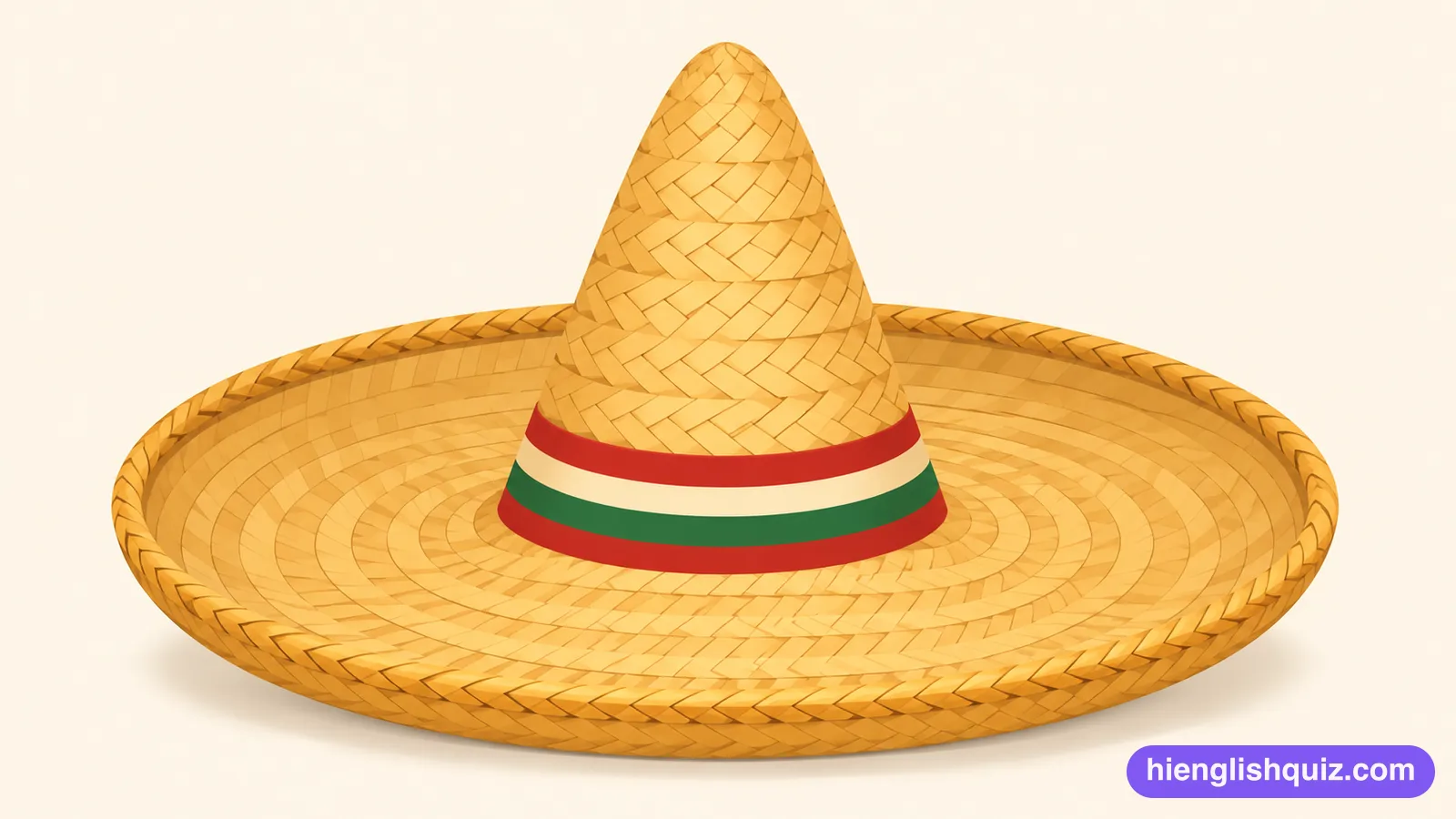
A tall hat with a very wide brim, worn in Mexico.
Example: He wore a large sombrero to keep the sun off his face.
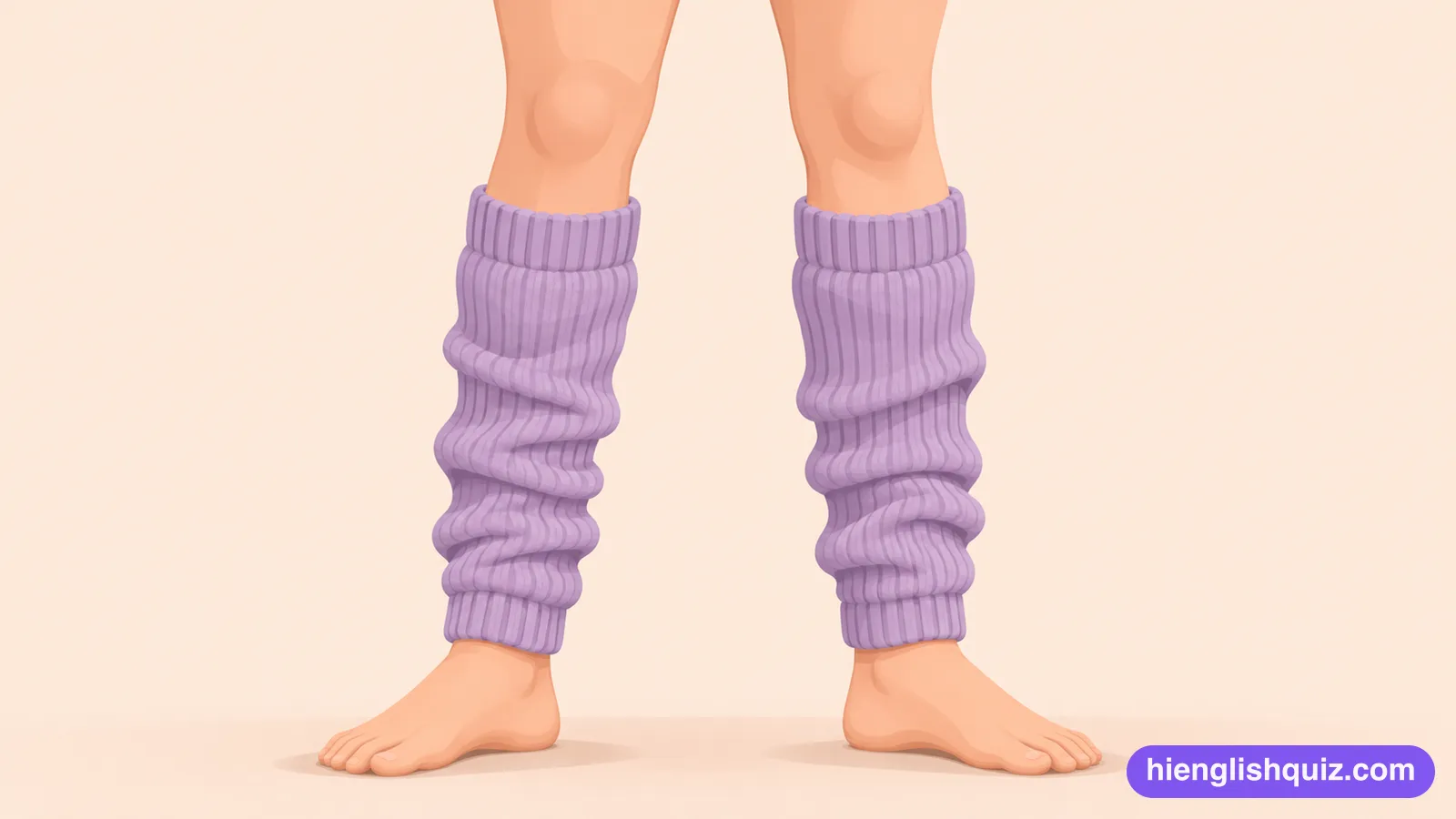
Tube-shaped coverings of soft cloth worn on the lower legs to keep them warm.
Example: The dancer pulled on her leg warmers before the class.
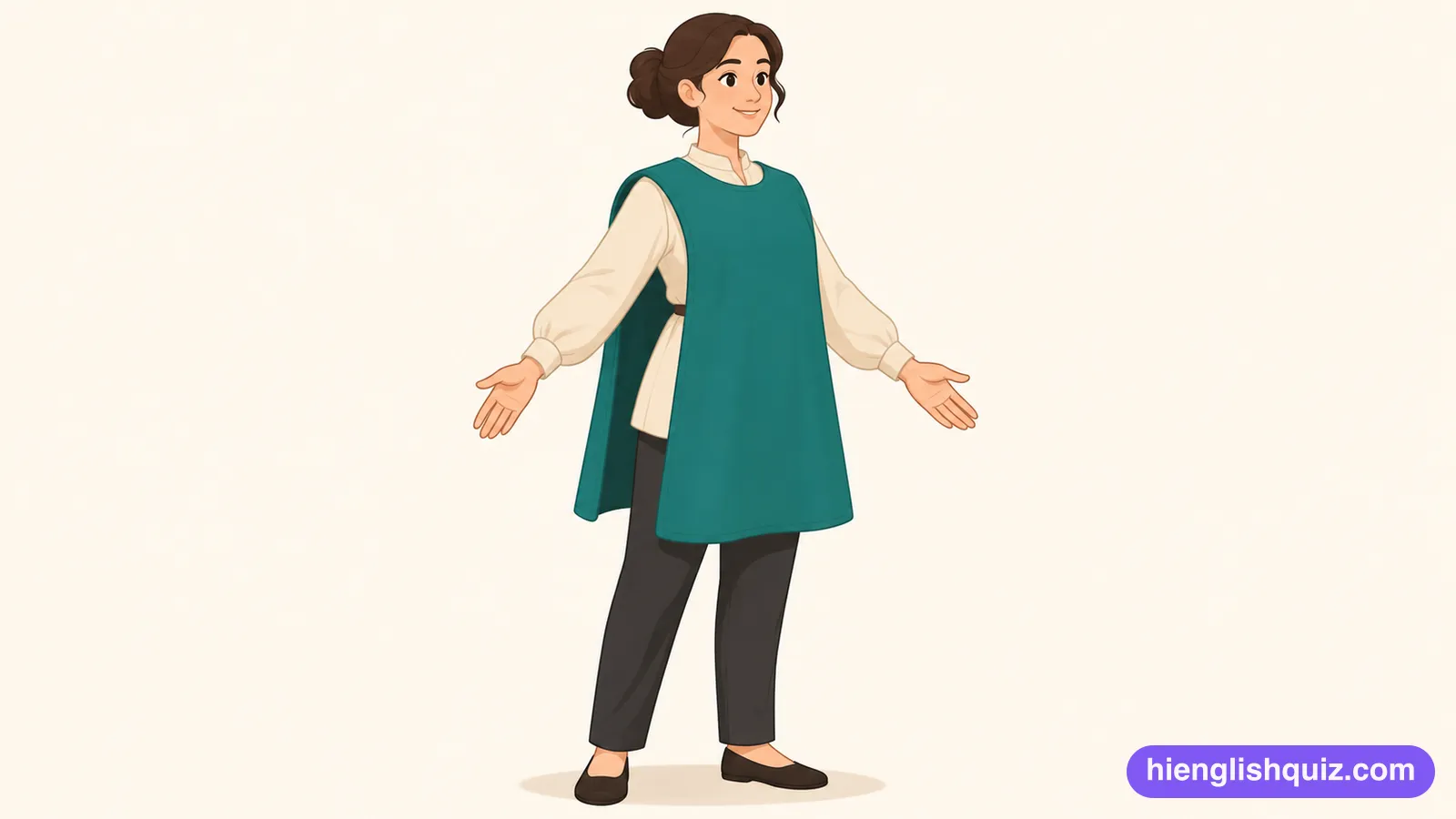
A short loose sleeveless top that is open at the sides, worn over other clothes.
Example: The volunteer wore a bright tabard over his jumper.
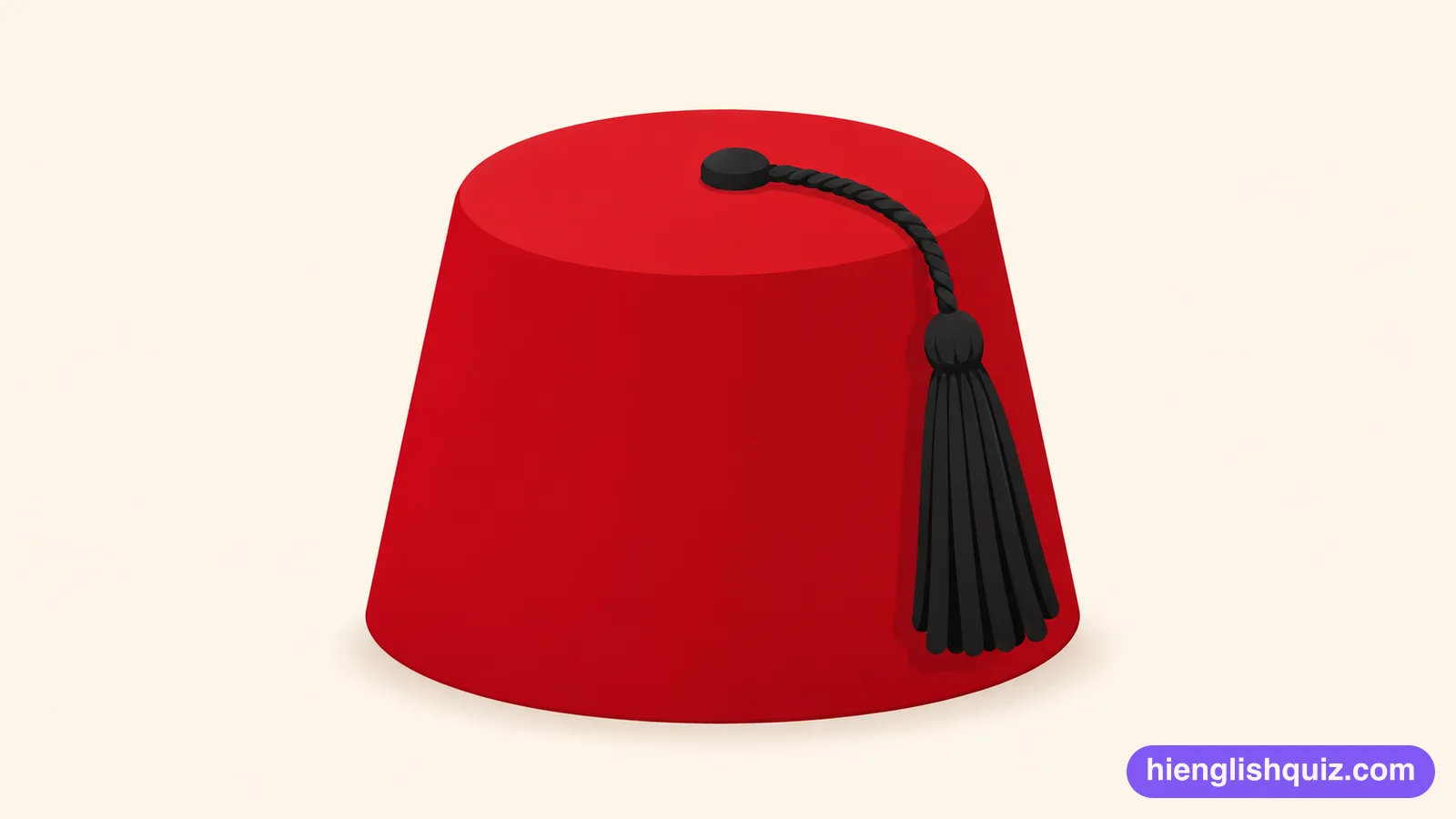
A red hat shaped like a short cone, with a flat top, a tassel and no brim.
Example: The shopkeeper in Morocco wore a red fez.
Describes clothes that are dull, shapeless and out of fashion.
Example: She hated the frumpy brown dress her mother had bought her.
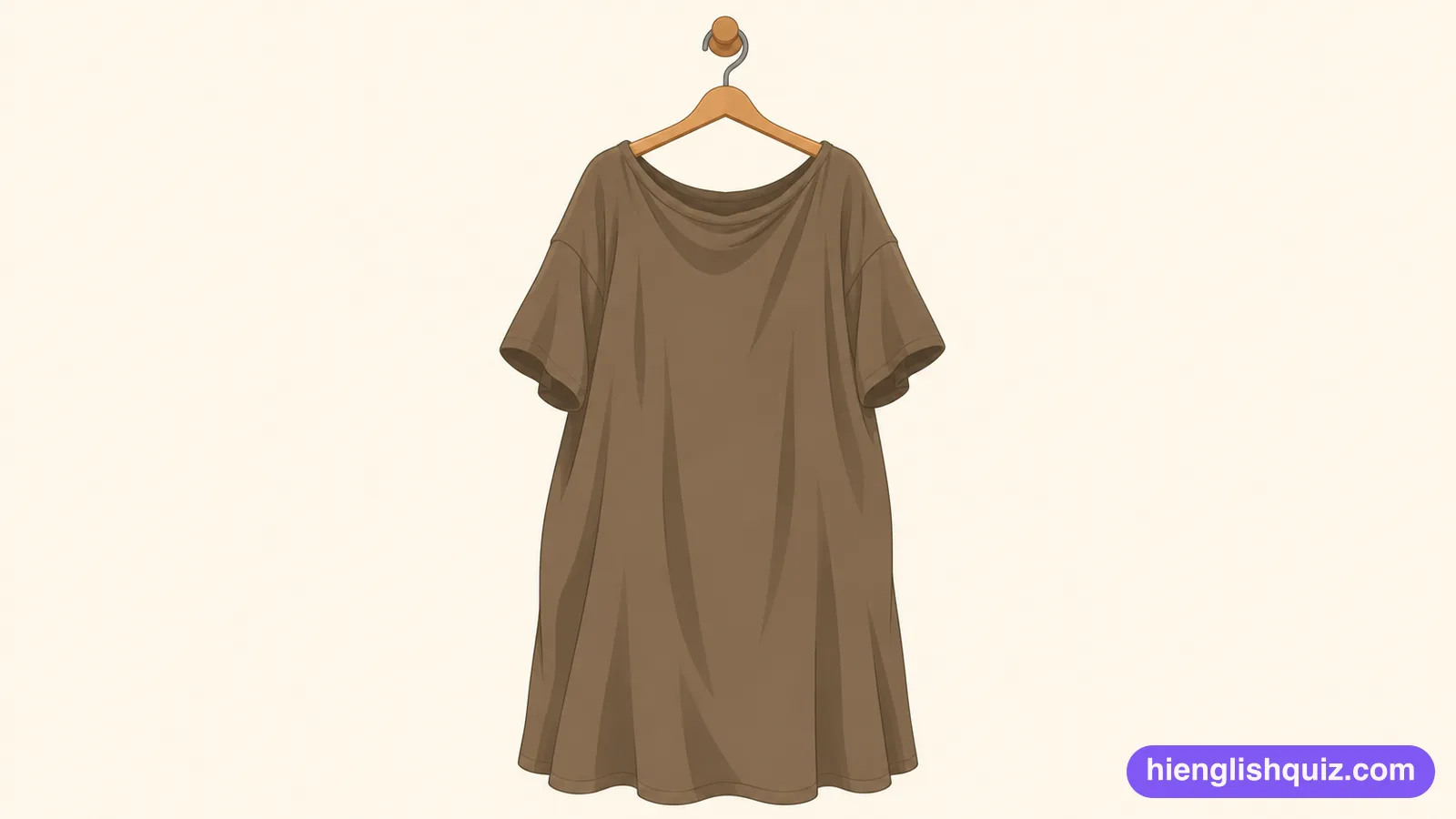
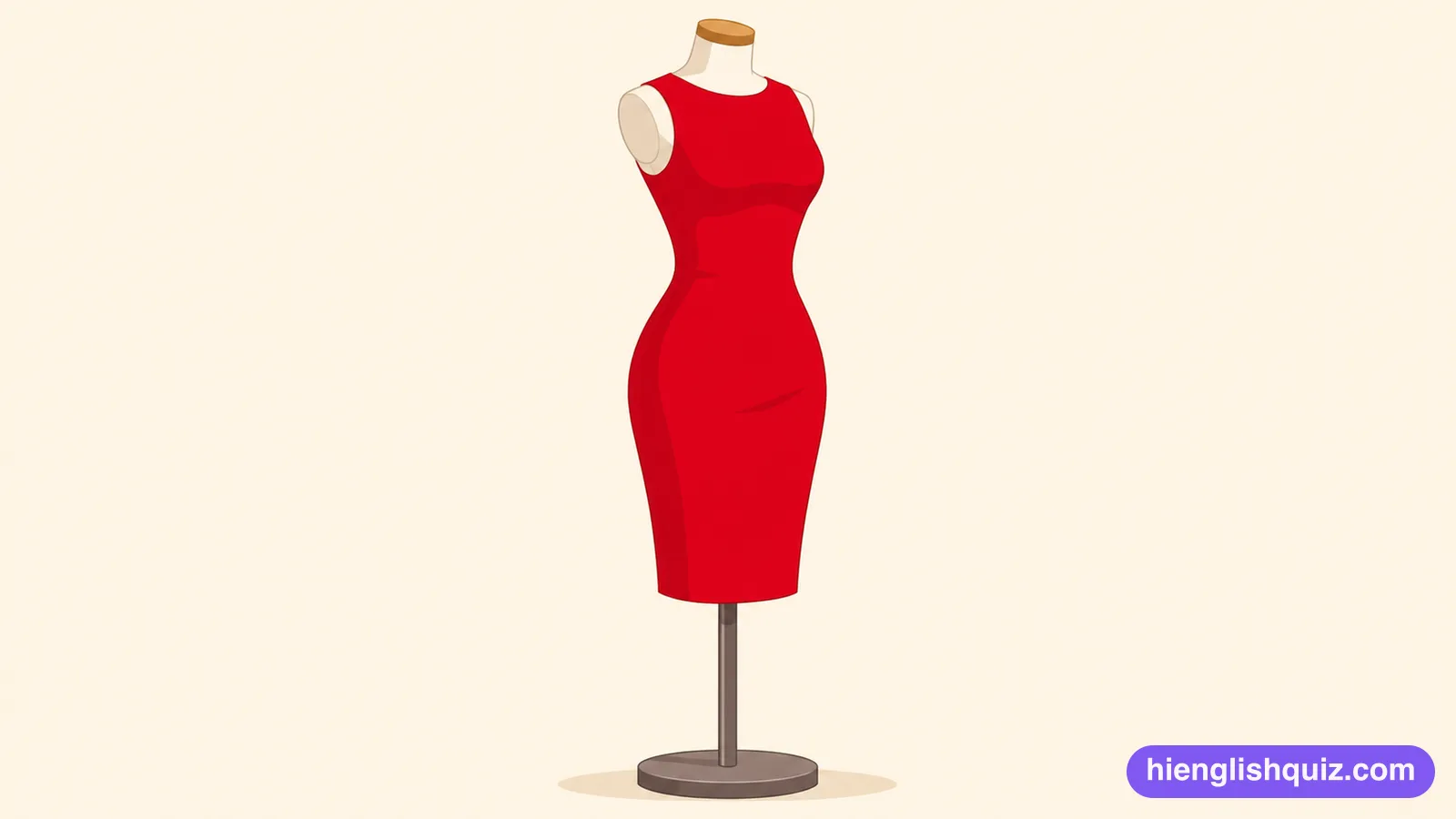
Describes clothes that fit very close to the shape of the body.
Example: She wore a figure-hugging red dress to the party.
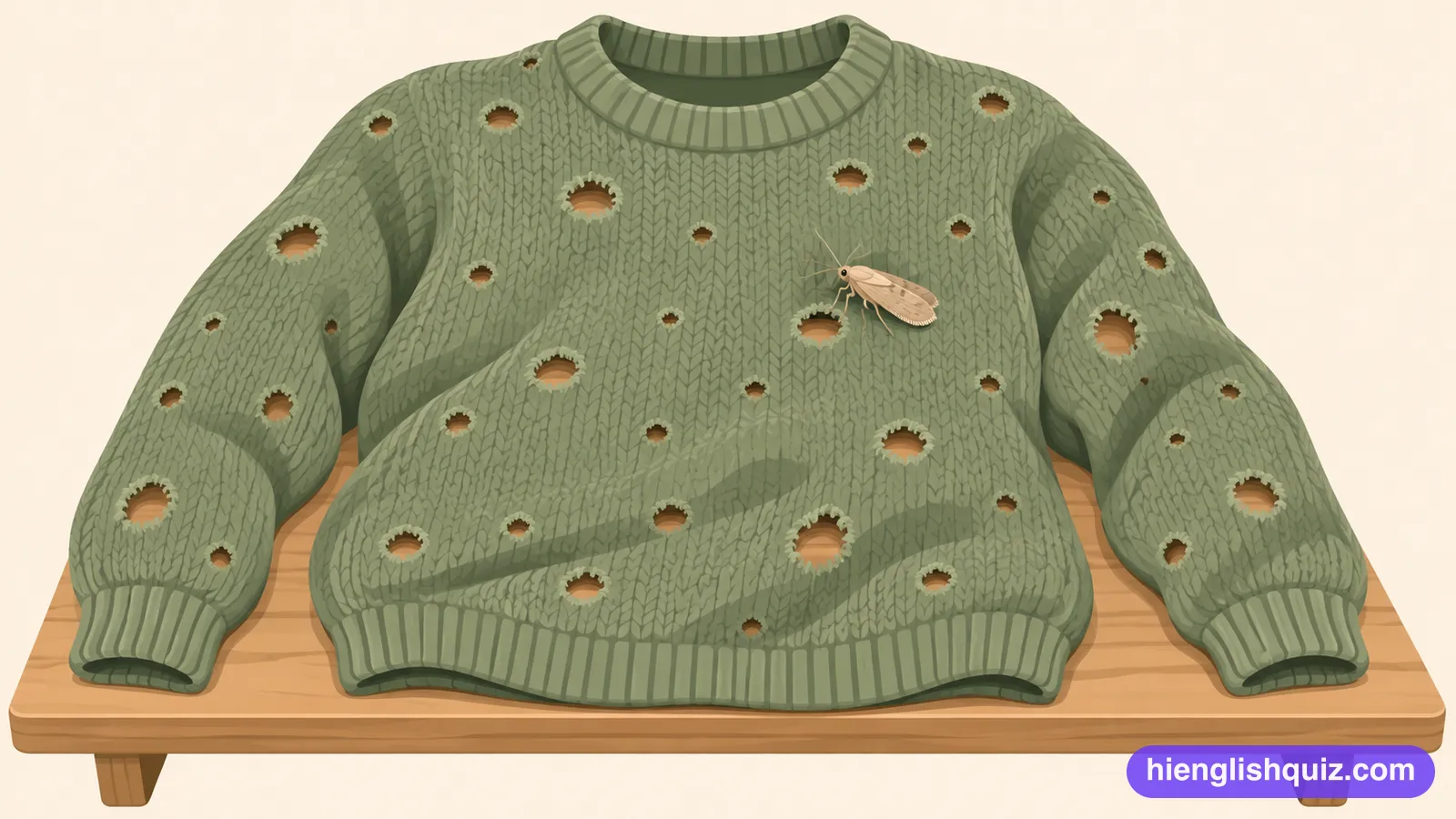
Describes clothes with small holes that insects have made in the cloth.
Example: He found a moth-eaten jumper at the back of the wardrobe.
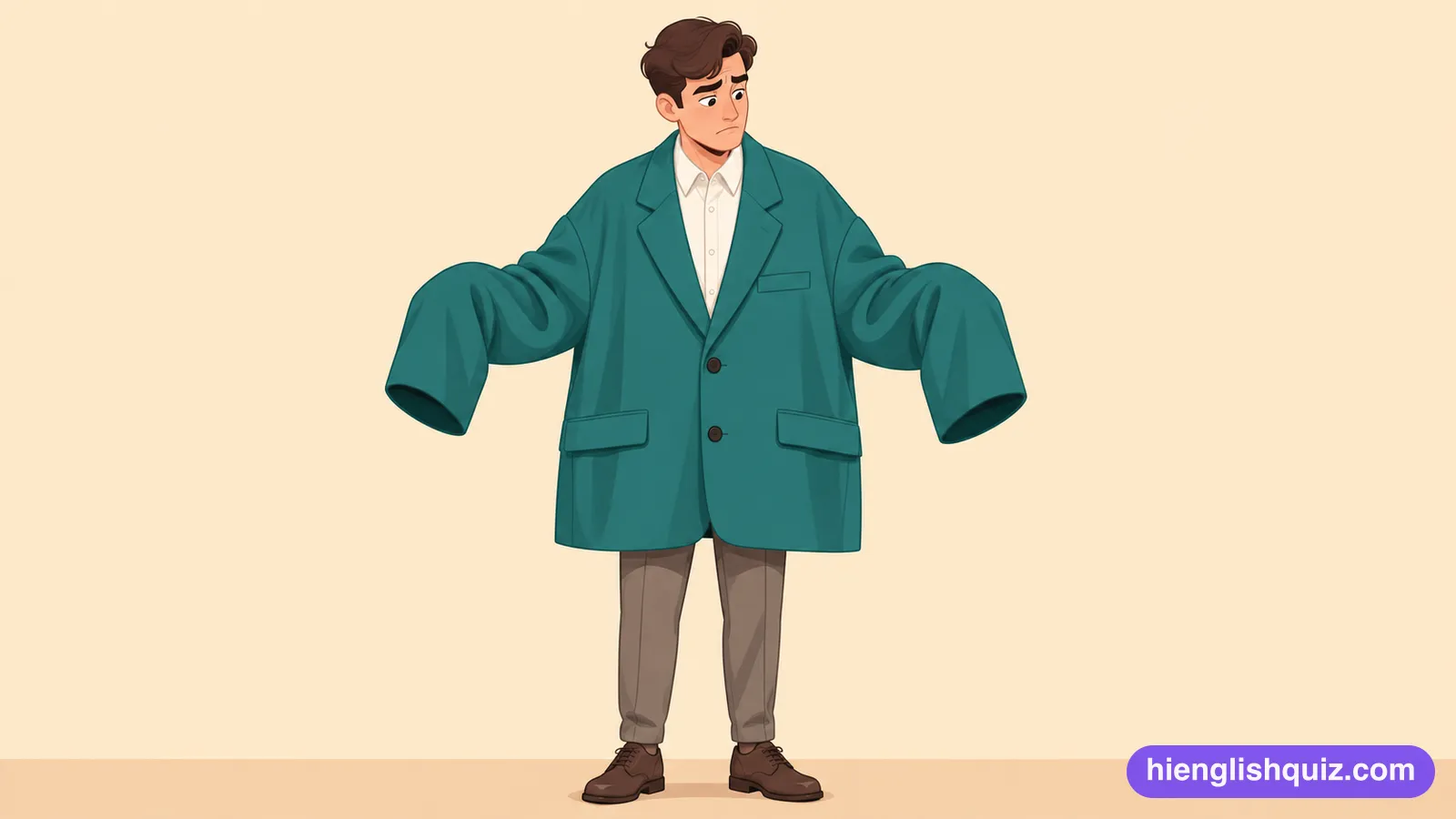
Describes clothes that are the wrong size or shape for the person wearing them.
Example: He wore an ill-fitting suit that was too big in the shoulders.
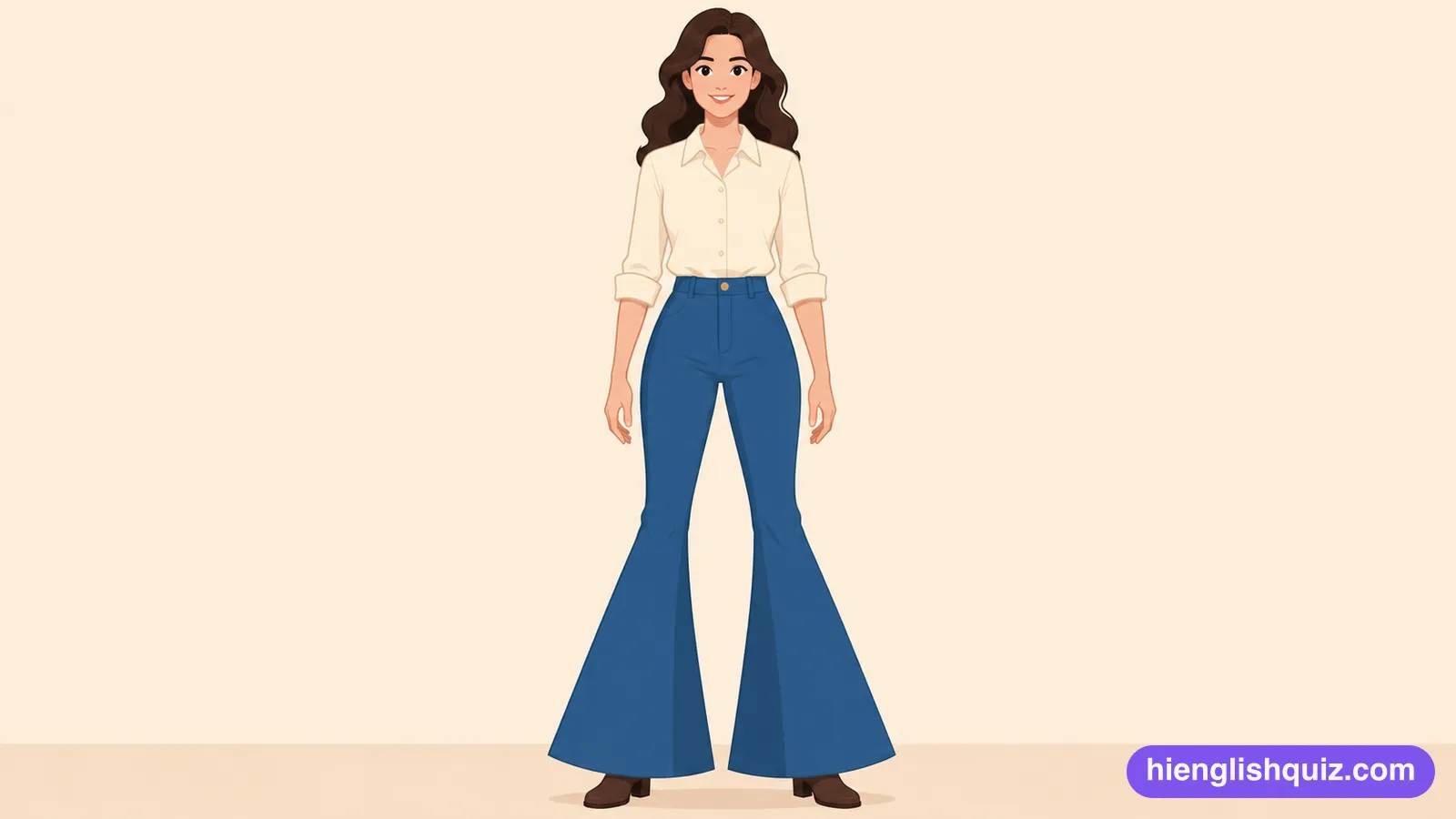
Describes trousers or skirts that become wider towards the bottom.
Example: She loved her flared jeans from the seventies.
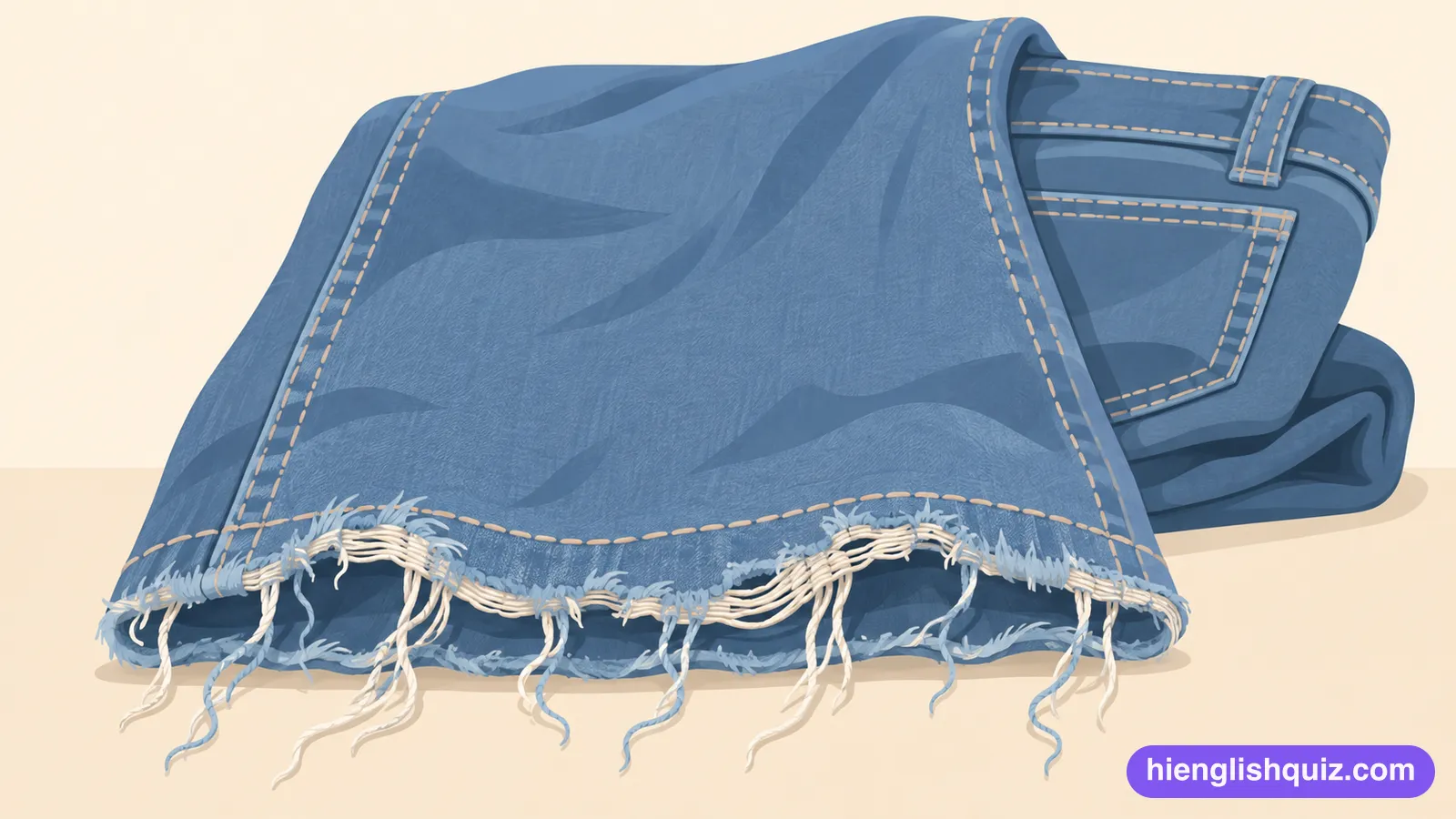
Describes cloth with loose threads at the edge, from being worn a lot.
Example: The frayed cuffs of his shirt showed how old it was.
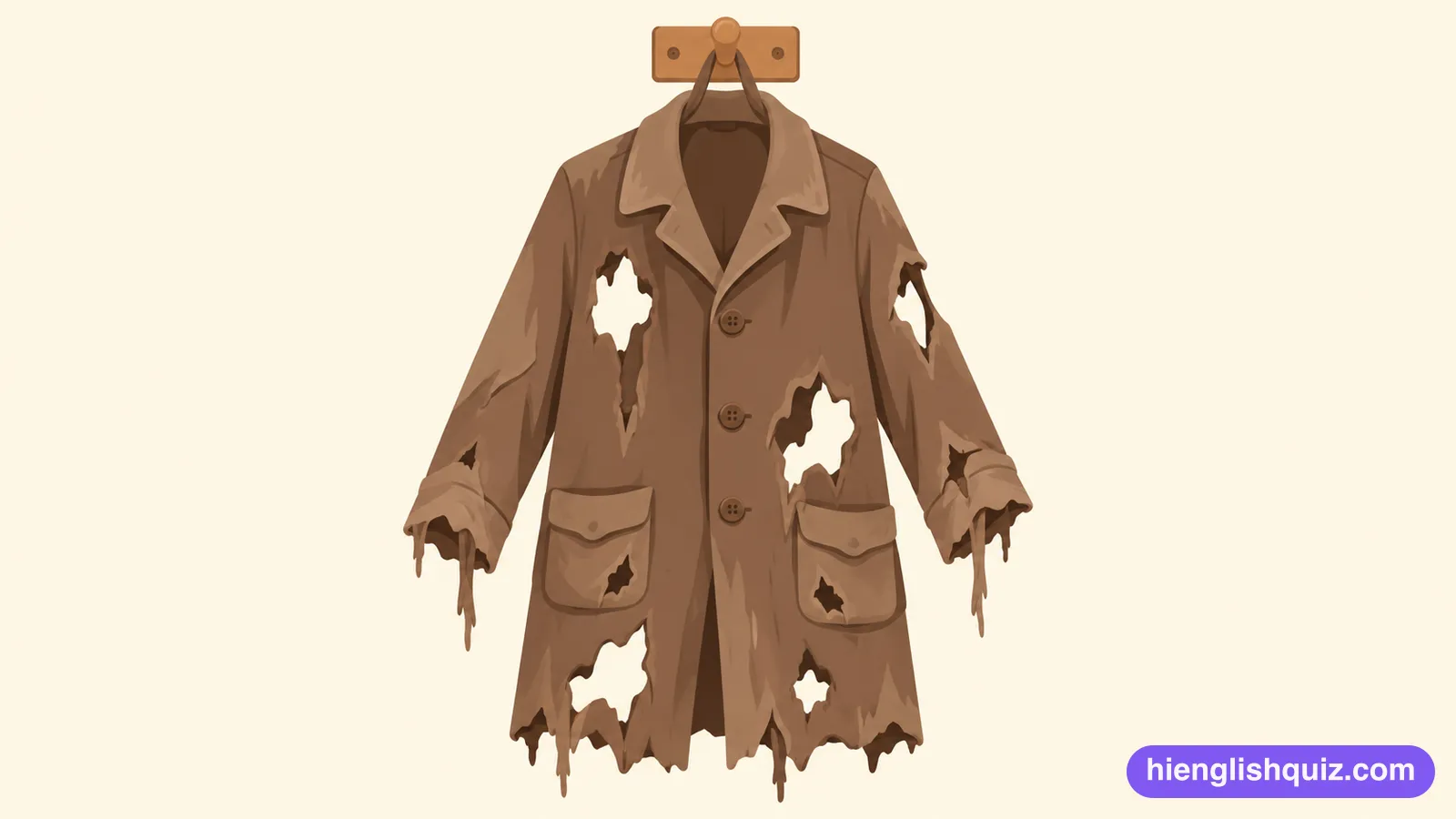
Describes clothes that are old and torn in many places.
Example: The scarecrow's tattered coat flapped in the wind.