A112 questions · Beginner · Adverbs

Adverbs of Frequency Exercises with Answers

Multiple-choice practice on always, usually, often, sometimes and never: their position before a main verb, after be and after a helping verb, and the double negative that never quietly creates. Every question is followed by the answer and an explanation.

12 questions

Sample questions with answers

  1. My parents ____ to bed before eleven.

    • A. never go(correct answer)
    • B. go never
    • C. don't never go
    • D. never goes

    Why: Go is an ordinary verb, so never goes in front of it, and never is negative on its own — don't never is one negative too many. "My parents" is plural, so the verb takes no -s.
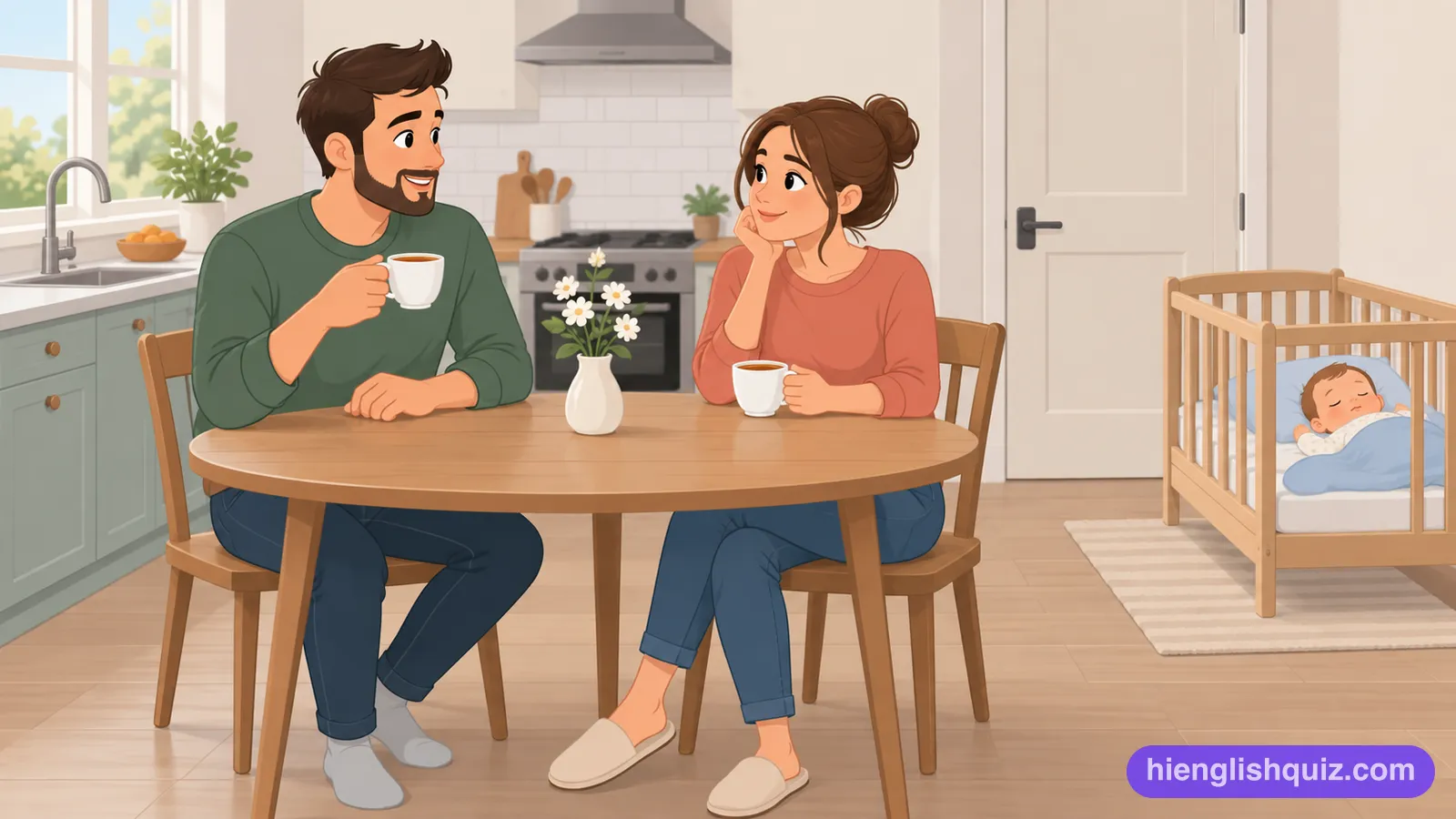

  2. Linh ____ at home on Sunday afternoons.

    • A. is usually(correct answer)
    • B. usually is
    • C. usually
    • D. does usually be

    Why: The only verb in this sentence is be, and be takes the adverb after it. Be also never borrows do or does, which rules out the last option.

  3. We ____ rice for lunch, but today we had noodles.

    • A. sometimes have(correct answer)
    • B. have sometimes
    • C. are sometimes having
    • D. sometimes are have

    Why: Have is an ordinary verb, so sometimes comes first. Sometimes is the one adverb here that could also open the sentence — "Sometimes we have rice for lunch" is equally natural.

Lessons on this topic

  • Adverbs of Frequency

    Always, usually, often, sometimes and never: what each one means and exactly where it goes — before the main verb, after be, after an auxiliary.

  • Adverbs of Manner

    What adverbs of manner are: adding -ly to an adjective, the irregular well, fast, hard and late, where the adverb goes, and when you need an adjective.

  • The Present Simple

    The three forms of the present simple, the third-person -s spelling rules, the short answers with do and does, and its four main uses.

  • Present Simple vs Present Continuous

    Routines against actions in progress, permanent against temporary, the time words that give each tense away, and the state verbs that stay simple.

More Adverbs exercises

All Adverbs exercises

Adverbs of Frequency Exercises with Answers (A1): 12 questions with explanations | Hi English Quiz