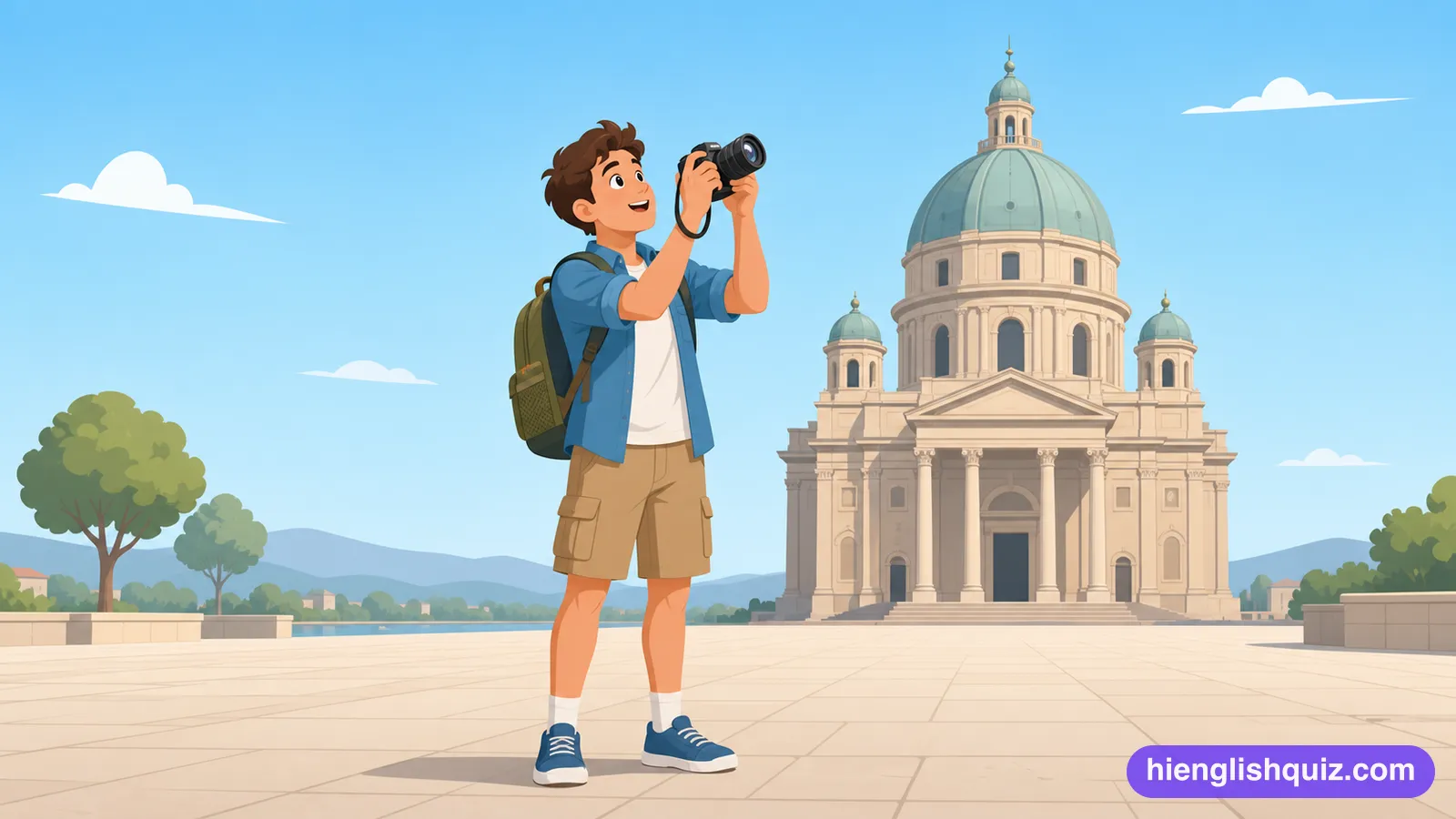
tourist
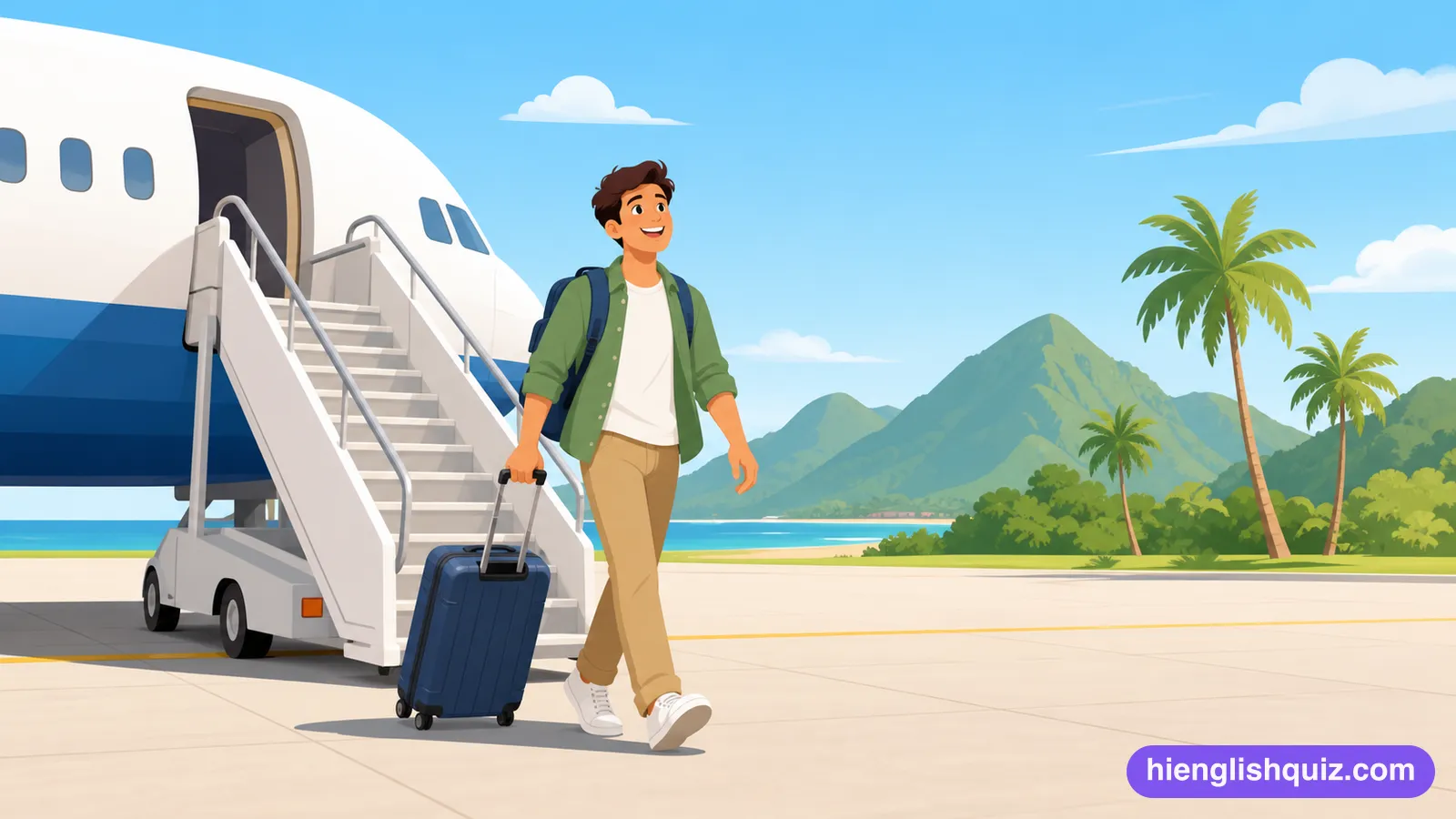
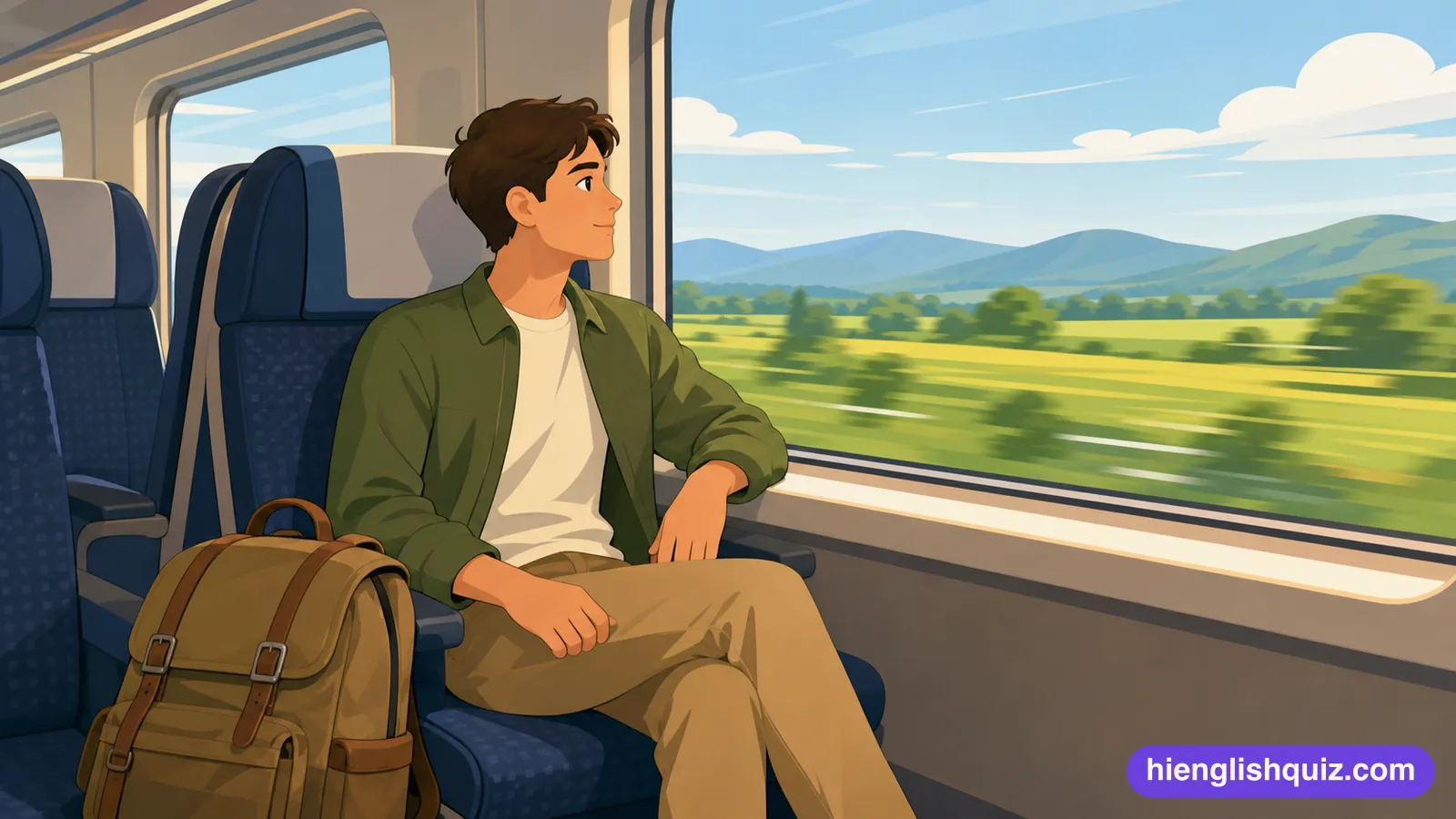
/ˈtʊrəst/Someone visiting a place on holiday, to see it and enjoy it.
Example: Thousands of tourists come to see the castle every summer.
 Hi EnglishQuiz
A212 words · Elementary
Tourism vocabulary for a day out in a new place, including a tourist, a guide, a castle and the ruins, plus a visitor and the tourist information centre where you ask for a map.
Someone visiting a place on holiday, to see it and enjoy it.
Example: Thousands of tourists come to see the castle every summer.
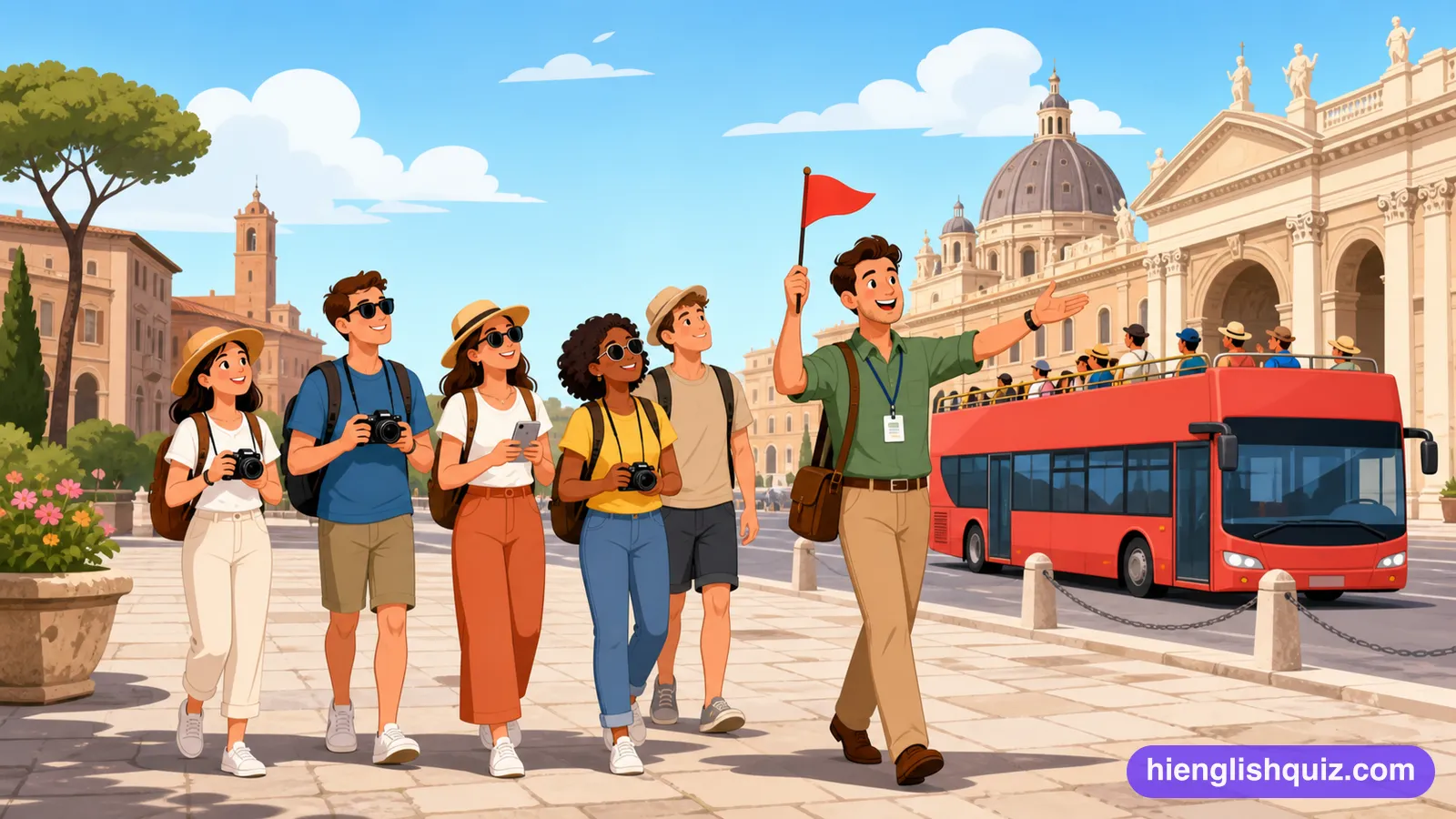
A person who shows visitors around a place and tells them about it.
Example: Our guide showed us the oldest streets in the city.
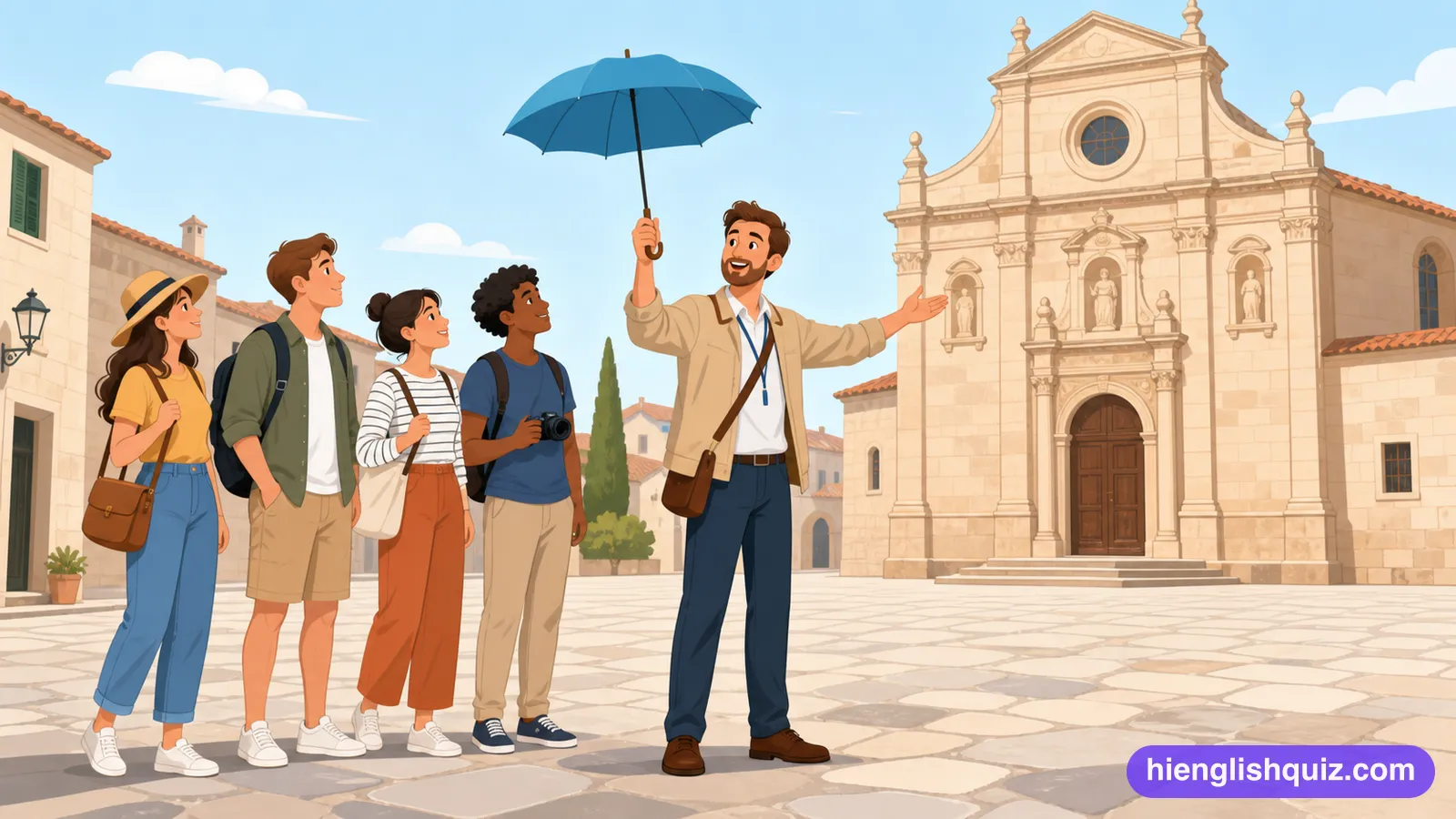
A short trip around a place to see the interesting parts of it.
Example: We booked a walking tour of the old city.
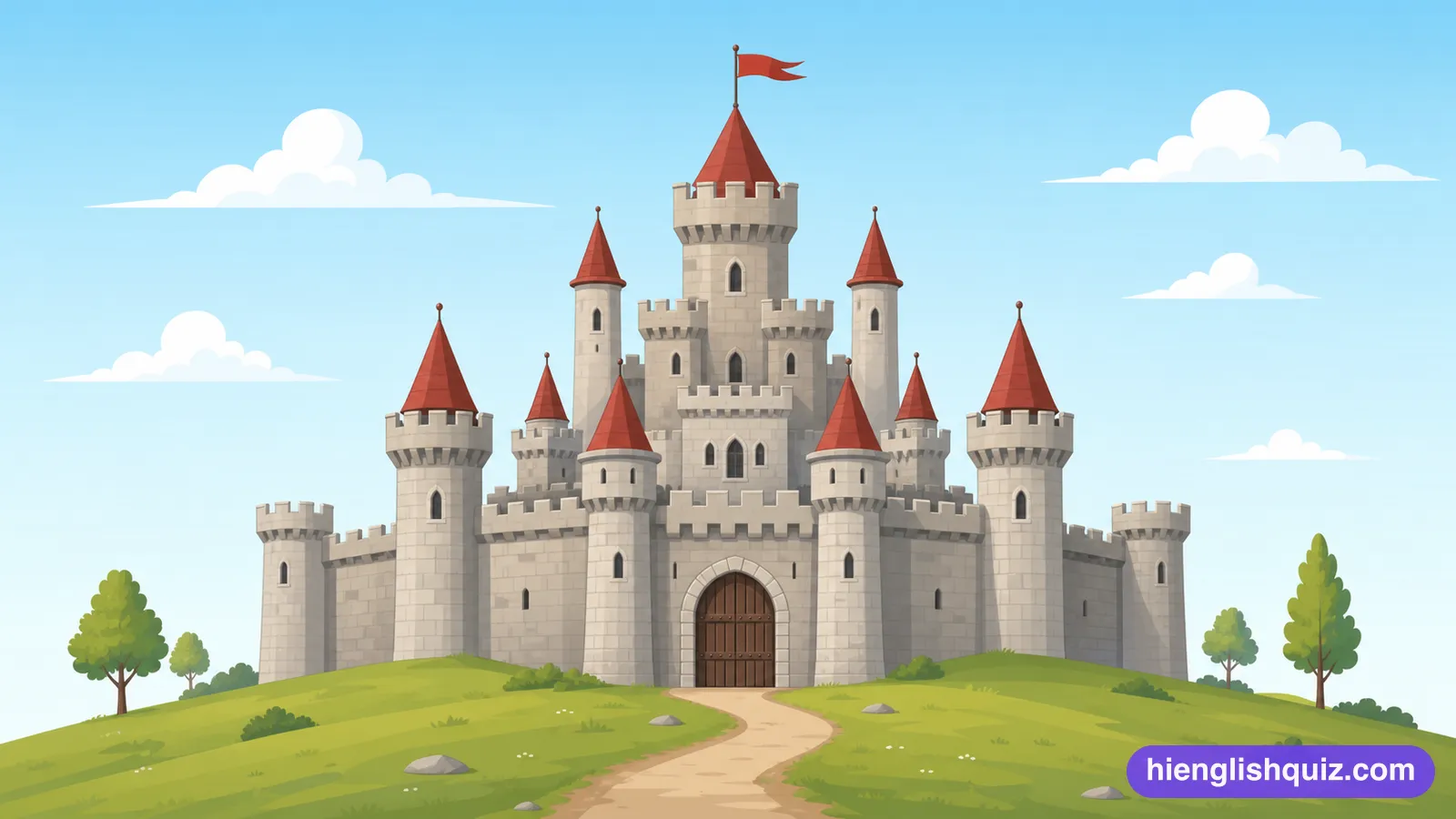
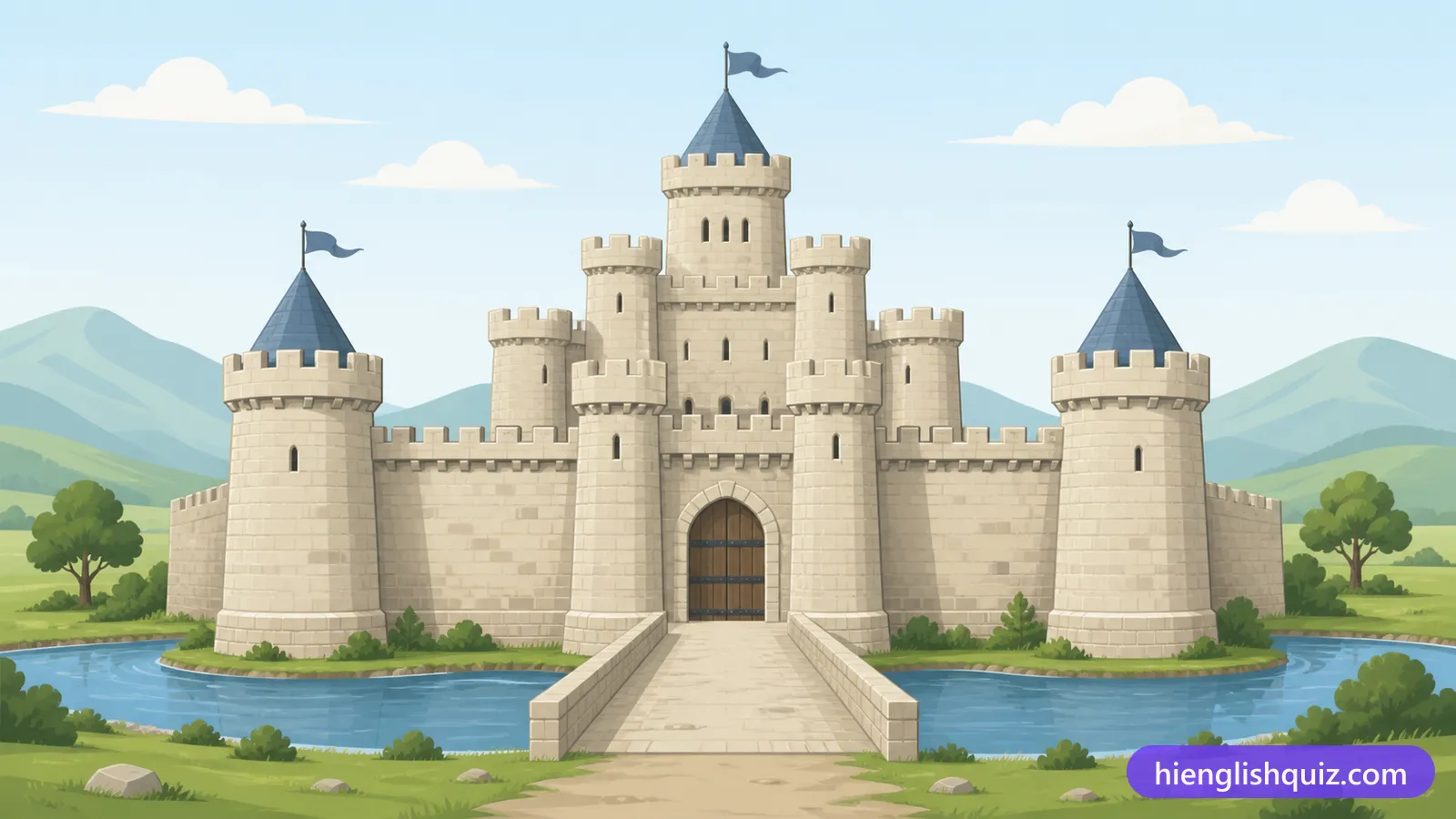
A large old stone building with thick walls, built long ago to keep people safe.
Example: We climbed the hill to visit the old castle.
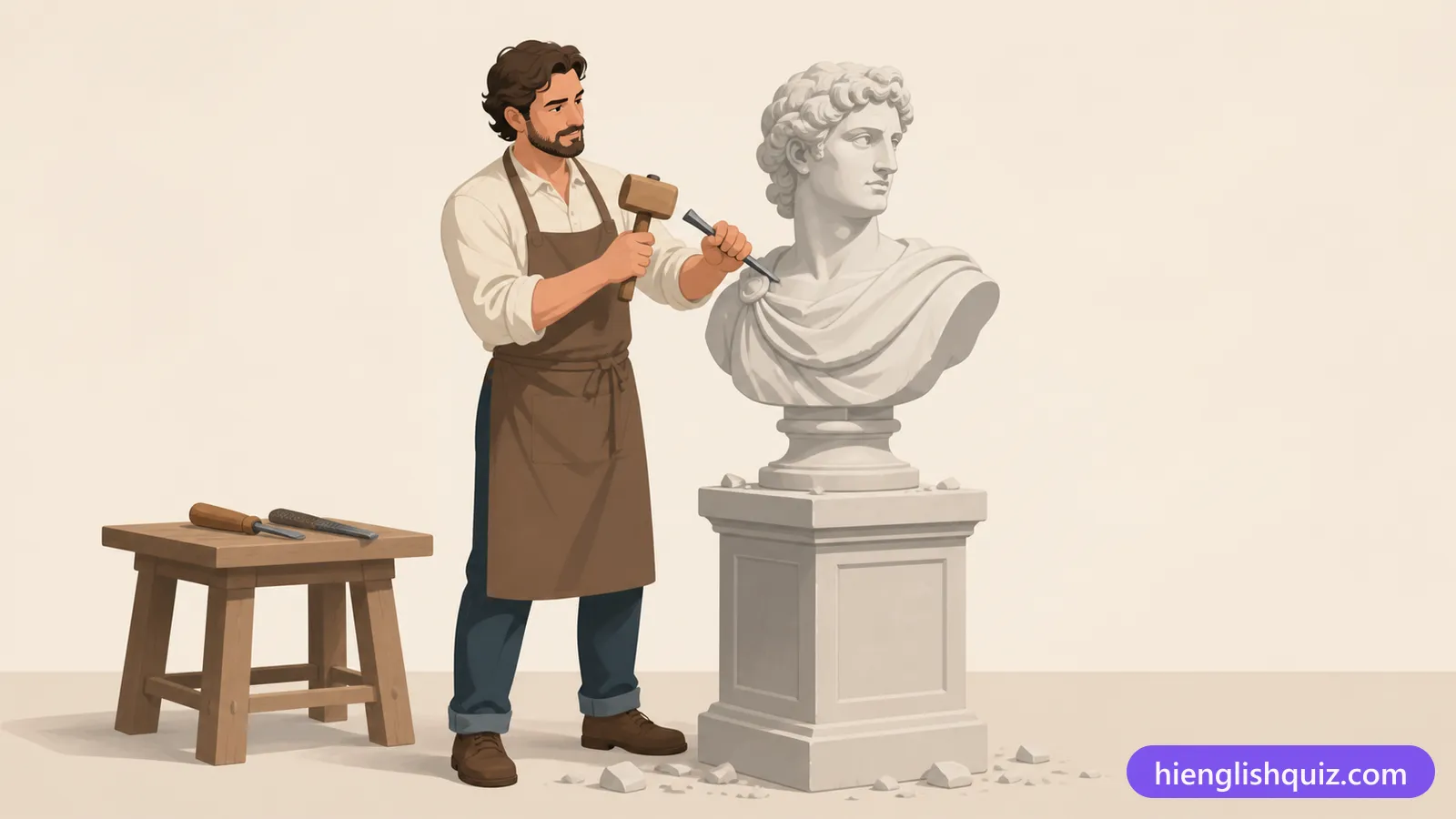
A piece of work made by shaping stone, wood or metal.
Example: A giant sculpture stands in the middle of the square.
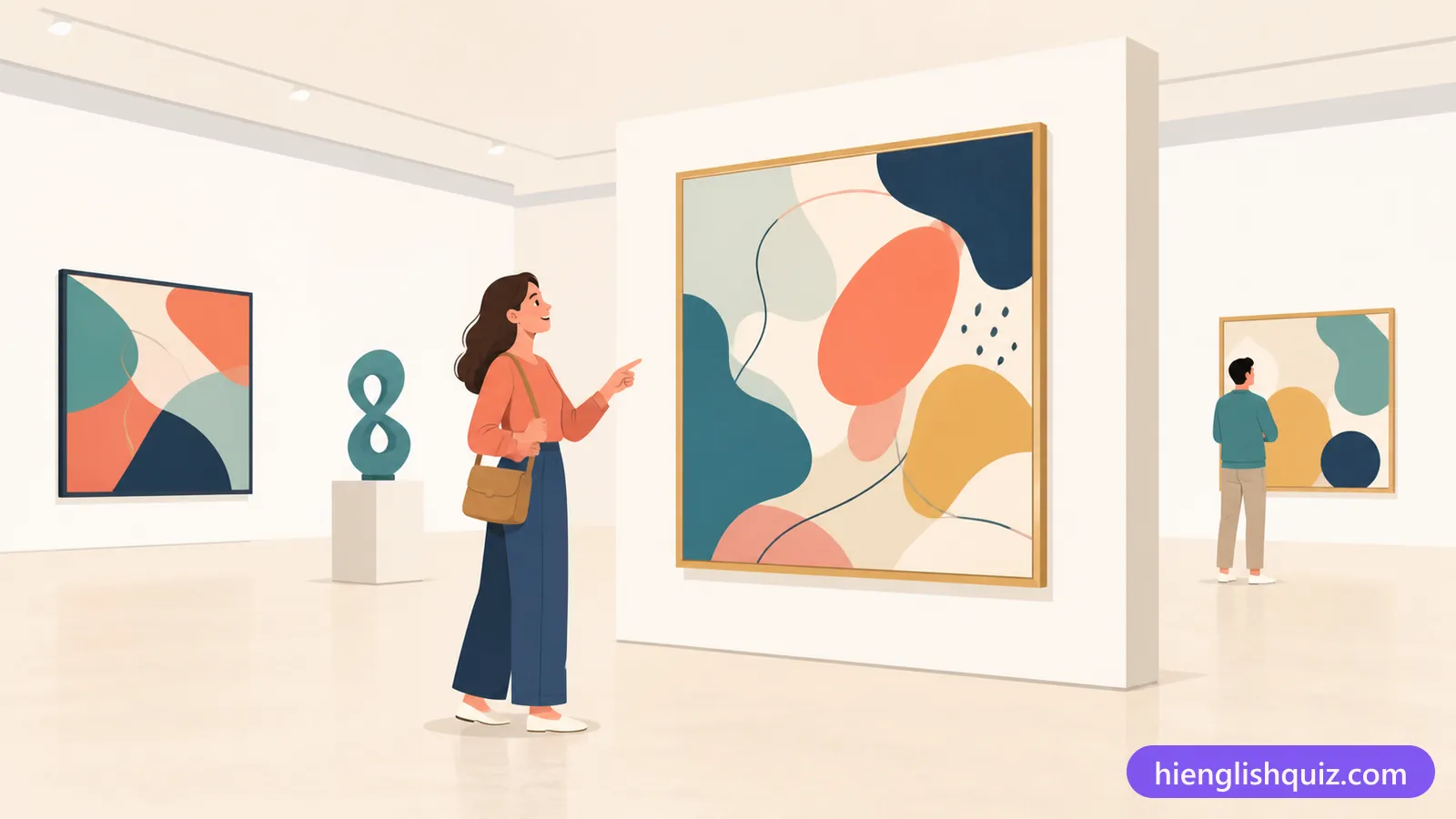
A public display of art or objects.
Example: We visited a photography exhibition at the gallery.
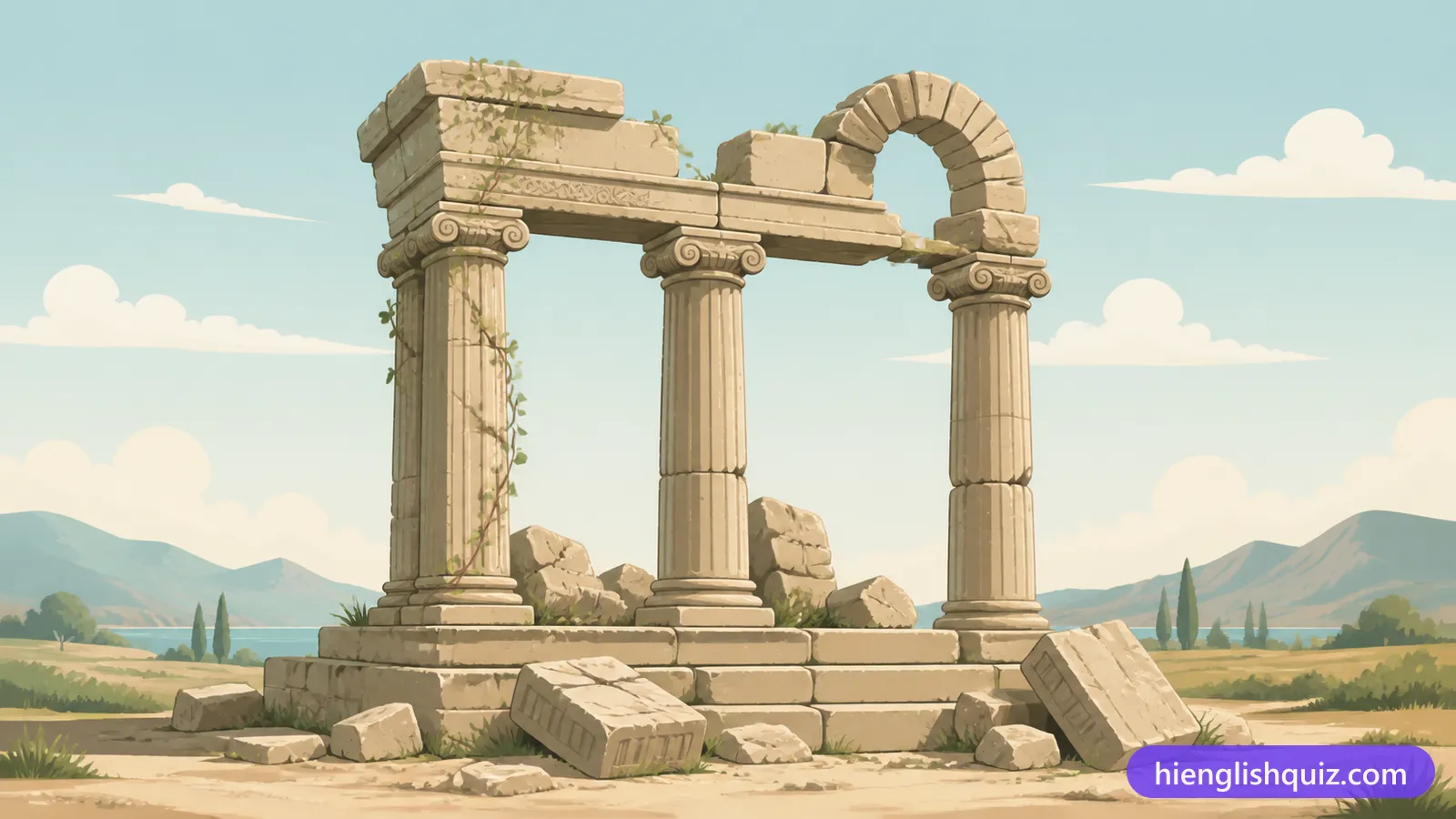
The remains of an old, destroyed building.
Example: We explored the ancient ruins on the hillside.
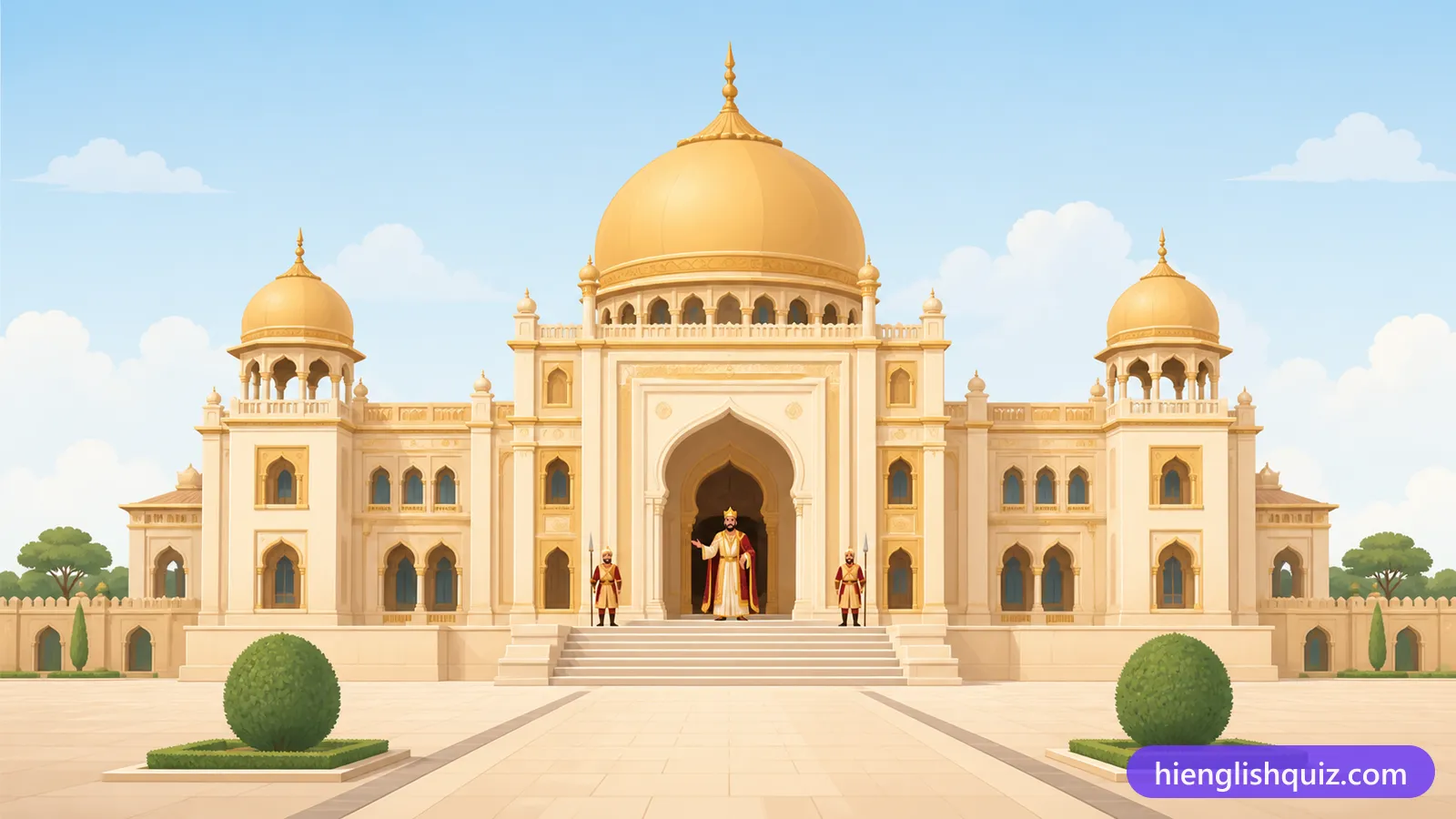
A large, grand house, especially for a king, queen or important person.
Example: The royal family once lived in this palace.
A large building built to protect a place against attack.
Example: The old fortress overlooks the harbour.
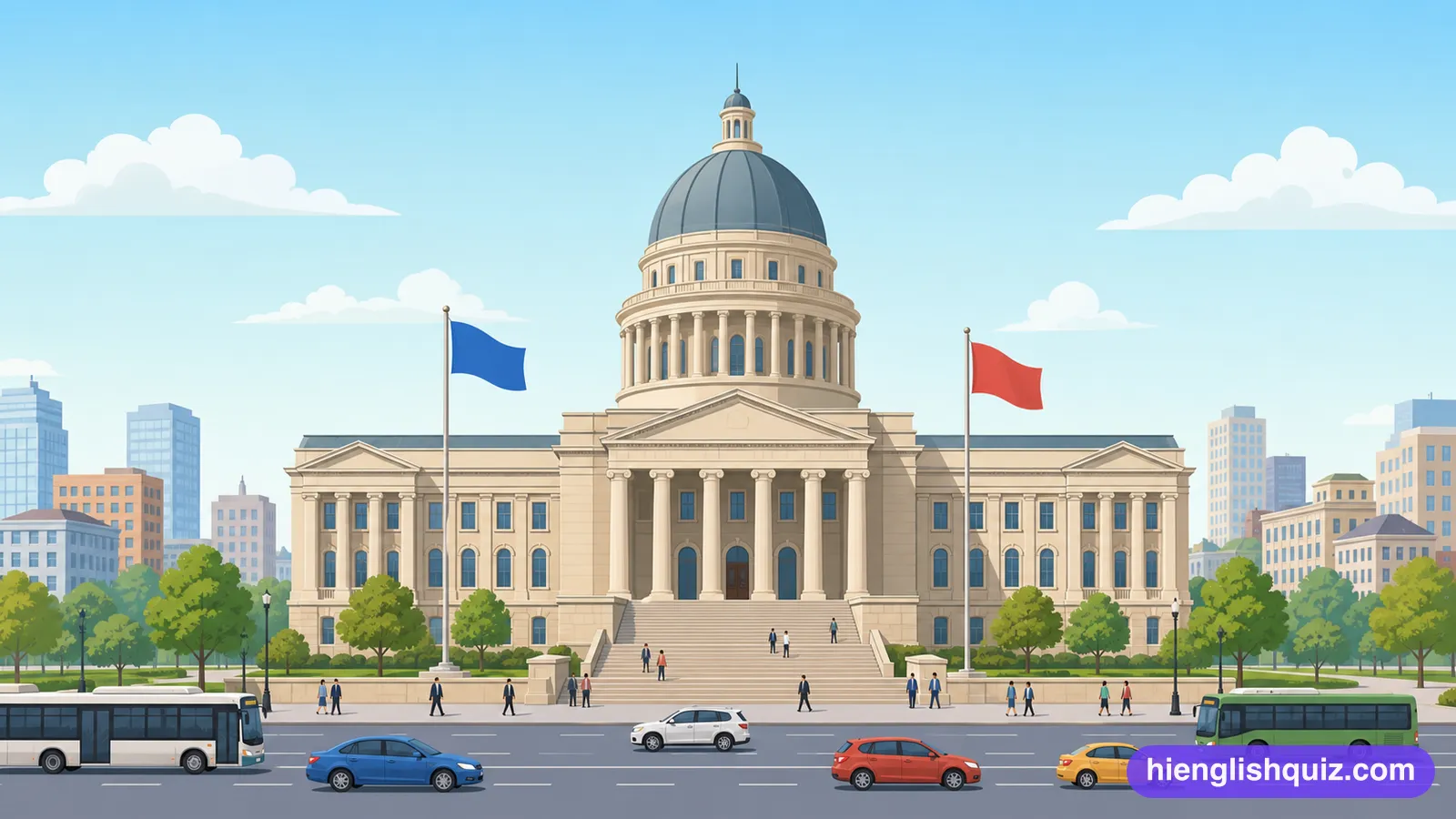
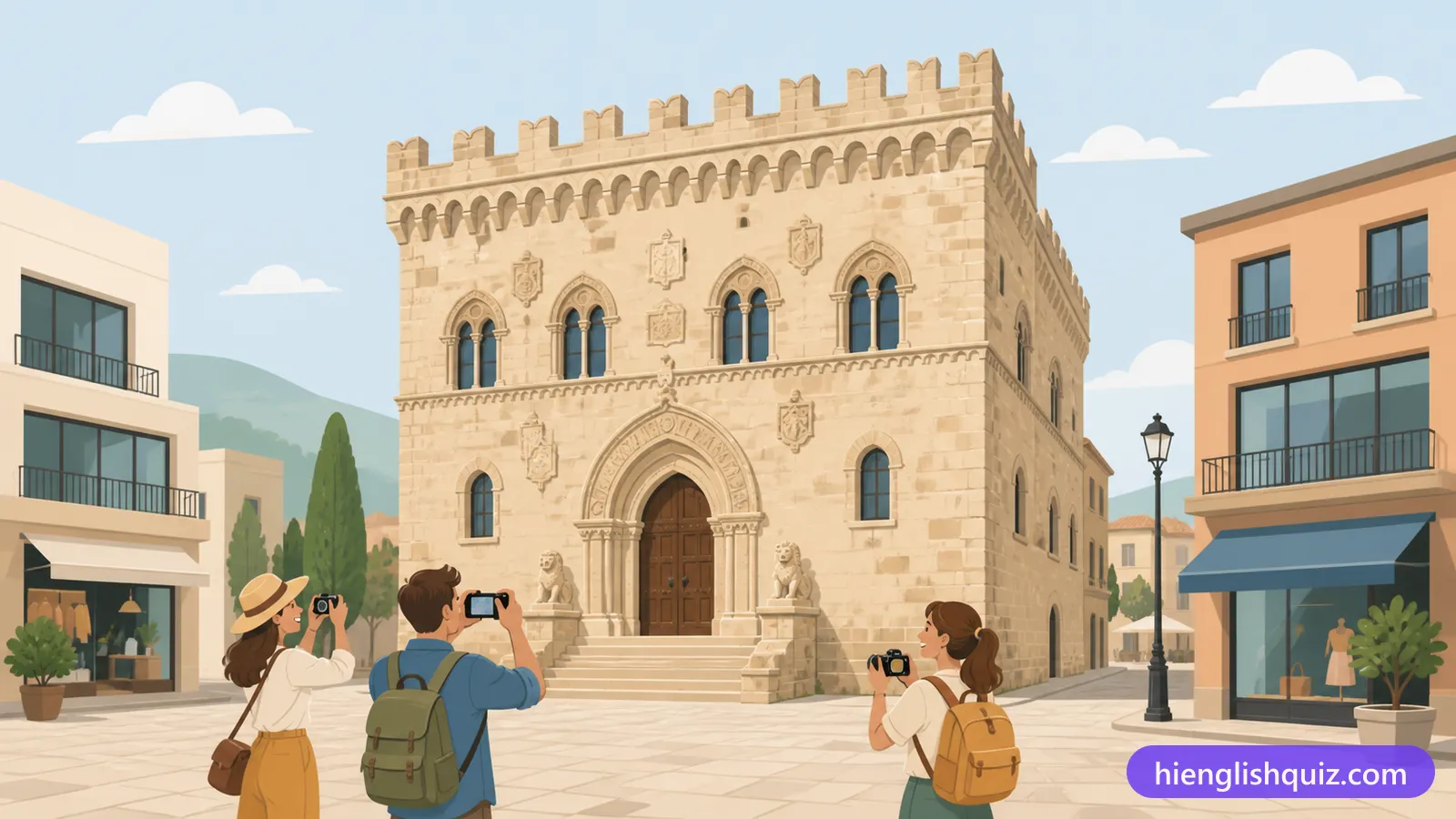
Important or well known because of events that happened there long ago.
Example: The town centre is full of historic buildings.
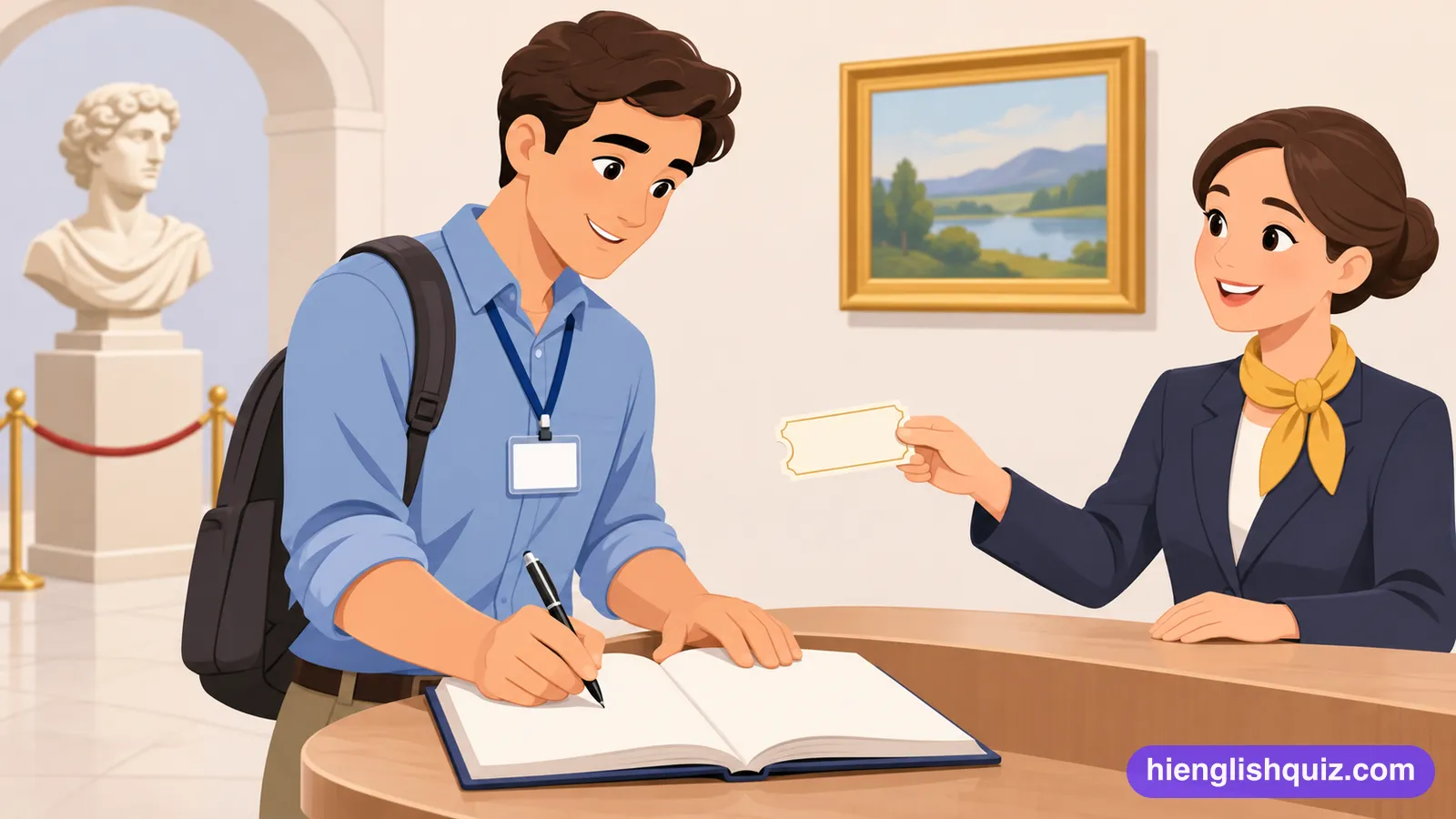
A person who comes to a place or to see someone for a short time.
Example: Every visitor has to sign the book at the front desk.
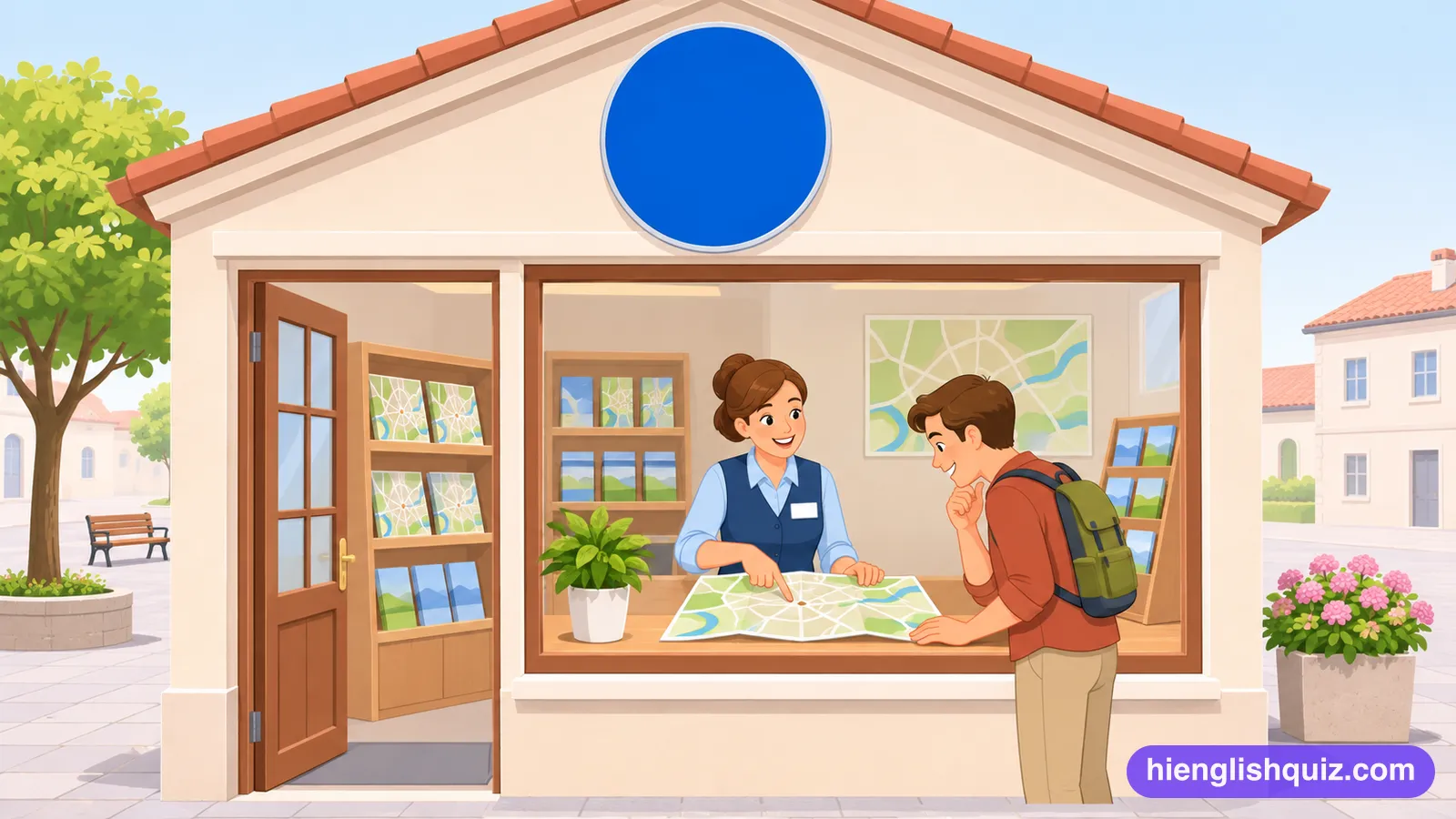
A place in a town where you can get maps and help with your visit.
Example: We asked at the tourist information centre for a map of the town.