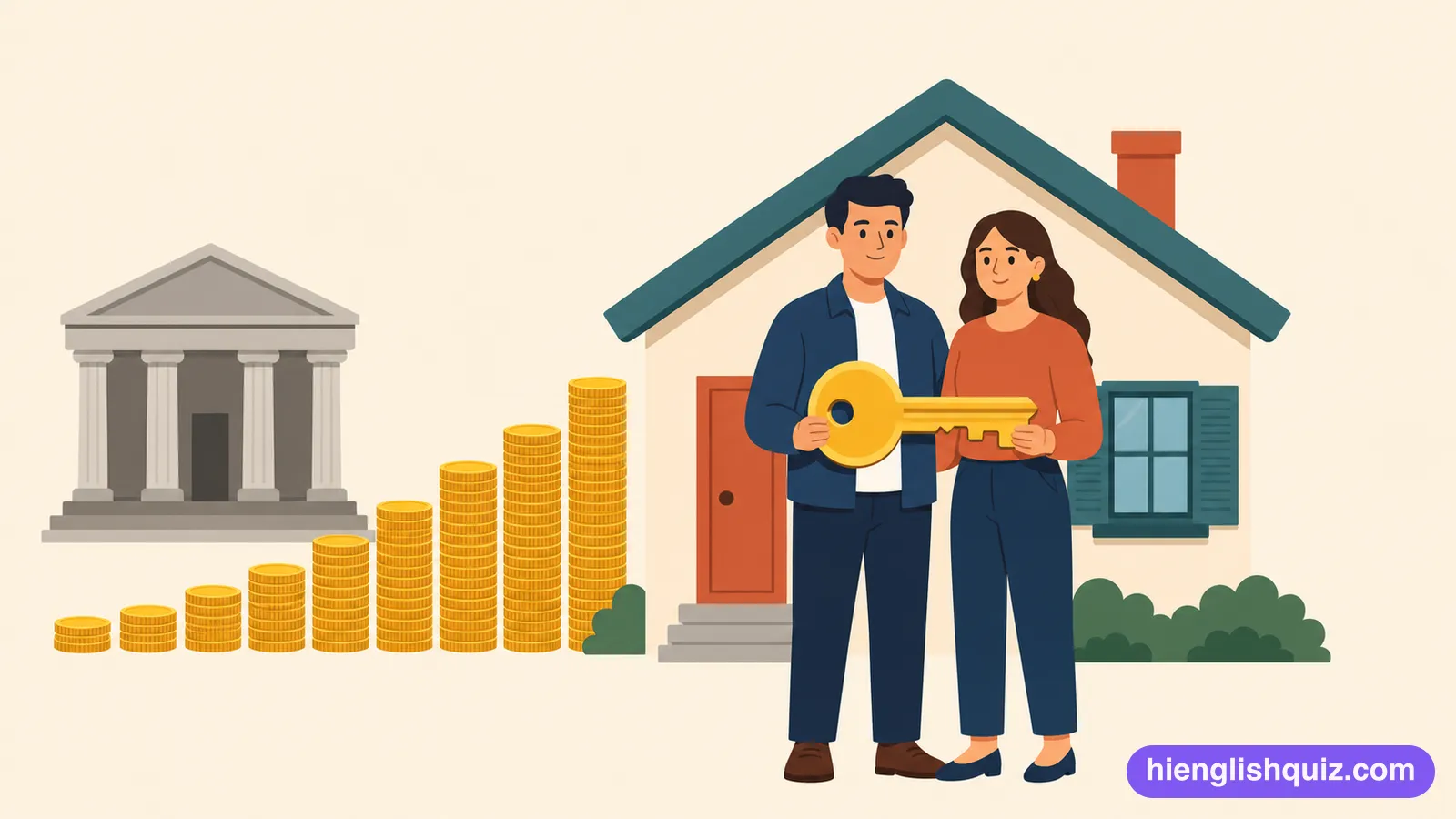
valuables
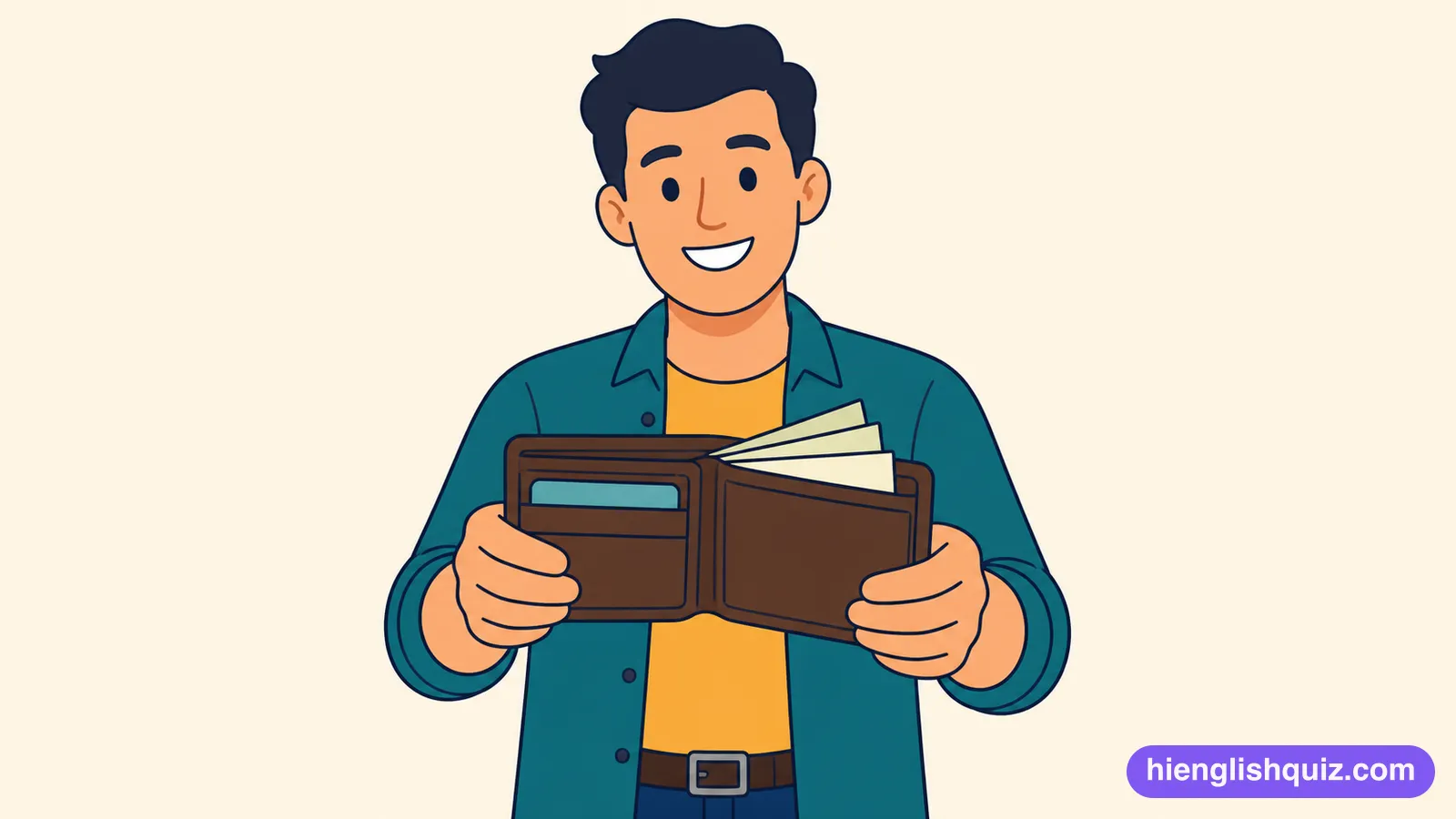
/ˈvæljəbəlz/The small things you own that are worth a lot of money, like jewellery or a watch.
Example: Don't leave your valuables on the back seat.
 Hi EnglishQuiz
B211 words · Upper-intermediate
Personal Belongings vocabulary for what possessions are worth, including valuables, sentimental, keepsake and misplace — words for what happens to belongings and what they mean to their owner.
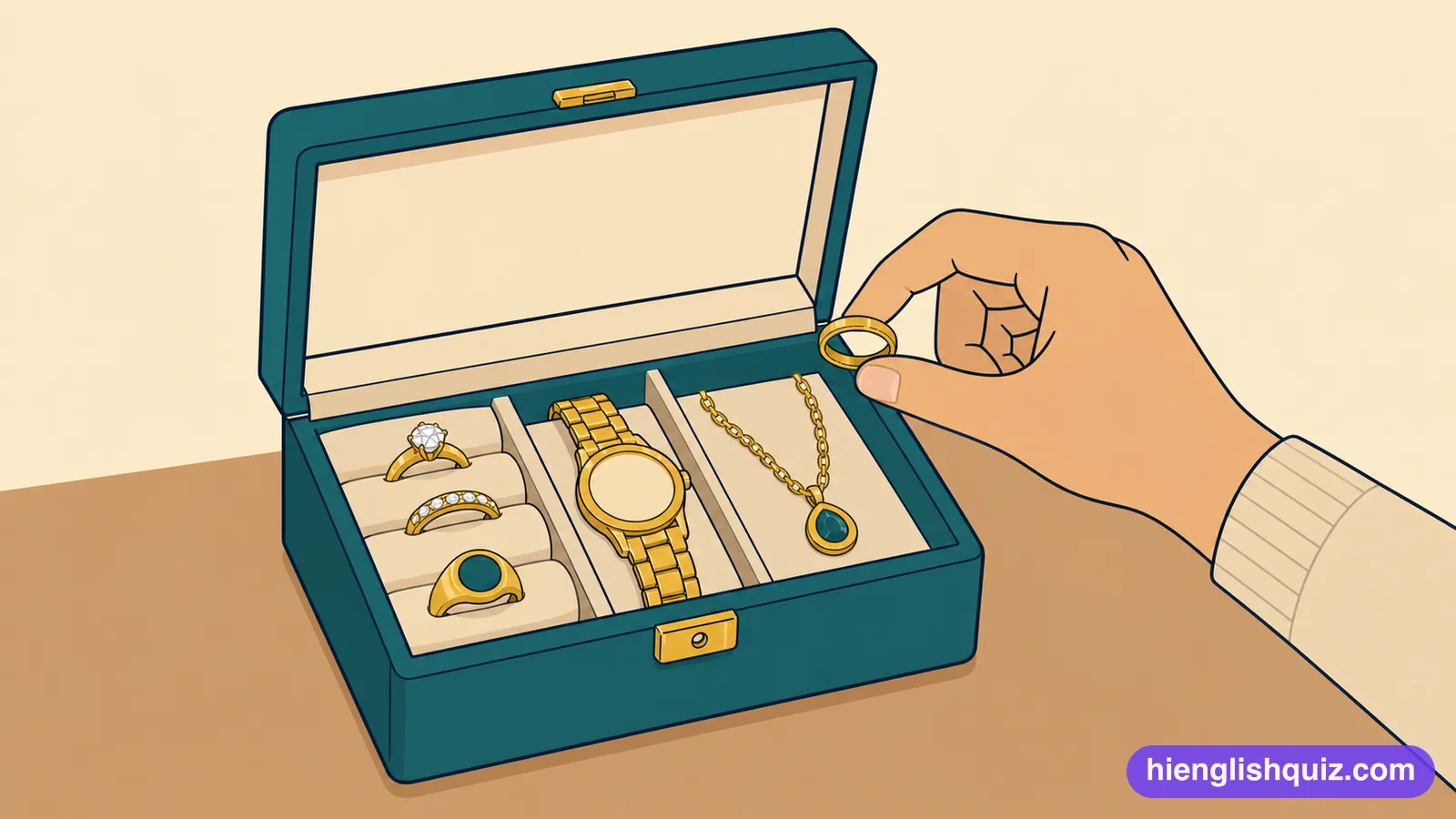
The small things you own that are worth a lot of money, like jewellery or a watch.
Example: Don't leave your valuables on the back seat.
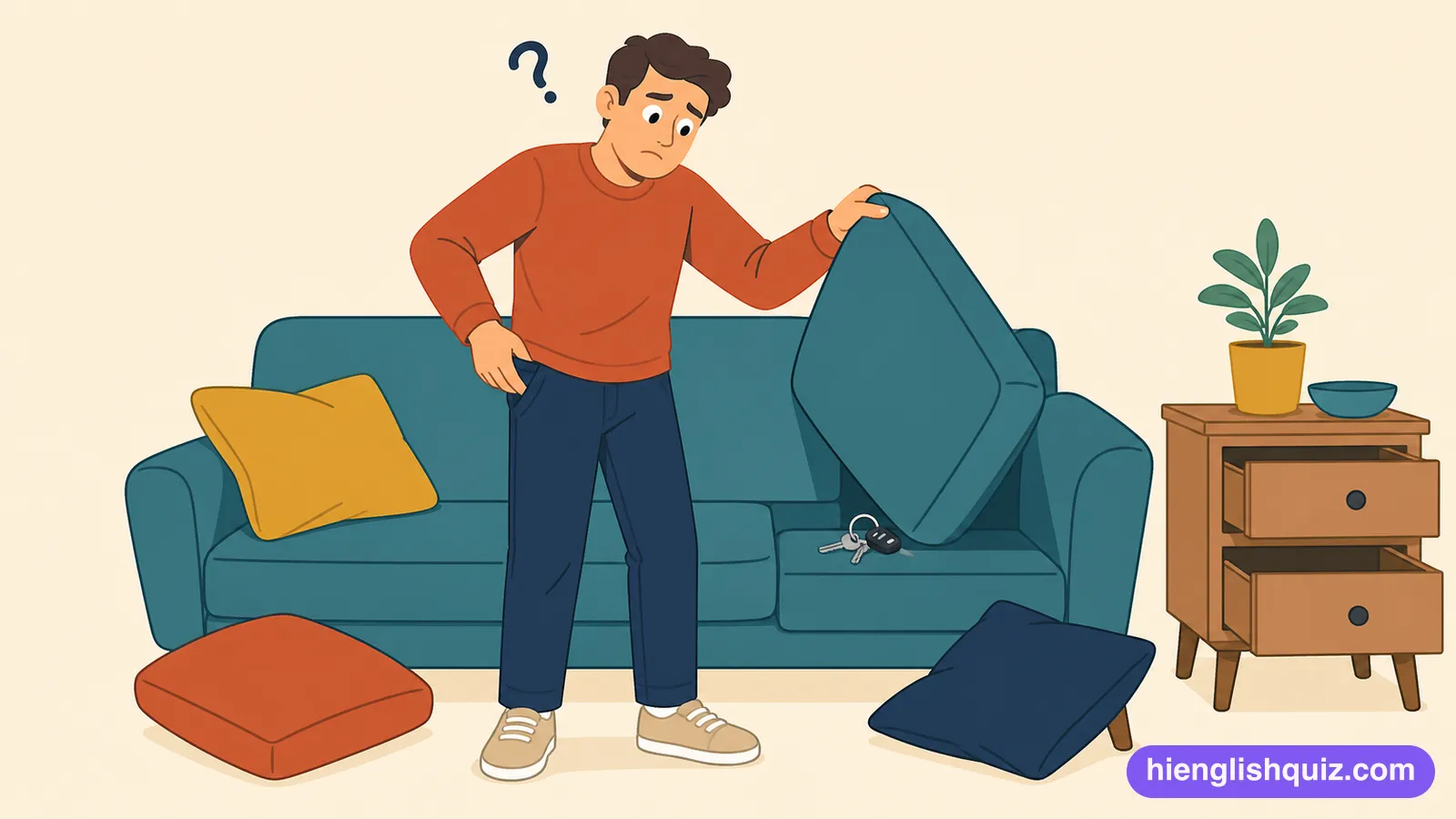
To put something somewhere and then not remember where it is.
Example: I've misplaced my glasses somewhere in this house.
So special or rare that it could never be replaced if lost.
Example: The necklace was irreplaceable — it had belonged to her grandmother.
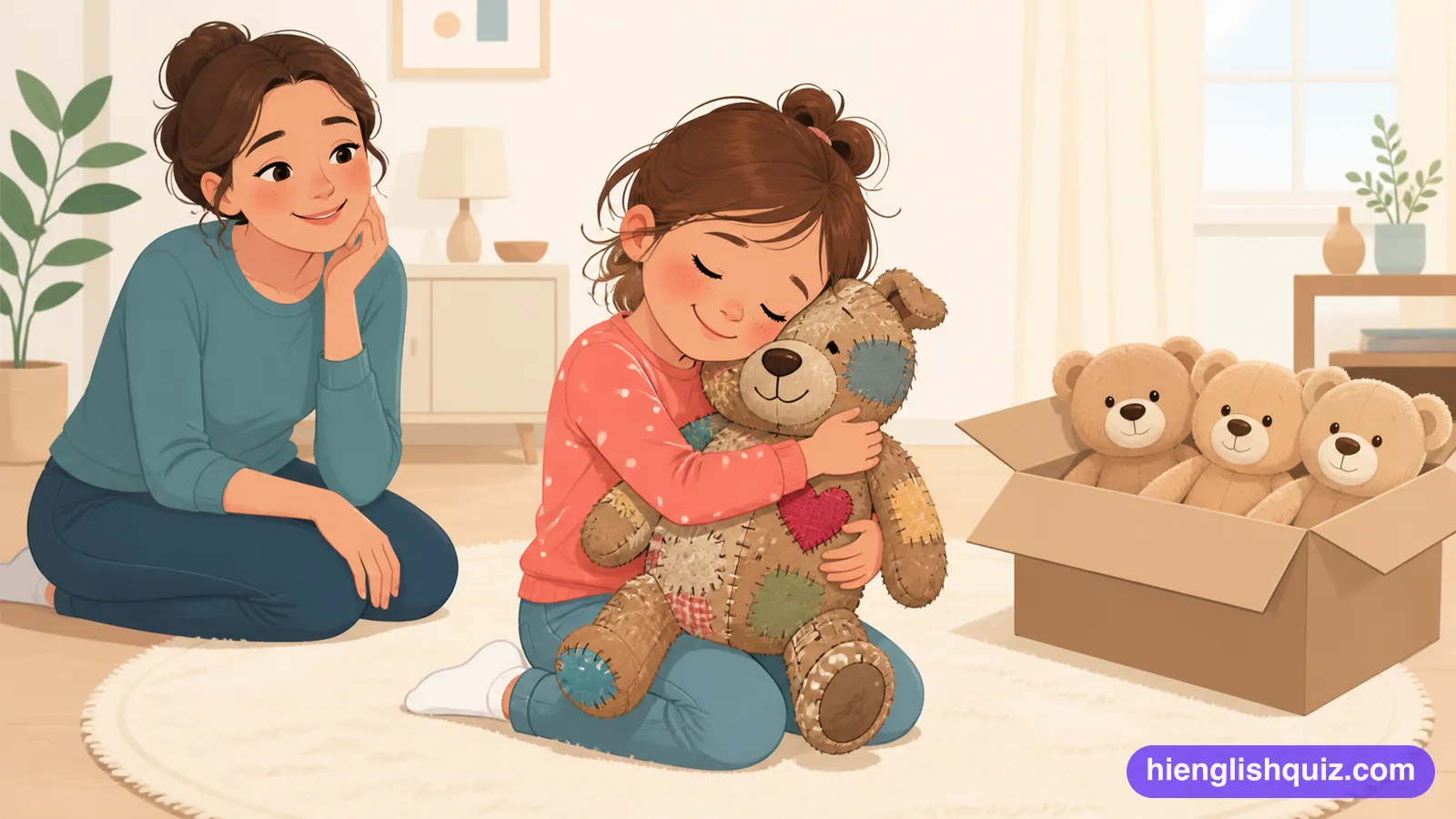
Having emotional value because of memories, rather than money value.
Example: The old watch has huge sentimental value to him.
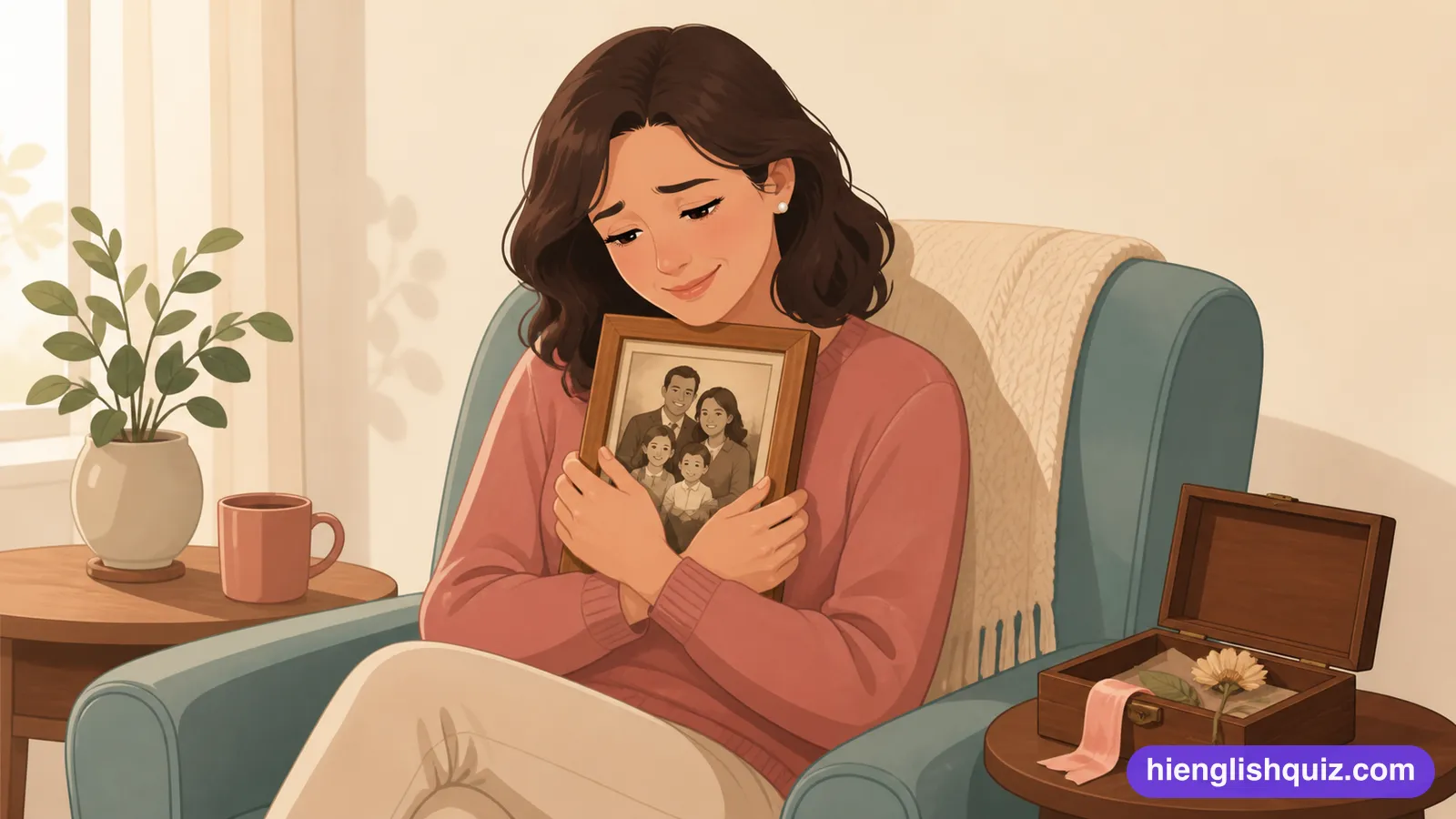
Loved and cared for deeply, often kept for a long time.
Example: It was her most cherished possession.
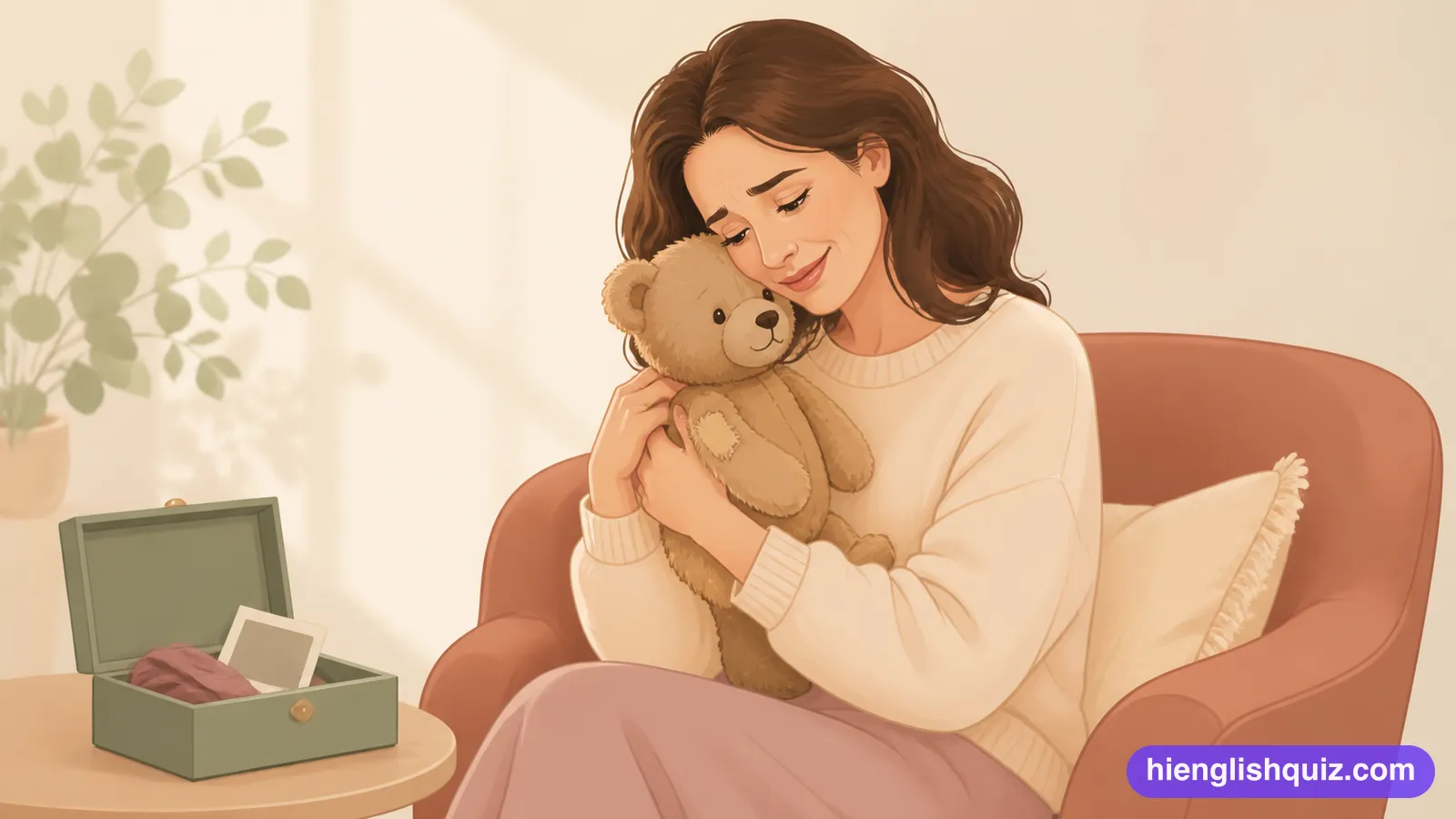
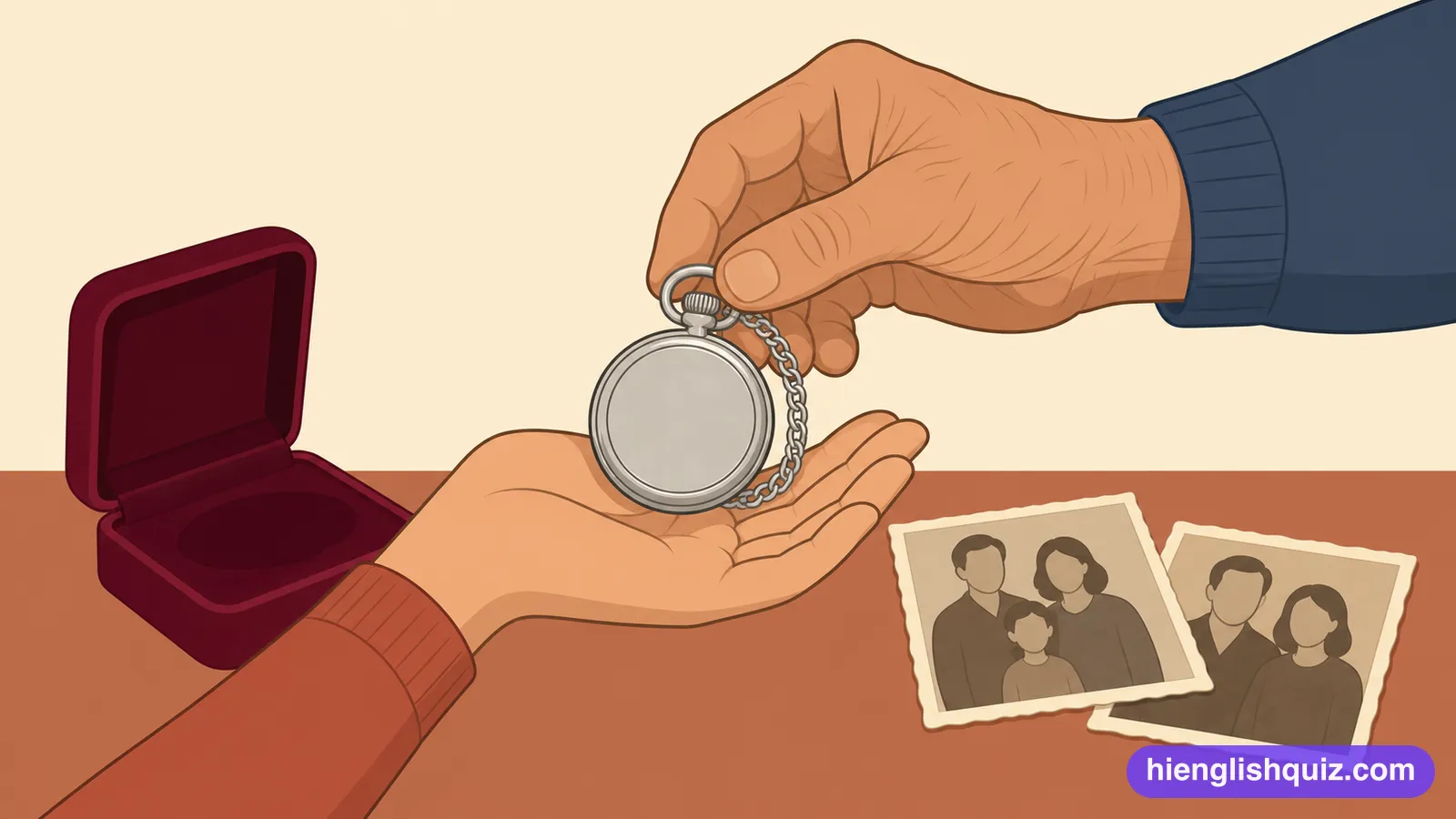
A small item you hold onto to remind you of a person or event.
Example: She kept the ticket stub as a keepsake.
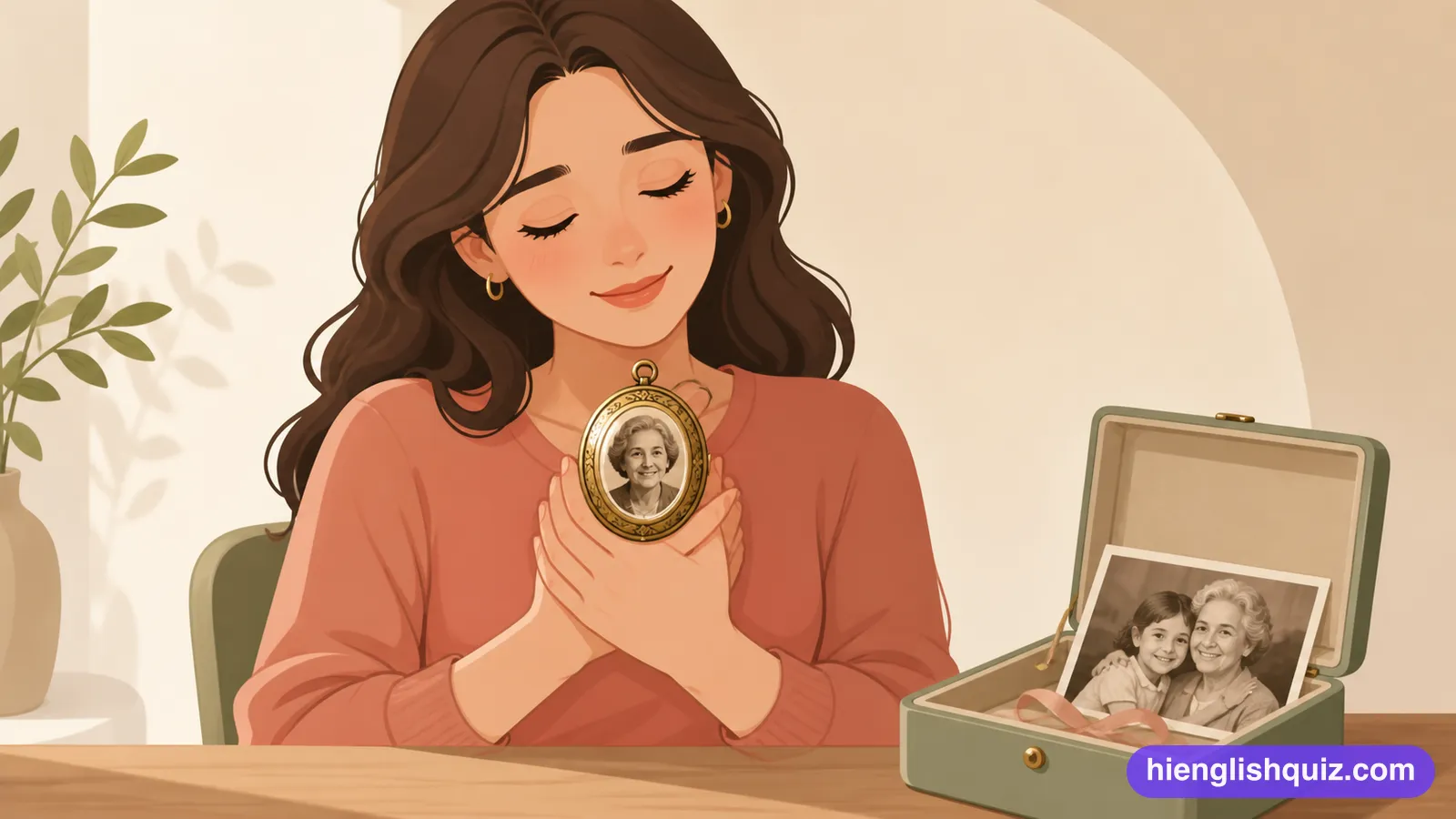
The things that belong to a person, especially things they carry with them.
Example: Please gather your belongings before you leave.
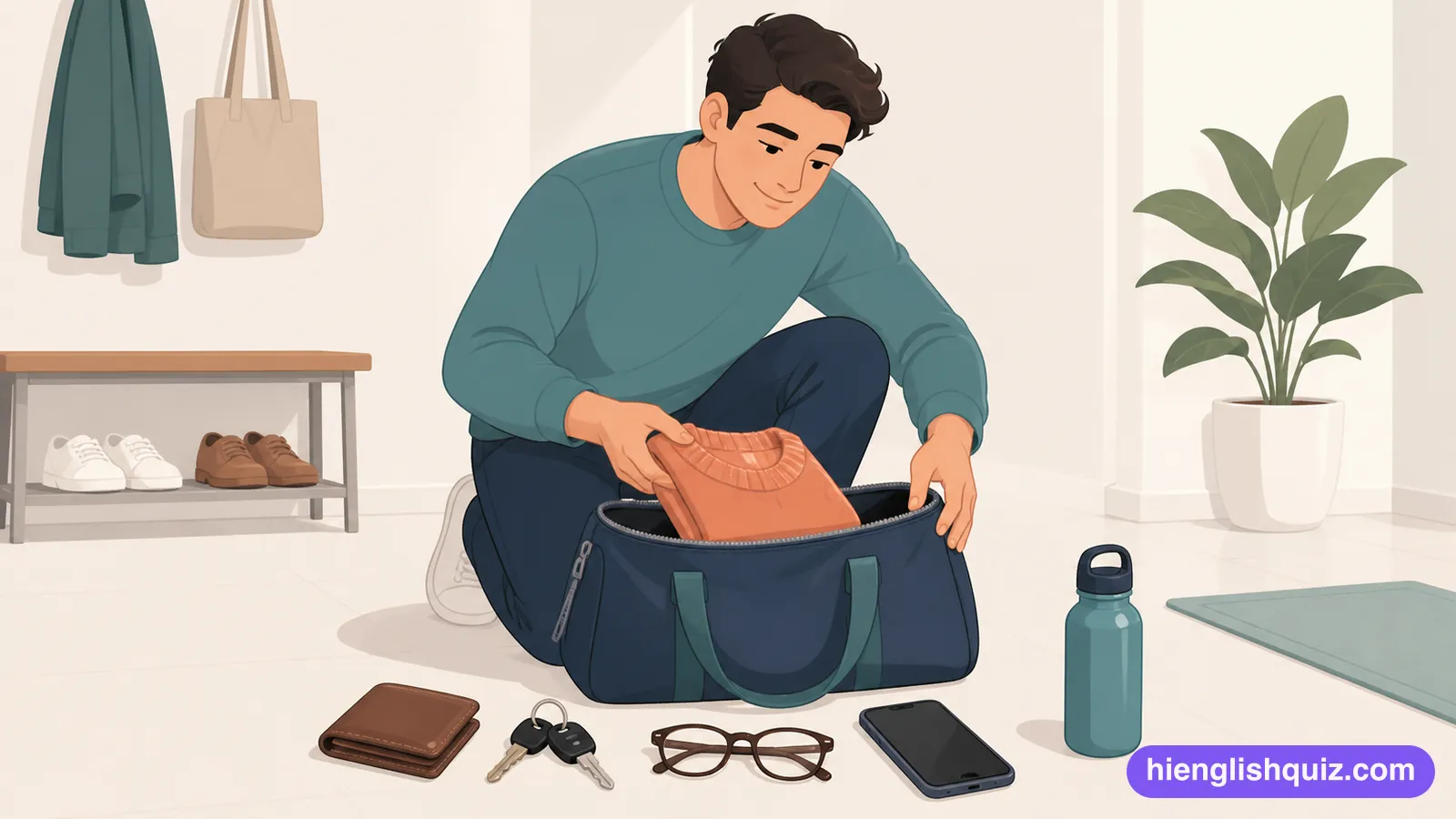
A formal term for someone's private belongings, especially after an accident or death.
Example: The hospital returned his personal effects the next day.
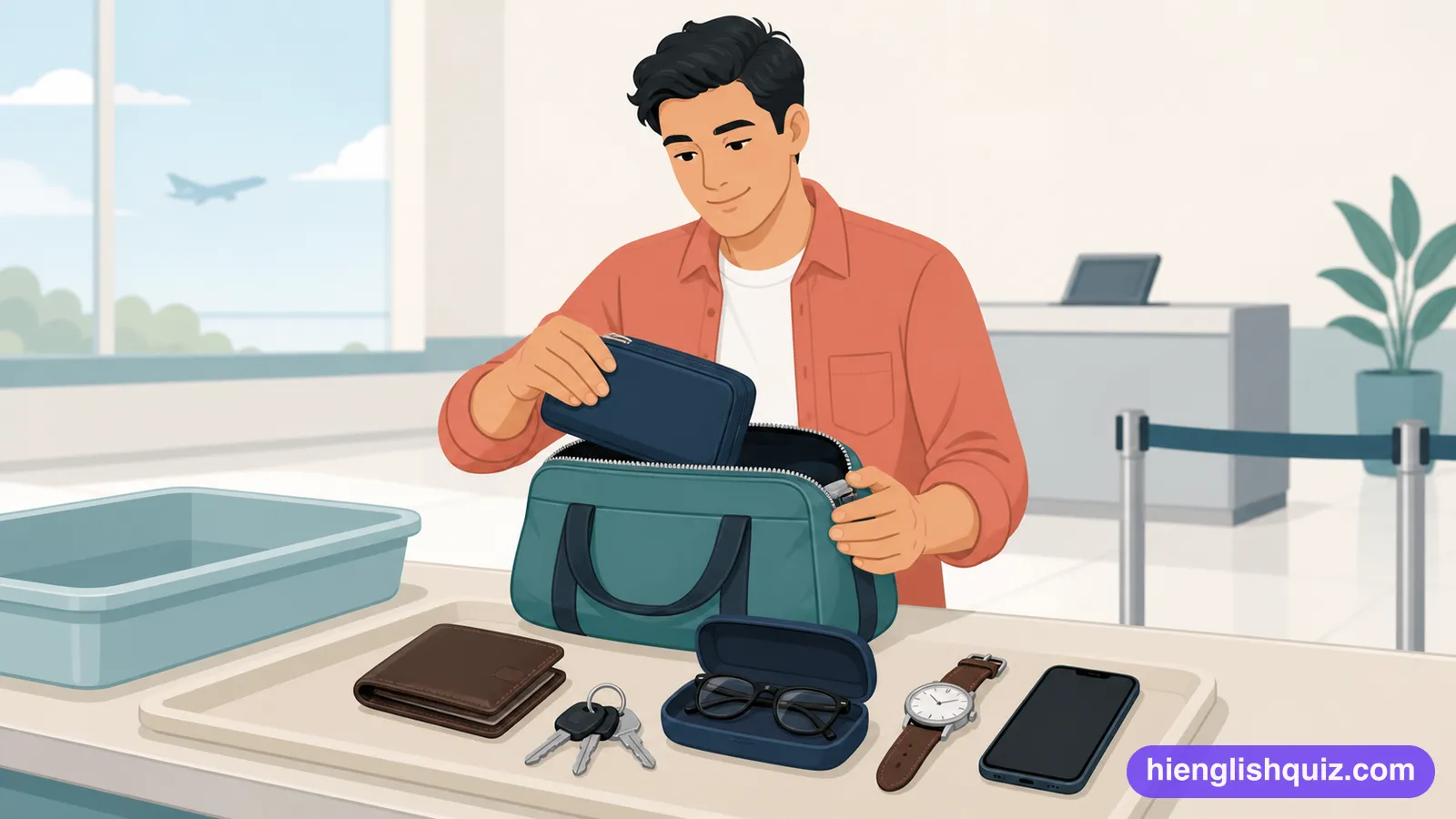
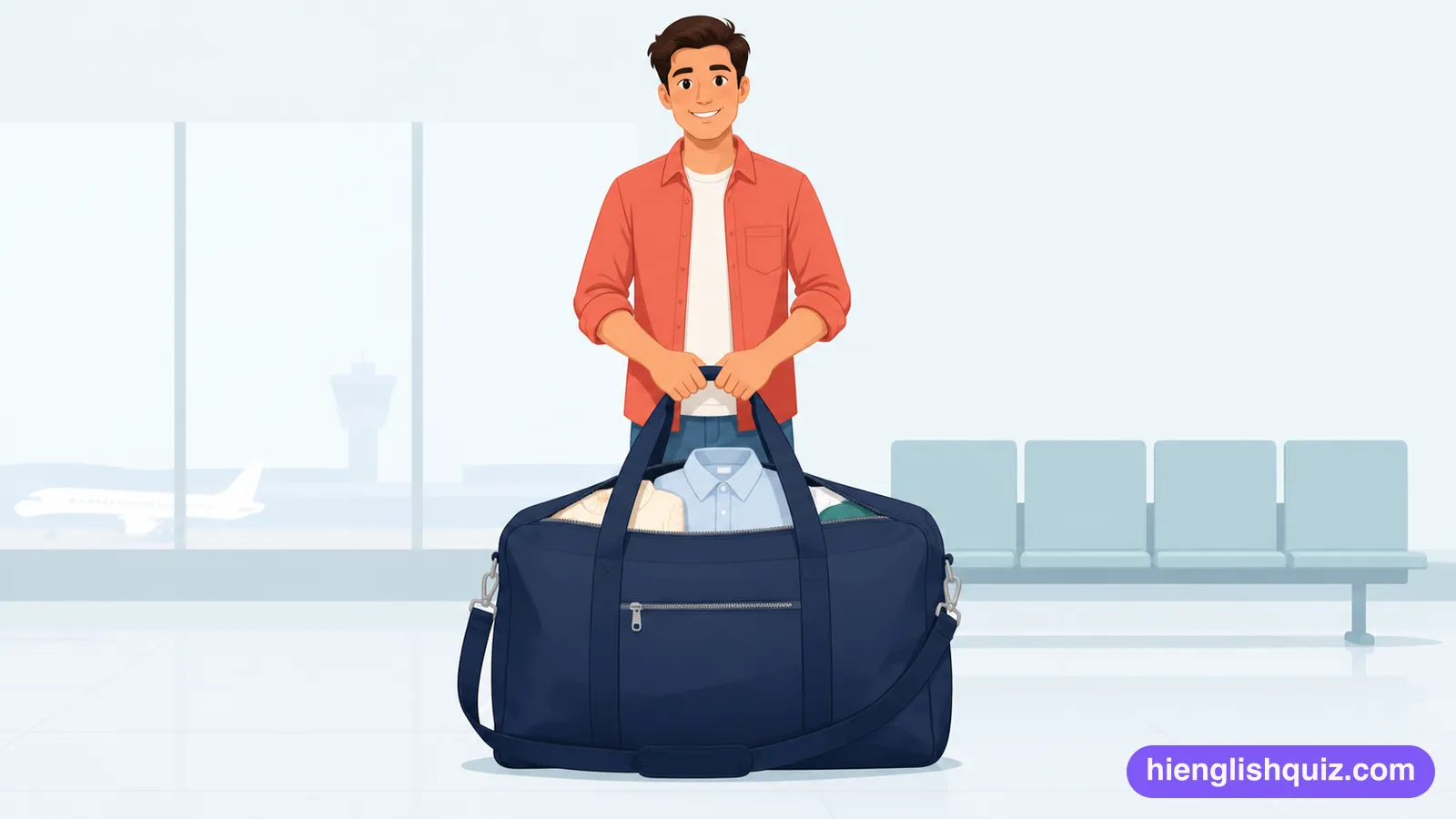
A large soft bag for carrying clothes and other things.
Example: Everything he owned went into one holdall.
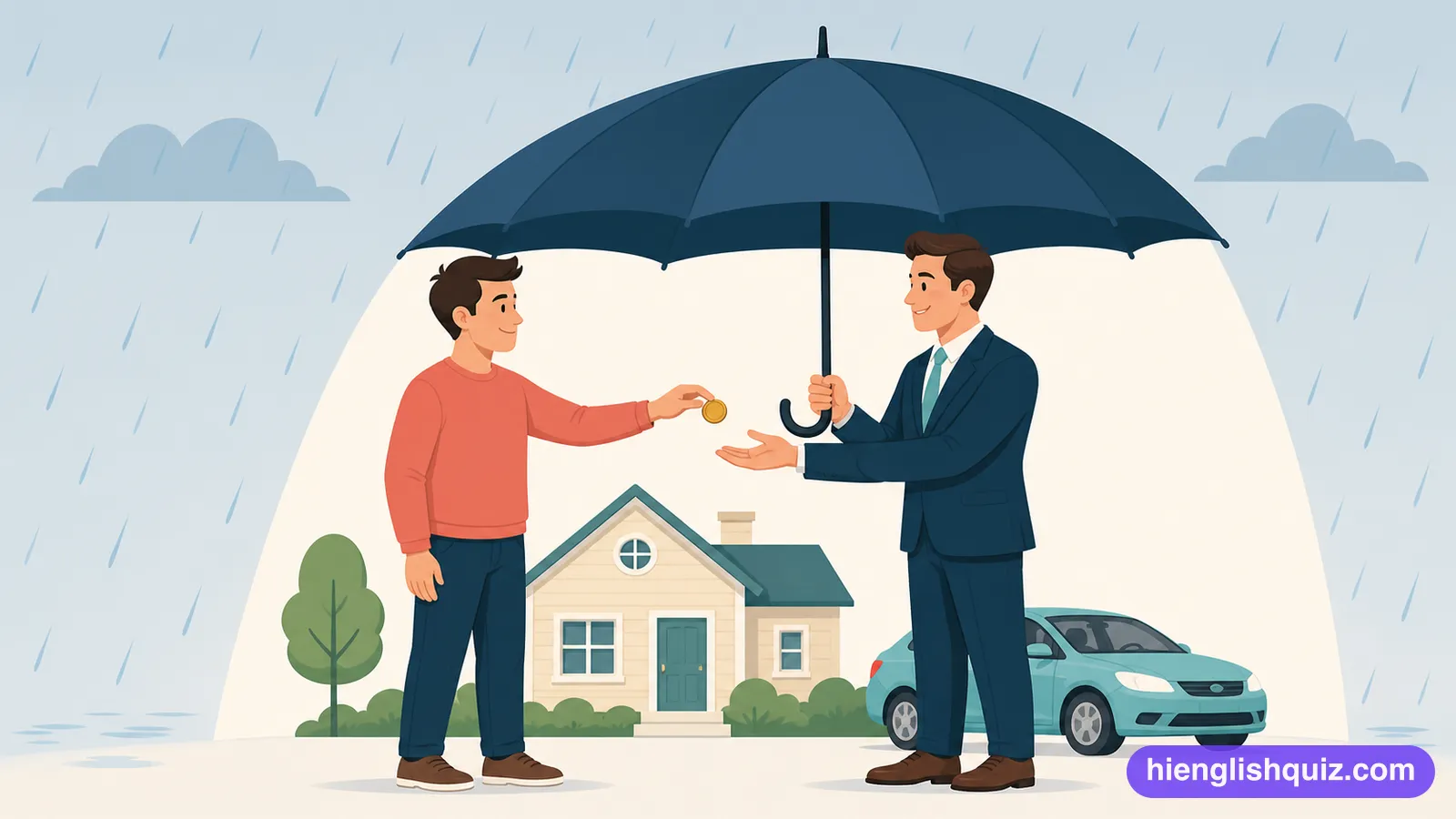
To pay a company so that it will replace something if it is lost.
Example: It costs almost nothing to insure a phone against theft.
Valued very highly by the person who owns it.
Example: The prized possession in that house is a cracked teapot.