withdraw
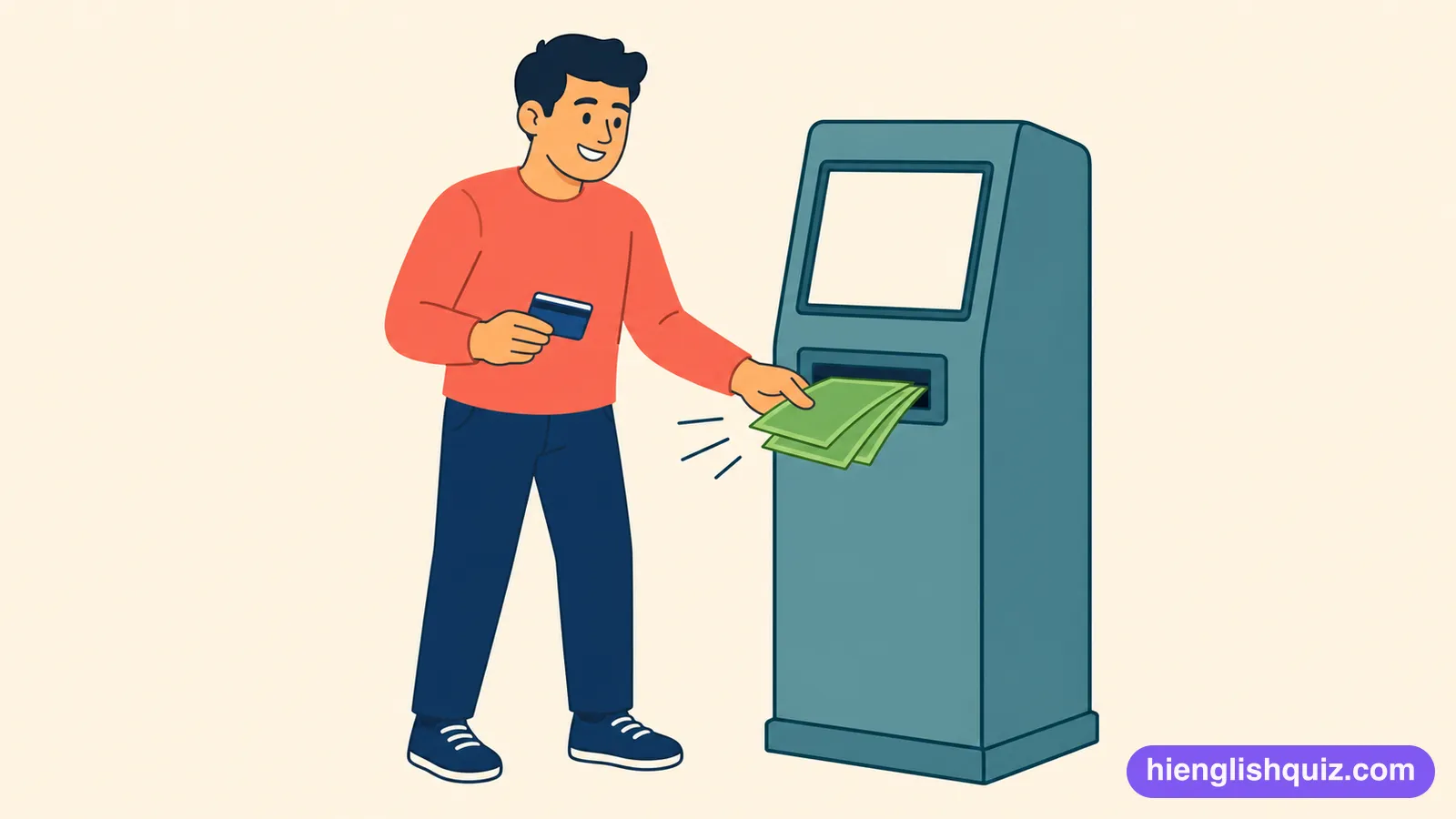
/wɪðˈdrɔ/To take money out of your bank account.
Example: I need to withdraw some cash before the shops close.
 Hi EnglishQuiz
B116 words · Intermediate
Money & Payments vocabulary for everyday banking, including withdraw, loan, balance and current account — the words needed at a cash machine or a bank branch.
To take money out of your bank account.
Example: I need to withdraw some cash before the shops close.
Money that a bank lets you have now and that you must pay back over time.
Example: They took out a loan to pay for the new kitchen.

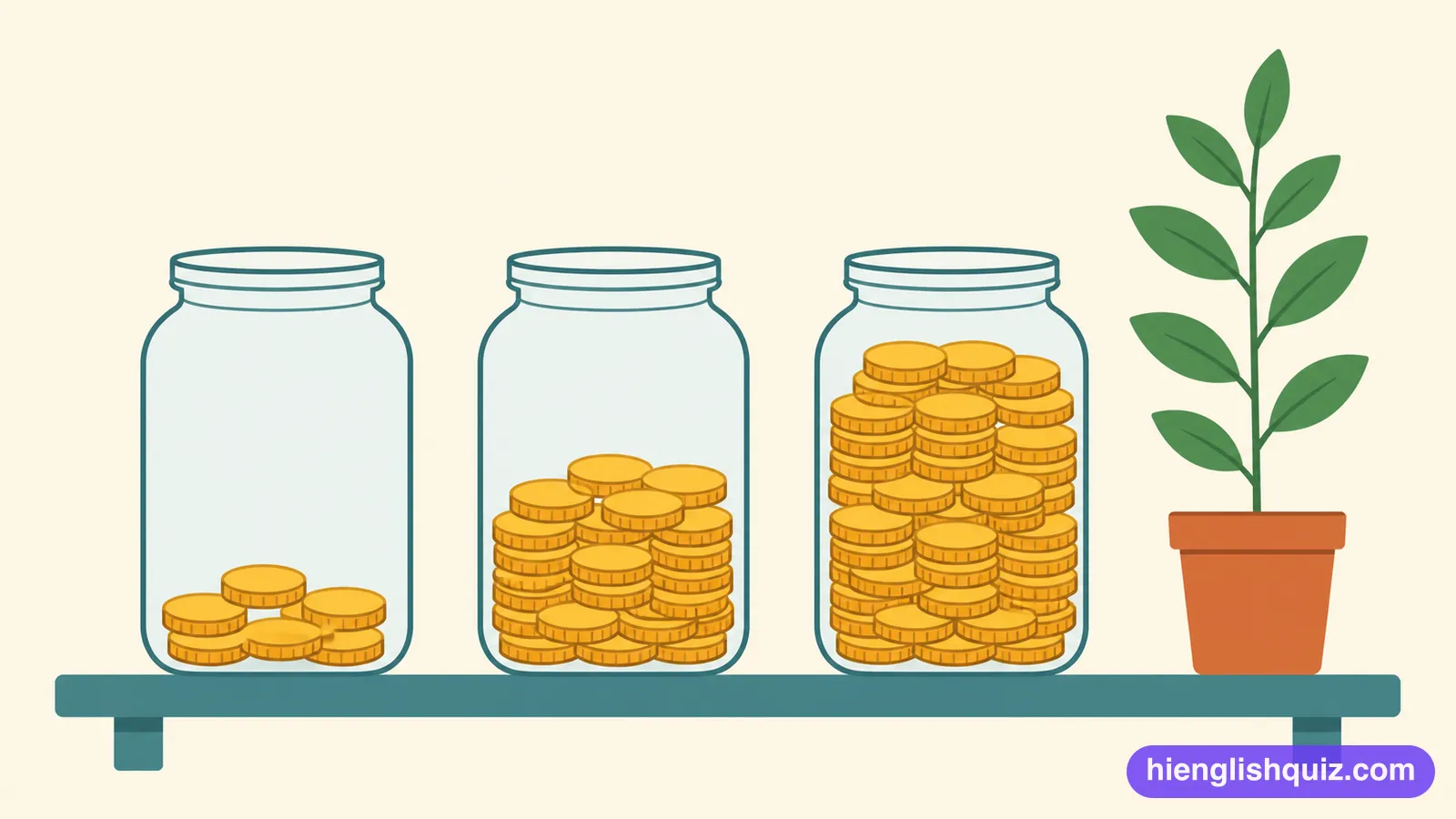
The extra money a bank pays you for keeping money there, or asks for when you borrow.
Example: This account pays hardly any interest, so I'm switching banks.

The amount of money that is in a bank account at a particular moment.
Example: I checked my balance before booking the flights.
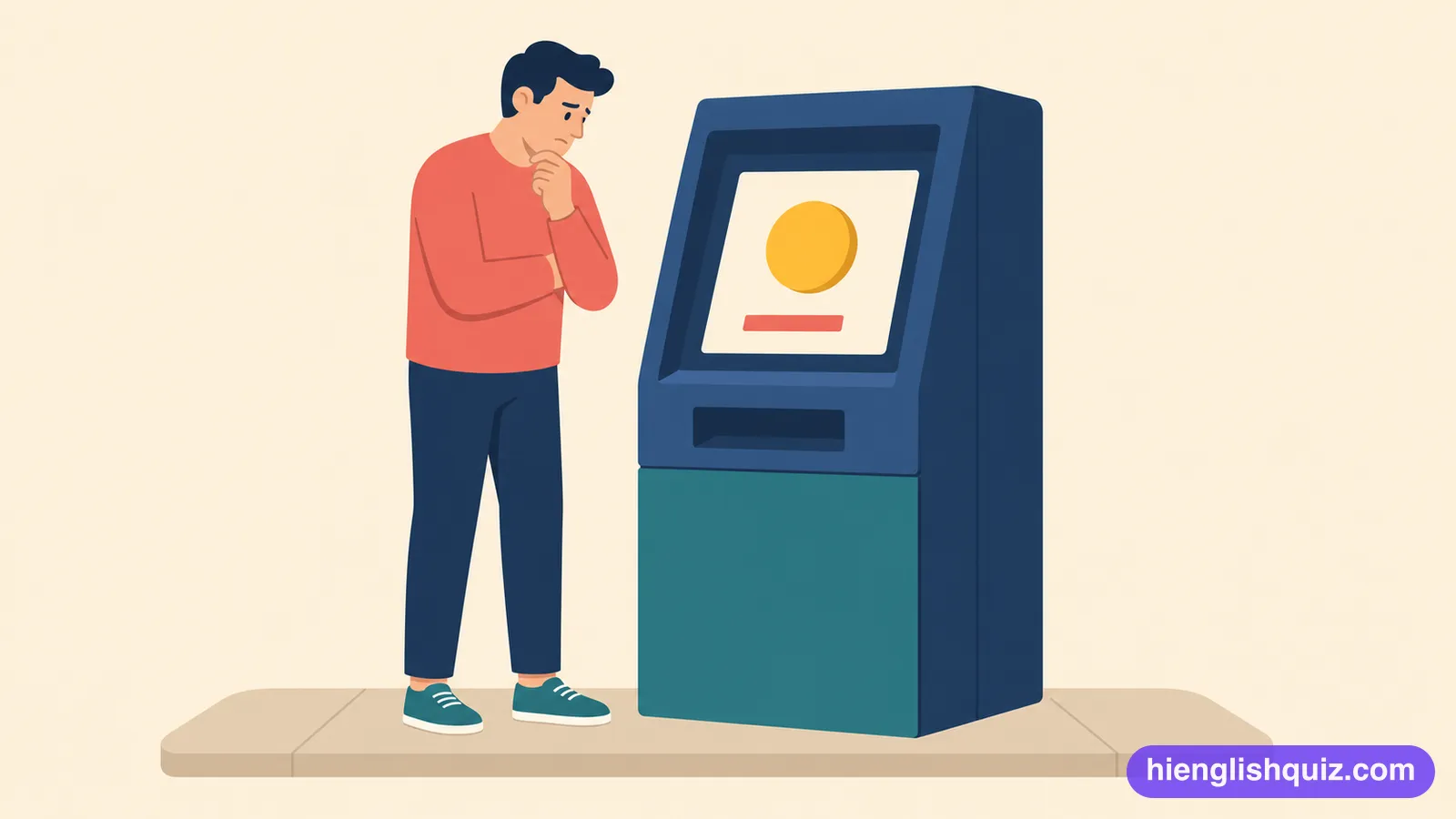
A device in a wall outside a bank where you take money out with your card.
Example: There's a cash machine just outside the supermarket.
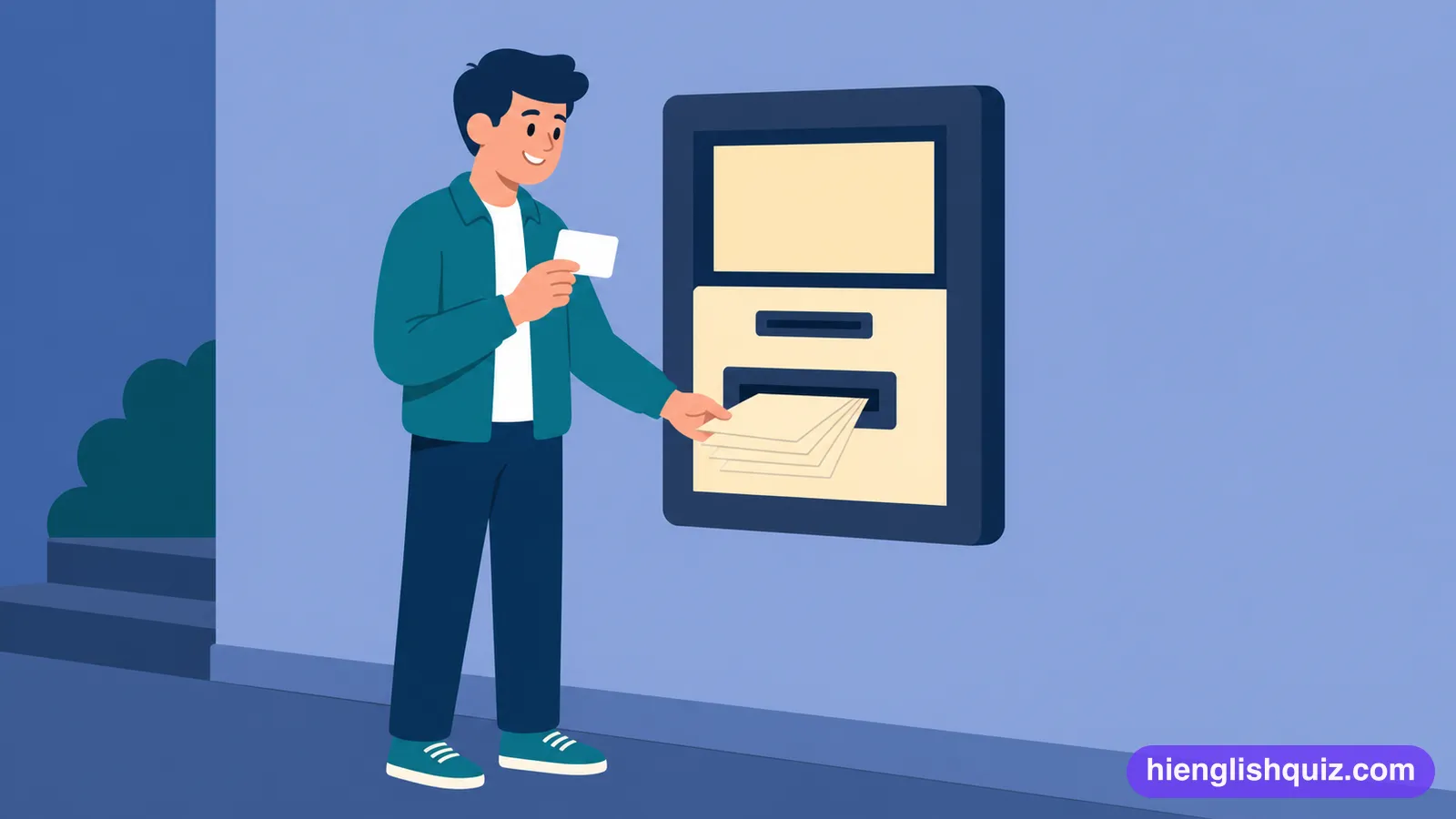
A paper or online list from your bank showing the money that went in and out of your account.
Example: My bank statement shows every payment I made last month.
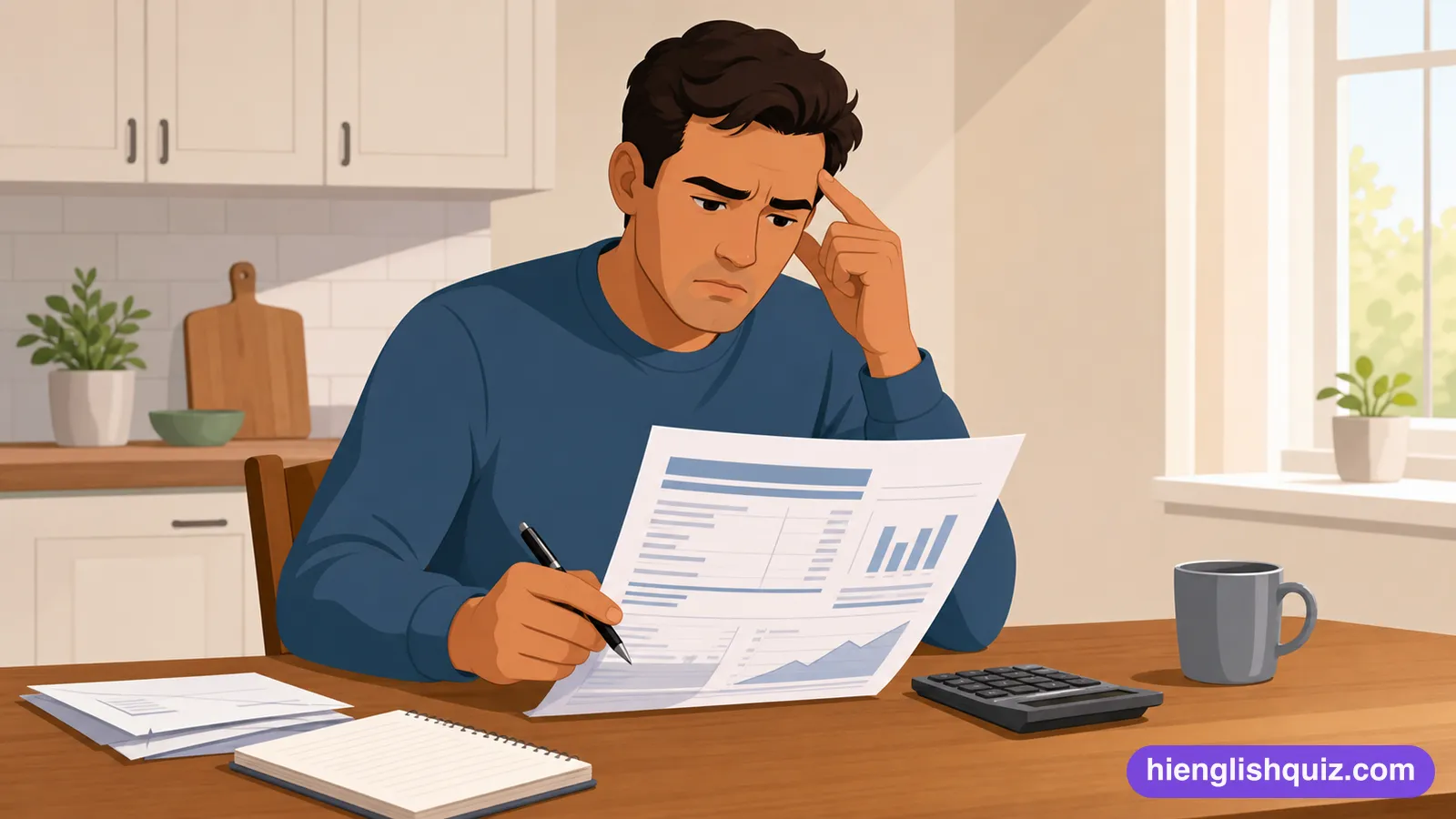
A person who works at a bank counter and deals with people's money.
Example: The teller counted out the cash carefully.

A smaller place where a bank or company does business locally, apart from where it is based.
Example: There's a branch of my bank near the station.
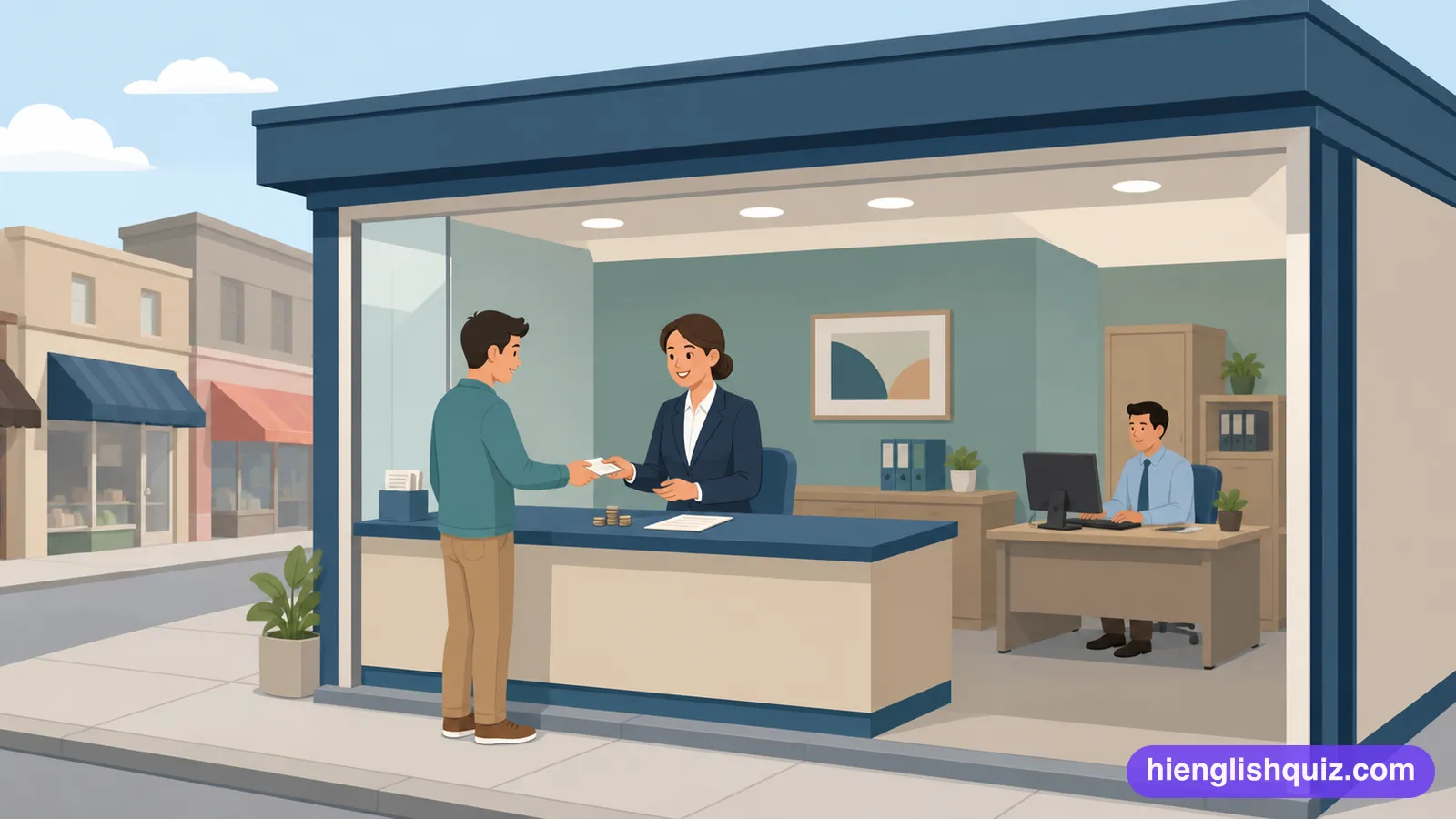
A bank account you use for everyday spending, such as paying bills and shopping.
Example: My salary goes straight into my current account.
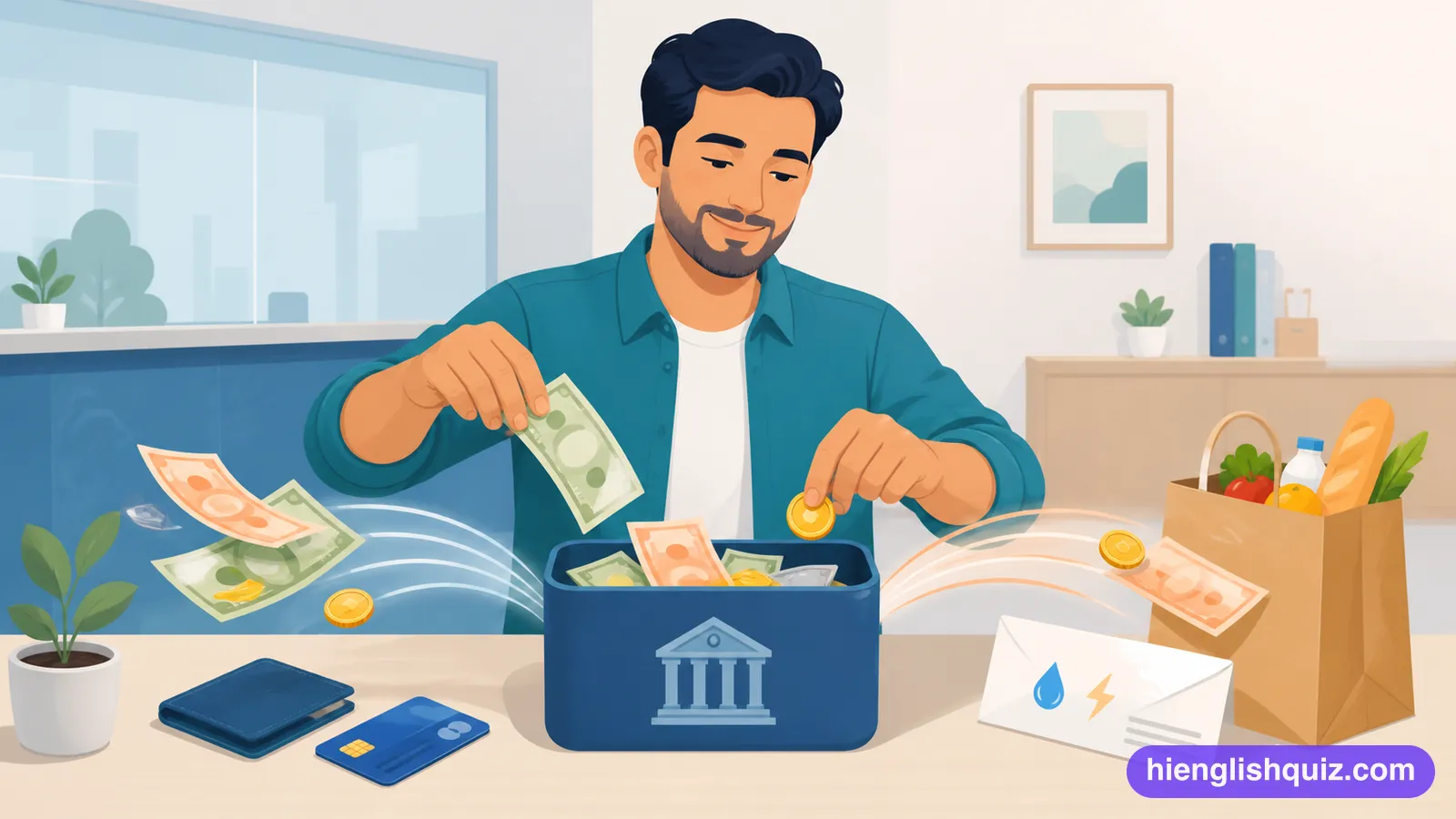
The money used in a particular country.
Example: You'll need to change your currency before the trip.
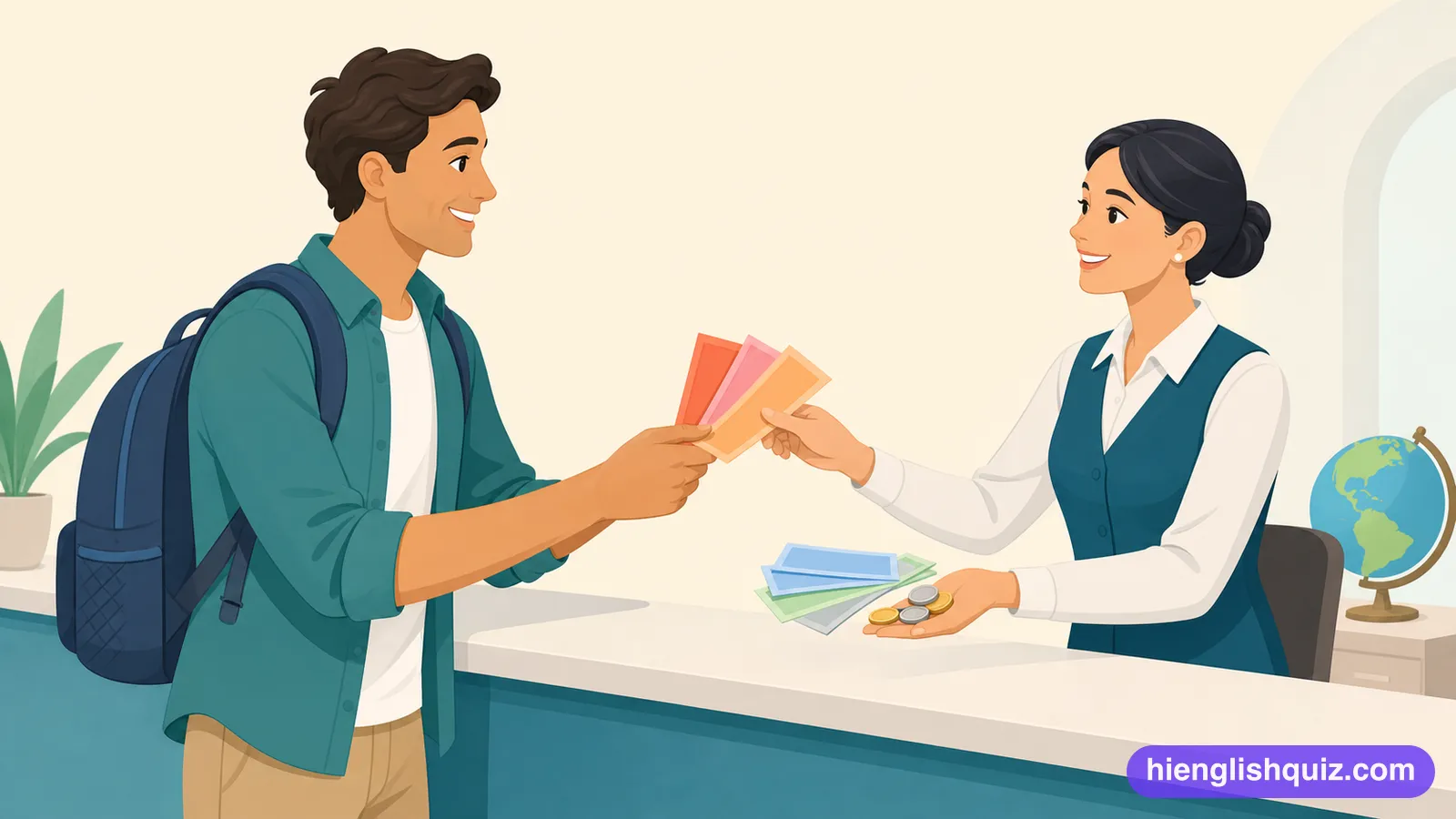
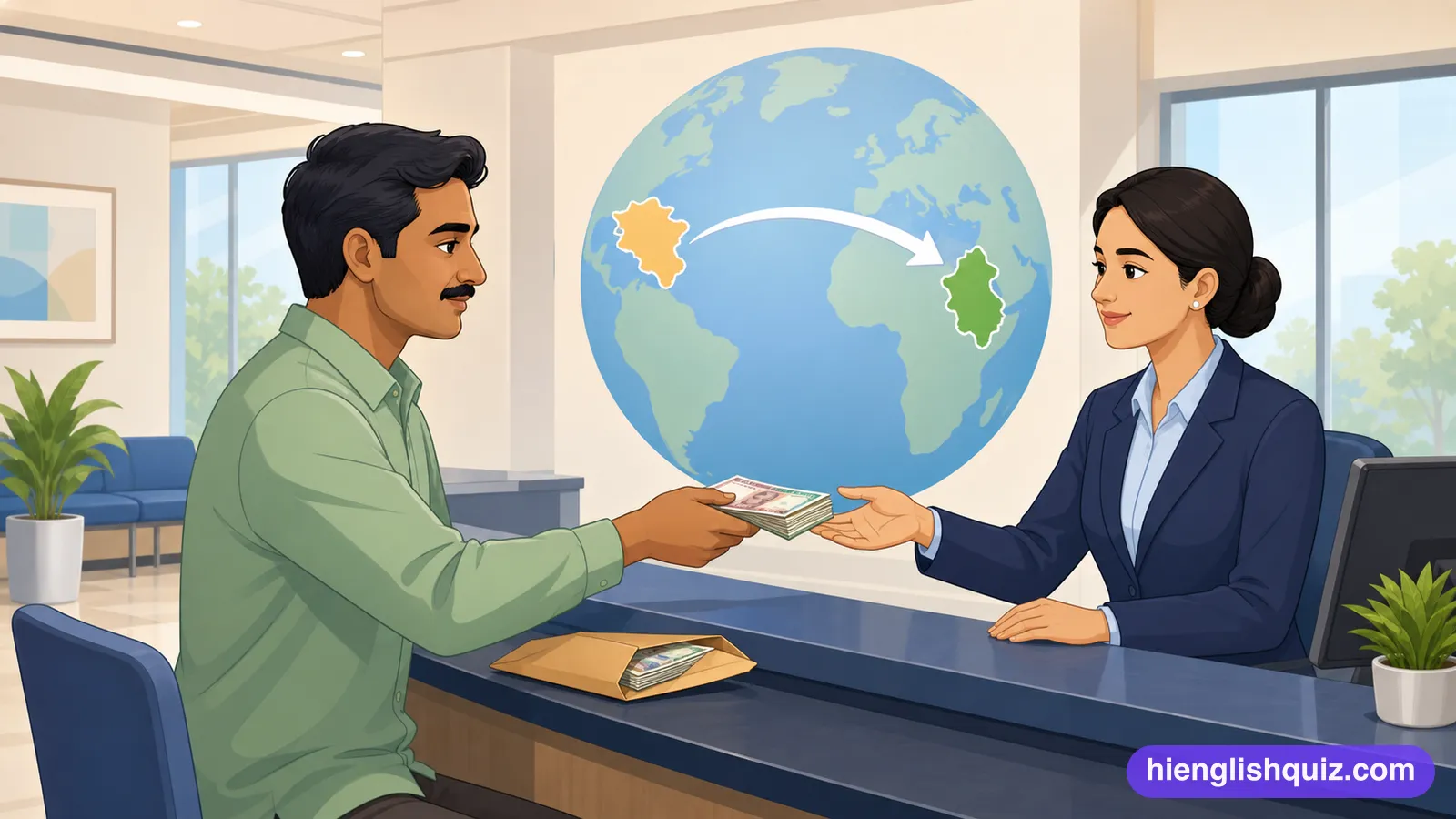
To move money from one bank account into another, usually using an app or a website.
Example: I'll transfer you my half of the rent tonight.
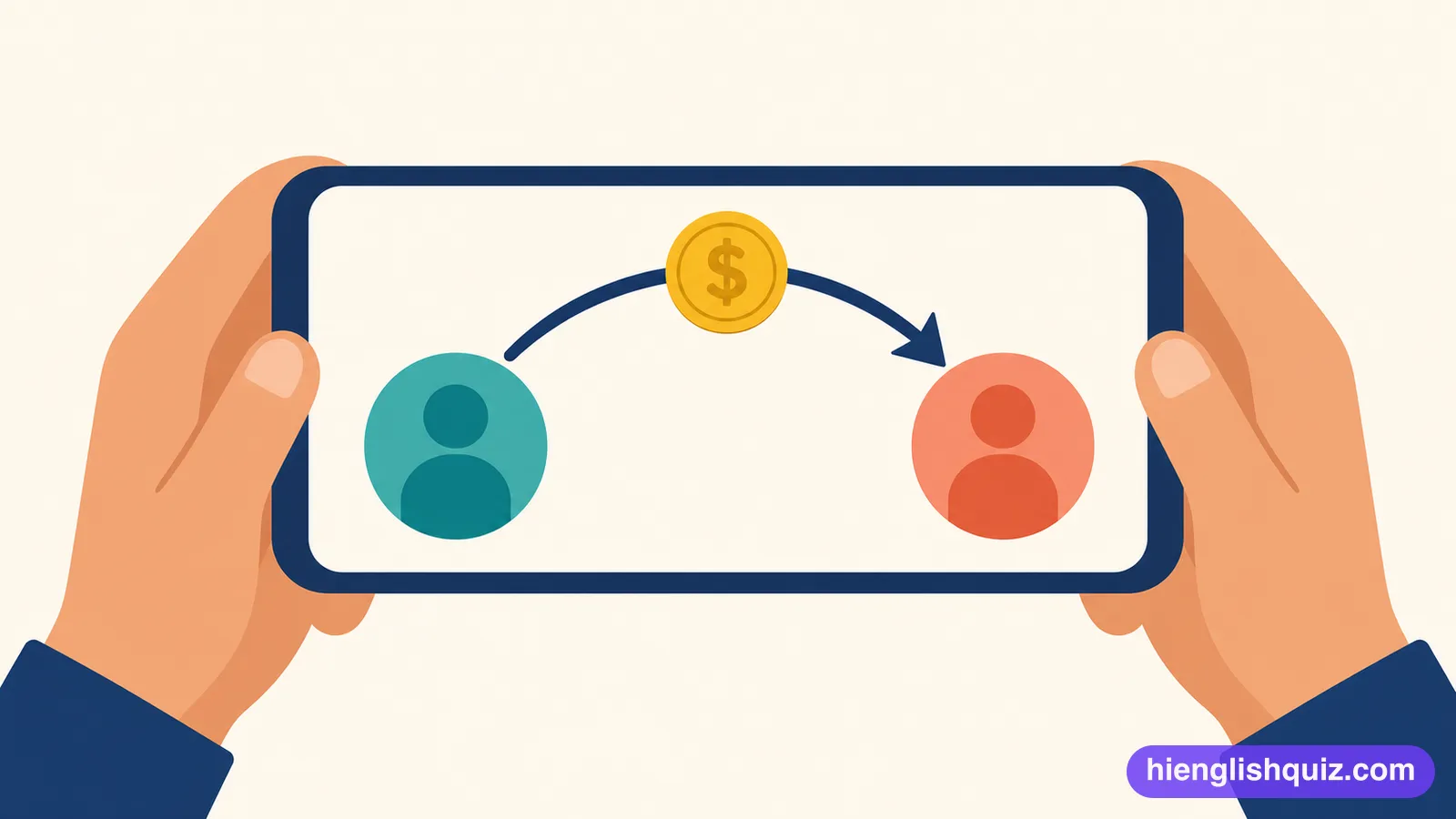
Paid for by holding a card near a machine instead of typing a code.
Example: Just tap it — this shop takes contactless up to fifty pounds.
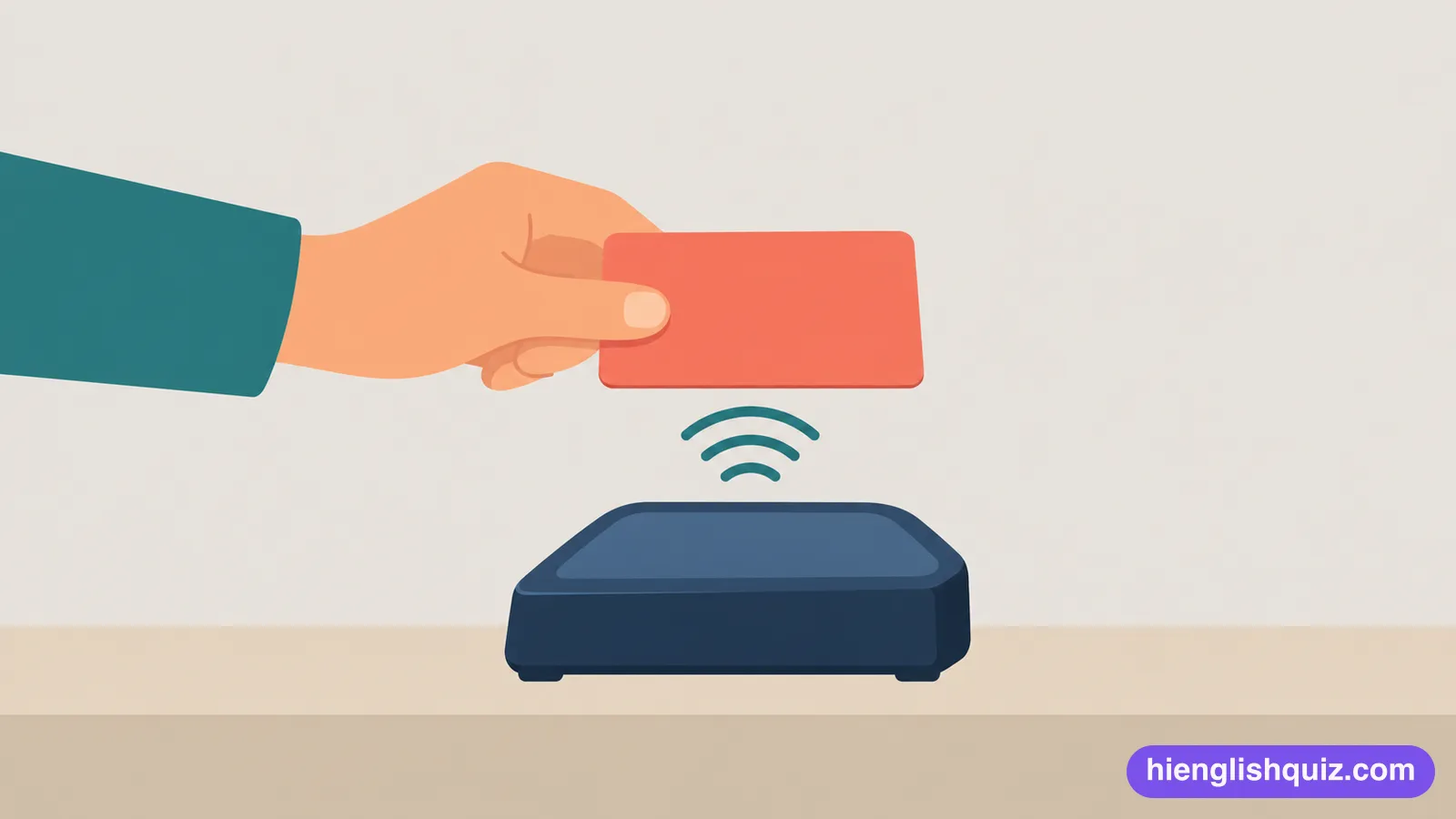
To ask someone to pay an amount of money for goods or for a service.
Example: Some banks charge you for using a card abroad.
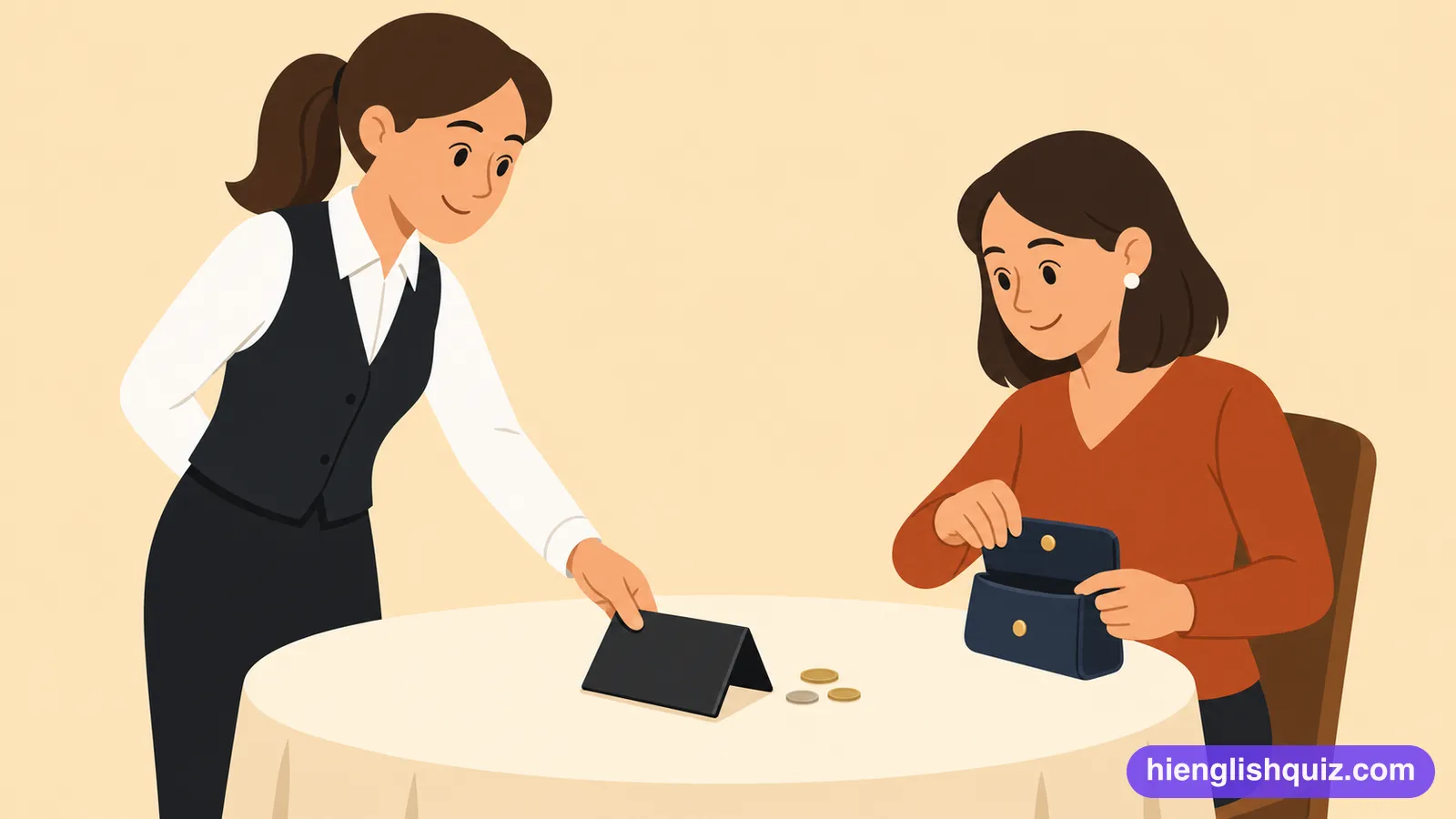
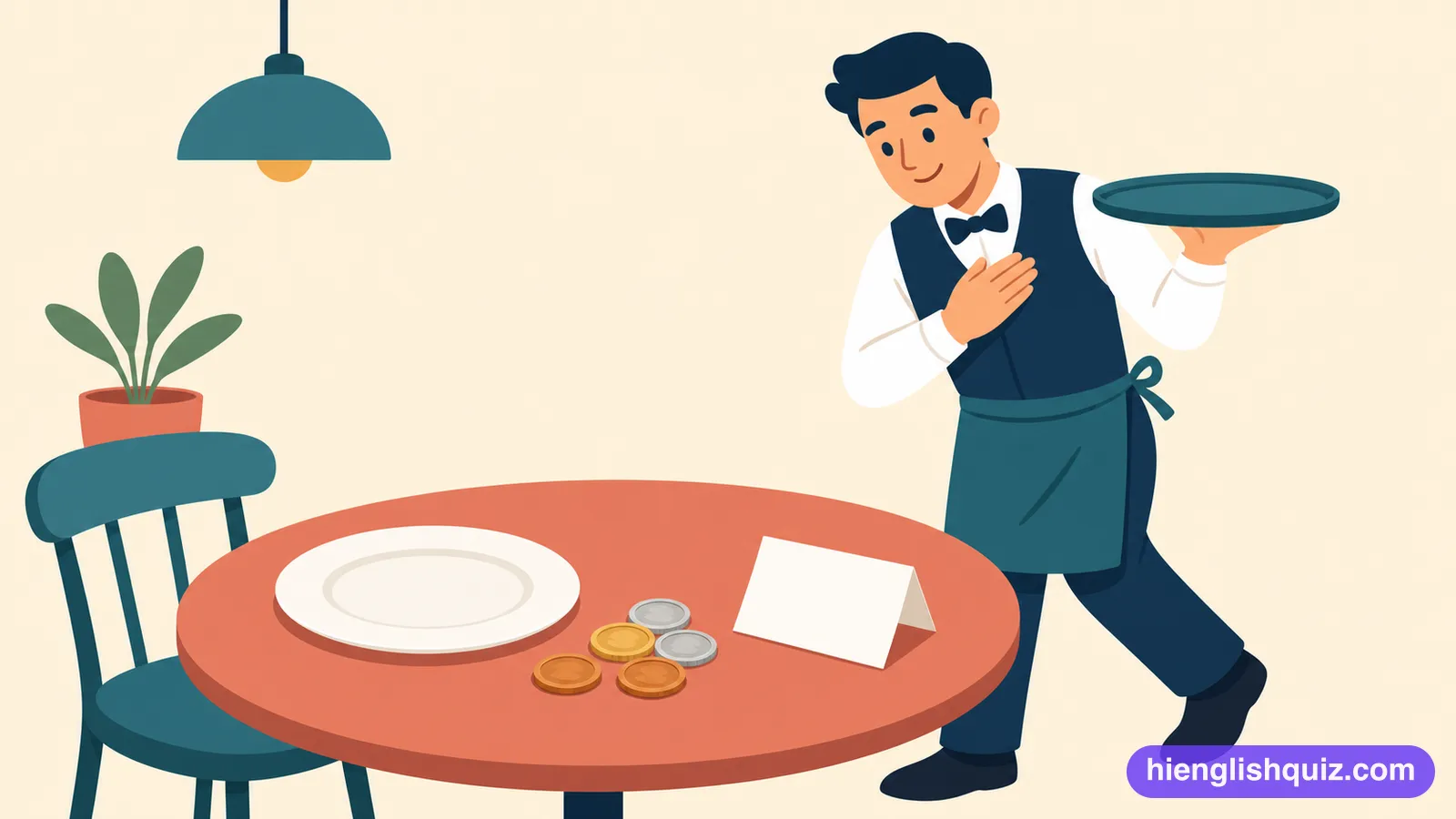
Extra money you leave for someone who served you, to thank them.
Example: We left a small tip for the waiter after lunch.
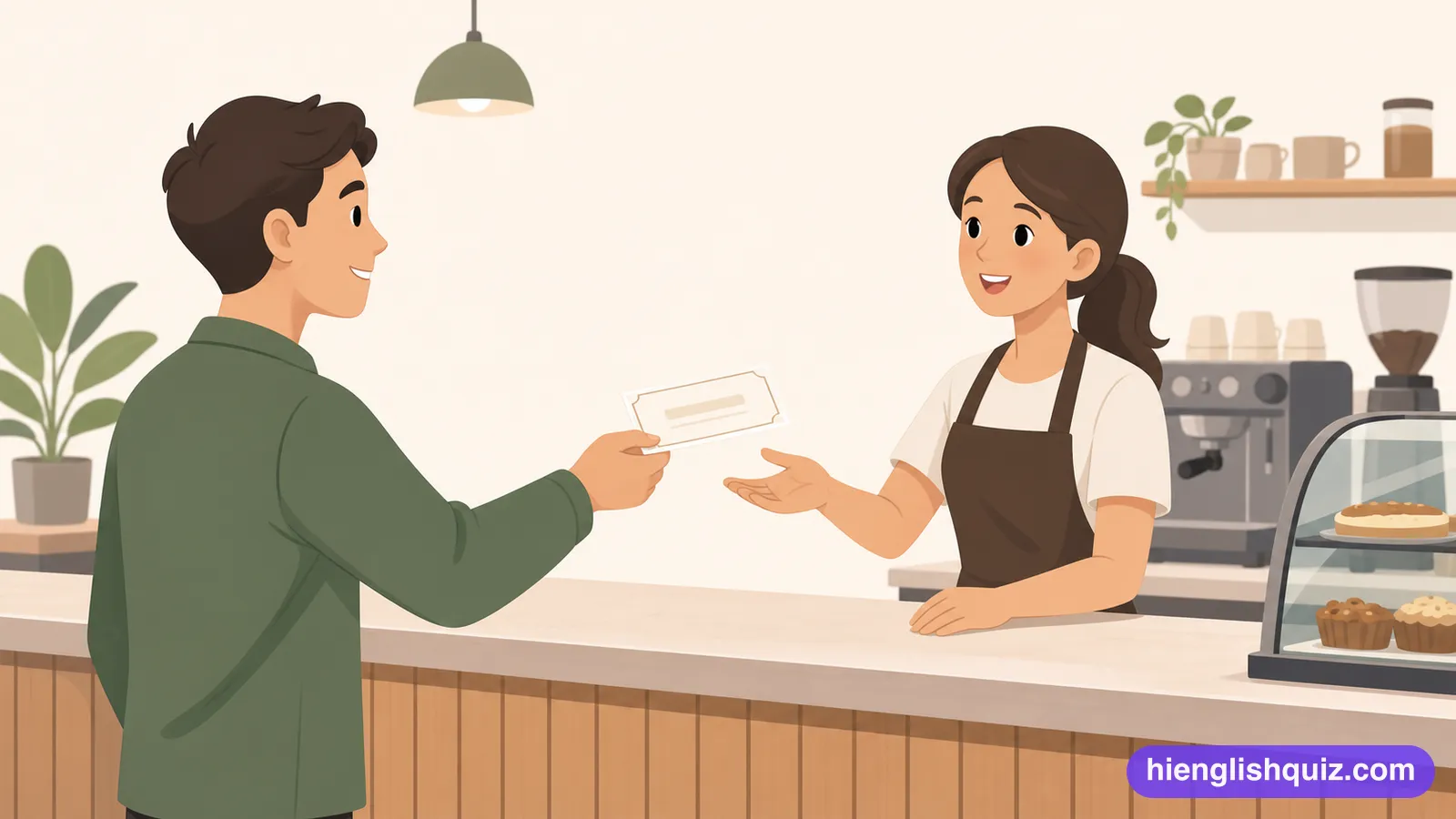
A printed piece of paper or a code that you can use instead of money to pay.
Example: I used a ten-pound voucher to pay for lunch.
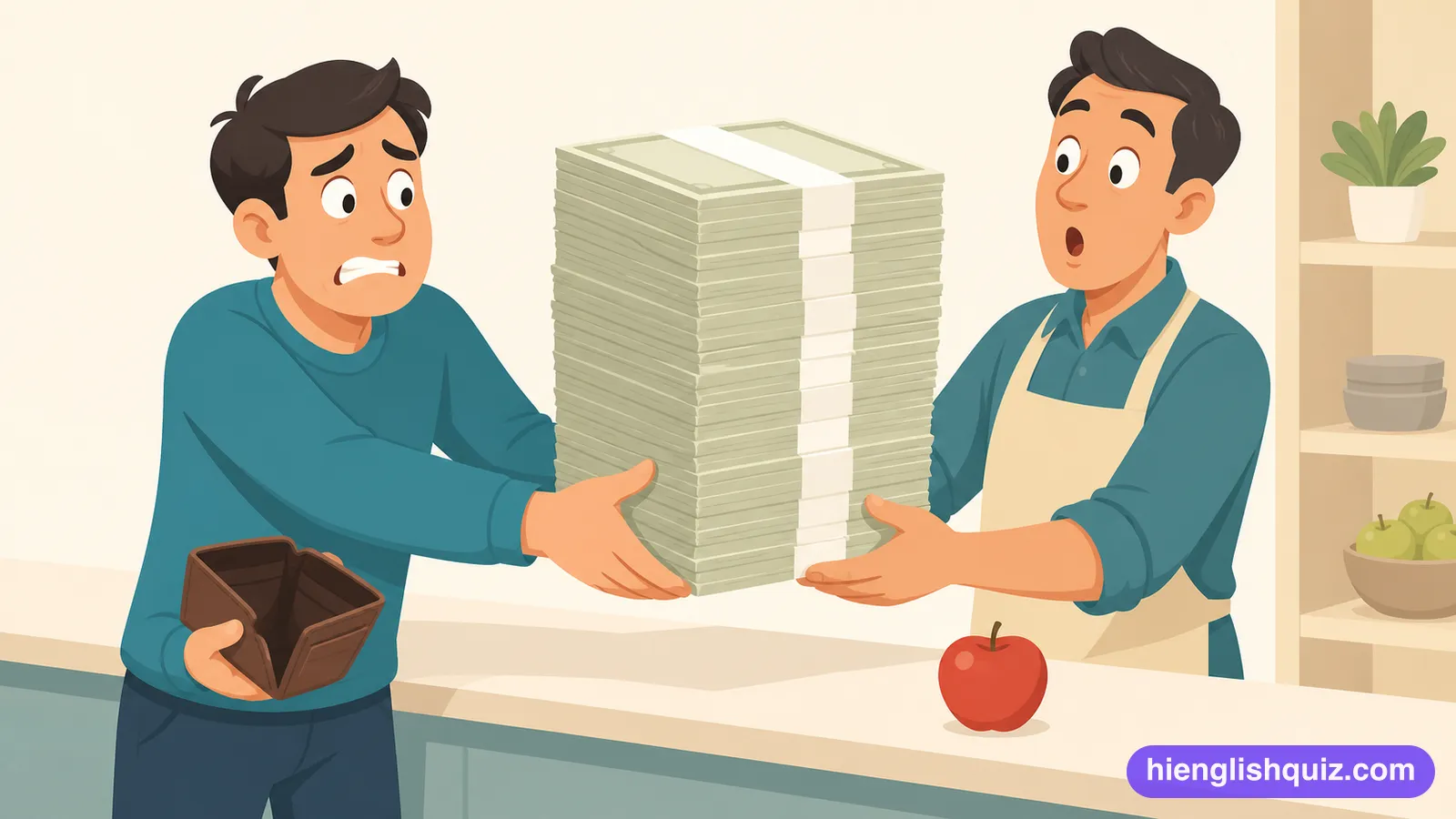
To give more for something than it is really worth or than you needed to.
Example: I think we overpaid for that meal.