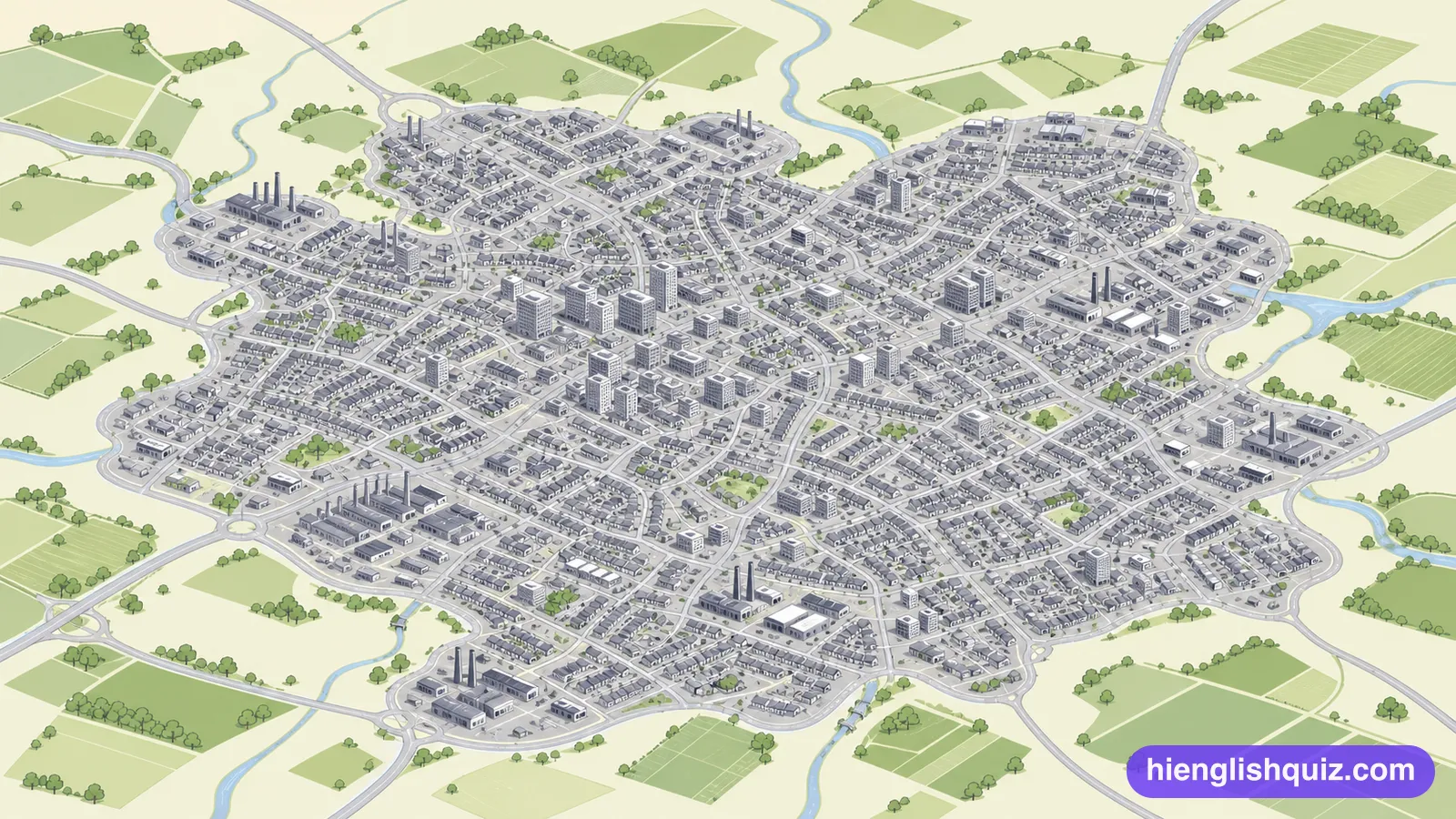
outskirts
/ˈaʊtˌskɜrts/- Nghĩa tiếng Việt
- Vùng ven đô
- Định nghĩa tiếng Anh
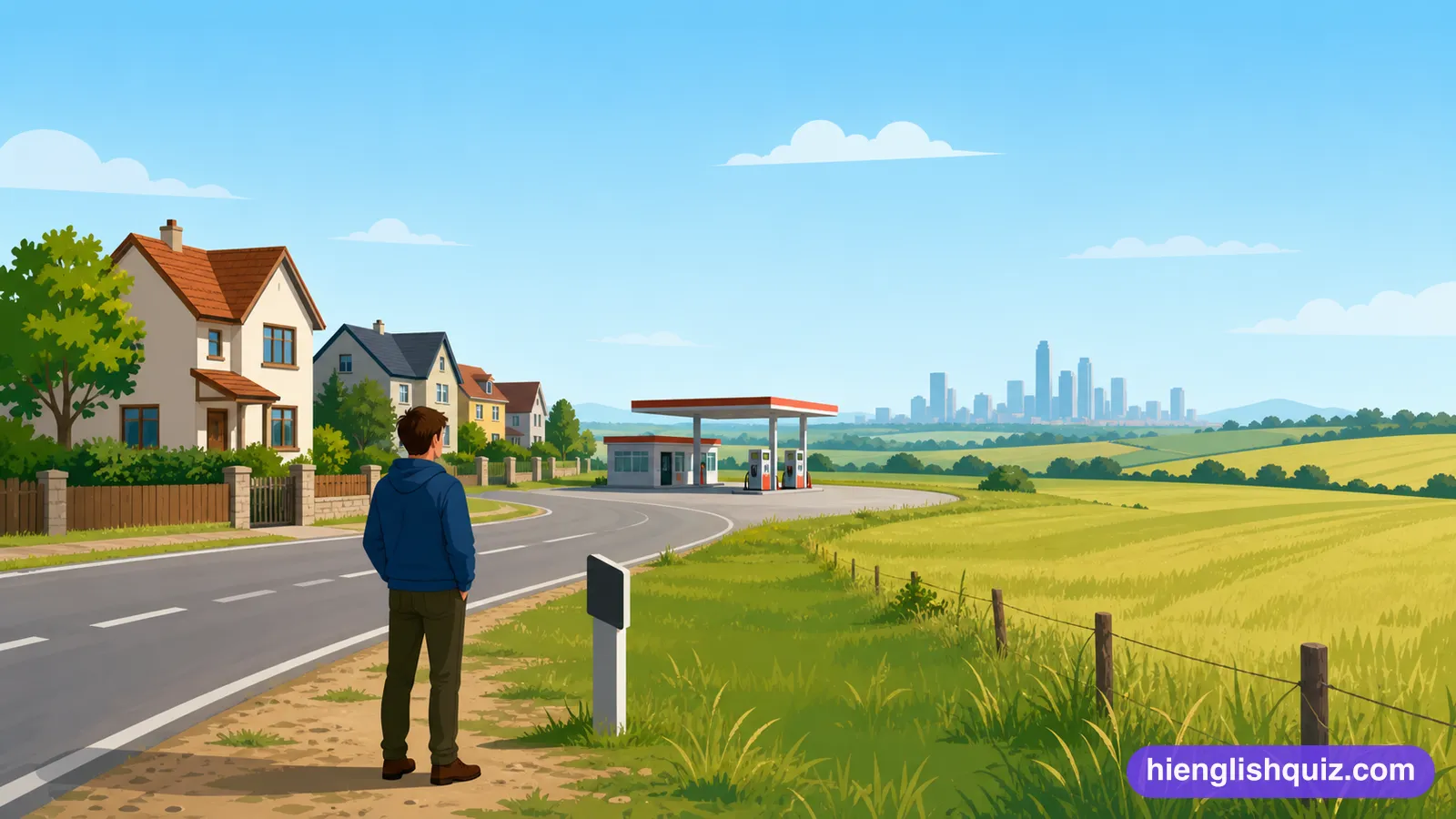
- The outer parts of a town, furthest from the centre.
Ví dụ: They live on the outskirts, about twenty minutes by bus.
 Hi EnglishQuiz
C122 từ · Cao cấp
Từ vựng đô thị cho cách thành phố phát triển và thay đổi, gồm gentrification, urbanisation và inner city, cùng cityscape nhộn nhịp và facade hoang tàn.
Ví dụ: They live on the outskirts, about twenty minutes by bus.
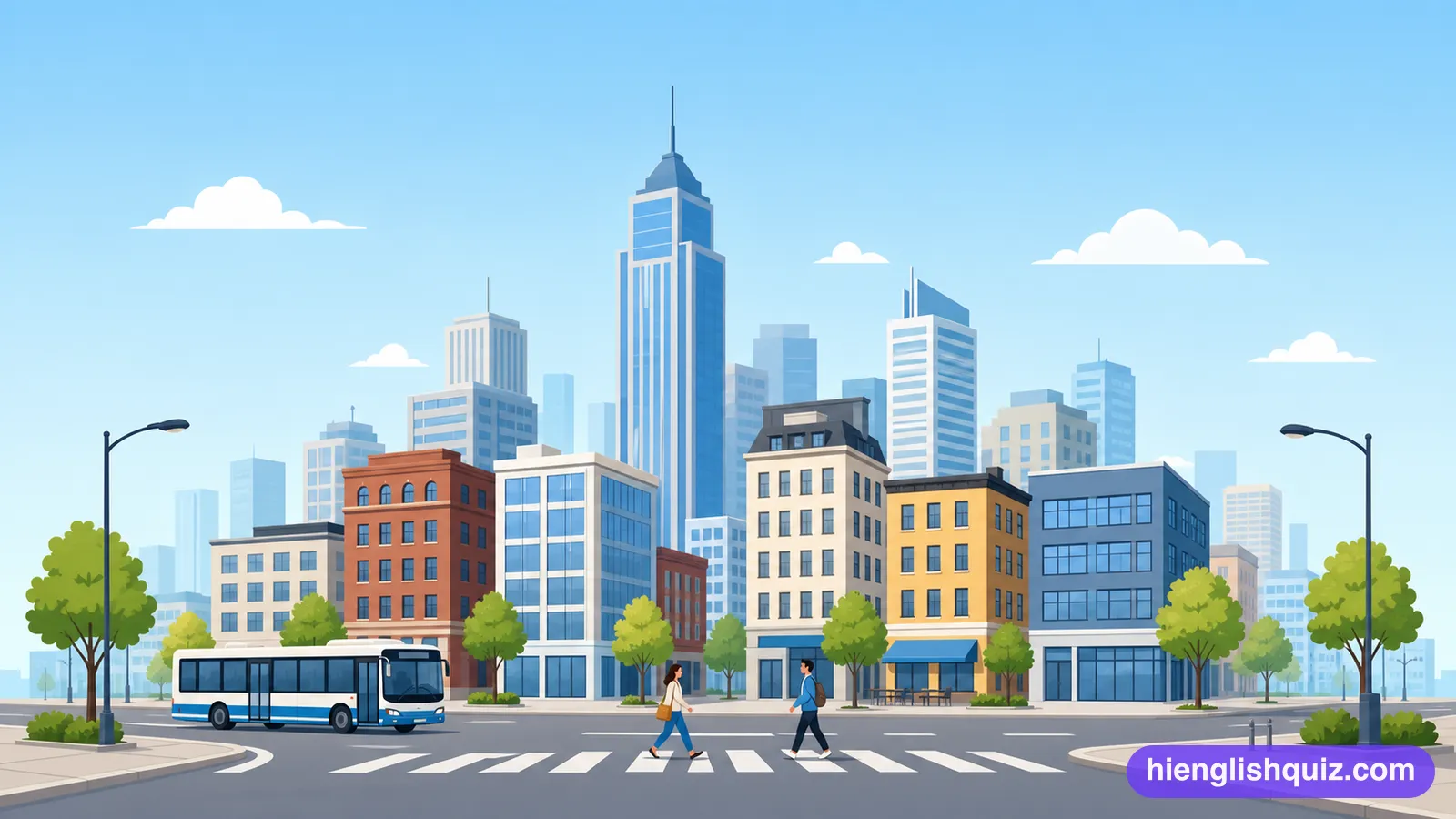
Ví dụ: The skyline looks amazing from the far side of the river.

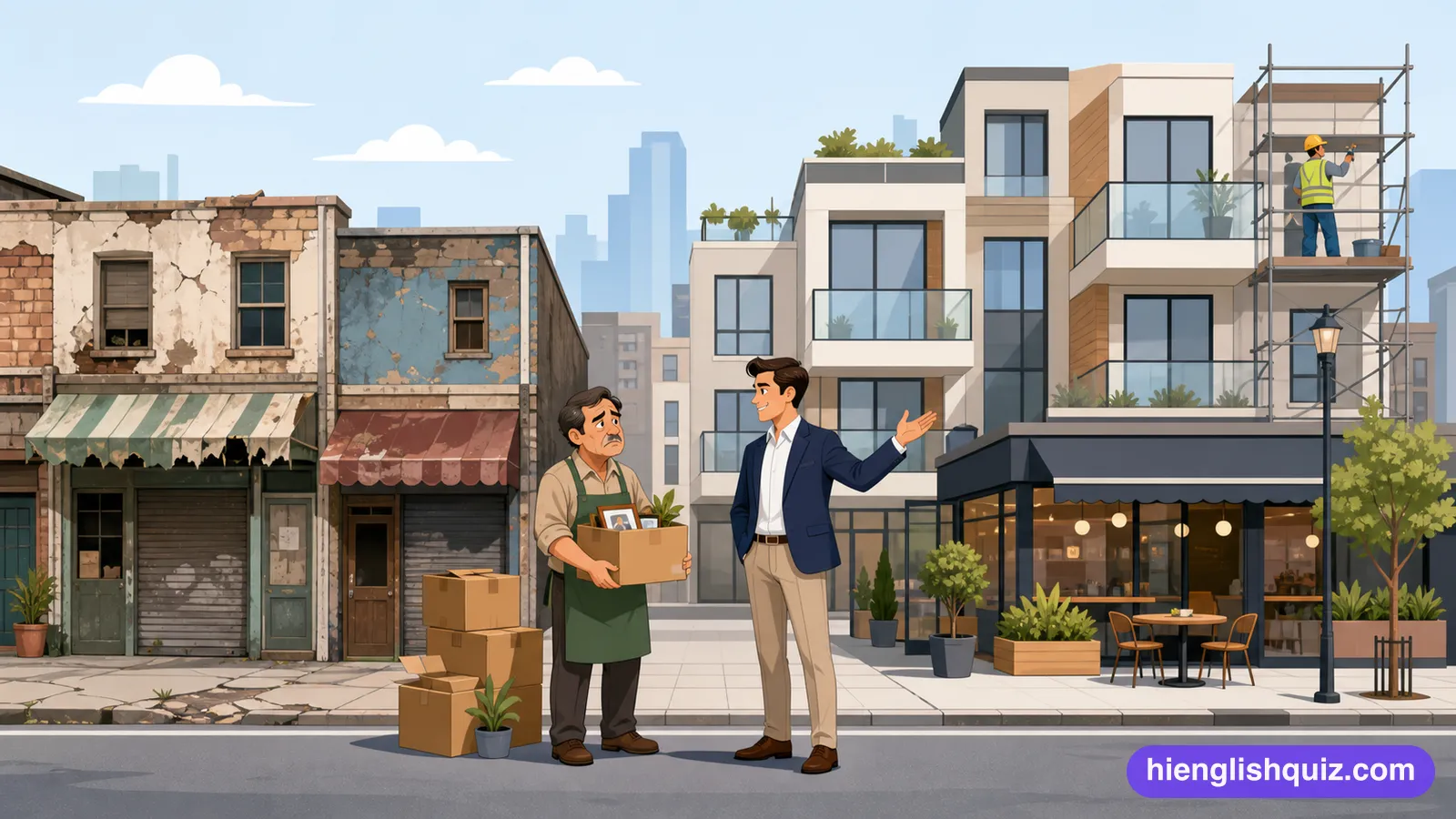
Ví dụ: Gentrification has pushed most of the old families out of the area.
Ví dụ: Rapid urbanisation has changed the country's landscape.

Ví dụ: Crime rates are often higher in the inner city.

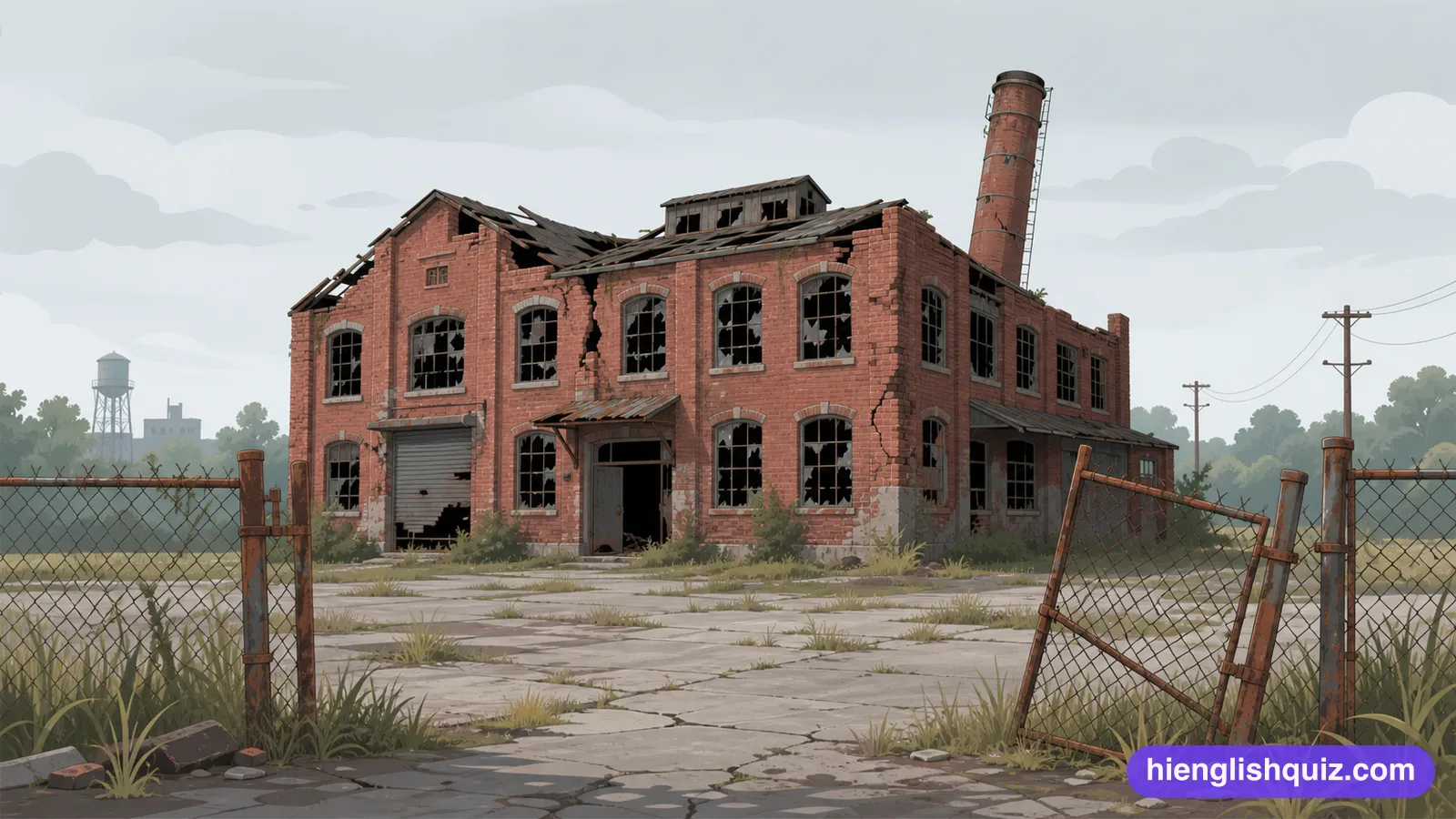
Ví dụ: The dilapidated warehouse was finally demolished.
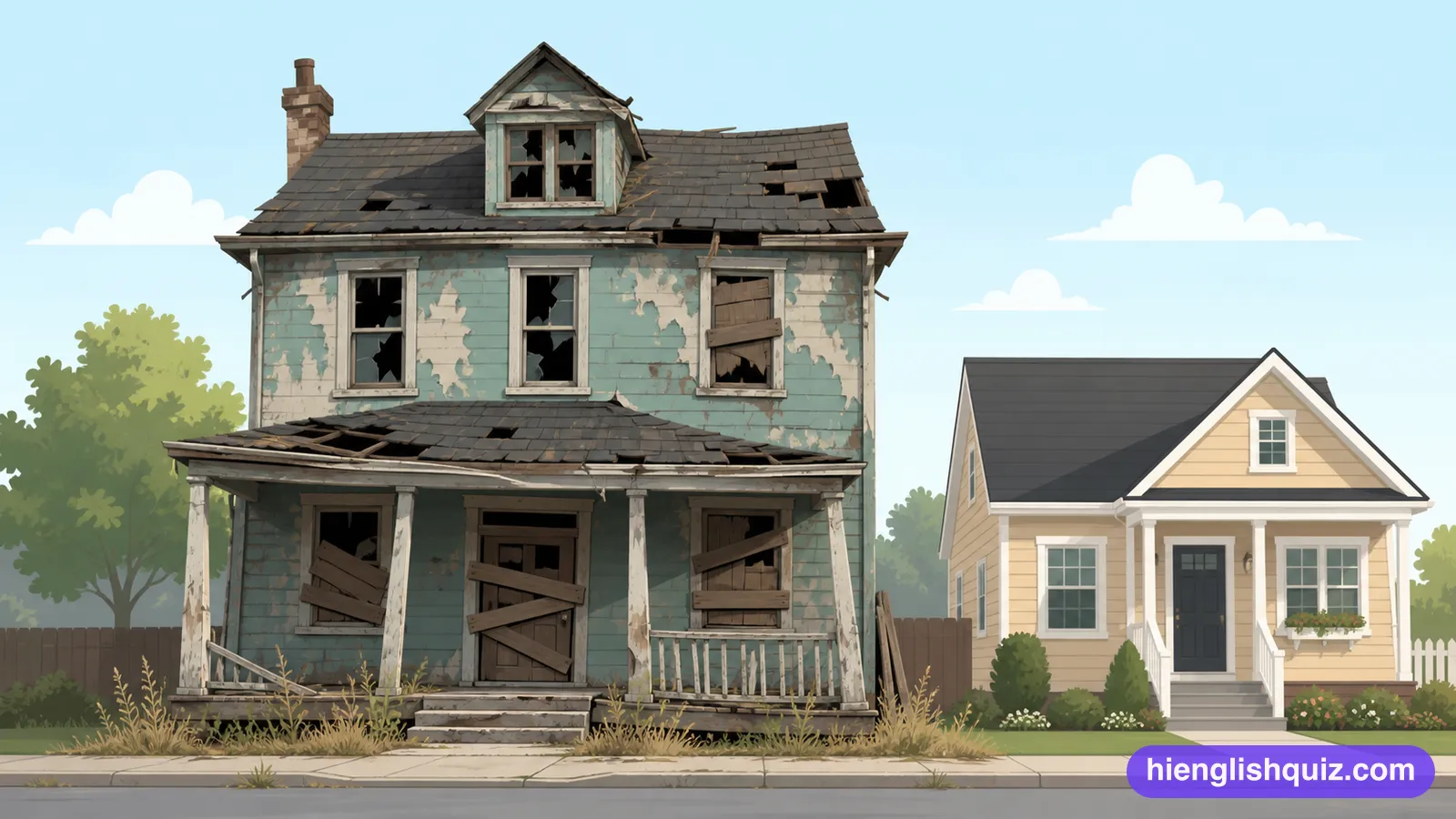
Ví dụ: They moved to a more affluent part of town.

Ví dụ: The charity works in some of the city's most deprived areas.
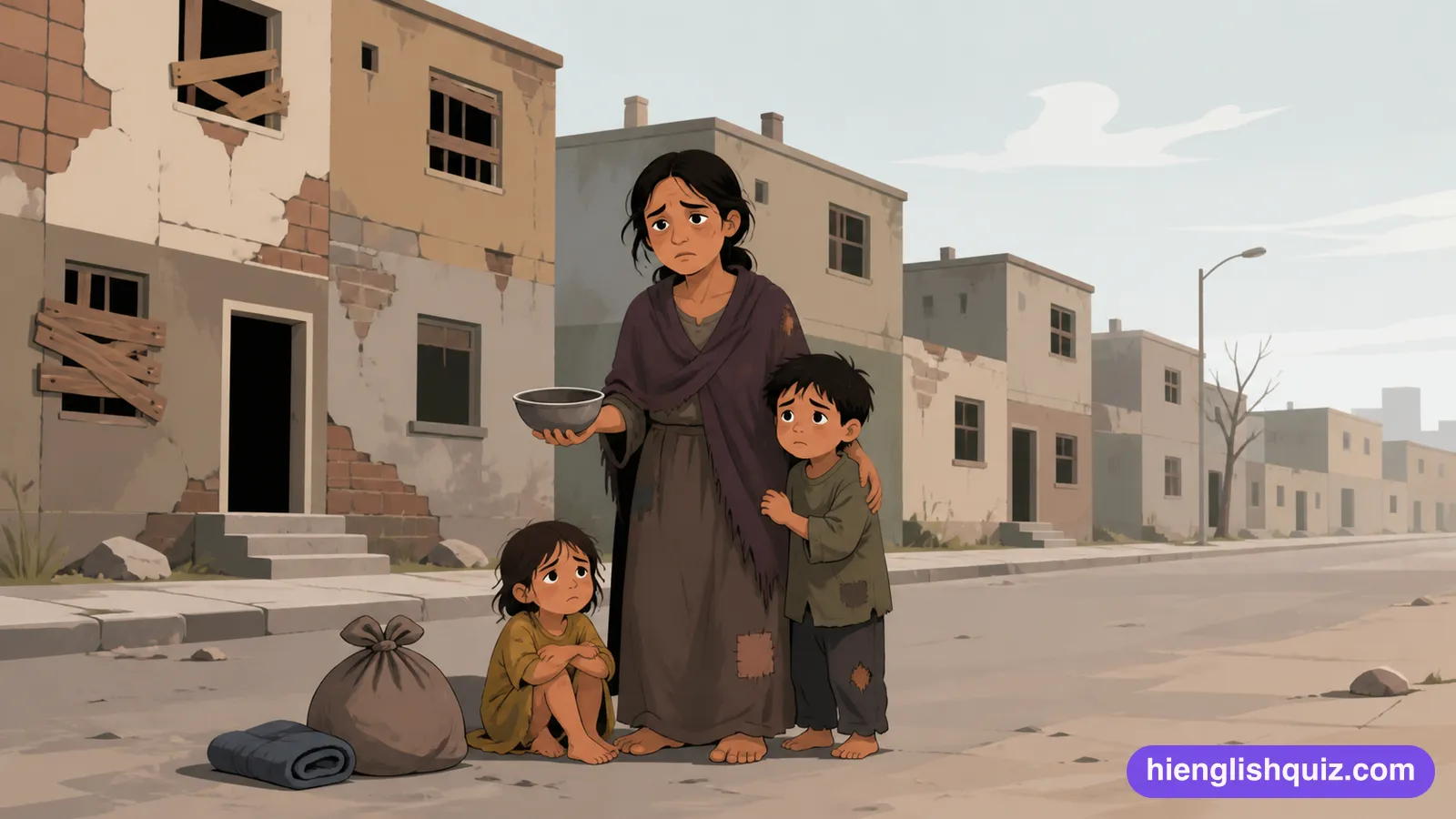
Ví dụ: New York has long been called a cultural melting pot.

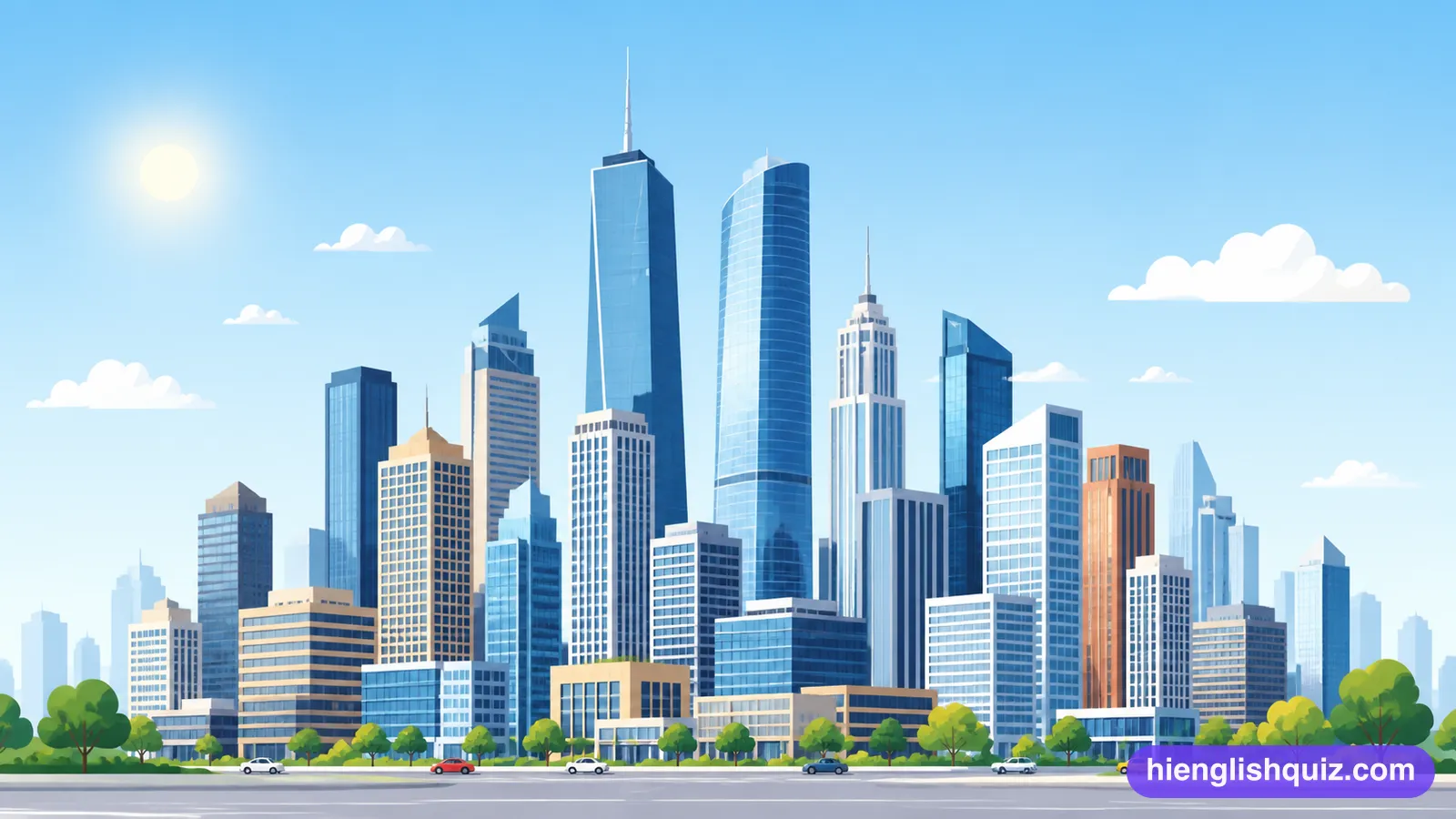
Ví dụ: From the hotel roof, we admired the whole cityscape.
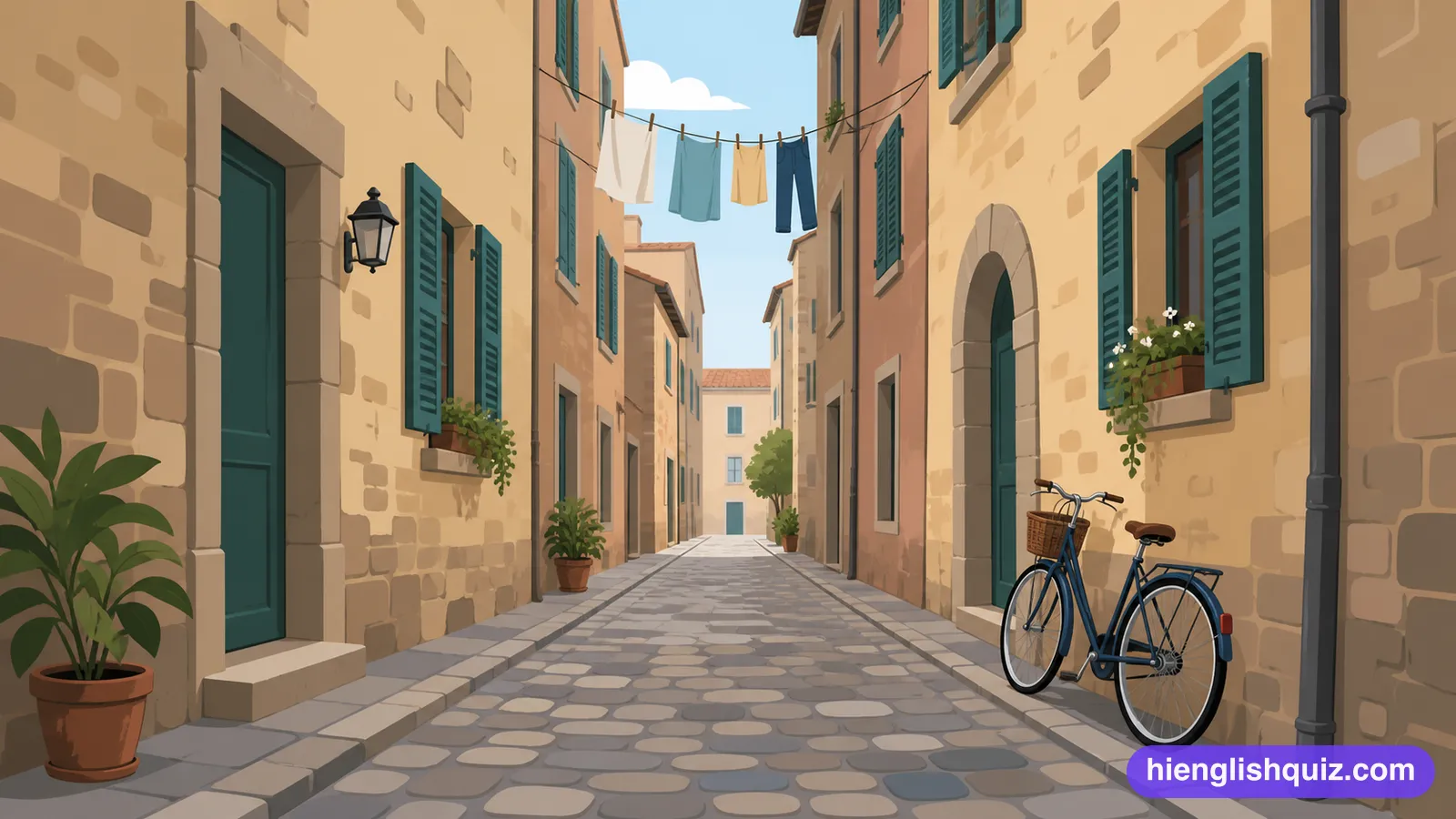
Ví dụ: The cafe hides down a dark alleyway behind the market.
Ví dụ: Take the underpass and you come out by the museum.

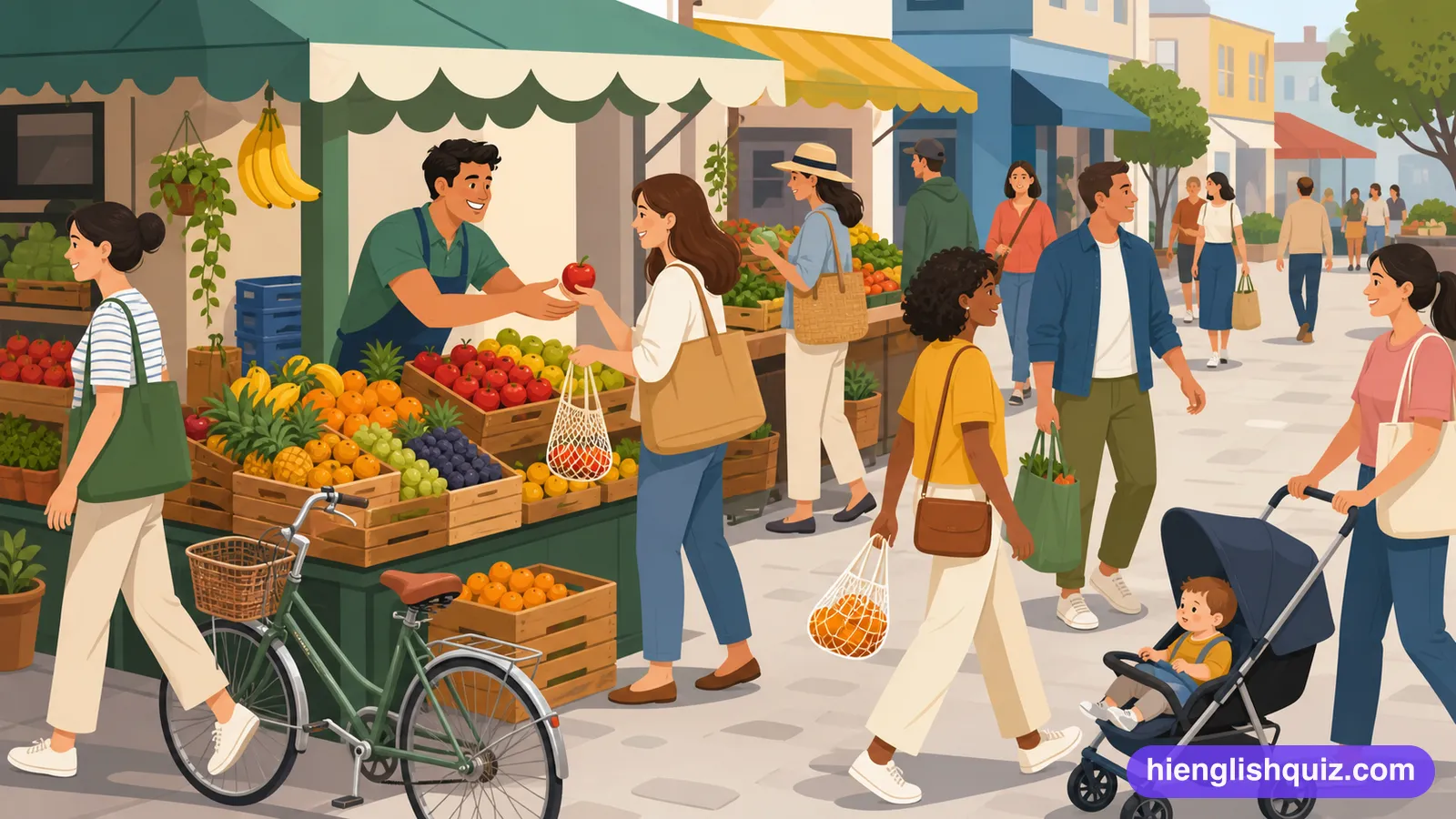
Ví dụ: The old town square was bustling with shoppers on Saturday morning.
Ví dụ: They want to turn the derelict factory into flats.
Ví dụ: Shoppers sheltered from the rain under the colonnade.

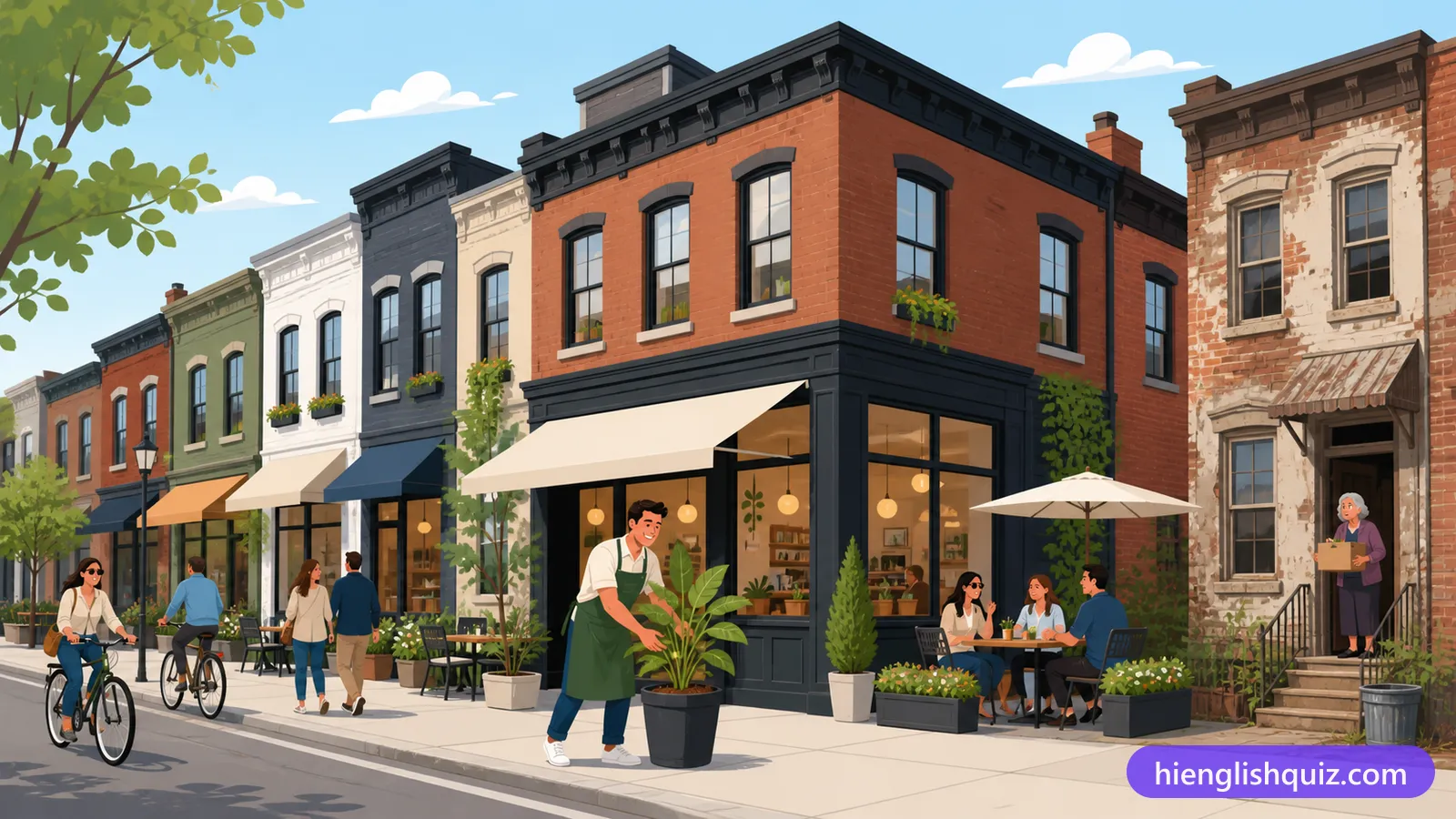
Ví dụ: The once-cheap neighbourhood is now completely gentrified.
Ví dụ: She missed the hustle and bustle of the market after moving to the countryside.

Ví dụ: The little tea room felt like the quintessential English cafe.

Ví dụ: The street has an eclectic mix of shops and cafes.

Ví dụ: The office was in a nondescript grey building.
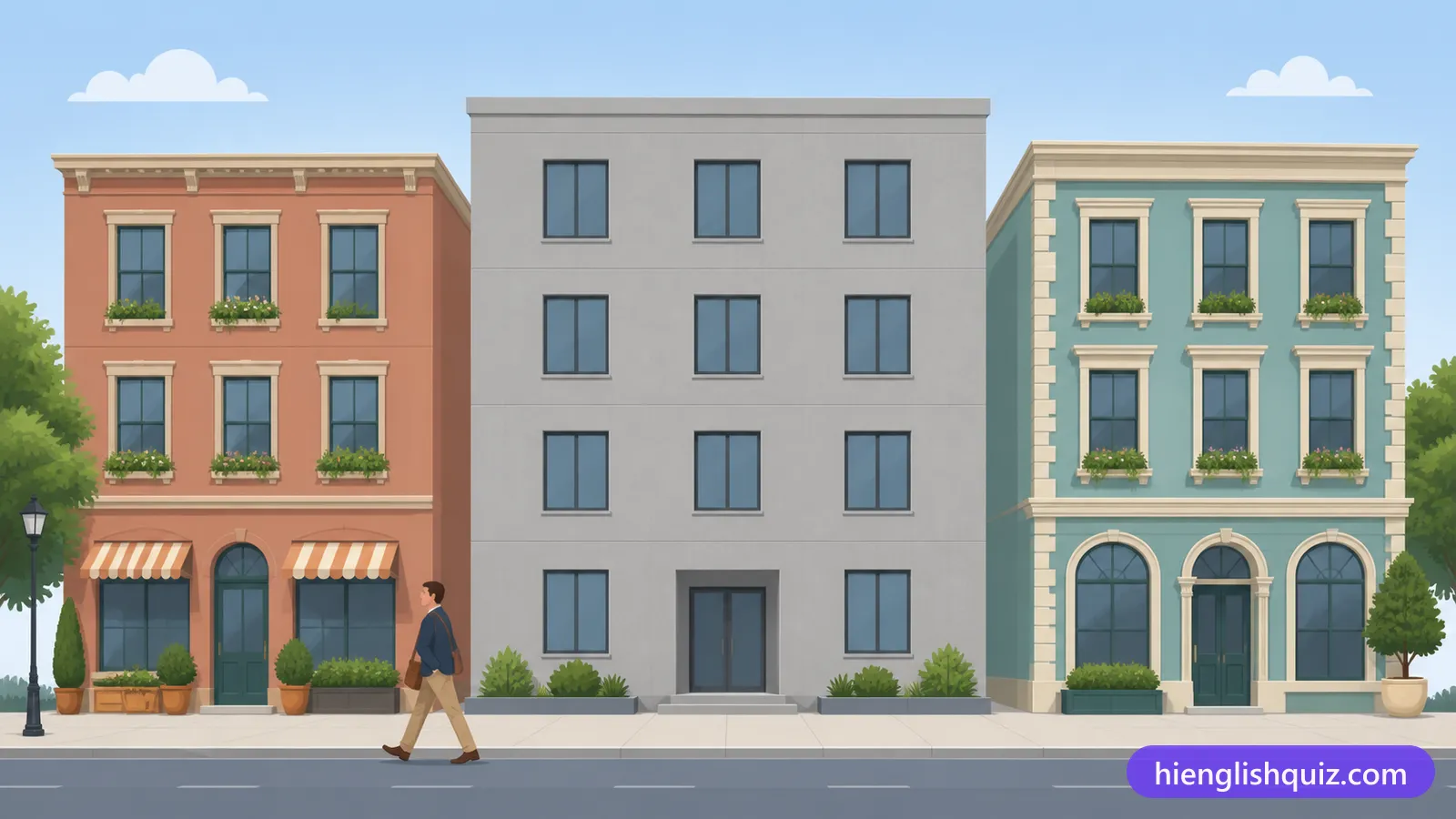
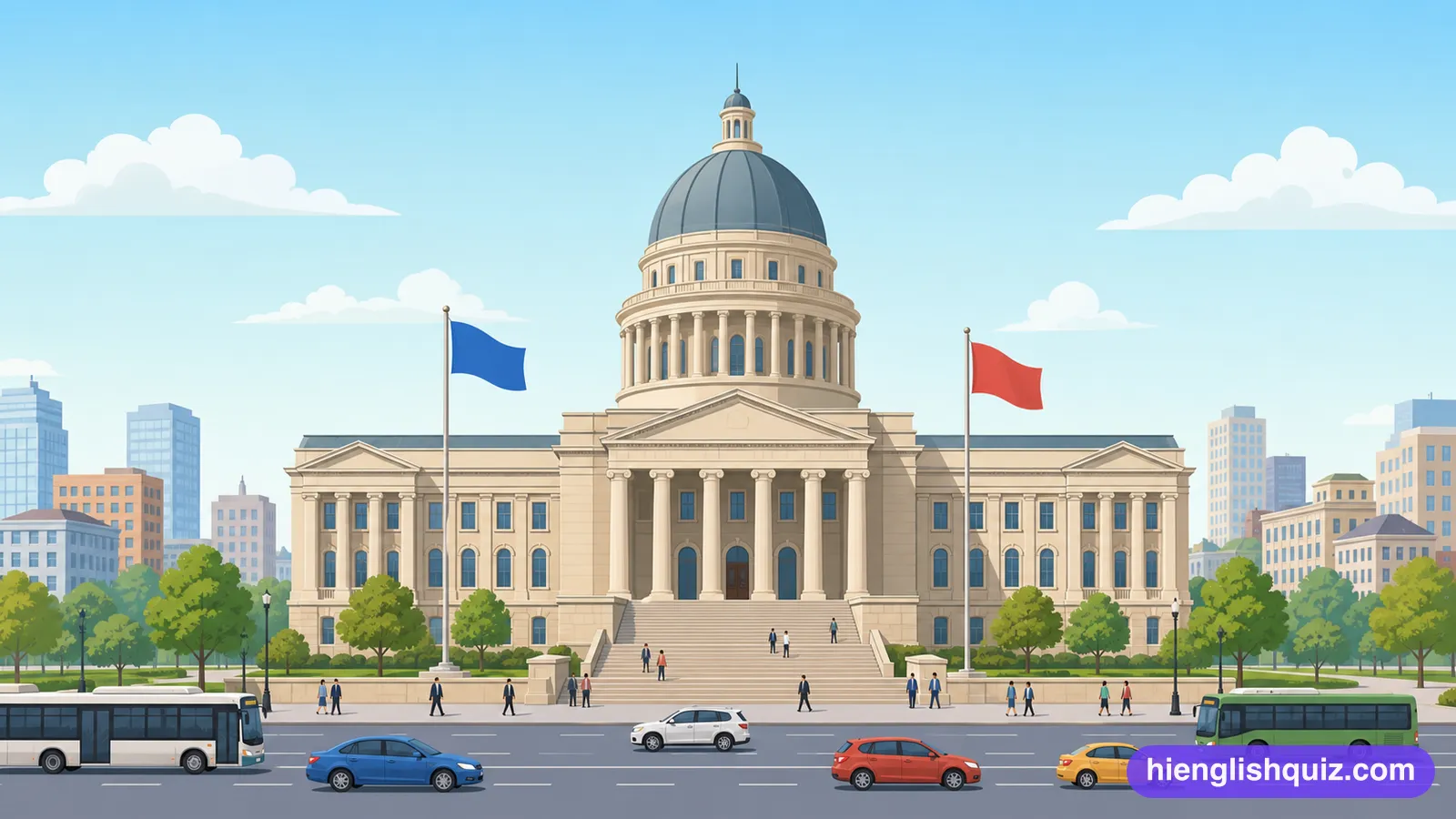
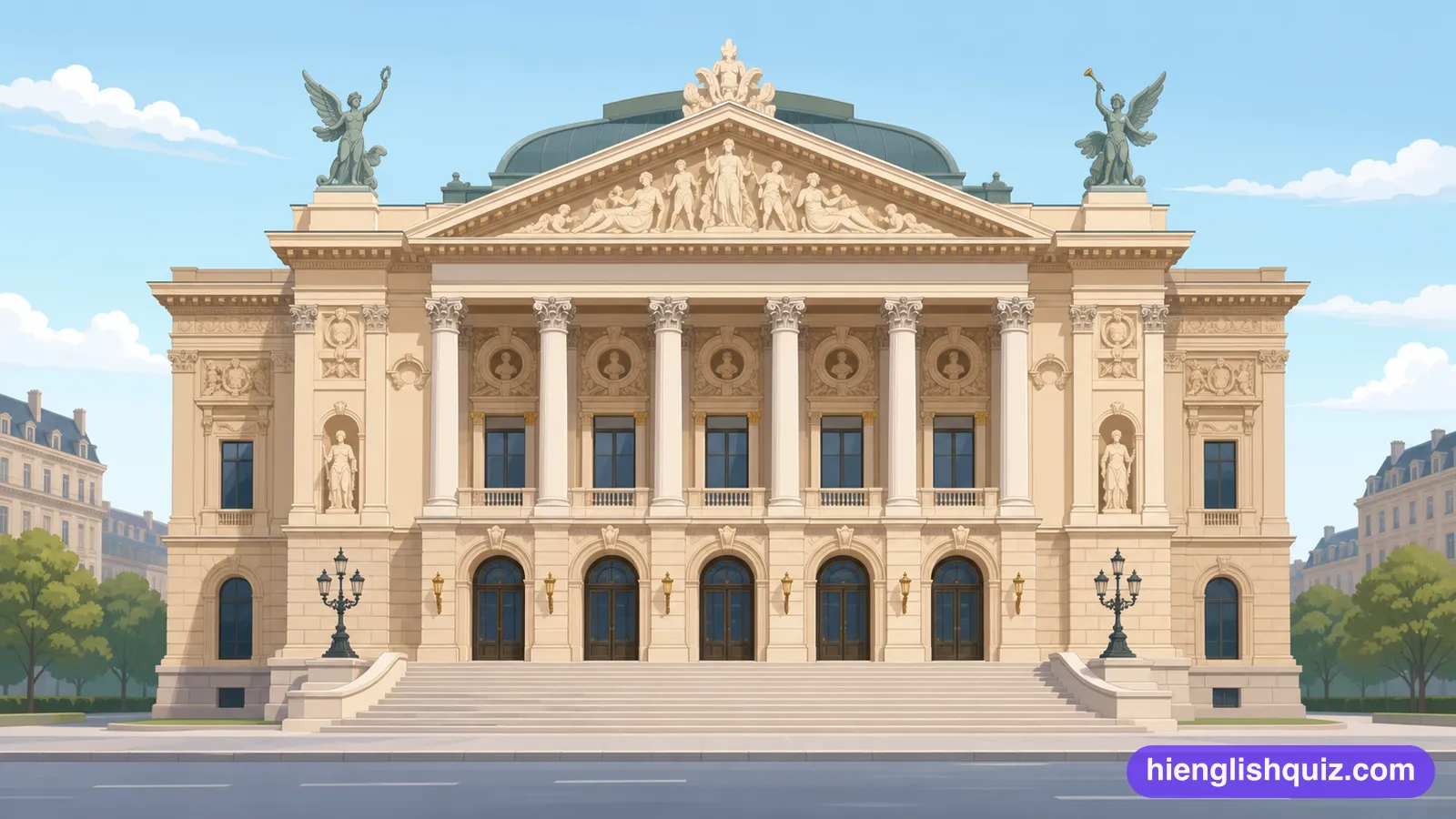
Ví dụ: The facade of the theatre is covered in carved stone.
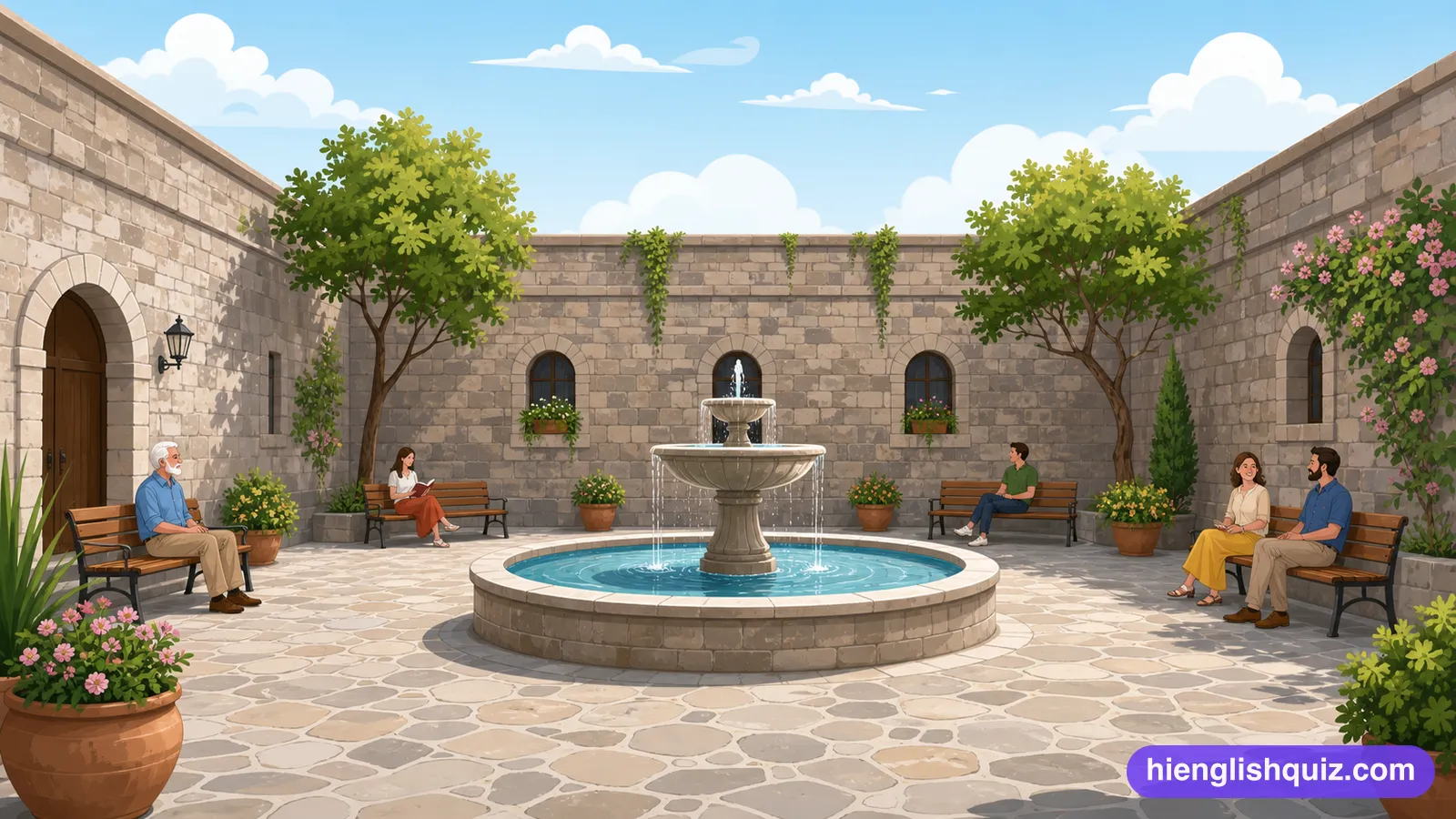
Ví dụ: Students eat lunch in the courtyard behind the library.