stubborn
/ˈstʌbərn/- Nghĩa tiếng Việt
- Bướng bỉnh
- Định nghĩa tiếng Anh
- The opposite of flexible — refusing to change your mind, even when you're wrong.
Ví dụ: My grandfather is too stubborn to ask anyone for directions.

 Hi EnglishQuiz
B220 từ · Trung cao
Từ vựng miêu tả người và địa điểm sâu sắc hơn như outgoing, humble, spacious và derelict, đối lập tính cách thẳng thắn, khéo léo với bướng bỉnh, và con phố sống động với đơn điệu.
Ví dụ: My grandfather is too stubborn to ask anyone for directions.
Ví dụ: She's very outgoing and makes friends wherever she goes.

Ví dụ: He got so conceited after winning the award that nobody could stand him.

Ví dụ: Living off-grid taught her to be resourceful, fixing things with whatever was on hand.

Ví dụ: That was a tactless thing to say about her weight, even if it was true.

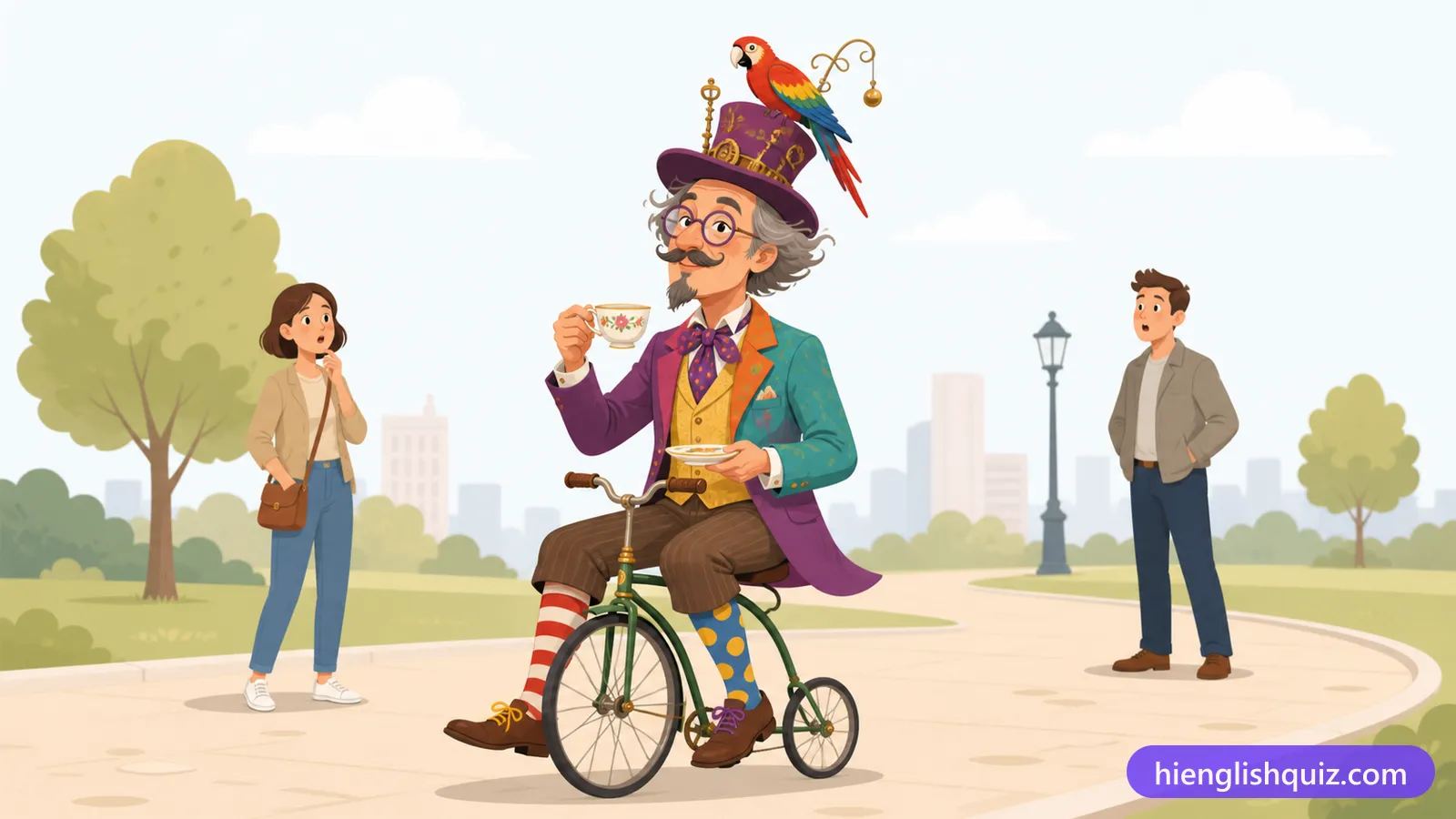
Ví dụ: Their eccentric uncle collects vintage typewriters and never answers the phone.
Ví dụ: I appreciated how candid she was about the mistakes in my proposal.

Ví dụ: Despite her success, she remained remarkably humble.

Ví dụ: She gave a diplomatic answer that offended no one.

Ví dụ: He's fairly introverted and needs time alone to recharge.

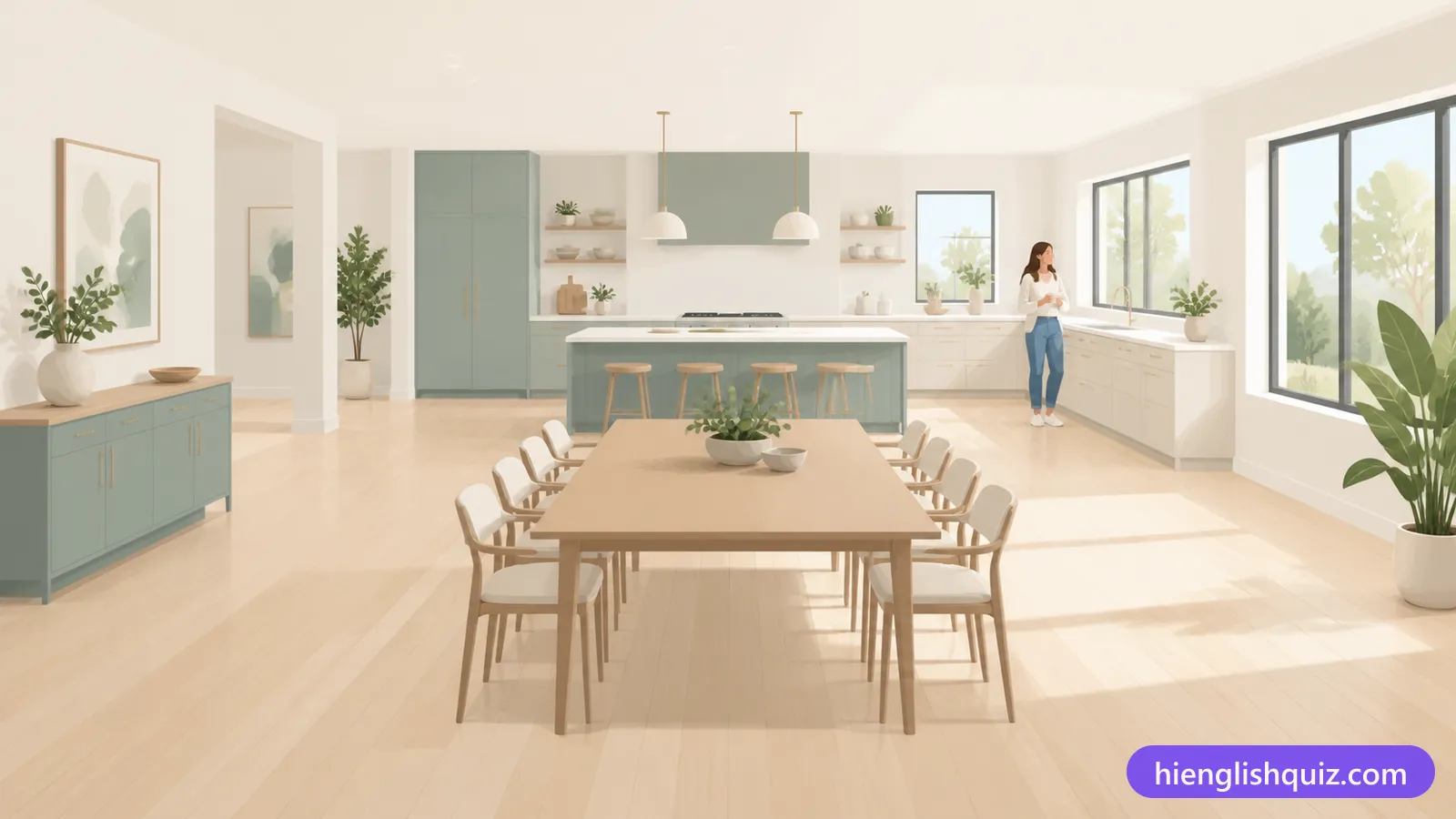
Ví dụ: Their new kitchen is bright and spacious, with room for a big table.
Ví dụ: Five of us shared one cramped office with no windows.

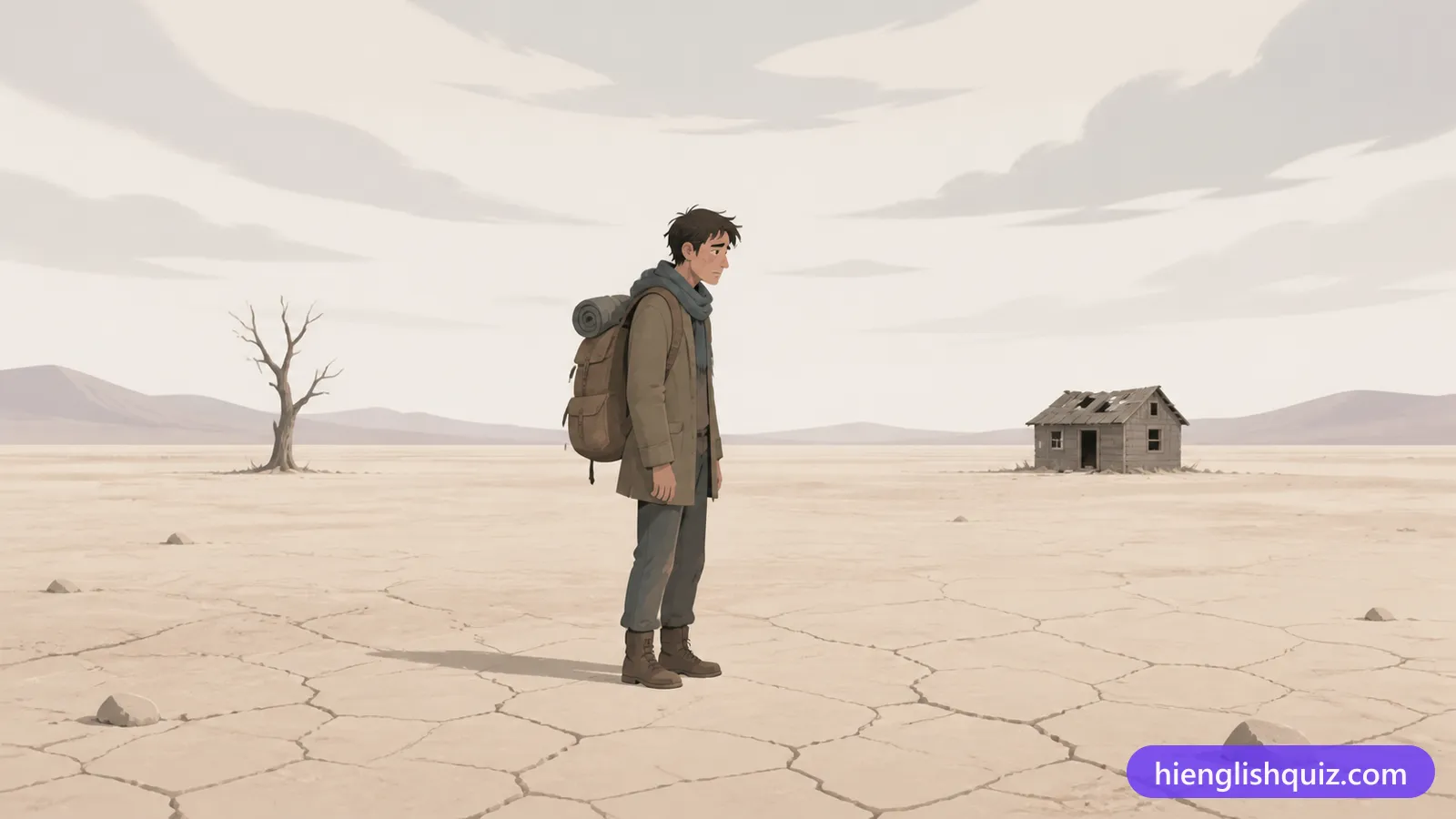
Ví dụ: After the factory closed, the whole town felt desolate.
Ví dụ: The market's vibrant stalls were piled high with spices and fruit.

Ví dụ: The factory job involved monotonous, repetitive tasks all day long.

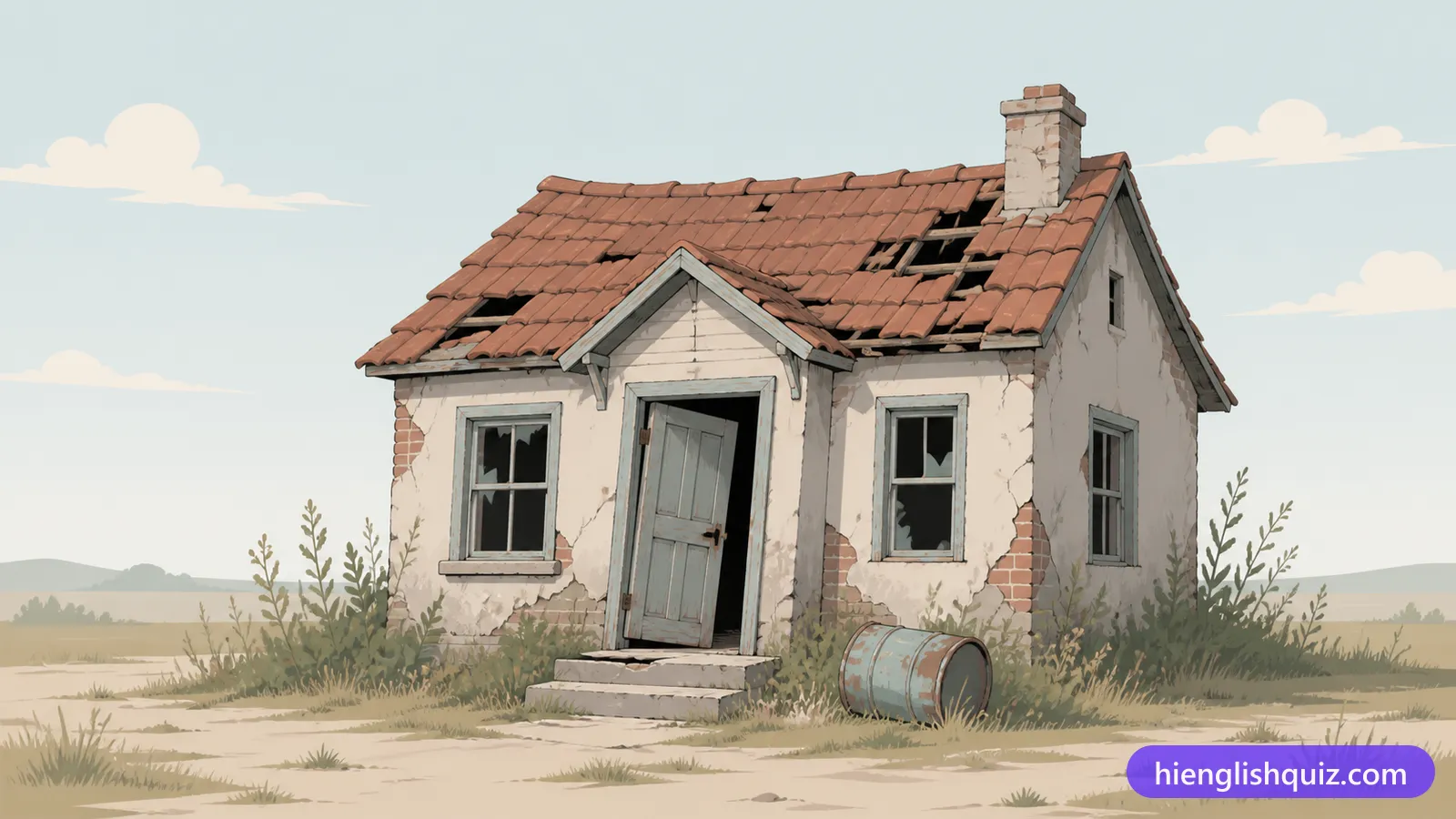
Ví dụ: An old derelict factory stood at the edge of town.
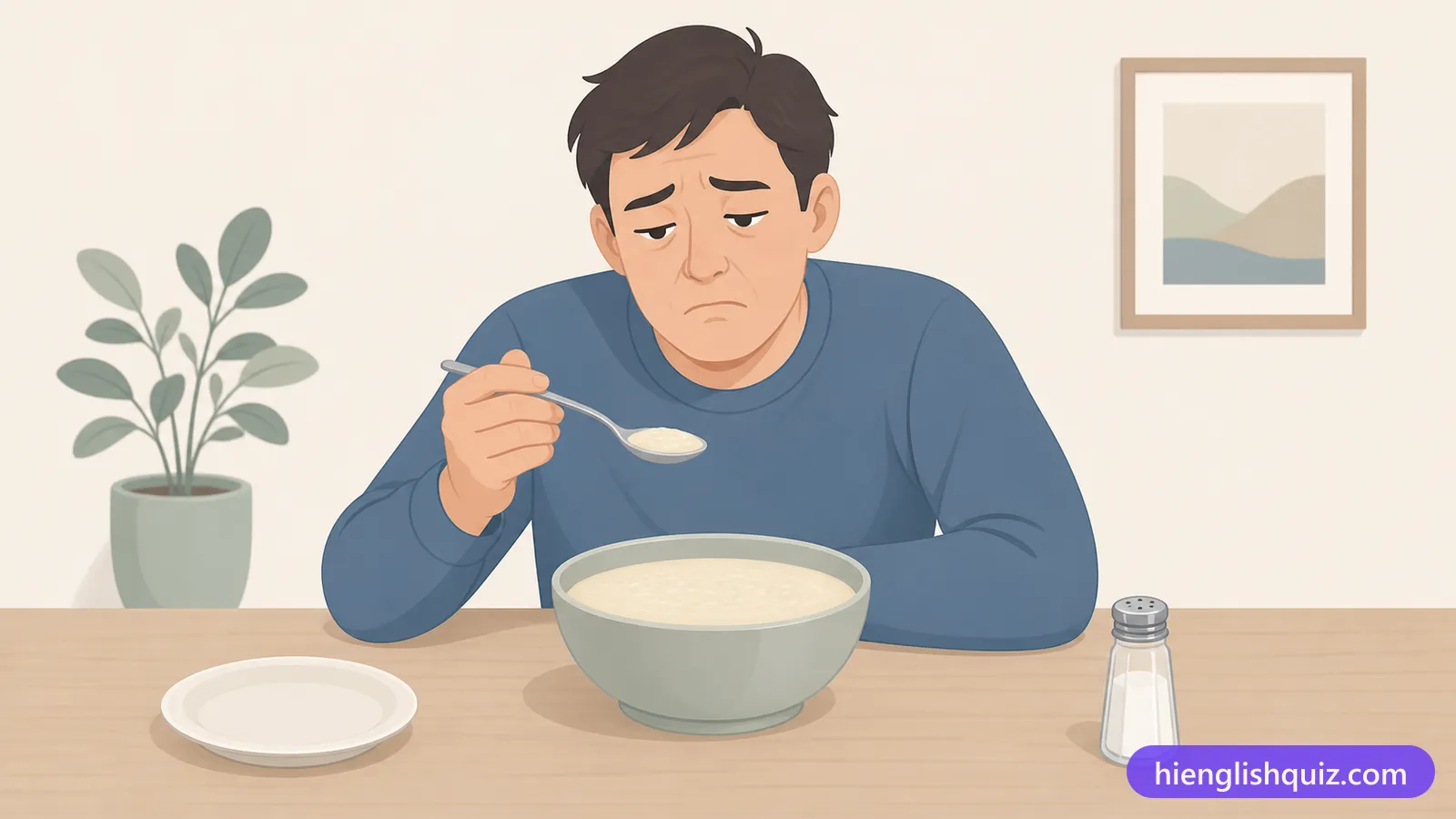
Ví dụ: The hotel room was clean but completely bland.
Ví dụ: Their new apartment feels really roomy.

Ví dụ: We took the scenic route along the coast.

Ví dụ: The city is one of the most densely populated places in Europe.