A214 từ · Sơ trung cấp

Từ vựng tiếng Anh về Miêu tả đặc điểm — A2

Từ vựng miêu tả độ dễ, khó hay tốt của một việc như simple, tricky, confusing và fantastic, những từ đầu tiên người học dùng để đánh giá một công việc hay một ý tưởng.

14 câu

Các từ trong bài

14
  1. simple

    /ˈsɪmpəl/
    Nghĩa tiếng Việt
    Đơn giản (dễ hiểu dễ làm)
    Định nghĩa tiếng Anh
    The opposite of hard — easy to understand or do.

    Ví dụ: The recipe was simple, so even I could cook it.

    Hình minh họa cho từ simple
  2. tough

    /tʌf/
    Nghĩa tiếng Việt
    Khó khăn
    Định nghĩa tiếng Anh
    Another word for difficult — takes real effort to get through.

    Ví dụ: That exam was really tough this year.

    Hình minh họa cho từ tough
  3. tricky

    /ˈtrɪki/
    Nghĩa tiếng Việt
    Hóc búa (ẩn khó khăn bất ngờ)
    Định nghĩa tiếng Anh
    The informal word for complicated, used when a task hides an unexpected problem.

    Ví dụ: Parking here is quite tricky during rush hour.
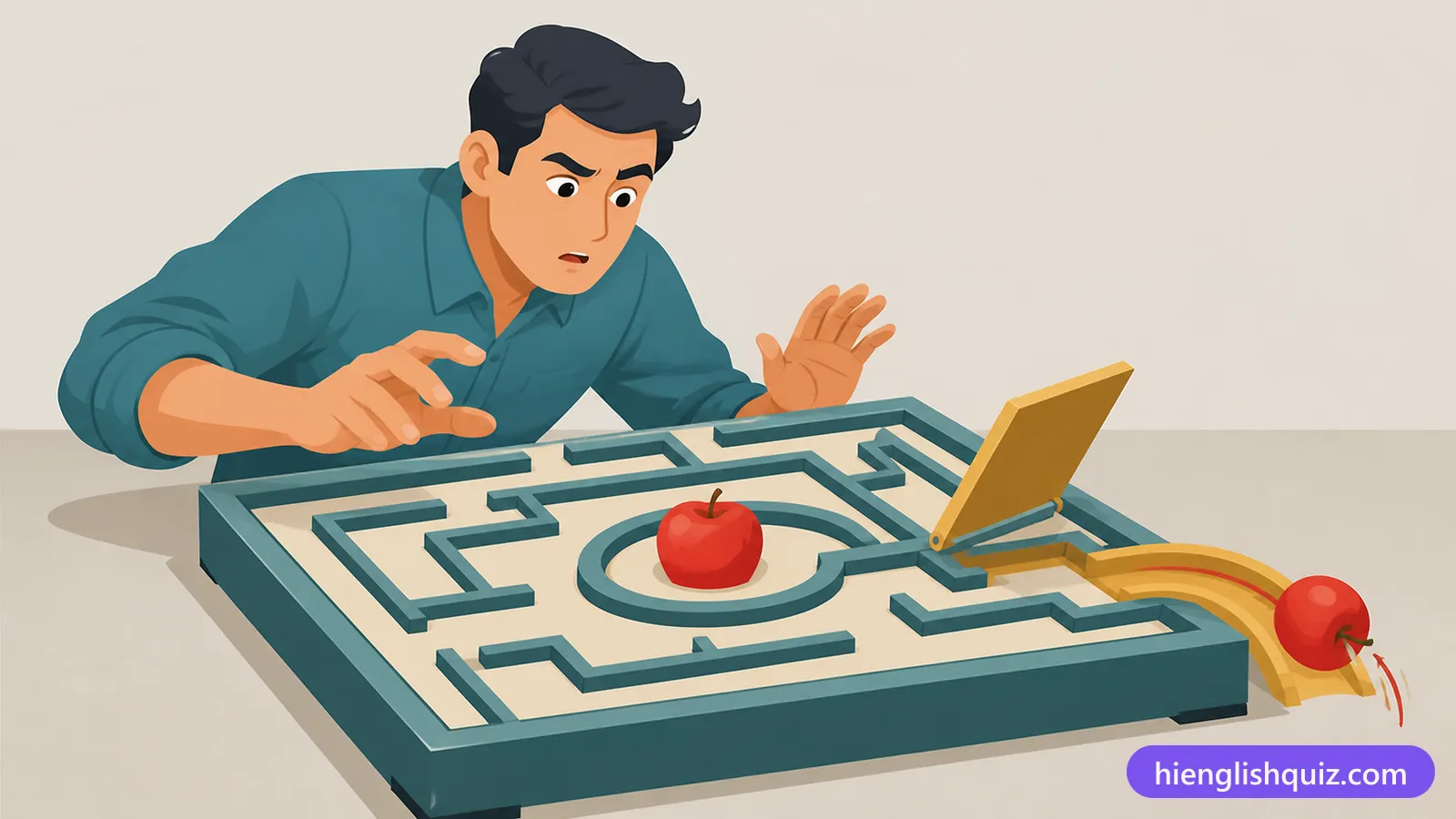
    Hình minh họa cho từ tricky
  4. impossible

    /ˌɪmˈpɑsəbəl/
    Nghĩa tiếng Việt
    Không thể
    Định nghĩa tiếng Anh
    The opposite of possible — something that cannot be done at all.

    Ví dụ: It's almost impossible to find parking downtown.
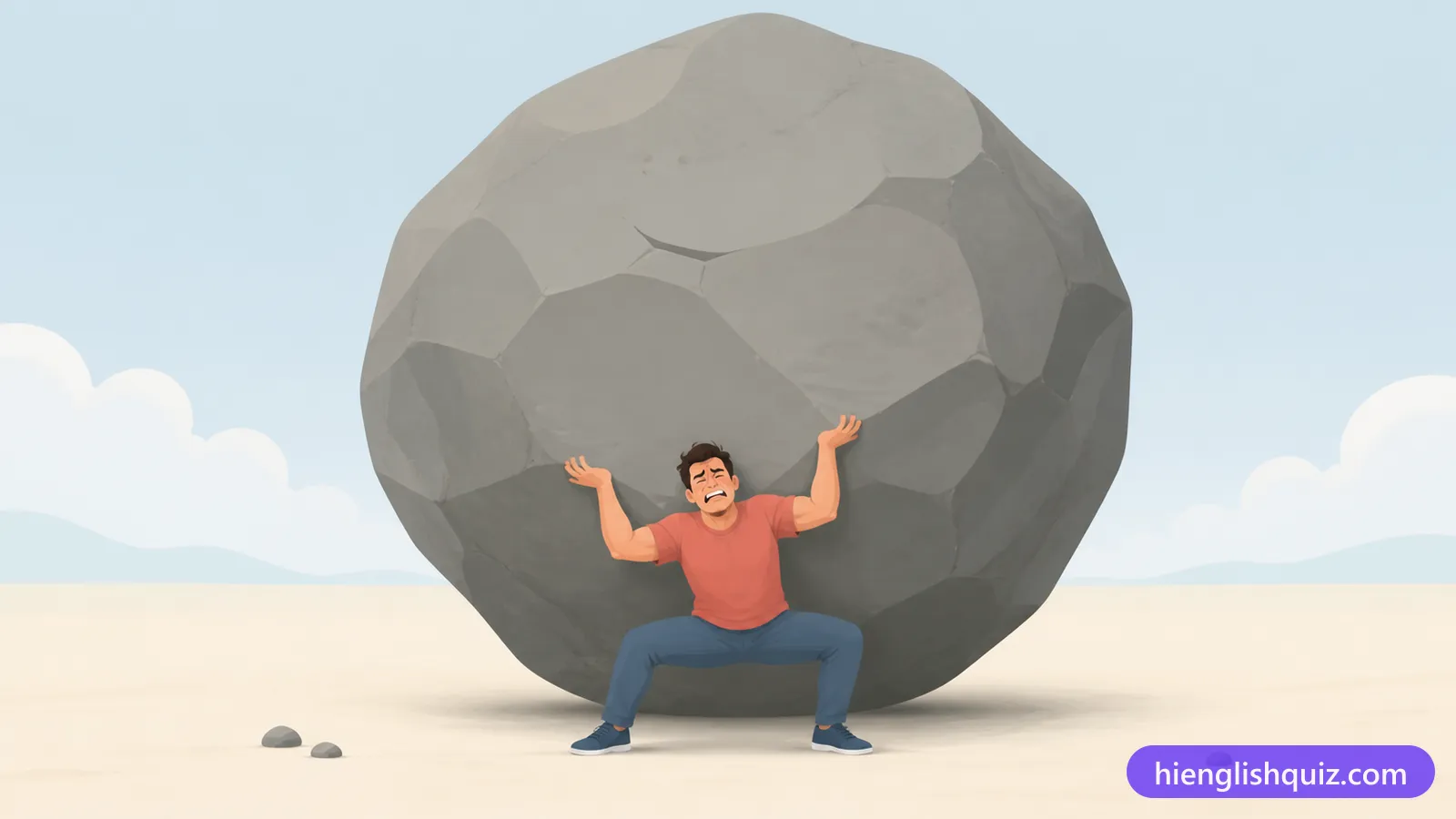
    Hình minh họa cho từ impossible
  5. basic

    /ˈbeɪsɪk/
    Nghĩa tiếng Việt
    Cơ bản (ít bước, dễ)
    Định nghĩa tiếng Anh
    Another word for easy — needs very few steps to finish.

    Ví dụ: It's just a basic recipe — flour, water and salt.

    Hình minh họa cho từ basic
  6. complicated

    /ˈkɑmpləˌkeɪtəd/
    Nghĩa tiếng Việt
    Phức tạp
    Định nghĩa tiếng Anh
    The opposite of simple — hard to understand because it has many parts.

    Ví dụ: The tax form looked more complicated than it really was.

    Hình minh họa cho từ complicated
  7. confusing

    /kənˈfjuzɪŋ/
    Nghĩa tiếng Việt
    Khó hiểu
    Định nghĩa tiếng Anh
    The opposite of clear — badly organised and hard to follow.

    Ví dụ: The bus map downtown is really confusing for tourists.

    Hình minh họa cho từ confusing
  8. clear

    /klɪr/
    Nghĩa tiếng Việt
    Rõ ràng (dễ hiểu)
    Định nghĩa tiếng Anh
    The opposite of confusing — easy to follow and understand.

    Ví dụ: The teacher gave clear instructions for the homework.
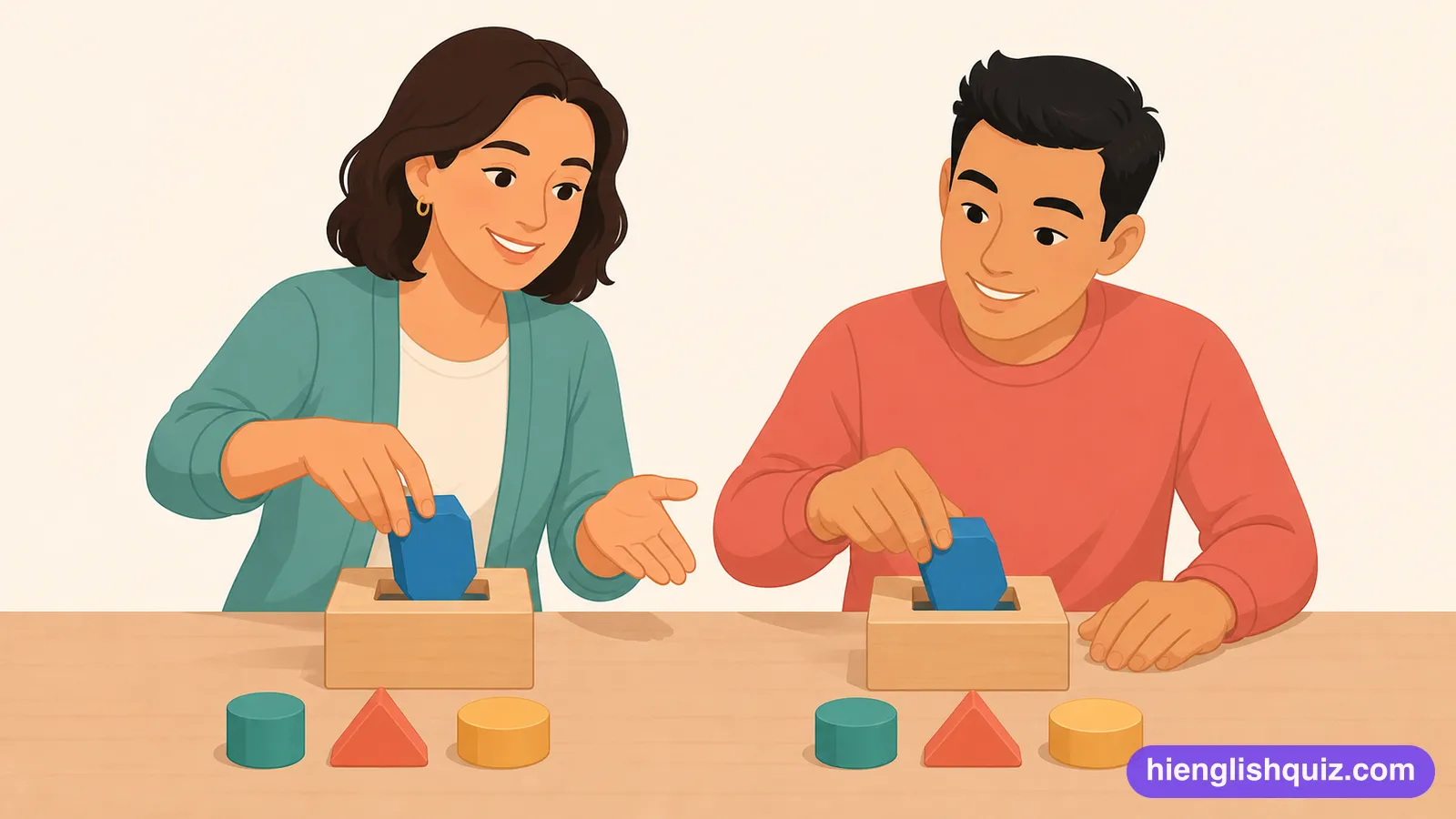
    Hình minh họa cho từ clear
  9. possible

    /ˈpɑsəbəl/
    Nghĩa tiếng Việt
    Có thể xảy ra
    Định nghĩa tiếng Anh
    The opposite of unlikely — able to happen or be true.

    Ví dụ: It's still possible to catch the last train if we hurry.

    Hình minh họa cho từ possible
  10. easy

    /ˈizi/
    Nghĩa tiếng Việt
    Dễ dàng
    Định nghĩa tiếng Anh
    The opposite of tough — not needing much skill, effort or thought to do.

    Ví dụ: The test was surprisingly easy this year.

    Hình minh họa cho từ easy
  11. terrible

    /ˈtɛrəbəl/
    Nghĩa tiếng Việt
    Kinh khủng
    Định nghĩa tiếng Anh
    Another word for awful — extremely unpleasant, close to shocking.

    Ví dụ: The film was terrible — we left after twenty minutes.

    Hình minh họa cho từ terrible
  12. fantastic

    /fænˈtæstɪk/
    Nghĩa tiếng Việt
    Tuyệt vời (gây ấn tượng mạnh)
    Định nghĩa tiếng Anh
    Another word for wonderful — impressive enough to make people take notice.

    Ví dụ: The concert last night was absolutely fantastic.

    Hình minh họa cho từ fantastic
  13. silly

    /ˈsɪli/
    Nghĩa tiếng Việt
    Ngốc nghếch (lỗi nhỏ vô hại)
    Định nghĩa tiếng Anh
    The informal word for stupid, used about a small, harmless mistake.

    Ví dụ: I felt so silly when I forgot my own phone number.

    Hình minh họa cho từ silly
  14. kind

    /kaɪnd/
    Nghĩa tiếng Việt
    Tốt bụng
    Định nghĩa tiếng Anh
    Another word for caring — someone who thinks about other people's feelings.

    Ví dụ: It was really kind of you to help me carry the bags.

    Hình minh họa cho từ kind

Chủ đề này ở các trình độ khác

Khám phá thêm từ vựng Từ đồng nghĩa và trái nghĩa

Tất cả bài chủ đề Từ đồng nghĩa và trái nghĩa

Từ vựng tiếng Anh về Miêu tả đặc điểm (A2): 14 từ kèm nghĩa, ví dụ và bài tập