A112 questions · Beginner · Modal Verbs and Related Expressions

Can and Can't Exercises with Answers

Multiple-choice practice on can and can't: the one unchanging form, the bare verb that follows it, questions without do, short answers, and the difference between asking permission and making a request. Every question is followed by the answer and an explanation.

12 questions

Sample questions with answers

  1. ____ you speak French? — Only a little.

    • A. Can(correct answer)
    • B. Do
    • C. Are
    • D. Does

    Why: The question is about ability, which is can, and can needs no help to form a question — it simply goes to the front. "Do you speak French?" is a real question too, but it asks whether you use the language, not whether you are able to.
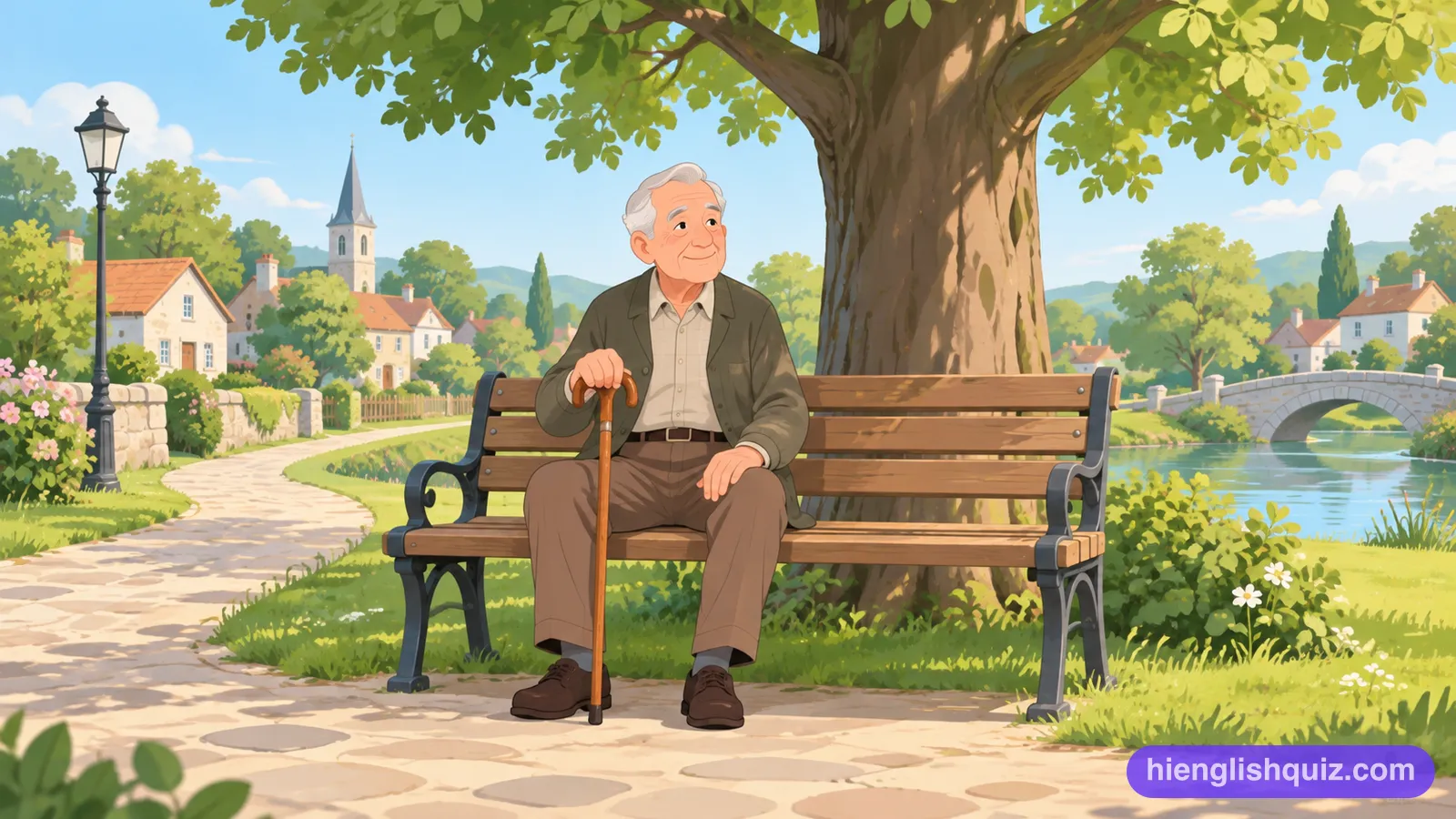

  2. My grandfather is eighty, but he ____ ride a bike.

    • A. can still(correct answer)
    • B. cans still
    • C. can to still
    • D. still cans

    Why: Can never takes -s, whatever the subject. Adverbs such as still, always and never go after can and before the main verb, which stays in its base form.

  3. We ____ hear you. Could you speak a bit louder?

    • A. can't(correct answer)
    • B. don't can
    • C. can not to
    • D. aren't can

    Why: Can builds its own negative by adding n't, so no do and no be are involved. Notice the polite Could you…? in the second sentence — a softer way of asking than Can you…?

Lessons on this topic

  • Can / Can't

    How can works: one form for every subject, a bare verb after it, questions without do, and short answers with can and can't.

  • Could and Couldn't

    How to use could and couldn't for what people were or weren't able to do in the past: the forms, questions, short answers, and polite Could you…?

  • Must and Have To

    Must and have to both mean it is necessary. Has to and had to change form, must never does. Mustn't means don't do it; don't have to means you don't need to.

  • Should and Shouldn't

    How to give advice with should and shouldn't: the base verb after should, Should I…? questions, I don't think you should, and the difference from must.

More Modal Verbs and Related Expressions exercises

All Modal Verbs and Related Expressions exercises

Can and Can't Exercises with Answers (A1): 12 questions with explanations | Hi English Quiz